Microchannel Heat Exchangers vs Plate Exchangers: Key Trade-Offs




Choosing between microchannel heat exchangers and plate exchangers affects more than thermal performance. It changes equipment layout, refrigerant strategy, cleaning routines, capital planning, and the risk profile of an industrial project.
That is why this comparison matters across cooling, compressed air, vacuum, and process temperature control. In sectors where uptime, energy cost, and environmental compliance now move together, exchanger selection has become a system decision, not a component decision.
From the perspective of GTC-Matrix, this topic sits at the center of industrial efficiency. Heat exchange design increasingly reflects broader pressures: low-carbon operations, refrigerant transitions, tighter footprints, and the need for data-backed lifecycle choices.
Why the comparison has become more important
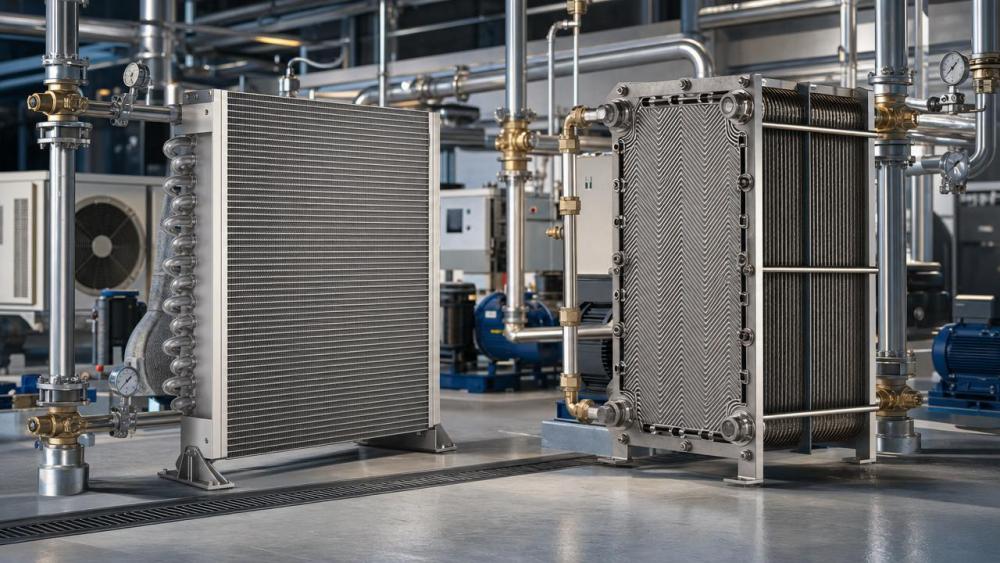
A decade ago, many projects treated exchanger type as a familiar specification item. Today, it is tied to energy targets, operating resilience, and how quickly a facility can adapt to changing process loads.
Microchannel heat exchangers are gaining visibility because they support compact system design and lower refrigerant charge. Plate exchangers remain strong where serviceability, process flexibility, or liquid-to-liquid duty dominate.
The trade-off is rarely about one technology replacing the other everywhere. It is about matching heat transfer architecture to the actual duty cycle, site conditions, and long-term maintenance model.
Two designs, two different operating logics
Microchannel heat exchangers typically use flat multiport tubes and fins, often in aluminum construction. Their geometry creates a large surface area within a compact volume, which supports fast heat rejection or absorption.
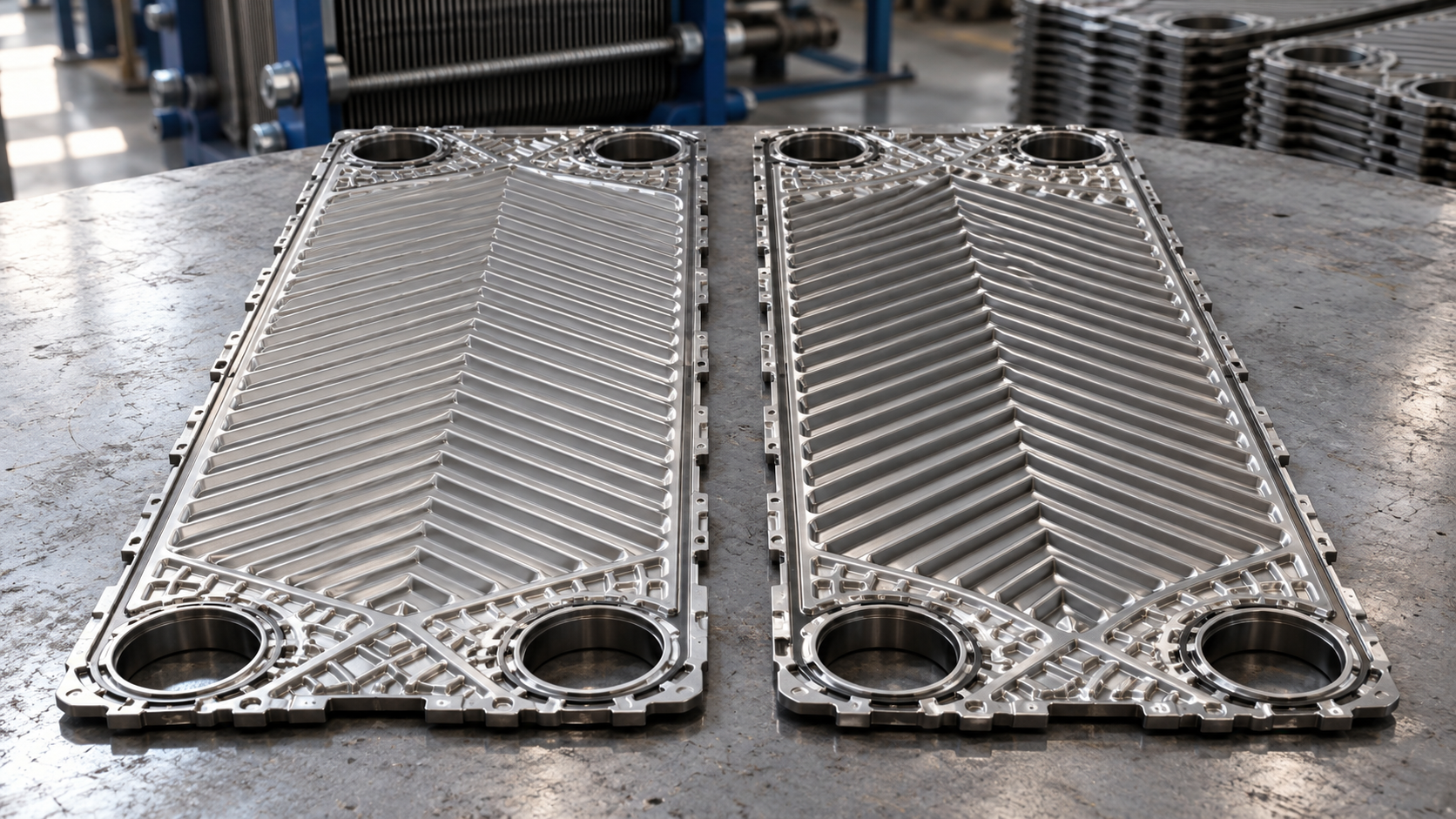
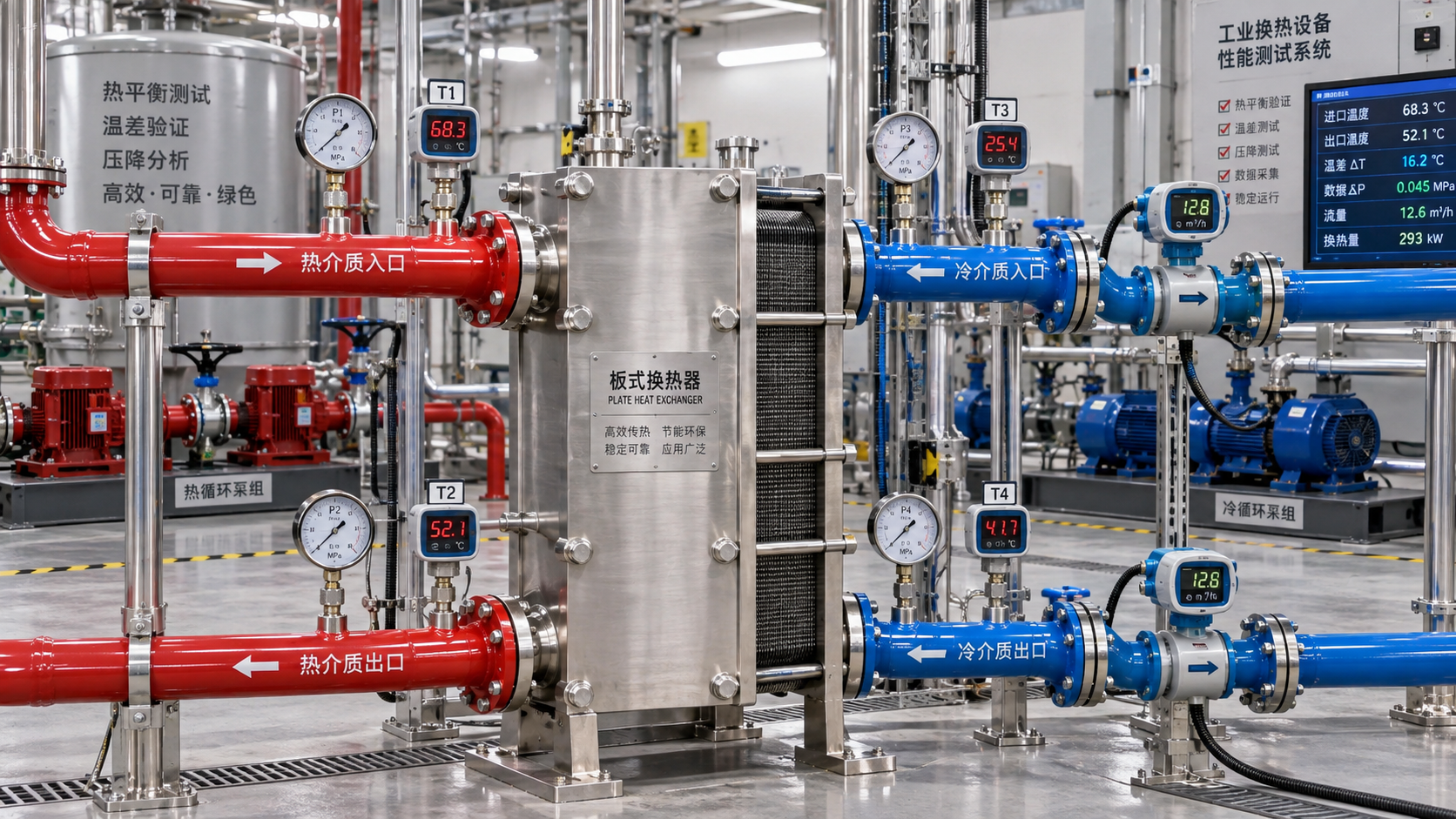
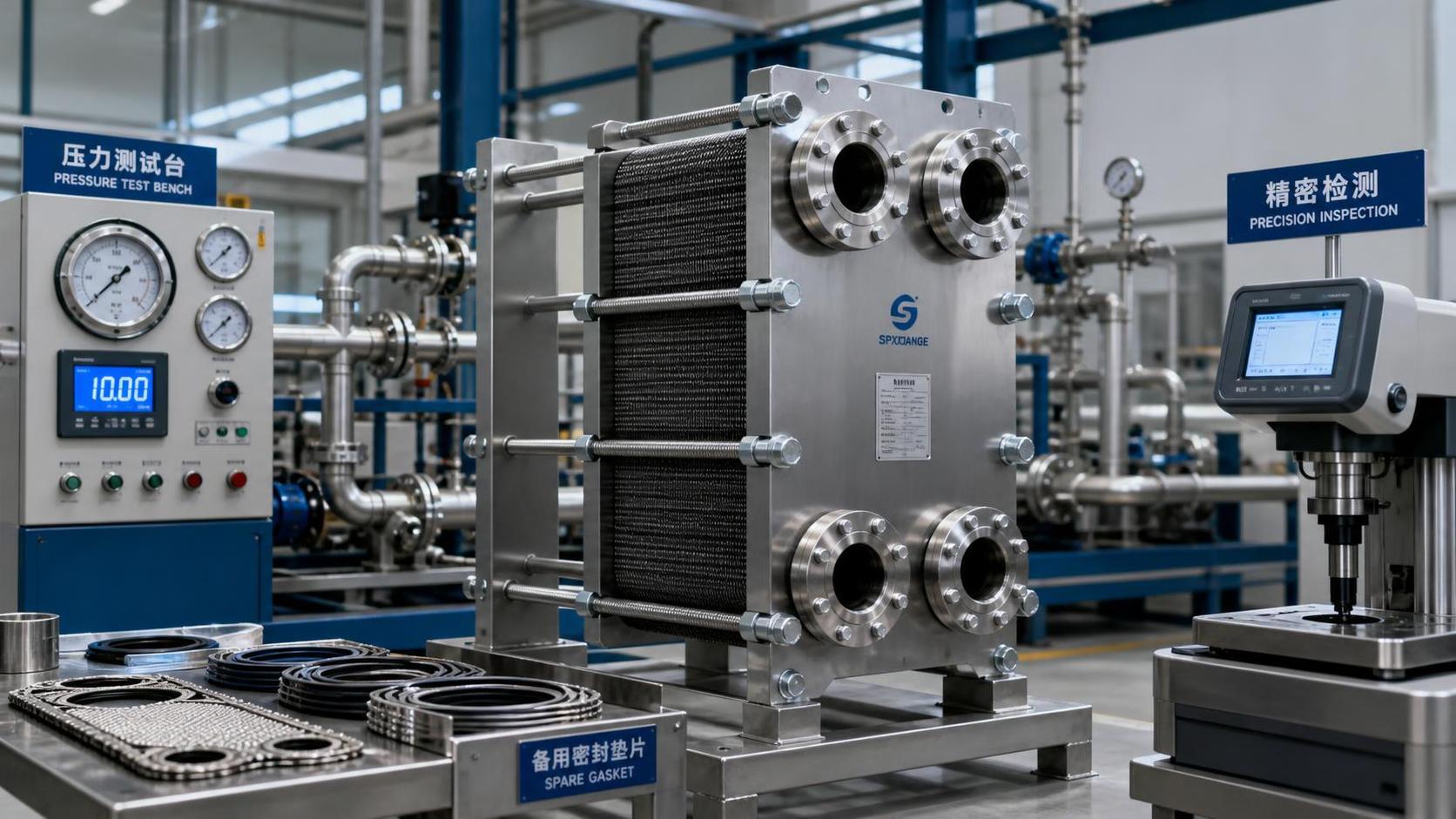
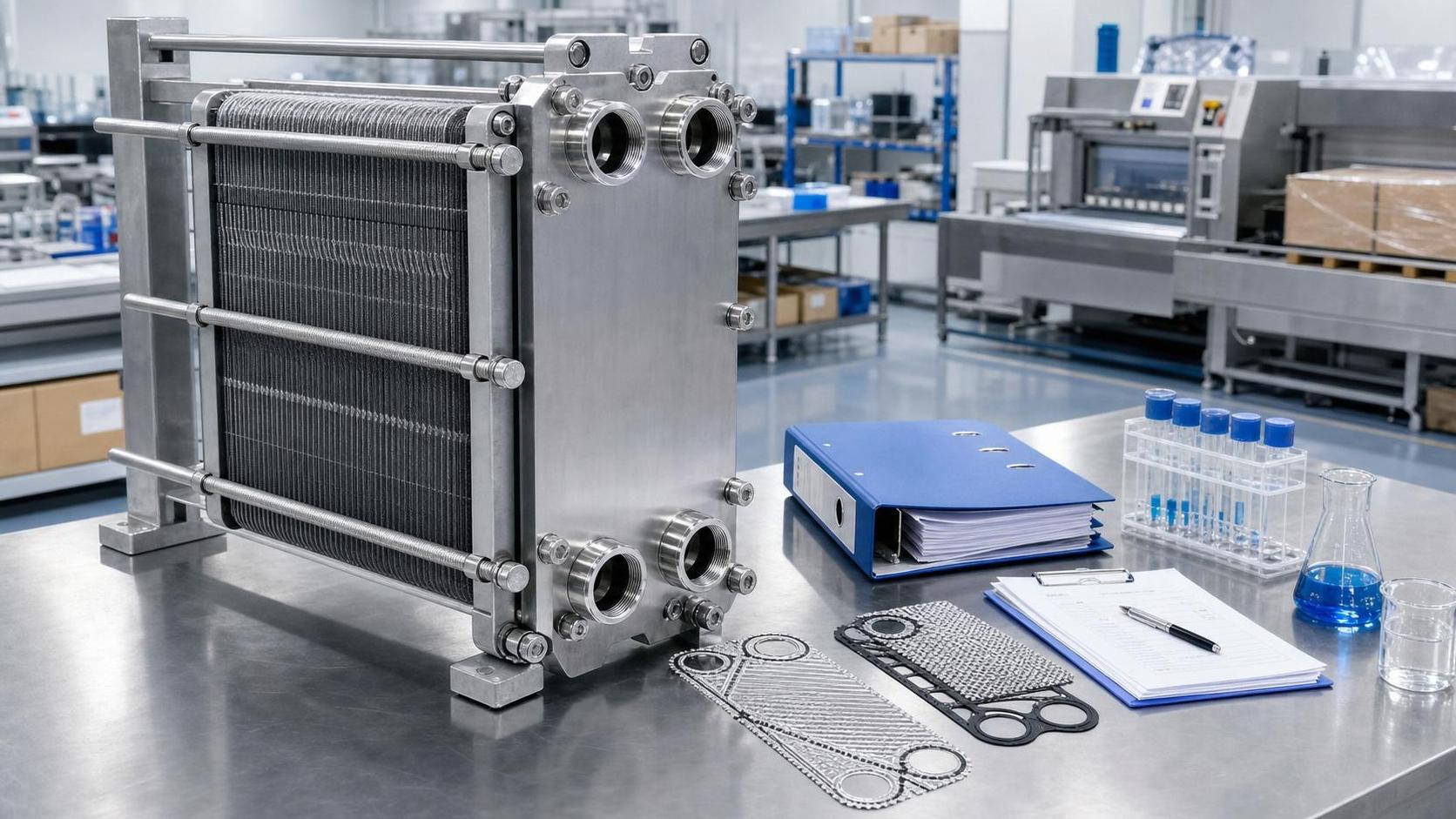
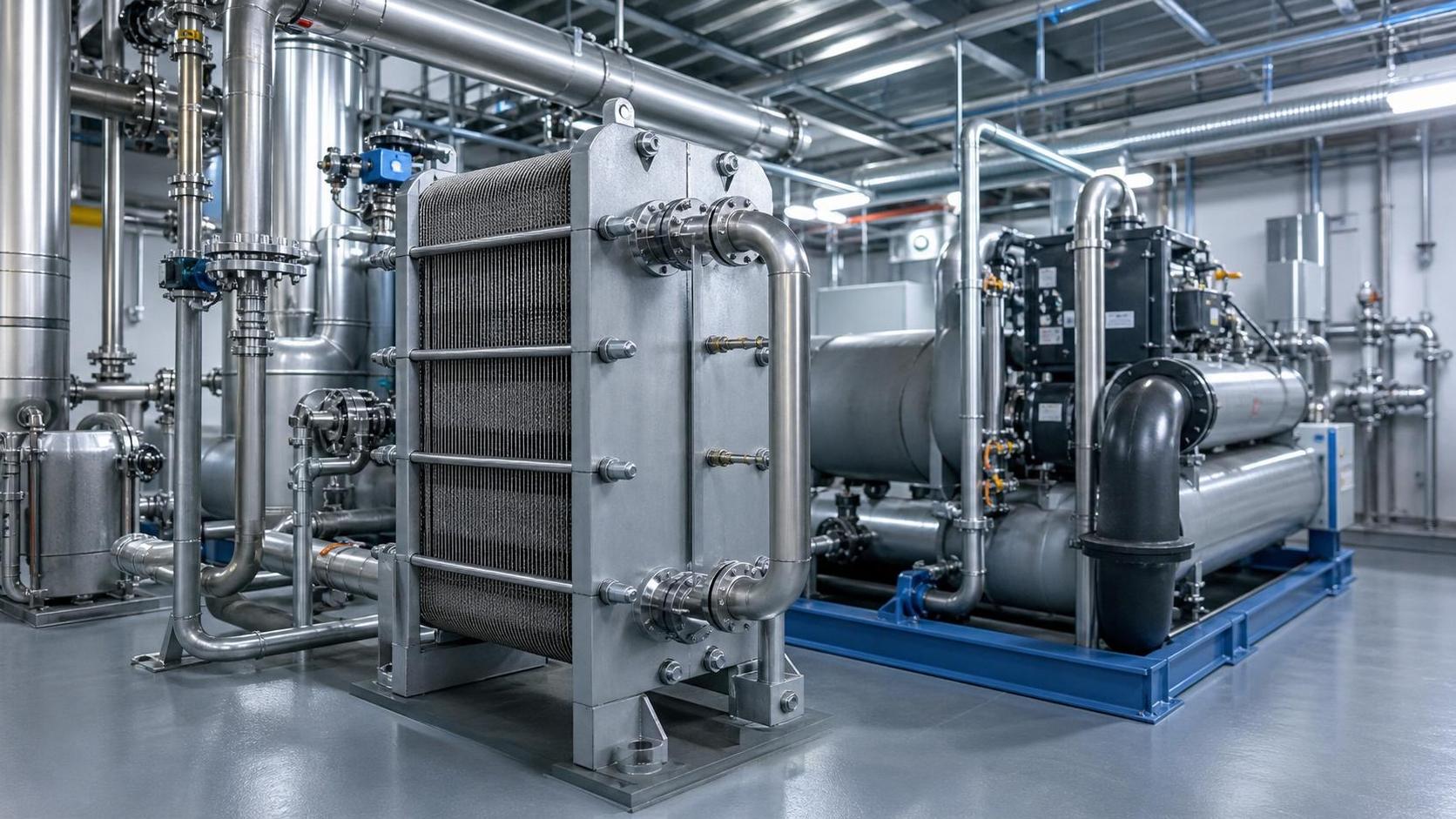
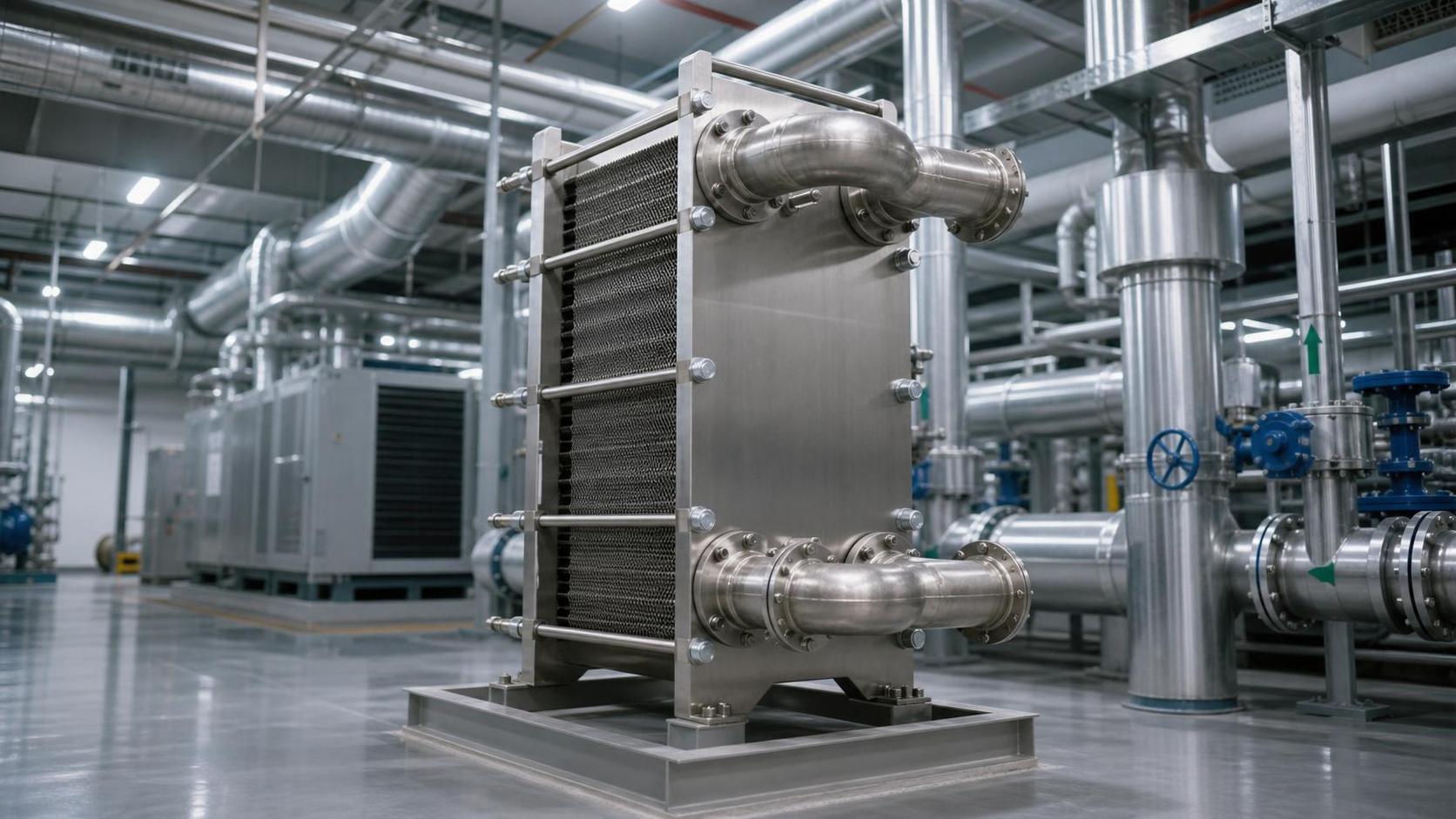
Plate exchangers rely on corrugated plates that create turbulence between channels. Depending on the design, they may be gasketed, brazed, welded, or semi-welded, each with different pressure, temperature, and cleaning implications.
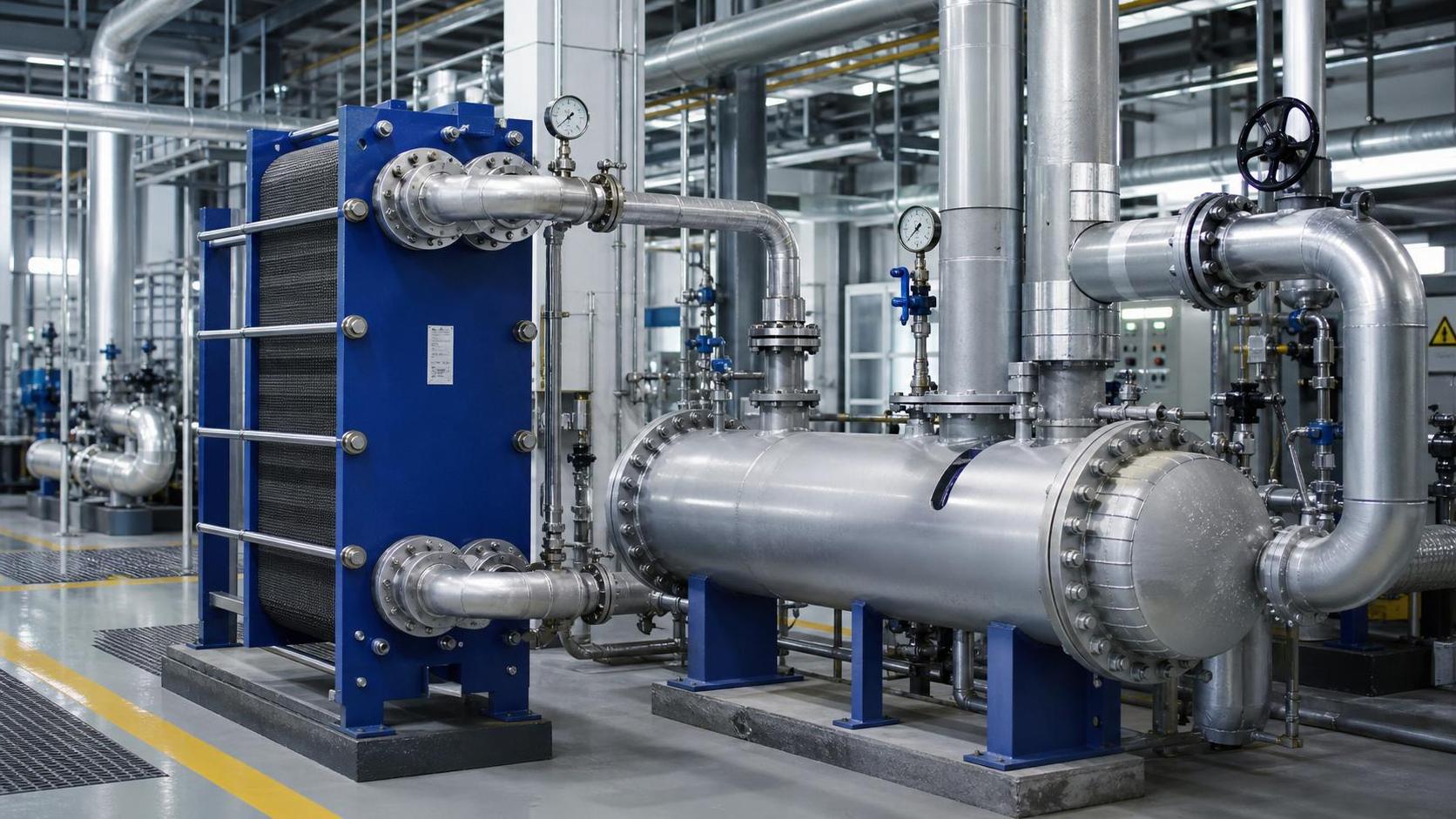
Simple comparisons can be misleading. Microchannel heat exchangers are often associated with air-side duties in condensers and gas coolers. Plate exchangers are frequently chosen for liquid circuits, heat recovery, and compact process integration.
What usually drives the choice
- Available installation space and weight limits
- Fluid cleanliness and fouling tendency
- Target refrigerant charge and environmental strategy
- Access for inspection, cleaning, and repair
- Operating pressure, cycling profile, and thermal shock risk
Where microchannel heat exchangers stand out
The strongest case for microchannel heat exchangers is usually system compactness. They can deliver high performance in a smaller footprint, which helps on rooftops, packaged systems, modular skids, and retrofits with tight mechanical space.
Lower internal volume is another advantage. In refrigeration and HVAC-linked industrial systems, that can reduce refrigerant charge, support compliance goals, and lessen exposure to future refrigerant cost volatility.
Weight also matters. Lighter exchanger assemblies can simplify structural requirements, reduce transport complexity, and shorten installation windows where crane access or platform loading is restricted.
In high-volume equipment platforms, microchannel heat exchangers often improve manufacturing consistency. Their repeatable geometry supports standardization, which is valuable when product lines require predictable thermal behavior across multiple capacities.
Typical advantages in practice
- Smaller footprint for the same thermal duty
- Lower refrigerant inventory in many designs
- Good fit for packaged cooling and air-cooled systems
- Potential support for decarbonization and efficiency goals
Why plate exchangers still hold their ground
Plate exchangers remain highly competitive because they are versatile and often easier to align with process-side complexity. They perform well in liquid-to-liquid transfer, heat recovery loops, and close temperature approach applications.
Service strategy is another major reason. In many facilities, a gasketed plate exchanger can be opened, inspected, cleaned, and reassembled on site. That maintenance logic is familiar and operationally valuable.
Plate technology also offers broad material and configuration options. Where fluids are aggressive, temperatures vary widely, or contamination risk is high, that design flexibility can outweigh footprint advantages.
For process industries such as food, pharmaceuticals, chemicals, and electronics, a plate exchanger may fit better with sanitation protocols, utility integration, and staged capacity expansion.
The real trade-offs behind performance claims
Headline efficiency numbers do not settle the choice. The more useful question is how each design behaves under actual operating conditions, especially when ambient swings, partial loads, dirty environments, or water quality issues are involved.
The maintenance point deserves special attention. Microchannel heat exchangers can perform extremely well, but clogged passages, fin damage, or poor cleaning practices can erase their efficiency advantage faster than expected.
Plate exchangers are not automatically simpler. Gasket aging, leakage risk, plate corrosion, and pressure drop sensitivity still require disciplined operating control.
How industry conditions are reshaping the decision
Energy price instability has pushed thermal efficiency higher on the project checklist. At the same time, refrigerant regulation and carbon reporting now influence exchanger selection much earlier in design review.
This is one reason microchannel heat exchangers appear more frequently in modernization plans. Their lower charge potential and compact format match current pressure to reduce embodied risk in cooling infrastructure.
GTC-Matrix tracks this shift across industrial cooling, oil-free compression ecosystems, and advanced temperature control. The pattern is clear: buyers are moving away from isolated component comparisons toward integrated thermodynamic and economic evaluation.
That broader view also explains why plate exchangers remain secure in many strategic applications. When process cleanliness, thermal recovery, or flexible service intervention matters most, the older choice still looks very modern.
Best-fit scenarios by application context
Some project environments naturally favor one design. The key is to evaluate where the thermal duty sits inside the total system and what failure mode carries the highest business cost.
Microchannel heat exchangers often fit when
- Space is constrained in packaged chillers or condensing units
- Lower refrigerant charge is a project priority
- The operating environment is relatively clean and controlled
- Weight reduction supports modular or rooftop deployment
Plate exchangers often fit when
- Liquid-to-liquid transfer defines the core duty
- Heat recovery economics justify close thermal approach
- Periodic inspection and cleaning must happen on site
- Future process adjustments may change the operating envelope
A practical framework for final selection
A reliable decision usually starts with five questions, not with brand preference or legacy familiarity. That approach reduces specification drift and makes vendor comparisons more meaningful.
- What is the actual duty profile across full-load and part-load conditions?
- How clean are the fluids and surrounding air over time?
- What matters more: compactness, serviceability, or process flexibility?
- How costly is unplanned downtime compared with scheduled maintenance?
- How do refrigerant policy, energy cost, and carbon reporting affect lifecycle value?
When those answers are clear, the comparison becomes less ideological. Microchannel heat exchangers are not universally better, and plate exchangers are not simply traditional defaults. Each solves a different operational problem.
The next useful step is to map exchanger choice against maintenance capability, site contamination risk, and expected regulatory exposure. That creates a stronger basis for technical review, supplier dialogue, and long-term asset planning.
Ready when you are. Send us a message to get started.
Related News
- How corrugation angle affects heat transfer in plate heat exchangersAuthor :Thermodynamics Analyst

- When do plate heat exchangers suit Middle East seawater cooling?Author :Thermodynamics Analyst

- When does gasketed plate heat exchanger technology suit your process?Author :Thermodynamics Analyst

- When does heat recovery improve data center cooling efficiency?Author :Thermodynamics Analyst

- How Do I Verify Heat Transfer Calculations in a Supplier Quotation?Author :Thermodynamics Analyst

- How to evaluate a plate heat exchangers supplier before orderingAuthor :Thermodynamics Analyst

- EU Tightens Fatigue Checks for Plate Heat ExchangersAuthor :Thermodynamics Analyst

- EU PFAS Rule Adds New Export Filing for Cooling EquipmentAuthor :Thermodynamics Analyst

- EU EN 13445-4:2026 Adds Fatigue Report RequirementAuthor :Thermodynamics Analyst

- EU Updates EN 13445-4 for Plate ExchangersAuthor :Thermodynamics Analyst

- How to Compare Energy-Efficient Heat Exchange SolutionsAuthor :Thermodynamics Analyst

- Brazed Plate Exchanger Design: 7 Factors That Affect Heat TransferAuthor :Thermodynamics Analyst

- EU CBAM Pilot List Adds Plate ExchangersAuthor :Thermodynamics Analyst

- How Heat Exchange Systems Improve Temperature Control StabilityAuthor :Thermodynamics Analyst

- Japan to Require Efficiency Labels for Plate ExchangersAuthor :Thermodynamics Analyst

- EU REACH Adds PFAS Ban for Plate Heat ExchangersAuthor :Thermodynamics Analyst

- India Enforces BIS Rule for Plate Heat ExchangersAuthor :Thermodynamics Analyst

- DIN EN 13445-6:2026 Tightens Plate Exchanger CE RulesAuthor :Thermodynamics Analyst

- EU REACH Restricts PFAS Seals for Plate Heat ExchangersAuthor :Thermodynamics Analyst

- India Mandates BIS Certification for Imported Plate ExchangersAuthor :Thermodynamics Analyst

- Vietnam Requires QR Labels on Imported Plate Heat ExchangersAuthor :Thermodynamics Analyst

- EU EN 13445-4:2026 Tightens NDT Rules for Heat ExchangersAuthor :Thermodynamics Analyst

- EPA Clears R-1234ze(E) for Plate Exchanger SystemsAuthor :Thermodynamics Analyst
 for Plate Exchanger Systems")
- Heat Exchange Equipment Selection: Key Performance Checks Before You Compare ModelsAuthor :Thermodynamics Analyst

- ASHRAE 90.1-2026 Raises Plate Exchanger Efficiency ThresholdAuthor :Thermodynamics Analyst

- Heat Exchange Systems: How to Choose the Right SetupAuthor :Thermodynamics Analyst

- EPA SNAP 89 Takes Effect for Plate ExchangersAuthor :Thermodynamics Analyst

- How to Compare Heat Exchange Solutions for Lower Energy UseAuthor :Thermodynamics Analyst

- EPA SNAP 89 Expands Filing Rules for Plate Heat ExchangersAuthor :Thermodynamics Analyst

- EPA SNAP update adds filing rule for plate heat exchangersAuthor :Thermodynamics Analyst

- Industrial Heat Recovery: Where the Payback Is Fastest in 2026Author :Thermodynamics Analyst

- California EPR Deadline Nears for Cooling Equipment MakersAuthor :Thermodynamics Analyst

- Heat Exchanger Technology: Plate vs Shell and Tube for EfficiencyAuthor :Thermodynamics Analyst

- Industrial Heat Recovery Options for High-Temperature ProcessesAuthor :Thermodynamics Analyst

- Heat Transfer Problems in Process Lines: Causes and Practical FixesAuthor :Thermodynamics Analyst

- India Tightens Plate Exchanger Import Clearance RulesAuthor :Thermodynamics Analyst