Heat Exchanger Efficiency Gains in Plate Exchangers




For project managers and engineering leads, improving heat exchanger efficiency in plate exchangers is no longer just a technical upgrade—it is a direct path to lower energy costs, stronger process stability, and better sustainability performance. This article explores the key design, operation, and maintenance factors that influence efficiency gains, helping decision-makers identify practical opportunities for smarter thermal system optimization.
In capital projects and brownfield upgrades, plate heat exchangers often sit at the center of cooling, heating, recovery, and utility loops. Even a 3%–8% efficiency improvement can influence pump load, approach temperature, product quality, and annual operating cost. For teams managing delivery schedules, uptime targets, and energy KPIs, the challenge is not only choosing the right exchanger, but also sustaining performance over 12–36 months of real operation.
Across food processing, pharmaceuticals, HVAC, chemicals, and general manufacturing, decisions about plate geometry, fouling control, flow balancing, and cleaning intervals directly affect heat exchanger efficiency. For readers following industrial intelligence platforms such as GTC-Matrix, the value lies in turning thermodynamic theory into practical engineering actions that support decarbonization, predictable production, and smarter procurement.
Why Plate Exchanger Efficiency Matters in Modern Industrial Projects
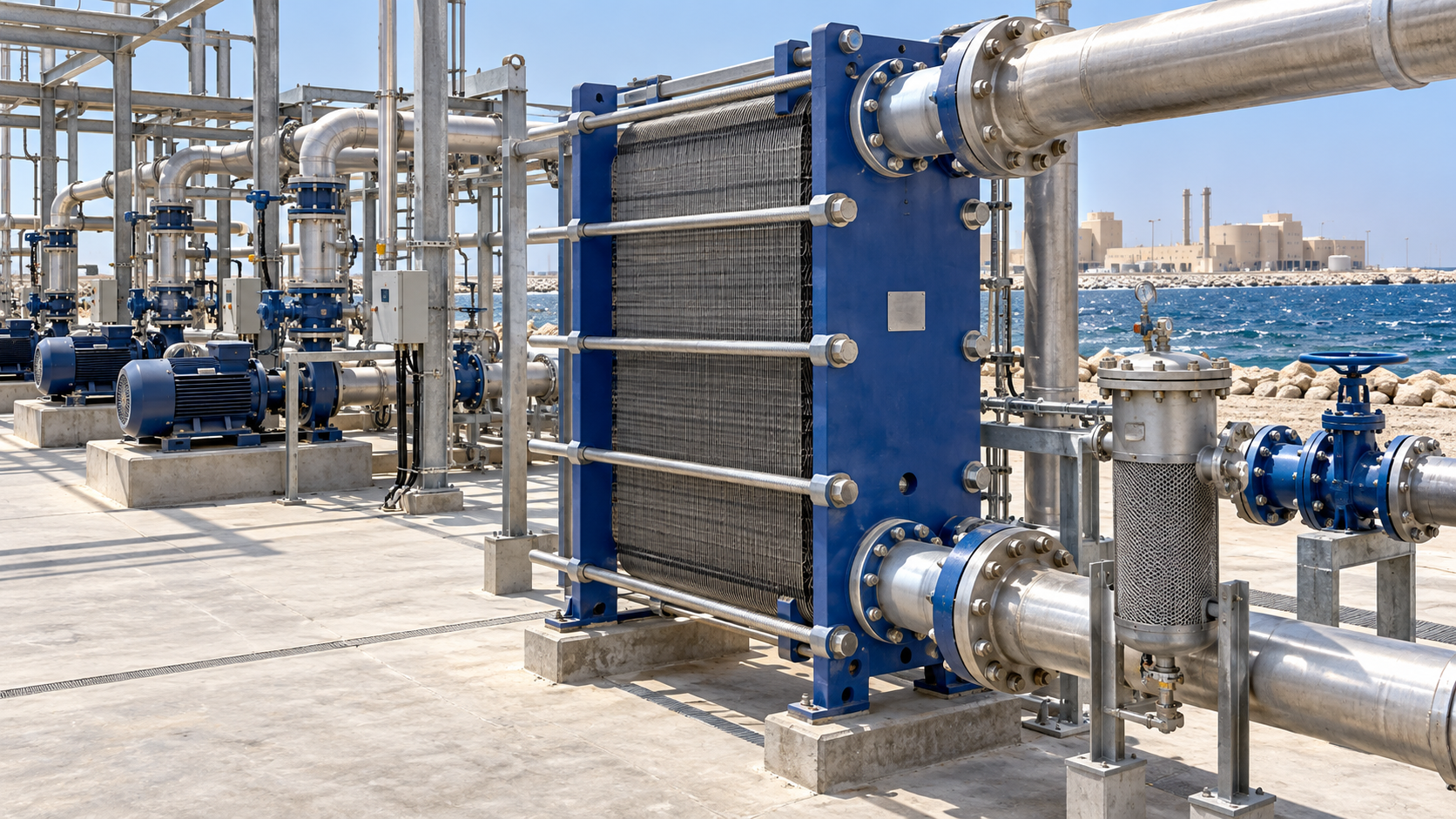
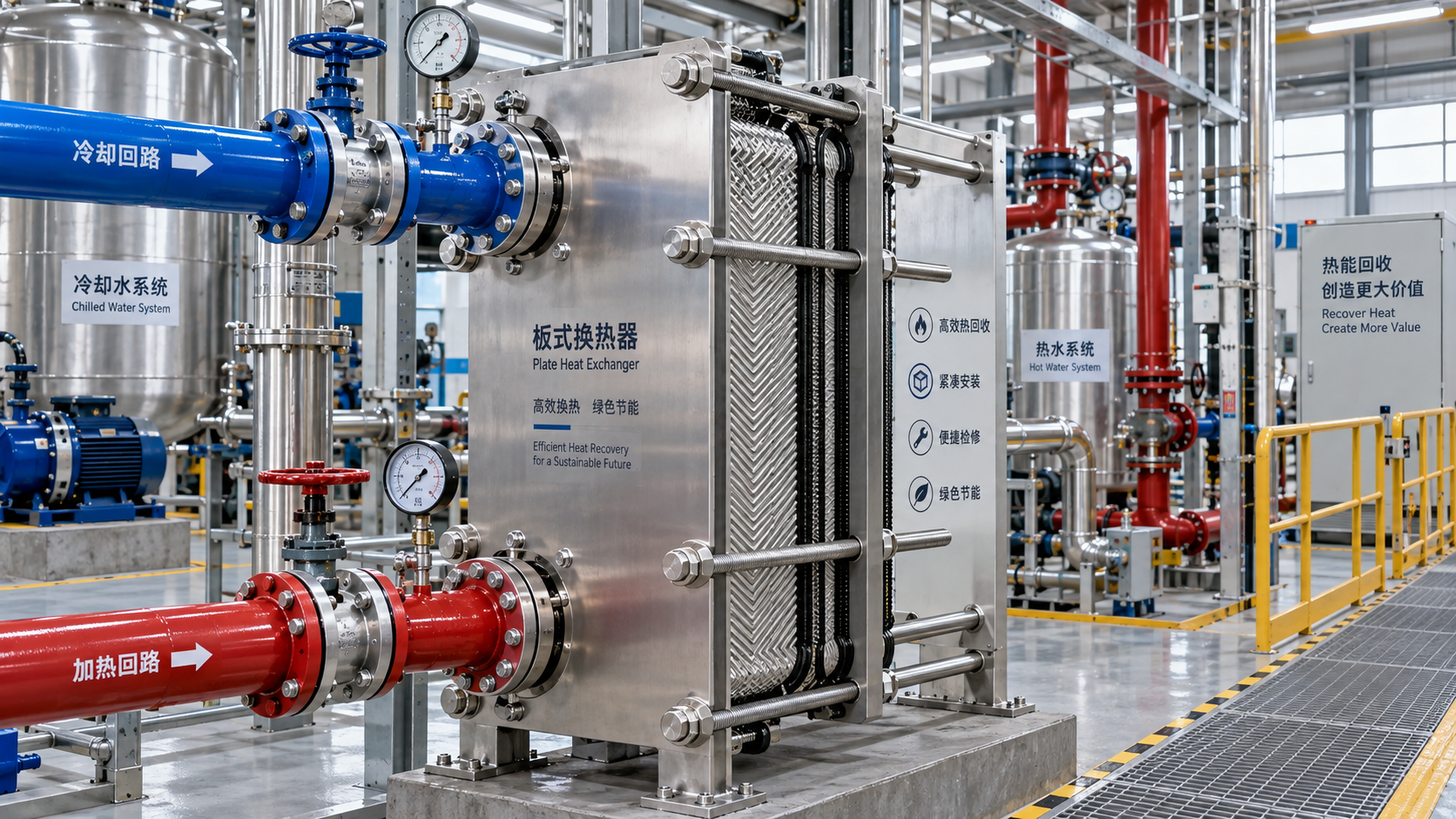
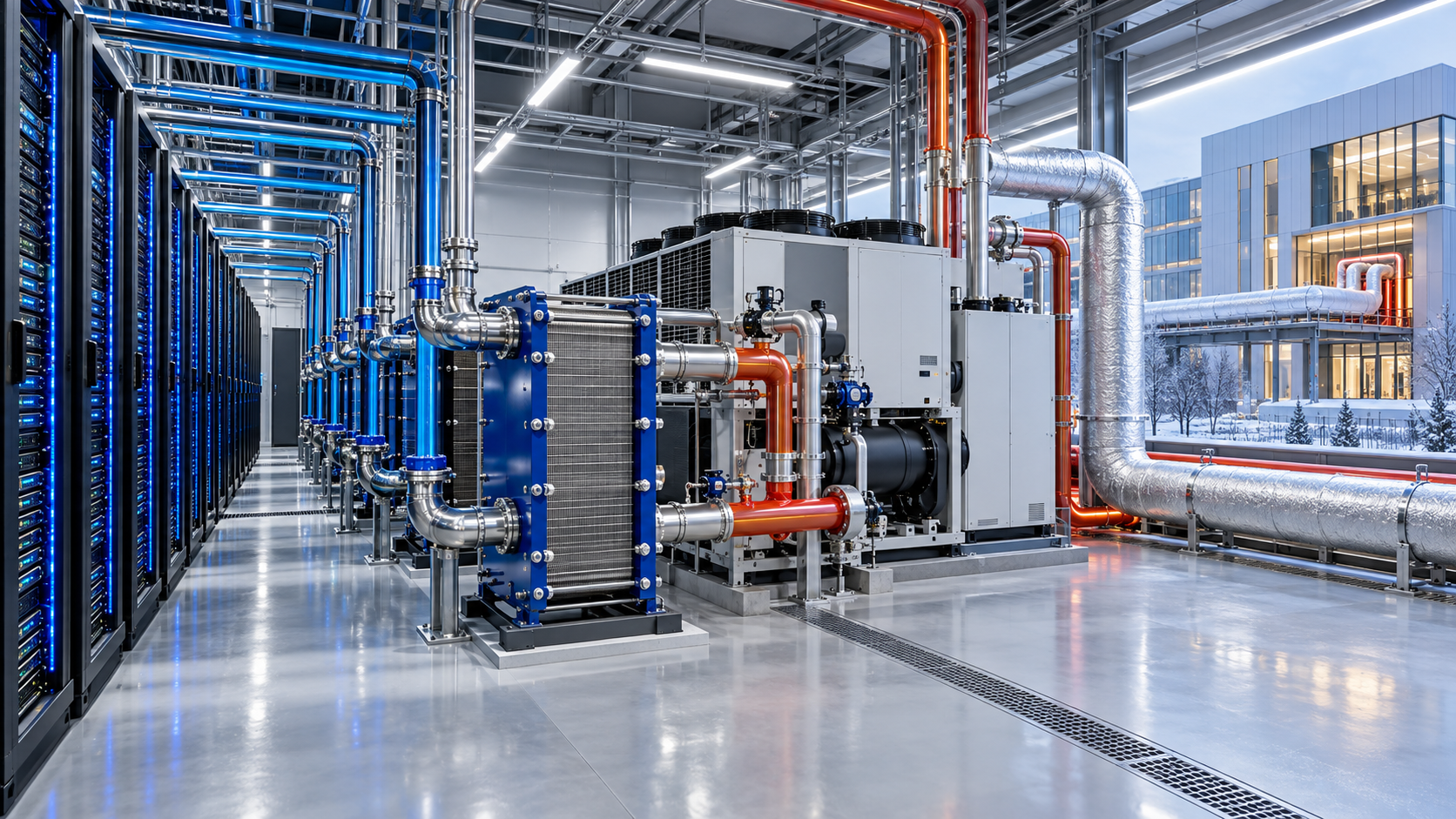
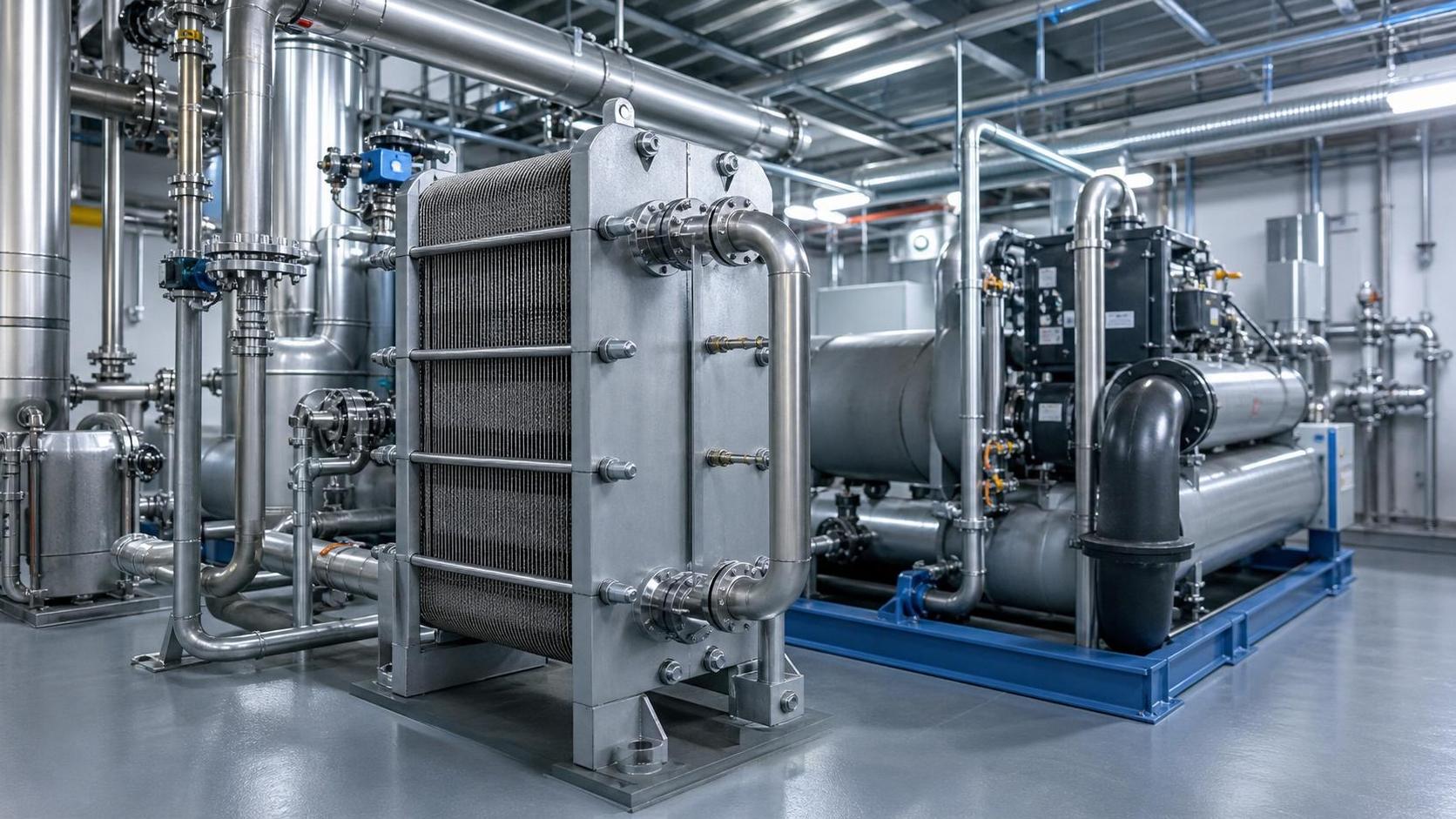
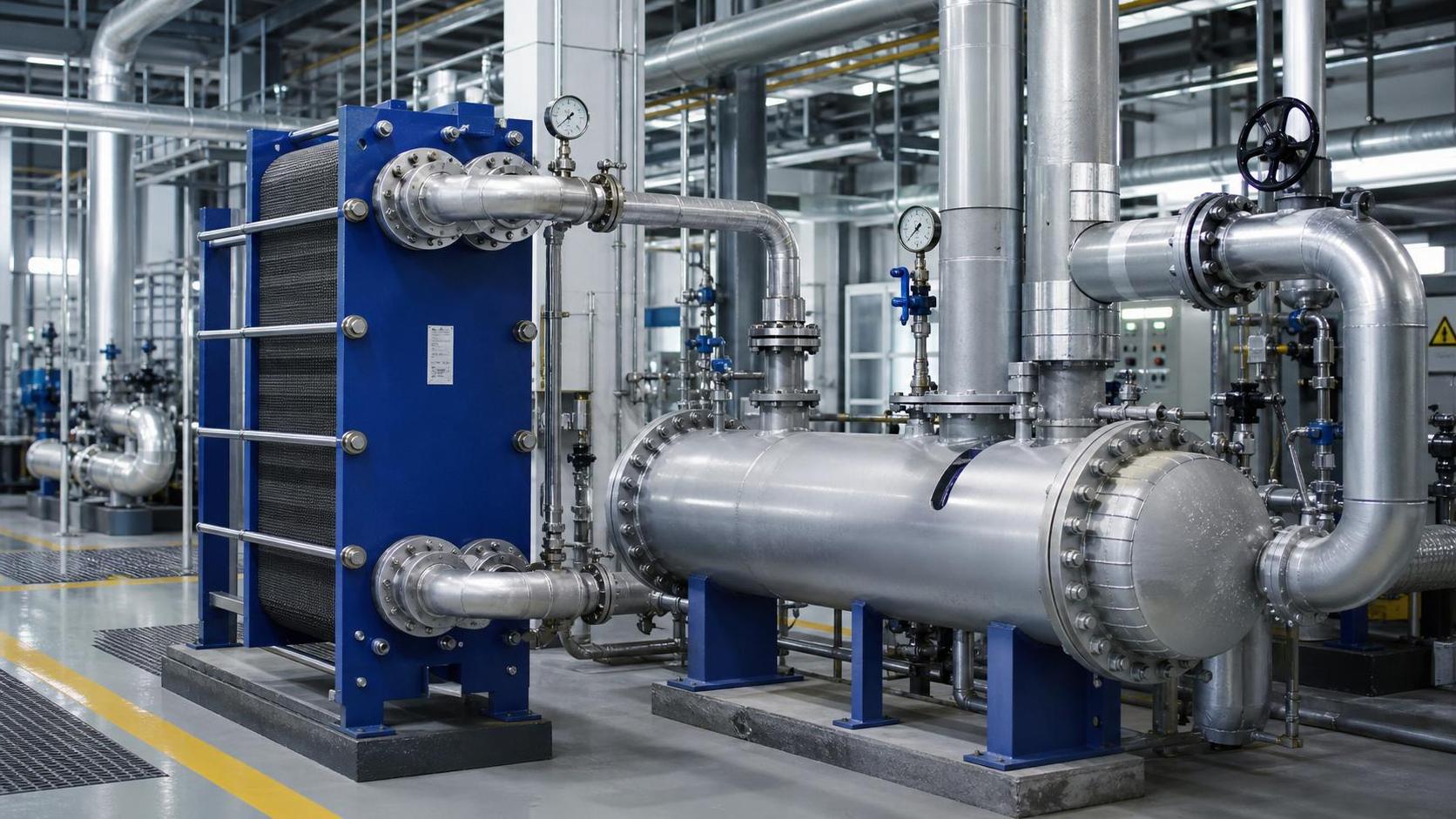
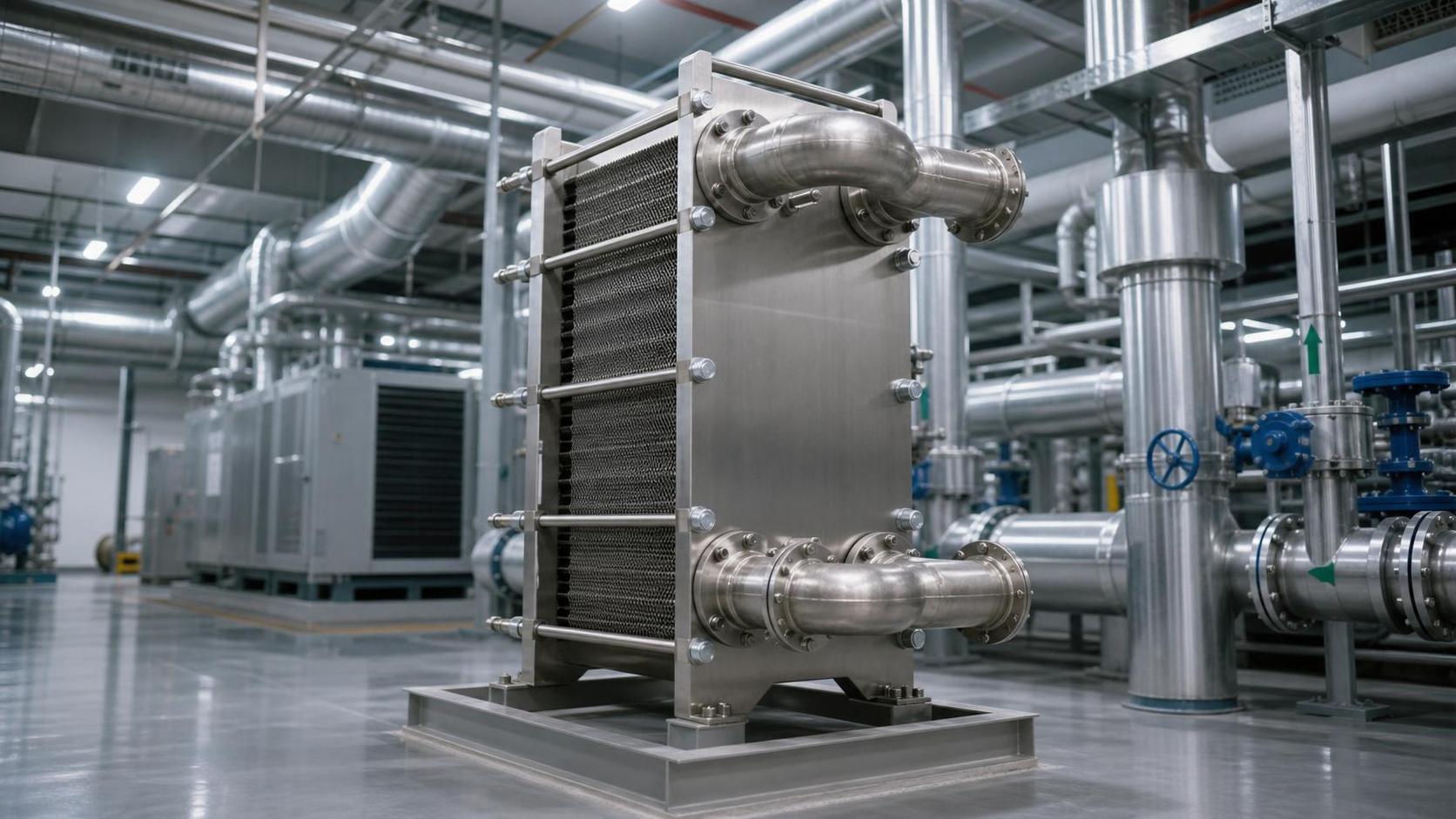
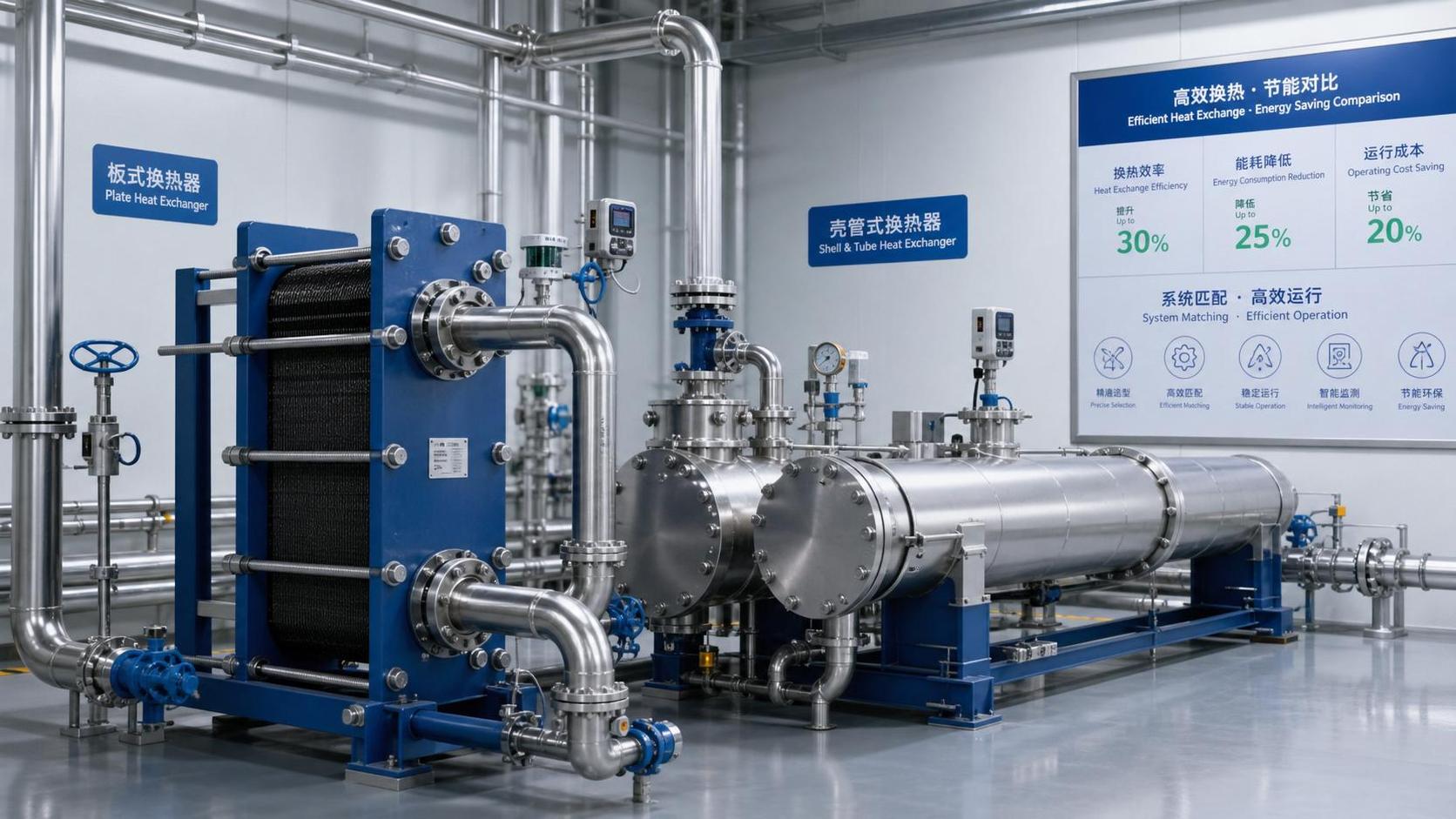
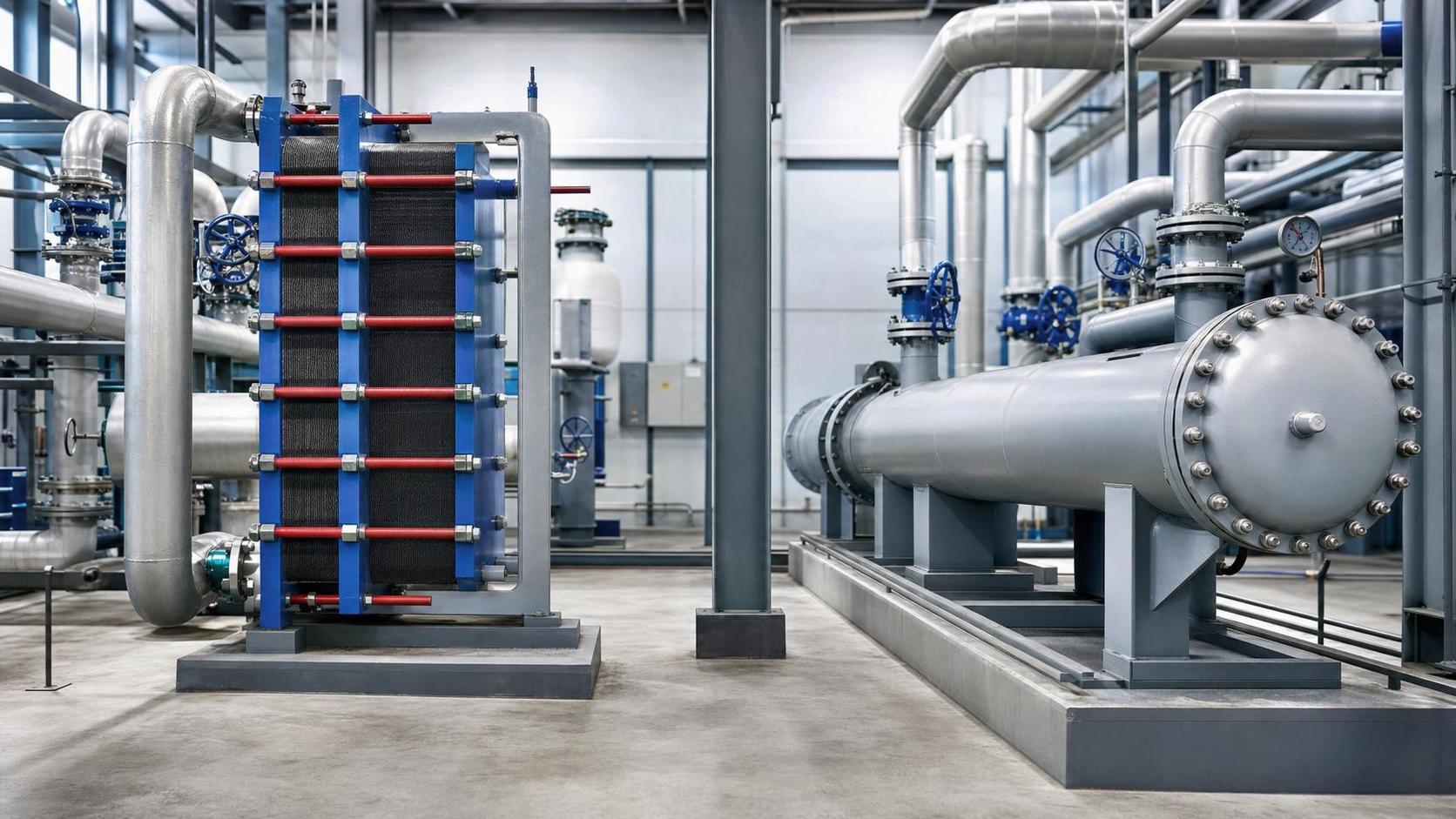
Plate heat exchangers are widely selected because they can deliver high thermal performance in a compact footprint. Compared with many shell-and-tube arrangements, they often achieve tighter temperature approach values, commonly in the 1°C–3°C range for suitable duties. That compactness can reduce skid size, installation complexity, and utility consumption, all of which matter when project teams are balancing plant layout, commissioning deadlines, and energy budgets.
For engineering leads, heat exchanger efficiency is not an isolated metric. It connects to process stability, product consistency, and asset reliability. In a chilled water or glycol loop, underperforming transfer surfaces may force compressors or pumps to run longer. In process heating, poor exchanger performance can create batch variability, slower ramp-up, or higher steam demand. Small thermal losses can therefore multiply across 8,000 operating hours per year.
The practical business impact
When project stakeholders review lifecycle cost, they typically focus on four linked outcomes: energy use, maintenance frequency, production uptime, and future scalability. Plate exchangers that maintain design performance over longer intervals can lower total cost of ownership, especially where energy prices fluctuate monthly or where utility systems already operate near capacity.
- Lower approach temperature can reduce utility demand in cooling and recovery systems.
- Compact plate packs can simplify retrofit work in space-limited plants.
- Serviceable gasketed units can shorten cleaning downtime to 4–8 hours in many facilities.
- Better thermal performance can delay investment in extra chiller, boiler, or pump capacity.
Where efficiency gains are usually found
In many projects, efficiency gains do not come from a single design change. They come from a combination of plate pattern selection, optimized flow velocity, better control of fouling tendency, and more disciplined maintenance planning. In retrofit environments, a 10% gain may be possible through reconfiguration and cleaning, while greenfield designs may achieve stronger performance through specification accuracy from the start.
The table below shows where project teams most often see measurable improvement in heat exchanger efficiency during design review and plant operation.
The key message is that heat exchanger efficiency is operationally manageable, not merely fixed at the equipment selection stage. For project managers, that means performance gains can still be captured after startup if the system is monitored and adjusted with discipline.
Design Factors That Drive Heat Exchanger Efficiency
The strongest efficiency gains often begin with correct thermal design inputs. If the design duty, fluid properties, viscosity changes, fouling tendency, and target approach temperature are not properly defined, even a premium plate exchanger may miss plant expectations. In practice, the specification stage should include at least 6 core data points: flow rate, inlet temperature, outlet target, design pressure, allowable pressure drop, and fluid contamination profile.
Plate pattern, channel geometry, and turbulence
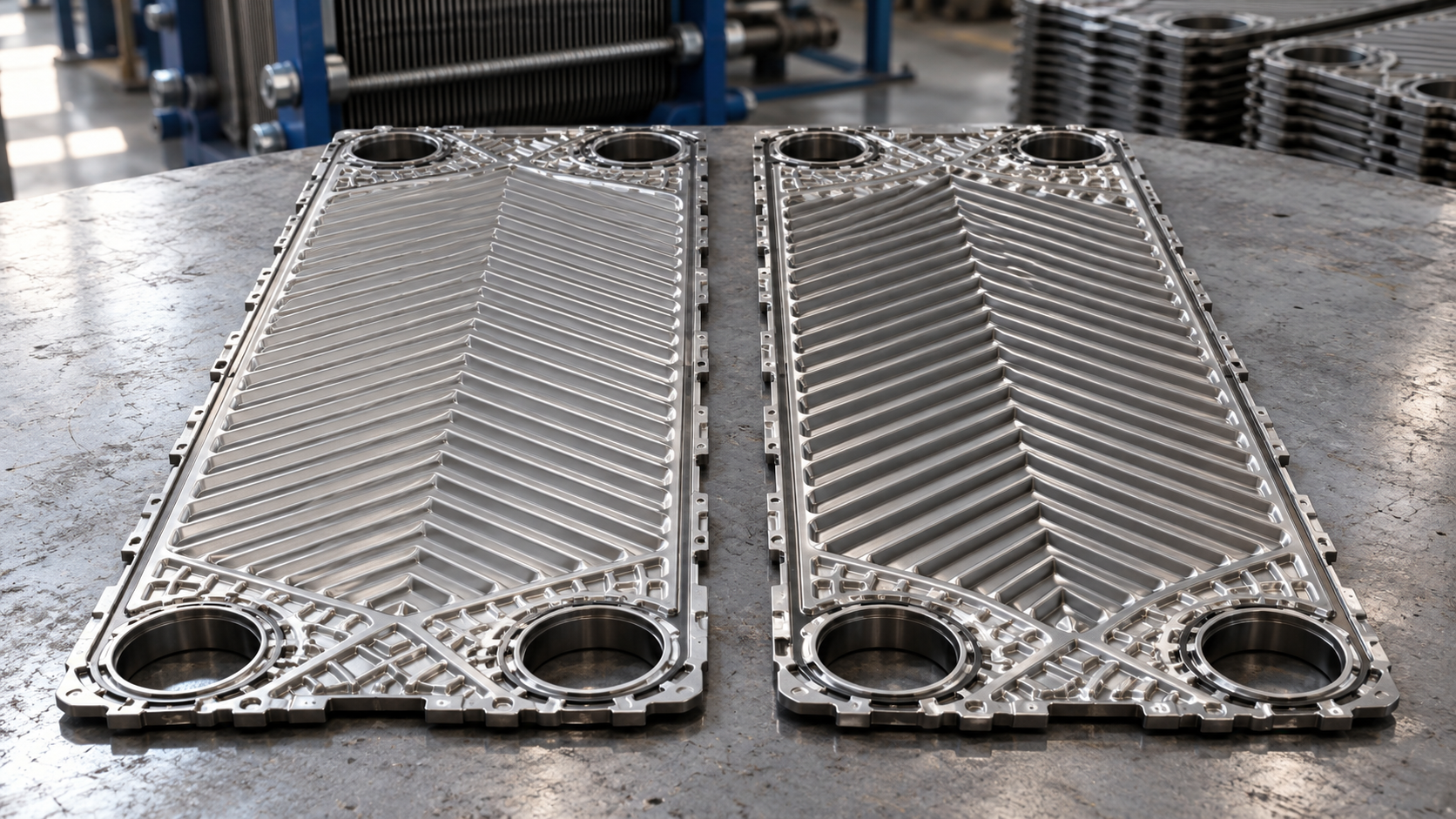
Plate exchangers create efficient transfer by generating turbulence at relatively moderate flow rates. Chevron angle, embossing depth, and channel spacing all influence the balance between heat transfer and pressure drop. Higher turbulence usually improves heat exchanger efficiency, but it also increases pumping demand. For many industrial loops, designers aim for a pressure drop window that supports performance without overloading existing pumps.
Why pressure drop should be treated as a project variable
A common mistake is treating low pressure drop as automatically desirable. In reality, an exchanger designed with too much spare area and too little velocity may foul faster and transfer less effectively over time. In many systems, a moderate differential pressure strategy offers a better lifecycle result than a minimal-pressure-drop design selected only for initial comfort.
Material compatibility and gasket selection
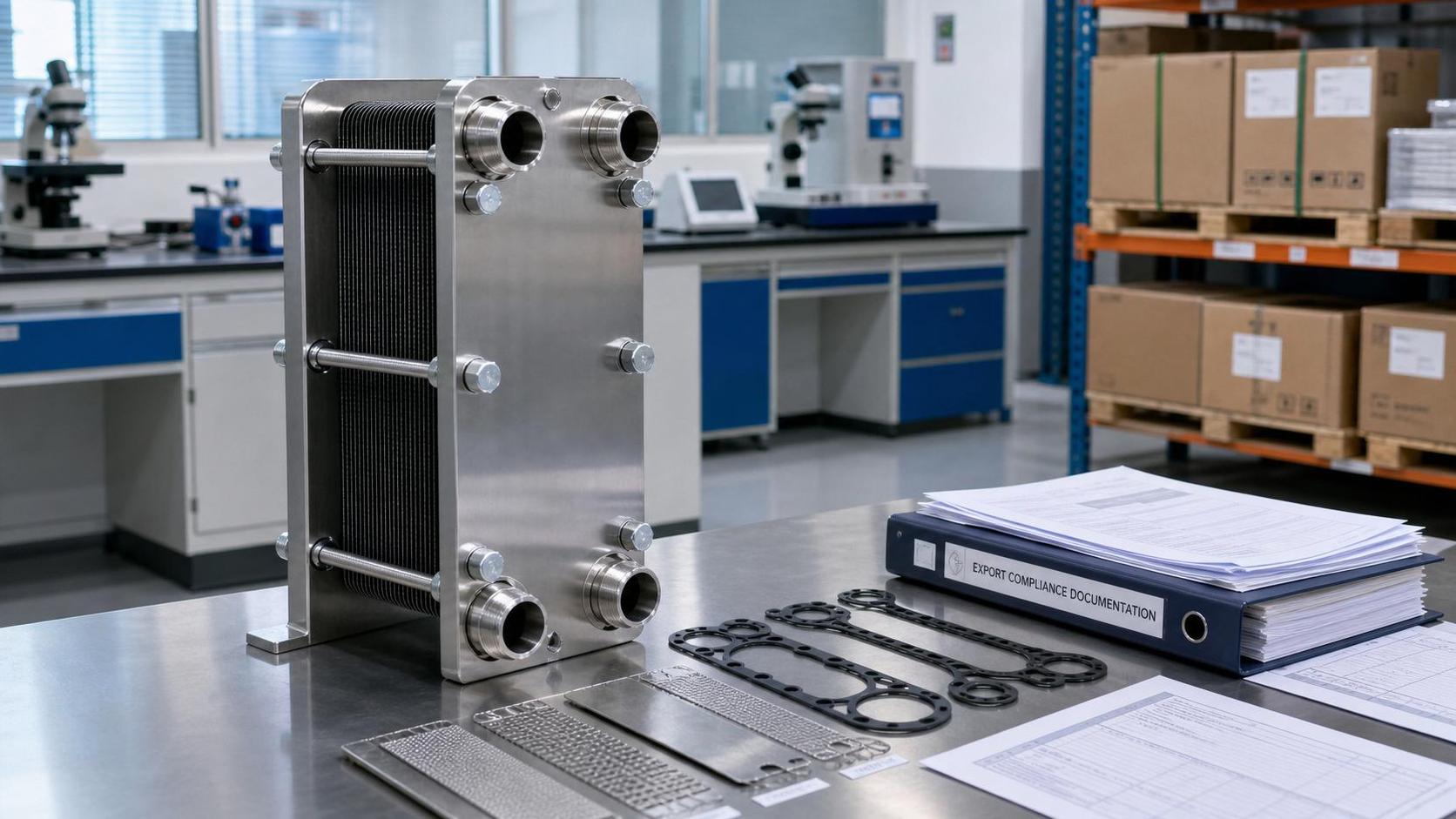
Heat exchanger efficiency also depends on material stability. Plate material must suit chloride level, pH range, process cleanliness, and temperature cycling. Gasket material should match chemical exposure and cleaning chemistry. If elastomers harden or swell after repeated CIP cycles, the result can be leakage risk, reduced clamping reliability, and unplanned shutdown. For plants running 1–3 cleaning cycles per week, material compatibility becomes a strategic procurement issue, not a minor detail.
Sizing for current duty and future expansion
Project teams should evaluate whether the exchanger is being sized for steady-state duty only or for realistic operating variation. Seasonal utilities, production growth, and product mix changes often shift thermal loads by 15%–25%. A modular plate pack can support future capacity changes more flexibly than a rigidly optimized design with no adjustment margin.
- Confirm actual design duty, not only nameplate process demand.
- Set acceptable pressure drop ranges for both clean and fouled conditions.
- Review fluid cleanliness and solids risk before fixing channel gap.
- Reserve practical maintenance access around the frame and plate pack.
- Plan for spare parts and gasket replacement lead time, often 2–6 weeks.
Operational Controls and Maintenance Strategies for Sustained Performance
Many exchangers leave the factory with strong thermal potential, yet lose performance because plant operation is inconsistent. Sustained heat exchanger efficiency depends on control discipline, fouling management, and periodic verification. In most facilities, the best-maintained units are not the most expensive ones; they are the ones with clear baseline data and defined intervention thresholds.
Monitoring the right indicators
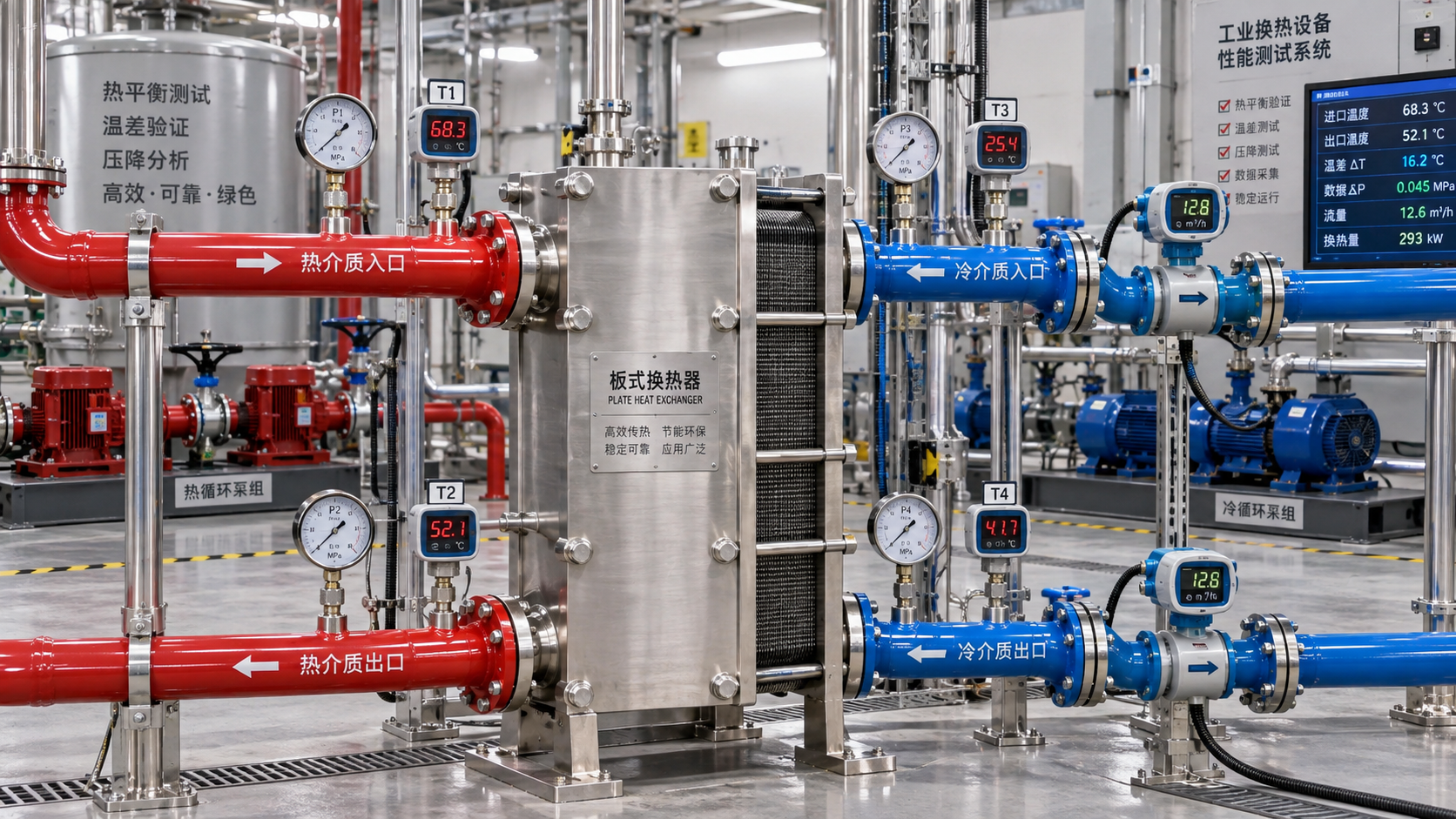
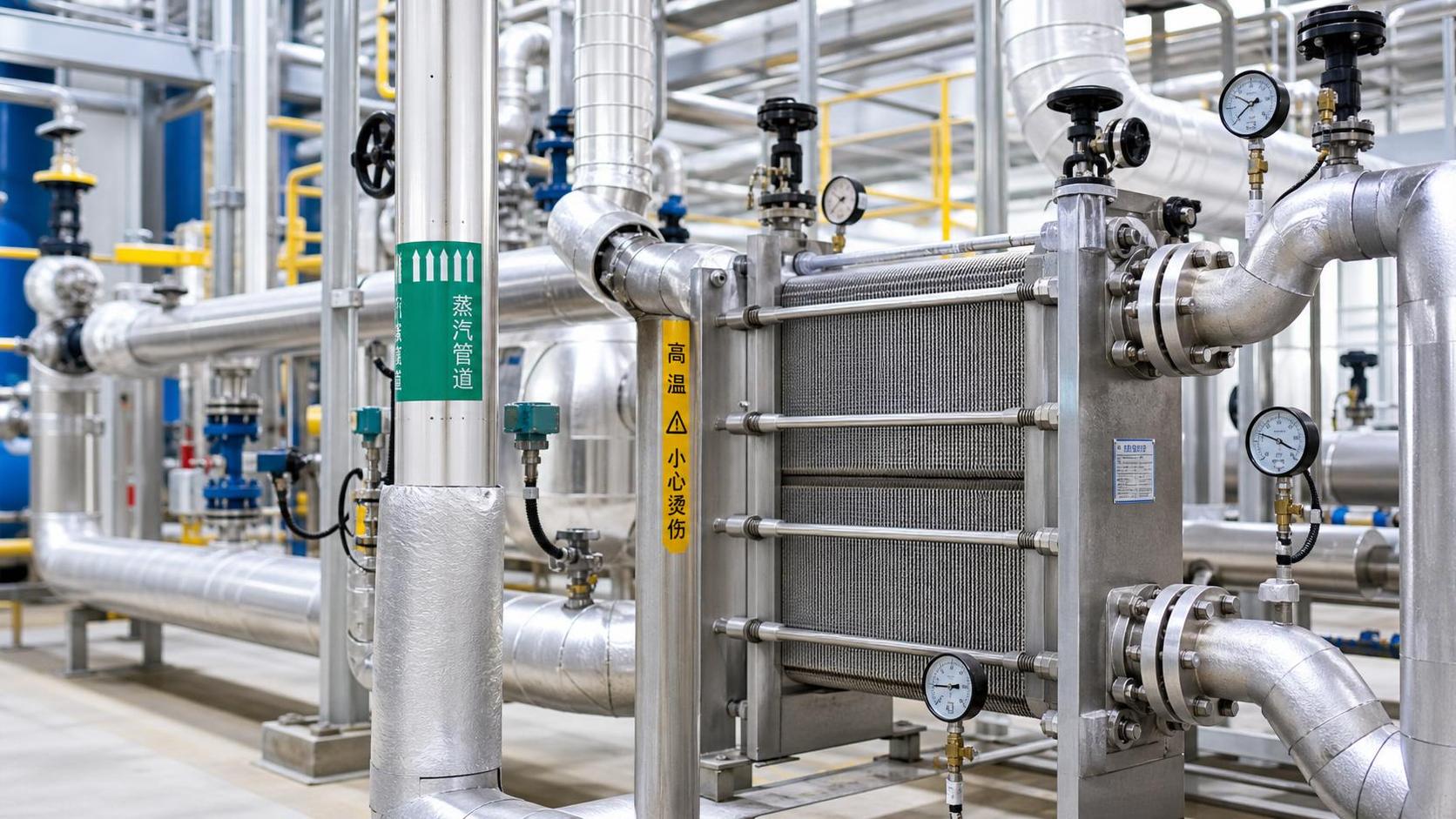
At minimum, teams should monitor inlet and outlet temperatures on both sides, differential pressure, and flow rate. A rising pressure drop of 15%–20% above clean baseline can indicate fouling, blockage, or plate channel imbalance. A widening approach temperature may point to scaling, air entrainment, control instability, or changing fluid properties.
The following table helps project teams define practical maintenance triggers instead of waiting for severe performance loss.
Using threshold-based intervention helps maintenance teams avoid two expensive extremes: premature service that wastes labor and chemicals, and delayed service that damages uptime and utility efficiency.
Cleaning methods and service intervals
Cleaning strategy should fit both fouling type and production schedule. For light mineral scaling or process film, clean-in-place may restore performance without opening the frame. For heavy solids, protein build-up, or gasket inspection, manual opening may be necessary. In many general industrial applications, review intervals of 3 months, 6 months, or 12 months are more effective than fixed annual service with no condition monitoring.
Common operating mistakes that reduce efficiency
- Running below minimum design flow for extended periods.
- Allowing repeated thermal shocks during startup and shutdown.
- Using cleaning chemicals that attack gasket material.
- Ignoring sensor calibration for more than 12 months.
- Retightening plate packs without checking manufacturer compression limits.
Digital visibility and project governance
For larger plants, the next stage of heat exchanger efficiency improvement comes from digital integration. Trend logs, alarms, and maintenance history can be linked to plant dashboards so that engineering, operations, and energy teams work from the same data. A simple three-layer approach is often enough: real-time temperatures and pressure, weekly performance review, and quarterly optimization checks tied to energy and production KPIs.
How Project Managers Should Evaluate Suppliers, Specifications, and Risk
Procurement decisions strongly influence long-term heat exchanger efficiency. The lowest purchase price may not deliver the lowest lifecycle cost if spare parts are slow, thermal design support is weak, or maintenance access is poor. Project managers should therefore compare offers using technical fit, serviceability, delivery reliability, and operating economics rather than cost alone.
A practical evaluation framework
A balanced selection process usually includes 4 commercial questions and 4 engineering questions. Commercially, check lead time, after-sales support, spare parts availability, and installation scope. Technically, verify design margin, pressure drop assumptions, plate and gasket material, and maintenance method. This approach reduces the risk of underperforming assets entering a critical utility or process line.
The table below can be used as a decision guide during bid comparison, especially in projects where schedule risk and uptime matter as much as thermal duty.
This comparison method helps procurement teams move beyond generic claims such as “high efficiency” and focus on verifiable performance, service practicality, and project risk control.
Questions to ask before approval
Before final approval, decision-makers should ask whether the exchanger can maintain target duty under fouled conditions, whether instrumentation is sufficient to confirm field performance, and whether maintenance can be completed within planned shutdown windows. In many plants, the acceptable service window is less than 8 hours, making maintainability as important as nameplate capacity.
Risk points often missed in fast-track projects
- Utility temperatures differ from the original design basis.
- Actual fluid viscosity rises during winter or process transition.
- Available pump head is lower than assumed during vendor selection.
- Plate frame access space is reduced by later piping changes.
- Cleaning chemistry is chosen by operations without gasket review.
Implementation Roadmap for Smarter Thermal System Optimization
Improving heat exchanger efficiency should be managed like a structured project rather than an isolated maintenance task. For most industrial organizations, a 5-step roadmap provides enough rigor without slowing execution. This is especially useful when thermal assets are tied to compressed air systems, process cooling, vacuum applications, or heat recovery networks monitored through broader industrial intelligence frameworks.
Five-step execution model
- Baseline current thermal performance using 2–4 weeks of operating data.
- Identify the main loss drivers: fouling, flow imbalance, sizing error, or controls.
- Prioritize actions by payback, shutdown impact, and implementation complexity.
- Execute upgrades or maintenance during planned outage windows.
- Track post-action results for at least 30–90 days to confirm gains.
This roadmap supports both immediate optimization and longer-term asset strategy. It also creates a stronger internal business case when engineering teams need budget approval for plate replacement, instrumentation upgrades, or digital monitoring tools.
What success looks like
Successful projects usually show three outcomes within the first operating cycle: tighter outlet temperature control, lower utility demand, and more predictable cleaning intervals. Even when the thermal gain appears modest, the operational benefit can be significant if it reduces production interruptions or avoids expansion of upstream cooling and compression equipment.
For project managers and engineering leads, the best approach is to treat plate exchanger performance as a controllable business lever. Strong heat exchanger efficiency comes from the right specification, disciplined monitoring, and practical maintenance planning—not from equipment selection alone. Organizations that align thermal design, service strategy, and supplier evaluation are better positioned to lower operating cost, support sustainability targets, and improve resilience across industrial systems.
If your team is reviewing new projects, retrofit opportunities, or plant-wide thermal optimization priorities, now is the time to assess where performance is being lost and where recoverable gains exist. Connect with GTC-Matrix to get tailored insight, discuss specification priorities, and explore smarter solutions for efficient plate heat exchanger deployment in demanding industrial environments.
Ready when you are. Send us a message to get started.
Related News
- How corrugation angle affects heat transfer in plate heat exchangersAuthor :Thermodynamics Analyst

- When do plate heat exchangers suit Middle East seawater cooling?Author :Thermodynamics Analyst

- When does gasketed plate heat exchanger technology suit your process?Author :Thermodynamics Analyst

- When does heat recovery improve data center cooling efficiency?Author :Thermodynamics Analyst

- How Do I Verify Heat Transfer Calculations in a Supplier Quotation?Author :Thermodynamics Analyst

- How to evaluate a plate heat exchangers supplier before orderingAuthor :Thermodynamics Analyst

- EU Tightens Fatigue Checks for Plate Heat ExchangersAuthor :Thermodynamics Analyst

- EU PFAS Rule Adds New Export Filing for Cooling EquipmentAuthor :Thermodynamics Analyst

- EU EN 13445-4:2026 Adds Fatigue Report RequirementAuthor :Thermodynamics Analyst

- EU Updates EN 13445-4 for Plate ExchangersAuthor :Thermodynamics Analyst

- How to Compare Energy-Efficient Heat Exchange SolutionsAuthor :Thermodynamics Analyst

- Brazed Plate Exchanger Design: 7 Factors That Affect Heat TransferAuthor :Thermodynamics Analyst

- EU CBAM Pilot List Adds Plate ExchangersAuthor :Thermodynamics Analyst

- How Heat Exchange Systems Improve Temperature Control StabilityAuthor :Thermodynamics Analyst

- Japan to Require Efficiency Labels for Plate ExchangersAuthor :Thermodynamics Analyst

- EU REACH Adds PFAS Ban for Plate Heat ExchangersAuthor :Thermodynamics Analyst

- India Enforces BIS Rule for Plate Heat ExchangersAuthor :Thermodynamics Analyst

- DIN EN 13445-6:2026 Tightens Plate Exchanger CE RulesAuthor :Thermodynamics Analyst

- EU REACH Restricts PFAS Seals for Plate Heat ExchangersAuthor :Thermodynamics Analyst

- India Mandates BIS Certification for Imported Plate ExchangersAuthor :Thermodynamics Analyst

- Vietnam Requires QR Labels on Imported Plate Heat ExchangersAuthor :Thermodynamics Analyst

- EU EN 13445-4:2026 Tightens NDT Rules for Heat ExchangersAuthor :Thermodynamics Analyst

- EPA Clears R-1234ze(E) for Plate Exchanger SystemsAuthor :Thermodynamics Analyst
 for Plate Exchanger Systems")
- Heat Exchange Equipment Selection: Key Performance Checks Before You Compare ModelsAuthor :Thermodynamics Analyst

- ASHRAE 90.1-2026 Raises Plate Exchanger Efficiency ThresholdAuthor :Thermodynamics Analyst

- Heat Exchange Systems: How to Choose the Right SetupAuthor :Thermodynamics Analyst

- EPA SNAP 89 Takes Effect for Plate ExchangersAuthor :Thermodynamics Analyst

- How to Compare Heat Exchange Solutions for Lower Energy UseAuthor :Thermodynamics Analyst

- EPA SNAP 89 Expands Filing Rules for Plate Heat ExchangersAuthor :Thermodynamics Analyst

- EPA SNAP update adds filing rule for plate heat exchangersAuthor :Thermodynamics Analyst

- Industrial Heat Recovery: Where the Payback Is Fastest in 2026Author :Thermodynamics Analyst

- California EPR Deadline Nears for Cooling Equipment MakersAuthor :Thermodynamics Analyst

- Heat Exchanger Technology: Plate vs Shell and Tube for EfficiencyAuthor :Thermodynamics Analyst

- Industrial Heat Recovery Options for High-Temperature ProcessesAuthor :Thermodynamics Analyst

- Heat Transfer Problems in Process Lines: Causes and Practical FixesAuthor :Thermodynamics Analyst

- India Tightens Plate Exchanger Import Clearance RulesAuthor :Thermodynamics Analyst