Plate Heat Exchange vs Shell & Tube: Which Fits Your Process Better?




Plate Heat Exchange vs Shell & Tube: Which Fits Your Process Better?
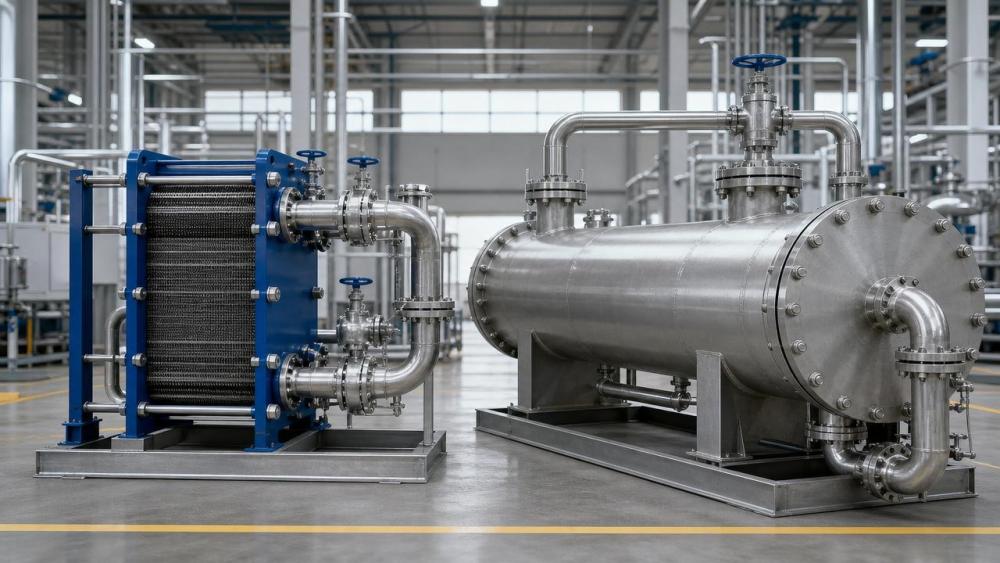
Choosing between plate and shell & tube equipment affects efficiency, uptime, cleaning strategy, and long-term operating cost.
For any heat exchange decision, the right answer depends less on theory and more on process reality.
Temperature approach, fluid quality, pressure level, available space, and service philosophy all matter.
In practical projects, both technologies can perform well, but they solve different process problems.
Plate heat exchange units are often chosen for compact, high-efficiency duty.
Shell & tube designs remain a trusted option for demanding pressure, temperature, and fouling conditions.
The better question is not which type is better overall.
It is which heat exchange design supports your process with the lowest total risk.
Start With the Core Design Difference
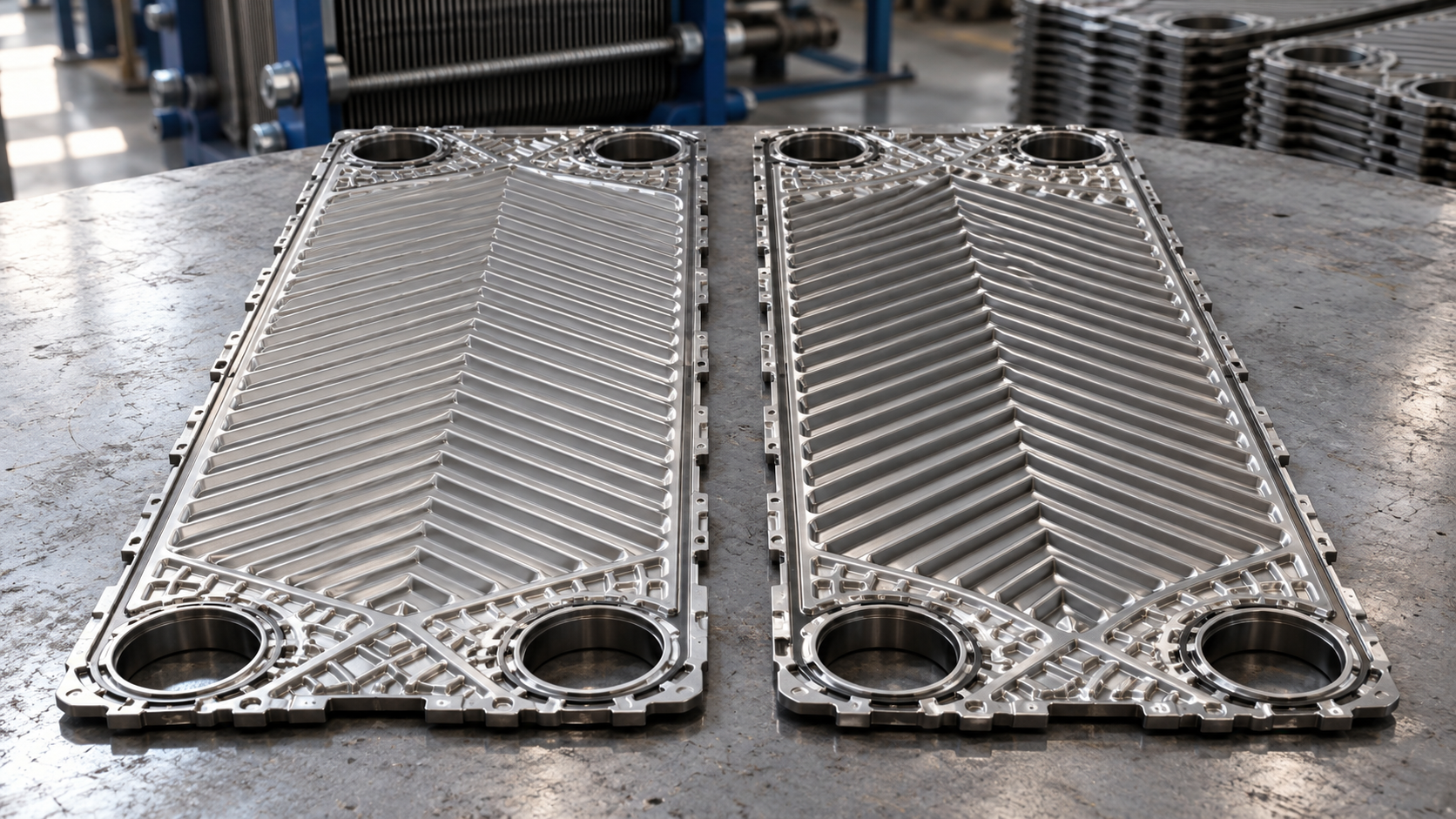
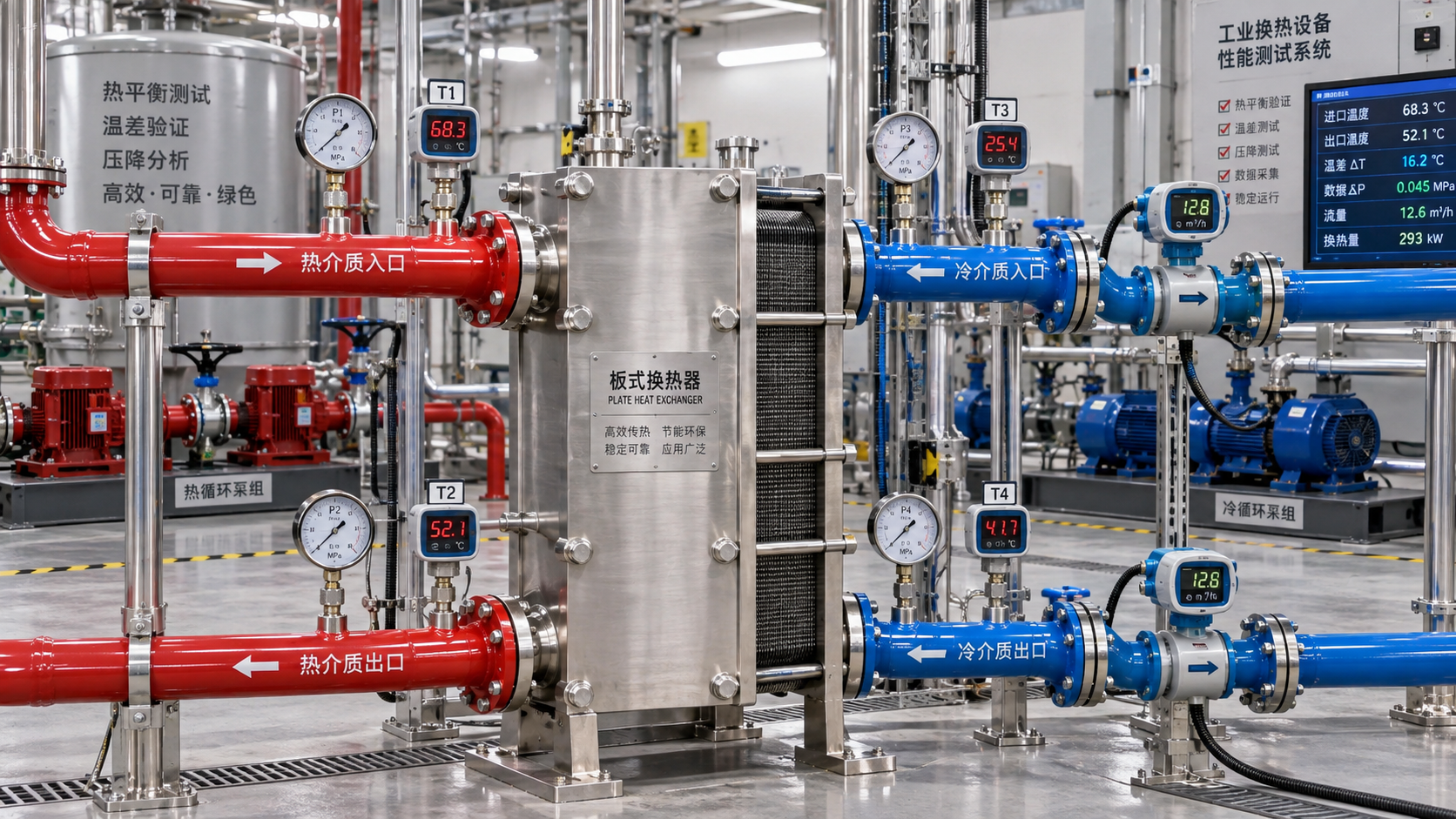
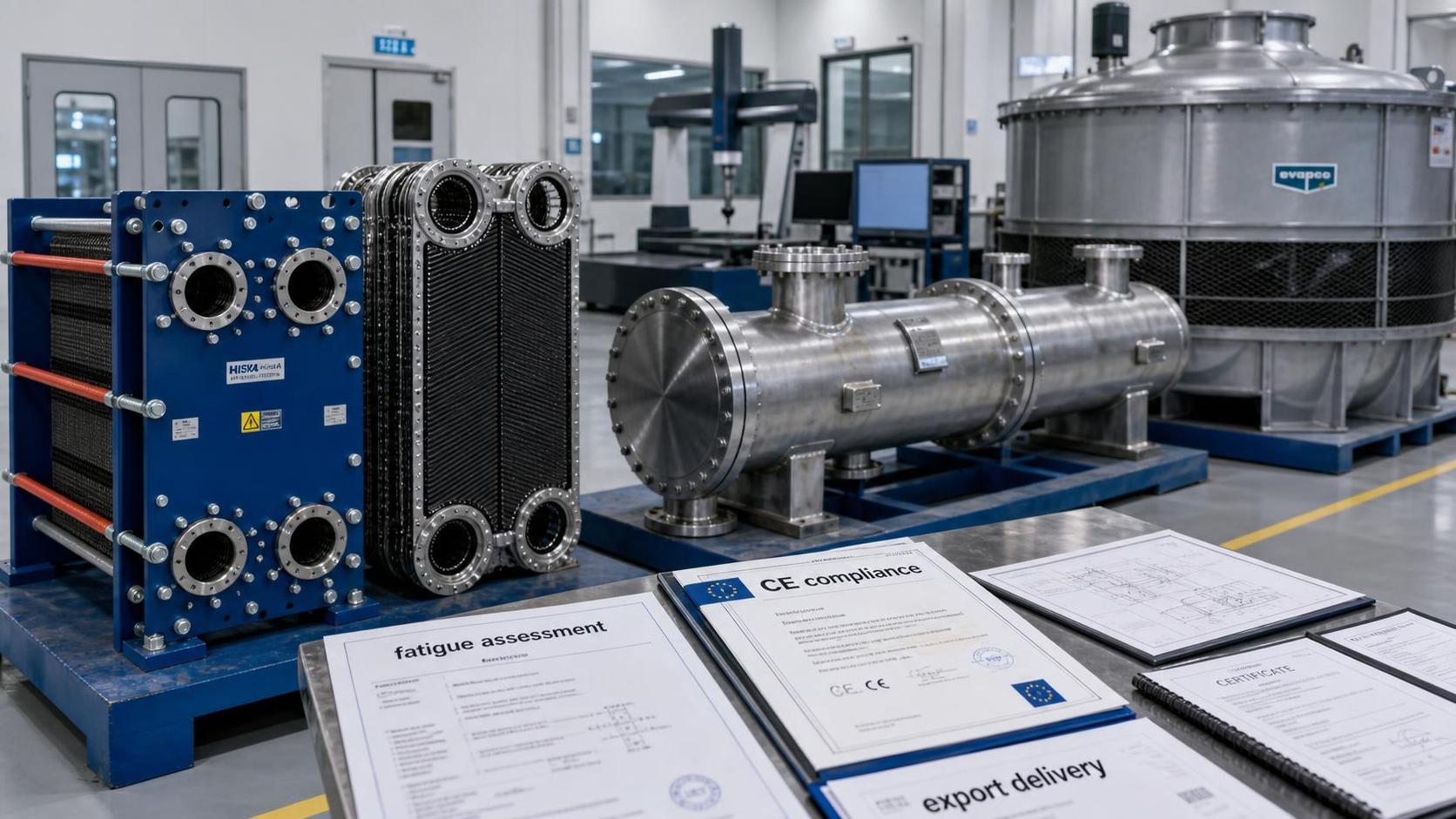
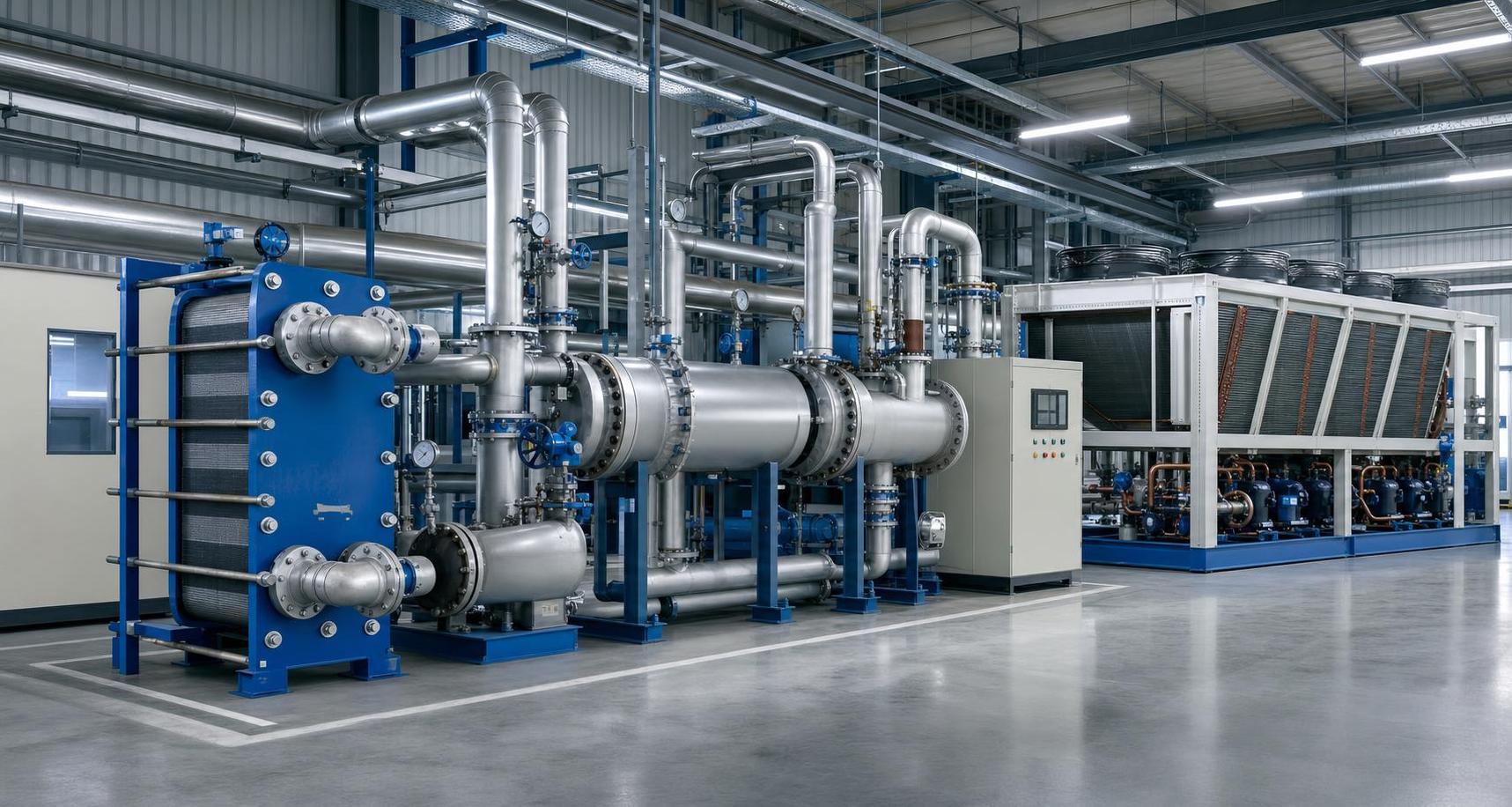
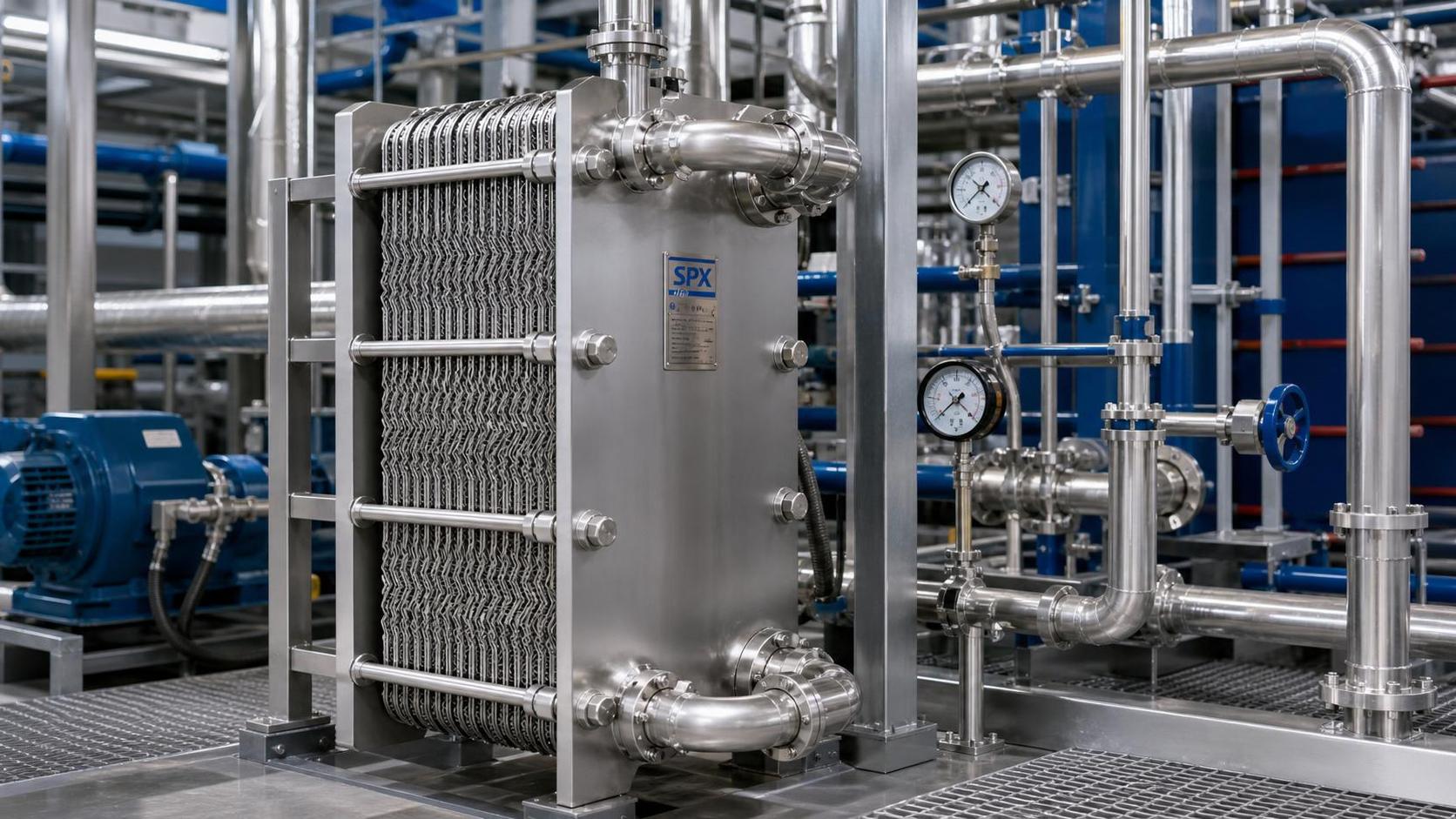
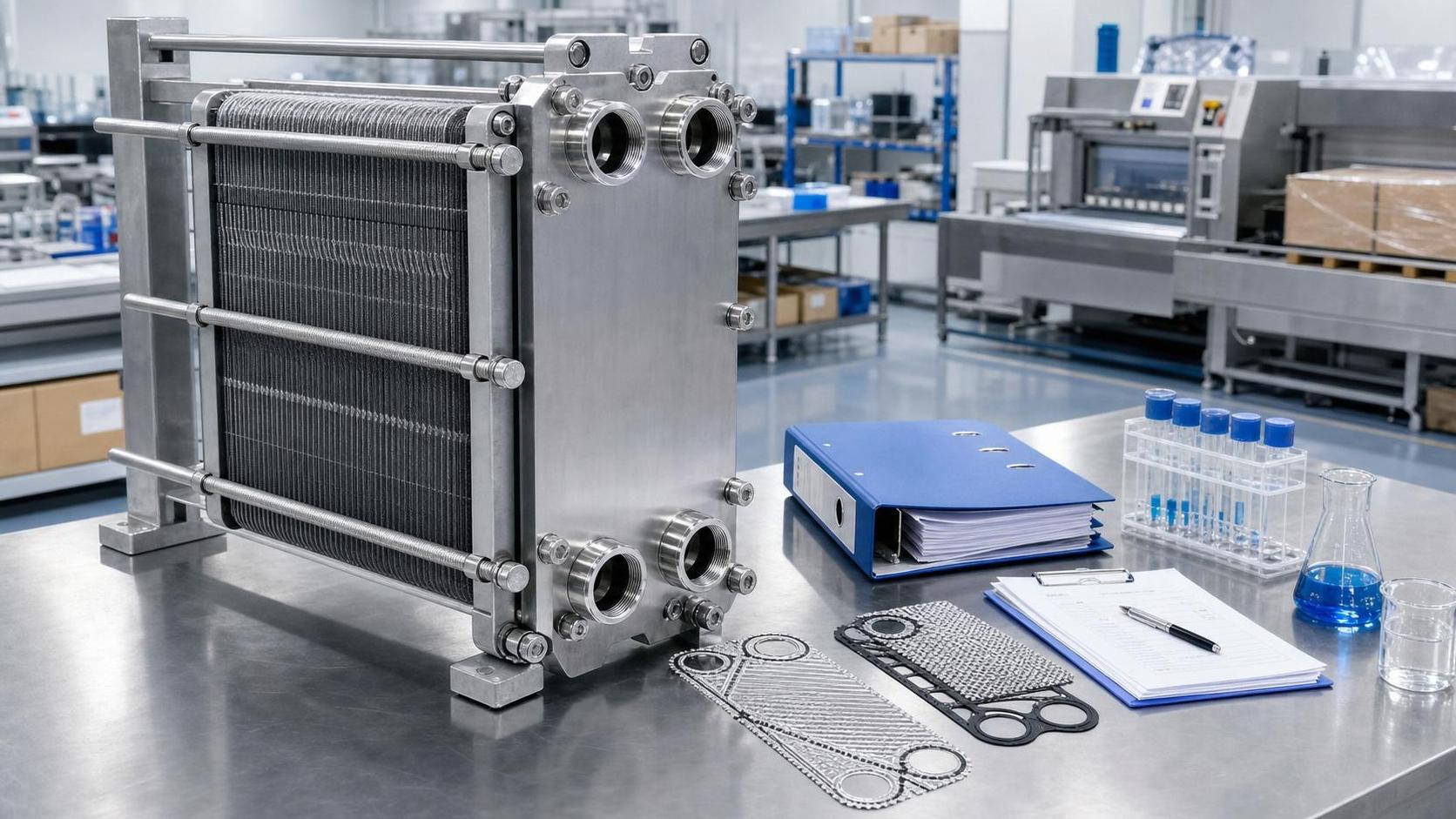
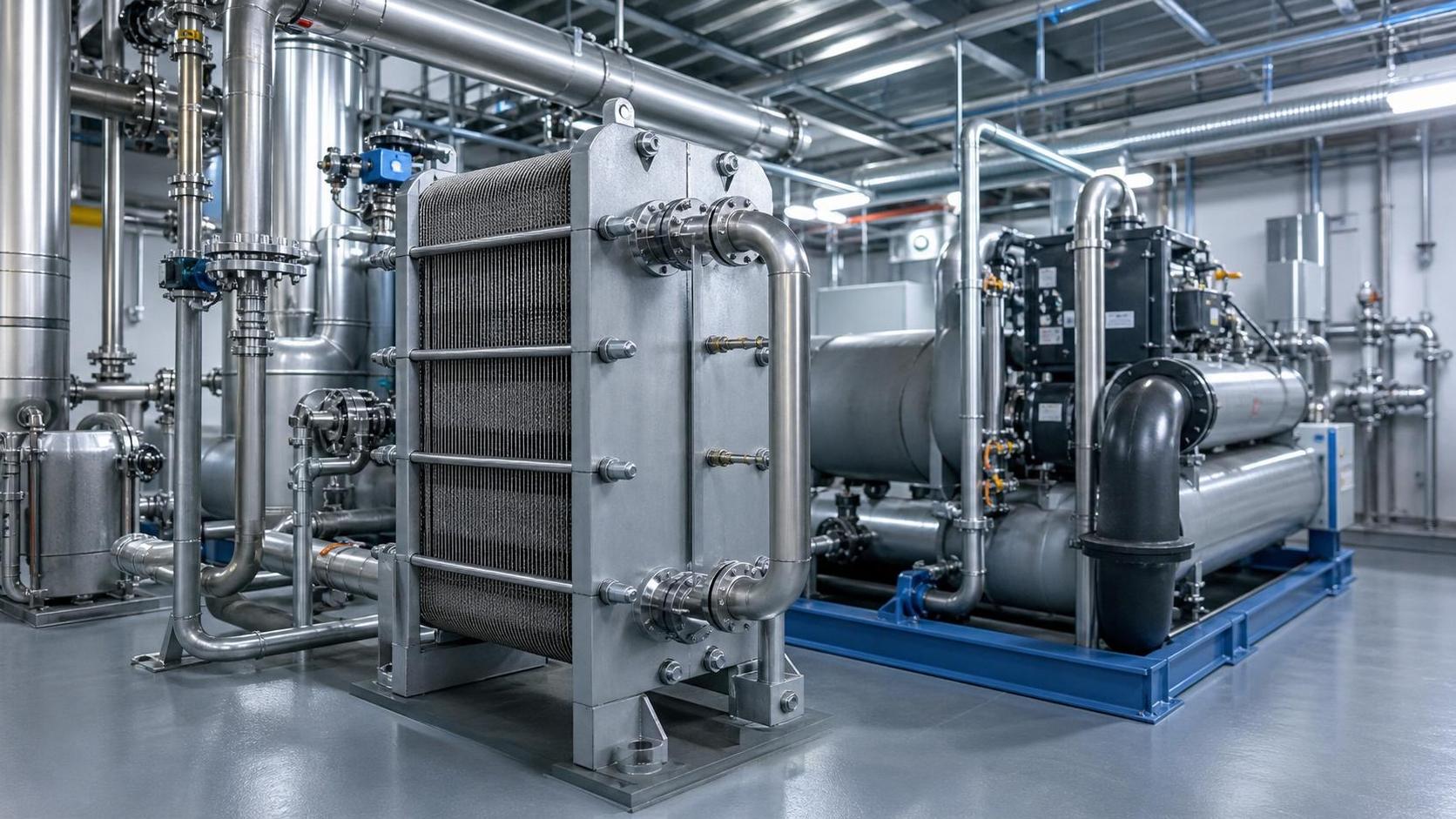
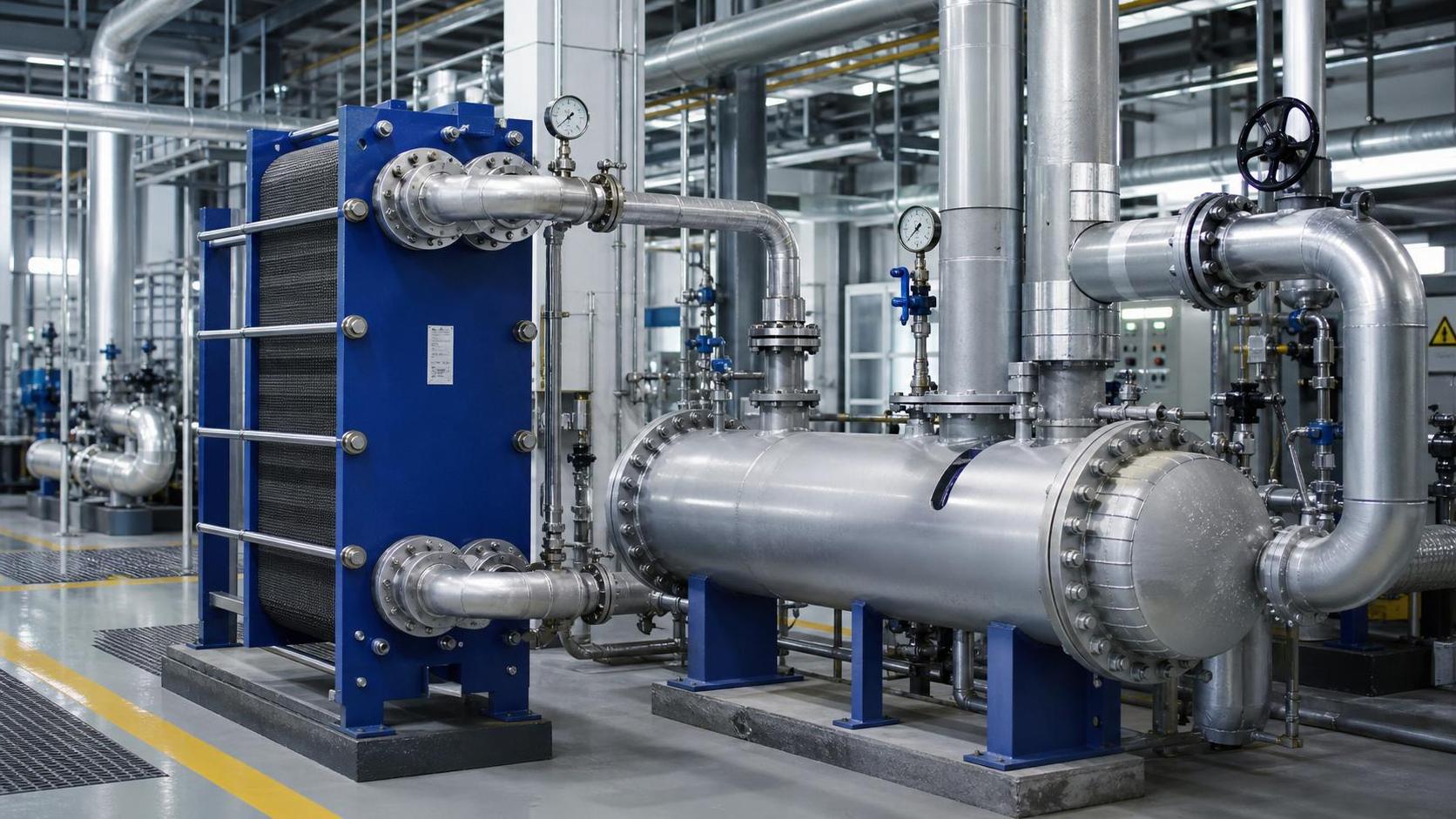
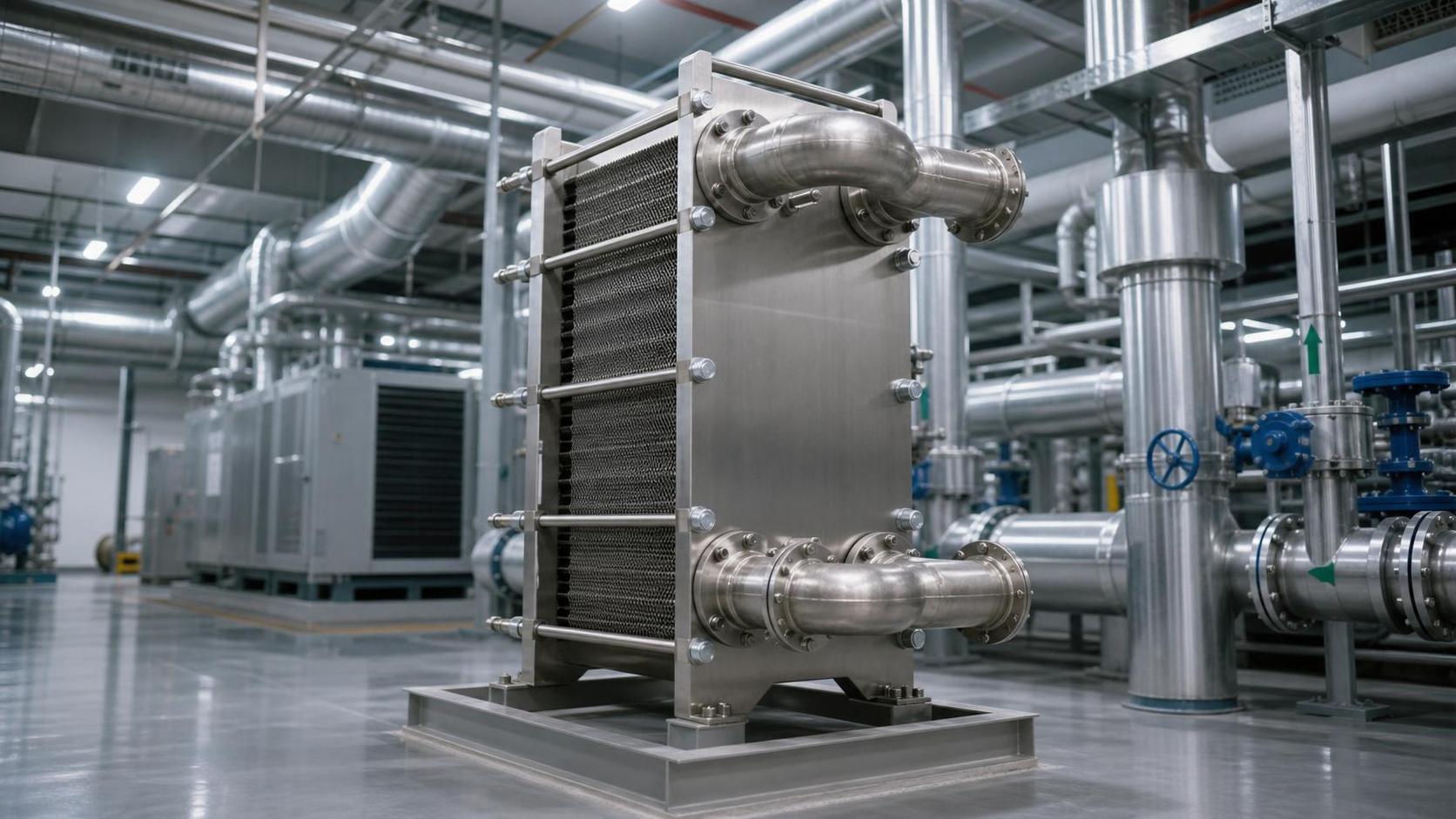
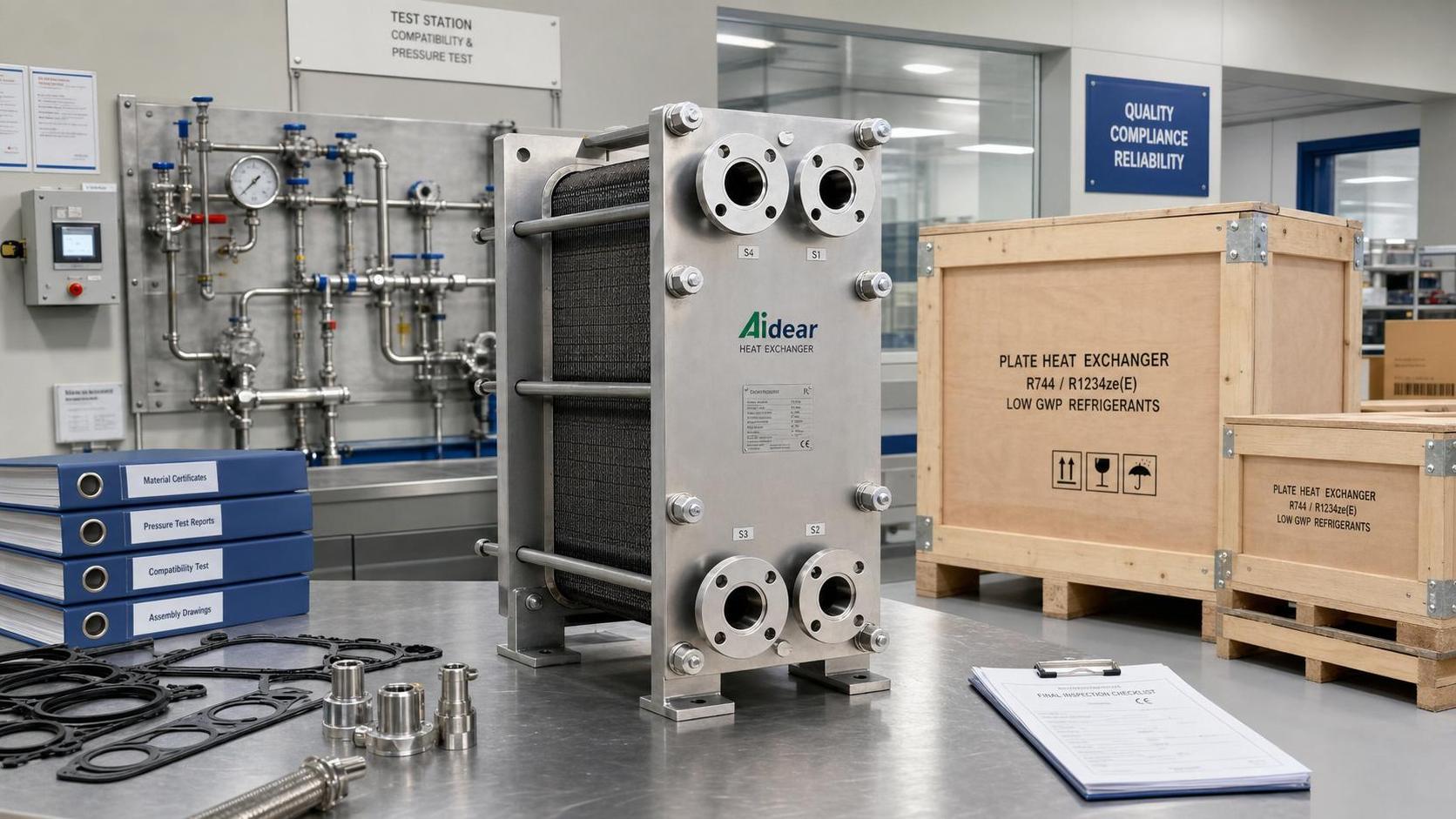
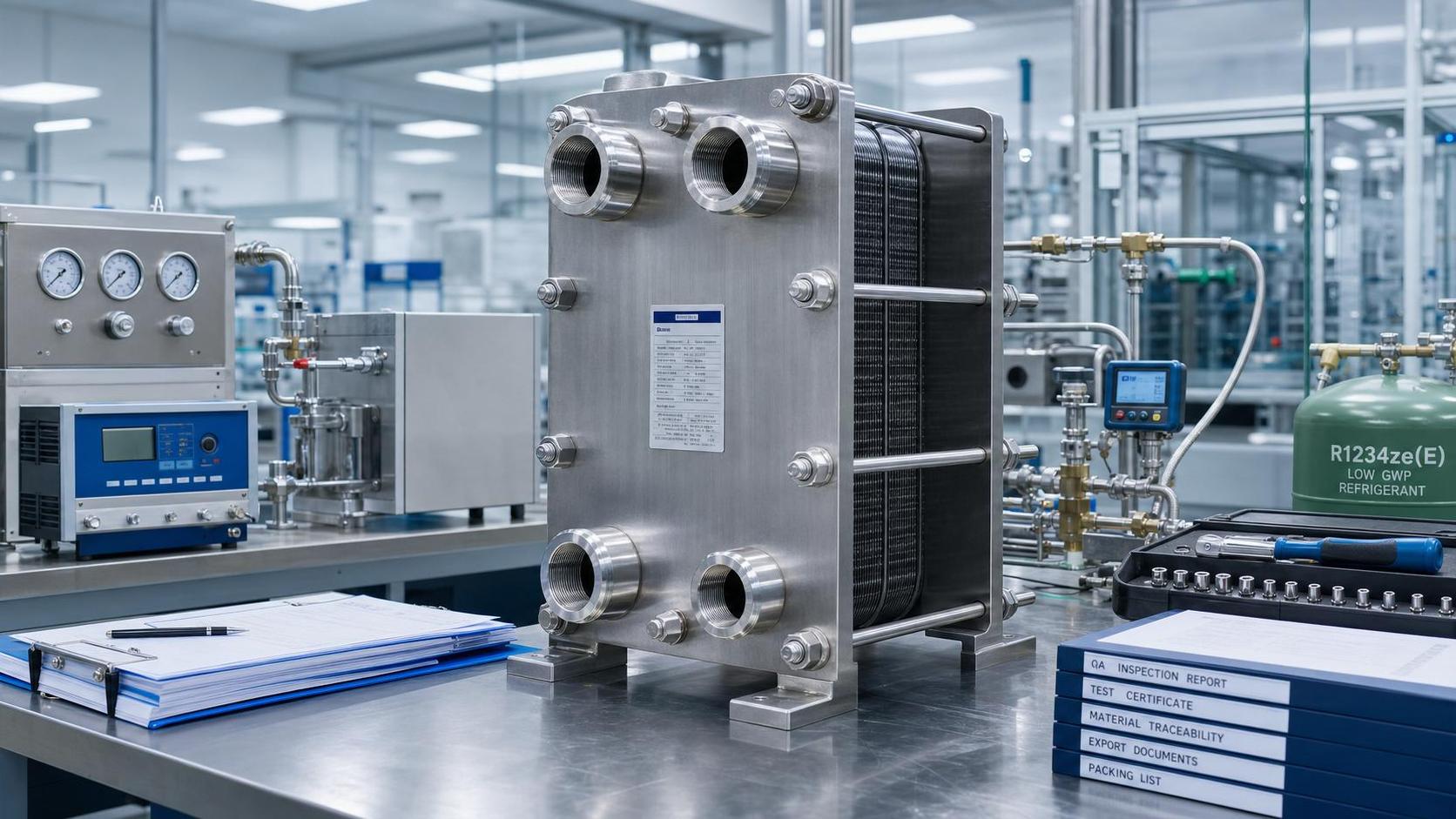
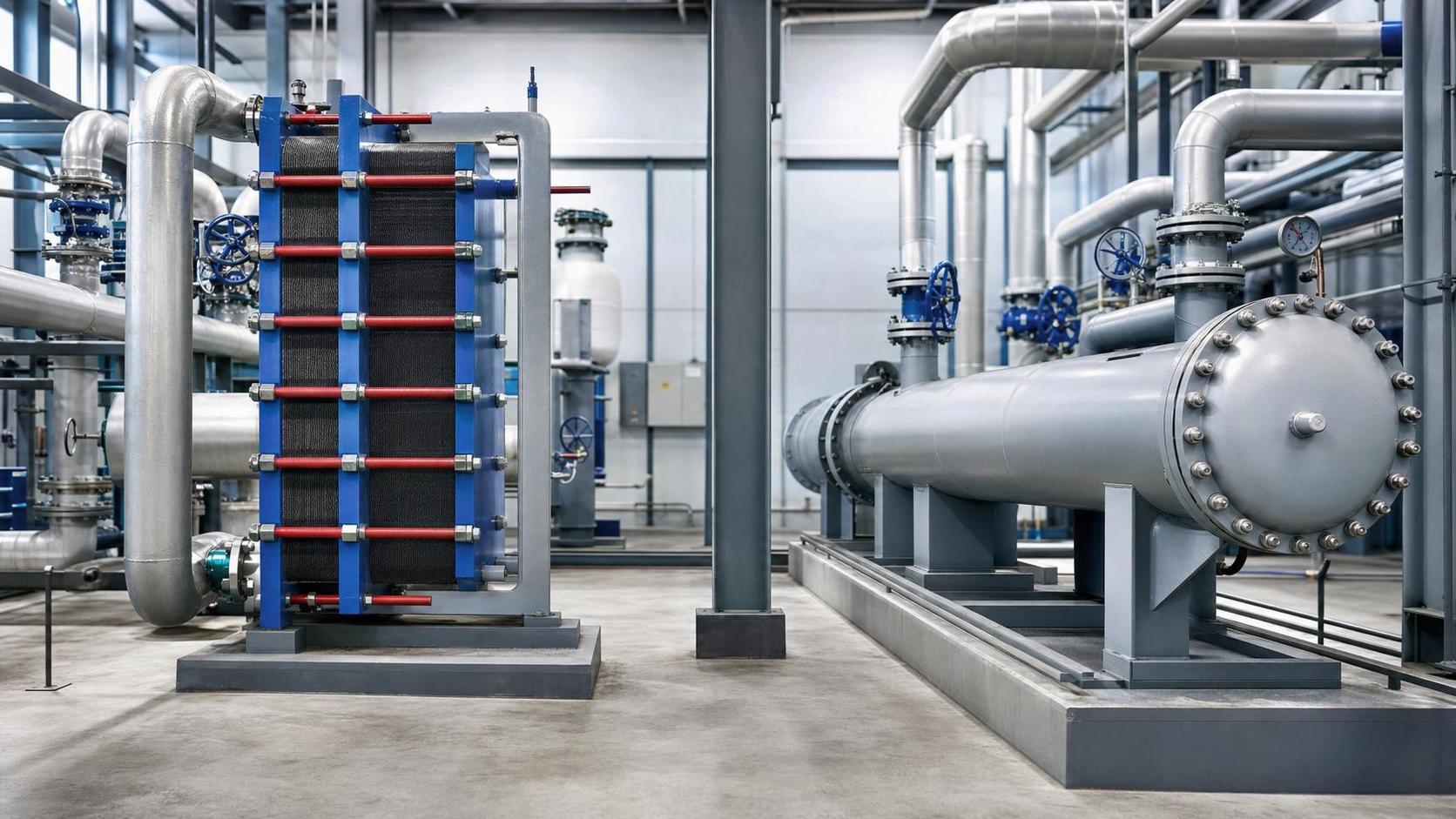
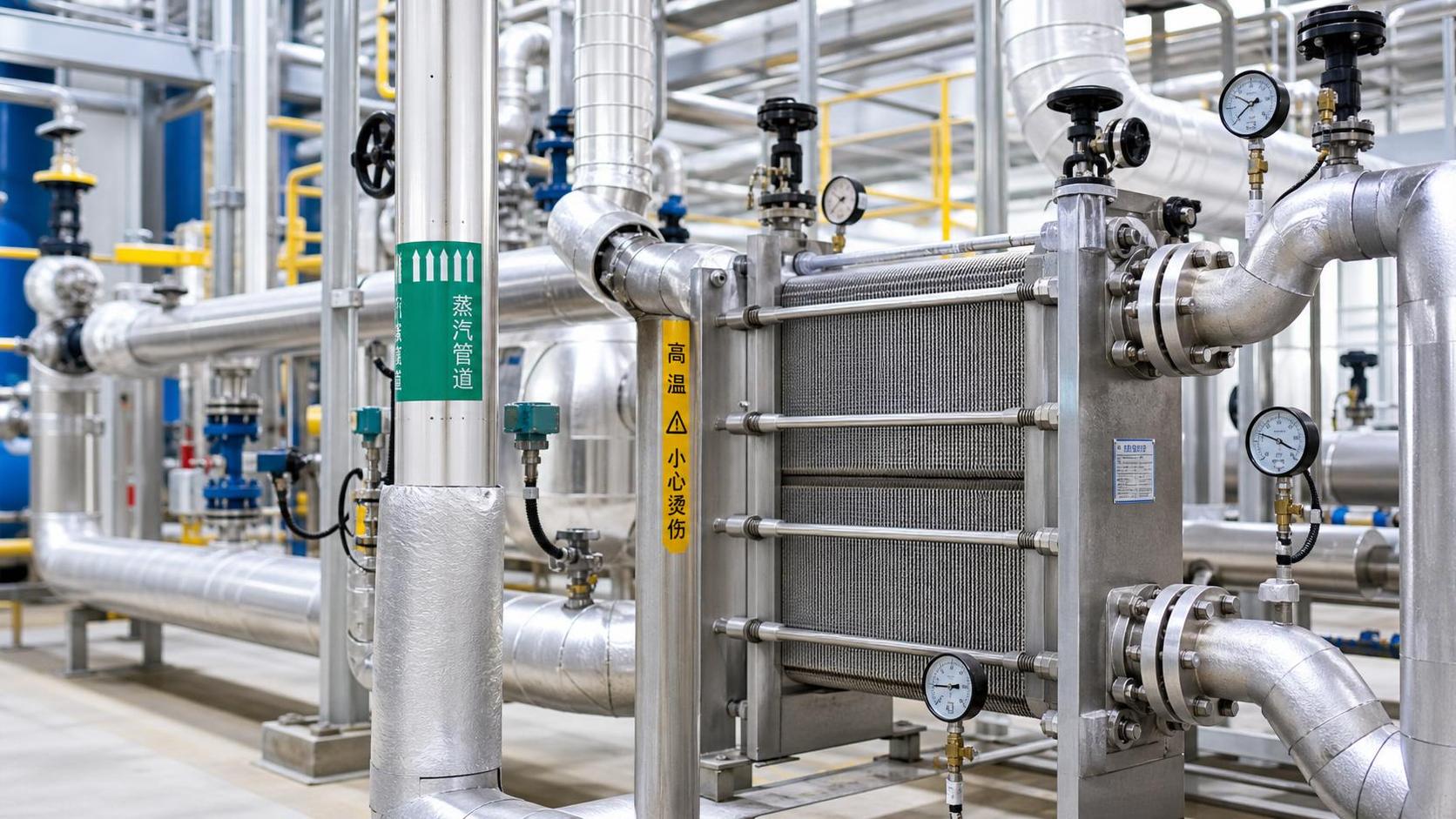
A plate heat exchange unit transfers heat through thin corrugated plates.
Fluids move in alternating channels, creating turbulence and strong thermal performance.
This usually delivers a close temperature approach in a small footprint.
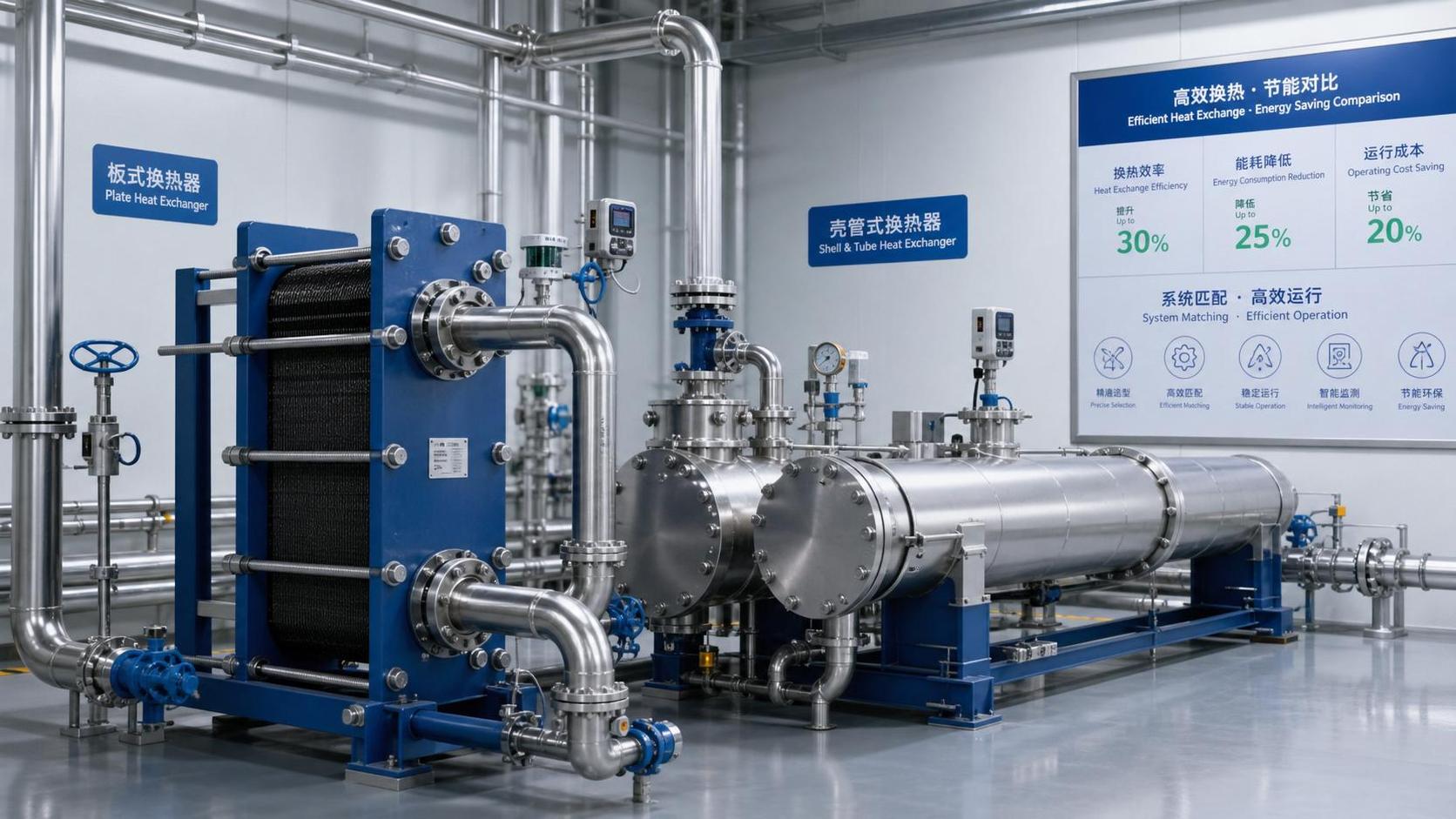
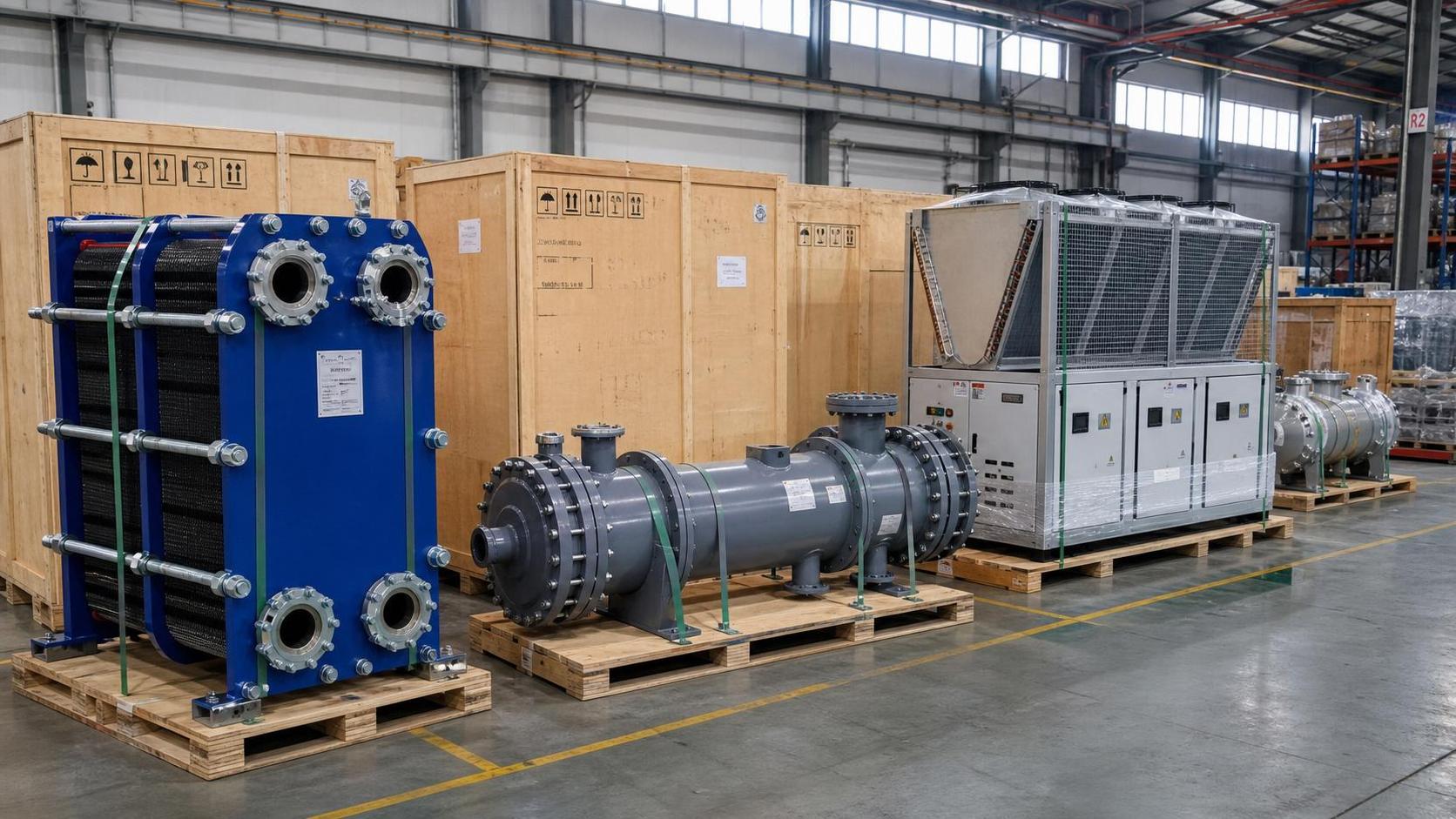
A shell & tube exchanger uses a bundle of tubes inside a cylindrical shell.
One fluid flows through tubes, while the other moves across the tube bundle.
The geometry is less compact, but mechanically robust and widely accepted across heavy industry.
That basic structure shapes nearly every heat exchange selection outcome.
Where Plate Heat Exchange Usually Wins
If process efficiency is the first priority, plate heat exchange often has a clear advantage.
High turbulence improves heat transfer coefficients and reduces required surface area.
This means smaller equipment, less installation space, and often lower utility demand.
In HVAC, food processing, pharmaceuticals, and clean water systems, that is a major benefit.
When a process needs tight outlet temperature control, plate heat exchange can respond very well.
It also supports modular capacity adjustment in many gasketed configurations.
You can add or remove plates as duty changes over time.
That flexibility is valuable where production volumes shift or utilities are optimized frequently.
- Best for clean fluids with moderate pressure and temperature.
- Strong choice when footprint is limited.
- Useful when energy recovery and close approach temperatures matter.
- Attractive where future expansion may require plate pack changes.
Where Shell & Tube Still Leads
Shell & tube remains hard to beat in severe service.
If the process involves high pressure, high temperature, thermal shock, or aggressive media, it usually deserves serious consideration.
This heat exchange design tolerates mechanical stress better than most plate units.
It is also familiar in refineries, chemical plants, power stations, and heavy utilities.
Another strength is fouling management.
When fluids carry fibers, solids, scale potential, or unstable residues, shell & tube often offers more tolerance.
Mechanical cleaning of tubes can be easier in many maintenance programs.
That can lower operational uncertainty even if thermal efficiency is not the highest available.
Compare the Five Selection Factors That Matter Most
1. Thermal performance
Plate heat exchange generally delivers higher efficiency per square meter.
If your process needs a small temperature difference, plates often fit better.
Shell & tube may need more area to reach the same duty.
2. Fouling behavior
For cleaner fluids, plate heat exchange performs efficiently for long periods.
For dirty or scaling fluids, narrow plate channels can become a risk.
Shell & tube usually offers more margin when fluid quality is unpredictable.
3. Pressure and temperature limits
This is often a decisive checkpoint in heat exchange selection.
Standard plate designs have limits based on plate material, gasket type, and frame design.
Shell & tube handles more extreme conditions with greater confidence.
4. Maintenance strategy
If maintenance teams prefer fast disassembly and plate inspection, gasketed plate units are appealing.
If the plant relies on mechanical tube cleaning routines, shell & tube may fit existing practice better.
Your maintenance culture matters as much as exchanger design.
5. Footprint and lifecycle cost
Plate heat exchange often reduces footprint, piping congestion, and pump energy.
Shell & tube may occupy more space, but it can deliver longer durability in harsh service.
The best economic answer comes from total lifecycle cost, not purchase price alone.
Quick Decision Table for Heat Exchange Evaluation
Common Process Scenarios and Better Fits
A chilled water loop with clean media and space constraints usually favors plate heat exchange.
A viscous process stream with solids or scaling often leans toward shell & tube.
A plant recovering waste heat from a controlled utility stream may benefit from plates.
A refinery side cooler facing pressure swings and maintenance abuse may require shell & tube.
These choices are not trends. They are risk responses based on operating conditions.
- Choose plates for compact heat exchange with clean, stable fluids.
- Choose shell & tube for rugged heat exchange under severe duty.
- Validate material compatibility before comparing thermal efficiency alone.
- Review cleaning access early, not after layout is fixed.
Mistakes That Distort the Selection
One common mistake is selecting heat exchange equipment only by nameplate duty.
Real performance depends on seasonal variation, startup conditions, and fouling rate.
Another mistake is underestimating pressure drop constraints.
A very efficient exchanger can still create problems if pumping cost rises too much.
It is also risky to assume every plate design behaves the same.
Gasketed, brazed, welded, and semi-welded units have different heat exchange limits and service windows.
Likewise, shell & tube details such as pass arrangement and bundle design affect outcomes significantly.
A Practical Evaluation Checklist
For a more confident heat exchange decision, walk through a simple checklist before final comparison.
- Confirm fluid cleanliness, solids content, and scaling tendency.
- Check maximum and upset pressure and temperature conditions.
- Define allowable pressure drop on both sides.
- Review cleaning frequency, shutdown windows, and labor practice.
- Measure actual installation space and maintenance clearance.
- Compare energy cost, spare parts, and service life together.
This approach keeps the heat exchange conversation grounded in operational value.
It also reduces the chance of choosing a technically elegant design that performs poorly in the field.
Final Take: Match the Exchanger to the Process, Not the Preference
Plate heat exchange is often the smarter choice when efficiency, compactness, and close temperature control drive the project.
Shell & tube is often the safer choice when the process is harsher, dirtier, or mechanically demanding.
The strongest decisions come from balancing thermal performance with maintainability and operating risk.
In real industrial heat exchange applications, the best fit is rarely the most fashionable option.
It is the one that keeps process stability high and lifecycle surprises low.
If the next step is vendor comparison, start with your process limits, fouling profile, and maintenance reality.
That will lead to a heat exchange choice that works not just on paper, but on site.
Ready when you are. Send us a message to get started.
Related News
- How corrugation angle affects heat transfer in plate heat exchangersAuthor :Thermodynamics Analyst

- When do plate heat exchangers suit Middle East seawater cooling?Author :Thermodynamics Analyst

- When does gasketed plate heat exchanger technology suit your process?Author :Thermodynamics Analyst

- When does heat recovery improve data center cooling efficiency?Author :Thermodynamics Analyst

- How Do I Verify Heat Transfer Calculations in a Supplier Quotation?Author :Thermodynamics Analyst

- How to evaluate a plate heat exchangers supplier before orderingAuthor :Thermodynamics Analyst

- EU Tightens Fatigue Checks for Plate Heat ExchangersAuthor :Thermodynamics Analyst

- EU PFAS Rule Adds New Export Filing for Cooling EquipmentAuthor :Thermodynamics Analyst

- EU EN 13445-4:2026 Adds Fatigue Report RequirementAuthor :Thermodynamics Analyst

- EU Updates EN 13445-4 for Plate ExchangersAuthor :Thermodynamics Analyst

- How to Compare Energy-Efficient Heat Exchange SolutionsAuthor :Thermodynamics Analyst

- Brazed Plate Exchanger Design: 7 Factors That Affect Heat TransferAuthor :Thermodynamics Analyst

- EU CBAM Pilot List Adds Plate ExchangersAuthor :Thermodynamics Analyst

- How Heat Exchange Systems Improve Temperature Control StabilityAuthor :Thermodynamics Analyst

- Japan to Require Efficiency Labels for Plate ExchangersAuthor :Thermodynamics Analyst

- EU REACH Adds PFAS Ban for Plate Heat ExchangersAuthor :Thermodynamics Analyst

- India Enforces BIS Rule for Plate Heat ExchangersAuthor :Thermodynamics Analyst

- DIN EN 13445-6:2026 Tightens Plate Exchanger CE RulesAuthor :Thermodynamics Analyst

- EU REACH Restricts PFAS Seals for Plate Heat ExchangersAuthor :Thermodynamics Analyst

- India Mandates BIS Certification for Imported Plate ExchangersAuthor :Thermodynamics Analyst

- Vietnam Requires QR Labels on Imported Plate Heat ExchangersAuthor :Thermodynamics Analyst

- EU EN 13445-4:2026 Tightens NDT Rules for Heat ExchangersAuthor :Thermodynamics Analyst

- EPA Clears R-1234ze(E) for Plate Exchanger SystemsAuthor :Thermodynamics Analyst
 for Plate Exchanger Systems")
- Heat Exchange Equipment Selection: Key Performance Checks Before You Compare ModelsAuthor :Thermodynamics Analyst

- ASHRAE 90.1-2026 Raises Plate Exchanger Efficiency ThresholdAuthor :Thermodynamics Analyst

- Heat Exchange Systems: How to Choose the Right SetupAuthor :Thermodynamics Analyst

- EPA SNAP 89 Takes Effect for Plate ExchangersAuthor :Thermodynamics Analyst

- How to Compare Heat Exchange Solutions for Lower Energy UseAuthor :Thermodynamics Analyst

- EPA SNAP 89 Expands Filing Rules for Plate Heat ExchangersAuthor :Thermodynamics Analyst

- EPA SNAP update adds filing rule for plate heat exchangersAuthor :Thermodynamics Analyst

- Industrial Heat Recovery: Where the Payback Is Fastest in 2026Author :Thermodynamics Analyst

- California EPR Deadline Nears for Cooling Equipment MakersAuthor :Thermodynamics Analyst

- Heat Exchanger Technology: Plate vs Shell and Tube for EfficiencyAuthor :Thermodynamics Analyst

- Industrial Heat Recovery Options for High-Temperature ProcessesAuthor :Thermodynamics Analyst

- Heat Transfer Problems in Process Lines: Causes and Practical FixesAuthor :Thermodynamics Analyst

- India Tightens Plate Exchanger Import Clearance RulesAuthor :Thermodynamics Analyst