AI Cooling Orders Stretch Into 2027




The exact event date was not specified. According to a BNEF report dated June 2, 2026, accelerating global AI data center construction is pushing orders for Plate Exchangers and Shell & Tube units used in liquid cooling systems out to Q2 2027, with lead times at major suppliers extending to 18–24 months. This development is affecting the heat-transfer equipment supply chain and is prompting large IDC integrators in Europe and the Middle East to seek capacity reservations from Chinese suppliers through long-term framework agreements.
Image Placement Plan
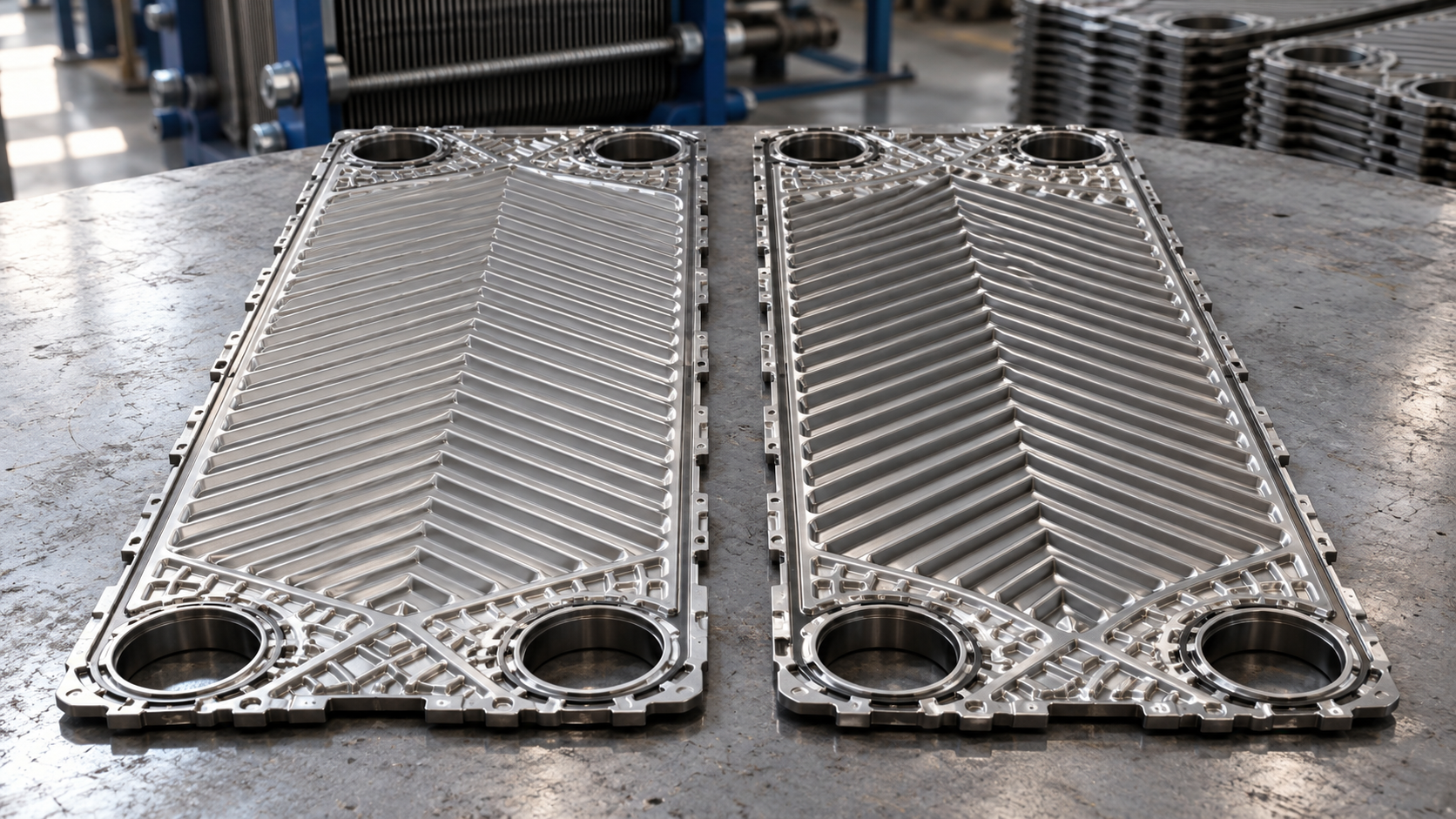
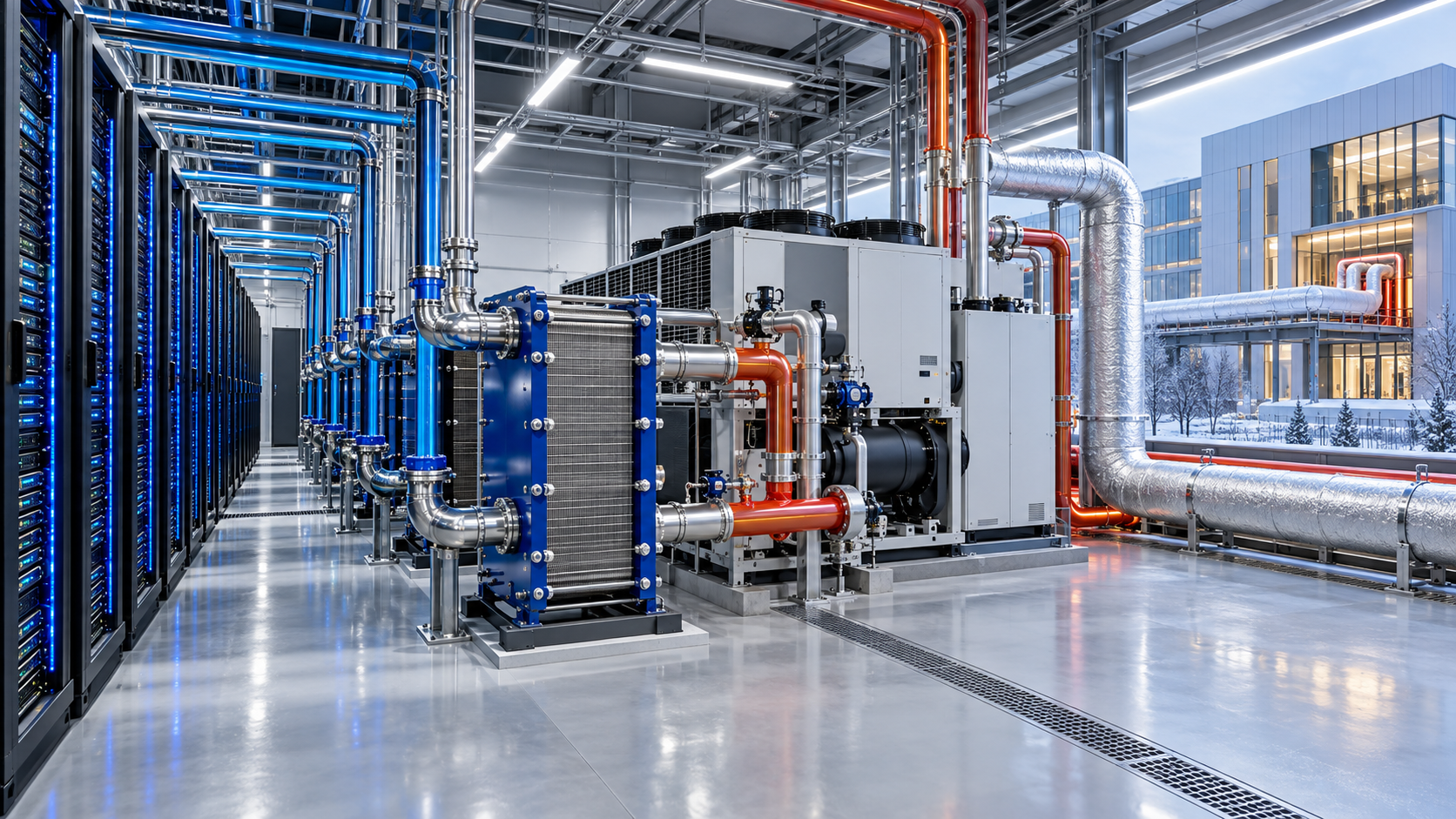
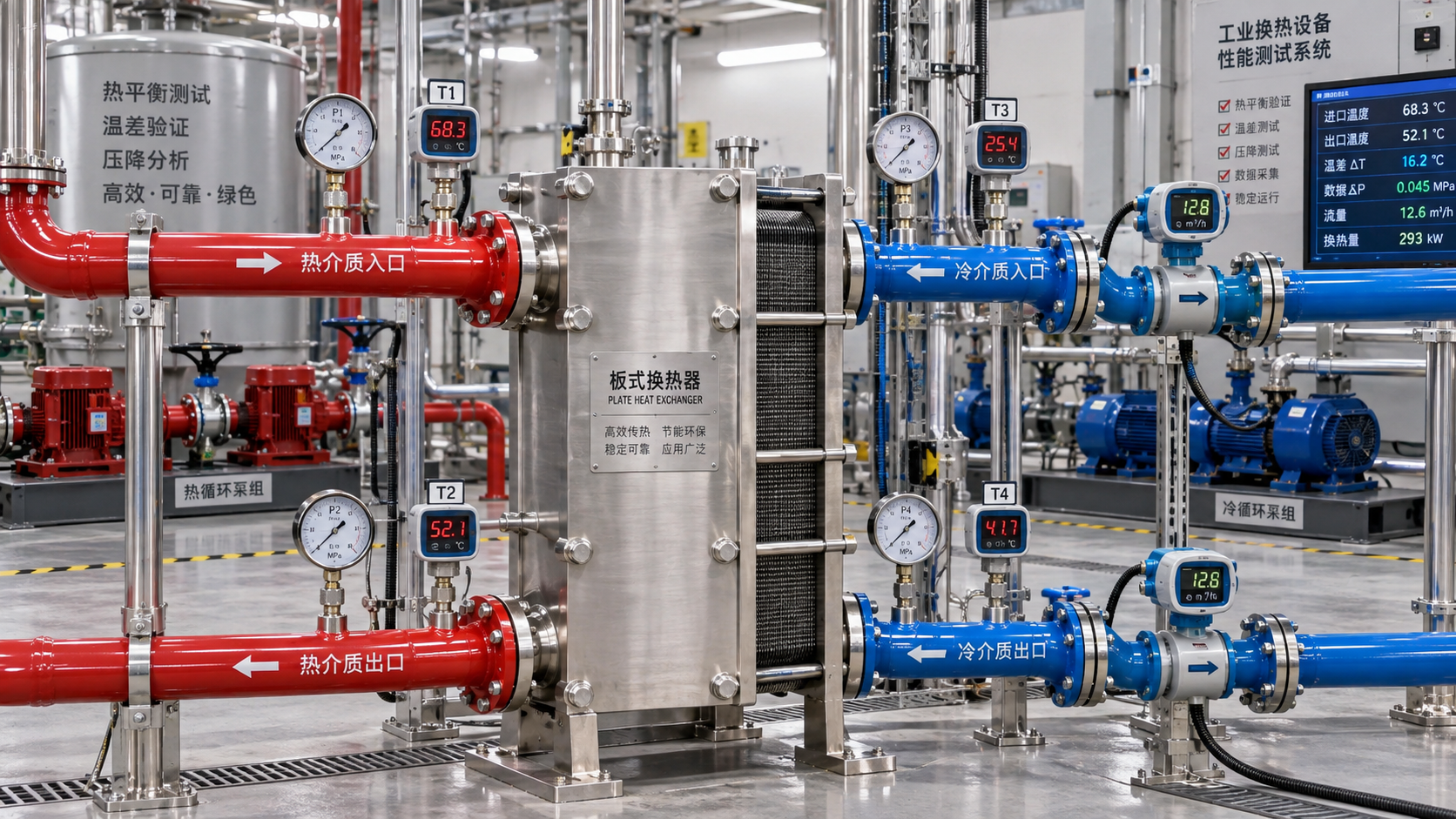
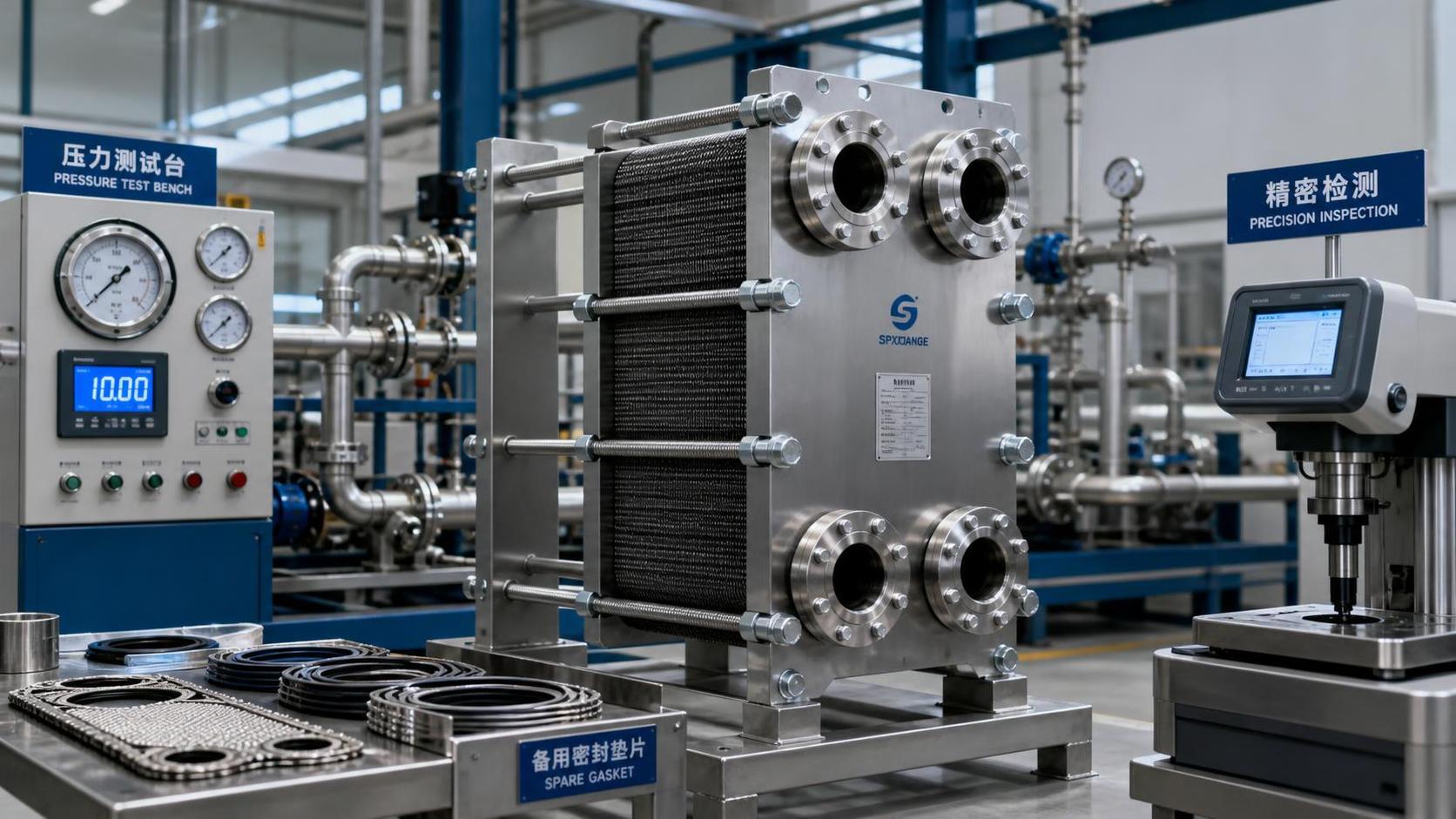
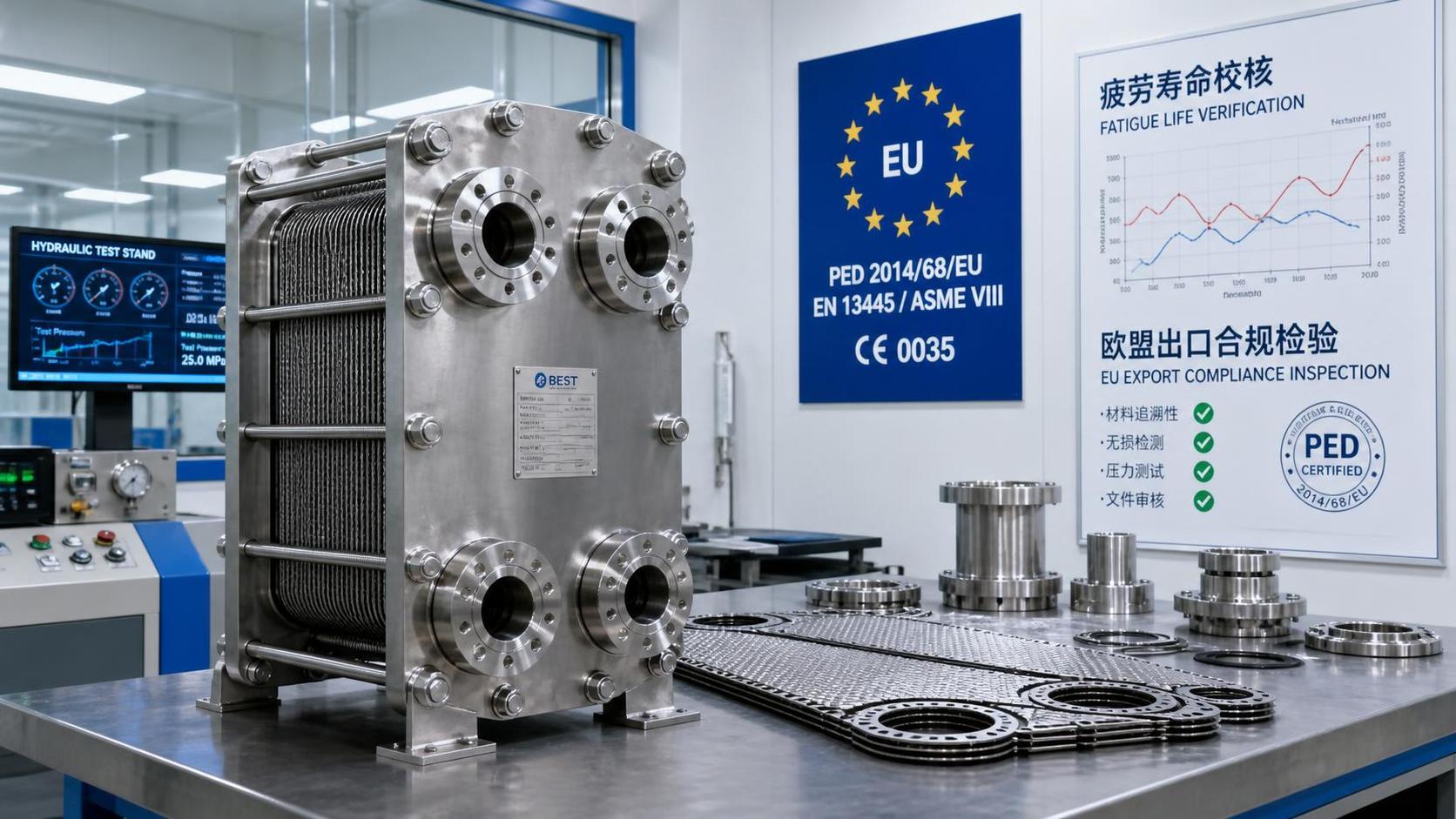
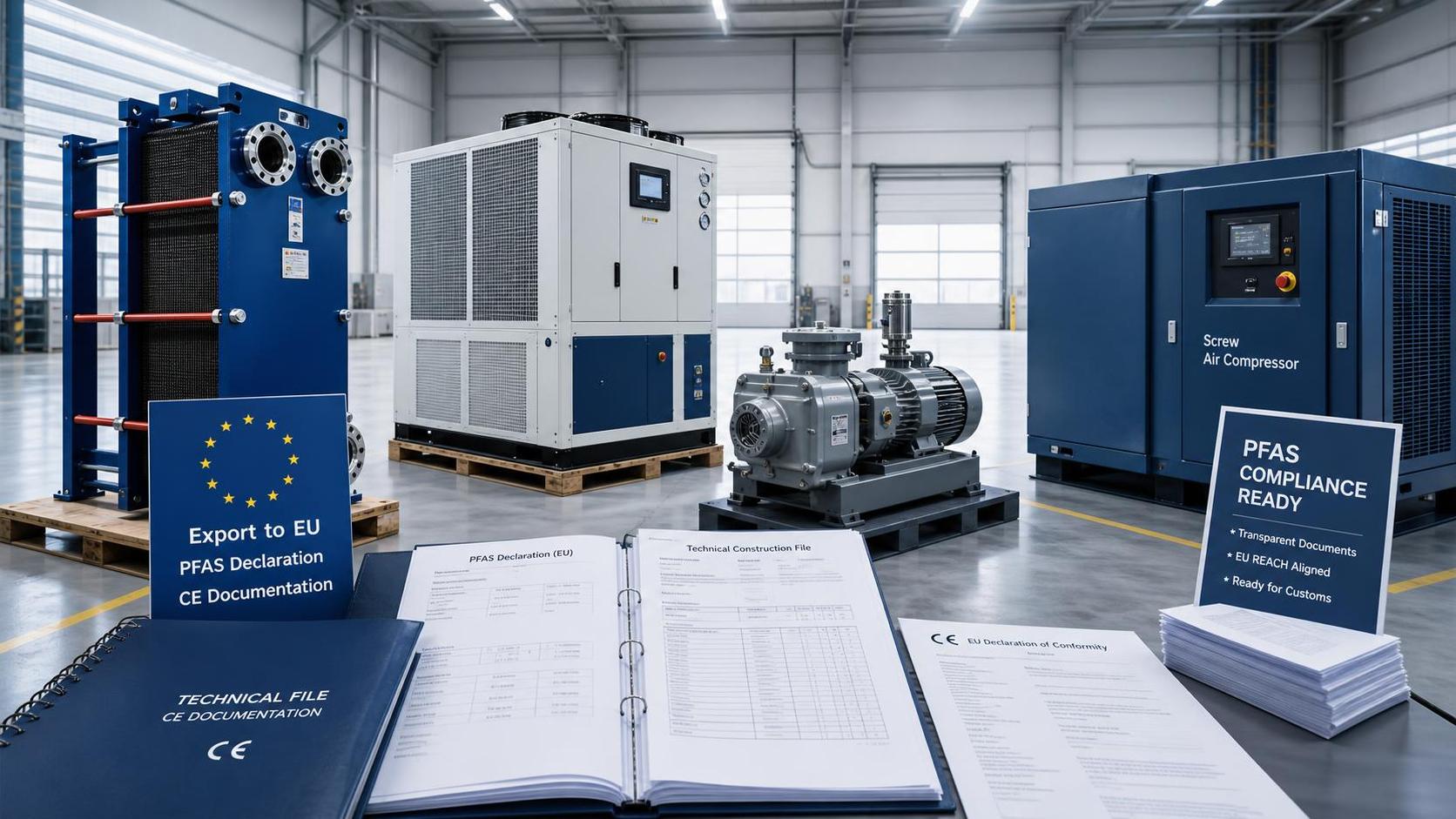
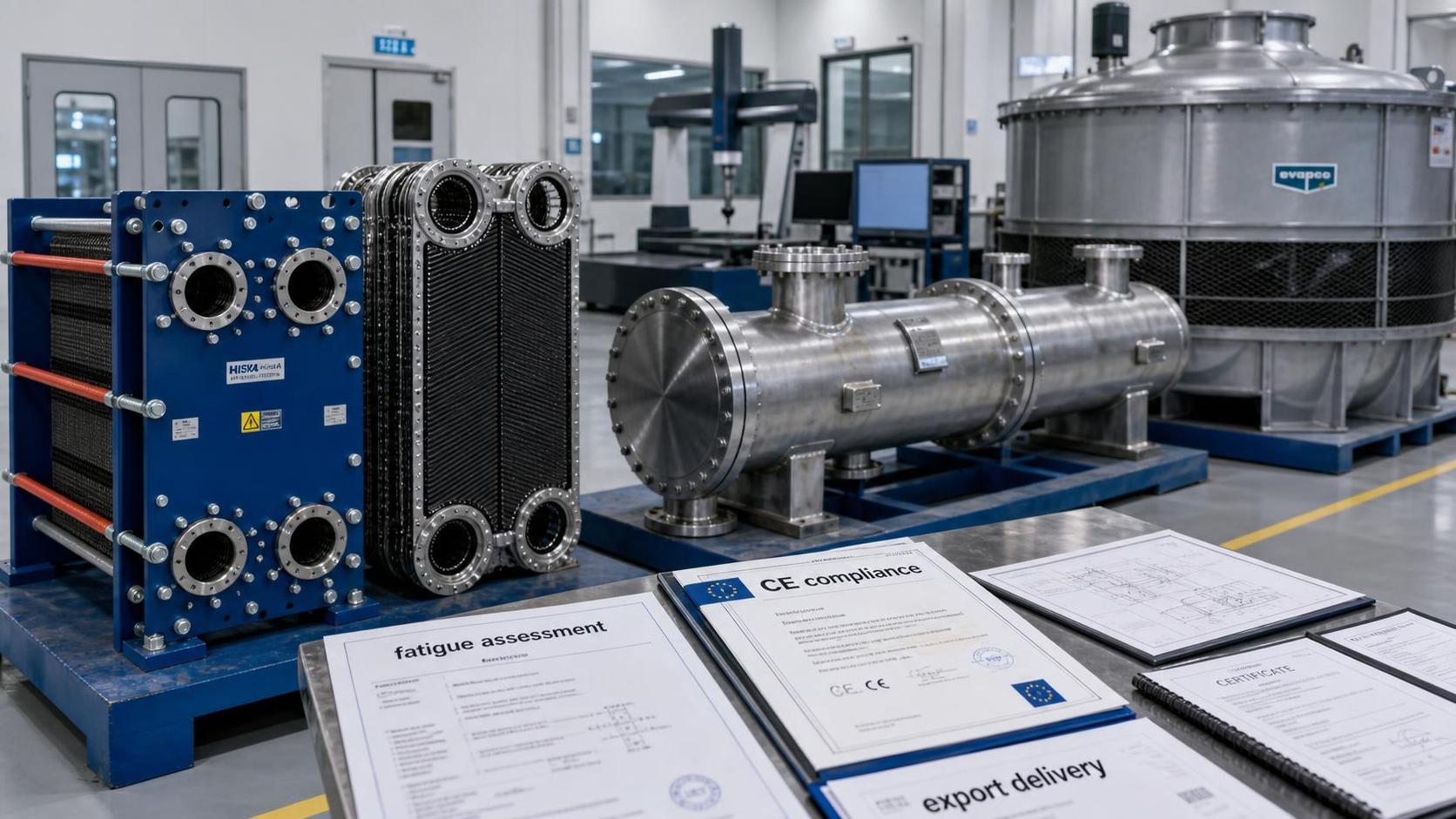
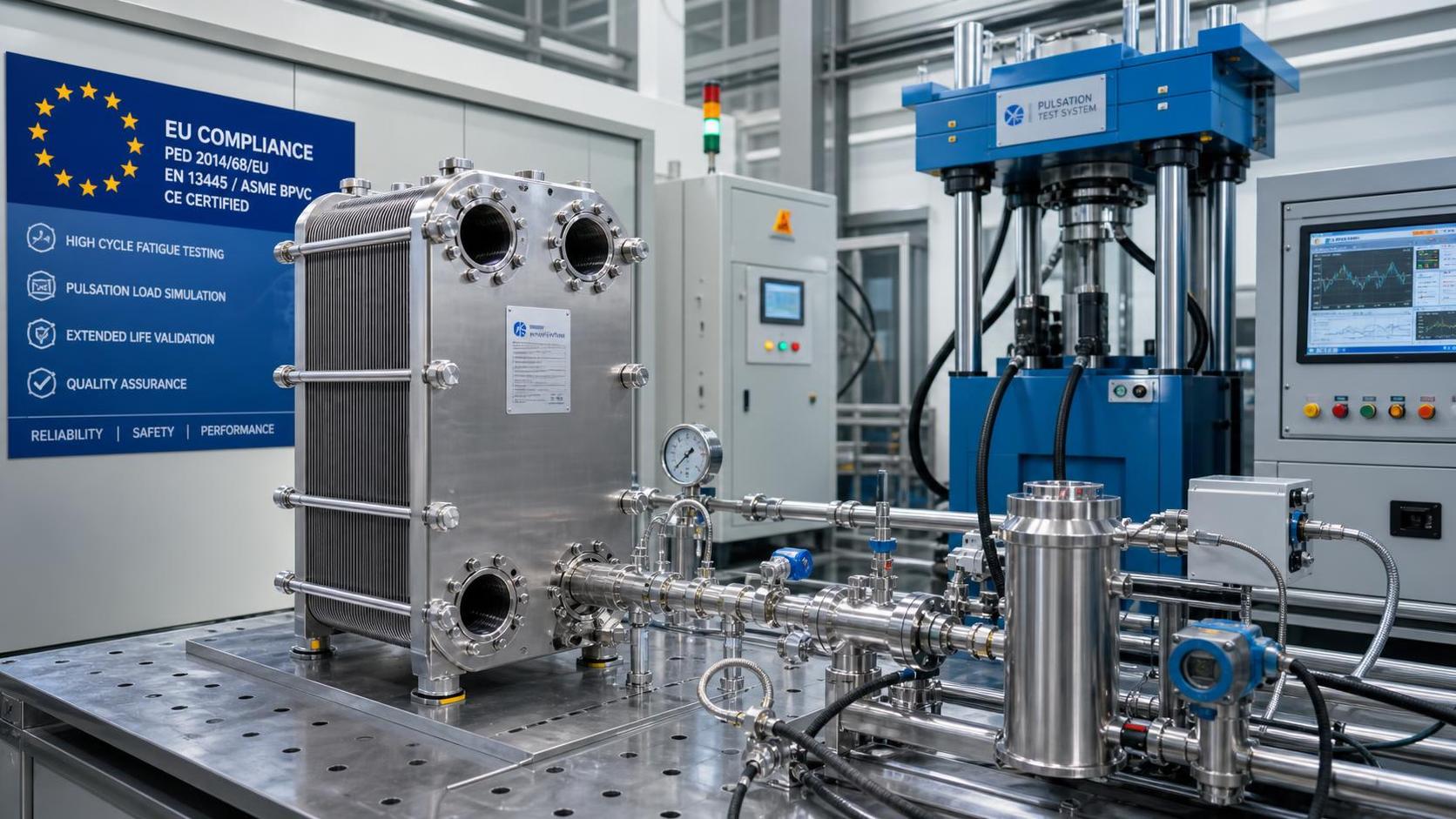
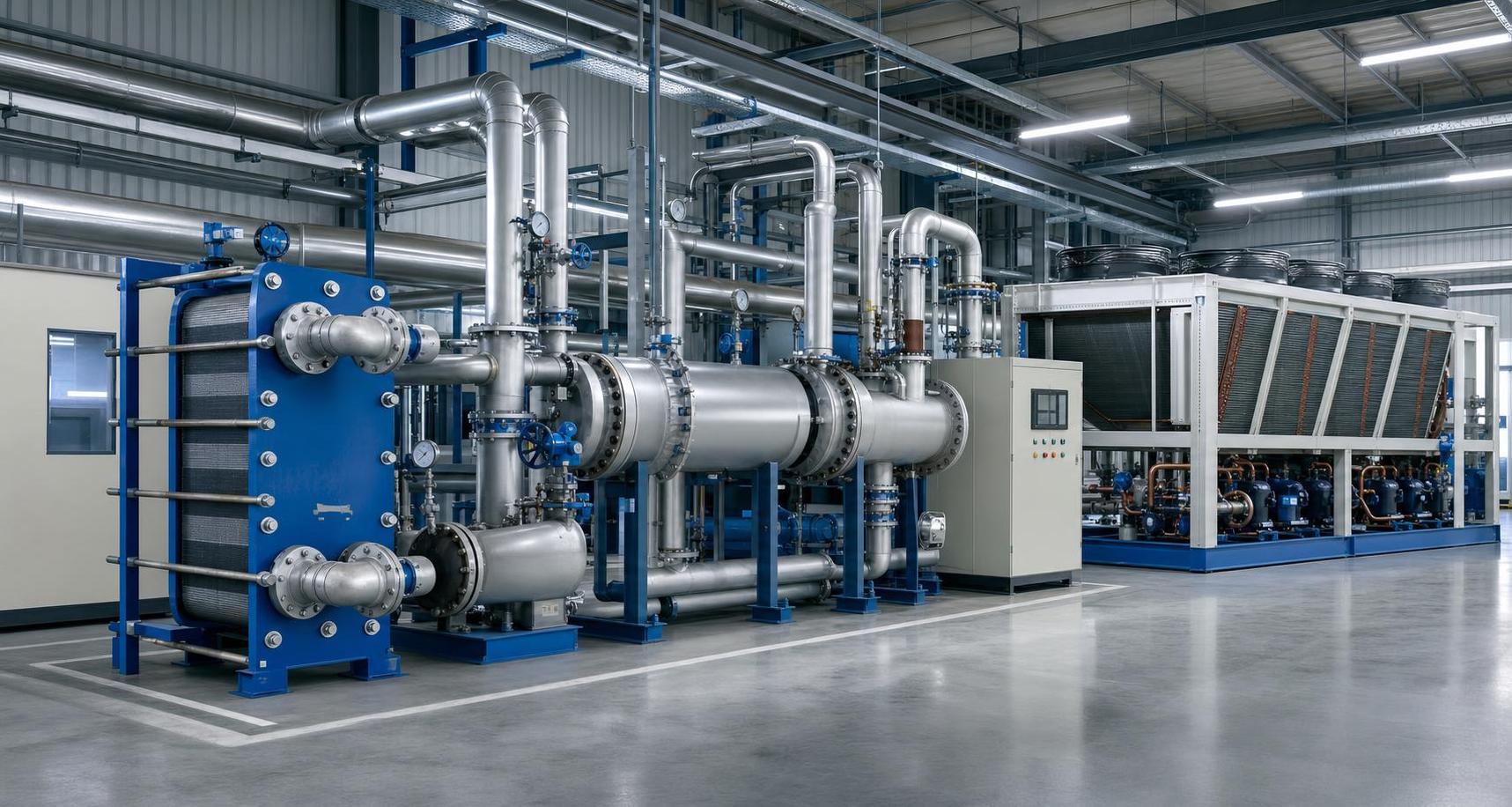
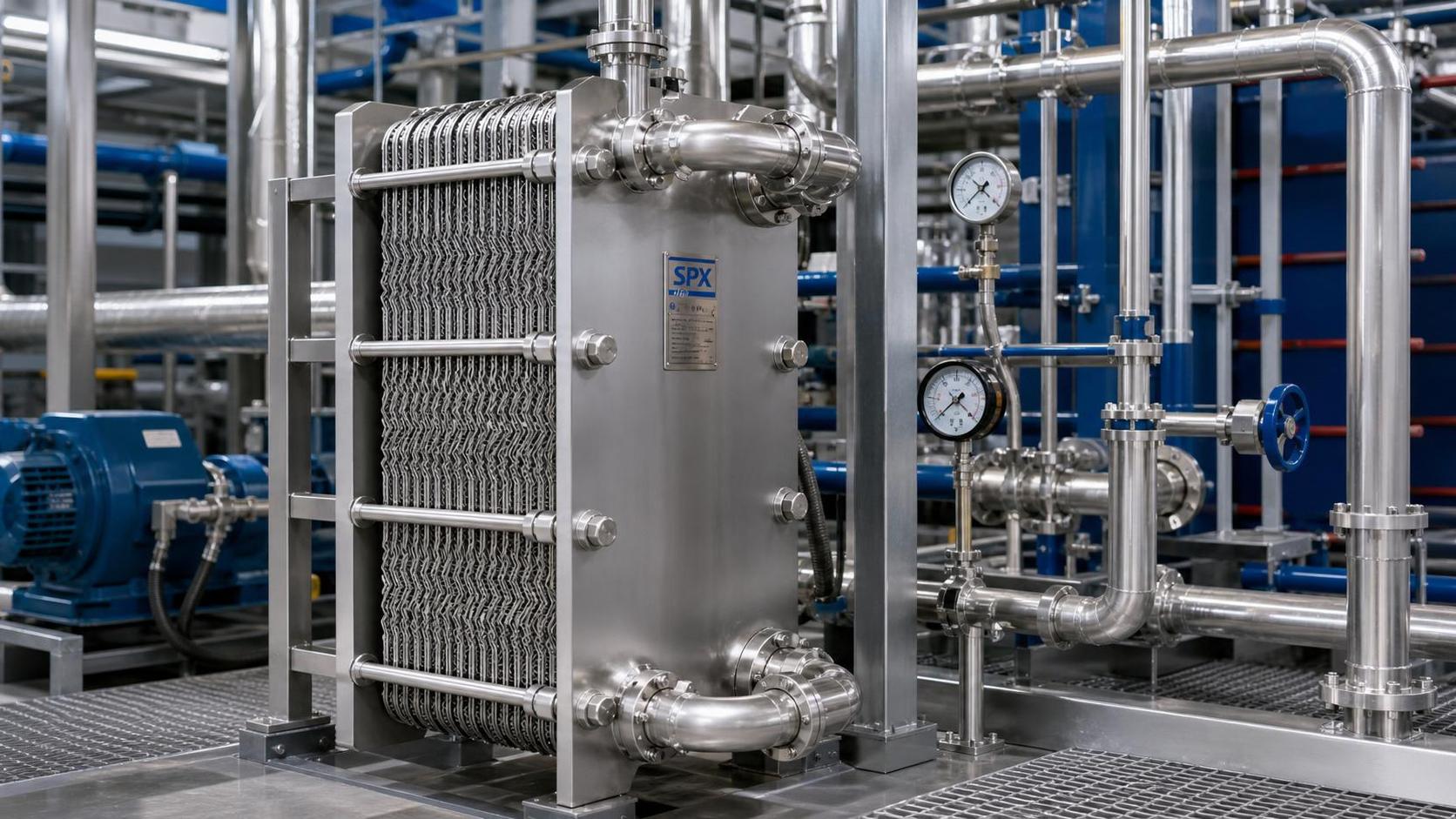
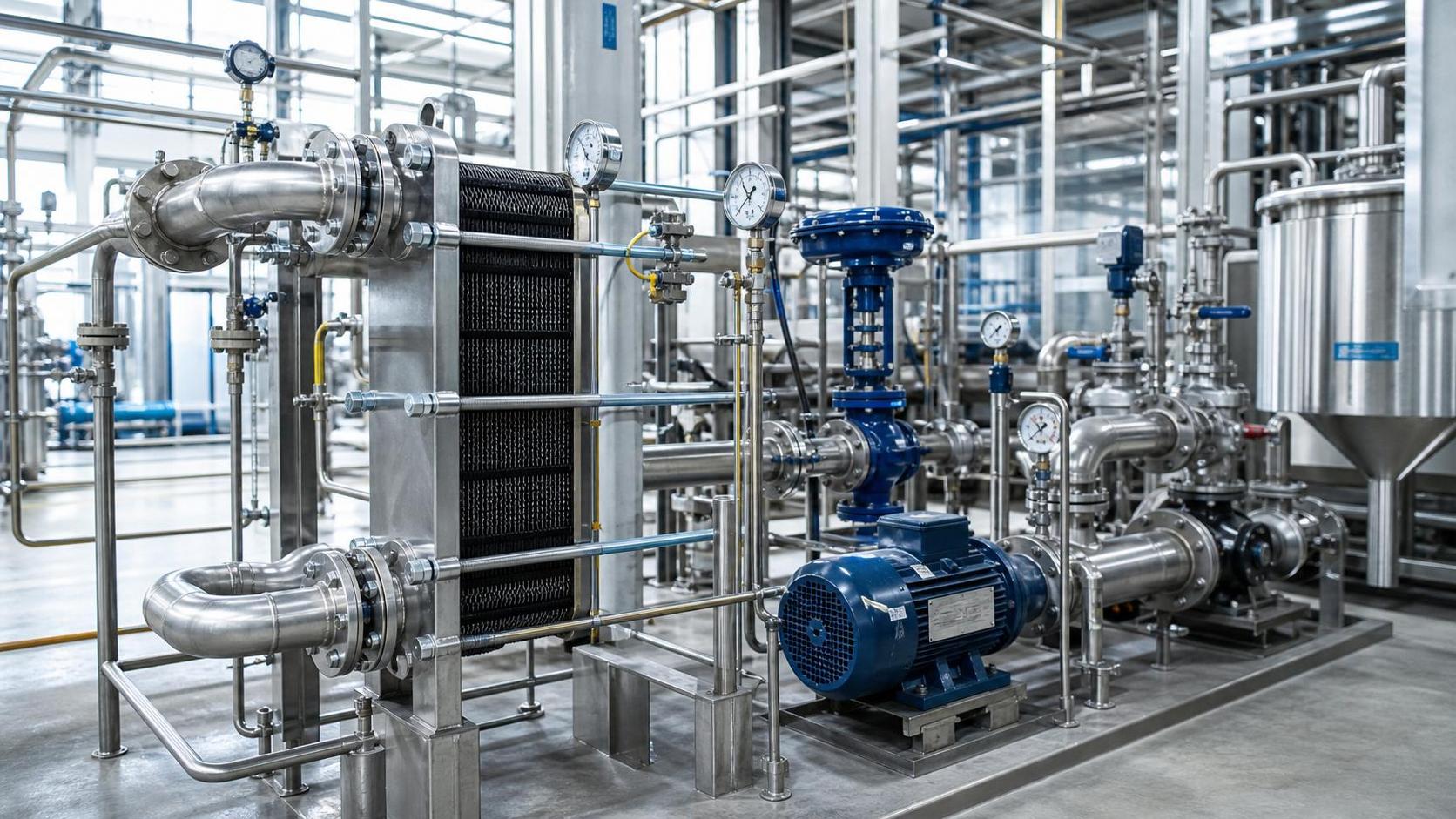
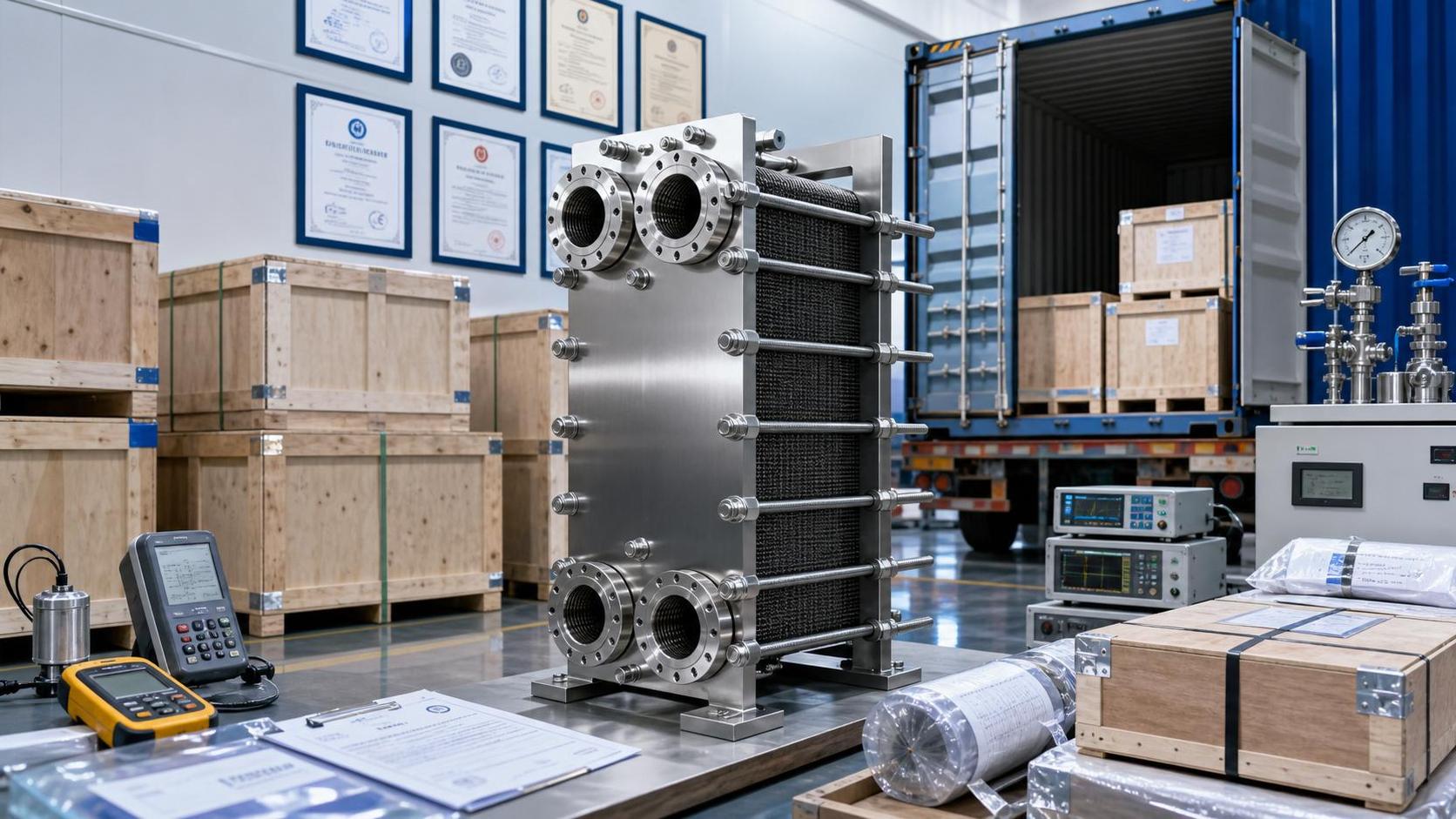
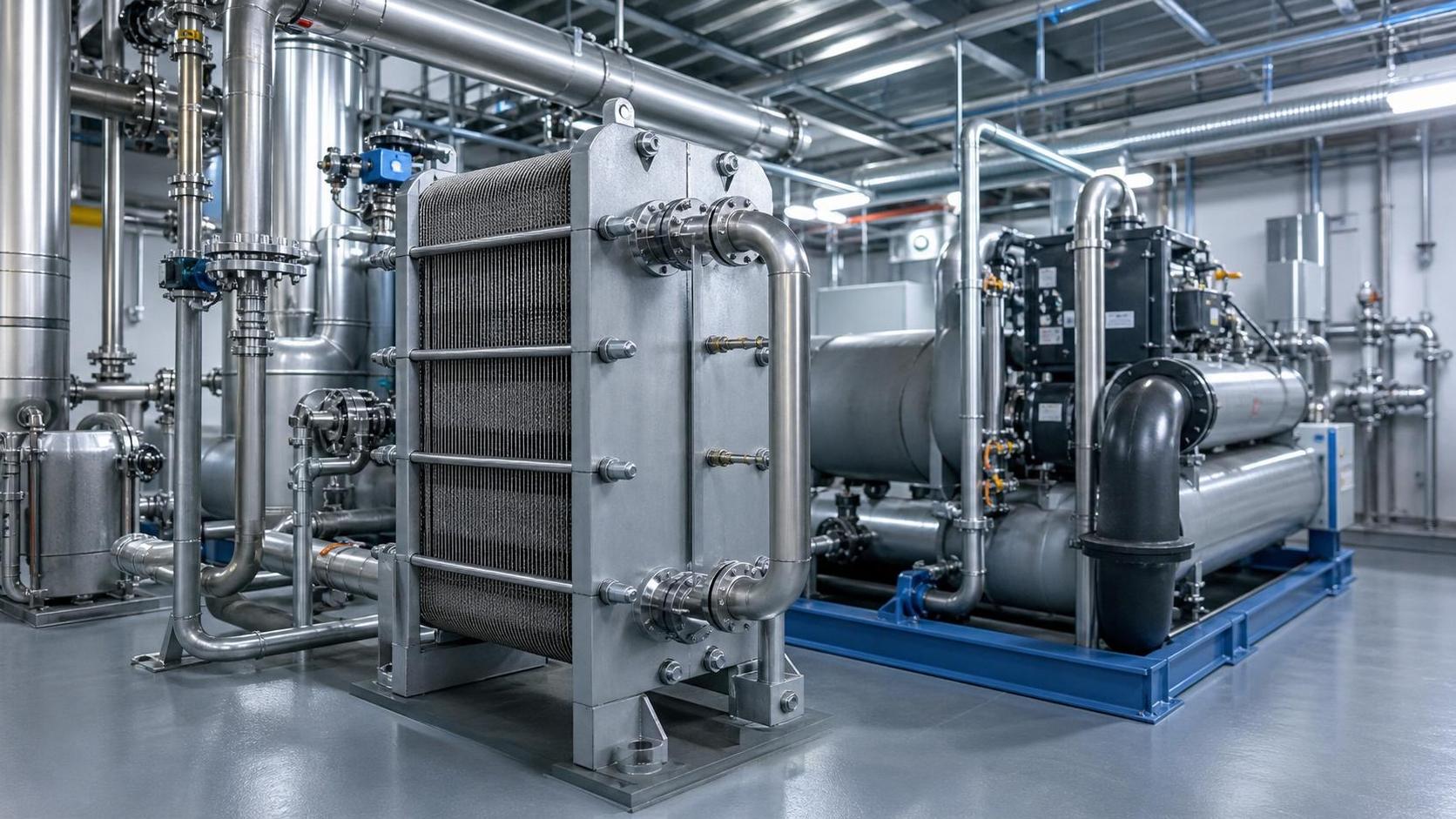
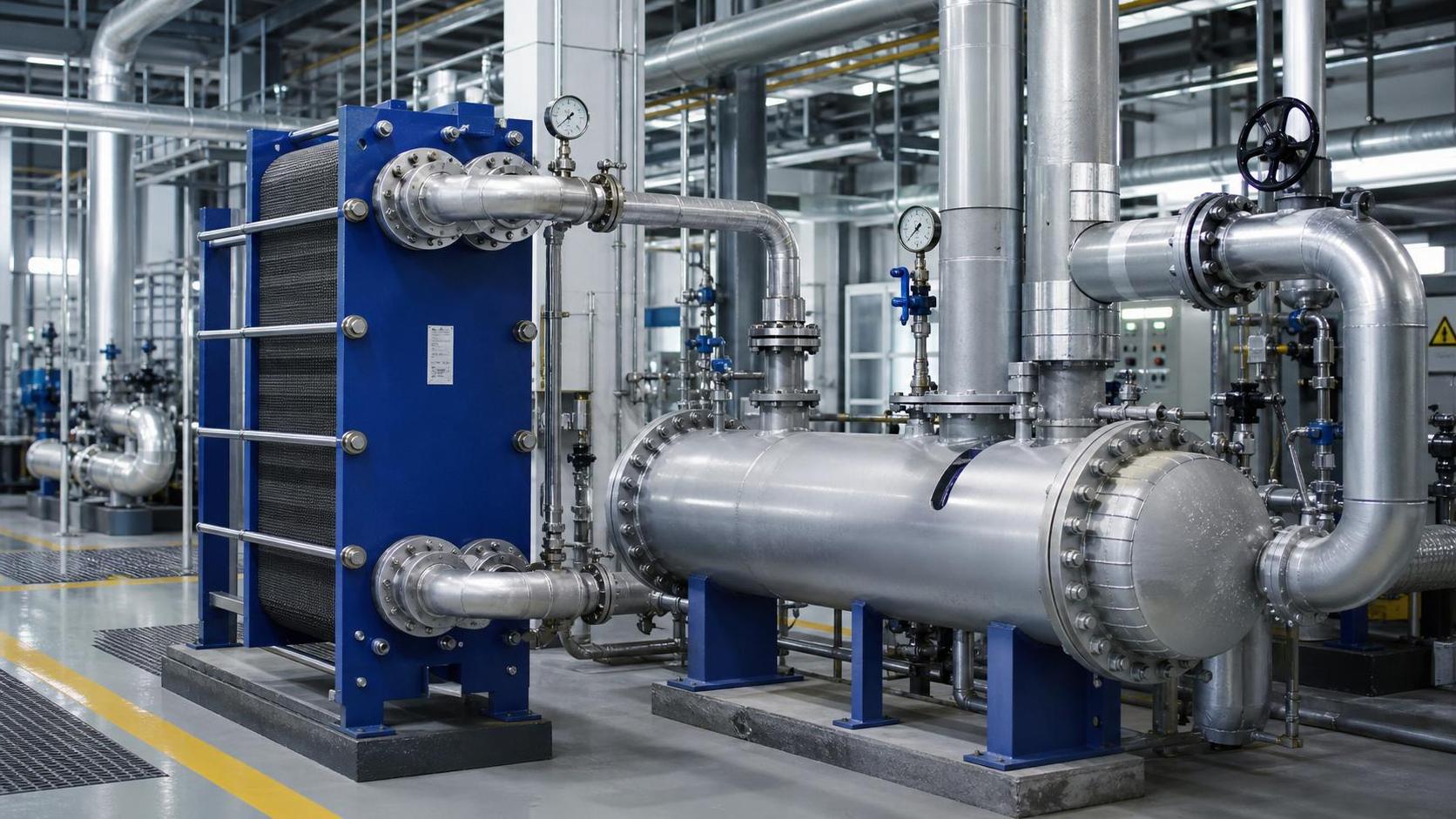
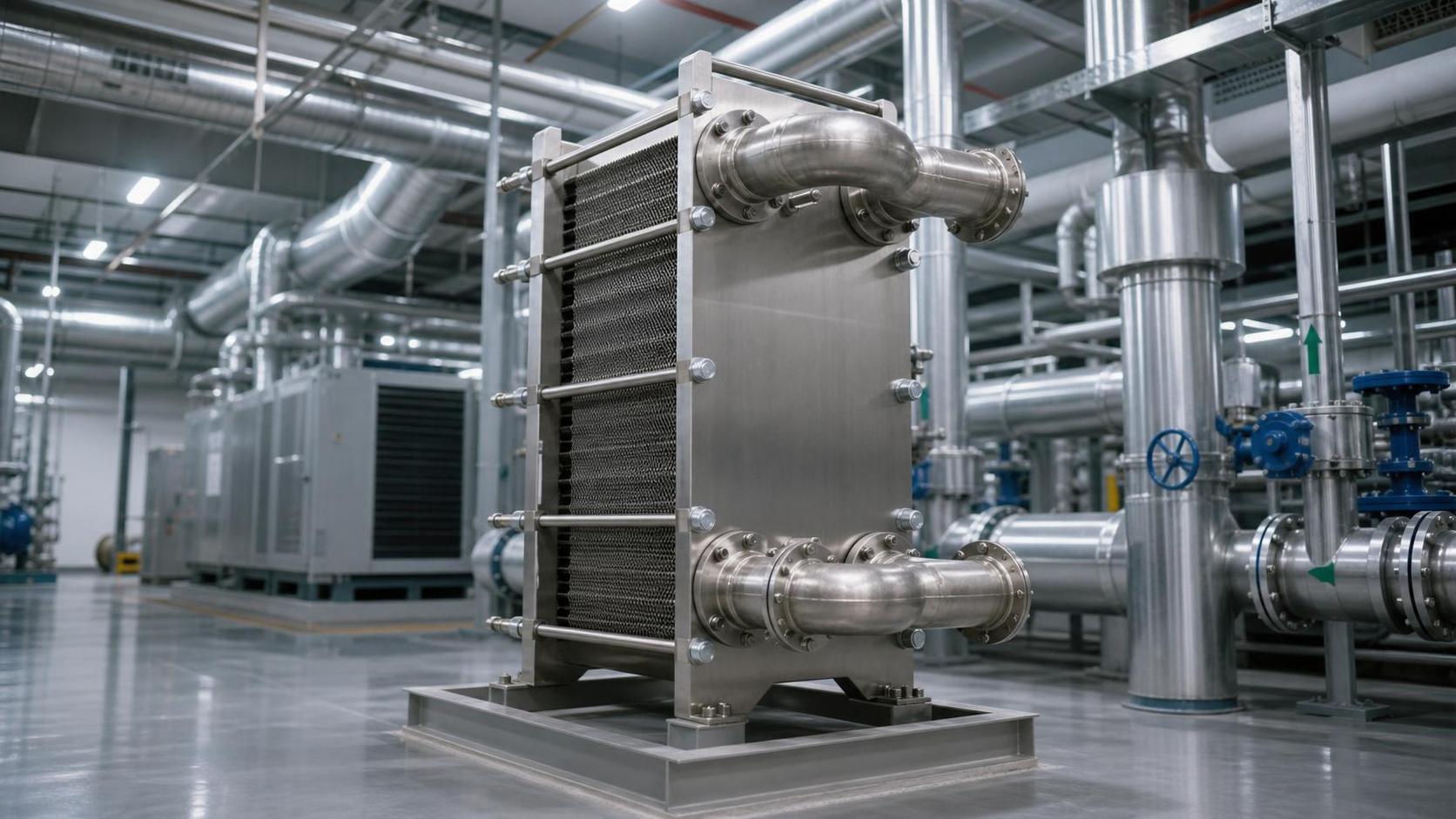
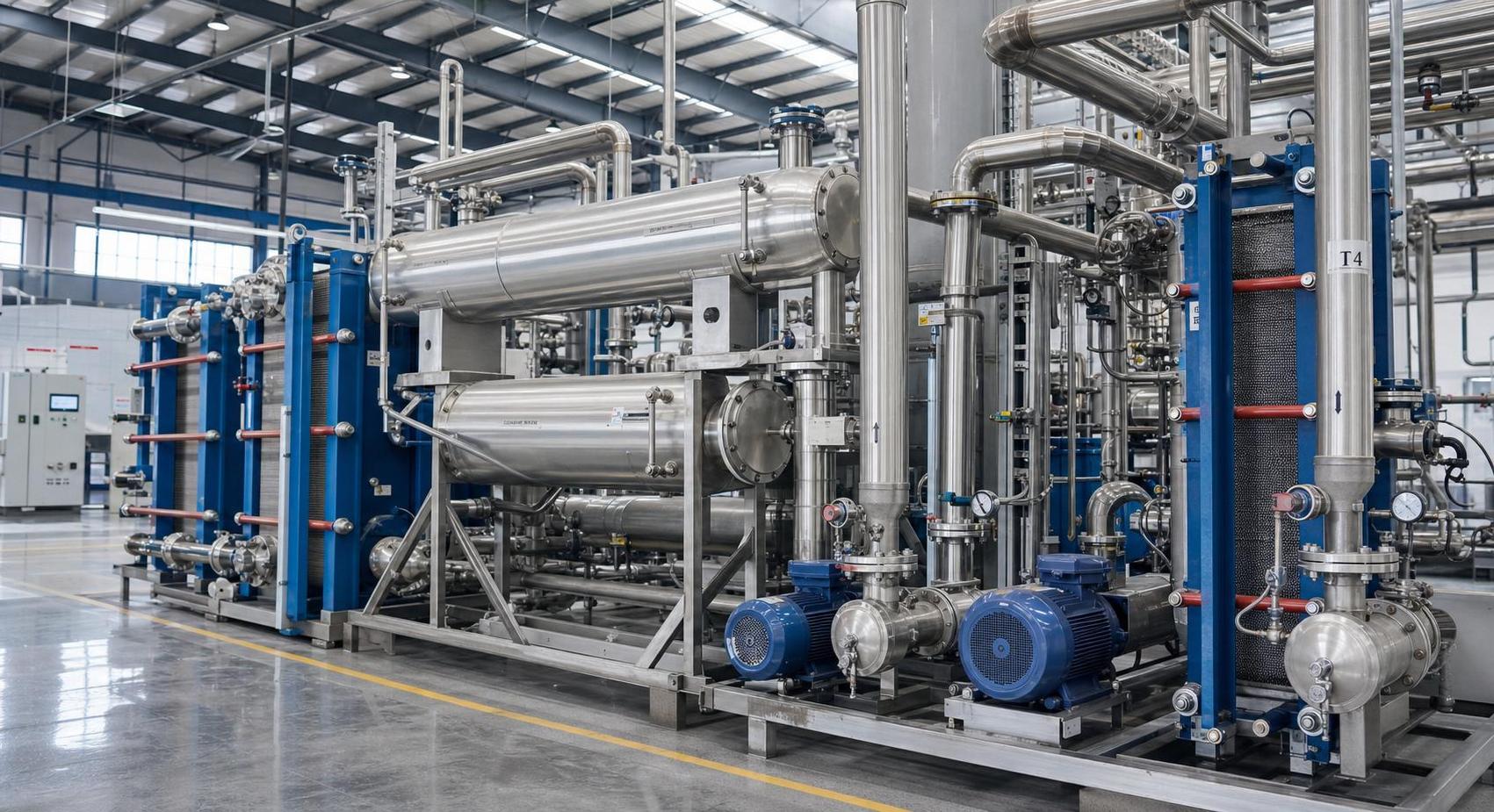
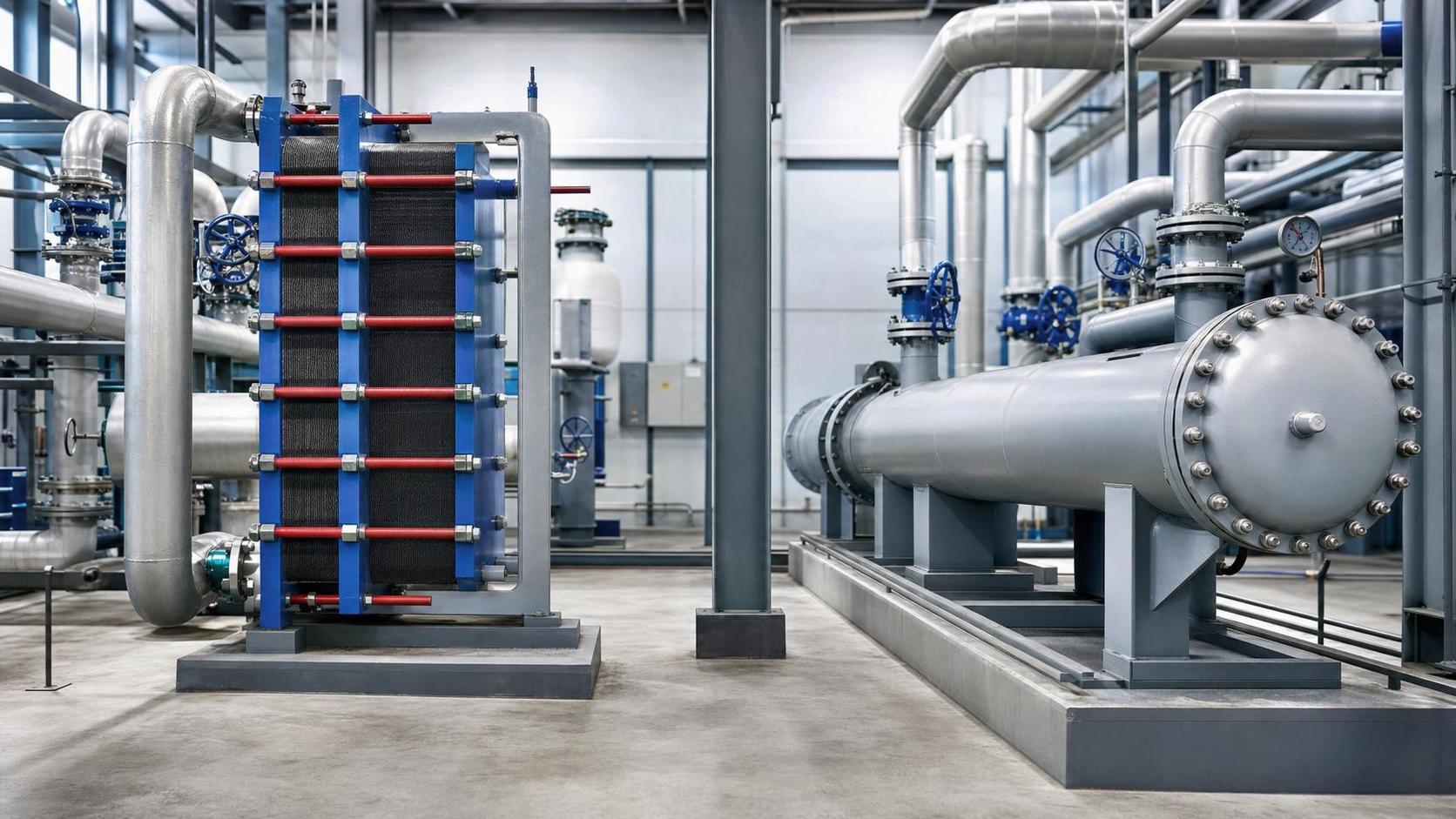
Place one image near the beginning of the article to illustrate AI data center liquid cooling equipment, supply pressure, or heat exchanger manufacturing capacity.
Confirmed Market Developments
Based on the provided information, BNEF reported on June 2, 2026 that faster global AI data center buildout is driving a sharp rise in demand for liquid cooling components. Orders for Plate Exchangers and Shell & Tube equipment are widely scheduled through Q2 2027. Lead times among mainstream manufacturers have extended to 18–24 months.
The same reported trend is prompting large IDC integrators in Europe and the Middle East to begin urgent talks with Chinese suppliers to lock in production capacity. These buyers are also requiring long-term framework agreements, or LTAs, to improve supply stability for critical cooling components.
How the Supply Chain Is Being Affected
Impact on trading companies handling direct export business
Direct trading companies are affected because customer demand is shifting from spot purchasing to capacity reservation and longer-term supply arrangements. The impact appears in quotation validity, delivery commitment, contract structure, and coordination between overseas buyers and domestic manufacturers. These firms may need to pay closer attention to LTA terms, delivery liability boundaries, and the consistency of technical documents submitted during customer review.
Impact on companies sourcing raw materials and key inputs
Procurement-focused companies are affected because extended manufacturing queues can increase pressure on material planning for heat-transfer equipment. The impact may be seen in ordering schedules for upstream inputs, stock preparation, and the timing of component allocation. What deserves closer attention is whether procurement cycles, specification accuracy, and supplier responsiveness remain aligned with longer downstream delivery commitments.
Impact on fabricators and equipment manufacturers
Manufacturing enterprises are directly affected because they are closest to the delivery bottleneck described in the report. The impact is reflected in production scheduling, technical confirmation, order acceptance rhythm, and documentation readiness for buyers seeking stable long-term supply. These companies may need to focus on whether their qualification files, testing records, and product traceability systems are sufficient for larger integrators requesting stricter supplier review.
Impact on supply chain service providers
Supply chain service providers, including those involved in coordination, warehousing, and cross-border delivery support, are affected because longer equipment lead times can alter project execution windows. The impact may emerge in shipment planning, milestone coordination, and after-sales support readiness. From an industry perspective, these service providers should monitor changes in customer delivery sequencing, contract-linked logistics obligations, and documentation handover requirements.
What Companies Should Review Now
Prepare for deeper qualification and compliance screening
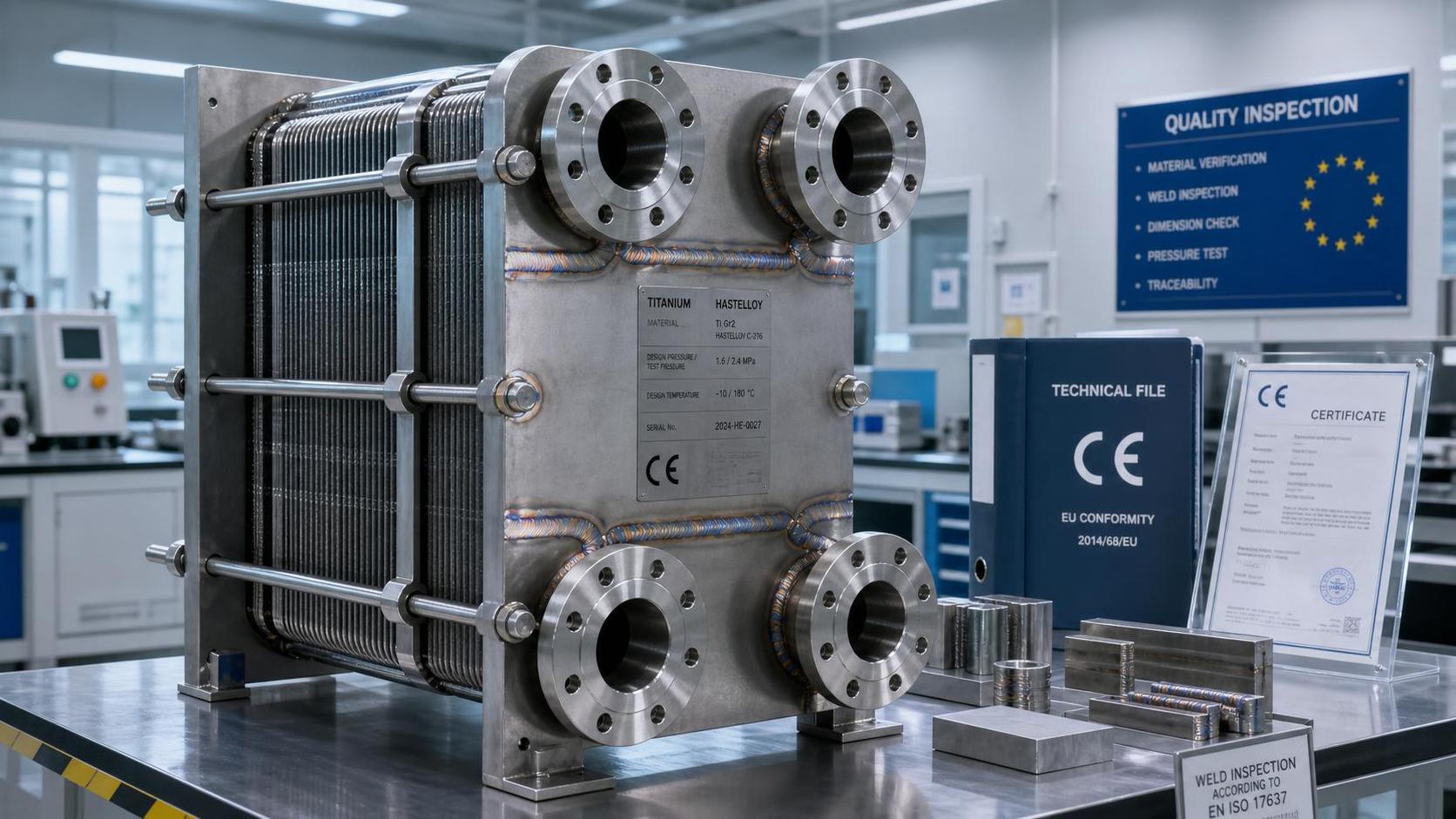
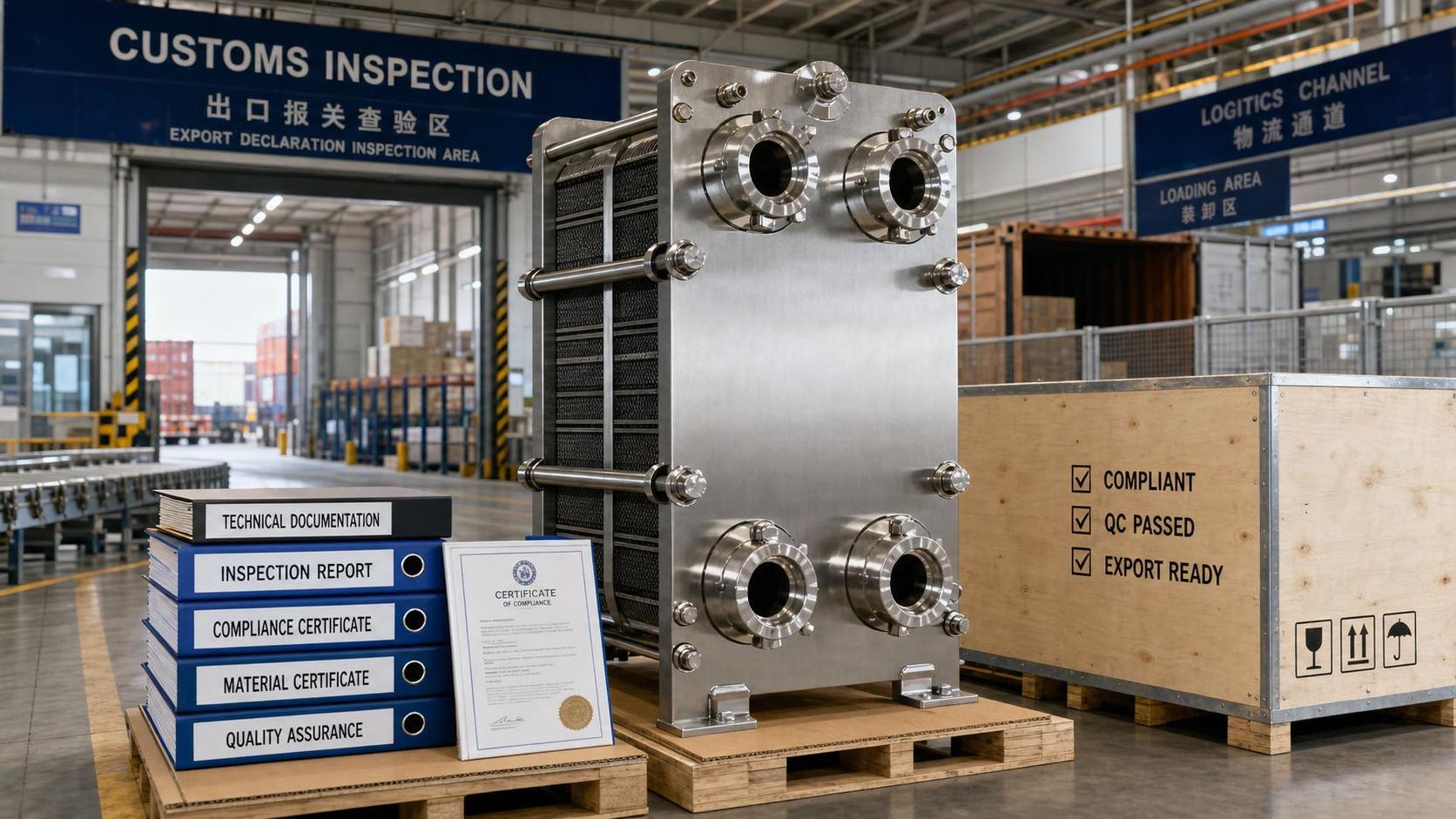
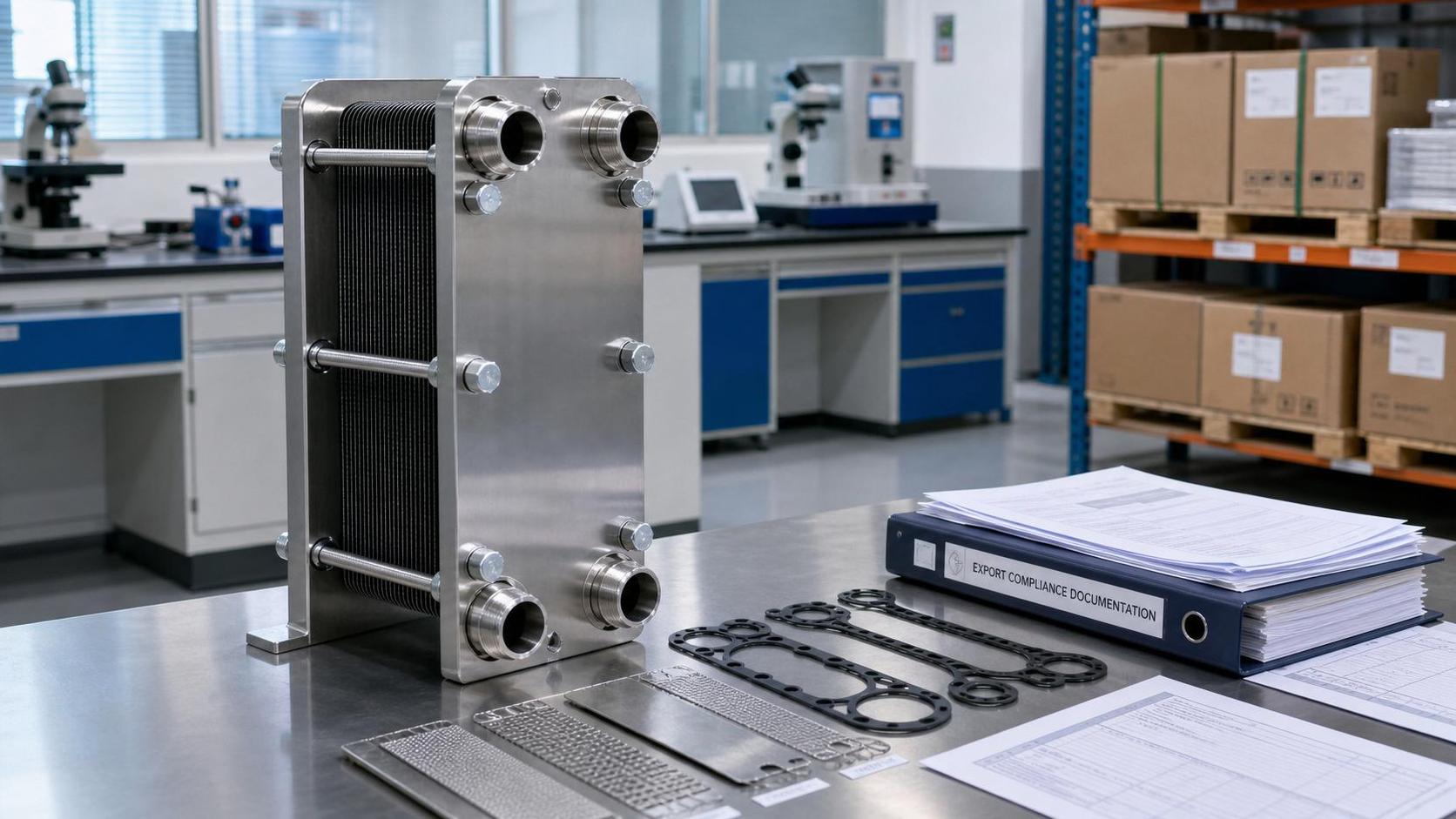
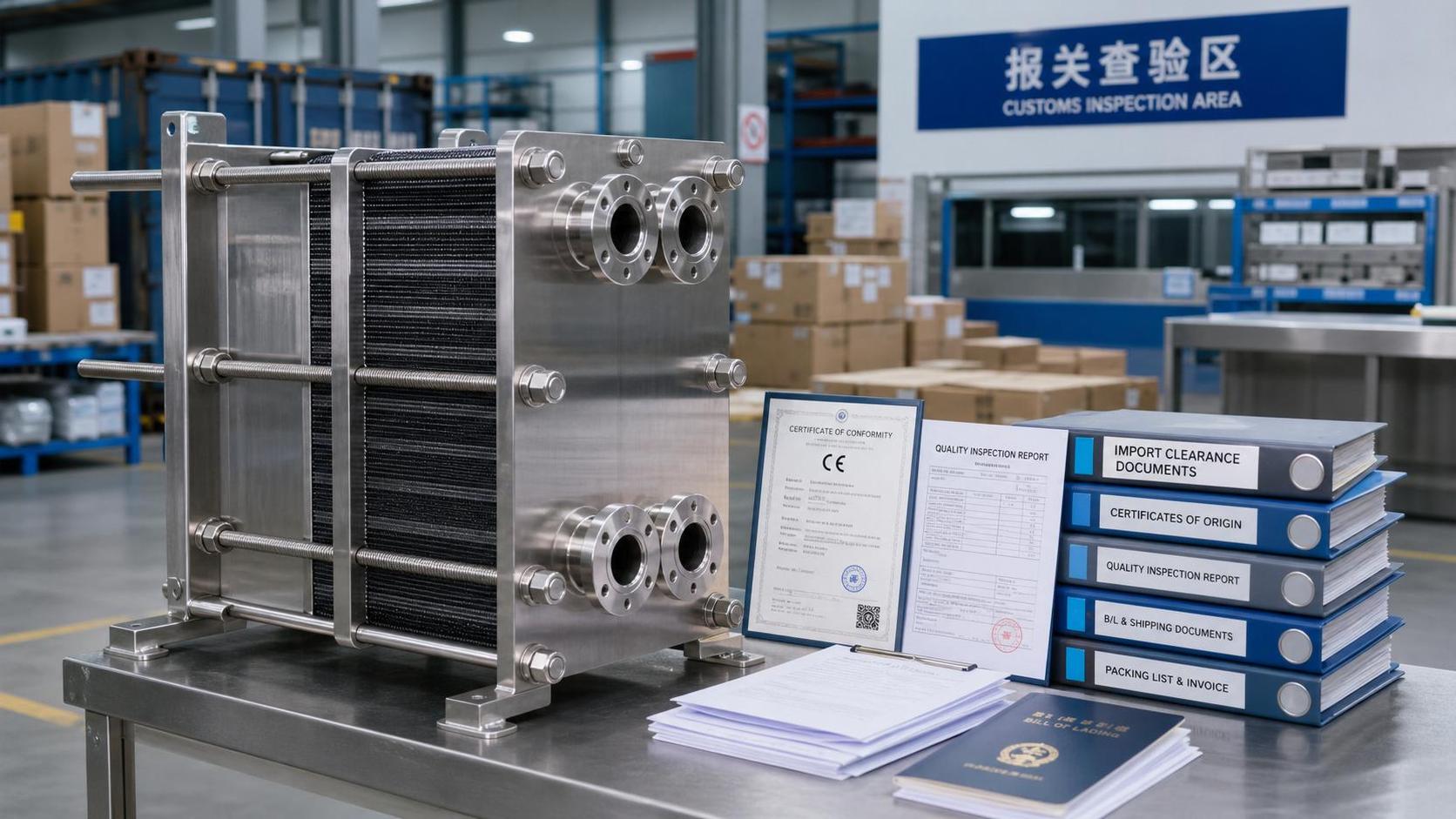
As buyers move toward LTAs and capacity lock-in discussions, supplier screening is likely to become more structured. Companies involved in exporting, manufacturing, or integration should review product certificates, quality control records, inspection documentation, and supplier qualification files to ensure they are complete and consistent with customer expectations.
Align specifications and tender documents earlier
The reported extension of lead times means technical alignment cannot be left to late project stages. Businesses should pay close attention to specification matching, document version control, and technical clarification records for Plate Exchangers and Shell & Tube units used in liquid cooling systems. Earlier alignment may help reduce avoidable delays during order confirmation and execution.
Rework delivery planning around longer lead times
With mainstream supplier lead times reaching 18–24 months, companies should review procurement schedules, internal approval timing, and customer communication around delivery commitments. This is particularly relevant where project milestones depend on critical cooling components and where contract performance may be sensitive to schedule changes.
Strengthen traceability and after-sales support arrangements
Where buyers seek stable long-term supply, attention often extends beyond shipment to lifecycle support. Companies may need to improve document traceability, batch records, inspection retention, and after-sales response planning. This can matter in future audits, warranty discussions, and supply continuity reviews under framework agreements.
Industry Observation: Procurement Rules May Be Tightening
Analysis shows this development is not only about higher demand, but also about a possible shift in procurement behavior for critical thermal management equipment. When orders are booked far in advance and lead times extend significantly, buyers often place greater emphasis on supply assurance mechanisms such as LTAs, qualification review, and earlier technical validation.
Observably, the change may raise the threshold for suppliers that are not yet prepared for longer-cycle project coordination. It is more appropriate to understand this as a supply-chain discipline issue as much as a manufacturing issue. Companies that can provide stable documentation, predictable scheduling, and clearer communication may be better positioned when buyers tighten sourcing rules for key cooling components.
From an industry perspective, another point worth monitoring is whether longer booking cycles lead to stricter expectations around quality records, testing evidence, and responsiveness during specification review. That would not be a confirmed fact from the provided information, but it is a reasonable area for continued observation.
Measured Takeaway for the Market
The reported extension of order backlogs for Plate Exchangers and Shell & Tube equipment highlights how AI data center expansion is putting pressure on critical liquid cooling supply chains. The immediate significance lies in longer lead times, earlier capacity negotiations, and a stronger preference for structured supply arrangements.
A rational conclusion is that market participants should treat delivery planning, supplier qualification, and technical document readiness as strategic issues rather than routine administrative tasks. Even so, the longer-term effect on trade rules, buyer requirements, and supply chain structure still requires continued observation.
Source Note and Ongoing Watch Points
This article was generated based on the user-provided news title, event time, and event summary. The main referenced information concerns a BNEF report dated June 2, 2026 and the reported changes in order schedules, lead times, buyer negotiations, and LTA requirements.
For this type of development, commonly relevant authoritative source categories may include industry research institutions, buyer procurement documents, technical specifications, certification materials, contract frameworks, and supply chain compliance records. Specific official source links were not provided in the input and should be verified continuously.
Items that still require ongoing observation include possible changes in buyer qualification standards, the execution approach for LTAs, specification and tender document updates, certification and documentation expectations, and further market feedback from the cooling equipment supply chain.
Ready when you are. Send us a message to get started.
Related News
- How corrugation angle affects heat transfer in plate heat exchangersAuthor :Thermodynamics Analyst

- When do plate heat exchangers suit Middle East seawater cooling?Author :Thermodynamics Analyst

- When does gasketed plate heat exchanger technology suit your process?Author :Thermodynamics Analyst

- When does heat recovery improve data center cooling efficiency?Author :Thermodynamics Analyst

- How Do I Verify Heat Transfer Calculations in a Supplier Quotation?Author :Thermodynamics Analyst

- How to evaluate a plate heat exchangers supplier before orderingAuthor :Thermodynamics Analyst

- EU Tightens Fatigue Checks for Plate Heat ExchangersAuthor :Thermodynamics Analyst

- EU PFAS Rule Adds New Export Filing for Cooling EquipmentAuthor :Thermodynamics Analyst

- EU EN 13445-4:2026 Adds Fatigue Report RequirementAuthor :Thermodynamics Analyst

- EU Updates EN 13445-4 for Plate ExchangersAuthor :Thermodynamics Analyst

- How to Compare Energy-Efficient Heat Exchange SolutionsAuthor :Thermodynamics Analyst

- Brazed Plate Exchanger Design: 7 Factors That Affect Heat TransferAuthor :Thermodynamics Analyst

- EU CBAM Pilot List Adds Plate ExchangersAuthor :Thermodynamics Analyst

- How Heat Exchange Systems Improve Temperature Control StabilityAuthor :Thermodynamics Analyst

- Japan to Require Efficiency Labels for Plate ExchangersAuthor :Thermodynamics Analyst

- EU REACH Adds PFAS Ban for Plate Heat ExchangersAuthor :Thermodynamics Analyst

- India Enforces BIS Rule for Plate Heat ExchangersAuthor :Thermodynamics Analyst

- DIN EN 13445-6:2026 Tightens Plate Exchanger CE RulesAuthor :Thermodynamics Analyst

- EU REACH Restricts PFAS Seals for Plate Heat ExchangersAuthor :Thermodynamics Analyst

- India Mandates BIS Certification for Imported Plate ExchangersAuthor :Thermodynamics Analyst

- Vietnam Requires QR Labels on Imported Plate Heat ExchangersAuthor :Thermodynamics Analyst

- EU EN 13445-4:2026 Tightens NDT Rules for Heat ExchangersAuthor :Thermodynamics Analyst

- EPA Clears R-1234ze(E) for Plate Exchanger SystemsAuthor :Thermodynamics Analyst
 for Plate Exchanger Systems")
- Heat Exchange Equipment Selection: Key Performance Checks Before You Compare ModelsAuthor :Thermodynamics Analyst

- ASHRAE 90.1-2026 Raises Plate Exchanger Efficiency ThresholdAuthor :Thermodynamics Analyst

- Heat Exchange Systems: How to Choose the Right SetupAuthor :Thermodynamics Analyst

- EPA SNAP 89 Takes Effect for Plate ExchangersAuthor :Thermodynamics Analyst

- How to Compare Heat Exchange Solutions for Lower Energy UseAuthor :Thermodynamics Analyst

- EPA SNAP 89 Expands Filing Rules for Plate Heat ExchangersAuthor :Thermodynamics Analyst

- EPA SNAP update adds filing rule for plate heat exchangersAuthor :Thermodynamics Analyst

- Industrial Heat Recovery: Where the Payback Is Fastest in 2026Author :Thermodynamics Analyst

- California EPR Deadline Nears for Cooling Equipment MakersAuthor :Thermodynamics Analyst

- Heat Exchanger Technology: Plate vs Shell and Tube for EfficiencyAuthor :Thermodynamics Analyst

- Industrial Heat Recovery Options for High-Temperature ProcessesAuthor :Thermodynamics Analyst

- Heat Transfer Problems in Process Lines: Causes and Practical FixesAuthor :Thermodynamics Analyst

- India Tightens Plate Exchanger Import Clearance RulesAuthor :Thermodynamics Analyst