Heat Transfer Basics: What Affects Efficiency Most?




Why heat transfer efficiency matters more than it seems
In industrial operations, heat transfer is rarely an isolated technical detail. It shapes energy demand, uptime, product consistency, and the useful life of critical equipment.
A cooler that rejects heat too slowly, a heat exchanger that fouls early, or a compressed air system that runs hotter than expected can all reduce overall efficiency.
That is why the question behind Heat Transfer Basics: What Affects Efficiency Most? matters across manufacturing, food processing, pharmaceuticals, semiconductors, utilities, and building services.
At a practical level, heat transfer efficiency depends on how easily thermal energy moves from one medium to another, and how little resistance the system creates along the way.
The challenge is that performance losses rarely come from one factor alone. Material properties, temperature difference, flow regime, surface condition, geometry, and maintenance all interact.
For an intelligence platform such as GTC-Matrix, this is where thermal analysis becomes commercially useful. Better understanding heat transfer reveals where energy conversion efficiency is won or lost.
The core idea behind effective heat transfer
Heat transfer describes the movement of thermal energy because of a temperature difference. In industry, that movement usually happens through conduction, convection, or radiation.
Conduction moves heat through a solid wall or plate. Convection carries heat between a surface and a flowing liquid or gas. Radiation transfers energy through electromagnetic waves.
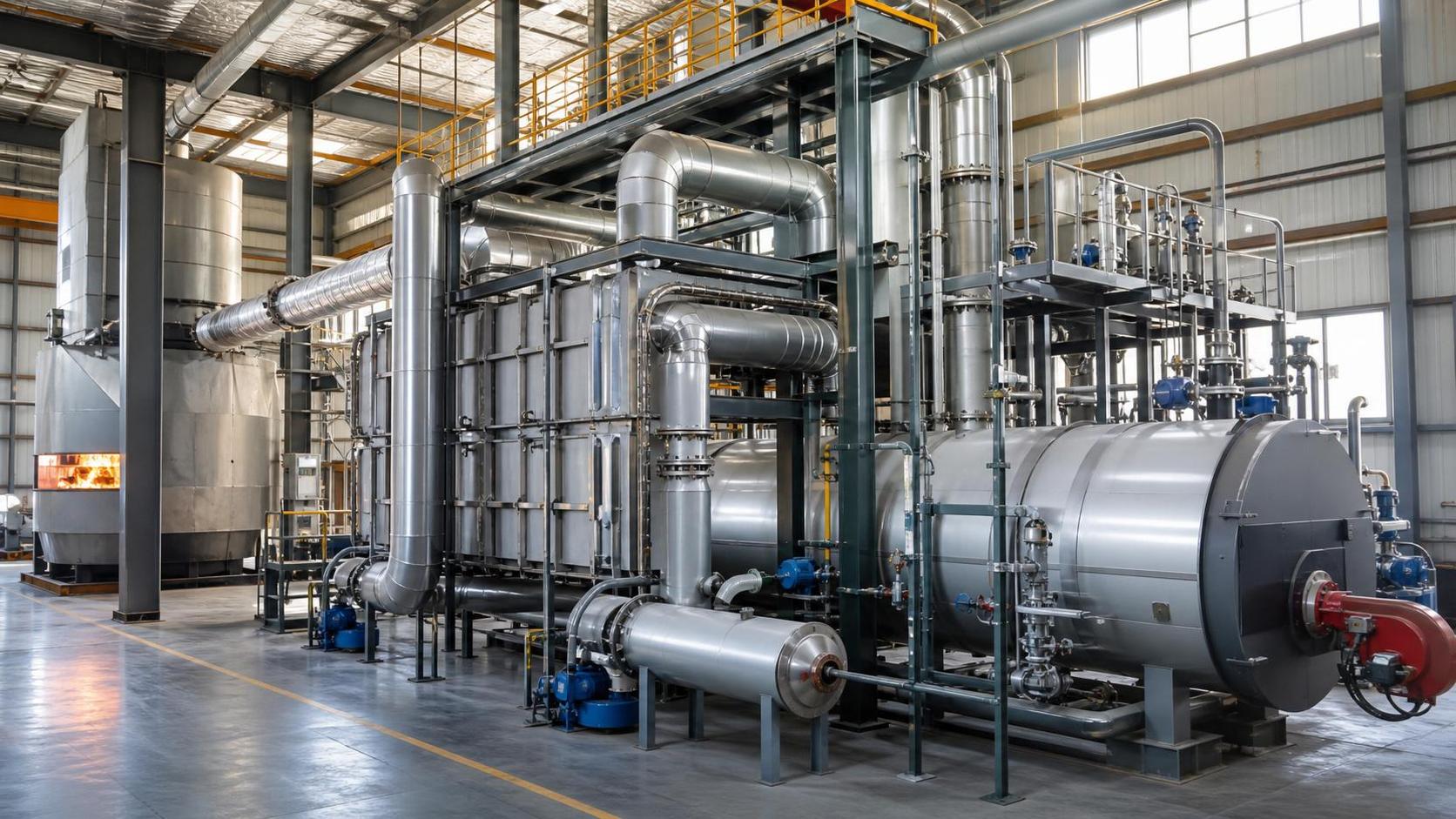
Most industrial heat exchangers rely mainly on conduction and convection. Radiation matters more in furnaces, boilers, and other high-temperature systems.
Efficiency, in simple terms, means transferring the required amount of heat with the least waste, pressure drop, fouling, and operating cost.
That means a system is not automatically efficient just because it transfers a lot of heat. It must also do so reliably and economically under real operating conditions.
What affects efficiency most in real systems
Several variables dominate heat transfer performance. The most important ones are closely linked, so improving one while ignoring another often limits the result.
Temperature difference drives the process
Heat moves faster when the temperature gap is larger. This is the basic driving force behind almost every heat transfer process.
If the temperature approach becomes too narrow, even a well-designed exchanger may struggle to deliver the required duty without larger area or higher flow rates.
Flow conditions shape the transfer rate
Fluid velocity and flow pattern have a major effect. Turbulent flow usually improves heat transfer because it reduces the stagnant layer near the heat transfer surface.
However, more turbulence also increases pressure drop. The best design balances thermal gain against pumping or compression energy.
Material conductivity matters, but not alone
High-conductivity materials such as copper and aluminum can move heat quickly through the wall. Stainless steel offers durability and corrosion resistance, but lower conductivity.
Still, wall material is only one resistance in the chain. In many systems, fluid-side convection or fouling creates a bigger penalty than the metal itself.
Surface area and geometry change the outcome
More area generally supports better heat transfer, which is why fins, plates, microchannels, and extended surfaces are widely used.
But adding area is not always the cheapest answer. Geometry must also support clean flow paths, manageable pressure drop, and acceptable maintenance access.
Fouling often becomes the hidden efficiency killer
Scale, oil film, dust, corrosion products, and biological growth create thermal resistance. Even a thin deposit can sharply reduce heat transfer efficiency.
Fouling also distorts temperature control, raises energy use, and increases the risk of unplanned shutdowns. In many facilities, this is the most underestimated factor.
Why the industry is watching heat transfer more closely
Heat transfer is now tied to bigger industrial priorities. Energy price volatility, carbon targets, refrigerant policy shifts, and process electrification all change the economics of thermal design.
This is why market intelligence has become part of technical evaluation. GTC-Matrix tracks how cooling, compression, vacuum, and heat exchange technologies evolve together rather than separately.
Microchannel heat exchangers, oil-free compression, and cleaner combustion systems are good examples. Each one affects thermal management, operating cost, and equipment selection decisions.
In high-precision sectors, the tolerance for thermal drift is even smaller. A small decline in heat transfer performance can mean scrap, contamination risk, or unstable output.
Where these efficiency factors show up in practice
The same heat transfer principles appear across very different processes. What changes is the consequence of poor performance and the variables that deserve the closest attention.
Across these settings, heat transfer is not just about thermal physics. It also influences maintenance planning, utility cost, hygiene strategy, and capacity forecasting.
How to judge heat transfer performance more accurately
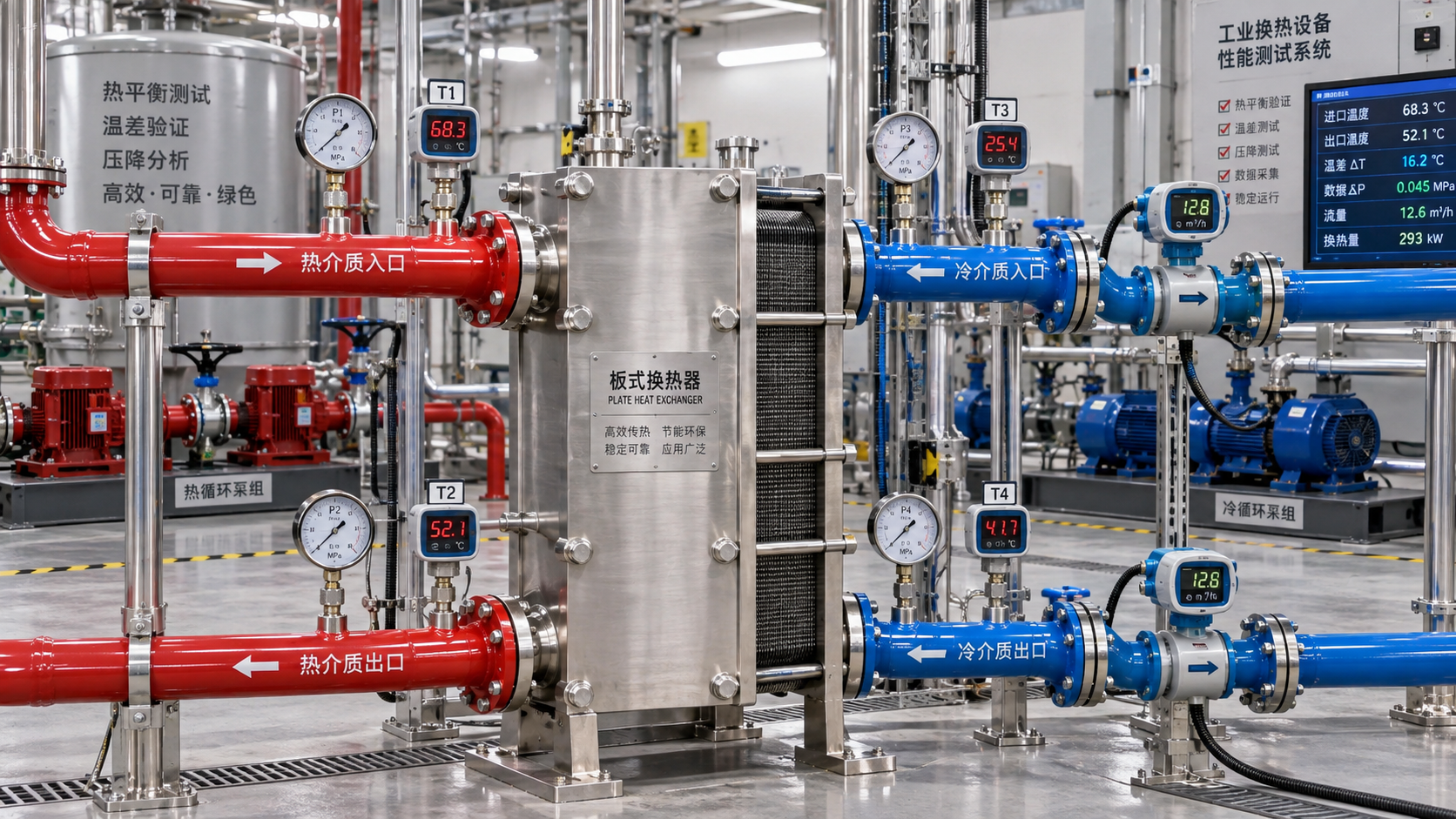
A useful assessment starts with the full thermal path, not with one isolated component. That helps separate design limits from operating issues.
- Check inlet and outlet temperatures against the intended duty, not only against nameplate values.
- Review flow rates and pressure drop together, since stronger heat transfer may come with higher energy penalties.
- Look for fouling patterns, seasonal ambient effects, and fluid contamination before assuming the design is undersized.
- Compare current performance with clean-condition benchmarks whenever possible.
- Consider whether process changes have narrowed the temperature difference since installation.
This approach is especially relevant when reviewing older assets. Many systems appear thermally weak because operating conditions have drifted beyond the original design case.
Design choices that improve results over time
The best heat transfer strategy is often the one that protects long-term efficiency, not just peak laboratory performance.
For example, microchannel designs can reduce refrigerant charge and increase compactness. Yet they also demand close attention to cleanliness and service conditions.
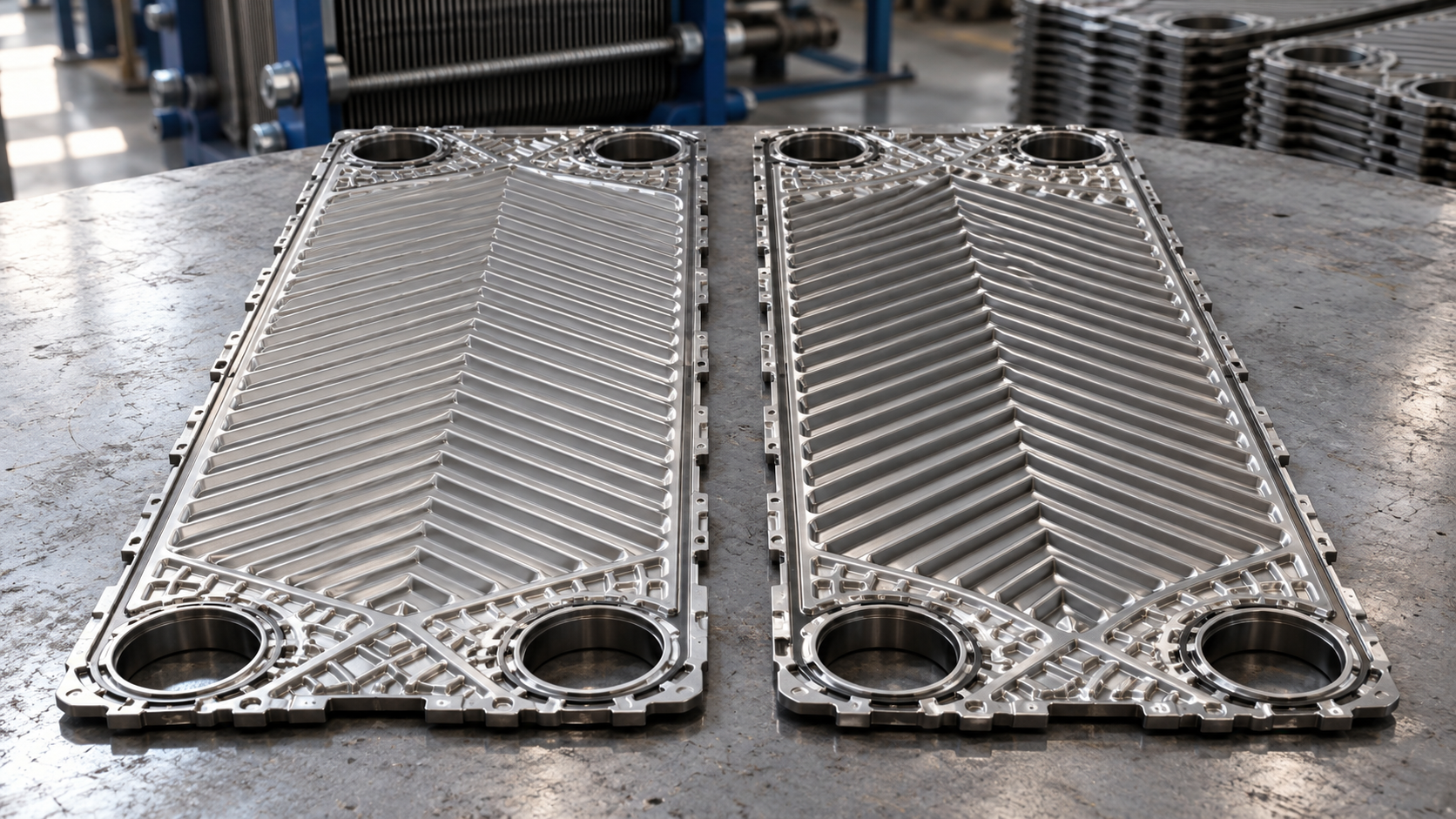
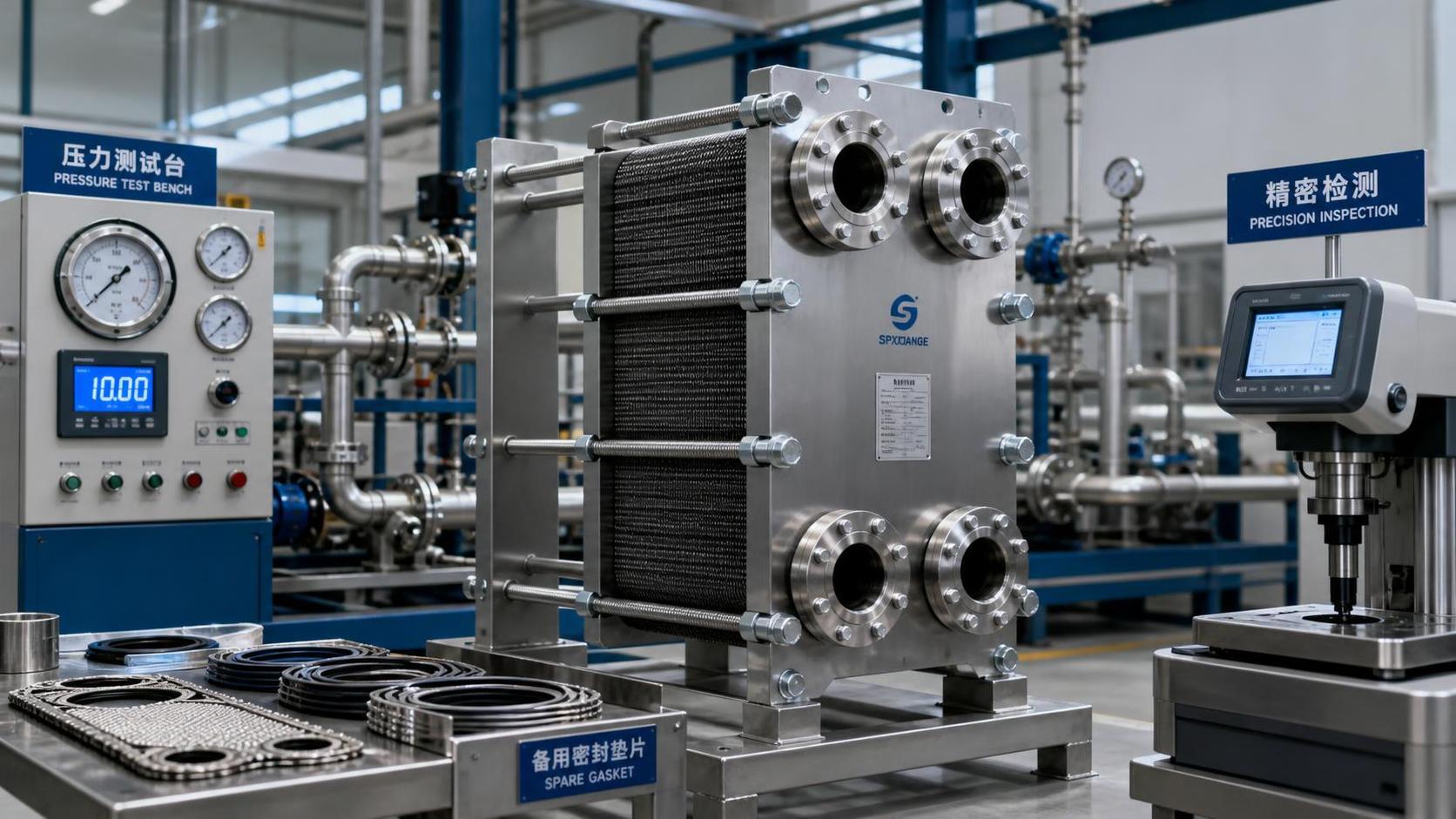
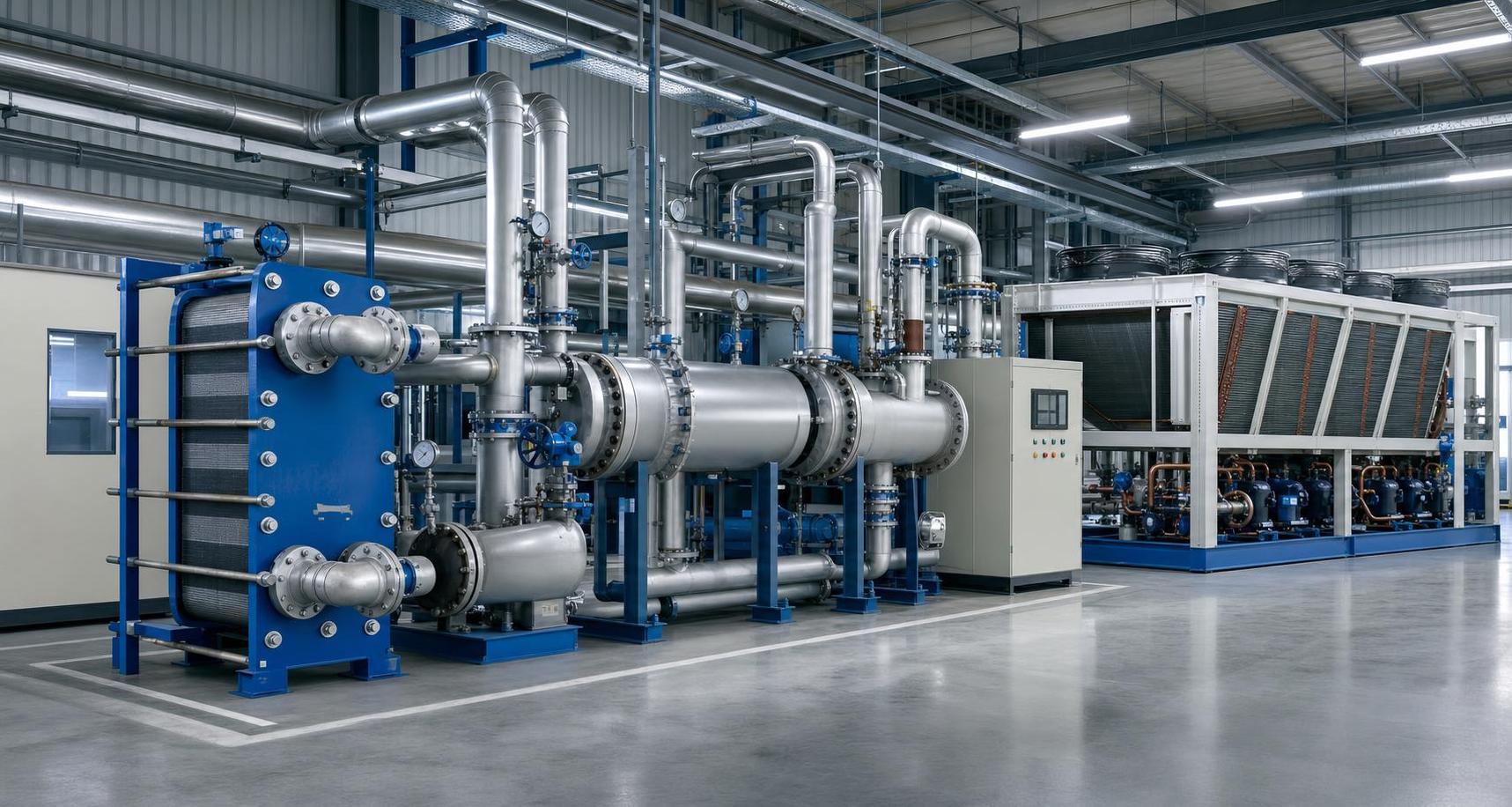
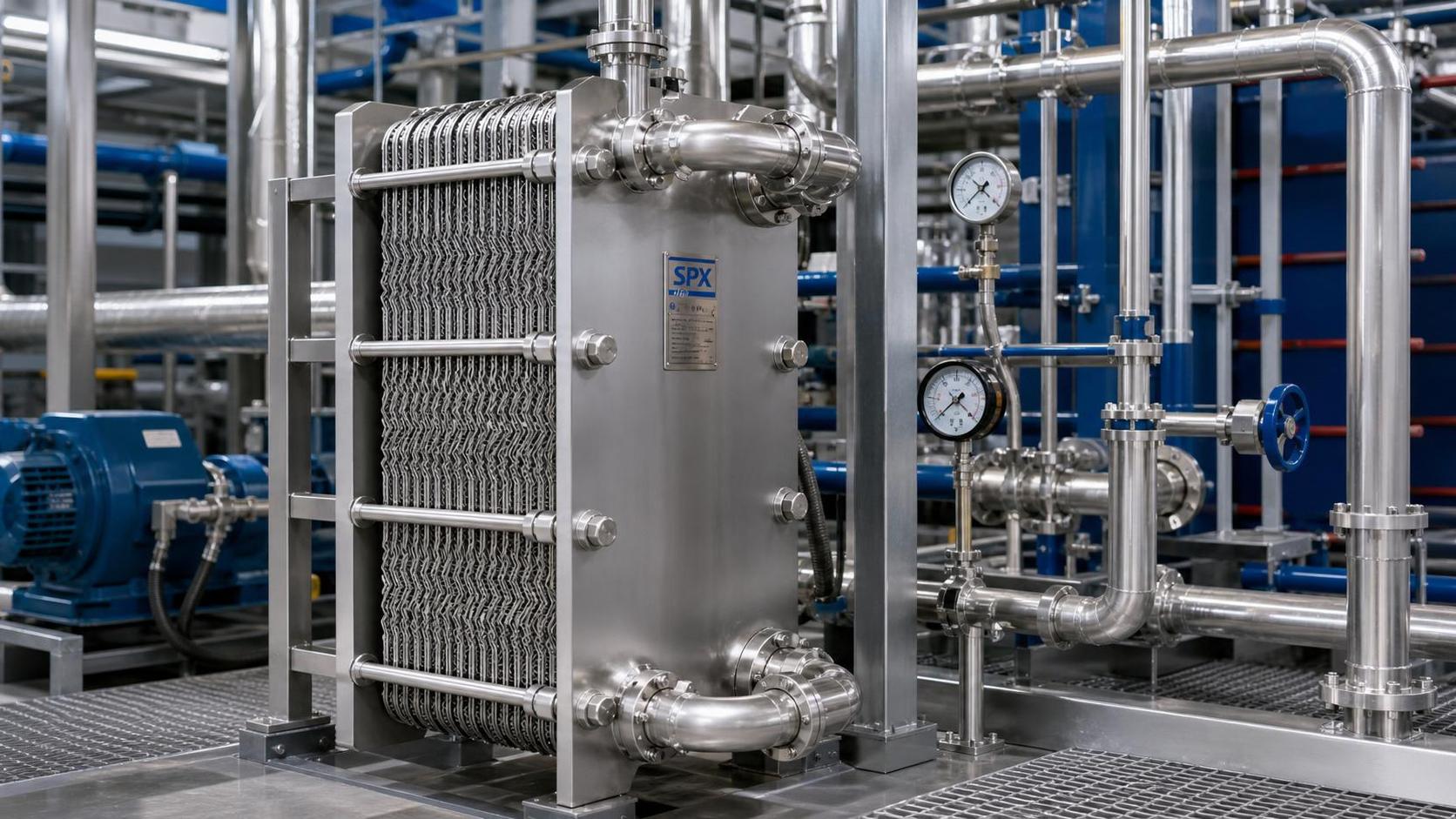
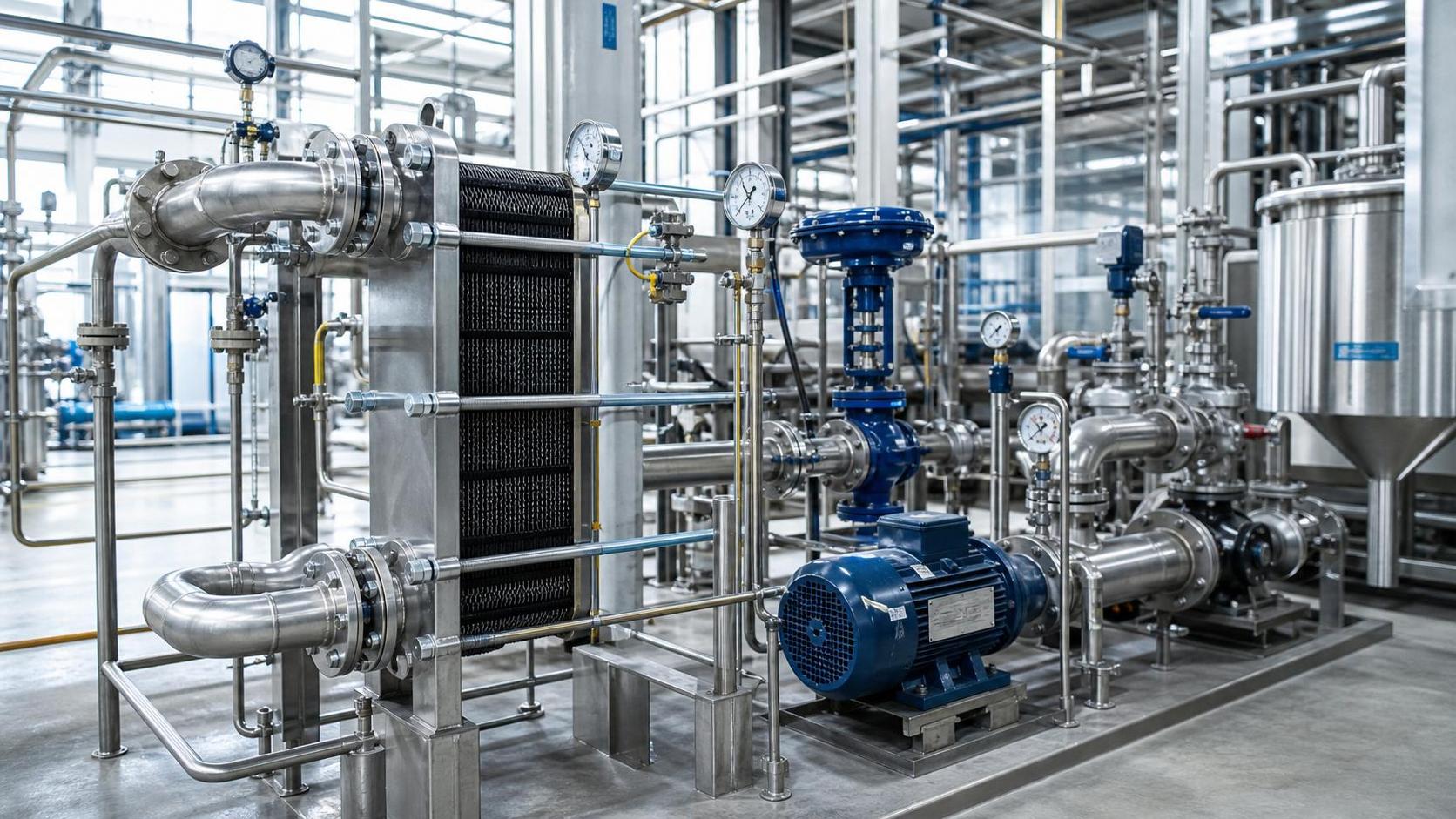
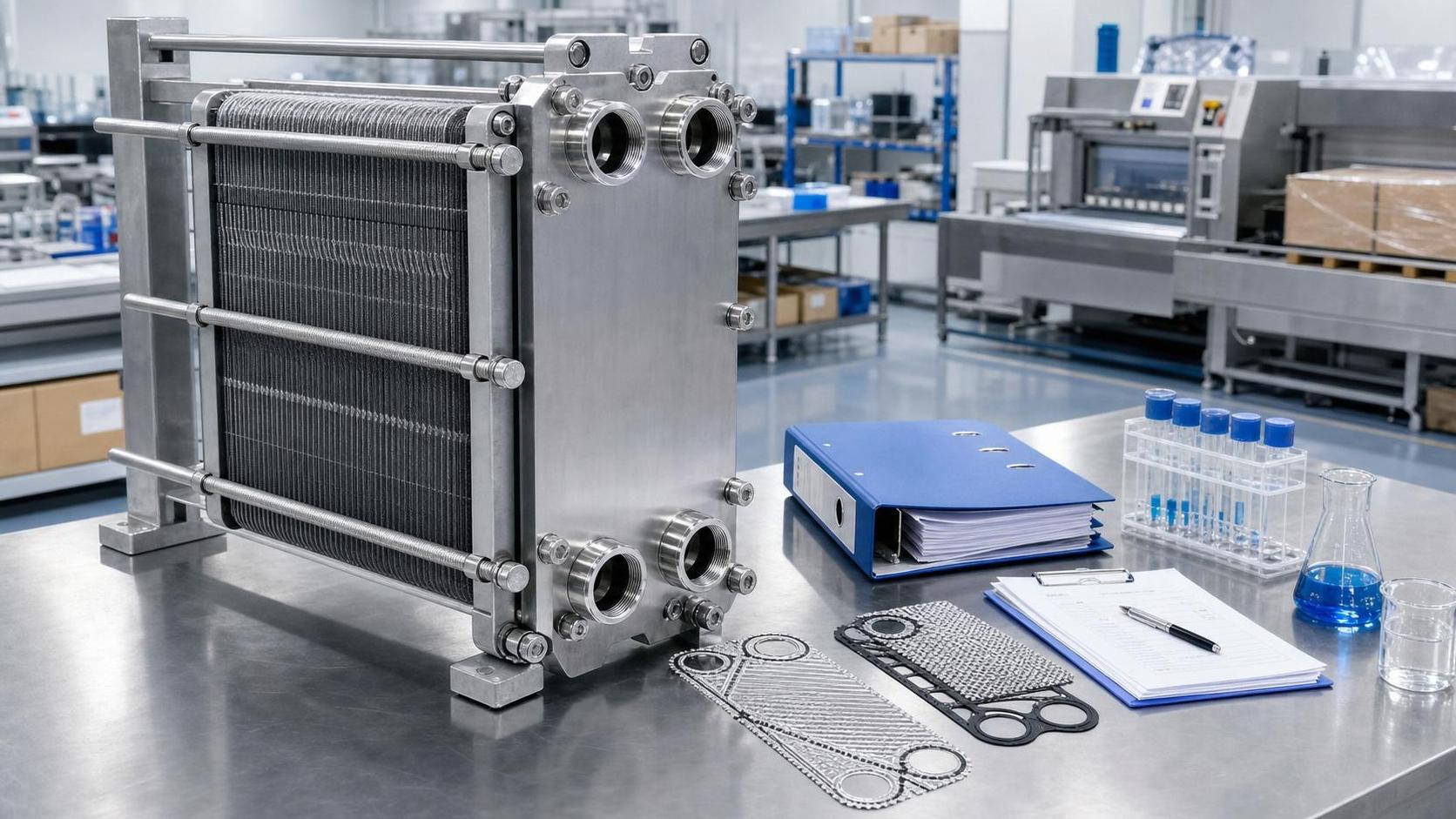
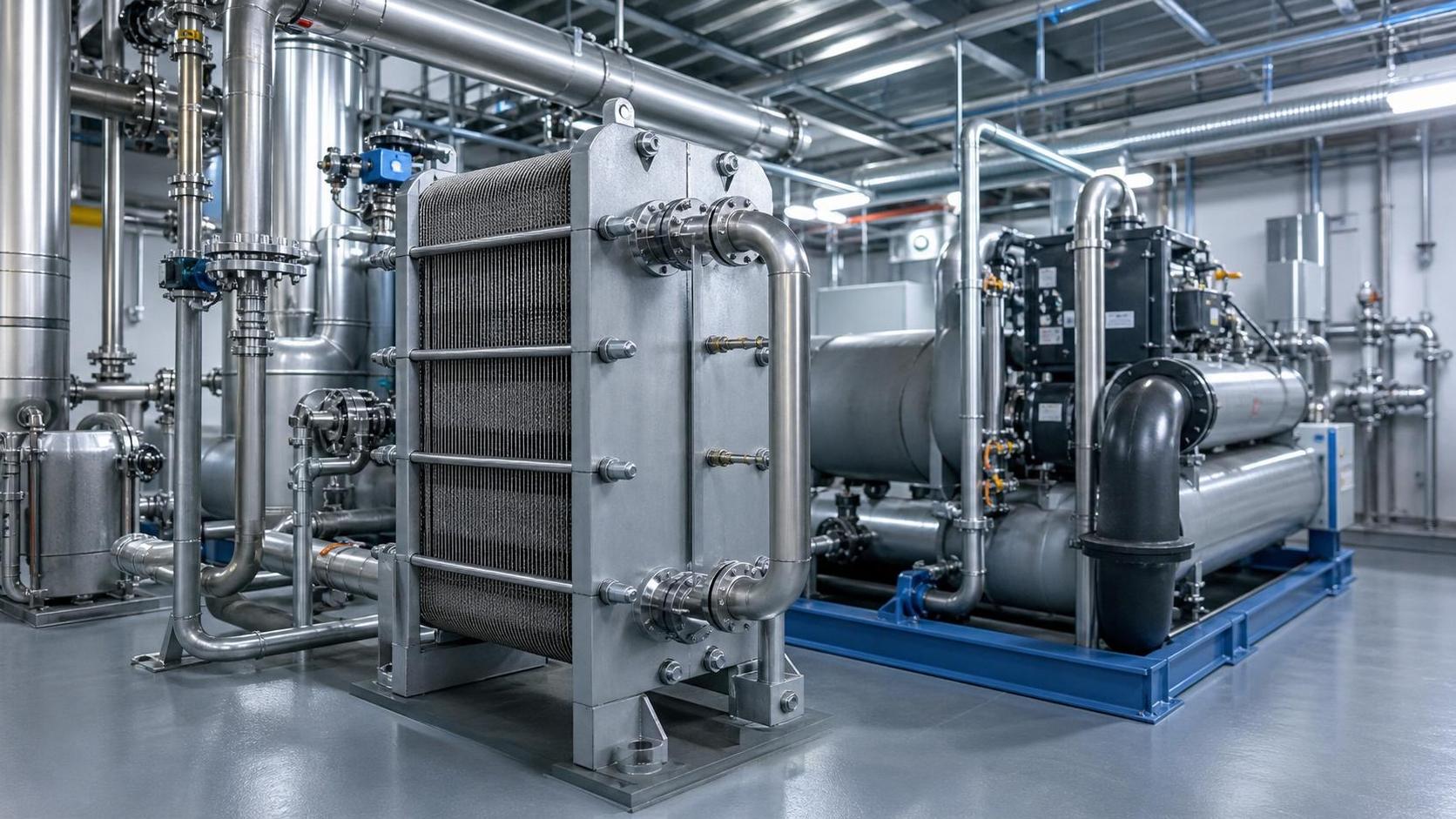
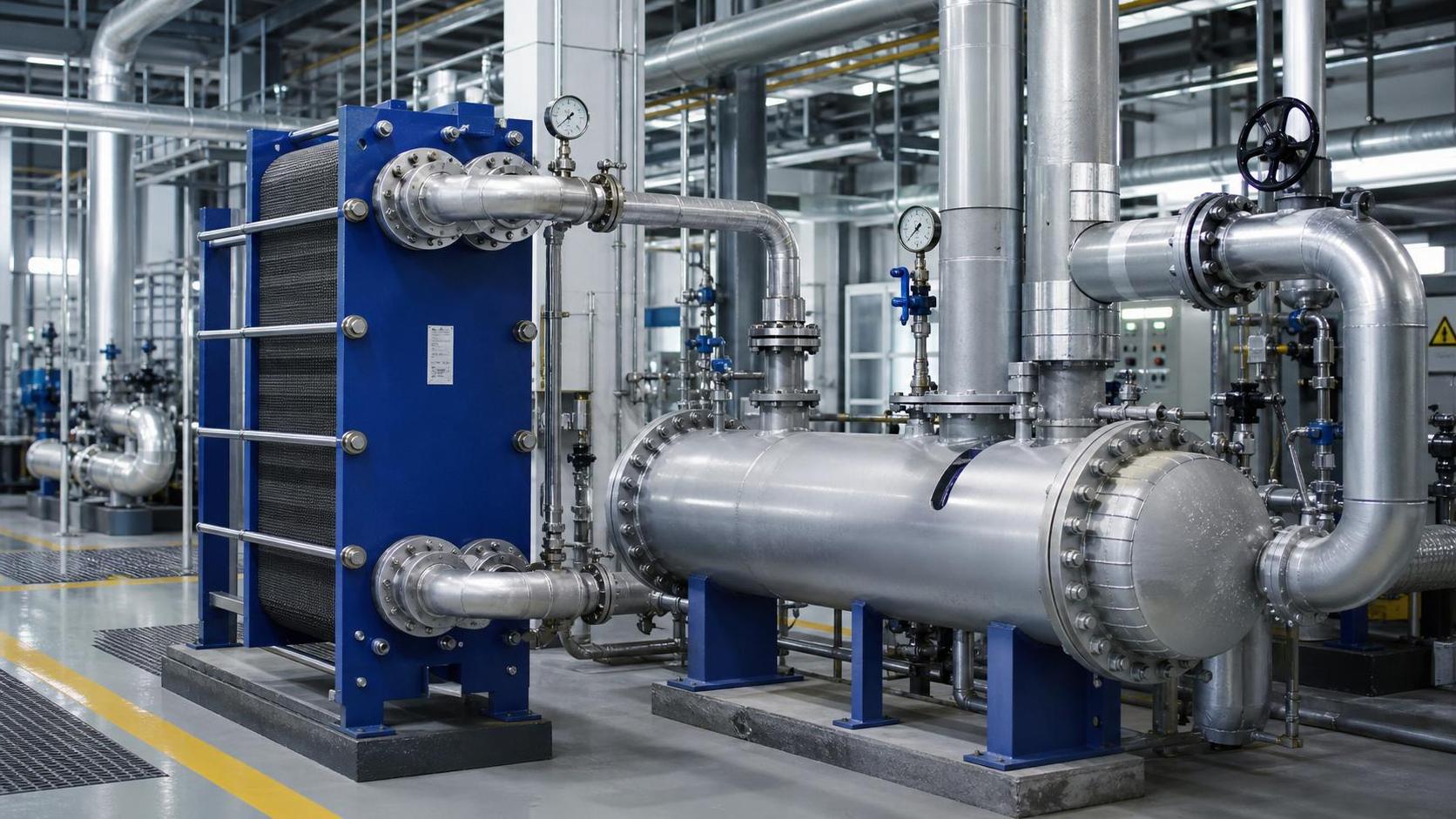
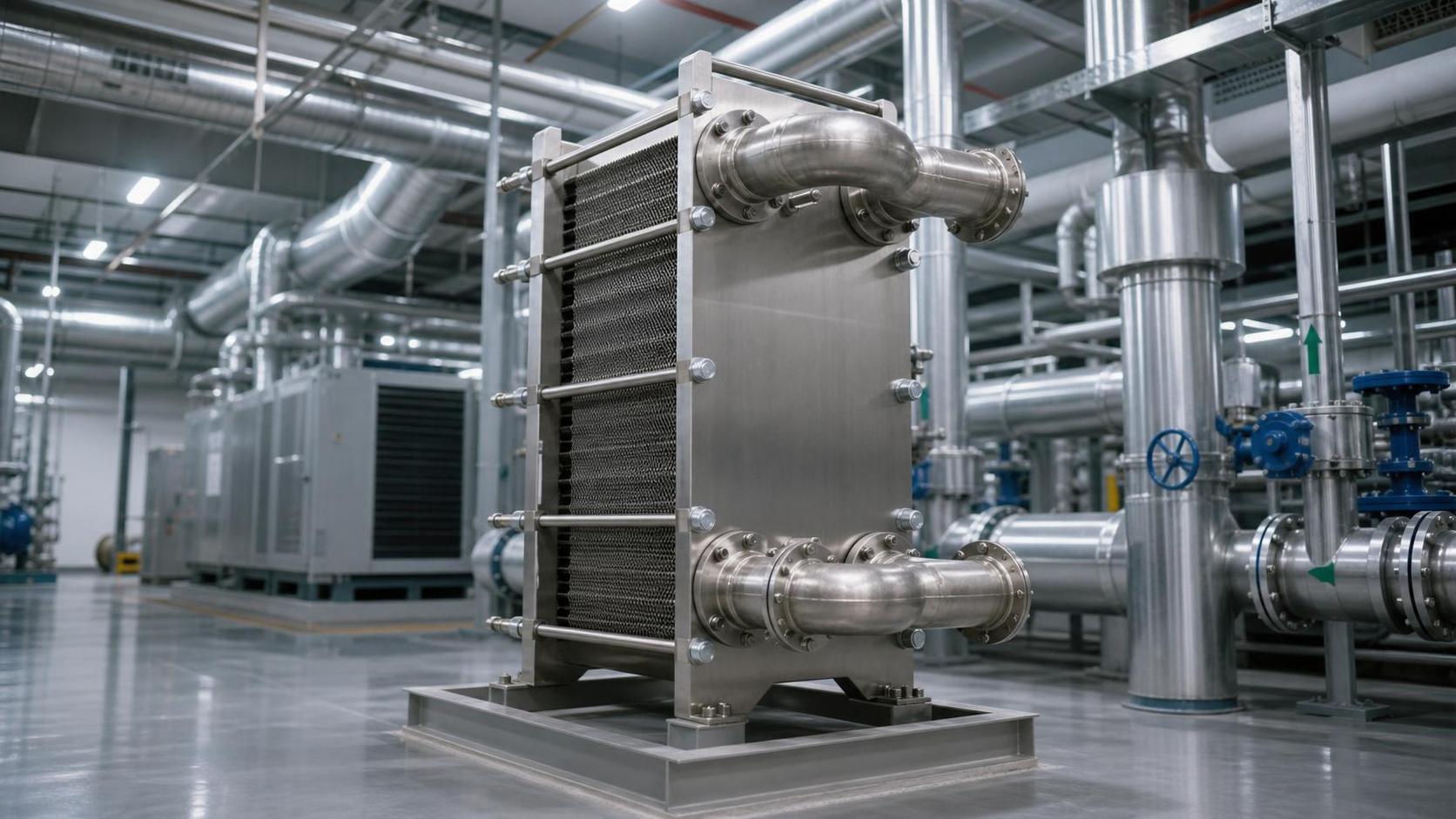
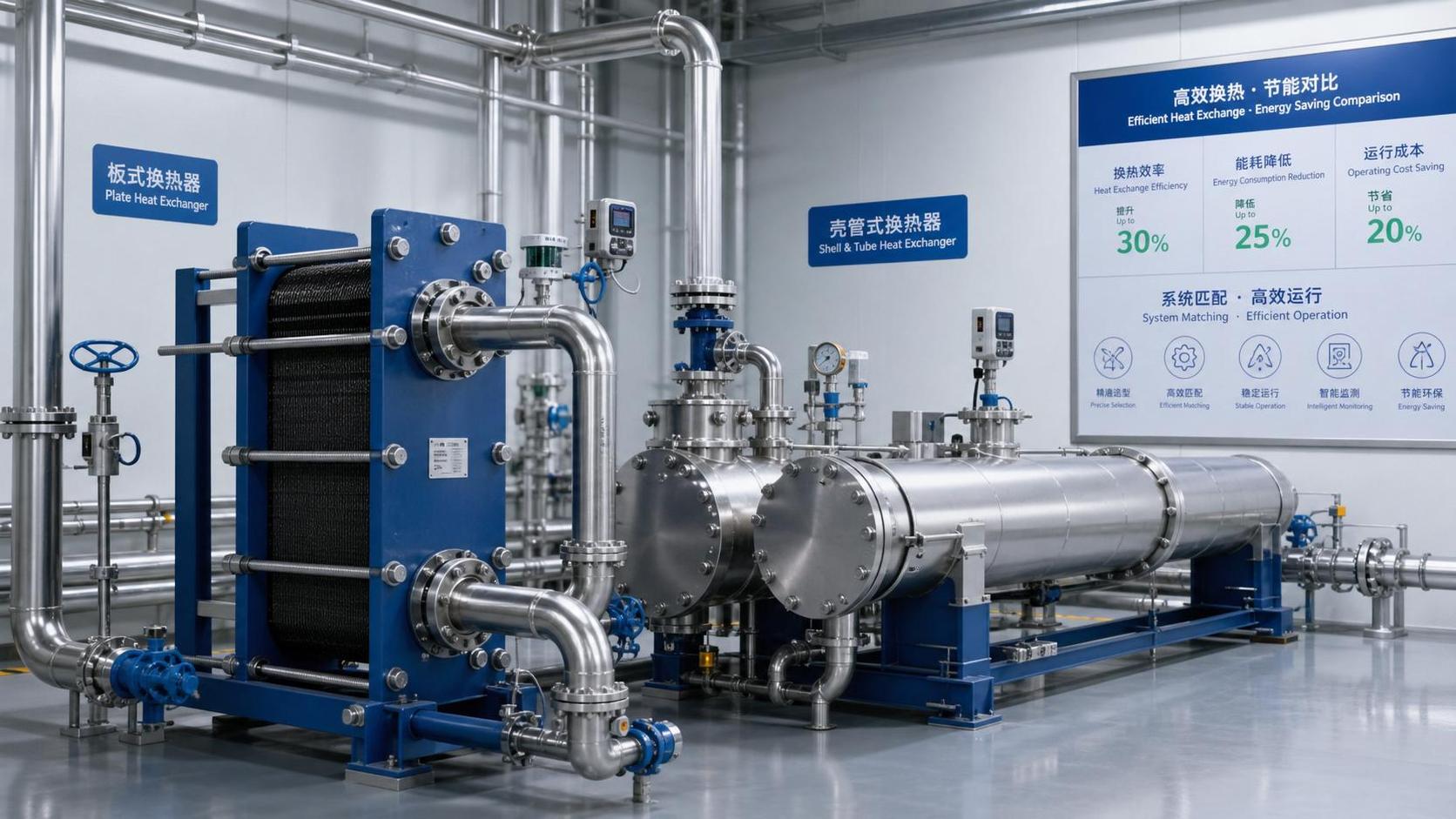
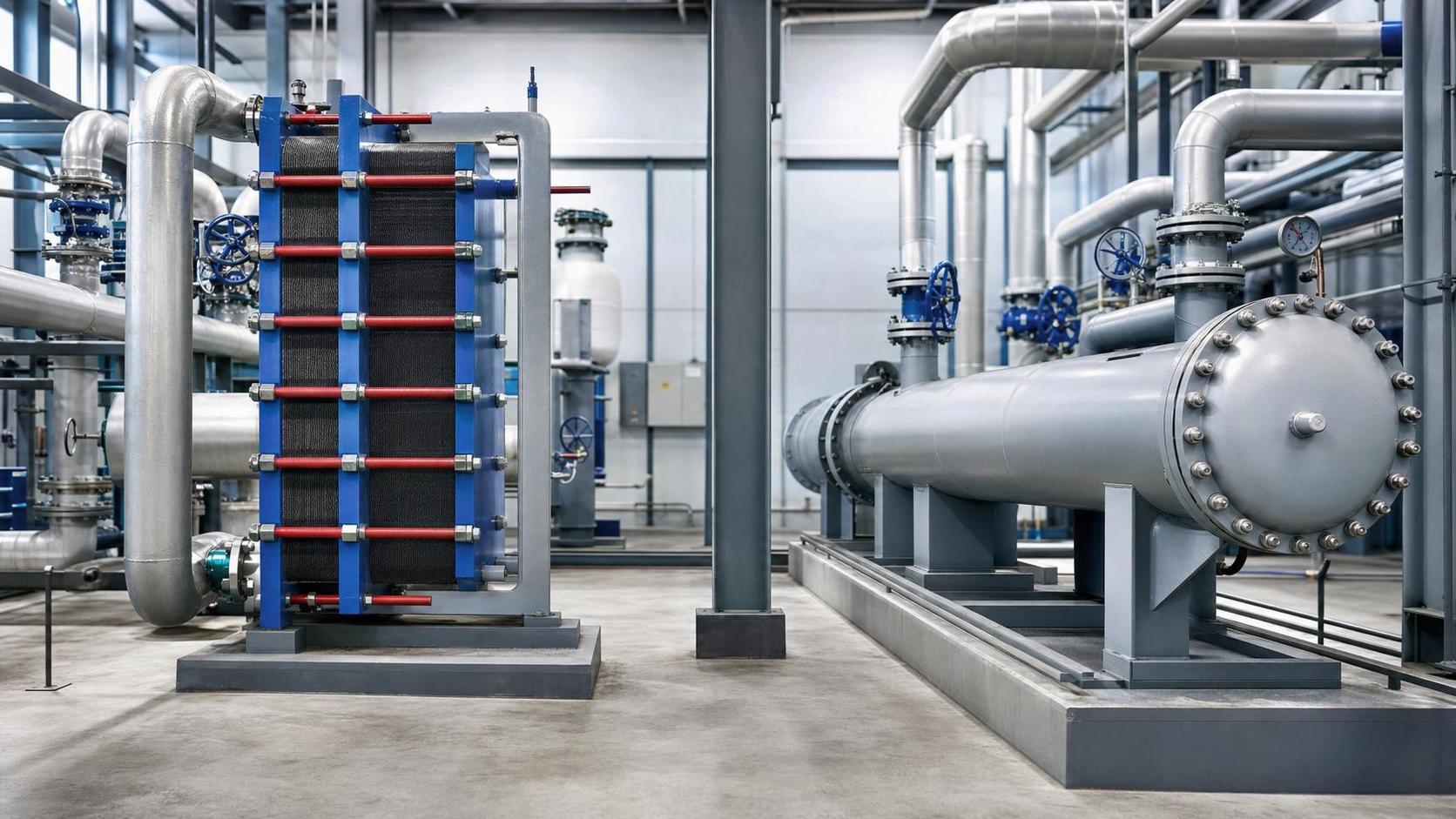
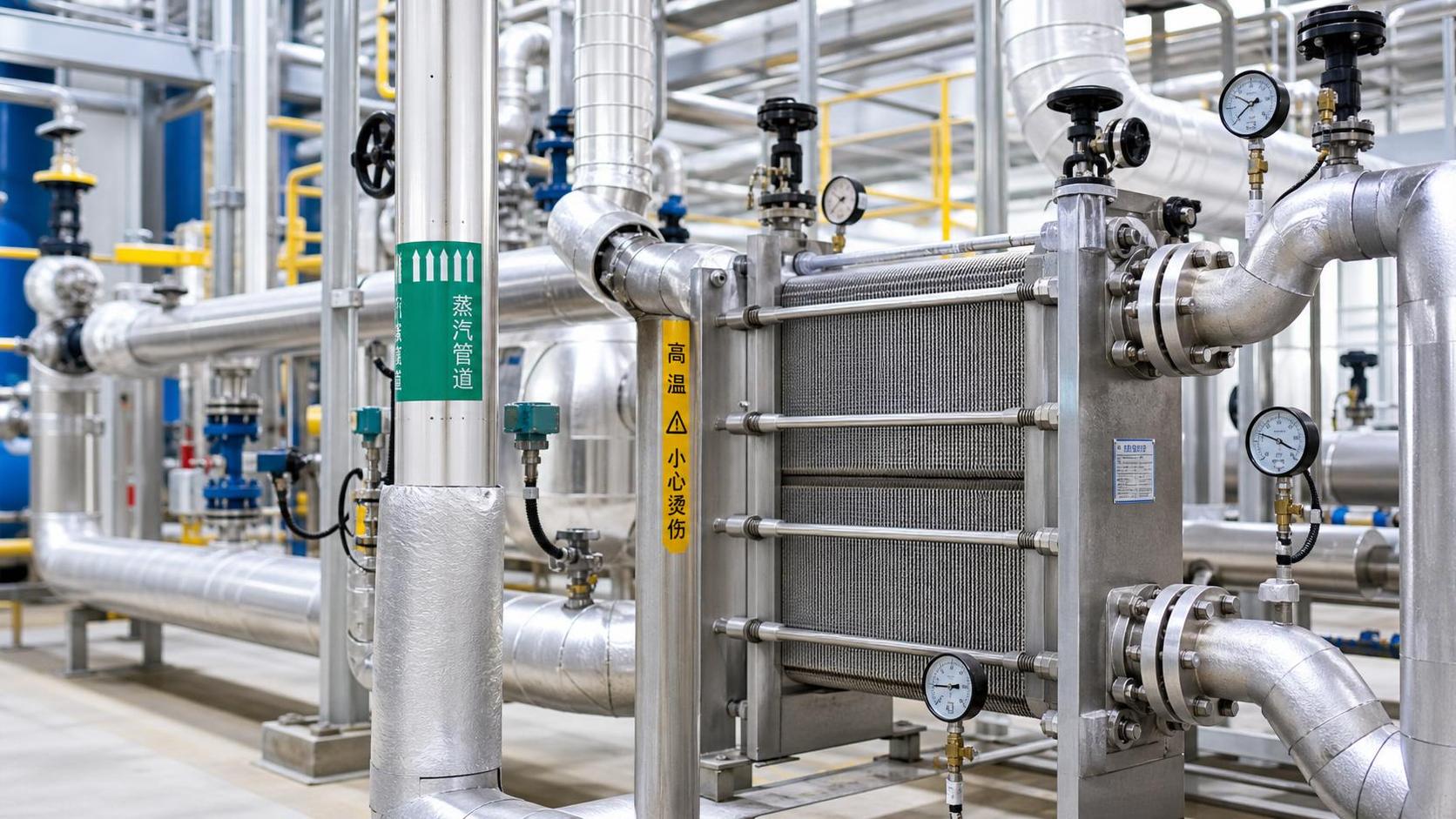
Plate exchangers may deliver strong heat transfer in a small footprint. Tube-based systems may offer easier mechanical cleaning in dirtier duties.
Material selection should reflect corrosion exposure, cleanability, pressure limits, and lifecycle cost. A more conductive option is not always the better commercial choice.
The same logic applies to compression-related systems. If heat rejection around compressors is poorly managed, downstream drying, lubrication, and equipment health can all suffer.
Useful signals during comparison
- Stable performance across variable loads
- Reasonable pressure drop for the required duty
- Clear maintenance access and cleaning strategy
- Compatibility with decarbonization and refrigerant transition plans
- Data availability for trend monitoring and optimization
A practical next step for better thermal decisions
When asking what affects heat transfer efficiency most, the most accurate answer is usually resistance across the whole system, not one single parameter.
Temperature difference may provide the driving force, but flow design, surface condition, geometry, and maintenance determine whether that potential is actually captured.
That is why better decisions start with a structured review of thermal duty, fouling risk, pressure drop, materials, and operating context.
For ongoing research, it helps to track not only equipment specifications but also broader signals around energy costs, cleaner refrigerants, oil-free systems, and evolving exchanger designs.
A clear heat transfer framework makes those signals easier to interpret, and easier to turn into sound choices for efficiency, reliability, and future-ready industrial performance.
Ready when you are. Send us a message to get started.
Related News
- How corrugation angle affects heat transfer in plate heat exchangersAuthor :Thermodynamics Analyst

- When do plate heat exchangers suit Middle East seawater cooling?Author :Thermodynamics Analyst

- When does gasketed plate heat exchanger technology suit your process?Author :Thermodynamics Analyst

- When does heat recovery improve data center cooling efficiency?Author :Thermodynamics Analyst

- How Do I Verify Heat Transfer Calculations in a Supplier Quotation?Author :Thermodynamics Analyst

- How to evaluate a plate heat exchangers supplier before orderingAuthor :Thermodynamics Analyst

- EU Tightens Fatigue Checks for Plate Heat ExchangersAuthor :Thermodynamics Analyst

- EU PFAS Rule Adds New Export Filing for Cooling EquipmentAuthor :Thermodynamics Analyst

- EU EN 13445-4:2026 Adds Fatigue Report RequirementAuthor :Thermodynamics Analyst

- EU Updates EN 13445-4 for Plate ExchangersAuthor :Thermodynamics Analyst

- How to Compare Energy-Efficient Heat Exchange SolutionsAuthor :Thermodynamics Analyst

- Brazed Plate Exchanger Design: 7 Factors That Affect Heat TransferAuthor :Thermodynamics Analyst

- EU CBAM Pilot List Adds Plate ExchangersAuthor :Thermodynamics Analyst

- How Heat Exchange Systems Improve Temperature Control StabilityAuthor :Thermodynamics Analyst

- Japan to Require Efficiency Labels for Plate ExchangersAuthor :Thermodynamics Analyst

- EU REACH Adds PFAS Ban for Plate Heat ExchangersAuthor :Thermodynamics Analyst

- India Enforces BIS Rule for Plate Heat ExchangersAuthor :Thermodynamics Analyst

- DIN EN 13445-6:2026 Tightens Plate Exchanger CE RulesAuthor :Thermodynamics Analyst

- EU REACH Restricts PFAS Seals for Plate Heat ExchangersAuthor :Thermodynamics Analyst

- India Mandates BIS Certification for Imported Plate ExchangersAuthor :Thermodynamics Analyst

- Vietnam Requires QR Labels on Imported Plate Heat ExchangersAuthor :Thermodynamics Analyst

- EU EN 13445-4:2026 Tightens NDT Rules for Heat ExchangersAuthor :Thermodynamics Analyst

- EPA Clears R-1234ze(E) for Plate Exchanger SystemsAuthor :Thermodynamics Analyst
 for Plate Exchanger Systems")
- Heat Exchange Equipment Selection: Key Performance Checks Before You Compare ModelsAuthor :Thermodynamics Analyst

- ASHRAE 90.1-2026 Raises Plate Exchanger Efficiency ThresholdAuthor :Thermodynamics Analyst

- Heat Exchange Systems: How to Choose the Right SetupAuthor :Thermodynamics Analyst

- EPA SNAP 89 Takes Effect for Plate ExchangersAuthor :Thermodynamics Analyst

- How to Compare Heat Exchange Solutions for Lower Energy UseAuthor :Thermodynamics Analyst

- EPA SNAP 89 Expands Filing Rules for Plate Heat ExchangersAuthor :Thermodynamics Analyst

- EPA SNAP update adds filing rule for plate heat exchangersAuthor :Thermodynamics Analyst

- Industrial Heat Recovery: Where the Payback Is Fastest in 2026Author :Thermodynamics Analyst

- California EPR Deadline Nears for Cooling Equipment MakersAuthor :Thermodynamics Analyst

- Heat Exchanger Technology: Plate vs Shell and Tube for EfficiencyAuthor :Thermodynamics Analyst

- Industrial Heat Recovery Options for High-Temperature ProcessesAuthor :Thermodynamics Analyst

- Heat Transfer Problems in Process Lines: Causes and Practical FixesAuthor :Thermodynamics Analyst

- India Tightens Plate Exchanger Import Clearance RulesAuthor :Thermodynamics Analyst