Industrial Heat Recovery: Where Payback Is Fastest




For financial approvers, industrial heat recovery is no longer a sustainability side project.
It is a measurable route to lower operating costs, faster EBITDA impact, and reduced exposure to energy price volatility.
In plants with compressors, boilers, chillers, dryers, ovens, or heat exchangers, wasted thermal energy is often a rapid efficiency gain.
This article examines where payback is fastest, which applications deserve priority, and how projects should be evaluated for capital approval.
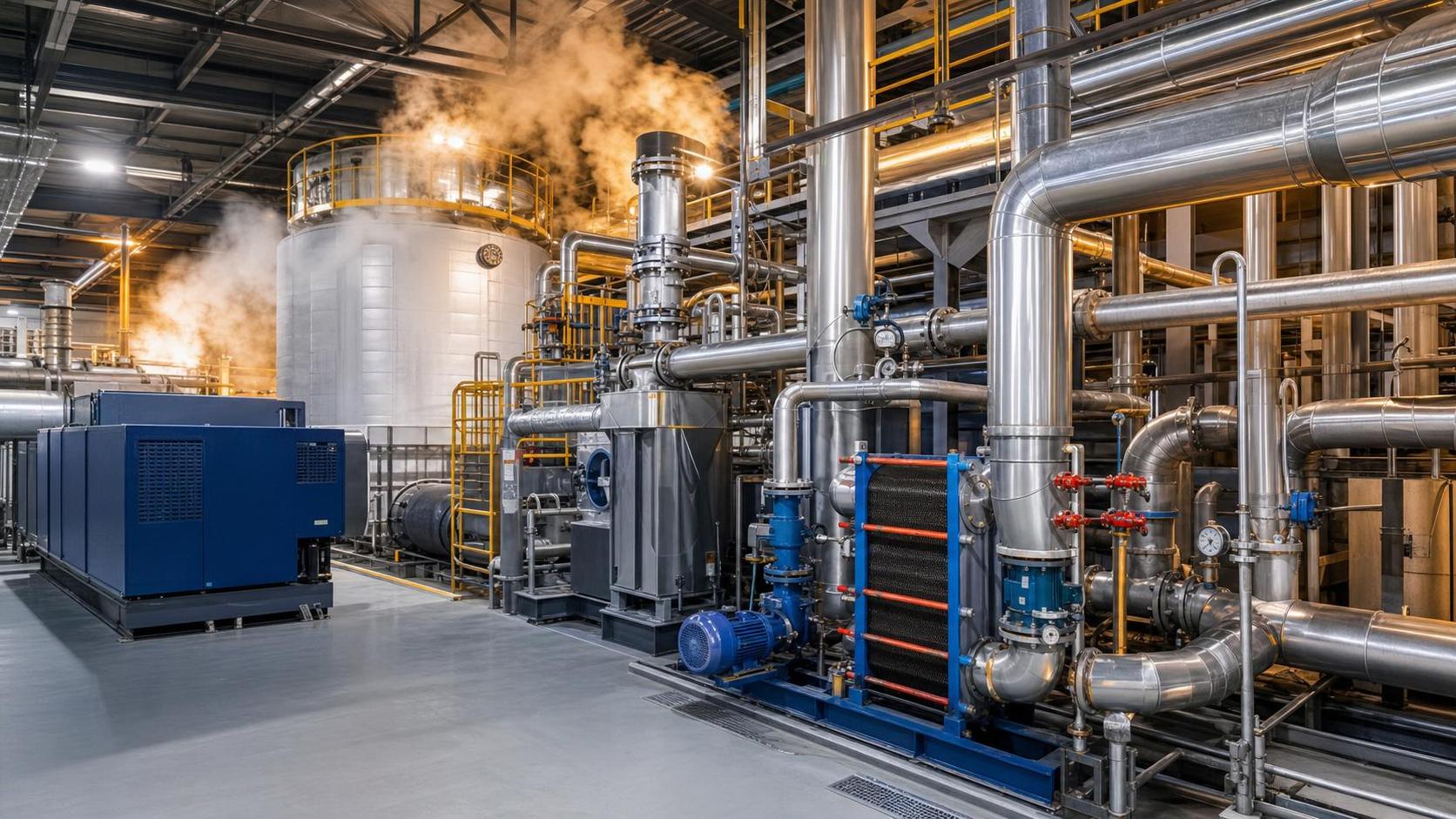
Industrial Heat Recovery Starts With the Right Operating Scene
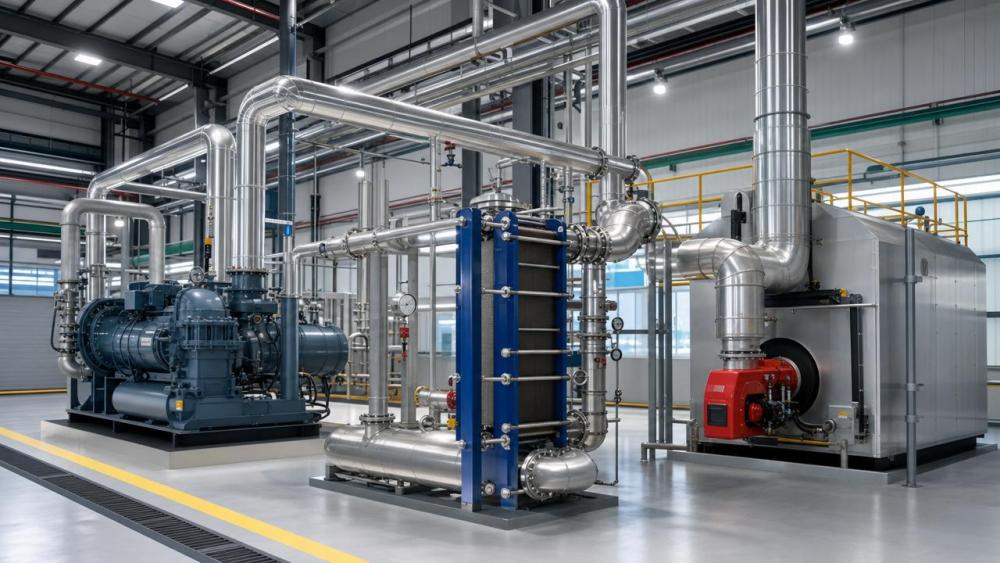
Industrial heat recovery performs best where waste heat is stable, measurable, and close to a useful thermal demand.
The fastest payback rarely comes from the hottest exhaust alone.
It comes from matching temperature, operating hours, heat quality, and process timing with practical reuse points.
A compressor room, boiler stack, chiller condenser, or drying line may each offer value.
However, each scene has different engineering risks, savings certainty, and integration cost.
For GTC-Matrix, this is the core intelligence question behind industrial heat recovery.
Thermal logic must connect with compression power, process demand, and commercial approval discipline.
Why Payback Differs Across Industrial Heat Recovery Scenarios
Two sites can release the same amount of waste heat and deliver very different returns.
The reason is not only equipment efficiency.
It is the relationship between heat source, heat sink, operating schedule, and avoided fuel or electricity cost.
Industrial heat recovery is strongest when recovered heat replaces purchased energy directly.
It is weaker when heat must be stored, upgraded, or transported across long distances.
Decision quality improves when scenes are screened before detailed engineering begins.
A practical screen should test temperature lift, annual hours, fouling risk, maintenance access, and control stability.
Compressed Air Systems: Fast Returns From Continuous Waste Heat
Compressed air is often one of the fastest industrial heat recovery opportunities.
Oil-injected and oil-free compressors convert most input power into recoverable heat.
When machines run many hours, recovered heat can preheat water, support space heating, or feed low-temperature processes.
The core judgment is simple: does the plant need warm water or air while compressors operate?
If yes, industrial heat recovery can produce short payback with limited process disruption.
Risk increases when compressor loading is highly variable or seasonal heat demand is weak.
In those cases, controls, bypass loops, and realistic load profiles are essential.
Boilers and Flue Gas: Best When Fuel Prices Are High
Boiler economizers and condensing heat recovery can deliver compelling savings in steam-intensive facilities.
Industrial heat recovery here usually targets feedwater preheating, makeup water, or low-temperature utility loops.
Payback accelerates when natural gas, fuel oil, or carbon costs are material.
The main constraint is corrosion, especially when exhaust temperatures approach acid dew points.
Combustion tuning, condensate handling, and materials selection must be assessed early.
This scene suits plants with predictable steam demand and disciplined boiler maintenance.
It is less attractive when boilers cycle frequently or operate far below design load.
Chillers and Refrigeration: Valuable Heat Near the Cooling Plant
Chillers reject large quantities of heat through condensers.
Industrial heat recovery from refrigeration works well when simultaneous cooling and heating demands exist.
Food processing, pharmaceuticals, data halls, and precision manufacturing often fit this profile.
The recovered heat may support wash water, reheat coils, sanitation, or preheating before boilers.
The fastest payback appears when heat recovery avoids electric resistance heating or steam generation.
The key caution is chiller efficiency.
Poor design can raise condensing pressure and reduce net savings.
Therefore, industrial heat recovery must be modeled as a whole-system energy balance.
Dryers, Ovens, and Kilns: High Potential With Process Discipline
Dryers, ovens, and kilns can release high-temperature exhaust with strong recovery potential.
Industrial heat recovery may preheat combustion air, incoming product air, or process water.
This scene can produce excellent savings, especially in ceramics, metals, paper, textiles, and food operations.
However, exhaust contaminants can complicate exchanger design.
Dust, oils, fibers, acids, or moisture may create fouling and cleaning costs.
Fast payback depends on heat exchanger access and stable production recipes.
Where product quality is sensitive, recovery controls must protect temperature, humidity, and airflow balance.
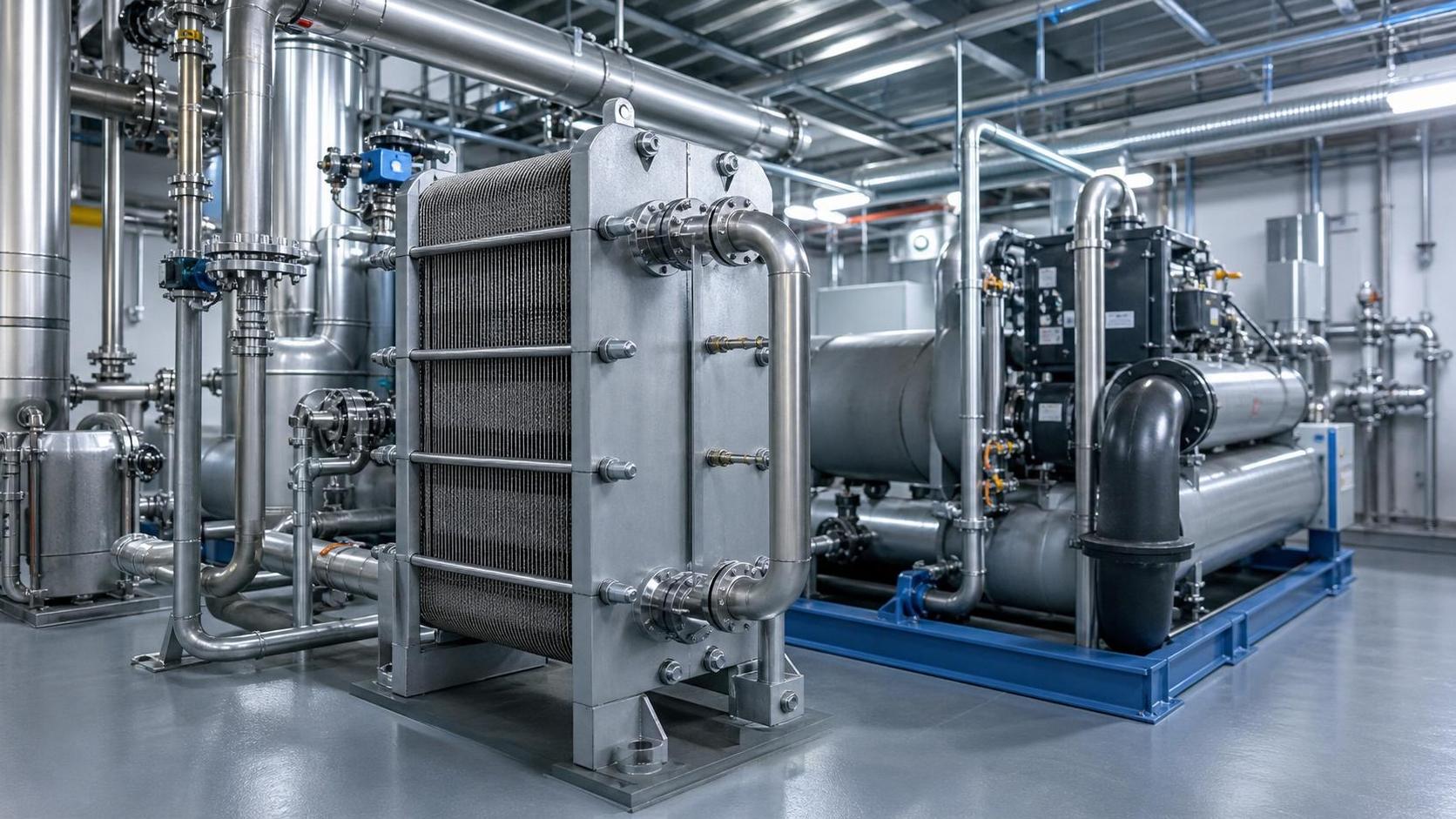
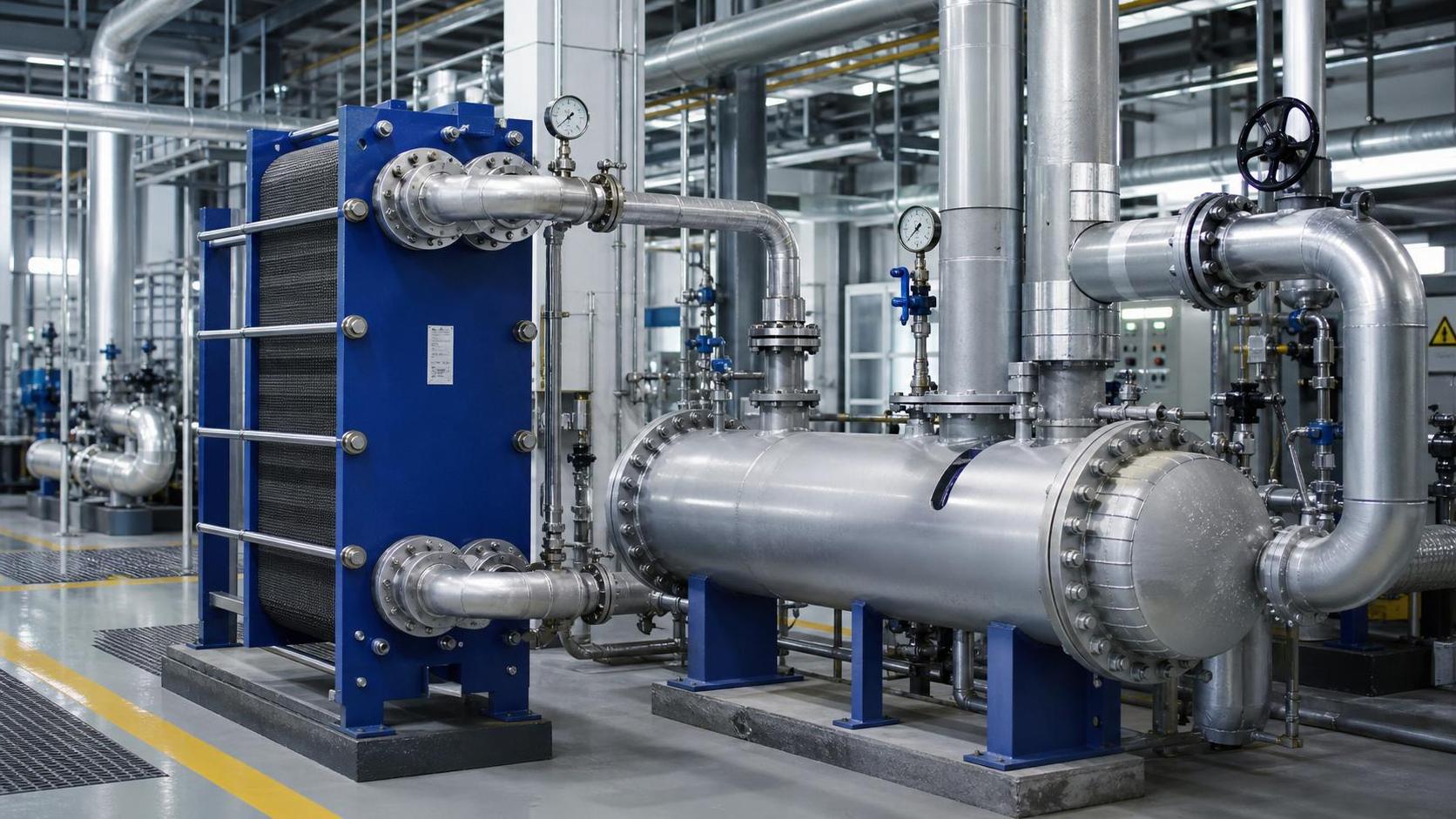
Process Heat Exchangers: The Hidden Route to Short Payback
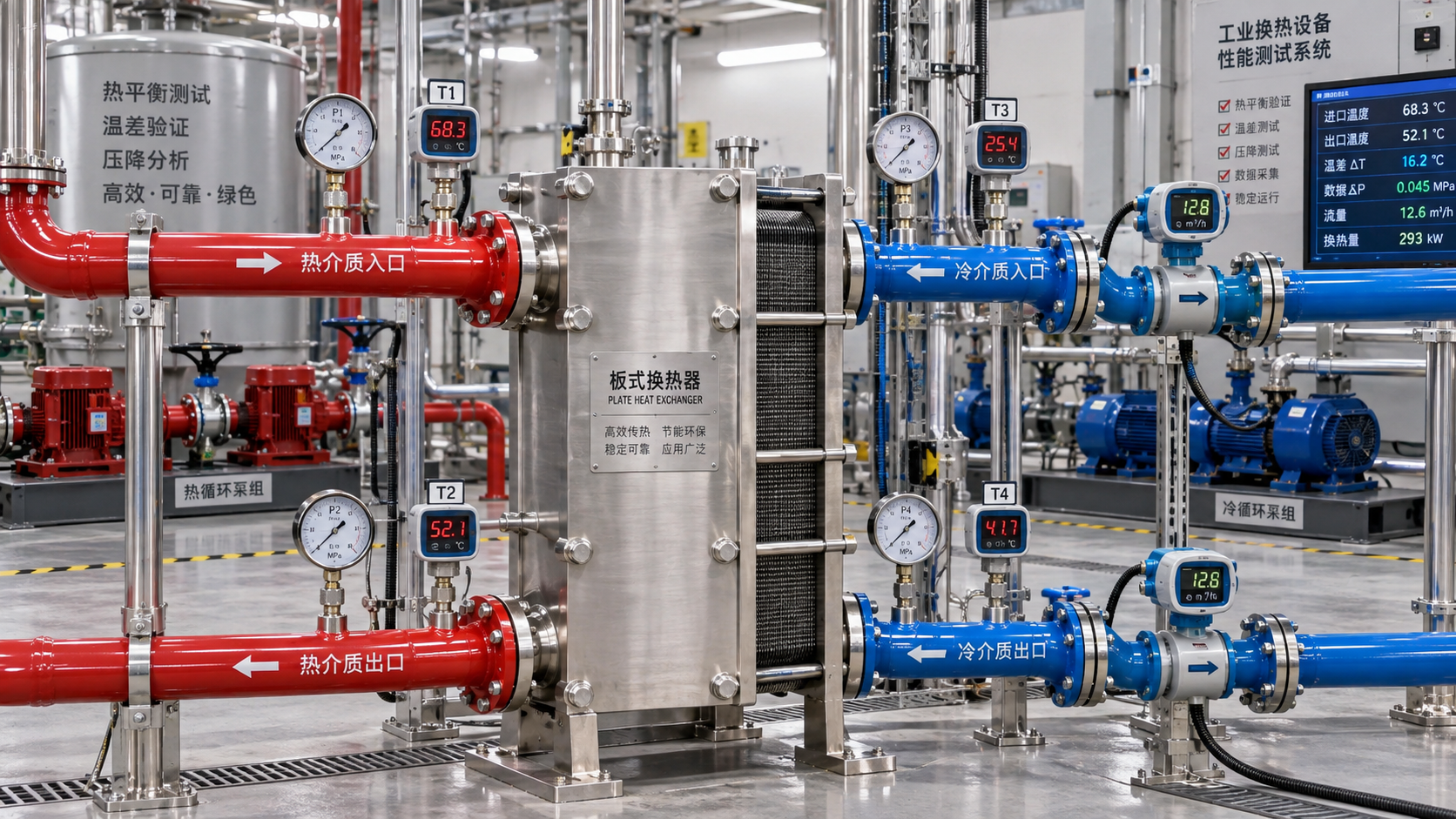
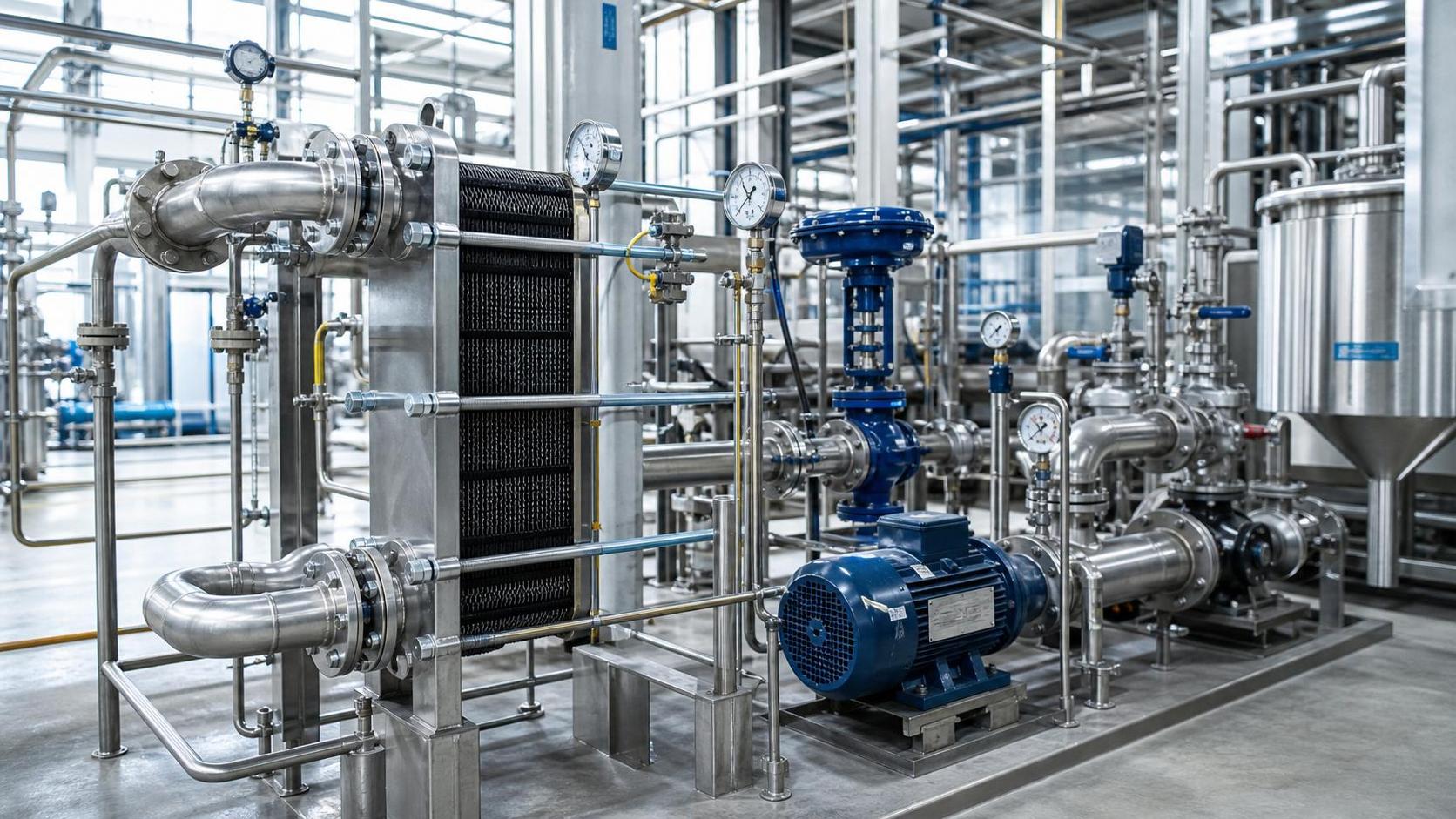
Many facilities already contain underused heat exchange opportunities inside process lines.
Industrial heat recovery can connect hot discharge streams with cold feed streams.
This reduces both heating and cooling loads at the same time.
The payback is often fast because avoided energy appears on two sides of the utility balance.
The best candidates have clean fluids, predictable flows, and limited cross-contamination risk.
Pharmaceutical and food plants need hygienic design, validation planning, and cleanability assurance.
Chemical and semiconductor facilities may require higher attention to purity and materials compatibility.
Comparing Industrial Heat Recovery Scenes by Payback Drivers
How to Match the Scene With the Right Recovery Strategy
A strong industrial heat recovery plan begins with measured evidence, not equipment preference.
Short surveys can identify candidates, but investment cases need operating data.
- Map heat sources by temperature, flow, cleanliness, and annual operating hours.
- Map heat users by required temperature, timing, and avoided energy cost.
- Prioritize direct reuse before storage or heat upgrading.
- Model net savings after pumps, fans, pressure drops, and controls.
- Confirm maintainability, cleaning access, and production risk tolerance.
Industrial heat recovery should also be tested against future operating changes.
New refrigerants, electrified boilers, heat pumps, and carbon pricing can change project ranking.
Common Misjudgments That Delay Payback
The first mistake is assuming high temperature always means best payback.
A moderate heat source near a continuous heat demand may outperform a hotter distant exhaust.
The second mistake is ignoring part-load behavior.
Industrial heat recovery equipment sized for peak conditions may underperform during normal operation.
The third mistake is excluding maintenance from the economics.
A fouled exchanger, blocked coil, or poorly controlled bypass can erase expected savings quickly.
The fourth mistake is counting gross heat instead of usable heat.
Approval models should use recoverable energy, uptime, conversion losses, and actual avoided utility rates.
Capital Approval Metrics for Faster Industrial Heat Recovery Decisions
Fast payback is important, but it should not be the only decision metric.
Better investment cases combine simple payback with net present value and sensitivity testing.
Energy price volatility should be included as both risk and upside.
Industrial heat recovery also supports carbon reduction, equipment load reduction, and resilience against utility constraints.
A useful approval package should include baseline data, engineering scope, savings calculation, downtime plan, and measurement method.
Measurement and verification are especially important when projects cross departments or utility systems.
Clear ownership of operation, cleaning, and performance tracking protects the original business case.
Where Payback Is Usually Fastest
Across industries, the fastest industrial heat recovery projects usually share five traits.
- The heat source operates for many hours each year.
- The heat sink is close and requires compatible temperatures.
- Recovered heat replaces expensive fuel, steam, or electric heating.
- The system adds limited production risk or cleaning burden.
- Controls can maintain stable process and equipment conditions.
Compressor heat recovery often ranks high in broad manufacturing sites.
Boiler economizers lead in steam-heavy operations with high fuel prices.
Chiller heat recovery wins where cooling and hot water demand overlap.
Process integration can outperform all three when hot and cold streams align naturally.
Next Steps for a Practical Industrial Heat Recovery Roadmap
The next move is not to purchase equipment immediately.
It is to build a ranked opportunity map from actual thermal and operating data.
Start with compressors, boilers, chillers, dryers, ovens, and existing heat exchangers.
Then compare projects by usable heat, avoided cost, integration complexity, and operational risk.
GTC-Matrix supports this decision logic through intelligence on cooling, compression, vacuum, and heat exchange technologies.
With disciplined scenario screening, industrial heat recovery becomes a bankable efficiency pathway.
The best projects reduce energy cost, strengthen resilience, and turn wasted thermal energy into measurable industrial value.
Ready when you are. Send us a message to get started.
Related News
- How corrugation angle affects heat transfer in plate heat exchangersAuthor :Thermodynamics Analyst

- When do plate heat exchangers suit Middle East seawater cooling?Author :Thermodynamics Analyst

- When does gasketed plate heat exchanger technology suit your process?Author :Thermodynamics Analyst

- When does heat recovery improve data center cooling efficiency?Author :Thermodynamics Analyst

- How Do I Verify Heat Transfer Calculations in a Supplier Quotation?Author :Thermodynamics Analyst

- How to evaluate a plate heat exchangers supplier before orderingAuthor :Thermodynamics Analyst

- EU Tightens Fatigue Checks for Plate Heat ExchangersAuthor :Thermodynamics Analyst

- EU PFAS Rule Adds New Export Filing for Cooling EquipmentAuthor :Thermodynamics Analyst

- EU EN 13445-4:2026 Adds Fatigue Report RequirementAuthor :Thermodynamics Analyst

- EU Updates EN 13445-4 for Plate ExchangersAuthor :Thermodynamics Analyst

- How to Compare Energy-Efficient Heat Exchange SolutionsAuthor :Thermodynamics Analyst

- Brazed Plate Exchanger Design: 7 Factors That Affect Heat TransferAuthor :Thermodynamics Analyst

- EU CBAM Pilot List Adds Plate ExchangersAuthor :Thermodynamics Analyst

- How Heat Exchange Systems Improve Temperature Control StabilityAuthor :Thermodynamics Analyst

- Japan to Require Efficiency Labels for Plate ExchangersAuthor :Thermodynamics Analyst

- EU REACH Adds PFAS Ban for Plate Heat ExchangersAuthor :Thermodynamics Analyst

- India Enforces BIS Rule for Plate Heat ExchangersAuthor :Thermodynamics Analyst

- DIN EN 13445-6:2026 Tightens Plate Exchanger CE RulesAuthor :Thermodynamics Analyst

- EU REACH Restricts PFAS Seals for Plate Heat ExchangersAuthor :Thermodynamics Analyst

- India Mandates BIS Certification for Imported Plate ExchangersAuthor :Thermodynamics Analyst

- Vietnam Requires QR Labels on Imported Plate Heat ExchangersAuthor :Thermodynamics Analyst

- EU EN 13445-4:2026 Tightens NDT Rules for Heat ExchangersAuthor :Thermodynamics Analyst

- EPA Clears R-1234ze(E) for Plate Exchanger SystemsAuthor :Thermodynamics Analyst
 for Plate Exchanger Systems")
- Heat Exchange Equipment Selection: Key Performance Checks Before You Compare ModelsAuthor :Thermodynamics Analyst

- ASHRAE 90.1-2026 Raises Plate Exchanger Efficiency ThresholdAuthor :Thermodynamics Analyst

- Heat Exchange Systems: How to Choose the Right SetupAuthor :Thermodynamics Analyst

- EPA SNAP 89 Takes Effect for Plate ExchangersAuthor :Thermodynamics Analyst

- How to Compare Heat Exchange Solutions for Lower Energy UseAuthor :Thermodynamics Analyst

- EPA SNAP 89 Expands Filing Rules for Plate Heat ExchangersAuthor :Thermodynamics Analyst

- EPA SNAP update adds filing rule for plate heat exchangersAuthor :Thermodynamics Analyst

- Industrial Heat Recovery: Where the Payback Is Fastest in 2026Author :Thermodynamics Analyst

- California EPR Deadline Nears for Cooling Equipment MakersAuthor :Thermodynamics Analyst

- Heat Exchanger Technology: Plate vs Shell and Tube for EfficiencyAuthor :Thermodynamics Analyst

- Industrial Heat Recovery Options for High-Temperature ProcessesAuthor :Thermodynamics Analyst

- Heat Transfer Problems in Process Lines: Causes and Practical FixesAuthor :Thermodynamics Analyst

- India Tightens Plate Exchanger Import Clearance RulesAuthor :Thermodynamics Analyst