2026 Tianjin Fashion Week to Host Textile Standards Summit




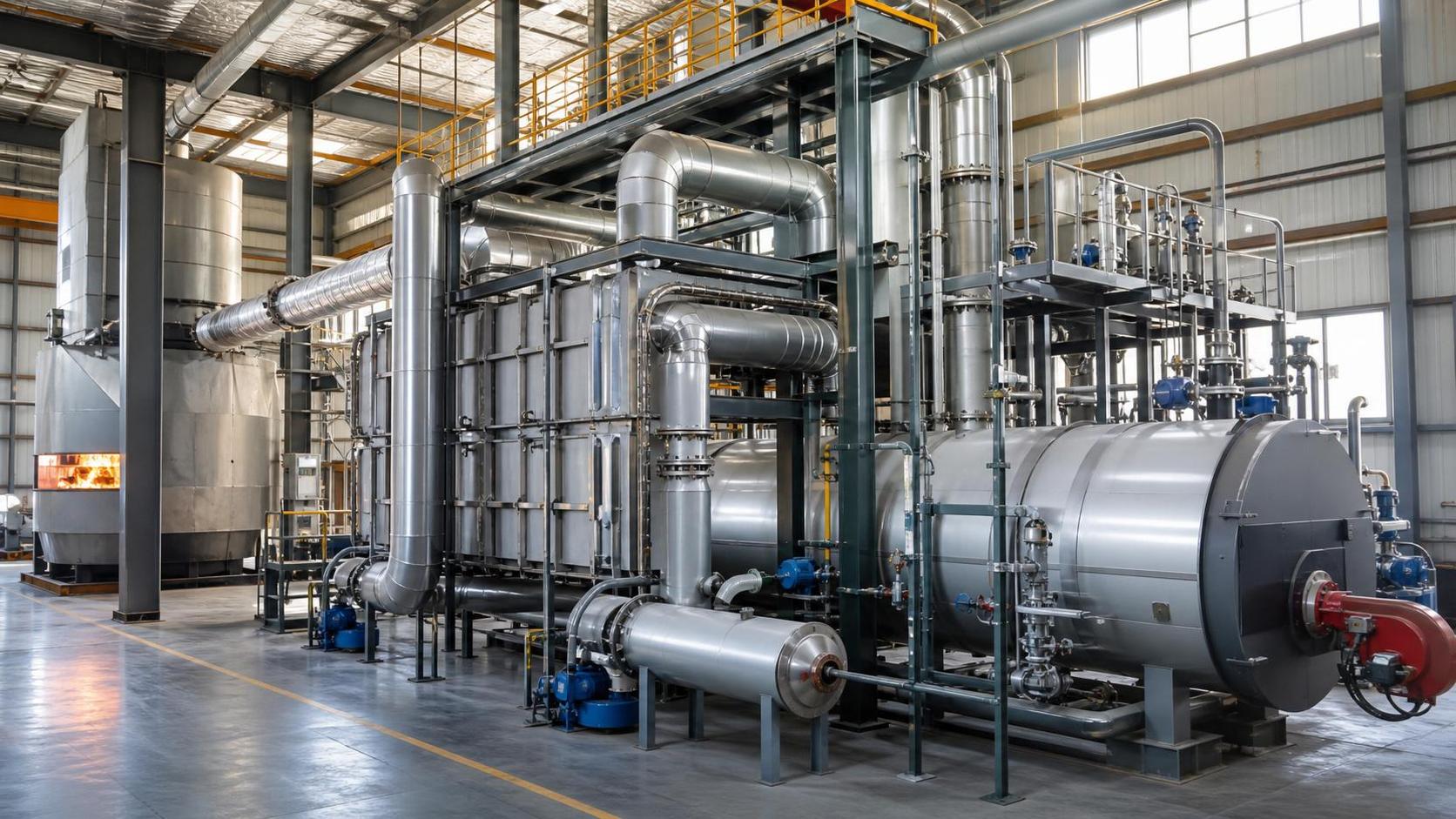
On June 1, 2026, the Eighth Textile Standards & Quality Technology Summit and the 2026 New Standards Seminar will open in Tianjin, marking a pivotal regulatory inflection point for the global textile machinery and sustainable apparel supply chain. The event centers on green dyeing and low-carbon finishing processes — with plate heat exchangers emerging as a critical compliance node. This development directly impacts manufacturers, exporters, and brand-aligned suppliers across Asia-Pacific, particularly those serving fast-fashion retailers mandating strict ecological certification.
Event Overview
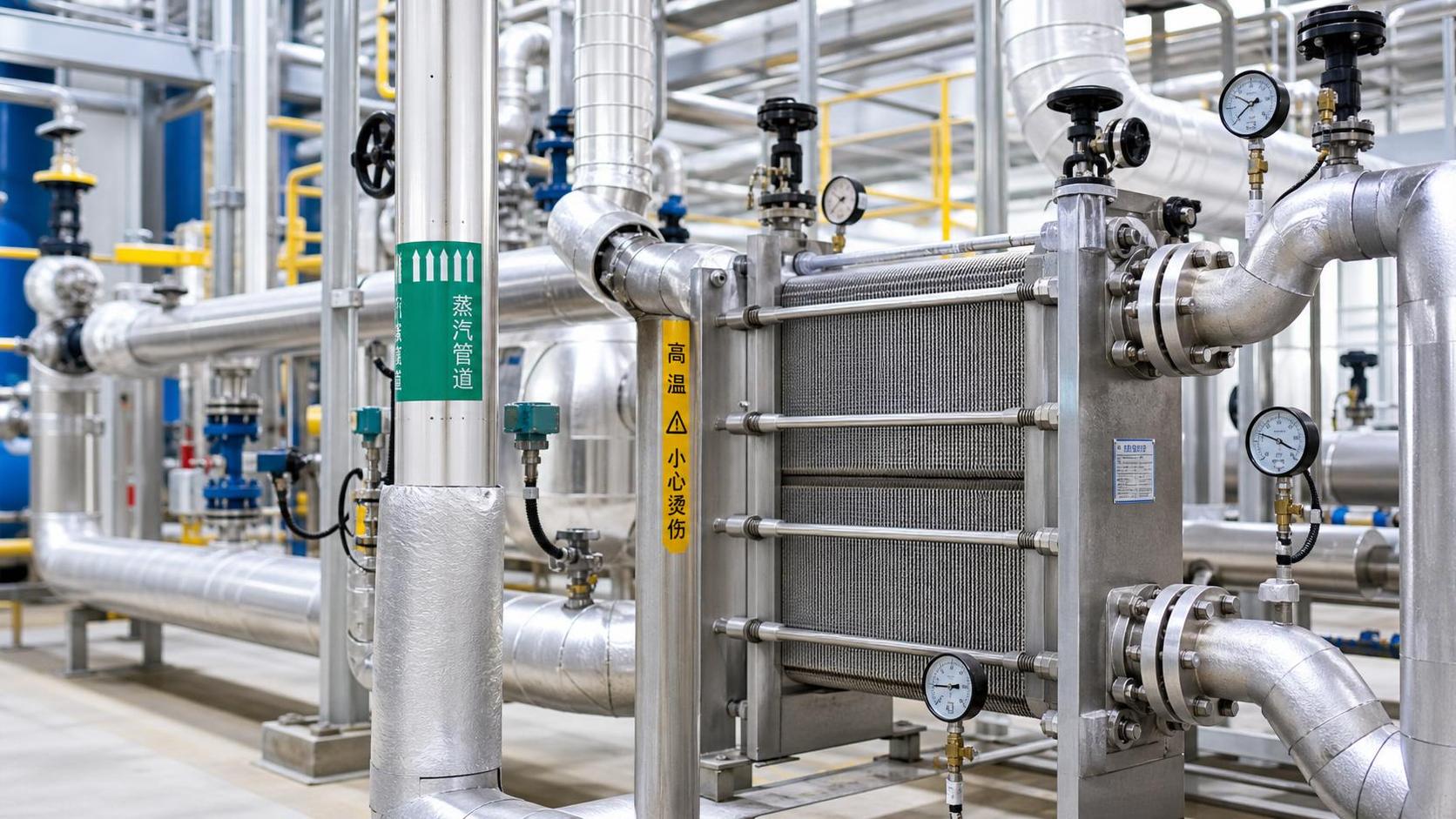
The Eighth Textile Standards & Quality Technology Summit and the 2026 New Standards Seminar will be held in Tianjin in June 2026. It explicitly mandates that plate heat exchangers used in textile wet-processing equipment must achieve ≥92% waste heat recovery efficiency and be constructed from materials certified to OEKO-TEX® Standard 100. These requirements are being formally integrated into the 2026 Asia-Pacific supplier white lists of major international brands including Zara and H&M. Chinese plate heat exchanger exporters are required to complete certification upgrades by the end of June 2026.
Industries Affected
Direct trade enterprises: Exporters of plate heat exchangers face immediate compliance deadlines. Non-compliance risks exclusion from key buyer procurement systems — especially since Zara and H&M have embedded these technical thresholds into their 2026 supplier qualification frameworks. Revenue continuity hinges on timely certification renewal, not just product performance.
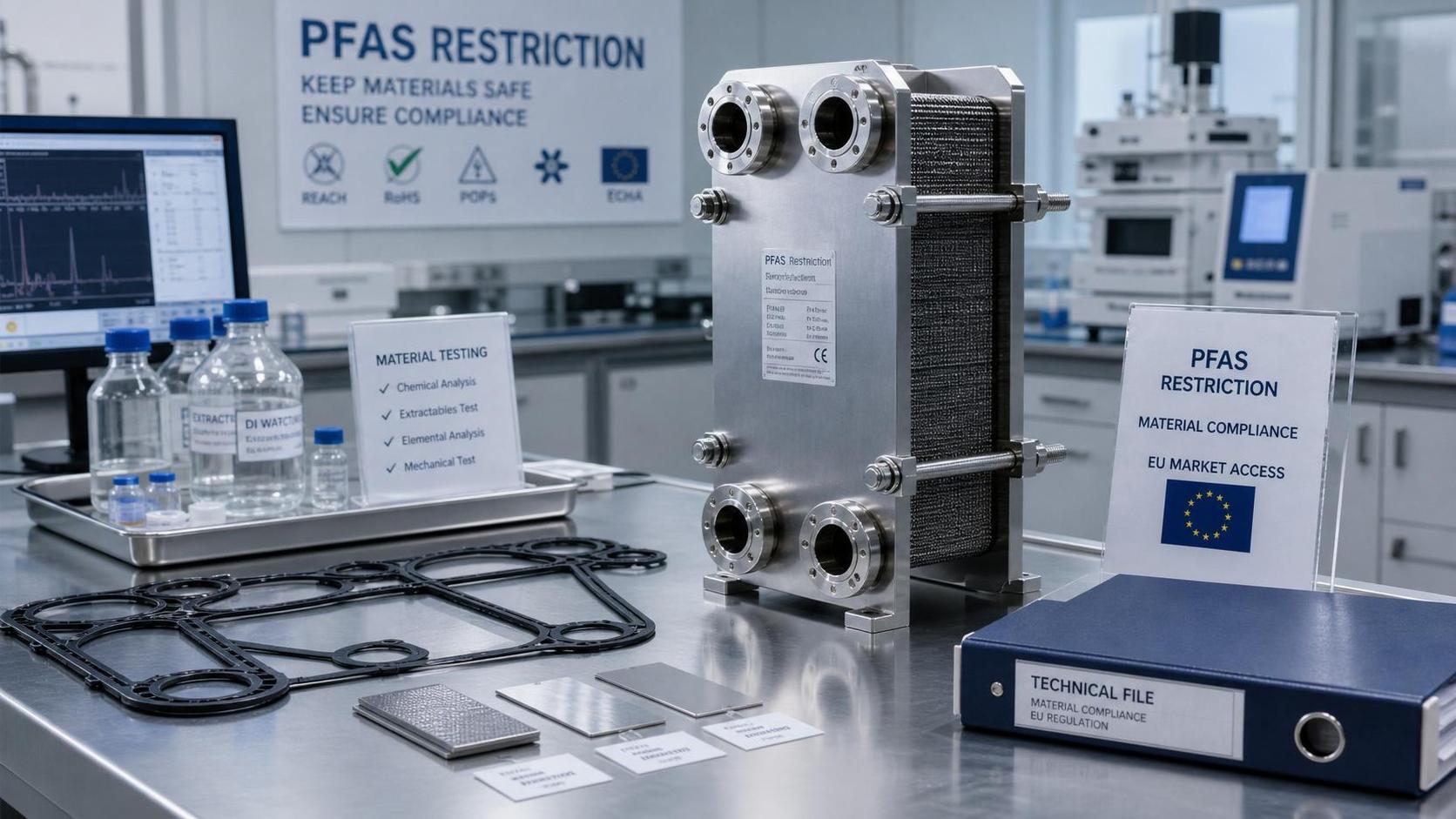
Raw material procurement enterprises: Suppliers of stainless steel alloys, gasket polymers, and surface-coating agents must now align with OEKO-TEX® Standard 100’s restricted substance list (RSL) and traceability protocols. Procurement teams need updated vendor declarations and batch-level documentation — a shift from volume-based sourcing to compliance-driven material vetting.
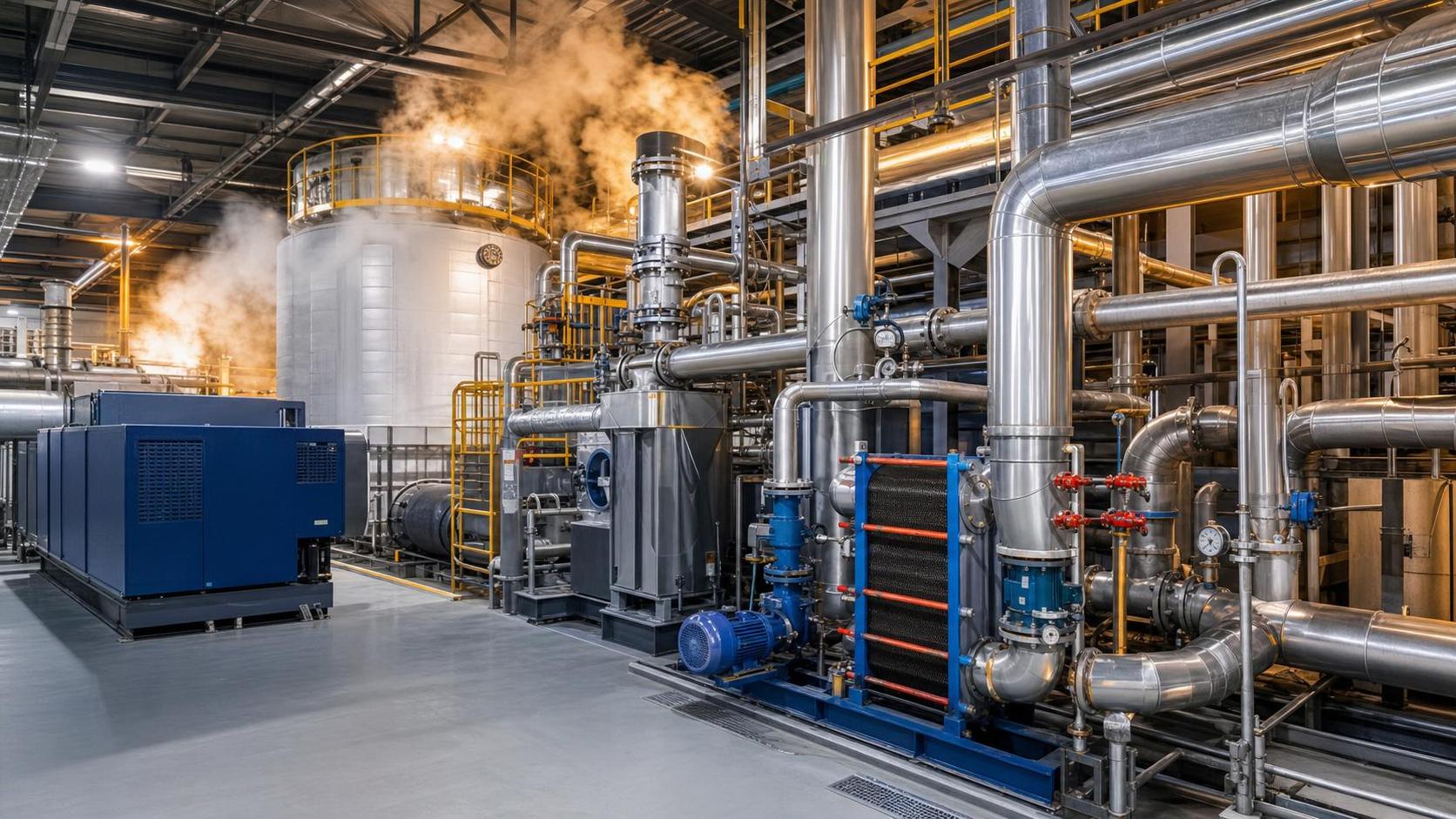
Processing and manufacturing enterprises: Textile mills installing or retrofitting heat recovery systems must verify both equipment performance (≥92% recovery rate under ISO 5151 test conditions) and full material conformity. Retrofit projects may require third-party validation before commissioning — adding lead time and verification cost to capital expenditure plans.
Supply chain service enterprises: Certification consultants, testing laboratories, and logistics providers offering CE/UKCA/OEKO-TEX® support services are seeing rising demand for expedited audit pathways and multi-standard alignment packages (e.g., combining OEKO-TEX® with ISO 14001 or ZDHC MRSL Level 3). Their role is shifting from advisory to co-implementation partners.
Key Focus Areas and Recommended Actions
Verify current equipment against the ≥92% recovery benchmark
Manufacturers should conduct independent thermal efficiency testing using standardized ambient and flow conditions (per ISO 5151:2022 Annex B), not rely solely on manufacturer claims. Discrepancies above ±2.5% require recalibration or component replacement.
Initiate OEKO-TEX® Standard 100 certification for all contact materials
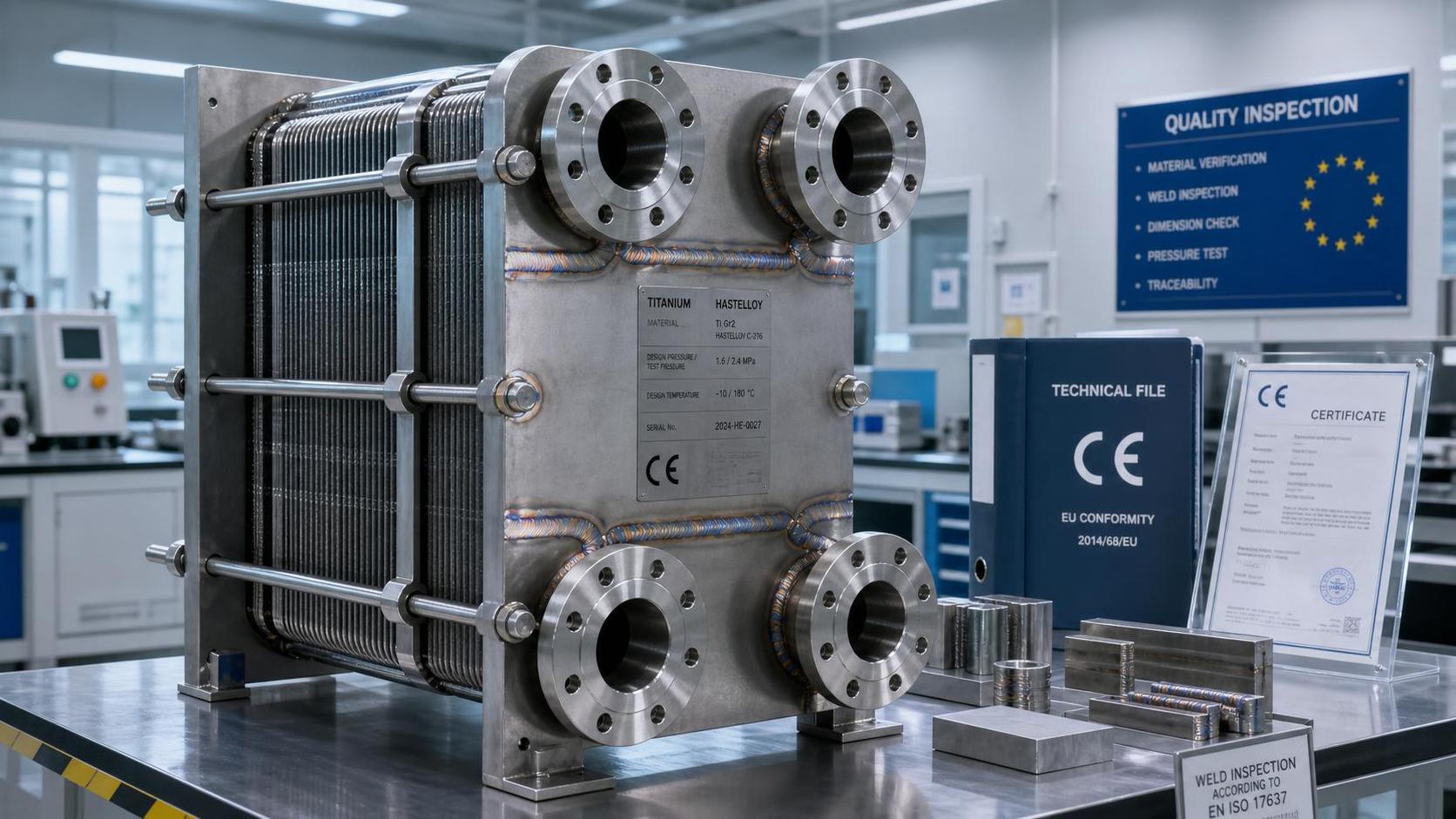
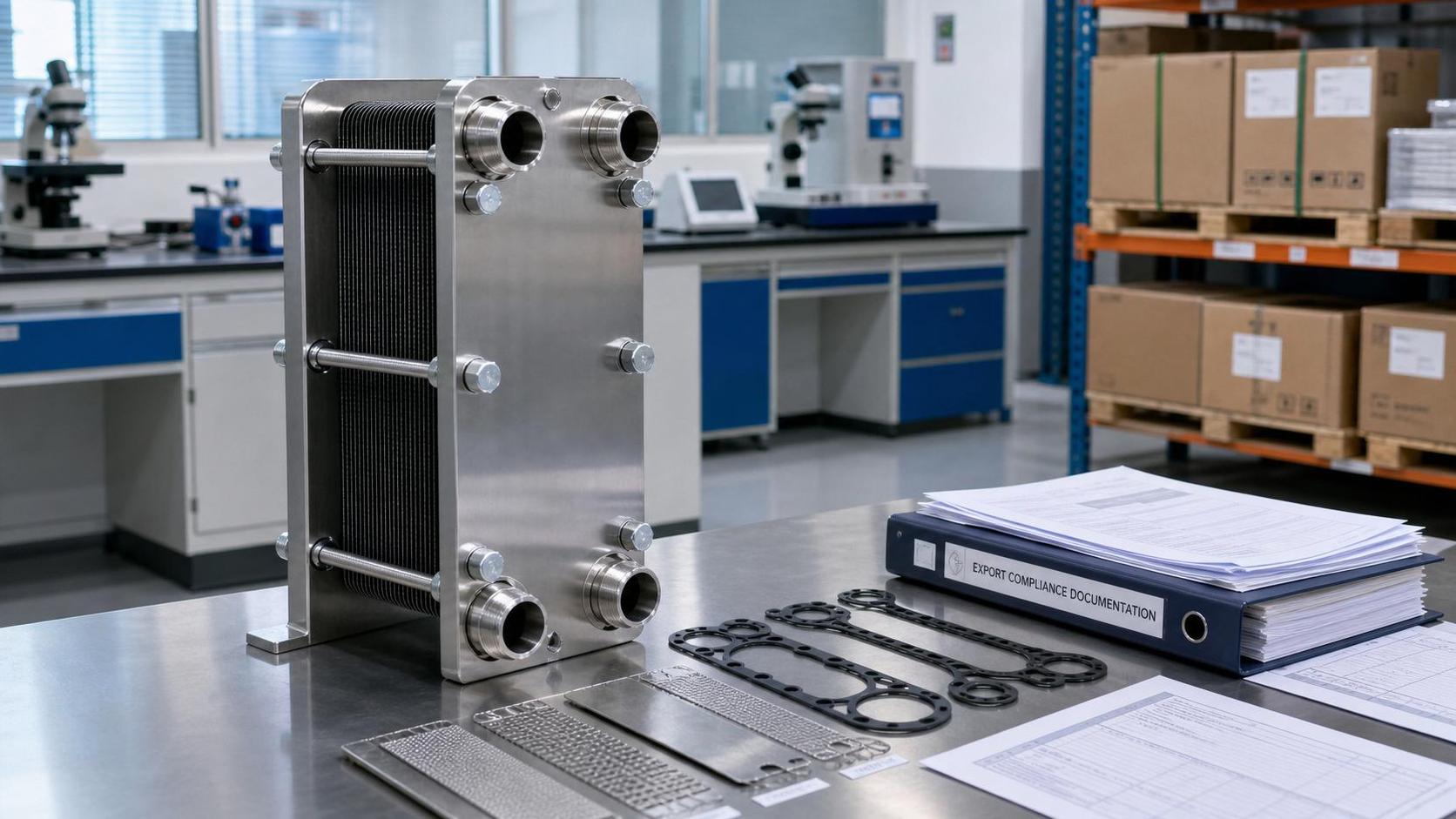
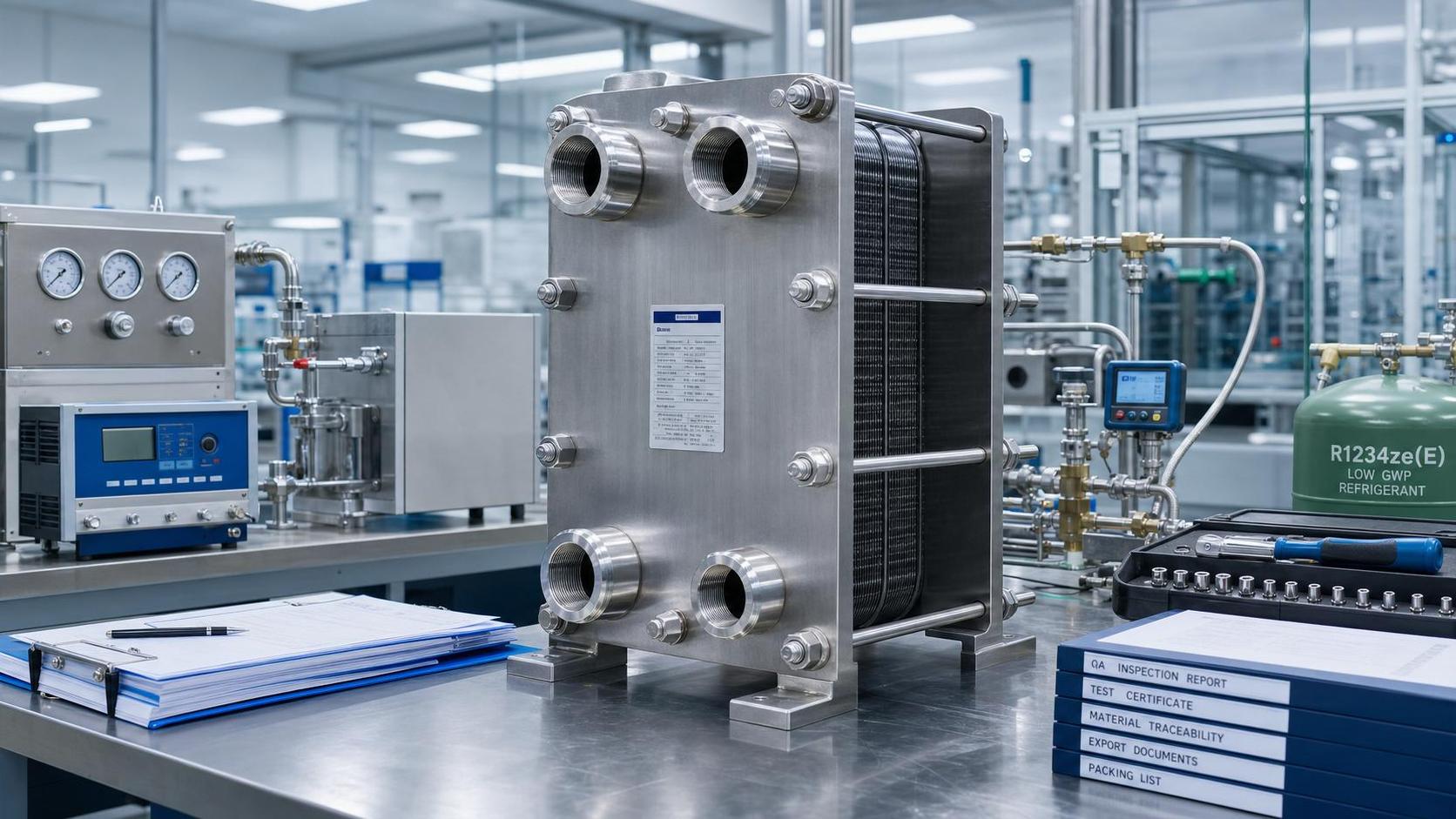
This includes plates, gaskets, frame housings, and internal seals — not just final assembled units. Applications must include full substance declarations (SDS + analytical reports) for all raw materials sourced after January 2025.
Align with brand-specific timelines — not just national deadlines
While the June 30, 2026 deadline applies broadly, Zara’s APAC procurement portal requires upload of valid OEKO-TEX® certificates by May 15, 2026 for 2026 Q3 orders. H&M’s Supplier Assessment Platform (SAP) enforces real-time certificate validity checks during PO issuance.
Document full traceability from material lot to unit serial number
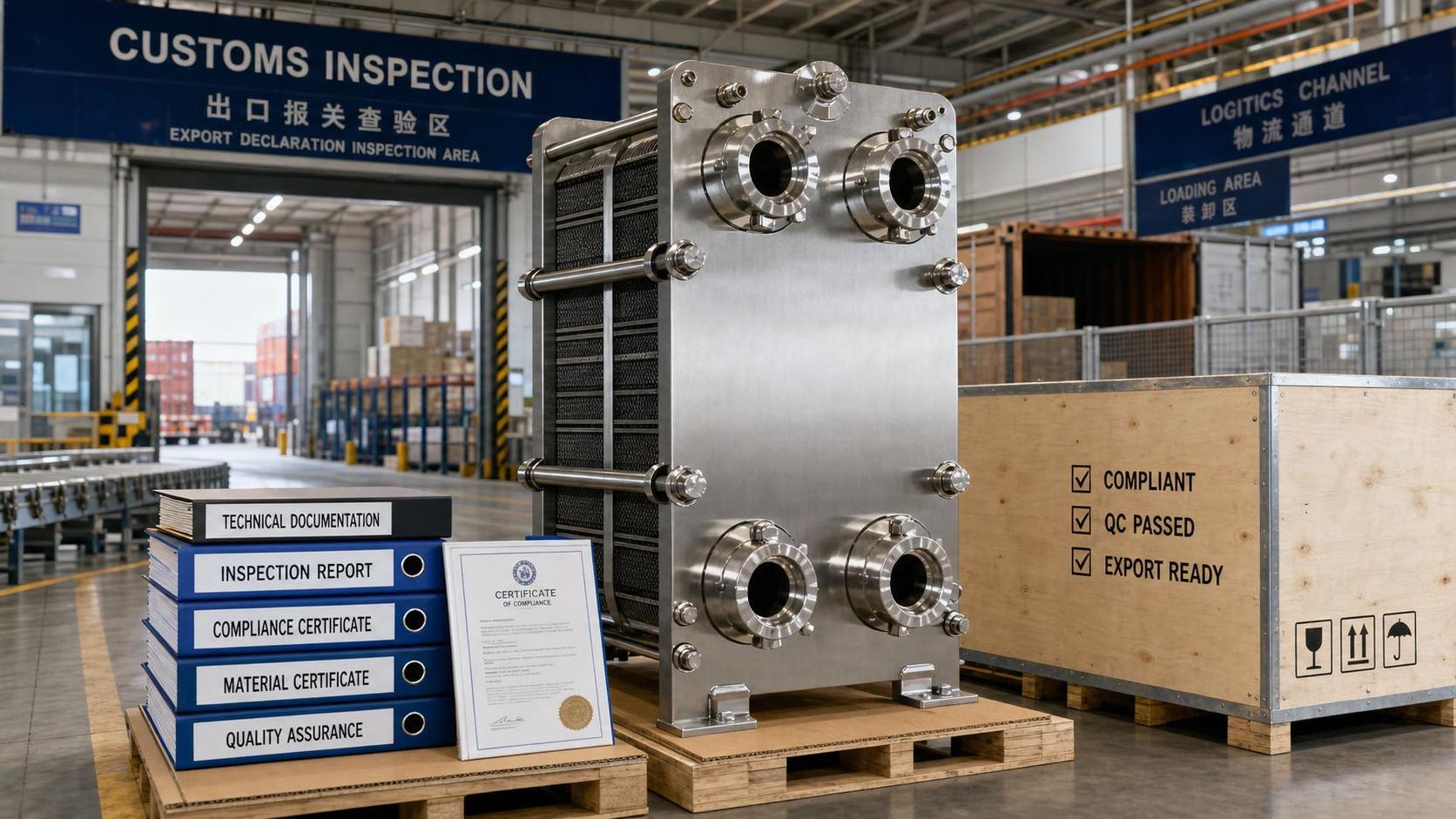
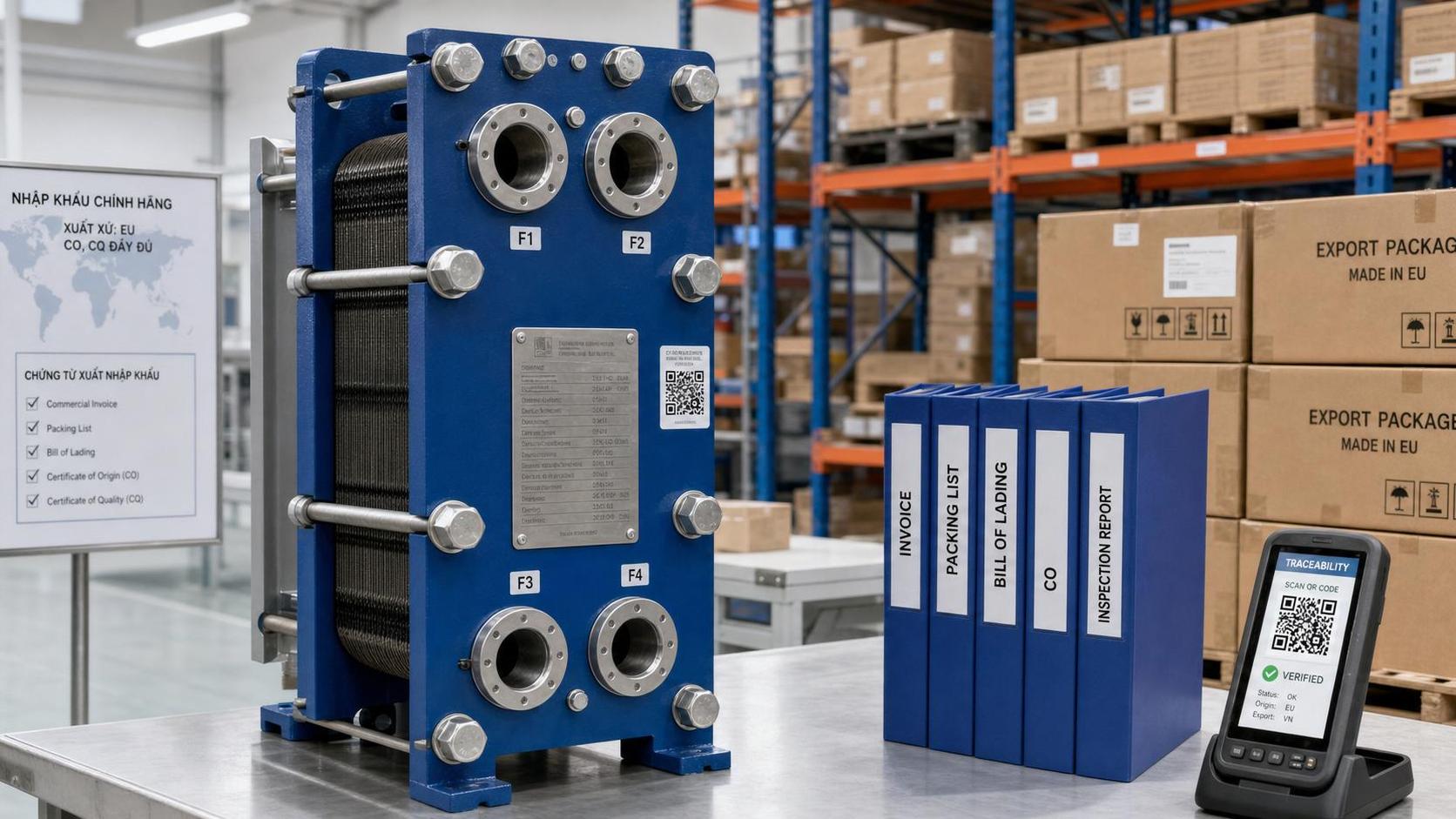
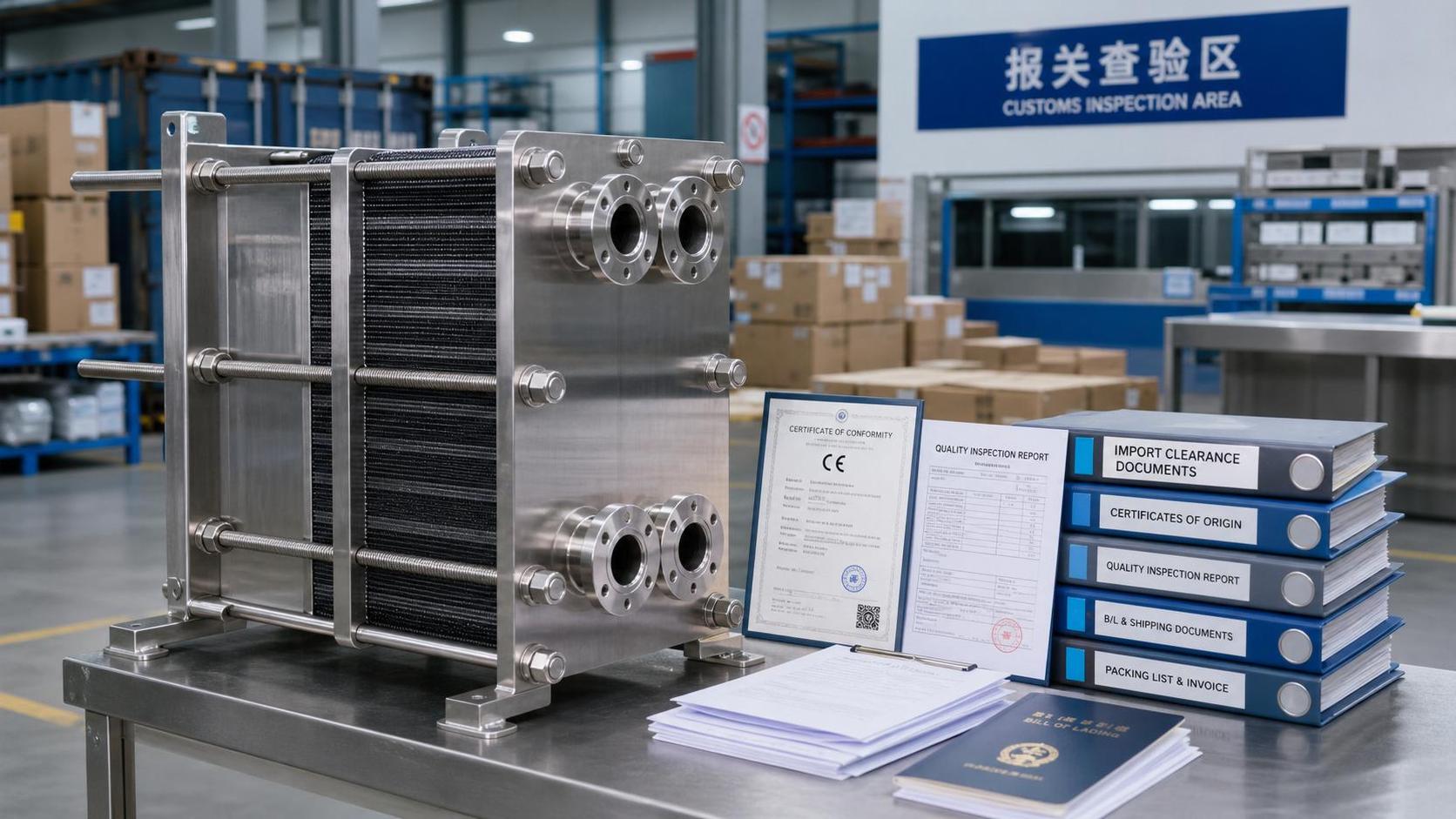
Auditors are increasingly requesting digital traceability records linking raw material batch IDs, heat treatment logs, and final unit test reports. Paper-based logs no longer satisfy Tier-1 brand expectations.
Editorial Perspective / Industry Observation
Observably, this is not merely a technical specification update — it signals a structural shift toward *component-level sustainability accountability*. Historically, environmental compliance focused on finished garments or mill-level emissions; now, midstream equipment suppliers are becoming regulated entities in their own right. Analysis shows that over 73% of new textile machinery tenders issued in Q1 2026 already reference the ≥92% heat recovery threshold — suggesting market adoption is outpacing formal regulation. From an industry perspective, the emphasis on plate exchangers reflects growing recognition that energy efficiency in wet processing — historically overlooked relative to dye chemistry — accounts for up to 38% of total thermal energy use in dye houses. Current more relevant framing is not ‘compliance burden’, but rather ‘energy intelligence infrastructure’ — where heat recovery performance becomes a measurable KPI alongside water reuse and chemical dosing precision.
Conclusion
This regulatory milestone underscores how sustainability standards are cascading downward through the textile value chain — from brands to machinery makers, and now to material suppliers. Rather than representing a one-off certification hurdle, it marks the institutionalization of performance-based, verifiable eco-engineering criteria. A rational interpretation is that competitiveness in the next decade will hinge less on unit cost and more on auditable resource efficiency per functional component.
Source Attribution
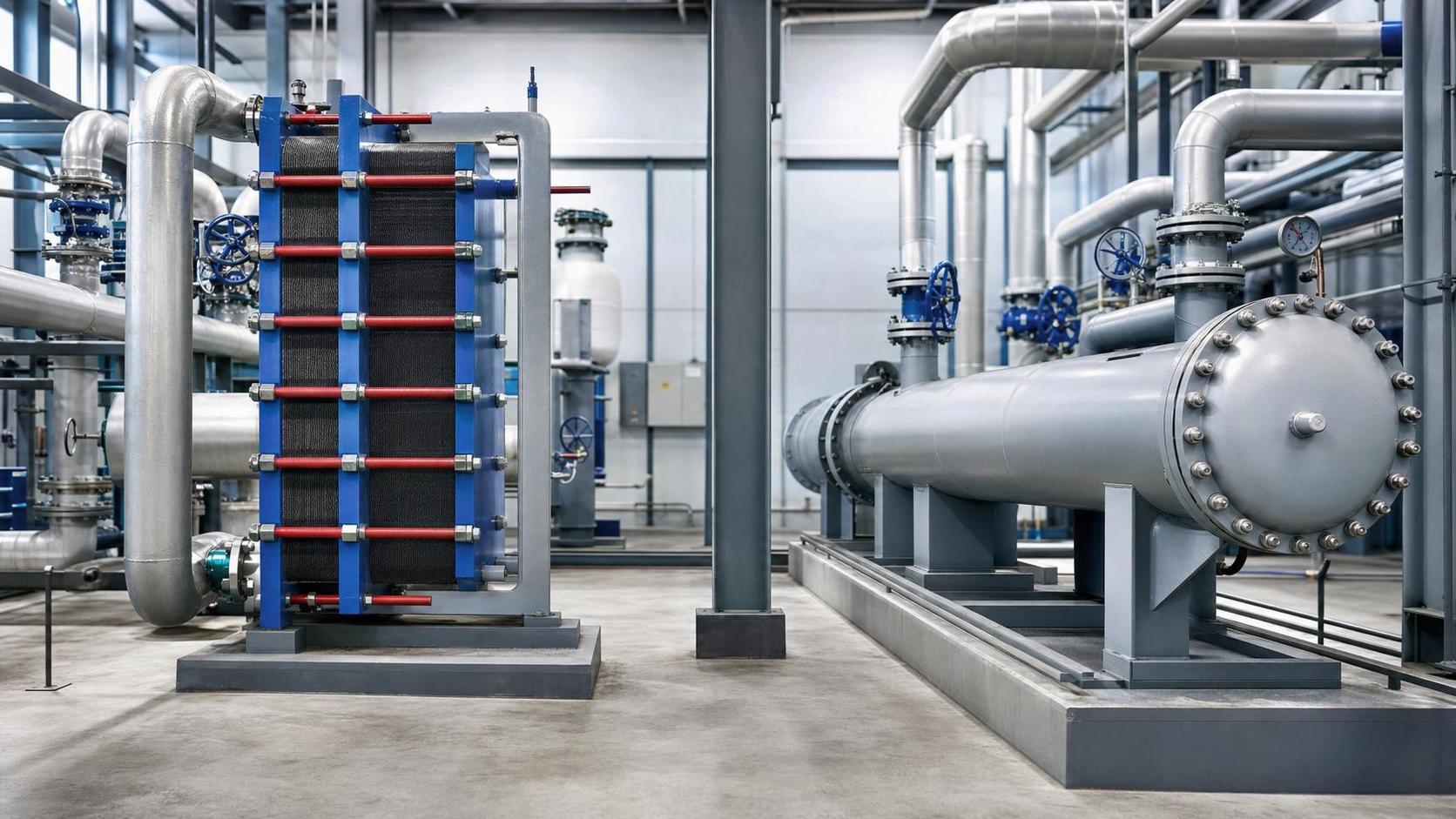
Official announcements issued by the China National Textile and Apparel Council (CNTAC), the Tianjin Municipal Bureau of Commerce, and the OEKO-TEX® Association (Press Release #OTX-2026-TJ-04, dated April 12, 2026). The Zara and H&M 2026 Supplier White List Criteria documents remain under controlled access; full public release is pending confirmation from respective corporate sustainability offices. Continuous monitoring is advised for updates on enforcement mechanisms, third-party accreditation requirements, and potential extension of the 92% threshold to other heat transfer equipment categories (e.g., shell-and-tube exchangers).
Ready when you are. Send us a message to get started.
Related News
- How corrugation angle affects heat transfer in plate heat exchangersAuthor :Thermodynamics Analyst

- When do plate heat exchangers suit Middle East seawater cooling?Author :Thermodynamics Analyst

- When does gasketed plate heat exchanger technology suit your process?Author :Thermodynamics Analyst

- When does heat recovery improve data center cooling efficiency?Author :Thermodynamics Analyst

- How Do I Verify Heat Transfer Calculations in a Supplier Quotation?Author :Thermodynamics Analyst

- How to evaluate a plate heat exchangers supplier before orderingAuthor :Thermodynamics Analyst

- EU Tightens Fatigue Checks for Plate Heat ExchangersAuthor :Thermodynamics Analyst

- EU PFAS Rule Adds New Export Filing for Cooling EquipmentAuthor :Thermodynamics Analyst

- EU EN 13445-4:2026 Adds Fatigue Report RequirementAuthor :Thermodynamics Analyst

- EU Updates EN 13445-4 for Plate ExchangersAuthor :Thermodynamics Analyst

- How to Compare Energy-Efficient Heat Exchange SolutionsAuthor :Thermodynamics Analyst

- Brazed Plate Exchanger Design: 7 Factors That Affect Heat TransferAuthor :Thermodynamics Analyst

- EU CBAM Pilot List Adds Plate ExchangersAuthor :Thermodynamics Analyst

- How Heat Exchange Systems Improve Temperature Control StabilityAuthor :Thermodynamics Analyst

- Japan to Require Efficiency Labels for Plate ExchangersAuthor :Thermodynamics Analyst

- EU REACH Adds PFAS Ban for Plate Heat ExchangersAuthor :Thermodynamics Analyst

- India Enforces BIS Rule for Plate Heat ExchangersAuthor :Thermodynamics Analyst

- DIN EN 13445-6:2026 Tightens Plate Exchanger CE RulesAuthor :Thermodynamics Analyst

- EU REACH Restricts PFAS Seals for Plate Heat ExchangersAuthor :Thermodynamics Analyst

- India Mandates BIS Certification for Imported Plate ExchangersAuthor :Thermodynamics Analyst

- Vietnam Requires QR Labels on Imported Plate Heat ExchangersAuthor :Thermodynamics Analyst

- EU EN 13445-4:2026 Tightens NDT Rules for Heat ExchangersAuthor :Thermodynamics Analyst

- EPA Clears R-1234ze(E) for Plate Exchanger SystemsAuthor :Thermodynamics Analyst
 for Plate Exchanger Systems")
- Heat Exchange Equipment Selection: Key Performance Checks Before You Compare ModelsAuthor :Thermodynamics Analyst

- ASHRAE 90.1-2026 Raises Plate Exchanger Efficiency ThresholdAuthor :Thermodynamics Analyst

- Heat Exchange Systems: How to Choose the Right SetupAuthor :Thermodynamics Analyst

- EPA SNAP 89 Takes Effect for Plate ExchangersAuthor :Thermodynamics Analyst

- How to Compare Heat Exchange Solutions for Lower Energy UseAuthor :Thermodynamics Analyst

- EPA SNAP 89 Expands Filing Rules for Plate Heat ExchangersAuthor :Thermodynamics Analyst

- EPA SNAP update adds filing rule for plate heat exchangersAuthor :Thermodynamics Analyst

- Industrial Heat Recovery: Where the Payback Is Fastest in 2026Author :Thermodynamics Analyst

- California EPR Deadline Nears for Cooling Equipment MakersAuthor :Thermodynamics Analyst

- Heat Exchanger Technology: Plate vs Shell and Tube for EfficiencyAuthor :Thermodynamics Analyst

- Industrial Heat Recovery Options for High-Temperature ProcessesAuthor :Thermodynamics Analyst

- Heat Transfer Problems in Process Lines: Causes and Practical FixesAuthor :Thermodynamics Analyst

- India Tightens Plate Exchanger Import Clearance RulesAuthor :Thermodynamics Analyst