Heat Exchanger Efficiency: When Plate Beats Shell & Tube




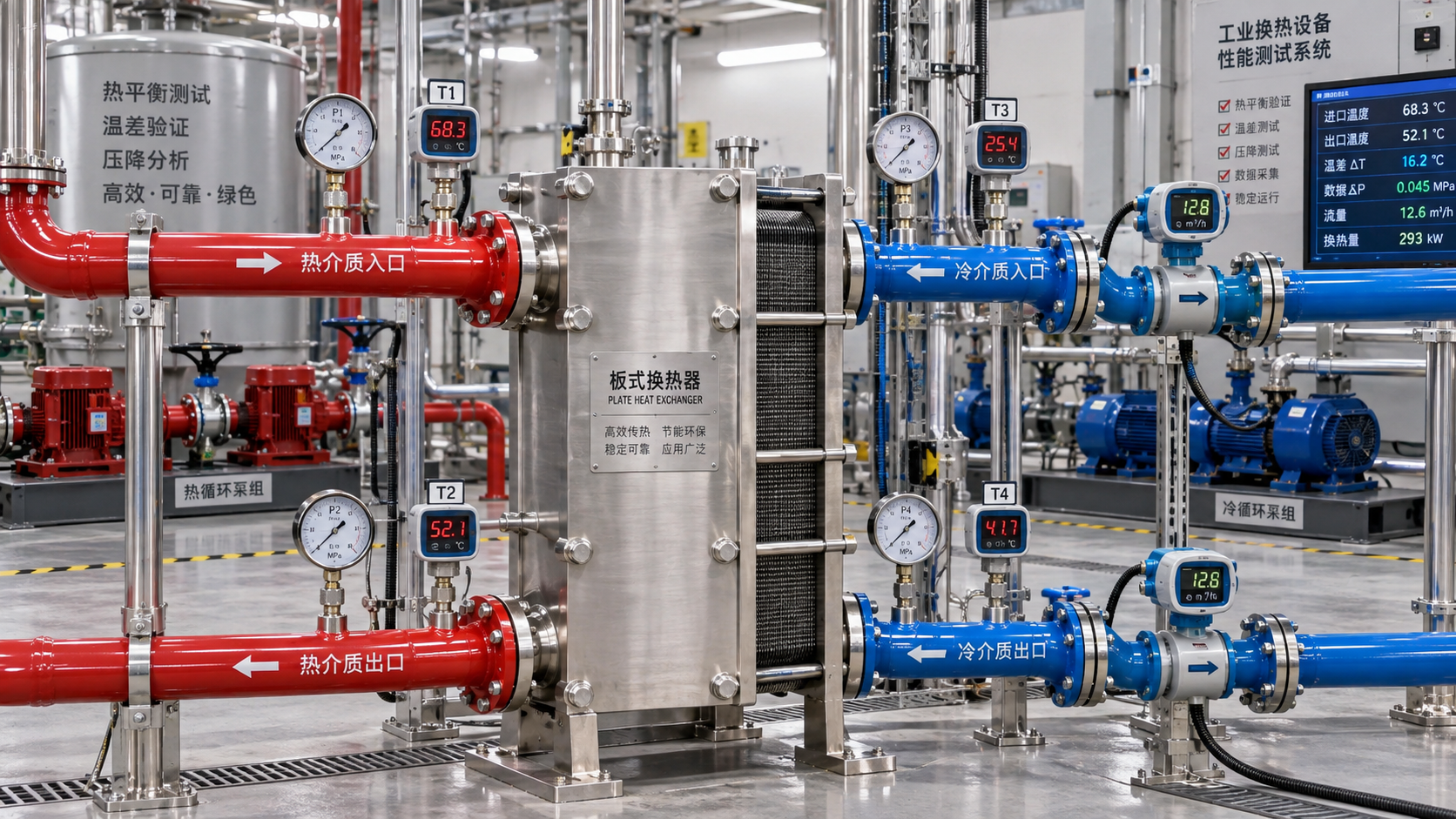
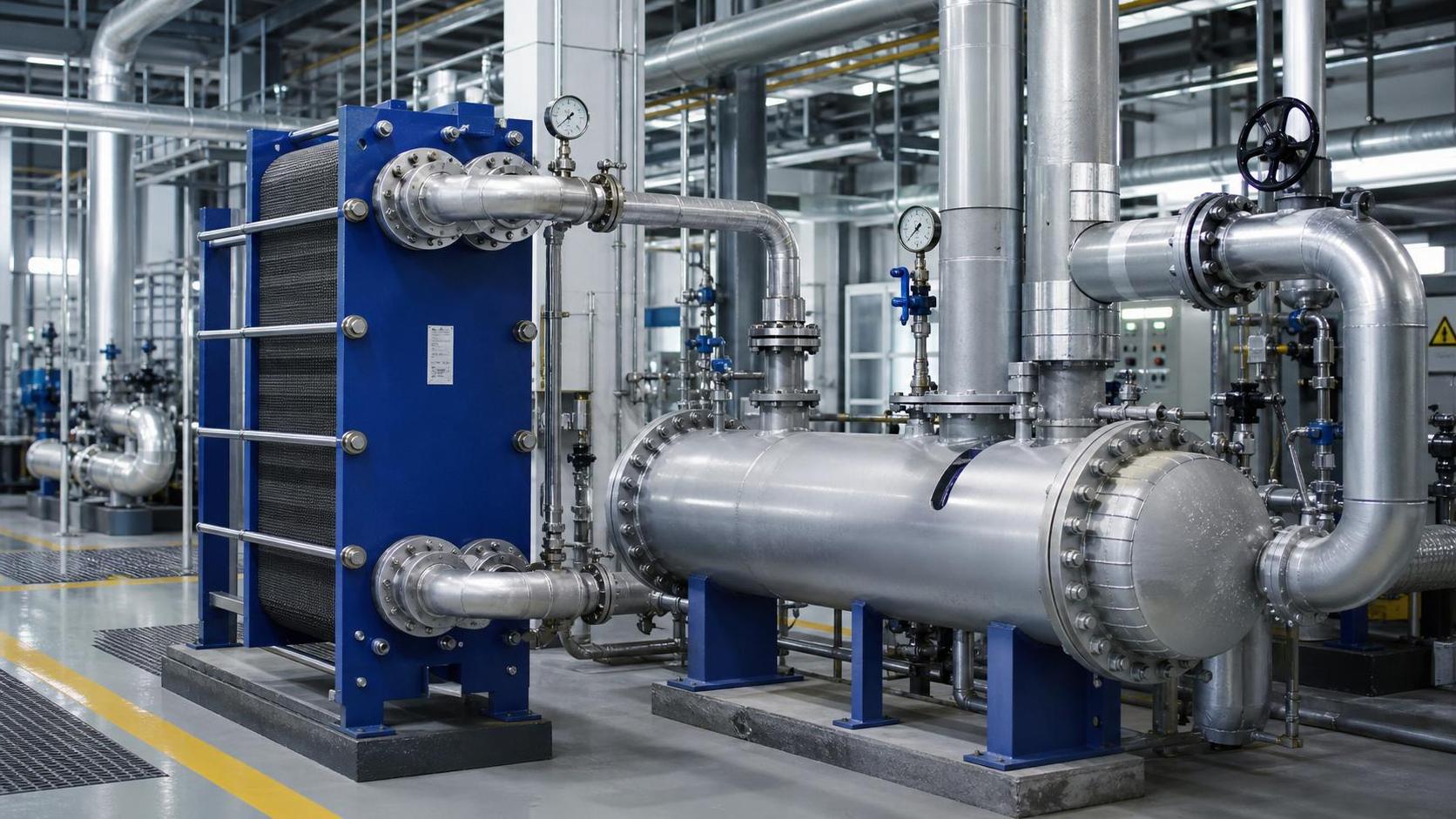
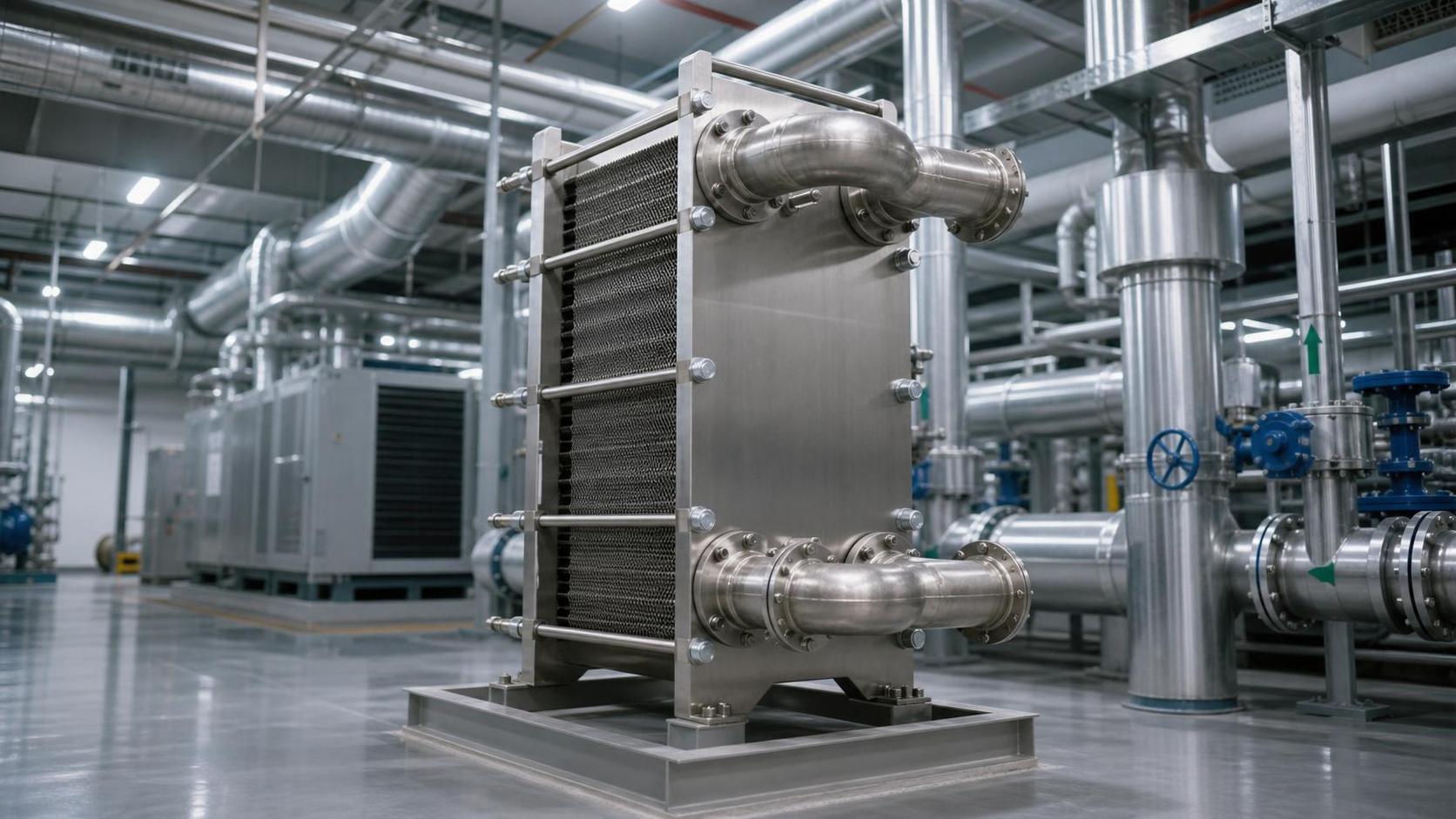
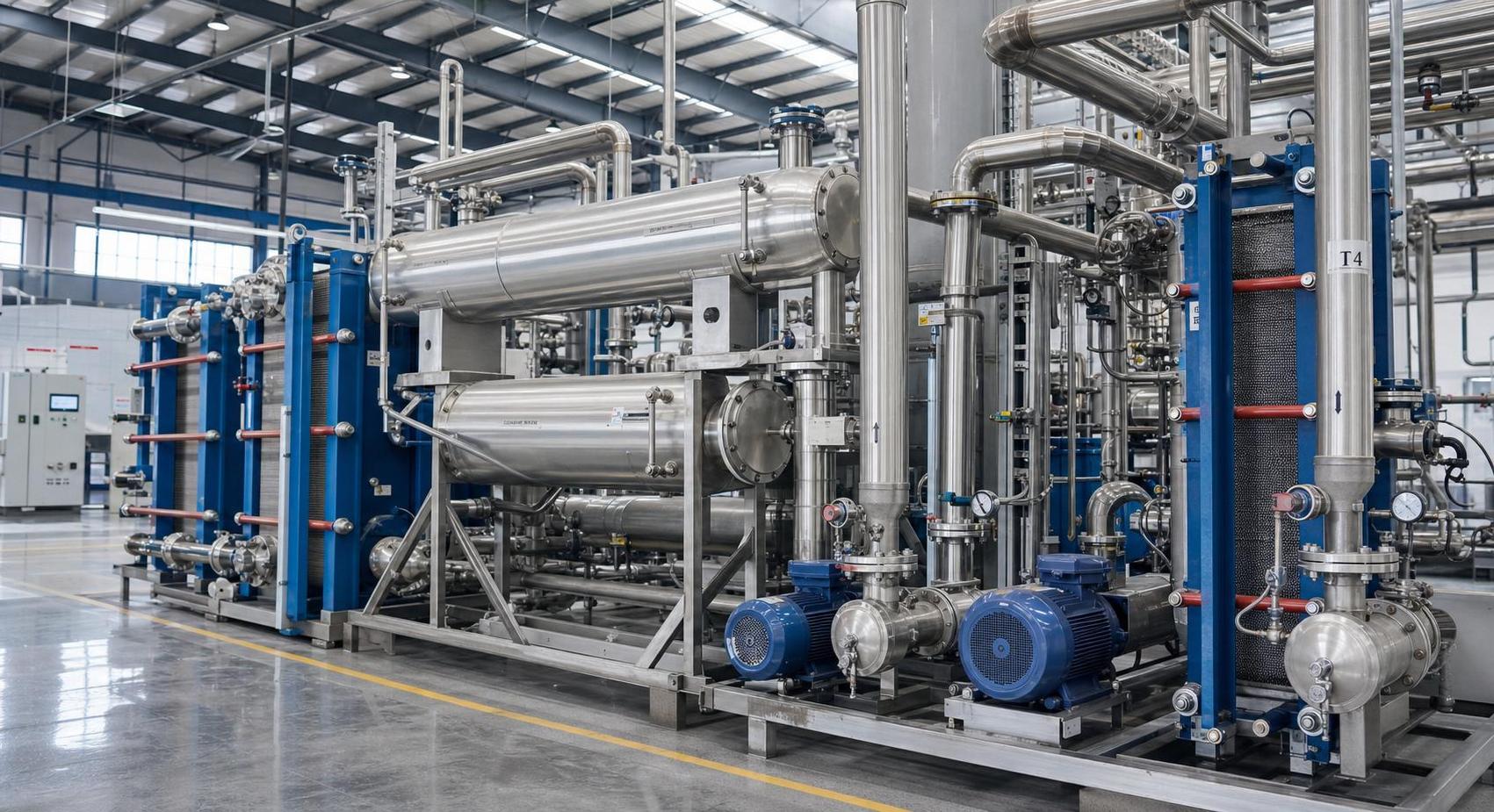
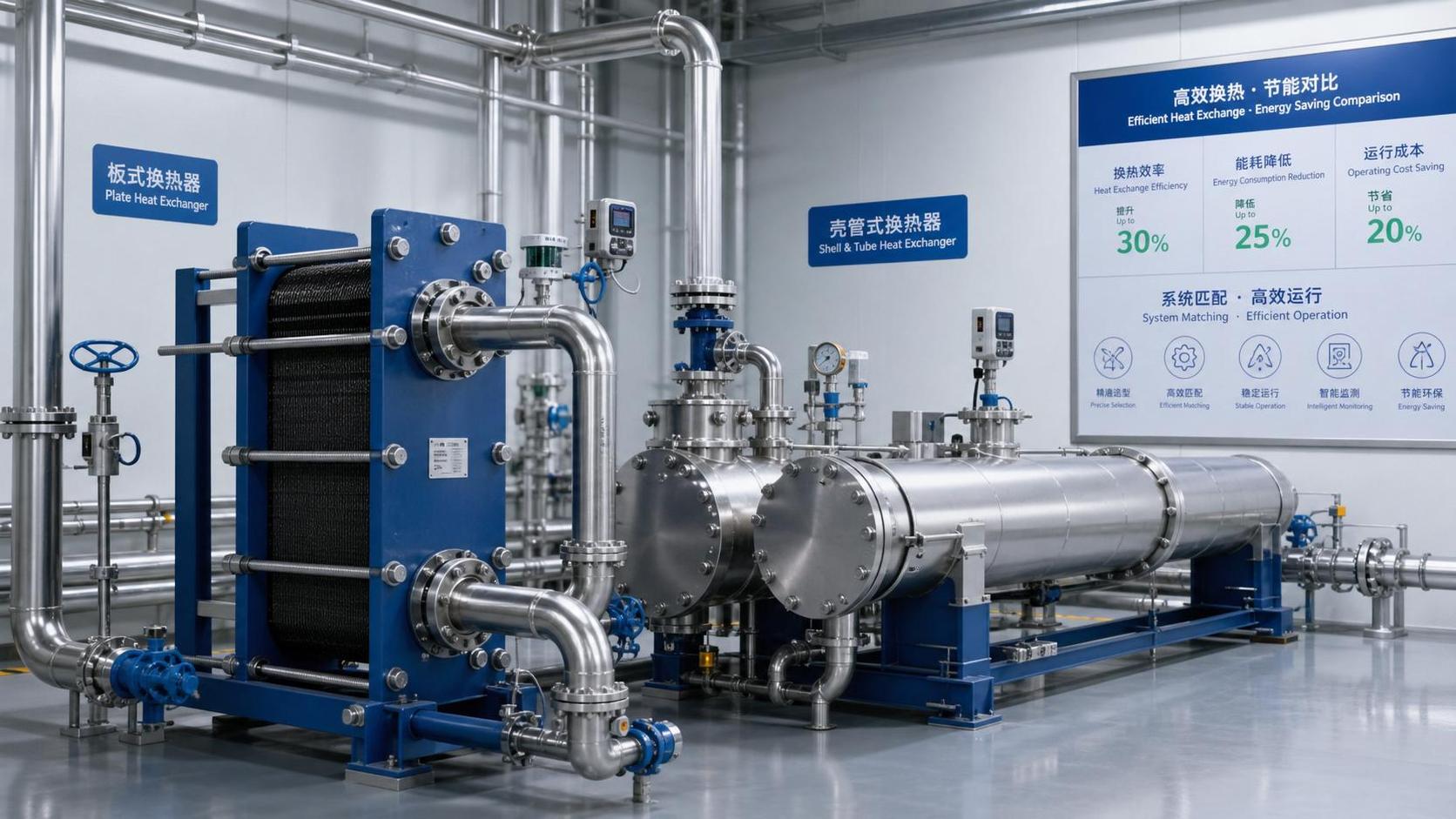
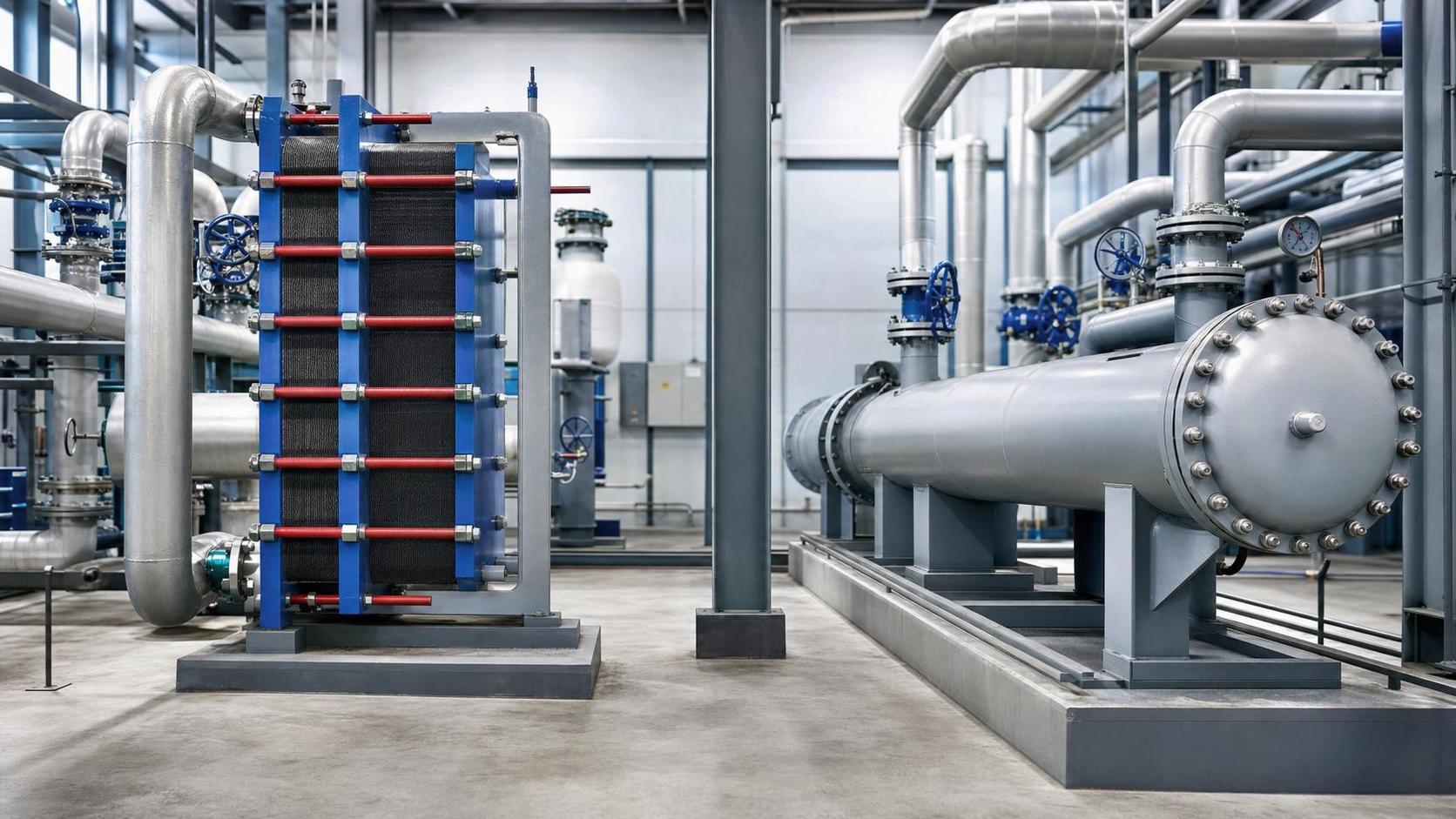
When evaluating heat exchanger efficiency, the choice between plate and shell & tube designs can directly affect energy use, maintenance costs, and project outcomes. For engineering-led projects, the comparison is rarely about one design being universally better. It is about matching thermal duty, fouling behavior, pressure limits, footprint, and service strategy to the right exchanger. In many industrial applications, plate units deliver a clear efficiency advantage, especially where tight approach temperatures and compact installation matter.
Why a checklist improves heat exchanger efficiency decisions
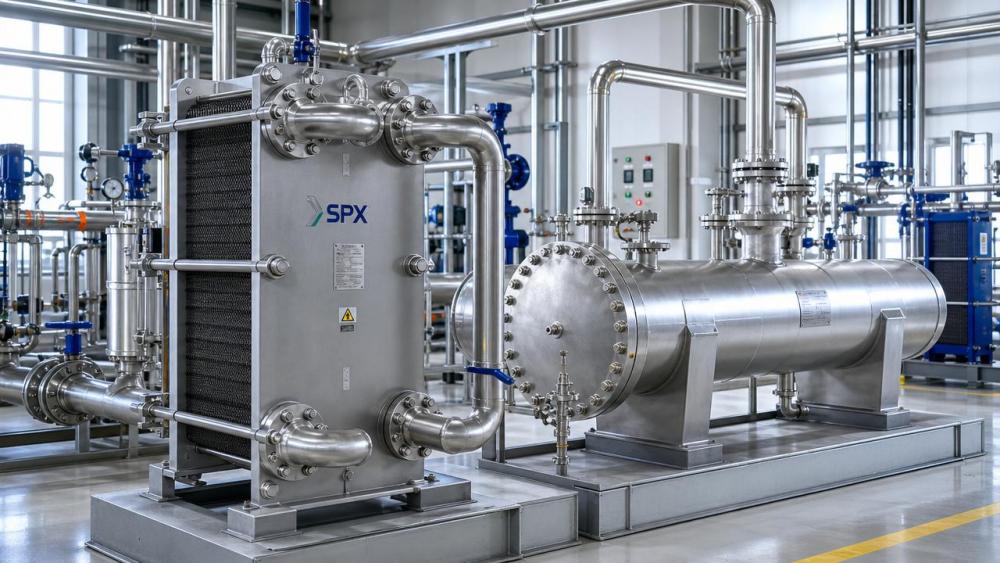
A structured review prevents costly oversights. Heat exchanger efficiency is influenced by more than heat transfer coefficient alone. Mechanical constraints, cleaning intervals, media quality, and future expansion all shape real operating performance.
Plate heat exchangers often beat shell & tube systems because they create stronger turbulence at lower temperature differences. That usually means better thermal recovery, smaller installed volume, and faster process response. However, those strengths depend on fluid cleanliness, gasket compatibility, and pressure conditions.
Using a decision checklist helps compare designs on measurable terms rather than habit. It also aligns thermal performance with lifecycle cost, downtime risk, and decarbonization goals across general industry.
Core checklist: when plate beats shell & tube
- Check the approach temperature first. Choose plate designs when the process needs close temperature approach, because higher turbulence usually improves heat exchanger efficiency in compact thermal duties.
- Measure available floor space. Favor plate units where installation area is limited, since comparable duty can be delivered in a much smaller footprint than shell & tube equipment.
- Review fouling tendency carefully. Use plates when fluids are relatively clean or can be filtered, because severe solids loading can erase any theoretical heat exchanger efficiency gain.
- Compare pressure drop budgets. Select plate exchangers only if pumps can tolerate the designed pressure loss, as high thermal efficiency often comes from enhanced flow disturbance.
- Confirm maintenance philosophy. Prefer plates where rapid opening, inspection, and capacity adjustment are valuable, especially in plants that prioritize short service windows and modular upgrades.
- Verify pressure and temperature limits. Keep shell & tube in consideration for extreme operating envelopes, because some plate configurations face material, gasket, or mechanical restrictions.
- Evaluate energy recovery potential. Use plate technology when waste heat recovery depends on small temperature differences, where better heat exchanger efficiency can directly cut utility consumption.
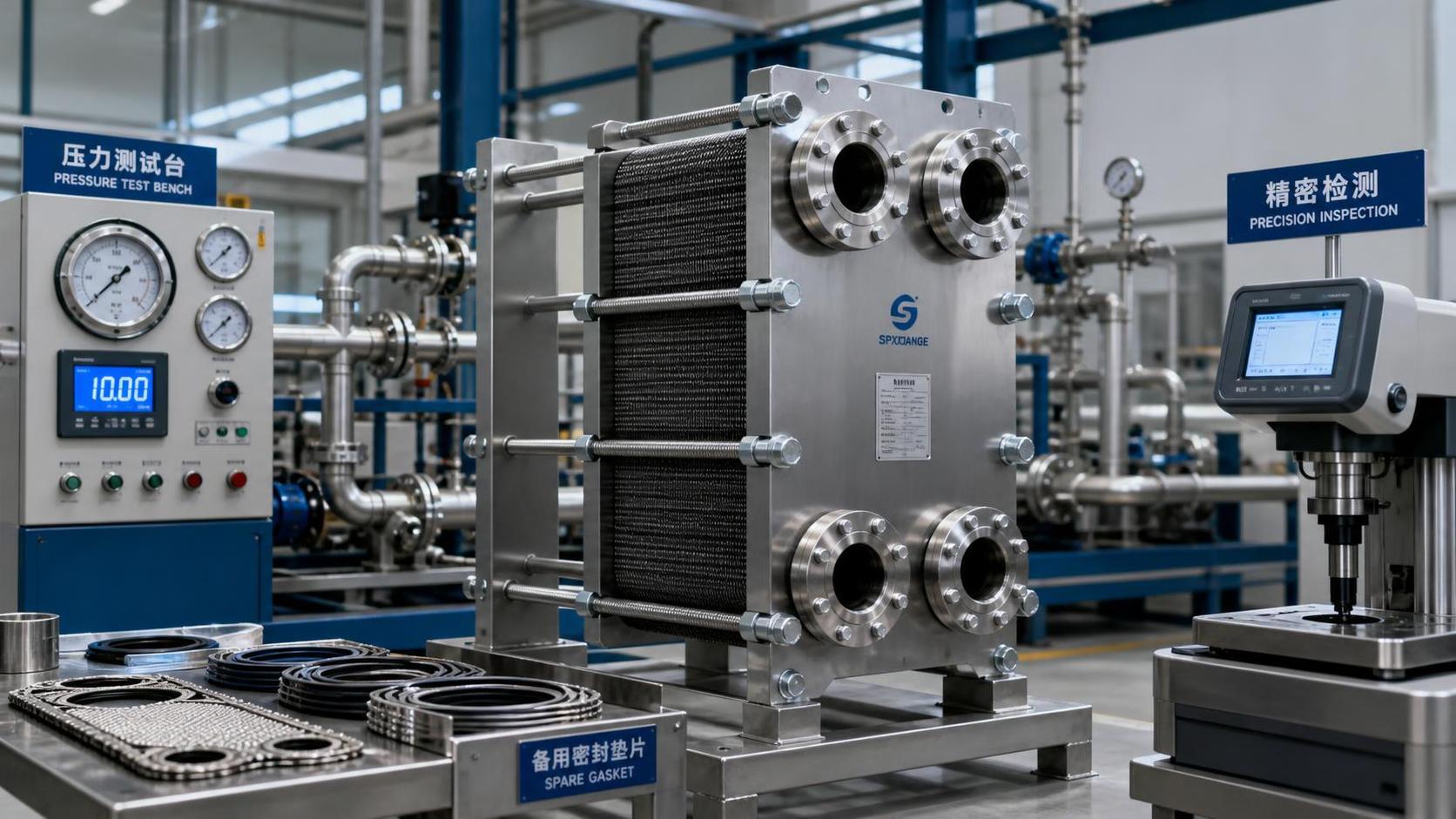
- Assess media compatibility. Confirm plate materials and elastomers match acids, solvents, refrigerants, and cleaning chemicals before counting on long-term heat exchanger efficiency.
- Plan for future capacity changes. Choose plate systems when staged expansion is likely, since additional plates can often raise duty without replacing the whole frame.
- Calculate total lifecycle cost. Include pumping energy, cleaning frequency, downtime, and thermal recovery value instead of comparing purchase price alone.
What gives plate exchangers the edge
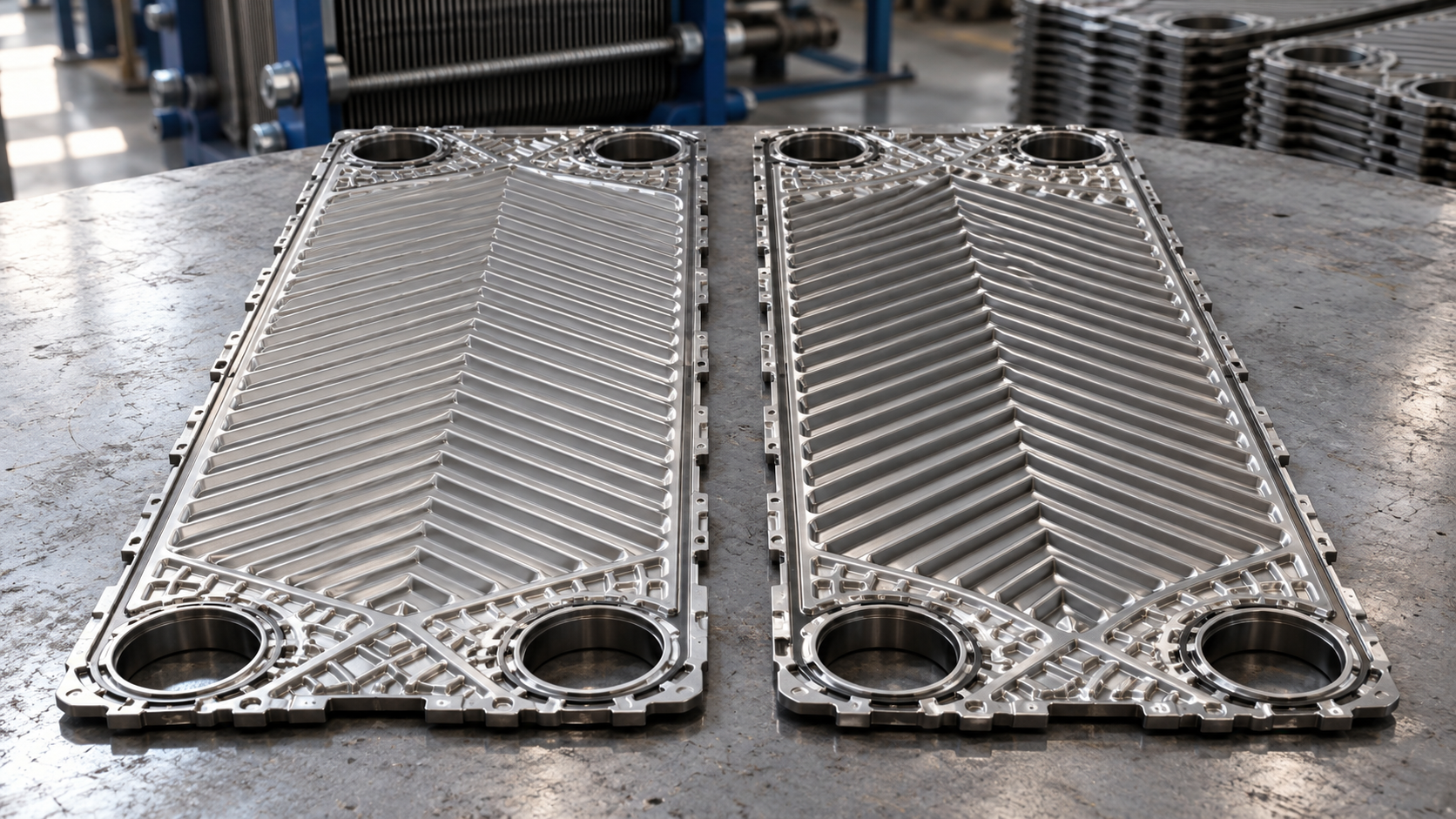
The main driver is surface geometry. Corrugated plates create intense mixing and thin boundary layers. That increases overall heat transfer coefficients and improves heat exchanger efficiency under moderate operating conditions.
Another advantage is thermal compactness. A smaller internal volume allows quicker response to load changes. In batch processes or variable utilities, this can stabilize control and reduce energy waste.
Application scenarios where plate designs usually win
HVAC and district energy loops
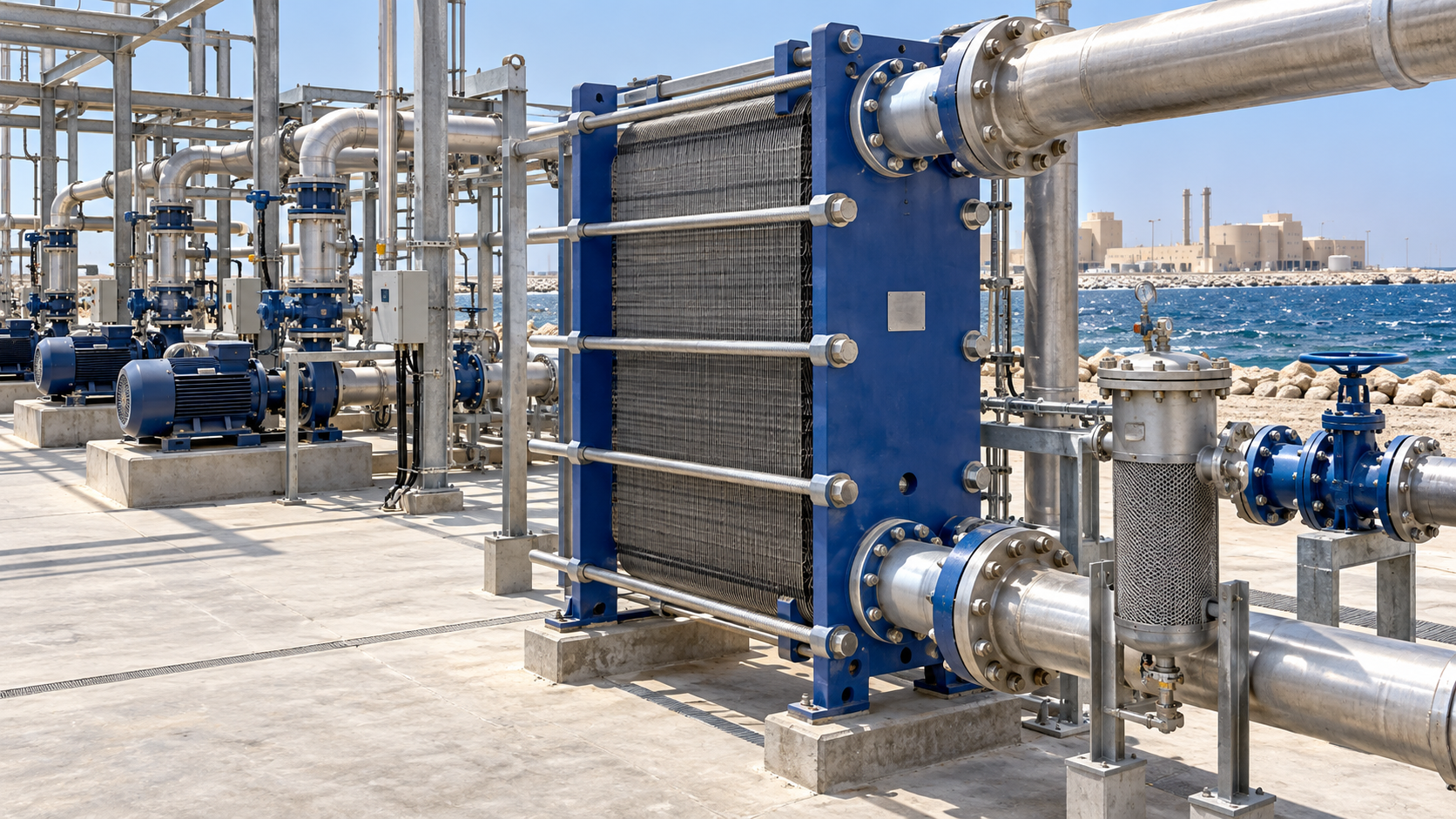
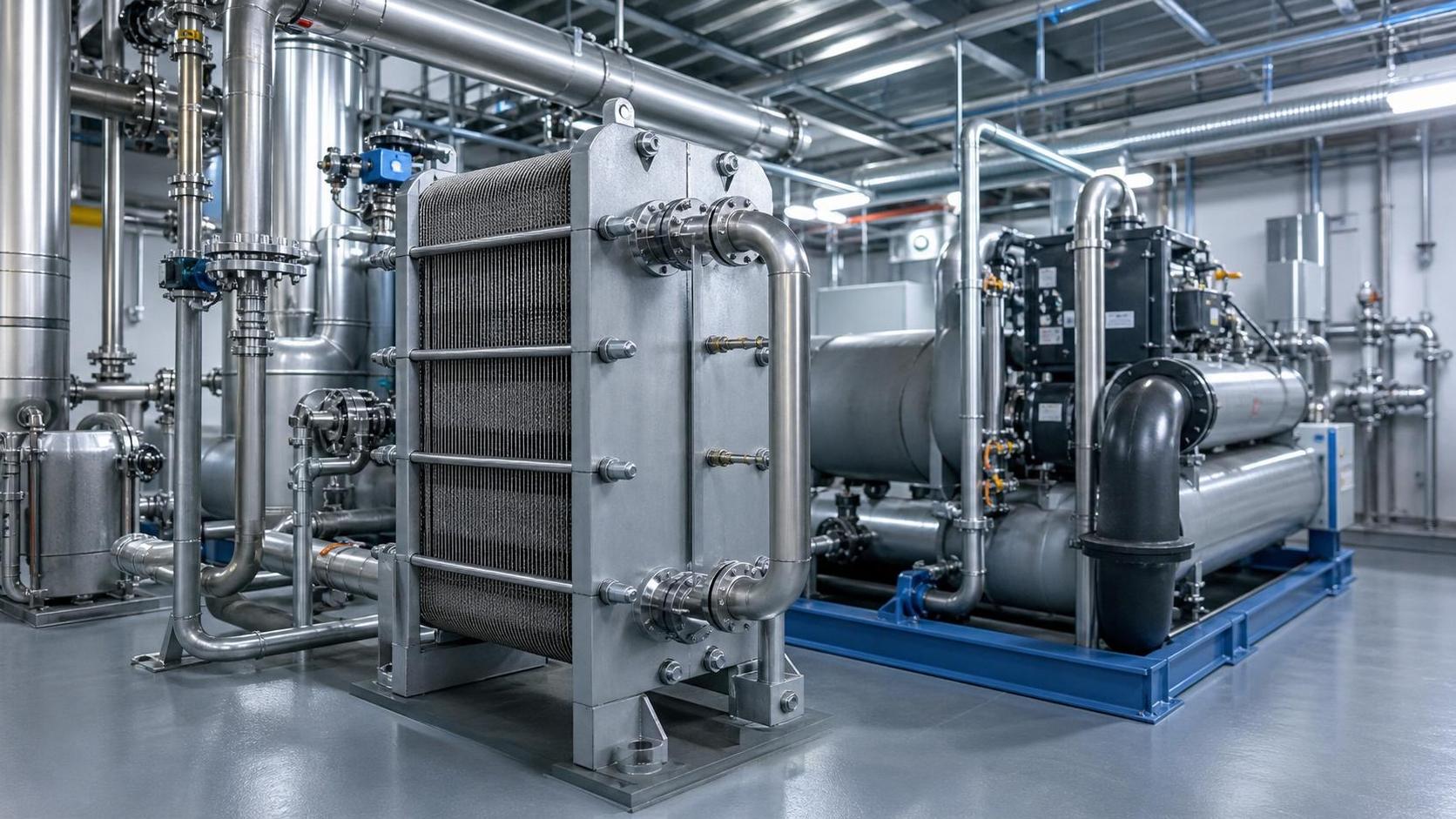
Closed-loop water systems are strong candidates for plate units. Fluids are usually clean, temperatures are moderate, and space constraints are common. Under these conditions, heat exchanger efficiency becomes a practical advantage, not just a datasheet number.
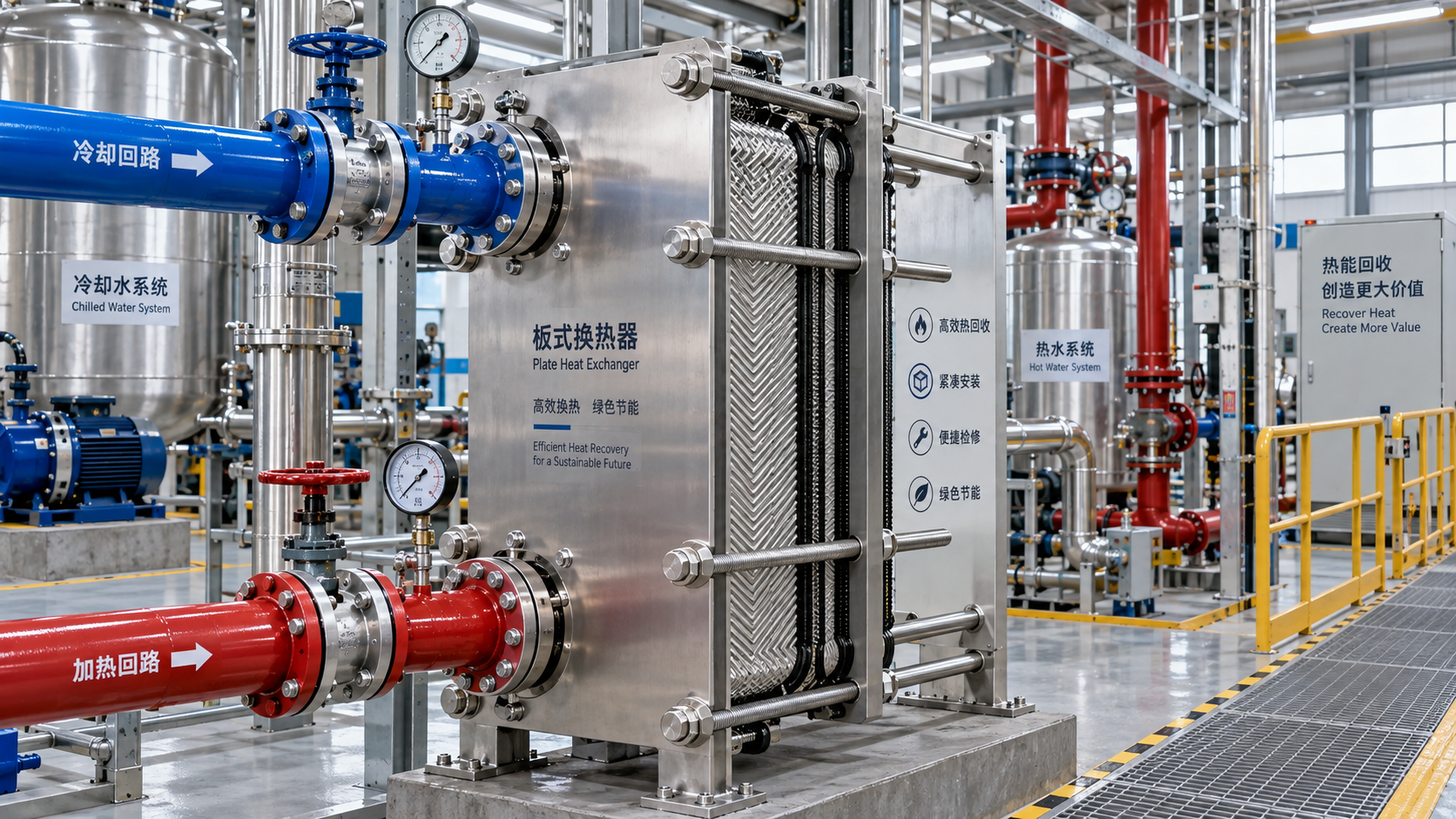
Plate exchangers also support heat recovery between return and supply streams. That improves seasonal energy performance while simplifying installation in mechanical rooms with limited access.
Food, beverage, and hygienic utility circuits
Where sanitary design and predictable cleaning matter, plate technology often outperforms. Efficient thermal transfer supports pasteurization, hot water generation, and process cooling with lower hold-up volume.
In these settings, heat exchanger efficiency is tied to product quality. Fast thermal response can improve control accuracy and reduce the risk of overprocessing sensitive materials.
Process cooling and compressor support systems
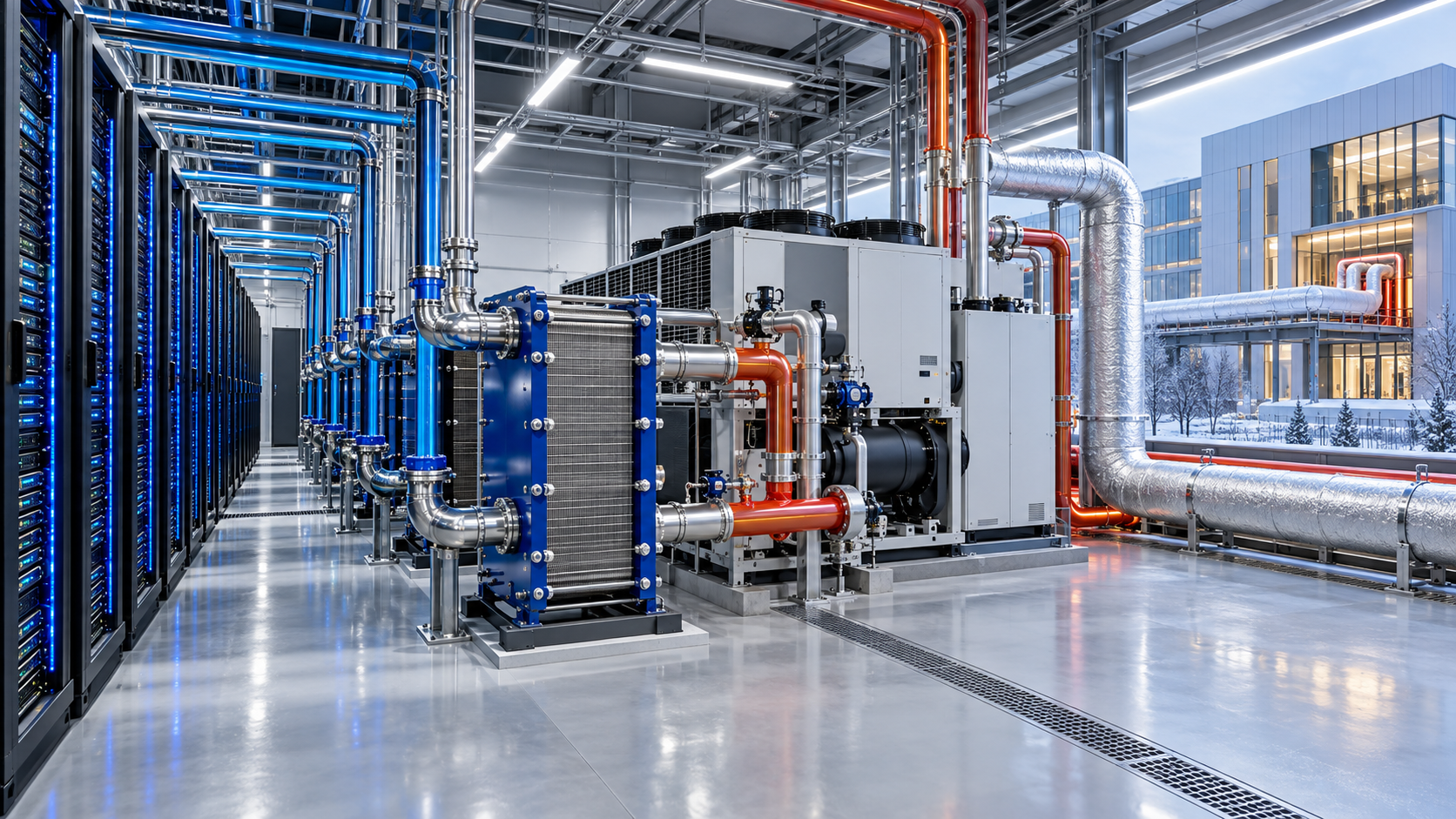
Industrial cooling loops for compressors, hydraulic systems, and auxiliary skids often benefit from plate exchangers. They recover heat well, fit inside compact enclosures, and can support stable outlet temperatures.
For platforms focused on thermal and compression intelligence, this matters because cooling performance directly affects overall power system efficiency and operating reliability.
Low-grade waste heat recovery
When plants try to capture low-temperature waste heat, close temperature approach becomes critical. Plate exchangers are often the better option because shell & tube units may require much larger surface area for the same duty.
That makes plate technology attractive in decarbonization programs, especially where recovered heat offsets boiler load or preheats process water.
Cases where shell & tube still deserves priority
High viscosity fluids, slurry service, fibrous contamination, and very dirty streams often favor shell & tube designs. In such cases, practical maintainability can outweigh nominal heat exchanger efficiency.
Very high pressures and temperatures also shift the balance. Depending on metallurgy and construction, shell & tube units may provide a stronger mechanical margin and lower long-term sealing risk.
Phase change duties can go either way. Condensing and evaporating applications require careful review of pressure drop, distribution, and service access before assuming plate geometry is superior.
Commonly missed factors that reduce heat exchanger efficiency
Ignoring water quality and filtration
A well-selected plate exchanger can lose heat exchanger efficiency quickly if suspended solids, hardness, or biofouling are not controlled. Upstream strainers and water treatment should be part of the design basis.
Using conservative oversizing without checking control behavior
Oversizing may look safe, but it can weaken controllability and increase capital cost. In compact plate systems, right-sizing often gives better part-load stability and more useful heat exchanger efficiency.
Comparing purchase price instead of delivered value
A lower upfront quote can hide higher pumping energy, longer cleaning downtime, or weaker heat recovery. True comparison should include thermal duty per square meter, service labor, and energy cost.
Forgetting elastomer and chemical compatibility
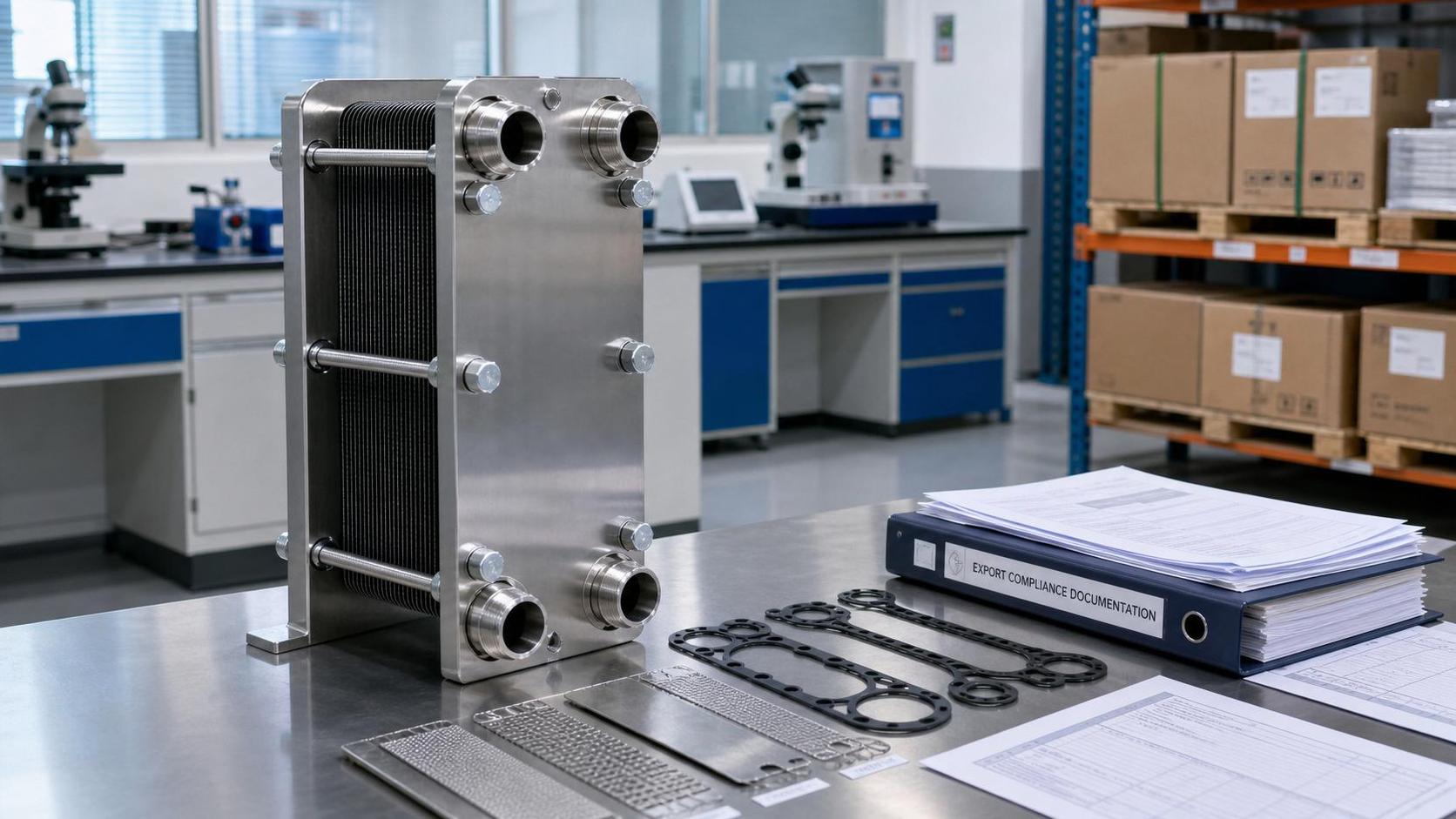
Heat exchanger efficiency means little if gasket swelling or chemical attack shortens service life. Compatibility review must cover normal operation, cleaning chemicals, upset conditions, and future fluid changes.
Practical execution steps
- Define duty using real operating ranges, not nameplate assumptions.
- Set target approach temperature and allowable pressure drop early.
- Classify streams by fouling risk, solids level, and cleanability.
- Compare plate and shell & tube designs on annual energy impact.
- Review materials, gasket options, and cleaning procedures before approval.
- Reserve space for maintenance access, isolation valves, and filtration.
- Validate the decision against future capacity or process changes.
Conclusion and next action
Plate exchangers beat shell & tube systems when the application rewards compactness, close temperature approach, modularity, and strong thermal transfer in relatively clean service. That is where heat exchanger efficiency becomes a measurable source of lower energy use and better operational performance.
Shell & tube remains relevant for harsh, dirty, or extreme-duty environments. The best decision comes from a checklist that balances thermal performance with pressure, fouling, maintenance, and lifecycle economics.
Start with one comparison table for duty, approach temperature, pressure drop, fouling class, cleaning method, and annual energy cost. That single step will reveal whether higher heat exchanger efficiency from plate technology is a genuine operational advantage.
Ready when you are. Send us a message to get started.
Related News
- How corrugation angle affects heat transfer in plate heat exchangersAuthor :Thermodynamics Analyst

- When do plate heat exchangers suit Middle East seawater cooling?Author :Thermodynamics Analyst

- When does gasketed plate heat exchanger technology suit your process?Author :Thermodynamics Analyst

- When does heat recovery improve data center cooling efficiency?Author :Thermodynamics Analyst

- How Do I Verify Heat Transfer Calculations in a Supplier Quotation?Author :Thermodynamics Analyst

- How to evaluate a plate heat exchangers supplier before orderingAuthor :Thermodynamics Analyst

- EU Tightens Fatigue Checks for Plate Heat ExchangersAuthor :Thermodynamics Analyst

- EU PFAS Rule Adds New Export Filing for Cooling EquipmentAuthor :Thermodynamics Analyst

- EU EN 13445-4:2026 Adds Fatigue Report RequirementAuthor :Thermodynamics Analyst

- EU Updates EN 13445-4 for Plate ExchangersAuthor :Thermodynamics Analyst

- How to Compare Energy-Efficient Heat Exchange SolutionsAuthor :Thermodynamics Analyst

- Brazed Plate Exchanger Design: 7 Factors That Affect Heat TransferAuthor :Thermodynamics Analyst

- EU CBAM Pilot List Adds Plate ExchangersAuthor :Thermodynamics Analyst

- How Heat Exchange Systems Improve Temperature Control StabilityAuthor :Thermodynamics Analyst

- Japan to Require Efficiency Labels for Plate ExchangersAuthor :Thermodynamics Analyst

- EU REACH Adds PFAS Ban for Plate Heat ExchangersAuthor :Thermodynamics Analyst

- India Enforces BIS Rule for Plate Heat ExchangersAuthor :Thermodynamics Analyst

- DIN EN 13445-6:2026 Tightens Plate Exchanger CE RulesAuthor :Thermodynamics Analyst

- EU REACH Restricts PFAS Seals for Plate Heat ExchangersAuthor :Thermodynamics Analyst

- India Mandates BIS Certification for Imported Plate ExchangersAuthor :Thermodynamics Analyst

- Vietnam Requires QR Labels on Imported Plate Heat ExchangersAuthor :Thermodynamics Analyst

- EU EN 13445-4:2026 Tightens NDT Rules for Heat ExchangersAuthor :Thermodynamics Analyst

- EPA Clears R-1234ze(E) for Plate Exchanger SystemsAuthor :Thermodynamics Analyst
 for Plate Exchanger Systems")
- Heat Exchange Equipment Selection: Key Performance Checks Before You Compare ModelsAuthor :Thermodynamics Analyst

- ASHRAE 90.1-2026 Raises Plate Exchanger Efficiency ThresholdAuthor :Thermodynamics Analyst

- Heat Exchange Systems: How to Choose the Right SetupAuthor :Thermodynamics Analyst

- EPA SNAP 89 Takes Effect for Plate ExchangersAuthor :Thermodynamics Analyst

- How to Compare Heat Exchange Solutions for Lower Energy UseAuthor :Thermodynamics Analyst

- EPA SNAP 89 Expands Filing Rules for Plate Heat ExchangersAuthor :Thermodynamics Analyst

- EPA SNAP update adds filing rule for plate heat exchangersAuthor :Thermodynamics Analyst

- Industrial Heat Recovery: Where the Payback Is Fastest in 2026Author :Thermodynamics Analyst

- California EPR Deadline Nears for Cooling Equipment MakersAuthor :Thermodynamics Analyst

- Heat Exchanger Technology: Plate vs Shell and Tube for EfficiencyAuthor :Thermodynamics Analyst

- Industrial Heat Recovery Options for High-Temperature ProcessesAuthor :Thermodynamics Analyst

- Heat Transfer Problems in Process Lines: Causes and Practical FixesAuthor :Thermodynamics Analyst

- India Tightens Plate Exchanger Import Clearance RulesAuthor :Thermodynamics Analyst