R-513A Jumps 23% as China Tightens Export Quotas




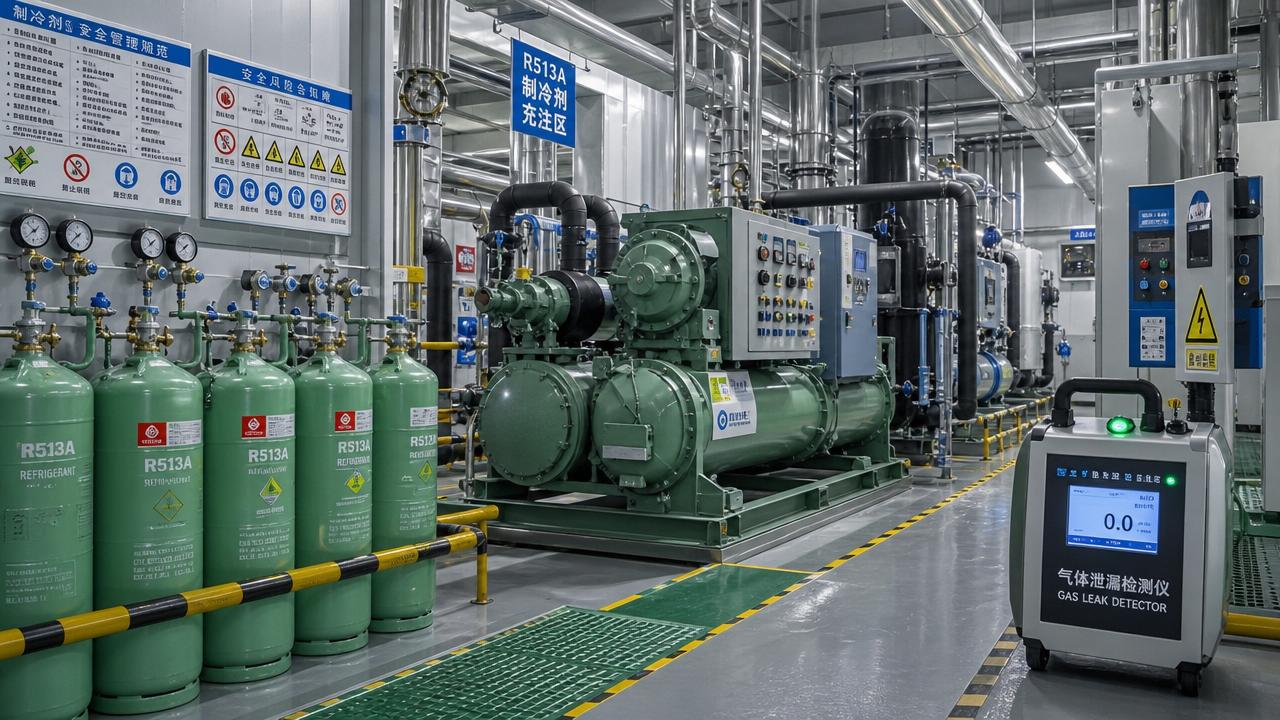
On June 27, 2026, the sharp weekly rise in R-513A pricing became more than a commodity move: it signaled the market impact of a quota decision tied to HFCs exports. With only part of the planned R-513A volume released under the June 25 notice on the 2026 secondary adjustment of HFCs export quotas, the change deserves attention from refrigerant traders, industrial chiller suppliers, cold storage system vendors, procurement teams, and cross-border delivery coordinators because it may affect pricing, order timing, and shipment planning in the second half of 2026.

What the market has already confirmed
According to RefrigerantWatch, the FOB quote for R-513A at China major ports reached USD 28.6/kg on June 27, 2026. That represented a 23% week-on-week increase and the highest level recorded since 2025.
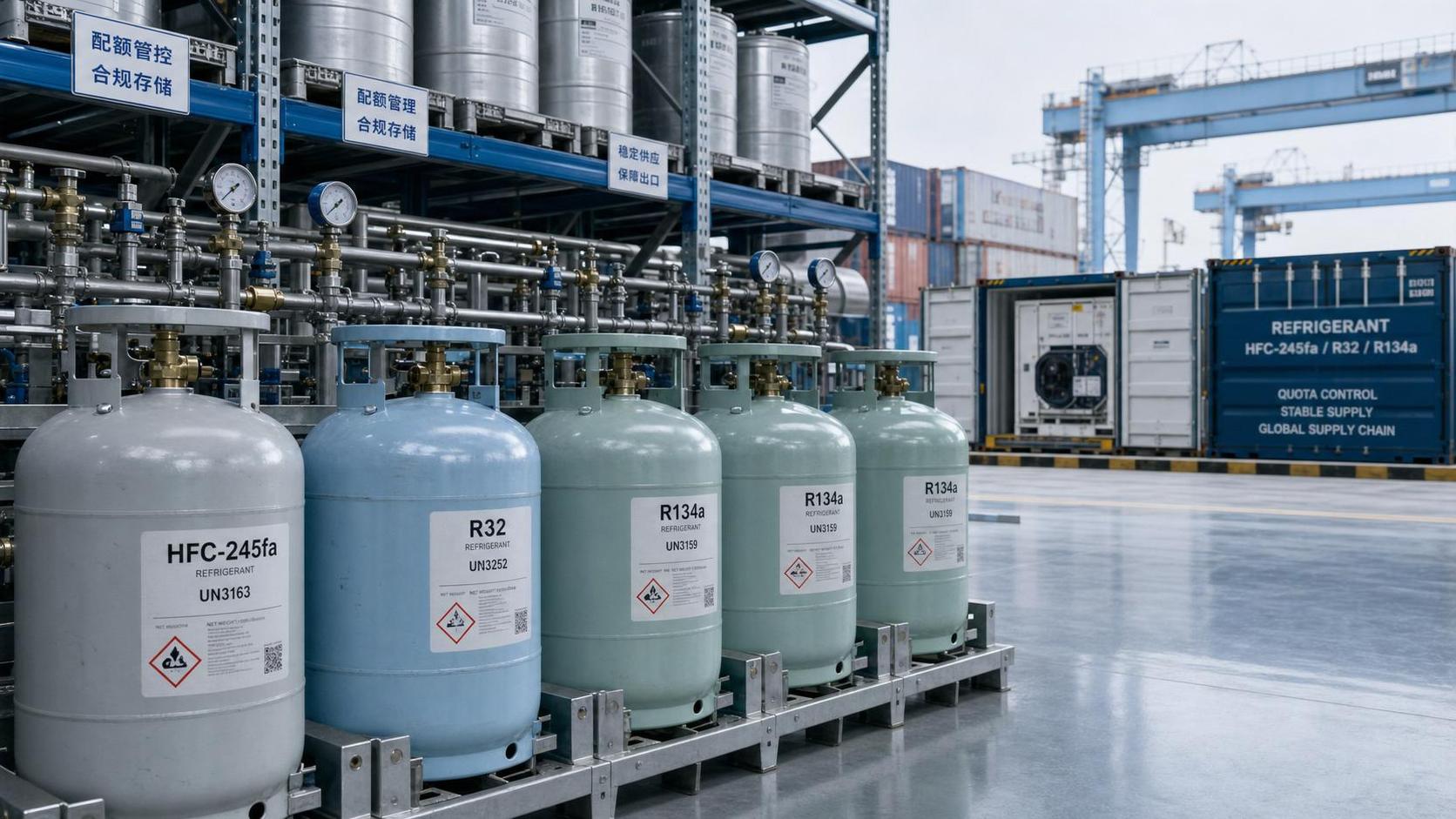
The stated trigger was the Ministry of Ecology and Environment notice issued on June 25 regarding the secondary adjustment of 2026 HFCs export quotas. In that adjustment, the quota released for R-513A amounted to only 38% of the originally planned volume.
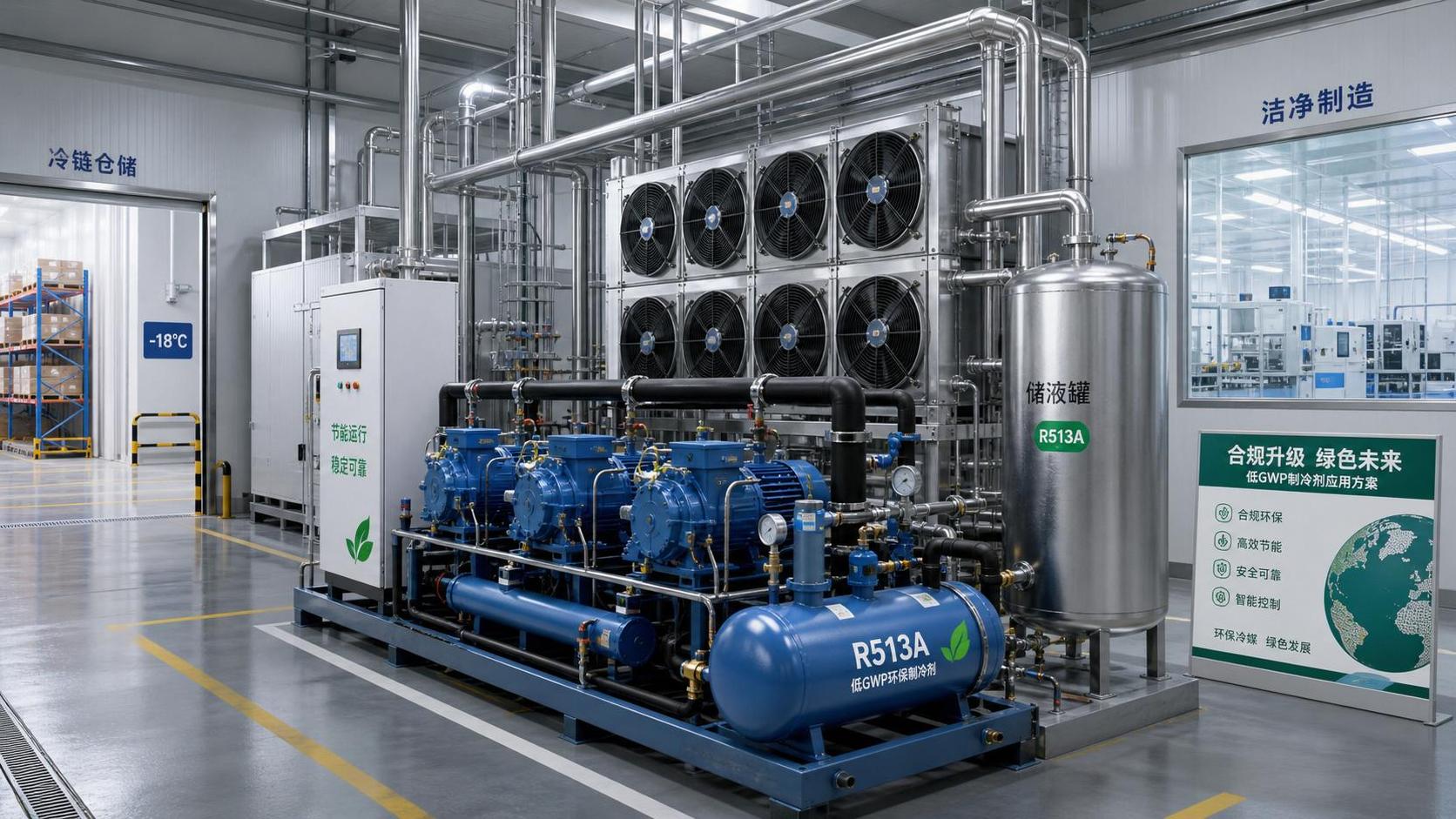
The event summary also indicates that this price movement is expected to raise end costs for overseas buyers purchasing industrial chillers and low-temperature cold storage systems, while affecting their stocking rhythm for the second half of 2026.
Where the pressure may appear across the chain
Export-facing refrigerant transactions may tighten first
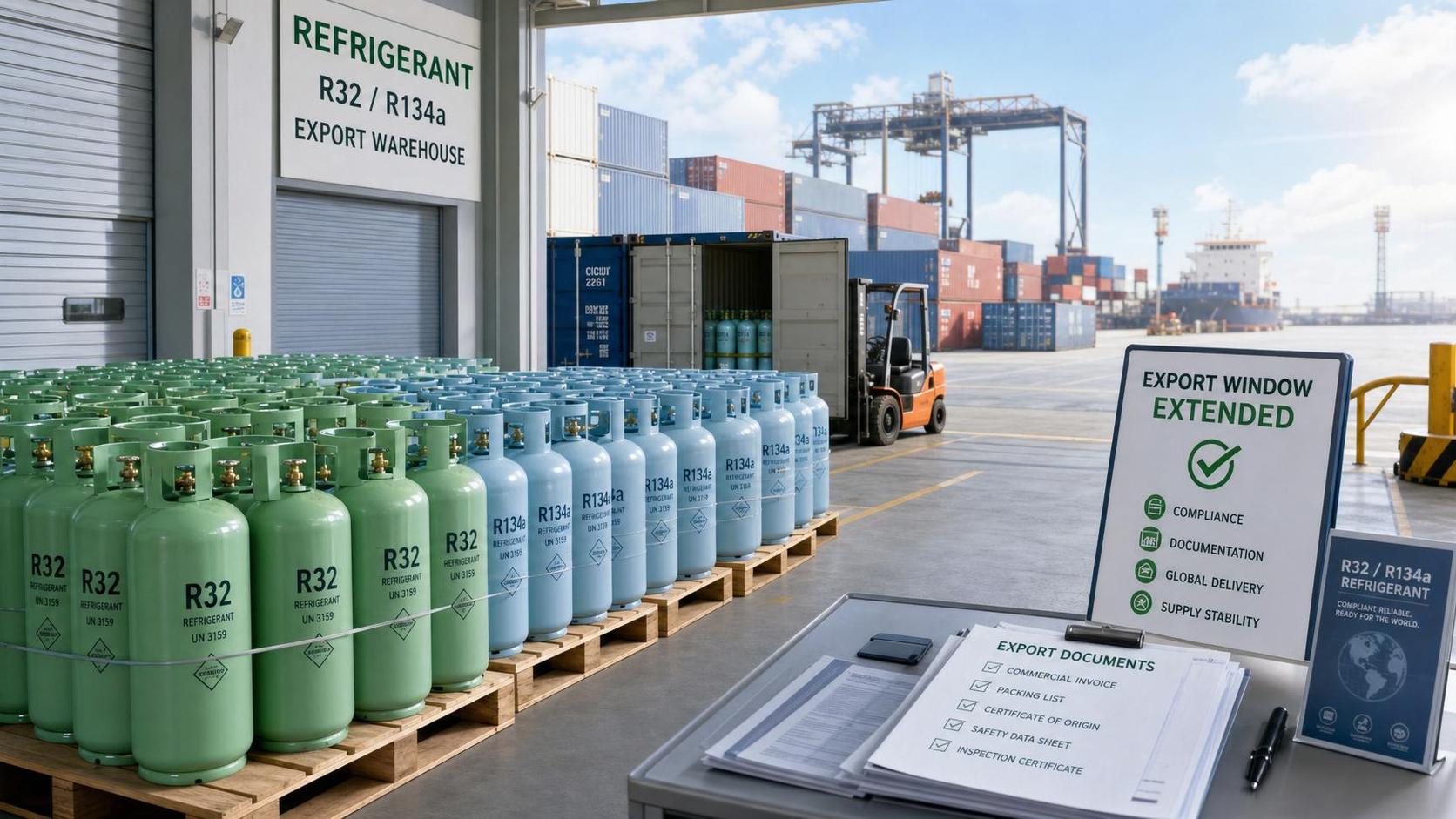
Analysis shows that companies directly involved in refrigerant export trade may feel the earliest impact because the immediate issue is not only price, but also the relationship between available export quota and shipment execution. What deserves closer attention is whether contract timing, shipment windows, and export documentation review need to be aligned more closely with quota availability.
Equipment procurement may face cost repricing
From an industry perspective, buyers of industrial chillers and low-temperature cold storage systems may be affected through equipment costing rather than through refrigerant trading alone. If R-513A input costs remain elevated, procurement teams may need to recheck quotation validity, technical-commercial alignment, and delivery terms for projects that depend on this refrigerant.
Manufacturing and delivery planning may need closer coordination
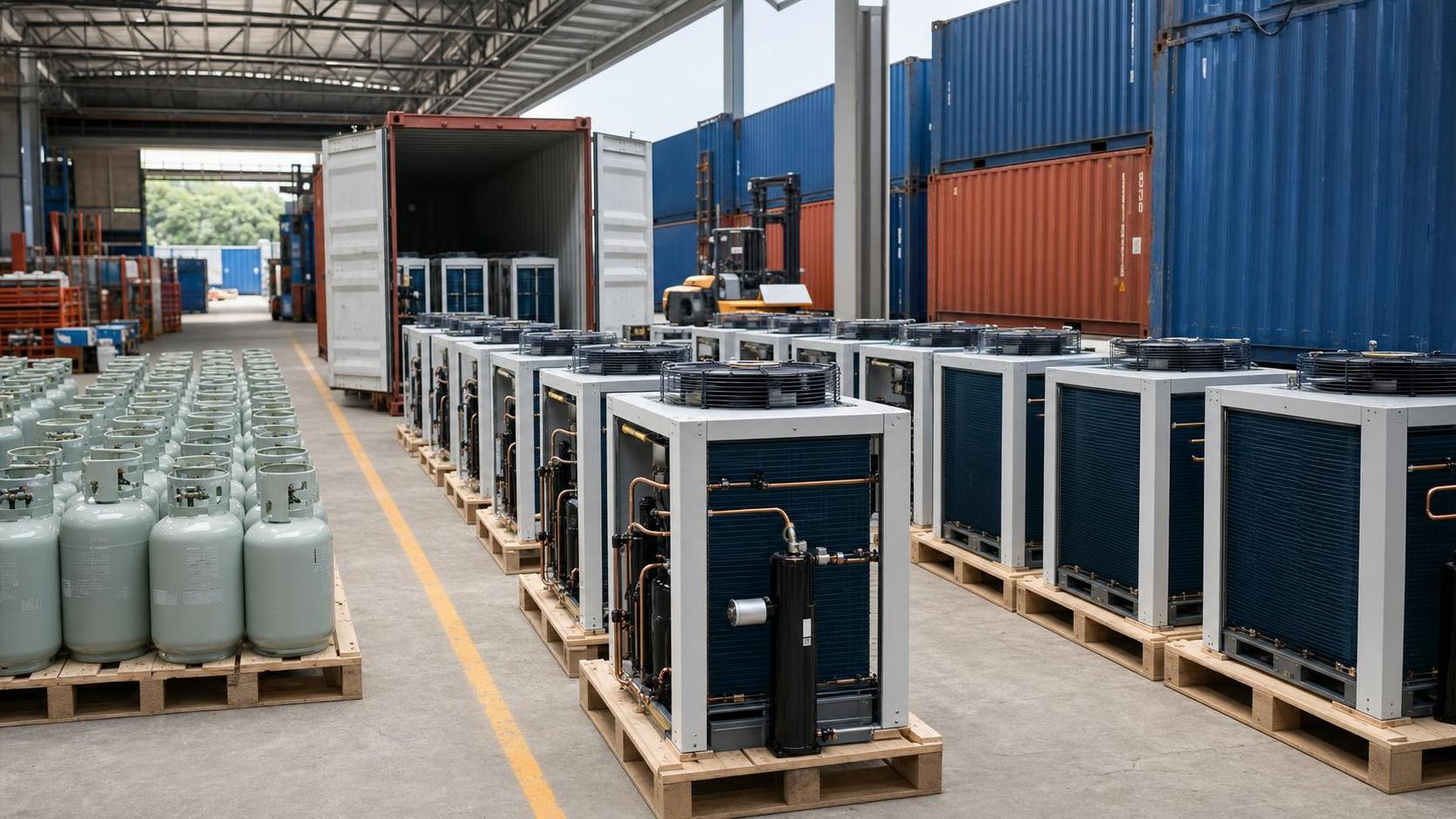
Observably, manufacturers and supply-chain service providers may need to pay more attention to how refrigerant availability interacts with production scheduling and outbound delivery. The practical issue is whether procurement, assembly, export preparation, and after-sales readiness remain synchronized when a regulated refrigerant faces tighter export release than originally planned.
What companies should watch in the next execution phase
Track the official wording and follow-up execution signals
Analysis shows that the June 25 quota adjustment notice should be watched not only as a one-time announcement, but as an execution signal. Companies should continue reviewing official wording, later clarifications, and any operational interpretation that could affect how R-513A-related orders are scheduled or accepted.
Recheck tender files and technical documents tied to R-513A
For suppliers and buyers working on industrial chiller and low-temperature cold storage projects, it is more appropriate to review tender documents, specification sheets, and procurement files that explicitly rely on R-513A. The current issue is not that requirements have necessarily changed, but that price and availability pressure may alter commercial assumptions behind existing bids or purchase plans.
Review delivery commitments and supplier readiness
Observably, companies should pay closer attention to delivery lead times, supplier qualifications, and the ability to support committed shipments under a tighter quota environment. Where export or project delivery depends on refrigerant availability, internal review of order sequencing and supply assurance becomes more important.
Keep compliance records and transaction files in order
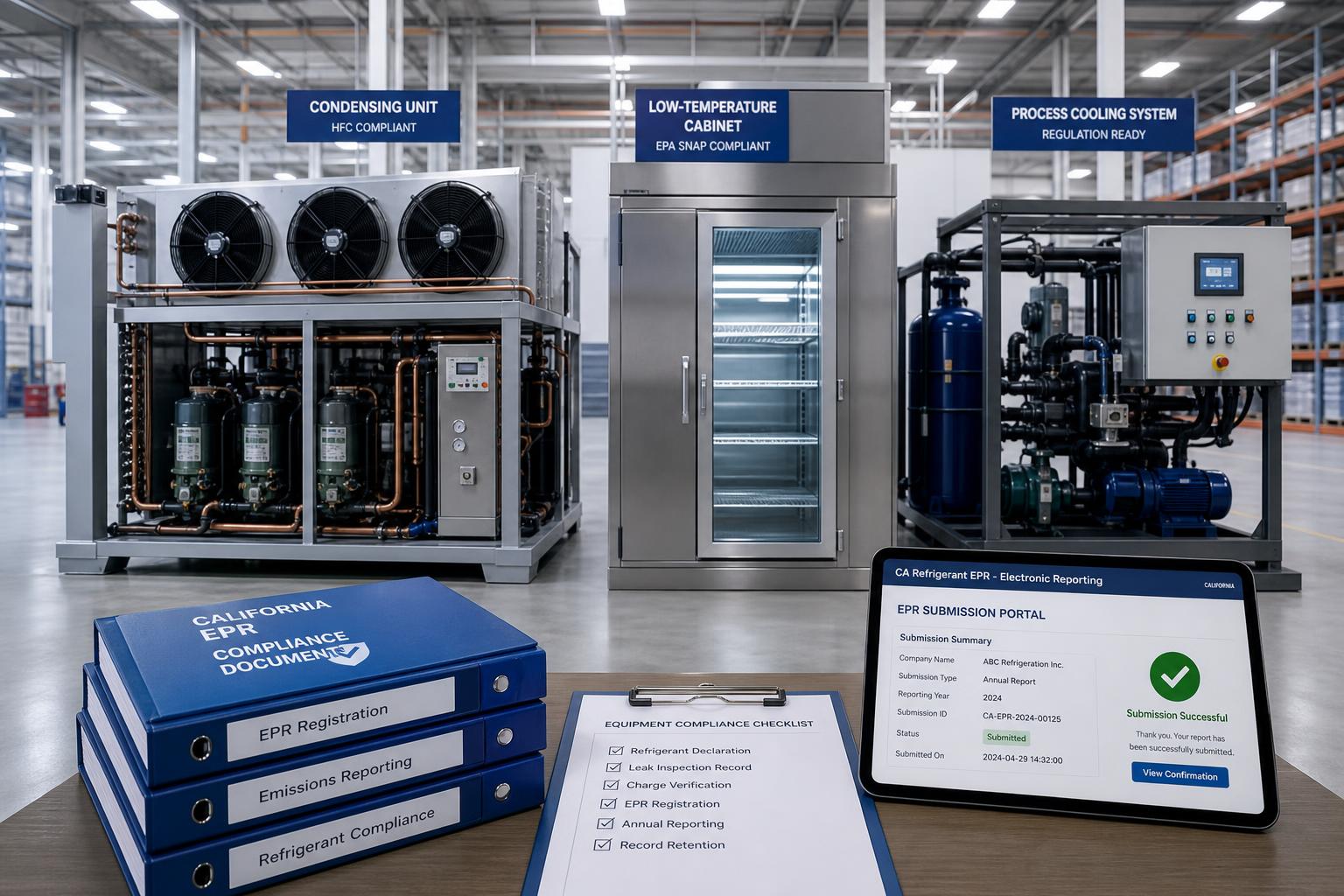
From an industry perspective, firms involved in export, equipment delivery, or after-sales support should maintain clear records around quotations, product documentation, and trade files connected to R-513A transactions. The input does not provide new certification or testing requirements, so this should be understood as a precautionary compliance step rather than a confirmed new rule.
Why this looks like an execution signal, not a complete policy endpoint
Analysis shows that the immediate significance of this development lies in execution rather than in a broad new policy framework. The combination of a 23% weekly price increase and a quota release at 38% of the originally planned level suggests that the market is reacting to a concrete supply-side constraint already affecting trade expectations.
At the same time, it is more appropriate to understand this as a rule-related signal that still requires observation, not as a fully settled long-term outcome. Industry participants still need to watch how official language is applied in practice, how procurement documents respond, and how buyers adjust their second-half stocking behavior.
How this update is best understood now
The clearest reading of this event is that a quota-related export constraint has moved from policy text into visible market pricing for R-513A. That matters because the effect may extend beyond refrigerant trading into equipment procurement, cost control, and delivery scheduling for industrial chillers and low-temperature cold storage systems.
For now, the most balanced interpretation is that this is an implemented market signal with downstream implications, while the full extent of its operational impact still needs to be observed through trade execution, procurement adjustments, and industry feedback in the second half of 2026.
Basis of this article and what still needs verification
This article is based on the user-provided news title, event date, and event summary. For developments of this kind, commonly relevant source types may include official notices, releases from regulatory authorities, trade administration information, customs-related updates, industry association materials, standards documents, and reporting from authoritative industry media.
A specific official source link was not provided in the input, so continued verification is still necessary. What deserves closer attention next includes any detailed policy interpretation, execution guidance, procurement document changes, market feedback, and how companies implement supply, compliance, and delivery decisions in response to the quota adjustment.
Related News
- R-513A Jumps 23% as China Tightens Export QuotasAuthor :Cryogenic Systems Expert

- Environmentally Friendly Refrigerants in 2026: Compliance Risks and Upgrade PrioritiesAuthor :Cryogenic Systems Expert

- Pharmaceutical Temperature Control Systems: Common Compliance RisksAuthor :Cryogenic Systems Expert

- China Tightens Q3 R32 Export QuotasAuthor :Cryogenic Systems Expert

- California EPR Deadline Nears for Refrigeration MakersAuthor :Cryogenic Systems Expert

- Resource Circularity Trends Reshaping Refrigerants and Cooling SystemsAuthor :Cryogenic Systems Expert

- HFCs Filing Rules Enter Full EnforcementAuthor :Cryogenic Systems Expert

- How Environmentally Friendly Refrigerants Affect Chiller ComplianceAuthor :Cryogenic Systems Expert

- EU REACH Tightens Refrigerant Impurity Limits for R134a ExportsAuthor :Cryogenic Systems Expert

- China Seeks Feedback on 2027 Refrigerant QuotasAuthor :Cryogenic Systems Expert

- EU to Ban High-GWP ACs in 2029 as R410A Exits HomesAuthor :Cryogenic Systems Expert

- US, UK Delay HFC Phaseout, Extending R32/R134a Export WindowAuthor :Cryogenic Systems Expert

- EU HFC Cut Tightens by 2029 as Gen-3 Output Falls 10%Author :Cryogenic Systems Expert

- Kuwait Bans HCFC AC Imports as Shift to R32/R290 Speeds UpAuthor :Cryogenic Systems Expert

- Saudi SASO Rules Tighten AC Imports in DecemberAuthor :Cryogenic Systems Expert

- Environmentally Friendly Refrigerants: Compliance, Safety, and Retrofit RisksAuthor :Cryogenic Systems Expert

- SABIC Force Majeure Keeps Chiller Refrigerant Supply TightAuthor :Cryogenic Systems Expert

- SABIC Force Majeure Tightens Refrigerant FeedstocksAuthor :Cryogenic Systems Expert

- UL 60335-2-89 Tightens R290 Leak Test RulesAuthor :Cryogenic Systems Expert
![]()
- UL 60335-2-89 Adds R290 Vacuum Leak TestAuthor :Cryogenic Systems Expert

- Global Refrigerant Price Index Falls 8.3% MoM in MayAuthor :Cryogenic Systems Expert
![]()
- PSA Jurong Island Launches Mandatory Cold-Chain Traceability for RefrigerantsAuthor :Cryogenic Systems Expert
![]()
- 2026 Refrigerants Shift: What Changes for Cold StorageAuthor :Cryogenic Systems Expert

- Shanghai Pudong Pilots E-Labels for Imported CosmeticsAuthor :Cryogenic Systems Expert

- 2026 Refrigerant Shift: Safer Options With Lower Compliance RiskAuthor :Cryogenic Systems Expert

- Vitafoods Europe Highlights Clinical Herb Data, Cold Chain Demand SurgesAuthor :Cryogenic Systems Expert
![]()
- U.S. Treasury Yield Surge Stabilizes Silver, Eases Refrigerants Export PricingAuthor :Cryogenic Systems Expert

- France Allocates €710M to Support War-Impacted Firms on Cold Chain ComplianceAuthor :Cryogenic Systems Expert

- Environmentally Friendly Refrigerants: 2026 Compliance RisksAuthor :Cryogenic Systems Expert

- Japan TELEC Certification Upgrade: Wireless Mics & Cold Chain Devices Must Comply with 2026 Radio LawAuthor :Cryogenic Systems Expert

- Tmall Health Launches 'Wellness Safety Alliance'Author :Cryogenic Systems Expert

- RCEP Green Refrigerant Mutual Recognition LaunchesAuthor :Cryogenic Systems Expert

- Environmentally Friendly Refrigerants: What to Check Before a Cold Storage RetrofitAuthor :Cryogenic Systems Expert

- RCEP Launches Green Refrigerant Mutual Recognition PlanAuthor :Cryogenic Systems Expert

- April PPI Up 2.8%; Refrigerant Export Prices RiseAuthor :Cryogenic Systems Expert

- Energy-Saving Technologies That Cut Refrigeration Power UseAuthor :Cryogenic Systems Expert