



Saudi SASO Rules Tighten AC Imports in December




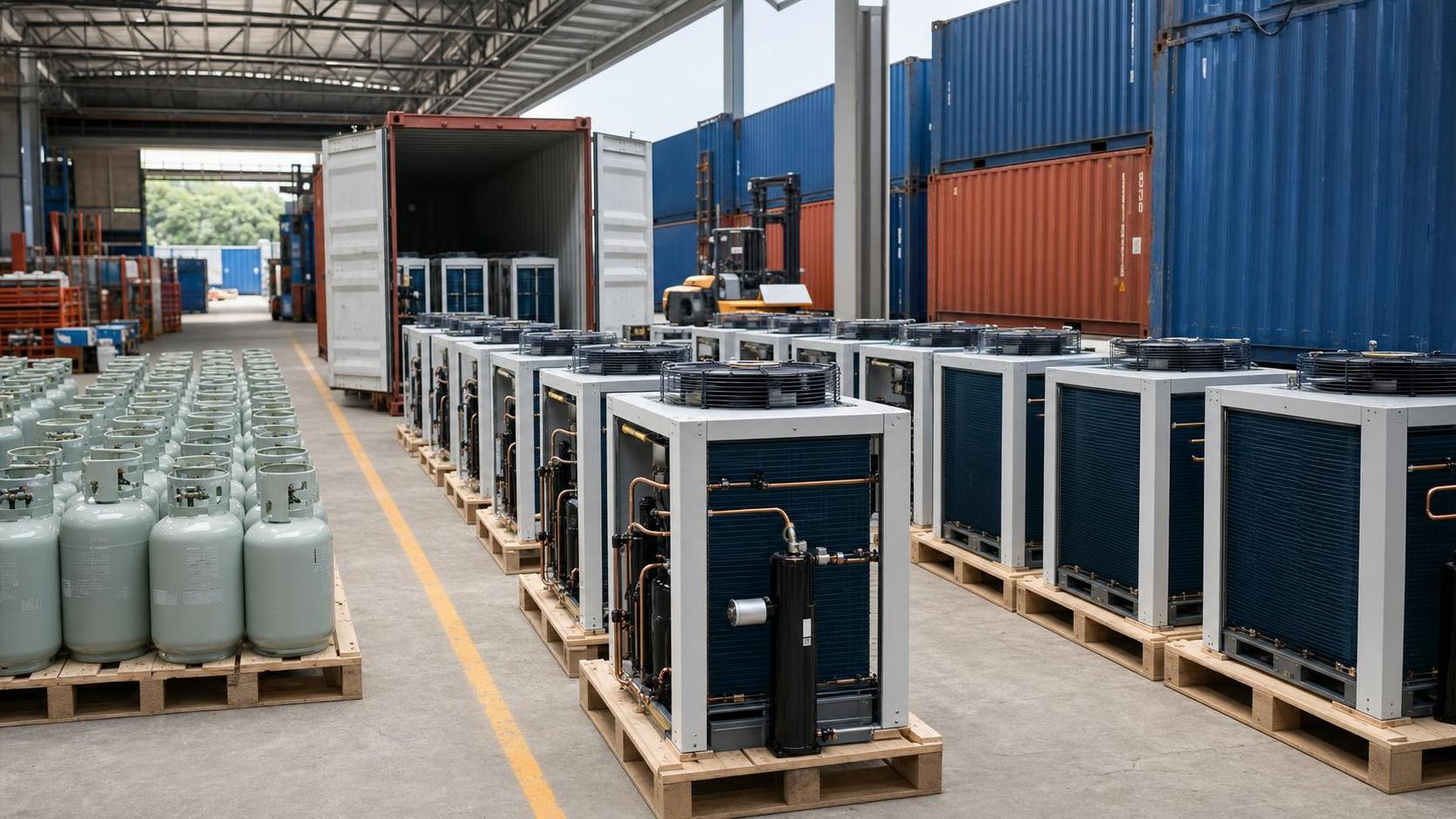
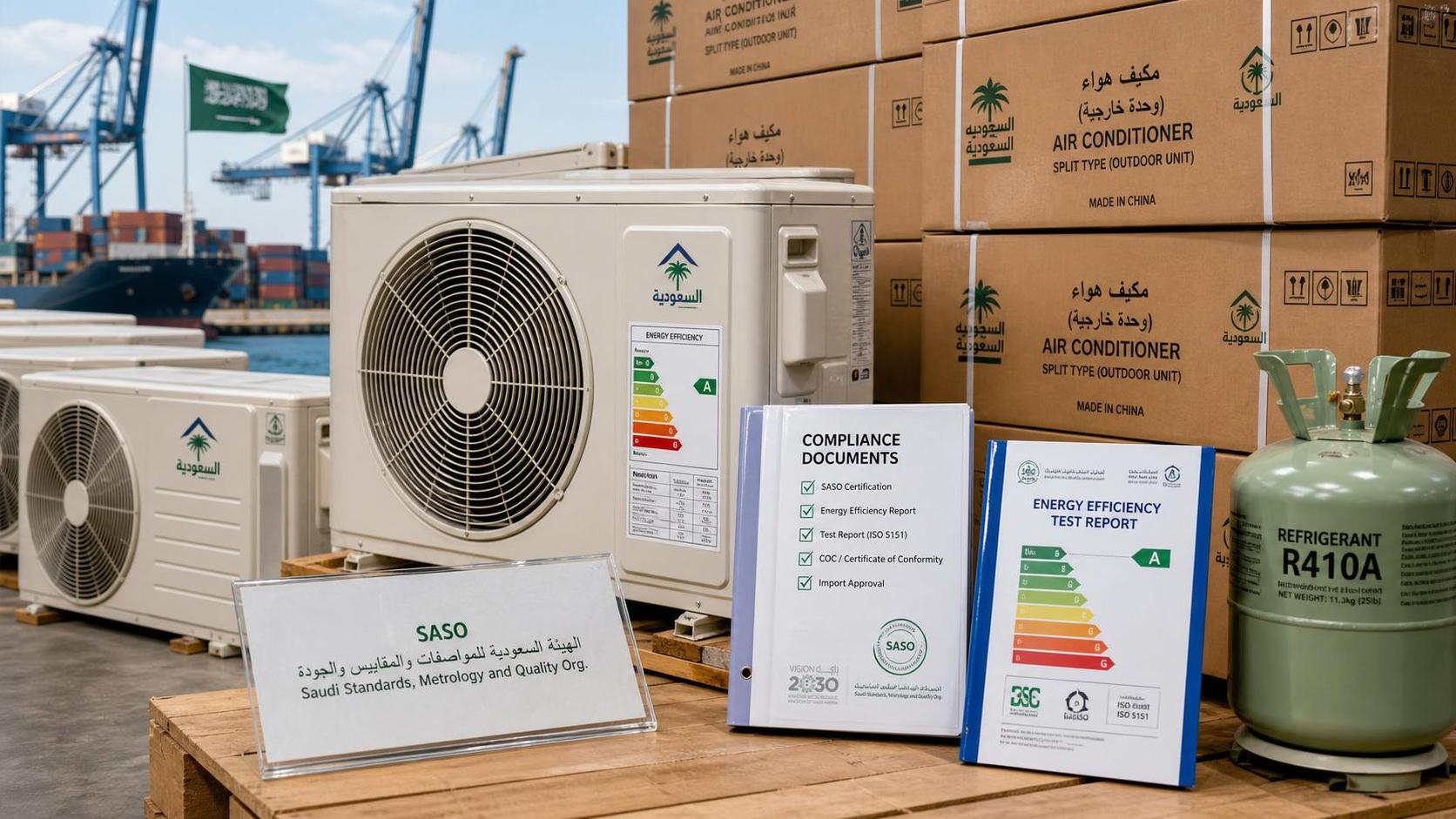
On December 1, 2026, Saudi Arabia’s latest SASO energy-efficiency requirements for air conditioners move from notice to mandatory enforcement, bringing immediate compliance implications for importers, suppliers, certification-related businesses, and procurement teams. The change is not limited to product performance: it also links market access to SABER certification and to legally traceable refrigerant supply under HFC quota controls, making this a practical trade and delivery issue rather than a routine standards update.
What the December enforcement date confirms
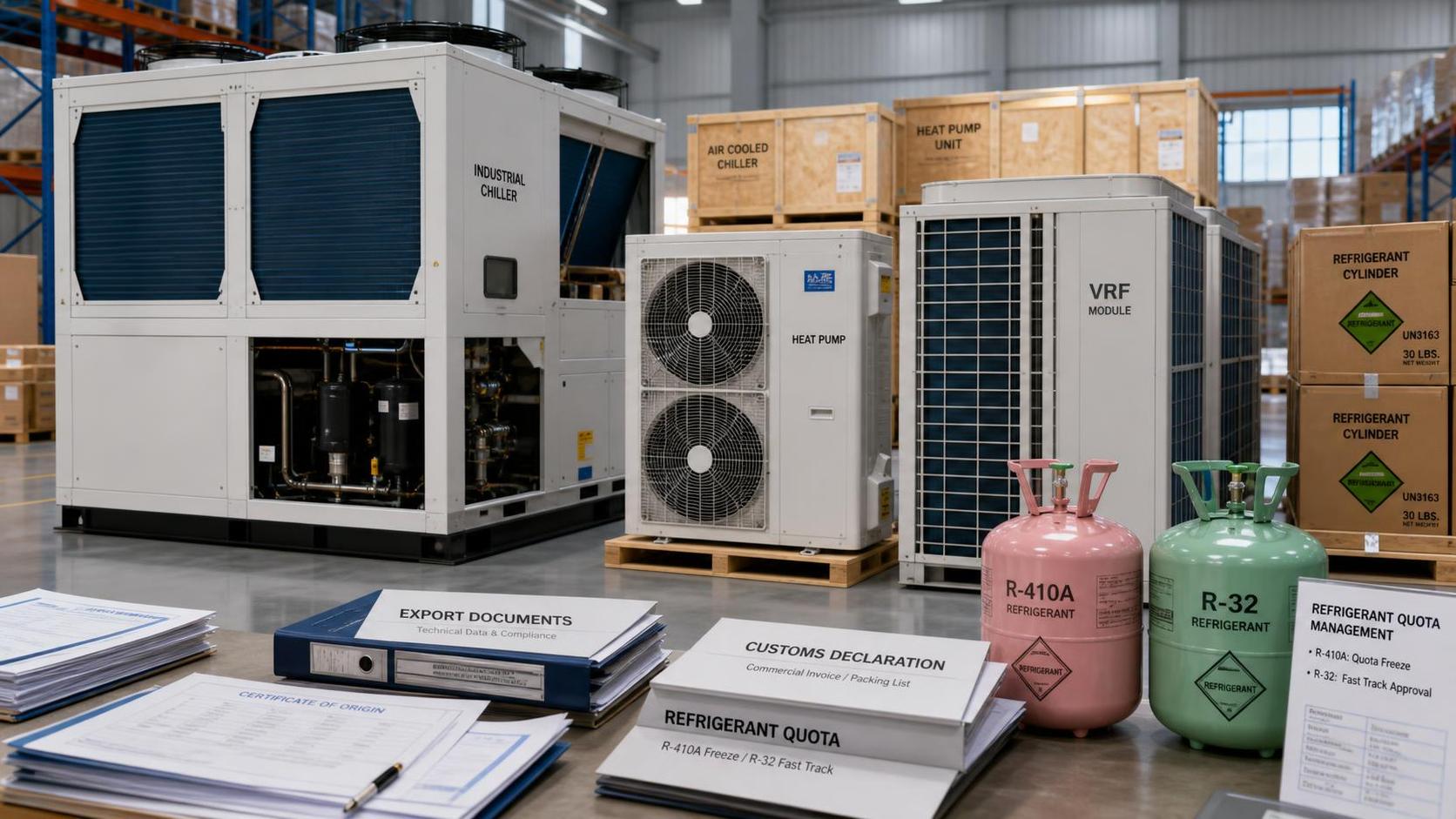
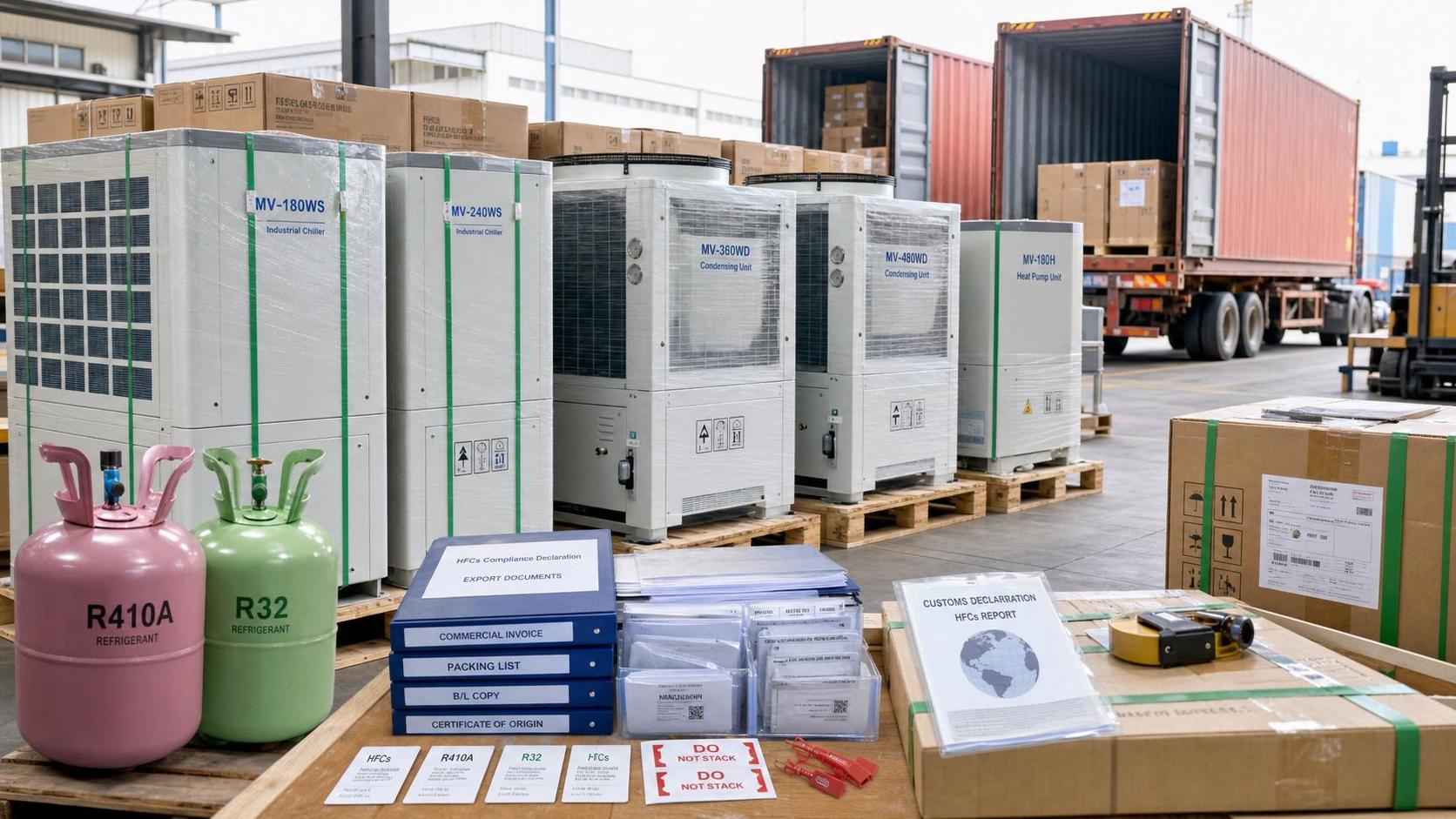
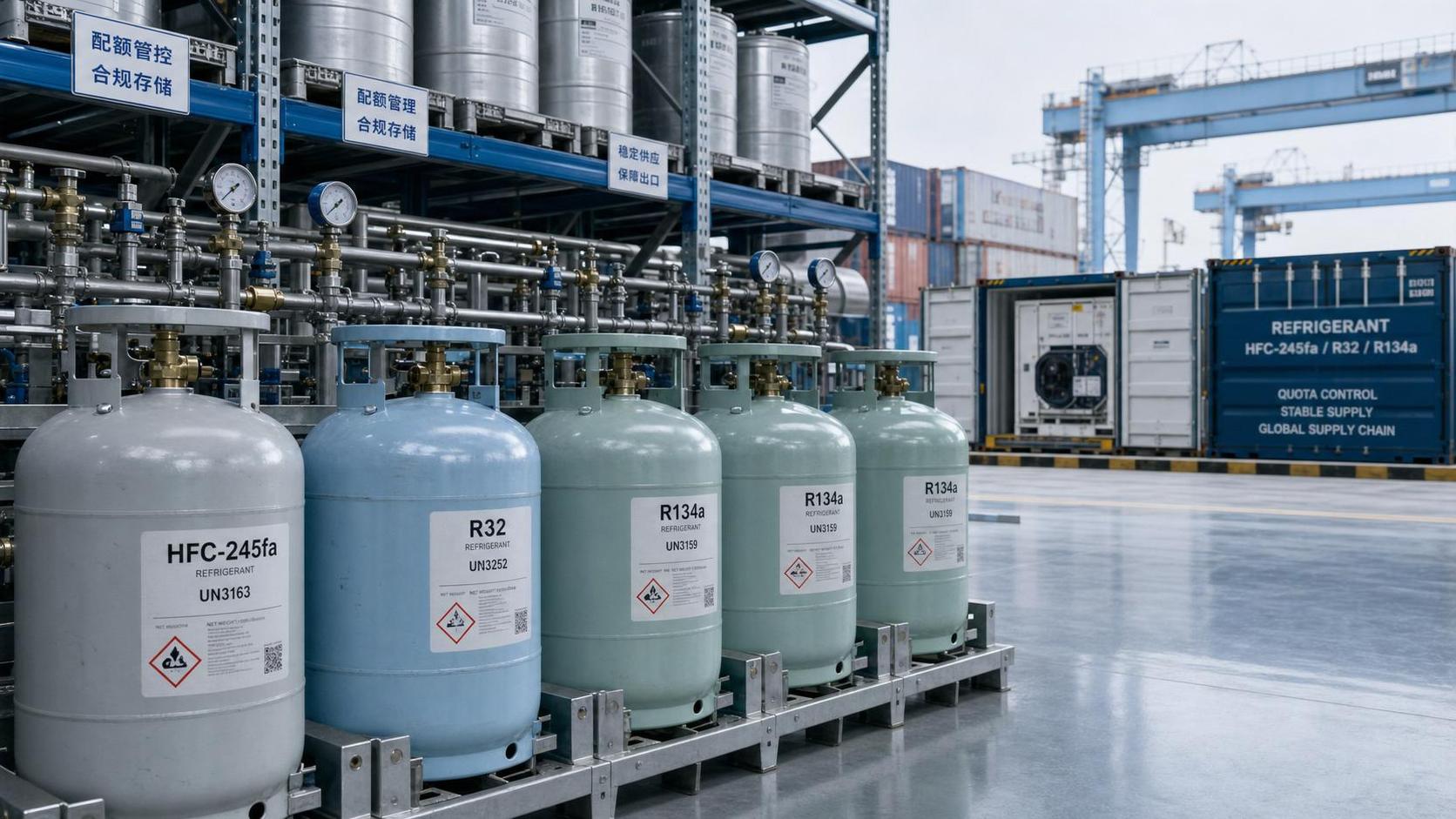
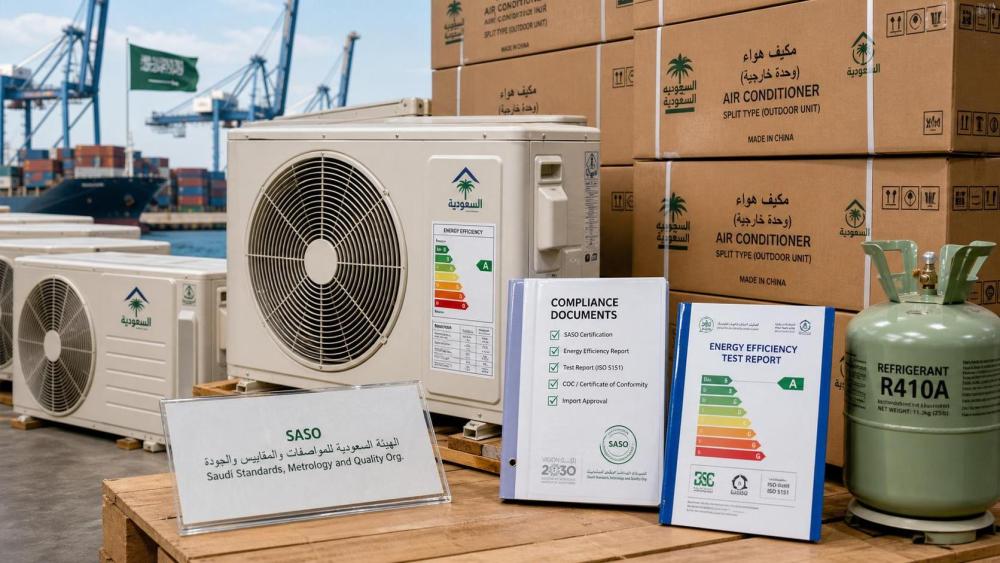
According to the information provided, SASO issued a notice on April 30, 2026 stating that SASO-2663:2025 for window and split air conditioners and SASO-2874:2025 for large commercial air conditioners will become mandatory on December 1, 2026. The new requirement means imported air conditioners must obtain both PCoC and SCoC through the SABER platform. The same information also states that refrigerants used in the equipment, including R32 and R134a, must come from legally traceable supply under the quota regime. It is further confirmed that HFC quotas are currently rigidly constrained, prices are at a ten-year high, and pre-certification energy-efficiency review is expected to raise compliance costs and model-selection barriers for importers.
Where the pressure is likely to surface first
Import transactions move from shipment planning to compliance sequencing
From an industry perspective, direct trading companies are likely to feel the impact first because market entry now depends on both certification completion and refrigerant-source compliance. What deserves closer attention is that shipment planning, product selection, and document preparation can no longer be treated as separate tasks if PCoC, SCoC, and refrigerant traceability must align before import execution.
Product sourcing faces a narrower screening window
For procurement teams and distributors, the practical issue is not only whether a unit can meet the applicable energy-efficiency standard, but also whether the refrigerant configuration remains supportable under quota-based legal sourcing. Analysis shows that model selection thresholds may rise because energy review is moved forward in the process while refrigerant compliance adds another filter to sourcing decisions.
Manufacturers and exporters need cleaner technical-document alignment
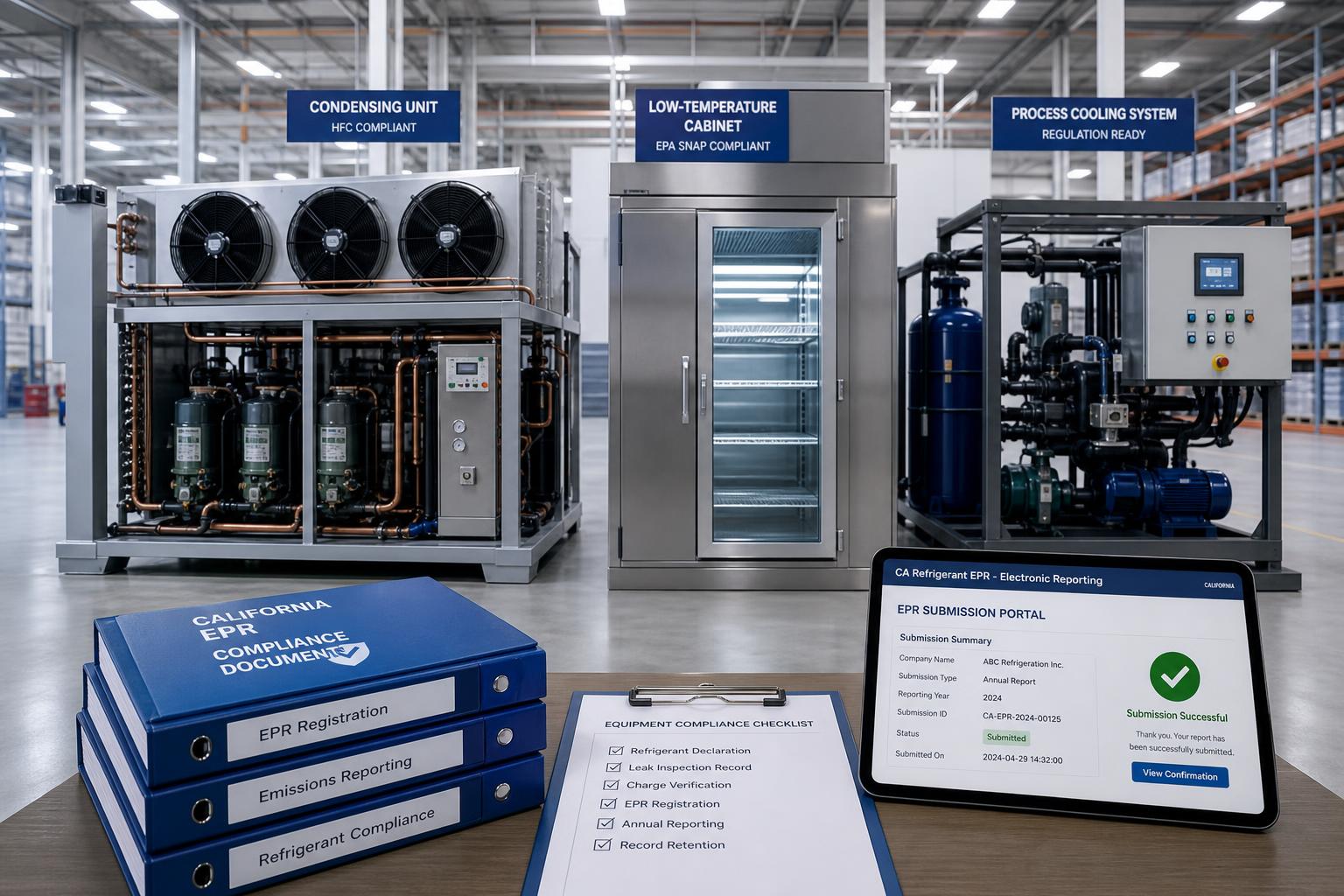
Manufacturers, exporters, and certification-support businesses may be affected through technical files, test documentation, and product configuration consistency. Observably, any mismatch between declared specifications, certification documents, and refrigerant-related supply records may create added friction in compliance review, customer approval, or delivery scheduling, even where commercial demand remains unchanged.
Service and supply-chain partners may see longer coordination cycles
Supply-chain service providers and after-sales-related businesses may also need to adjust because delivery timing, document handover, and product traceability are more closely linked under this rule set. It is more appropriate to understand this as tighter coordination pressure across logistics, compliance, and post-delivery recordkeeping rather than as a single-point technical requirement.
What companies should watch before enforcement takes effect
Prepare certification files earlier
Analysis shows that businesses dealing in affected air-conditioning categories should pay closer attention to whether technical documents, test materials, and product descriptions are ready for SABER-related review well before shipment decisions are finalized. The key issue is timing: once certification becomes a gatekeeping condition, late-stage document correction may carry greater commercial risk.
Check refrigerant sourcing alongside product compliance
What deserves closer attention is that refrigerant compliance is not separate from equipment compliance in this case. Companies using or trading models with R32 or R134a should watch whether supply can be shown as legally traceable under the quota framework, because procurement choices may directly affect import eligibility and cost exposure.
Reassess delivery schedules and bid documents
Observably, businesses involved in tenders, project procurement, or distributor supply should review whether delivery commitments, specification sheets, and bidding materials remain aligned with the December enforcement timeline. Where documentation still reflects older assumptions, the risk may appear not in product demand but in acceptance timing, customs clearance preparation, or contract execution.
Keep monitoring implementation language
The information provided confirms the mandatory date and the core compliance direction, but it does not provide fuller operational detail on every execution scenario. For that reason, companies should continue watching official wording, certification interpretation, and any changes in buyer-side document requirements rather than assuming that all practical handling points are already settled.
Why this looks like an execution signal, not just a notice
From an industry perspective, this development is more appropriately understood as an enforcement signal tied directly to market access. The combination of mandatory SASO standards, dual SABER certification, quota-based refrigerant traceability, and high HFC pricing means the rule change reaches beyond technical compliance and into trade cost, procurement discipline, and delivery feasibility. At the same time, observably, some execution details still require continued attention, so this should not be read as a complete picture of all downstream procedures.
How the market is likely to interpret the change
A balanced reading is that the December 1, 2026 date marks a concrete compliance threshold for affected air-conditioner imports, while the broader market impact will depend on how certification practice, document review, and supply-chain responses develop in actual transactions. It is more appropriate to understand this update as a landed rule change with immediate operational consequences, while still keeping watch on implementation language, tender adjustments, and industry feedback.
Basis of this article
This article is generated from the user-provided news title, event date, and event summary. Information of this kind is commonly cross-checked against official notices, regulator releases, customs or trade authority information, industry association updates, standards documents, and reporting by authoritative media. No specific official source link was provided in the input, so the exact official link remains to be further verified. Continued observation is still needed on policy detail, certification implementation practice, bidding-document changes, market feedback, and how companies execute compliance in practice.
Related News
- EU Cuts High-GWP Refrigerant Import Quotas by 35%Author :Cryogenic Systems Expert

- EU Cuts Q4 2026 Quotas for High-GWP RefrigerantsAuthor :Cryogenic Systems Expert

- EU F-Gas Revision Cuts R410A Quotas 40%Author :Cryogenic Systems Expert

- EPA Freezes R-410A Quotas, Fast-Tracks R-32Author :Cryogenic Systems Expert

- Low GWP Refrigerants HFO Blends: Key Stability and Safety FactorsAuthor :Cryogenic Systems Expert

- R-32 Price Spike Reshapes Chiller ProcurementAuthor :Cryogenic Systems Expert

- How to Compare Environmentally Friendly Refrigerants by GWP, Safety, and CostAuthor :Cryogenic Systems Expert

- R-454B Export Quota Cut 18% as Lead Times DoubleAuthor :Cryogenic Systems Expert

- Japan Cuts R32 and R290 Import Quotas From July 10Author :Cryogenic Systems Expert

- EPA Cuts R-134a Import Quotas 42% From July 2026Author :Cryogenic Systems Expert
![]()
- Low GWP Refrigerants HFO Blends: Performance and Compliance in 2026Author :Cryogenic Systems Expert

- R-513A Jumps 23% as China Tightens Export QuotasAuthor :Cryogenic Systems Expert

- Environmentally Friendly Refrigerants in 2026: Compliance Risks and Upgrade PrioritiesAuthor :Cryogenic Systems Expert

- Pharmaceutical Temperature Control Systems: Common Compliance RisksAuthor :Cryogenic Systems Expert

- China Tightens Q3 R32 Export QuotasAuthor :Cryogenic Systems Expert

- California EPR Deadline Nears for Refrigeration MakersAuthor :Cryogenic Systems Expert

- Resource Circularity Trends Reshaping Refrigerants and Cooling SystemsAuthor :Cryogenic Systems Expert

- HFCs Filing Rules Enter Full EnforcementAuthor :Cryogenic Systems Expert

- How Environmentally Friendly Refrigerants Affect Chiller ComplianceAuthor :Cryogenic Systems Expert

- EU REACH Tightens Refrigerant Impurity Limits for R134a ExportsAuthor :Cryogenic Systems Expert

- China Seeks Feedback on 2027 Refrigerant QuotasAuthor :Cryogenic Systems Expert

- EU to Ban High-GWP ACs in 2029 as R410A Exits HomesAuthor :Cryogenic Systems Expert

- US, UK Delay HFC Phaseout, Extending R32/R134a Export WindowAuthor :Cryogenic Systems Expert

- EU HFC Cut Tightens by 2029 as Gen-3 Output Falls 10%Author :Cryogenic Systems Expert

- Kuwait Bans HCFC AC Imports as Shift to R32/R290 Speeds UpAuthor :Cryogenic Systems Expert

- Saudi SASO Rules Tighten AC Imports in DecemberAuthor :Cryogenic Systems Expert

- Environmentally Friendly Refrigerants: Compliance, Safety, and Retrofit RisksAuthor :Cryogenic Systems Expert

- SABIC Force Majeure Keeps Chiller Refrigerant Supply TightAuthor :Cryogenic Systems Expert

- SABIC Force Majeure Tightens Refrigerant FeedstocksAuthor :Cryogenic Systems Expert

- UL 60335-2-89 Tightens R290 Leak Test RulesAuthor :Cryogenic Systems Expert
![]()
- UL 60335-2-89 Adds R290 Vacuum Leak TestAuthor :Cryogenic Systems Expert

- Global Refrigerant Price Index Falls 8.3% MoM in MayAuthor :Cryogenic Systems Expert
![]()
- PSA Jurong Island Launches Mandatory Cold-Chain Traceability for RefrigerantsAuthor :Cryogenic Systems Expert
![]()
- 2026 Refrigerants Shift: What Changes for Cold StorageAuthor :Cryogenic Systems Expert

- Shanghai Pudong Pilots E-Labels for Imported CosmeticsAuthor :Cryogenic Systems Expert

- 2026 Refrigerant Shift: Safer Options With Lower Compliance RiskAuthor :Cryogenic Systems Expert