UL 60335-2-89 Adds R290 Vacuum Leak Test




Image Placement Plan
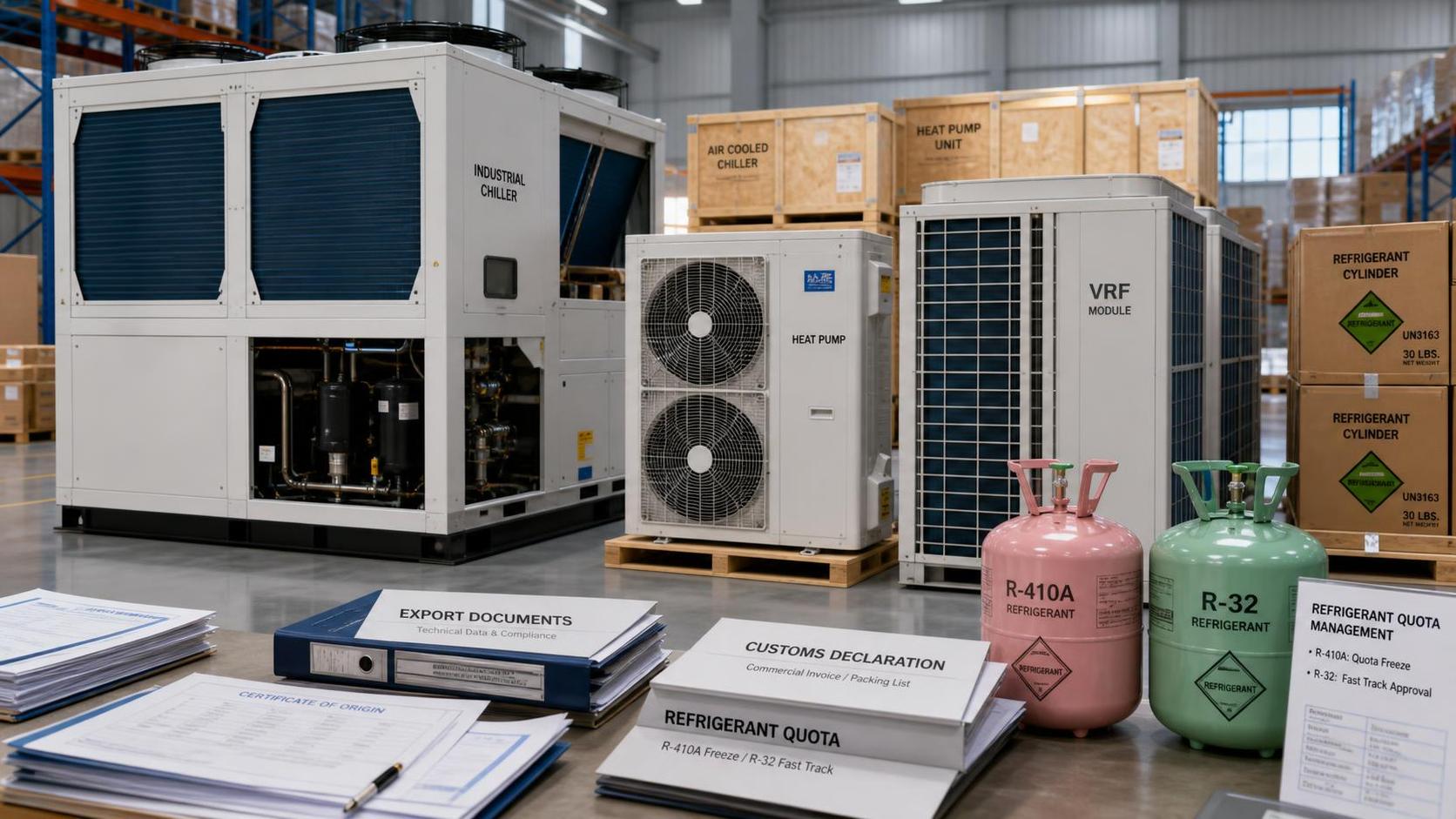
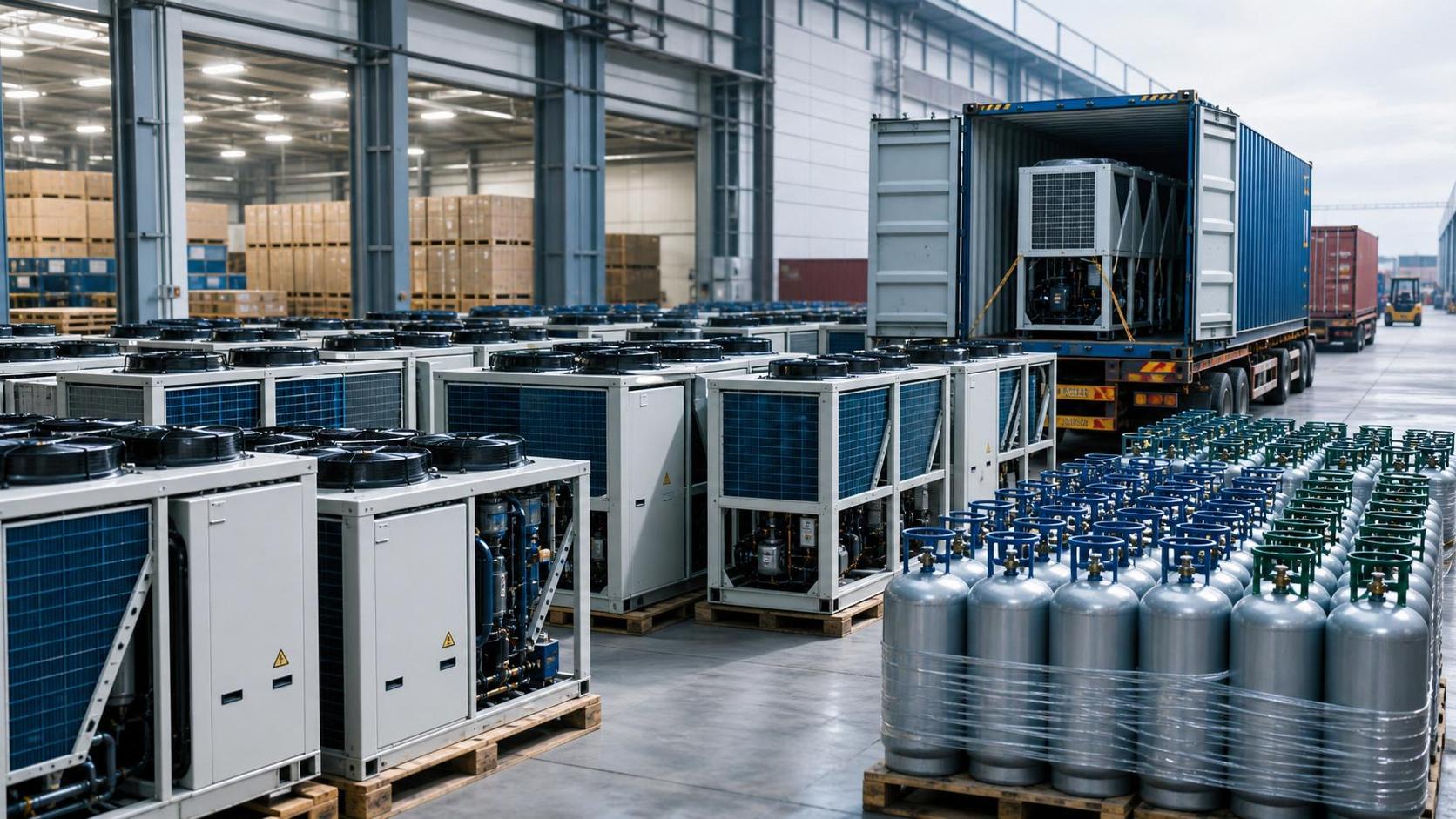
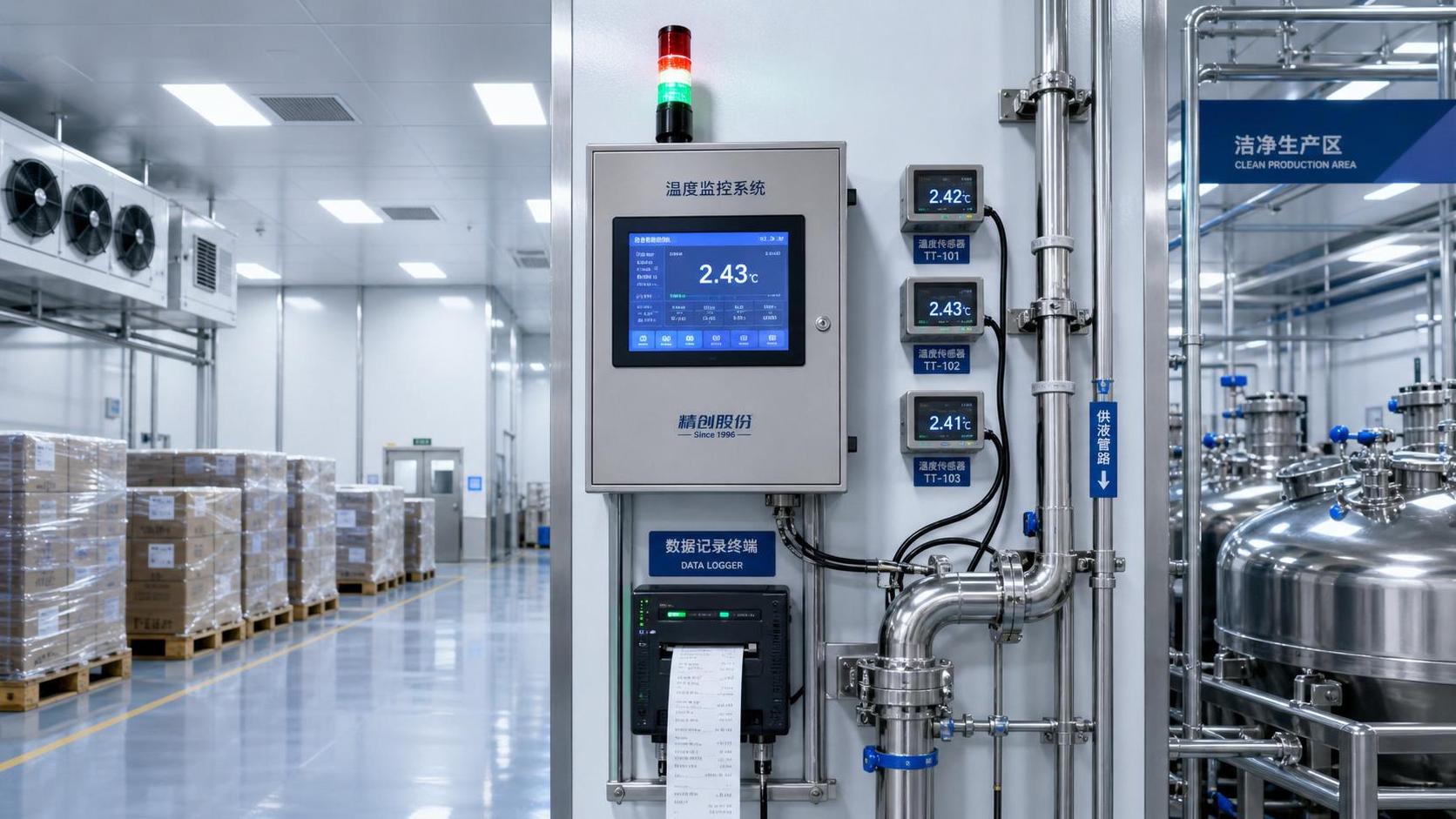
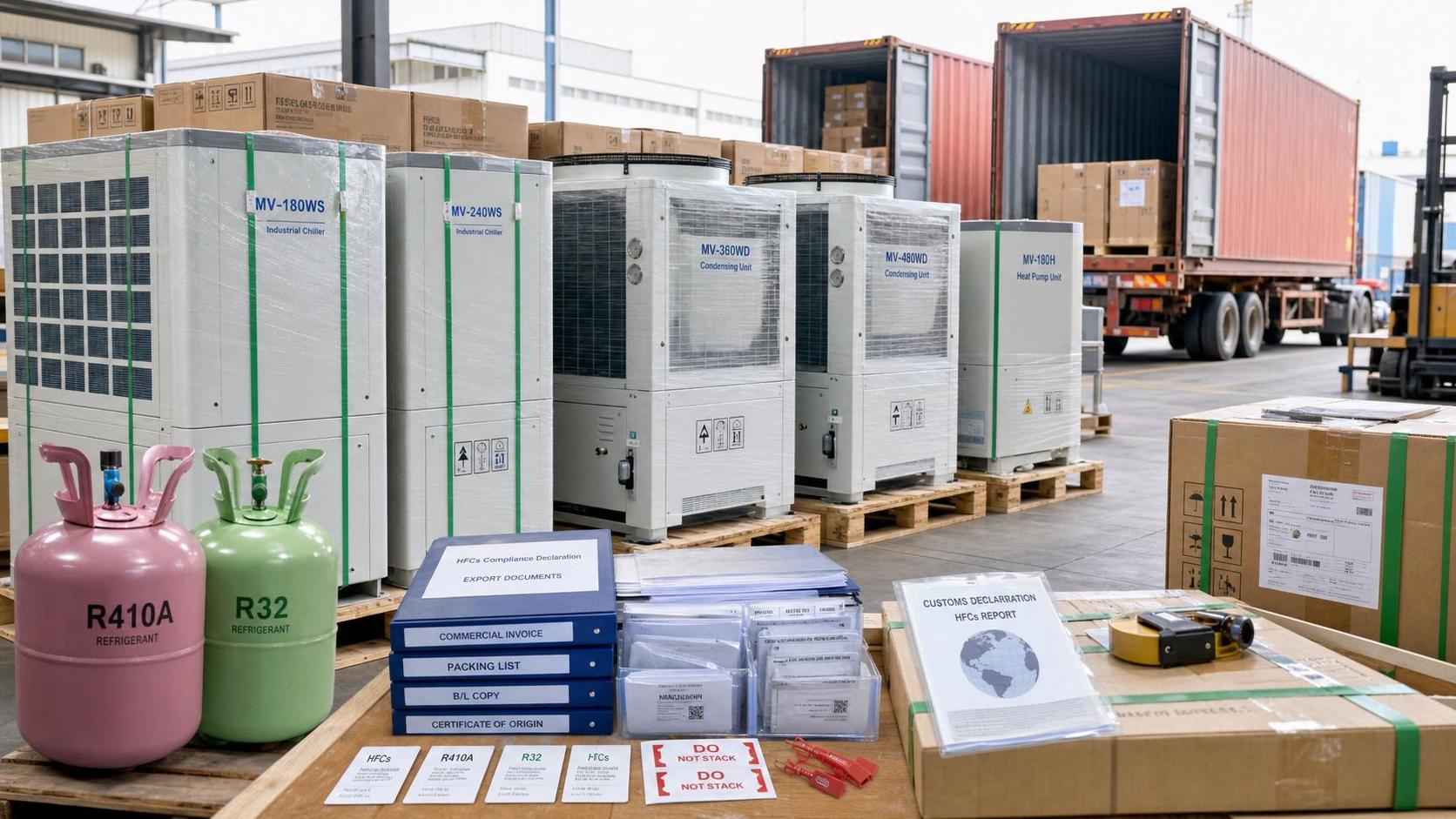
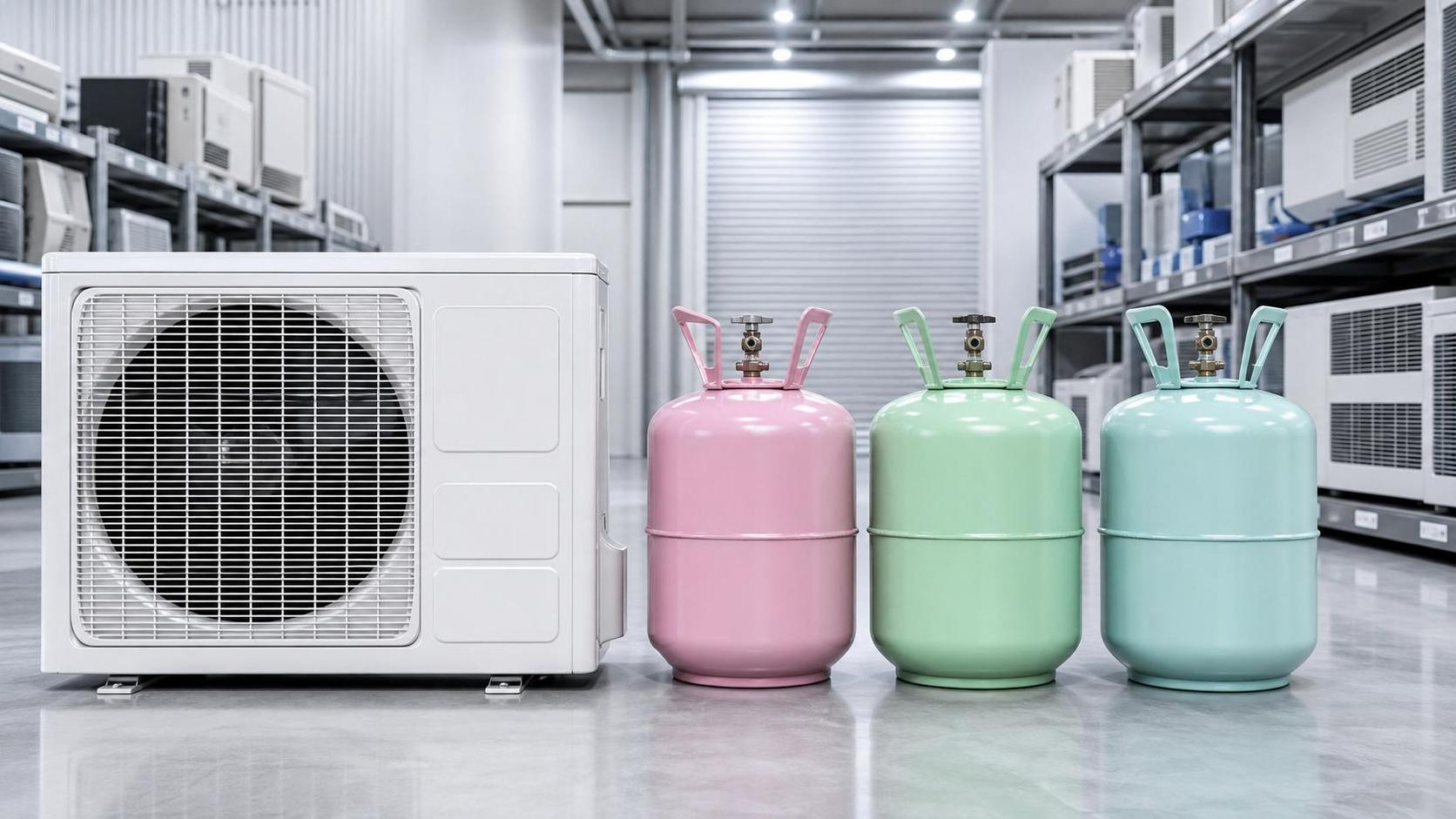
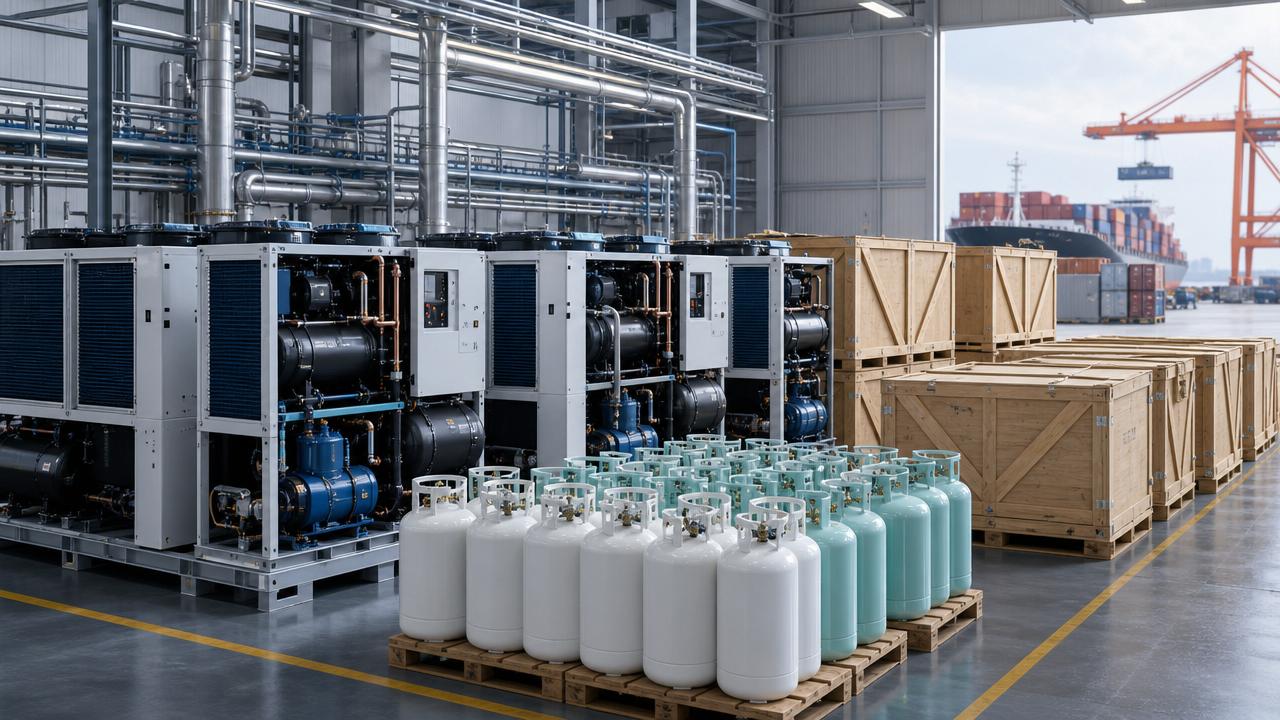
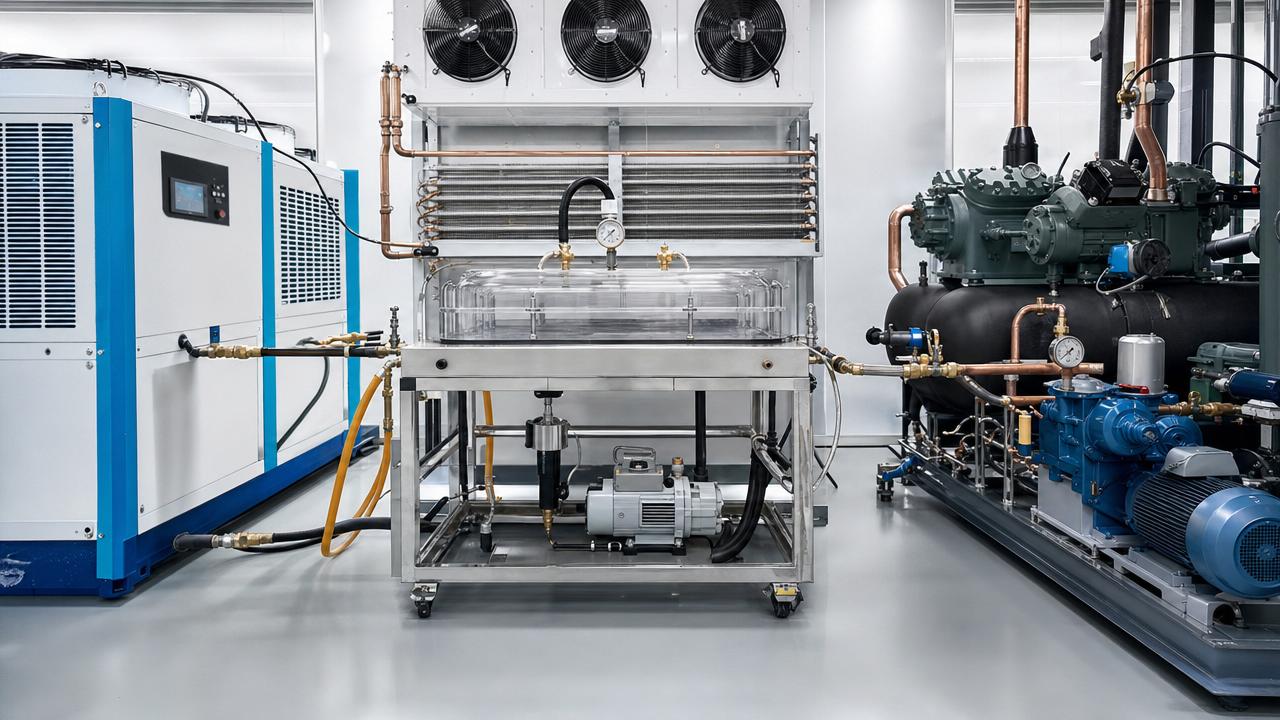
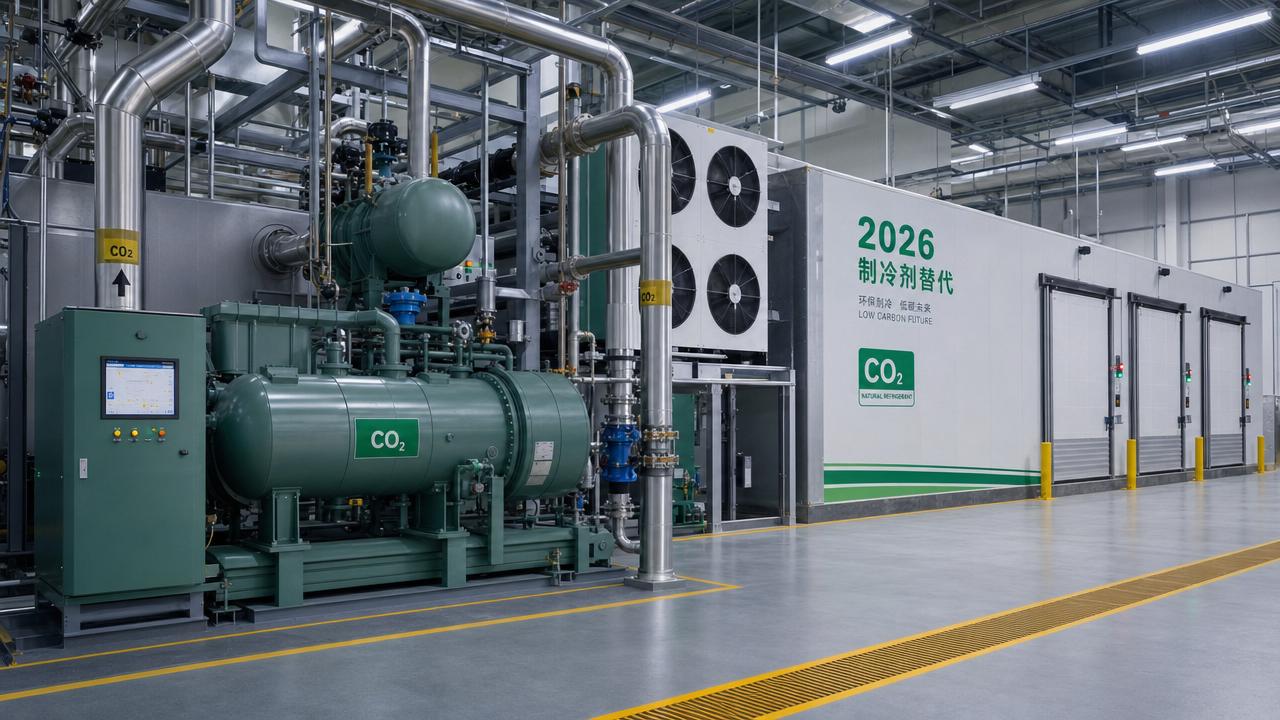
Place img_01 near the opening section to illustrate R290 refrigeration certification, high-vacuum leak testing, and the affected equipment categories.
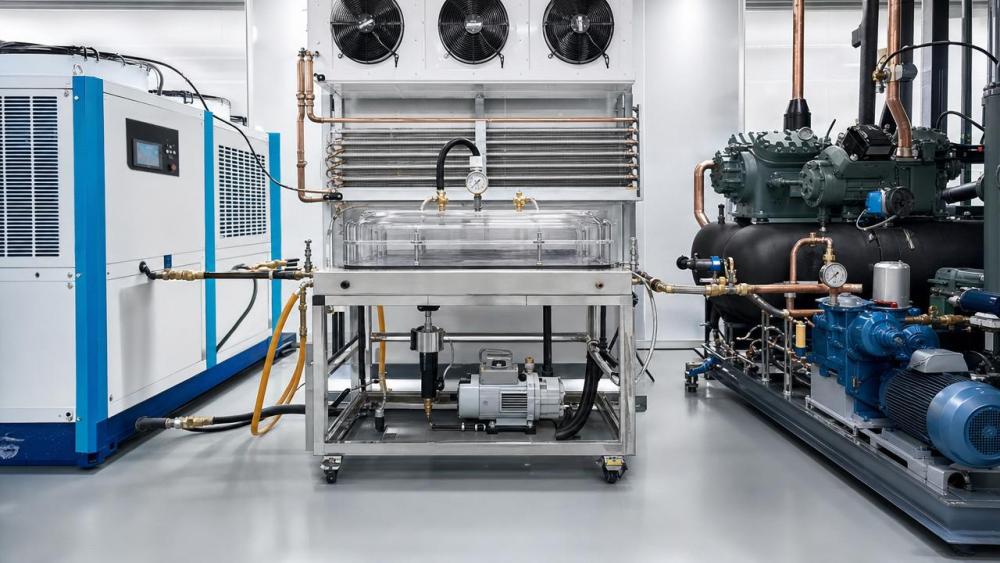
On June 3, 2026, an update to UL 60335-2-89 for household and commercial refrigeration equipment introduced a mandatory high-vacuum holding leak test for R290 refrigerant systems, affecting export certification procedures for Industrial Chillers, Cold Storage equipment, Screw Compressors, and Piston Units because the new requirement adds a tighter verification step before certification can be completed.
Confirmed Change to the R290 Certification Process
Beginning in June 2026, the UL standards organization updated UL 60335-2-89, the safety standard covering household and commercial refrigeration equipment. The update requires R290 refrigerant systems to undergo a high-vacuum holding leak detection test at a vacuum level of no more than 1 Pa.
The stated scope of impact covers all export certification processes for equipment using R290 as the working refrigerant, including Industrial Chillers, Cold Storage applications, Screw Compressors, and Piston Units.
According to the provided event summary, the additional test requirement is expected to extend the testing cycle by approximately 7 to 10 business days. No further official source link was included in the input.
How the Requirement May Affect Industry Participants
Export-oriented trading companies
Direct trading companies may be affected because export certification schedules for R290-based refrigeration equipment now need to include the added high-vacuum holding leak test. The impact is most likely to appear in quotation timelines, shipment commitments, certification document collection, and customer communication. Companies should pay close attention to whether existing orders, pending tenders, or delivery promises already assume the previous testing schedule.
Raw material and component procurement teams
Procurement organizations may face closer coordination requirements because leak performance depends not only on final assembly but also on the suitability and consistency of components used in R290 refrigerant systems. From a purchasing perspective, attention may need to shift toward component readiness, supplier documentation, and whether parts used in Industrial Chillers, Cold Storage systems, Screw Compressors, and Piston Units can support the stricter certification workflow.
Manufacturers and equipment assemblers
Processing and manufacturing companies are directly exposed to the operational side of the new clause. The added test affects production validation, pre-certification checks, inspection scheduling, and technical file preparation. Manufacturers may need to review whether their internal leak detection procedures are aligned with the high-vacuum requirement of no more than 1 Pa before submitting products for export certification.
Supply chain service providers
Supply chain service providers, including logistics coordinators and certification support partners, may be affected through longer lead-time planning and documentation sequencing. The expected extension of 7 to 10 business days may influence booking arrangements, export documentation timing, and coordination between testing, packaging, and shipment. These service providers should monitor changes in certification execution practices and communicate schedule risks earlier in the order cycle.
Compliance Priorities for Companies Using R290 Systems
Recheck certification plans before shipment commitments
Companies handling R290-based Industrial Chillers, Cold Storage equipment, Screw Compressors, or Piston Units should review export certification plans against the updated UL 60335-2-89 requirement. The key issue is not only whether a product can pass testing, but whether the additional high-vacuum holding leak detection step has been built into the approval timeline.
Prepare equipment and documentation for the 1 Pa threshold
The newly added requirement specifies high-vacuum testing at no more than 1 Pa. Enterprises should ensure that relevant test records, technical files, inspection reports, and product specifications can clearly support this requirement during certification review. Any mismatch between internal inspection methods and the external certification test may create avoidable delays.
Align technical bids and product specifications
For projects involving tenders, technical bids, or customer-specific specifications, companies should confirm whether the updated UL 60335-2-89 requirement needs to be reflected in bid documents, compliance statements, or equipment datasheets. This is especially relevant when delivery schedules or acceptance criteria are linked to export certification completion.
Adjust delivery and procurement schedules
Because the testing cycle is expected to extend by 7 to 10 business days, purchasing and delivery teams should avoid planning based on earlier certification assumptions. Companies may need to review supplier lead times, inspection windows, order confirmation dates, and shipment schedules to reduce the risk of late delivery caused by certification bottlenecks.
Industry Observation: A Higher Bar for R290 Export Readiness
From an industry perspective, the additional high-vacuum leak test can be understood as a more demanding compliance checkpoint for R290 refrigeration equipment rather than a simple procedural update. The requirement may encourage manufacturers to strengthen leak control, inspection traceability, and pre-certification validation before products enter formal testing.
Analysis shows that the most immediate pressure may fall on companies with tight export schedules, limited testing capacity, or incomplete technical documentation. The expected extension of 7 to 10 business days does not necessarily change the commercial viability of R290 equipment, but it may reshape how companies plan certification, order execution, and customer delivery commitments.
What deserves closer attention is whether buyers, certification partners, and project owners begin to include this testing requirement more explicitly in procurement and acceptance documents. If that occurs, compliance capability may become a more visible factor in supplier evaluation, especially for R290 systems used in industrial and cold storage applications.
Measured Outlook for the Refrigeration Sector
The update to UL 60335-2-89 marks a notable change in the certification path for R290 refrigerant systems. Its significance lies in the added emphasis on high-vacuum leak verification and the resulting need for more careful schedule, documentation, and supplier coordination.
A rational conclusion is that the requirement may raise the operational discipline needed for export certification, but its final impact will depend on how certification bodies, manufacturers, suppliers, and buyers implement the updated clause in practice. Companies should avoid overreacting, while also avoiding assumptions based on the previous testing process.
Source Note and Items to Monitor
This article is based on the provided information title, event date, and event summary concerning the June 2026 update to UL 60335-2-89 and its added high-vacuum holding leak detection requirement for R290 refrigerant systems.
Relevant source types for this category of event may include official standard publications, certification body notices, technical interpretation documents, and updated testing procedure guidance. Specific official source links were not provided in the input and should be verified continuously.
Further monitoring should focus on detailed implementation rules, certification execution practices, changes in tender and procurement documents, supplier qualification requirements, testing report formats, and feedback from affected refrigeration equipment manufacturers and exporters.
Related News
- EPA Freezes R-410A Quotas, Fast-Tracks R-32Author :Cryogenic Systems Expert

- Low GWP Refrigerants HFO Blends: Key Stability and Safety FactorsAuthor :Cryogenic Systems Expert

- R-32 Price Spike Reshapes Chiller ProcurementAuthor :Cryogenic Systems Expert

- How to Compare Environmentally Friendly Refrigerants by GWP, Safety, and CostAuthor :Cryogenic Systems Expert

- R-454B Export Quota Cut 18% as Lead Times DoubleAuthor :Cryogenic Systems Expert

- Japan Cuts R32 and R290 Import Quotas From July 10Author :Cryogenic Systems Expert

- EPA Cuts R-134a Import Quotas 42% From July 2026Author :Cryogenic Systems Expert
![]()
- Low GWP Refrigerants HFO Blends: Performance and Compliance in 2026Author :Cryogenic Systems Expert

- R-513A Jumps 23% as China Tightens Export QuotasAuthor :Cryogenic Systems Expert

- Environmentally Friendly Refrigerants in 2026: Compliance Risks and Upgrade PrioritiesAuthor :Cryogenic Systems Expert

- Pharmaceutical Temperature Control Systems: Common Compliance RisksAuthor :Cryogenic Systems Expert

- China Tightens Q3 R32 Export QuotasAuthor :Cryogenic Systems Expert

- California EPR Deadline Nears for Refrigeration MakersAuthor :Cryogenic Systems Expert

- Resource Circularity Trends Reshaping Refrigerants and Cooling SystemsAuthor :Cryogenic Systems Expert

- HFCs Filing Rules Enter Full EnforcementAuthor :Cryogenic Systems Expert

- How Environmentally Friendly Refrigerants Affect Chiller ComplianceAuthor :Cryogenic Systems Expert

- EU REACH Tightens Refrigerant Impurity Limits for R134a ExportsAuthor :Cryogenic Systems Expert

- China Seeks Feedback on 2027 Refrigerant QuotasAuthor :Cryogenic Systems Expert

- EU to Ban High-GWP ACs in 2029 as R410A Exits HomesAuthor :Cryogenic Systems Expert

- US, UK Delay HFC Phaseout, Extending R32/R134a Export WindowAuthor :Cryogenic Systems Expert

- EU HFC Cut Tightens by 2029 as Gen-3 Output Falls 10%Author :Cryogenic Systems Expert

- Kuwait Bans HCFC AC Imports as Shift to R32/R290 Speeds UpAuthor :Cryogenic Systems Expert

- Saudi SASO Rules Tighten AC Imports in DecemberAuthor :Cryogenic Systems Expert

- Environmentally Friendly Refrigerants: Compliance, Safety, and Retrofit RisksAuthor :Cryogenic Systems Expert

- SABIC Force Majeure Keeps Chiller Refrigerant Supply TightAuthor :Cryogenic Systems Expert

- SABIC Force Majeure Tightens Refrigerant FeedstocksAuthor :Cryogenic Systems Expert

- UL 60335-2-89 Tightens R290 Leak Test RulesAuthor :Cryogenic Systems Expert
![]()
- UL 60335-2-89 Adds R290 Vacuum Leak TestAuthor :Cryogenic Systems Expert

- Global Refrigerant Price Index Falls 8.3% MoM in MayAuthor :Cryogenic Systems Expert
![]()
- PSA Jurong Island Launches Mandatory Cold-Chain Traceability for RefrigerantsAuthor :Cryogenic Systems Expert
![]()
- 2026 Refrigerants Shift: What Changes for Cold StorageAuthor :Cryogenic Systems Expert

- Shanghai Pudong Pilots E-Labels for Imported CosmeticsAuthor :Cryogenic Systems Expert

- 2026 Refrigerant Shift: Safer Options With Lower Compliance RiskAuthor :Cryogenic Systems Expert

- Vitafoods Europe Highlights Clinical Herb Data, Cold Chain Demand SurgesAuthor :Cryogenic Systems Expert
![]()
- U.S. Treasury Yield Surge Stabilizes Silver, Eases Refrigerants Export PricingAuthor :Cryogenic Systems Expert

- France Allocates €710M to Support War-Impacted Firms on Cold Chain ComplianceAuthor :Cryogenic Systems Expert