EU REACH Tightens Refrigerant Impurity Limits for R134a Exports




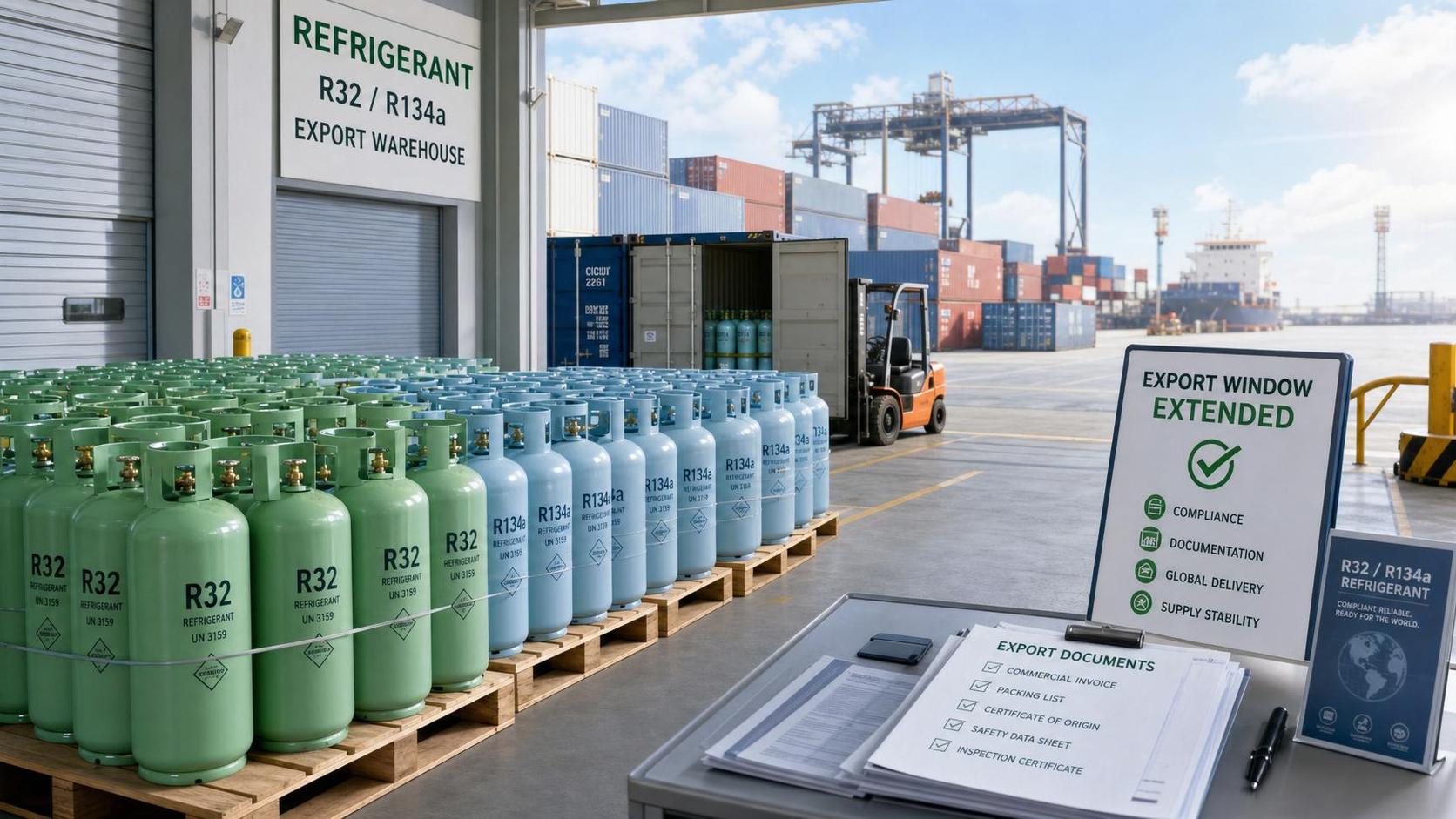
On October 1, 2026, a new compliance point takes effect for fluorinated refrigerants entering the EU market: exporters of products such as R134a, R125, and R32 now need to address mandatory PFAS-related impurity testing, with particular attention on PFOA and its salts. For refrigerant suppliers, charging-equipment exporters, importers, and supply chain teams handling EU-bound shipments, this matters because the requirement is tied directly to pre-shipment documentation and customs risk rather than only to product specifications.
What the new requirement confirms
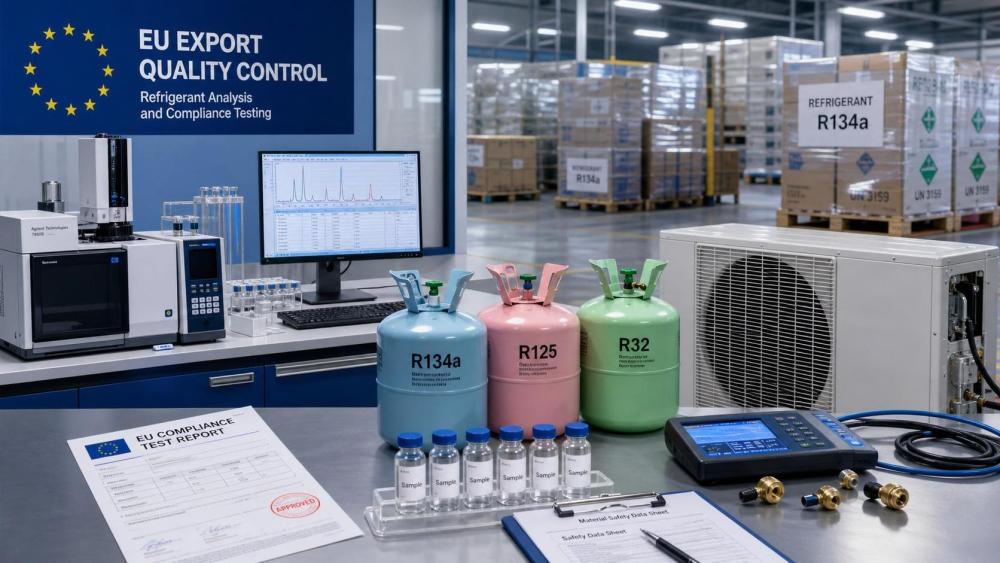
According to the information provided, ECHA issued a notice on June 19, 2026, and the requirement applies from October 1, 2026. The measure covers fluorinated refrigerants including R134a, R125, and R32, and requires mandatory testing for PFAS-type impurities.
The confirmed limit is that total PFOA and its salts must not exceed 25 ppb. The requirement applies to finished refrigerant products imported into the EU as well as equipment pre-charged with these refrigerants.
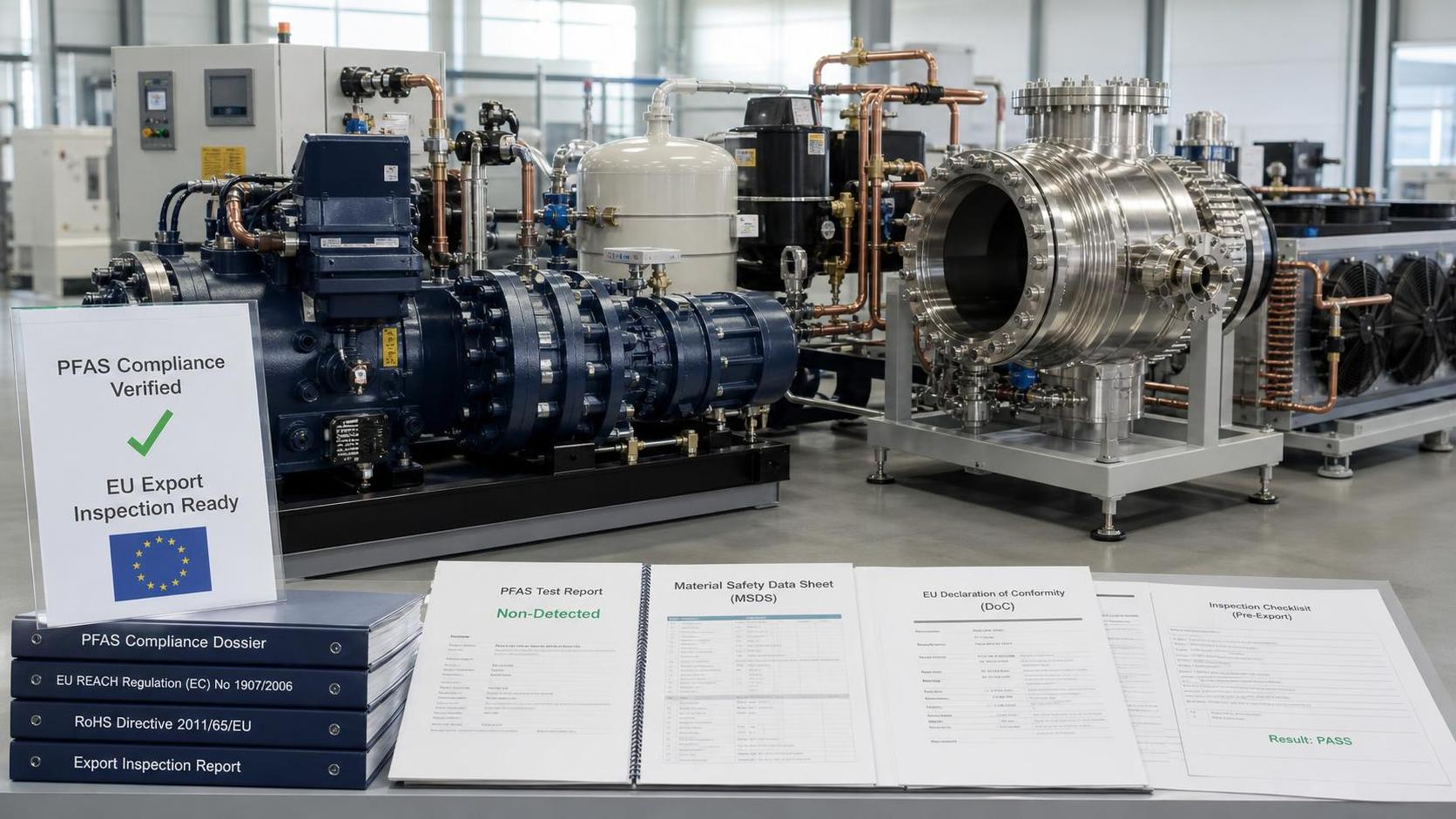
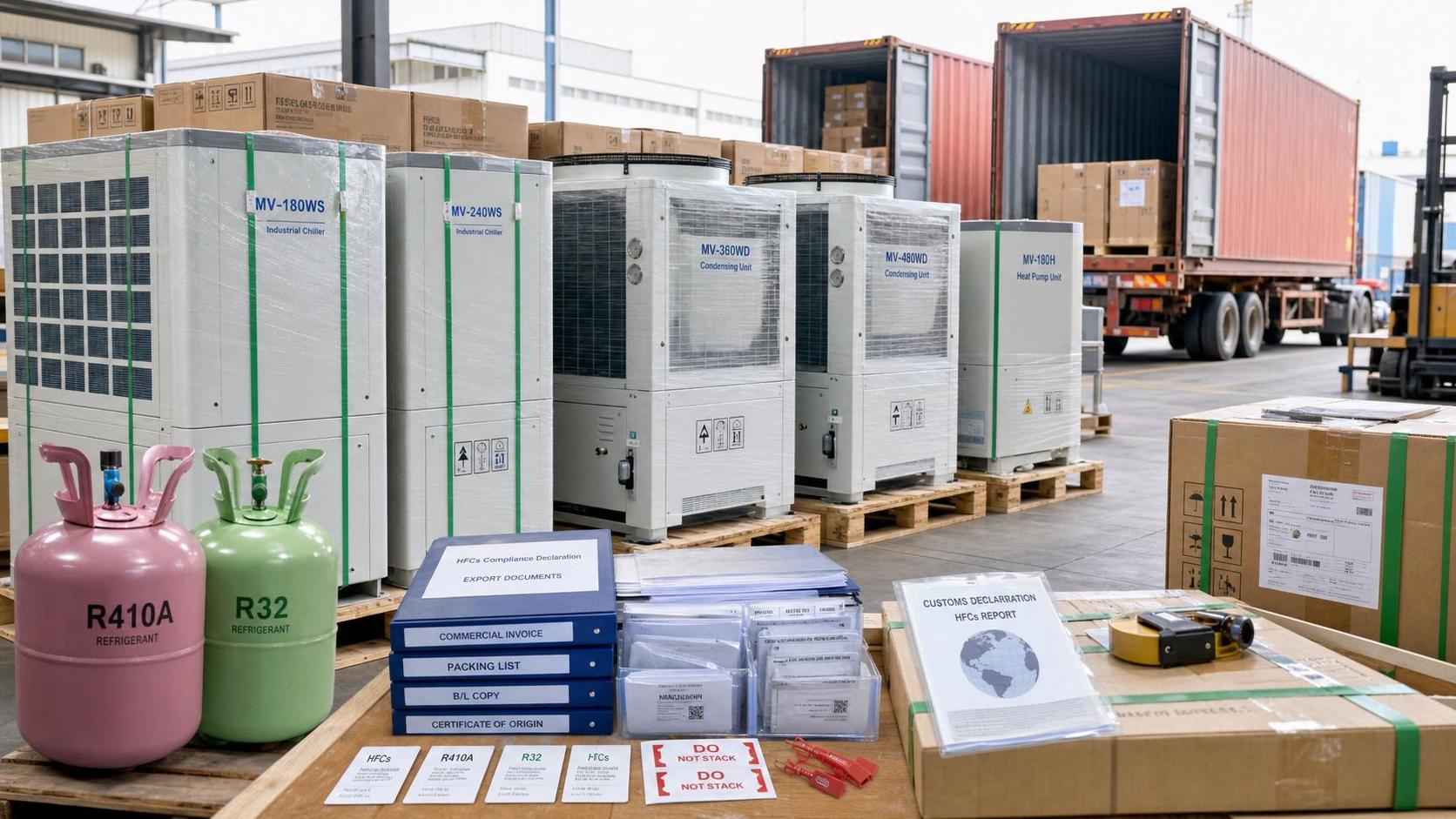
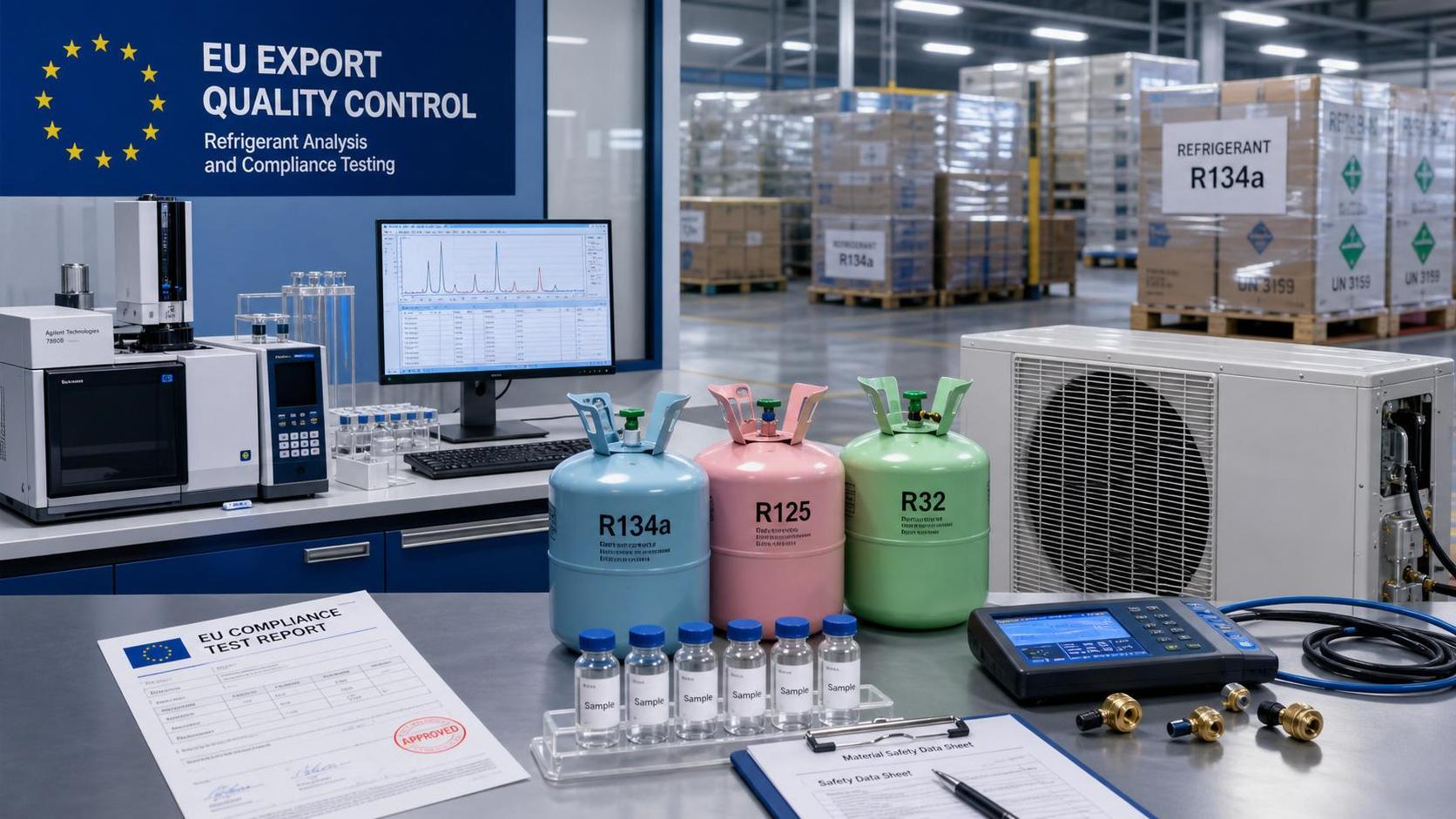
The provided information also states that Chinese exporters must present a third-party test report issued by an OECD GLP-certified laboratory before shipment. Without that documentation, shipments may face customs clearance delays or be returned.
Where pressure is likely to appear across the chain
Export shipments face a documentation gate
From an industry perspective, direct trading companies and exporters are the first group likely to feel the impact because the new requirement is linked to shipment readiness. The key business point is no longer only whether the refrigerant can be sold, but whether the export lot is supported by compliant third-party testing documents before departure.
Pre-charged equipment suppliers need product-and-document alignment
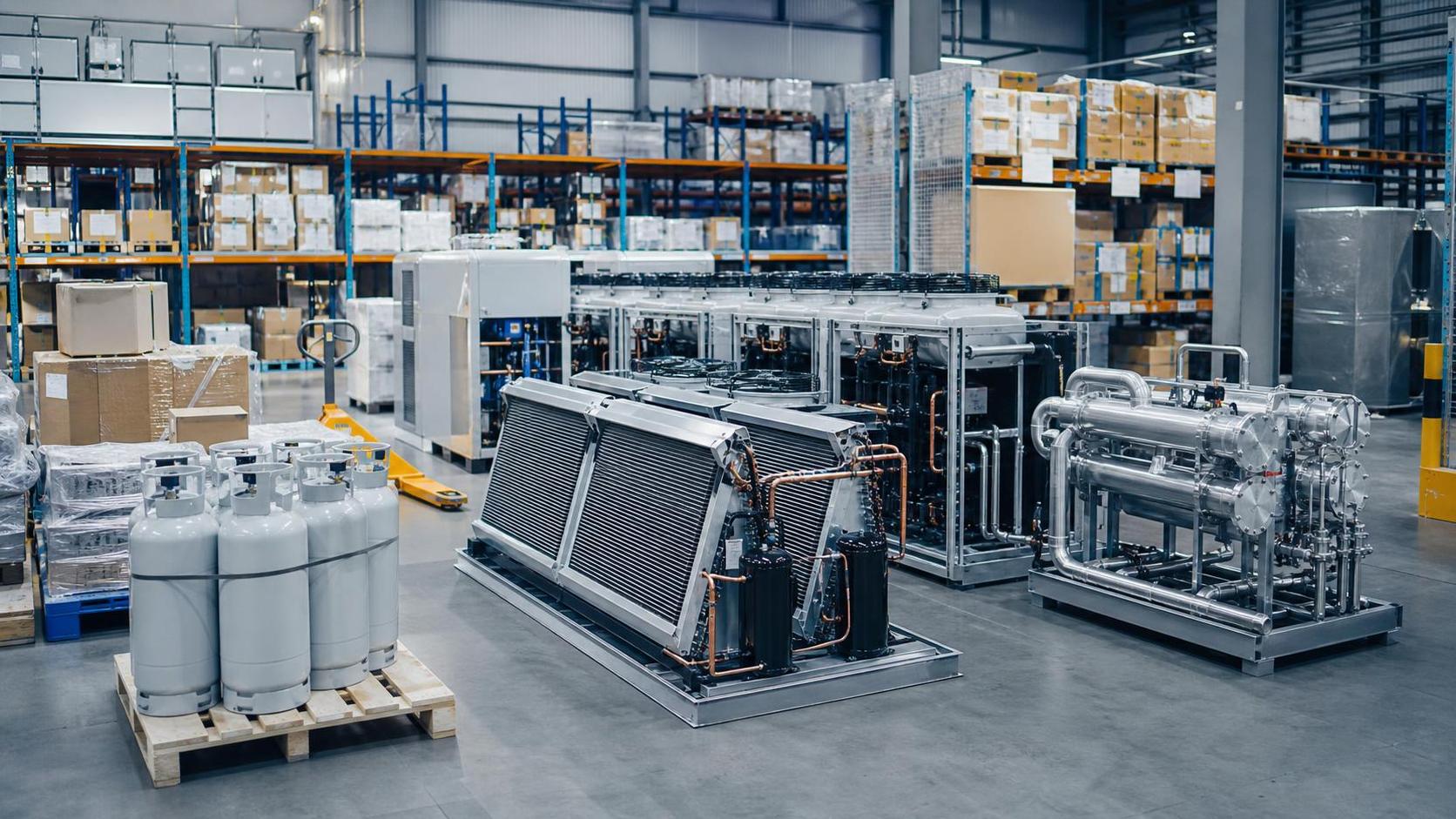
Manufacturers and exporters of equipment charged with refrigerants may also be affected because the requirement is not limited to refrigerant cylinders or bulk product alone. What deserves closer attention is whether the refrigerant inside the equipment is covered by the same testing and reporting logic, since customs risk may attach to the finished unit as imported goods.
Importers and buyers may tighten pre-delivery checks
Observably, EU-side importers and procurement teams may place greater emphasis on report validity, laboratory qualification, and document timing. The impact is likely to show up in order confirmation, pre-shipment review, and delivery scheduling rather than only in technical discussions.
Logistics and customs service providers may see higher coordination demands
Supply chain service providers, including logistics and customs coordination teams, may need to pay closer attention to whether test reports are complete and available before cargo moves. The immediate risk point described in the provided information is customs delay or return, which can turn documentation review into a critical execution step.
What companies should monitor now
Whether testing arrangements match the October timeline
Companies shipping R134a, R125, R32, or related charged equipment to the EU should focus on whether their testing workflow is ready ahead of the effective date. In practical terms, the requirement is tied to pre-shipment preparation, so testing lead time and report availability become part of delivery planning.
Whether the laboratory qualification is fully acceptable
The provided information specifically refers to third-party reports from OECD GLP-certified laboratories. This means businesses should pay close attention to laboratory credentials and the acceptability of the report format in transaction and shipping documents, rather than assuming any routine test document will be sufficient.
Which SKUs and shipments fall within scope
What deserves closer attention is the scope question inside the business itself: not only bulk refrigerants, but also finished products and equipment charged with refrigerants for EU import. Companies may need to review product lists, shipment types, and customer-specific delivery arrangements to avoid missing in-scope goods.
How to communicate with customers before dispatch
Analysis shows that customer communication may become a practical risk-control step. Exporters, distributors, and fulfillment teams should pay attention to what documentation buyers or importers expect before shipment, especially where customs timing or delivery windows are tight.
Why this reads as more than a one-off customs issue
Analysis shows that this update should not be read only as a narrow testing add-on for a single product. It points to a more compliance-driven handling of impurity control in EU-bound refrigerant trade, especially where documentation must be ready before goods move.
At the same time, it is more appropriate to understand this as an implemented compliance requirement with further details still worth watching, rather than as a fully settled long-term market conclusion. The confirmed facts are clear on the testing threshold, scope, timing, and report requirement; what still requires continued observation is how consistently the rule is applied in day-to-day trade execution.
How the market may best interpret this stage
At this stage, the most balanced reading is that the October 1, 2026 requirement creates an immediate operational checkpoint for exporters and importers dealing in fluorinated refrigerants and charged equipment. The near-term significance lies in testing, documentation, and shipment execution.
From an industry perspective, this is better understood as both a short-term compliance change and a longer-term signal that EU market access may depend increasingly on impurity verification at very low thresholds. It does not by itself define all future regulatory outcomes, but it clearly raises the importance of document-backed conformity before goods are shipped.
Basis of this article
This article is based on the user-provided news title, event date, and event summary. The information referenced here is limited to the stated notice timing, effective date, covered refrigerants, the PFOA and salt limit of 25 ppb, the scope covering imported refrigerants and charged equipment, and the stated requirement for a third-party report from an OECD GLP-certified laboratory.
For this type of industry update, source categories commonly relevant to further verification may include official notices, company statements, industry association updates, authoritative media coverage, and standard or compliance-related documents. A specific official source link was not provided in the input, so further verification remains necessary. Continued attention should focus on any follow-up official wording, implementation details in trade practice, and documentation expectations in actual EU-bound shipments.
Related News
- EU PFAS Proposal Puts Refrigerant and Vacuum Exports Under ReviewAuthor :Cryogenic Systems Expert

- EU REACH PFAS Draft Raises New Export ChecksAuthor :Cryogenic Systems Expert

- EU Cuts High-GWP Refrigerant Import Quotas by 35%Author :Cryogenic Systems Expert

- EU Cuts Q4 2026 Quotas for High-GWP RefrigerantsAuthor :Cryogenic Systems Expert

- EU F-Gas Revision Cuts R410A Quotas 40%Author :Cryogenic Systems Expert

- EPA Freezes R-410A Quotas, Fast-Tracks R-32Author :Cryogenic Systems Expert

- Low GWP Refrigerants HFO Blends: Key Stability and Safety FactorsAuthor :Cryogenic Systems Expert

- R-32 Price Spike Reshapes Chiller ProcurementAuthor :Cryogenic Systems Expert

- How to Compare Environmentally Friendly Refrigerants by GWP, Safety, and CostAuthor :Cryogenic Systems Expert

- R-454B Export Quota Cut 18% as Lead Times DoubleAuthor :Cryogenic Systems Expert

- Japan Cuts R32 and R290 Import Quotas From July 10Author :Cryogenic Systems Expert

- EPA Cuts R-134a Import Quotas 42% From July 2026Author :Cryogenic Systems Expert
![]()
- Low GWP Refrigerants HFO Blends: Performance and Compliance in 2026Author :Cryogenic Systems Expert

- R-513A Jumps 23% as China Tightens Export QuotasAuthor :Cryogenic Systems Expert

- Environmentally Friendly Refrigerants in 2026: Compliance Risks and Upgrade PrioritiesAuthor :Cryogenic Systems Expert

- Pharmaceutical Temperature Control Systems: Common Compliance RisksAuthor :Cryogenic Systems Expert

- China Tightens Q3 R32 Export QuotasAuthor :Cryogenic Systems Expert

- California EPR Deadline Nears for Refrigeration MakersAuthor :Cryogenic Systems Expert

- Resource Circularity Trends Reshaping Refrigerants and Cooling SystemsAuthor :Cryogenic Systems Expert

- HFCs Filing Rules Enter Full EnforcementAuthor :Cryogenic Systems Expert

- How Environmentally Friendly Refrigerants Affect Chiller ComplianceAuthor :Cryogenic Systems Expert

- EU REACH Tightens Refrigerant Impurity Limits for R134a ExportsAuthor :Cryogenic Systems Expert

- China Seeks Feedback on 2027 Refrigerant QuotasAuthor :Cryogenic Systems Expert

- EU to Ban High-GWP ACs in 2029 as R410A Exits HomesAuthor :Cryogenic Systems Expert

- US, UK Delay HFC Phaseout, Extending R32/R134a Export WindowAuthor :Cryogenic Systems Expert

- EU HFC Cut Tightens by 2029 as Gen-3 Output Falls 10%Author :Cryogenic Systems Expert

- Kuwait Bans HCFC AC Imports as Shift to R32/R290 Speeds UpAuthor :Cryogenic Systems Expert

- Saudi SASO Rules Tighten AC Imports in DecemberAuthor :Cryogenic Systems Expert

- Environmentally Friendly Refrigerants: Compliance, Safety, and Retrofit RisksAuthor :Cryogenic Systems Expert

- SABIC Force Majeure Keeps Chiller Refrigerant Supply TightAuthor :Cryogenic Systems Expert

- SABIC Force Majeure Tightens Refrigerant FeedstocksAuthor :Cryogenic Systems Expert

- UL 60335-2-89 Tightens R290 Leak Test RulesAuthor :Cryogenic Systems Expert
![]()
- UL 60335-2-89 Adds R290 Vacuum Leak TestAuthor :Cryogenic Systems Expert

- Global Refrigerant Price Index Falls 8.3% MoM in MayAuthor :Cryogenic Systems Expert
![]()
- PSA Jurong Island Launches Mandatory Cold-Chain Traceability for RefrigerantsAuthor :Cryogenic Systems Expert
![]()
- 2026 Refrigerants Shift: What Changes for Cold StorageAuthor :Cryogenic Systems Expert