



Kuwait Bans HCFC AC Imports as Shift to R32/R290 Speeds Up




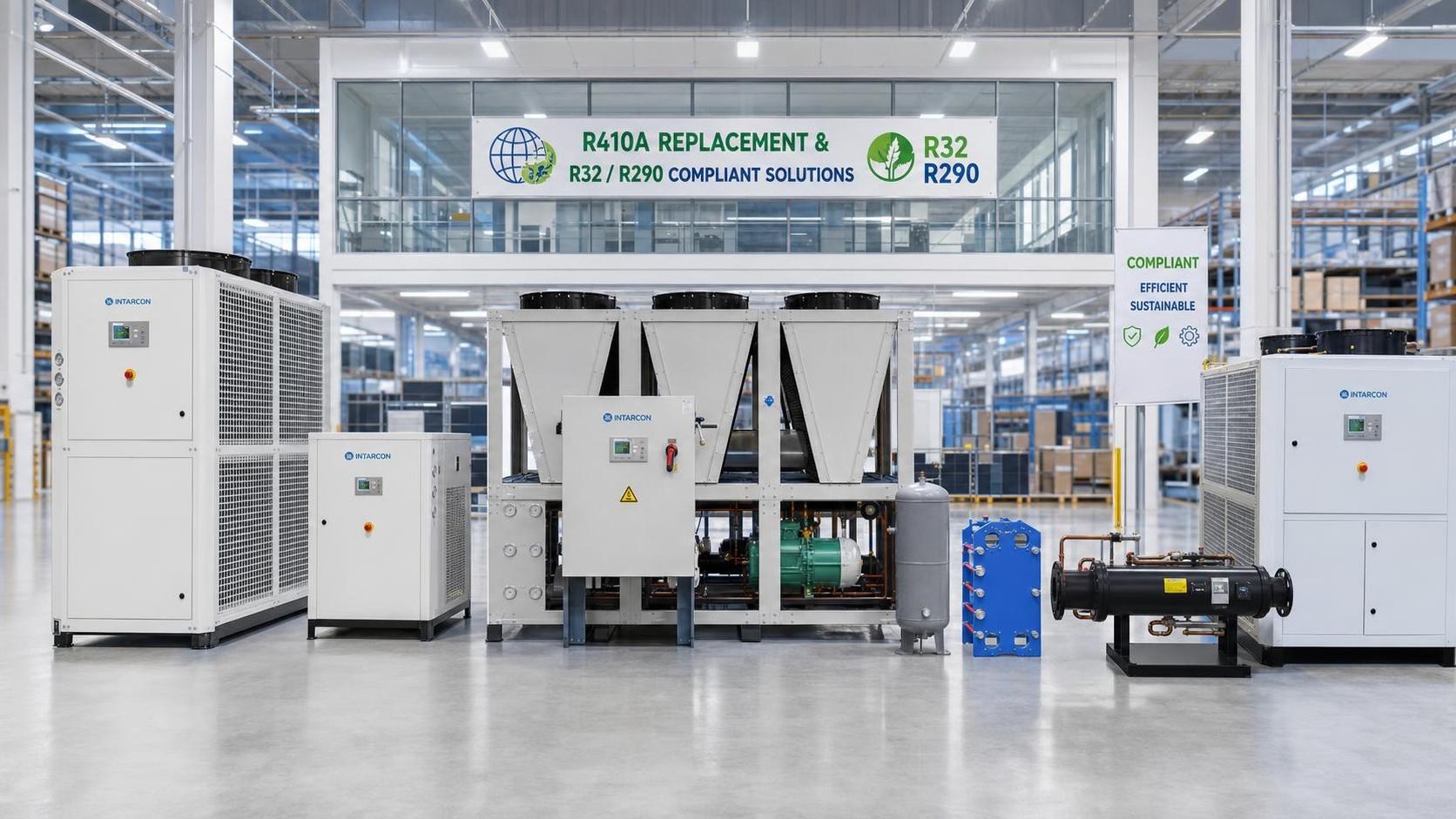
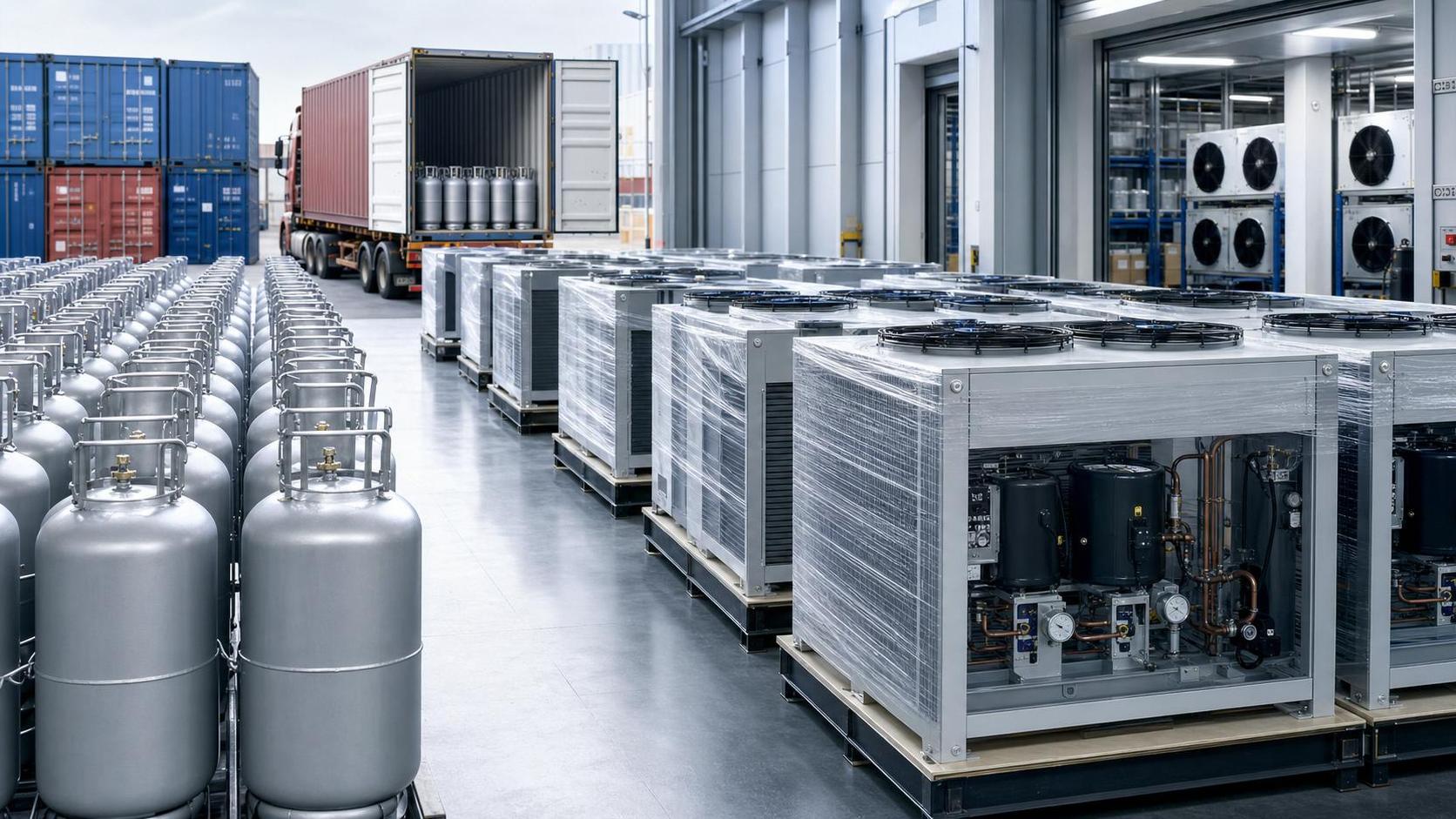
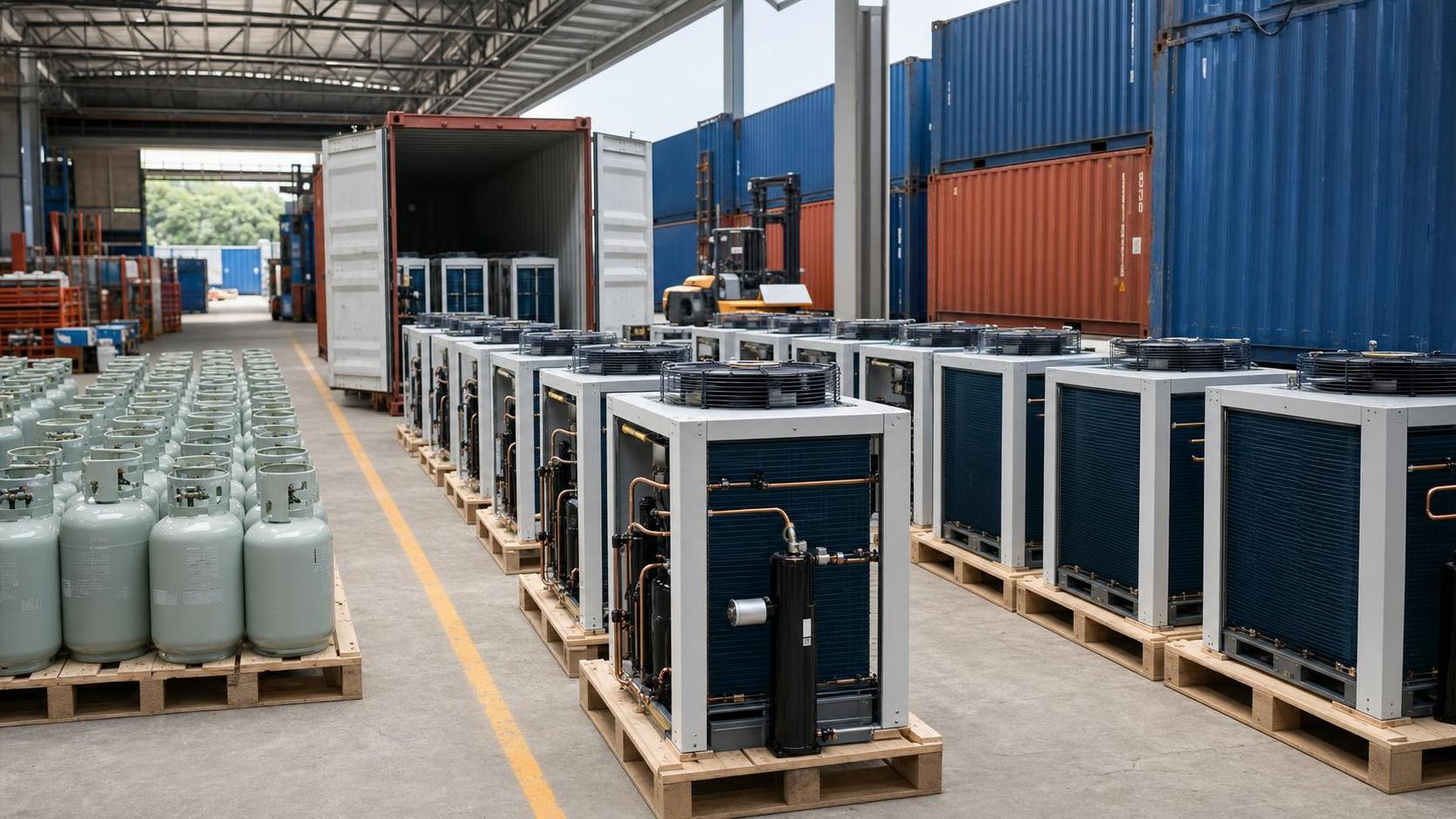
On May 7, 2026, Kuwait formally moved to block imports of air conditioners using HCFC refrigerants, with immediate effect. For HVAC exporters, regional distributors, compliance teams, and buyers serving the Middle East, this is worth close attention because it turns a policy timetable into an immediate market requirement: older HCFC-based models now face clearance pressure, while demand is shifting toward equipment compatible with R32 and R290, alongside stricter attention to energy labeling, local testing, and SABER-related documentation.
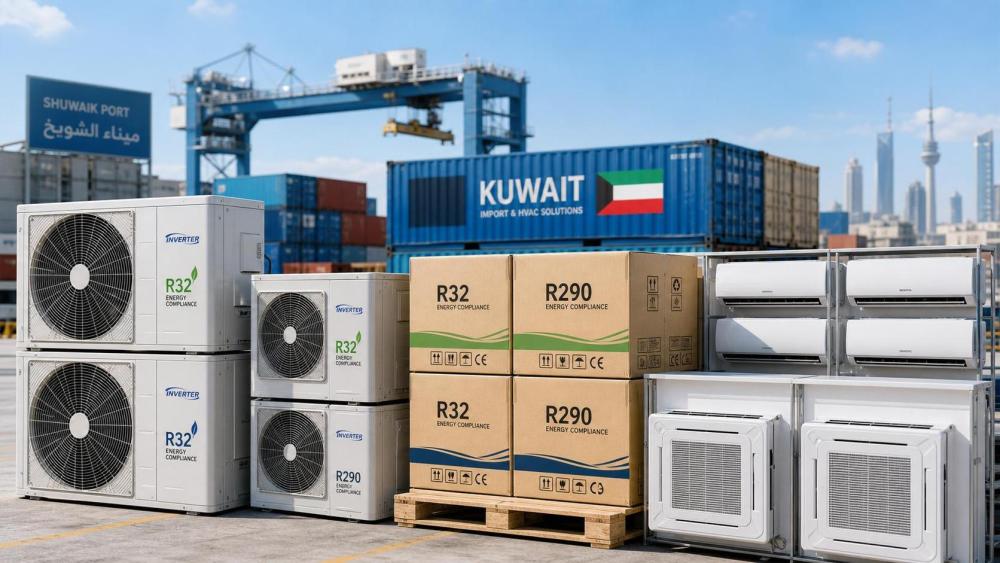
Kuwait turns the phaseout timeline into an import rule
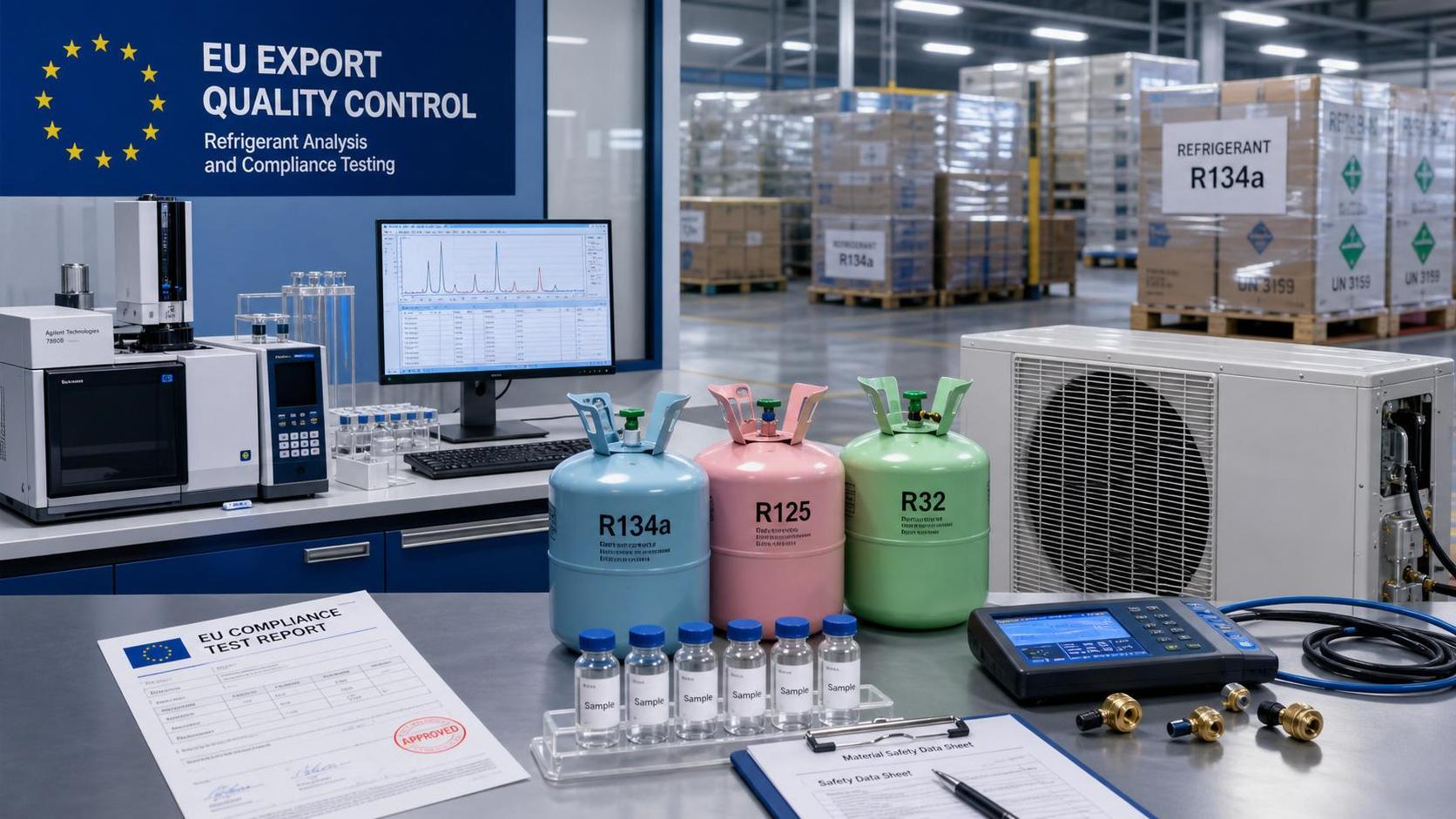
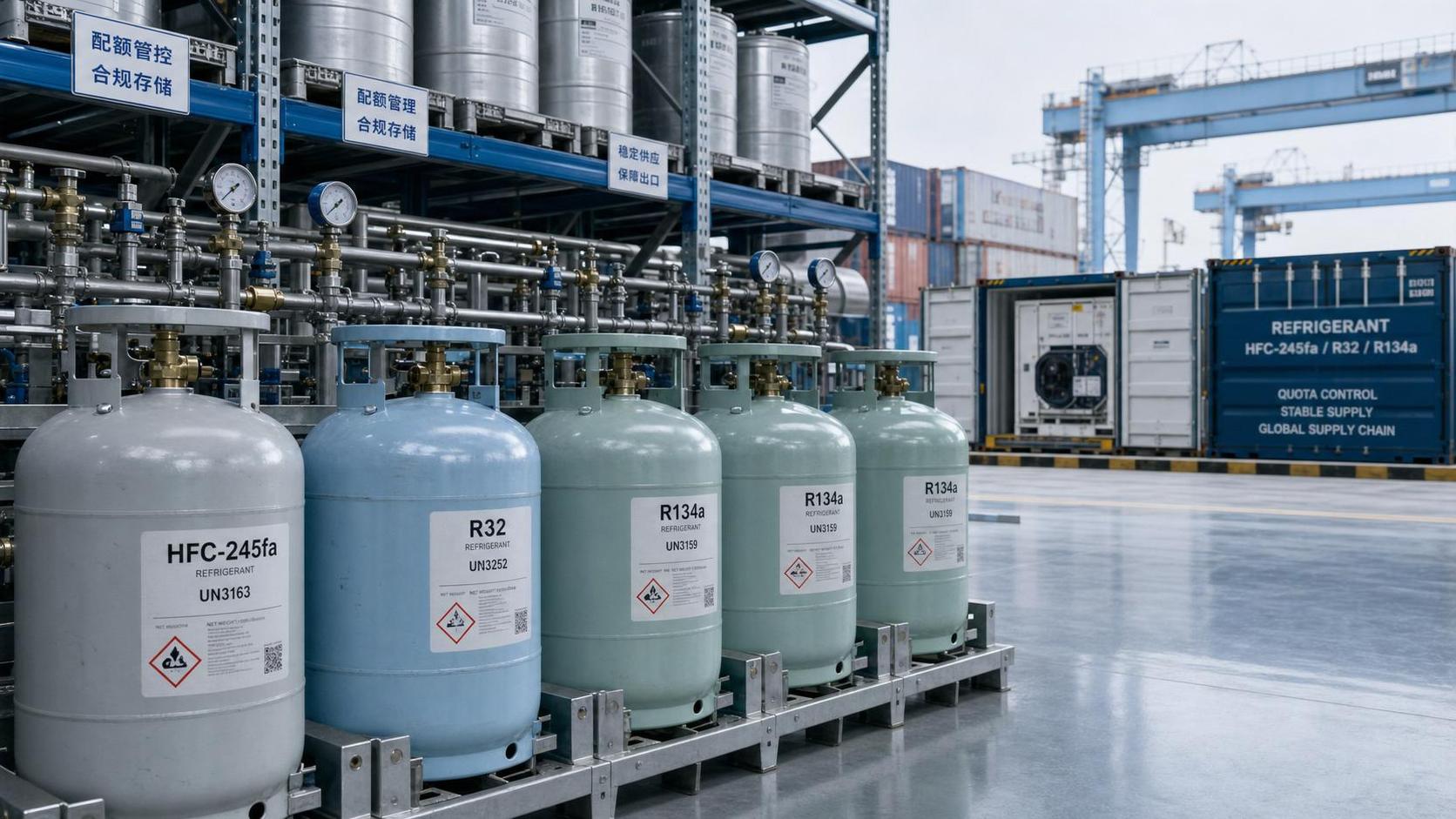
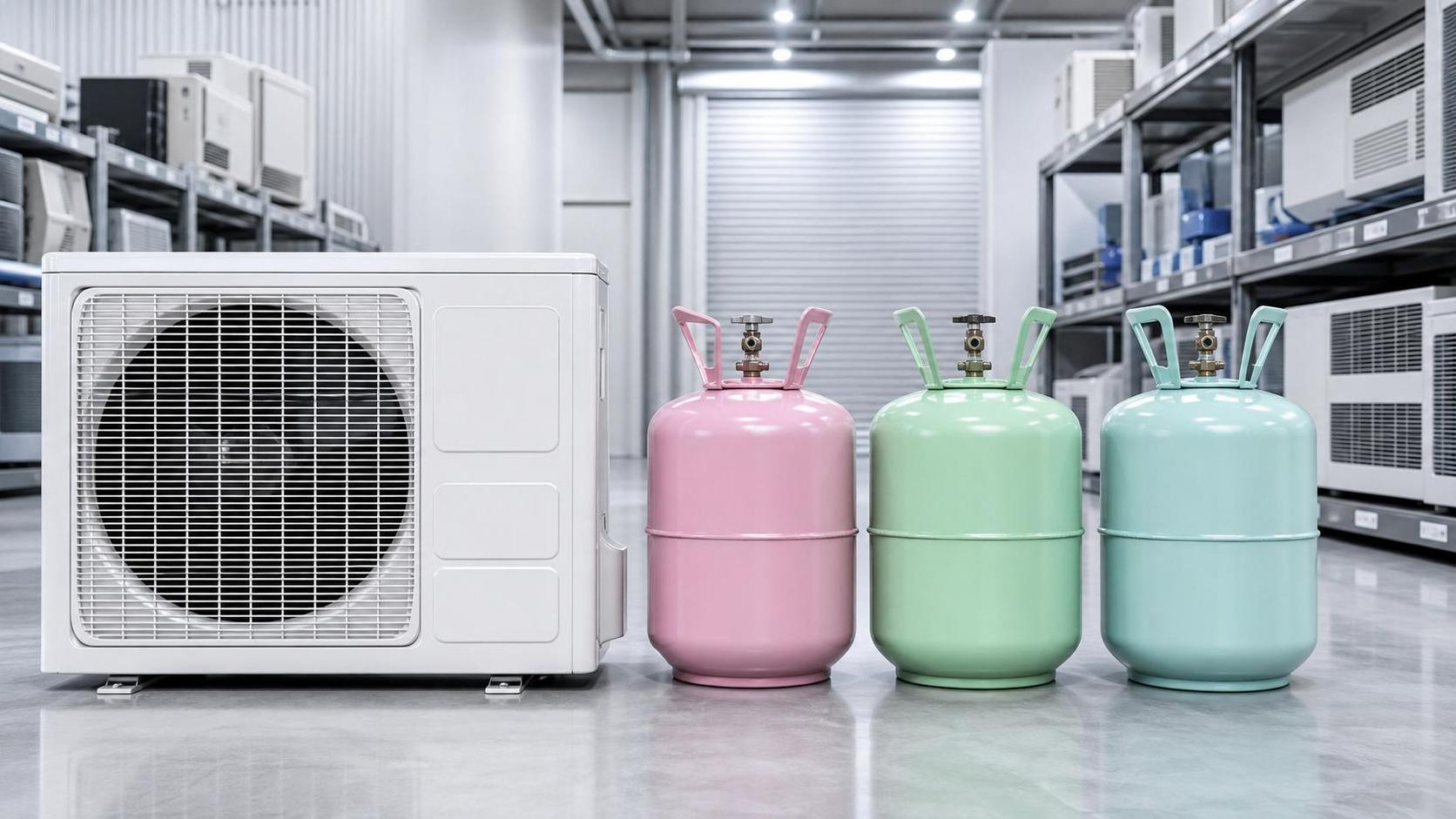
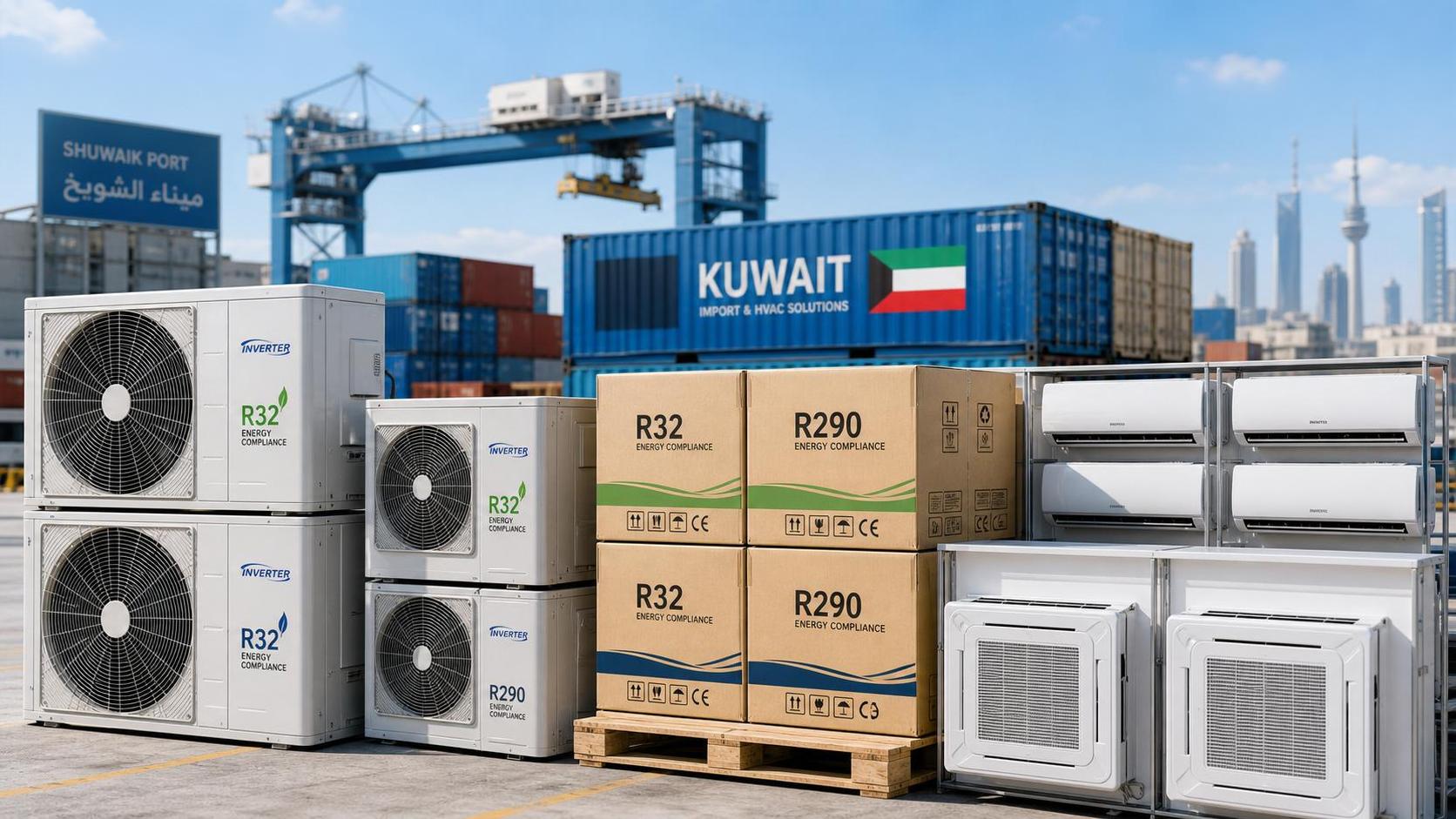
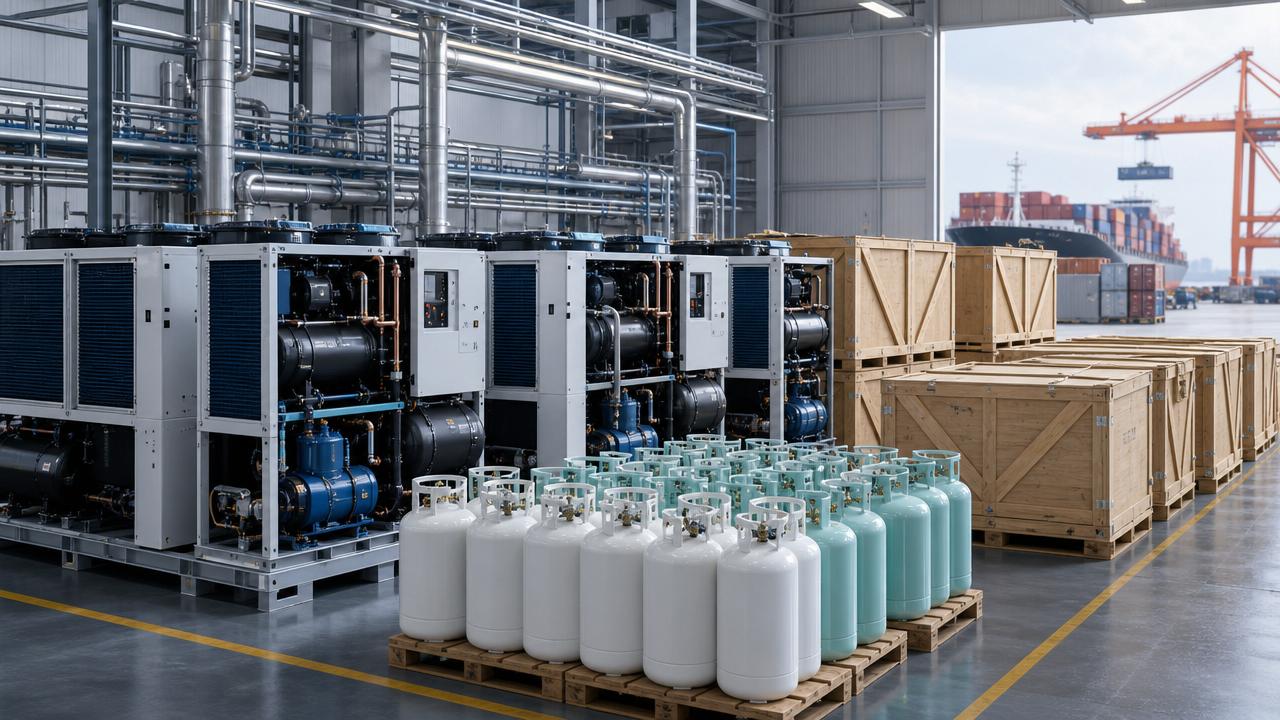
According to the provided event summary, Kuwait announced on May 7, 2026 that imports of air-conditioning equipment using hydrochlorofluorocarbon (HCFC) refrigerants are prohibited with immediate effect. The move is described as aligned with the implementation pace of the Montreal Protocol. The same summary indicates that regional distributors are being pushed to clear remaining HCFC-based inventory and shift toward models compatible with R32, noted for higher energy efficiency, or R290, noted for lower GWP. It also confirms that export orders for China-made R32 air conditioners have already shown structural growth, while compliance with destination-country energy labels, local testing, and SABER certification requirements remains necessary.
Where the pressure is likely to appear first
Inventory and channel turnover become immediate issues
From an industry perspective, distributors and channel operators are among the first to feel the effect because the ban applies to import activity immediately. Their main exposure is in inventory management, product substitution, and customer communication. What deserves closer attention is whether existing HCFC-model stock tied to Kuwait-bound business can still move through planned sales channels, or whether replacement planning must accelerate.
Export manufacturers face a demand shift, not a simplified sale
For manufacturers, especially those already offering R32-compatible products, the reported structural growth in export orders suggests a change in product mix rather than a frictionless expansion. Analysis shows that the commercial opportunity is linked directly to compliance readiness. Even where product demand improves, shipments still depend on meeting destination-market energy labeling requirements, completing local testing, and handling SABER-related procedures.
Trade and supply-chain service providers need tighter execution
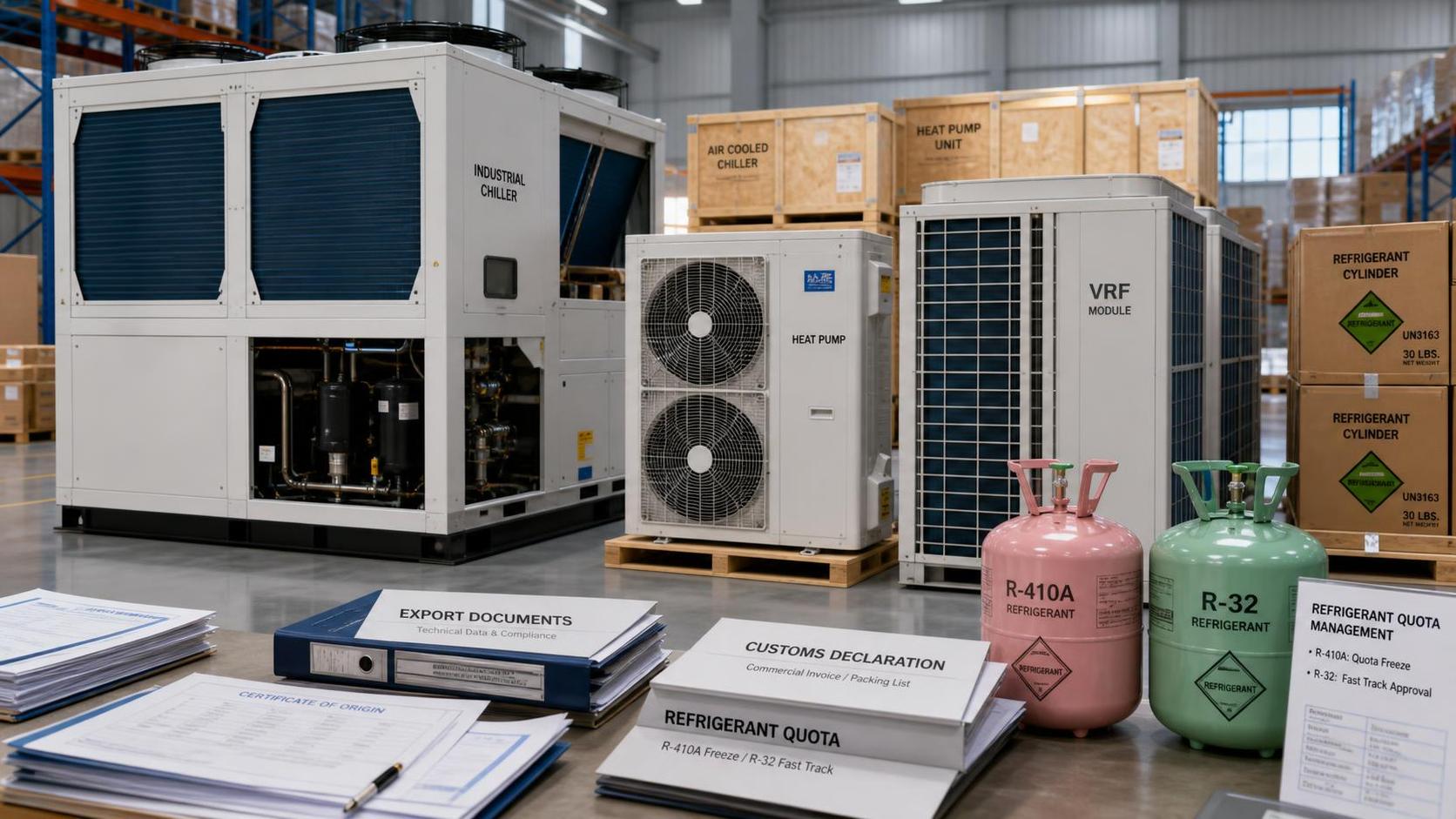
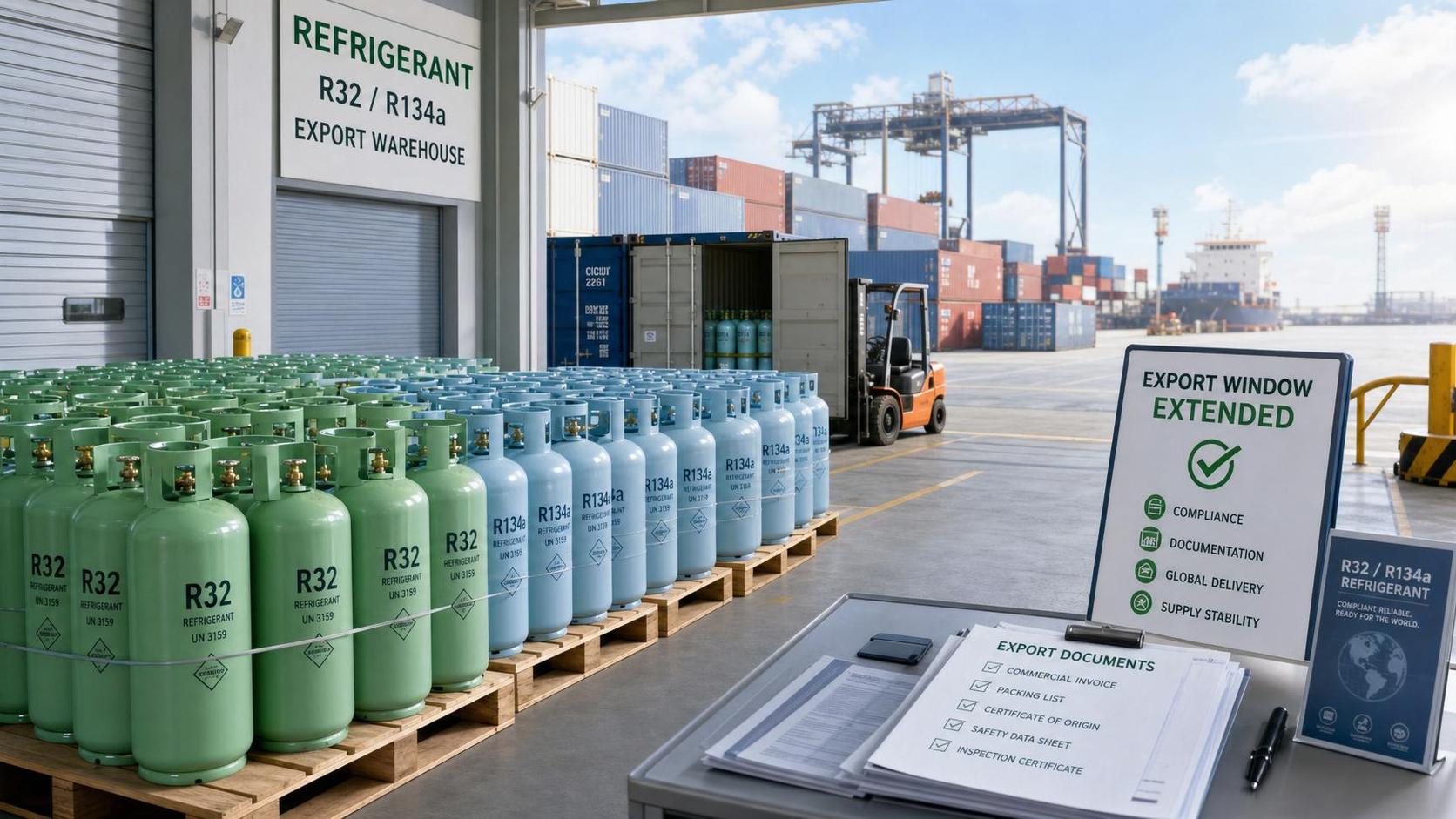
Traders, documentation teams, and supply-chain service providers may be affected through order screening, model verification, and delivery coordination. The practical pressure point is not only refrigerant selection but also whether the supporting product files, labels, and certification steps match the requirements of the target market. In this context, execution risk can shift from sourcing to paperwork and lead-time control.
Buyers and project-side procurement may adjust model selection
Procurement teams and downstream buyers serving Kuwait or nearby markets may need to revisit approved product lists and purchasing plans. Observably, the switch away from HCFC equipment means procurement decisions are likely to focus more heavily on refrigerant compatibility and market-access documentation, rather than price or availability alone.
What companies should watch in the near term
Separate the refrigerant change from full market access
Analysis shows that moving to R32 or R290 is only part of the response. The provided information makes clear that destination-country energy labels, local testing, and SABER certification still matter. Companies should avoid treating refrigerant substitution alone as sufficient for market entry.
Review Kuwait-linked orders and channel inventory immediately
Because the measure is already in effect, businesses with Kuwait-related pipelines should review open orders, goods in transit, model specifications, and distributor stock exposure. What deserves closer attention is where commercial commitments still involve HCFC-based units and how quickly substitution can be arranged without creating delivery disputes.
Prepare documentation and testing schedules earlier
For exporters and service teams, the operational issue is timing. If demand is shifting toward alternative refrigerant models, testing plans, energy-label materials, and SABER-related documentation may become part of the sales cycle earlier than before. This is less about broad strategy than about making sure commercial promises match compliance readiness.
Track policy wording and on-the-ground enforcement separately
Observably, policy announcements and day-to-day import handling do not always create the same business impact at the same speed. Companies should therefore continue monitoring any official wording, procedural clarifications, and customer-side implementation feedback linked to Kuwait-bound shipments, while keeping internal sales and logistics teams aligned.
Why this matters beyond a single market notice
As an editorial observation, this development is more appropriately understood as both an immediate trade change and a longer-term market signal. The immediate effect is clear in Kuwait's import ban and the resulting pressure on HCFC inventory. The longer-term signal lies in the faster commercial normalization of R32 and R290-compatible products in Middle East-facing business. At the same time, it is still too early to treat this as a complete regional conclusion, because actual market outcomes will depend on how product compliance, testing, labeling, and certification are executed in practice.
How the market is best read for now
The most balanced reading is that Kuwait's move has already changed the operating conditions for HCFC-based air conditioner imports, while also highlighting that the next stage of competition will depend on compliance discipline as much as on product availability. For companies across manufacturing, exporting, distribution, and procurement, this is better understood not as a standalone headline but as a practical signal to reassess model portfolios, documentation readiness, and delivery planning for Middle East business.
Basis of this article and what still needs verification
This article is based on the user-provided news title, event date, and event summary. For this type of development, source categories that usually matter include official government notices, company announcements, industry association updates, authoritative media reporting, and relevant standards or certification documents. No specific official source link was provided in the input, so the exact underlying notice and any subsequent implementation details still require ongoing verification. Follow-up attention should remain on official wording, market-level enforcement, and any further clarification related to energy labels, local testing, and SABER certification.
Related News
- EU Cuts High-GWP Refrigerant Import Quotas by 35%Author :Cryogenic Systems Expert

- EU Cuts Q4 2026 Quotas for High-GWP RefrigerantsAuthor :Cryogenic Systems Expert

- EU F-Gas Revision Cuts R410A Quotas 40%Author :Cryogenic Systems Expert

- EPA Freezes R-410A Quotas, Fast-Tracks R-32Author :Cryogenic Systems Expert

- Low GWP Refrigerants HFO Blends: Key Stability and Safety FactorsAuthor :Cryogenic Systems Expert

- R-32 Price Spike Reshapes Chiller ProcurementAuthor :Cryogenic Systems Expert

- How to Compare Environmentally Friendly Refrigerants by GWP, Safety, and CostAuthor :Cryogenic Systems Expert

- R-454B Export Quota Cut 18% as Lead Times DoubleAuthor :Cryogenic Systems Expert

- Japan Cuts R32 and R290 Import Quotas From July 10Author :Cryogenic Systems Expert

- EPA Cuts R-134a Import Quotas 42% From July 2026Author :Cryogenic Systems Expert
![]()
- Low GWP Refrigerants HFO Blends: Performance and Compliance in 2026Author :Cryogenic Systems Expert

- R-513A Jumps 23% as China Tightens Export QuotasAuthor :Cryogenic Systems Expert

- Environmentally Friendly Refrigerants in 2026: Compliance Risks and Upgrade PrioritiesAuthor :Cryogenic Systems Expert

- Pharmaceutical Temperature Control Systems: Common Compliance RisksAuthor :Cryogenic Systems Expert

- China Tightens Q3 R32 Export QuotasAuthor :Cryogenic Systems Expert

- California EPR Deadline Nears for Refrigeration MakersAuthor :Cryogenic Systems Expert

- Resource Circularity Trends Reshaping Refrigerants and Cooling SystemsAuthor :Cryogenic Systems Expert

- HFCs Filing Rules Enter Full EnforcementAuthor :Cryogenic Systems Expert

- How Environmentally Friendly Refrigerants Affect Chiller ComplianceAuthor :Cryogenic Systems Expert

- EU REACH Tightens Refrigerant Impurity Limits for R134a ExportsAuthor :Cryogenic Systems Expert

- China Seeks Feedback on 2027 Refrigerant QuotasAuthor :Cryogenic Systems Expert

- EU to Ban High-GWP ACs in 2029 as R410A Exits HomesAuthor :Cryogenic Systems Expert

- US, UK Delay HFC Phaseout, Extending R32/R134a Export WindowAuthor :Cryogenic Systems Expert

- EU HFC Cut Tightens by 2029 as Gen-3 Output Falls 10%Author :Cryogenic Systems Expert

- Kuwait Bans HCFC AC Imports as Shift to R32/R290 Speeds UpAuthor :Cryogenic Systems Expert

- Saudi SASO Rules Tighten AC Imports in DecemberAuthor :Cryogenic Systems Expert

- Environmentally Friendly Refrigerants: Compliance, Safety, and Retrofit RisksAuthor :Cryogenic Systems Expert

- SABIC Force Majeure Keeps Chiller Refrigerant Supply TightAuthor :Cryogenic Systems Expert

- SABIC Force Majeure Tightens Refrigerant FeedstocksAuthor :Cryogenic Systems Expert

- UL 60335-2-89 Tightens R290 Leak Test RulesAuthor :Cryogenic Systems Expert
![]()
- UL 60335-2-89 Adds R290 Vacuum Leak TestAuthor :Cryogenic Systems Expert

- Global Refrigerant Price Index Falls 8.3% MoM in MayAuthor :Cryogenic Systems Expert
![]()
- PSA Jurong Island Launches Mandatory Cold-Chain Traceability for RefrigerantsAuthor :Cryogenic Systems Expert
![]()
- 2026 Refrigerants Shift: What Changes for Cold StorageAuthor :Cryogenic Systems Expert

- Shanghai Pudong Pilots E-Labels for Imported CosmeticsAuthor :Cryogenic Systems Expert

- 2026 Refrigerant Shift: Safer Options With Lower Compliance RiskAuthor :Cryogenic Systems Expert