



Environmentally Friendly Refrigerants: 2026 Compliance Risks




As 2026 compliance deadlines approach, environmentally friendly refrigerants are no longer only a sustainability issue. They now shape operational continuity, audit readiness, product quality, and safety risk across industrial facilities.
Quota changes, refrigerant bans, labeling rules, and service restrictions can affect cooling assets far earlier than many expected. Even systems that still run well may create hidden compliance exposure.
For sites handling temperature-sensitive production, warehousing, clean processes, or process cooling, the right response starts with understanding what environmentally friendly refrigerants really mean in 2026 practice.
What will 2026 compliance change for environmentally friendly refrigerants?
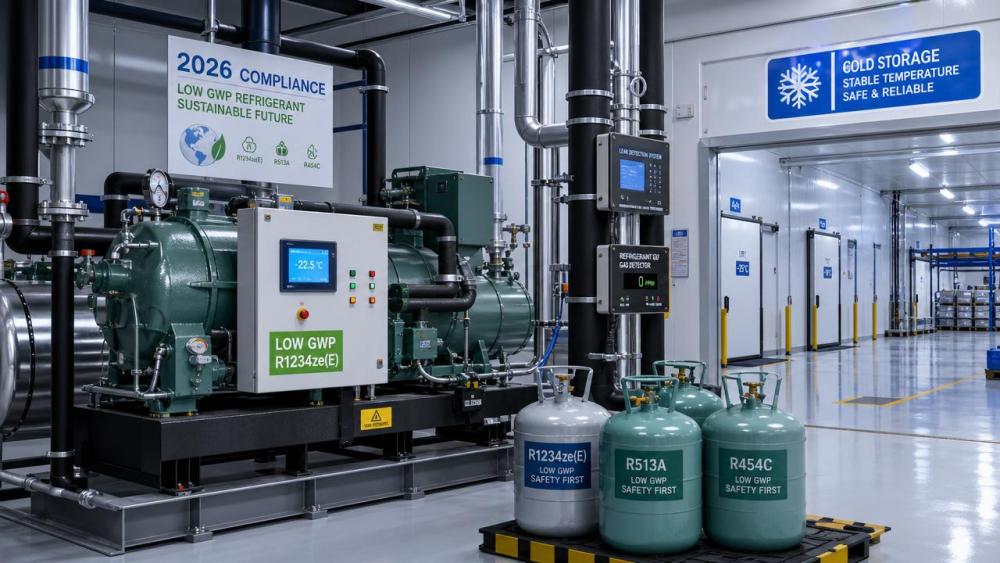
The biggest shift is that environmentally friendly refrigerants will be evaluated through more than global warming potential alone. Facilities must also consider charge size, flammability, servicing rules, and local enforcement.
In many markets, phasedown mechanisms are tightening available quota for high-GWP refrigerants. That can raise prices, limit refill access, and shorten the practical life of older equipment.
This matters in the broader industrial sector because cooling systems often support production stability, compressed air treatment, heat recovery, and controlled storage environments.
A refrigerant may remain technically legal in one context, yet become commercially risky due to reduced supply, insurance concerns, or retrofit difficulty. Compliance is therefore both a legal and operational issue.
Environmentally friendly refrigerants usually include lower-GWP HFOs, HFO blends, natural refrigerants, and selected transitional options. However, “friendly” does not mean universally suitable or future-proof.
Why does the deadline feel earlier than 2026?
Because procurement, engineering review, installation windows, and technician training take time. A site waiting for a formal ban may face rushed decisions, poor option availability, and avoidable downtime.
- Long lead times for replacement chillers and condensing units
- Higher cost volatility for restricted refrigerants
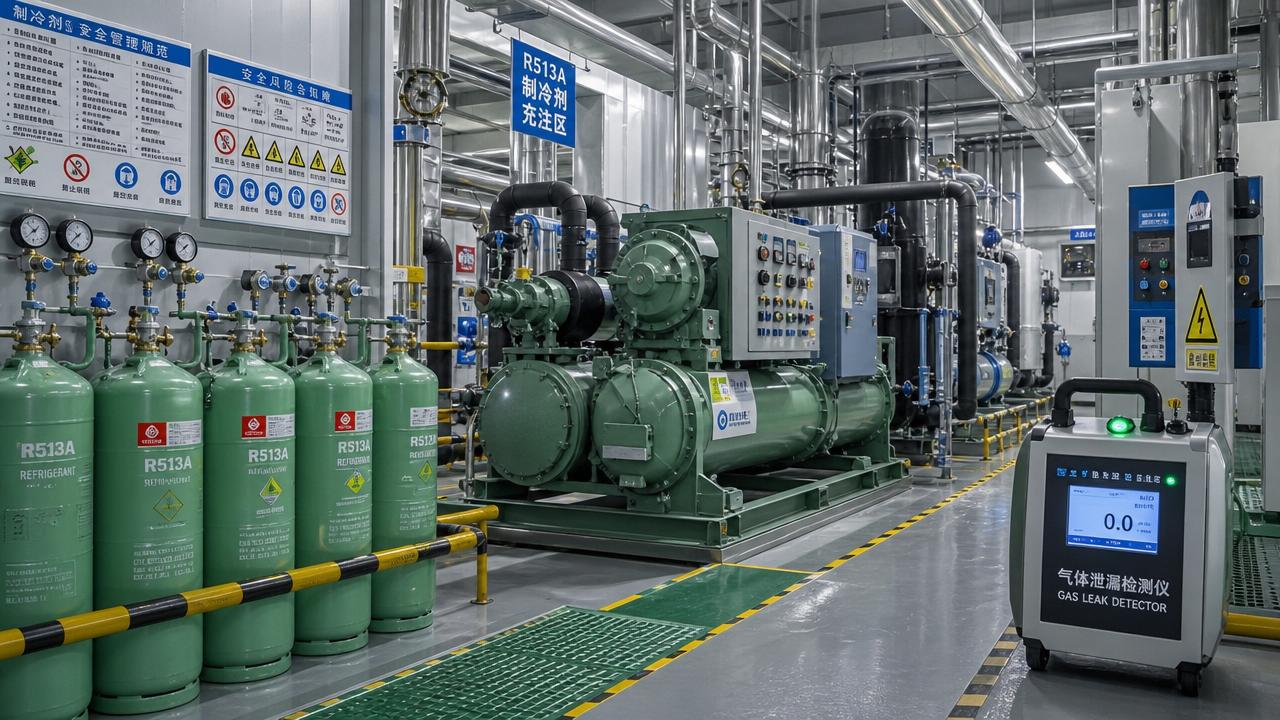
- Need for updated leak detection and safety design
- Documentation gaps during customer or regulator audits
Which facilities face the highest operational risk?
Risk rises where cooling failure directly affects quality, hygiene, throughput, or worker safety. That includes food processing, pharma support environments, electronics cooling, cold storage, and mixed industrial campuses.
Facilities using legacy centralized systems face one set of challenges. Sites with many packaged units face another, because asset visibility and refrigerant tracking are often weaker.
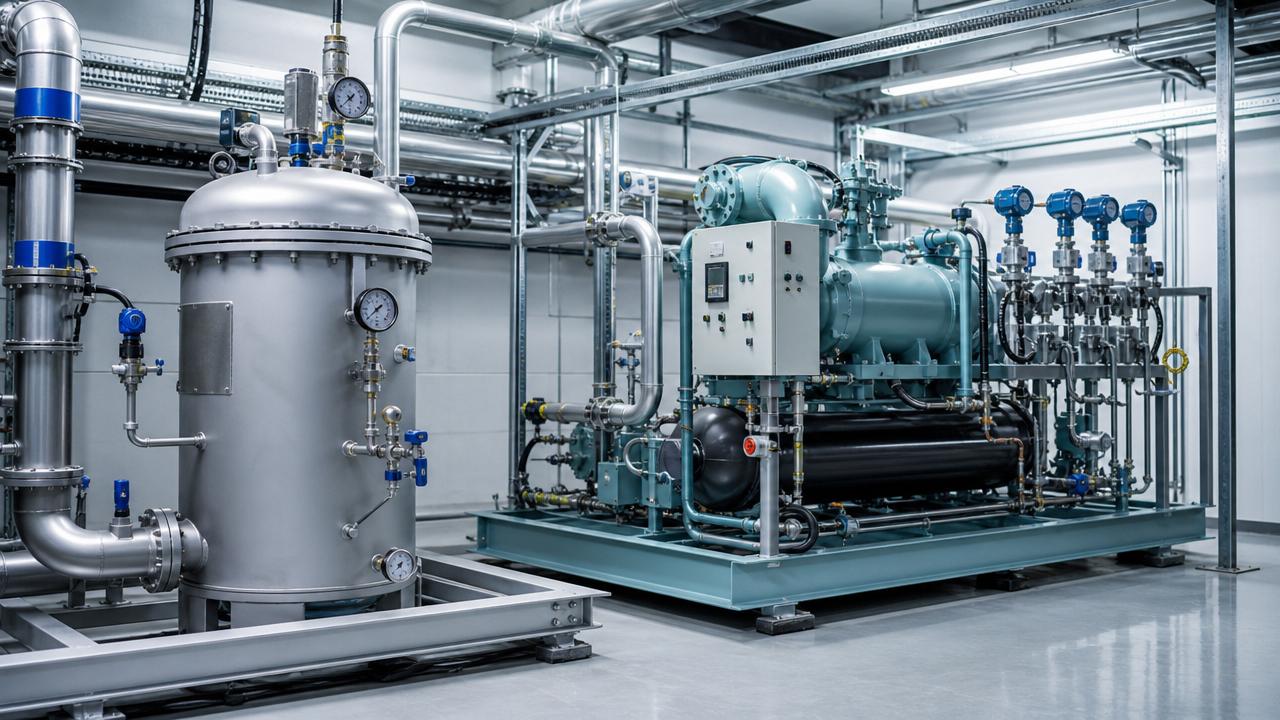
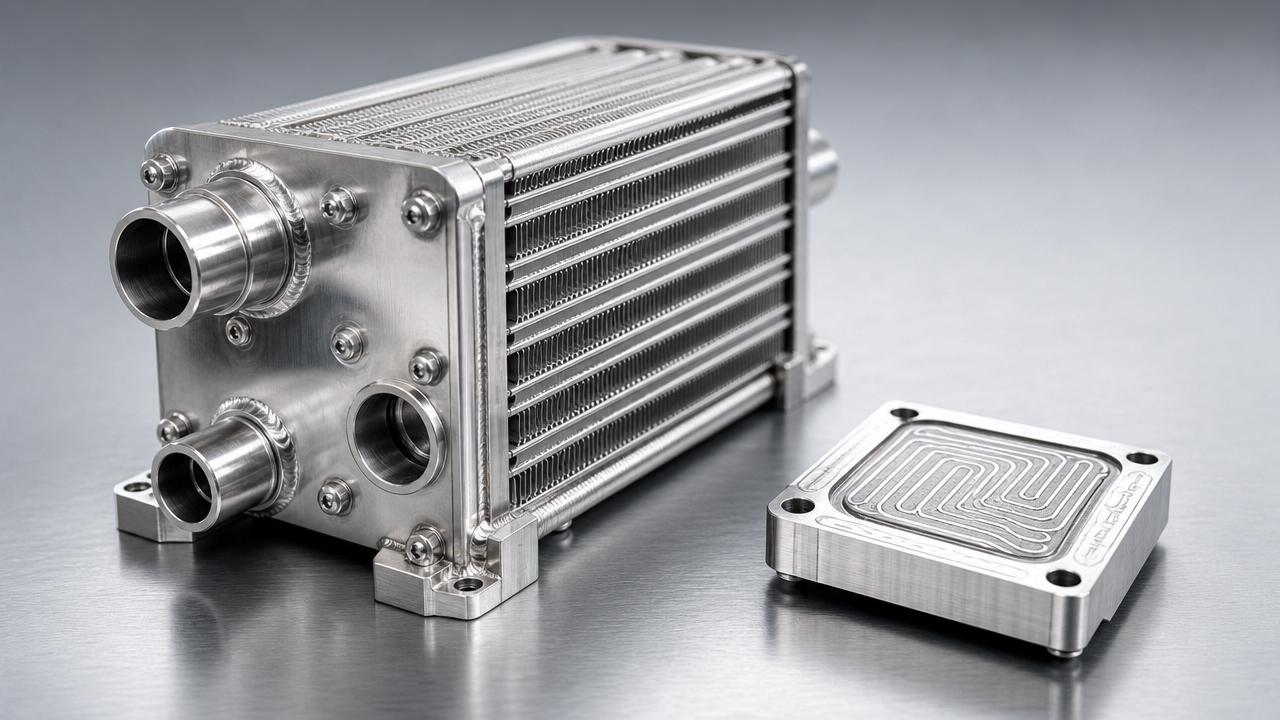
Compressed air systems also deserve attention. Refrigerated dryers, process cooling loops, and heat exchange equipment may use refrigerants that become expensive to maintain under phasedown pressure.
What warning signs indicate exposure?
- No complete refrigerant inventory by system and charge
- Dependence on high-GWP fluids with recent refill price spikes
- Equipment manuals that do not address alternative refrigerants
- Frequent leaks or repeated top-offs
- No internal review of flammability classification changes
- No plan for service support after quota tightening
Where quality systems are strict, refrigerant choice can influence contamination controls, temperature consistency, and maintenance timing. That makes environmentally friendly refrigerants part of process resilience planning.
How should environmentally friendly refrigerants be evaluated?
A good evaluation compares compliance durability, safety profile, efficiency, retrofit complexity, and service ecosystem. Choosing only by GWP can create new problems elsewhere.
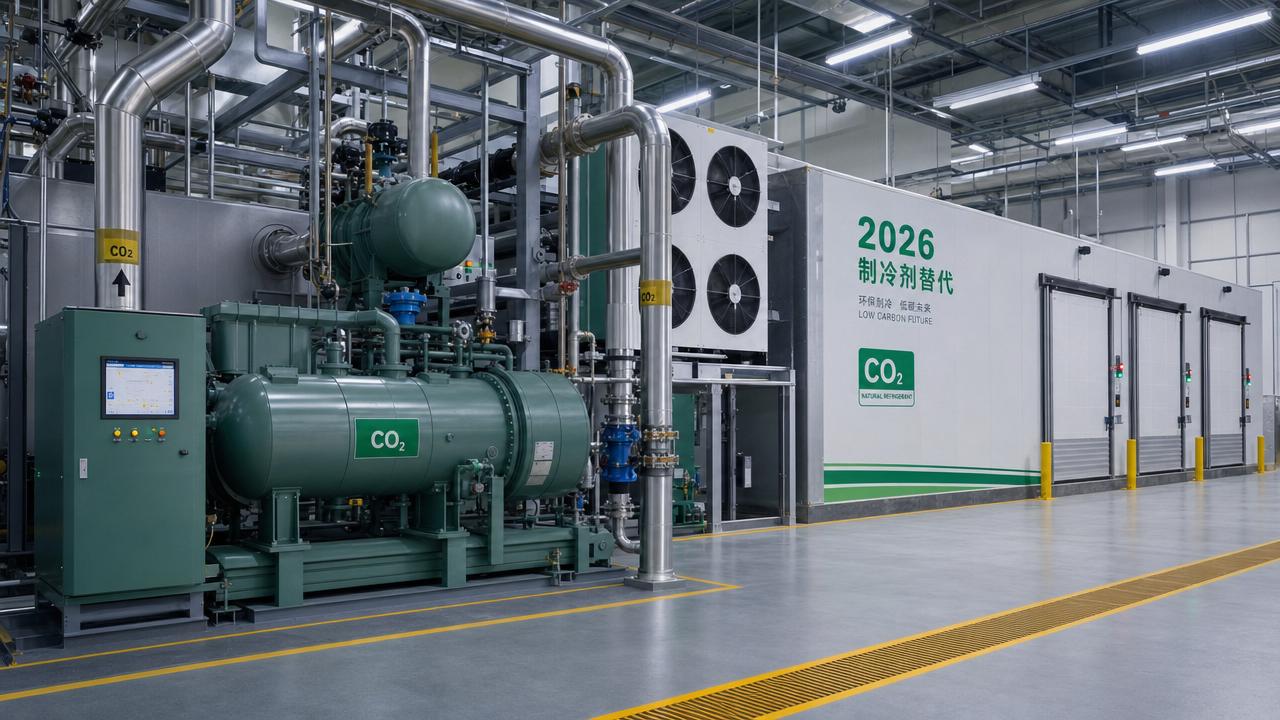
Natural refrigerants may offer strong long-term positioning. Yet they may require higher redesign effort, special components, ventilation changes, or operator retraining depending on the application.
Lower-GWP blends can reduce transition cost in some installed bases. Still, glide behavior, lubricant compatibility, pressure differences, and capacity shifts must be checked carefully.
What decision criteria matter most?
The best environmentally friendly refrigerants are those aligned with equipment design, regional rules, and long-term maintenance reality. No single option wins in every industrial scenario.
What mistakes create the biggest compliance and safety problems?
One common mistake is assuming a drop-in claim means regulatory simplicity. Many alternatives still require engineering validation, updated labeling, leak checks, and revised emergency procedures.
Another mistake is treating refrigerant transition as a maintenance issue only. In reality, it touches EHS, facility engineering, quality systems, insurance review, and capital planning.
What are the most frequent misconceptions?
- “Low GWP automatically means low risk.”
- “A working unit can wait until failure.”
- “All environmentally friendly refrigerants perform similarly.”
- “Service contractors will solve compliance later.”
- “Refill availability will remain stable.”
These assumptions can be expensive. A unit with poor leak history, uncertain refrigerant supply, or an incompatible alternative may fail both financial and compliance review.
Sites with mixed asset ages should avoid blanket conversion rules. Older systems may justify managed retirement, while newer systems may support a controlled transition to environmentally friendly refrigerants.
How can facilities prepare without overinvesting?
Preparation starts with an asset-level map. Record refrigerant type, charge size, leak history, criticality, age, and replacement lead time for each system.
Then separate assets into three paths: maintain with controls, retrofit with validated alternatives, or replace with future-ready equipment using environmentally friendly refrigerants.
What practical checklist works best?
- Build a verified refrigerant inventory.
- Rank systems by business criticality and failure consequence.
- Flag high-GWP and leak-prone assets first.
- Confirm regional quota and servicing trends.
- Review approved alternatives with engineering data.
- Assess A2L or natural refrigerant safety implications.
- Update SOPs, labels, training, and emergency instructions.
- Set capital timing before supply constraints tighten.
This structured approach reduces panic spending. It also improves alignment between compliance planning, uptime goals, and energy efficiency priorities.
Which 2026 questions appear most often in audits and internal reviews?
For industrial sites, environmentally friendly refrigerants should be treated as a strategic compliance topic with direct links to uptime, safety, and budget control.
The most resilient path is early assessment, careful refrigerant selection, and phased execution. That reduces disruption while improving readiness for tighter policy and market conditions.
A practical next step is to complete a site refrigerant review within the current planning cycle. From there, define which assets to monitor, convert, or replace before 2026 pressure intensifies.
With reliable intelligence on cooling, compression, and heat exchange systems, GTC-Matrix supports better decisions where thermal efficiency and compliance risk now intersect.
Related News
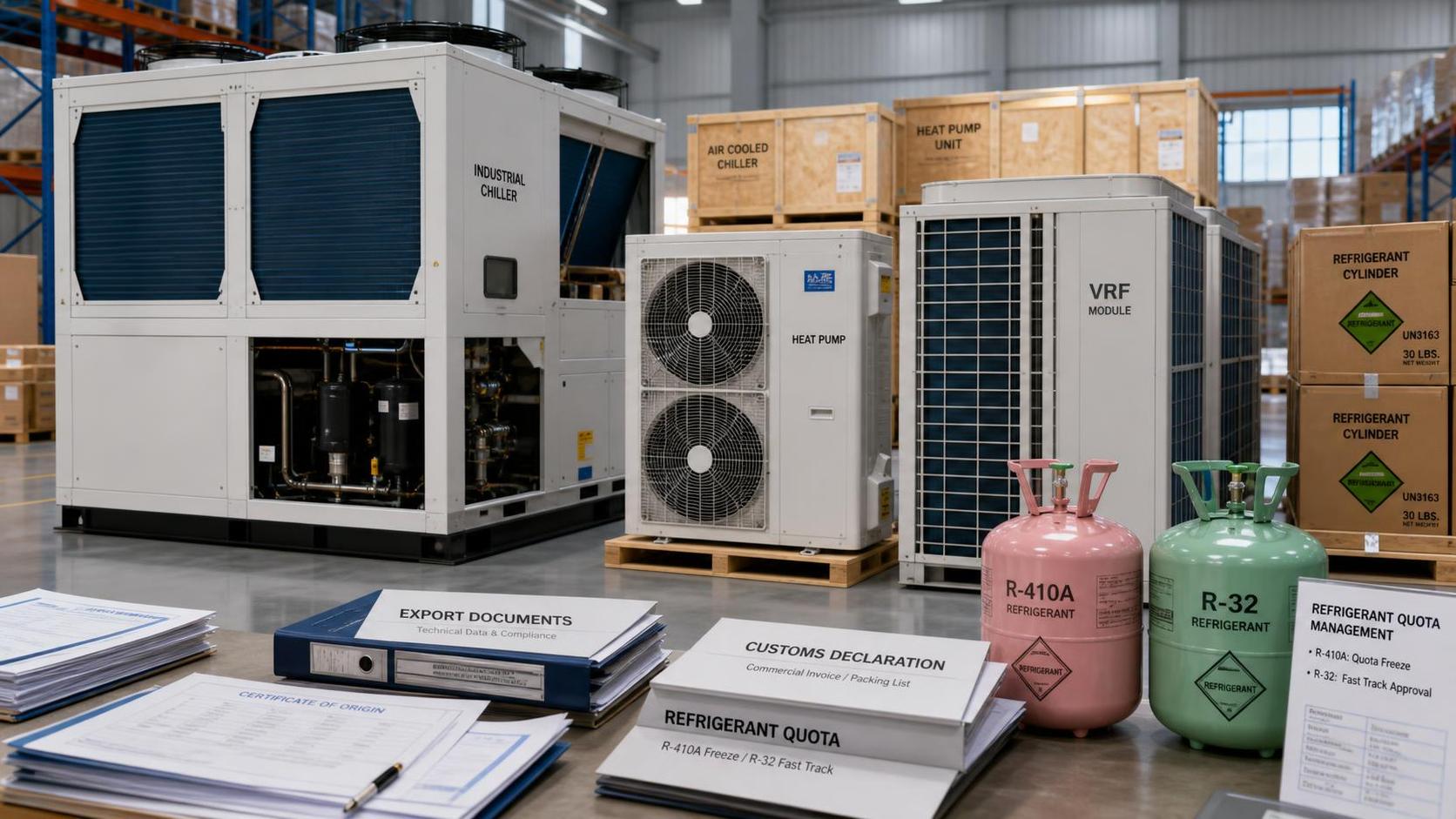
- EPA Freezes R-410A Quotas, Fast-Tracks R-32Author :Cryogenic Systems Expert

- Low GWP Refrigerants HFO Blends: Key Stability and Safety FactorsAuthor :Cryogenic Systems Expert

- R-32 Price Spike Reshapes Chiller ProcurementAuthor :Cryogenic Systems Expert

- How to Compare Environmentally Friendly Refrigerants by GWP, Safety, and CostAuthor :Cryogenic Systems Expert

- R-454B Export Quota Cut 18% as Lead Times DoubleAuthor :Cryogenic Systems Expert

- Japan Cuts R32 and R290 Import Quotas From July 10Author :Cryogenic Systems Expert

- EPA Cuts R-134a Import Quotas 42% From July 2026Author :Cryogenic Systems Expert
![]()
- Low GWP Refrigerants HFO Blends: Performance and Compliance in 2026Author :Cryogenic Systems Expert

- R-513A Jumps 23% as China Tightens Export QuotasAuthor :Cryogenic Systems Expert

- Environmentally Friendly Refrigerants in 2026: Compliance Risks and Upgrade PrioritiesAuthor :Cryogenic Systems Expert

- Pharmaceutical Temperature Control Systems: Common Compliance RisksAuthor :Cryogenic Systems Expert

- China Tightens Q3 R32 Export QuotasAuthor :Cryogenic Systems Expert

- California EPR Deadline Nears for Refrigeration MakersAuthor :Cryogenic Systems Expert

- Resource Circularity Trends Reshaping Refrigerants and Cooling SystemsAuthor :Cryogenic Systems Expert

- HFCs Filing Rules Enter Full EnforcementAuthor :Cryogenic Systems Expert

- How Environmentally Friendly Refrigerants Affect Chiller ComplianceAuthor :Cryogenic Systems Expert

- EU REACH Tightens Refrigerant Impurity Limits for R134a ExportsAuthor :Cryogenic Systems Expert

- China Seeks Feedback on 2027 Refrigerant QuotasAuthor :Cryogenic Systems Expert

- EU to Ban High-GWP ACs in 2029 as R410A Exits HomesAuthor :Cryogenic Systems Expert

- US, UK Delay HFC Phaseout, Extending R32/R134a Export WindowAuthor :Cryogenic Systems Expert

- EU HFC Cut Tightens by 2029 as Gen-3 Output Falls 10%Author :Cryogenic Systems Expert

- Kuwait Bans HCFC AC Imports as Shift to R32/R290 Speeds UpAuthor :Cryogenic Systems Expert

- Saudi SASO Rules Tighten AC Imports in DecemberAuthor :Cryogenic Systems Expert

- Environmentally Friendly Refrigerants: Compliance, Safety, and Retrofit RisksAuthor :Cryogenic Systems Expert

- SABIC Force Majeure Keeps Chiller Refrigerant Supply TightAuthor :Cryogenic Systems Expert

- SABIC Force Majeure Tightens Refrigerant FeedstocksAuthor :Cryogenic Systems Expert

- UL 60335-2-89 Tightens R290 Leak Test RulesAuthor :Cryogenic Systems Expert
![]()
- UL 60335-2-89 Adds R290 Vacuum Leak TestAuthor :Cryogenic Systems Expert

- Global Refrigerant Price Index Falls 8.3% MoM in MayAuthor :Cryogenic Systems Expert
![]()
- PSA Jurong Island Launches Mandatory Cold-Chain Traceability for RefrigerantsAuthor :Cryogenic Systems Expert
![]()
- 2026 Refrigerants Shift: What Changes for Cold StorageAuthor :Cryogenic Systems Expert

- Shanghai Pudong Pilots E-Labels for Imported CosmeticsAuthor :Cryogenic Systems Expert

- 2026 Refrigerant Shift: Safer Options With Lower Compliance RiskAuthor :Cryogenic Systems Expert

- Vitafoods Europe Highlights Clinical Herb Data, Cold Chain Demand SurgesAuthor :Cryogenic Systems Expert
![]()
- U.S. Treasury Yield Surge Stabilizes Silver, Eases Refrigerants Export PricingAuthor :Cryogenic Systems Expert

- France Allocates €710M to Support War-Impacted Firms on Cold Chain ComplianceAuthor :Cryogenic Systems Expert