



HFCs Filing Rules Enter Full Enforcement




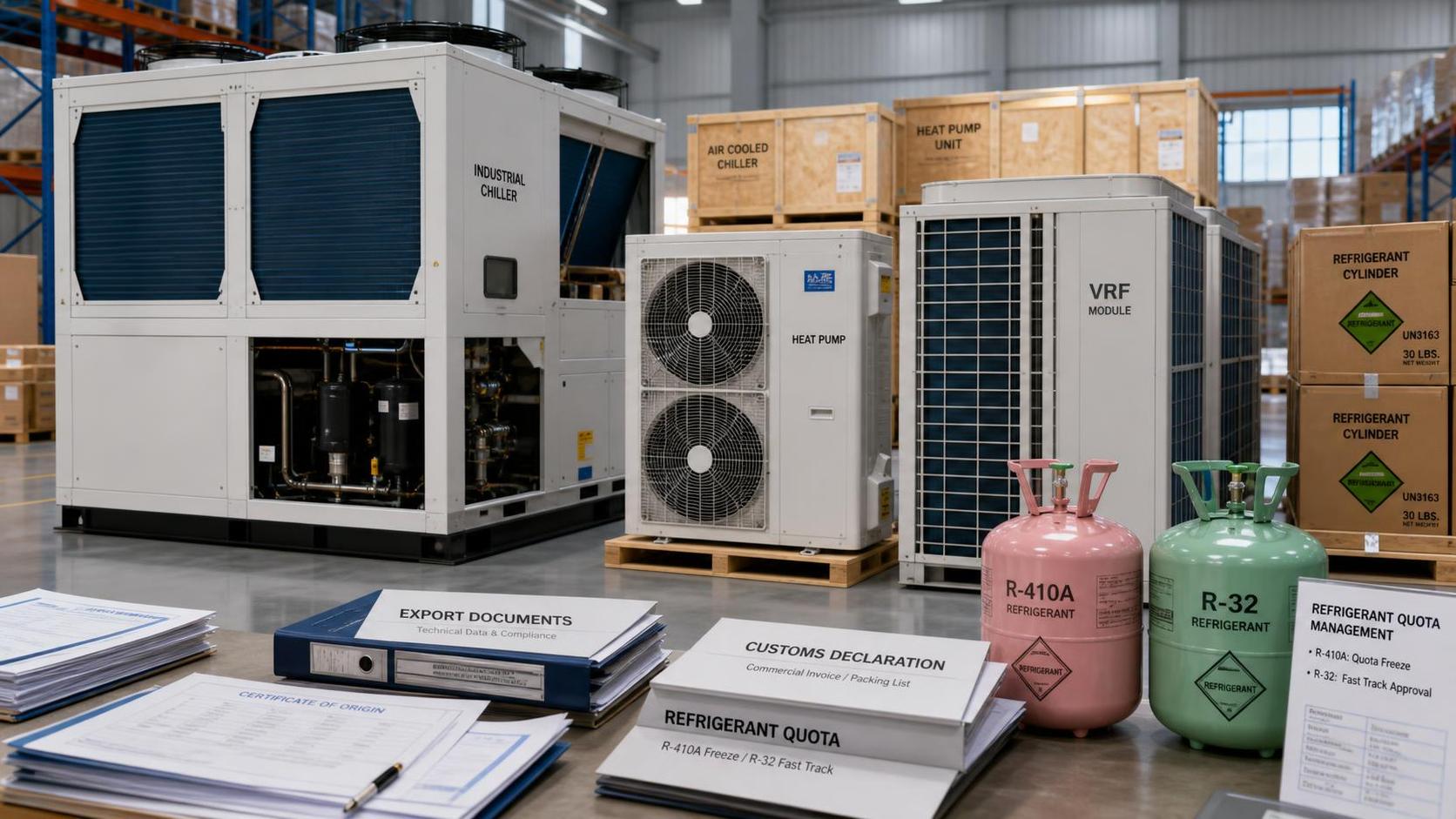
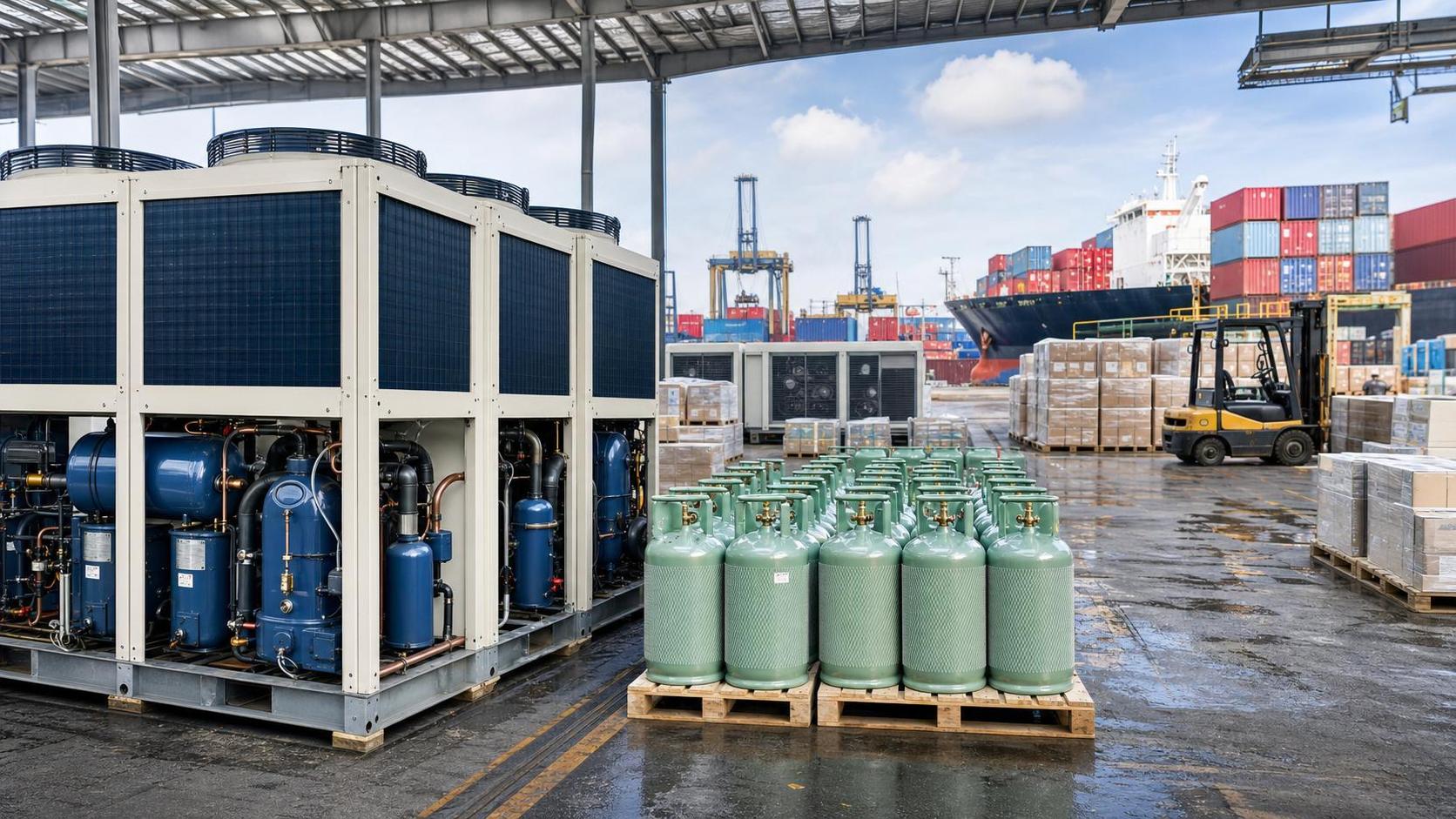
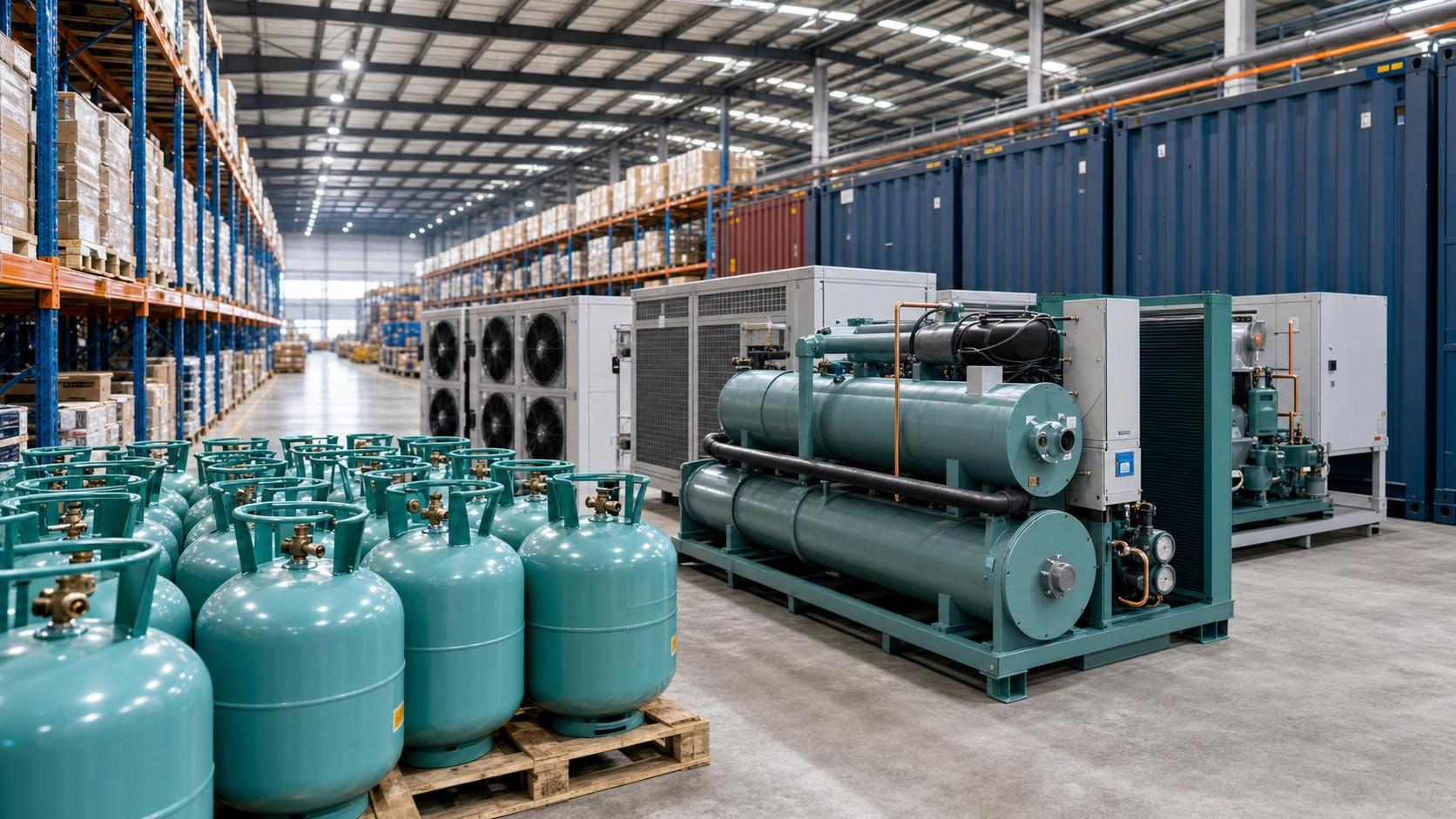
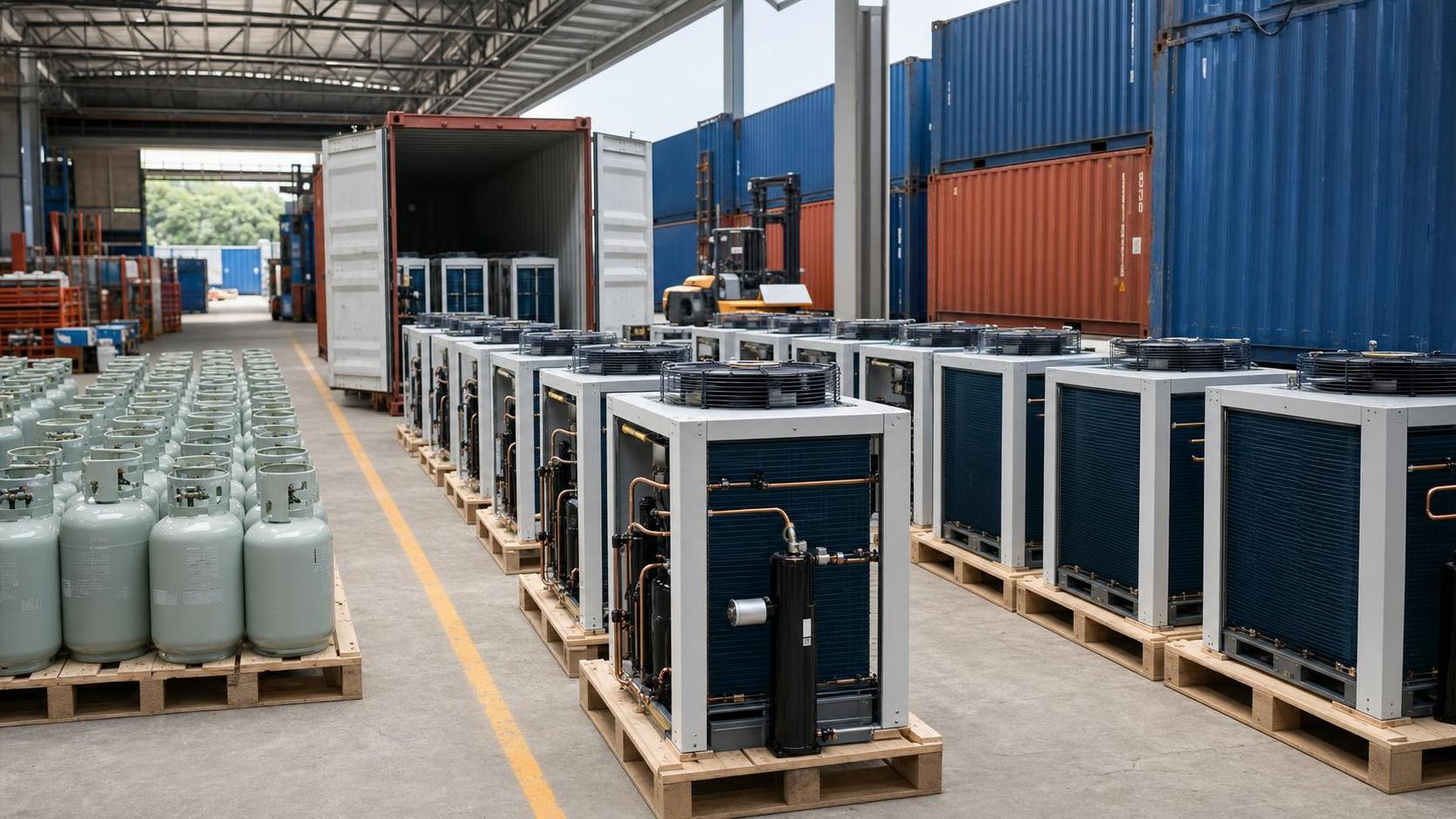
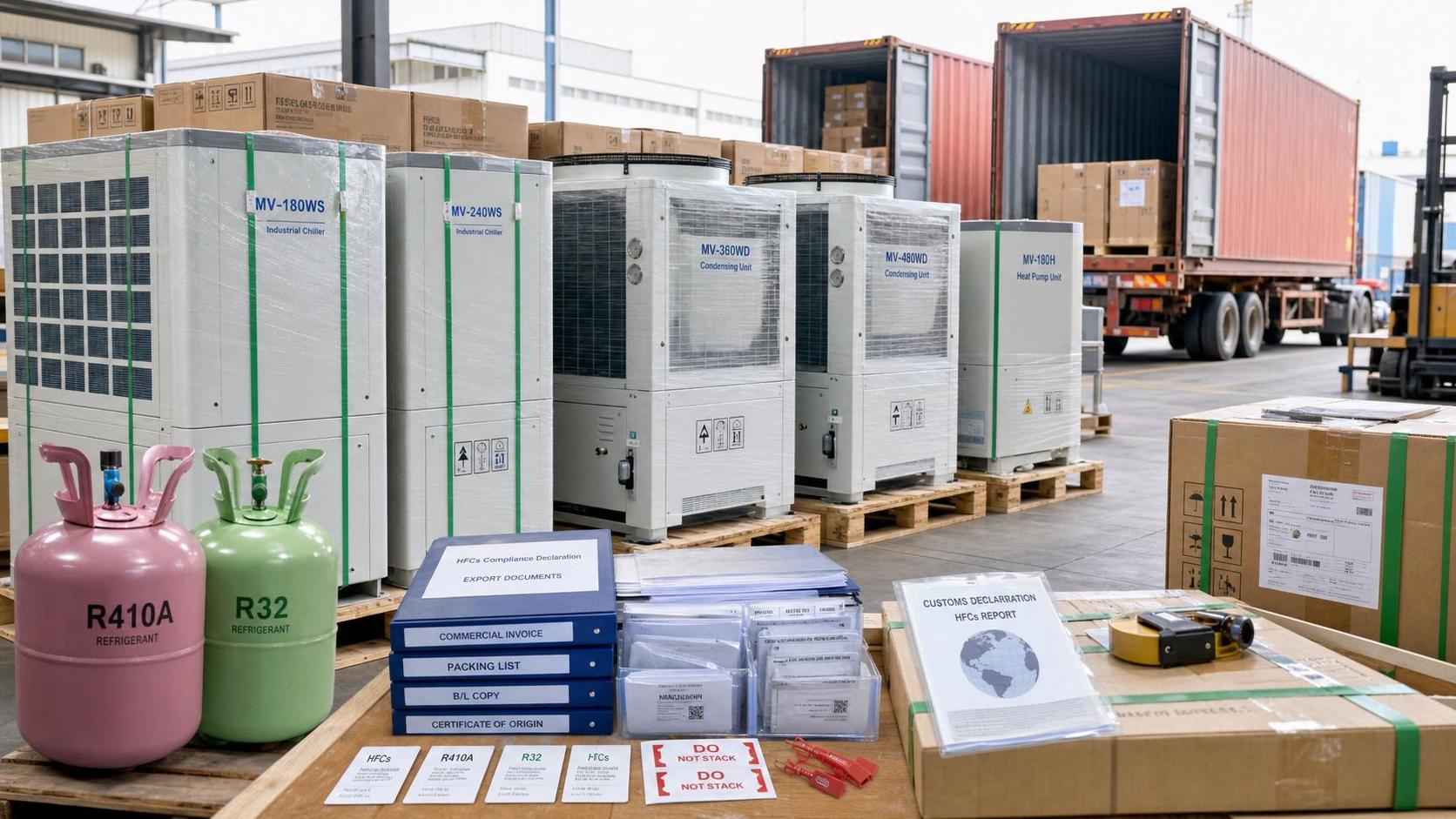
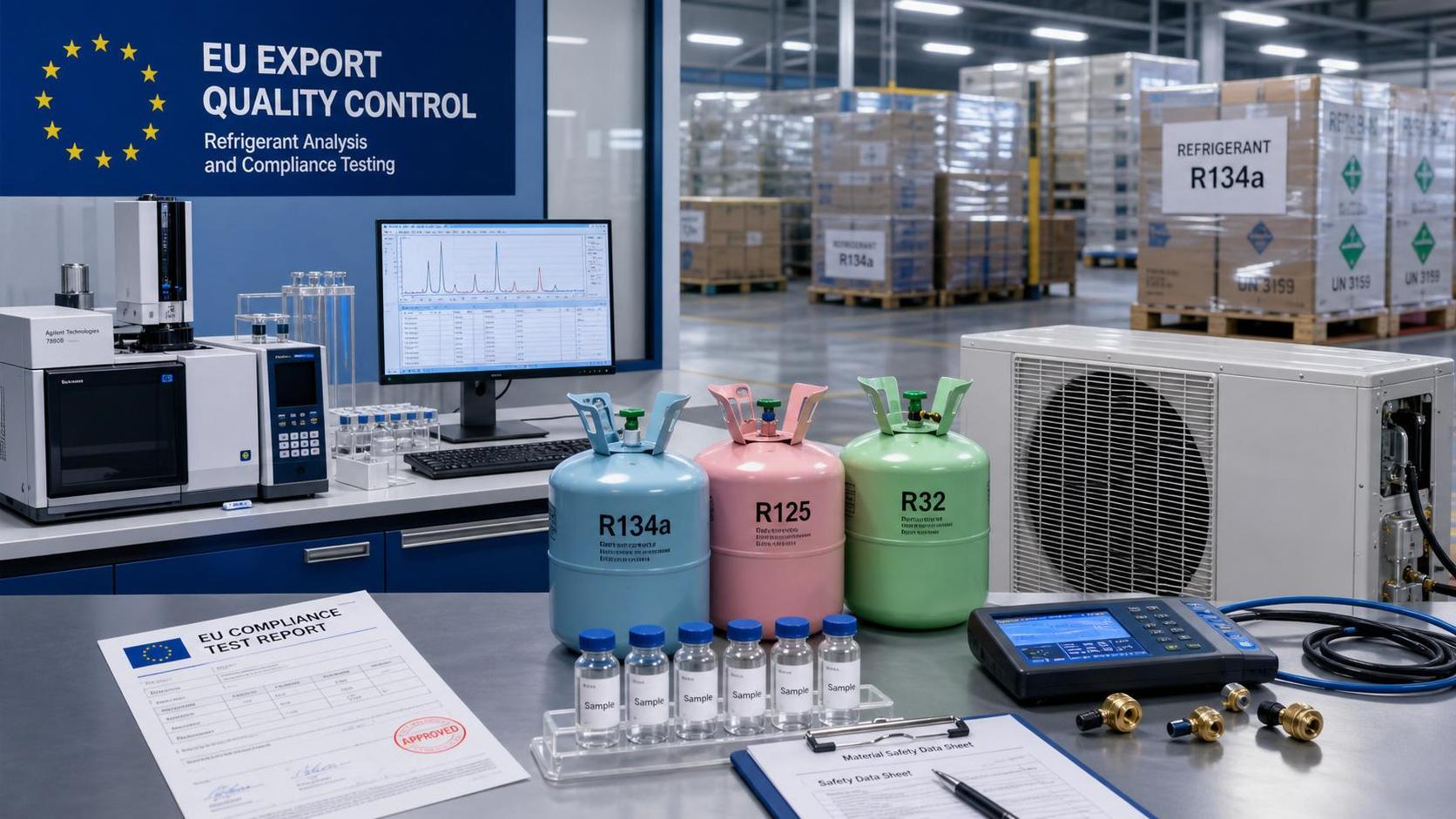
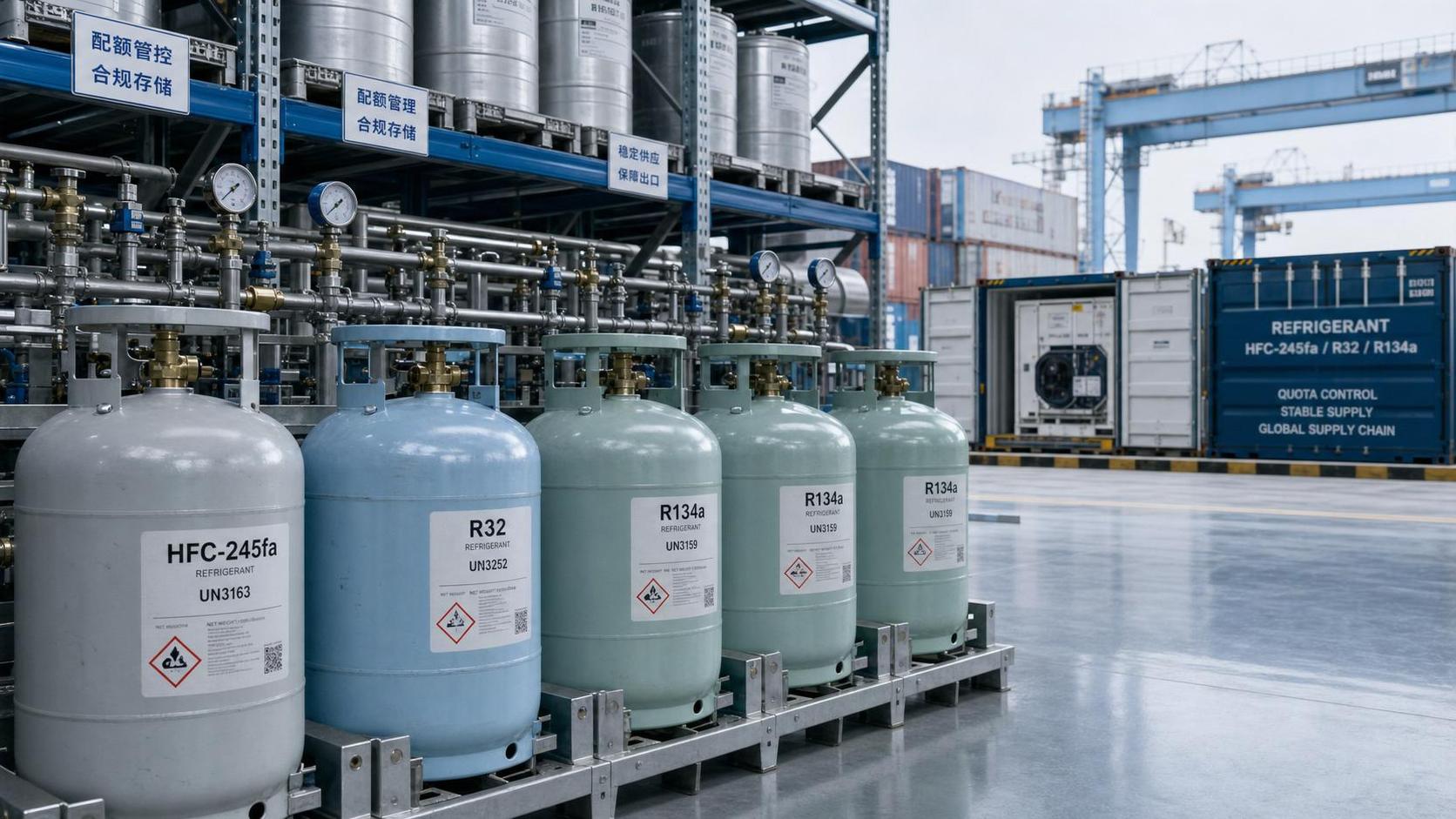
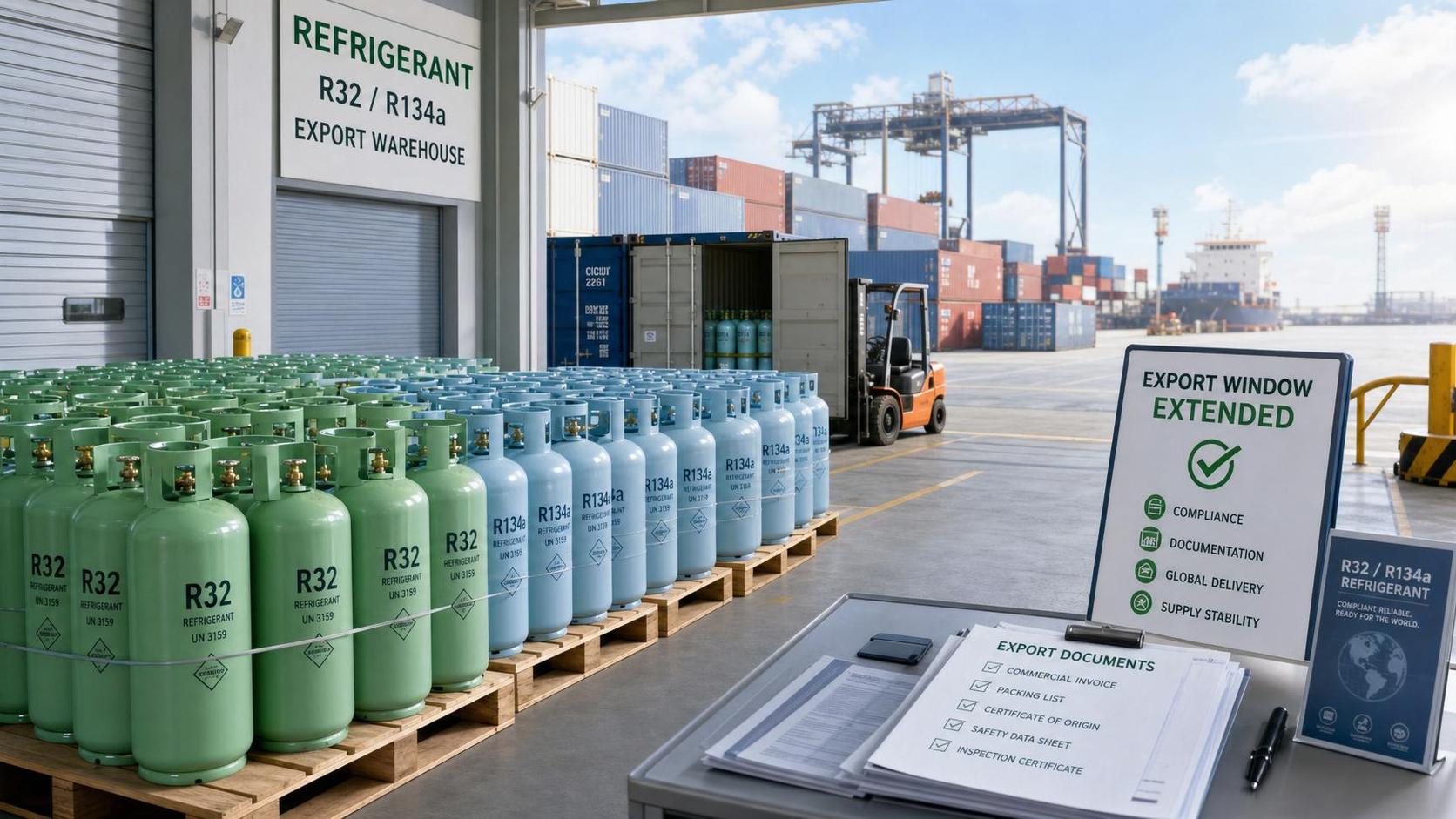
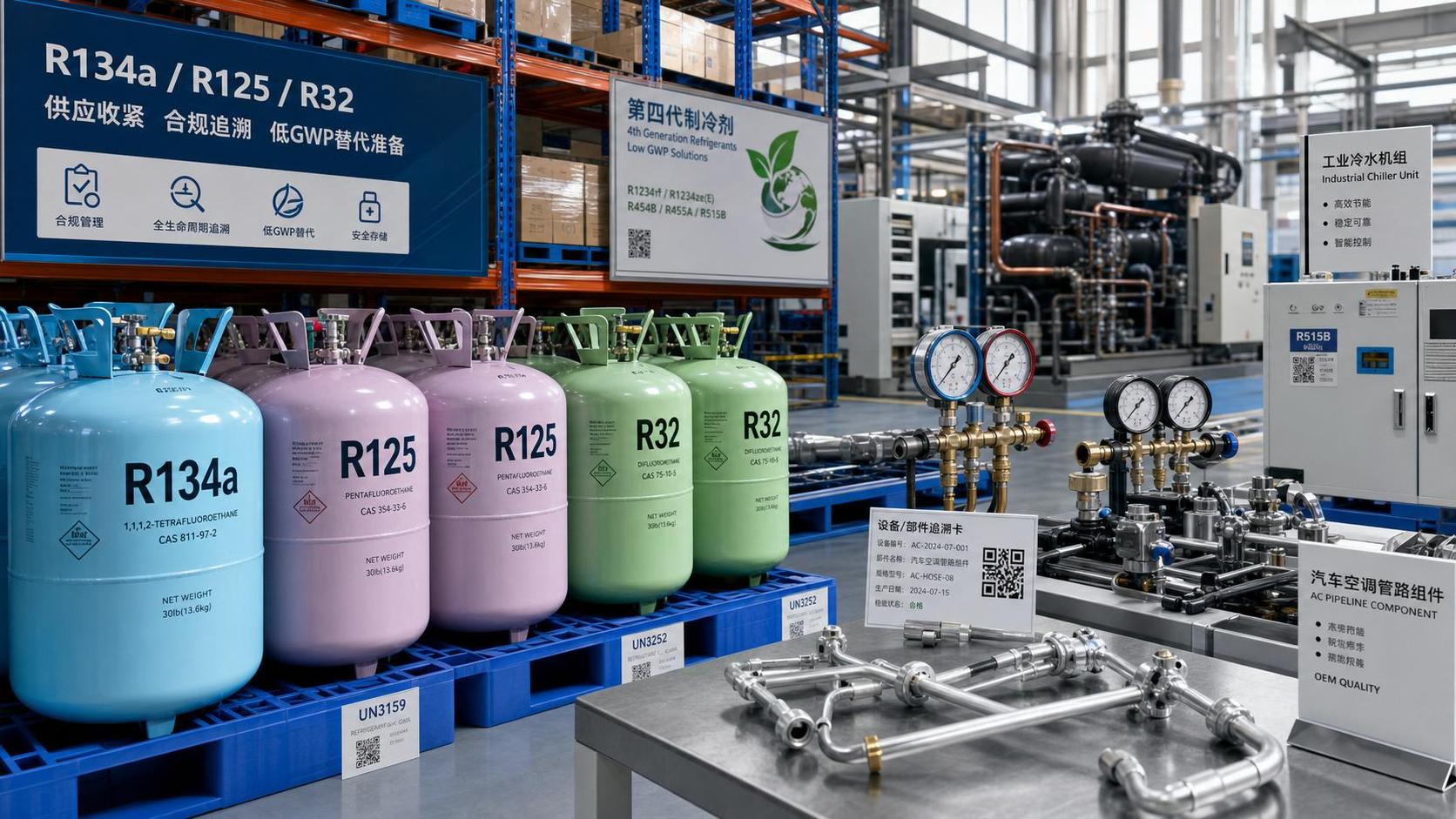
On March 1, 2026, the implementation of Notice No. 8 of 2026 moved into full enforcement, turning HFCs refrigerant filing from a policy requirement into an operational checkpoint across circulation and use. The confirmed change is that R410A, R32 and other HFCs refrigerants must now be filed through production, sale, installation, servicing and recovery, while imported batches without filing credentials will be rejected by customs. For exporters of industrial chillers, condensing units and heat pumps, this is worth close attention because packaging compliance and document control are now more directly tied to shipment handling and delivery continuity.
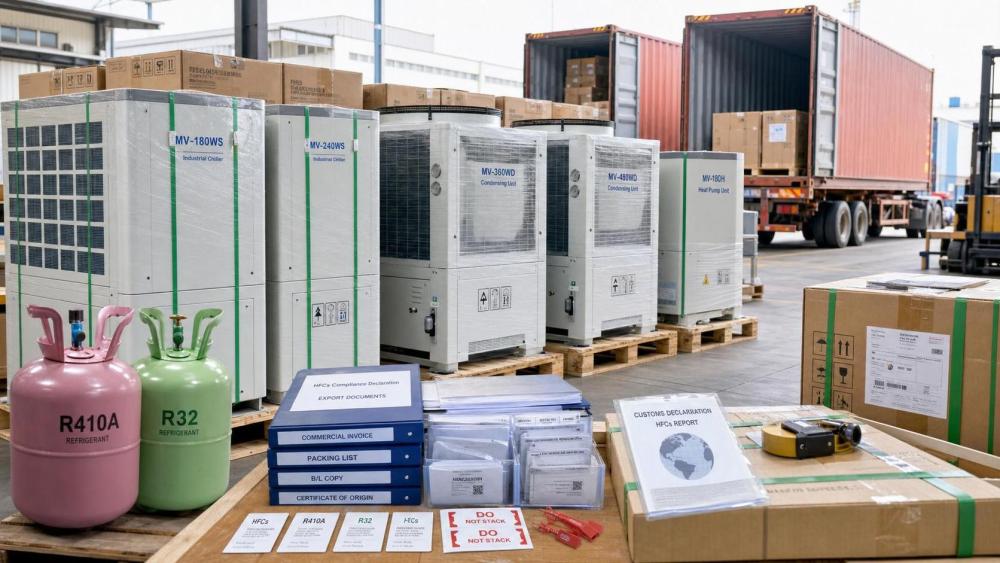
What the rule now requires in confirmed terms
The confirmed facts are limited but clear. The Ministry of Ecology and Environment notice titled the Notice on Further Strengthening the Management of Ozone-Depleting Substances and Hydrofluorocarbons took effect on March 1, 2026 and has now entered the stage of full execution. Under this framework, HFCs refrigerants including R410A and R32 are subject to filing across the full chain covering production, sales, installation, maintenance and recovery. The same input also confirms that imported batches lacking filing credentials will be refused by customs.
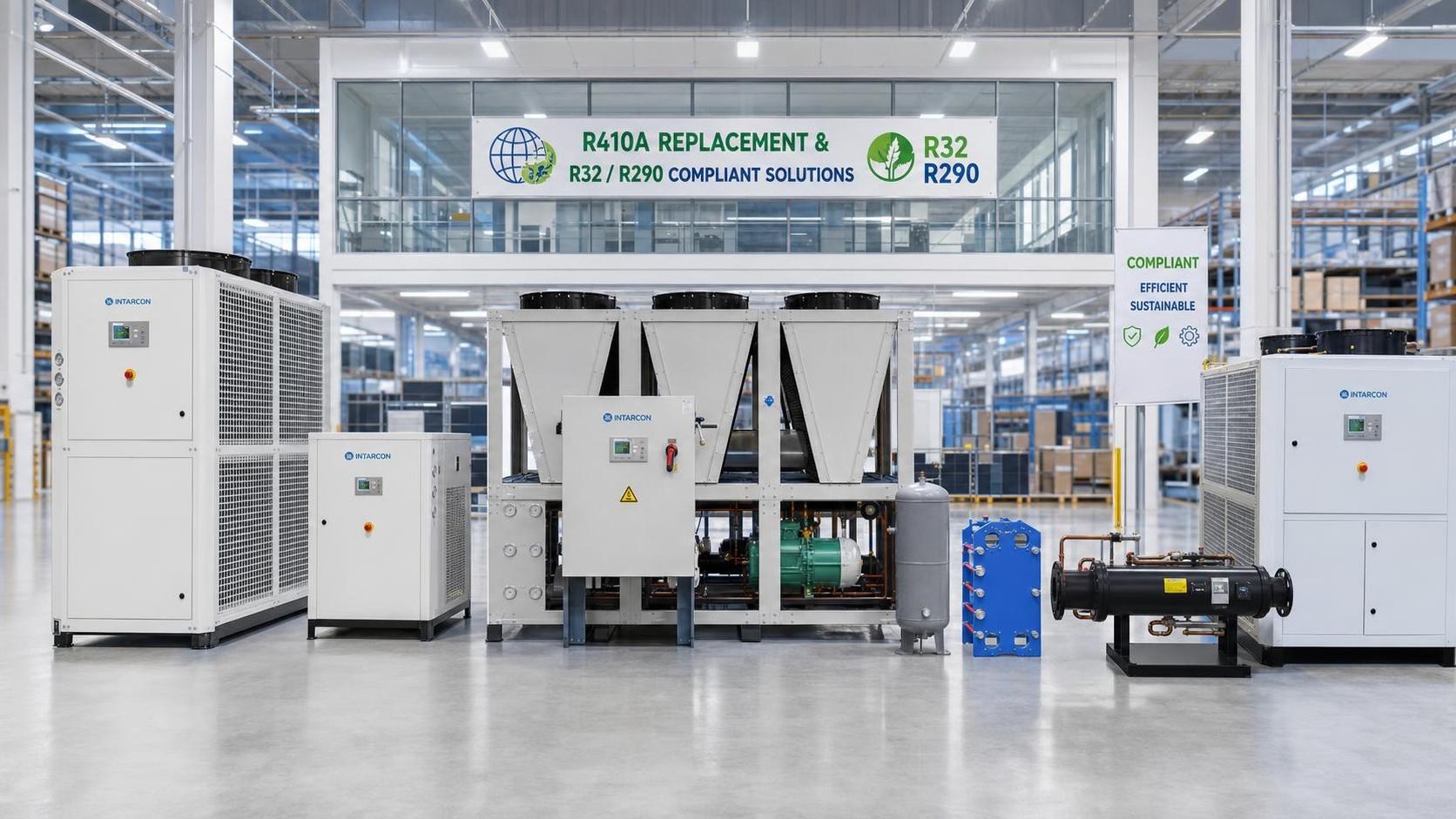
The policy is also directly relevant to export-oriented businesses dealing in industrial chillers, condensing units and heat pumps, particularly in relation to compliant packaging and shipping documentation. Beyond these points, no further execution detail is confirmed in the provided information.
Where the pressure points are likely to appear first
Export shipments now face a stricter document interface
From an industry perspective, exporters are among the first groups likely to feel the operational effect of this rule. The reason is straightforward: once filing credentials become a condition linked to customs acceptance, packaging records, shipment files and refrigerant-related declarations can no longer be treated as secondary paperwork. What deserves closer attention is whether export files for equipment containing or accompanying HFCs refrigerants are internally aligned before shipment release.
Equipment manufacturers may need tighter refrigerant traceability
Manufacturers of industrial chillers, condensing units and heat pumps may be affected because the policy directly touches the refrigerants used within their products, delivery processes or service arrangements. Analysis shows that the impact is less about product redesign in the provided facts and more about traceability across procurement, assembly, packing, delivery and after-sales links. Where a refrigerant appears in product configuration or delivery scope, document consistency may become a practical compliance issue.
Service and recovery links move closer to compliance review
Observably, the inclusion of installation, maintenance and recovery in the filing chain means downstream service activities are no longer separate from upstream circulation records. For service providers and after-sales teams, the likely area of attention is whether maintenance records, refrigerant handling records and recovery-related files can be matched to the broader filing trail. The provided information does not define a detailed review method, but it clearly signals that service-stage handling is part of the regulatory chain.
Procurement and supply-chain coordination become more sensitive
Buyers, distributors and supply-chain service providers may also need to watch this development more closely. If filing credentials become a practical prerequisite for movement and acceptance, then supplier qualification checks, batch document collection and handover files may carry greater weight in scheduling and delivery coordination. This is especially relevant where procurement contracts or export packing lists involve HFCs refrigerants such as R410A or R32.
What companies should review now
Check whether filing evidence is reflected in shipment documents
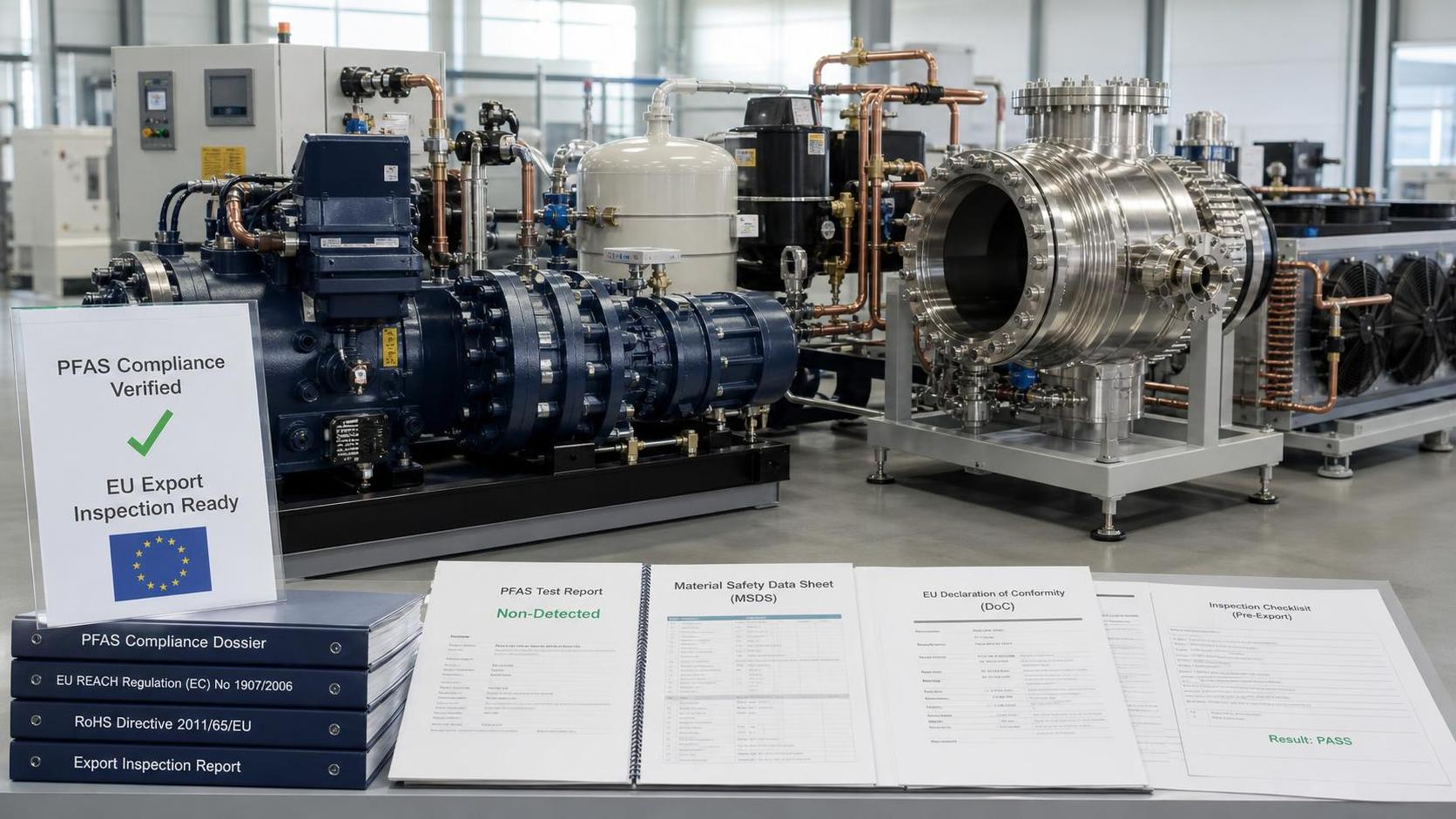
Analysis shows that companies handling exports should review whether refrigerant-related filing evidence is properly reflected in the document set used for packing, customs-facing preparation and shipment release. The provided facts do not specify document formats, so the immediate task is not to assume a fixed template but to confirm whether internal files can support the filing requirement without gaps.
Revisit packaging and labeling workflows for HFCs-related deliveries
Because the input explicitly points to compliant packaging management, exporters and manufacturers should pay closer attention to how packaging workflows connect with refrigerant information, batch control and supporting records. It is more appropriate to understand this as a packaging-compliance review issue rather than only a regulatory reading exercise.
Watch contract and bidding language for new compliance references
Observably, where customers, procurement teams or project documents reference refrigerant handling, companies may need to monitor whether tender files, purchase terms or delivery conditions begin to reflect filing-related requirements. The current input does not confirm that such wording has already changed, so this remains a practical area to monitor rather than an established outcome.
Prepare for closer scrutiny in after-sales and recovery records
Since maintenance and recovery are included in the filing chain, after-sales teams should pay attention to the completeness of service records and refrigerant handling files. Analysis shows that this matters not because a detailed enforcement method is already confirmed in the provided information, but because the compliance boundary now clearly extends beyond initial sale.
Why this looks more like an execution signal than a new policy headline
Analysis shows that this development is better understood as an enforcement-stage signal rather than a purely symbolic policy update. The key reason is that the rule is described as having already taken effect and now entering full execution, with a clear consequence for import batches lacking filing credentials. At the same time, it remains necessary to observe how detailed implementation language, document expectations and market-side responses develop in practice, because those specifics are not provided in the current input.
From an industry perspective, the practical significance lies in the fact that refrigerant compliance is being tied more explicitly to circulation, installation, servicing and recovery, not just to upstream production or trade in isolation. That makes cross-department coordination more relevant for companies whose shipments, equipment configuration and after-sales activities all intersect with HFCs use.
How this development is best understood at this stage
At this stage, the most balanced reading is that the full-chain filing requirement for HFCs refrigerants has moved into a real execution phase with direct consequences for customs acceptance and for the compliance handling of export-related equipment. It would be premature to treat every downstream effect as settled, because the provided information does not include detailed enforcement procedures or market results. Even so, the signal is clear enough for affected businesses to treat filing, packaging and supporting documents as active compliance items rather than routine administrative attachments.
Basis of this article and what still needs verification
This article is generated from the user-provided news title, event date and event summary. The analysis is based on the stated implementation date of March 1, 2026, the confirmed requirement for full-chain filing covering production, sales, installation, maintenance and recovery for HFCs refrigerants such as R410A and R32, the confirmed customs rejection risk for import batches without filing credentials, and the stated relevance to industrial chiller, condensing unit and heat pump exporters.
Source types commonly relevant to developments of this kind may include official notices, releases by regulatory authorities, customs or trade administration information, industry association updates, standard-setting documents and reporting by authoritative media. No specific official source link was provided in the input, so the exact official link remains to be verified. What still requires ongoing observation includes detailed implementation language, certification or compliance interpretation, possible changes in tender and contract documents, industry feedback and how enterprises execute the requirement in practice.
Related News
- EU PFAS Proposal Puts Refrigerant and Vacuum Exports Under ReviewAuthor :Cryogenic Systems Expert

- EU REACH PFAS Draft Raises New Export ChecksAuthor :Cryogenic Systems Expert

- EU Cuts High-GWP Refrigerant Import Quotas by 35%Author :Cryogenic Systems Expert

- EU Cuts Q4 2026 Quotas for High-GWP RefrigerantsAuthor :Cryogenic Systems Expert

- EU F-Gas Revision Cuts R410A Quotas 40%Author :Cryogenic Systems Expert

- EPA Freezes R-410A Quotas, Fast-Tracks R-32Author :Cryogenic Systems Expert

- Low GWP Refrigerants HFO Blends: Key Stability and Safety FactorsAuthor :Cryogenic Systems Expert

- R-32 Price Spike Reshapes Chiller ProcurementAuthor :Cryogenic Systems Expert

- How to Compare Environmentally Friendly Refrigerants by GWP, Safety, and CostAuthor :Cryogenic Systems Expert

- R-454B Export Quota Cut 18% as Lead Times DoubleAuthor :Cryogenic Systems Expert

- Japan Cuts R32 and R290 Import Quotas From July 10Author :Cryogenic Systems Expert

- EPA Cuts R-134a Import Quotas 42% From July 2026Author :Cryogenic Systems Expert
![]()
- Low GWP Refrigerants HFO Blends: Performance and Compliance in 2026Author :Cryogenic Systems Expert

- R-513A Jumps 23% as China Tightens Export QuotasAuthor :Cryogenic Systems Expert

- Environmentally Friendly Refrigerants in 2026: Compliance Risks and Upgrade PrioritiesAuthor :Cryogenic Systems Expert

- Pharmaceutical Temperature Control Systems: Common Compliance RisksAuthor :Cryogenic Systems Expert

- China Tightens Q3 R32 Export QuotasAuthor :Cryogenic Systems Expert

- California EPR Deadline Nears for Refrigeration MakersAuthor :Cryogenic Systems Expert

- Resource Circularity Trends Reshaping Refrigerants and Cooling SystemsAuthor :Cryogenic Systems Expert

- HFCs Filing Rules Enter Full EnforcementAuthor :Cryogenic Systems Expert

- How Environmentally Friendly Refrigerants Affect Chiller ComplianceAuthor :Cryogenic Systems Expert

- EU REACH Tightens Refrigerant Impurity Limits for R134a ExportsAuthor :Cryogenic Systems Expert

- China Seeks Feedback on 2027 Refrigerant QuotasAuthor :Cryogenic Systems Expert

- EU to Ban High-GWP ACs in 2029 as R410A Exits HomesAuthor :Cryogenic Systems Expert

- US, UK Delay HFC Phaseout, Extending R32/R134a Export WindowAuthor :Cryogenic Systems Expert

- EU HFC Cut Tightens by 2029 as Gen-3 Output Falls 10%Author :Cryogenic Systems Expert

- Kuwait Bans HCFC AC Imports as Shift to R32/R290 Speeds UpAuthor :Cryogenic Systems Expert

- Saudi SASO Rules Tighten AC Imports in DecemberAuthor :Cryogenic Systems Expert

- Environmentally Friendly Refrigerants: Compliance, Safety, and Retrofit RisksAuthor :Cryogenic Systems Expert

- SABIC Force Majeure Keeps Chiller Refrigerant Supply TightAuthor :Cryogenic Systems Expert

- SABIC Force Majeure Tightens Refrigerant FeedstocksAuthor :Cryogenic Systems Expert

- UL 60335-2-89 Tightens R290 Leak Test RulesAuthor :Cryogenic Systems Expert
![]()
- UL 60335-2-89 Adds R290 Vacuum Leak TestAuthor :Cryogenic Systems Expert

- Global Refrigerant Price Index Falls 8.3% MoM in MayAuthor :Cryogenic Systems Expert
![]()
- PSA Jurong Island Launches Mandatory Cold-Chain Traceability for RefrigerantsAuthor :Cryogenic Systems Expert
![]()
- 2026 Refrigerants Shift: What Changes for Cold StorageAuthor :Cryogenic Systems Expert