



Shanghai Pudong Pilots E-Labels for Imported Cosmetics




Shanghai Customs and the National Medical Products Administration launched a pilot program on May 19 for electronic labeling of imported cosmetics in Pudong New Area. The initiative mandates real-time, blockchain-verified temperature monitoring across the entire cold chain—including transportation, warehousing, and unpacking—setting a new compliance benchmark for refrigerants and low-temperature logistics in China’s beauty and personal care import sector.
Event Overview
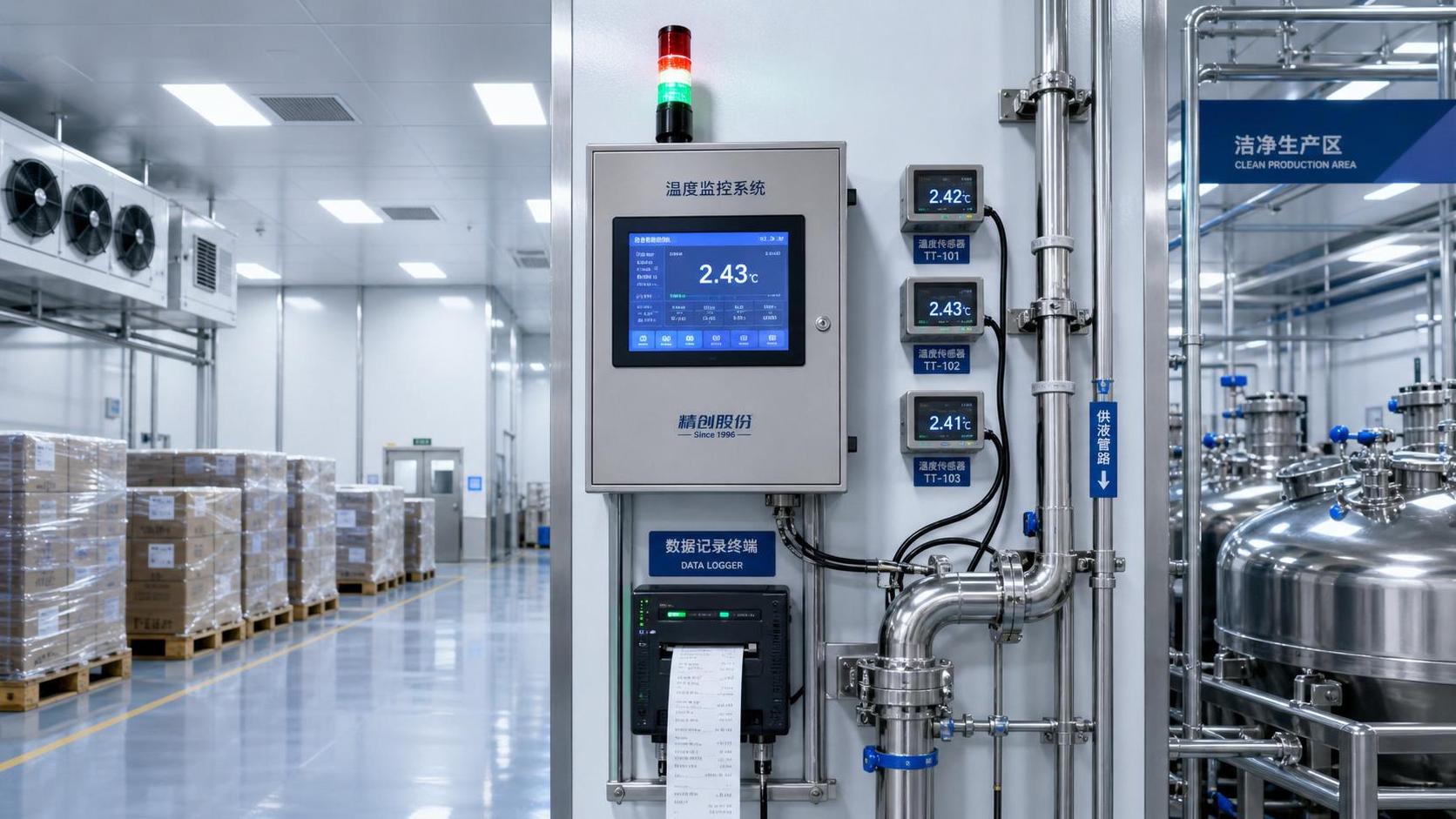
On May 19, Shanghai Customs and the National Medical Products Administration jointly initiated a pilot program in Pudong New Area requiring all imported cosmetic products subject to the trial to carry electronic labels that capture and upload end-to-end temperature control data. This data must be recorded continuously, stored on a permissioned blockchain, and verifiable by regulators at any point in the supply chain. The requirement explicitly covers transport, storage, and post-arrival unpacking stages, and applies to products requiring low-temperature preservation.

Industries Affected
Direct Importers and Trading Enterprises: These entities bear primary regulatory accountability for label compliance and data integrity. They must now integrate certified temperature-sensing hardware, ensure interoperability with GS1 EDI–compliant data interfaces, and maintain audit-ready records for each shipment—increasing operational overhead and liability exposure.
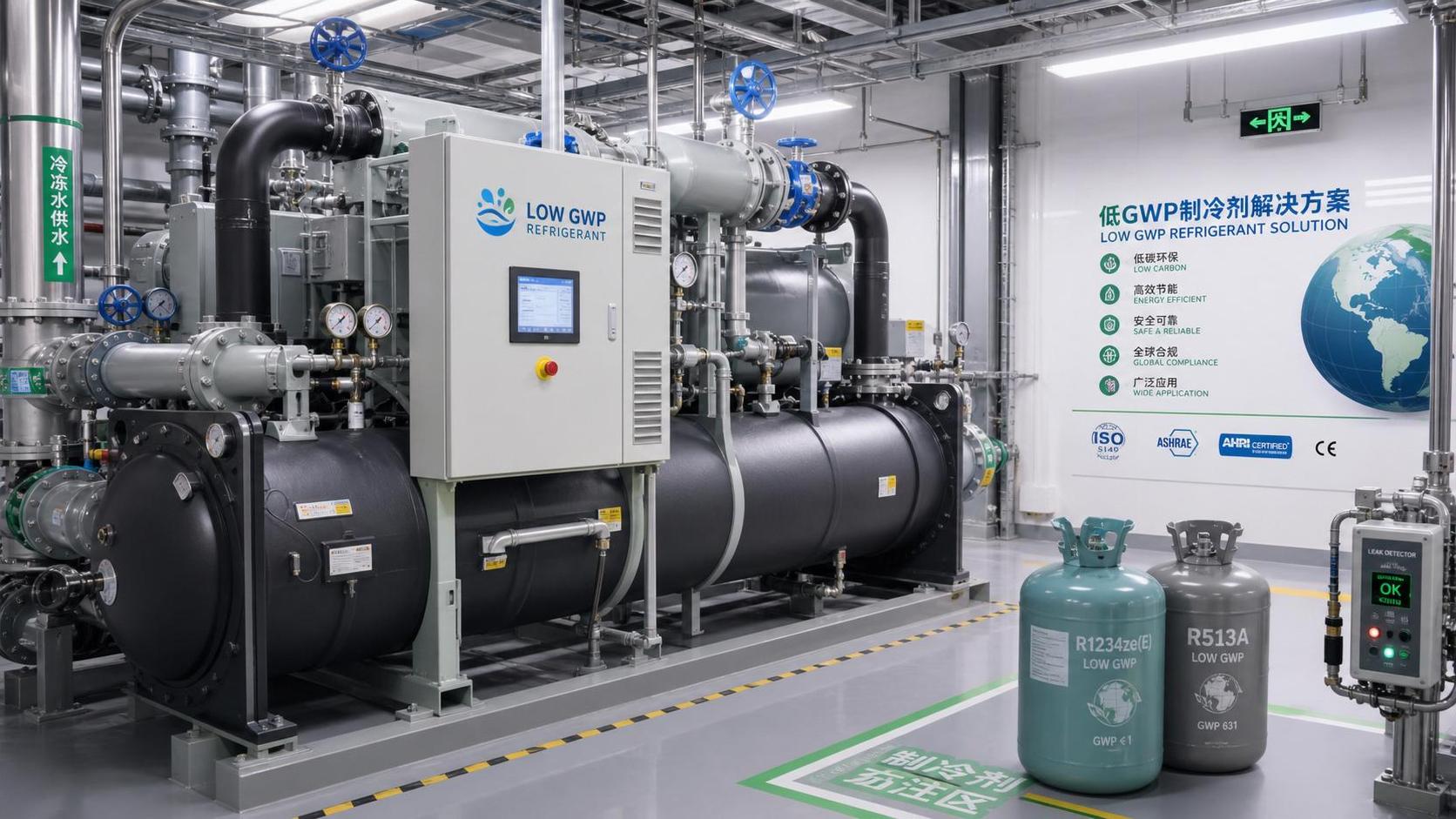
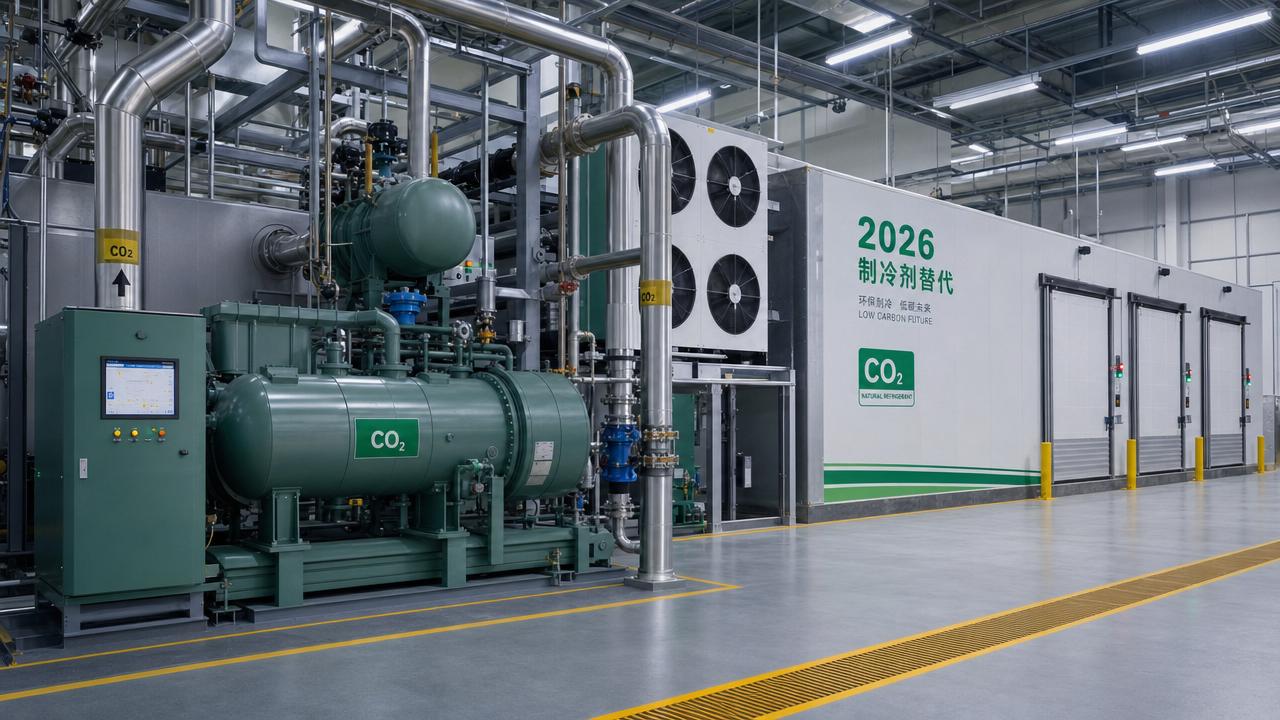
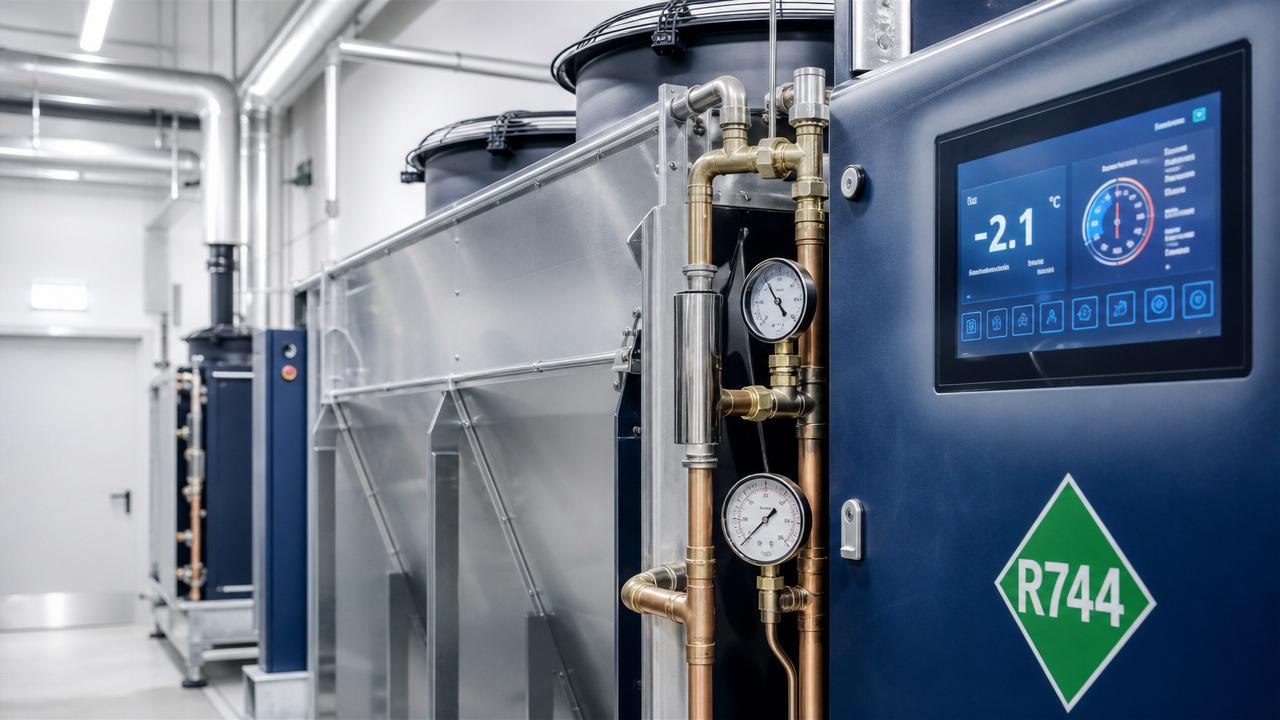
Raw Material Suppliers (e.g., refrigerant manufacturers): Demand is shifting toward low-global-warming-potential (low-GWP) refrigerants such as R290 (propane) and R744 (carbon dioxide). Suppliers must now align product specifications—not only chemical performance but also compatibility with digital monitoring systems—with traceability requirements embedded in downstream e-label mandates.
Contract Manufacturers and Fillers: While not direct importers, facilities handling temperature-sensitive formulations (e.g., enzyme-based serums or probiotic creams) face heightened scrutiny during customs clearance. Their cold storage validation protocols, calibration logs, and environmental monitoring systems may now be subject to cross-verification against upstream e-label data—raising quality system expectations beyond current GMP norms.
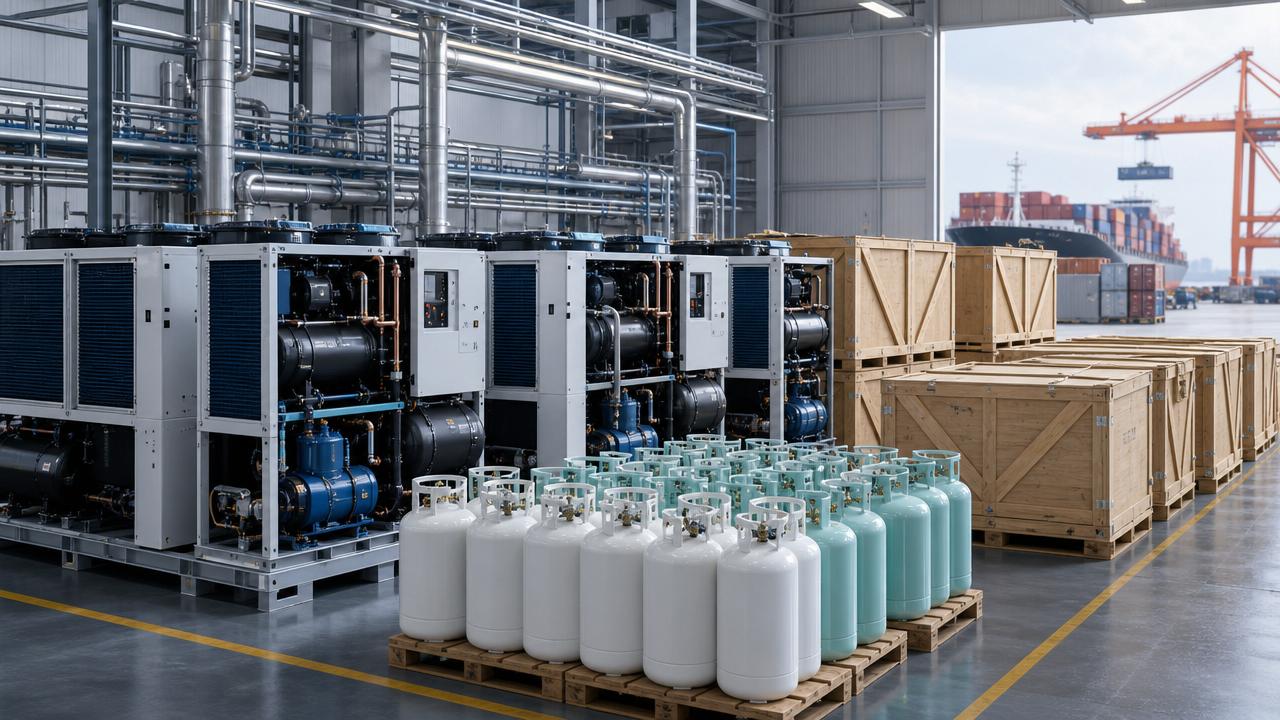
Logistics and Cold Chain Service Providers: Third-party logistics (3PL) operators must upgrade telematics infrastructure to support continuous ±0.5°C monitoring, automatic data transmission, and tamper-evident logging. Legacy temperature loggers without secure cloud connectivity or GS1 EDI output capability risk non-admission under the pilot.
Key Considerations and Recommended Actions
Evaluate Refrigerant Compatibility with Digital Traceability
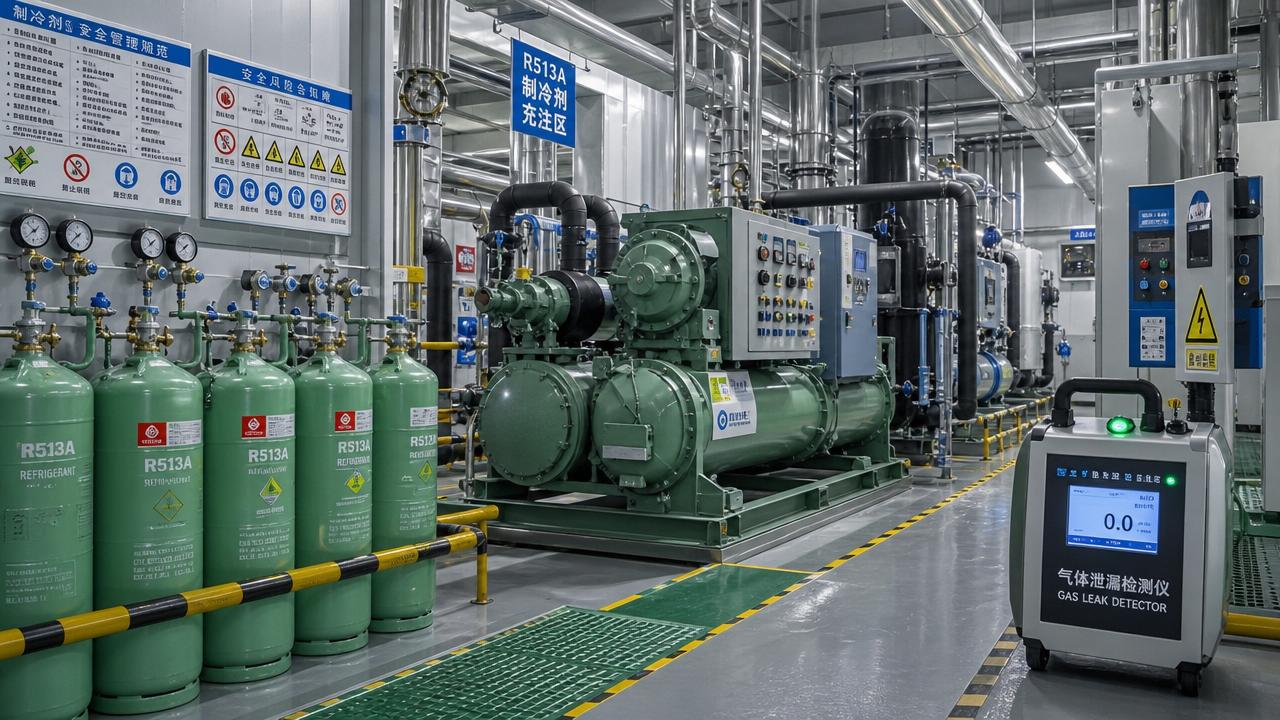
Importers and distributors must assess whether their current refrigerant selection (e.g., R404A, R134a) supports integration with IoT-enabled cold chain hardware—and whether replacement with R290 or R744 introduces new safety, certification, or interface challenges in Chinese warehousing environments.
Validate Temperature Monitoring Accuracy and Data Handover Protocols
Systems must meet ±0.5°C precision across full operating ranges, and data streams must conform to GS1 Electronic Data Interchange standards. Firms should conduct end-to-end data mapping exercises—from sensor firmware to blockchain ingestion—to identify gaps in format translation or timestamp synchronization.
Assess Supply Chain Visibility Gaps Across Tier-2 and Tier-3 Partners
Electronic label compliance depends on seamless data continuity. Companies must verify whether overseas manufacturers, freight forwarders, and domestic bonded warehouse operators possess compatible hardware, certified calibration practices, and contractual obligations to share time-stamped environmental data.
Editorial Perspective / Industry Observation
Analysis shows this pilot is less about cosmetic labeling per se and more about establishing a foundational data governance framework for temperature-sensitive health-adjacent imports. Observably, the emphasis on blockchain-verified, real-time telemetry—and its explicit linkage to refrigerant choice—signals a strategic pivot toward regulating *process emissions* and *energy efficiency* alongside product safety. From an industry perspective, the requirement for GS1 EDI alignment suggests intent to scale this model across other regulated categories (e.g., biologics, diagnostics), making early adoption a potential differentiator rather than just a compliance burden. Current more critical consideration is not whether firms can meet ±0.5°C accuracy—but whether their data architecture allows auditable, regulator-accessible provenance without exposing proprietary logistics logic.
Conclusion
This pilot represents a material escalation in China’s regulatory approach to import integrity—not through expanded inspection frequency, but through enforceable, automated data sovereignty over physical conditions. It signals a broader transition: from paper-based attestations to machine-verifiable assurance. For global brands, it underscores that market access in China’s high-value consumer health segments will increasingly hinge on interoperable, low-carbon, digitally native supply chain design—not just formulation or branding excellence.
Source Attribution
Official announcement issued jointly by Shanghai Customs and the National Medical Products Administration, May 19, 2024. Pilot scope, technical requirements, and implementation timeline are published in Notice No. SHC-MPA-2024-017 (unclassified summary available via Shanghai Customs Public Portal). Regulatory interpretation remains subject to further guidance; firms are advised to monitor updates on the Pudong New Area Integrated Reform Platform and forthcoming GS1 China technical bulletins on cold-chain EDI mapping. Ongoing evaluation of enforcement thresholds—including minimum viable data latency and sensor certification pathways—is recommended.
Related News
- EPA Freezes R-410A Quotas, Fast-Tracks R-32Author :Cryogenic Systems Expert

- Low GWP Refrigerants HFO Blends: Key Stability and Safety FactorsAuthor :Cryogenic Systems Expert

- R-32 Price Spike Reshapes Chiller ProcurementAuthor :Cryogenic Systems Expert

- How to Compare Environmentally Friendly Refrigerants by GWP, Safety, and CostAuthor :Cryogenic Systems Expert

- R-454B Export Quota Cut 18% as Lead Times DoubleAuthor :Cryogenic Systems Expert

- Japan Cuts R32 and R290 Import Quotas From July 10Author :Cryogenic Systems Expert

- EPA Cuts R-134a Import Quotas 42% From July 2026Author :Cryogenic Systems Expert
![]()
- Low GWP Refrigerants HFO Blends: Performance and Compliance in 2026Author :Cryogenic Systems Expert

- R-513A Jumps 23% as China Tightens Export QuotasAuthor :Cryogenic Systems Expert

- Environmentally Friendly Refrigerants in 2026: Compliance Risks and Upgrade PrioritiesAuthor :Cryogenic Systems Expert

- Pharmaceutical Temperature Control Systems: Common Compliance RisksAuthor :Cryogenic Systems Expert

- China Tightens Q3 R32 Export QuotasAuthor :Cryogenic Systems Expert

- California EPR Deadline Nears for Refrigeration MakersAuthor :Cryogenic Systems Expert

- Resource Circularity Trends Reshaping Refrigerants and Cooling SystemsAuthor :Cryogenic Systems Expert

- HFCs Filing Rules Enter Full EnforcementAuthor :Cryogenic Systems Expert

- How Environmentally Friendly Refrigerants Affect Chiller ComplianceAuthor :Cryogenic Systems Expert

- EU REACH Tightens Refrigerant Impurity Limits for R134a ExportsAuthor :Cryogenic Systems Expert

- China Seeks Feedback on 2027 Refrigerant QuotasAuthor :Cryogenic Systems Expert

- EU to Ban High-GWP ACs in 2029 as R410A Exits HomesAuthor :Cryogenic Systems Expert

- US, UK Delay HFC Phaseout, Extending R32/R134a Export WindowAuthor :Cryogenic Systems Expert

- EU HFC Cut Tightens by 2029 as Gen-3 Output Falls 10%Author :Cryogenic Systems Expert

- Kuwait Bans HCFC AC Imports as Shift to R32/R290 Speeds UpAuthor :Cryogenic Systems Expert

- Saudi SASO Rules Tighten AC Imports in DecemberAuthor :Cryogenic Systems Expert

- Environmentally Friendly Refrigerants: Compliance, Safety, and Retrofit RisksAuthor :Cryogenic Systems Expert

- SABIC Force Majeure Keeps Chiller Refrigerant Supply TightAuthor :Cryogenic Systems Expert

- SABIC Force Majeure Tightens Refrigerant FeedstocksAuthor :Cryogenic Systems Expert

- UL 60335-2-89 Tightens R290 Leak Test RulesAuthor :Cryogenic Systems Expert
![]()
- UL 60335-2-89 Adds R290 Vacuum Leak TestAuthor :Cryogenic Systems Expert

- Global Refrigerant Price Index Falls 8.3% MoM in MayAuthor :Cryogenic Systems Expert
![]()
- PSA Jurong Island Launches Mandatory Cold-Chain Traceability for RefrigerantsAuthor :Cryogenic Systems Expert
![]()
- 2026 Refrigerants Shift: What Changes for Cold StorageAuthor :Cryogenic Systems Expert

- Shanghai Pudong Pilots E-Labels for Imported CosmeticsAuthor :Cryogenic Systems Expert

- 2026 Refrigerant Shift: Safer Options With Lower Compliance RiskAuthor :Cryogenic Systems Expert

- Vitafoods Europe Highlights Clinical Herb Data, Cold Chain Demand SurgesAuthor :Cryogenic Systems Expert
![]()
- U.S. Treasury Yield Surge Stabilizes Silver, Eases Refrigerants Export PricingAuthor :Cryogenic Systems Expert

- France Allocates €710M to Support War-Impacted Firms on Cold Chain ComplianceAuthor :Cryogenic Systems Expert