



Pharmaceutical Temperature Control Systems: Common Compliance Risks




Why do pharmaceutical temperature control systems create so many compliance concerns?
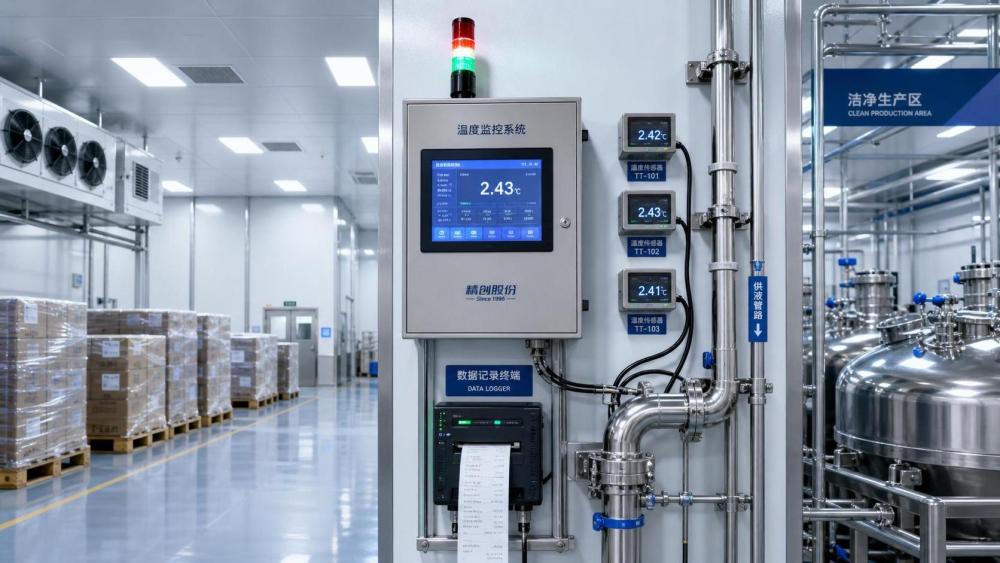
In regulated production, a small temperature drift can become a major quality event. That is why pharmaceutical temperature control systems sit close to the center of compliance control.
The risk is not limited to one room or one chiller. It extends across storage, cleanrooms, process vessels, utilities, transport interfaces, and data records.
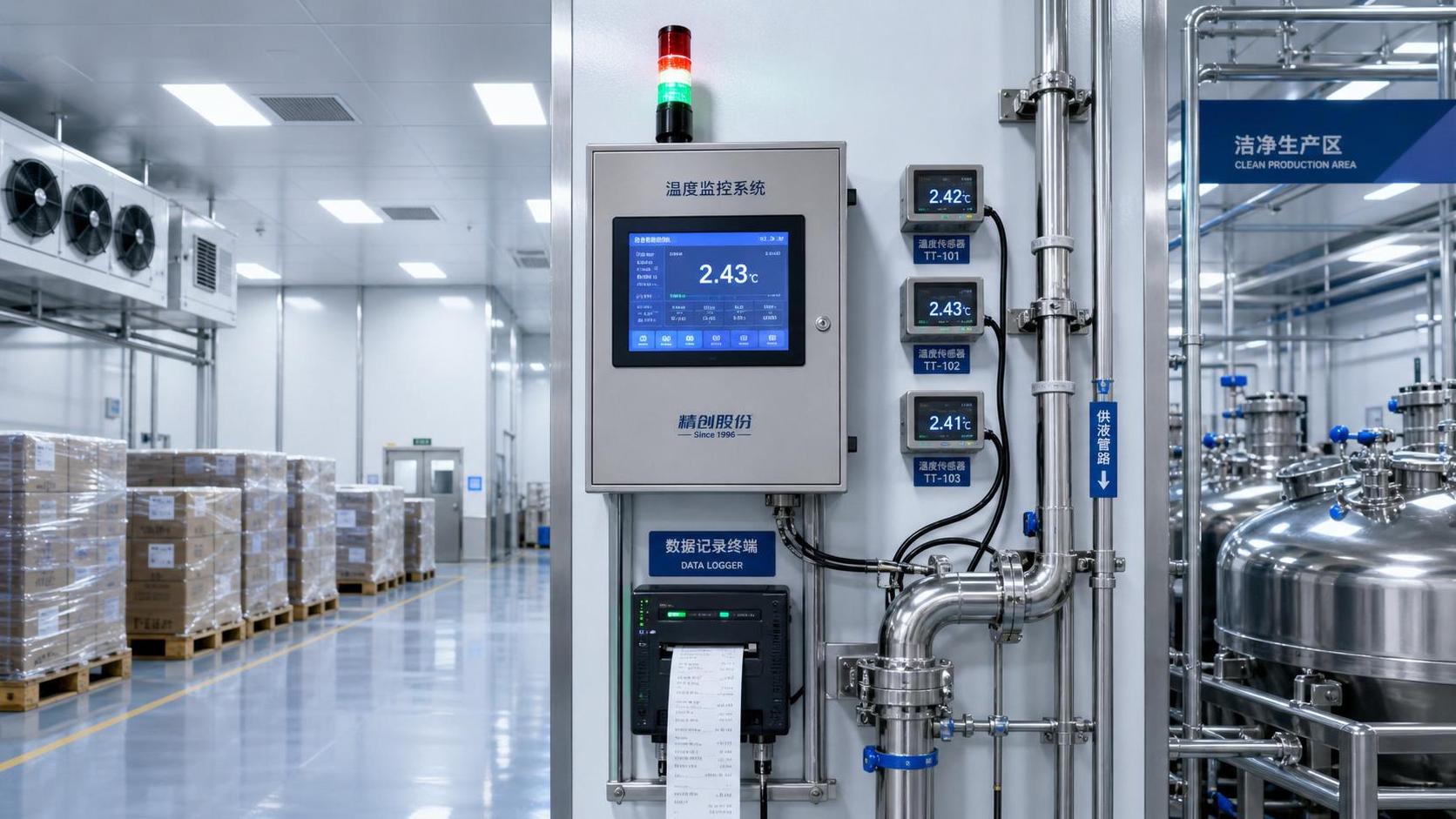
Many audit findings start with simple gaps. A probe is misplaced. A calibration interval slips. An alarm is acknowledged, but the response is not documented.
In practice, pharmaceutical temperature control systems are judged by evidence, not by design intent alone. Regulators want proof that conditions stayed controlled, traceable, and scientifically justified.
This is also where industrial thermal intelligence becomes useful. GTC-Matrix often tracks how cooling architecture, compressed utility stability, and heat exchange efficiency affect high-precision industries, especially where product sensitivity and energy performance overlap.
A useful way to see the issue is simple: if temperature affects potency, sterility, stability, or process repeatability, then temperature control becomes a compliance function, not just an engineering service.
Which compliance risks show up most often in real facilities?
Most failures are not dramatic equipment breakdowns. More often, they are routine weaknesses that remain unnoticed until a deviation, complaint, or inspection occurs.
The following table summarizes common risks linked to pharmaceutical temperature control systems and why they matter during review.
Notice that several of these issues are not purely pharmaceutical. They also sit inside broader thermal system management, where refrigeration load, utility redundancy, and control logic shape actual compliance performance.
That is why pharmaceutical temperature control systems should be reviewed both as validated systems and as part of a larger industrial energy network.
When is a temperature monitoring setup technically acceptable but still compliance-weak?
This happens more often than many teams expect. A system may cool the space correctly, yet still fail to satisfy documentation, mapping, or data expectations.
A common example is stable average temperature with poor distribution. The room sensor looks fine, but product-adjacent locations move outside qualified limits during door openings or peak load.
Another weak point is relying on installation qualification without revisiting operational reality. Layout changes, loading patterns, and maintenance history can all shift performance over time.
Pharmaceutical temperature control systems also become vulnerable when software and hardware are treated separately. If the sensor is accurate but the historian, alarm server, or user access control is weak, compliance risk remains high.
In actual inspections, reviewers often ask questions such as:
- Was the mapping study representative of routine operation?
- Are calibration standards traceable and current?
- Can alarm response time be demonstrated with records?
- Was the impact of excursions assessed against product risk?
If these answers are incomplete, a technically working system may still appear poorly controlled. Compliance depends on sustained evidence, not one successful qualification event.
How should pharmaceutical temperature control systems be evaluated before an audit or expansion?
A practical review starts with criticality, not with equipment age alone. Some areas influence finished product release directly, while others mainly support utility stability.
For that reason, it helps to separate high-risk zones from general support zones. Then the review becomes more focused and easier to defend.
What should be checked first?
- Critical temperature ranges tied to product quality attributes
- Mapping coverage during empty, loaded, and stressed conditions
- Calibration status for sensors, transmitters, and reference devices
- Alarm setpoints, escalation paths, and deviation closure quality
- Backup capacity for chillers, compressors, and control power
This is where broader thermal benchmarking can sharpen judgment. Intelligence platforms such as GTC-Matrix highlight how heat exchanger fouling, oil-free compression trends, and utility energy shifts can influence precision cooling reliability.
That matters because an expansion project may increase thermal load before anyone updates the qualification strategy. The system appears unchanged, yet the operating envelope is no longer the same.
A strong review therefore combines validation documents with engineering realities. Looking at only one side often leaves hidden risk behind.
What mistakes are most likely during implementation, upgrade, or retrofit?
The biggest mistake is assuming a retrofit is low risk because the old system already worked. In regulated spaces, change impact can be larger than expected.
For example, replacing a controller may alter alarm timing, user permissions, or data retention structure. None of those changes are visible on a piping diagram, yet all can affect compliance.
Another frequent issue is underestimating interaction between cooling equipment and clean utility systems. Compressed air quality, vacuum support, and heat rejection capacity can influence temperature stability indirectly.
When pharmaceutical temperature control systems are upgraded, these points deserve extra attention:
- Whether new control logic matches validated operating limits
- Whether temporary shutdown plans protect in-process materials
- Whether legacy data remains accessible and reviewable
- Whether spare parts and service capability fit the new architecture
In many facilities, the hidden cost is not the retrofit itself. It is the extra cycle of requalification, deviation management, and procedural revision that follows incomplete planning.
How can teams reduce risk without overbuilding the system?
The answer is usually better prioritization, not unlimited redundancy. Pharmaceutical temperature control systems work best when controls, records, maintenance, and response procedures are aligned around critical risk points.
A balanced strategy often includes short operational disciplines and longer engineering actions. Both matter, and neither replaces the other.
A practical risk-reduction checklist
- Reconfirm sensor locations after layout, loading, or airflow changes
- Trend minor alarms before they become repeated excursions
- Link calibration review to product impact, not only calendar dates
- Test power failure and restart behavior under controlled conditions
- Review utility dependencies behind chillers and control panels
- Keep electronic records, audit trails, and access control easy to verify
It also helps to watch external signals. Changes in refrigerant policy, energy pricing, or cooling technology can reshape lifecycle risk, especially where older equipment supports validated areas.
That wider market view is valuable because compliance resilience is influenced by serviceability and utility efficiency, not only by internal procedures.
What is the smartest next step if compliance confidence feels uncertain?
Start by identifying where temperature evidence is weakest. That may be a storage area with old mapping, a process skid with recurring alarms, or a data trail that requires manual reconstruction.
Then compare three things side by side: validated limits, actual operating behavior, and supporting records. Gaps between those three usually reveal the real compliance exposure.
For pharmaceutical temperature control systems, the most effective improvements are often specific. One remapped zone, one corrected alarm workflow, or one tighter calibration program can reduce disproportionate risk.
If expansion, retrofit, or utility optimization is under discussion, bring thermal performance and compliance review together early. That avoids solving energy issues while creating new validation burdens.
A sound next move is to build a short assessment list covering critical areas, utility dependencies, data integrity, and change control readiness. Once that baseline is clear, later decisions become faster and more defensible.
In the end, pharmaceutical temperature control systems are not judged by hardware alone. They are judged by whether control, evidence, and response remain reliable when conditions are less than ideal.
Related News
- EU PFAS Curbs Raise Compliance Review for Cooling ExportsAuthor :Cryogenic Systems Expert

- EU PFAS Proposal Puts Refrigerant and Vacuum Exports Under ReviewAuthor :Cryogenic Systems Expert

- EU REACH PFAS Draft Raises New Export ChecksAuthor :Cryogenic Systems Expert

- EU Cuts High-GWP Refrigerant Import Quotas by 35%Author :Cryogenic Systems Expert

- EU Cuts Q4 2026 Quotas for High-GWP RefrigerantsAuthor :Cryogenic Systems Expert

- EU F-Gas Revision Cuts R410A Quotas 40%Author :Cryogenic Systems Expert

- EPA Freezes R-410A Quotas, Fast-Tracks R-32Author :Cryogenic Systems Expert

- Low GWP Refrigerants HFO Blends: Key Stability and Safety FactorsAuthor :Cryogenic Systems Expert

- R-32 Price Spike Reshapes Chiller ProcurementAuthor :Cryogenic Systems Expert

- How to Compare Environmentally Friendly Refrigerants by GWP, Safety, and CostAuthor :Cryogenic Systems Expert

- R-454B Export Quota Cut 18% as Lead Times DoubleAuthor :Cryogenic Systems Expert

- Japan Cuts R32 and R290 Import Quotas From July 10Author :Cryogenic Systems Expert

- EPA Cuts R-134a Import Quotas 42% From July 2026Author :Cryogenic Systems Expert
![]()
- Low GWP Refrigerants HFO Blends: Performance and Compliance in 2026Author :Cryogenic Systems Expert

- R-513A Jumps 23% as China Tightens Export QuotasAuthor :Cryogenic Systems Expert

- Environmentally Friendly Refrigerants in 2026: Compliance Risks and Upgrade PrioritiesAuthor :Cryogenic Systems Expert

- Pharmaceutical Temperature Control Systems: Common Compliance RisksAuthor :Cryogenic Systems Expert

- China Tightens Q3 R32 Export QuotasAuthor :Cryogenic Systems Expert

- California EPR Deadline Nears for Refrigeration MakersAuthor :Cryogenic Systems Expert

- Resource Circularity Trends Reshaping Refrigerants and Cooling SystemsAuthor :Cryogenic Systems Expert

- HFCs Filing Rules Enter Full EnforcementAuthor :Cryogenic Systems Expert

- How Environmentally Friendly Refrigerants Affect Chiller ComplianceAuthor :Cryogenic Systems Expert

- EU REACH Tightens Refrigerant Impurity Limits for R134a ExportsAuthor :Cryogenic Systems Expert

- China Seeks Feedback on 2027 Refrigerant QuotasAuthor :Cryogenic Systems Expert

- EU to Ban High-GWP ACs in 2029 as R410A Exits HomesAuthor :Cryogenic Systems Expert

- US, UK Delay HFC Phaseout, Extending R32/R134a Export WindowAuthor :Cryogenic Systems Expert

- EU HFC Cut Tightens by 2029 as Gen-3 Output Falls 10%Author :Cryogenic Systems Expert

- Kuwait Bans HCFC AC Imports as Shift to R32/R290 Speeds UpAuthor :Cryogenic Systems Expert

- Saudi SASO Rules Tighten AC Imports in DecemberAuthor :Cryogenic Systems Expert

- Environmentally Friendly Refrigerants: Compliance, Safety, and Retrofit RisksAuthor :Cryogenic Systems Expert

- SABIC Force Majeure Keeps Chiller Refrigerant Supply TightAuthor :Cryogenic Systems Expert

- SABIC Force Majeure Tightens Refrigerant FeedstocksAuthor :Cryogenic Systems Expert

- UL 60335-2-89 Tightens R290 Leak Test RulesAuthor :Cryogenic Systems Expert
![]()
- UL 60335-2-89 Adds R290 Vacuum Leak TestAuthor :Cryogenic Systems Expert

- Global Refrigerant Price Index Falls 8.3% MoM in MayAuthor :Cryogenic Systems Expert
![]()
- PSA Jurong Island Launches Mandatory Cold-Chain Traceability for RefrigerantsAuthor :Cryogenic Systems Expert
![]()