



UL 60335-2-89 Tightens R290 Leak Test Rules




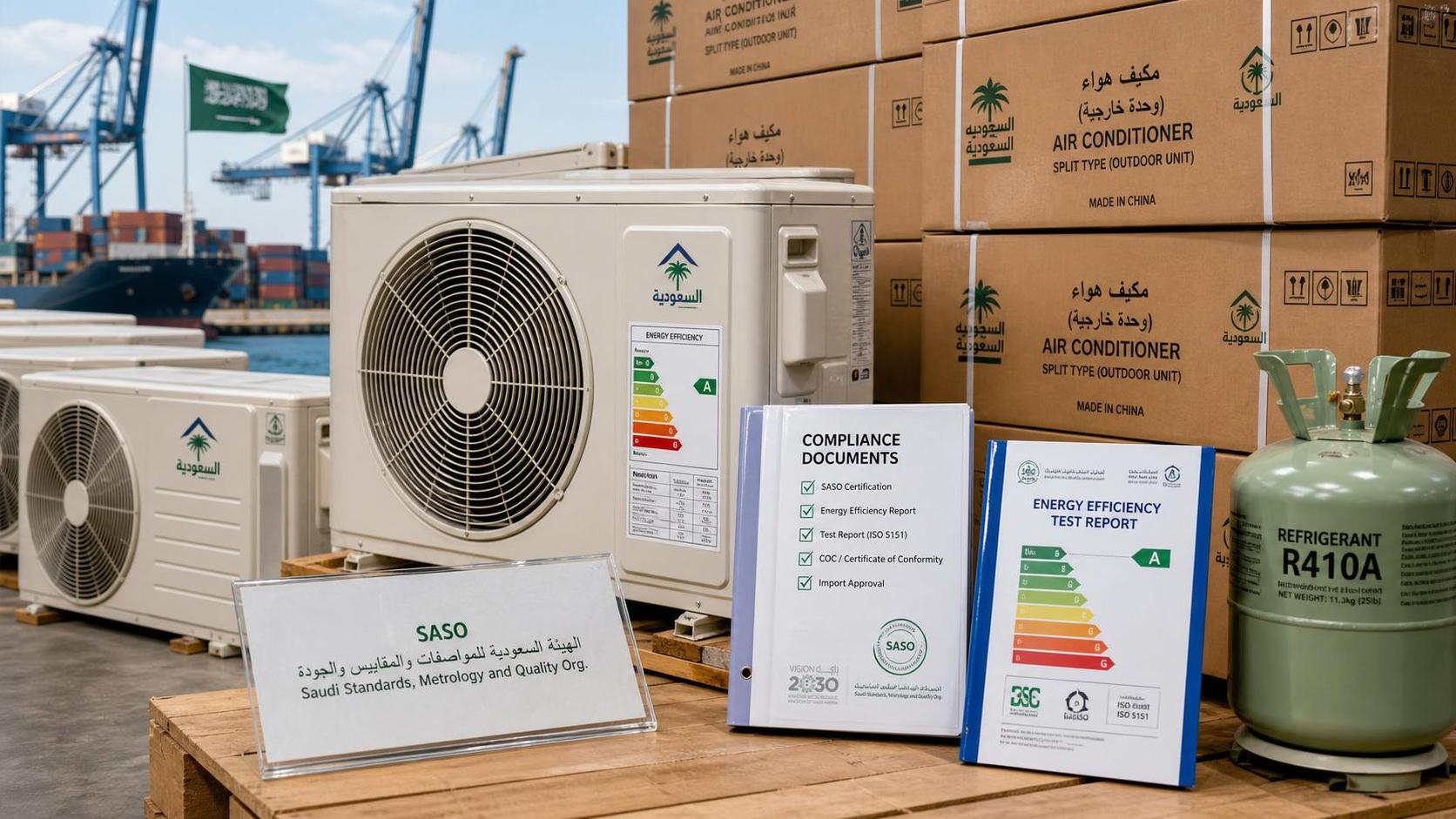
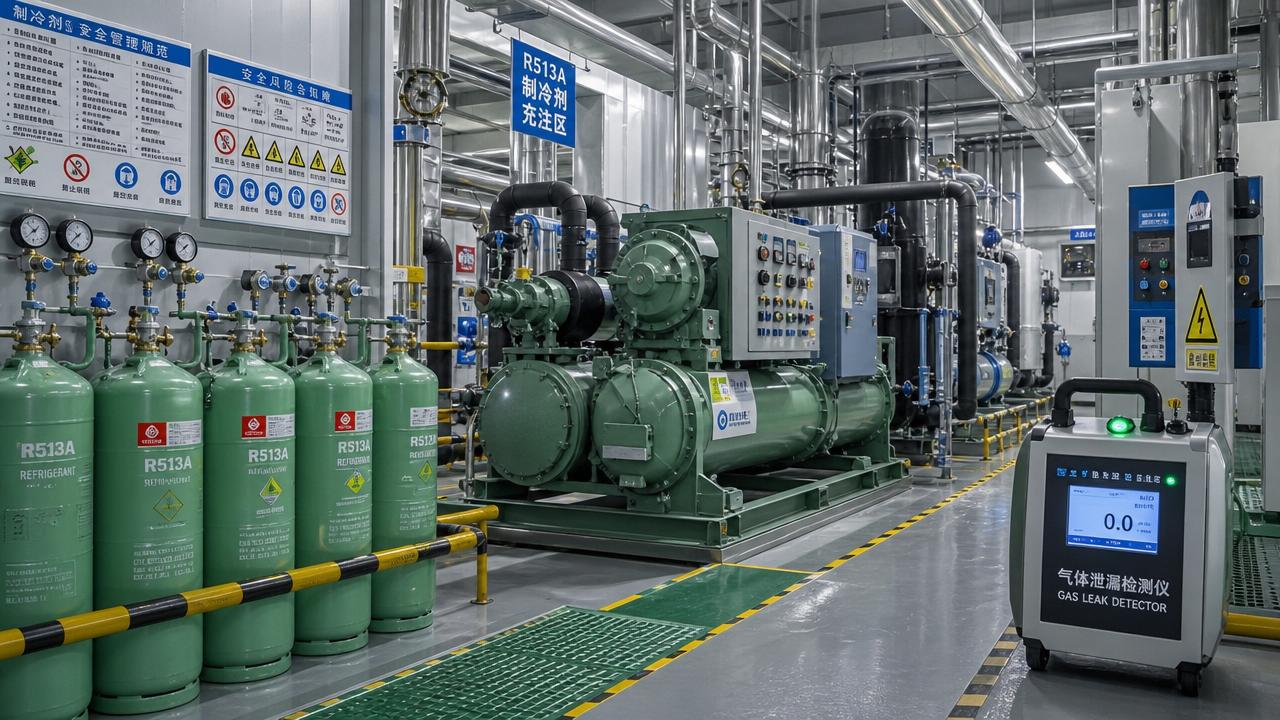
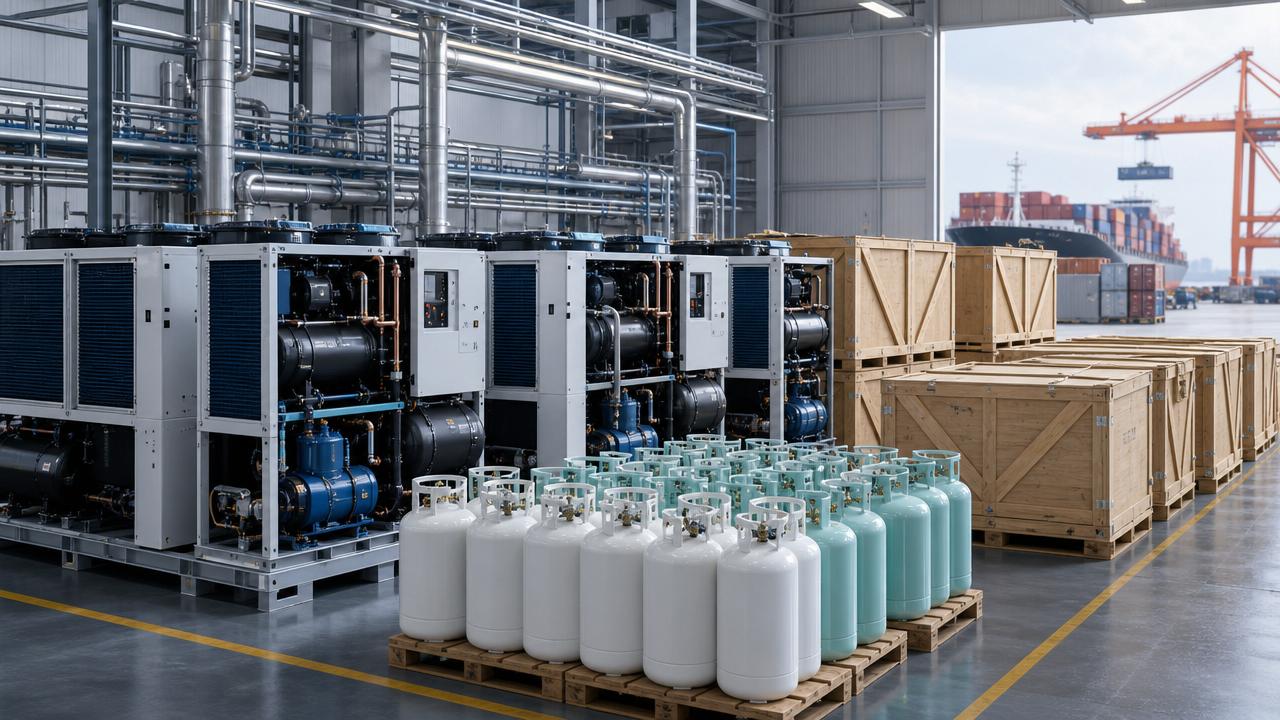
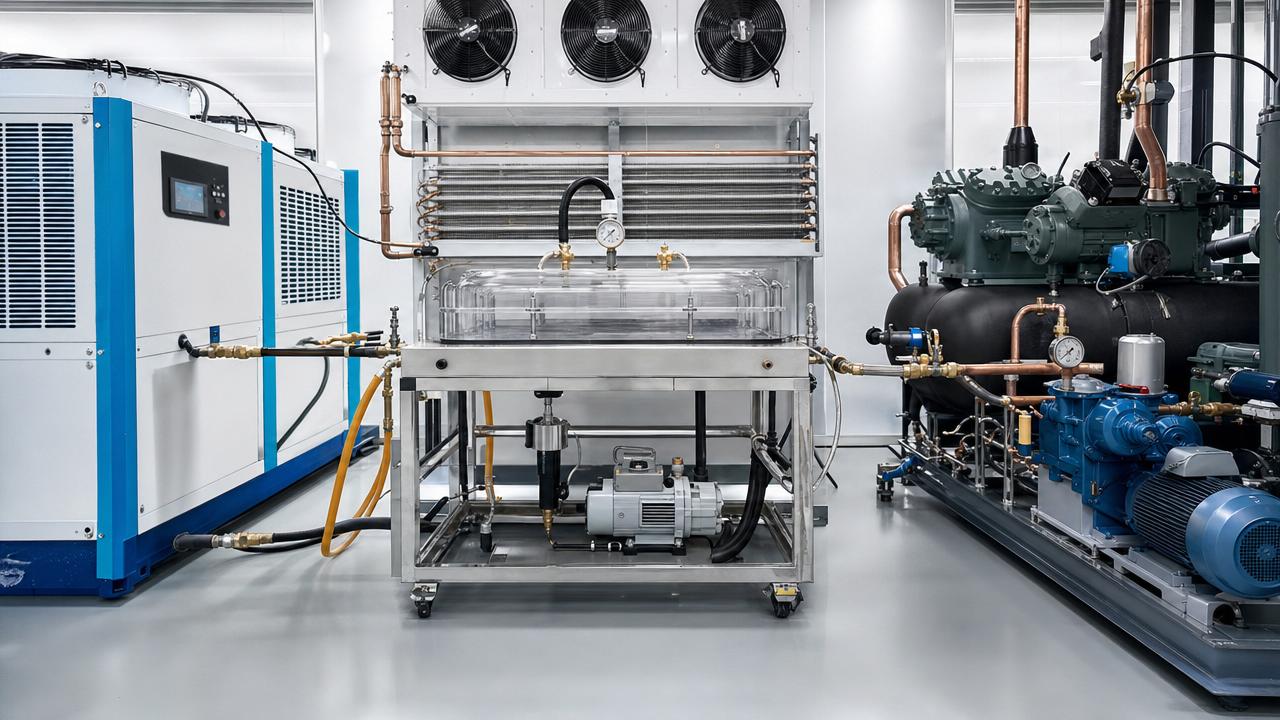
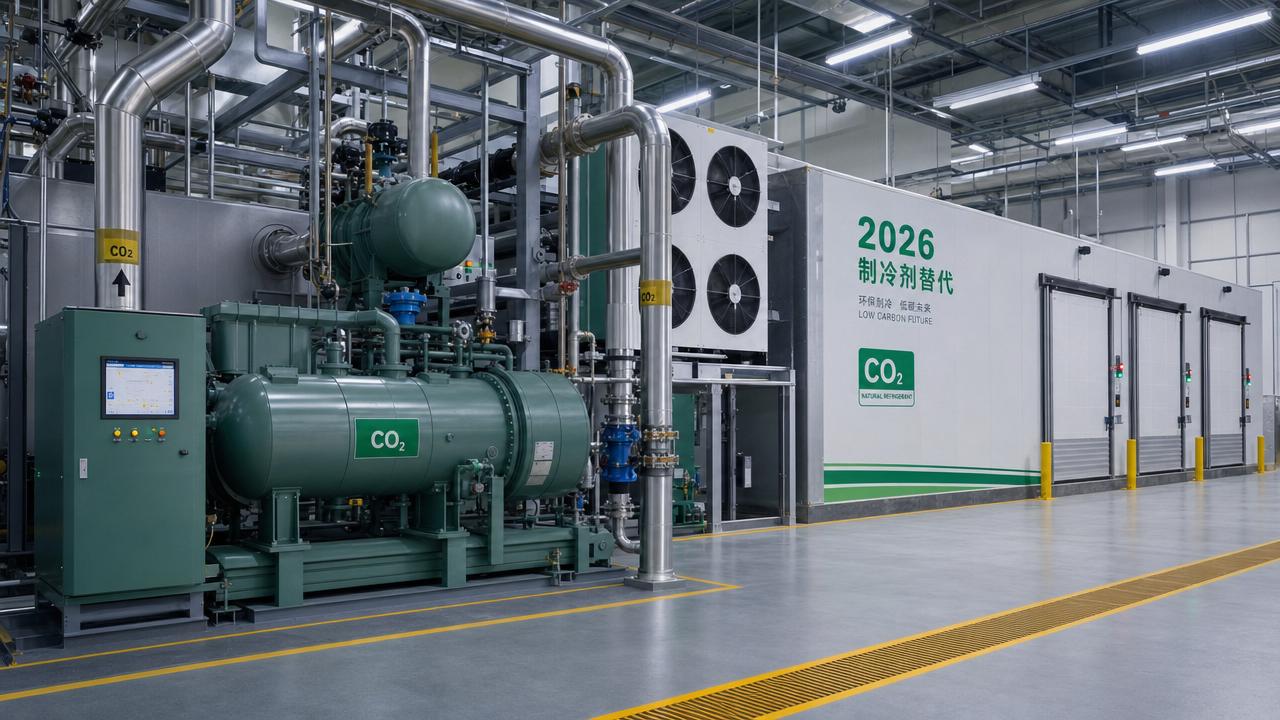
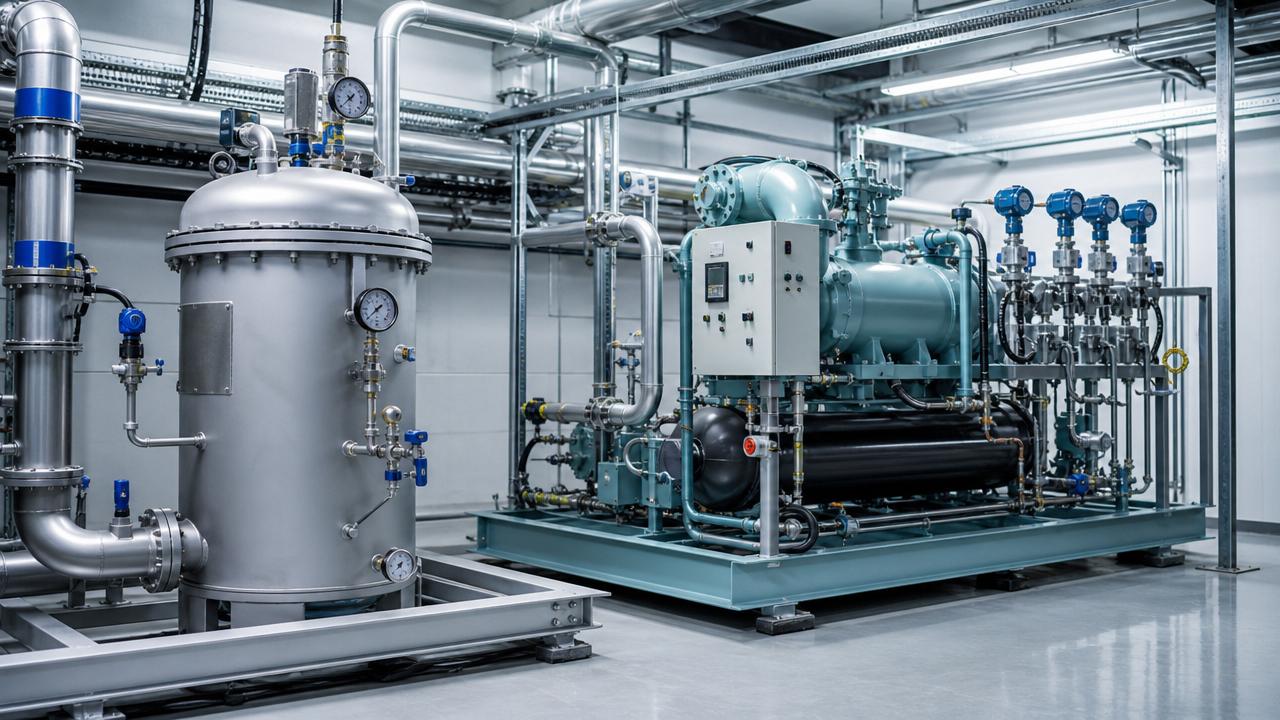
Image placement plan: place one standards-and-testing themed visual before the main body to support the policy update context and improve article readability.
On June 1, 2026, UL updated UL 60335-2-89 and added mandatory high-vacuum leak rate limits for R290-charged equipment at ≤5×10⁻⁷ Pa·m³/s, together with on-site vacuum hold verification requirements. The change directly affects exports of industrial freezers, commercial condensing units, and low-temperature cold storage systems, while creating a new certification compliance threshold for manufacturers of R290-based industrial chillers and cold storage equipment. The summary provided also indicates that multiple markets in North America and Southeast Asia have started equivalent adoption procedures.
Confirmed Changes in the Updated Standard
According to the provided event summary, UL revised UL 60335-2-89 on June 1, 2026. The updated safety standard now requires two additional compliance elements for equipment charged with R290:
- a mandatory high-vacuum leak rate limit of ≤5×10⁻⁷ Pa·m³/s;
- an on-site vacuum hold verification requirement.
The confirmed scope of impact described in the input covers industrial freezers, commercial condensing units, and low-temperature cold storage systems intended for export. The same summary states that the new rule creates a higher certification entry requirement for manufacturers producing R290-based industrial chillers and cold storage equipment. It also states that several markets in North America and Southeast Asia have initiated equivalent adoption procedures.
How the Rule Change Affects Different Market Participants
Export trading companies face higher compliance screening pressure
Trading companies involved in cross-border equipment sales may be affected because product eligibility for shipment can become more dependent on whether the equipment has met the revised UL 60335-2-89 requirements. The impact is likely to appear in quotation review, order confirmation, export documentation alignment, and pre-shipment compliance checks. These companies should pay close attention to whether suppliers can provide updated certification status, leak testing records, and verification evidence consistent with the revised requirements.
Procurement teams for materials and components must reassess sourcing readiness
Companies responsible for sourcing raw materials, sealing parts, piping assemblies, valves, and other relevant components may be affected because the tighter leak rate limit can raise expectations for system sealing performance and consistency. The effect may emerge during supplier selection, incoming material review, and technical specification matching. These buyers should closely monitor whether component suppliers can support the leak-tightness and vacuum verification needs of R290-charged systems under the updated certification framework.
Equipment manufacturers may need to adjust testing and certification workflows
Manufacturing enterprises are among the most directly affected participants, especially those producing industrial chillers, industrial freezers, commercial condensing units, and cold storage equipment using R290. The impact may appear in product design validation, production quality control, factory test arrangements, certification preparation, and export project delivery. These manufacturers should focus on whether current products, internal test methods, and compliance files are sufficient for the added high-vacuum leak rate requirement and the on-site vacuum hold verification step.
Supply chain service providers may see changes in documentation and delivery coordination
Service providers across the supply chain, including certification support, inspection coordination, logistics planning, and after-sales documentation management, may be affected because compliance timing can become more sensitive. The impact may show up in project scheduling, document turnover, customer acceptance coordination, and issue-tracing processes. These parties should watch for changes in required technical files, factory-to-site verification handover, and timing risks linked to updated certification checks.
Key Compliance Priorities for Companies
Review certification status against the revised UL requirements
Companies exporting relevant R290 equipment should first verify whether existing certification paths, test plans, and product files align with the revised UL 60335-2-89 requirements. This is particularly important for products already positioned for North American or Southeast Asian markets where equivalent adoption procedures are reported to have started.
Prepare testing capability for the new leak rate limit and vacuum hold checks
The added requirement is not only documentary. It directly concerns measurable leak performance and on-site verification. Companies should therefore examine whether their internal or external testing arrangements can support the ≤5×10⁻⁷ Pa·m³/s threshold and whether site-level vacuum hold verification can be organized and recorded in a compliant manner.
Align technical specifications, bid documents, and delivery conditions
For export projects involving industrial freezers, commercial condensing units, industrial chillers, or low-temperature cold storage systems, specification alignment becomes more important. Enterprises should review whether tender documents, customer technical schedules, and product datasheets need updating to reflect the new certification requirement and field verification expectations.
Strengthen supplier qualification and traceable technical records
Because compliance may depend on the integrity of the full refrigeration system, companies should pay closer attention to supplier qualification management, quality consistency, life-cycle verification records, and traceable technical documentation. This includes supporting records that may be needed during certification review, export compliance checks, and after-sales quality tracing.
Industry Observation: Certification Is Moving Closer to Process Control
From an industry perspective, this development is more appropriately understood as a shift from product-level compliance alone toward deeper verification of manufacturing quality and on-site execution capability. Analysis shows that when a standard adds both a strict leak rate threshold and a field vacuum hold requirement, the practical burden is not limited to laboratory testing. It can also influence supplier coordination, acceptance procedures, and export readiness.
What deserves closer attention is that equivalent adoption procedures are reported to be starting in multiple markets in North America and Southeast Asia. Observably, this may reduce the room for manufacturers to treat one market's certification change as an isolated issue. It may instead require earlier alignment across product design, testing, documentation, and service arrangements. This is an analytical interpretation based on the provided summary, not a statement of confirmed market-wide implementation outcomes.
It is also reasonable to view the update as a higher technical compliance threshold for R290 equipment exporters. Analysis suggests that enterprises with stronger leak control capability, more complete technical files, and better field verification organization may be better positioned to respond. However, the extent of that advantage will still depend on future implementation details and buyer-side document updates.
What This Update Means for the Sector
The June 2026 revision to UL 60335-2-89 signals a meaningful compliance change for exported R290 refrigeration equipment, especially in industrial and cold chain applications. The confirmed facts point to tighter certification conditions through a new high-vacuum leak rate limit and mandatory on-site vacuum hold verification. A cautious industry reading is that affected companies should treat this as a practical compliance upgrade rather than a purely formal standards revision, while continuing to assess how equivalent adoption and project documentation evolve.
Source Note and Follow-up Focus
This article was generated based on the user-provided news title, event date, and event summary. Specific official source links were not provided in the input and should be verified continuously.
For this type of standards and certification update, commonly relevant authoritative source categories may include official standards publishers, certification bodies, regulatory notices, buyer technical specifications, and industry association compliance updates. Follow-up attention should remain on detailed implementation guidance, certification interpretation practices, changes in tender and specification documents, and industry feedback on testing and on-site verification execution.
Related News
- EPA Freezes R-410A Quotas, Fast-Tracks R-32Author :Cryogenic Systems Expert

- Low GWP Refrigerants HFO Blends: Key Stability and Safety FactorsAuthor :Cryogenic Systems Expert

- R-32 Price Spike Reshapes Chiller ProcurementAuthor :Cryogenic Systems Expert

- How to Compare Environmentally Friendly Refrigerants by GWP, Safety, and CostAuthor :Cryogenic Systems Expert

- R-454B Export Quota Cut 18% as Lead Times DoubleAuthor :Cryogenic Systems Expert

- Japan Cuts R32 and R290 Import Quotas From July 10Author :Cryogenic Systems Expert

- EPA Cuts R-134a Import Quotas 42% From July 2026Author :Cryogenic Systems Expert
![]()
- Low GWP Refrigerants HFO Blends: Performance and Compliance in 2026Author :Cryogenic Systems Expert

- R-513A Jumps 23% as China Tightens Export QuotasAuthor :Cryogenic Systems Expert

- Environmentally Friendly Refrigerants in 2026: Compliance Risks and Upgrade PrioritiesAuthor :Cryogenic Systems Expert

- Pharmaceutical Temperature Control Systems: Common Compliance RisksAuthor :Cryogenic Systems Expert

- China Tightens Q3 R32 Export QuotasAuthor :Cryogenic Systems Expert

- California EPR Deadline Nears for Refrigeration MakersAuthor :Cryogenic Systems Expert

- Resource Circularity Trends Reshaping Refrigerants and Cooling SystemsAuthor :Cryogenic Systems Expert

- HFCs Filing Rules Enter Full EnforcementAuthor :Cryogenic Systems Expert

- How Environmentally Friendly Refrigerants Affect Chiller ComplianceAuthor :Cryogenic Systems Expert

- EU REACH Tightens Refrigerant Impurity Limits for R134a ExportsAuthor :Cryogenic Systems Expert

- China Seeks Feedback on 2027 Refrigerant QuotasAuthor :Cryogenic Systems Expert

- EU to Ban High-GWP ACs in 2029 as R410A Exits HomesAuthor :Cryogenic Systems Expert

- US, UK Delay HFC Phaseout, Extending R32/R134a Export WindowAuthor :Cryogenic Systems Expert

- EU HFC Cut Tightens by 2029 as Gen-3 Output Falls 10%Author :Cryogenic Systems Expert

- Kuwait Bans HCFC AC Imports as Shift to R32/R290 Speeds UpAuthor :Cryogenic Systems Expert

- Saudi SASO Rules Tighten AC Imports in DecemberAuthor :Cryogenic Systems Expert

- Environmentally Friendly Refrigerants: Compliance, Safety, and Retrofit RisksAuthor :Cryogenic Systems Expert

- SABIC Force Majeure Keeps Chiller Refrigerant Supply TightAuthor :Cryogenic Systems Expert

- SABIC Force Majeure Tightens Refrigerant FeedstocksAuthor :Cryogenic Systems Expert

- UL 60335-2-89 Tightens R290 Leak Test RulesAuthor :Cryogenic Systems Expert
![]()
- UL 60335-2-89 Adds R290 Vacuum Leak TestAuthor :Cryogenic Systems Expert

- Global Refrigerant Price Index Falls 8.3% MoM in MayAuthor :Cryogenic Systems Expert
![]()
- PSA Jurong Island Launches Mandatory Cold-Chain Traceability for RefrigerantsAuthor :Cryogenic Systems Expert
![]()
- 2026 Refrigerants Shift: What Changes for Cold StorageAuthor :Cryogenic Systems Expert

- Shanghai Pudong Pilots E-Labels for Imported CosmeticsAuthor :Cryogenic Systems Expert

- 2026 Refrigerant Shift: Safer Options With Lower Compliance RiskAuthor :Cryogenic Systems Expert

- Vitafoods Europe Highlights Clinical Herb Data, Cold Chain Demand SurgesAuthor :Cryogenic Systems Expert
![]()
- U.S. Treasury Yield Surge Stabilizes Silver, Eases Refrigerants Export PricingAuthor :Cryogenic Systems Expert

- France Allocates €710M to Support War-Impacted Firms on Cold Chain ComplianceAuthor :Cryogenic Systems Expert