



Japan TELEC Certification Upgrade: Wireless Mics & Cold Chain Devices Must Comply with 2026 Radio Law




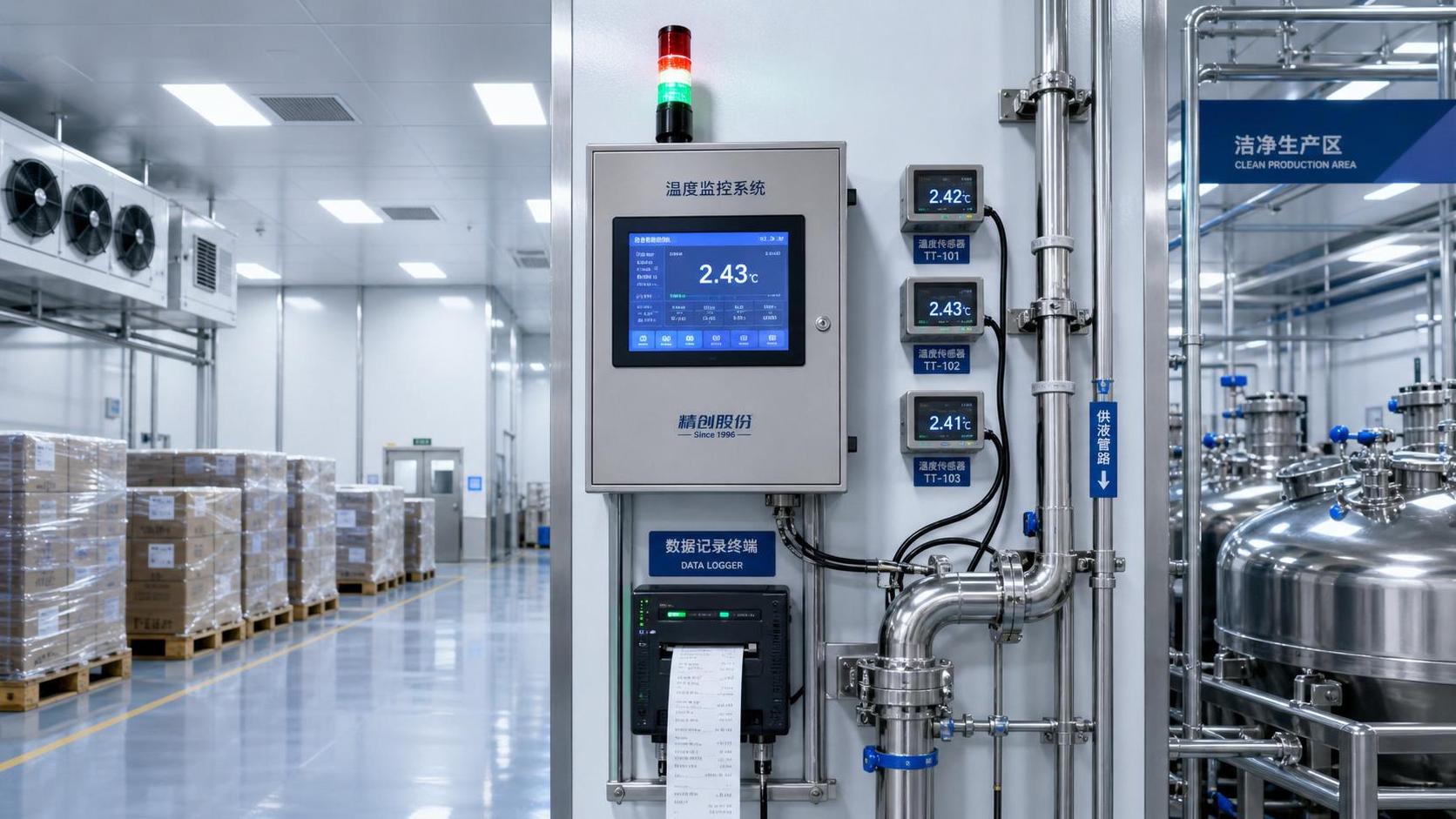
Japan’s revised Radio Law, set to take effect in 2026, mandates that all devices with active RF transmission functions—including wireless microphones, Bluetooth-enabled cold chain monitoring terminals, and wireless temperature/humidity sensors—must obtain updated TELEC technical conformity certification prior to import. This regulatory shift directly affects exporters of refrigerants monitoring systems and smart cold storage inspection equipment, requiring reassessment of RF compliance status across supply chains. Importers in Japan, especially those sourcing from China, must now verify the validity of existing suppliers’ TELEC test reports and certification scope.
Event Overview
The 2026 revision of Japan’s Radio Law formally requires TELEC (Telecom Engineering Center) technical conformity certification for all radio-emitting devices placed on the Japanese market. As confirmed in official announcements, this applies to any equipment incorporating intentional RF transmitters—regardless of frequency band or output power—such as wireless microphone transmitters, Bluetooth-based refrigerant leak detectors, and wireless environmental sensors used in cold chain logistics. The regulation does not specify a grace period; compliance is required at the point of import after implementation.
Industries Affected
Direct Exporters & Trading Companies
Exporters handling wireless audio equipment or cold chain monitoring hardware face immediate shipment delays if TELEC certification is incomplete or outdated. Impact manifests in customs clearance rejection, retesting costs, and potential contract penalties where compliance clauses are enforceable under Incoterms®.
Manufacturers of Refrigerants Monitoring Systems
Firms producing gas-sensing or pressure-monitoring devices with integrated Wi-Fi, Bluetooth, or proprietary RF modules must confirm whether their current TELEC certificates cover the exact transmitter configuration, firmware version, and antenna design used in production units. Minor hardware revisions may invalidate prior certifications.
Smart Cold Storage Equipment Suppliers
Suppliers of automated巡检 (inspection) terminals—including handheld or fixed-mount devices with wireless data uplink—must ensure each model variant meets the new testing requirements. Multi-band or dual-mode (e.g., BLE + Sub-GHz) operation triggers additional evaluation criteria under the revised TELEC framework.
Supply Chain Service Providers (Testing Labs, Certification Agents)
Third-party labs and certification consultants supporting Chinese manufacturers will see increased demand for pre-submission RF verification, documentation alignment with MIC Notice No. 179 (2024), and post-certification surveillance support—especially for firmware update validation.
Key Considerations & Recommended Actions
Monitor official updates from Japan’s Ministry of Internal Affairs and Communications (MIC)
While the 2026 effective date is confirmed, MIC may issue supplementary notices clarifying transitional arrangements, grandfathering conditions for legacy certifications, or exemptions for low-power devices. Stakeholders should subscribe to MIC’s official English-language alerts and review MIC Notice No. 179 (2024) for current test standards.
Inventory and audit existing TELEC certificates by product SKU and RF module version
Many manufacturers hold TELEC approvals issued under older versions of the Technical Requirements for Radio Equipment. Certificates must be mapped to specific hardware BOMs—not just model names—to identify gaps. Pay particular attention to antenna integration method (PCB trace vs. external), modulation schemes, and duty cycle parameters.
Distinguish between policy signal and operational readiness
The 2026 deadline signals tightening enforcement—not an abrupt cutoff. However, Japanese importers are already requesting updated TELEC evidence during tender evaluations. Delaying certification planning risks losing bid opportunities or triggering last-minute factory audits.
Initiate supplier communication and documentation review ahead of Q3 2025
For OEM/ODM relationships, initiate joint reviews of RF test reports and certification scope language before mid-2025. Confirm whether suppliers retain ownership of TELEC certificates or if importer-named applications are required—this affects renewal responsibility and liability allocation.
Editorial Observation / Industry Perspective
Observably, this requirement reflects Japan’s broader alignment with global RF harmonization trends—particularly tighter control over unintentional emissions and firmware-defined radio behavior. Analysis shows it is less a sudden disruption and more a formalization of expectations already emerging in pre-market consultations since 2023. From an industry standpoint, it signals increasing convergence between regulatory compliance and product lifecycle management: firmware updates, component substitutions, and even packaging changes may now trigger re-certification. Continued attention is warranted—not because implementation is uncertain, but because its ripple effects extend beyond certification into R&D workflows and procurement governance.
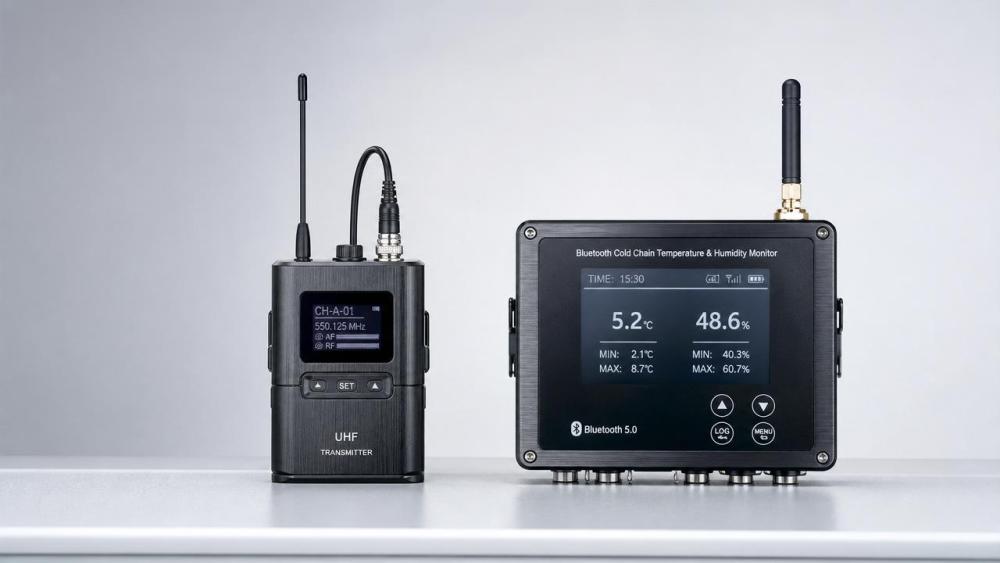
Japan’s TELEC certification upgrade underscores how national spectrum regulations increasingly govern not only telecom hardware but also embedded wireless functionality in industrial and logistics equipment. For stakeholders, this is best understood not as a one-time compliance hurdle, but as an inflection point in cross-border product governance—where RF compliance becomes inseparable from device software architecture, supply chain transparency, and import risk planning.
Source: Official notifications from Japan’s Ministry of Internal Affairs and Communications (MIC); TELEC Technical Conformity Certification Guidelines (Revision 2024); Publicly available MIC Notice No. 179 (2024).
Note: Transitional provisions, if any, remain pending official clarification and are subject to ongoing observation.
Related News
- EPA Freezes R-410A Quotas, Fast-Tracks R-32Author :Cryogenic Systems Expert

- Low GWP Refrigerants HFO Blends: Key Stability and Safety FactorsAuthor :Cryogenic Systems Expert

- R-32 Price Spike Reshapes Chiller ProcurementAuthor :Cryogenic Systems Expert

- How to Compare Environmentally Friendly Refrigerants by GWP, Safety, and CostAuthor :Cryogenic Systems Expert

- R-454B Export Quota Cut 18% as Lead Times DoubleAuthor :Cryogenic Systems Expert

- Japan Cuts R32 and R290 Import Quotas From July 10Author :Cryogenic Systems Expert

- EPA Cuts R-134a Import Quotas 42% From July 2026Author :Cryogenic Systems Expert
![]()
- Low GWP Refrigerants HFO Blends: Performance and Compliance in 2026Author :Cryogenic Systems Expert

- R-513A Jumps 23% as China Tightens Export QuotasAuthor :Cryogenic Systems Expert

- Environmentally Friendly Refrigerants in 2026: Compliance Risks and Upgrade PrioritiesAuthor :Cryogenic Systems Expert

- Pharmaceutical Temperature Control Systems: Common Compliance RisksAuthor :Cryogenic Systems Expert

- China Tightens Q3 R32 Export QuotasAuthor :Cryogenic Systems Expert

- California EPR Deadline Nears for Refrigeration MakersAuthor :Cryogenic Systems Expert

- Resource Circularity Trends Reshaping Refrigerants and Cooling SystemsAuthor :Cryogenic Systems Expert

- HFCs Filing Rules Enter Full EnforcementAuthor :Cryogenic Systems Expert

- How Environmentally Friendly Refrigerants Affect Chiller ComplianceAuthor :Cryogenic Systems Expert

- EU REACH Tightens Refrigerant Impurity Limits for R134a ExportsAuthor :Cryogenic Systems Expert

- China Seeks Feedback on 2027 Refrigerant QuotasAuthor :Cryogenic Systems Expert

- EU to Ban High-GWP ACs in 2029 as R410A Exits HomesAuthor :Cryogenic Systems Expert

- US, UK Delay HFC Phaseout, Extending R32/R134a Export WindowAuthor :Cryogenic Systems Expert

- EU HFC Cut Tightens by 2029 as Gen-3 Output Falls 10%Author :Cryogenic Systems Expert

- Kuwait Bans HCFC AC Imports as Shift to R32/R290 Speeds UpAuthor :Cryogenic Systems Expert

- Saudi SASO Rules Tighten AC Imports in DecemberAuthor :Cryogenic Systems Expert

- Environmentally Friendly Refrigerants: Compliance, Safety, and Retrofit RisksAuthor :Cryogenic Systems Expert

- SABIC Force Majeure Keeps Chiller Refrigerant Supply TightAuthor :Cryogenic Systems Expert

- SABIC Force Majeure Tightens Refrigerant FeedstocksAuthor :Cryogenic Systems Expert

- UL 60335-2-89 Tightens R290 Leak Test RulesAuthor :Cryogenic Systems Expert
![]()
- UL 60335-2-89 Adds R290 Vacuum Leak TestAuthor :Cryogenic Systems Expert

- Global Refrigerant Price Index Falls 8.3% MoM in MayAuthor :Cryogenic Systems Expert
![]()
- PSA Jurong Island Launches Mandatory Cold-Chain Traceability for RefrigerantsAuthor :Cryogenic Systems Expert
![]()
- 2026 Refrigerants Shift: What Changes for Cold StorageAuthor :Cryogenic Systems Expert

- Shanghai Pudong Pilots E-Labels for Imported CosmeticsAuthor :Cryogenic Systems Expert

- 2026 Refrigerant Shift: Safer Options With Lower Compliance RiskAuthor :Cryogenic Systems Expert

- Vitafoods Europe Highlights Clinical Herb Data, Cold Chain Demand SurgesAuthor :Cryogenic Systems Expert
![]()
- U.S. Treasury Yield Surge Stabilizes Silver, Eases Refrigerants Export PricingAuthor :Cryogenic Systems Expert

- France Allocates €710M to Support War-Impacted Firms on Cold Chain ComplianceAuthor :Cryogenic Systems Expert