



Vitafoods Europe Highlights Clinical Herb Data, Cold Chain Demand Surges




On May 22, 2026, at Vitafoods Europe in Barcelona, Spain, clinical-grade efficacy data for botanical interventions—particularly MRI-confirmed outcomes in osteoarthritis—were prominently showcased by global nutrition leaders including PLH. This shift toward evidence-based substantiation is accelerating demand for ultra-precise, GMP-aligned cold chain infrastructure across the dietary supplement and nutraceutical supply chain.
Event Overview
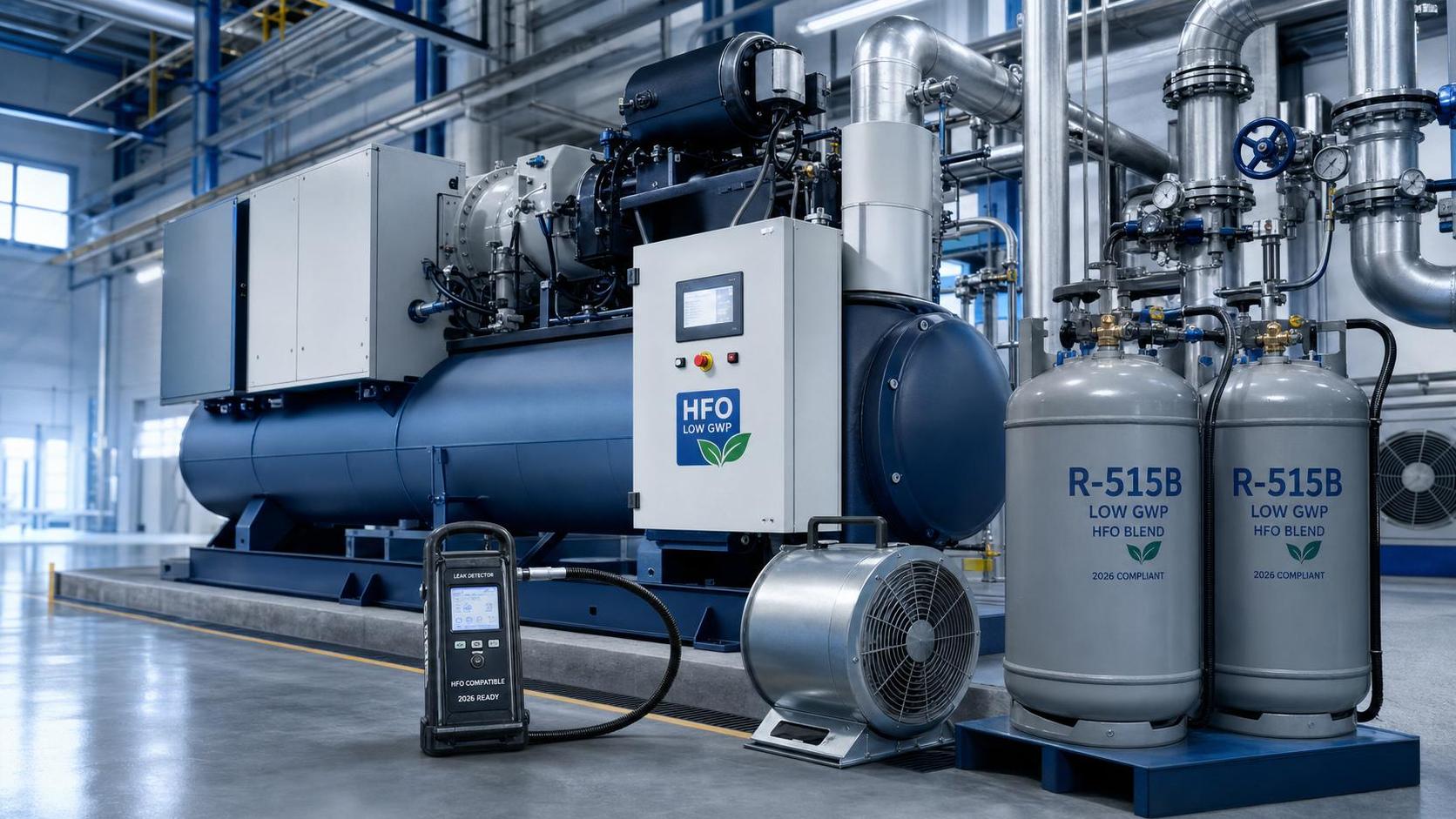
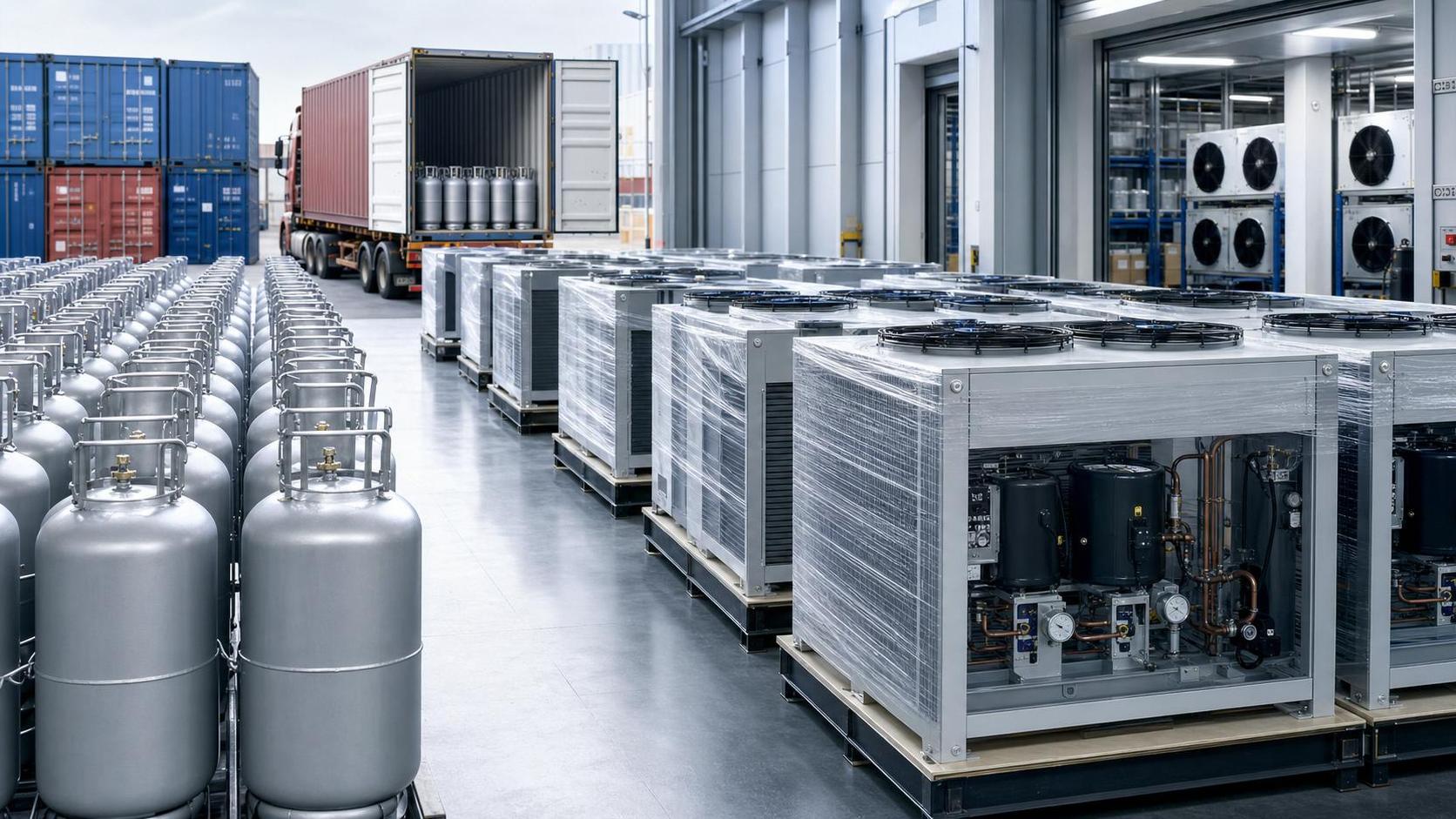
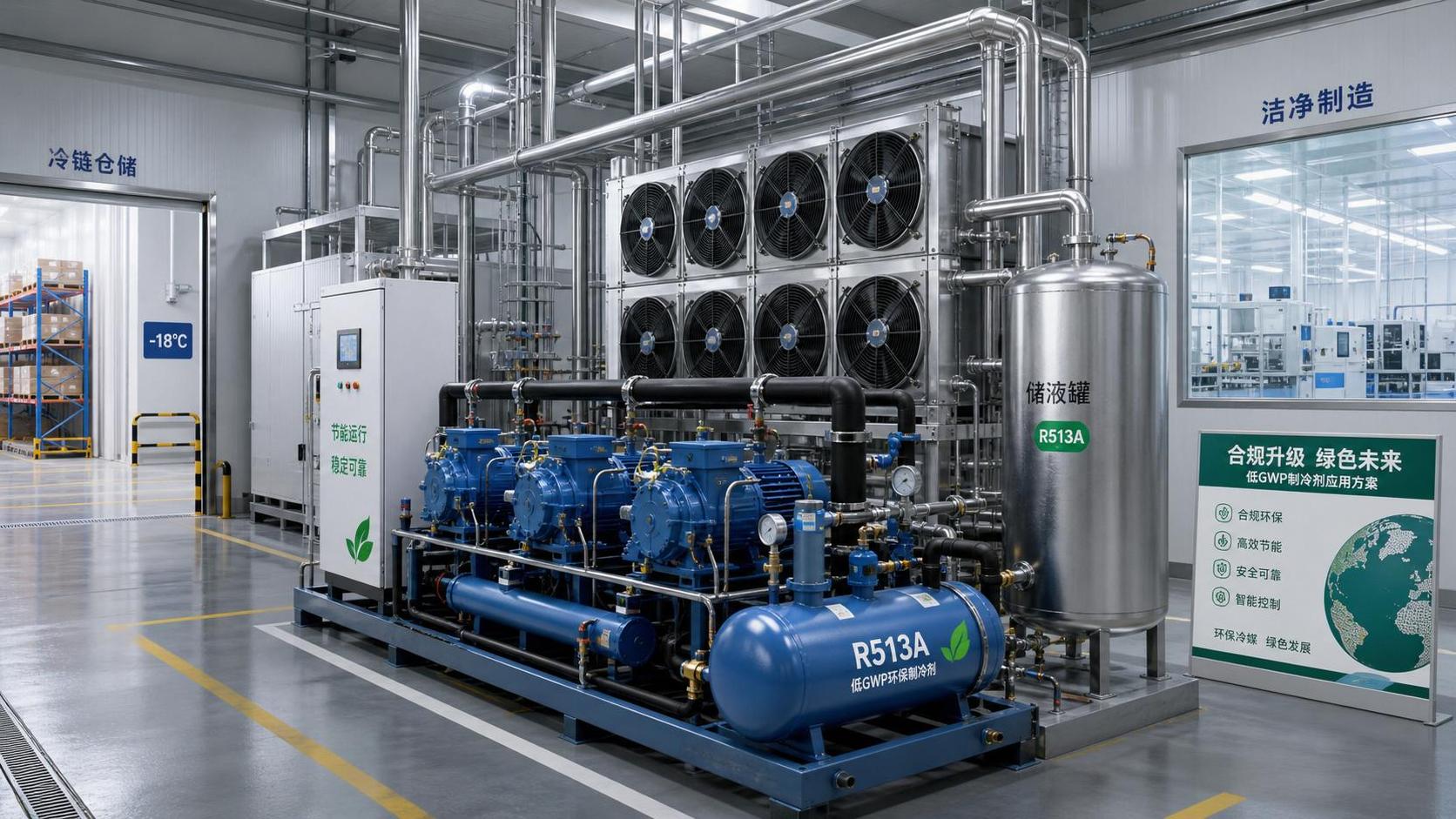
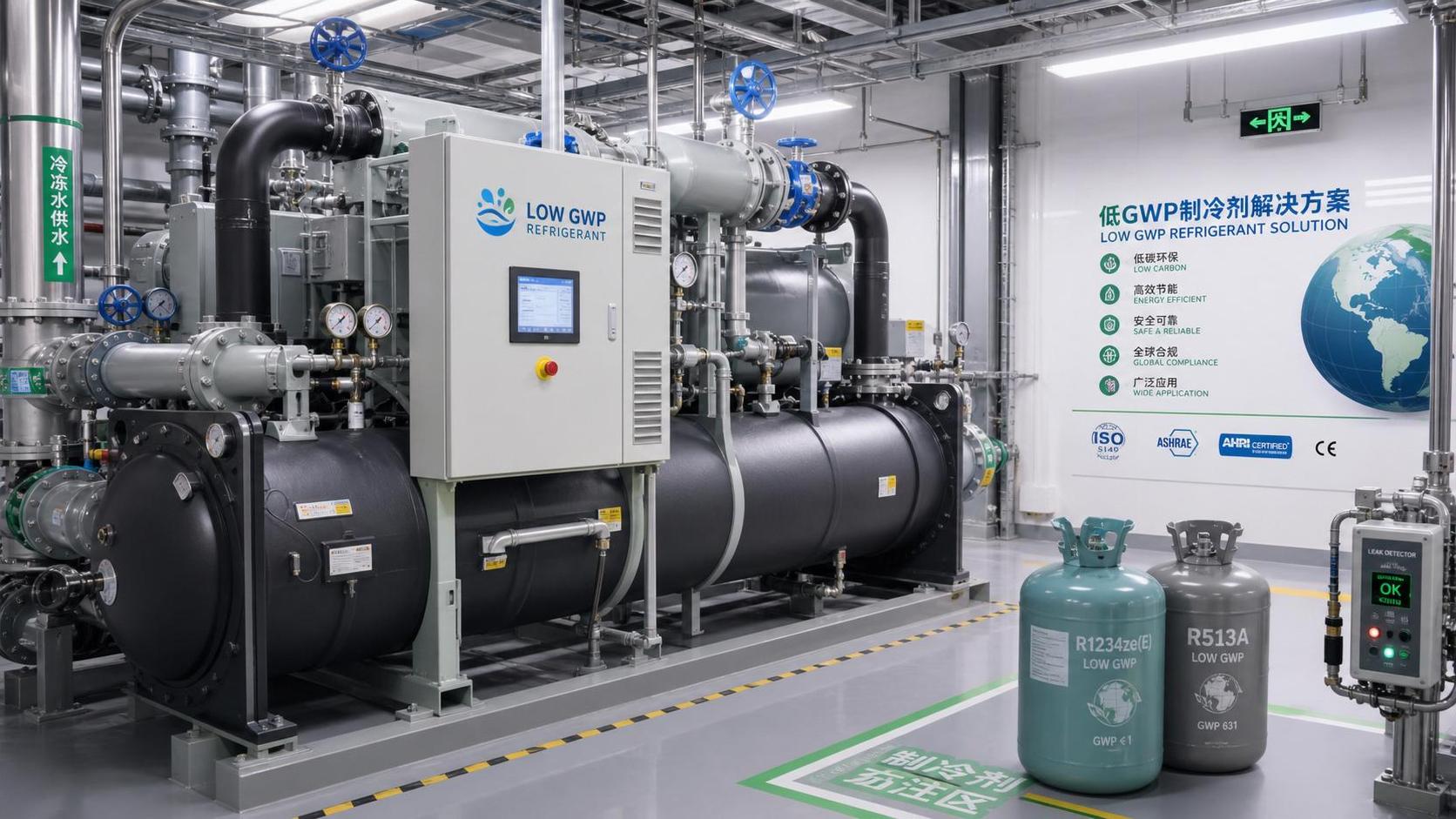
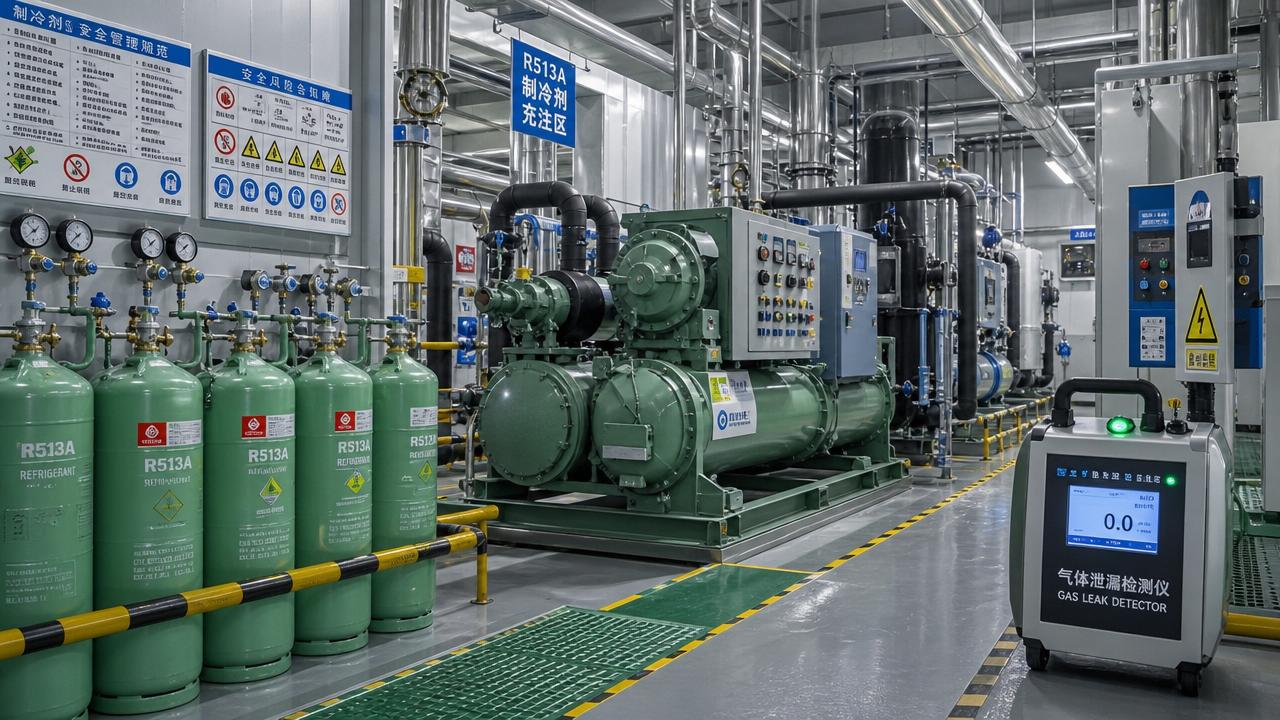
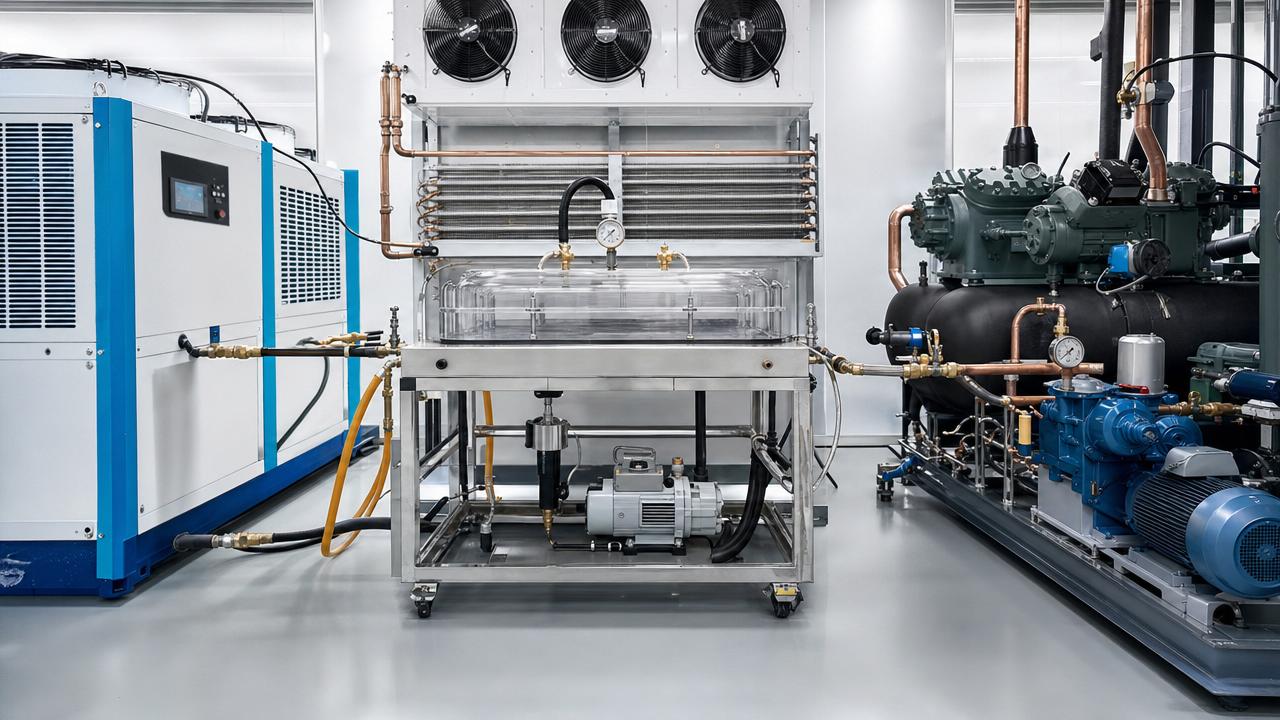
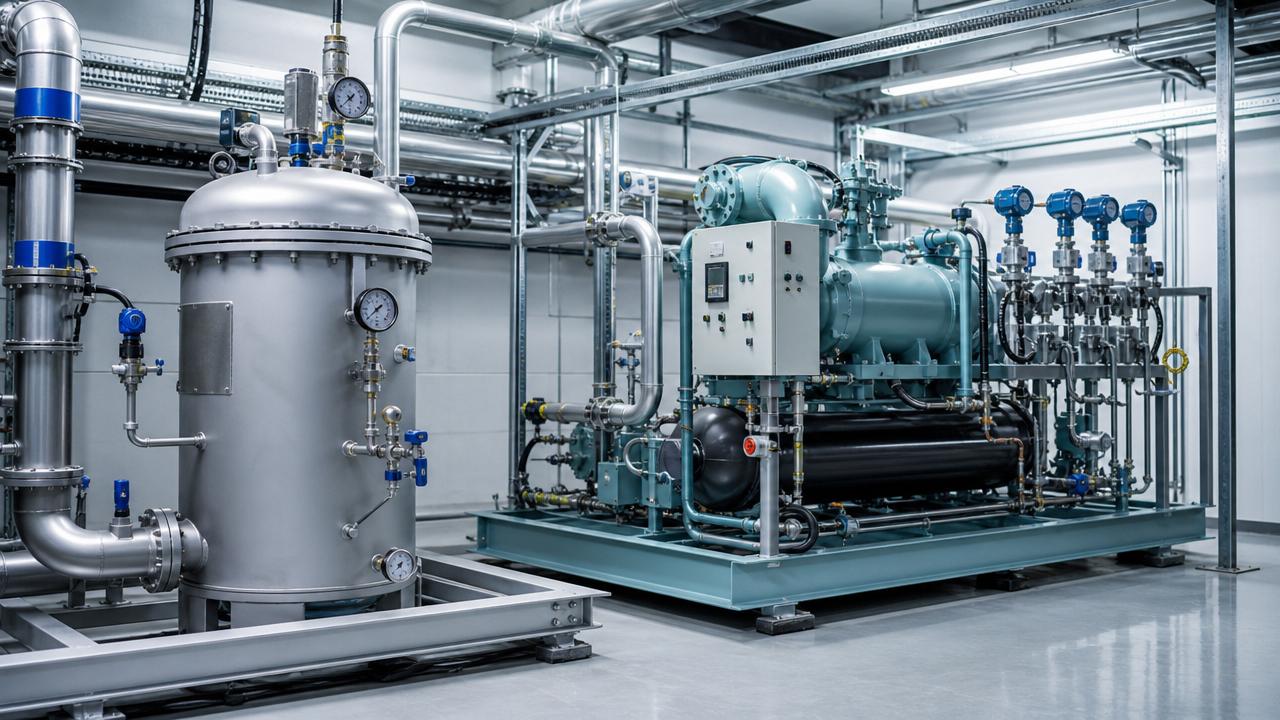
On May 22, 2026, during Vitafoods Europe in Barcelona, Spain, companies including PLH presented peer-reviewed, MRI-validated clinical data demonstrating structural joint benefits of botanical formulations for osteoarthritis. Concurrently, industry stakeholders emphasized that such high-evidence claims now necessitate strict cold chain integrity: storage and transport must maintain −25°C ±0.5°C, with full temperature traceability across all logistics touchpoints. This requirement directly increases procurement demand for industrial chillers, GMP-compliant cold storage facilities, and low-global-warming-potential (GWP) refrigerants—including R449A and R513A—certified for pharmaceutical-grade applications.
Industries Affected
Direct trading enterprises: Face heightened compliance pressure when importing or distributing clinically substantiated botanical products into EU or US markets. Regulatory scrutiny of label claims now extends to supporting cold chain documentation; failure to provide auditable temperature logs may trigger product rejection or marketing restrictions.
Raw material procurement firms: Must reassess supplier qualification criteria—not only for botanical potency and purity, but also for validated cold chain handover protocols. Sourcing from facilities lacking ISO 22000 or GDP-certified cold warehousing introduces evidentiary risk under EFSA or FDA enforcement frameworks.
Manufacturing and contract development organizations (CDMOs): Are required to upgrade facility HVAC and cold storage validation protocols to meet −25°C stability testing requirements for finished dosage forms. Retrospective validation of existing cold rooms is no longer sufficient; prospective, real-time monitoring with alarm-triggered deviation reporting is becoming standard.
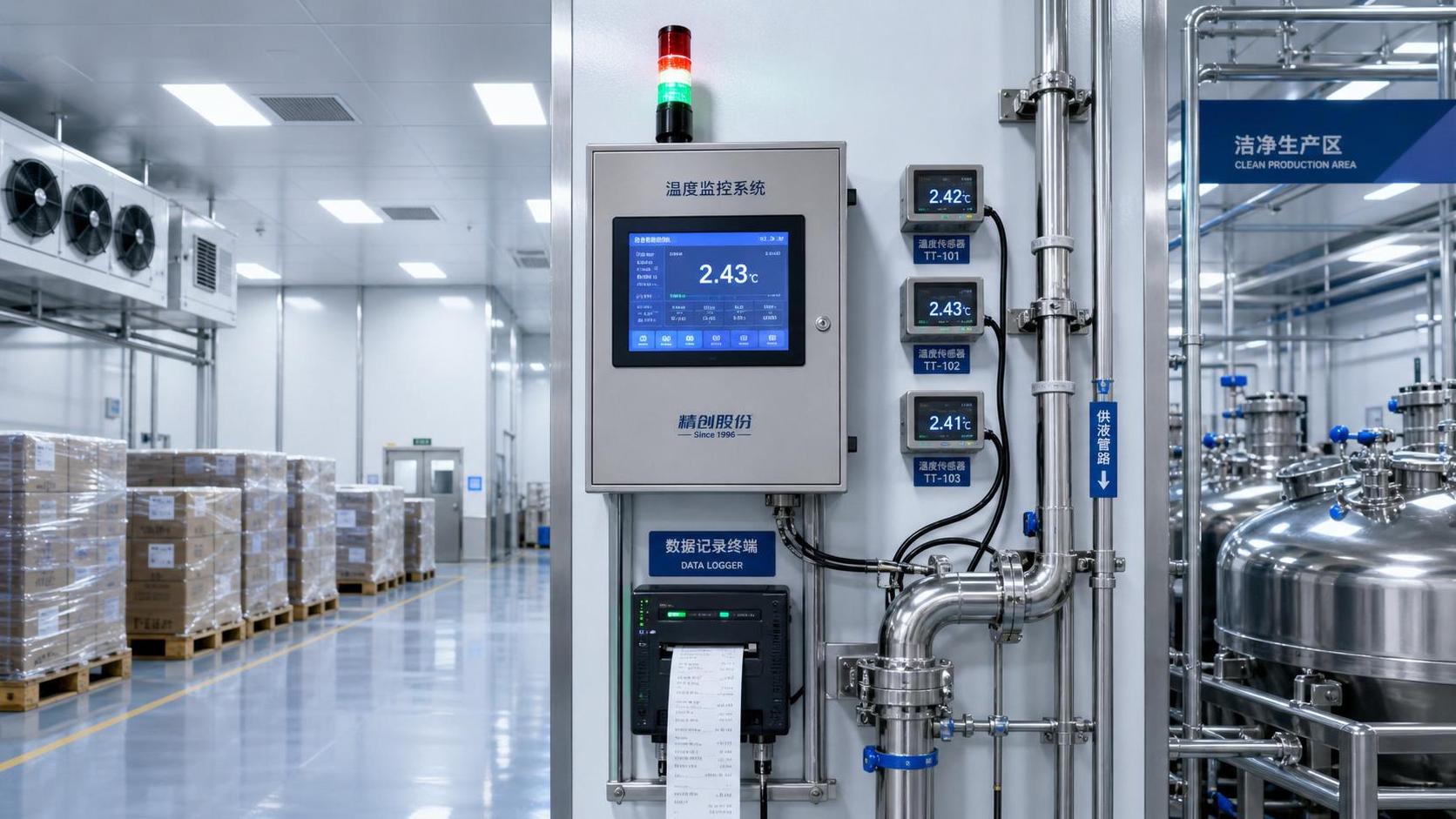
Supply chain service providers: Including cold freight forwarders, warehouse operators, and IoT sensor vendors, are experiencing accelerated adoption of EN 13485-aligned temperature monitoring systems and cloud-based chain-of-custody platforms. Integration with ERP and regulatory submission portals (e.g., EMA’s eCTD) is emerging as a differentiator—not just a feature.
Key Focus Areas & Recommended Actions
Validate cold chain alignment against clinical claim scope
Companies making MRI- or biomarker-supported health claims must map each temperature-sensitive ingredient—and its formulation stage—to corresponding cold chain specifications. A −25°C requirement applies not only to bulk extracts but also to encapsulated tablets undergoing long-term stability studies.
Prioritize refrigerant transition planning for GMP facilities
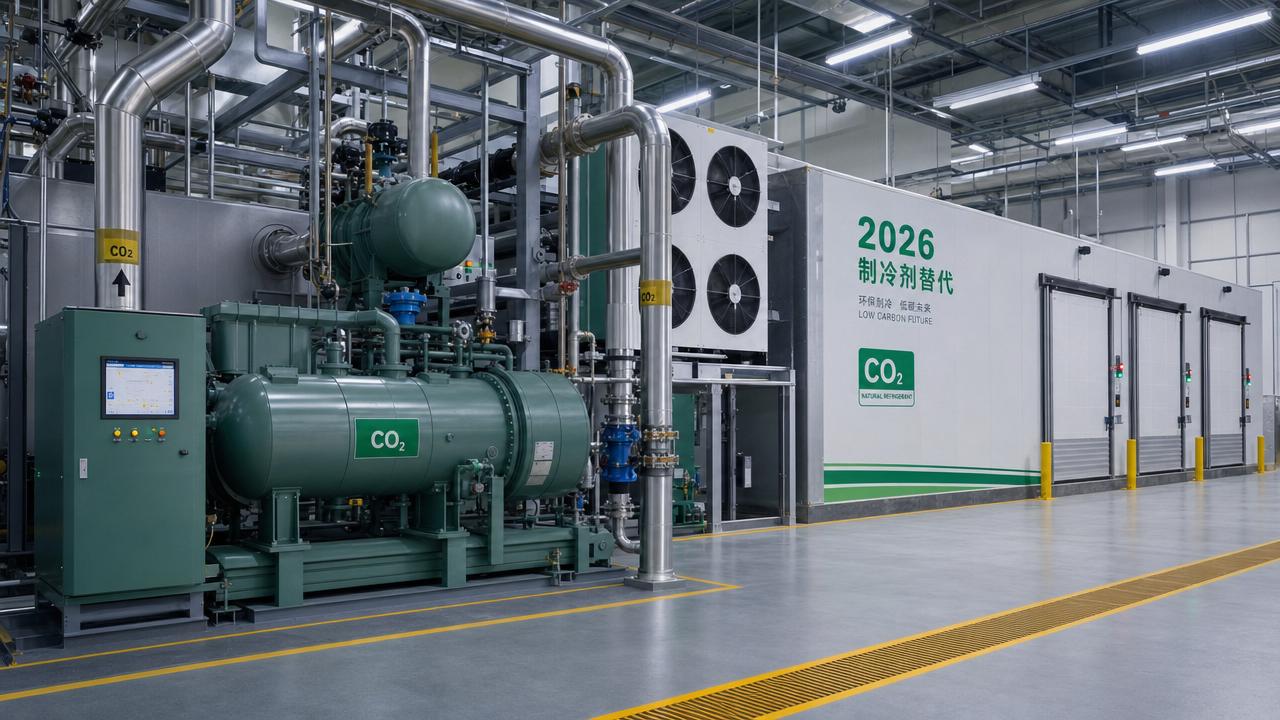
R449A and R513A are gaining traction over R404A due to lower GWP and compatibility with existing industrial chiller retrofits—but their use requires updated safety assessments (per ASHRAE 34), revised P&IDs, and operator retraining. Facilities should initiate phase-out timelines aligned with F-Gas Regulation revision cycles.
Audit third-party cold logistics with clinical evidence in mind
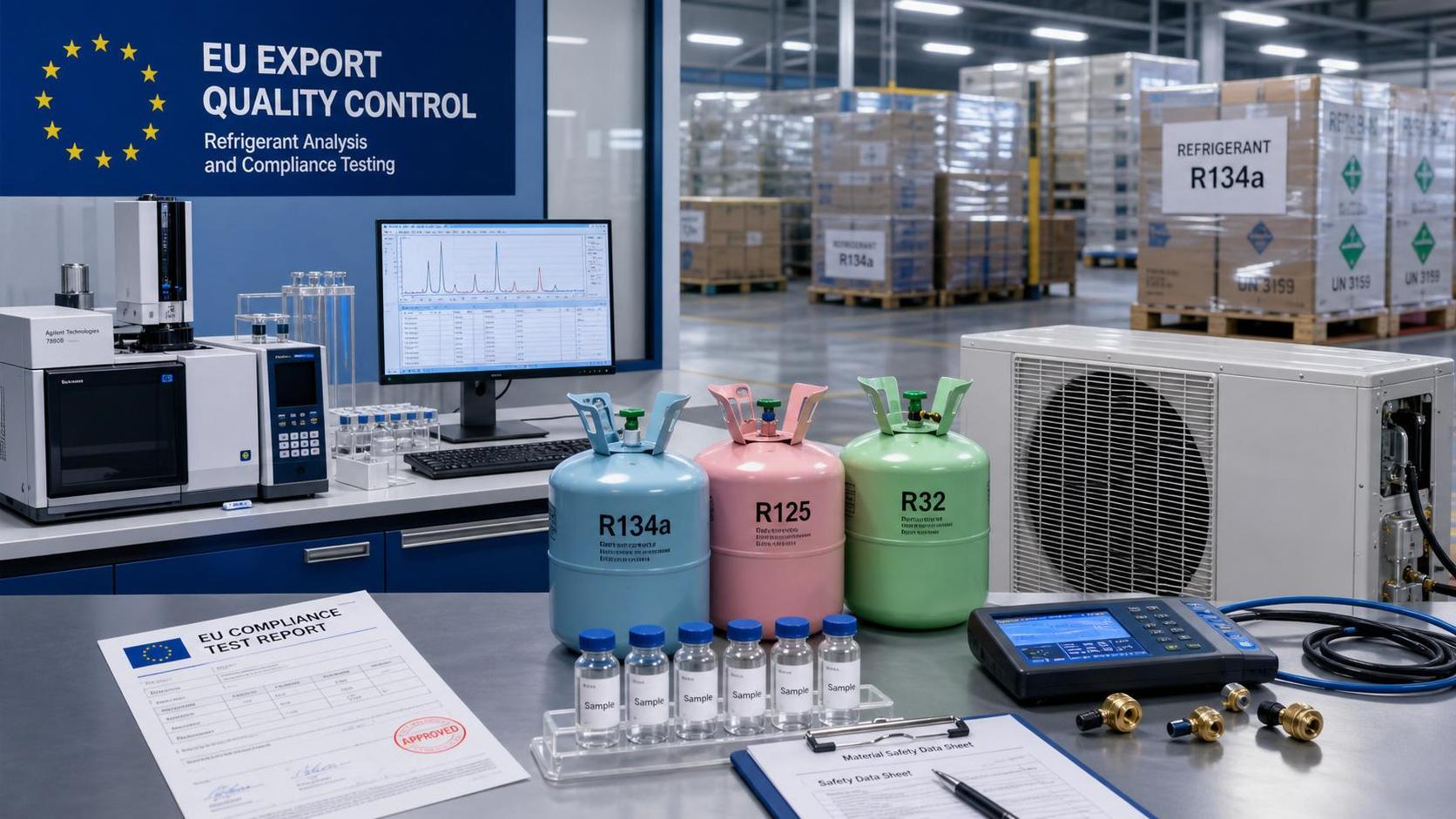
Third-party cold storage and transport partners must demonstrate capability to generate ICH-aligned temperature excursions reports—including duration, magnitude, and impact assessment per batch. Generic “temperature compliance” statements are no longer defensible when clinical trial comparability hinges on thermal history.
Editorial Perspective / Industry Observation
Observably, this is not merely a logistics upgrade—it reflects a structural convergence between clinical nutrition science and pharma-grade operational rigor. Analysis shows that the bar for substantiating botanical health claims is shifting from in vitro or epidemiological data toward imaging- and biomarker-confirmed endpoints. That shift, in turn, propagates downstream into infrastructure investment decisions previously considered outside the scope of nutraceutical operations. From an industry perspective, the cold chain is no longer a cost center but a core evidentiary layer.
Conclusion
This development signals a maturation point: botanical ingredients are being held to clinical standards that demand parallel evolution in physical infrastructure. Rather than representing a temporary compliance hurdle, the −25°C traceability mandate is better understood as an enabler of premium positioning—supporting differentiated claims, reducing post-market regulatory friction, and strengthening payer or healthcare provider engagement. The trend favors vertically integrated players and service providers with cross-disciplinary expertise in both clinical evidence generation and engineered cold logistics.
Source Attribution
Primary source: Official session transcripts and exhibitor technical briefings from Vitafoods Europe 2026 (Barcelona, May 22, 2026); supplementary references include EFSA Guidance on Health Claims Substantiation (2023 update), EU F-Gas Regulation (EU) No 517/2014 (as amended), and ASHRAE Standard 134–2022. Note: Refrigerant adoption rates, GMP cold room certification pathways, and regional enforcement timelines remain subject to ongoing regulatory consultation—particularly under the European Commission’s Nutri-Score and Green Claims Initiative review, expected Q4 2026.
Related News
- EPA Freezes R-410A Quotas, Fast-Tracks R-32Author :Cryogenic Systems Expert

- Low GWP Refrigerants HFO Blends: Key Stability and Safety FactorsAuthor :Cryogenic Systems Expert

- R-32 Price Spike Reshapes Chiller ProcurementAuthor :Cryogenic Systems Expert

- How to Compare Environmentally Friendly Refrigerants by GWP, Safety, and CostAuthor :Cryogenic Systems Expert

- R-454B Export Quota Cut 18% as Lead Times DoubleAuthor :Cryogenic Systems Expert

- Japan Cuts R32 and R290 Import Quotas From July 10Author :Cryogenic Systems Expert

- EPA Cuts R-134a Import Quotas 42% From July 2026Author :Cryogenic Systems Expert
![]()
- Low GWP Refrigerants HFO Blends: Performance and Compliance in 2026Author :Cryogenic Systems Expert

- R-513A Jumps 23% as China Tightens Export QuotasAuthor :Cryogenic Systems Expert

- Environmentally Friendly Refrigerants in 2026: Compliance Risks and Upgrade PrioritiesAuthor :Cryogenic Systems Expert

- Pharmaceutical Temperature Control Systems: Common Compliance RisksAuthor :Cryogenic Systems Expert

- China Tightens Q3 R32 Export QuotasAuthor :Cryogenic Systems Expert

- California EPR Deadline Nears for Refrigeration MakersAuthor :Cryogenic Systems Expert

- Resource Circularity Trends Reshaping Refrigerants and Cooling SystemsAuthor :Cryogenic Systems Expert

- HFCs Filing Rules Enter Full EnforcementAuthor :Cryogenic Systems Expert

- How Environmentally Friendly Refrigerants Affect Chiller ComplianceAuthor :Cryogenic Systems Expert

- EU REACH Tightens Refrigerant Impurity Limits for R134a ExportsAuthor :Cryogenic Systems Expert

- China Seeks Feedback on 2027 Refrigerant QuotasAuthor :Cryogenic Systems Expert

- EU to Ban High-GWP ACs in 2029 as R410A Exits HomesAuthor :Cryogenic Systems Expert

- US, UK Delay HFC Phaseout, Extending R32/R134a Export WindowAuthor :Cryogenic Systems Expert

- EU HFC Cut Tightens by 2029 as Gen-3 Output Falls 10%Author :Cryogenic Systems Expert

- Kuwait Bans HCFC AC Imports as Shift to R32/R290 Speeds UpAuthor :Cryogenic Systems Expert

- Saudi SASO Rules Tighten AC Imports in DecemberAuthor :Cryogenic Systems Expert

- Environmentally Friendly Refrigerants: Compliance, Safety, and Retrofit RisksAuthor :Cryogenic Systems Expert

- SABIC Force Majeure Keeps Chiller Refrigerant Supply TightAuthor :Cryogenic Systems Expert

- SABIC Force Majeure Tightens Refrigerant FeedstocksAuthor :Cryogenic Systems Expert

- UL 60335-2-89 Tightens R290 Leak Test RulesAuthor :Cryogenic Systems Expert
![]()
- UL 60335-2-89 Adds R290 Vacuum Leak TestAuthor :Cryogenic Systems Expert

- Global Refrigerant Price Index Falls 8.3% MoM in MayAuthor :Cryogenic Systems Expert
![]()
- PSA Jurong Island Launches Mandatory Cold-Chain Traceability for RefrigerantsAuthor :Cryogenic Systems Expert
![]()
- 2026 Refrigerants Shift: What Changes for Cold StorageAuthor :Cryogenic Systems Expert

- Shanghai Pudong Pilots E-Labels for Imported CosmeticsAuthor :Cryogenic Systems Expert

- 2026 Refrigerant Shift: Safer Options With Lower Compliance RiskAuthor :Cryogenic Systems Expert

- Vitafoods Europe Highlights Clinical Herb Data, Cold Chain Demand SurgesAuthor :Cryogenic Systems Expert
![]()
- U.S. Treasury Yield Surge Stabilizes Silver, Eases Refrigerants Export PricingAuthor :Cryogenic Systems Expert

- France Allocates €710M to Support War-Impacted Firms on Cold Chain ComplianceAuthor :Cryogenic Systems Expert