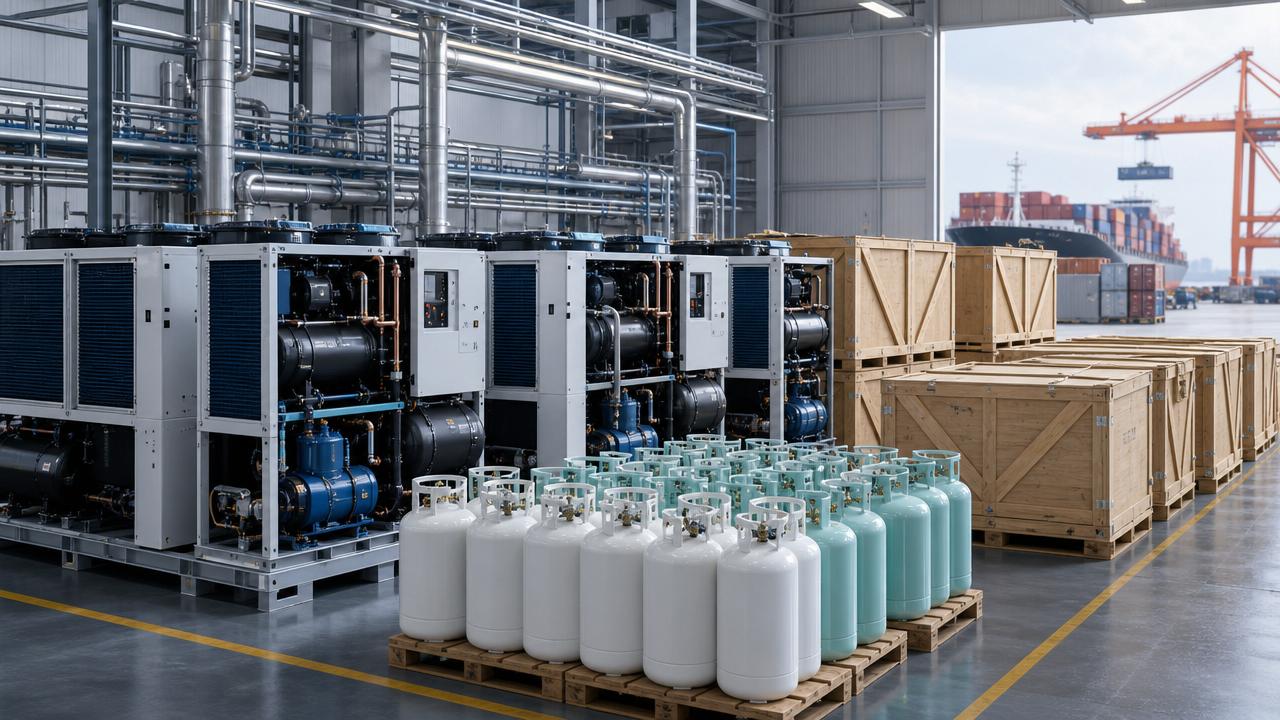
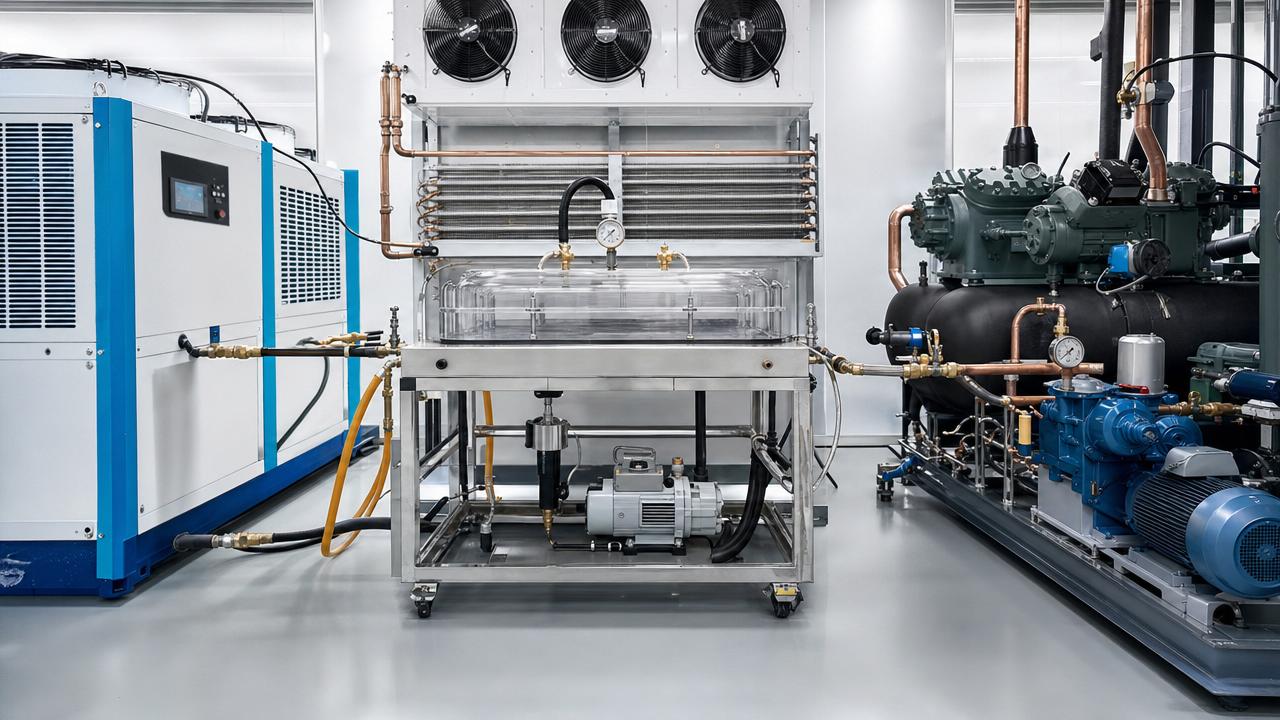
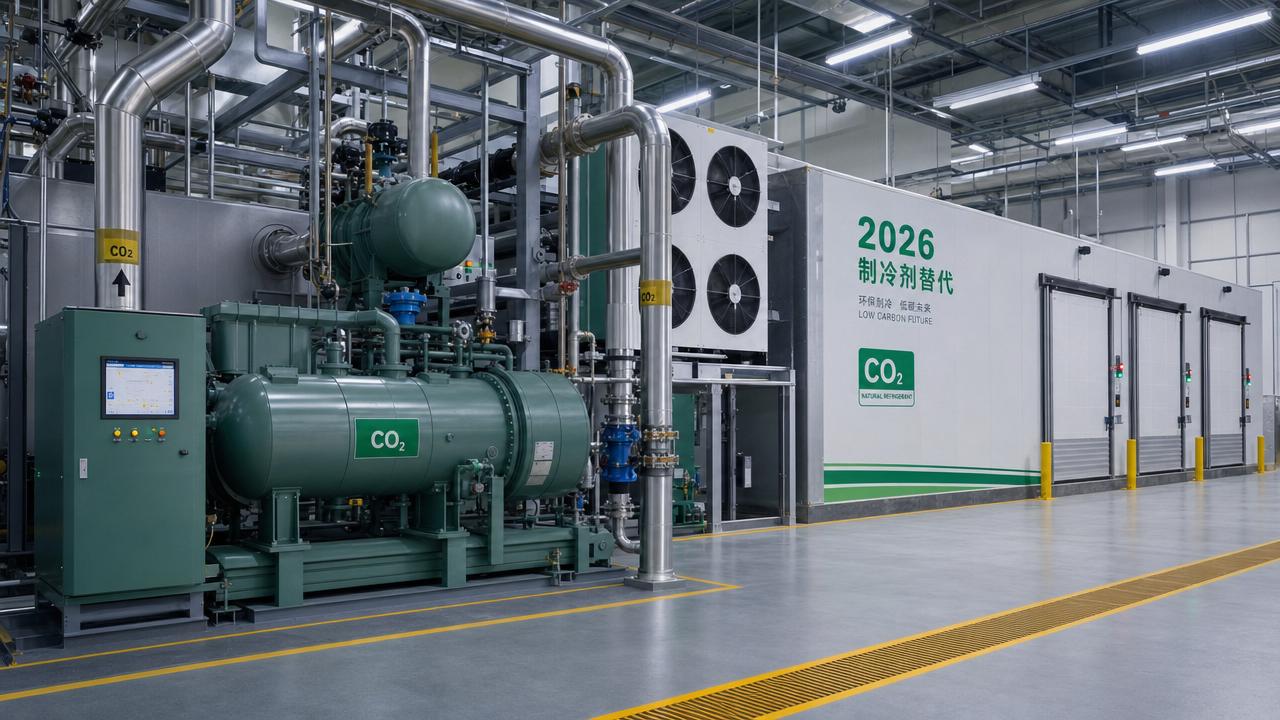
Resource Circularity Trends Reshaping Refrigerants and Cooling Systems




Resource circularity is moving from sustainability language to operating reality
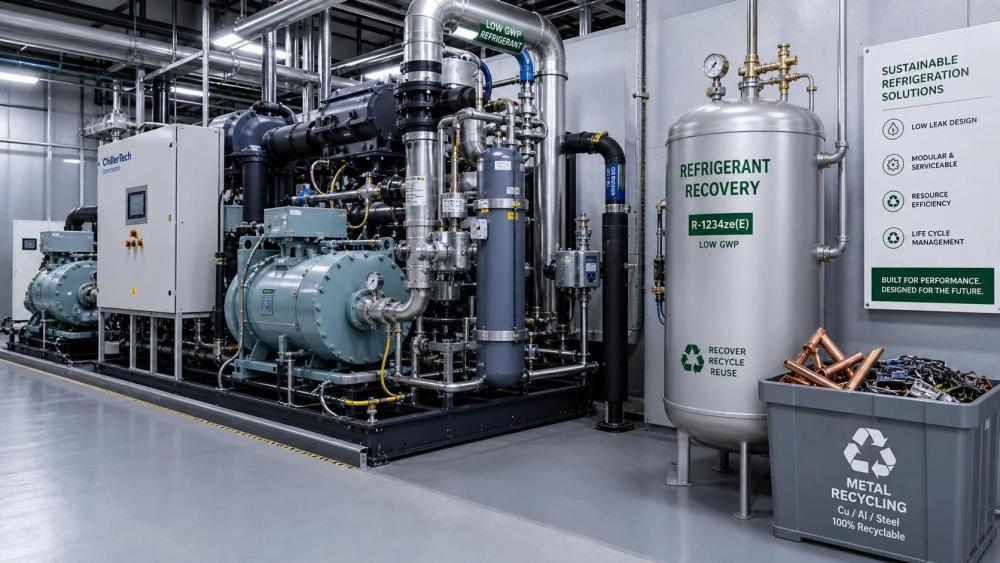
Resource circularity is no longer a side discussion in refrigerants and cooling systems. It now shapes capital planning, compliance reviews, and technology selection across multiple industries.
The shift is visible in how cooling assets are being evaluated. Lifetime refrigerant recovery, component reuse, and serviceability now matter alongside energy efficiency and output stability.
That change is not happening in isolation. Refrigerant quotas, carbon reporting, material costs, and tighter thermal performance targets are converging at the same time.
For industrial cooling, compressed air, vacuum processes, and heat exchange equipment, resource circularity is becoming a practical lens for judging resilience.
This is also why intelligence platforms such as GTC-Matrix are gaining relevance. Thermodynamic performance can no longer be separated from policy exposure, recovery economics, and equipment lifecycle design.
In recent months, the stronger signal has been this: businesses are not only asking which refrigerant meets current rules, but which system remains viable under the next regulatory and supply scenario.
Why the market signal is getting harder to ignore
Several changes have pushed resource circularity into the center of refrigerants and cooling systems strategy. None of them is temporary, and together they are reshaping market expectations.
The practical outcome is clear. Resource circularity has moved beyond waste reduction and into business continuity, especially where thermal control precision directly protects output quality.
The definition of value is changing inside cooling assets
A few years ago, many cooling decisions leaned heavily on first cost and nameplate efficiency. Today, the value discussion is more layered.
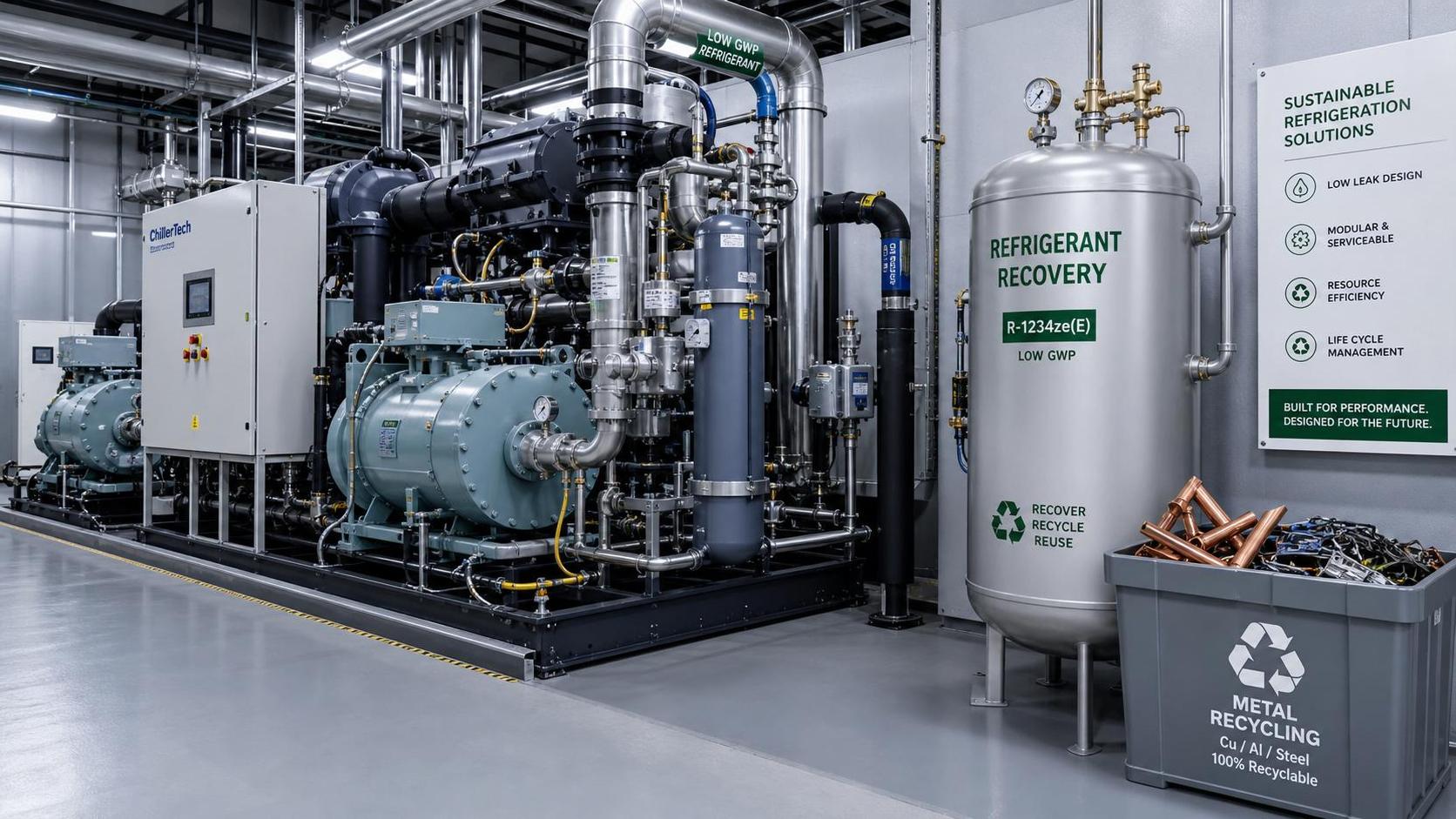
Resource circularity changes how long-term asset value is read. A system that supports refrigerant recovery, modular replacement, and easier refurbishment can outperform a cheaper system over its real operating life.
This is especially visible in chillers, condensers, heat exchangers, and compressor-driven packages. Service access, refrigerant containment, and material separability increasingly affect financial assumptions.
More operators are also looking at whether parts can be remanufactured. That includes compressors, valves, controls, and heat transfer components with recoverable metal value.
From a market perspective, resource circularity is quietly redefining what “future-proof” means. The winning system is not only efficient today. It is adaptable when standards, costs, or refrigerant access shift.
What is driving that broader value view
- Greater scrutiny of refrigerant leakage, recovery rates, and documentation quality
- Rising preference for systems designed for maintenance instead of full replacement
- Growing interest in oil-free compression and compact heat exchange technologies
- More attention to secondary effects such as downtime, retrofit complexity, and technician availability
Impact is spreading across more than one business layer
One common mistake is to treat resource circularity as a compliance issue only. In practice, it influences finance, engineering, maintenance, and commercial positioning at the same time.
At the engineering level, low-charge designs, leak reduction, and material-efficient heat exchangers are becoming stronger differentiators. Microchannel formats fit this direction when durability and maintenance strategy are well managed.
At the operating level, recovery protocols and refrigerant traceability are gaining weight. Missing data can weaken both environmental claims and asset resale assumptions.
At the strategic level, resource circularity increasingly affects market access. Companies serving export-oriented or highly regulated sectors face more pressure to prove lifecycle discipline.
This is where the GTC-Matrix perspective is useful. Cooling and compression technologies sit at the core of industrial energy conversion, so small design changes can create outsized effects across energy, emissions, and maintenance economics.
Where the pressure is most visible
Pharmaceutical environments are pushing for tighter thermal reliability with cleaner lifecycle reporting. Semiconductor facilities are focusing on pure process stability and risk from coolant interruptions.
Food processing is watching energy intensity and refrigerant stewardship more closely, especially where cold-chain performance and auditability must align.
Across these sectors, resource circularity is not a separate project. It is becoming part of how technical credibility is judged.
The next competitive gap may come from data, not only hardware
A notable shift is happening in decision workflows. Hardware quality still matters, but information quality is becoming just as important.
Resource circularity depends on visibility. Without reliable data on refrigerant type, leakage history, service intervals, and recoverable components, lifecycle claims remain weak.
That creates a stronger role for intelligence systems that connect policy changes, thermal technology evolution, and demand signals across industries.
For example, a change in environmentally friendly refrigerant quotas may alter retrofit economics. A jump in energy prices may make heat recovery integration more attractive than a simple replacement cycle.
Businesses that track these interactions early can make better timing decisions. Those relying only on annual reviews may react after costs and constraints have already tightened.
Signals worth watching over the next cycle
- Changes in refrigerant quota policy and recovery obligations
- Demand growth for low-leakage, modular cooling architectures
- Adoption of oil-free compression in purity-sensitive applications
- Expansion of service models based on refurbishment and component recirculation
- Greater use of thermal performance data in commercial due diligence
What deserves closer attention before the market moves again
The most useful response to resource circularity is not broad ambition. It is sharper evaluation discipline.
A practical review should test whether cooling systems are exposed to refrigerant scarcity, difficult retrofit paths, or poor recovery economics. Those issues often stay hidden during basic efficiency comparisons.
It also helps to separate short-cycle fixes from structural advantages. Some upgrades improve reporting. Others improve the underlying circular performance of the asset.
In many cases, the better question is not whether a system is compliant today. It is whether the system remains commercially credible after the next round of policy tightening or cost rebalancing.
- Map refrigerant dependency by asset age, leak history, and refill exposure
- Compare serviceability, recoverability, and modular replacement options
- Review whether heat exchangers and compressors support longer lifecycle strategies
- Track sector-specific pressure from pharma, semiconductor, and food demand patterns
- Build a staged response plan rather than a one-time compliance reaction
Resource circularity is reshaping refrigerants and cooling systems because it links environmental pressure with asset logic. That makes it more durable than a passing sustainability theme.
The next step is to monitor policy, thermal technology shifts, and service models together. That broader view is often where the clearest advantage appears first.
Related News
- EU PFAS Proposal Puts Refrigerant and Vacuum Exports Under ReviewAuthor :Cryogenic Systems Expert

- EU REACH PFAS Draft Raises New Export ChecksAuthor :Cryogenic Systems Expert

- EU Cuts High-GWP Refrigerant Import Quotas by 35%Author :Cryogenic Systems Expert

- EU Cuts Q4 2026 Quotas for High-GWP RefrigerantsAuthor :Cryogenic Systems Expert

- EU F-Gas Revision Cuts R410A Quotas 40%Author :Cryogenic Systems Expert

- EPA Freezes R-410A Quotas, Fast-Tracks R-32Author :Cryogenic Systems Expert

- Low GWP Refrigerants HFO Blends: Key Stability and Safety FactorsAuthor :Cryogenic Systems Expert

- R-32 Price Spike Reshapes Chiller ProcurementAuthor :Cryogenic Systems Expert

- How to Compare Environmentally Friendly Refrigerants by GWP, Safety, and CostAuthor :Cryogenic Systems Expert

- R-454B Export Quota Cut 18% as Lead Times DoubleAuthor :Cryogenic Systems Expert

- Japan Cuts R32 and R290 Import Quotas From July 10Author :Cryogenic Systems Expert

- EPA Cuts R-134a Import Quotas 42% From July 2026Author :Cryogenic Systems Expert
![]()
- Low GWP Refrigerants HFO Blends: Performance and Compliance in 2026Author :Cryogenic Systems Expert

- R-513A Jumps 23% as China Tightens Export QuotasAuthor :Cryogenic Systems Expert

- Environmentally Friendly Refrigerants in 2026: Compliance Risks and Upgrade PrioritiesAuthor :Cryogenic Systems Expert

- Pharmaceutical Temperature Control Systems: Common Compliance RisksAuthor :Cryogenic Systems Expert

- China Tightens Q3 R32 Export QuotasAuthor :Cryogenic Systems Expert

- California EPR Deadline Nears for Refrigeration MakersAuthor :Cryogenic Systems Expert

- Resource Circularity Trends Reshaping Refrigerants and Cooling SystemsAuthor :Cryogenic Systems Expert

- HFCs Filing Rules Enter Full EnforcementAuthor :Cryogenic Systems Expert

- How Environmentally Friendly Refrigerants Affect Chiller ComplianceAuthor :Cryogenic Systems Expert

- EU REACH Tightens Refrigerant Impurity Limits for R134a ExportsAuthor :Cryogenic Systems Expert

- China Seeks Feedback on 2027 Refrigerant QuotasAuthor :Cryogenic Systems Expert

- EU to Ban High-GWP ACs in 2029 as R410A Exits HomesAuthor :Cryogenic Systems Expert

- US, UK Delay HFC Phaseout, Extending R32/R134a Export WindowAuthor :Cryogenic Systems Expert

- EU HFC Cut Tightens by 2029 as Gen-3 Output Falls 10%Author :Cryogenic Systems Expert

- Kuwait Bans HCFC AC Imports as Shift to R32/R290 Speeds UpAuthor :Cryogenic Systems Expert

- Saudi SASO Rules Tighten AC Imports in DecemberAuthor :Cryogenic Systems Expert

- Environmentally Friendly Refrigerants: Compliance, Safety, and Retrofit RisksAuthor :Cryogenic Systems Expert

- SABIC Force Majeure Keeps Chiller Refrigerant Supply TightAuthor :Cryogenic Systems Expert

- SABIC Force Majeure Tightens Refrigerant FeedstocksAuthor :Cryogenic Systems Expert

- UL 60335-2-89 Tightens R290 Leak Test RulesAuthor :Cryogenic Systems Expert
![]()
- UL 60335-2-89 Adds R290 Vacuum Leak TestAuthor :Cryogenic Systems Expert

- Global Refrigerant Price Index Falls 8.3% MoM in MayAuthor :Cryogenic Systems Expert
![]()
- PSA Jurong Island Launches Mandatory Cold-Chain Traceability for RefrigerantsAuthor :Cryogenic Systems Expert
![]()
- 2026 Refrigerants Shift: What Changes for Cold StorageAuthor :Cryogenic Systems Expert