



2026 Refrigerants Shift: What Changes for Cold Storage




As 2026 approaches, cold storage is entering a decisive refrigerant transition period.
Policy tightening, carbon targets, insurance scrutiny, and energy costs are changing equipment decisions across the sector.
In this environment, environmentally friendly refrigerants are no longer a technical preference.
They are becoming a strategic factor for compliance, operating cost control, and long-term asset resilience.
For cold storage projects, the 2026 shift affects retrofit timing, design standards, safety planning, and financing confidence.
Understanding the change early helps reduce stranded assets and supports stronger lifecycle returns.
What the 2026 refrigerant shift means
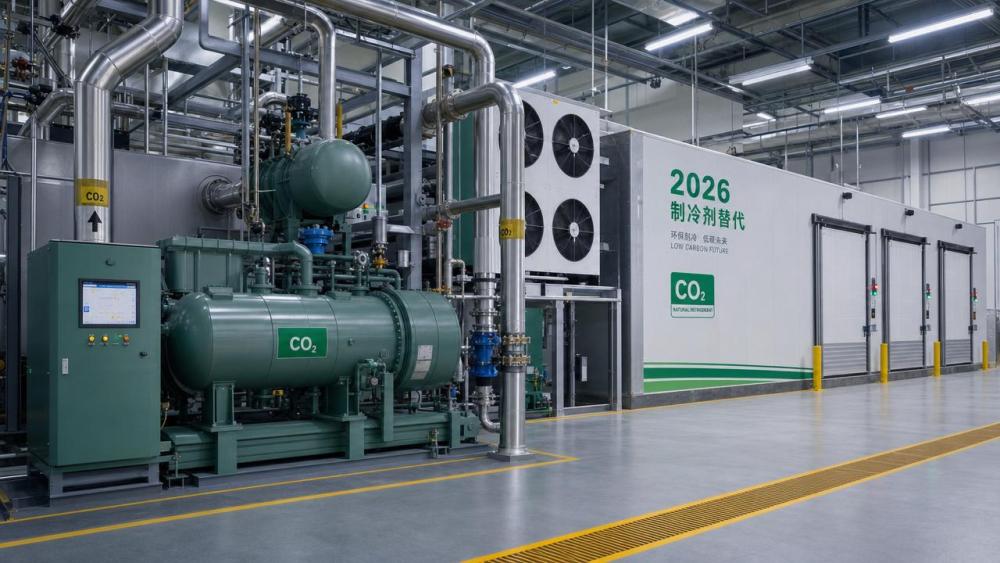
The 2026 refrigerant shift refers to accelerating movement away from high-GWP refrigerants in cooling systems.
GWP means global warming potential, a core metric in refrigerant regulation and corporate sustainability reporting.
Cold storage operators increasingly face limits on supply, servicing, charge size, and future replacement options.
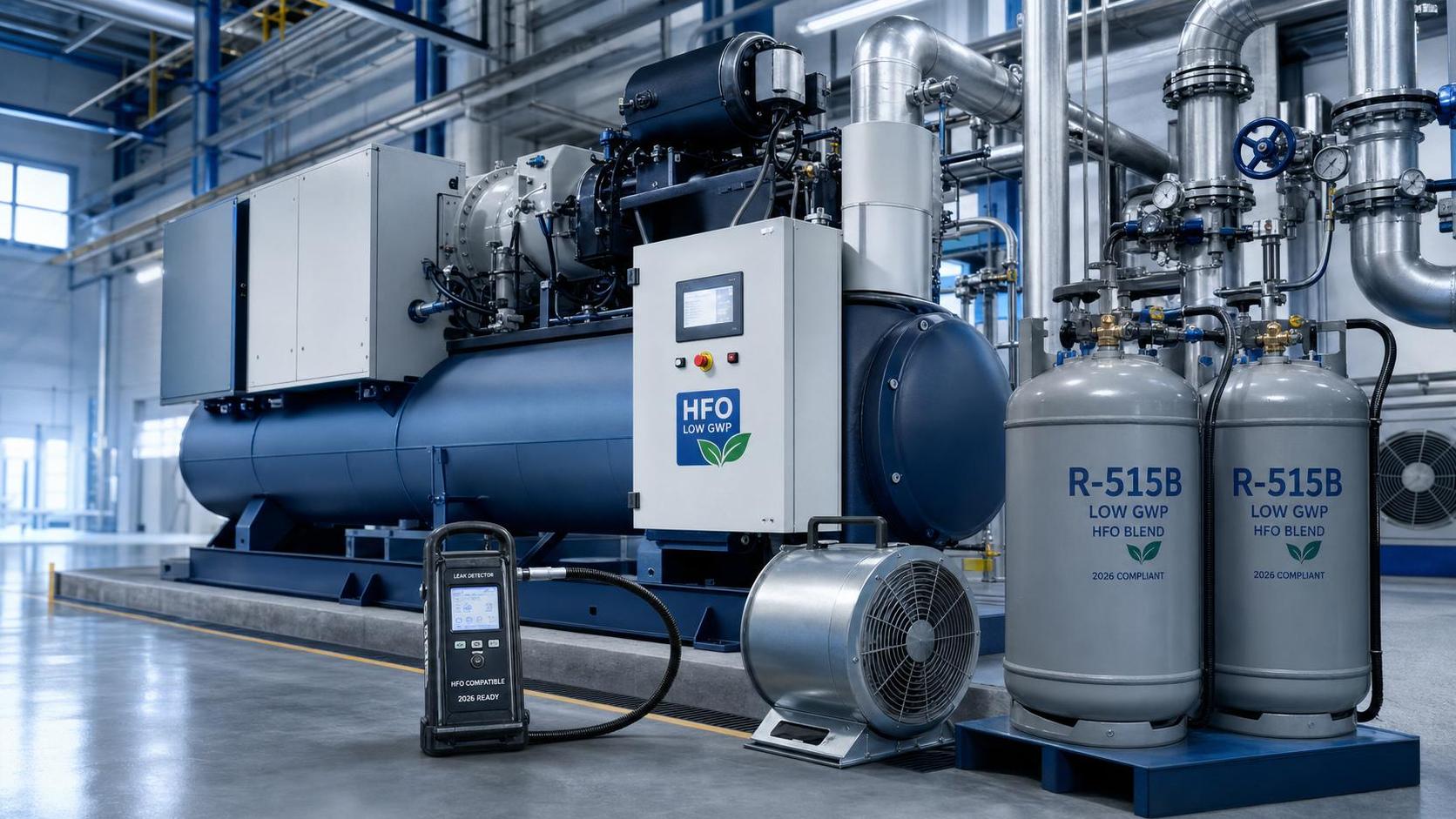
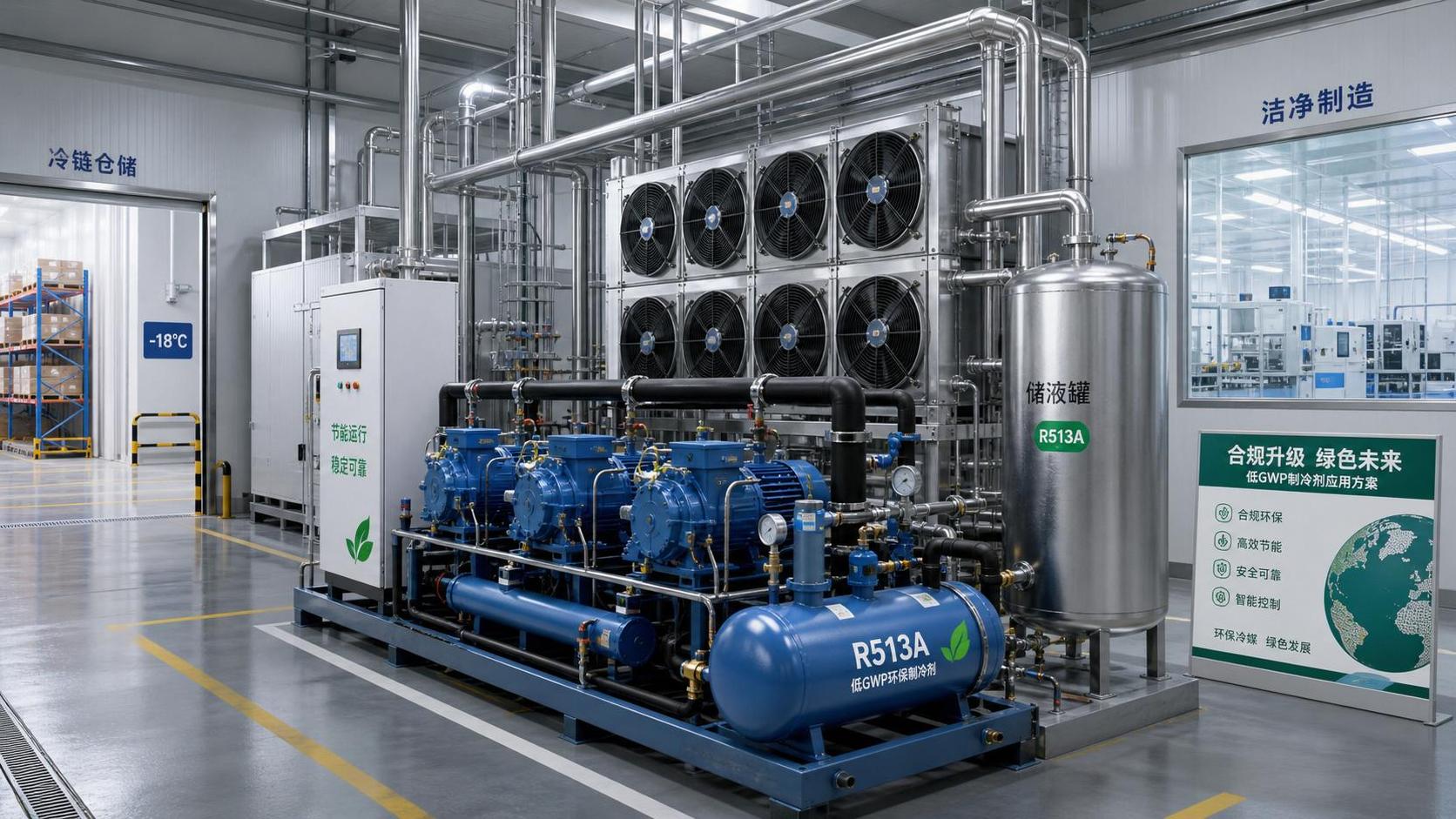
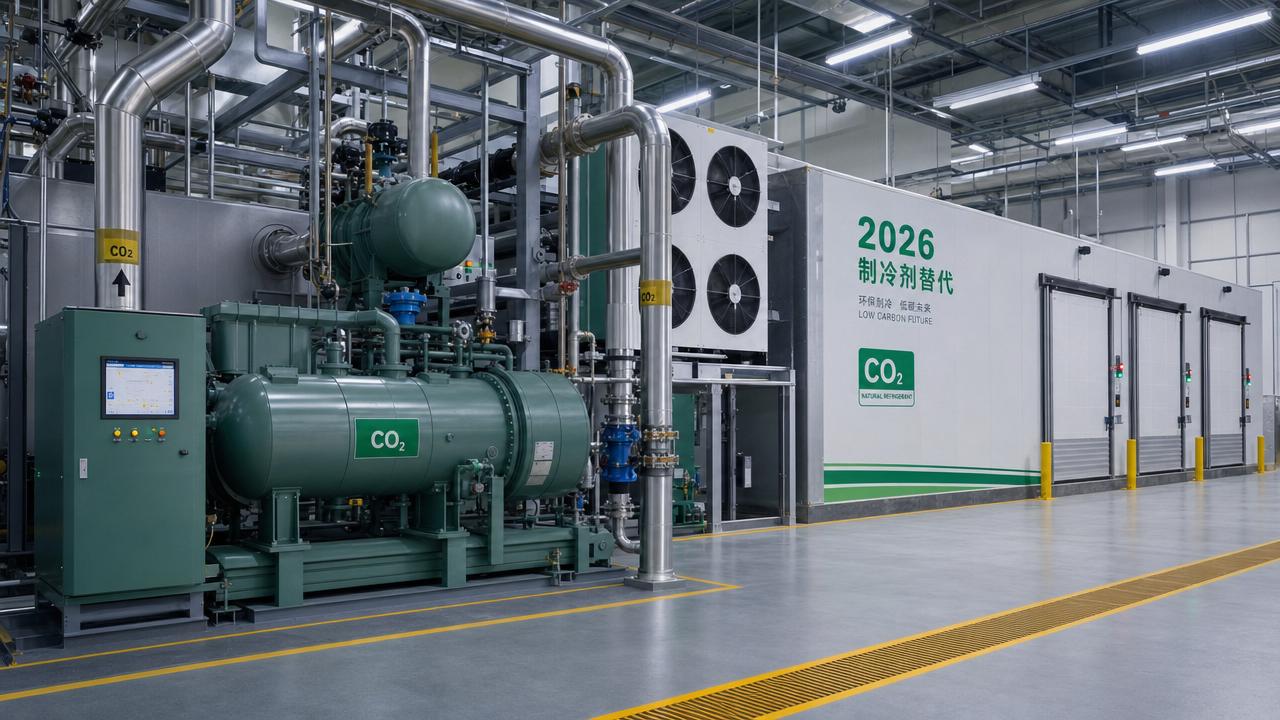
That pressure is pushing wider adoption of environmentally friendly refrigerants such as CO2, ammonia, and selected HFO blends.
The practical issue is not only refrigerant choice.
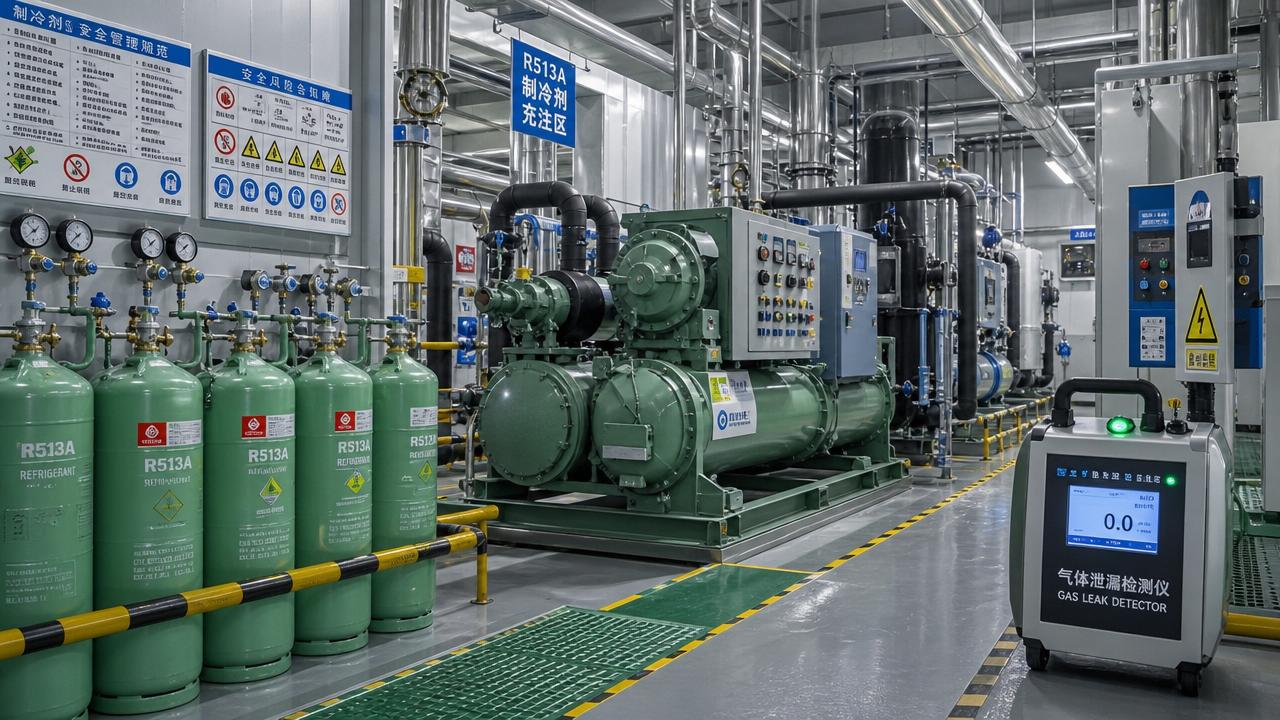
It also includes compressor compatibility, heat rejection design, leak detection, technician readiness, and local code acceptance.
For the wider industrial ecosystem, this transition connects thermal efficiency with capital planning and environmental governance.
Why cold storage is under special pressure
Cold storage runs long hours, uses significant electricity, and often requires low-temperature performance with tight reliability margins.
Any refrigerant change therefore affects uptime, food safety, pharmaceutical integrity, and energy intensity.
Systems designed for one fluid may need major redesign if a future service refrigerant becomes expensive or restricted.
Regulatory and market signals shaping decisions
The shift is driven by overlapping regulations, market dynamics, and investor expectations.
Different regions move at different speeds, yet the direction is broadly consistent.
High-GWP options face increasing pressure, while environmentally friendly refrigerants gain policy support and commercial momentum.
These signals matter because cold storage assets are long-lived.
A refrigerant decision made today may define service economics for more than a decade.
That is why many projects now assess total exposure, not just initial equipment cost.
How environmentally friendly refrigerants change business value
Environmentally friendly refrigerants can improve business performance when system design is done correctly.
Their value appears across compliance, energy, asset quality, and reputation.
- Lower regulatory exposure against future bans or quota pressure
- Better alignment with decarbonization and sustainability targets
- Potential efficiency gains in suitable climates and operating profiles
- Stronger residual value for facilities built around future-ready systems
- Improved customer confidence in temperature-sensitive supply chains
However, benefits are not automatic.
A poor conversion plan can create efficiency losses, higher maintenance complexity, or safety compliance gaps.
The key is matching refrigerant properties to warehouse size, load profile, ambient conditions, and staffing capability.
From commodity choice to system strategy
In older projects, refrigerant selection was often treated as a secondary specification.
In 2026, it becomes part of strategic engineering.
It influences condenser sizing, control logic, heat recovery options, and service network availability.
Main refrigerant pathways for cold storage
There is no single best answer for every facility.
The leading pathways each carry distinct trade-offs in safety, efficiency, capital cost, and climate suitability.
This is why environmentally friendly refrigerants should be evaluated through system architecture, not name recognition alone.
Cold rooms, blast freezing, distribution hubs, and mixed-use facilities often require different technical priorities.
Typical cold storage scenarios and selection logic
The most suitable pathway depends on temperature range, throughput, site density, and operating risk tolerance.
- Large industrial freezer sites often consider ammonia or ammonia-based low-charge designs
- Urban distribution centers frequently examine compact CO2 systems due to environmental positioning
- Existing HFC facilities may assess staged retrofit with lower-GWP transitional options
- Food export hubs may prioritize future compliance certainty for cross-border retail contracts
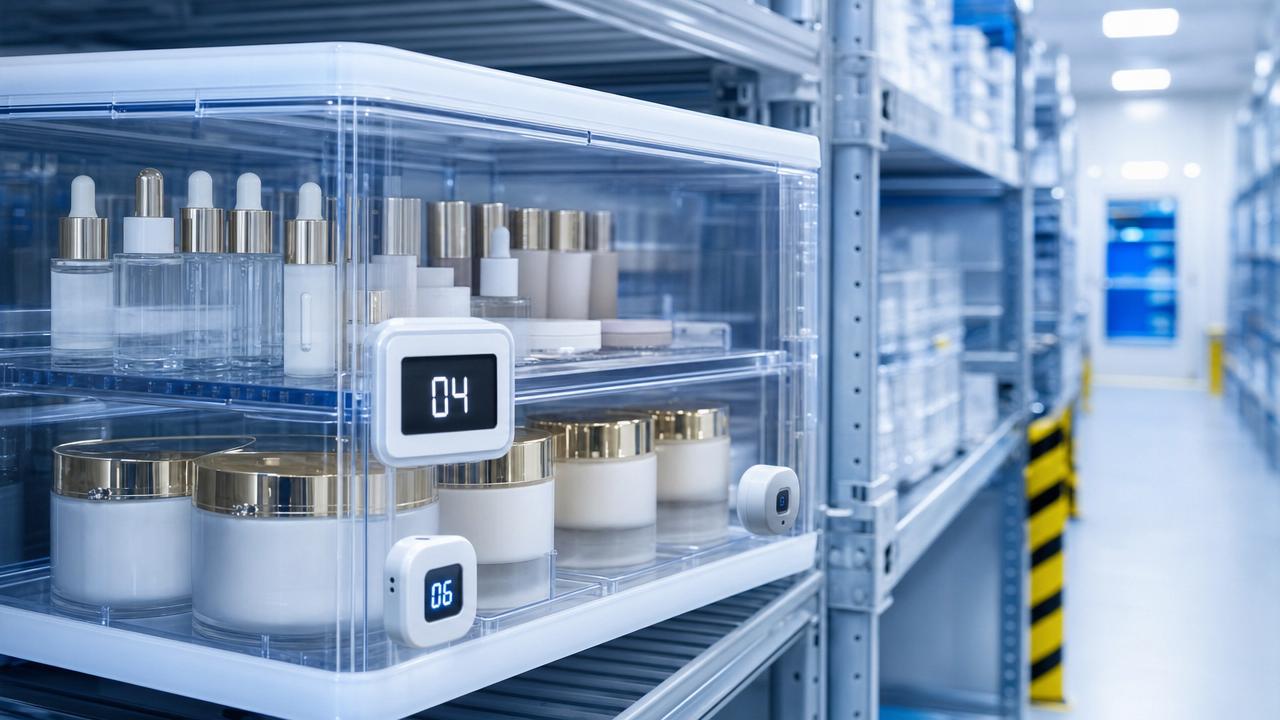
- Pharma cold chain sites may favor architectures with strong monitoring and containment controls
Selection should also reflect service ecosystem maturity.
A technically advanced design loses value if spare parts, controls support, or emergency response are weak locally.
Questions that improve decision quality
- Will this refrigerant remain serviceable under likely regional rules after 2026?
- How does annual energy performance compare under real ambient conditions?
- What safety upgrades are required for machine rooms and occupied zones?
- Can the design support future expansion without major refrigerant redesign?
- What leak, downtime, and maintenance risks change over the asset lifecycle?
Implementation priorities and risk controls
A successful transition requires disciplined preparation.
The move toward environmentally friendly refrigerants should be managed as an engineering and governance program.
- Map every current refrigerant asset, age profile, leak history, and service dependency.
- Separate assets that need immediate retrofit from those suitable for planned replacement.
- Model lifecycle cost, not only equipment price, including refrigerant availability risk.
- Review safety codes, detection systems, ventilation, and staff training requirements.
- Test control strategies for part-load operation and peak seasonal performance.
- Confirm supplier capability in commissioning, documentation, and long-term technical support.
It is also wise to connect refrigerant planning with broader thermal upgrades.
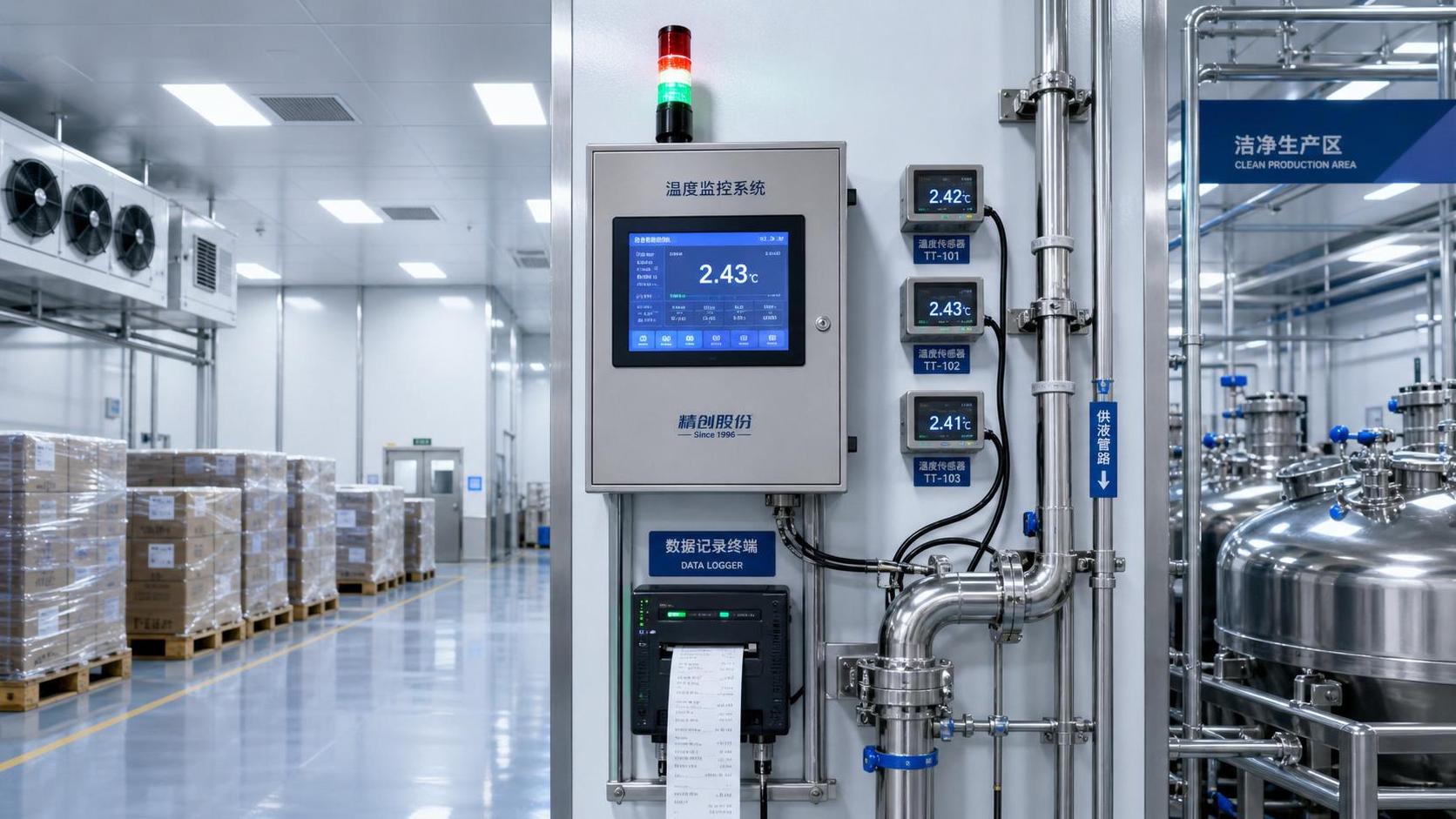
High-efficiency compressors, better insulation, heat reclaim, and digital monitoring can improve transition economics.
This systems view reflects the industrial intelligence approach promoted by GTC-Matrix.
Thermal decisions and compression decisions should be assessed together, not in isolation.
Next-step planning for 2026 readiness
The 2026 refrigerant shift is not a distant issue.
It is already shaping equipment roadmaps, contract terms, and financing logic in cold storage.
Projects that delay evaluation may face higher retrofit cost, narrower technology options, and avoidable compliance pressure.
Projects that act early can compare environmentally friendly refrigerants more calmly and design around long-term operational reality.
A practical next step is to launch a refrigerant exposure review for all existing and planned cold storage assets.
That review should combine regulation tracking, energy modeling, safety analysis, and replacement timing.
With clear intelligence, environmentally friendly refrigerants become more than a compliance response.
They become a lever for stronger efficiency, lower thermal risk, and more durable industrial competitiveness.
Related News
- EPA Freezes R-410A Quotas, Fast-Tracks R-32Author :Cryogenic Systems Expert

- Low GWP Refrigerants HFO Blends: Key Stability and Safety FactorsAuthor :Cryogenic Systems Expert

- R-32 Price Spike Reshapes Chiller ProcurementAuthor :Cryogenic Systems Expert

- How to Compare Environmentally Friendly Refrigerants by GWP, Safety, and CostAuthor :Cryogenic Systems Expert

- R-454B Export Quota Cut 18% as Lead Times DoubleAuthor :Cryogenic Systems Expert

- Japan Cuts R32 and R290 Import Quotas From July 10Author :Cryogenic Systems Expert

- EPA Cuts R-134a Import Quotas 42% From July 2026Author :Cryogenic Systems Expert
![]()
- Low GWP Refrigerants HFO Blends: Performance and Compliance in 2026Author :Cryogenic Systems Expert

- R-513A Jumps 23% as China Tightens Export QuotasAuthor :Cryogenic Systems Expert

- Environmentally Friendly Refrigerants in 2026: Compliance Risks and Upgrade PrioritiesAuthor :Cryogenic Systems Expert

- Pharmaceutical Temperature Control Systems: Common Compliance RisksAuthor :Cryogenic Systems Expert

- China Tightens Q3 R32 Export QuotasAuthor :Cryogenic Systems Expert

- California EPR Deadline Nears for Refrigeration MakersAuthor :Cryogenic Systems Expert

- Resource Circularity Trends Reshaping Refrigerants and Cooling SystemsAuthor :Cryogenic Systems Expert

- HFCs Filing Rules Enter Full EnforcementAuthor :Cryogenic Systems Expert

- How Environmentally Friendly Refrigerants Affect Chiller ComplianceAuthor :Cryogenic Systems Expert

- EU REACH Tightens Refrigerant Impurity Limits for R134a ExportsAuthor :Cryogenic Systems Expert

- China Seeks Feedback on 2027 Refrigerant QuotasAuthor :Cryogenic Systems Expert

- EU to Ban High-GWP ACs in 2029 as R410A Exits HomesAuthor :Cryogenic Systems Expert

- US, UK Delay HFC Phaseout, Extending R32/R134a Export WindowAuthor :Cryogenic Systems Expert

- EU HFC Cut Tightens by 2029 as Gen-3 Output Falls 10%Author :Cryogenic Systems Expert

- Kuwait Bans HCFC AC Imports as Shift to R32/R290 Speeds UpAuthor :Cryogenic Systems Expert

- Saudi SASO Rules Tighten AC Imports in DecemberAuthor :Cryogenic Systems Expert

- Environmentally Friendly Refrigerants: Compliance, Safety, and Retrofit RisksAuthor :Cryogenic Systems Expert

- SABIC Force Majeure Keeps Chiller Refrigerant Supply TightAuthor :Cryogenic Systems Expert

- SABIC Force Majeure Tightens Refrigerant FeedstocksAuthor :Cryogenic Systems Expert

- UL 60335-2-89 Tightens R290 Leak Test RulesAuthor :Cryogenic Systems Expert
![]()
- UL 60335-2-89 Adds R290 Vacuum Leak TestAuthor :Cryogenic Systems Expert

- Global Refrigerant Price Index Falls 8.3% MoM in MayAuthor :Cryogenic Systems Expert
![]()
- PSA Jurong Island Launches Mandatory Cold-Chain Traceability for RefrigerantsAuthor :Cryogenic Systems Expert
![]()
- 2026 Refrigerants Shift: What Changes for Cold StorageAuthor :Cryogenic Systems Expert

- Shanghai Pudong Pilots E-Labels for Imported CosmeticsAuthor :Cryogenic Systems Expert

- 2026 Refrigerant Shift: Safer Options With Lower Compliance RiskAuthor :Cryogenic Systems Expert

- Vitafoods Europe Highlights Clinical Herb Data, Cold Chain Demand SurgesAuthor :Cryogenic Systems Expert
![]()
- U.S. Treasury Yield Surge Stabilizes Silver, Eases Refrigerants Export PricingAuthor :Cryogenic Systems Expert

- France Allocates €710M to Support War-Impacted Firms on Cold Chain ComplianceAuthor :Cryogenic Systems Expert