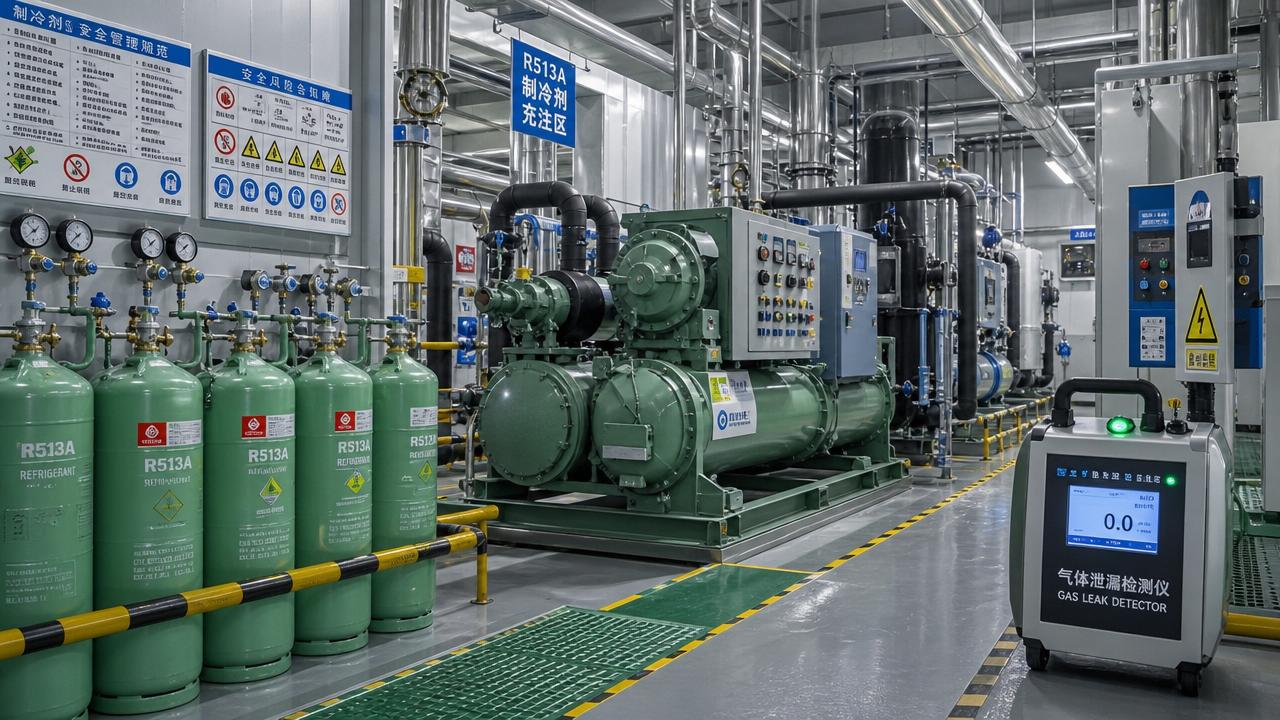
SABIC Force Majeure Keeps Chiller Refrigerant Supply Tight




The timing of the original event is not clearly stated in the available input, but the continued force majeure affecting SABIC styrene and methanol production remained unresolved as of June 10, 2026. For the industrial chiller sector, this matters not only as a supply event but also as an operational signal for procurement, delivery commitments, export scheduling, and compliance documentation tied to refrigerant availability, especially where R134a and R1234yf-related sourcing affects order execution.

What Has Been Confirmed So Far
SABIC announced force majeure on styrene and methanol production on March 27, and that status had still not been lifted as of June 10, 2026.
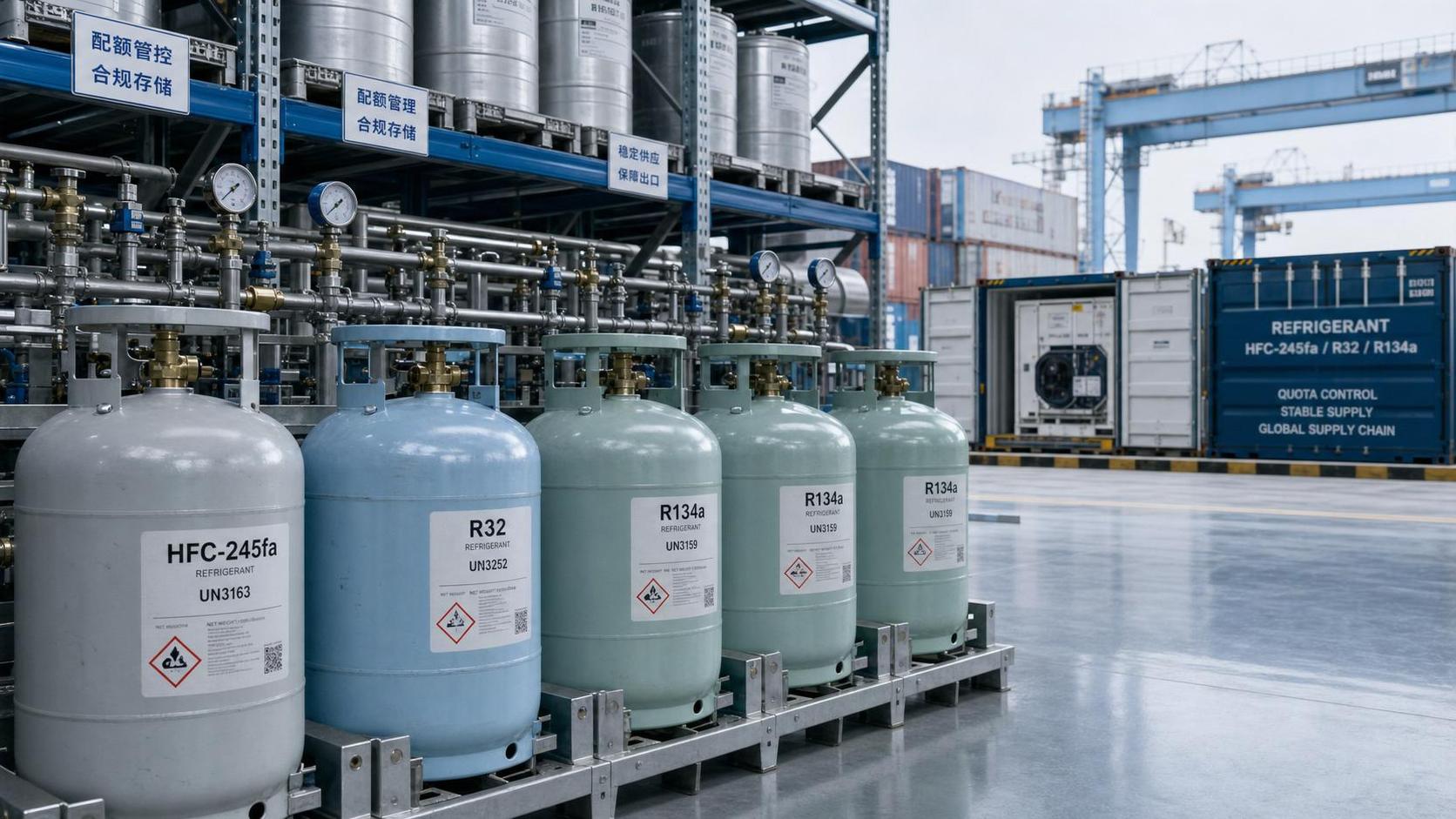
Methanol is a key upstream precursor for refrigerants including R134a and R1234yf within the HFC/HFO chain, and the supply tightness has already passed through to refrigerant intermediate producers.
Multiple Chinese industrial chiller exporters have reported that R134a procurement lead times have extended to 6 to 8 weeks. They also reported a week-on-week price increase of 4.2%, with a direct effect on export order production scheduling.
Where the Pressure Is Moving Along the Chain
Procurement teams are facing a changed execution rhythm
For companies buying refrigerants or refrigerant-linked inputs for industrial chillers, the immediate issue is not only higher cost but a longer purchasing cycle. This can affect purchase confirmation, internal planning assumptions, and supplier coordination. From an industry perspective, what deserves closer attention is whether existing procurement terms, delivery windows, and supporting documents remain aligned with actual supply conditions.
Export manufacturers may need to reassess delivery commitments
Industrial chiller exporters are exposed because refrigerant availability can influence assembly timing and shipment sequencing. Analysis shows that the key impact is likely to appear in production planning, promised lead times, and customer communication around delivery changes. Companies in this position should pay closer attention to contract execution risks, shipment scheduling, and any technical or commercial documents that assume stable refrigerant sourcing.
Supply-chain service providers may see tighter coordination requirements
Where procurement cycles lengthen, logistics planning, warehousing arrangements, and order consolidation can become harder to manage. Observably, the practical pressure is less about a new formal rule being issued and more about how market participants respond to a prolonged supply disruption that affects execution discipline across the chain.
What Companies Should Watch Now
Check whether compliance files match actual delivered configurations
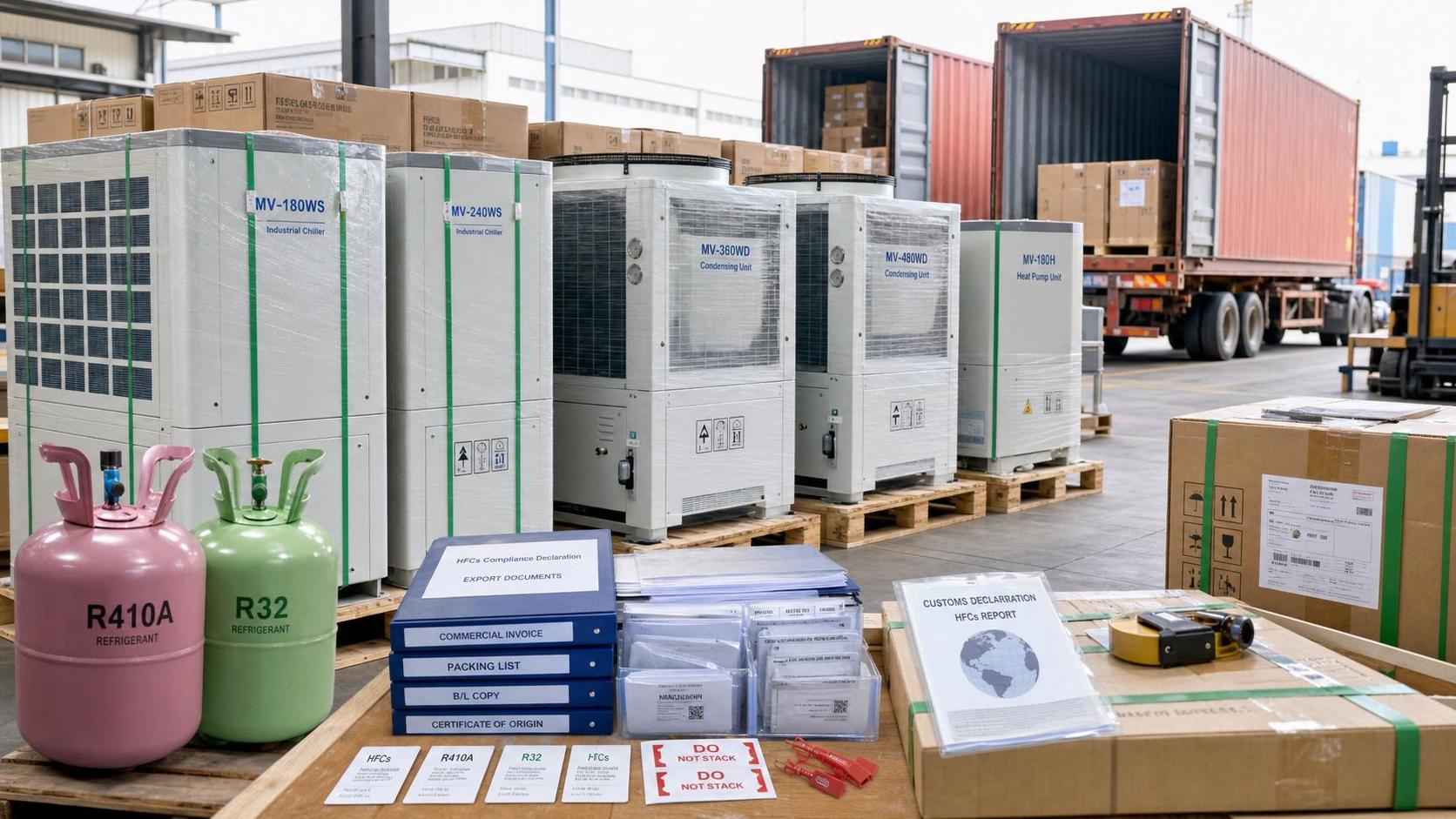
If refrigerant sourcing changes or delivery timing shifts, companies should closely review whether technical files, product specifications, and customer-facing documents still match the actual product configuration and shipment plan. This is especially relevant where export documentation or downstream acceptance depends on named refrigerant types.
Revalidate procurement and delivery assumptions
Analysis shows that firms should not treat previous refrigerant lead times as still valid without confirmation. A 6 to 8 week procurement cycle for R134a, as reported by exporters, means purchasing plans and production sequencing may need closer review before new order commitments are made.
Monitor contract and tender language more carefully
Where bid documents, supply contracts, or technical appendices contain fixed delivery assumptions, companies may need to review whether those commitments remain realistic under current sourcing pressure. It is more appropriate to understand this as a practical execution issue that can spill into compliance and delivery performance if not tracked early.
Keep watching for changes in market wording and implementation signals
The current input does not provide detailed official follow-up measures or a formal regulatory adjustment. For that reason, companies should focus on ongoing market signals, customer requirements, supplier notices, and any later clarification that could affect certification language, acceptance standards, or delivery obligations.
How This Development Should Be Read
Observably, this development is better understood as an execution signal rather than a standalone policy release. The continuing force majeure does not by itself create a new certification regime or a newly published trade rule in the provided information, but it does alter the operating conditions under which exporters, buyers, and supply-chain partners must meet existing delivery, specification, and documentation expectations.
From an industry perspective, the more important point is that upstream disruption in a key precursor can quickly affect downstream refrigerant availability and then move into export scheduling. That makes this a relevant item for firms managing compliance-sensitive deliveries, even though the available input does not confirm any new official rule text.
Why the Sector Should Keep This in Active Review
The significance of this event lies in its effect on execution discipline across procurement and export operations. It would be overstated to treat it as a confirmed structural rule change based on the current input alone. It is more appropriate to understand it as a continuing market and supply-chain development that may influence how companies manage delivery promises, technical consistency, and trading risk in the near term.
A neutral reading is that the issue has already produced tangible pressure on refrigerant purchasing and production scheduling, while the broader implications for contracts, compliance handling, and customer acceptance still require close observation rather than fixed conclusions.
Basis of This Article and What Still Needs Verification
This article is generated from the user-provided news title, event timing, and event summary. The specific official source link was not provided in the input and still needs to be verified on an ongoing basis.
For developments of this type, relevant source categories typically include official company announcements, regulatory releases, customs or trade authority information, industry association updates, standards organization documents, and reporting by authoritative media. Further observation is still needed on later official wording, certification-related implementation practices, tender document changes, market feedback, and how companies ultimately adjust execution in response to the supply pressure described above.
Related News
- EU F-Gas Revision Cuts R410A Quotas 40%Author :Cryogenic Systems Expert

- EPA Freezes R-410A Quotas, Fast-Tracks R-32Author :Cryogenic Systems Expert

- Low GWP Refrigerants HFO Blends: Key Stability and Safety FactorsAuthor :Cryogenic Systems Expert

- R-32 Price Spike Reshapes Chiller ProcurementAuthor :Cryogenic Systems Expert

- How to Compare Environmentally Friendly Refrigerants by GWP, Safety, and CostAuthor :Cryogenic Systems Expert

- R-454B Export Quota Cut 18% as Lead Times DoubleAuthor :Cryogenic Systems Expert

- Japan Cuts R32 and R290 Import Quotas From July 10Author :Cryogenic Systems Expert

- EPA Cuts R-134a Import Quotas 42% From July 2026Author :Cryogenic Systems Expert
![]()
- Low GWP Refrigerants HFO Blends: Performance and Compliance in 2026Author :Cryogenic Systems Expert

- R-513A Jumps 23% as China Tightens Export QuotasAuthor :Cryogenic Systems Expert

- Environmentally Friendly Refrigerants in 2026: Compliance Risks and Upgrade PrioritiesAuthor :Cryogenic Systems Expert

- Pharmaceutical Temperature Control Systems: Common Compliance RisksAuthor :Cryogenic Systems Expert

- China Tightens Q3 R32 Export QuotasAuthor :Cryogenic Systems Expert

- California EPR Deadline Nears for Refrigeration MakersAuthor :Cryogenic Systems Expert

- Resource Circularity Trends Reshaping Refrigerants and Cooling SystemsAuthor :Cryogenic Systems Expert

- HFCs Filing Rules Enter Full EnforcementAuthor :Cryogenic Systems Expert

- How Environmentally Friendly Refrigerants Affect Chiller ComplianceAuthor :Cryogenic Systems Expert

- EU REACH Tightens Refrigerant Impurity Limits for R134a ExportsAuthor :Cryogenic Systems Expert

- China Seeks Feedback on 2027 Refrigerant QuotasAuthor :Cryogenic Systems Expert

- EU to Ban High-GWP ACs in 2029 as R410A Exits HomesAuthor :Cryogenic Systems Expert

- US, UK Delay HFC Phaseout, Extending R32/R134a Export WindowAuthor :Cryogenic Systems Expert

- EU HFC Cut Tightens by 2029 as Gen-3 Output Falls 10%Author :Cryogenic Systems Expert

- Kuwait Bans HCFC AC Imports as Shift to R32/R290 Speeds UpAuthor :Cryogenic Systems Expert

- Saudi SASO Rules Tighten AC Imports in DecemberAuthor :Cryogenic Systems Expert

- Environmentally Friendly Refrigerants: Compliance, Safety, and Retrofit RisksAuthor :Cryogenic Systems Expert

- SABIC Force Majeure Keeps Chiller Refrigerant Supply TightAuthor :Cryogenic Systems Expert

- SABIC Force Majeure Tightens Refrigerant FeedstocksAuthor :Cryogenic Systems Expert

- UL 60335-2-89 Tightens R290 Leak Test RulesAuthor :Cryogenic Systems Expert
![]()
- UL 60335-2-89 Adds R290 Vacuum Leak TestAuthor :Cryogenic Systems Expert

- Global Refrigerant Price Index Falls 8.3% MoM in MayAuthor :Cryogenic Systems Expert
![]()
- PSA Jurong Island Launches Mandatory Cold-Chain Traceability for RefrigerantsAuthor :Cryogenic Systems Expert
![]()
- 2026 Refrigerants Shift: What Changes for Cold StorageAuthor :Cryogenic Systems Expert

- Shanghai Pudong Pilots E-Labels for Imported CosmeticsAuthor :Cryogenic Systems Expert

- 2026 Refrigerant Shift: Safer Options With Lower Compliance RiskAuthor :Cryogenic Systems Expert

- Vitafoods Europe Highlights Clinical Herb Data, Cold Chain Demand SurgesAuthor :Cryogenic Systems Expert
![]()
- U.S. Treasury Yield Surge Stabilizes Silver, Eases Refrigerants Export PricingAuthor :Cryogenic Systems Expert