How Environmentally Friendly Refrigerants Affect Chiller Compliance




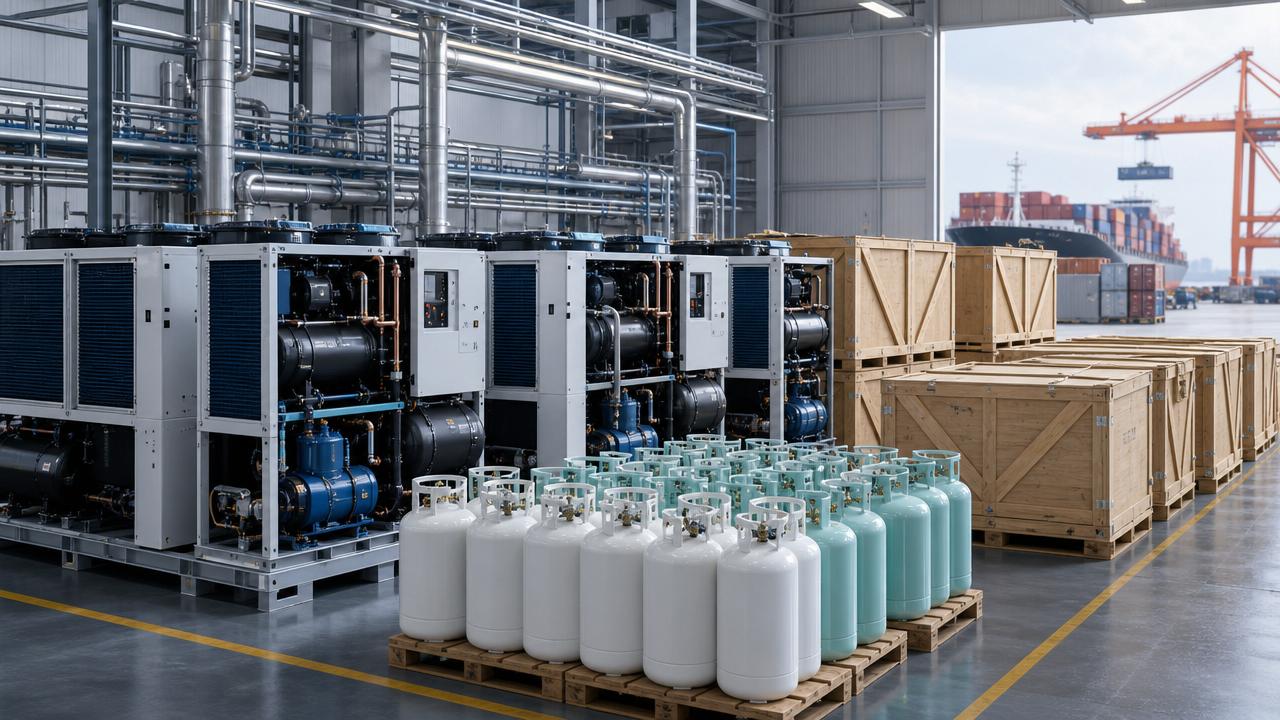
Chiller compliance is no longer shaped only by cooling capacity, efficiency ratings, or installation quality. Refrigerant choice now sits at the center of regulatory approval, emissions control, maintenance planning, and operational risk. That shift matters because environmentally friendly refrigerants influence not just environmental reporting, but also how a chiller is certified, monitored, serviced, and accepted across global facilities.
In industrial cooling, the move toward lower-impact fluids is tied to climate policy, workplace safety expectations, and tighter equipment documentation rules. For operations connected to pharmaceuticals, semiconductors, food processing, and other temperature-sensitive sectors, the compliance effect is practical rather than abstract. A refrigerant decision can change inspection routines, leak management procedures, retrofit costs, and even site-level emergency planning.
Seen through the intelligence lens of GTC-Matrix, refrigerants are part of a larger thermodynamic and policy system. Energy pricing, refrigerant quotas, equipment evolution, and decarbonization targets are increasingly linked. That makes environmentally friendly refrigerants a strategic compliance variable, not a simple material substitution.
Why refrigerant selection now drives compliance outcomes
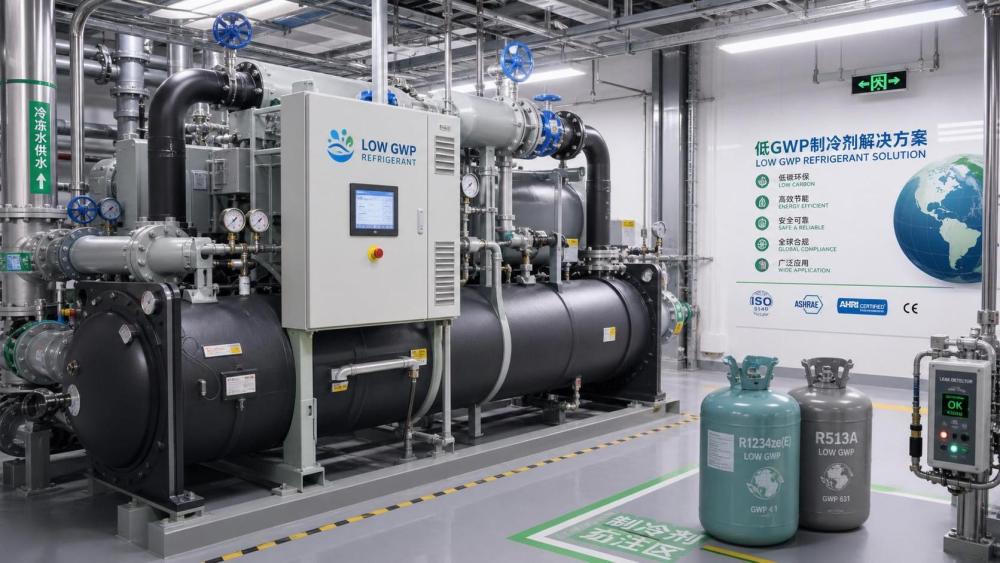
The first compliance question is no longer whether a chiller cools effectively. It is whether the refrigerant allows the system to remain acceptable under current and emerging rules.
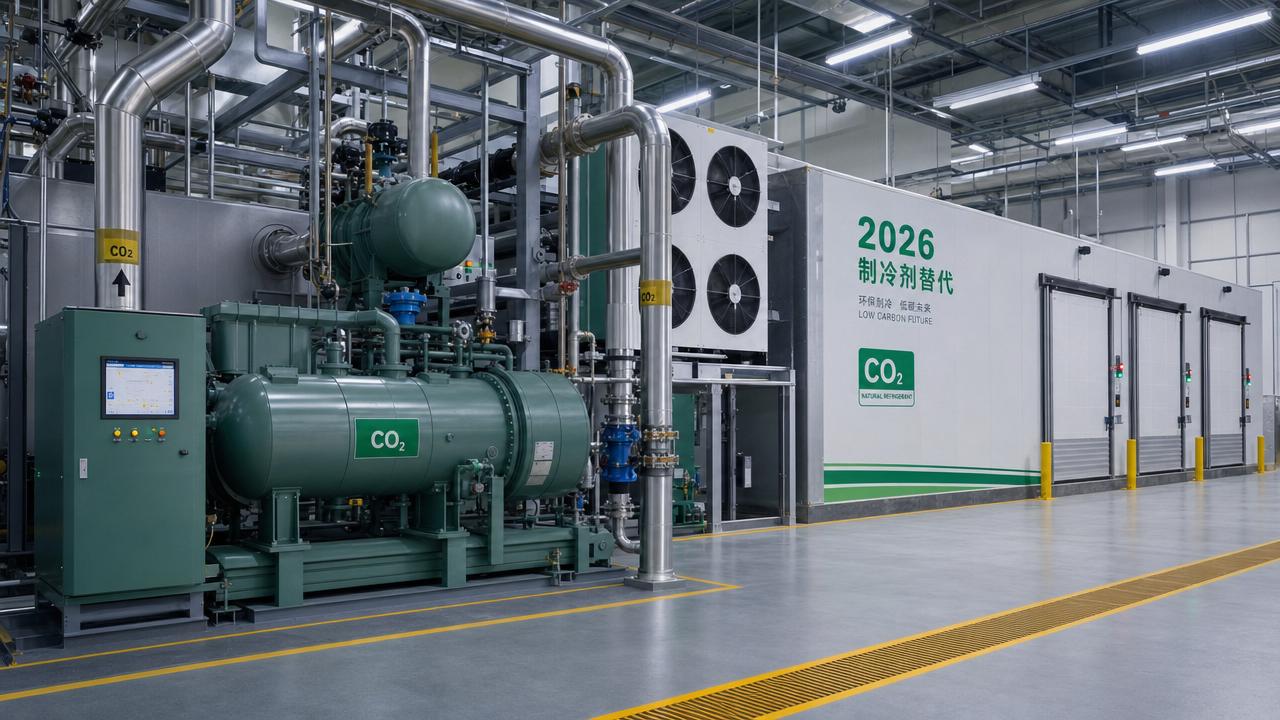
Environmentally friendly refrigerants usually refer to options with lower global warming potential, reduced ozone impact, or better alignment with phase-down frameworks. In practice, that includes hydrofluoroolefins, natural refrigerants, and lower-GWP blends.
However, lower environmental impact does not automatically mean easier compliance. A refrigerant may improve emissions positioning while introducing new flammability classifications, charge limitations, or component compatibility concerns. Compliance therefore becomes a balancing exercise across environmental, mechanical, and safety dimensions.
This is why environmentally friendly refrigerants affect more than sustainability reports. They can influence CE marking pathways, local mechanical code interpretation, pressure vessel review, transport handling, and insurance scrutiny.
The regulatory pressure behind the transition
Across major markets, refrigerant policy is tightening through phasedown schedules, leak prevention rules, labeling requirements, and restrictions on high-GWP substances. Chiller operators are increasingly judged by lifecycle emissions, not only by installed equipment status.
That creates two immediate pressures. Existing systems using legacy refrigerants may become harder to service economically. New systems specified without future-proof refrigerants may fall out of alignment before reaching expected asset life.
From a compliance standpoint, several forces tend to converge:
- Quota reductions can limit refrigerant availability and increase refill risk.
- Leak reporting rules can raise documentation burdens.
- Energy regulations can favor systems optimized for newer refrigerants.
- Safety codes can impose extra controls for mildly flammable options.
GTC-Matrix regularly tracks this interaction between policy and equipment design. That matters because compliance is rarely driven by a single law. It usually emerges from overlapping standards, local enforcement, and sector-specific operating expectations.
What environmentally friendly refrigerants change inside a chiller program
The practical effect of environmentally friendly refrigerants appears in daily control points. A refrigerant change can alter how a site inspects, trains, records, and responds.
Certification and documentation
A compliant chiller needs correct technical files, safety data, labeling, and service records. When a refrigerant changes, supporting documents often need revision as well.
This includes refrigerant classification, allowable charge, pressure characteristics, lubrication compatibility, and sensor requirements. If these records lag behind the equipment reality, compliance gaps appear quickly during audits.
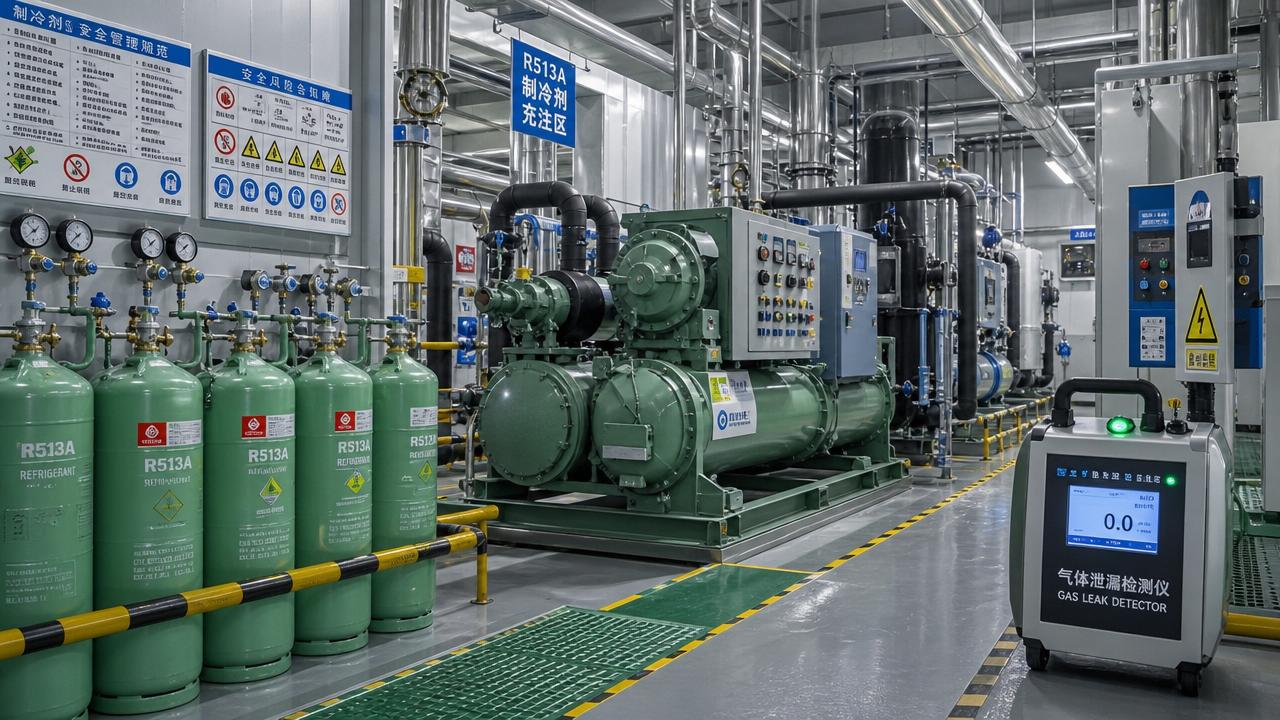
Leak management and emissions control
Environmentally friendly refrigerants are often selected to reduce climate impact. Yet they still require disciplined leak management.
Sites may need different detection thresholds, revised maintenance intervals, or more detailed refrigerant inventory logs. A lower-GWP fluid reduces one compliance burden, but does not remove accountability for containment.
Safety controls
Some environmentally friendly refrigerants carry A2L or other safety classifications that require closer review. Even mild flammability can affect ventilation, ignition source control, machinery room layout, and emergency procedures.
That means chiller compliance is not only about emissions. It also includes personnel protection, alarm logic, access control, and contractor readiness.
Where compliance risks show up most often
The highest risk usually appears at transition points. New installations, retrofits, refrigerant conversions, and cross-border equipment transfers create the most uncertainty.
These risks become more visible in regulated sectors. A food processing line may focus on operational continuity and leak traceability. A semiconductor facility may emphasize precision cooling stability and tightly managed service access. A pharmaceutical plant may look harder at validation, documentation integrity, and change control.
How to evaluate a refrigerant beyond its environmental label
The label “green” can be misleading if it hides operational trade-offs. Environmentally friendly refrigerants should be reviewed as part of a full compliance matrix.
A useful review normally covers five dimensions:
- Environmental profile, including GWP, leakage impact, and phasedown exposure.
- Safety profile, including flammability, toxicity class, and response measures.
- Technical fit, including compressor design, heat exchanger performance, and control logic.
- Service ecosystem, including technician training, spare parts, and refrigerant availability.
- Documentation readiness, including labeling, records, and inspection evidence.
This wider view helps avoid a common mistake: selecting environmentally friendly refrigerants only by emissions profile, then discovering hidden compliance costs during commissioning or later audits.
The link between refrigerants, efficiency, and long-term operational control
Compliance is easier to maintain when refrigerant strategy supports stable operation. A chiller that passes certification but struggles with efficiency drift, leak frequency, or difficult servicing can still create recurring compliance stress.
That is why environmentally friendly refrigerants are increasingly reviewed alongside compressor technology, heat exchanger design, and digital monitoring. GTC-Matrix often highlights this systems perspective. Refrigerant behavior does not exist in isolation. It affects thermal transfer, power demand, and maintenance behavior across the equipment lifecycle.
For example, a lower-GWP refrigerant paired with optimized controls and proper heat rejection design may reduce both energy exposure and compliance risk. The same refrigerant in a poorly matched retrofit may do the opposite.
Practical checkpoints before specifying or upgrading a chiller
Before a new procurement or conversion moves forward, several questions deserve clear answers.
- Will the refrigerant remain acceptable under expected regional rules during the asset lifecycle?
- Does the site layout support any added ventilation, detection, or zoning controls?
- Are supplier documents complete and aligned with actual installed configuration?
- Can maintenance teams and service partners support the refrigerant safely and consistently?
- Has the retrofit impact on seals, oils, sensors, and controls been verified rather than assumed?
- Will leak response, inventory tracking, and incident reporting need revision?
These checkpoints turn environmentally friendly refrigerants into a managed decision rather than a rushed compliance reaction. They also reduce the chance of solving one regulatory problem while creating another.
A smarter next step for compliance planning
The most effective chiller compliance plans treat refrigerants as part of a broader industrial intelligence framework. Environmental targets, refrigerant quotas, equipment evolution, and site risk controls should be reviewed together.
That approach fits the direction of modern cooling strategy. It also reflects the value of sources such as GTC-Matrix, where policy shifts and thermodynamic trends are read in the same context.
When evaluating environmentally friendly refrigerants, the next move is usually not to chase the newest label. It is to map regulations, operating conditions, safety measures, and equipment compatibility into one decision record. From there, chiller upgrades become easier to justify, easier to document, and more resilient over time.
Related News
- EU PFAS Proposal Puts Refrigerant and Vacuum Exports Under ReviewAuthor :Cryogenic Systems Expert

- EU REACH PFAS Draft Raises New Export ChecksAuthor :Cryogenic Systems Expert

- EU Cuts High-GWP Refrigerant Import Quotas by 35%Author :Cryogenic Systems Expert

- EU Cuts Q4 2026 Quotas for High-GWP RefrigerantsAuthor :Cryogenic Systems Expert

- EU F-Gas Revision Cuts R410A Quotas 40%Author :Cryogenic Systems Expert

- EPA Freezes R-410A Quotas, Fast-Tracks R-32Author :Cryogenic Systems Expert

- Low GWP Refrigerants HFO Blends: Key Stability and Safety FactorsAuthor :Cryogenic Systems Expert

- R-32 Price Spike Reshapes Chiller ProcurementAuthor :Cryogenic Systems Expert

- How to Compare Environmentally Friendly Refrigerants by GWP, Safety, and CostAuthor :Cryogenic Systems Expert

- R-454B Export Quota Cut 18% as Lead Times DoubleAuthor :Cryogenic Systems Expert

- Japan Cuts R32 and R290 Import Quotas From July 10Author :Cryogenic Systems Expert

- EPA Cuts R-134a Import Quotas 42% From July 2026Author :Cryogenic Systems Expert
![]()
- Low GWP Refrigerants HFO Blends: Performance and Compliance in 2026Author :Cryogenic Systems Expert

- R-513A Jumps 23% as China Tightens Export QuotasAuthor :Cryogenic Systems Expert

- Environmentally Friendly Refrigerants in 2026: Compliance Risks and Upgrade PrioritiesAuthor :Cryogenic Systems Expert

- Pharmaceutical Temperature Control Systems: Common Compliance RisksAuthor :Cryogenic Systems Expert

- China Tightens Q3 R32 Export QuotasAuthor :Cryogenic Systems Expert

- California EPR Deadline Nears for Refrigeration MakersAuthor :Cryogenic Systems Expert

- Resource Circularity Trends Reshaping Refrigerants and Cooling SystemsAuthor :Cryogenic Systems Expert

- HFCs Filing Rules Enter Full EnforcementAuthor :Cryogenic Systems Expert

- How Environmentally Friendly Refrigerants Affect Chiller ComplianceAuthor :Cryogenic Systems Expert

- EU REACH Tightens Refrigerant Impurity Limits for R134a ExportsAuthor :Cryogenic Systems Expert

- China Seeks Feedback on 2027 Refrigerant QuotasAuthor :Cryogenic Systems Expert

- EU to Ban High-GWP ACs in 2029 as R410A Exits HomesAuthor :Cryogenic Systems Expert

- US, UK Delay HFC Phaseout, Extending R32/R134a Export WindowAuthor :Cryogenic Systems Expert

- EU HFC Cut Tightens by 2029 as Gen-3 Output Falls 10%Author :Cryogenic Systems Expert

- Kuwait Bans HCFC AC Imports as Shift to R32/R290 Speeds UpAuthor :Cryogenic Systems Expert

- Saudi SASO Rules Tighten AC Imports in DecemberAuthor :Cryogenic Systems Expert

- Environmentally Friendly Refrigerants: Compliance, Safety, and Retrofit RisksAuthor :Cryogenic Systems Expert

- SABIC Force Majeure Keeps Chiller Refrigerant Supply TightAuthor :Cryogenic Systems Expert

- SABIC Force Majeure Tightens Refrigerant FeedstocksAuthor :Cryogenic Systems Expert

- UL 60335-2-89 Tightens R290 Leak Test RulesAuthor :Cryogenic Systems Expert
![]()
- UL 60335-2-89 Adds R290 Vacuum Leak TestAuthor :Cryogenic Systems Expert

- Global Refrigerant Price Index Falls 8.3% MoM in MayAuthor :Cryogenic Systems Expert
![]()
- PSA Jurong Island Launches Mandatory Cold-Chain Traceability for RefrigerantsAuthor :Cryogenic Systems Expert
![]()
- 2026 Refrigerants Shift: What Changes for Cold StorageAuthor :Cryogenic Systems Expert