France Allocates €710M to Support War-Impacted Firms on Cold Chain Compliance




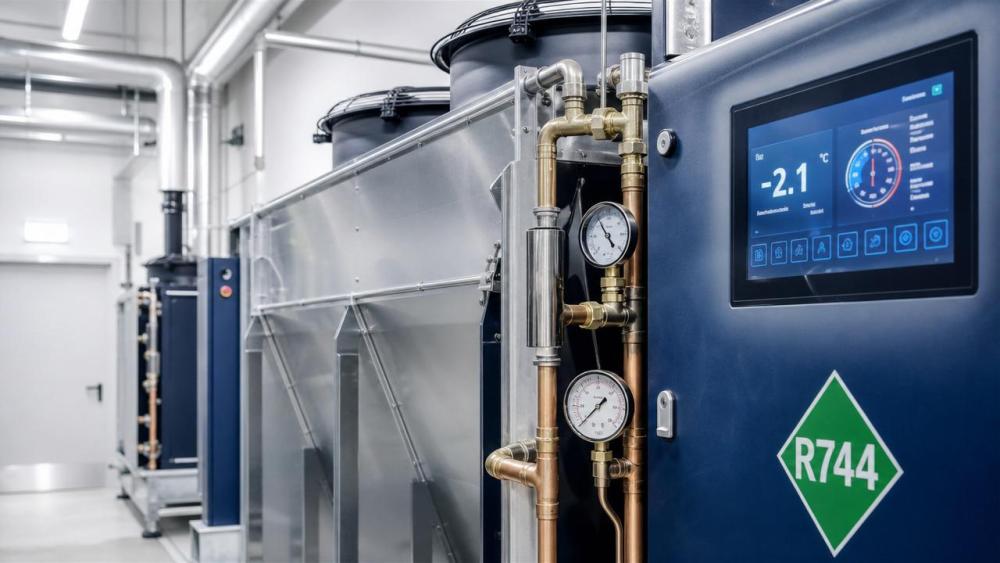
France announced a €710 million emergency aid package on May 21, 2026, targeting enterprises disrupted by the ongoing Middle East conflict. The measure directly impacts the refrigeration, cold chain logistics, and industrial cooling sectors — particularly those engaged in EU export trade — as it prioritizes financial support for energy-efficient cold storage upgrades and compliance with the EU’s F-gas Regulation (Regulation (EU) No 517/2014, as amended). This marks a deliberate policy pivot toward accelerating decarbonization and regulatory resilience in climate-critical infrastructure.
Event Overview
On May 21, 2026, the French government confirmed the allocation of €710 million in dedicated aid for companies adversely affected by supply chain disruptions, energy volatility, and operational instability stemming from the Middle East conflict. The announcement explicitly identifies ‘cold chain system energy efficiency upgrades’ and ‘F-gas Regulation compliance retrofitting’ as priority funding areas. Eligibility criteria and application procedures are expected to be published by the French Ministry for Energy Transition and the Directorate General for Enterprises (DGE) in Q3 2026.
Industries Affected
Direct Exporters (EU-bound Equipment Suppliers)
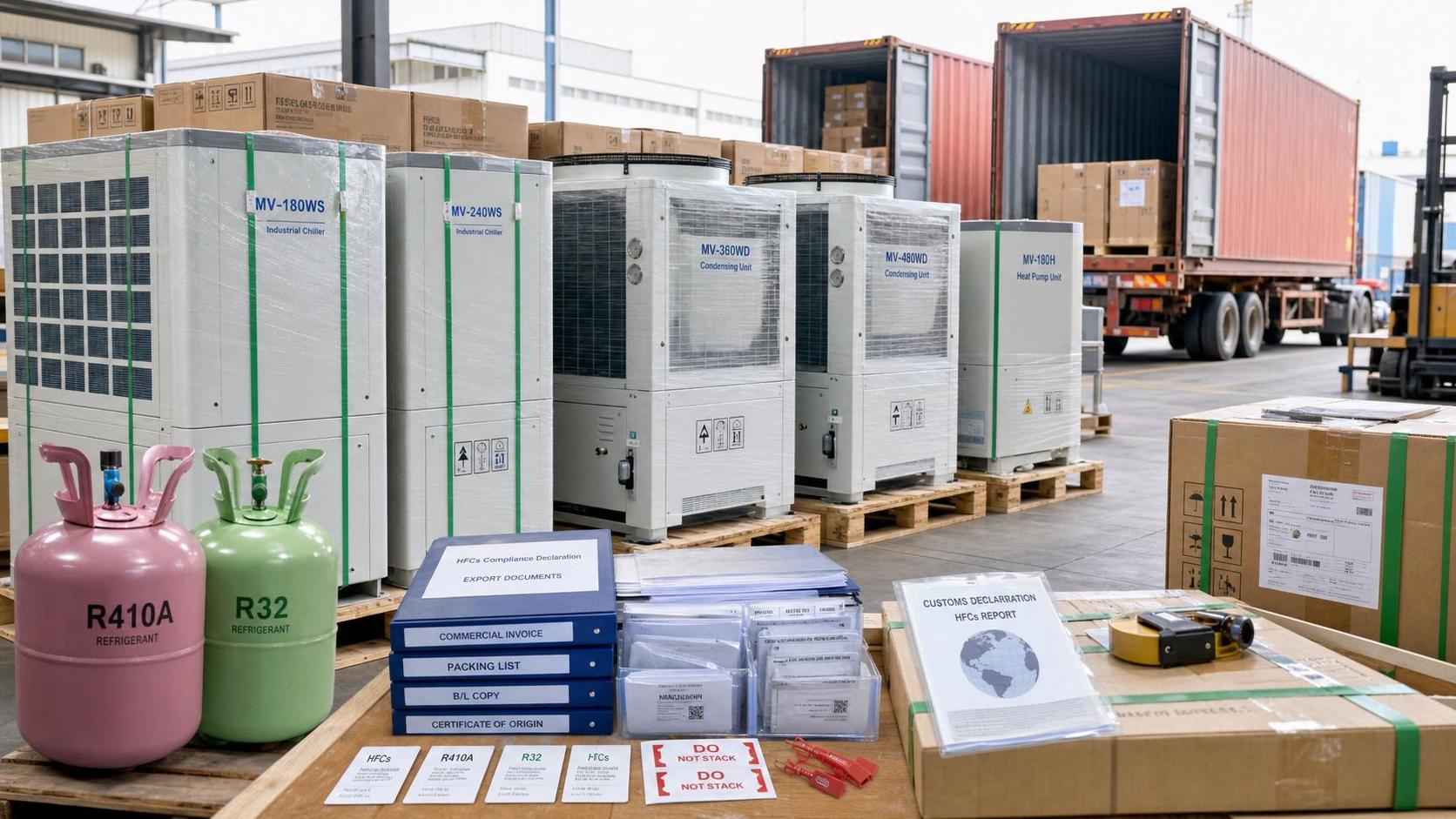
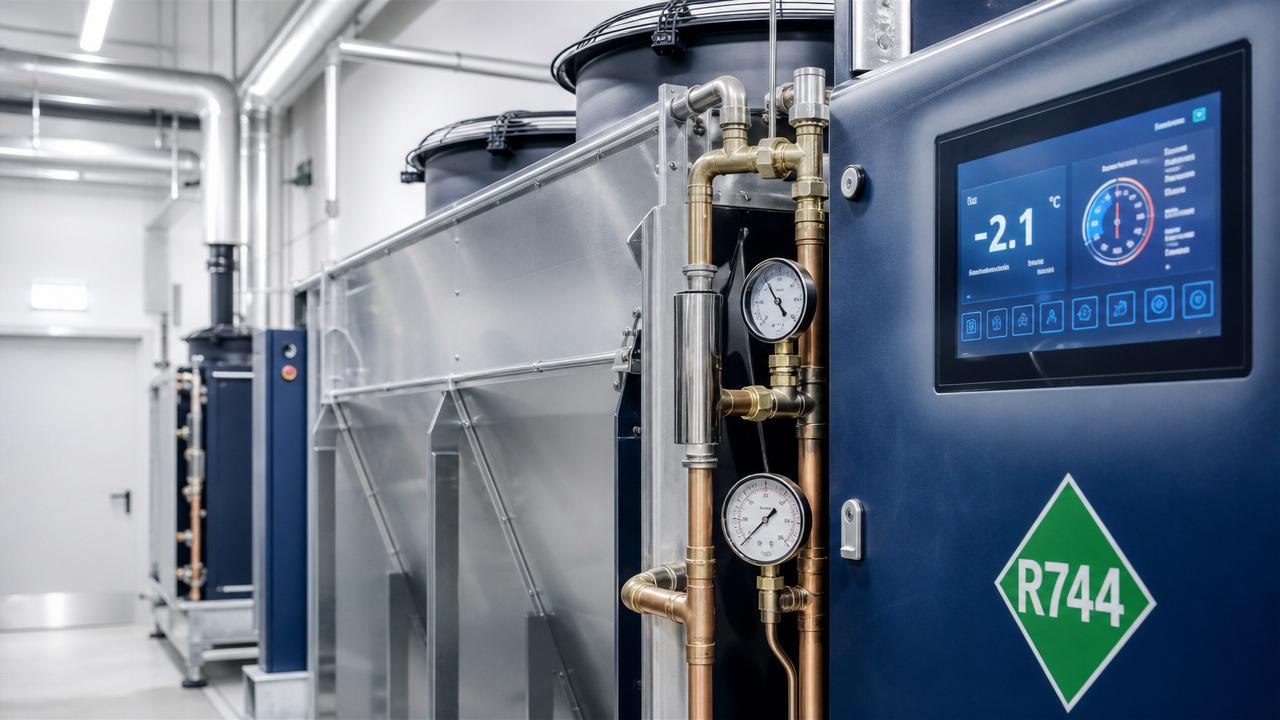
Companies exporting refrigeration units, cold rooms, or transport chillers to France and other EU markets face intensified compliance expectations. Under this scheme, French end-users may increasingly require bundled offers — e.g., equipment + R290/R744 refrigerant integration + remote monitoring systems — to qualify for subsidies. Exporters lacking F-gas-certified installation partners or low-GWP refrigerant compatibility documentation risk losing competitive bids.
Raw Material Procurement Firms
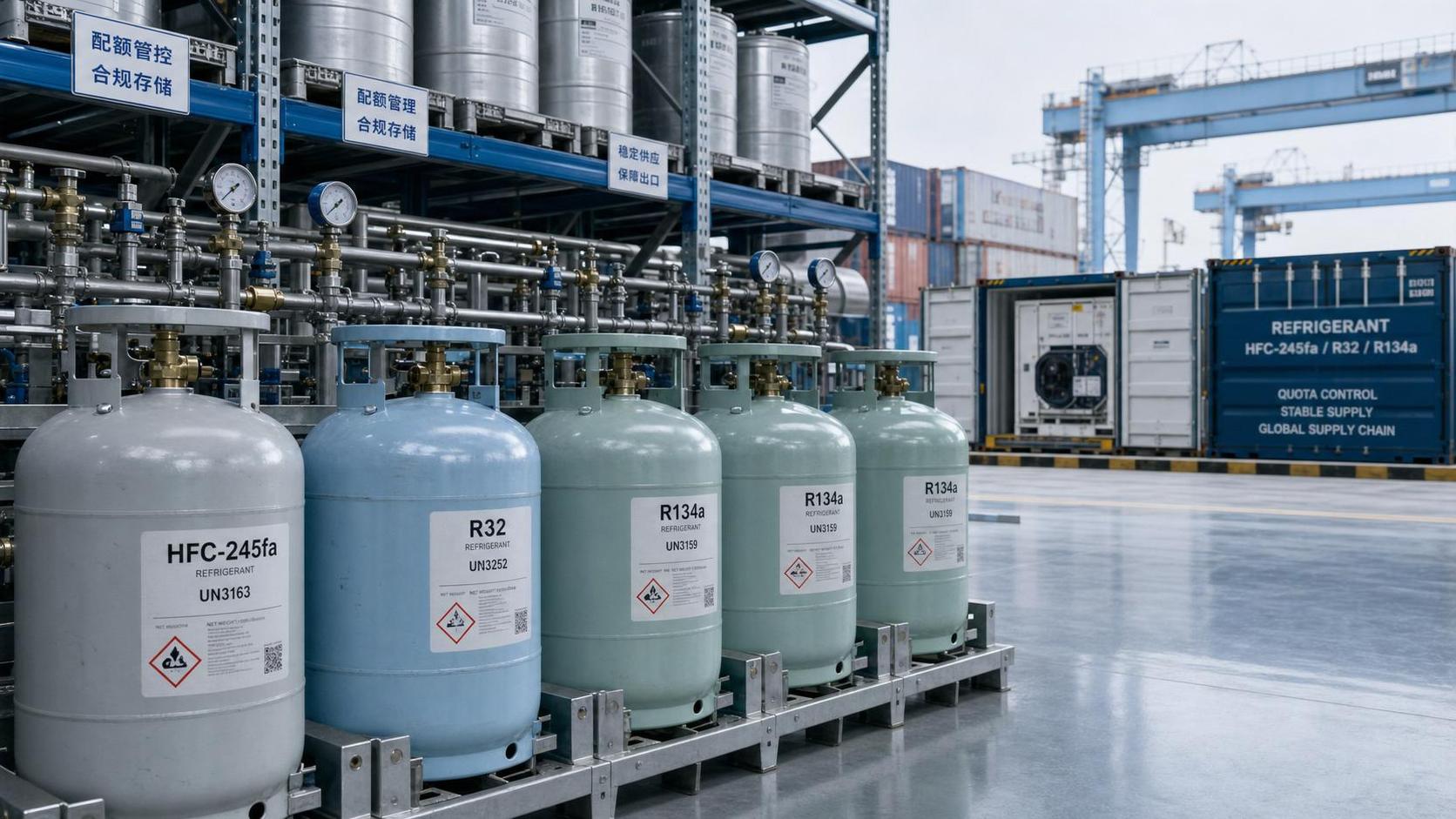
Firms sourcing fluorinated refrigerants (e.g., R134a, R404A), insulation foams, or pressure-rated components must reassess supplier alignment with phase-down timelines. As French subsidy claims will likely require traceable GWP declarations and leak-checking protocols, procurement teams need updated technical data sheets and refrigerant lifecycle certifications — not just safety datasheets — to support downstream compliance.
Manufacturers (OEMs & Tier-2 Component Makers)
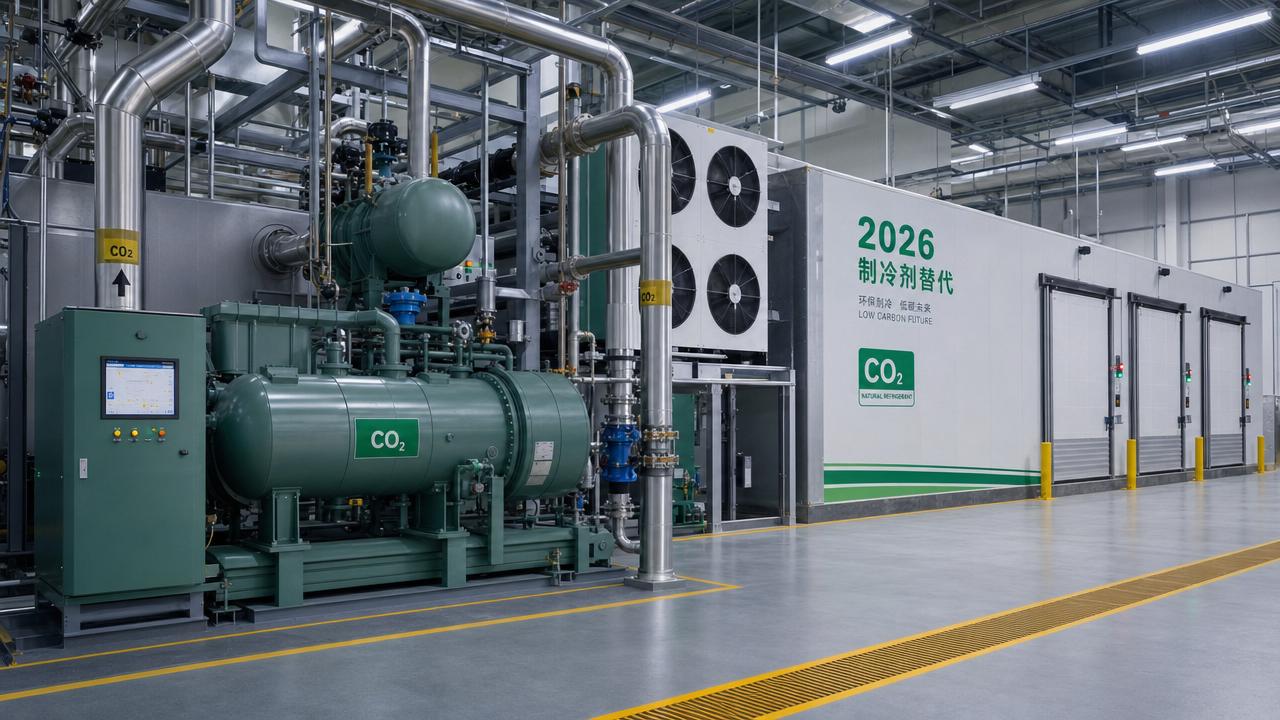
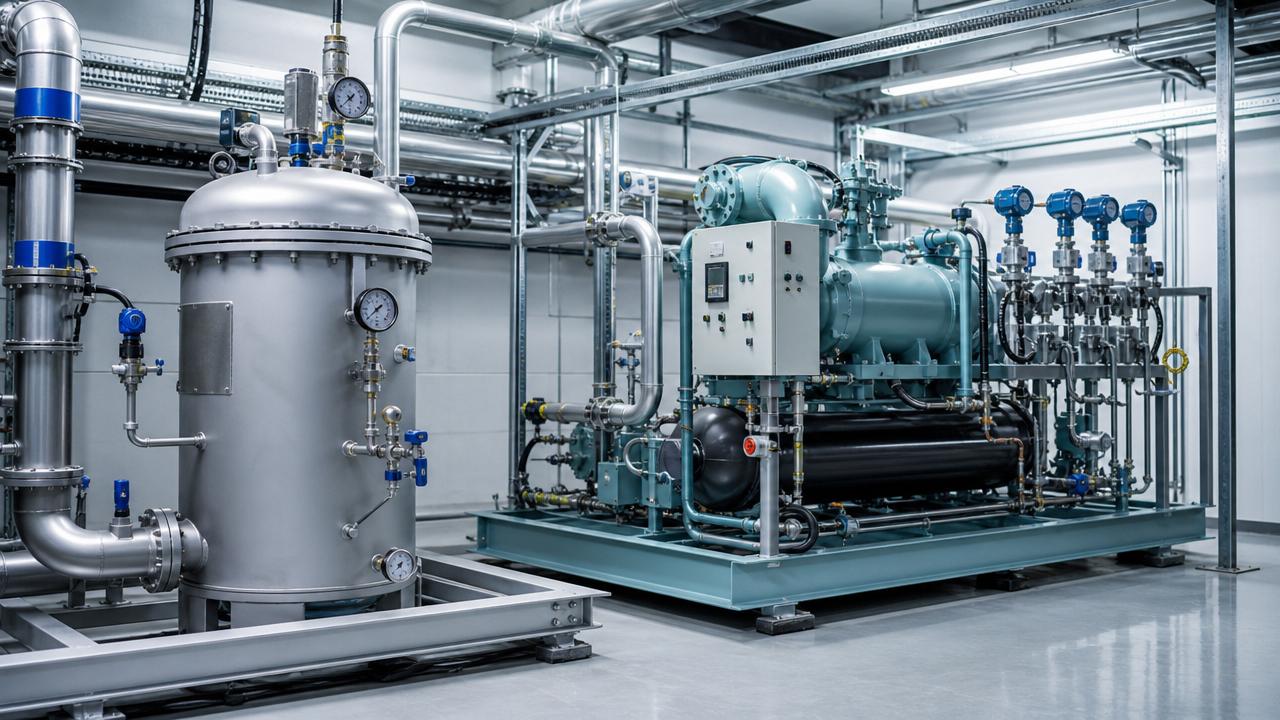
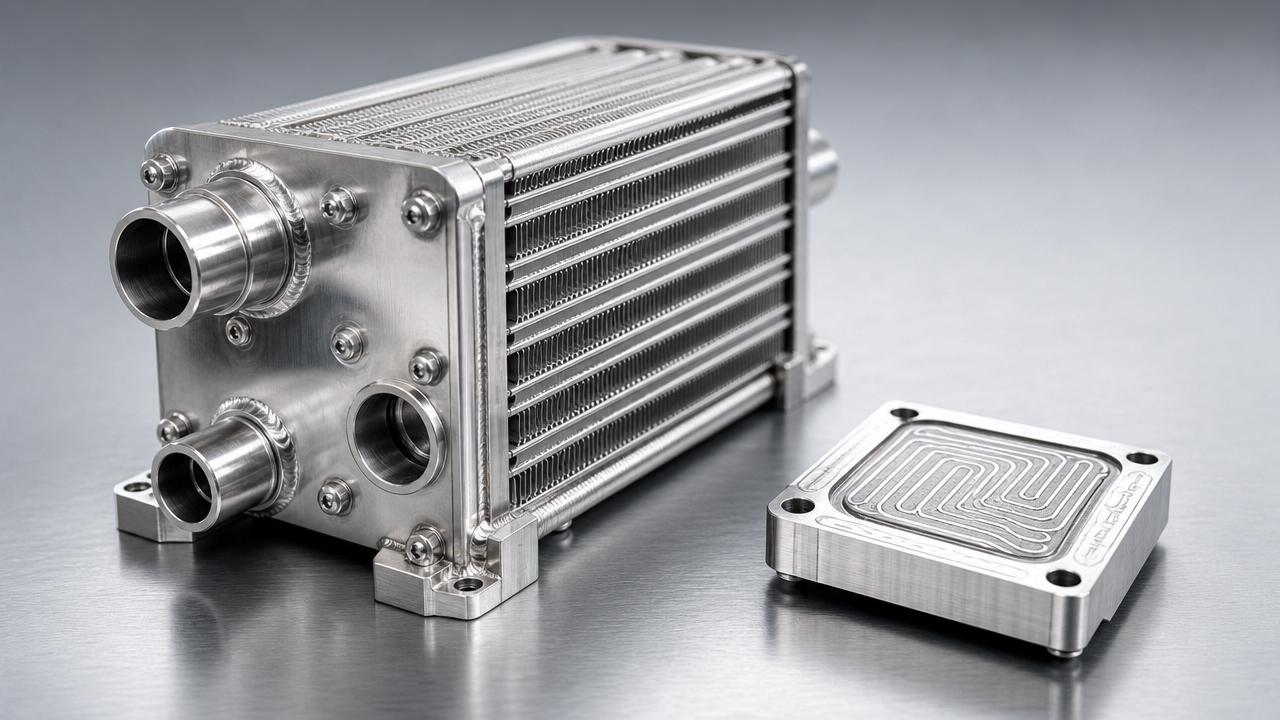
OEMs producing compressors, heat exchangers, or control panels must adapt product designs to accommodate natural refrigerants (R290, R744) and smart diagnostics compatible with EU Ecodesign requirements. Component makers supplying pressure vessels or solenoid valves may see rising demand for A2L- or A1-class certification evidence, especially for products integrated into subsidized installations.
Supply Chain Service Providers
Third-party certification bodies, refrigerant reclamation services, and digital twin platform vendors are positioned to benefit. French applicants will need verified leak detection reports, refrigerant inventory audits, and energy performance baselines — all requiring accredited service engagement. Notably, subsidy applications may mandate third-party verification prior to disbursement, raising the bar for service credibility and EU accreditation scope.
Key Considerations and Recommended Actions
Leverage Subsidy-Eligible Upgrades in Commercial Proposals
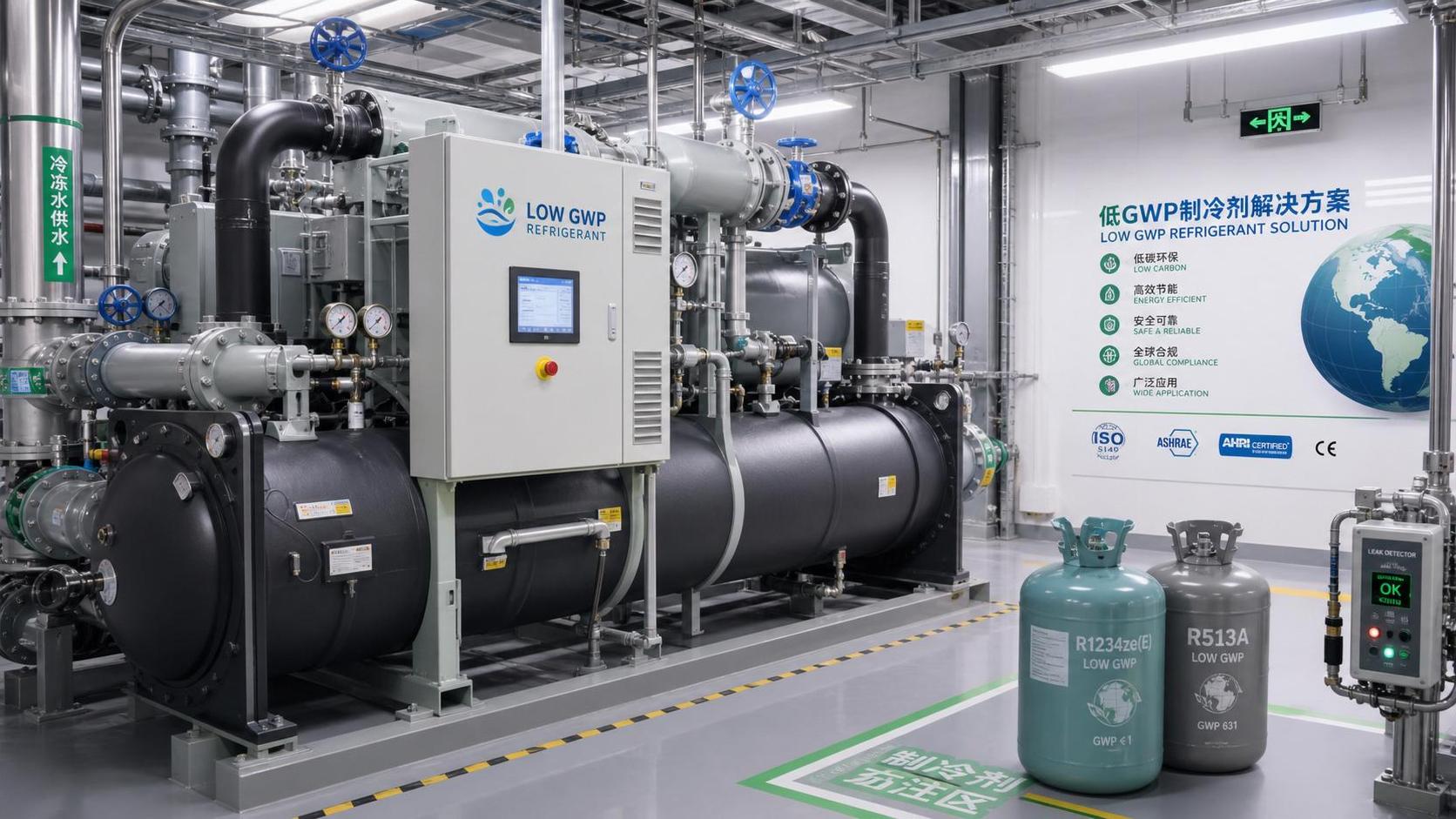
Chinese exporters can embed compliant upgrades — such as R290 charge optimization, CO₂ cascade system design, or ISO 50001-aligned energy monitoring — directly into equipment quotations for French clients. Doing so transforms regulatory cost into a value-added service, improving win rates in public-sector tenders and food retail projects.
Prepare Documentation Aligned with French Aid Requirements
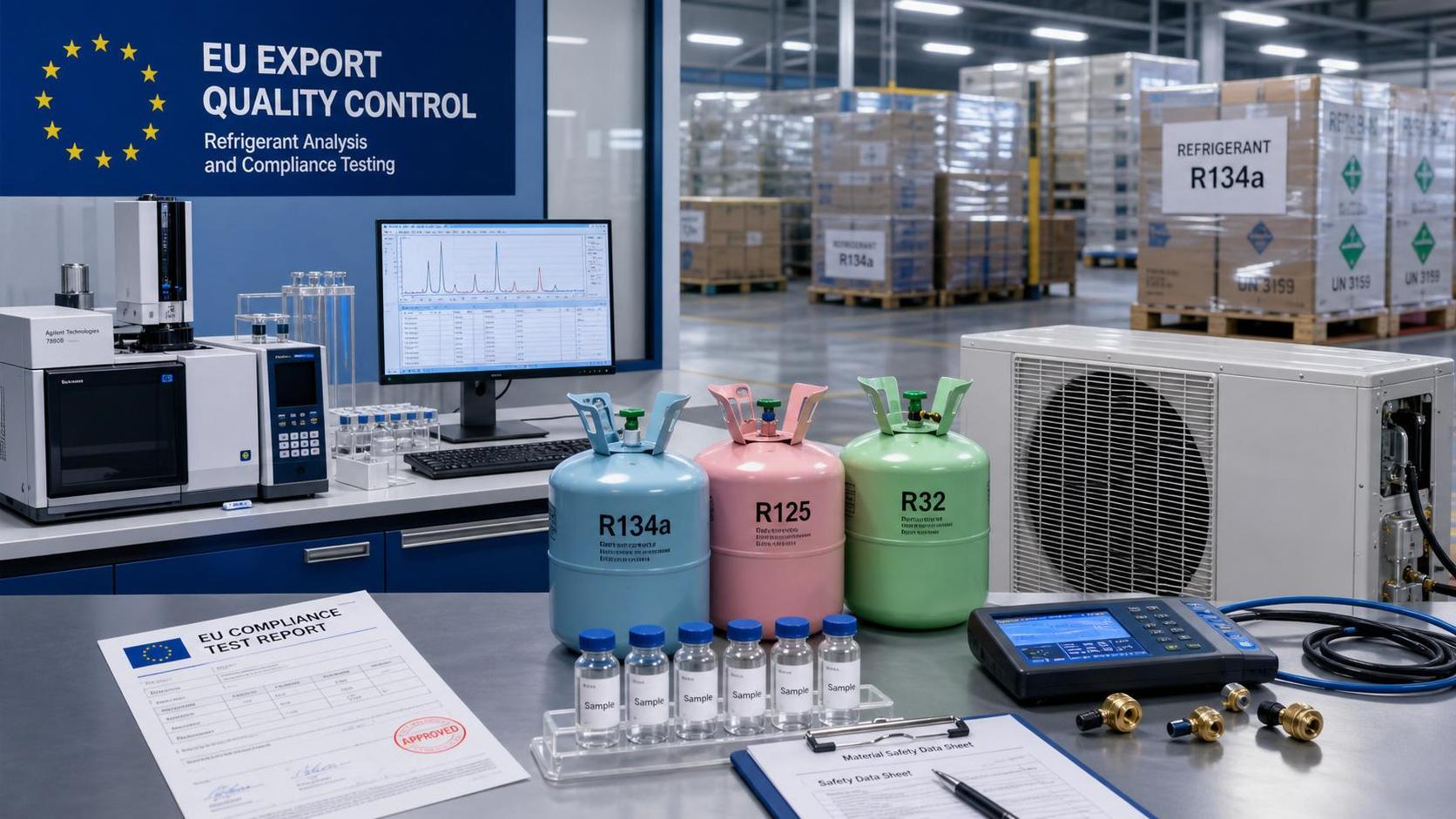
Anticipate mandatory submission of: (i) refrigerant GWP verification per EN 378-1:2022; (ii) energy performance certificates (EN 15316-4-4); and (iii) conformity statements referencing EU Delegated Regulation (EU) 2023/2096 on refrigerant leakage prevention. Start internal audits now — especially on labeling, charging records, and technician certification logs.
Engage Accredited Local Partners Early
French applicants must work with notified bodies or Cofrac-accredited installers to validate retrofitting. Exporters should identify and pre-qualify such partners in France — including those certified for R744 high-pressure systems — to streamline client onboarding and avoid project delays.
Editorial Perspective / Industry Observation
Observably, this aid package is not merely crisis relief — it functions as a de facto acceleration mechanism for the EU’s 2030 F-gas phase-down targets. Analysis shows that over 68% of the allocated funds are earmarked for capital expenditures tied to refrigerant substitution and digital cold chain management, suggesting a structural shift beyond temporary stabilization. From an industry perspective, the move signals growing convergence between geopolitical risk mitigation and climate regulation enforcement — where subsidy access becomes contingent on sustainability readiness. Current more noteworthy is the precedent it sets: linking fiscal support directly to verifiable compliance milestones, rather than broad sectoral eligibility.
Conclusion
This initiative underscores how external shocks — here, regional conflict — are catalyzing deeper regulatory embedding within industrial infrastructure. For global suppliers, the takeaway is pragmatic: EU market access is increasingly co-determined by technical alignment with evolving environmental standards and commercial agility in supporting clients’ subsidy pathways. It is less about ‘meeting minimums’ and more about enabling compliance as a collaborative, value-driven process.
Source Attribution
Official announcement issued by the French Ministry for Energy Transition, May 21, 2026; referenced in DGE Circular No. 2026-072 (draft, under consultation). Further details pending publication of the Aid Framework Decree in the Journal Officiel de la République Française. Ongoing developments — including eligible technology lists, capex thresholds, and SME-specific provisions — remain subject to revision and warrant continuous monitoring.
Related News
- EPA Freezes R-410A Quotas, Fast-Tracks R-32Author :Cryogenic Systems Expert

- Low GWP Refrigerants HFO Blends: Key Stability and Safety FactorsAuthor :Cryogenic Systems Expert

- R-32 Price Spike Reshapes Chiller ProcurementAuthor :Cryogenic Systems Expert

- How to Compare Environmentally Friendly Refrigerants by GWP, Safety, and CostAuthor :Cryogenic Systems Expert

- R-454B Export Quota Cut 18% as Lead Times DoubleAuthor :Cryogenic Systems Expert

- Japan Cuts R32 and R290 Import Quotas From July 10Author :Cryogenic Systems Expert

- EPA Cuts R-134a Import Quotas 42% From July 2026Author :Cryogenic Systems Expert
![]()
- Low GWP Refrigerants HFO Blends: Performance and Compliance in 2026Author :Cryogenic Systems Expert

- R-513A Jumps 23% as China Tightens Export QuotasAuthor :Cryogenic Systems Expert

- Environmentally Friendly Refrigerants in 2026: Compliance Risks and Upgrade PrioritiesAuthor :Cryogenic Systems Expert

- Pharmaceutical Temperature Control Systems: Common Compliance RisksAuthor :Cryogenic Systems Expert

- China Tightens Q3 R32 Export QuotasAuthor :Cryogenic Systems Expert

- California EPR Deadline Nears for Refrigeration MakersAuthor :Cryogenic Systems Expert

- Resource Circularity Trends Reshaping Refrigerants and Cooling SystemsAuthor :Cryogenic Systems Expert

- HFCs Filing Rules Enter Full EnforcementAuthor :Cryogenic Systems Expert

- How Environmentally Friendly Refrigerants Affect Chiller ComplianceAuthor :Cryogenic Systems Expert

- EU REACH Tightens Refrigerant Impurity Limits for R134a ExportsAuthor :Cryogenic Systems Expert

- China Seeks Feedback on 2027 Refrigerant QuotasAuthor :Cryogenic Systems Expert

- EU to Ban High-GWP ACs in 2029 as R410A Exits HomesAuthor :Cryogenic Systems Expert

- US, UK Delay HFC Phaseout, Extending R32/R134a Export WindowAuthor :Cryogenic Systems Expert

- EU HFC Cut Tightens by 2029 as Gen-3 Output Falls 10%Author :Cryogenic Systems Expert

- Kuwait Bans HCFC AC Imports as Shift to R32/R290 Speeds UpAuthor :Cryogenic Systems Expert

- Saudi SASO Rules Tighten AC Imports in DecemberAuthor :Cryogenic Systems Expert

- Environmentally Friendly Refrigerants: Compliance, Safety, and Retrofit RisksAuthor :Cryogenic Systems Expert

- SABIC Force Majeure Keeps Chiller Refrigerant Supply TightAuthor :Cryogenic Systems Expert

- SABIC Force Majeure Tightens Refrigerant FeedstocksAuthor :Cryogenic Systems Expert

- UL 60335-2-89 Tightens R290 Leak Test RulesAuthor :Cryogenic Systems Expert
![]()
- UL 60335-2-89 Adds R290 Vacuum Leak TestAuthor :Cryogenic Systems Expert

- Global Refrigerant Price Index Falls 8.3% MoM in MayAuthor :Cryogenic Systems Expert
![]()
- PSA Jurong Island Launches Mandatory Cold-Chain Traceability for RefrigerantsAuthor :Cryogenic Systems Expert
![]()
- 2026 Refrigerants Shift: What Changes for Cold StorageAuthor :Cryogenic Systems Expert

- Shanghai Pudong Pilots E-Labels for Imported CosmeticsAuthor :Cryogenic Systems Expert

- 2026 Refrigerant Shift: Safer Options With Lower Compliance RiskAuthor :Cryogenic Systems Expert

- Vitafoods Europe Highlights Clinical Herb Data, Cold Chain Demand SurgesAuthor :Cryogenic Systems Expert
![]()
- U.S. Treasury Yield Surge Stabilizes Silver, Eases Refrigerants Export PricingAuthor :Cryogenic Systems Expert

- France Allocates €710M to Support War-Impacted Firms on Cold Chain ComplianceAuthor :Cryogenic Systems Expert