U.S. Treasury Yield Surge Stabilizes Silver, Eases Refrigerants Export Pricing




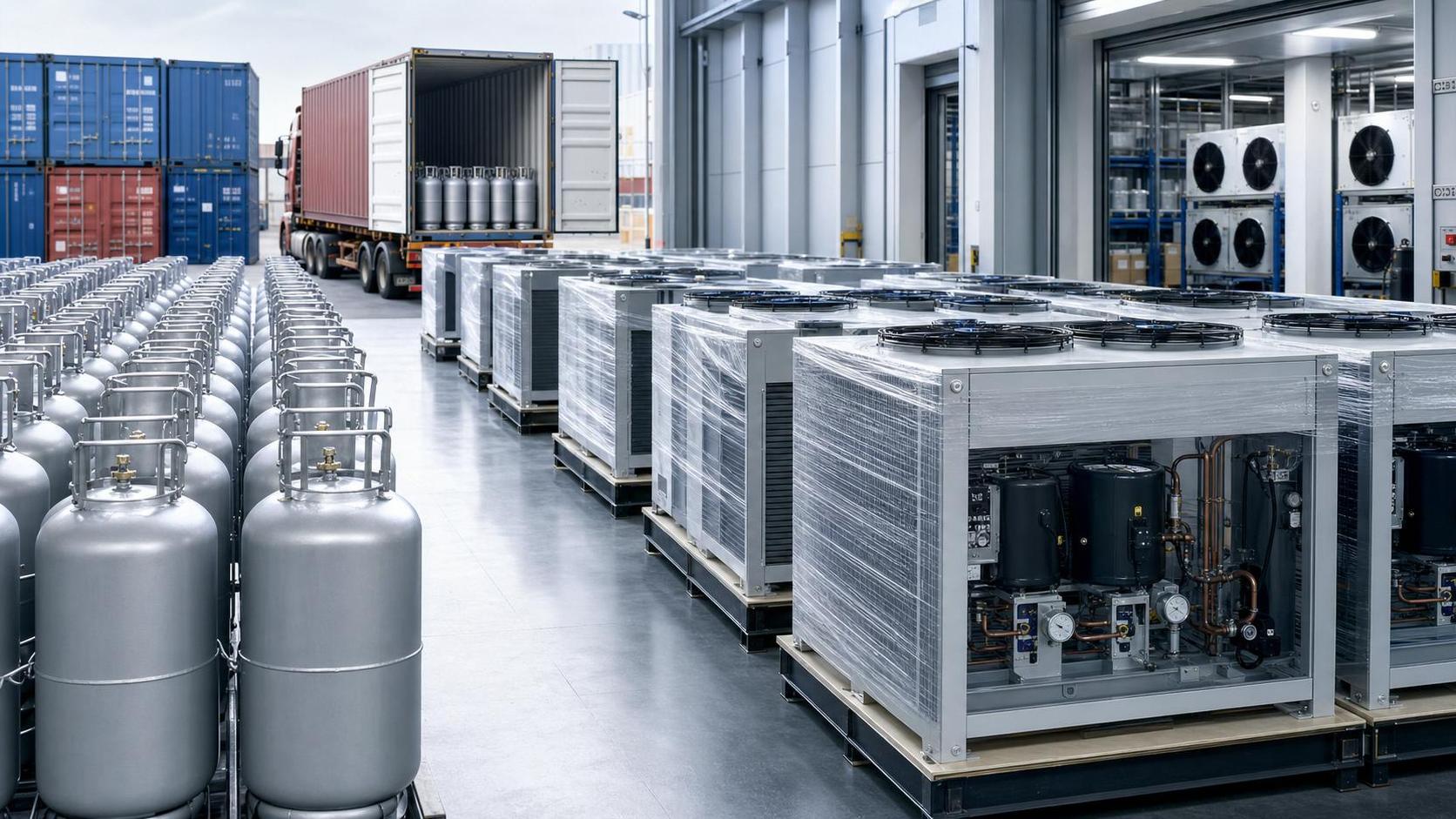
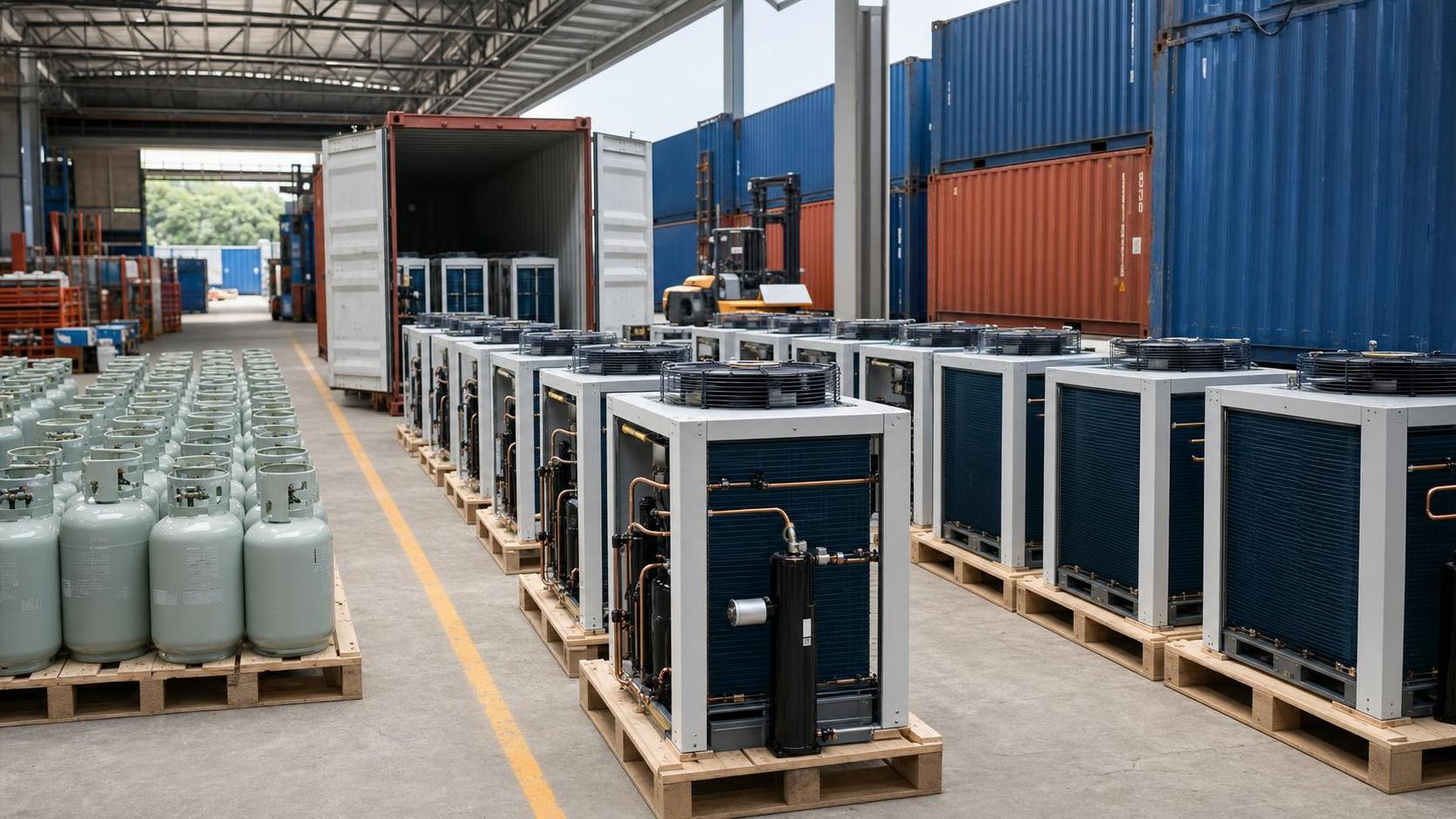
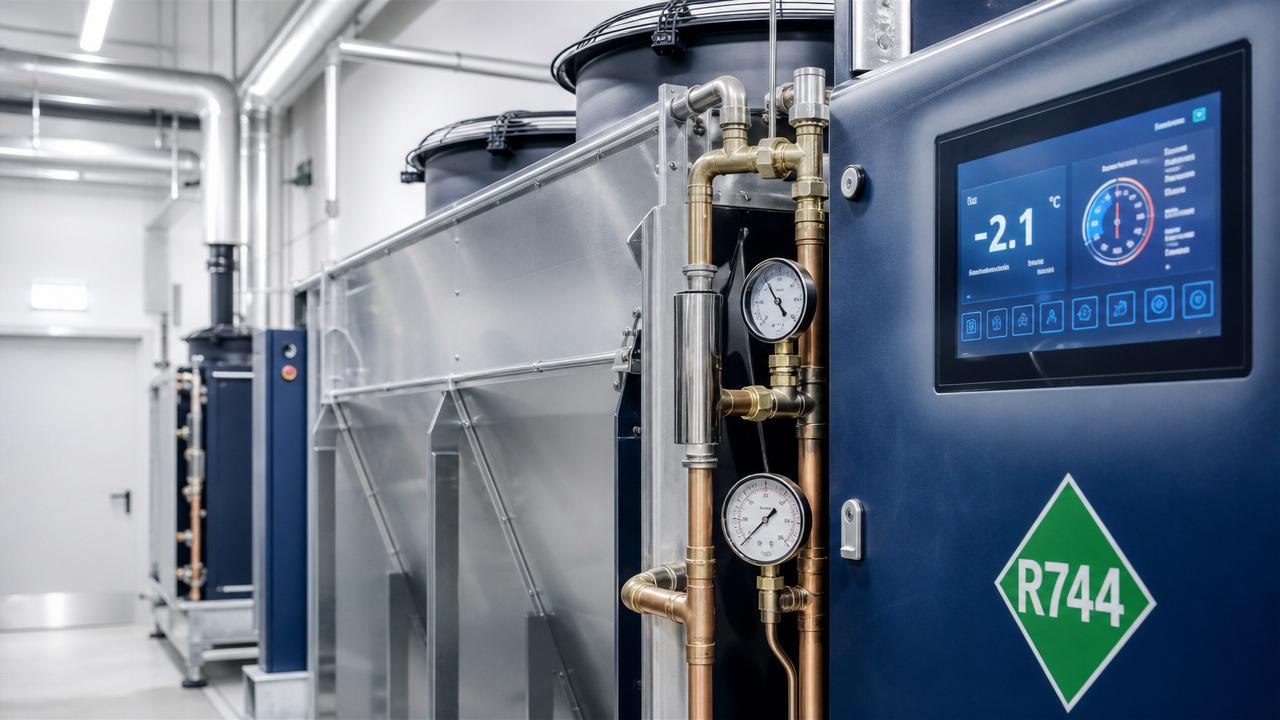
On May 15, 2026, a sharp rise in U.S. Treasury yields—driven by hotter-than-expected inflation data—triggered a correction in silver prices, which fell from USD 89.36 to around USD 76 per troy ounce. As silver serves as a critical upstream material for refrigerant-related components—including R290 system sensors and R744 heat exchanger tubing—its price stabilization is now easing cost volatility for Chinese manufacturers of pre-charged refrigeration units and associated heat transfer equipment, with implications for export pricing discipline and delivery reliability.
Event Overview
U.S. Treasury yields surged following the release of April 2026 U.S. CPI data, reigniting market expectations of additional Federal Reserve rate hikes. Concurrently, spot silver prices declined by approximately 15%—from USD 89.36 to USD 76.00—within a single trading week. This movement has been confirmed by data from the London Bullion Market Association (LBMA) and COMEX futures settlement reports dated May 15, 2026.
Industries Affected
Direct Exporters & Trading Firms: Companies engaged in cross-border trade of pre-charged R290/R744 units face reduced pressure on quoted FOB prices. With silver input costs stabilizing, margin compression from sudden raw material spikes has eased—improving quote consistency and contract renewability, especially in EU and ASEAN markets where pricing clauses are often indexed to metal benchmarks.
Raw Material Procurement Teams: Purchasing departments at refrigerant equipment OEMs no longer need to deploy aggressive hedging or forward-buying strategies for silver-based components. Lead-time buffers for sensor substrates and brazed tube alloys have lengthened slightly, supporting more predictable quarterly procurement planning.
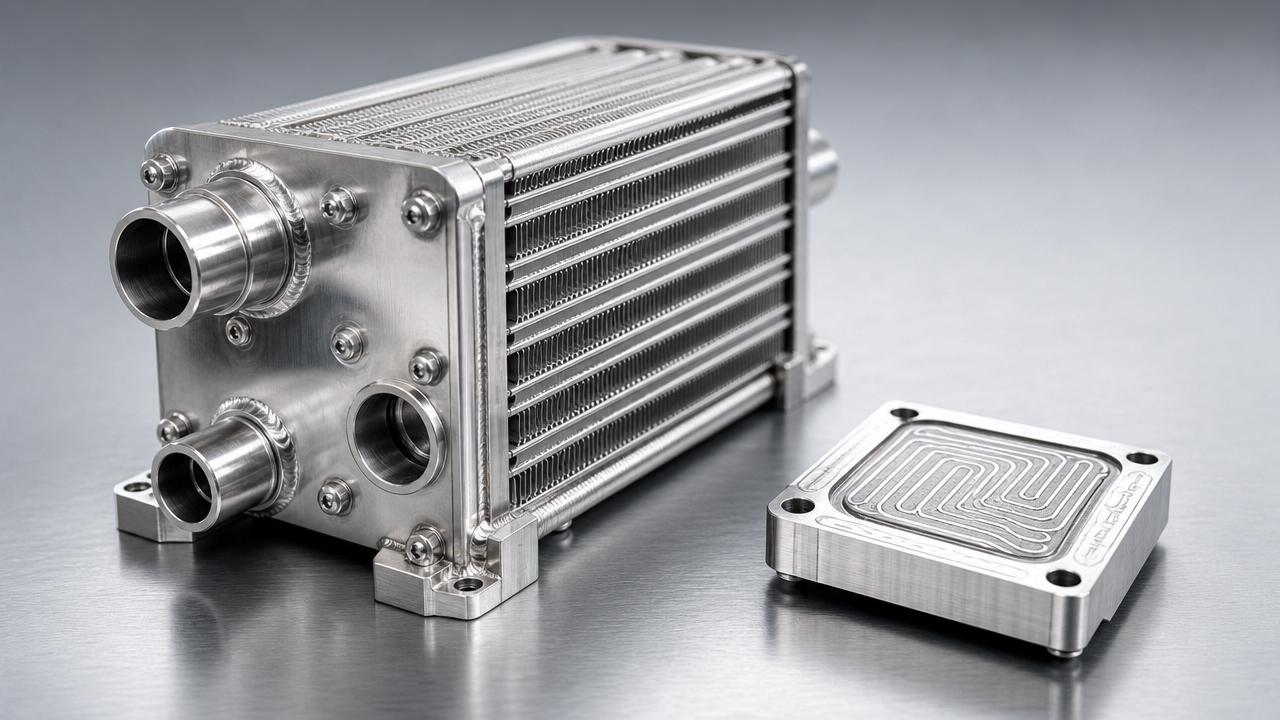
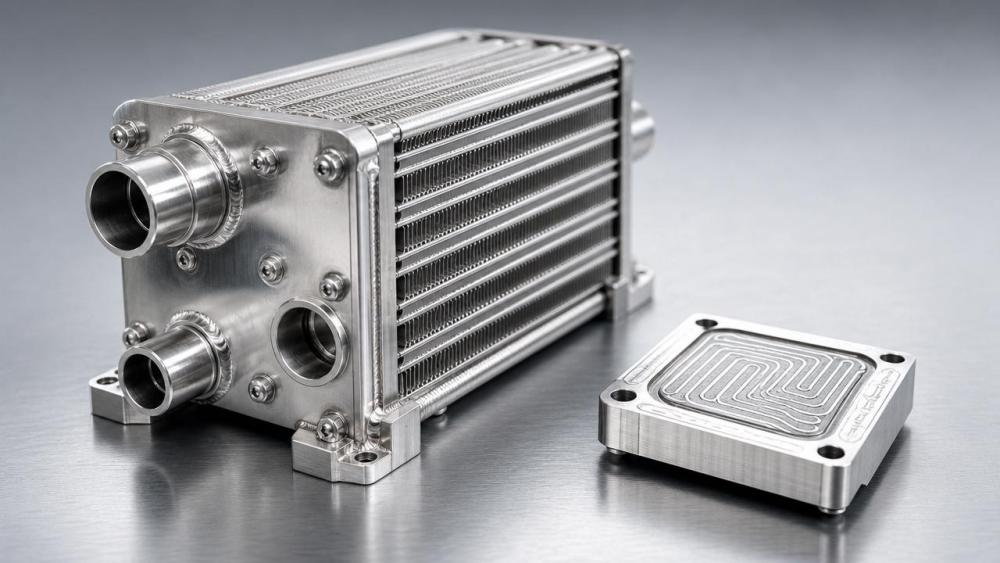
Equipment Manufacturers: Producers of compact refrigeration units—particularly those integrating R290 charge verification sensors or stainless-steel R744 microchannel heat exchangers—report improved BOM cost forecasting accuracy. This supports tighter control over landed cost calculations and smoother integration into OEM supply chains for commercial cold-chain and heat-pump applications.
Supply Chain Service Providers: Third-party logistics and customs compliance firms handling refrigerant equipment exports observe fewer ad-hoc re-pricing requests tied to metal surcharges. Documentation workflows related to ‘material cost pass-through’ clauses (e.g., under Incoterms® 2020 CFR or CIP) have become less volatile, reducing administrative friction during shipment validation.
Key Considerations and Recommended Actions
Monitor U.S. yield curve dynamics—not just level, but slope
While current silver stabilization is welcome, analysis shows that steepening in the 2s–10s Treasury spread may signal persistent inflationary pressures. Exporters should track yield curve behavior weekly, not merely headline yield levels, to anticipate secondary volatility in industrial metals.
Reassess silver exposure in sensor and brazing specifications
Some R290 sensor designs use silver-palladium alloys; others rely on pure silver plating. Observation shows that specification-level review—especially for non-critical thermal interfaces—could unlock further cost resilience without compromising performance certification (e.g., UL 60335-2-89, EN 378).
Update export quotation templates to reflect stabilized metal baselines
Many firms still reference 90-day rolling silver averages in pricing annexes. Given the recent consolidation near USD 76, updating baseline references to a 30-day window—and adding a ±3% tolerance band—better aligns with current market reality and improves customer acceptance.
Editorial Insight / Industry Observation
From an industry perspective, this episode highlights how macro-financial signals—traditionally viewed as distant from HVACR operations—can rapidly propagate through materials supply chains. It is not merely a silver price event, but a stress test of vertical integration depth: firms with in-house metallurgical sourcing or dual-sourcing agreements for silver-dependent subcomponents demonstrated markedly lower production variance during the April–May transition. Current more relevant framing is not ‘silver is cheaper’, but ‘supply chain optionality has regained value’.
Conclusion
This stabilization does not eliminate silver’s role as a pricing lever—but it resets the operational baseline for refrigerant equipment exporters and Tier-1 suppliers. For the medium term, it supports greater predictability in cost modeling and tender response cycles, particularly for projects requiring fixed-price bids over 6–12 months. A rational interpretation is that the episode reinforces the strategic importance of granular material risk mapping—not just for precious metals, but for all functionally critical trace elements embedded in next-generation refrigeration hardware.
Source Attribution
Data sourced from: U.S. Bureau of Labor Statistics (CPI report, April 2026), LBMA Daily Silver Fixings (May 15, 2026), COMEX Silver Futures Settlement (May 15, 2026), and publicly disclosed procurement bulletins from three Tier-1 Chinese refrigeration OEMs (dated May 10–14, 2026). Ongoing observation warranted for: Fed policy communication shifts post-June 2026 FOMC meeting; potential revisions to EPA SNAP program timelines affecting R290/R744 adoption rates; and LBMA’s proposed silver recycling disclosure guidelines (draft released May 12, 2026).
Related News
- EPA Freezes R-410A Quotas, Fast-Tracks R-32Author :Cryogenic Systems Expert

- Low GWP Refrigerants HFO Blends: Key Stability and Safety FactorsAuthor :Cryogenic Systems Expert

- R-32 Price Spike Reshapes Chiller ProcurementAuthor :Cryogenic Systems Expert

- How to Compare Environmentally Friendly Refrigerants by GWP, Safety, and CostAuthor :Cryogenic Systems Expert

- R-454B Export Quota Cut 18% as Lead Times DoubleAuthor :Cryogenic Systems Expert

- Japan Cuts R32 and R290 Import Quotas From July 10Author :Cryogenic Systems Expert

- EPA Cuts R-134a Import Quotas 42% From July 2026Author :Cryogenic Systems Expert
![]()
- Low GWP Refrigerants HFO Blends: Performance and Compliance in 2026Author :Cryogenic Systems Expert

- R-513A Jumps 23% as China Tightens Export QuotasAuthor :Cryogenic Systems Expert

- Environmentally Friendly Refrigerants in 2026: Compliance Risks and Upgrade PrioritiesAuthor :Cryogenic Systems Expert

- Pharmaceutical Temperature Control Systems: Common Compliance RisksAuthor :Cryogenic Systems Expert

- China Tightens Q3 R32 Export QuotasAuthor :Cryogenic Systems Expert

- California EPR Deadline Nears for Refrigeration MakersAuthor :Cryogenic Systems Expert

- Resource Circularity Trends Reshaping Refrigerants and Cooling SystemsAuthor :Cryogenic Systems Expert

- HFCs Filing Rules Enter Full EnforcementAuthor :Cryogenic Systems Expert

- How Environmentally Friendly Refrigerants Affect Chiller ComplianceAuthor :Cryogenic Systems Expert

- EU REACH Tightens Refrigerant Impurity Limits for R134a ExportsAuthor :Cryogenic Systems Expert

- China Seeks Feedback on 2027 Refrigerant QuotasAuthor :Cryogenic Systems Expert

- EU to Ban High-GWP ACs in 2029 as R410A Exits HomesAuthor :Cryogenic Systems Expert

- US, UK Delay HFC Phaseout, Extending R32/R134a Export WindowAuthor :Cryogenic Systems Expert

- EU HFC Cut Tightens by 2029 as Gen-3 Output Falls 10%Author :Cryogenic Systems Expert

- Kuwait Bans HCFC AC Imports as Shift to R32/R290 Speeds UpAuthor :Cryogenic Systems Expert

- Saudi SASO Rules Tighten AC Imports in DecemberAuthor :Cryogenic Systems Expert

- Environmentally Friendly Refrigerants: Compliance, Safety, and Retrofit RisksAuthor :Cryogenic Systems Expert

- SABIC Force Majeure Keeps Chiller Refrigerant Supply TightAuthor :Cryogenic Systems Expert

- SABIC Force Majeure Tightens Refrigerant FeedstocksAuthor :Cryogenic Systems Expert

- UL 60335-2-89 Tightens R290 Leak Test RulesAuthor :Cryogenic Systems Expert
![]()
- UL 60335-2-89 Adds R290 Vacuum Leak TestAuthor :Cryogenic Systems Expert

- Global Refrigerant Price Index Falls 8.3% MoM in MayAuthor :Cryogenic Systems Expert
![]()
- PSA Jurong Island Launches Mandatory Cold-Chain Traceability for RefrigerantsAuthor :Cryogenic Systems Expert
![]()
- 2026 Refrigerants Shift: What Changes for Cold StorageAuthor :Cryogenic Systems Expert

- Shanghai Pudong Pilots E-Labels for Imported CosmeticsAuthor :Cryogenic Systems Expert

- 2026 Refrigerant Shift: Safer Options With Lower Compliance RiskAuthor :Cryogenic Systems Expert

- Vitafoods Europe Highlights Clinical Herb Data, Cold Chain Demand SurgesAuthor :Cryogenic Systems Expert
![]()
- U.S. Treasury Yield Surge Stabilizes Silver, Eases Refrigerants Export PricingAuthor :Cryogenic Systems Expert

- France Allocates €710M to Support War-Impacted Firms on Cold Chain ComplianceAuthor :Cryogenic Systems Expert