



Tmall Health Launches 'Wellness Safety Alliance'




On May 20, 2026, Tmall Health launched the ‘Wellness Safety Alliance’ in collaboration with over ten leading brands including By-Health and Centrum. The initiative introduces stringent cold-chain compliance requirements for dietary supplements sold on the platform—marking a pivotal shift in e-commerce quality governance and signaling broader implications for global health product trade, particularly where temperature-sensitive logistics intersect with regulatory expectations.
Event Overview
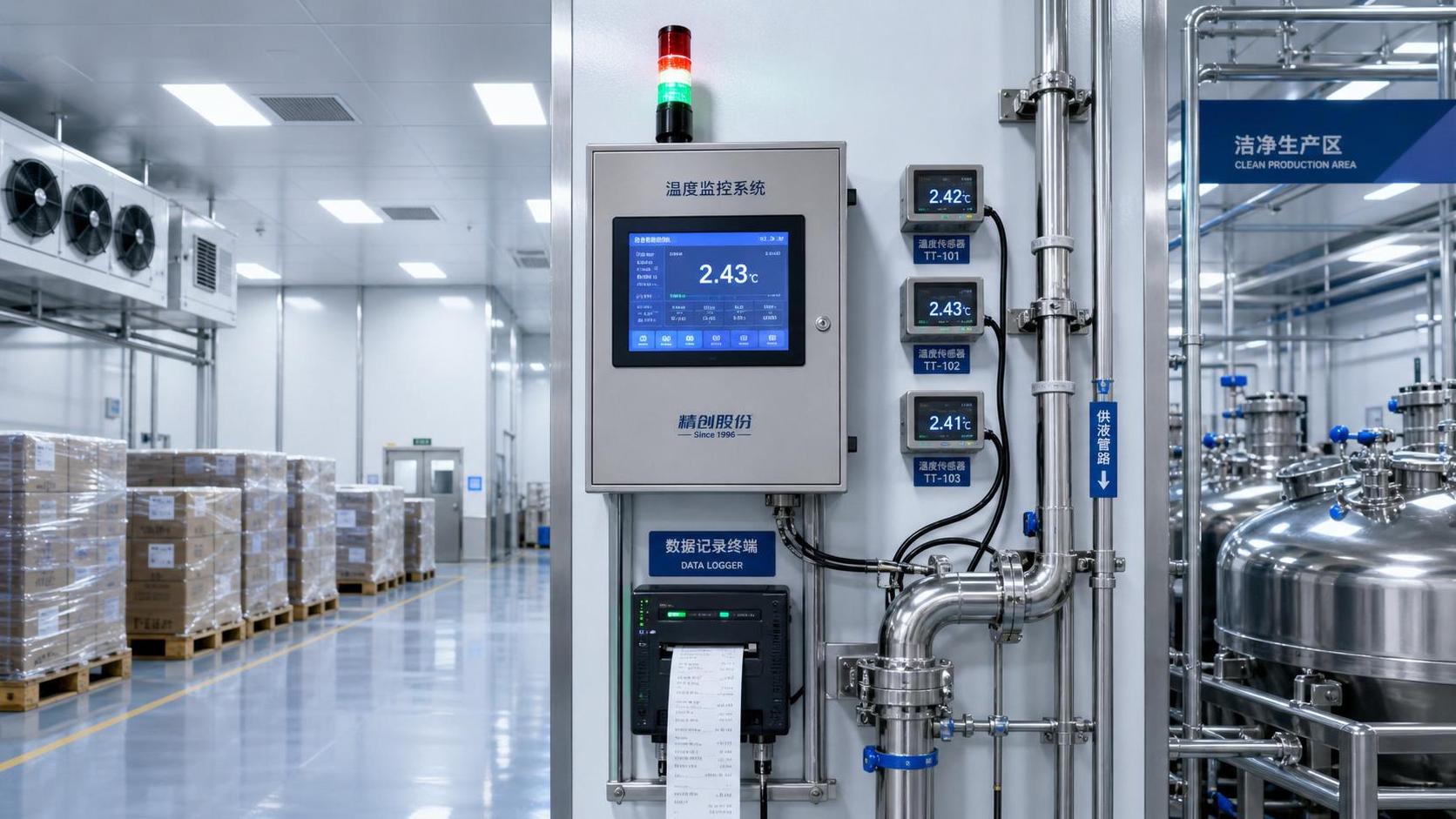
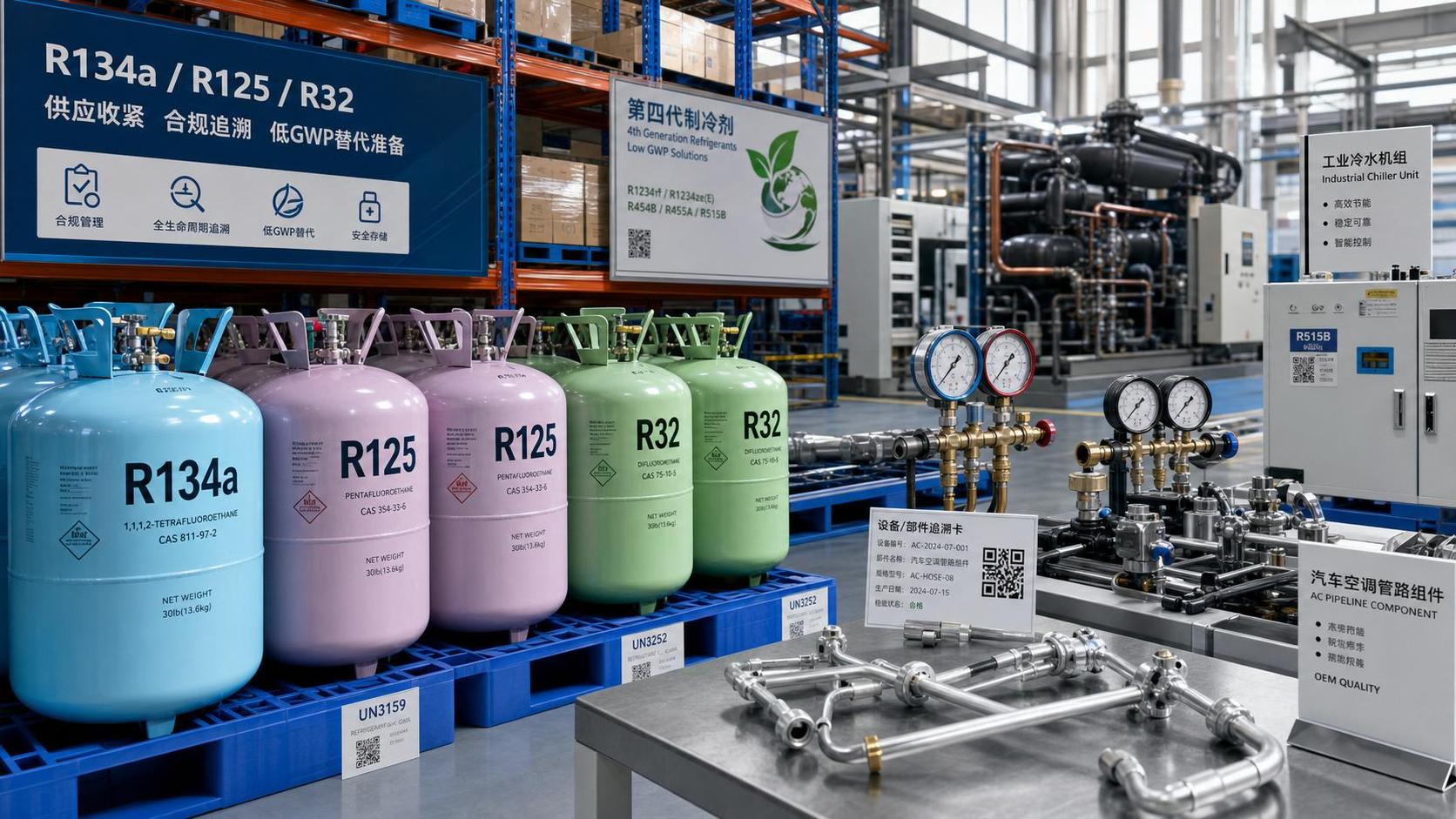
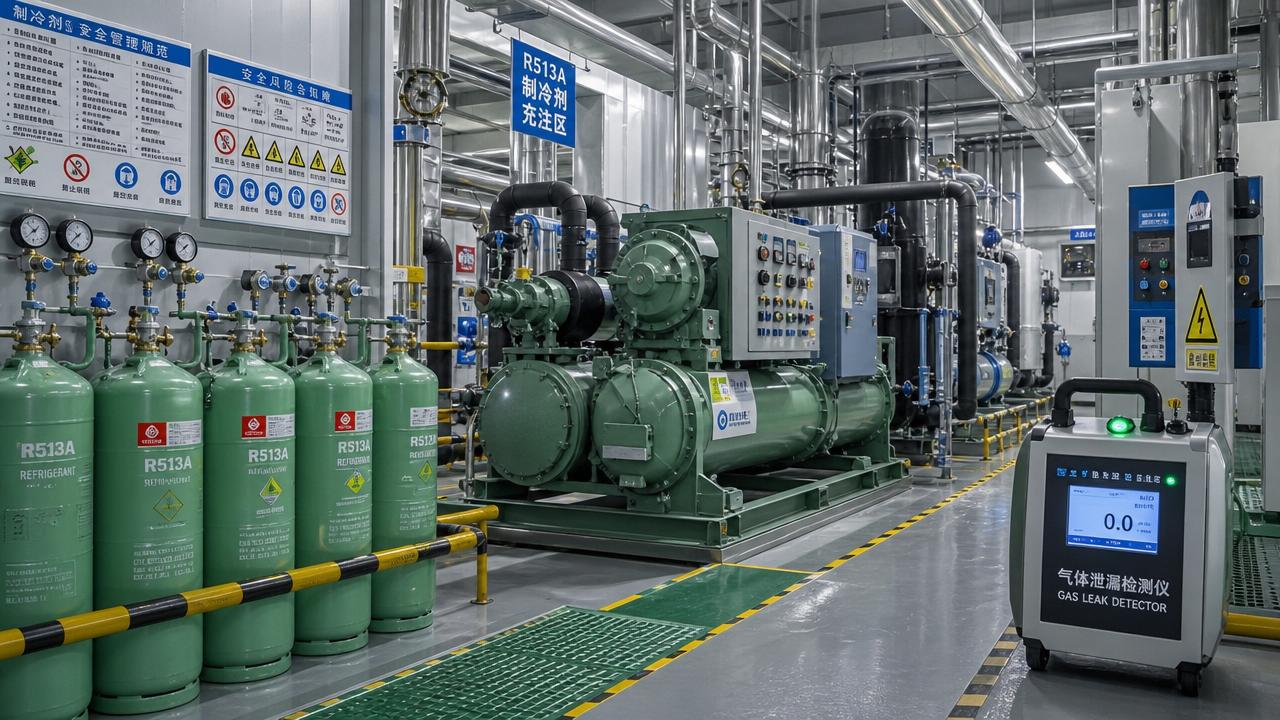
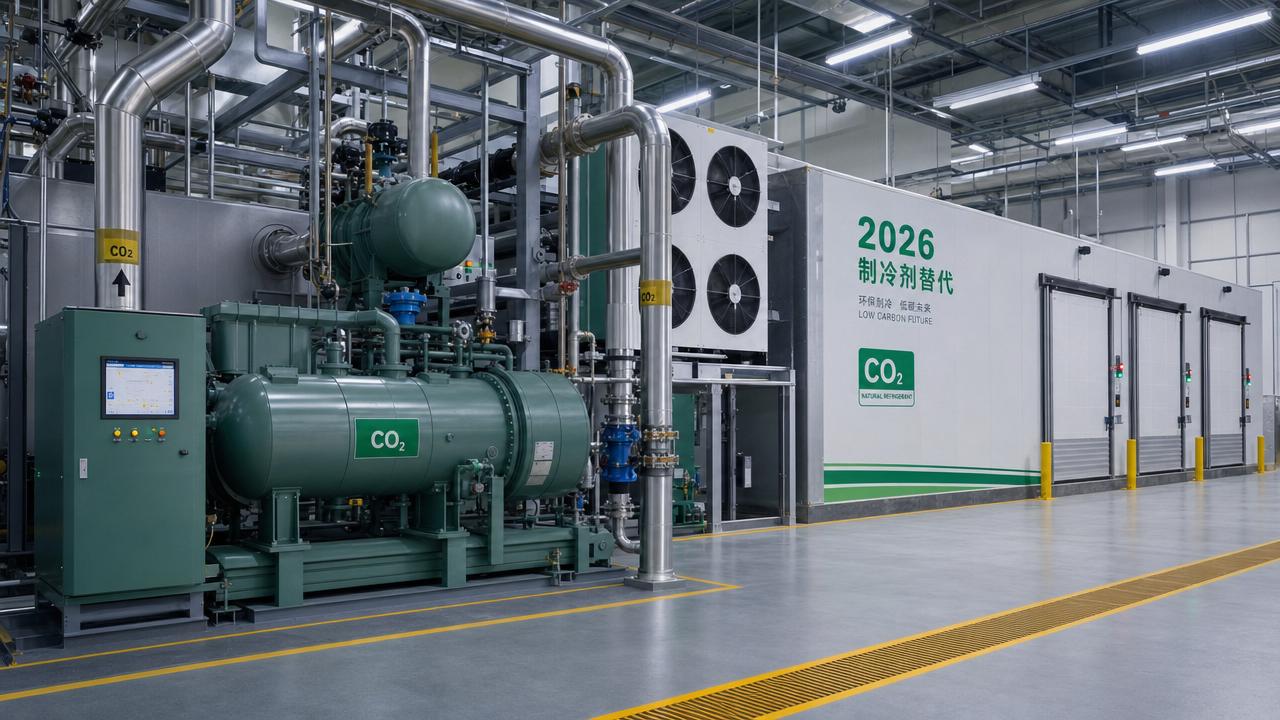
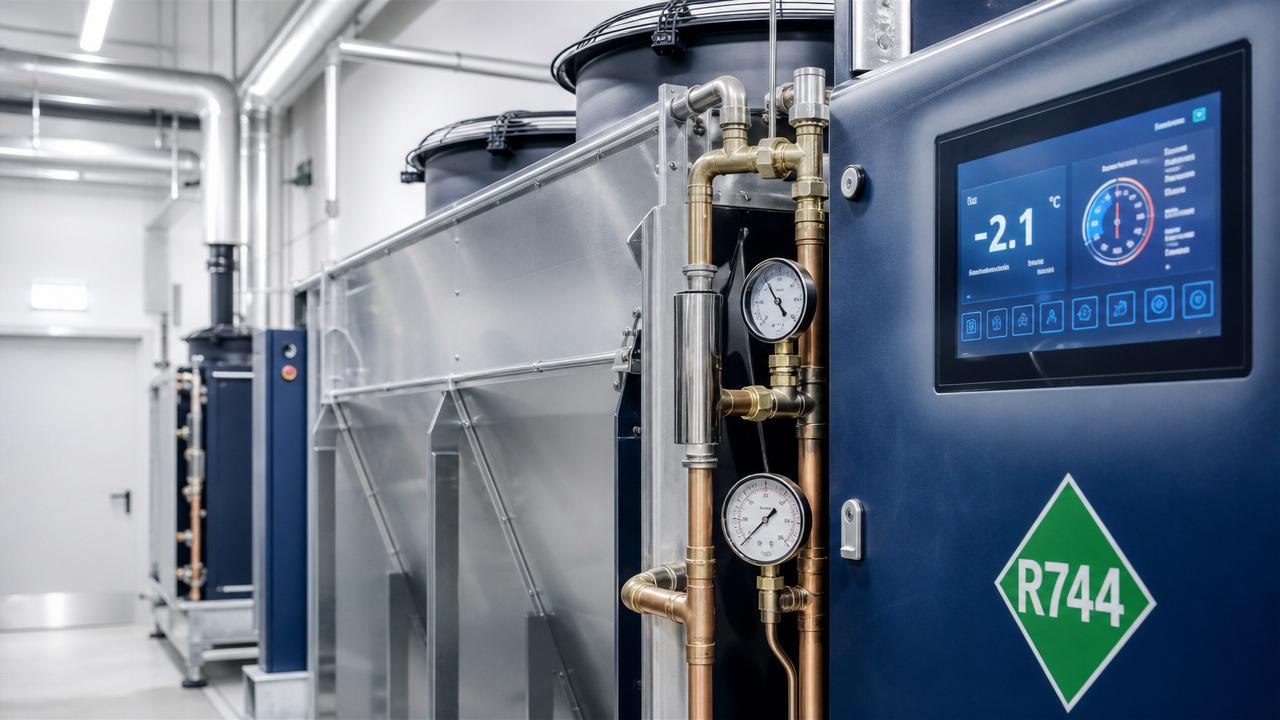
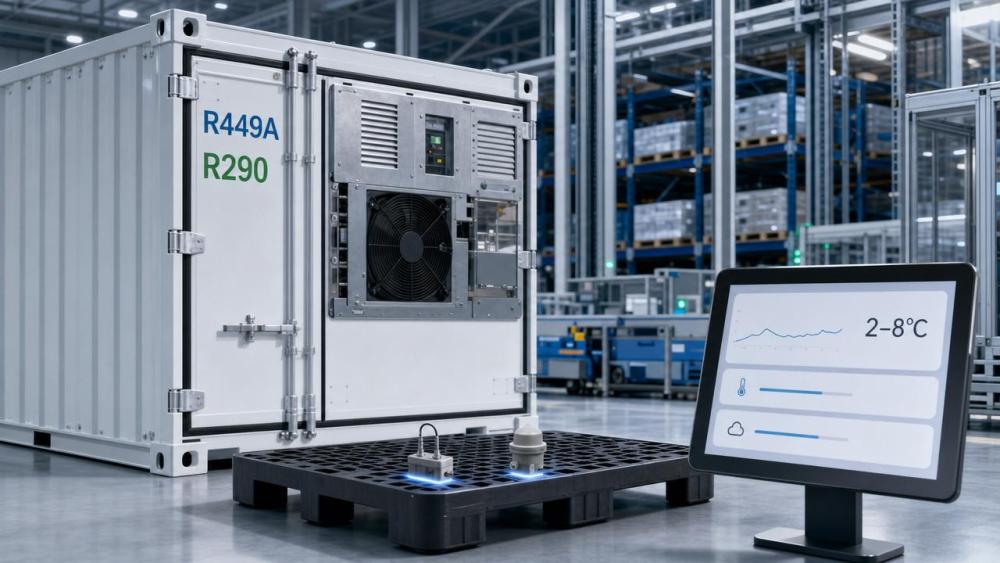
On May 20, 2026, Tmall Health jointly initiated the ‘Wellness Safety Alliance’ with By-Health, Centrum, and more than ten other domestic and international supplement brands. The alliance mandates three technical requirements for member products: end-to-end temperature-controlled traceability (2–8°C), real-time refrigerant leak monitoring, and phased adoption of low-GWP alternatives R449A and R290. While the standard applies exclusively to domestic e-commerce operations in China, its technical benchmarks align with WHO GDP and EU GDP Annex 15. Notably, importers in Southeast Asia and the Middle East have begun referencing this framework when procuring pharmaceutical-grade cold-chain equipment.
Industries Affected
Direct Trading Enterprises
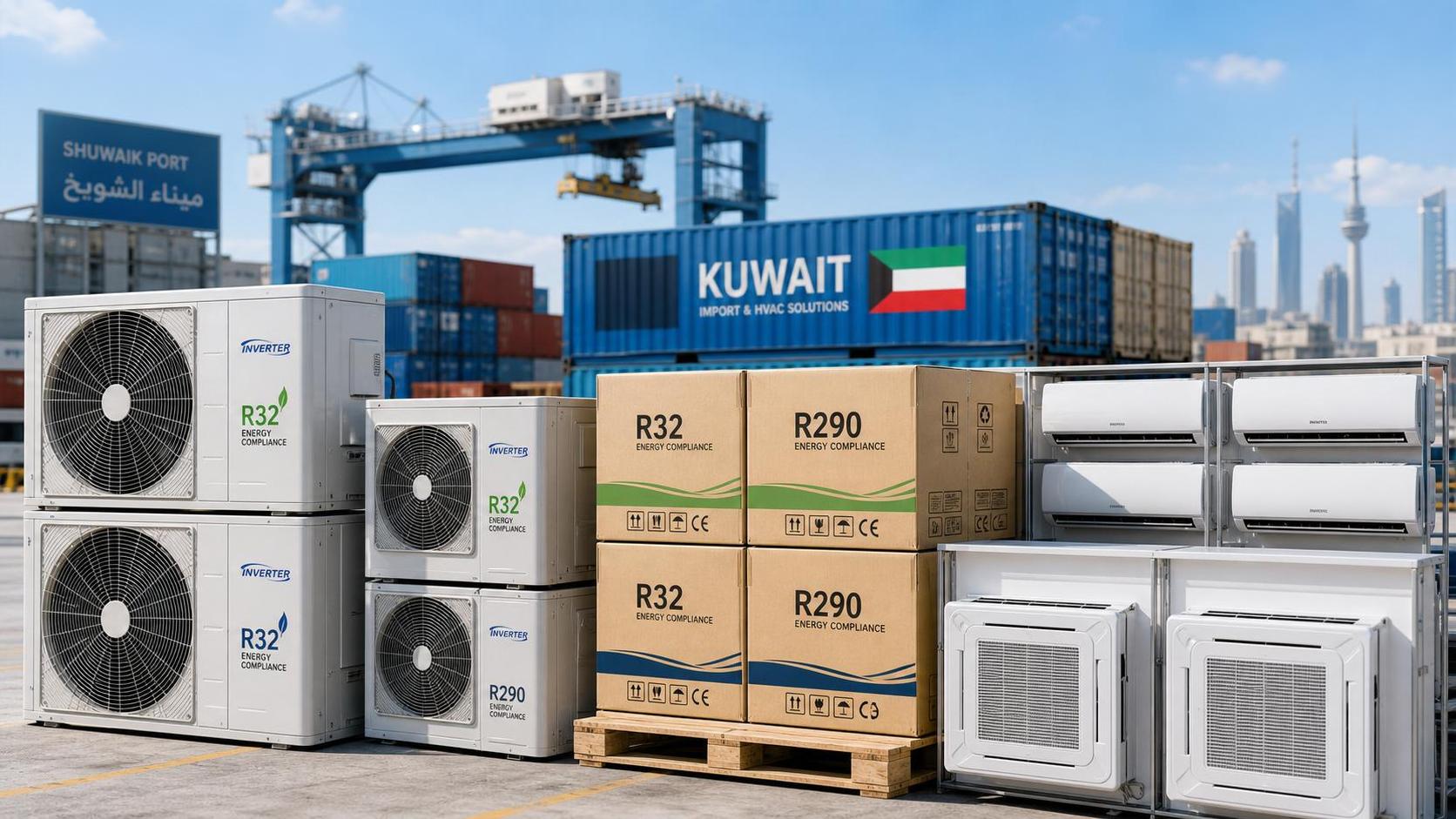
Import/export traders handling dietary supplements into or out of China face revised compliance expectations—not because the standard is legally binding internationally, but because regional buyers increasingly treat it as a de facto benchmark. For example, Middle Eastern distributors now request R449A-compliant container certifications during tender evaluations, even where local regulation does not yet require them. This shifts negotiation leverage toward suppliers demonstrating early alignment.
Raw Material Procurement Enterprises
Companies sourcing active ingredients or excipients for temperature-sensitive formulations must now assess upstream cold-chain integrity—not only during final distribution but also at storage and transit stages prior to manufacturing. Observably, some ingredient suppliers are revising their warehouse certification portfolios (e.g., adding GDP-aligned cold storage audits) to retain access to alliance-participating brands.
Manufacturing Enterprises
Contract manufacturers and brand-owned facilities producing softgels, probiotics, or enzyme-based supplements are encountering tighter specifications for finished goods holding conditions and outbound logistics handover protocols. The 2–8°C mandate applies from release testing through last-mile delivery—requiring validation of interim staging areas and carrier handover documentation previously outside GMP scope for non-pharma categories.
Supply Chain Service Providers
Cold-chain logistics providers, packaging engineers, and IoT sensor vendors are seeing accelerated demand for integrated solutions: dual-sensor (temperature + refrigerant gas) telemetry, R290-compatible transport units, and blockchain-backed audit trails compatible with Tmall’s traceability interface. Analysis shows that providers lacking certified R449A/R290 system integration capabilities are losing competitive differentiation in RFPs issued by alliance members since Q2 2026.
Key Considerations and Recommended Actions
Verify Cold-Chain Equipment Certification Against Alliance Technical Annexes
Suppliers should cross-check existing refrigerated assets—including trucks, containers, and warehouse zones—against the alliance’s published technical annexes (e.g., max allowable R449A charge per unit volume, sensor calibration frequency). Non-conforming equipment may be excluded from alliance logistics networks regardless of local regulatory approval.
Update Supplier Qualification Protocols to Include Refrigerant Transition Roadmaps
Purchasing teams should require formal transition timelines from cold-chain partners for phasing out R404A/R507 and adopting R449A or R290. A documented roadmap—not just current compliance—is now part of vendor due diligence for alliance participation.
Align Internal Traceability Systems with Tmall’s Data Schema
Brands planning alliance membership must ensure their ERP or WMS can export time-stamped, geotagged temperature logs in the JSON schema specified by Tmall Health. Ad-hoc CSV uploads or manual reporting are no longer accepted for audit submissions.
Editorial Perspective / Industry Observation
This initiative is better understood not as a regulatory expansion, but as a market-led convergence of e-commerce governance and pharma-grade logistics discipline. Unlike top-down policy instruments, the ‘Wellness Safety Alliance’ operates through commercial incentives—yet its technical thresholds are functionally equivalent to those applied to biologics distribution in high-income markets. From an industry perspective, what makes this notable is its asymmetric influence: while voluntary in origin, its adoption by non-Chinese importers transforms it into a quasi-standard. Current evidence suggests this model may precede formal harmonization efforts—not replace them.
Conclusion
The launch of the ‘Wellness Safety Alliance’ reflects a maturing recognition that consumer health products—though regulated differently than medicines—share similar physical vulnerabilities in transit. Its significance lies less in immediate enforceability and more in establishing a scalable, data-rich template for cold-chain accountability beyond traditional pharma boundaries. A rational interpretation is that such industry-coordinated frameworks are becoming critical infrastructure for cross-border health commerce—especially where regulatory alignment lags behind technological capability.
Source Attribution
Official announcement: Tmall Health Press Release, May 20, 2026; Technical annexes published via Tmall Health Merchant Portal (v1.2, effective June 1, 2026). WHO GDP Guidelines (2022 revision) and EU GDP Annex 15 (2023 consolidated version) cited as reference benchmarks. Note: Adoption status among Southeast Asian and Middle Eastern procurement agencies remains under observation; no formal regulatory incorporation has been confirmed as of May 2026.
Related News
- EPA Freezes R-410A Quotas, Fast-Tracks R-32Author :Cryogenic Systems Expert

- Low GWP Refrigerants HFO Blends: Key Stability and Safety FactorsAuthor :Cryogenic Systems Expert

- R-32 Price Spike Reshapes Chiller ProcurementAuthor :Cryogenic Systems Expert

- How to Compare Environmentally Friendly Refrigerants by GWP, Safety, and CostAuthor :Cryogenic Systems Expert

- R-454B Export Quota Cut 18% as Lead Times DoubleAuthor :Cryogenic Systems Expert

- Japan Cuts R32 and R290 Import Quotas From July 10Author :Cryogenic Systems Expert

- EPA Cuts R-134a Import Quotas 42% From July 2026Author :Cryogenic Systems Expert
![]()
- Low GWP Refrigerants HFO Blends: Performance and Compliance in 2026Author :Cryogenic Systems Expert

- R-513A Jumps 23% as China Tightens Export QuotasAuthor :Cryogenic Systems Expert

- Environmentally Friendly Refrigerants in 2026: Compliance Risks and Upgrade PrioritiesAuthor :Cryogenic Systems Expert

- Pharmaceutical Temperature Control Systems: Common Compliance RisksAuthor :Cryogenic Systems Expert

- China Tightens Q3 R32 Export QuotasAuthor :Cryogenic Systems Expert

- California EPR Deadline Nears for Refrigeration MakersAuthor :Cryogenic Systems Expert

- Resource Circularity Trends Reshaping Refrigerants and Cooling SystemsAuthor :Cryogenic Systems Expert

- HFCs Filing Rules Enter Full EnforcementAuthor :Cryogenic Systems Expert

- How Environmentally Friendly Refrigerants Affect Chiller ComplianceAuthor :Cryogenic Systems Expert

- EU REACH Tightens Refrigerant Impurity Limits for R134a ExportsAuthor :Cryogenic Systems Expert

- China Seeks Feedback on 2027 Refrigerant QuotasAuthor :Cryogenic Systems Expert

- EU to Ban High-GWP ACs in 2029 as R410A Exits HomesAuthor :Cryogenic Systems Expert

- US, UK Delay HFC Phaseout, Extending R32/R134a Export WindowAuthor :Cryogenic Systems Expert

- EU HFC Cut Tightens by 2029 as Gen-3 Output Falls 10%Author :Cryogenic Systems Expert

- Kuwait Bans HCFC AC Imports as Shift to R32/R290 Speeds UpAuthor :Cryogenic Systems Expert

- Saudi SASO Rules Tighten AC Imports in DecemberAuthor :Cryogenic Systems Expert

- Environmentally Friendly Refrigerants: Compliance, Safety, and Retrofit RisksAuthor :Cryogenic Systems Expert

- SABIC Force Majeure Keeps Chiller Refrigerant Supply TightAuthor :Cryogenic Systems Expert

- SABIC Force Majeure Tightens Refrigerant FeedstocksAuthor :Cryogenic Systems Expert

- UL 60335-2-89 Tightens R290 Leak Test RulesAuthor :Cryogenic Systems Expert
![]()
- UL 60335-2-89 Adds R290 Vacuum Leak TestAuthor :Cryogenic Systems Expert

- Global Refrigerant Price Index Falls 8.3% MoM in MayAuthor :Cryogenic Systems Expert
![]()
- PSA Jurong Island Launches Mandatory Cold-Chain Traceability for RefrigerantsAuthor :Cryogenic Systems Expert
![]()
- 2026 Refrigerants Shift: What Changes for Cold StorageAuthor :Cryogenic Systems Expert

- Shanghai Pudong Pilots E-Labels for Imported CosmeticsAuthor :Cryogenic Systems Expert

- 2026 Refrigerant Shift: Safer Options With Lower Compliance RiskAuthor :Cryogenic Systems Expert

- Vitafoods Europe Highlights Clinical Herb Data, Cold Chain Demand SurgesAuthor :Cryogenic Systems Expert
![]()
- U.S. Treasury Yield Surge Stabilizes Silver, Eases Refrigerants Export PricingAuthor :Cryogenic Systems Expert

- France Allocates €710M to Support War-Impacted Firms on Cold Chain ComplianceAuthor :Cryogenic Systems Expert