Energy-Saving Technologies That Cut Refrigeration Power Use




For quality control and safety managers, reducing refrigeration power use is no longer just a cost issue—it is a performance and compliance priority. This article explores energy-saving technologies that improve cooling efficiency, stabilize system operation, and lower risk across industrial environments. From advanced controls to heat exchange optimization, these solutions help teams balance reliability, product quality, and sustainability goals.
In food processing, pharmaceuticals, cold storage, chemicals, and precision manufacturing, refrigeration systems often account for 30% to 60% of site electricity use. When power consumption rises, product stability, audit readiness, and equipment safety can all suffer. For teams responsible for temperature integrity and operational risk, energy-saving technologies are practical tools for improving both efficiency and control.
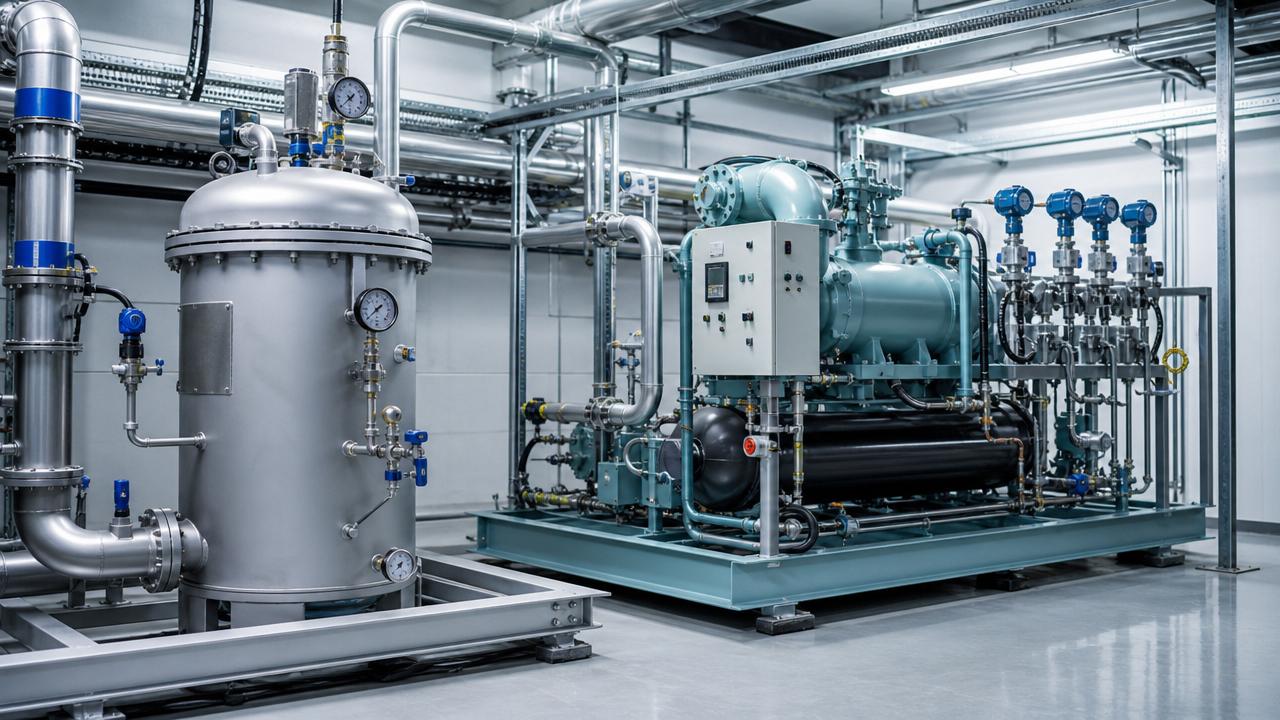
For readers following GTC-Matrix, the discussion is not limited to utility savings. It also connects with broader industrial priorities: decarbonization, smarter thermal management, refrigerant compliance, and higher reliability under demanding production schedules. The most effective upgrades are usually not single devices, but coordinated improvements across controls, compressors, heat exchangers, airflow, maintenance, and monitoring.
Why Refrigeration Energy Use Has Become a Quality and Safety Issue
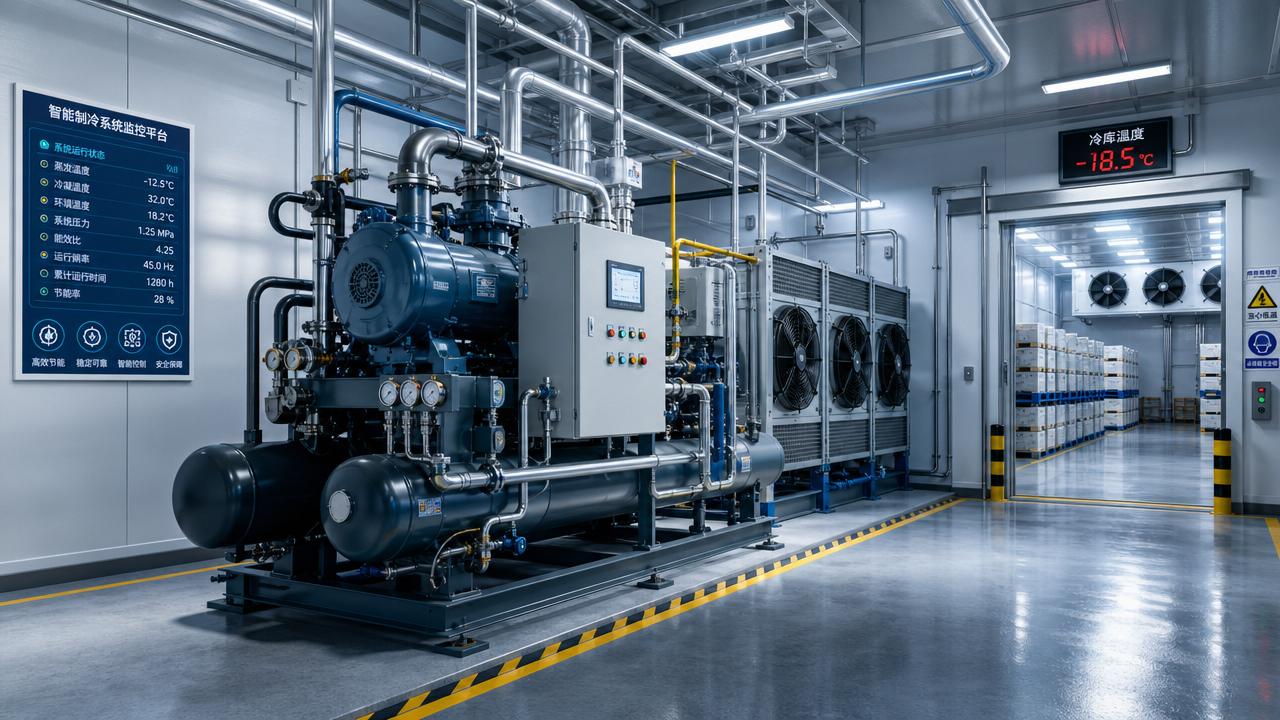
Industrial refrigeration rarely fails without warning. More often, performance drifts first. Suction pressure fluctuates, condensing temperature creeps upward by 2°C to 5°C, evaporator coils foul, and compressors run longer than expected. These changes increase power use while also reducing temperature stability, which can directly affect product quality, hygiene control, and equipment life.
For quality control managers, even a 1°C to 2°C deviation in a chilled process can affect batch consistency, moisture levels, or storage life. For safety managers, overloaded motors, high head pressure, refrigerant leaks, and poor ventilation create avoidable operational hazards. That is why energy-saving technologies should be evaluated as risk reduction measures as much as efficiency upgrades.
Common causes of excessive refrigeration power consumption
- Oversized compressors operating at partial load for more than 50% of the day
- Condensers with scaling, dirt, or airflow restrictions that raise condensing pressure
- Fixed-speed fans and pumps that do not match variable thermal loads
- Poor defrost scheduling that adds unnecessary heat to low-temperature zones
- Inadequate control sequencing between compressors, evaporators, and valves
- Door openings, air infiltration, or insulation failures in cold rooms and process areas
In many facilities, 10% to 25% of refrigeration energy waste comes from control mismatch rather than hardware failure. This is important because control-related improvements often have shorter payback periods, sometimes within 12 to 24 months depending on operating hours, energy tariffs, and baseline efficiency.
What quality and safety teams should monitor first
Before selecting energy-saving technologies, teams should review a small set of operating indicators. These metrics create a common language between maintenance, production, quality, and procurement, reducing the risk of purchasing equipment that does not address the actual source of power loss.
The table below highlights practical indicators that can be tracked weekly or monthly in most industrial refrigeration environments.
A disciplined review of these four items often reveals where energy-saving technologies can deliver the fastest improvements. In many plants, the biggest gains come from reducing compression ratio, improving heat transfer, and eliminating unnecessary runtime rather than replacing the entire system.
High-Impact Energy-Saving Technologies for Industrial Refrigeration
The most effective energy-saving technologies are those that align cooling output with real process demand. In facilities where load changes by shift, season, product type, or sanitation cycle, flexible system response is far more valuable than nameplate capacity alone. The sections below focus on upgrades with strong operational relevance for quality and safety teams.
Variable speed drives on compressors, fans, and pumps
Variable speed drives, or VSDs, allow motors to run at the speed the load actually requires instead of operating only at full output. In refrigeration systems with frequent partial-load conditions, VSDs can cut energy use by 15% to 35%, especially on evaporator fans, condenser fans, and screw compressors. They also reduce hard starts, helping limit electrical stress and mechanical wear.
Why this matters in controlled environments
A fixed-speed system often overshoots setpoints and then cycles off, which can produce temperature swings and uneven humidity control. VSD-based modulation supports tighter process stability, often within a narrower control band such as ±0.5°C to ±1°C, depending on application and sensor quality.
Floating head pressure and optimized suction pressure control
Traditional systems frequently maintain conservative pressure settings year-round. Advanced controls can lower head pressure during cooler ambient conditions and raise suction pressure when the process allows it. Even a modest reduction in compression ratio can translate into measurable energy savings, commonly 8% to 20% without compromising product temperature limits.
For safety managers, better pressure control also helps reduce high-pressure alarms, nuisance trips, and stress on valves and seals. For quality teams, the key benefit is that optimization can be bounded by validated process thresholds, not left to manual guesswork.
Electronic expansion valves and smarter superheat management
Electronic expansion valves respond faster than many mechanical alternatives and can maintain more stable evaporator feeding under changing loads. This improves coil utilization, reduces floodback risk, and supports more consistent evaporating temperatures. In plants with multiple zones or varied product profiles, this can be a high-value control upgrade.
Microchannel and high-efficiency heat exchangers
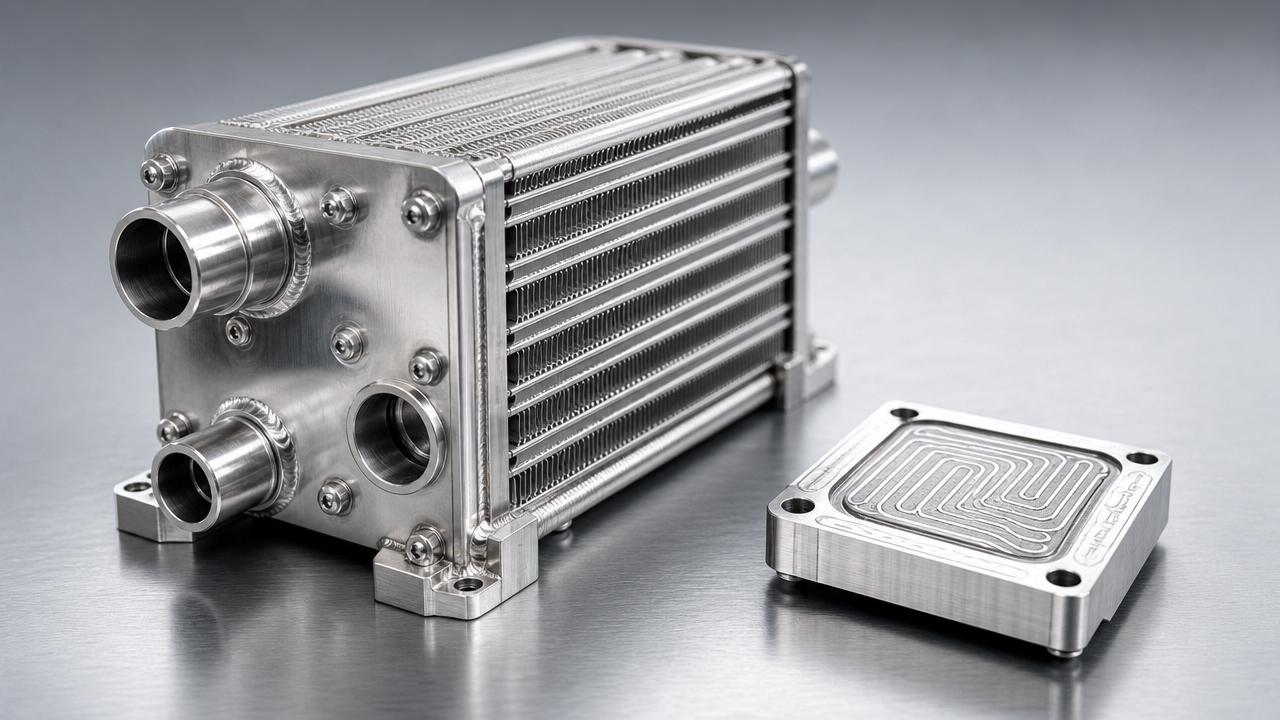
Heat exchange performance has a direct effect on refrigeration power use. Microchannel condensers and other high-efficiency heat exchangers can improve heat rejection while reducing refrigerant charge in some designs. Lower air-side resistance, cleaner geometry, and improved transfer surfaces help maintain performance when systems are properly selected for the environment and maintenance regime.
The comparison below shows how common energy-saving technologies differ in function, operational benefit, and control relevance.
The best result usually comes from combining these energy-saving technologies instead of deploying one in isolation. A VSD may reduce motor power, but the gains become more durable when paired with cleaner heat exchange surfaces, stable refrigerant control, and pressure optimization logic.
Implementation Priorities for Quality Control and Safety Managers
Not every facility needs a full refrigeration retrofit. In many cases, a staged approach delivers lower risk and faster internal approval. A practical implementation plan often moves through 3 phases: baseline assessment, targeted upgrades, and verification. This structure is especially useful where audit trails, validation records, or change control procedures are required.
Phase 1: Build an energy and risk baseline
- Track compressor kW, suction and discharge pressure, and room or process temperatures for 2 to 4 weeks.
- Identify periods of peak load, excessive defrost activity, and unstable control response.
- Review alarm logs, maintenance records, and product deviation reports together rather than separately.
- Inspect condenser cleanliness, airflow paths, insulation condition, and door management practices.
This first phase is often where hidden losses appear. A plant may assume the compressor is undersized when the actual problem is a condenser blocked by airborne contaminants or a fan control strategy that ignores night-time ambient conditions.
Phase 2: Prioritize upgrades by operational risk
Procurement decisions should not be based on energy claims alone. For quality and safety teams, the better question is whether the technology reduces both power use and the probability of temperature excursions, high-pressure events, unplanned downtime, or non-compliance with handling and storage requirements.
Four screening criteria for equipment selection
- Compatibility with existing refrigerant, compressor type, and control architecture
- Expected performance under partial load for at least 40% to 70% of operating hours
- Impact on validated temperature ranges, alarm thresholds, and sanitation procedures
- Serviceability, spare parts access, and commissioning support within realistic lead times
Lead times vary by region and complexity, but controls upgrades may be implemented in 2 to 6 weeks, while larger heat exchanger or compressor modifications can require 6 to 12 weeks including engineering review and shutdown planning.
Phase 3: Verify results and lock in the gains
Verification should include more than utility bills. Compare energy intensity per production batch, temperature stability before and after the upgrade, alarm frequency, and maintenance hours. If a technology reduces kWh but increases operational variability, it may not be the right long-term fit for regulated or high-specification environments.
Teams should also set review intervals, such as 30, 90, and 180 days after commissioning. This helps confirm that energy-saving technologies continue to perform after initial tuning, seasonal changes, and production shifts.
Frequent Mistakes That Reduce Savings or Create New Risks
Even well-intended upgrades can disappoint when they are applied without system context. Refrigeration is an interconnected thermal and compression process. Changing one element without checking the effect on the rest of the system can reduce savings or create new quality and safety concerns.
Mistake 1: Buying for peak load only
If equipment is selected only for the hottest day or heaviest production week, it may spend 80% of the year operating inefficiently at low load. Capacity is important, but turn-down capability and control resolution are often more important for annual energy performance.
Mistake 2: Ignoring maintenance access
A high-efficiency heat exchanger will not stay efficient if coils are difficult to clean or fan sections are hard to inspect. Maintenance practicality should be part of the buying decision. If routine cleaning intervals stretch from 30 days to 90 days because access is poor, condensing temperature may climb and erase the expected benefit.
Mistake 3: Treating controls as optional
Many sites invest in efficient hardware but keep outdated control logic. That limits performance. Modern energy-saving technologies depend on reliable sensors, coordinated sequences, alarm management, and data visibility. Without those elements, teams often miss the difference between a genuine equipment issue and a control tuning problem.
The table below summarizes common implementation risks and the operational actions that can prevent them.
These risks are manageable when refrigeration is treated as a monitored process, not just a background utility. That perspective aligns closely with the GTC-Matrix view of industrial thermal systems: efficiency, reliability, and decision quality improve together when data, equipment, and operating logic are connected.
How to Turn Technology Selection Into a Better Procurement Decision
For B2B buyers, the right refrigeration investment is the one that improves process control while fitting plant constraints. That means looking beyond catalog efficiency claims. Ask suppliers to explain how the proposed energy-saving technologies will perform at real operating temperatures, actual ambient conditions, and partial-load hours typical for your site.
A strong technical review should include at least 5 points: design load profile, refrigerant compatibility, control strategy, maintenance requirements, and commissioning support. If a proposal cannot clearly address those areas, the projected savings may be difficult to realize in daily operation.
Questions worth asking suppliers
- What is the expected savings range at 50%, 75%, and 100% load?
- How will the upgrade affect alarm thresholds, restart behavior, and product temperature stability?
- Which components require calibration, cleaning, or inspection every 30, 60, or 90 days?
- What data points are needed to verify post-installation performance?
- Can the solution support future refrigerant transition or plant expansion?
Energy-saving technologies create the most value when they are selected with both engineering discipline and operational realism. For quality control and safety leaders, that means focusing on stable thermal performance, lower failure exposure, and documented savings that hold up under audit, production pressure, and seasonal variability.
If your organization is evaluating refrigeration upgrades, GTC-Matrix can help you interpret technology trends, compare solution paths, and identify practical options across industrial cooling, compression, and heat exchange systems. To explore a more targeted strategy, contact us now, request a customized solution, or learn more about refrigeration efficiency pathways that fit your operating and compliance priorities.
Related News
- R-513A Jumps 23% as China Tightens Export QuotasAuthor :Cryogenic Systems Expert

- Environmentally Friendly Refrigerants in 2026: Compliance Risks and Upgrade PrioritiesAuthor :Cryogenic Systems Expert

- Pharmaceutical Temperature Control Systems: Common Compliance RisksAuthor :Cryogenic Systems Expert

- China Tightens Q3 R32 Export QuotasAuthor :Cryogenic Systems Expert

- California EPR Deadline Nears for Refrigeration MakersAuthor :Cryogenic Systems Expert

- Resource Circularity Trends Reshaping Refrigerants and Cooling SystemsAuthor :Cryogenic Systems Expert

- HFCs Filing Rules Enter Full EnforcementAuthor :Cryogenic Systems Expert

- How Environmentally Friendly Refrigerants Affect Chiller ComplianceAuthor :Cryogenic Systems Expert

- EU REACH Tightens Refrigerant Impurity Limits for R134a ExportsAuthor :Cryogenic Systems Expert

- China Seeks Feedback on 2027 Refrigerant QuotasAuthor :Cryogenic Systems Expert

- EU to Ban High-GWP ACs in 2029 as R410A Exits HomesAuthor :Cryogenic Systems Expert

- US, UK Delay HFC Phaseout, Extending R32/R134a Export WindowAuthor :Cryogenic Systems Expert

- EU HFC Cut Tightens by 2029 as Gen-3 Output Falls 10%Author :Cryogenic Systems Expert

- Kuwait Bans HCFC AC Imports as Shift to R32/R290 Speeds UpAuthor :Cryogenic Systems Expert

- Saudi SASO Rules Tighten AC Imports in DecemberAuthor :Cryogenic Systems Expert

- Environmentally Friendly Refrigerants: Compliance, Safety, and Retrofit RisksAuthor :Cryogenic Systems Expert

- SABIC Force Majeure Keeps Chiller Refrigerant Supply TightAuthor :Cryogenic Systems Expert

- SABIC Force Majeure Tightens Refrigerant FeedstocksAuthor :Cryogenic Systems Expert

- UL 60335-2-89 Tightens R290 Leak Test RulesAuthor :Cryogenic Systems Expert
![]()
- UL 60335-2-89 Adds R290 Vacuum Leak TestAuthor :Cryogenic Systems Expert

- Global Refrigerant Price Index Falls 8.3% MoM in MayAuthor :Cryogenic Systems Expert
![]()
- PSA Jurong Island Launches Mandatory Cold-Chain Traceability for RefrigerantsAuthor :Cryogenic Systems Expert
![]()
- 2026 Refrigerants Shift: What Changes for Cold StorageAuthor :Cryogenic Systems Expert

- Shanghai Pudong Pilots E-Labels for Imported CosmeticsAuthor :Cryogenic Systems Expert

- 2026 Refrigerant Shift: Safer Options With Lower Compliance RiskAuthor :Cryogenic Systems Expert

- Vitafoods Europe Highlights Clinical Herb Data, Cold Chain Demand SurgesAuthor :Cryogenic Systems Expert
![]()
- U.S. Treasury Yield Surge Stabilizes Silver, Eases Refrigerants Export PricingAuthor :Cryogenic Systems Expert

- France Allocates €710M to Support War-Impacted Firms on Cold Chain ComplianceAuthor :Cryogenic Systems Expert

- Environmentally Friendly Refrigerants: 2026 Compliance RisksAuthor :Cryogenic Systems Expert

- Japan TELEC Certification Upgrade: Wireless Mics & Cold Chain Devices Must Comply with 2026 Radio LawAuthor :Cryogenic Systems Expert

- Tmall Health Launches 'Wellness Safety Alliance'Author :Cryogenic Systems Expert

- RCEP Green Refrigerant Mutual Recognition LaunchesAuthor :Cryogenic Systems Expert

- Environmentally Friendly Refrigerants: What to Check Before a Cold Storage RetrofitAuthor :Cryogenic Systems Expert

- RCEP Launches Green Refrigerant Mutual Recognition PlanAuthor :Cryogenic Systems Expert

- April PPI Up 2.8%; Refrigerant Export Prices RiseAuthor :Cryogenic Systems Expert

- Energy-Saving Technologies That Cut Refrigeration Power UseAuthor :Cryogenic Systems Expert