EU HFC Cut Tightens by 2029 as Gen-3 Output Falls 10%




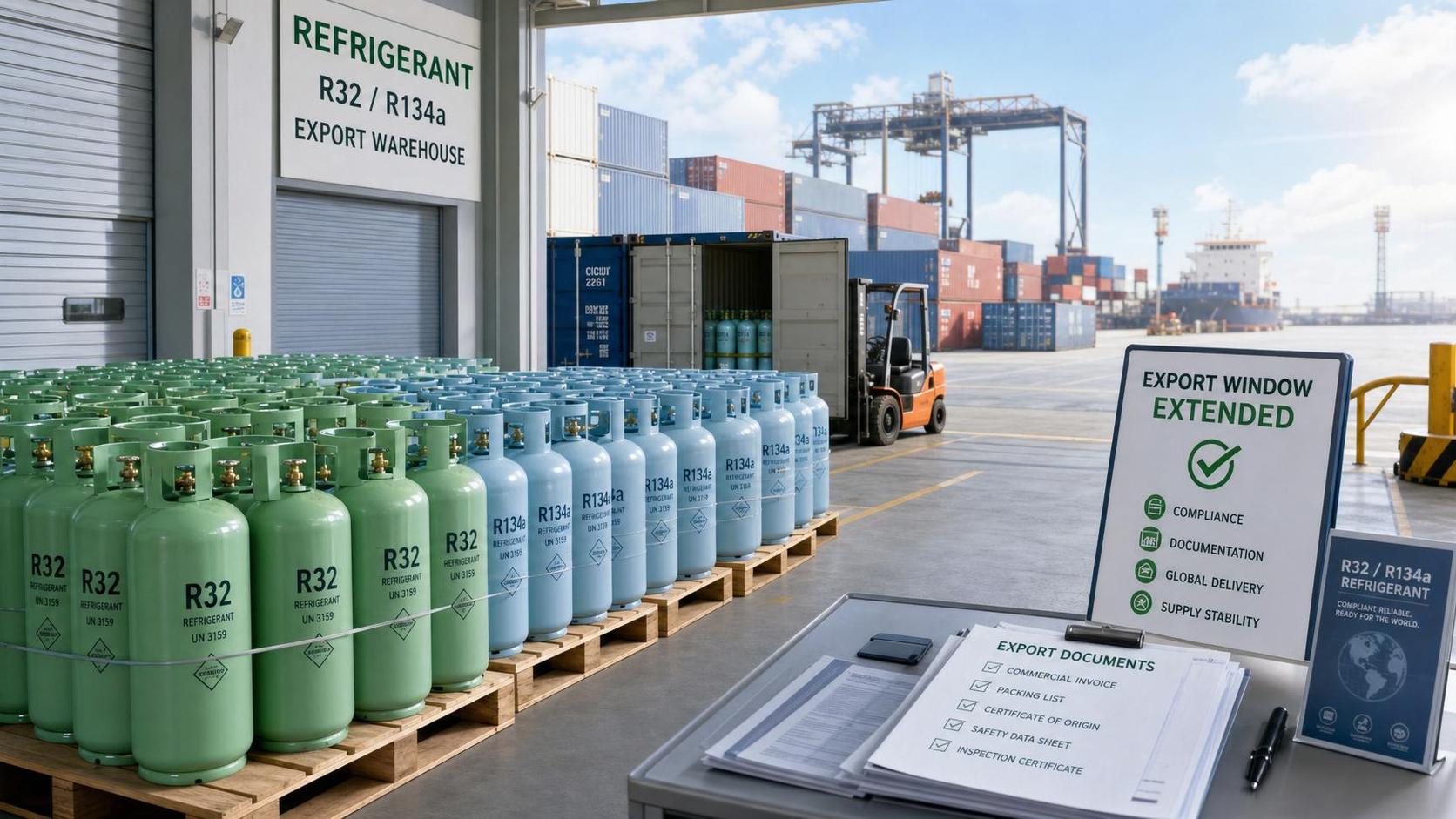
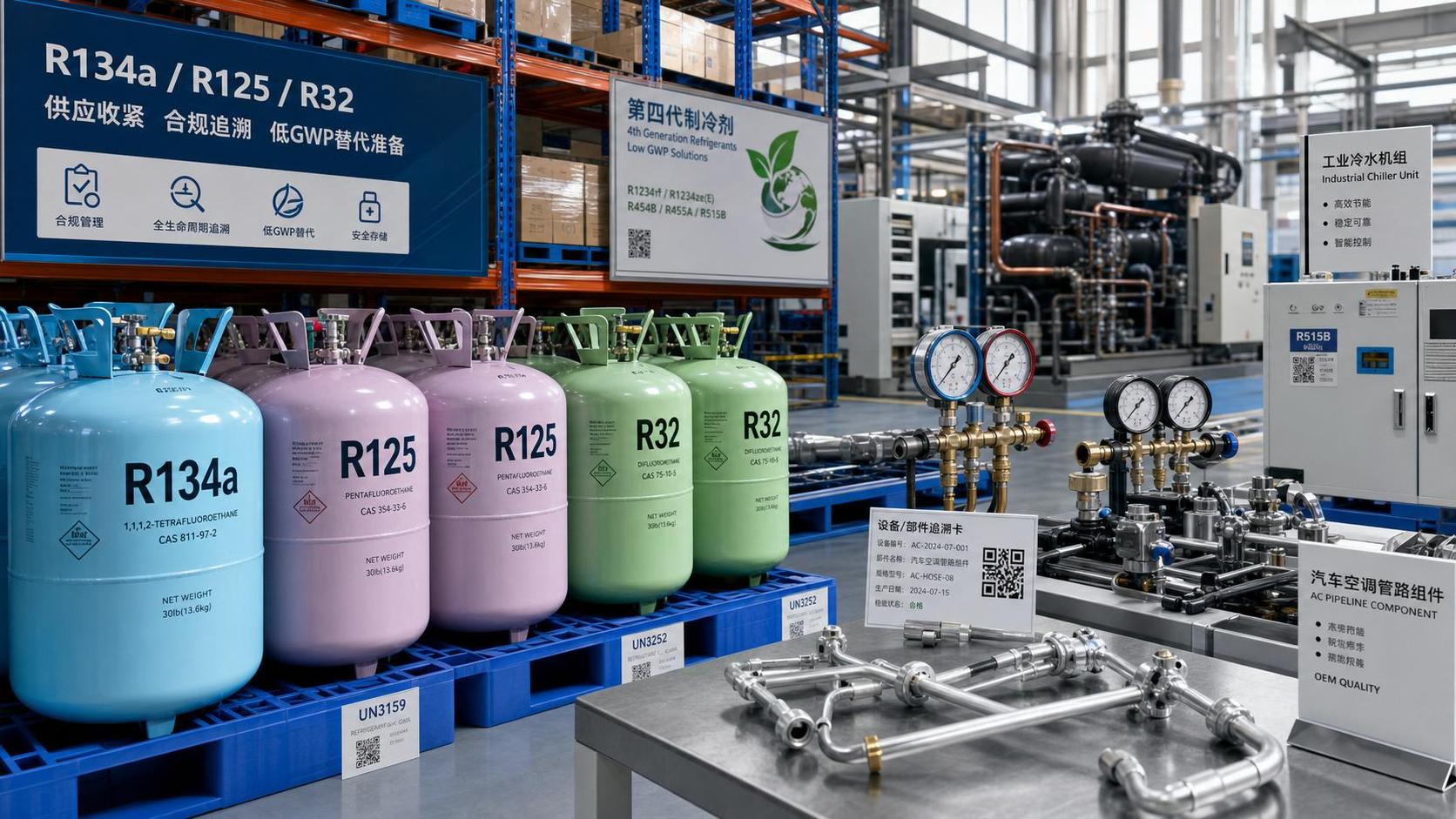
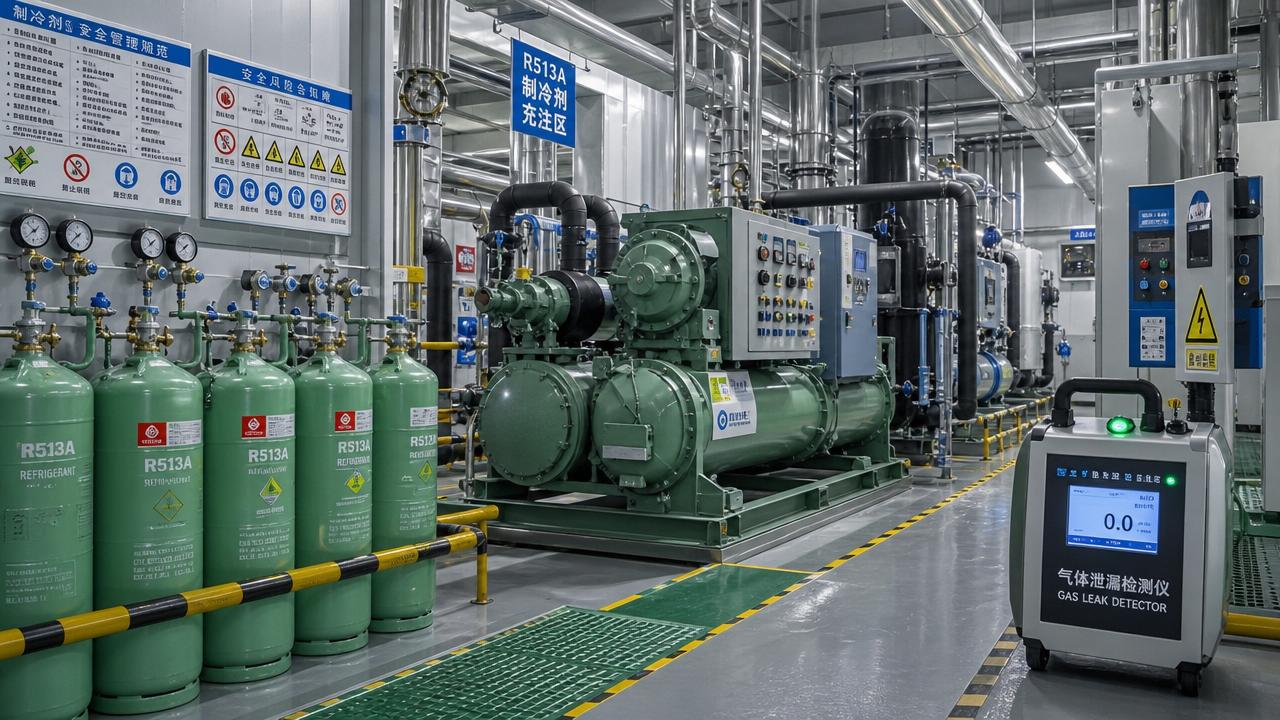
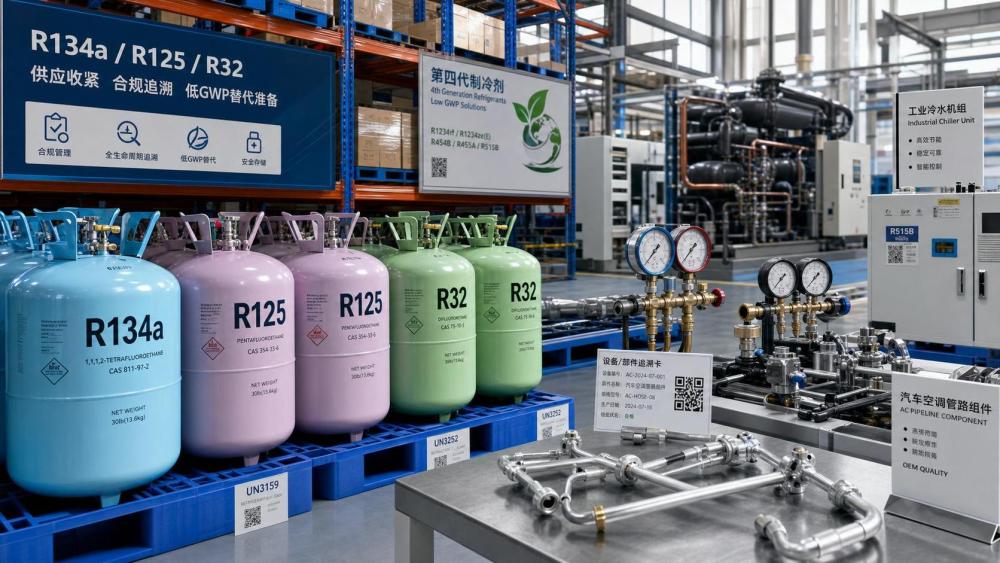
On January 1, 2029, the EU’s HFC quota reduction enters a more critical stage: under its Kigali Amendment compliance path, production quotas for HFCs have been tightened year by year since 2026, and from 2029 third-generation refrigerant production will be cut by 10% versus the baseline. Combined with parallel quota controls in China, the available supply of R134a, R125, and R32 is set to narrow further. For industrial chiller makers, automotive air-conditioning manufacturers, refrigerant suppliers, and procurement teams serving the European market, the issue is no longer only about volume, but also about traceability credentials and readiness for fourth-generation refrigerant options.
The policy signal is now moving into execution
Confirmed information shows that the EU has been tightening HFC production quotas annually since 2026 under its compliance arrangement for the Kigali Amendment. From 2029, production of third-generation refrigerants will be subject to a mandatory 10% cut from the baseline level.
The same input also indicates that China is implementing quota controls in parallel, further narrowing global supply of R134a, R125, and R32. At the same time, European industrial chiller manufacturers and automotive air-conditioning producers are accelerating reviews of Chinese suppliers’ refrigerant traceability qualifications and their technical preparedness for fourth-generation refrigerants such as R1234yf and R32+R1234ze blends.
Where the pressure is likely to appear first
Export-facing refrigerant supply and trading
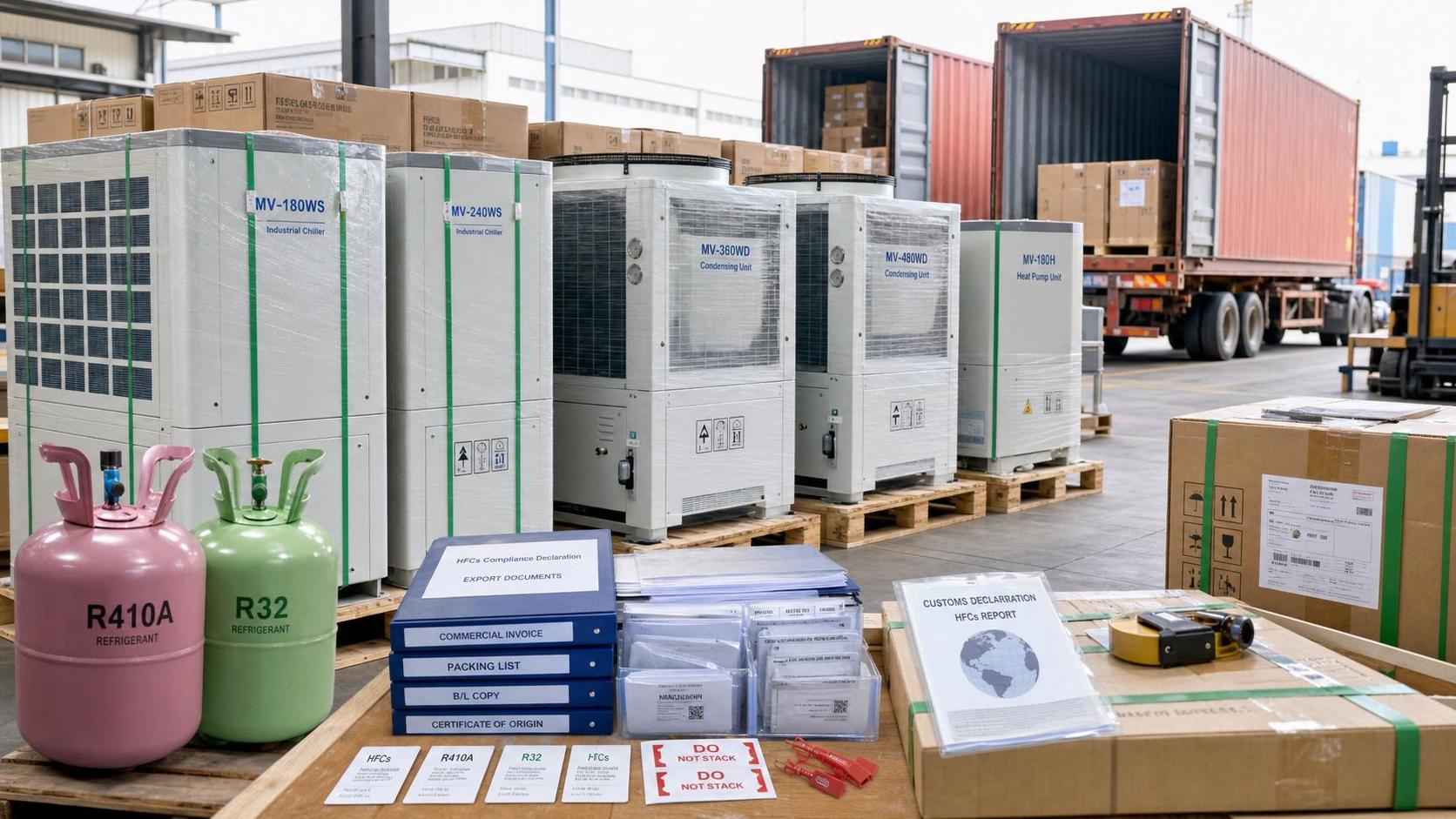
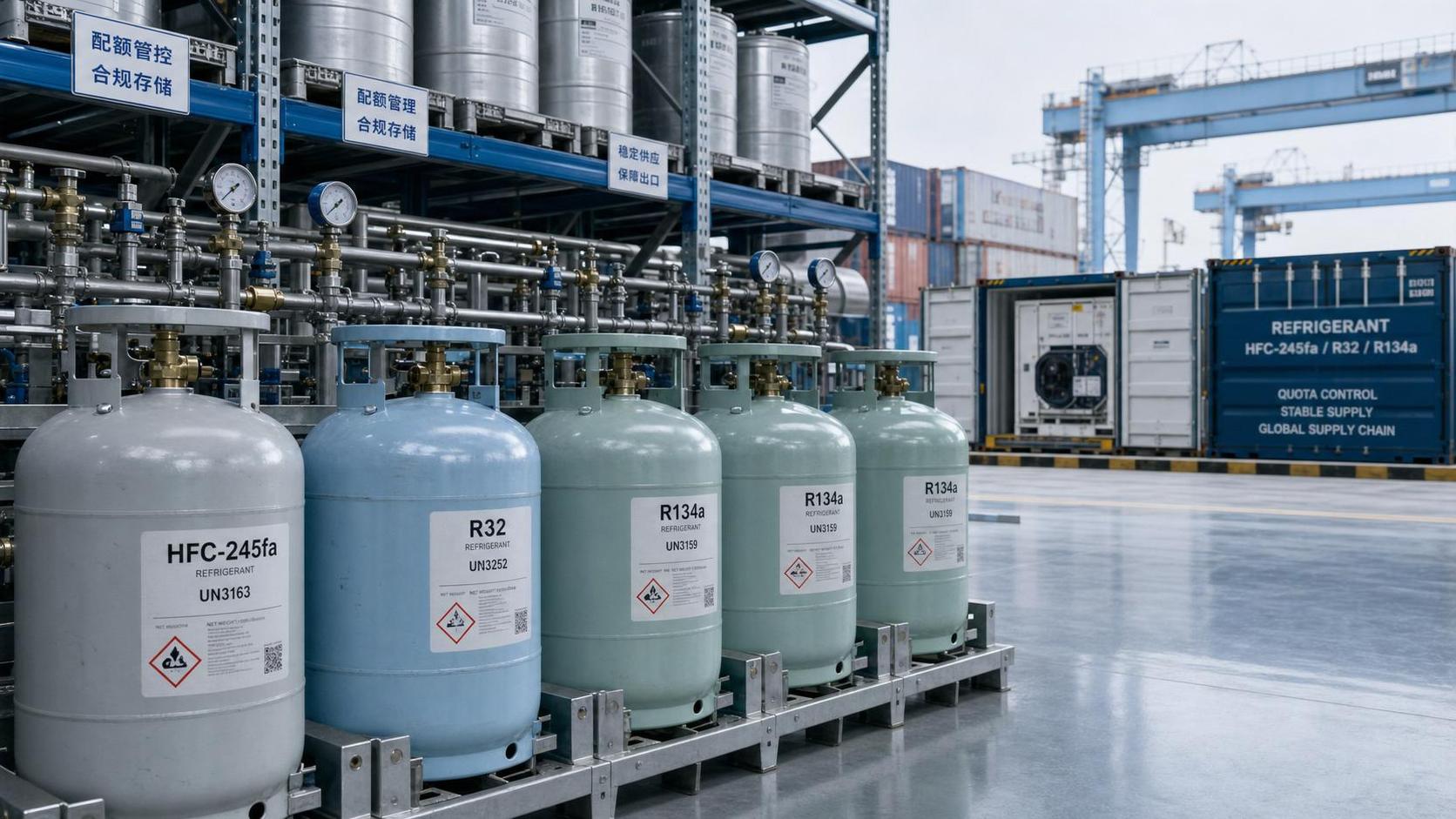
From an industry perspective, traders and suppliers serving Europe may feel the impact first because the reported change directly concerns production quotas and the tightening availability of key products including R134a, R125, and R32. The most immediate business focus is likely to be supply continuity, documentation readiness, and the ability to explain product origin and compliance status during customer review.
Industrial chiller manufacturing chains
Analysis shows that industrial chiller manufacturers in Europe are a key affected group because they are already accelerating checks on Chinese suppliers. The pressure here is not limited to refrigerant sourcing itself; it also extends to supplier onboarding, qualification review, and technical planning for refrigerant pathways that may increasingly involve fourth-generation options.
Automotive air-conditioning procurement and sourcing
Automotive air-conditioning manufacturers are also highlighted in the input, which suggests that procurement and supplier management teams will need to pay closer attention to traceability credentials and technical reserves. Observably, the procurement process may become more documentation-driven, especially where customers want clearer evidence of refrigerant source control and transition preparedness.
Supply-chain service and delivery coordination
For logistics, delivery coordination, and customer service functions, the relevance lies in tighter supply conditions rather than any single confirmed disruption. What deserves closer attention is whether shorter supply availability translates into longer review cycles, stricter document checks, or earlier customer requests for contingency planning.
What companies should watch now
Watch the distinction between quota rules and business execution
Analysis shows that companies should separate the confirmed policy direction from actual commercial impact. The confirmed fact is the tightening quota path and the 2029 production cut. The business question is how this translates into sourcing schedules, contract execution, and customer approval timing in each account or product line.
Prioritize traceability files for customer review
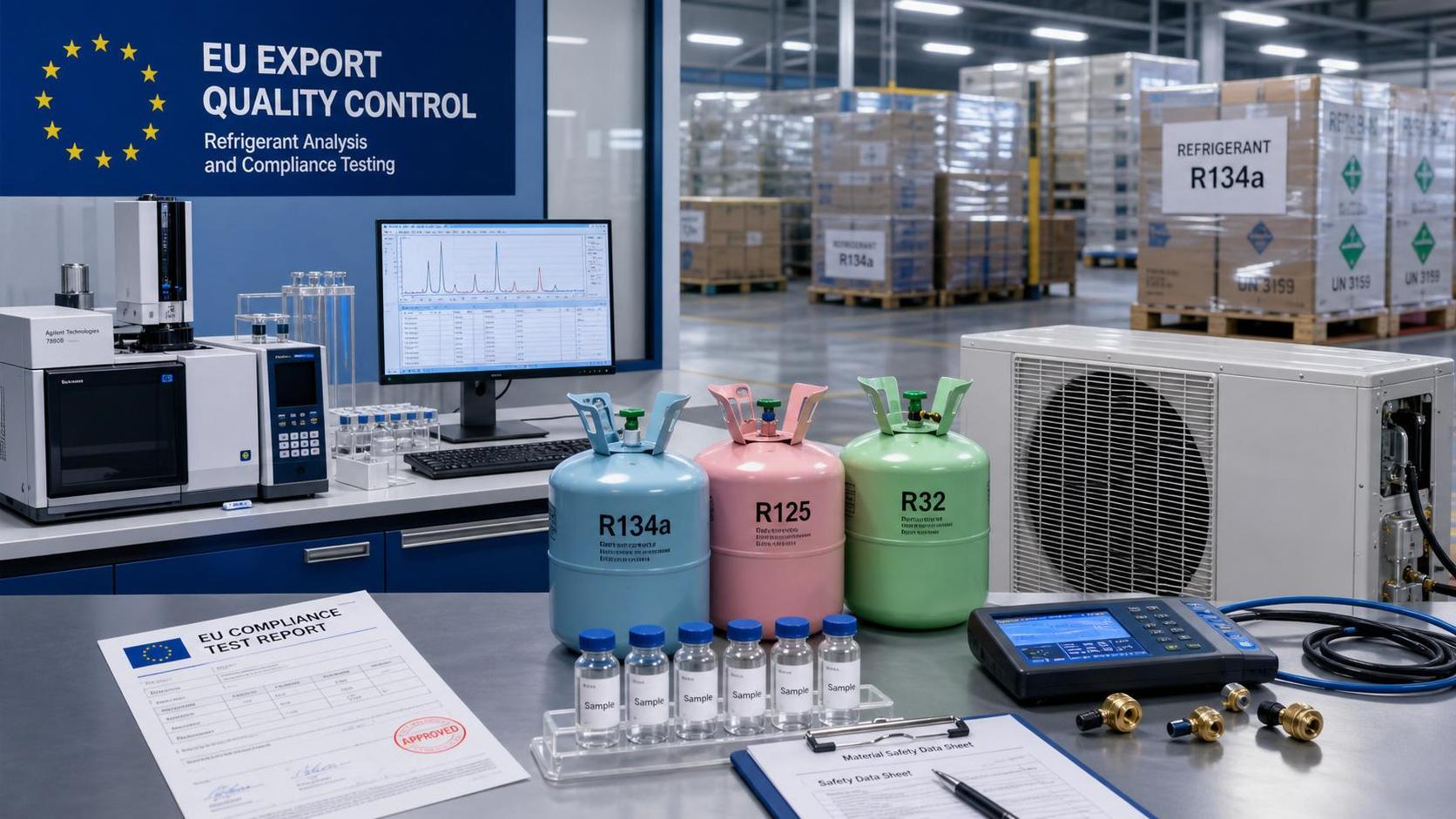
The input explicitly notes that European manufacturers are accelerating reviews of Chinese suppliers’ traceability qualifications. That makes supplier records, origin documentation, and consistency of compliance materials a practical priority for companies involved in export supply or customer qualification processes.
Assess readiness for fourth-generation refrigerant routes
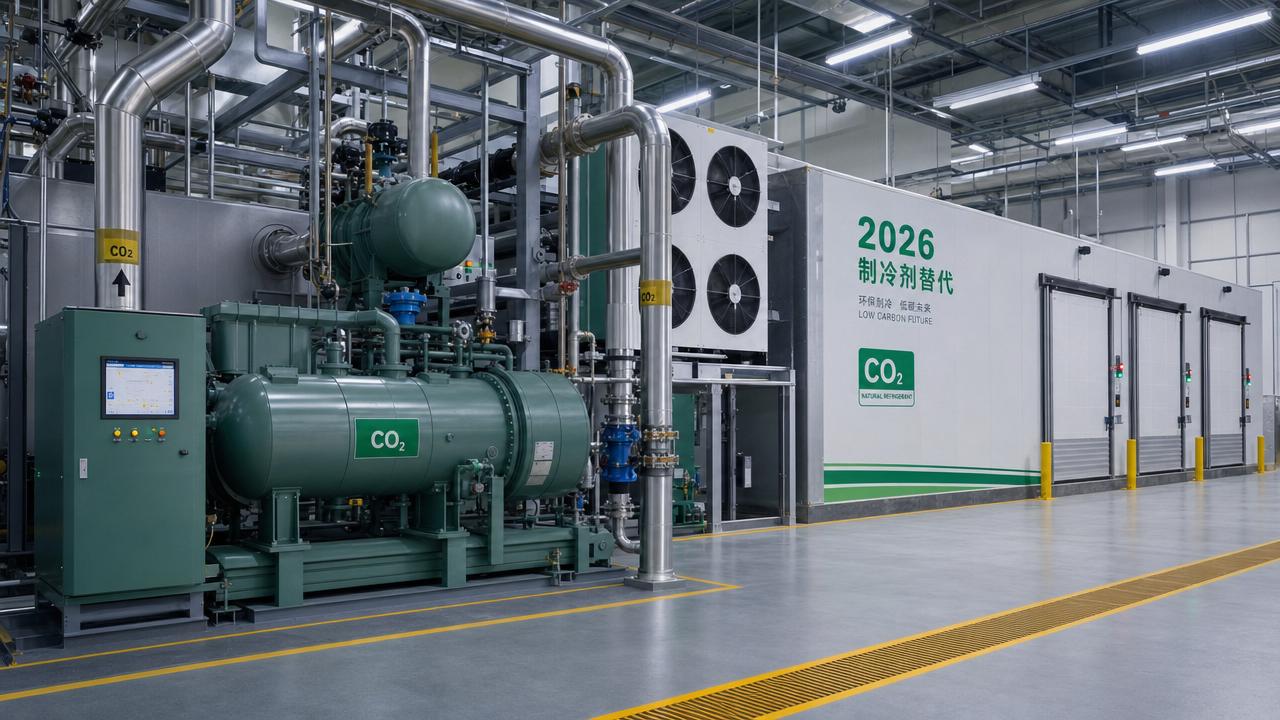
What deserves closer attention is not only whether a supplier can deliver current products, but whether it can demonstrate technical preparedness for fourth-generation refrigerants such as R1234yf and R32+R1234ze blends. For customer-facing teams, this becomes part of commercial communication as much as technical positioning.
Prepare for tighter customer communication cycles
Observably, when customers accelerate qualification reviews, response speed, documentation quality, and clarity on delivery arrangements become more important. Companies tied to European buyers may need to prepare internal coordination in advance across sales, compliance, procurement, and delivery functions.
Why this matters beyond a single quota step
Analysis shows that this development is more than a routine policy update. It points to a market environment in which supply control and supplier qualification are becoming more tightly linked. The news does not by itself confirm a defined market outcome, but it clearly indicates that compliance, traceability, and technical transition capacity are moving closer to the center of customer decision-making.
It is more appropriate to understand this as both a near-term operating issue and a longer-term industry signal. The near-term issue is tighter supply of specific third-generation refrigerants. The longer-term signal is that customers are not only checking current availability, but also screening whether suppliers can support next-stage refrigerant pathways.
A tightening signal that still requires close tracking
In practical terms, this update matters because it combines two confirmed pressures: the EU’s continued tightening of HFC production quotas and parallel quota control in China. Together, they narrow the room around R134a, R125, and R32 supply while raising the bar for supplier review in Europe.
A neutral reading is that the market has not been defined by a single final outcome, but the direction of travel is clearer. For now, this is best understood as a concrete policy-linked tightening signal with direct implications for sourcing, qualification, and refrigerant transition planning, and it remains a development that the industry should continue to monitor closely.
Basis of this article and what still needs verification
This article is generated from the user-provided news title, event date, and event summary. The confirmed basis includes the stated 2029-01-01 timing, the EU’s annual HFC production quota tightening from 2026, the mandatory 10% cut from baseline in 2029, parallel quota control in China, tighter global supply of R134a, R125, and R32, and the accelerated review by European industrial chiller and automotive air-conditioning manufacturers of Chinese suppliers’ traceability qualifications and fourth-generation refrigerant preparedness.
For this type of industry update, commonly relevant source categories may include official announcements, company statements, industry association information, authoritative media reporting, and standard-setting or compliance-related documents. A specific official source link was not provided in the input, so continued verification is still necessary. Follow-up attention should focus on any later official wording, implementation details affecting business execution, and whether customer qualification requirements continue to tighten around traceability and fourth-generation refrigerant capability.
Related News
- EU Cuts High-GWP Refrigerant Import Quotas by 35%Author :Cryogenic Systems Expert

- EU Cuts Q4 2026 Quotas for High-GWP RefrigerantsAuthor :Cryogenic Systems Expert

- EU F-Gas Revision Cuts R410A Quotas 40%Author :Cryogenic Systems Expert

- EPA Freezes R-410A Quotas, Fast-Tracks R-32Author :Cryogenic Systems Expert

- Low GWP Refrigerants HFO Blends: Key Stability and Safety FactorsAuthor :Cryogenic Systems Expert

- R-32 Price Spike Reshapes Chiller ProcurementAuthor :Cryogenic Systems Expert

- How to Compare Environmentally Friendly Refrigerants by GWP, Safety, and CostAuthor :Cryogenic Systems Expert

- R-454B Export Quota Cut 18% as Lead Times DoubleAuthor :Cryogenic Systems Expert

- Japan Cuts R32 and R290 Import Quotas From July 10Author :Cryogenic Systems Expert

- EPA Cuts R-134a Import Quotas 42% From July 2026Author :Cryogenic Systems Expert
![]()
- Low GWP Refrigerants HFO Blends: Performance and Compliance in 2026Author :Cryogenic Systems Expert

- R-513A Jumps 23% as China Tightens Export QuotasAuthor :Cryogenic Systems Expert

- Environmentally Friendly Refrigerants in 2026: Compliance Risks and Upgrade PrioritiesAuthor :Cryogenic Systems Expert

- Pharmaceutical Temperature Control Systems: Common Compliance RisksAuthor :Cryogenic Systems Expert

- China Tightens Q3 R32 Export QuotasAuthor :Cryogenic Systems Expert

- California EPR Deadline Nears for Refrigeration MakersAuthor :Cryogenic Systems Expert

- Resource Circularity Trends Reshaping Refrigerants and Cooling SystemsAuthor :Cryogenic Systems Expert

- HFCs Filing Rules Enter Full EnforcementAuthor :Cryogenic Systems Expert

- How Environmentally Friendly Refrigerants Affect Chiller ComplianceAuthor :Cryogenic Systems Expert

- EU REACH Tightens Refrigerant Impurity Limits for R134a ExportsAuthor :Cryogenic Systems Expert

- China Seeks Feedback on 2027 Refrigerant QuotasAuthor :Cryogenic Systems Expert

- EU to Ban High-GWP ACs in 2029 as R410A Exits HomesAuthor :Cryogenic Systems Expert

- US, UK Delay HFC Phaseout, Extending R32/R134a Export WindowAuthor :Cryogenic Systems Expert

- EU HFC Cut Tightens by 2029 as Gen-3 Output Falls 10%Author :Cryogenic Systems Expert

- Kuwait Bans HCFC AC Imports as Shift to R32/R290 Speeds UpAuthor :Cryogenic Systems Expert

- Saudi SASO Rules Tighten AC Imports in DecemberAuthor :Cryogenic Systems Expert

- Environmentally Friendly Refrigerants: Compliance, Safety, and Retrofit RisksAuthor :Cryogenic Systems Expert

- SABIC Force Majeure Keeps Chiller Refrigerant Supply TightAuthor :Cryogenic Systems Expert

- SABIC Force Majeure Tightens Refrigerant FeedstocksAuthor :Cryogenic Systems Expert

- UL 60335-2-89 Tightens R290 Leak Test RulesAuthor :Cryogenic Systems Expert
![]()
- UL 60335-2-89 Adds R290 Vacuum Leak TestAuthor :Cryogenic Systems Expert

- Global Refrigerant Price Index Falls 8.3% MoM in MayAuthor :Cryogenic Systems Expert
![]()
- PSA Jurong Island Launches Mandatory Cold-Chain Traceability for RefrigerantsAuthor :Cryogenic Systems Expert
![]()
- 2026 Refrigerants Shift: What Changes for Cold StorageAuthor :Cryogenic Systems Expert

- Shanghai Pudong Pilots E-Labels for Imported CosmeticsAuthor :Cryogenic Systems Expert

- 2026 Refrigerant Shift: Safer Options With Lower Compliance RiskAuthor :Cryogenic Systems Expert