RCEP Green Refrigerant Mutual Recognition Launches




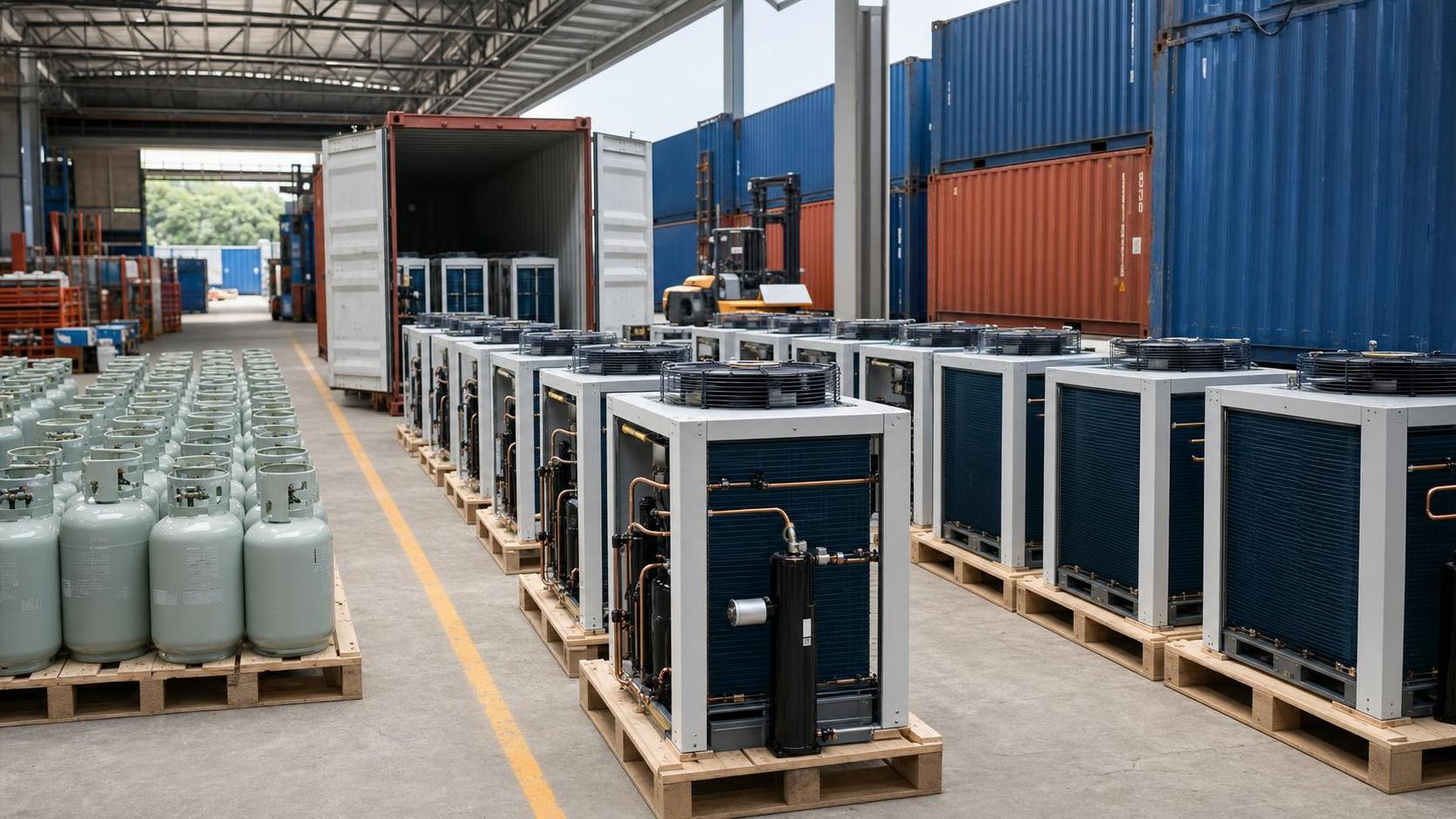
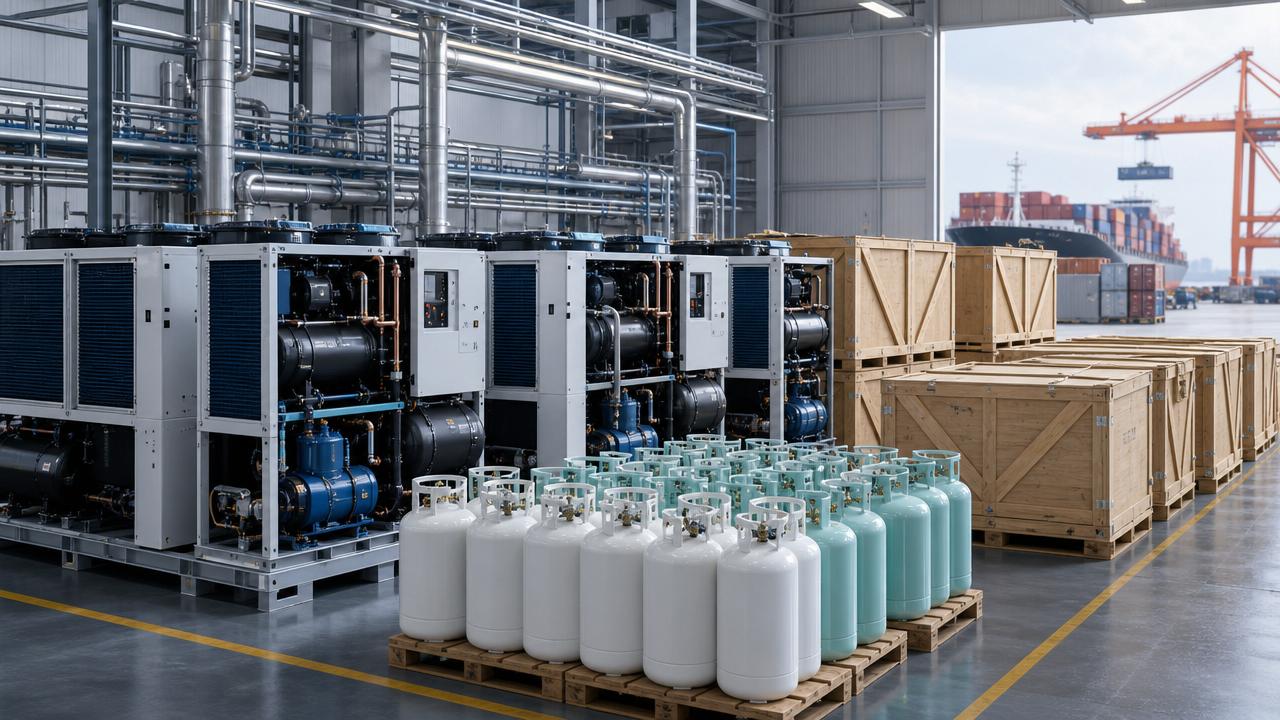
On May 18, 2026, the Regional Comprehensive Economic Partnership (RCEP) member states formally implemented the Green Refrigerant Mutual Recognition Plan, covering 15 countries including China, ASEAN members, Japan, South Korea, Australia, and New Zealand. The initiative introduces a streamlined customs clearance mechanism for environmentally compliant refrigerants—cutting export processing time to under 48 hours. This development directly affects the global refrigerant trade ecosystem, particularly firms engaged in cross-border supply, certification, logistics, and downstream equipment integration.
Event Overview
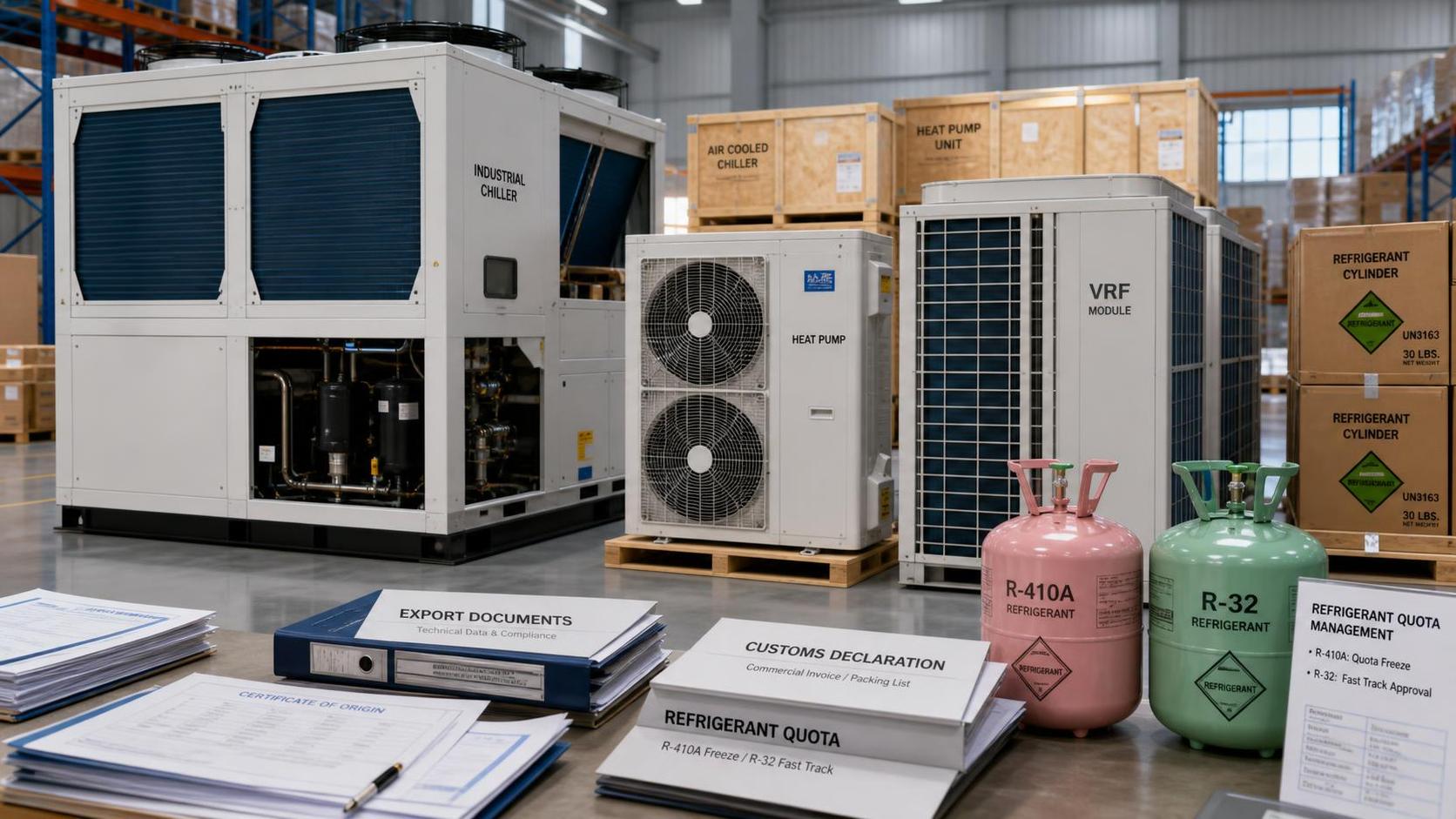
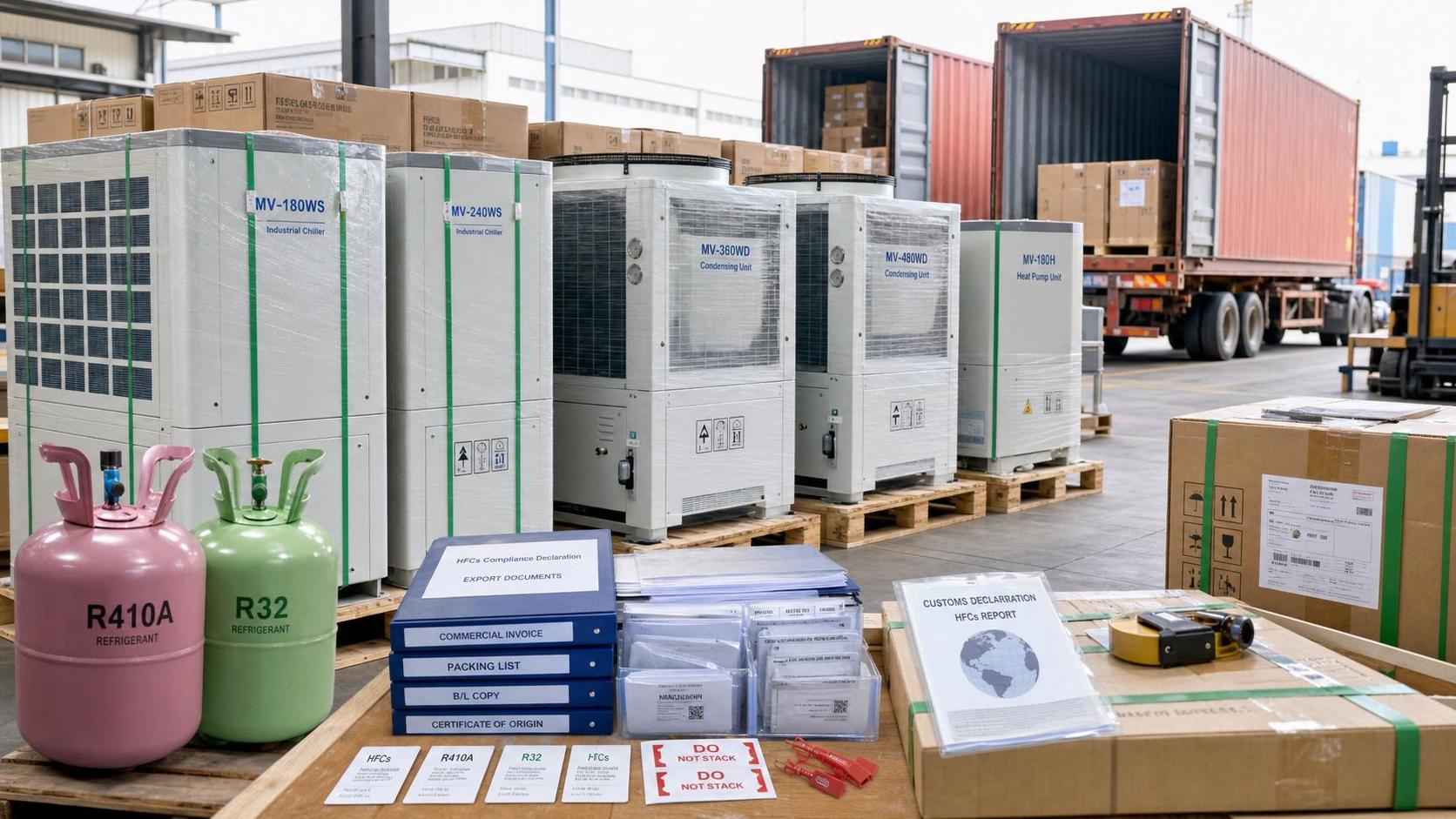
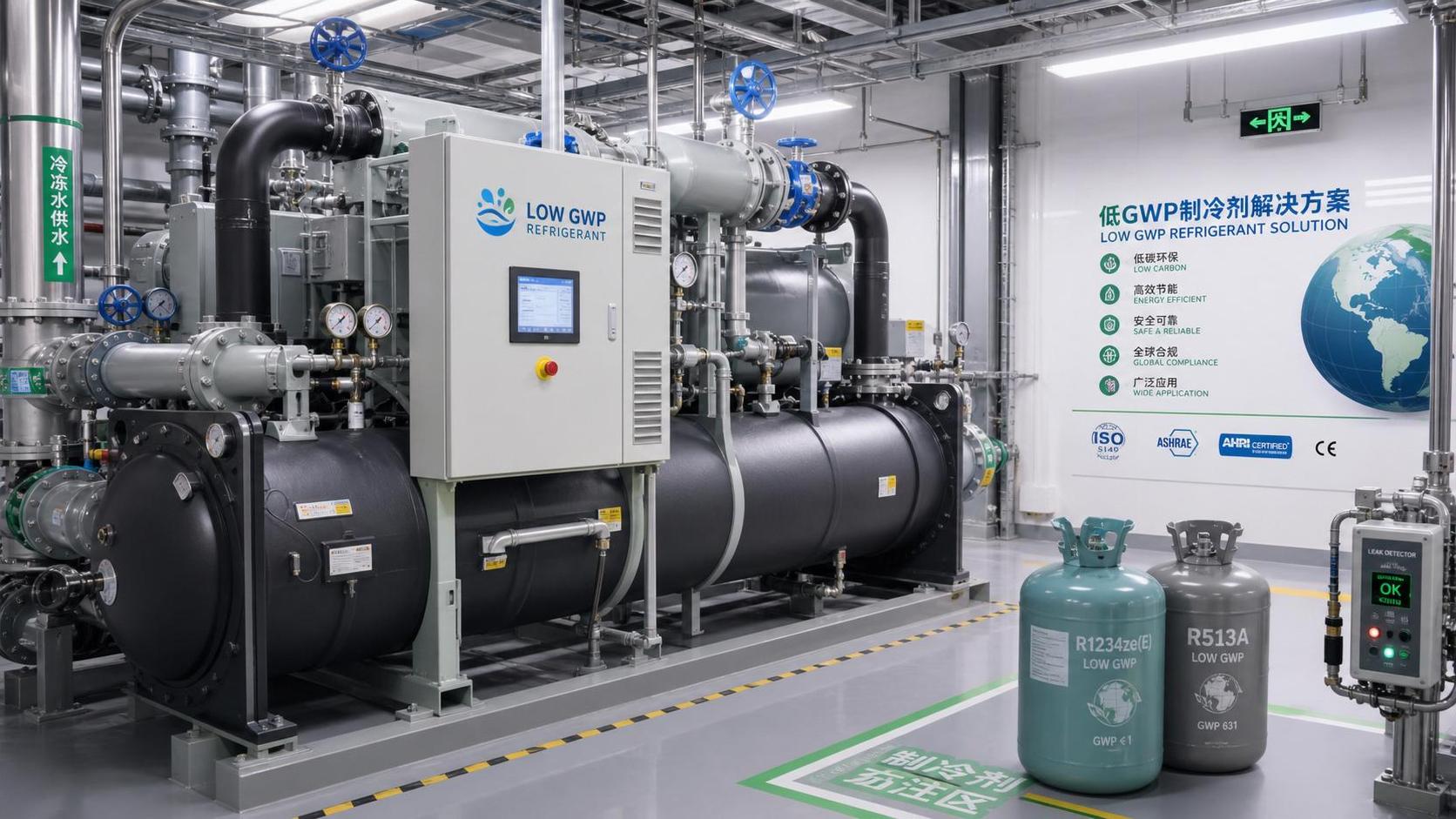
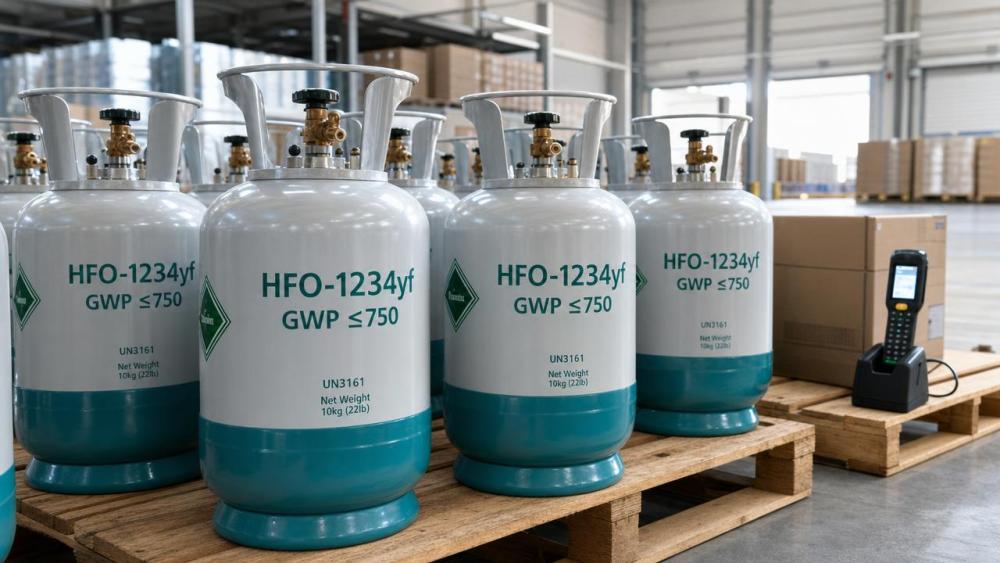
The RCEP Green Refrigerant Mutual Recognition Plan took effect on May 18, 2026. It applies to refrigerants meeting ISO 8502-3:2025 specifications and having a Global Warming Potential (GWP) ≤750—including HFO-1234yf and R32/R1234ze blended working fluids. Under the plan, qualified exporters may submit origin declarations instead of third-party certificates, and customs authorities in participating countries apply expedited inspection and release protocols. Clearance time for eligible shipments is reduced to within 48 hours from document submission.
Industries Affected
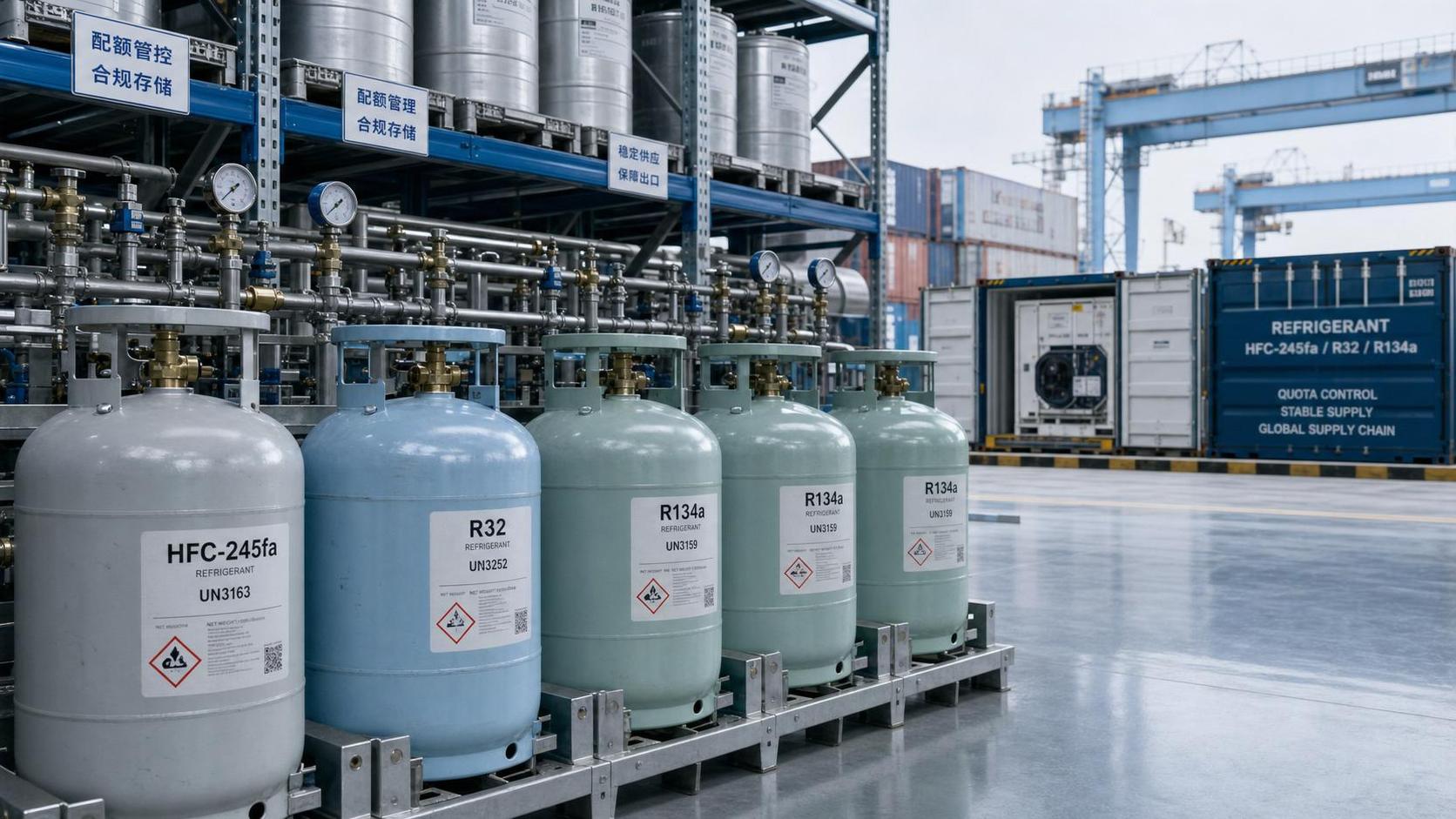
Direct Trading Enterprises: Exporters and international distributors of refrigerants face significantly reduced lead times and lower compliance overhead. With faster clearance, they gain improved order fulfillment predictability and stronger contractual leverage when negotiating just-in-time delivery terms with overseas buyers.
Raw Material Procurement Enterprises: Firms sourcing fluorinated intermediates (e.g., 2,3,3,3-tetrafluoropropene, difluoroethane) must now align procurement quality control with ISO 8502-3:2025 test requirements—not only for final product but also for batch-level traceability documentation. Non-conforming inputs risk delaying finished-goods certification and thus disqualifying shipments from the mutual recognition benefit.
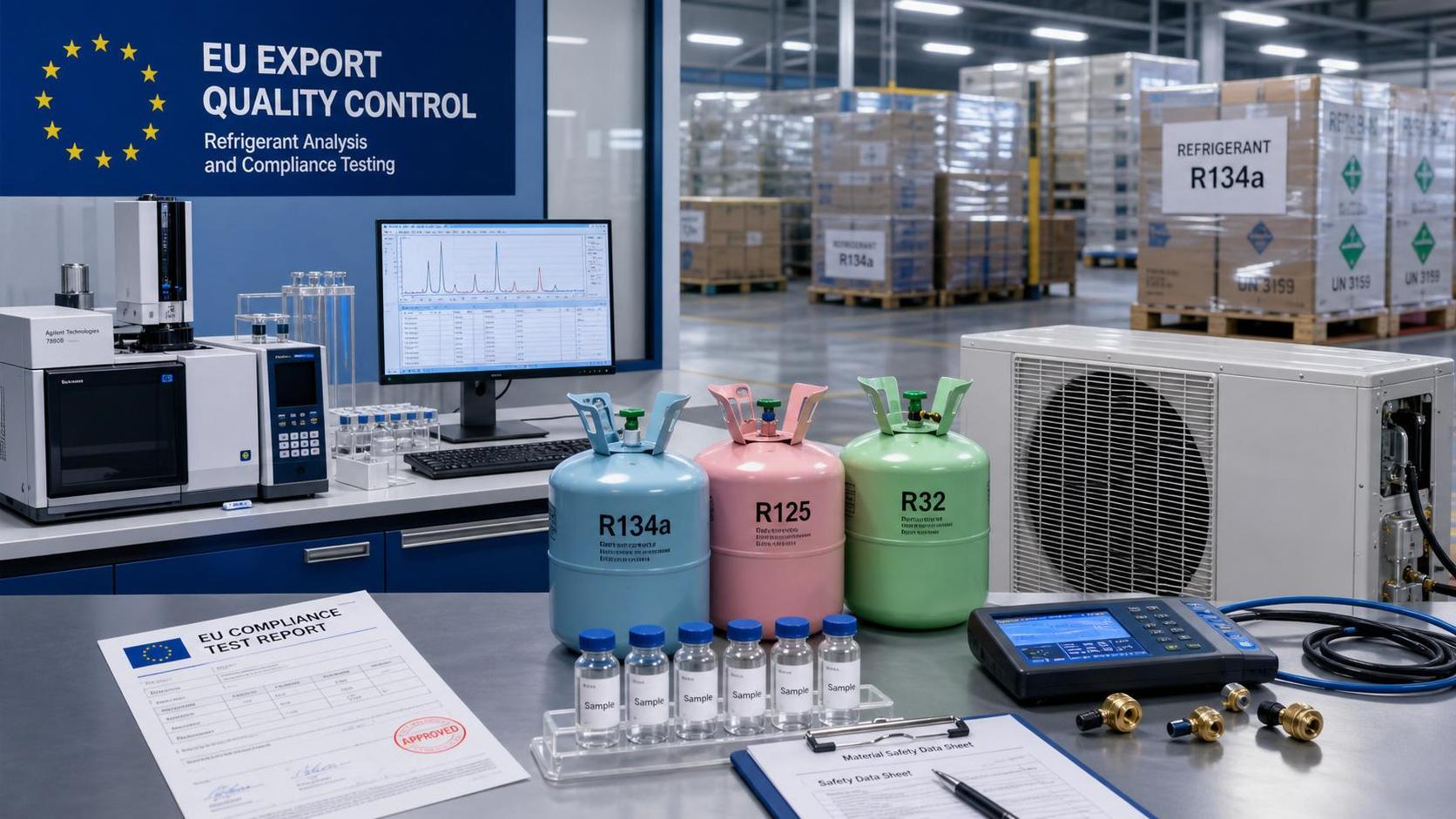
Manufacturing & Blending Enterprises: Producers of pre-mixed refrigerant formulations must revalidate their blending processes and analytical methods against ISO 8502-3:2025’s purity, moisture, and non-condensable gas thresholds. The 48-hour window places new pressure on internal QA/QC turnaround; any deviation triggers full retesting and fallback to standard customs procedures.
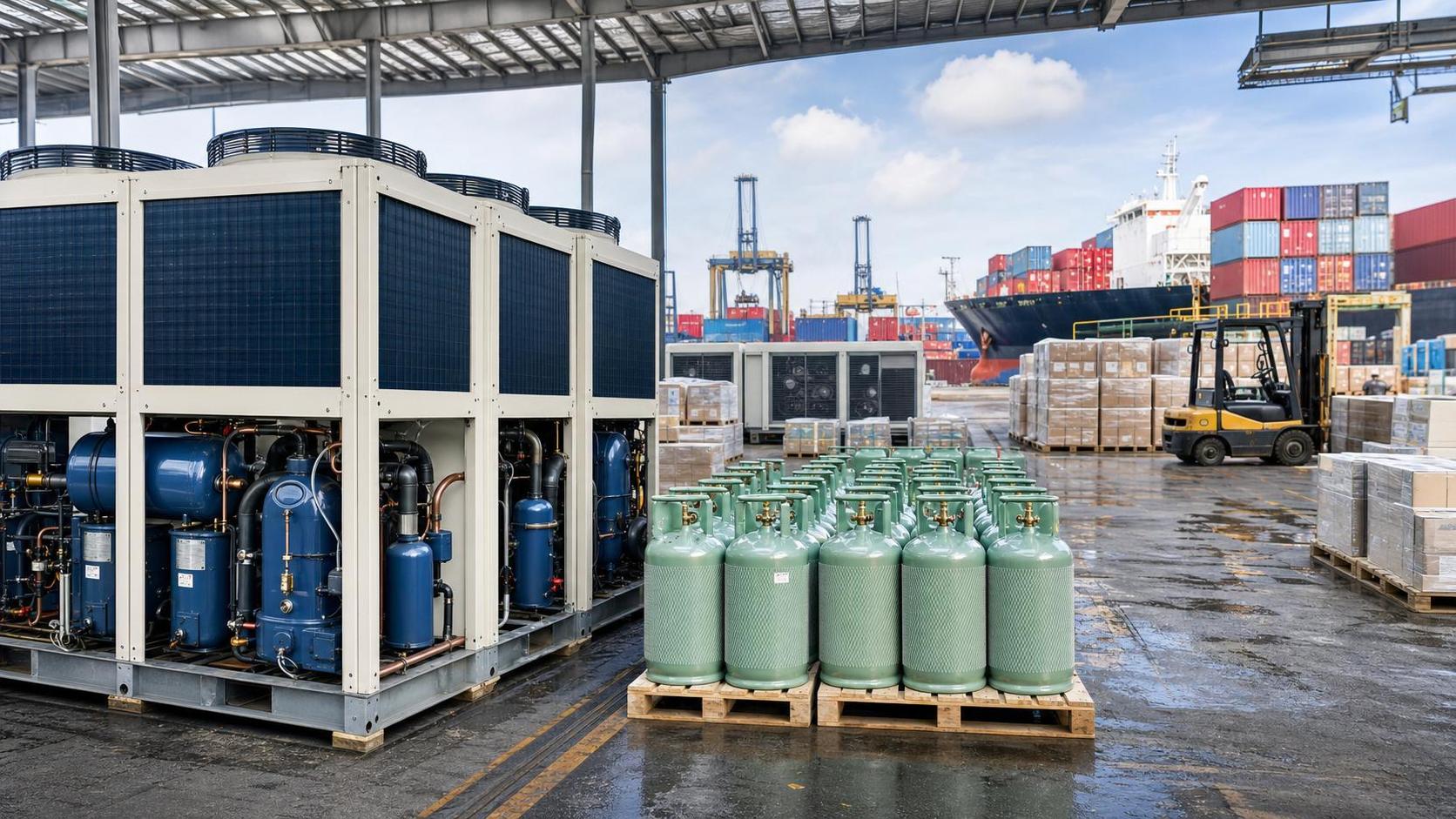
Supply Chain Service Providers: Logistics coordinators, customs brokers, and certification support agencies are adapting service packages to include origin declaration preparation, ISO-aligned lab coordination, and real-time clearance status tracking. Their value proposition is shifting from document handling to regulatory orchestration across multiple RCEP jurisdictions.
Key Focus Areas and Recommended Actions
Verify Product Eligibility Against ISO 8502-3:2025
Companies must confirm whether current production lots meet all technical parameters specified in ISO 8502-3:2025—not just GWP thresholds but also impurity limits, stability testing protocols, and labeling requirements. Retrospective validation is not permitted; only batches certified post-May 18, 2026, under this standard qualify.
Adopt Digital Origin Declaration Workflows
Manual or paper-based origin statements no longer suffice. Enterprises must integrate electronic origin declaration modules into ERP or export management systems—compatible with national single-window platforms in China, Singapore, and Korea—to ensure timely submission and audit readiness.
Engage Accredited Labs Early for Batch Certification
ISO 8502-3:2025 testing capacity remains limited among regional labs. Lead times for accredited analysis are currently 5–7 business days. Firms should secure lab partnerships now and schedule pre-shipment testing at least 10 days prior to planned export dates.
Editorial Perspective / Industry Observation
Observably, the plan does not represent a broad harmonization of environmental standards—but rather a targeted interoperability agreement among RCEP economies on a narrow, high-value subset of refrigerants. Analysis shows that its immediate impact lies less in market expansion and more in reshaping competitive dynamics: suppliers with robust ISO-aligned QA infrastructure gain measurable time-to-customer advantage, while smaller blenders without in-house testing capabilities may face margin compression or consolidation pressure. From an industry perspective, this is better understood as a supply-chain efficiency accelerator than a green policy breakthrough.
Conclusion
The RCEP Green Refrigerant Mutual Recognition Plan marks a pragmatic step toward operational convergence in climate-critical industrial trade. Its significance lies not in setting new environmental benchmarks, but in demonstrating how interoperable regulatory infrastructure can reduce friction for verified low-GWP products. For the refrigerant sector, it reinforces that speed, traceability, and standards alignment—not just chemical performance—are now core competitive attributes.
Source Attribution
Official texts published by the RCEP Secretariat (May 2026); Implementation guidelines issued jointly by China’s General Administration of Customs and the Ministry of Ecology and Environment; ISO 8502-3:2025 standard documentation (International Organization for Standardization). Note: National customs implementation timelines and lab accreditation status remain subject to country-specific updates; ongoing monitoring of ASEAN and Korean customs portals is advised.
Related News
- EPA Freezes R-410A Quotas, Fast-Tracks R-32Author :Cryogenic Systems Expert

- Low GWP Refrigerants HFO Blends: Key Stability and Safety FactorsAuthor :Cryogenic Systems Expert

- R-32 Price Spike Reshapes Chiller ProcurementAuthor :Cryogenic Systems Expert

- How to Compare Environmentally Friendly Refrigerants by GWP, Safety, and CostAuthor :Cryogenic Systems Expert

- R-454B Export Quota Cut 18% as Lead Times DoubleAuthor :Cryogenic Systems Expert

- Japan Cuts R32 and R290 Import Quotas From July 10Author :Cryogenic Systems Expert

- EPA Cuts R-134a Import Quotas 42% From July 2026Author :Cryogenic Systems Expert
![]()
- Low GWP Refrigerants HFO Blends: Performance and Compliance in 2026Author :Cryogenic Systems Expert

- R-513A Jumps 23% as China Tightens Export QuotasAuthor :Cryogenic Systems Expert

- Environmentally Friendly Refrigerants in 2026: Compliance Risks and Upgrade PrioritiesAuthor :Cryogenic Systems Expert

- Pharmaceutical Temperature Control Systems: Common Compliance RisksAuthor :Cryogenic Systems Expert

- China Tightens Q3 R32 Export QuotasAuthor :Cryogenic Systems Expert

- California EPR Deadline Nears for Refrigeration MakersAuthor :Cryogenic Systems Expert

- Resource Circularity Trends Reshaping Refrigerants and Cooling SystemsAuthor :Cryogenic Systems Expert

- HFCs Filing Rules Enter Full EnforcementAuthor :Cryogenic Systems Expert

- How Environmentally Friendly Refrigerants Affect Chiller ComplianceAuthor :Cryogenic Systems Expert

- EU REACH Tightens Refrigerant Impurity Limits for R134a ExportsAuthor :Cryogenic Systems Expert

- China Seeks Feedback on 2027 Refrigerant QuotasAuthor :Cryogenic Systems Expert

- EU to Ban High-GWP ACs in 2029 as R410A Exits HomesAuthor :Cryogenic Systems Expert

- US, UK Delay HFC Phaseout, Extending R32/R134a Export WindowAuthor :Cryogenic Systems Expert

- EU HFC Cut Tightens by 2029 as Gen-3 Output Falls 10%Author :Cryogenic Systems Expert

- Kuwait Bans HCFC AC Imports as Shift to R32/R290 Speeds UpAuthor :Cryogenic Systems Expert

- Saudi SASO Rules Tighten AC Imports in DecemberAuthor :Cryogenic Systems Expert

- Environmentally Friendly Refrigerants: Compliance, Safety, and Retrofit RisksAuthor :Cryogenic Systems Expert

- SABIC Force Majeure Keeps Chiller Refrigerant Supply TightAuthor :Cryogenic Systems Expert

- SABIC Force Majeure Tightens Refrigerant FeedstocksAuthor :Cryogenic Systems Expert

- UL 60335-2-89 Tightens R290 Leak Test RulesAuthor :Cryogenic Systems Expert
![]()
- UL 60335-2-89 Adds R290 Vacuum Leak TestAuthor :Cryogenic Systems Expert

- Global Refrigerant Price Index Falls 8.3% MoM in MayAuthor :Cryogenic Systems Expert
![]()
- PSA Jurong Island Launches Mandatory Cold-Chain Traceability for RefrigerantsAuthor :Cryogenic Systems Expert
![]()
- 2026 Refrigerants Shift: What Changes for Cold StorageAuthor :Cryogenic Systems Expert

- Shanghai Pudong Pilots E-Labels for Imported CosmeticsAuthor :Cryogenic Systems Expert

- 2026 Refrigerant Shift: Safer Options With Lower Compliance RiskAuthor :Cryogenic Systems Expert

- Vitafoods Europe Highlights Clinical Herb Data, Cold Chain Demand SurgesAuthor :Cryogenic Systems Expert
![]()
- U.S. Treasury Yield Surge Stabilizes Silver, Eases Refrigerants Export PricingAuthor :Cryogenic Systems Expert

- France Allocates €710M to Support War-Impacted Firms on Cold Chain ComplianceAuthor :Cryogenic Systems Expert