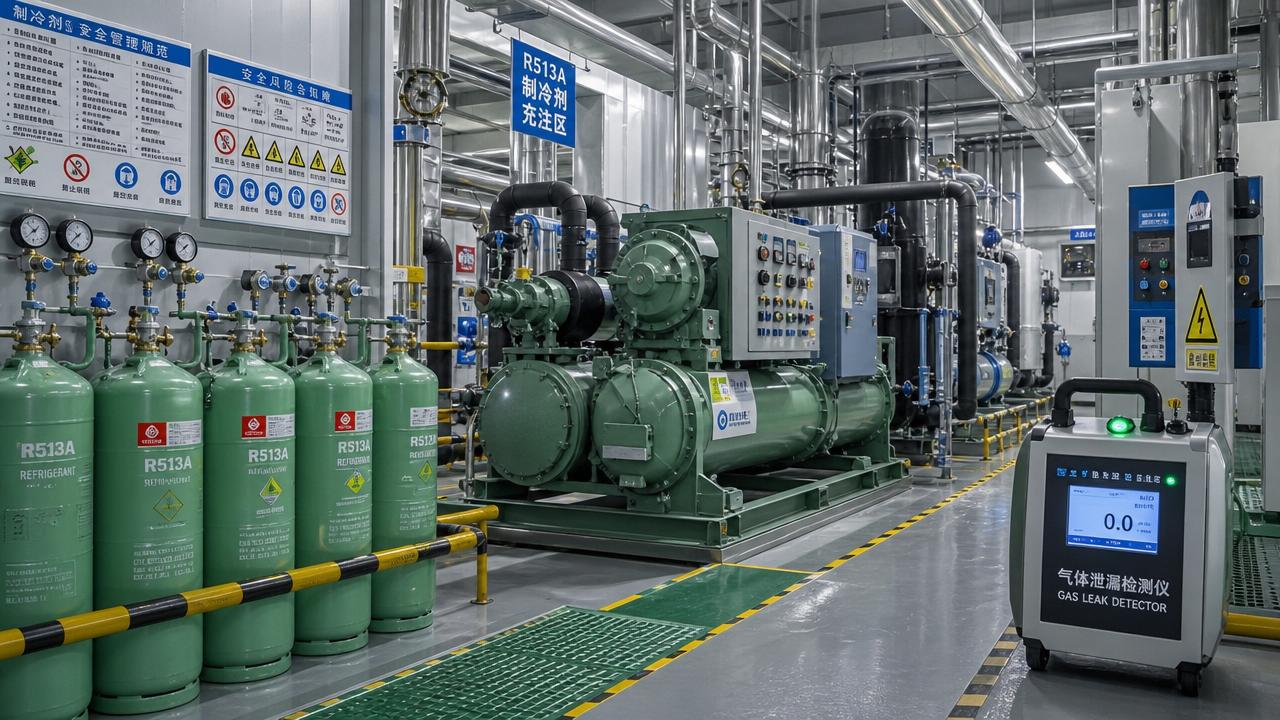
China Tightens Q3 R32 Export Quotas




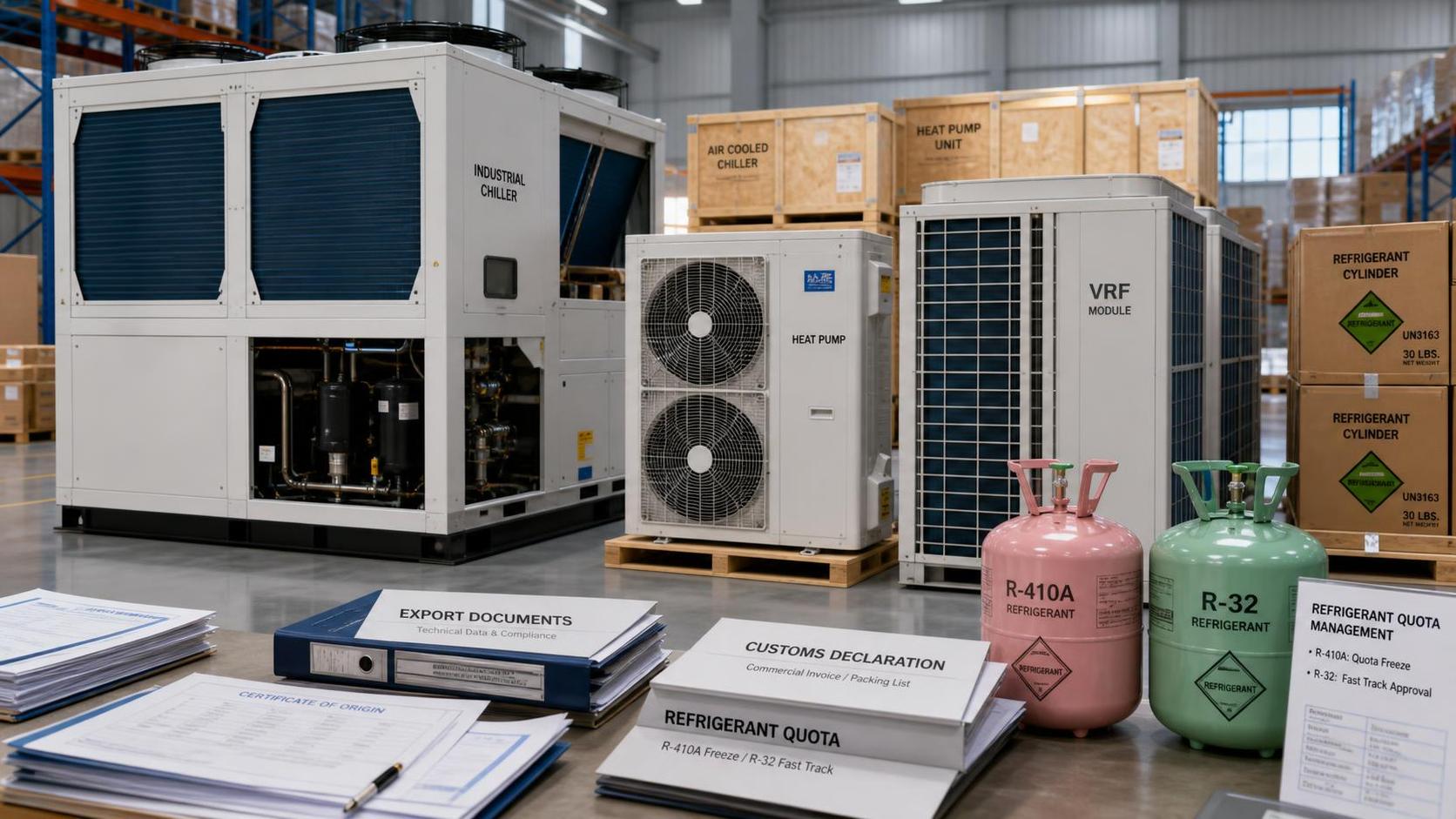
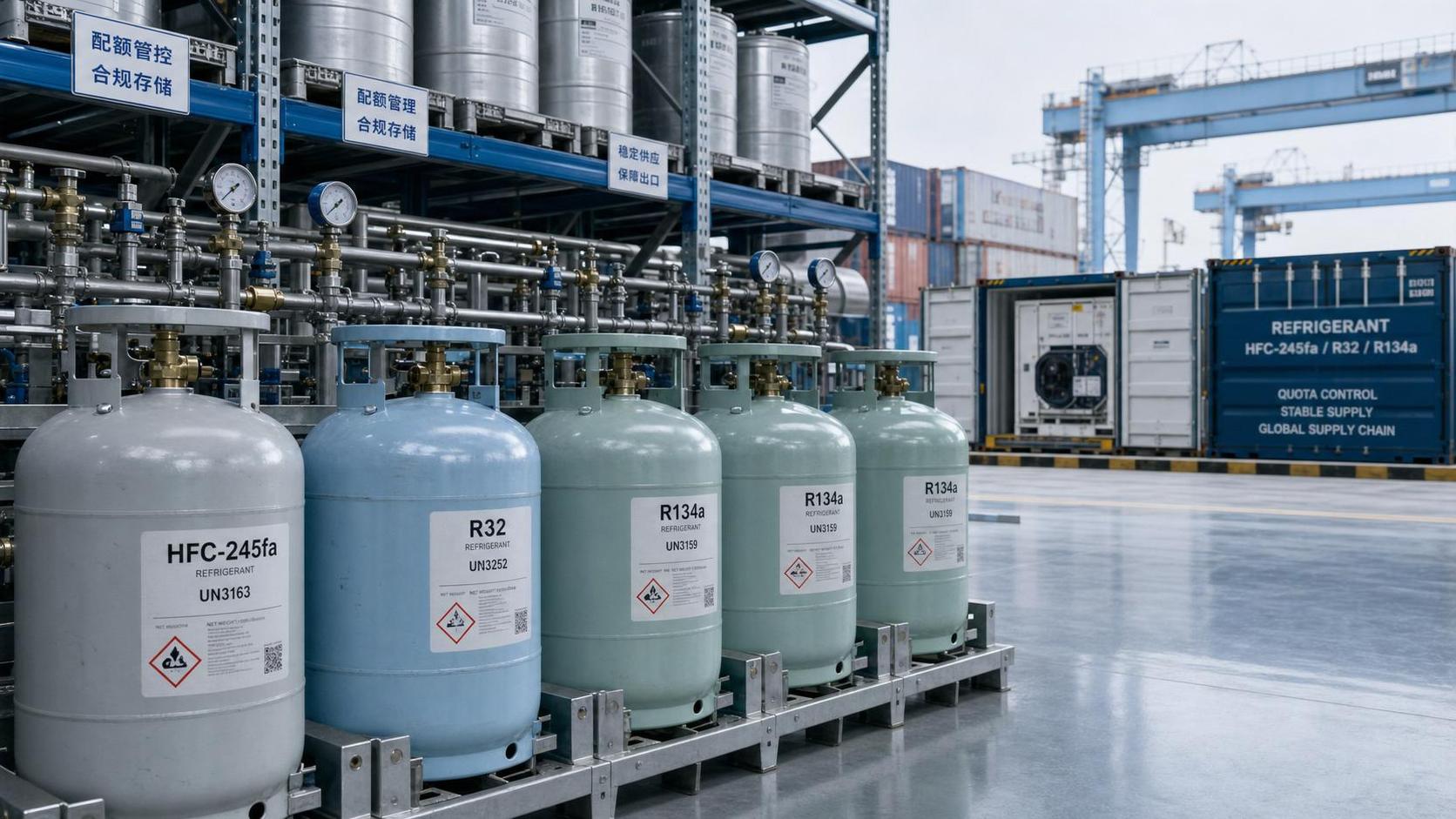
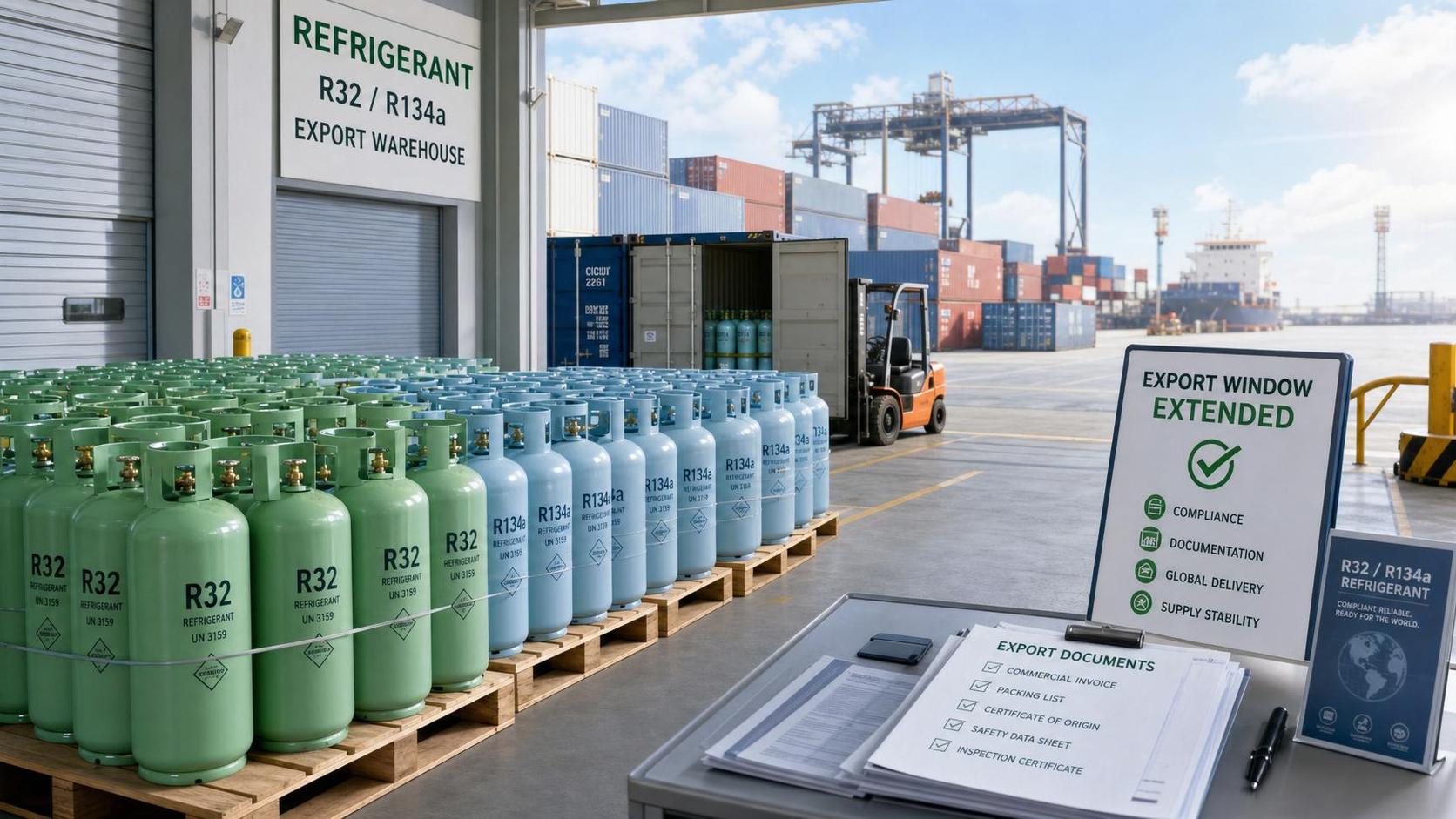
On June 22, 2026, China’s Ministry of Ecology and Environment introduced a new dynamic management mechanism for HFC export quotas, directly affecting R32 and other high-GWP refrigerants. For exporters of industrial chillers and condensing units, this is not just a policy update but a practical change to shipment planning, contract execution, and cost control, because quarterly quota reductions can now follow export performance in the previous quarter.
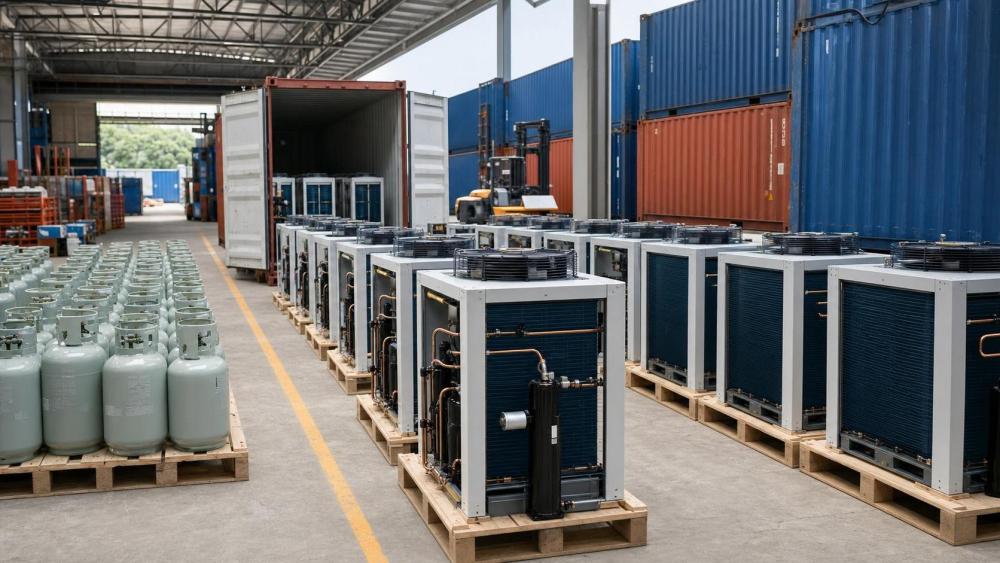
A quota rule that now moves quarter by quarter
According to the information provided, the ministry issued a notice on June 22, 2026 to strengthen dynamic management of HFC export quotas. The measure applies a rolling quarterly reduction mechanism to high-GWP refrigerants including R32. If an exporter’s fulfillment rate in the previous quarter is below 92%, its quota for the next quarter is automatically reduced by 5%.
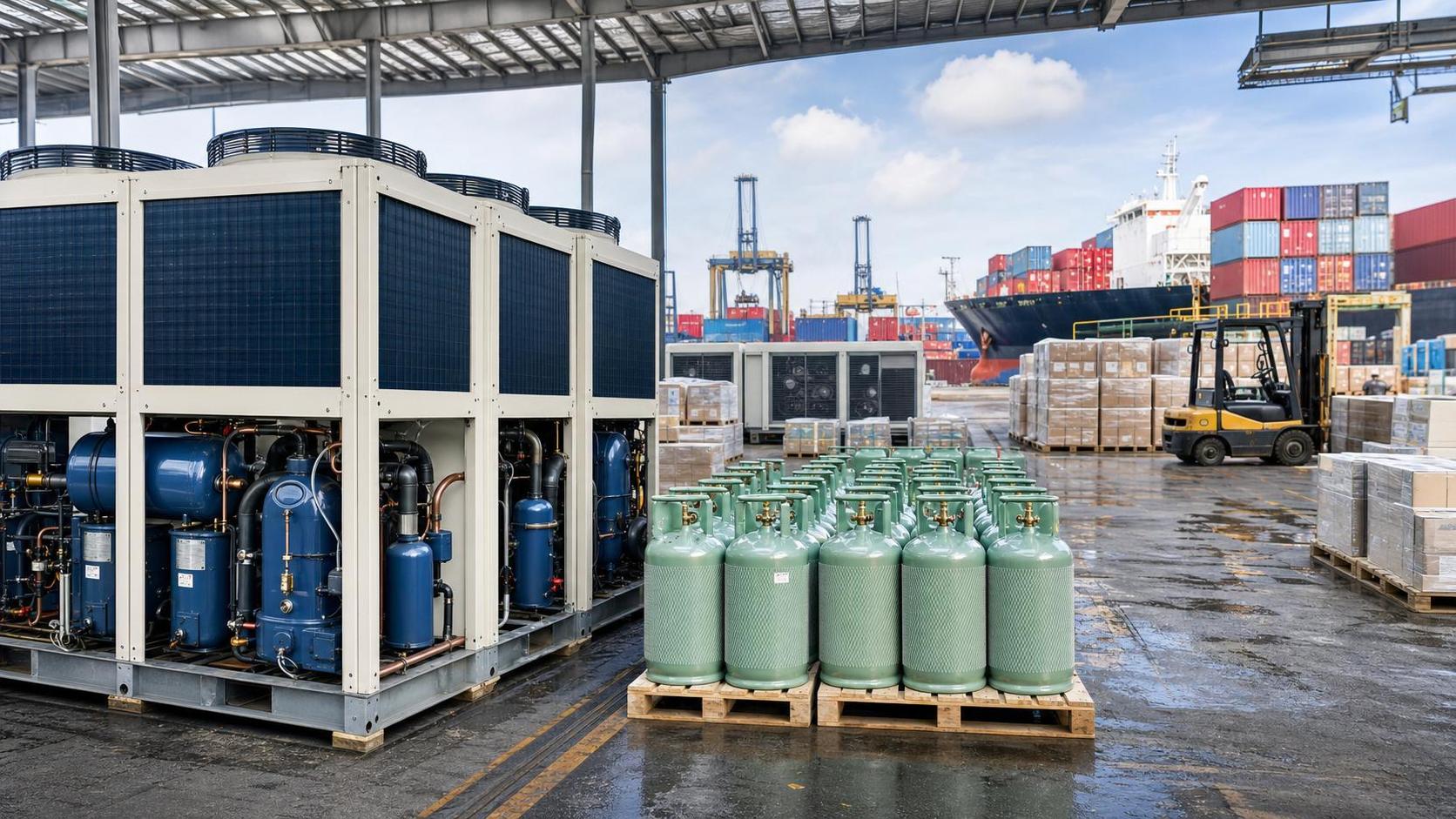
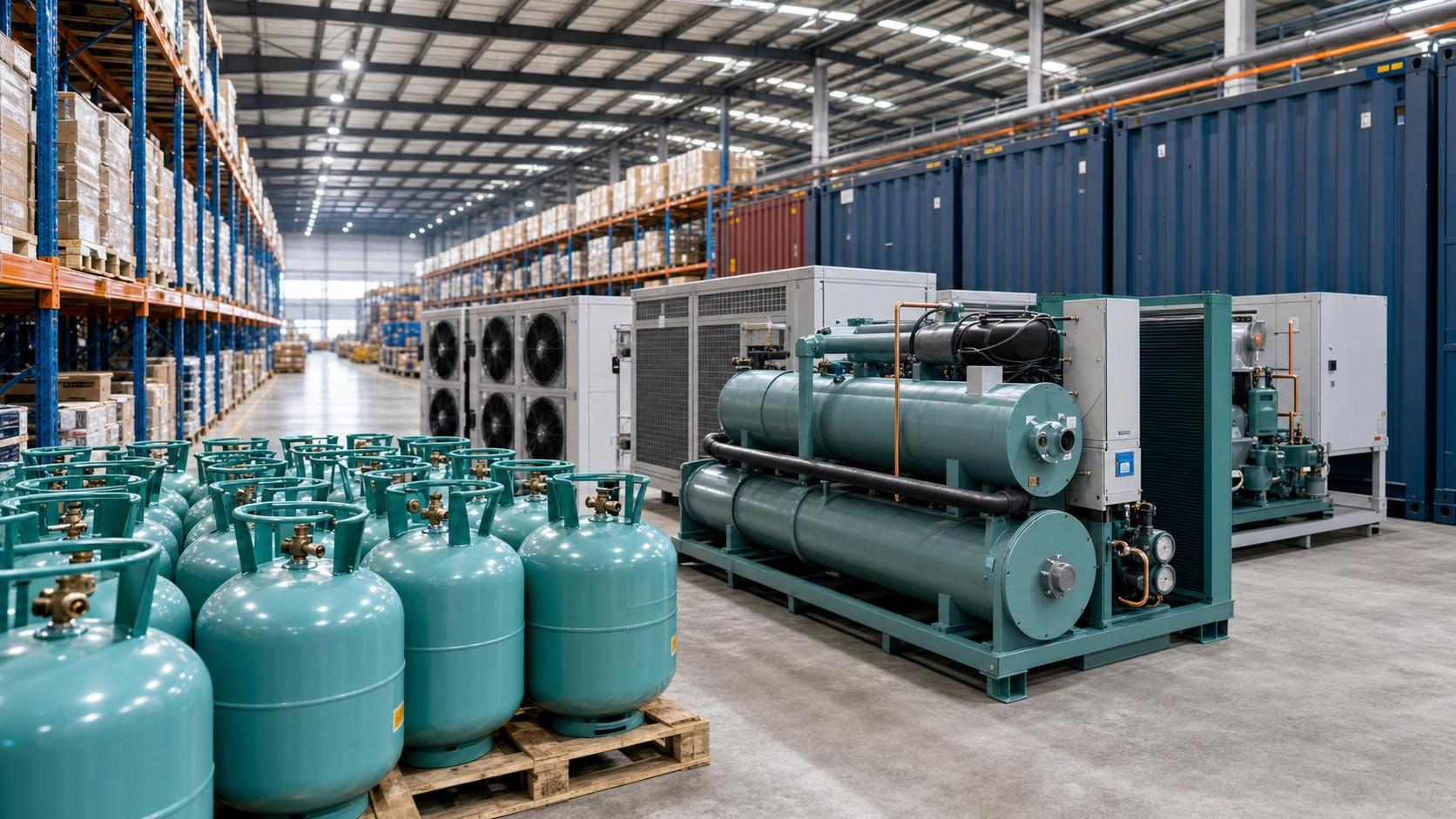
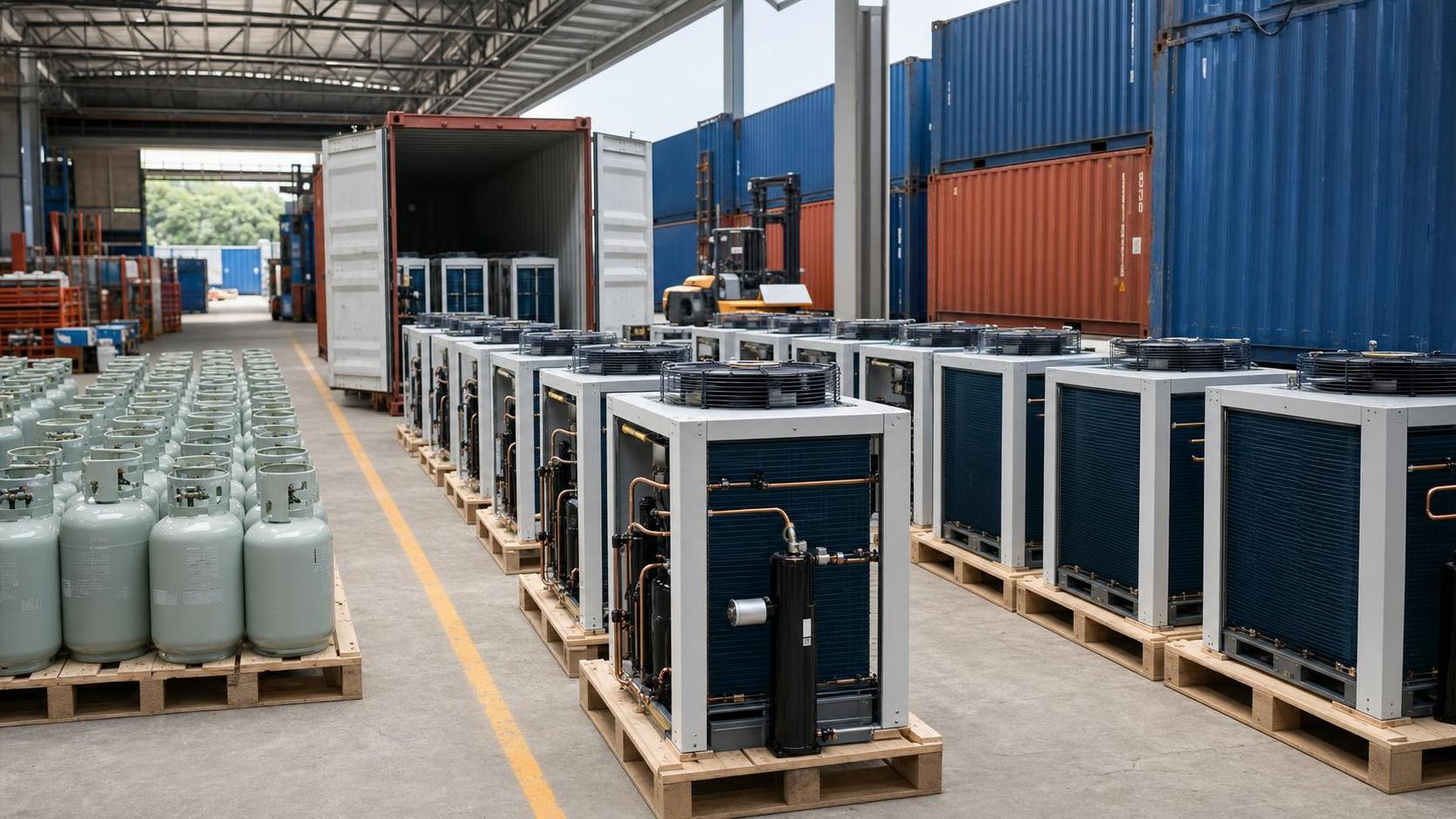
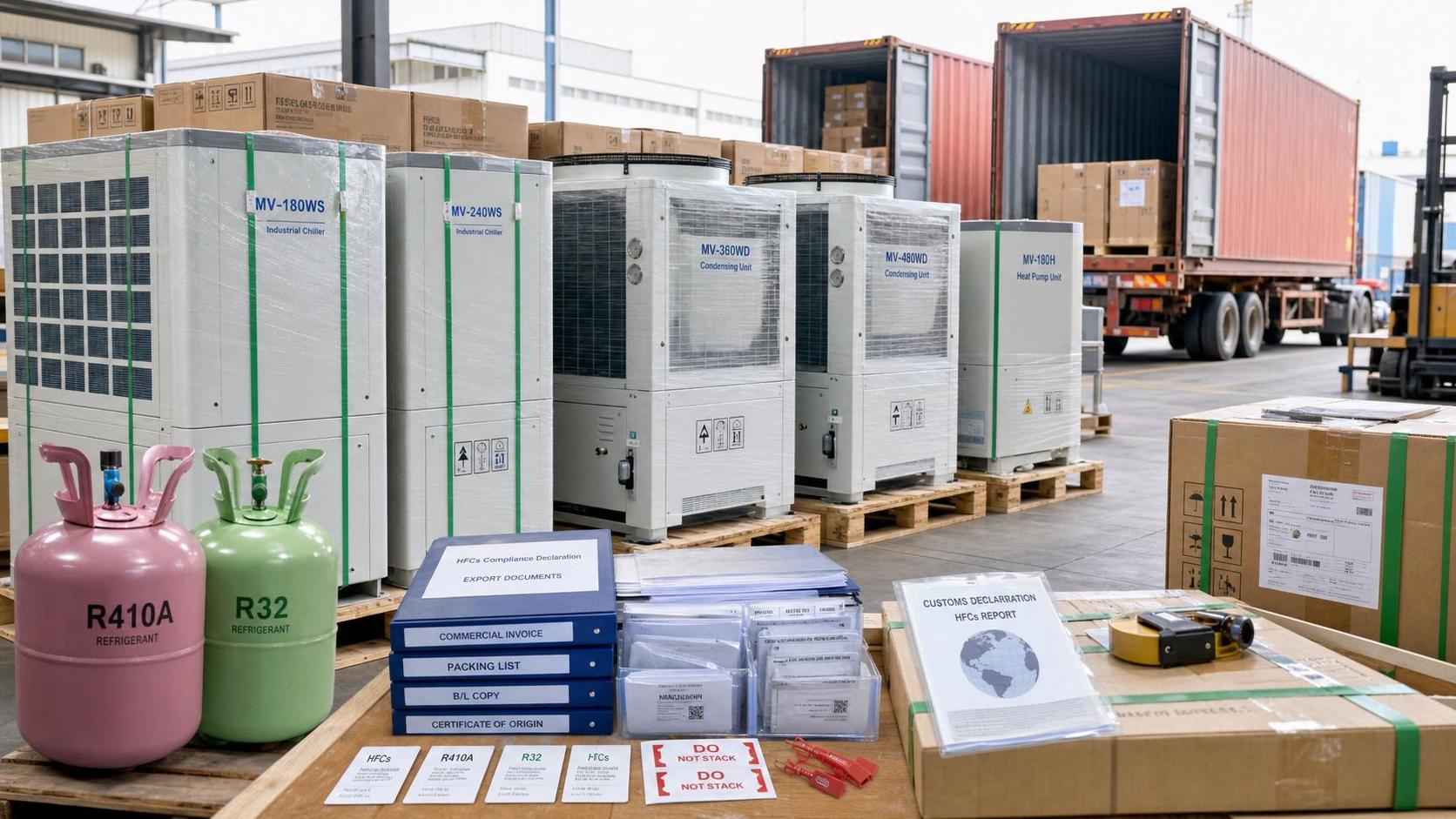
The first list of affected companies was published on June 23. The published group covers 27 exporters of industrial chillers and condensing units. The information provided also indicates that the tighter quota arrangement will directly raise delivery lead times and cost premiums for equipment using R32 systems.
Where the pressure is likely to appear first
Export execution shifts from annual planning to quarterly compliance
From an industry perspective, exporters are likely to feel the impact first because the new mechanism links future quota availability to recent fulfillment performance. This means shipment execution, documentation timing, and contract scheduling may become more sensitive to quarter-end performance, rather than being managed mainly as a longer annual cycle.
Procurement and production planning may face tighter coordination
Analysis shows that manufacturers and procurement teams tied to R32-based systems may need closer coordination between refrigerant availability, production scheduling, and export commitments. If quota reductions affect outbound capacity, the pressure may not stay at the refrigerant level alone but may move into equipment assembly schedules, customer delivery promises, and purchase timing for key inputs.
Buyers and supply chain service providers may need earlier delivery checks
What deserves closer attention is the effect on delivery management. Buyers, distributors, and logistics or trade service providers connected to R32 system equipment may need to pay more attention to whether shipment timing, export allocation, and supporting trade documents remain aligned with contract milestones. The immediate concern is less about abstract policy wording and more about whether deliveries can still be executed on the expected schedule and cost basis.
What companies should watch in current transactions
Review whether export commitments match quota exposure
Observably, companies involved in R32-related exports should pay close attention to how current and upcoming orders align with quota performance requirements. Where quarterly fulfillment affects the next allocation, contract pacing and shipment sequencing become practical compliance issues rather than routine operational details.
Check documents and technical files tied to shipment and tendering
Analysis shows that teams handling tenders, export paperwork, product technical files, and shipment support documents should review whether any delivery assumptions need updating. The information provided does not include detailed implementation procedures, so it is more appropriate at this stage to flag documentation consistency and delivery wording as areas to monitor rather than to assume a settled enforcement practice.
Reassess delivery windows and supplier coordination
For manufacturers, traders, and procurement teams, lead time risk now deserves closer attention. Since the provided information states that delivery cycles and cost premiums for R32 system equipment will rise, companies may need to revisit supplier coordination, internal production buffers, and customer communication on delivery timing.
Track follow-up wording from official and market channels
The current notice establishes a clear rule signal, but the input does not provide more detailed operational guidance. Companies should therefore continue tracking official explanations, market execution feedback, and any changes in trade-facing documents or compliance interpretations that could affect how the rule is applied in practice.
Why this reads as an execution signal, not just a headline
From an industry perspective, this development is more appropriately understood as an executed regulatory signal rather than a distant policy discussion, because the mechanism has a stated reduction trigger and the first affected company list has already been published. At the same time, it is still too early to treat all downstream consequences as fixed outcomes, since the provided information does not include fuller details on implementation rhythm, review procedures, or later adjustments in compliance practice.
Observably, the most important issue now is not only the wording of the quota rule itself, but how quickly it changes commercial behavior across export scheduling, procurement timing, and customer delivery commitments. That is why continued attention to operational feedback will matter as much as reading the notice itself.
How this update is best understood for now
This event points to a more performance-linked export control approach for R32 and other high-GWP refrigerants within the scope described in the provided information. A reasonable reading at this stage is that the market is facing a real compliance and delivery signal, especially for exporters of industrial chillers and condensing units, but the full execution impact still requires ongoing observation through follow-up implementation, transaction practice, and industry response.
Basis of this article and what still needs verification
This article is generated from the user-provided news title, event date, and event summary. For developments of this type, commonly relevant source categories may include official notices, releases from regulatory authorities, customs or trade administration updates, industry association information, standards-related documents, and reporting by authoritative media.
No specific official source link was provided in the input, so the exact official publication path still needs to be continuously verified. What also requires further observation includes detailed implementation language, compliance interpretation, tender document changes, certification-related execution standards, market feedback, and how affected companies carry out the rule in actual export operations.
Related News
- EU PFAS Curbs Raise Compliance Review for Cooling ExportsAuthor :Cryogenic Systems Expert

- EU PFAS Proposal Puts Refrigerant and Vacuum Exports Under ReviewAuthor :Cryogenic Systems Expert

- EU REACH PFAS Draft Raises New Export ChecksAuthor :Cryogenic Systems Expert

- EU Cuts High-GWP Refrigerant Import Quotas by 35%Author :Cryogenic Systems Expert

- EU Cuts Q4 2026 Quotas for High-GWP RefrigerantsAuthor :Cryogenic Systems Expert

- EU F-Gas Revision Cuts R410A Quotas 40%Author :Cryogenic Systems Expert

- EPA Freezes R-410A Quotas, Fast-Tracks R-32Author :Cryogenic Systems Expert

- Low GWP Refrigerants HFO Blends: Key Stability and Safety FactorsAuthor :Cryogenic Systems Expert

- R-32 Price Spike Reshapes Chiller ProcurementAuthor :Cryogenic Systems Expert

- How to Compare Environmentally Friendly Refrigerants by GWP, Safety, and CostAuthor :Cryogenic Systems Expert

- R-454B Export Quota Cut 18% as Lead Times DoubleAuthor :Cryogenic Systems Expert

- Japan Cuts R32 and R290 Import Quotas From July 10Author :Cryogenic Systems Expert

- EPA Cuts R-134a Import Quotas 42% From July 2026Author :Cryogenic Systems Expert
![]()
- Low GWP Refrigerants HFO Blends: Performance and Compliance in 2026Author :Cryogenic Systems Expert

- R-513A Jumps 23% as China Tightens Export QuotasAuthor :Cryogenic Systems Expert

- Environmentally Friendly Refrigerants in 2026: Compliance Risks and Upgrade PrioritiesAuthor :Cryogenic Systems Expert

- Pharmaceutical Temperature Control Systems: Common Compliance RisksAuthor :Cryogenic Systems Expert

- China Tightens Q3 R32 Export QuotasAuthor :Cryogenic Systems Expert

- California EPR Deadline Nears for Refrigeration MakersAuthor :Cryogenic Systems Expert

- Resource Circularity Trends Reshaping Refrigerants and Cooling SystemsAuthor :Cryogenic Systems Expert

- HFCs Filing Rules Enter Full EnforcementAuthor :Cryogenic Systems Expert

- How Environmentally Friendly Refrigerants Affect Chiller ComplianceAuthor :Cryogenic Systems Expert

- EU REACH Tightens Refrigerant Impurity Limits for R134a ExportsAuthor :Cryogenic Systems Expert

- China Seeks Feedback on 2027 Refrigerant QuotasAuthor :Cryogenic Systems Expert

- EU to Ban High-GWP ACs in 2029 as R410A Exits HomesAuthor :Cryogenic Systems Expert

- US, UK Delay HFC Phaseout, Extending R32/R134a Export WindowAuthor :Cryogenic Systems Expert

- EU HFC Cut Tightens by 2029 as Gen-3 Output Falls 10%Author :Cryogenic Systems Expert

- Kuwait Bans HCFC AC Imports as Shift to R32/R290 Speeds UpAuthor :Cryogenic Systems Expert

- Saudi SASO Rules Tighten AC Imports in DecemberAuthor :Cryogenic Systems Expert

- Environmentally Friendly Refrigerants: Compliance, Safety, and Retrofit RisksAuthor :Cryogenic Systems Expert

- SABIC Force Majeure Keeps Chiller Refrigerant Supply TightAuthor :Cryogenic Systems Expert

- SABIC Force Majeure Tightens Refrigerant FeedstocksAuthor :Cryogenic Systems Expert

- UL 60335-2-89 Tightens R290 Leak Test RulesAuthor :Cryogenic Systems Expert
![]()
- UL 60335-2-89 Adds R290 Vacuum Leak TestAuthor :Cryogenic Systems Expert

- Global Refrigerant Price Index Falls 8.3% MoM in MayAuthor :Cryogenic Systems Expert
![]()
- PSA Jurong Island Launches Mandatory Cold-Chain Traceability for RefrigerantsAuthor :Cryogenic Systems Expert
![]()