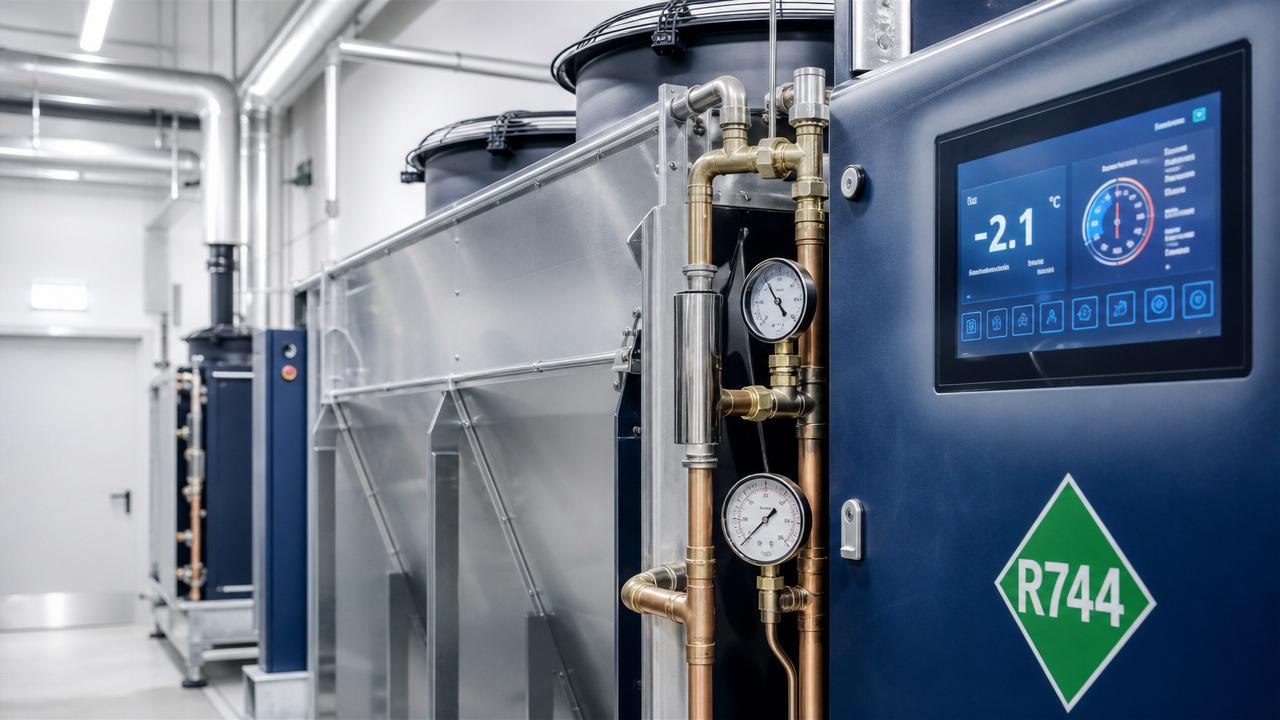
April PPI Up 2.8%; Refrigerant Export Prices Rise




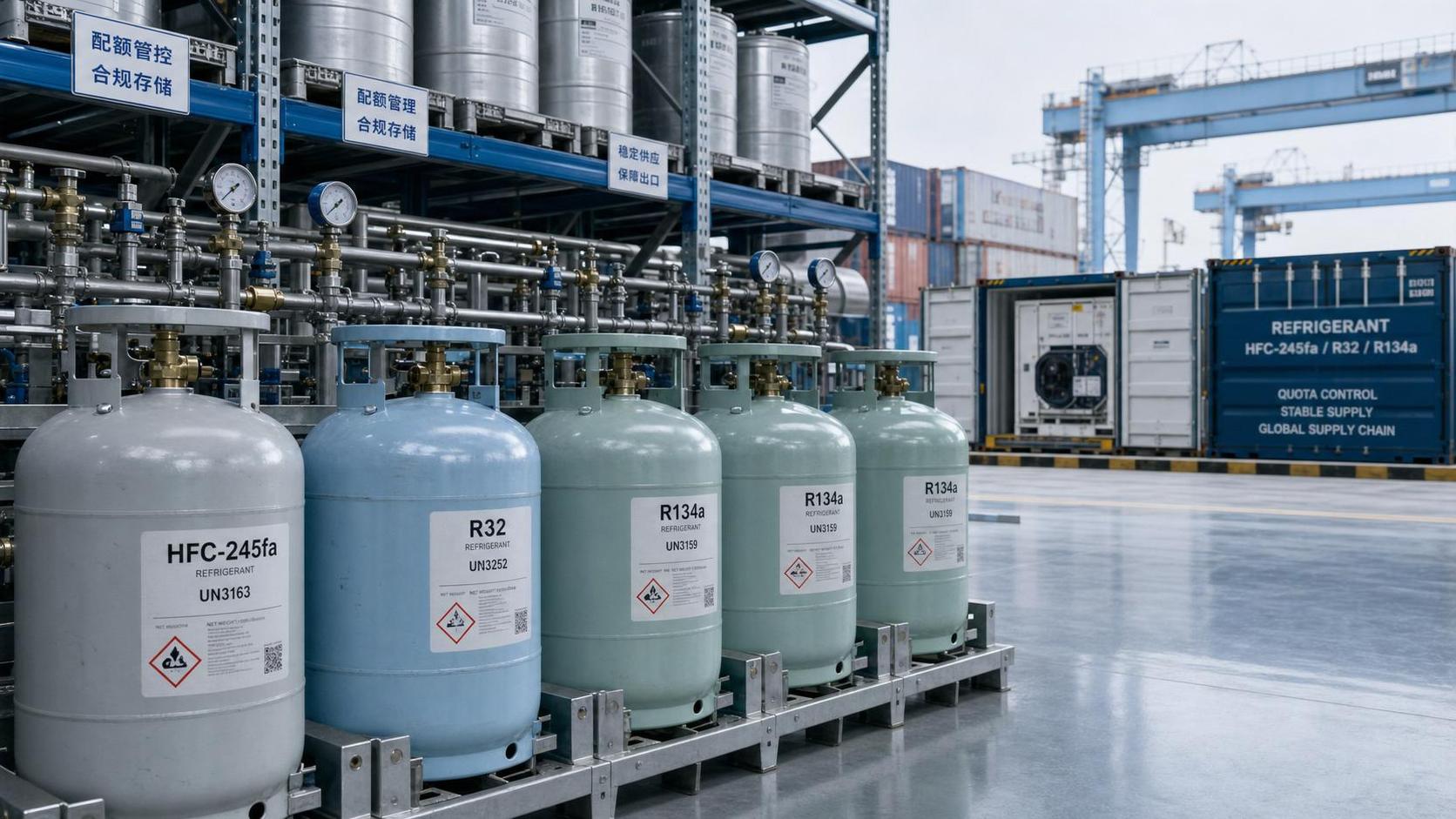
On May 11, 2026, China’s National Bureau of Statistics reported that the April Producer Price Index (PPI) rose 2.8% year-on-year, with fluorinated chemical intermediates surging 7.3%. This cost pressure has directly translated into higher export quotations for key refrigerants—including R32 and R134a—impacting global supply chains, pricing negotiations, and strategic planning across the HVAC&R and industrial cooling sectors.
Event Overview
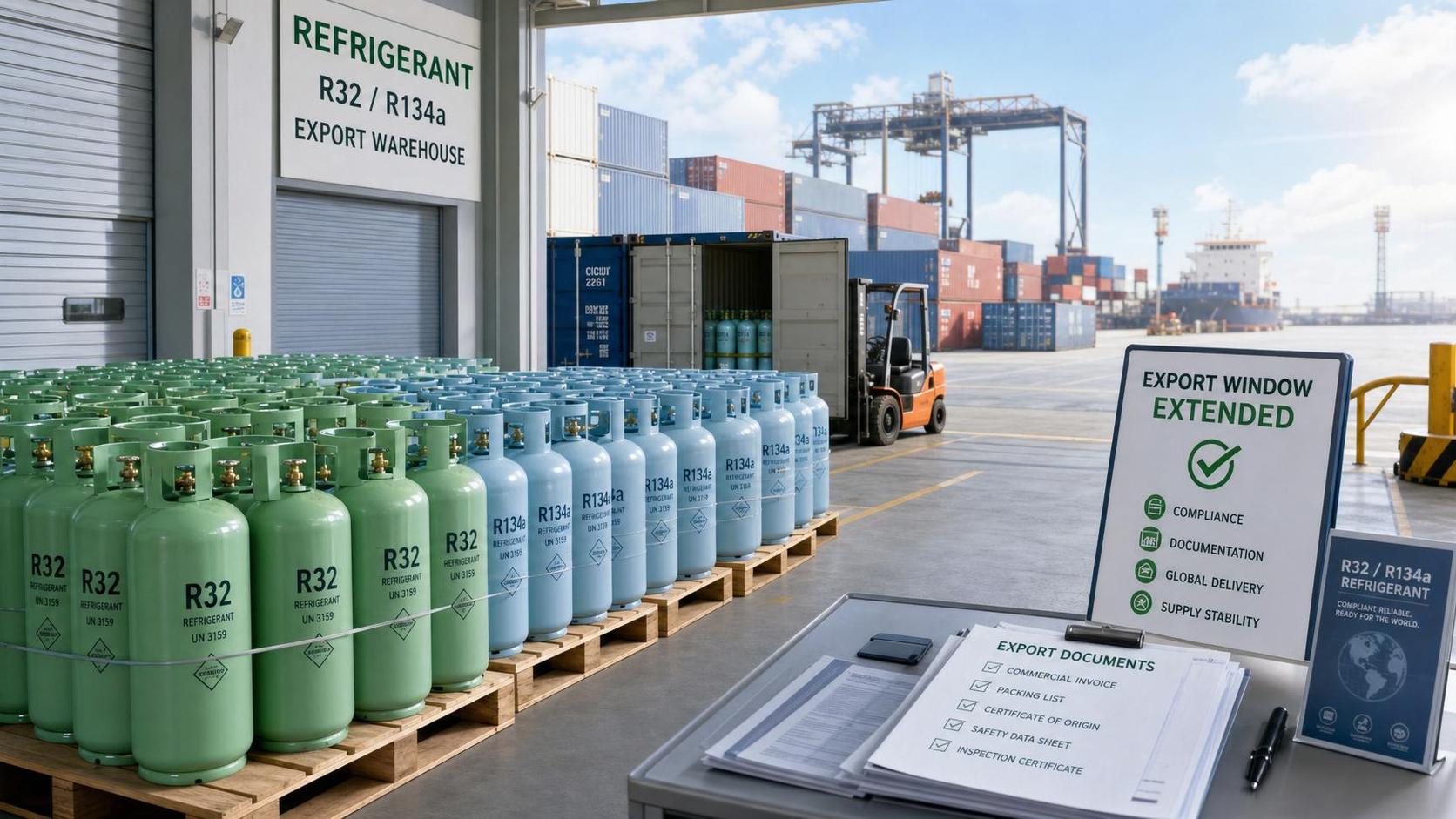
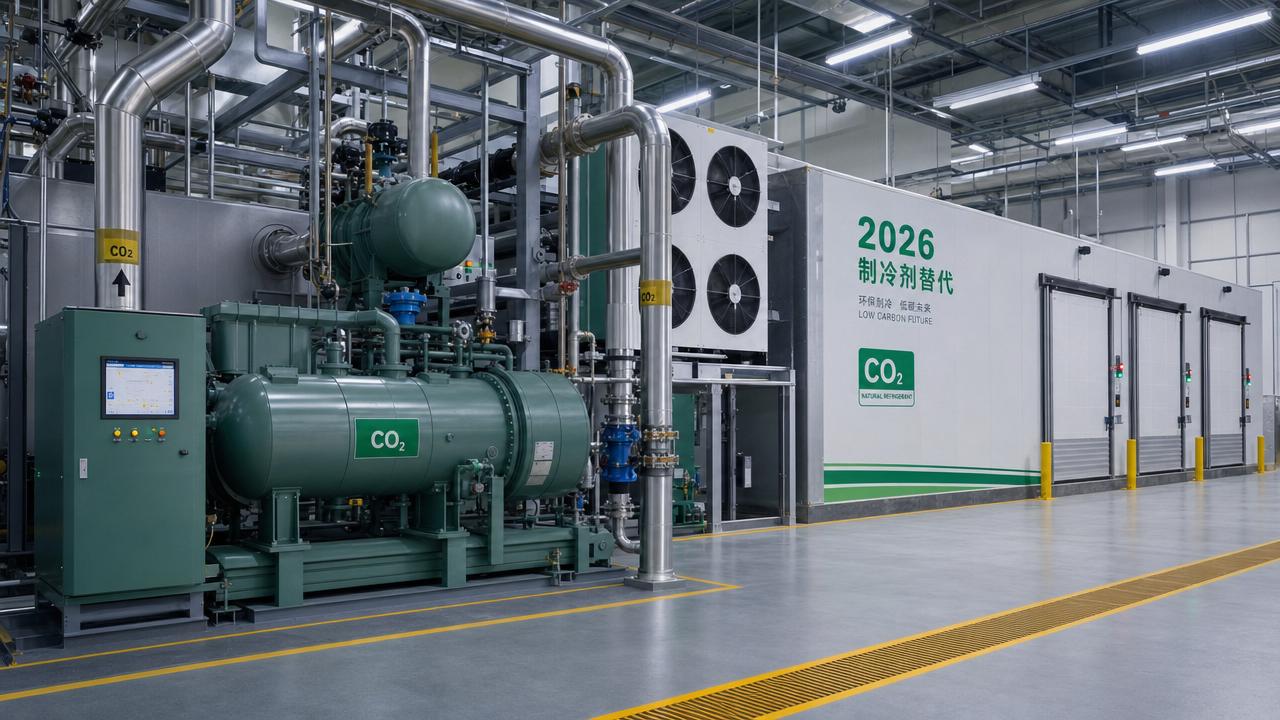
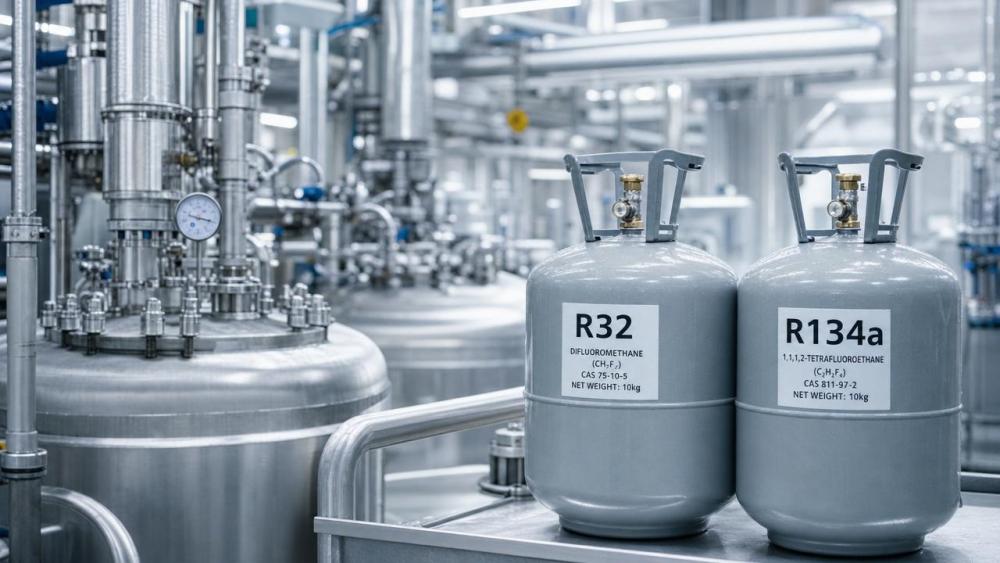
National Bureau of Statistics data released on May 11, 2026, shows the April PPI increased 2.8% YoY. Within this, fluorinated chemical intermediates rose 7.3% YoY. As a result, FOB export prices for R32 and R134a rose 4.1–5.8% month-on-month. Several European buyers have initiated cost renegotiation discussions for June orders. Meanwhile, Chinese refrigerant producers are accelerating capacity ramp-up for low-GWP alternatives—including R290 and CO₂—to maintain supply continuity and price predictability for long-term customers.
Industries Affected
Direct Trading Enterprises
Export-oriented trading firms face compressed margins as upstream cost increases outpace contract re-pricing cycles. Since many export contracts are fixed-price or quarterly-adjusted, sudden PPI-driven input cost spikes reduce short-term profitability—and trigger early renegotiation requests from overseas buyers, particularly in Europe where sustainability-linked commercial terms are tightening.
Raw Material Procurement Enterprises
Companies sourcing fluorinated intermediates—especially those without long-term hedging agreements or volume-based pricing clauses—are exposed to immediate procurement cost volatility. The 7.3% YoY jump in intermediate prices signals heightened sensitivity to feedstock availability, geopolitical supply constraints, and regulatory shifts in upstream fluorochemical production (e.g., HCFC phaseout enforcement or new emission controls).
Processing & Manufacturing Enterprises
OEMs and system integrators using R32 or R134a in chillers, heat pumps, or automotive AC units face dual pressures: rising component costs and longer lead times for alternative refrigerants still undergoing certification (e.g., R290 safety approvals in EU EN 378 revisions). Marginal cost pass-through remains limited in highly competitive downstream segments, squeezing gross margins unless product redesign or GWP-compliant substitution is accelerated.
Supply Chain Service Providers
Logistics and compliance service providers—including customs brokers, REACH/UKCA registrants, and cold-chain logistics operators—are seeing increased demand for technical documentation support (e.g., updated SDS, GWP declarations, substance-specific transport classifications). Rising refrigerant volatility also drives inquiries about multi-sourcing routing options and regional stockholding strategies to mitigate delivery risk amid tighter order windows.
Key Considerations and Response Measures
Review and Adjust Pricing Clauses in Export Contracts
Trading and manufacturing firms should audit existing export agreements for indexation mechanisms, cost-pass-through triggers, and renegotiation timelines—particularly for European clients now initiating June-order cost reviews. Introducing PPI- or fluorointermediate-indexed adjustment riders may improve contractual resilience.
Prioritize Certification and Qualification for Low-GWP Alternatives
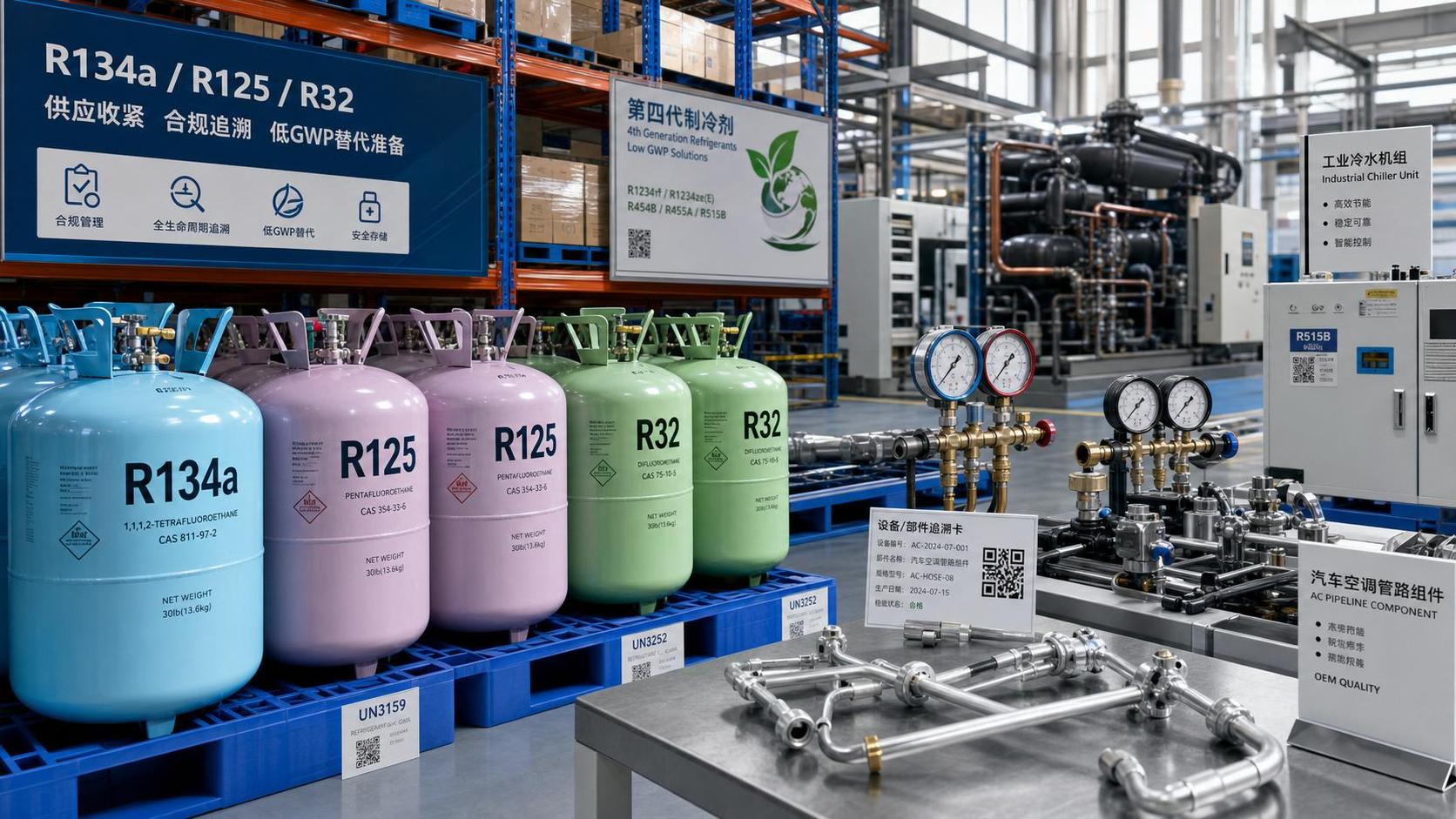
Given the confirmed acceleration in R290 and CO₂ capacity deployment, enterprises should allocate internal resources toward certification readiness—not only for EU standards but also for emerging markets adopting stricter GWP thresholds (e.g., Japan’s JIS B 8615-2 updates, ASEAN harmonization drafts).
Strengthen Forward Visibility on Fluorochemical Feedstock Supply
Procurement teams should engage upstream suppliers on production outlooks, inventory buffers, and potential allocation policies—especially as domestic fluorochemical capacity faces tighter environmental compliance scrutiny post-2025. Scenario-based forecasting (e.g., +10% intermediate cost, -15% spot availability) is now operationally relevant.
Editorial Perspective / Industry Observation
Observably, the PPI surge reflects more than cyclical input inflation—it signals structural tightening in fluorinated chemical supply, driven by cumulative regulatory pressure (e.g., HFC phasedowns under Kigali Amendment implementation), energy-intensive production constraints, and consolidation among domestic fluorochemical producers. Analysis shows this is not merely a ‘cost spike’ but an inflection point accelerating the industry’s transition from price-led to regulation- and sustainability-led competitiveness. Current capacity expansion in R290 and CO₂ is better understood as strategic infrastructure investment—not reactive cost mitigation.
Conclusion
This PPI development underscores how macroeconomic indicators increasingly serve as leading proxies for regulatory and technological inflection points in climate-sensitive chemical industries. For refrigerant stakeholders, the implication is clear: agility in compliance, diversification in refrigerant portfolios, and transparency in cost communication are no longer differentiators—they are operational prerequisites.
Source Attribution
Data sourced from the National Bureau of Statistics of China (May 11, 2026 release). Ongoing monitoring is advised for: (1) upcoming Ministry of Ecology and Environment guidance on fluorinated gas reporting thresholds; (2) EU Commission’s Q3 2026 review of F-gas Regulation derogations; and (3) IEC TC 61’s draft amendments to safety standards for A3-class refrigerants (e.g., R290) in commercial equipment.
Related News
- EPA Freezes R-410A Quotas, Fast-Tracks R-32Author :Cryogenic Systems Expert

- Low GWP Refrigerants HFO Blends: Key Stability and Safety FactorsAuthor :Cryogenic Systems Expert

- R-32 Price Spike Reshapes Chiller ProcurementAuthor :Cryogenic Systems Expert

- How to Compare Environmentally Friendly Refrigerants by GWP, Safety, and CostAuthor :Cryogenic Systems Expert

- R-454B Export Quota Cut 18% as Lead Times DoubleAuthor :Cryogenic Systems Expert

- Japan Cuts R32 and R290 Import Quotas From July 10Author :Cryogenic Systems Expert

- EPA Cuts R-134a Import Quotas 42% From July 2026Author :Cryogenic Systems Expert
![]()
- Low GWP Refrigerants HFO Blends: Performance and Compliance in 2026Author :Cryogenic Systems Expert

- R-513A Jumps 23% as China Tightens Export QuotasAuthor :Cryogenic Systems Expert

- Environmentally Friendly Refrigerants in 2026: Compliance Risks and Upgrade PrioritiesAuthor :Cryogenic Systems Expert

- Pharmaceutical Temperature Control Systems: Common Compliance RisksAuthor :Cryogenic Systems Expert

- China Tightens Q3 R32 Export QuotasAuthor :Cryogenic Systems Expert

- California EPR Deadline Nears for Refrigeration MakersAuthor :Cryogenic Systems Expert

- Resource Circularity Trends Reshaping Refrigerants and Cooling SystemsAuthor :Cryogenic Systems Expert

- HFCs Filing Rules Enter Full EnforcementAuthor :Cryogenic Systems Expert

- How Environmentally Friendly Refrigerants Affect Chiller ComplianceAuthor :Cryogenic Systems Expert

- EU REACH Tightens Refrigerant Impurity Limits for R134a ExportsAuthor :Cryogenic Systems Expert

- China Seeks Feedback on 2027 Refrigerant QuotasAuthor :Cryogenic Systems Expert

- EU to Ban High-GWP ACs in 2029 as R410A Exits HomesAuthor :Cryogenic Systems Expert

- US, UK Delay HFC Phaseout, Extending R32/R134a Export WindowAuthor :Cryogenic Systems Expert

- EU HFC Cut Tightens by 2029 as Gen-3 Output Falls 10%Author :Cryogenic Systems Expert

- Kuwait Bans HCFC AC Imports as Shift to R32/R290 Speeds UpAuthor :Cryogenic Systems Expert

- Saudi SASO Rules Tighten AC Imports in DecemberAuthor :Cryogenic Systems Expert

- Environmentally Friendly Refrigerants: Compliance, Safety, and Retrofit RisksAuthor :Cryogenic Systems Expert

- SABIC Force Majeure Keeps Chiller Refrigerant Supply TightAuthor :Cryogenic Systems Expert

- SABIC Force Majeure Tightens Refrigerant FeedstocksAuthor :Cryogenic Systems Expert

- UL 60335-2-89 Tightens R290 Leak Test RulesAuthor :Cryogenic Systems Expert
![]()
- UL 60335-2-89 Adds R290 Vacuum Leak TestAuthor :Cryogenic Systems Expert

- Global Refrigerant Price Index Falls 8.3% MoM in MayAuthor :Cryogenic Systems Expert
![]()
- PSA Jurong Island Launches Mandatory Cold-Chain Traceability for RefrigerantsAuthor :Cryogenic Systems Expert
![]()
- 2026 Refrigerants Shift: What Changes for Cold StorageAuthor :Cryogenic Systems Expert

- Shanghai Pudong Pilots E-Labels for Imported CosmeticsAuthor :Cryogenic Systems Expert

- 2026 Refrigerant Shift: Safer Options With Lower Compliance RiskAuthor :Cryogenic Systems Expert

- Vitafoods Europe Highlights Clinical Herb Data, Cold Chain Demand SurgesAuthor :Cryogenic Systems Expert
![]()
- U.S. Treasury Yield Surge Stabilizes Silver, Eases Refrigerants Export PricingAuthor :Cryogenic Systems Expert

- France Allocates €710M to Support War-Impacted Firms on Cold Chain ComplianceAuthor :Cryogenic Systems Expert