



SABIC Force Majeure Tightens Refrigerant Feedstocks




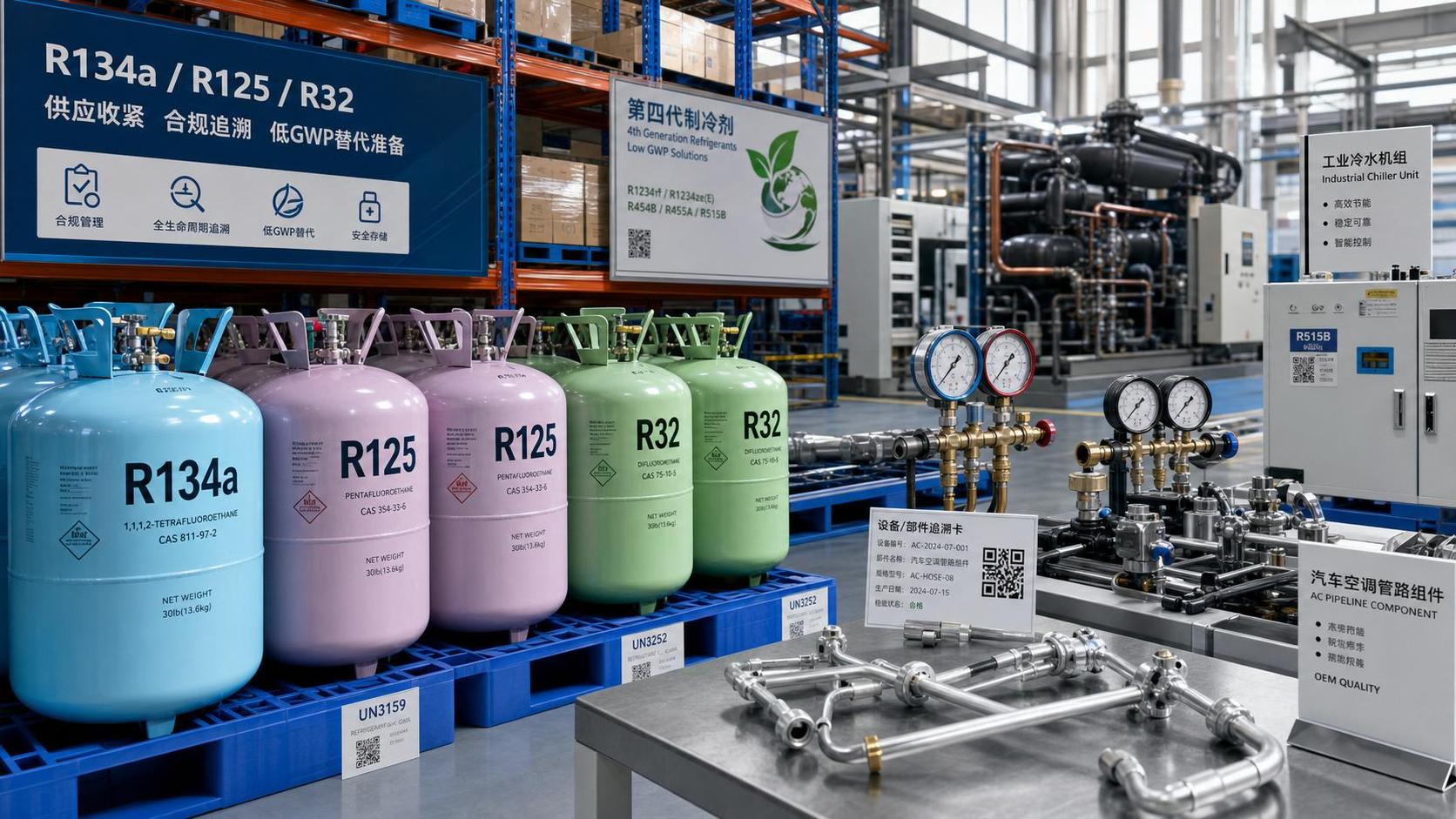
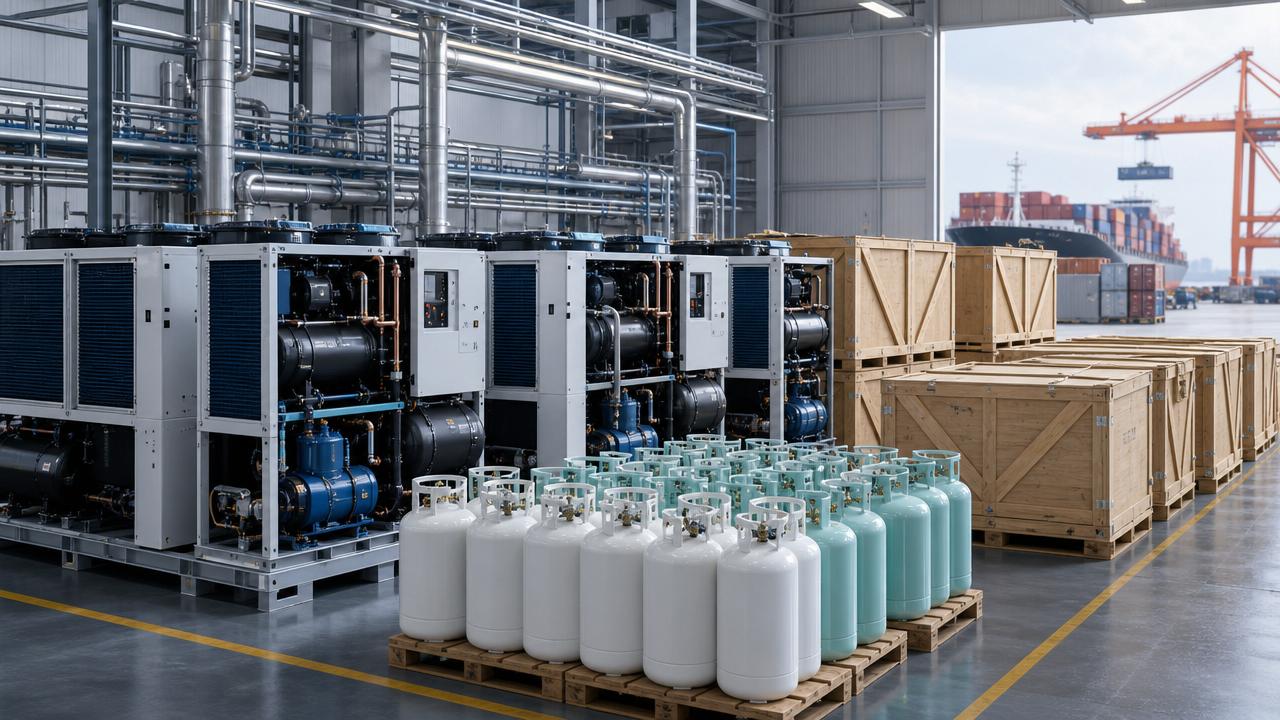
On March 27, 2026, a force majeure declaration covering SABIC’s methanol and styrene lines at Jubail, together with navigation restrictions in the Strait of Hormuz, sharpened market attention on a different issue from a routine supply disruption: the way trade execution, procurement terms, delivery commitments, and specification compliance may shift when key refrigerant precursors become tighter. For buyers and manufacturers linked to R32, R134a, industrial condensing units, and screw chillers, the immediate concern is not only higher input costs, but also how quotations, contract performance, and downstream documentation may need closer review.
What has been confirmed as of March 27, 2026
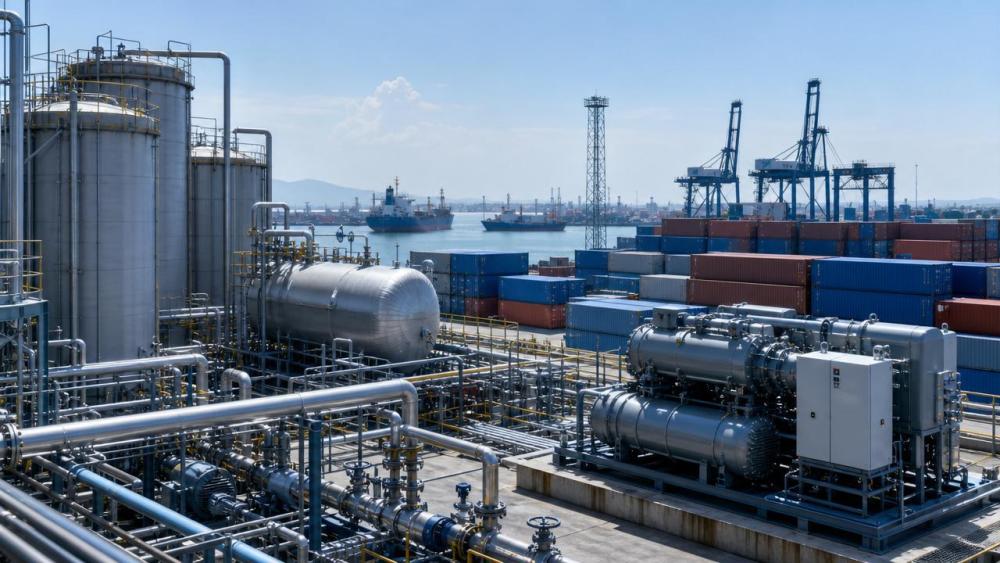
The confirmed facts are limited and clear. SABIC announced on March 27, 2026 that its Jubail methanol capacity of 4.7 million tons per year and styrene capacity of 1.8 million tons per year were under force majeure across the full lines. At the same time, navigation restrictions in the Strait of Hormuz added pressure to supply conditions. Based on the information provided, this combination has tightened the supply of key precursors used in the global refrigerant chain. It has also pushed up raw-material costs for mainstream HFCs including R32 and R134a, and that cost increase has already been transmitted into the quotation system for end equipment such as industrial condensing units and screw chillers.
Why this matters beyond a simple supply interruption
For traders handling refrigerant-related materials
From an industry perspective, trading companies may face the earliest pressure in contract execution. When force majeure and shipping restrictions appear together, the practical issues usually concentrate in shipment timing, validity of offers, cargo allocation, and document consistency. What deserves closer attention is whether existing commercial terms, delivery windows, and replacement-source arrangements remain workable under tighter precursor availability. Even without a newly announced regulation in the input, this event functions as a trade-rule signal because performance risk and documentary discipline often become stricter when upstream supply is constrained.
For procurement teams sourcing HFC-related inputs
Procurement departments linked to R32, R134a, or adjacent refrigerant materials may be affected through cost pass-through, supplier commitment risk, and revised lead-time assumptions. Analysis shows that buyers should pay particular attention to whether supplier quotations remain time-limited, whether substitute sourcing changes technical alignment, and whether internal approval procedures need to cover revised delivery terms. In practice, the rule change reflected here is less a formal statute than a tighter commercial execution environment.
For equipment manufacturers quoting chillers and condensing systems
Manufacturers of industrial condensing units and screw chillers are affected because the upstream cost increase has already entered downstream pricing. That does not automatically mean every order will be repriced, but it does increase the likelihood that tender quotations, cost assumptions, and validity periods will receive closer scrutiny. Companies in this segment may need to review whether bid documents, technical offers, and contract appendices adequately address material volatility, delivery adjustments, and traceability of substituted inputs where applicable.
For logistics and delivery-support participants
Supply-chain service providers may also be exposed, mainly through scheduling uncertainty and document handling. Observably, when navigation restrictions overlap with upstream force majeure, the operational burden often shifts toward booking stability, route confirmation, cargo release timing, and consignee communication. Even where no new compliance rule has been formally issued in the provided information, the threshold for execution accuracy can rise quickly.
Operational points companies should monitor now
Check how force majeure language affects current contracts
Analysis shows that companies should first review force majeure clauses, delivery obligations, price-adjustment language, and notice requirements in active contracts. This is especially relevant where refrigerant materials or refrigeration equipment were quoted under assumptions that may no longer hold. The key point is not to assume that every disruption automatically changes contractual rights, but to identify where performance discussions may begin.
Review specification, certification, and technical-file continuity
If tighter feedstock availability leads companies to evaluate alternative sourcing, technical and compliance continuity becomes a practical issue. Buyers and manufacturers should watch whether material substitutions could require renewed checks of technical documents, inspection records, test reports, or product files used in tenders and delivery packages. The input does not provide specific certification changes, so this should be understood as a compliance watchpoint rather than an established requirement already in force.
Revisit quotation validity and delivery promises
Because cost pressure has already moved into downstream equipment quotations, companies should reassess quotation validity periods, escalation assumptions, and lead-time statements. What deserves closer attention is whether commercial teams and procurement teams are using aligned assumptions. A mismatch between sales quotations and upstream sourcing conditions can create avoidable execution and after-sales disputes.
Track further wording from market and counterparties
The current information confirms the force majeure declaration and the transport restriction backdrop, but it does not define how all market participants will implement changes in practice. For that reason, businesses should continue monitoring official statements from relevant counterparties, updates in tender documents, revised supply notices, and any changes in delivery or acceptance wording used by buyers and sellers.
How this signal is best understood at this stage
Observably, this development is better understood as an execution signal than as a fully settled regulatory outcome. It shows that supply shocks tied to force majeure and route restrictions can quickly reshape the commercial rules under which refrigerant-related products are sourced, quoted, and delivered. At the same time, the available facts do not support a definitive conclusion about the duration of the pressure, the final range of downstream adjustments, or the exact compliance consequences for every market segment. Continued observation is therefore necessary.
A measured reading for the refrigeration supply chain
For the refrigeration industry, the significance of this event lies in its immediate effect on raw-material cost transmission and its secondary effect on trade and delivery discipline. It is more appropriate to understand this as a live market and execution development with compliance implications around contracts, technical files, procurement controls, and fulfillment practices, rather than as a complete and final rule change with fully defined outcomes. The practical priority now is careful verification, not broad assumptions.
Basis of this article and what still needs verification
This article is based on the user-provided title, event date, and event summary. For events of this type, commonly relevant source categories may include official company announcements, releases from regulatory or trade authorities, customs or trade administration updates, industry association communications, standards-related documents, and reporting by authoritative media. No specific official source link was provided in the input, so the exact official link remains to be verified. It is still necessary to monitor any subsequent implementation details, changes in certification or compliance interpretation, tender-document revisions, market feedback, and actual execution by companies across procurement and delivery chains.
Related News
- EPA Freezes R-410A Quotas, Fast-Tracks R-32Author :Cryogenic Systems Expert

- Low GWP Refrigerants HFO Blends: Key Stability and Safety FactorsAuthor :Cryogenic Systems Expert

- R-32 Price Spike Reshapes Chiller ProcurementAuthor :Cryogenic Systems Expert

- How to Compare Environmentally Friendly Refrigerants by GWP, Safety, and CostAuthor :Cryogenic Systems Expert

- R-454B Export Quota Cut 18% as Lead Times DoubleAuthor :Cryogenic Systems Expert

- Japan Cuts R32 and R290 Import Quotas From July 10Author :Cryogenic Systems Expert

- EPA Cuts R-134a Import Quotas 42% From July 2026Author :Cryogenic Systems Expert
![]()
- Low GWP Refrigerants HFO Blends: Performance and Compliance in 2026Author :Cryogenic Systems Expert

- R-513A Jumps 23% as China Tightens Export QuotasAuthor :Cryogenic Systems Expert

- Environmentally Friendly Refrigerants in 2026: Compliance Risks and Upgrade PrioritiesAuthor :Cryogenic Systems Expert

- Pharmaceutical Temperature Control Systems: Common Compliance RisksAuthor :Cryogenic Systems Expert

- China Tightens Q3 R32 Export QuotasAuthor :Cryogenic Systems Expert

- California EPR Deadline Nears for Refrigeration MakersAuthor :Cryogenic Systems Expert

- Resource Circularity Trends Reshaping Refrigerants and Cooling SystemsAuthor :Cryogenic Systems Expert

- HFCs Filing Rules Enter Full EnforcementAuthor :Cryogenic Systems Expert

- How Environmentally Friendly Refrigerants Affect Chiller ComplianceAuthor :Cryogenic Systems Expert

- EU REACH Tightens Refrigerant Impurity Limits for R134a ExportsAuthor :Cryogenic Systems Expert

- China Seeks Feedback on 2027 Refrigerant QuotasAuthor :Cryogenic Systems Expert

- EU to Ban High-GWP ACs in 2029 as R410A Exits HomesAuthor :Cryogenic Systems Expert

- US, UK Delay HFC Phaseout, Extending R32/R134a Export WindowAuthor :Cryogenic Systems Expert

- EU HFC Cut Tightens by 2029 as Gen-3 Output Falls 10%Author :Cryogenic Systems Expert

- Kuwait Bans HCFC AC Imports as Shift to R32/R290 Speeds UpAuthor :Cryogenic Systems Expert

- Saudi SASO Rules Tighten AC Imports in DecemberAuthor :Cryogenic Systems Expert

- Environmentally Friendly Refrigerants: Compliance, Safety, and Retrofit RisksAuthor :Cryogenic Systems Expert

- SABIC Force Majeure Keeps Chiller Refrigerant Supply TightAuthor :Cryogenic Systems Expert

- SABIC Force Majeure Tightens Refrigerant FeedstocksAuthor :Cryogenic Systems Expert

- UL 60335-2-89 Tightens R290 Leak Test RulesAuthor :Cryogenic Systems Expert
![]()
- UL 60335-2-89 Adds R290 Vacuum Leak TestAuthor :Cryogenic Systems Expert

- Global Refrigerant Price Index Falls 8.3% MoM in MayAuthor :Cryogenic Systems Expert
![]()
- PSA Jurong Island Launches Mandatory Cold-Chain Traceability for RefrigerantsAuthor :Cryogenic Systems Expert
![]()
- 2026 Refrigerants Shift: What Changes for Cold StorageAuthor :Cryogenic Systems Expert

- Shanghai Pudong Pilots E-Labels for Imported CosmeticsAuthor :Cryogenic Systems Expert

- 2026 Refrigerant Shift: Safer Options With Lower Compliance RiskAuthor :Cryogenic Systems Expert

- Vitafoods Europe Highlights Clinical Herb Data, Cold Chain Demand SurgesAuthor :Cryogenic Systems Expert
![]()
- U.S. Treasury Yield Surge Stabilizes Silver, Eases Refrigerants Export PricingAuthor :Cryogenic Systems Expert

- France Allocates €710M to Support War-Impacted Firms on Cold Chain ComplianceAuthor :Cryogenic Systems Expert