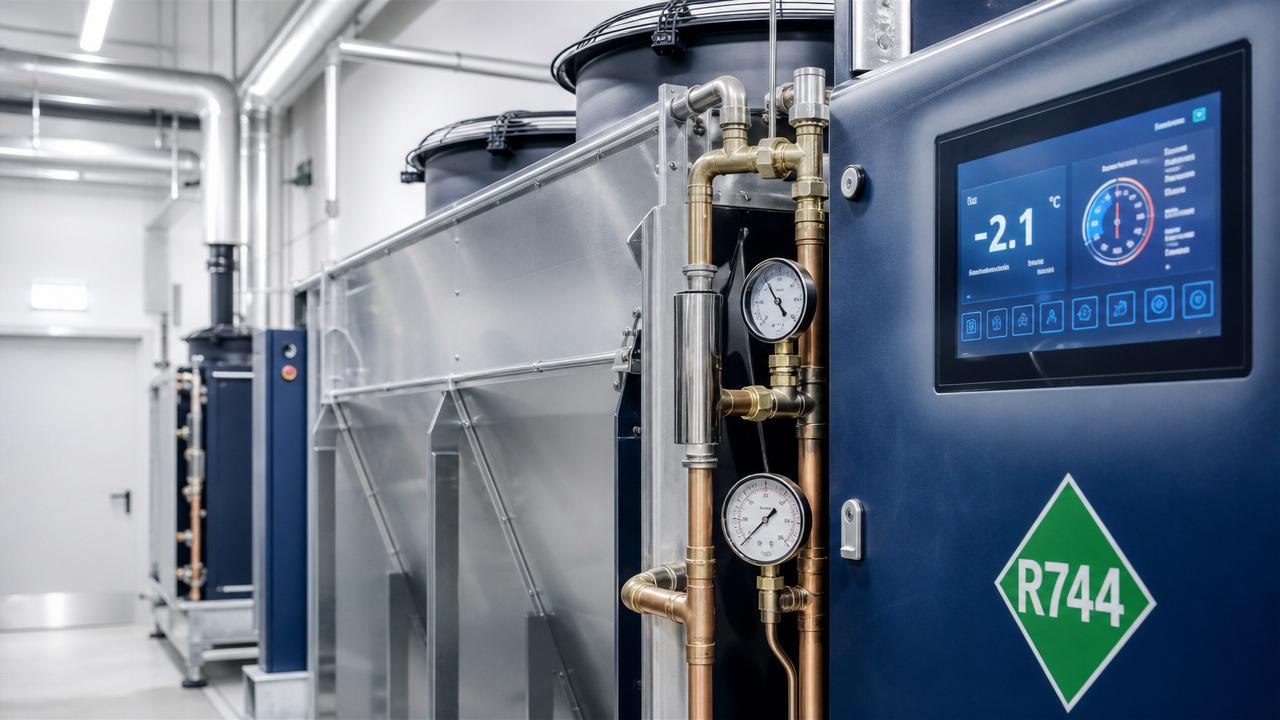
RCEP Launches Green Refrigerant Mutual Recognition Plan




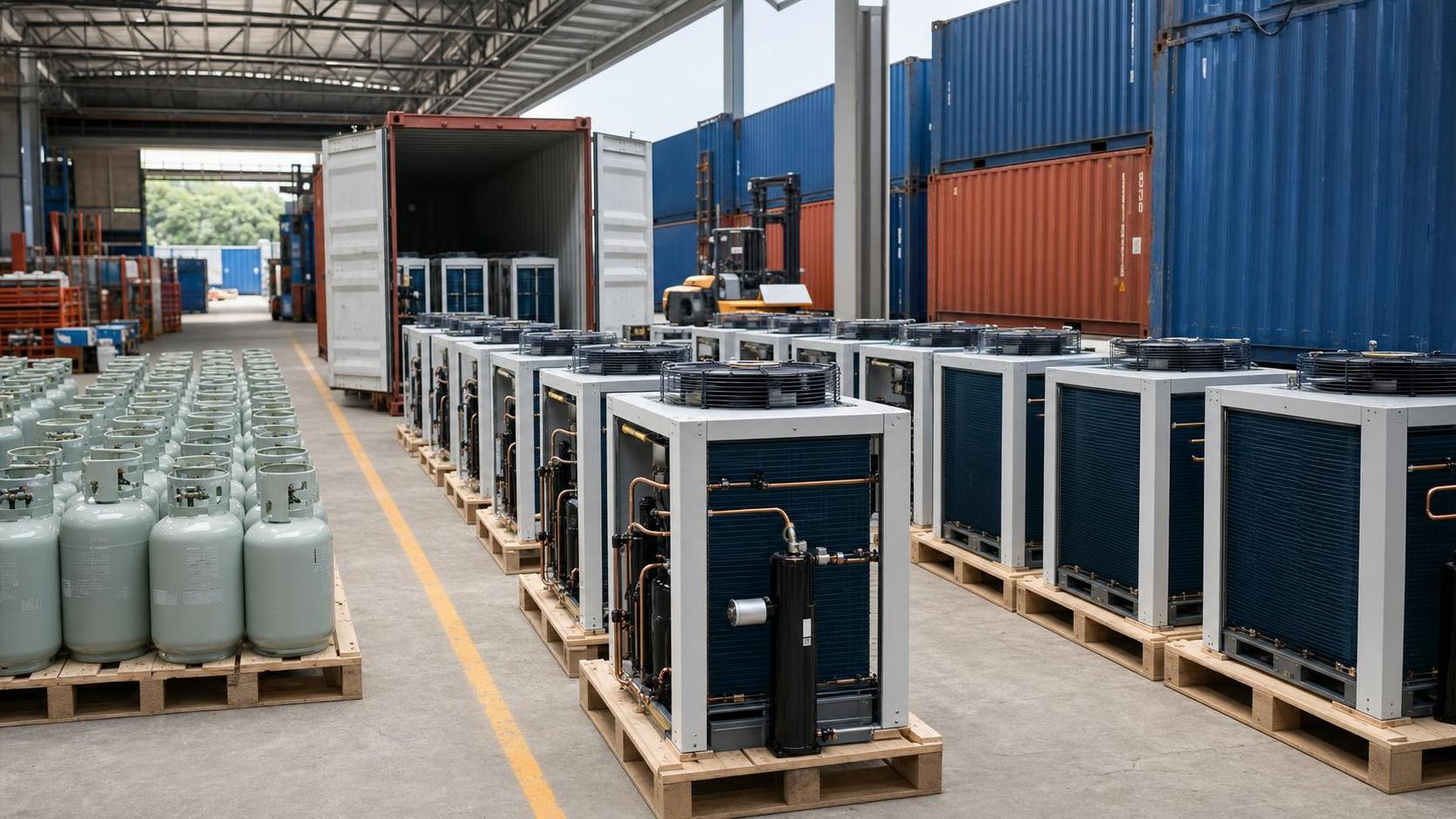
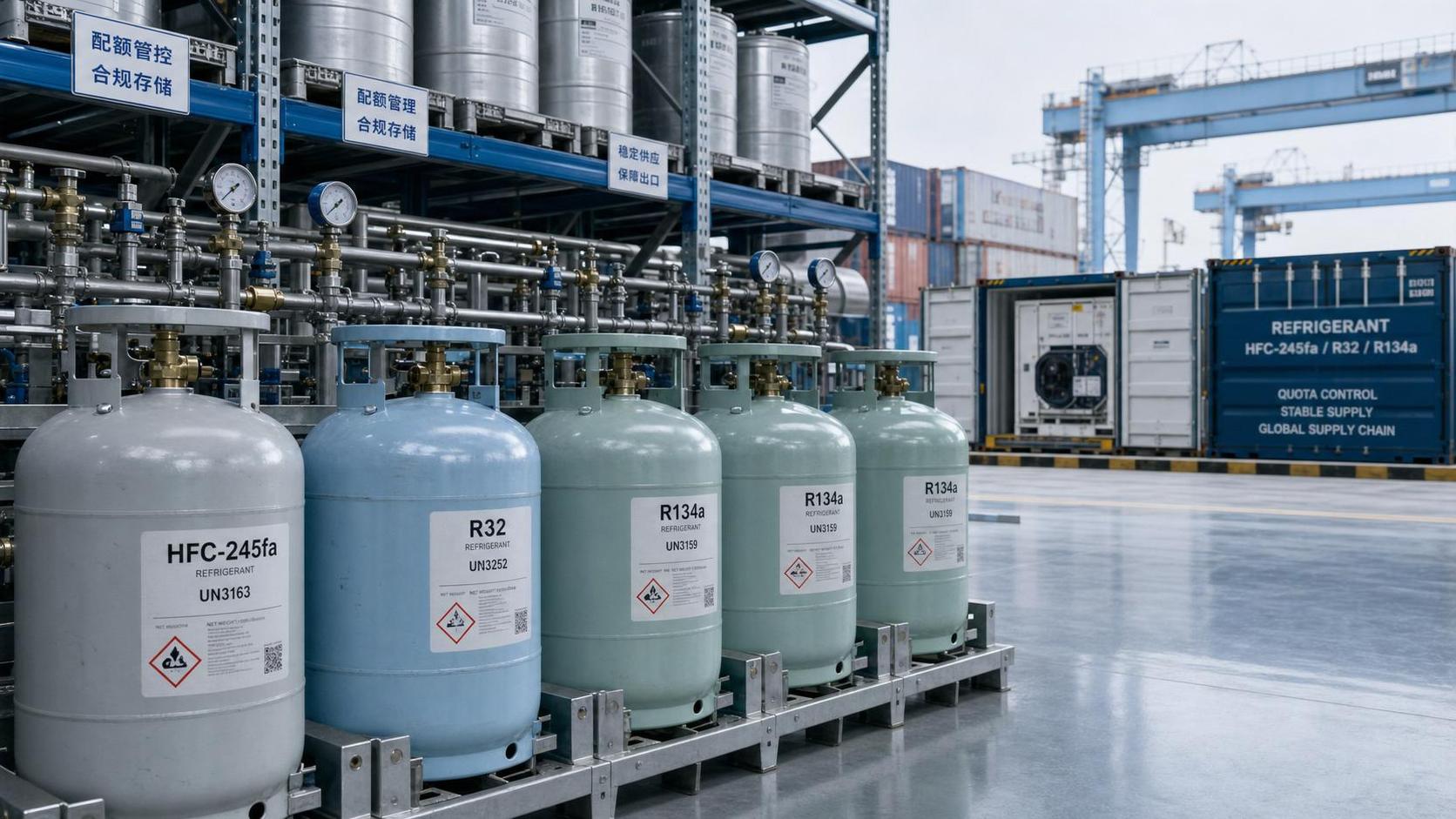
RCEP member countries jointly launched the ‘Green Refrigerant Mutual Recognition Plan’ on May 17, 2026, reducing average customs clearance time for refrigerants exported from China to under 48 hours. This development directly affects refrigerant manufacturers, chemical exporters, HVAC equipment suppliers, and cross-border logistics providers — signaling a material shift in regional trade efficiency and regulatory alignment for low-global-warming-potential (GWP) refrigerants.
Event Overview
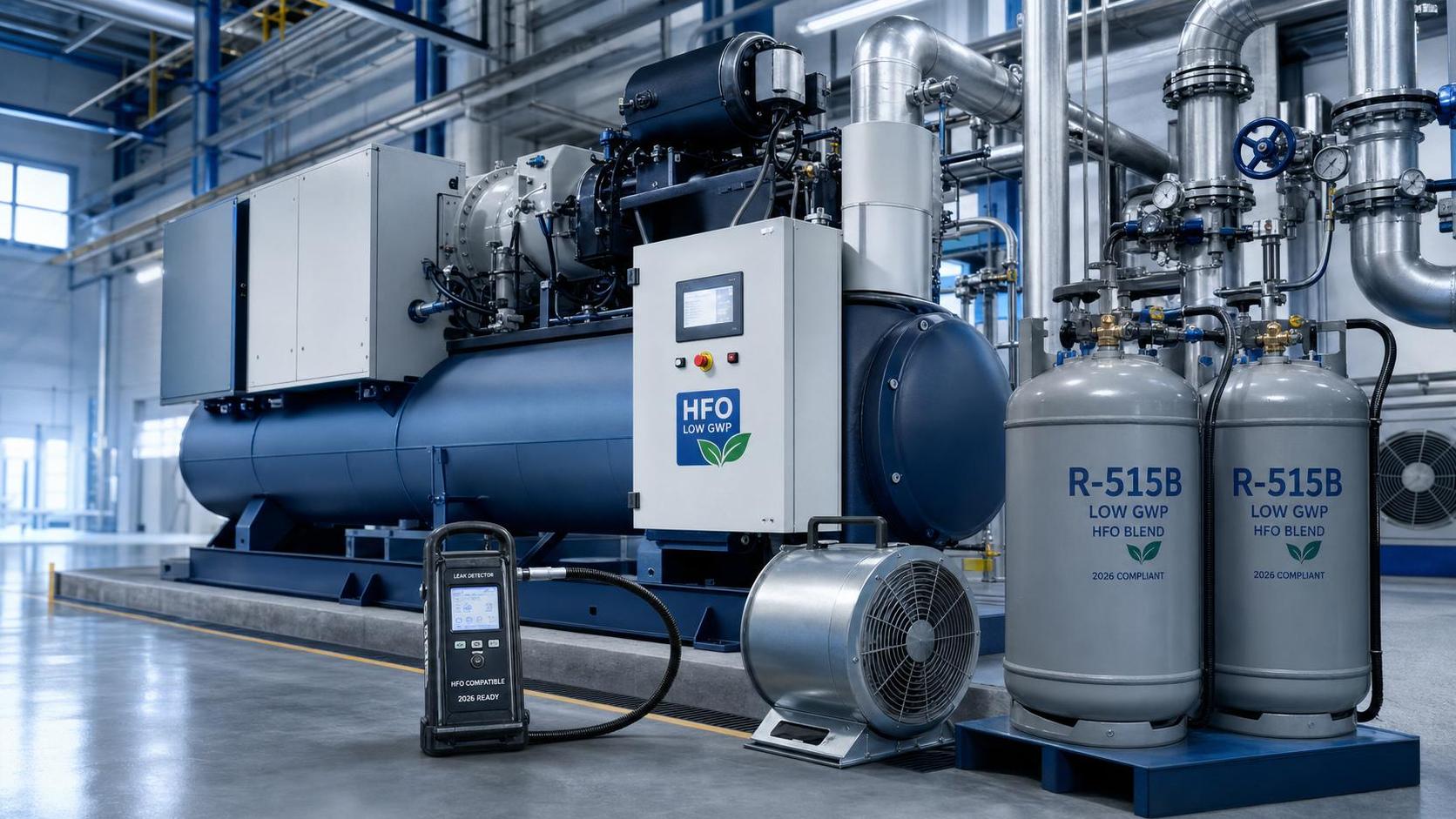
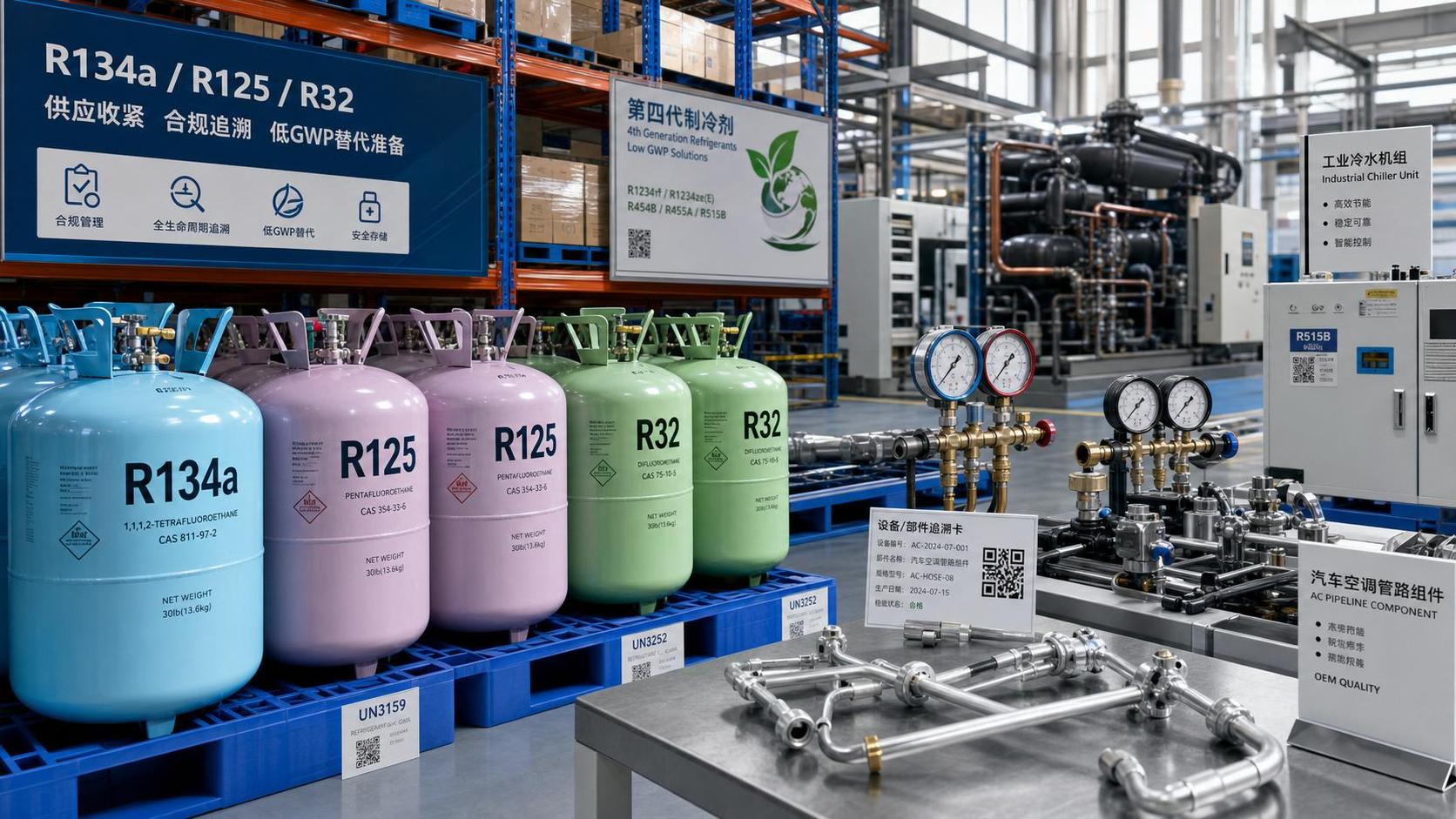
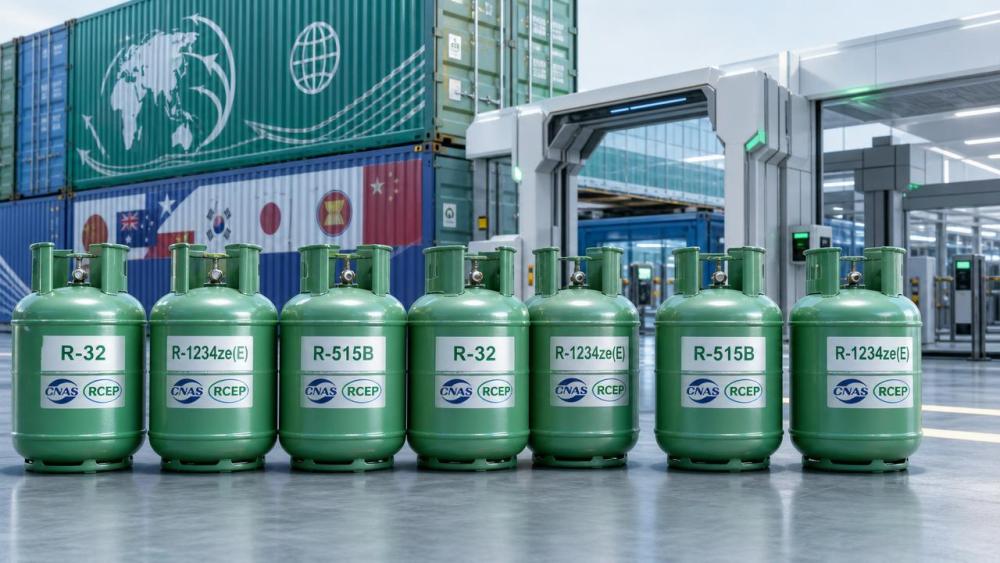
On May 17, 2026, the RCEP Secretariat, together with customs authorities of China, Japan, South Korea, Australia, New Zealand, and six ASEAN member states, issued the RCEP Joint Statement on Rapid Clearance and Standards Mutual Recognition for Green Refrigerants. The statement confirms inclusion of 12 low-carbon refrigerants—including R-32, R-1234ze(E), and R-515B—in the first mutual recognition list. Test reports issued by CNAS-accredited laboratories in any RCEP party are now accepted across the region. As a result, average customs clearance time for Chinese refrigerant exports has been reduced from 5.2 days to ≤48 hours.
Industries Affected
Refrigerant Exporters & Chemical Trading Firms
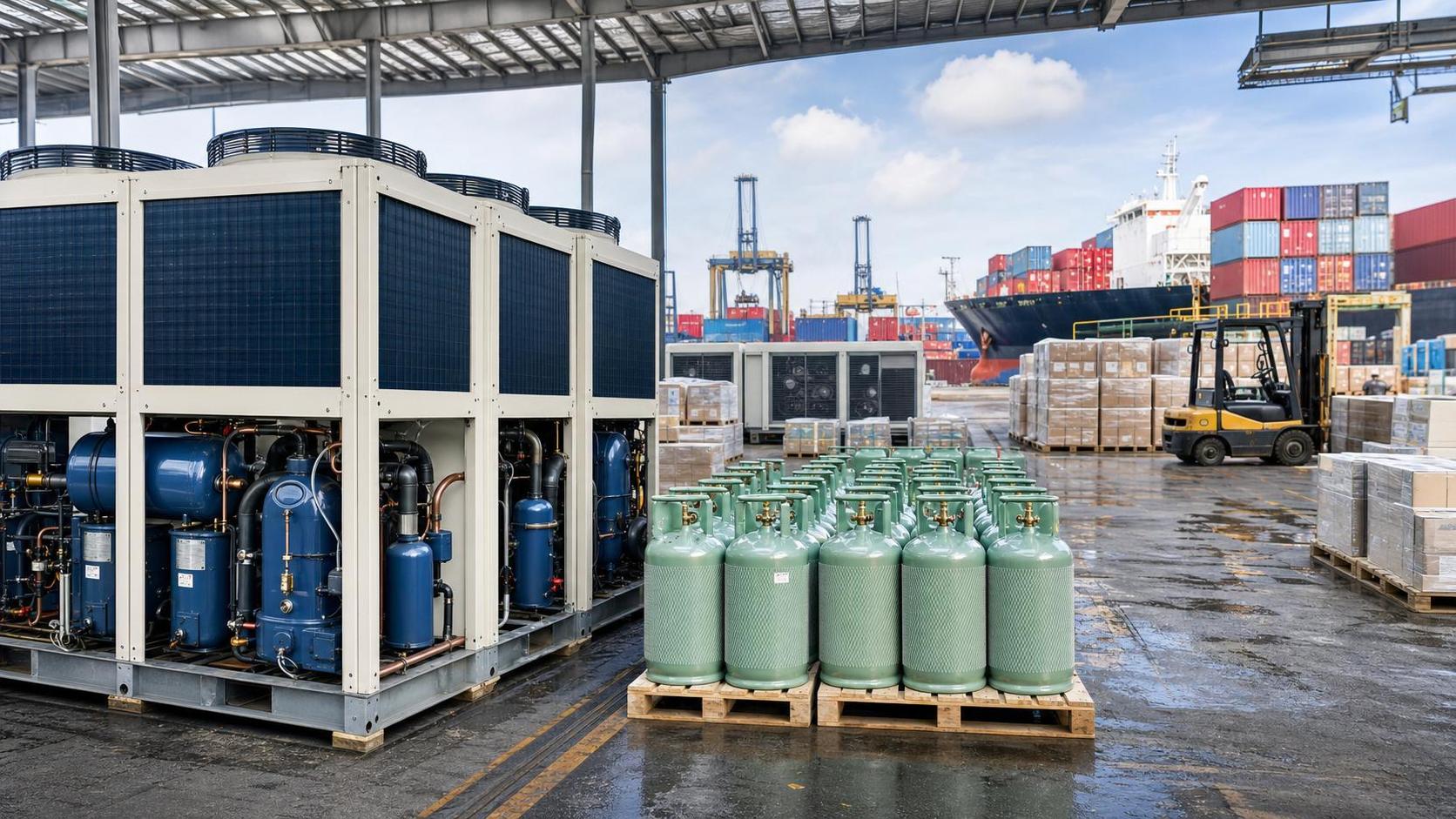
These entities face immediate operational impact: faster customs clearance lowers demurrage costs, improves shipment predictability, and enhances competitiveness in price-sensitive markets such as Southeast Asia and Oceania. However, eligibility depends strictly on using CNAS-accredited labs for pre-shipment testing—non-compliant reports will not be recognized.
HVAC & Refrigeration Equipment Manufacturers
Manufacturers sourcing refrigerants for final assembly or field charging may experience improved supply chain responsiveness, especially when importing refrigerants into RCEP markets for OEM or after-sales service use. Standardized test acceptance reduces redundant retesting and local certification delays—but only for the 12 listed refrigerants.
Raw Material & Intermediate Suppliers
Suppliers of fluorinated chemical precursors (e.g., HFC-32 intermediates, tetrafluoroethylene derivatives) are indirectly affected: increased downstream demand for certified low-GWP refrigerants may accelerate procurement shifts toward traceable, auditable feedstock batches—but no new conformity requirements apply upstream at this stage.
Logistics & Customs Compliance Service Providers
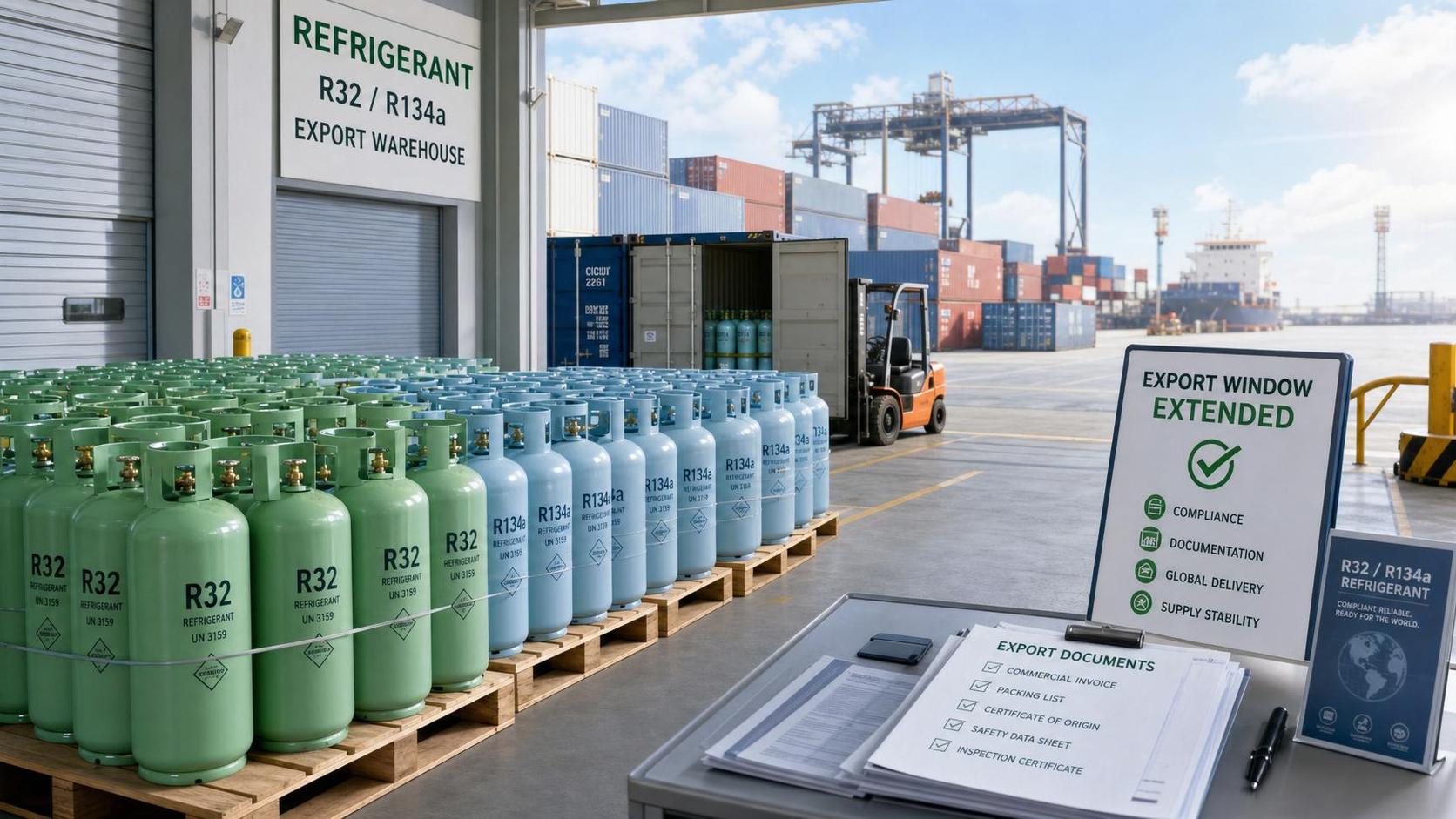
Freight forwarders and customs brokers must update documentation workflows to align with the new mutual recognition framework—specifically verifying lab accreditation status and report scope against the official 12-item list. Misclassification or submission of non-CNAS reports may trigger manual review, negating the 48-hour benefit.
Key Considerations and Recommended Actions
Monitor official updates to the mutual recognition list
The current list covers only 12 refrigerants. Analysis shows expansion is likely, but timing and criteria remain unannounced. Stakeholders should track periodic updates from national customs administrations and the RCEP Secretariat portal—not third-party summaries.
Verify laboratory accreditation status before testing
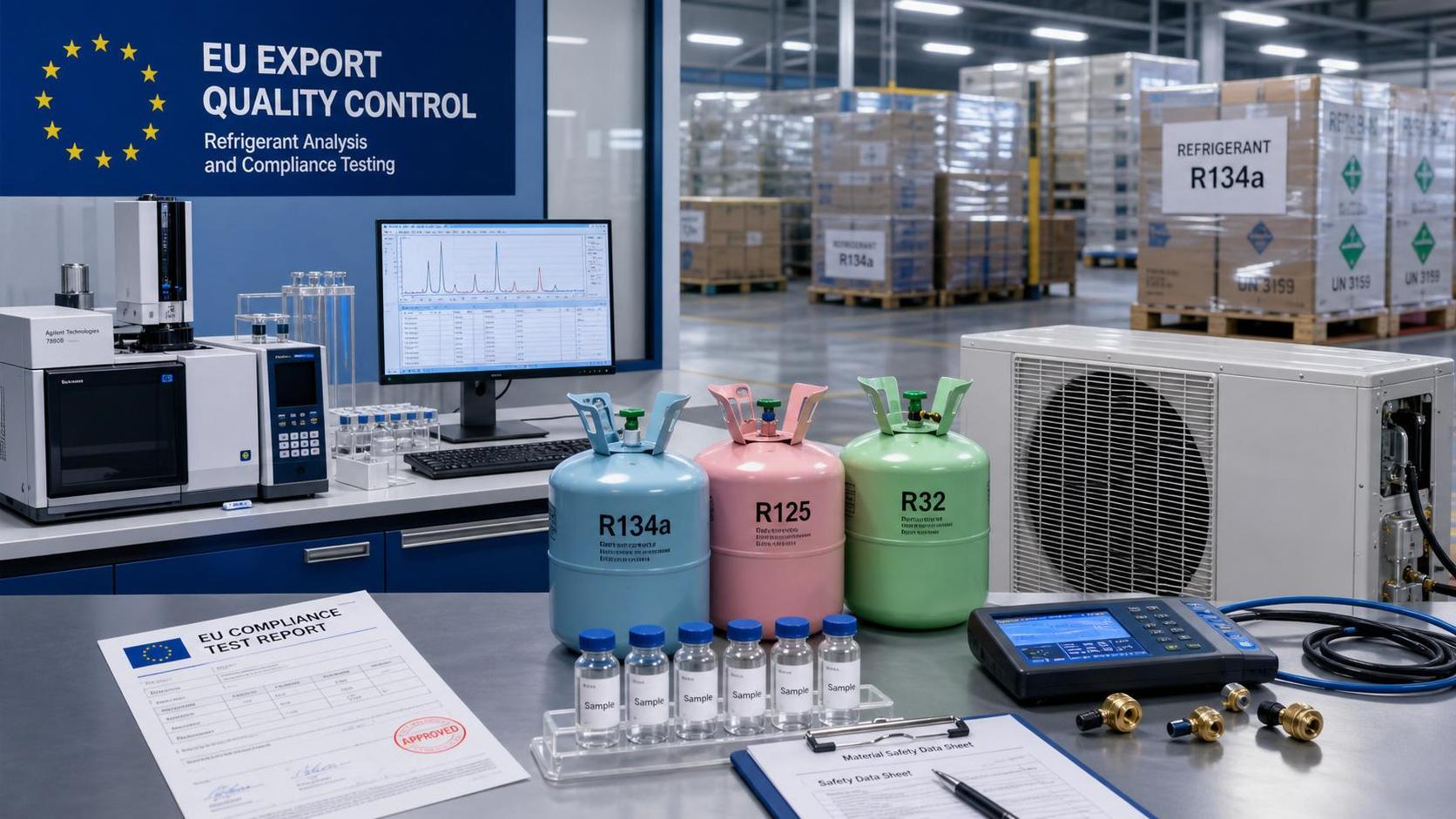
Only CNAS-accredited labs (or those formally recognized under bilateral/multilateral equivalency arrangements with CNAS) qualify. Observation shows some exporters mistakenly assume ISO/IEC 17025 accreditation alone suffices—this is insufficient unless the lab’s scope explicitly includes the relevant refrigerant parameters and is listed in CNAS’s public registry.
Distinguish between policy adoption and operational readiness
While the Joint Statement entered effect on May 17, 2026, implementation timelines vary by country. From industry perspective, full system integration (e.g., automated customs data matching, updated risk assessment algorithms) may take 3–6 months. Early adopters should confirm procedural details with destination-country customs prior to first shipment.
Review documentation templates and internal SOPs
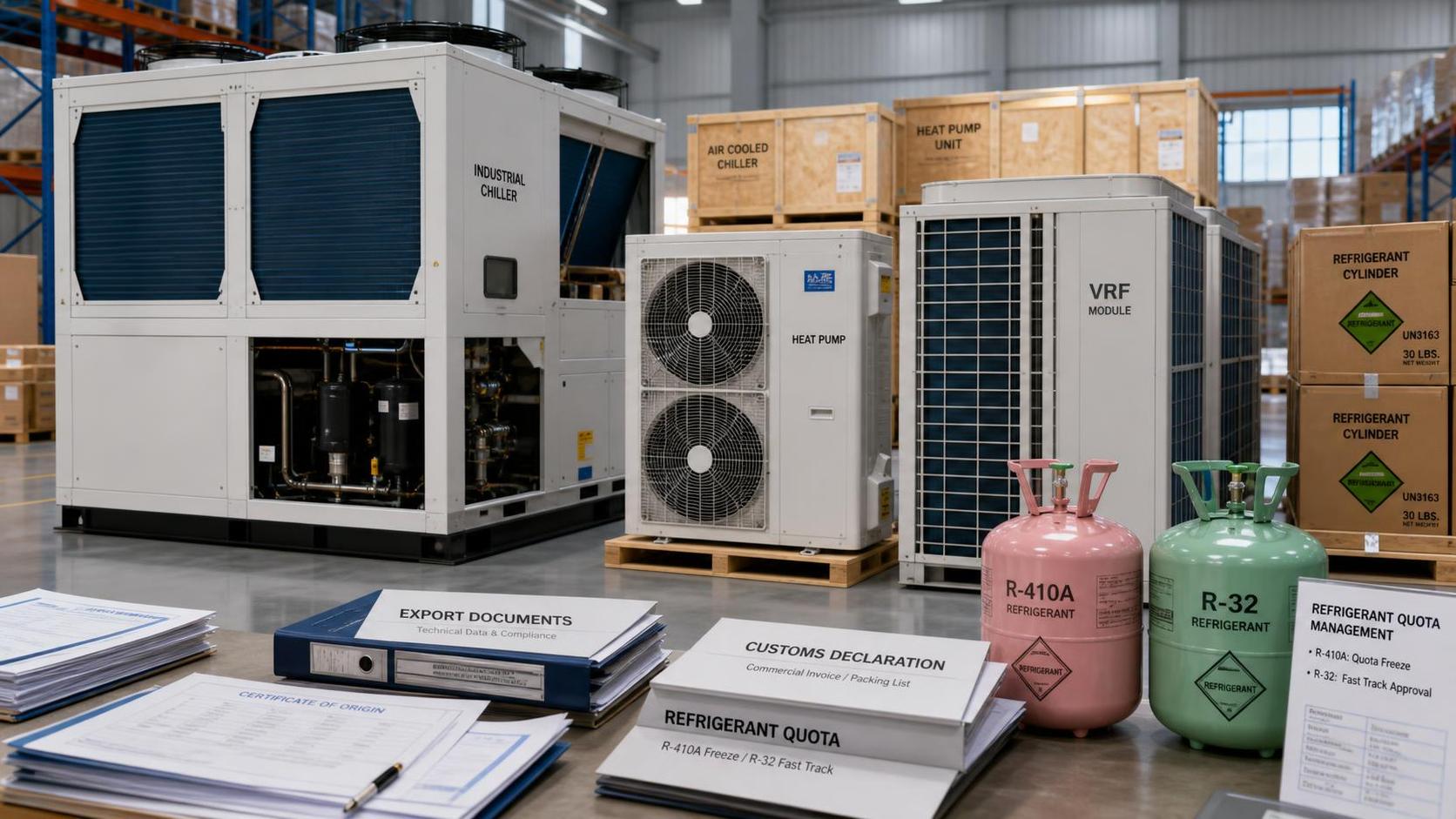
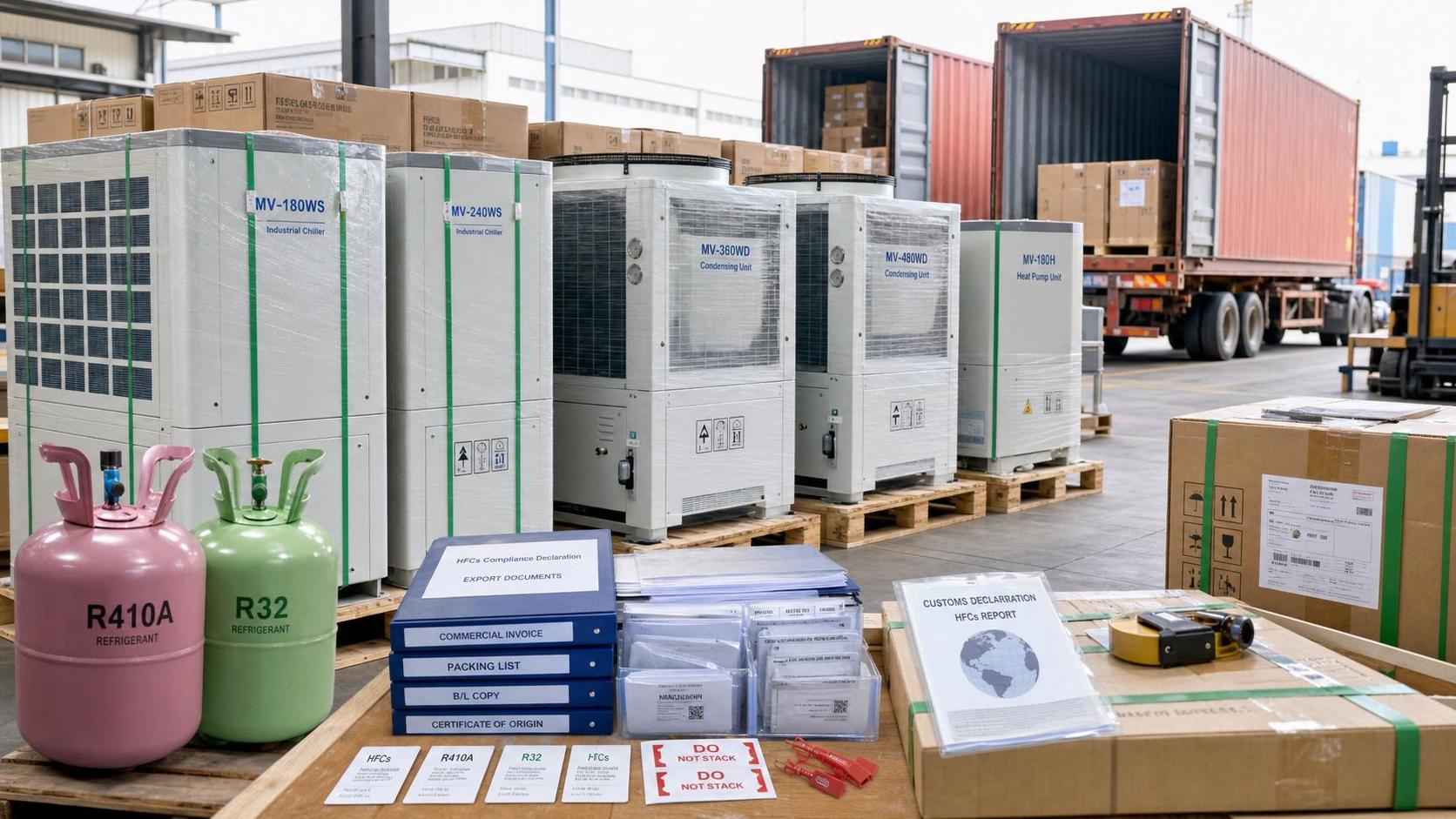
Exporters should revise commercial invoices, packing lists, and certificates of origin to reference the RCEP Green Refrigerant Mutual Recognition Framework where applicable. Internal quality control protocols should also flag refrigerant-specific test report requirements—especially for blended or custom-formulated products not explicitly named in the list.
Editorial Perspective / Industry Observation
This initiative is best understood not as a finalized regulatory regime, but as an interoperability pilot anchored in existing infrastructure—CNAS accreditation and RCEP’s built-in dispute resolution mechanisms. Observably, it prioritizes speed and harmonization over technical depth: the list excludes high-GWP alternatives still widely used (e.g., R-404A, R-410A), and does not address lifecycle emissions or recovery/reclamation standards. Current evidence suggests it functions primarily as a trade facilitation measure—not a de facto environmental standard. Industry attention should therefore focus less on ‘green credentials’ and more on procedural compliance and cross-border documentation discipline.
Conclusion: The Green Refrigerant Mutual Recognition Plan marks a concrete step toward regulatory convergence in the RCEP region—but its near-term value lies in operational efficiency, not environmental transformation. It is more accurately interpreted as a customs modernization milestone than a sustainability mandate. For stakeholders, the priority remains accurate classification, accredited testing, and jurisdiction-specific implementation tracking—not strategic repositioning around ‘green’ branding.
Source: RCEP Secretariat Joint Statement on Rapid Clearance and Standards Mutual Recognition for Green Refrigerants (issued May 17, 2026); official announcements from General Administration of Customs of China, Japan Customs, Korea Customs Service, Australian Border Force, New Zealand Customs Service, and ASEAN Secretariat.
Further observation required regarding national implementation schedules and potential list expansions beyond the initial 12 refrigerants.
Related News
- EPA Freezes R-410A Quotas, Fast-Tracks R-32Author :Cryogenic Systems Expert

- Low GWP Refrigerants HFO Blends: Key Stability and Safety FactorsAuthor :Cryogenic Systems Expert

- R-32 Price Spike Reshapes Chiller ProcurementAuthor :Cryogenic Systems Expert

- How to Compare Environmentally Friendly Refrigerants by GWP, Safety, and CostAuthor :Cryogenic Systems Expert

- R-454B Export Quota Cut 18% as Lead Times DoubleAuthor :Cryogenic Systems Expert

- Japan Cuts R32 and R290 Import Quotas From July 10Author :Cryogenic Systems Expert

- EPA Cuts R-134a Import Quotas 42% From July 2026Author :Cryogenic Systems Expert
![]()
- Low GWP Refrigerants HFO Blends: Performance and Compliance in 2026Author :Cryogenic Systems Expert

- R-513A Jumps 23% as China Tightens Export QuotasAuthor :Cryogenic Systems Expert

- Environmentally Friendly Refrigerants in 2026: Compliance Risks and Upgrade PrioritiesAuthor :Cryogenic Systems Expert

- Pharmaceutical Temperature Control Systems: Common Compliance RisksAuthor :Cryogenic Systems Expert

- China Tightens Q3 R32 Export QuotasAuthor :Cryogenic Systems Expert

- California EPR Deadline Nears for Refrigeration MakersAuthor :Cryogenic Systems Expert

- Resource Circularity Trends Reshaping Refrigerants and Cooling SystemsAuthor :Cryogenic Systems Expert

- HFCs Filing Rules Enter Full EnforcementAuthor :Cryogenic Systems Expert

- How Environmentally Friendly Refrigerants Affect Chiller ComplianceAuthor :Cryogenic Systems Expert

- EU REACH Tightens Refrigerant Impurity Limits for R134a ExportsAuthor :Cryogenic Systems Expert

- China Seeks Feedback on 2027 Refrigerant QuotasAuthor :Cryogenic Systems Expert

- EU to Ban High-GWP ACs in 2029 as R410A Exits HomesAuthor :Cryogenic Systems Expert

- US, UK Delay HFC Phaseout, Extending R32/R134a Export WindowAuthor :Cryogenic Systems Expert

- EU HFC Cut Tightens by 2029 as Gen-3 Output Falls 10%Author :Cryogenic Systems Expert

- Kuwait Bans HCFC AC Imports as Shift to R32/R290 Speeds UpAuthor :Cryogenic Systems Expert

- Saudi SASO Rules Tighten AC Imports in DecemberAuthor :Cryogenic Systems Expert

- Environmentally Friendly Refrigerants: Compliance, Safety, and Retrofit RisksAuthor :Cryogenic Systems Expert

- SABIC Force Majeure Keeps Chiller Refrigerant Supply TightAuthor :Cryogenic Systems Expert

- SABIC Force Majeure Tightens Refrigerant FeedstocksAuthor :Cryogenic Systems Expert

- UL 60335-2-89 Tightens R290 Leak Test RulesAuthor :Cryogenic Systems Expert
![]()
- UL 60335-2-89 Adds R290 Vacuum Leak TestAuthor :Cryogenic Systems Expert

- Global Refrigerant Price Index Falls 8.3% MoM in MayAuthor :Cryogenic Systems Expert
![]()
- PSA Jurong Island Launches Mandatory Cold-Chain Traceability for RefrigerantsAuthor :Cryogenic Systems Expert
![]()
- 2026 Refrigerants Shift: What Changes for Cold StorageAuthor :Cryogenic Systems Expert

- Shanghai Pudong Pilots E-Labels for Imported CosmeticsAuthor :Cryogenic Systems Expert

- 2026 Refrigerant Shift: Safer Options With Lower Compliance RiskAuthor :Cryogenic Systems Expert

- Vitafoods Europe Highlights Clinical Herb Data, Cold Chain Demand SurgesAuthor :Cryogenic Systems Expert
![]()
- U.S. Treasury Yield Surge Stabilizes Silver, Eases Refrigerants Export PricingAuthor :Cryogenic Systems Expert

- France Allocates €710M to Support War-Impacted Firms on Cold Chain ComplianceAuthor :Cryogenic Systems Expert