VDI 2083 Update Makes Class 0 Proof Mandatory




On July 14, 2026, Germany put the revised VDI 2083 Blatt 4:2026 into effect, raising the compliance threshold for oil-free compressed air systems used with semiconductor and pharmaceutical cleanrooms. The change matters not only to compressor manufacturers, but also to exporters, project bidders, procurement teams, cleanroom system integrators, and service providers involved in high-spec manufacturing projects in Germany and Central Europe. What deserves closer attention is that the requirement now ties market access more directly to verified documentation, not only to product claims.
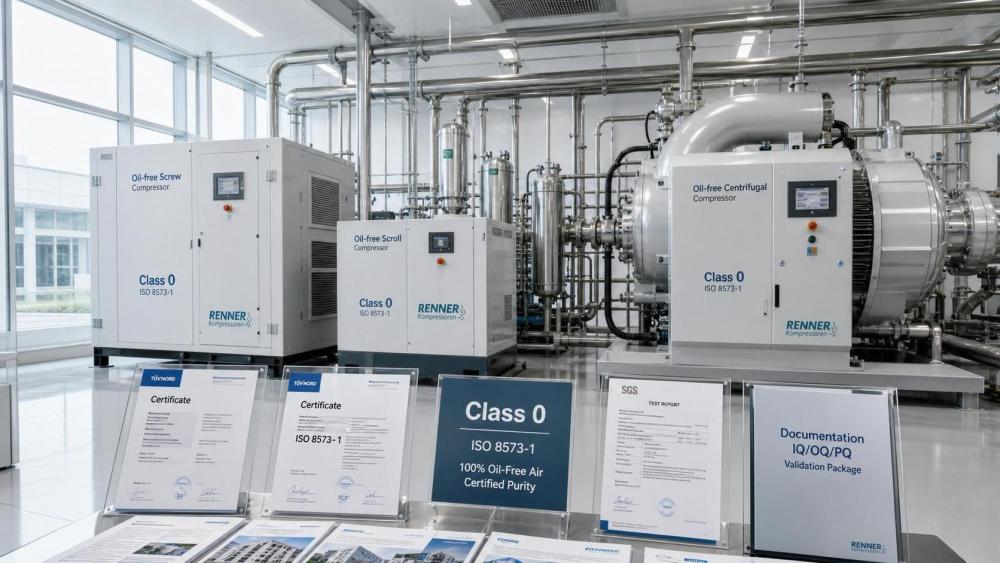
What the revised rule now requires
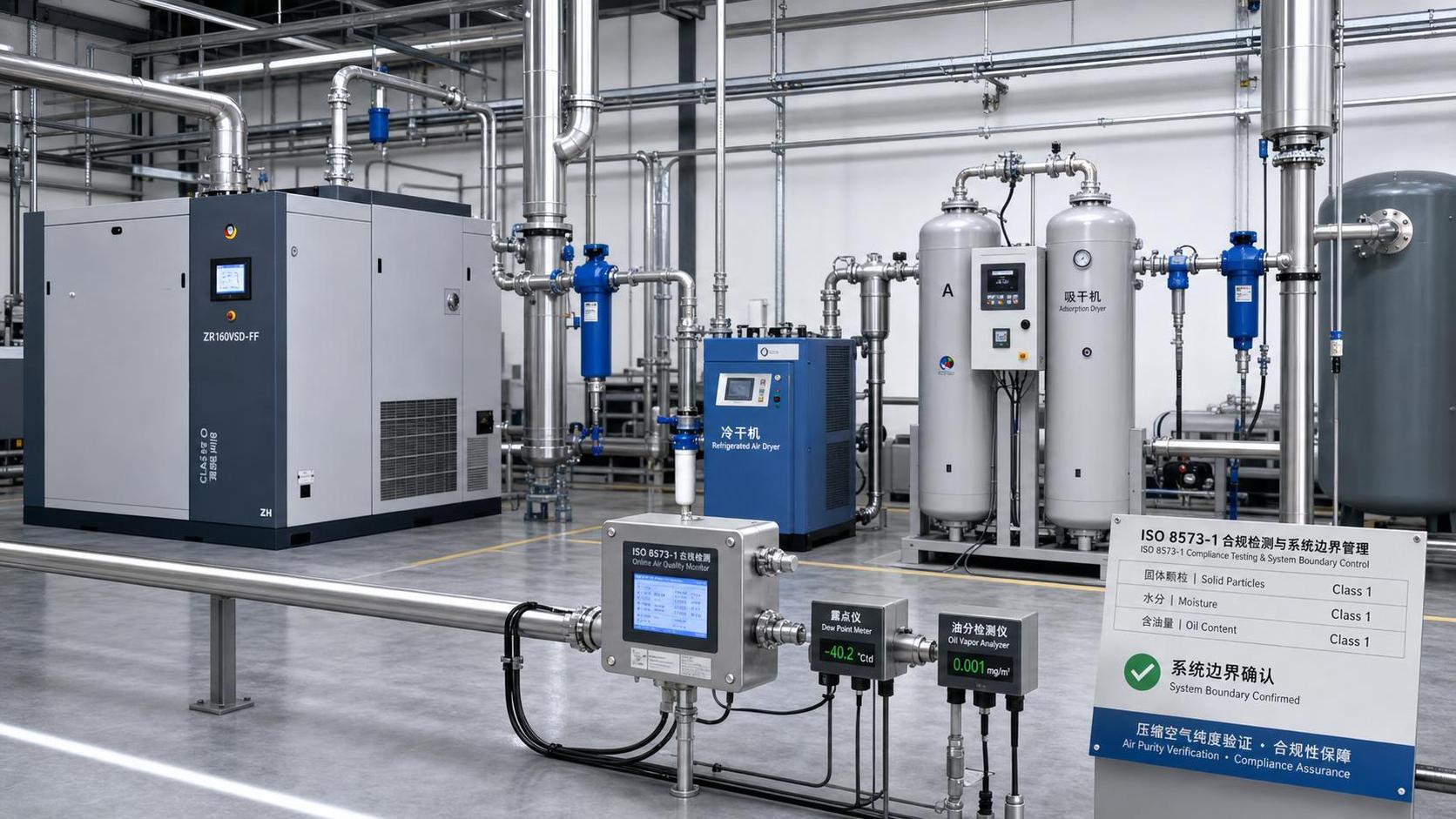
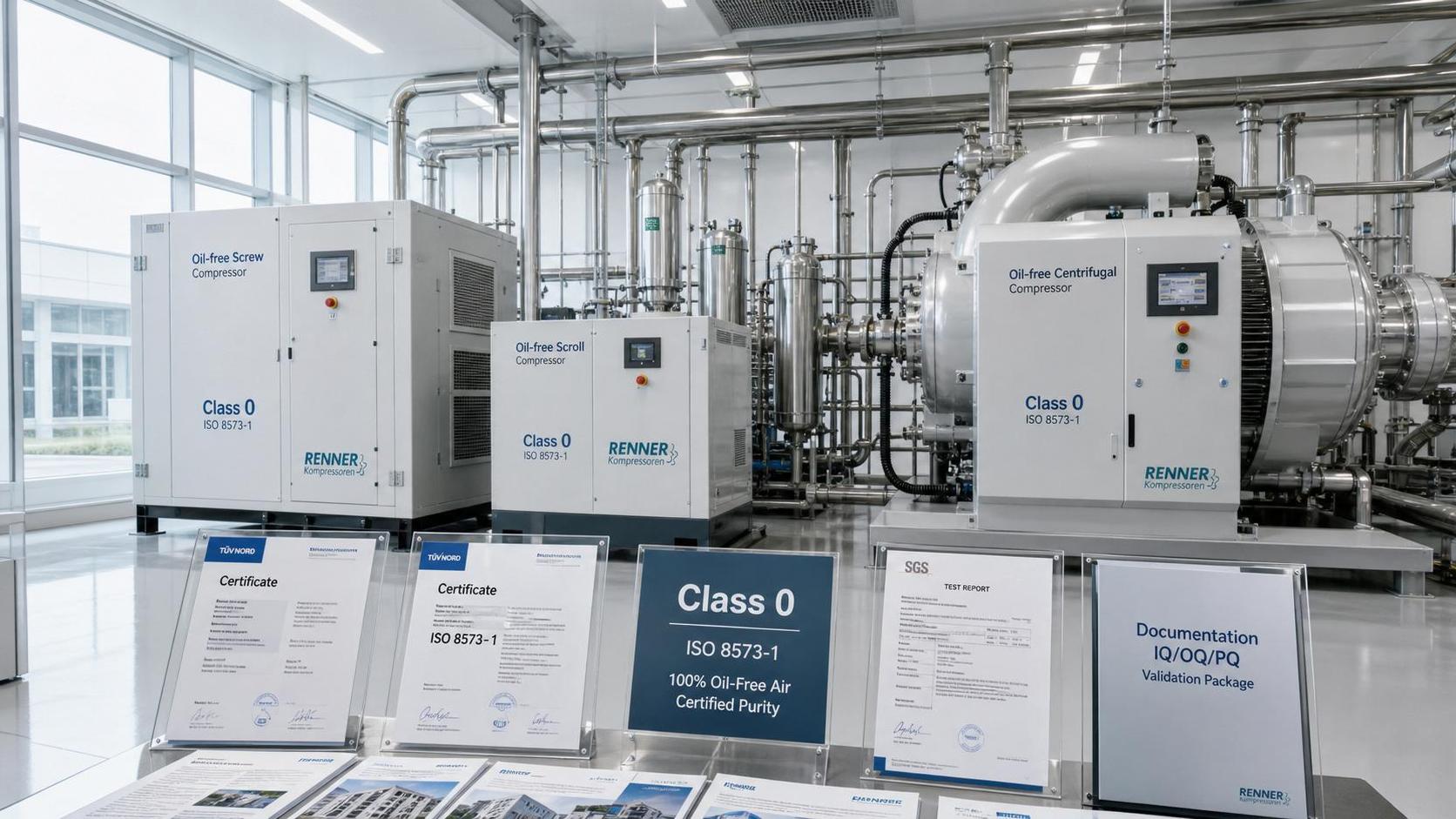
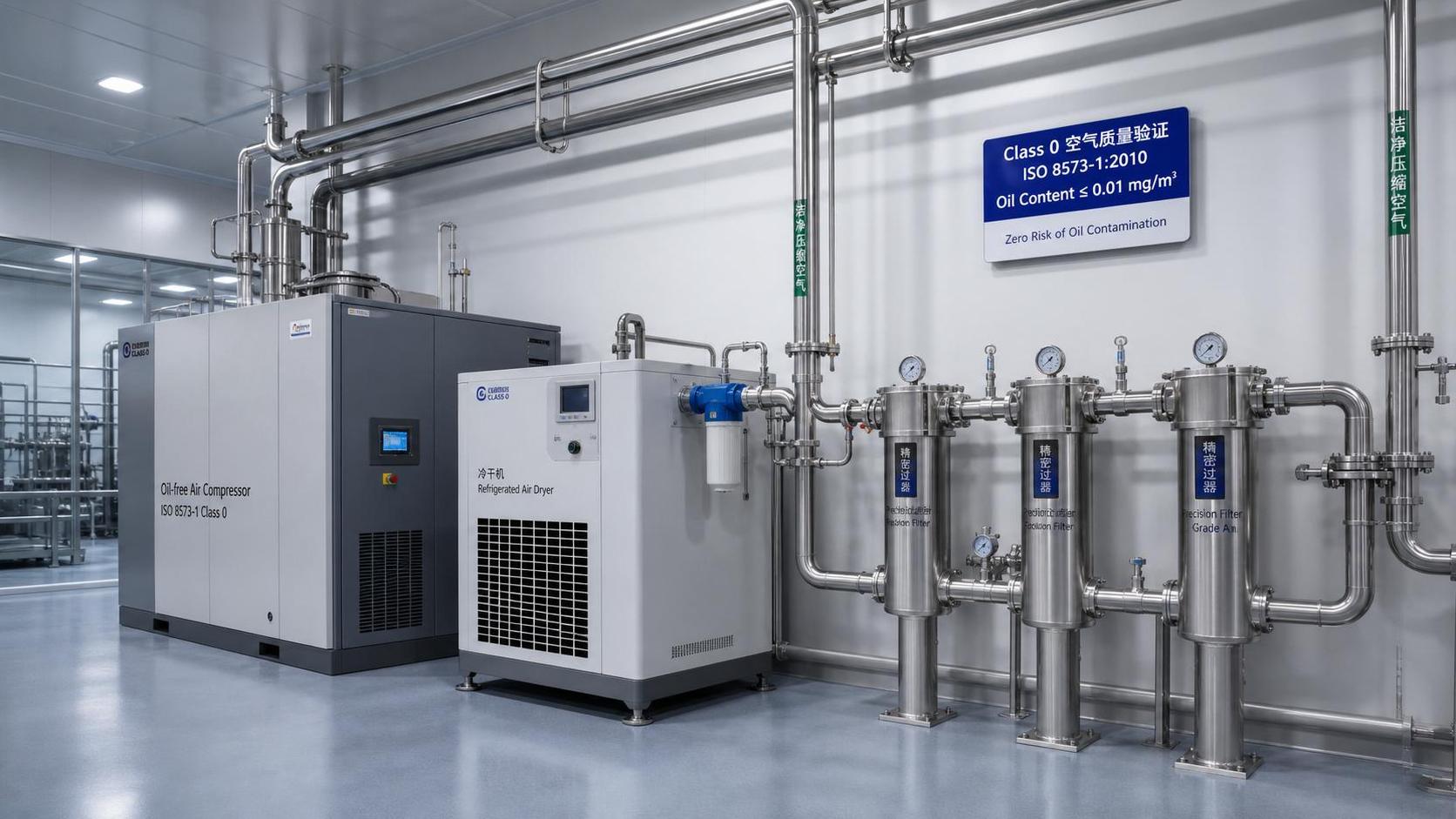
According to the provided information, the Association of German Engineers (VDI) formally implemented VDI 2083 Blatt 4:2026 on July 14, 2026. The revised rule requires oil-free systems used for semiconductor and pharmaceutical cleanrooms, including oil-free screw, scroll, and centrifugal compressors, to pass ISO 8573-1:2010 Class 0 verification.
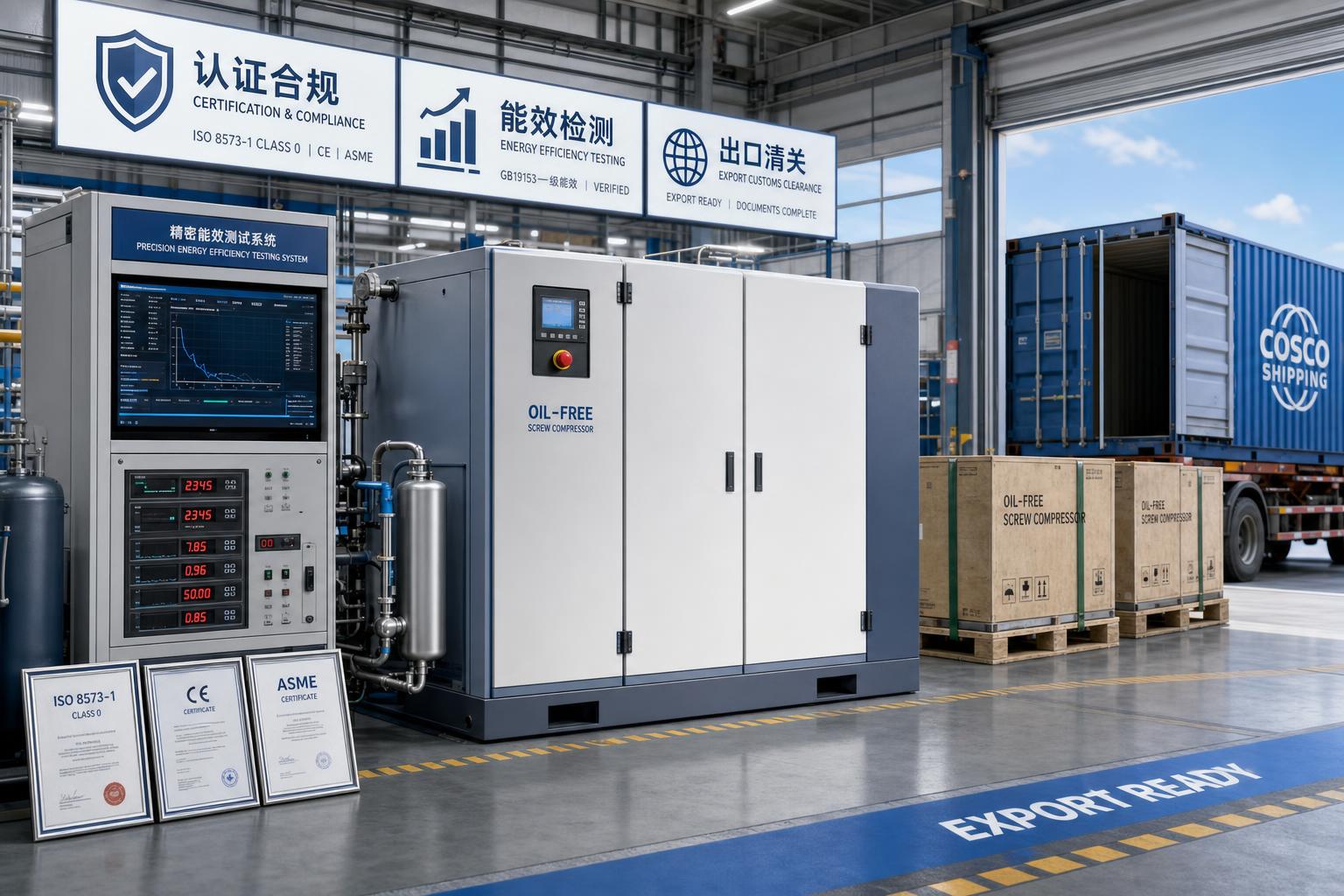
The same information states that the verification report must be issued by a DAkkS-accredited laboratory. It also indicates that the new requirement has been adopted by EU CE notified bodies and is expected to become a hard tender condition in high-end manufacturing projects in Germany and Central Europe.
Where the pressure will be felt first
Export-oriented compressor suppliers face a higher documentation bar
From an industry perspective, companies exporting oil-free compressor systems into Germany and Central Europe may be affected first because the change directly concerns technical compliance in project bidding and customer qualification. The immediate pressure is likely to appear in pre-sales documentation, tender response materials, and technical clarification with clients.
What deserves closer attention is whether existing product claims can be supported by ISO 8573-1:2010 Class 0 verification reports from DAkkS-accredited laboratories, because the issue is no longer limited to general statements about oil-free design.
Project owners and procurement teams may tighten supplier screening
For buyers in semiconductor and pharmaceutical cleanroom projects, the revised requirement may affect supplier selection, bid comparison, and contract review. The likely impact is that procurement teams will pay more attention to whether qualification files are complete and whether laboratory reports match the required certification path stated in the project documents.
Observably, this can shift evaluation from product configuration alone to the credibility and completeness of compliance evidence submitted during tendering.
Integrators and service providers may need to adjust delivery coordination
Cleanroom-related engineering contractors, system integrators, and associated service providers may also be affected because compressor compliance can influence broader project delivery packages. The main business impact may appear in specification alignment, supplier coordination, and document handover during project execution.
Analysis shows that these parties will need to watch for mismatches between customer-required documentation and supplier-prepared files, especially where project schedules depend on timely qualification review.
Practical points companies should watch now
Separate product claims from report-based proof
Analysis shows that one of the most important practical issues is the difference between saying a system is oil-free and proving that it has passed ISO 8573-1:2010 Class 0 verification through a DAkkS-accredited laboratory. For companies serving these markets, this is a documentation and qualification issue as much as a product issue.
Review target models and target markets together
Companies involved in oil-free screw, scroll, and centrifugal compressor lines should pay close attention to which product categories are exposed to German and Central European cleanroom tenders. The key operational question is not every market at once, but which models and sales channels are most likely to encounter this requirement first.
Prepare for longer compliance communication cycles
From a business execution perspective, supplier qualification, tender submission, and customer technical communication may all become more document-intensive. Companies should therefore watch report readiness, supporting file consistency, and the time needed to respond to customer requests during export or bidding processes.
Keep tracking official wording and project-level application
What deserves closer attention is the difference between a standards requirement, its adoption by notified bodies, and the exact wording used in individual tenders. Firms should continue monitoring how project owners and intermediaries cite the rule in actual procurement documents, because practical implementation often appears first in tender clauses and qualification checklists.
Why this looks like more than a short-term notice
Observably, this development is better understood as a compliance signal with immediate commercial consequences rather than as a routine standards update. The confirmed facts already point to a direct link between cleanroom compressor access and third-party Class 0 verification, especially in high-end manufacturing bids in Germany and Central Europe.
At the same time, it is more appropriate to understand this as an industry dynamic that still needs continued observation in its real-world application. The rule itself is in force, but the pace and strictness of enforcement across projects, buyers, and supplier categories will still need to be watched through actual tender practice.
How to read the significance of this change
In practical terms, this update signals that oil-free compressed air systems for semiconductor and pharmaceutical cleanrooms are being assessed with a clearer emphasis on verifiable compliance documents. For affected suppliers and project participants, the issue is not only technical capability, but also whether certification evidence is available in the required form and from the required type of laboratory.
At this stage, it is more appropriate to understand the news as both an active rule change and a longer-term market signal. It already matters for qualification and bidding, while its broader impact on export responsiveness and supplier competition still deserves close monitoring.
Basis of this report and what still needs checking
This article is based on the user-provided news title, event date, and event summary. For this type of industry development, relevant source categories would typically include official announcements, industry association releases, standard-related documents, notified body references, company compliance disclosures, and reporting by established trade media.
No specific official source link was provided in the input, so the exact original publication path still needs to be continuously verified. Follow-up attention should focus on subsequent official wording, tender-level adoption in Germany and Central Europe, and how compliance documentation requirements are applied in practice across semiconductor and pharmaceutical cleanroom projects.
Ready when you are. Send us a message to get started.
Related News
- How to verify food-grade purity in compressed air systemsAuthor :Pneumatic Power Engineer

- What determines the price of pure air compression systems?Author :Pneumatic Power Engineer

- How to size oil-free compressors for instrumentation air demandAuthor :Pneumatic Power Engineer

- How Class 0 oil-free compressors protect product quality in food productionAuthor :Pneumatic Power Engineer

- How to verify compressed air cleanroom standards before installationAuthor :Pneumatic Power Engineer

- When oil free vacuum pumps make sense for European cleanroom projectsAuthor :Pneumatic Power Engineer

- When do pure air compression systems need ISO 8573-1 Class 0?Author :Pneumatic Power Engineer

- How do compressed air systems for electronics prevent contamination?Author :Pneumatic Power Engineer

- When does an oil-free process vacuum pump justify its higher cost?Author :Pneumatic Power Engineer

- Does ISO 9001 certification apply to compressed air quality?Author :Pneumatic Power Engineer

- How to Specify Clean Compressed Air Systems in Southeast Asia for Food and Pharma PlantsAuthor :Pneumatic Power Engineer

- How to Compare Oil Free Vacuum Pumps for Clean Process RequirementsAuthor :Pneumatic Power Engineer

- How to Evaluate a Clean Compressed Air Systems Supplier for ISO 8573-1 ComplianceAuthor :Pneumatic Power Engineer

- How to Choose the Right Oil-Free Vacuum PumpAuthor :Pneumatic Power Engineer

- VDI 2083 Update Makes Class 0 Proof MandatoryAuthor :Pneumatic Power Engineer

- When to Use Oil Free Vacuum Pumps for High Purity LinesAuthor :Pneumatic Power Engineer

- Compressed Air Solutions: When Oil-Free Systems Lower Total Operating CostAuthor :Pneumatic Power Engineer

- ATMOsphere Europe 2026 Adds Oil-free Systems ZoneAuthor :Pneumatic Power Engineer

- Oil-Free Compressors: Key Selection Criteria for Clean Air SystemsAuthor :Pneumatic Power Engineer

- How to Compare Oil Free Centrifugal Compressors for Stable Plant Air SupplyAuthor :Pneumatic Power Engineer

- Compressed Air Class 0 vs Oil-Free: What Really MattersAuthor :Pneumatic Power Engineer

- Oil-Free Compression Class 0: What the Standard Really Means in ProductionAuthor :Pneumatic Power Engineer

- Air Compression Cost Comparison: Oil-Free vs Screw Systems in Daily OperationAuthor :Pneumatic Power Engineer

- Saudi SASO Tightens IEC 63349-2 for Oil-Free CompressorsAuthor :Pneumatic Power Engineer

- Saudi SASO Tightens Oil-Free Compressor Efficiency RulesAuthor :Pneumatic Power Engineer

- Pure Air Compression Systems for Clean Production LinesAuthor :Pneumatic Power Engineer

- IEC 63349-2:2026 makes energy certification mandatoryAuthor :Pneumatic Power Engineer

- IEC 63349-2:2026 Sets New Entry Rules for Oil-Free Screw CompressorsAuthor :Pneumatic Power Engineer

- IEC 63349-2:2026 Takes Effect for Oil-Free Screw CompressorsAuthor :Pneumatic Power Engineer

- IEC 63349-2:2026 Sets New Efficiency Gate for Oil-Free Screw CompressorsAuthor :Pneumatic Power Engineer

- IEC 63349-2:2026 Takes Effect for Oil-Free Screw CompressorsAuthor :Pneumatic Power Engineer

- SABIC Methanol Force Majeure Extended, Tightening R134a/R407C FeedstocksAuthor :Pneumatic Power Engineer

- How to Evaluate Pneumatic Power Systems for Stable OutputAuthor :Pneumatic Power Engineer

- Oil-Free Compression vs Lubricated Systems: Key Trade-OffsAuthor :Pneumatic Power Engineer
![]()
- Oil-Free Compression: 2026 Cost and Compliance Trade-OffsAuthor :Pneumatic Power Engineer

- Oil-Free Compression: Cost and Contamination RisksAuthor :Pneumatic Power Engineer
![]()