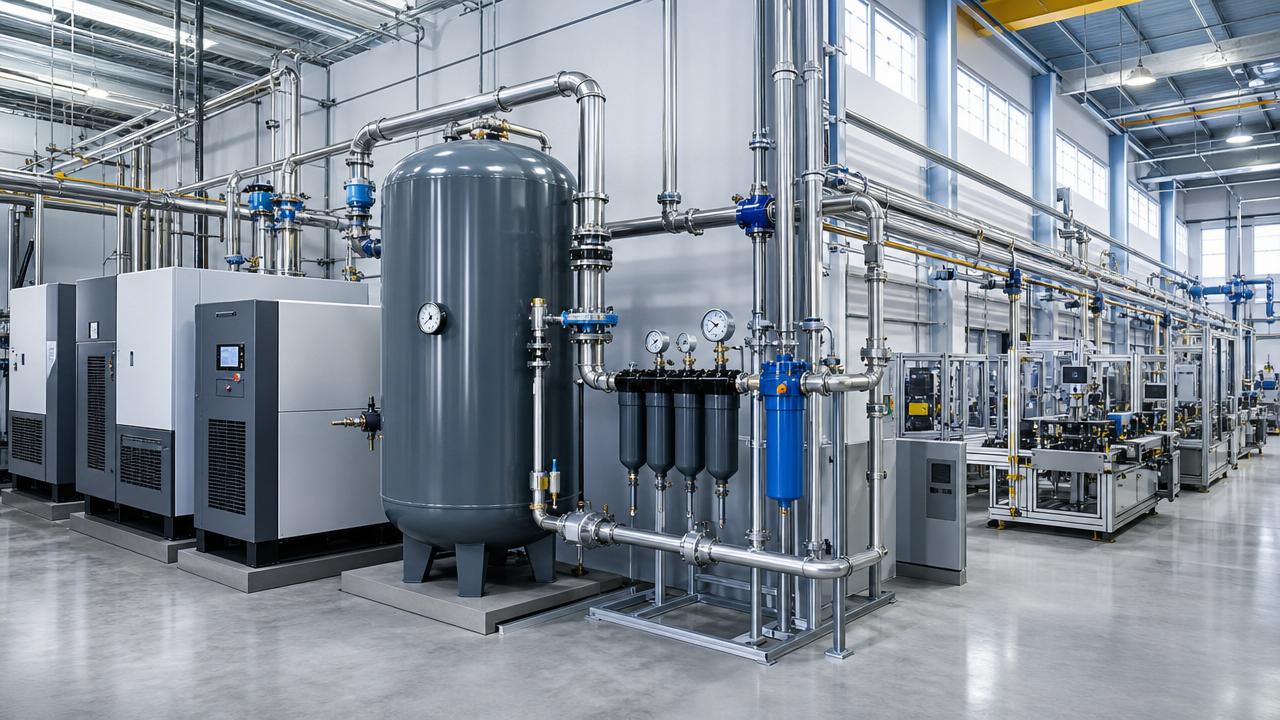
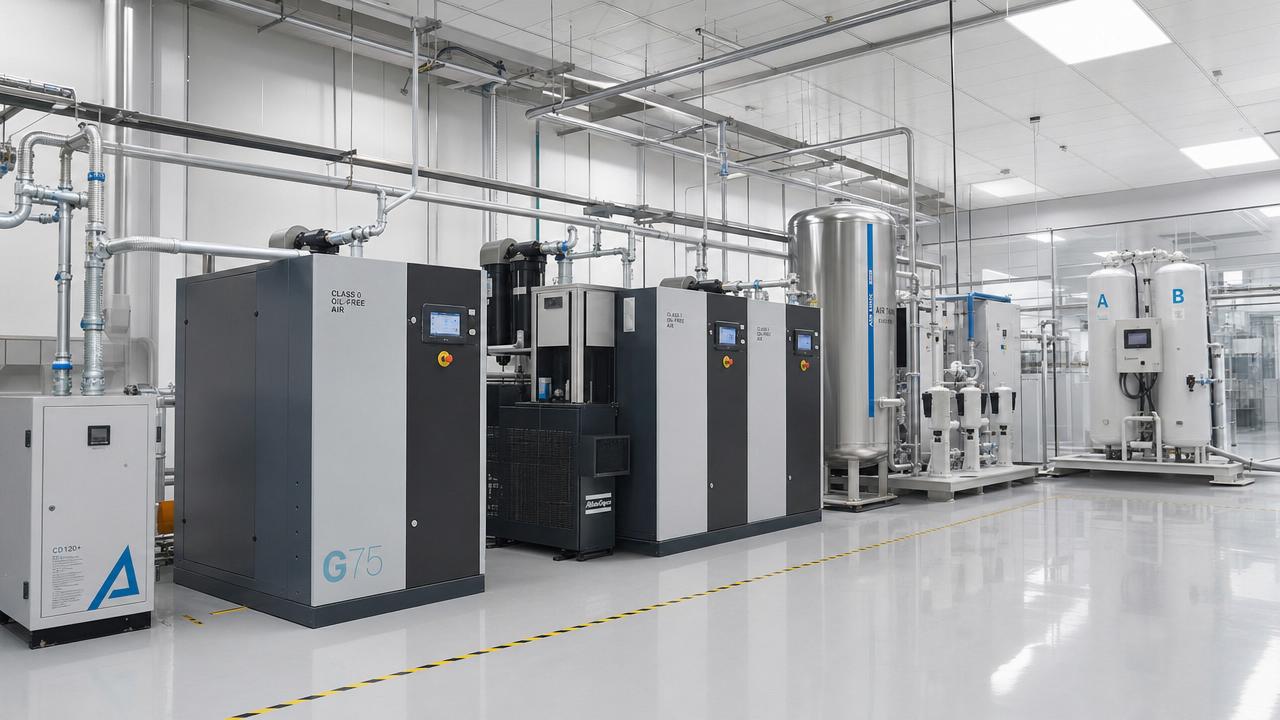
TUV Rheinland Enforces Full-Chain Class 0 Certification for Oil-Free Systems




On May 17, 2026, TÜV Rheinland released the Oil-free Compressed Air Systems Certification Guidelines V2.1, introducing a mandatory full-chain verification requirement for ISO 8573-1 Class 0 certification — covering compressors, downstream treatment units, distribution piping, and point-of-use terminals. This marks a structural shift from prior practice, where Class 0 compliance could be claimed based solely on compressor output. The update directly affects procurement gateways for semiconductor, pharmaceutical, and high-precision electronics manufacturers globally, compelling Chinese oil-free system suppliers to overhaul factory-level validation protocols.
Event Overview
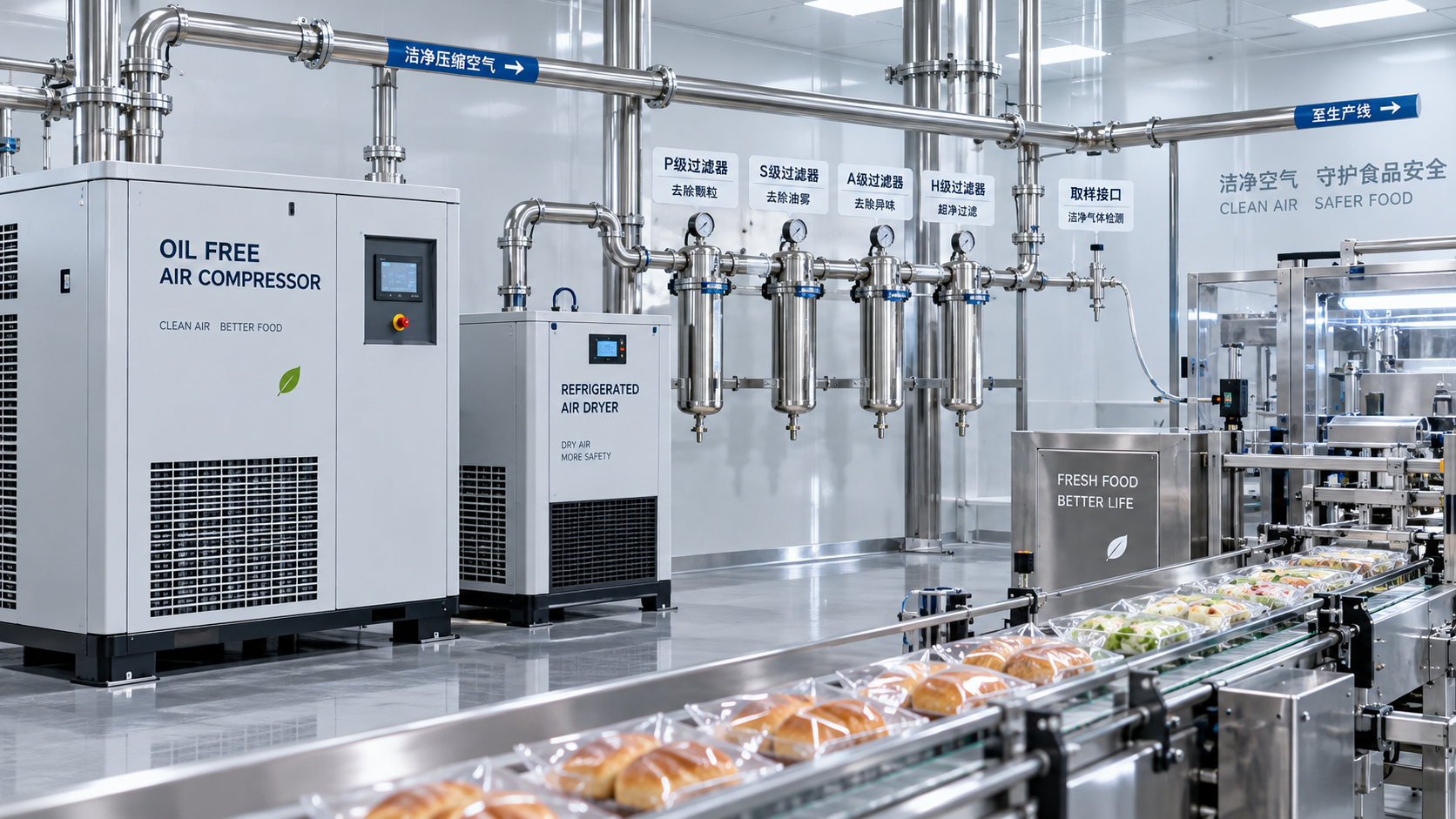
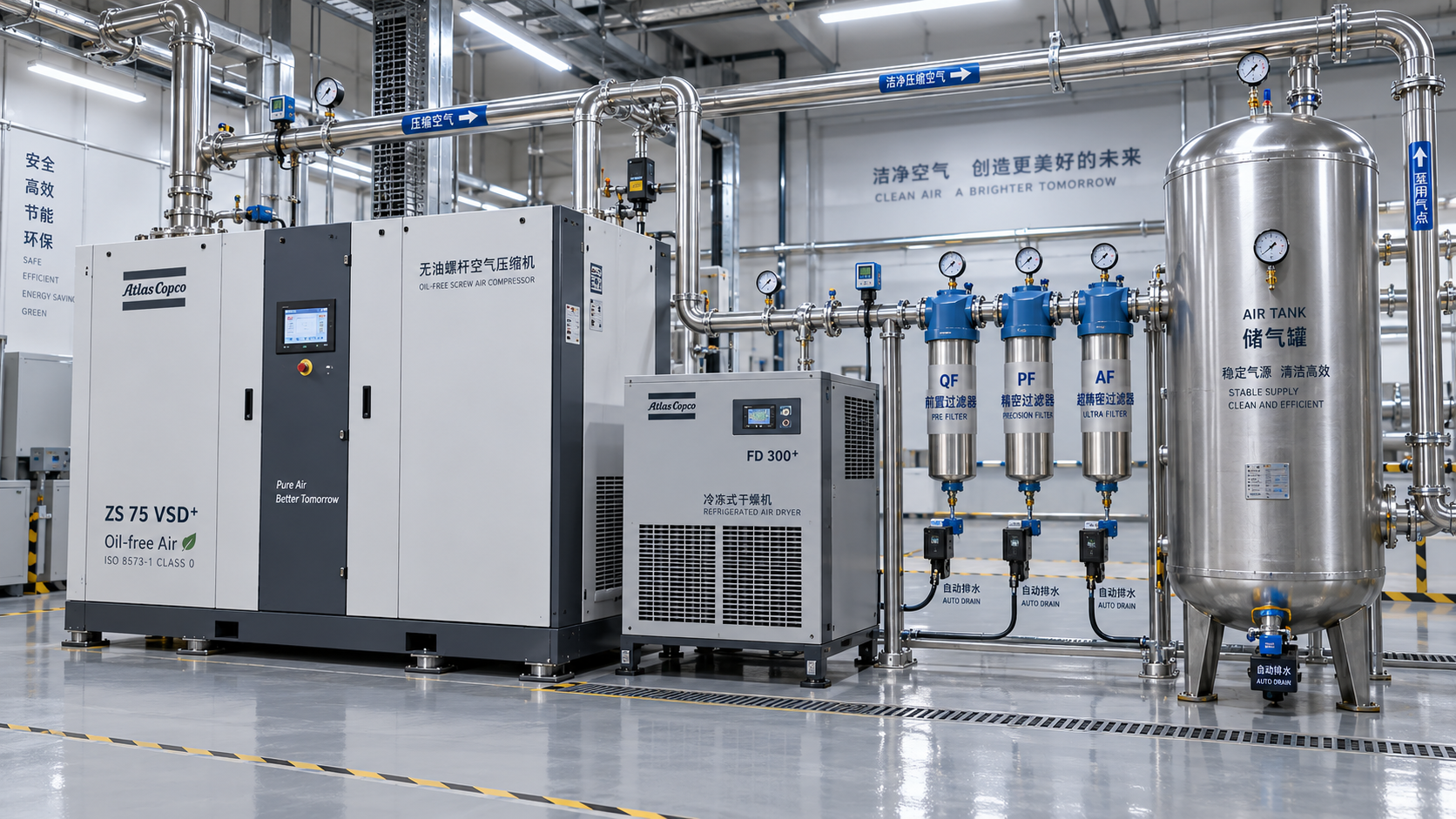
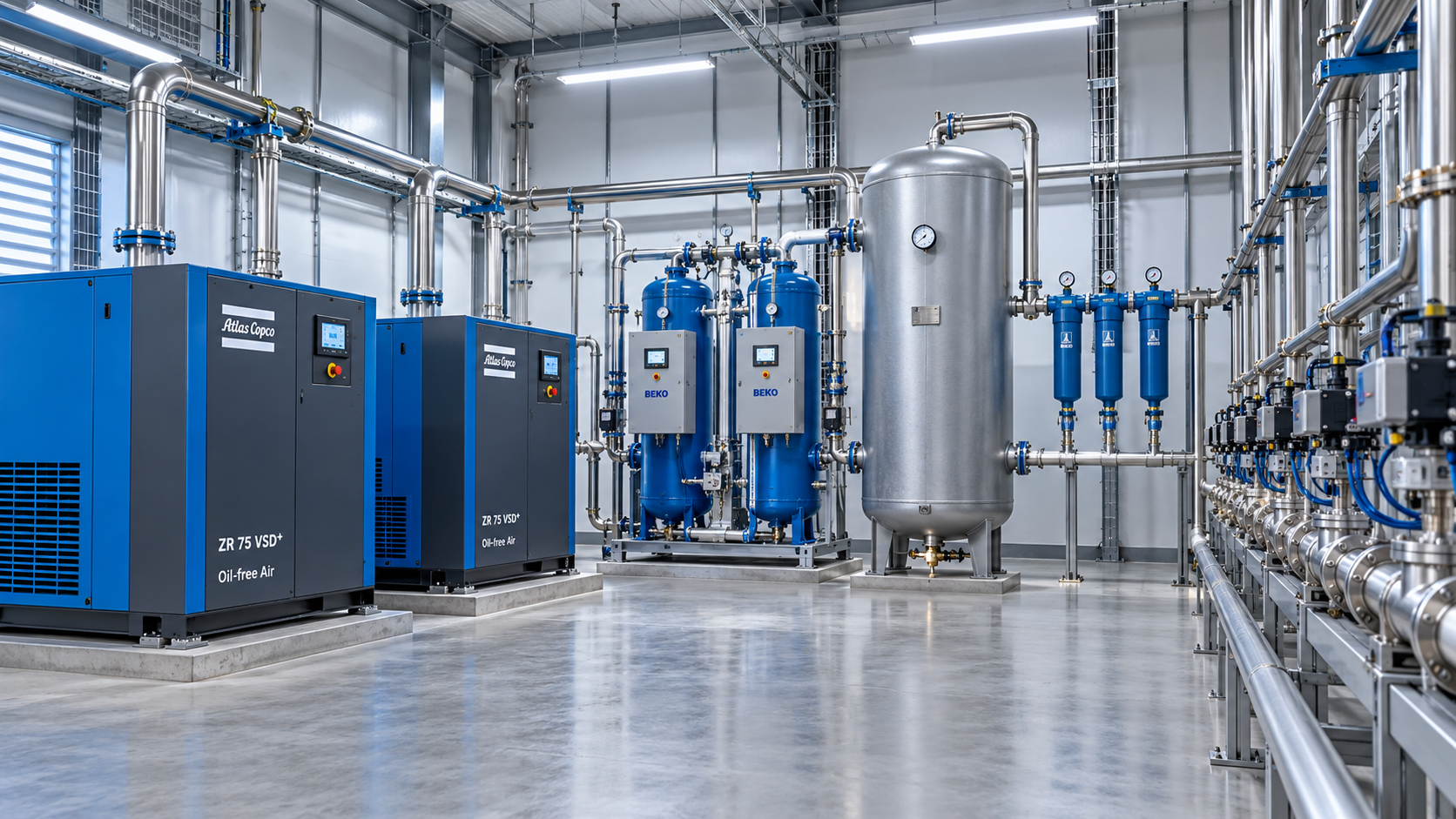
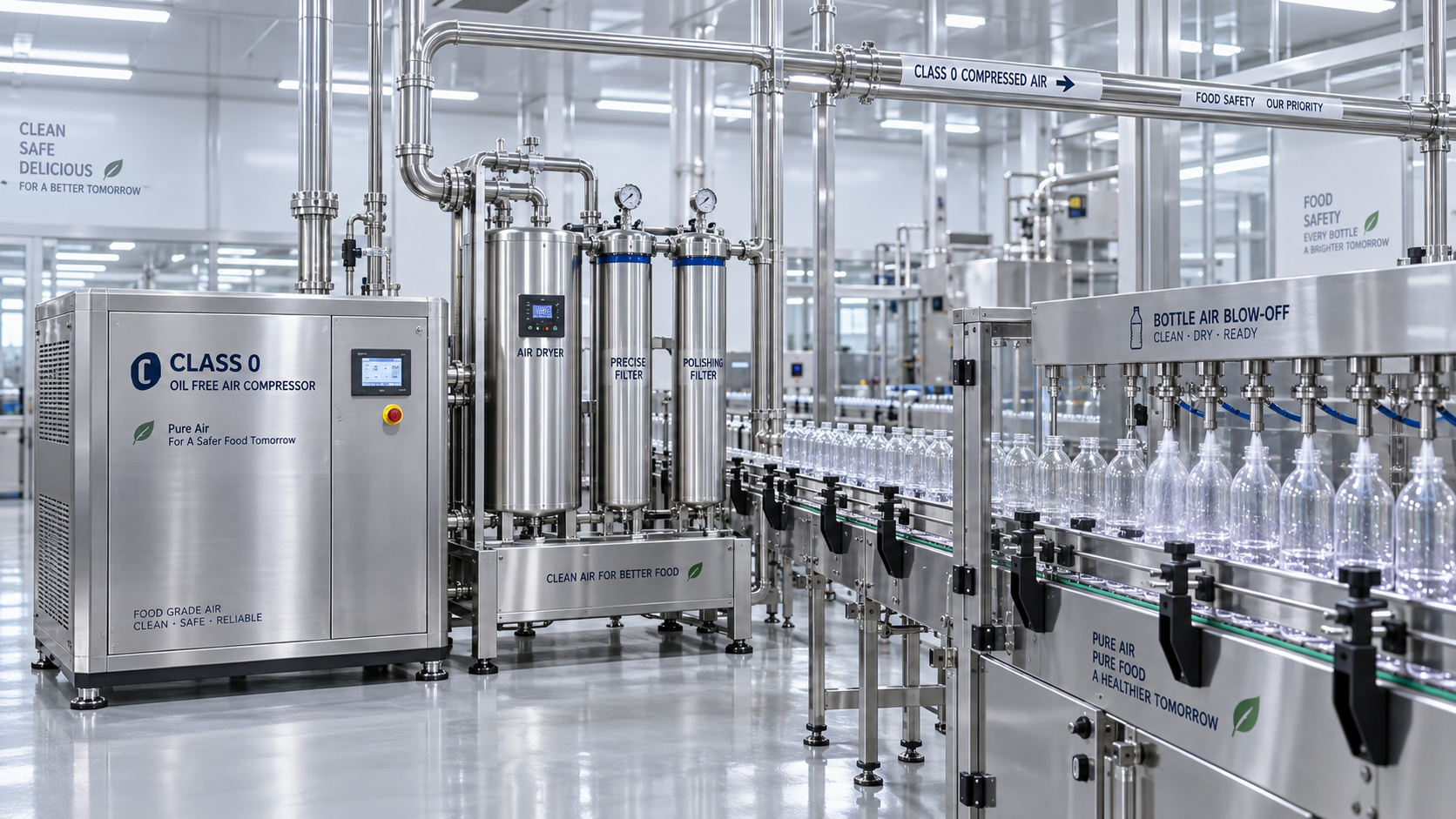
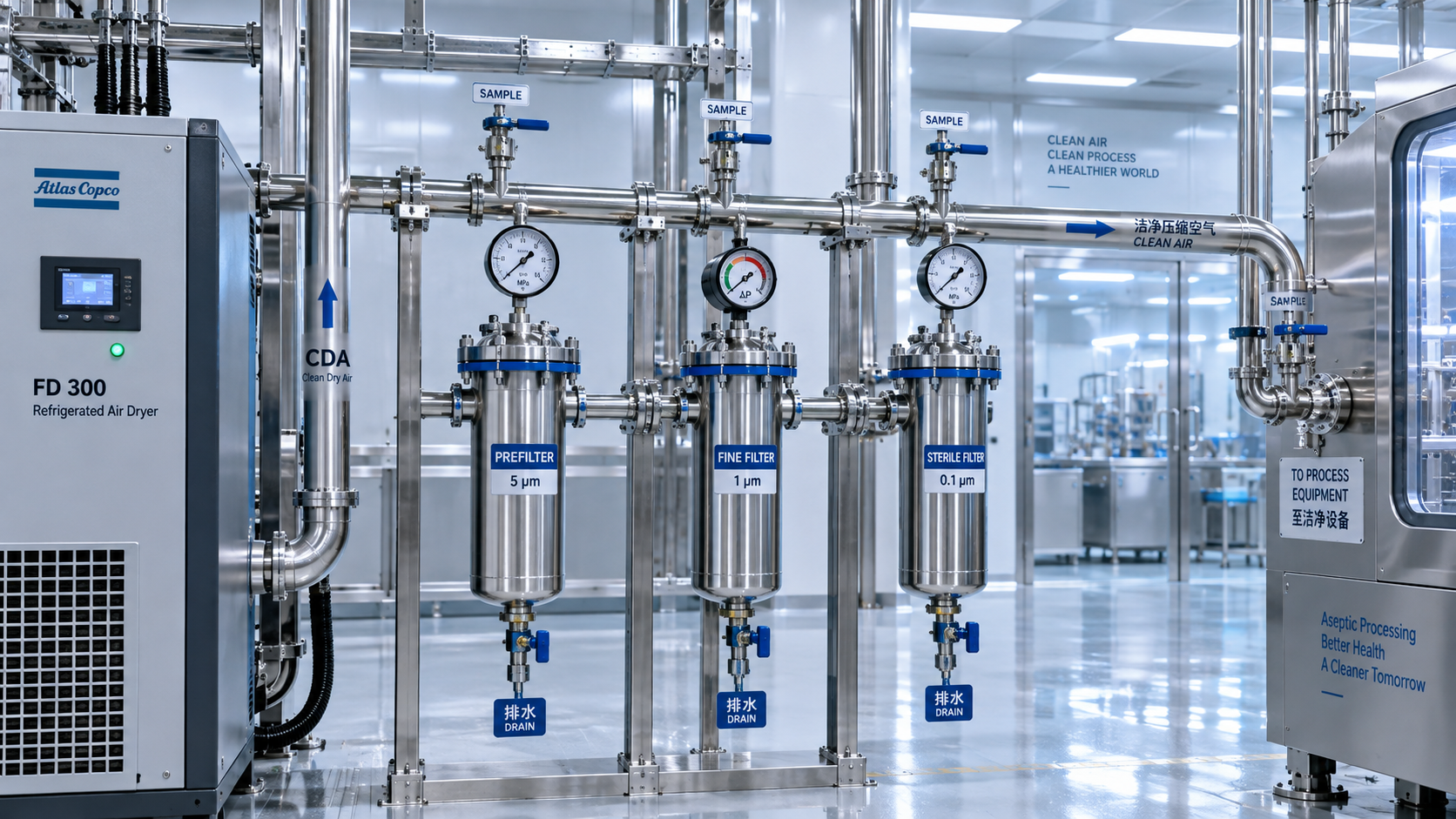
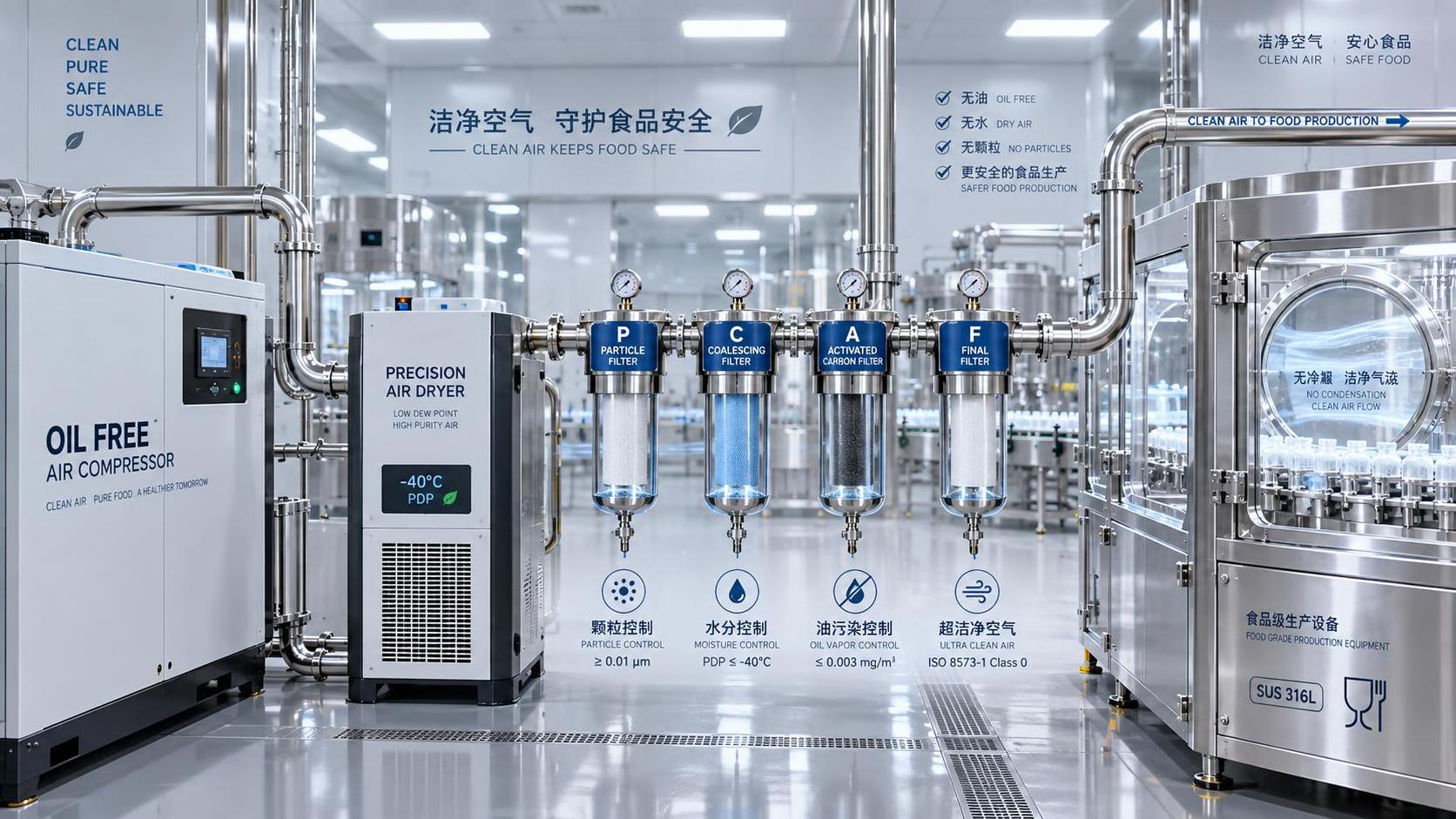
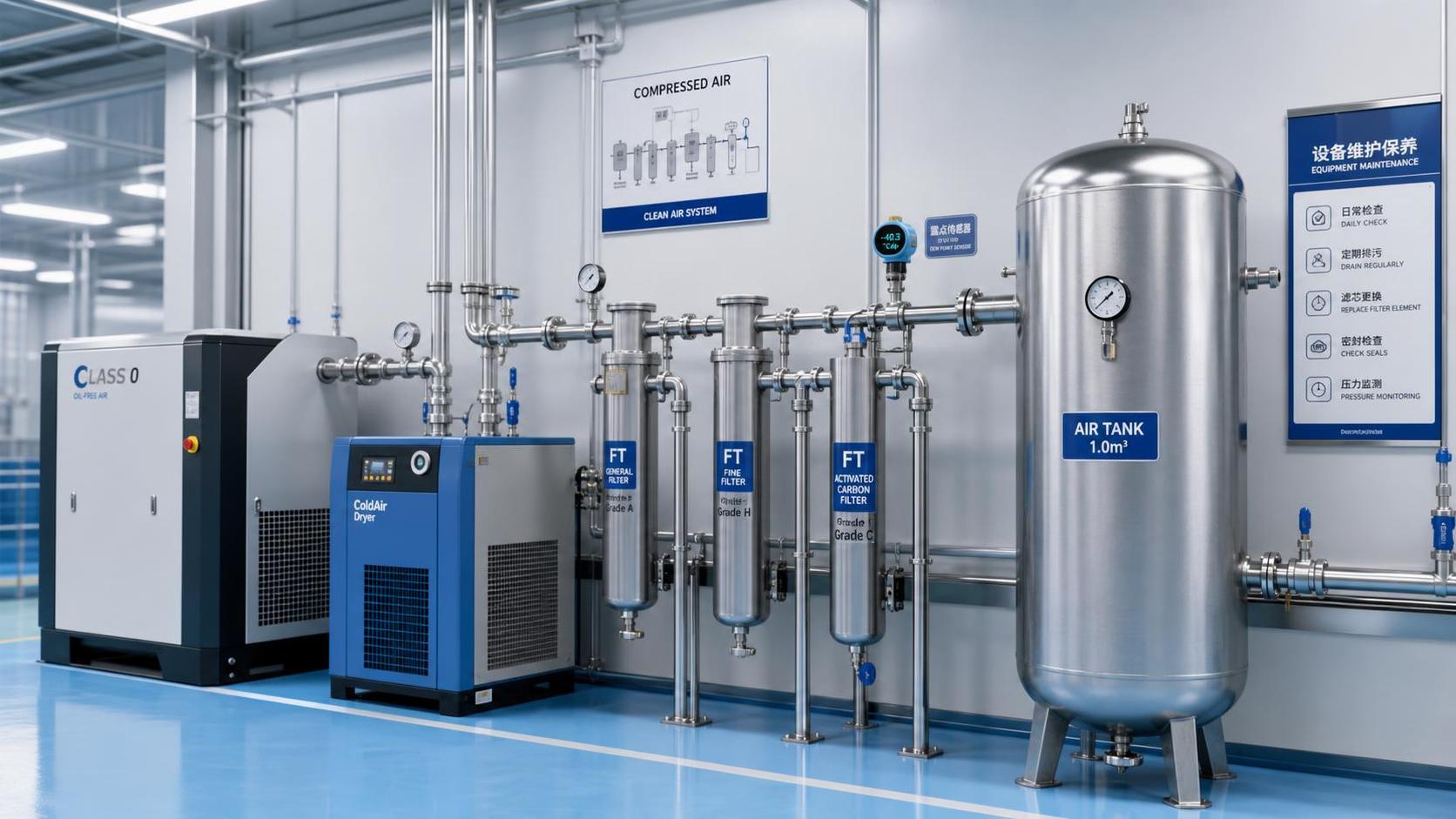
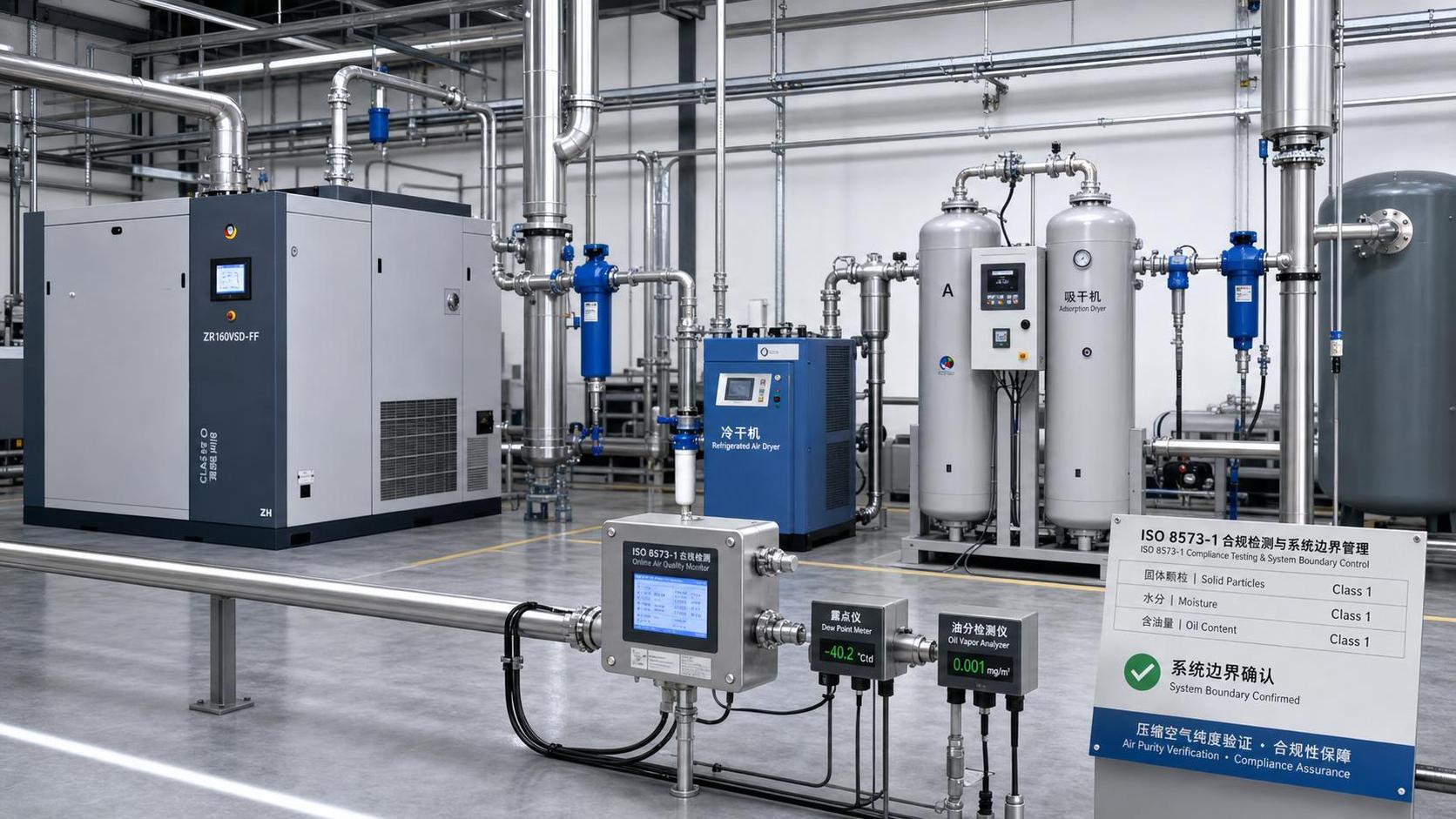
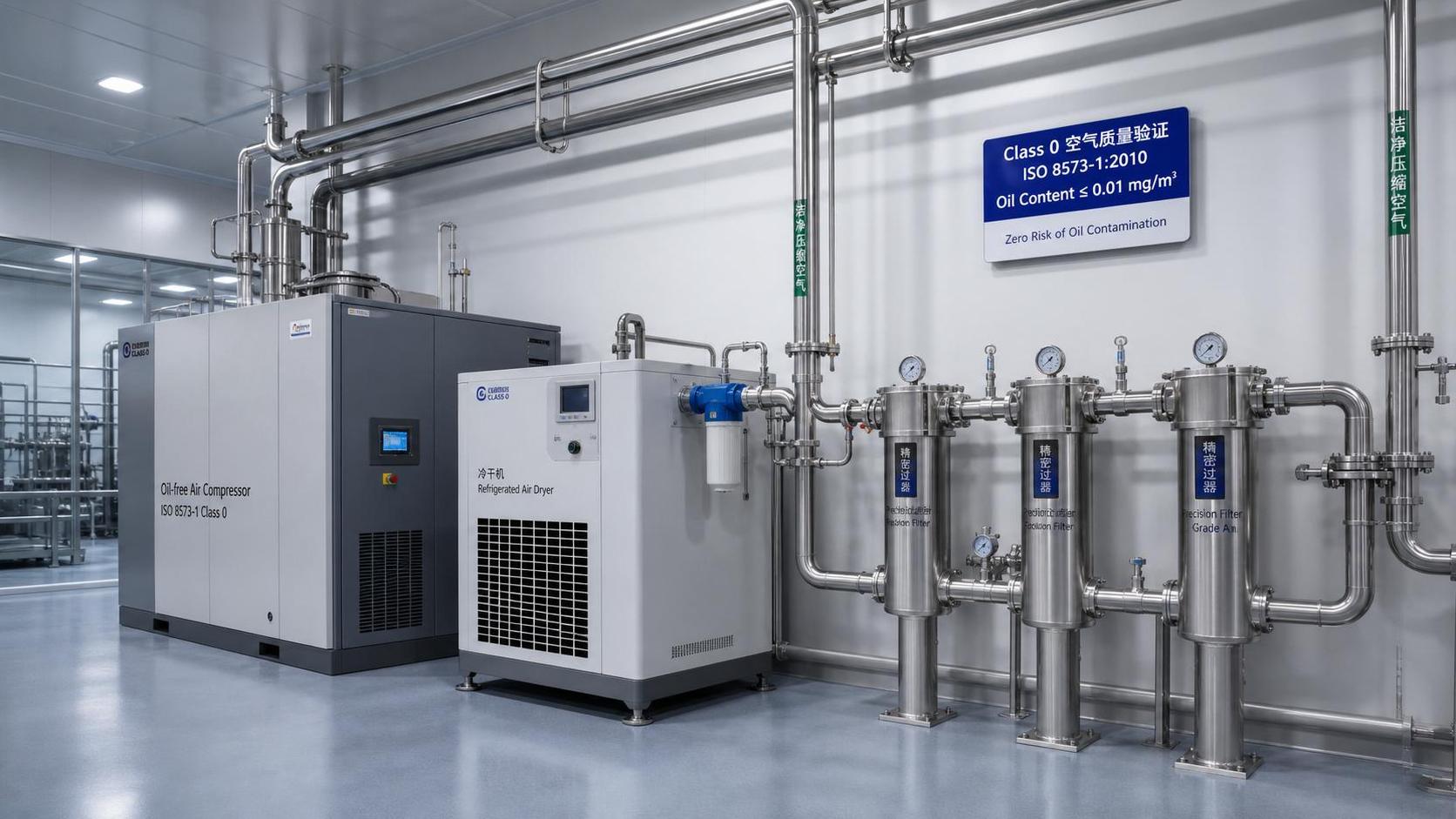
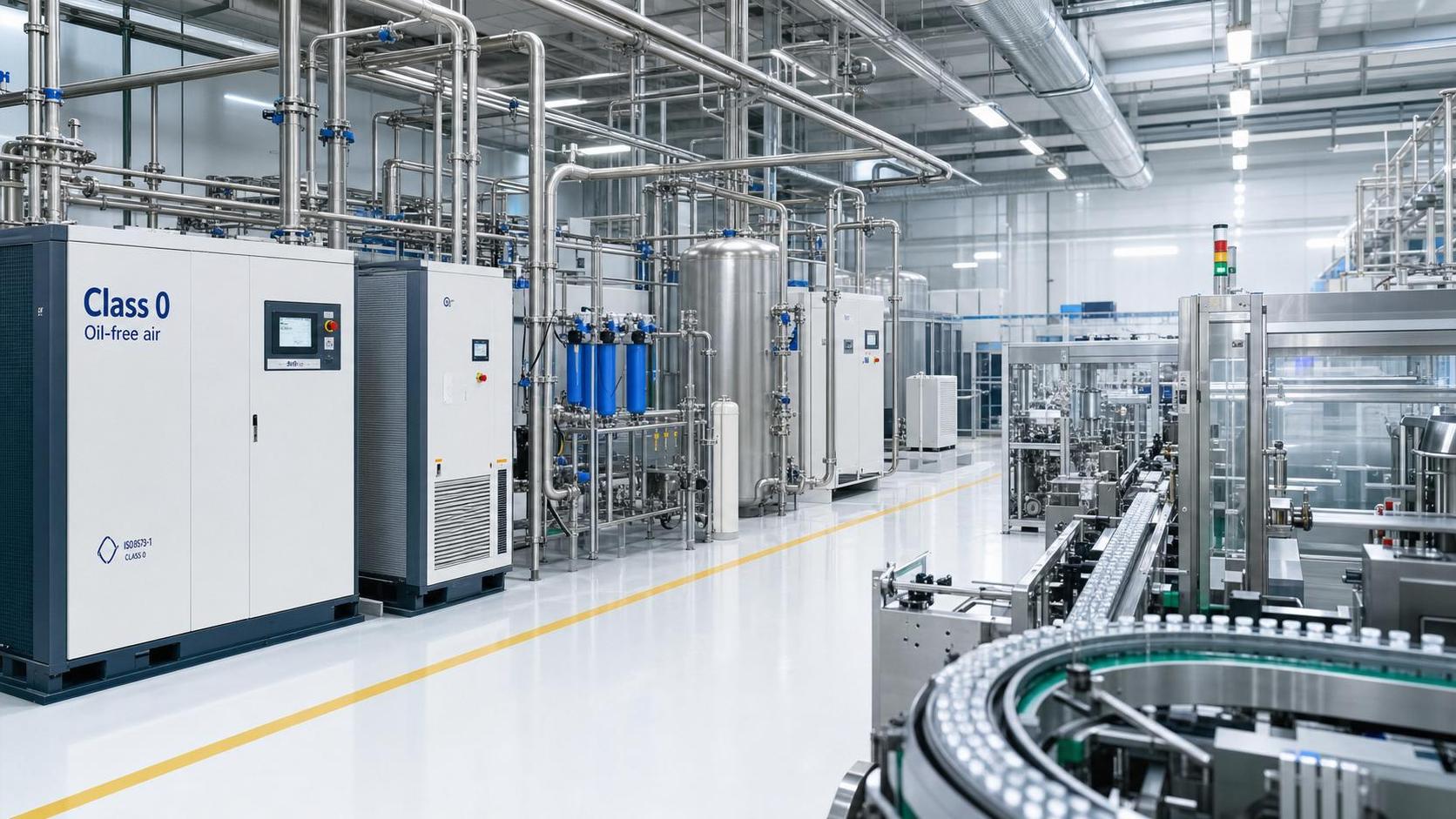
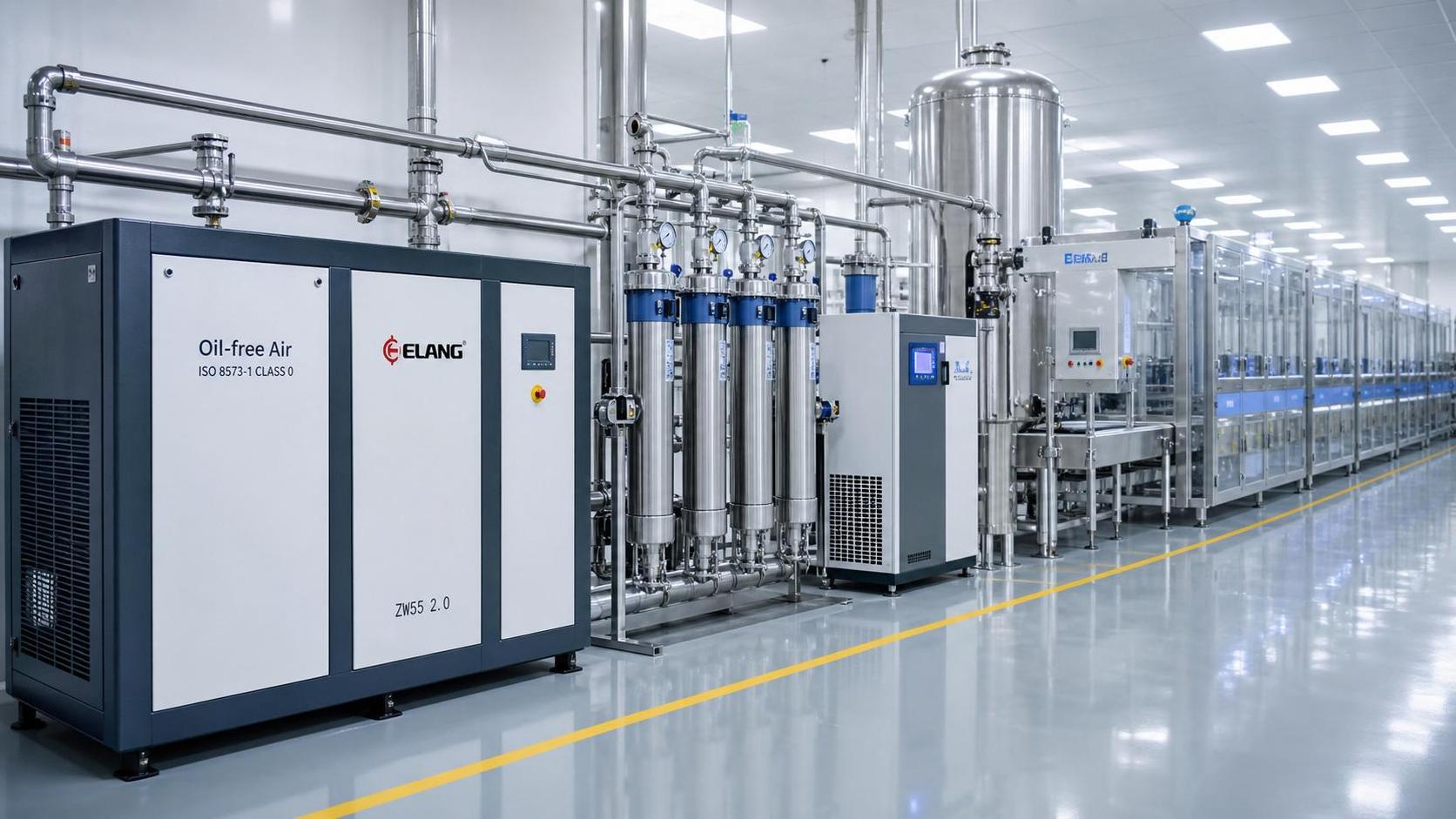
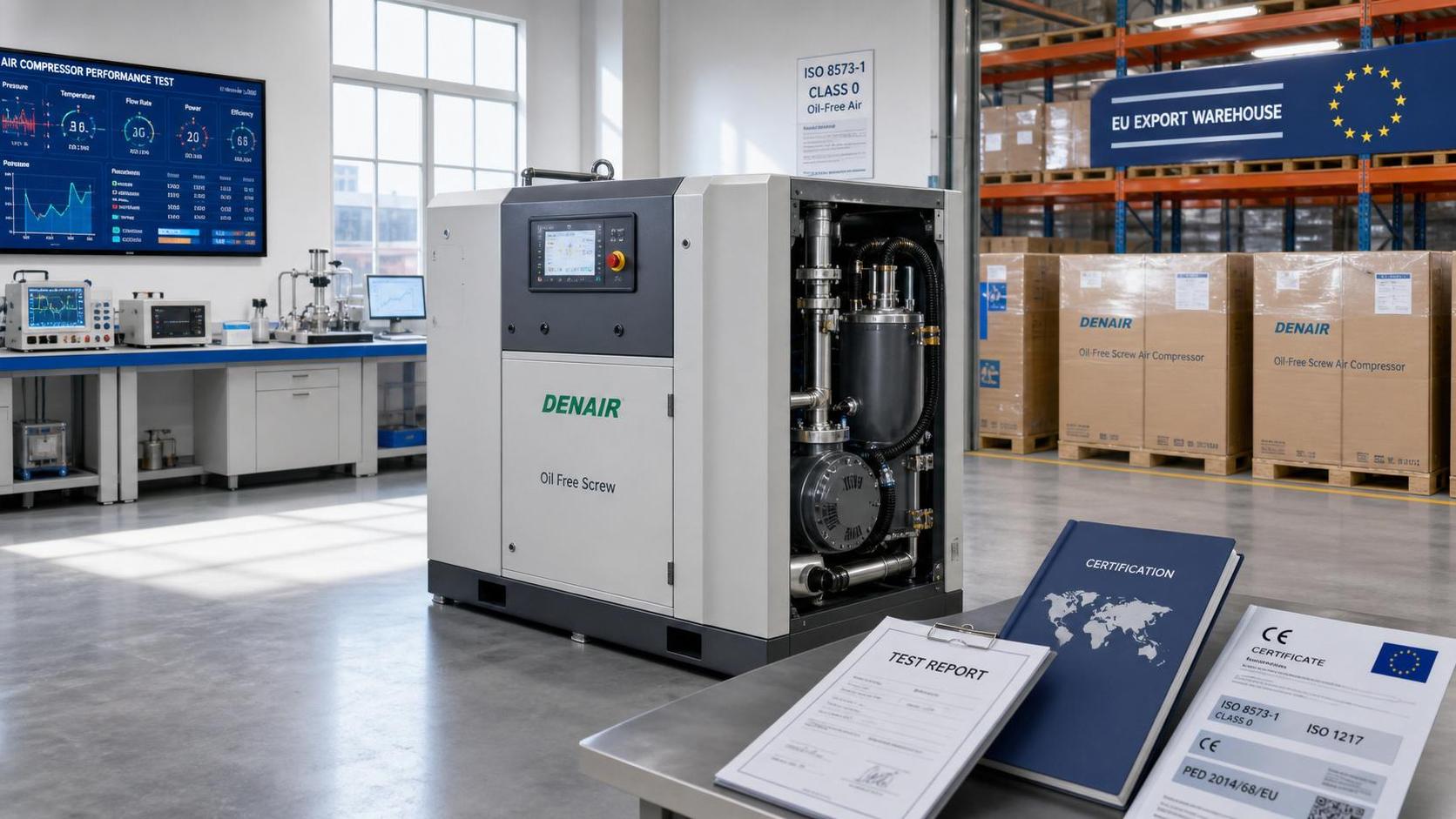
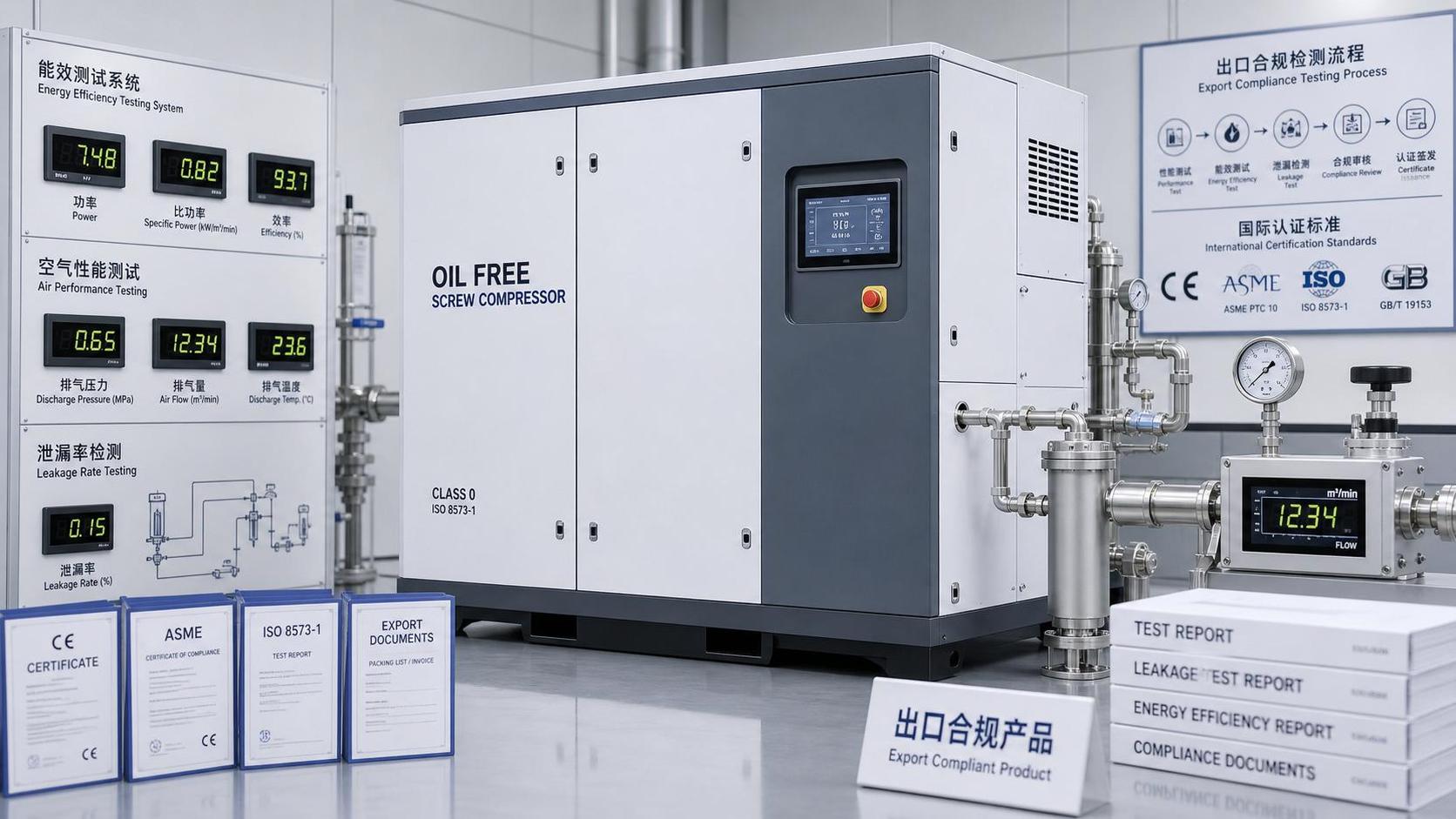
TÜV Rheinland officially launched Version 2.1 of its Oil-free Compressed Air Systems Certification Guidelines on May 17, 2026. The revision explicitly stipulates that ISO 8573-1 Class 0 certification must be demonstrated across the entire compressed air path: from the oil-free compressor unit itself, through after-treatment equipment (e.g., dryers, filters), along the installed piping network, and finally at the end-use terminal under real operating conditions. Declarations of Class 0 compliance based only on compressor outlet testing are no longer accepted for certification purposes.
Industries Affected
Direct Exporters & Trading Enterprises
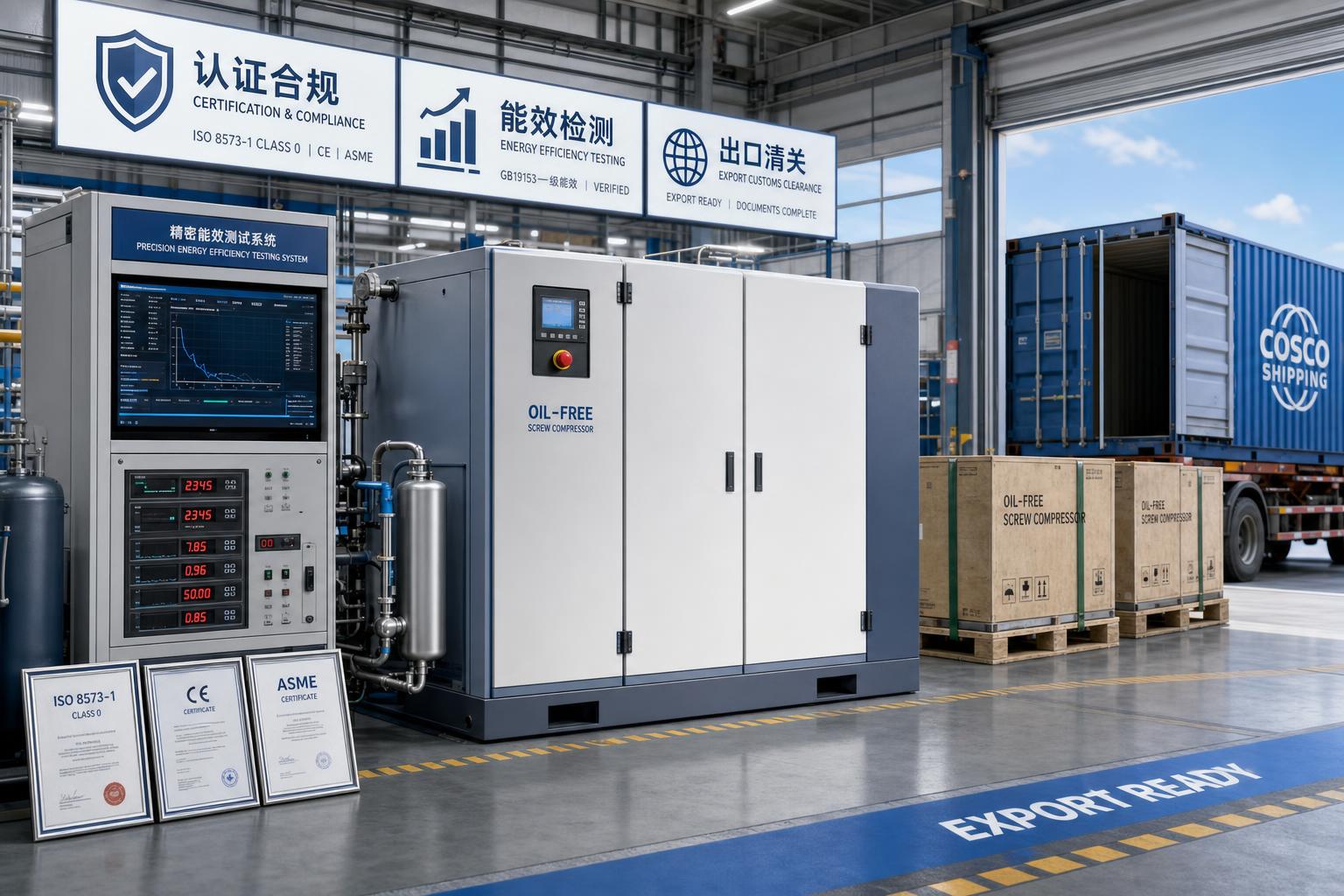
Export-oriented manufacturers of oil-free air systems — especially those headquartered in China and targeting EU or U.S.-aligned clean-tech markets — now face tightened conformity assessment requirements. Previously, many relied on host-unit-only test reports to meet tender specifications; under V2.1, they must provide traceable, integrated test data spanning the full installation scope. This increases pre-shipment validation lead time, third-party testing costs, and documentation complexity — particularly for turnkey projects involving custom piping layouts.
Raw Material & Component Procurement Firms
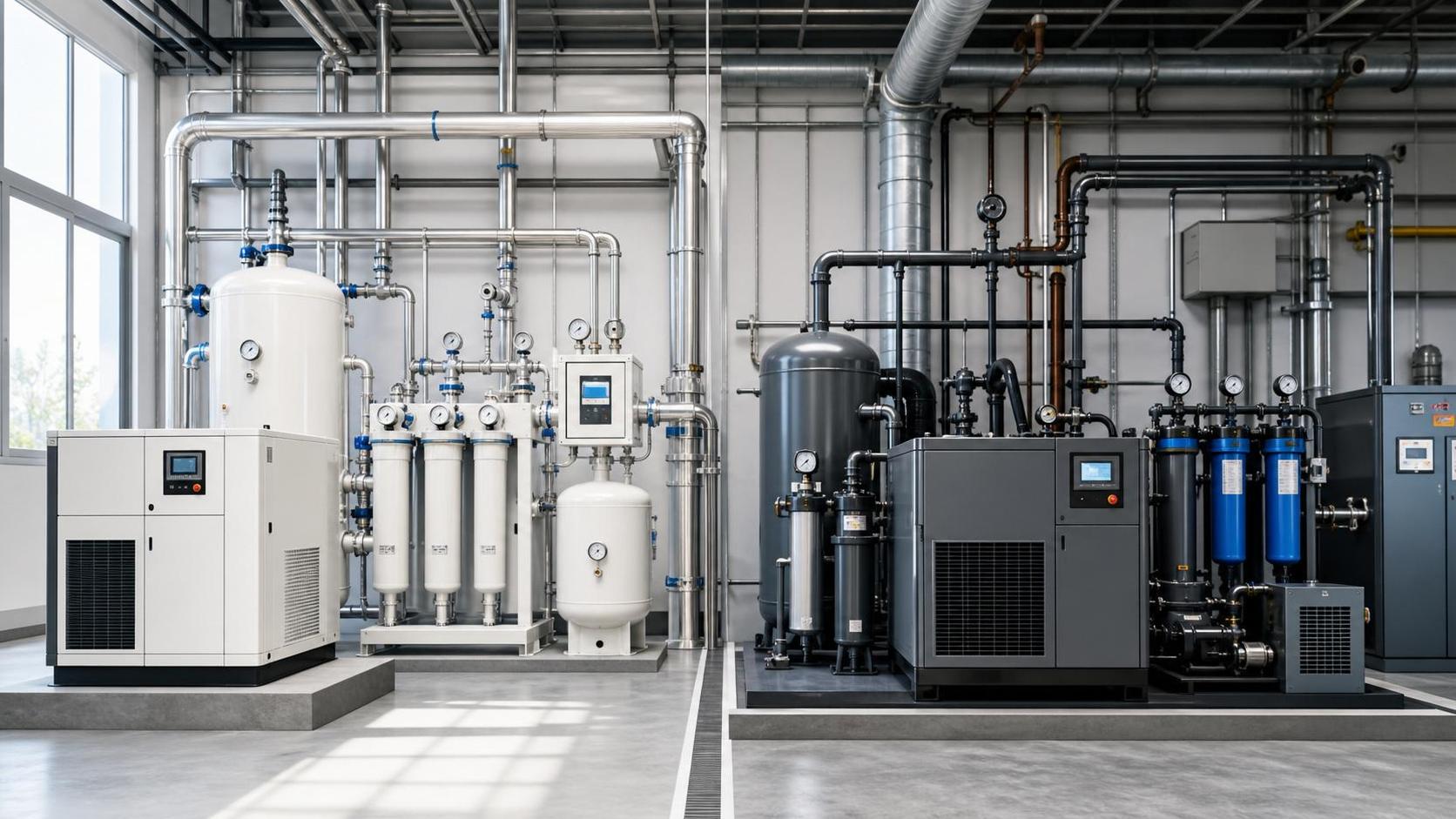
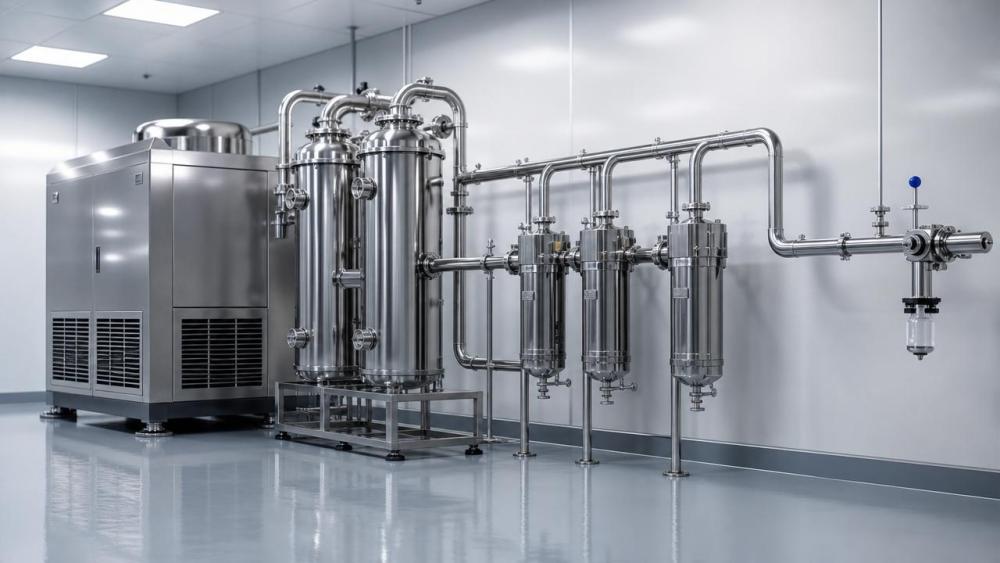
Suppliers of critical components — such as stainless steel piping, Class 0-rated coalescing filters, zero-oil dryers, and calibrated flow/contamination sensors — are seeing revised specification requests from OEMs. Buyers now require evidence of component-level compatibility with full-chain Class 0 performance (e.g., pressure drop validation, internal surface roughness certification, extractable hydrocarbon limits). This shifts procurement criteria from basic material compliance toward system-integration readiness.
End-Use Manufacturing Facilities
Semiconductor fabs, sterile pharmaceutical production lines, and precision assembly plants must reassess their existing compressed air qualification protocols. Internal validation SOPs previously aligned with ‘compressor-outlet-only’ sampling may no longer satisfy audit expectations from TÜV Rheinland-accredited certifiers or customer quality teams. Facilities planning new builds or retrofits now need to budget for integrated contamination mapping — including pipe weld integrity verification, terminal sampling port integration, and real-time particle/hydrocarbon monitoring at usage points.
Supply Chain Service Providers
Third-party commissioning engineers, validation consultants, and calibration laboratories face expanded scope-of-work definitions. Their service offerings must now include coordinated multi-point sampling strategies, cross-equipment contamination tracing, and reporting aligned with the updated V2.1 evidence hierarchy (e.g., time-synchronized particle counts across three consecutive nodes). Training and accreditation pathways for these providers are also evolving to reflect the new chain-of-custody emphasis.
Key Focus Areas & Recommended Actions
Revise Factory Acceptance Test (FAT) Protocols
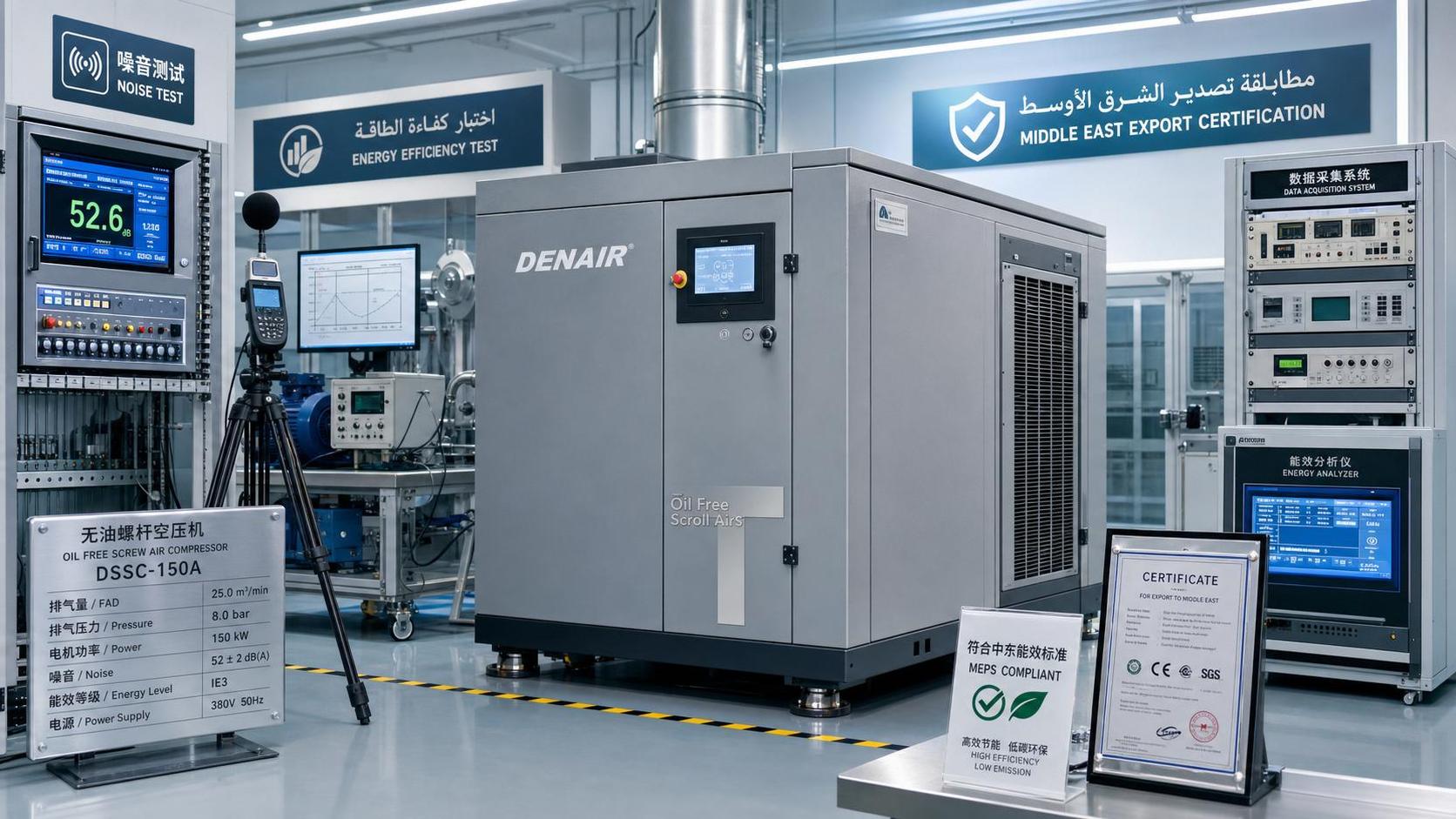
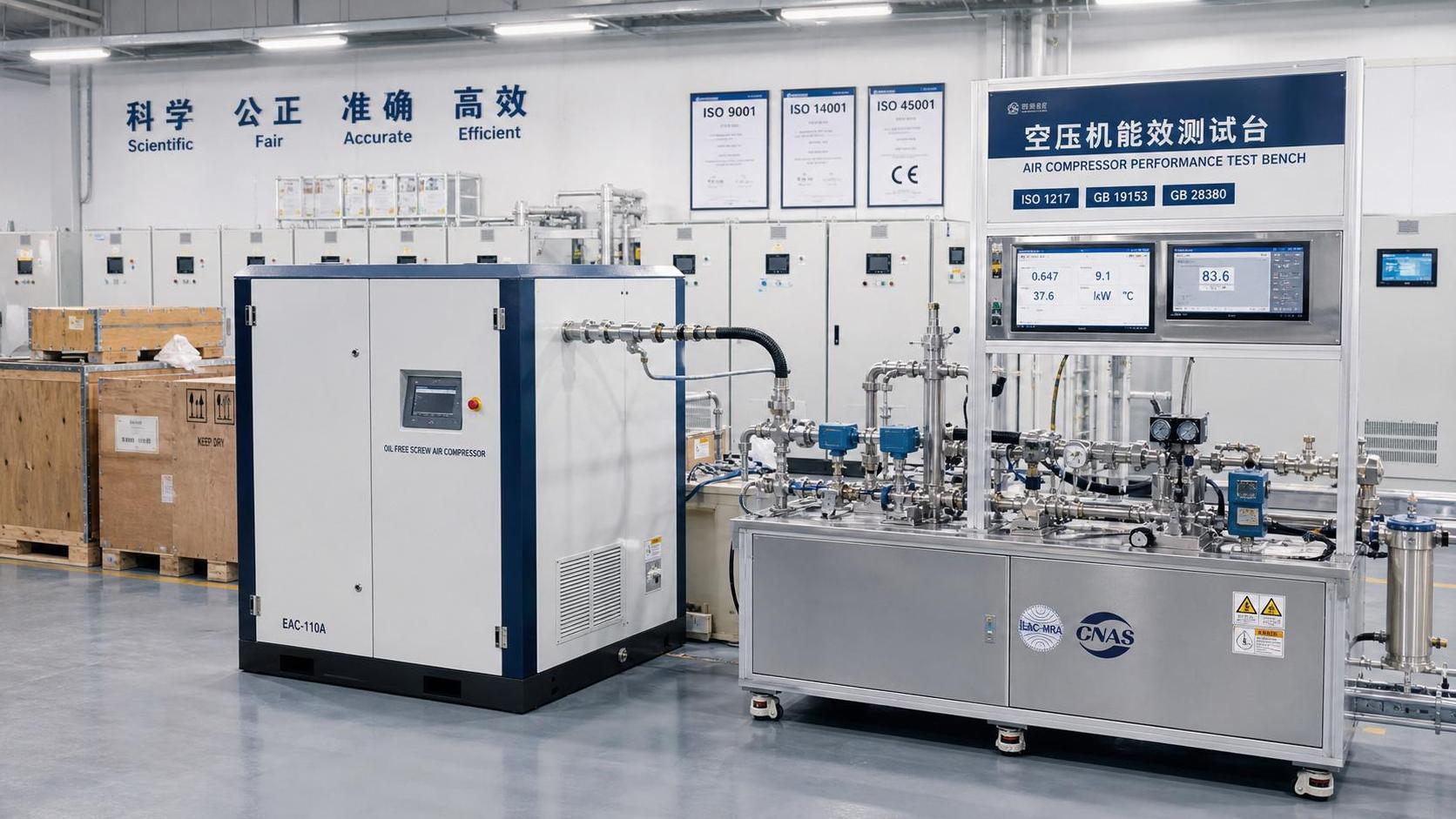
Manufacturers should integrate representative piping loops and terminal simulators into FAT setups — not merely test compressor + dryer combinations. This ensures early detection of carryover risks and facilitates smoother site commissioning.
Update Technical Documentation Packages
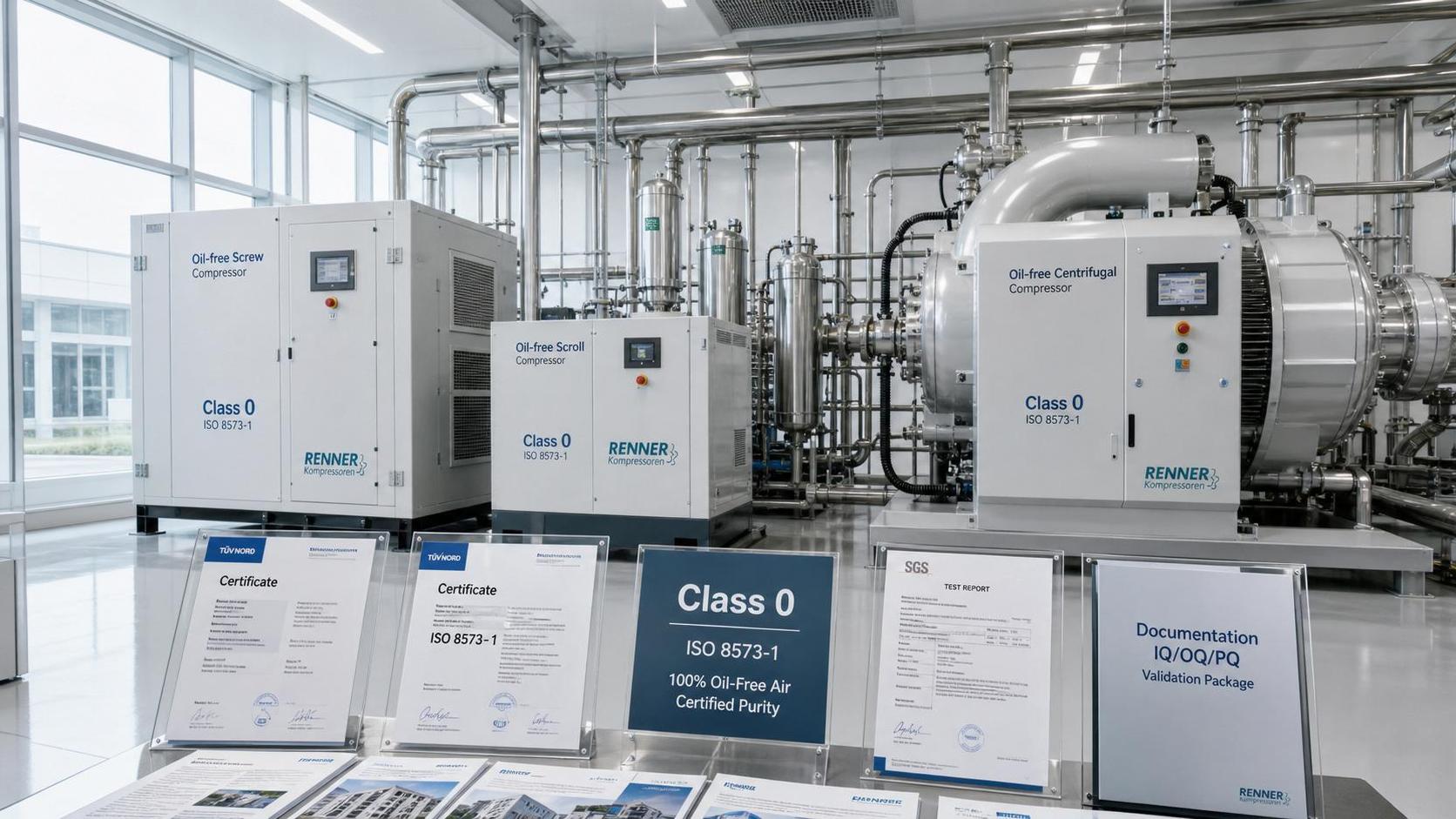
Certification dossiers must now include system schematics annotated with validated sampling locations, documented pressure/temperature profiles across the chain, and traceable calibration records for all measurement instruments used during verification.
Engage Early with TÜV Rheinland’s Certification Team
Given limited global capacity for full-chain Class 0 testing, firms are advised to initiate pre-assessment consultations before finalizing system design — especially when specifying non-standard pipe materials or unconventional terminal configurations.
Editorial Perspective / Industry Observation
Observably, this revision signals a broader industry pivot from ‘component-centric’ to ‘system-behavior-centric’ assurance logic. While Class 0 has long been a benchmark, V2.1 formalizes what many leading end-users have informally demanded for years: proof that cleanliness is preserved *in situ*, not just at origin. Analysis shows that adoption velocity will vary significantly by region — EU-based end users are likely to enforce V2.1 immediately in tenders, whereas APAC clients may allow transitional periods pending local regulatory alignment. From an industry perspective, the change is less about raising the bar arbitrarily and more about closing a well-documented gap between lab-tested claims and field-observed contamination events.
Conclusion
This update does not introduce new contamination thresholds but redefines *where* and *how* compliance must be verified. It reflects growing recognition that oil-free air integrity is a function of holistic system design — not just compressor engineering. For the global clean-air ecosystem, V2.1 serves as both a technical benchmark and a catalyst for deeper collaboration among equipment makers, installers, and end users. A rational interpretation is that the standard accelerates convergence between validation rigor and real-world operational reliability — a trend likely to extend to other purity-critical utility systems in coming years.
Source Attribution
Official publication: Oil-free Compressed Air Systems Certification Guidelines V2.1, TÜV Rheinland, effective May 17, 2026. Available via TÜV Rheinland’s Certification Portal (access restricted to authorized partners). Note: Implementation timelines for legacy-certified systems and grandfathering provisions remain under review; stakeholders are advised to monitor official TÜV Rheinland communications for updates.
Ready when you are. Send us a message to get started.
Related News
- How to verify food-grade purity in compressed air systemsAuthor :Pneumatic Power Engineer

- What determines the price of pure air compression systems?Author :Pneumatic Power Engineer

- How to size oil-free compressors for instrumentation air demandAuthor :Pneumatic Power Engineer

- How Class 0 oil-free compressors protect product quality in food productionAuthor :Pneumatic Power Engineer

- How to verify compressed air cleanroom standards before installationAuthor :Pneumatic Power Engineer

- When oil free vacuum pumps make sense for European cleanroom projectsAuthor :Pneumatic Power Engineer

- When do pure air compression systems need ISO 8573-1 Class 0?Author :Pneumatic Power Engineer

- How do compressed air systems for electronics prevent contamination?Author :Pneumatic Power Engineer

- When does an oil-free process vacuum pump justify its higher cost?Author :Pneumatic Power Engineer

- Does ISO 9001 certification apply to compressed air quality?Author :Pneumatic Power Engineer

- How to Specify Clean Compressed Air Systems in Southeast Asia for Food and Pharma PlantsAuthor :Pneumatic Power Engineer

- How to Compare Oil Free Vacuum Pumps for Clean Process RequirementsAuthor :Pneumatic Power Engineer

- How to Evaluate a Clean Compressed Air Systems Supplier for ISO 8573-1 ComplianceAuthor :Pneumatic Power Engineer

- How to Choose the Right Oil-Free Vacuum PumpAuthor :Pneumatic Power Engineer

- VDI 2083 Update Makes Class 0 Proof MandatoryAuthor :Pneumatic Power Engineer

- When to Use Oil Free Vacuum Pumps for High Purity LinesAuthor :Pneumatic Power Engineer

- Compressed Air Solutions: When Oil-Free Systems Lower Total Operating CostAuthor :Pneumatic Power Engineer

- ATMOsphere Europe 2026 Adds Oil-free Systems ZoneAuthor :Pneumatic Power Engineer

- Oil-Free Compressors: Key Selection Criteria for Clean Air SystemsAuthor :Pneumatic Power Engineer

- How to Compare Oil Free Centrifugal Compressors for Stable Plant Air SupplyAuthor :Pneumatic Power Engineer

- Compressed Air Class 0 vs Oil-Free: What Really MattersAuthor :Pneumatic Power Engineer

- Oil-Free Compression Class 0: What the Standard Really Means in ProductionAuthor :Pneumatic Power Engineer

- Air Compression Cost Comparison: Oil-Free vs Screw Systems in Daily OperationAuthor :Pneumatic Power Engineer

- Saudi SASO Tightens IEC 63349-2 for Oil-Free CompressorsAuthor :Pneumatic Power Engineer

- Saudi SASO Tightens Oil-Free Compressor Efficiency RulesAuthor :Pneumatic Power Engineer

- Pure Air Compression Systems for Clean Production LinesAuthor :Pneumatic Power Engineer

- IEC 63349-2:2026 makes energy certification mandatoryAuthor :Pneumatic Power Engineer

- IEC 63349-2:2026 Sets New Entry Rules for Oil-Free Screw CompressorsAuthor :Pneumatic Power Engineer

- IEC 63349-2:2026 Takes Effect for Oil-Free Screw CompressorsAuthor :Pneumatic Power Engineer

- IEC 63349-2:2026 Sets New Efficiency Gate for Oil-Free Screw CompressorsAuthor :Pneumatic Power Engineer

- IEC 63349-2:2026 Takes Effect for Oil-Free Screw CompressorsAuthor :Pneumatic Power Engineer

- SABIC Methanol Force Majeure Extended, Tightening R134a/R407C FeedstocksAuthor :Pneumatic Power Engineer

- How to Evaluate Pneumatic Power Systems for Stable OutputAuthor :Pneumatic Power Engineer

- Oil-Free Compression vs Lubricated Systems: Key Trade-OffsAuthor :Pneumatic Power Engineer
![]()
- Oil-Free Compression: 2026 Cost and Compliance Trade-OffsAuthor :Pneumatic Power Engineer

- Oil-Free Compression: Cost and Contamination RisksAuthor :Pneumatic Power Engineer
![]()