IEC 63349-2:2026 Takes Effect for Oil-Free Screw Compressors




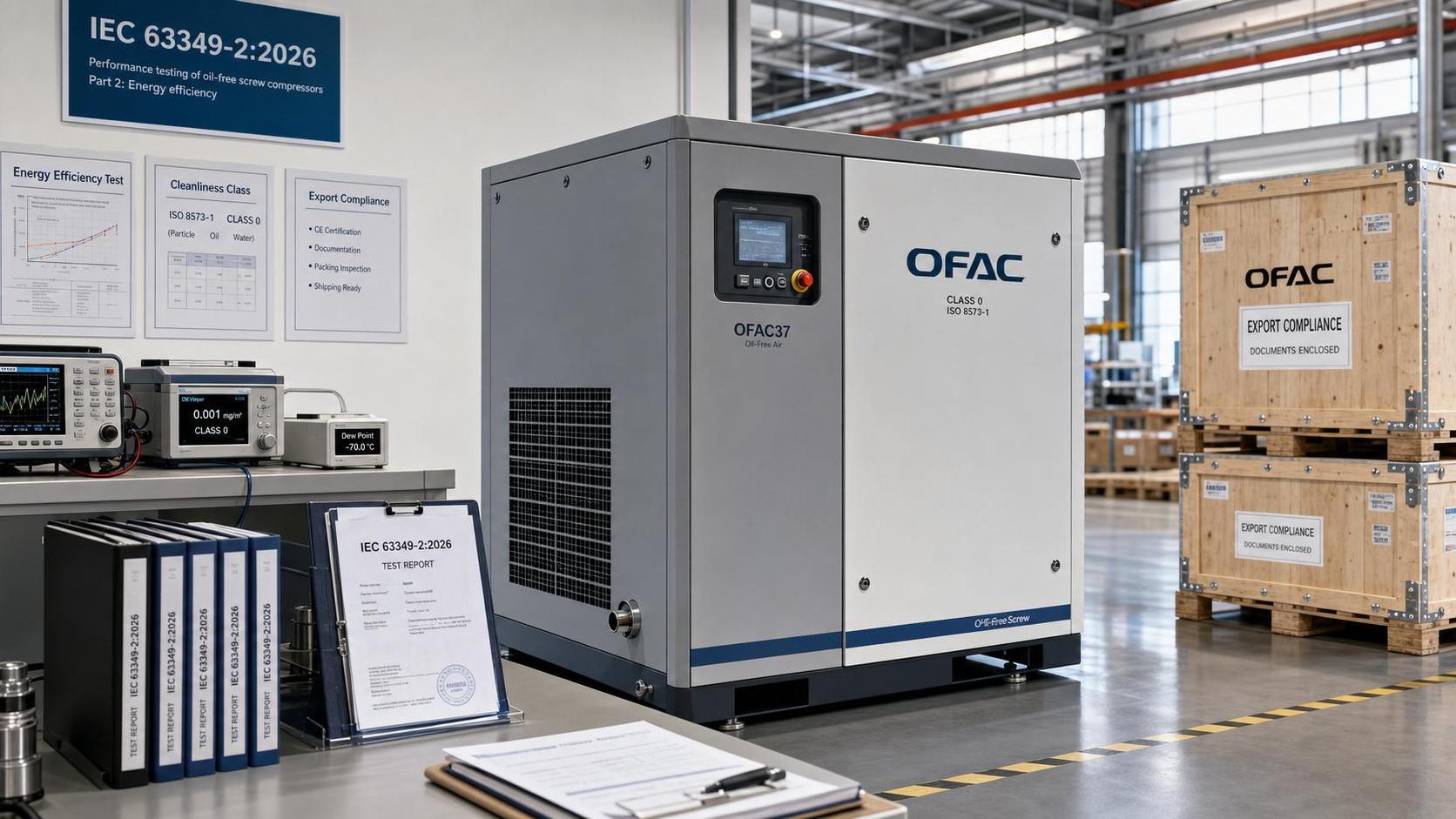
On June 21, 2026, the IEC formally released IEC 63349-2:2026, a new efficiency testing and grading method for oil-free screw compressors, and the standard is now in force globally. For exporters, testing laboratories, procurement teams, and end users—especially those dealing with oil-free systems headed to Europe—this is not just a technical update: it directly affects certification status, bid eligibility, and how product efficiency will be evaluated under a new load-based method rather than the previous constant-condition approach.
What the new standard changes in practice
According to the information provided, IEC 63349-2:2026 replaces the previous constant-condition test method with a dynamic load efficiency ratio based on a PLV weighting algorithm. The standard was officially issued by the IEC on June 21, 2026 and is effective immediately on a global basis.
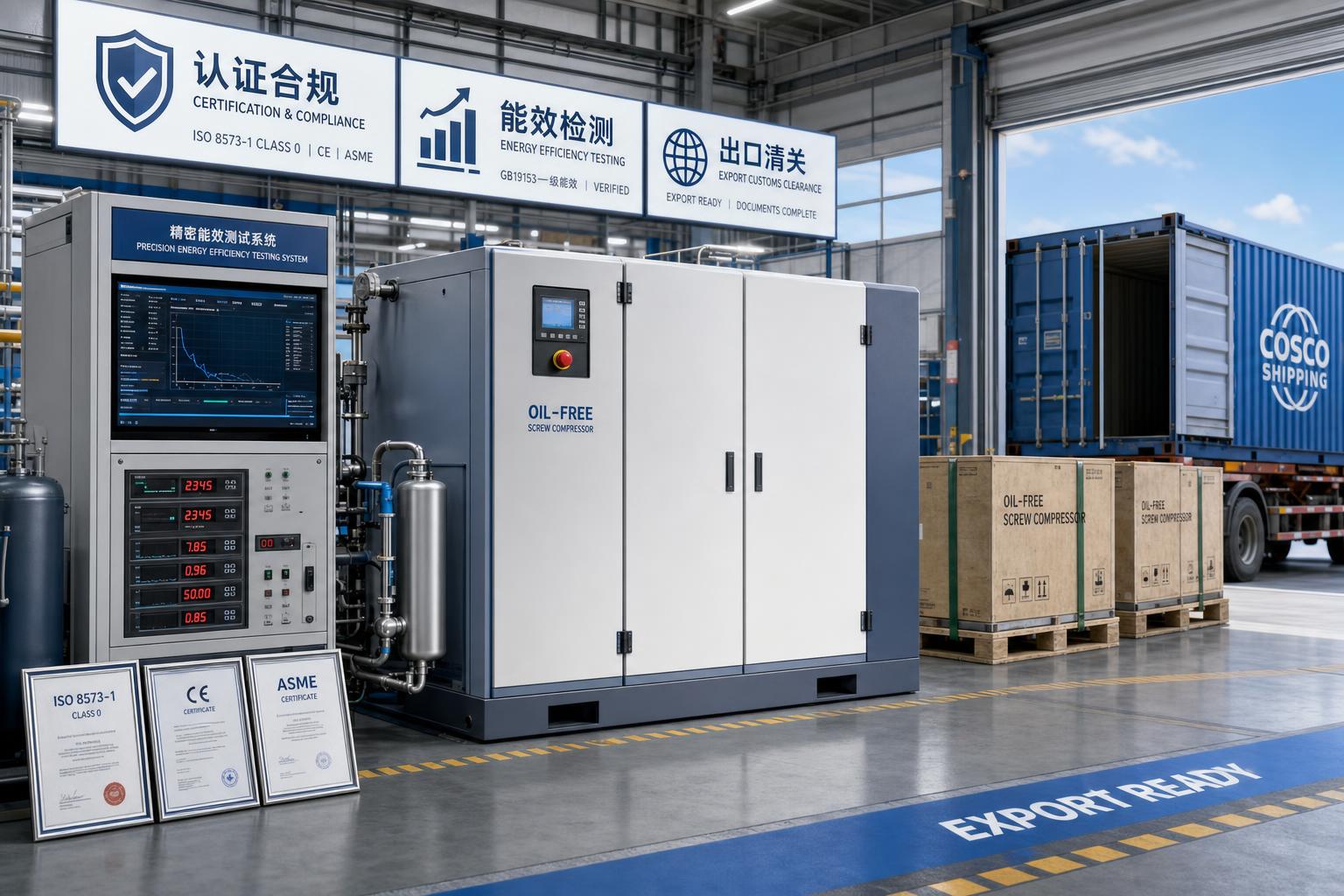
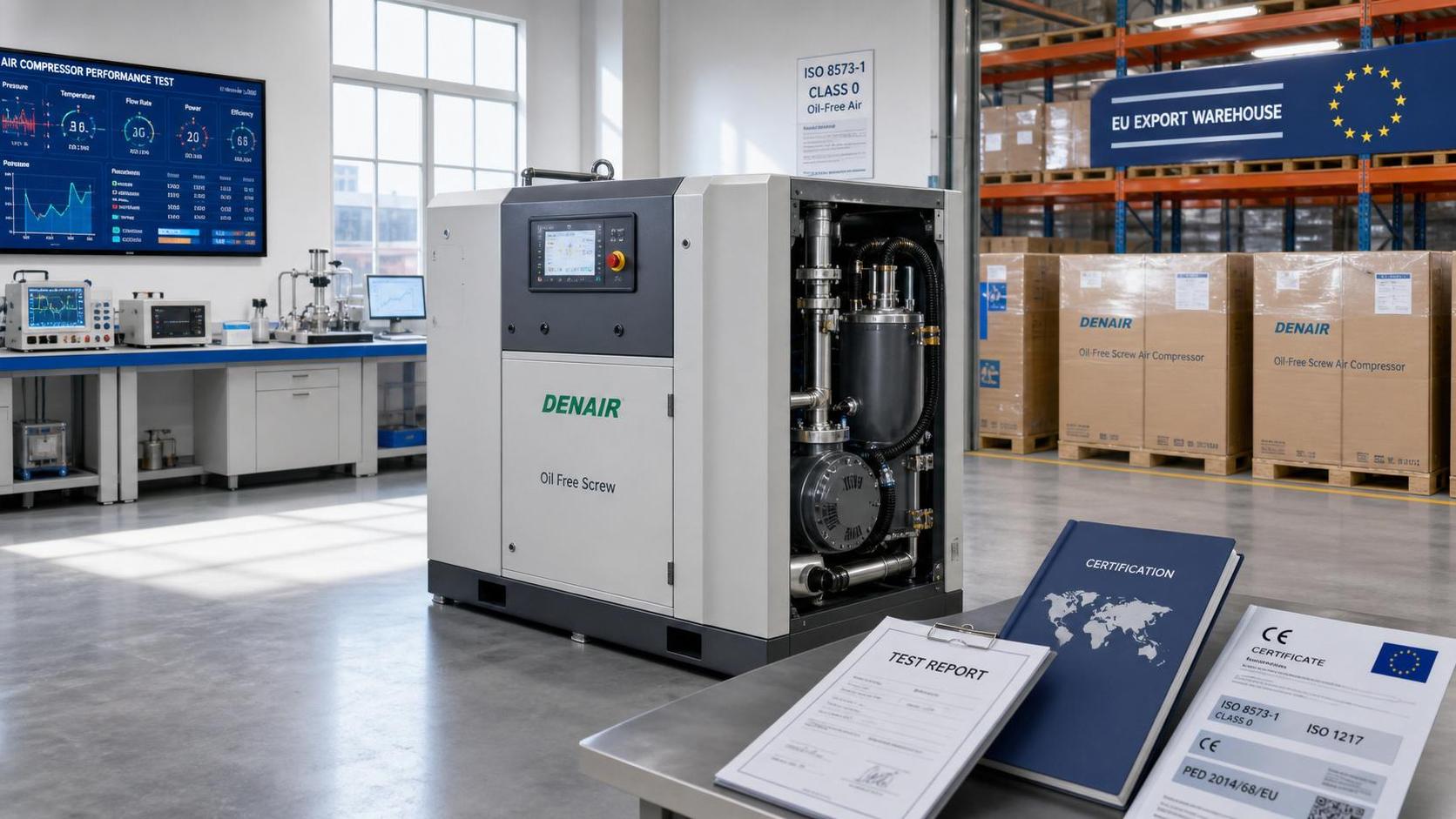
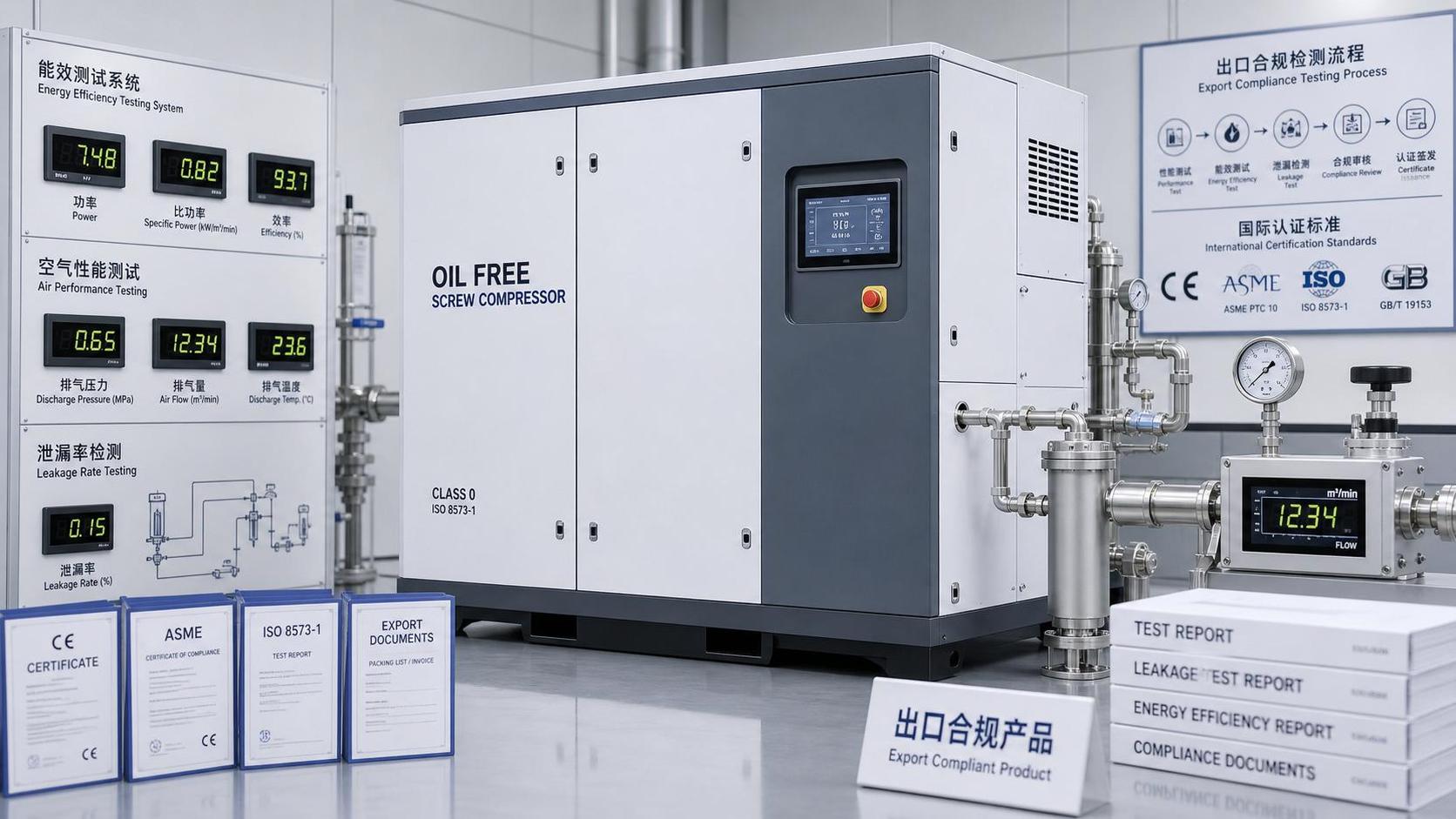
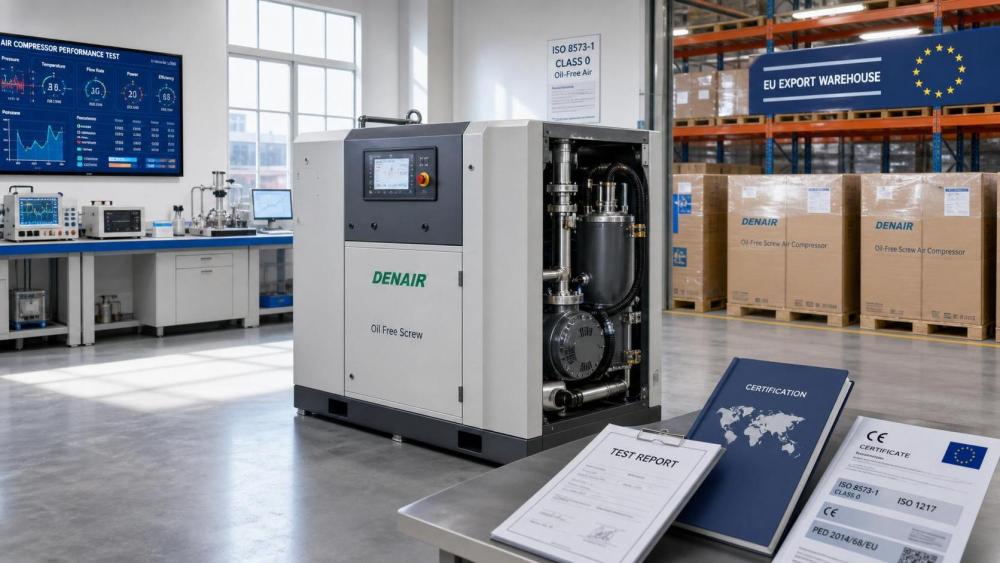
The same information also states that Chinese exporters of screw compressors, particularly oil-free systems, must undergo recertification through IECRE-recognized laboratories. Existing CE certificates do not automatically continue under this change. In addition, several European end users have already written this standard into technical tender clauses for the second half of 2026.
Where the immediate pressure is likely to appear
Export-facing manufacturers may face a certification reset
From an industry perspective, manufacturers and direct trading companies shipping oil-free screw compressors abroad are likely to feel the impact first because the change affects whether existing product documentation remains usable in customer-facing processes. The key pressure points are laboratory scheduling, recertification timing, and the ability to align technical files with the new test basis.
Testing and compliance functions become a bottleneck
Analysis shows that compliance teams and service providers linked to certification will need to focus on the shift to IECRE-recognized laboratory testing. The practical issue is not only passing a new test method, but also managing documentation continuity where CE certificates no longer roll over automatically.
European procurement and end-user projects may tighten requirements faster
What deserves closer attention is that some European end users have already inserted IEC 63349-2:2026 into tender specifications for the second half of 2026. For procurement teams and project owners, this can move the standard from a regulatory issue into a live commercial filter affecting supplier qualification, bid responsiveness, and contract execution readiness.
Supply-chain coordination may shift from pricing to document readiness
Observably, channel partners and supply-chain service providers may need to pay closer attention to document review, delivery sequencing, and customer communication. Where a shipment or bid depends on updated certification, the operational risk may come less from product availability and more from whether supporting files are recognized under the new rule set.
What companies should watch now
Separate legacy certification from new-market access assumptions
Analysis shows that companies should avoid assuming that an existing CE certificate will remain sufficient for upcoming export or tender activities. The information provided makes clear that automatic extension does not apply, so internal teams should distinguish between products already certified under older conditions and products that now need fresh testing.
Check which product lines are exposed first
What deserves closer attention is product prioritization. The immediate focus should be on screw compressors for export, especially oil-free systems, and on orders linked to Europe where the new standard is already entering tender language.
Confirm laboratory path and timing early
From an industry perspective, recertification is not only a technical matter but also a scheduling matter. Companies should closely track whether their testing route relies on IECRE-recognized laboratories and whether that path matches customer delivery or bidding deadlines.
Prepare customer-facing documentation and communication
Observably, sales, bid, and compliance teams should align on how to explain certification status, retest progress, and applicable standards to customers. This is particularly relevant where procurement documents, qualification reviews, or tender submissions may now ask for proof under IEC 63349-2:2026 rather than older test results.
Why this looks like more than a routine standards update
Analysis shows that this development is best understood as both an immediate operational change and a longer-term signal in efficiency evaluation. The immediate part is clear: the standard is already effective, old constant-condition testing has been removed, and certain exporters must recertify through recognized laboratories. The longer-term signal lies in the adoption of a dynamic load-based efficiency measure, which suggests that efficiency claims may increasingly be judged under usage-related conditions rather than a single fixed operating point.
At the same time, it would be premature to treat every downstream market effect as settled fact. The information provided confirms implementation, recertification requirements, and tender adoption by several European end users, but broader commercial consequences still require continued observation.
How to read the signal at this stage
At this stage, it is more appropriate to understand IEC 63349-2:2026 as a live compliance and market-access issue rather than a distant policy trend. For companies exposed to oil-free screw compressor exports, especially into Europe, the practical question is no longer whether the standard matters, but how quickly certification, documentation, and bidding processes can be aligned with it. Beyond that, the larger industry meaning still needs to be watched through future tender practice, customer enforcement, and the pace of recertification activity.
Basis of this article and follow-up points
This article is based on the user-provided news title, event date, and event summary concerning IEC 63349-2:2026 and its implementation from June 21, 2026. For this type of industry update, commonly relevant source categories may include official announcements, standard-organization documents, company notices, industry association updates, and reporting by authoritative trade media.
No specific official source link was provided in the input, so the exact source document link still requires further verification. Follow-up attention should remain on any additional official wording around implementation, laboratory recognition, recertification handling, and how procurement clauses continue to reference IEC 63349-2:2026 in actual projects.
Related News
- When oil free vacuum pumps make sense for European cleanroom projectsAuthor :Pneumatic Power Engineer

- When do pure air compression systems need ISO 8573-1 Class 0?Author :Pneumatic Power Engineer

- How do compressed air systems for electronics prevent contamination?Author :Pneumatic Power Engineer

- When does an oil-free process vacuum pump justify its higher cost?Author :Pneumatic Power Engineer

- Does ISO 9001 certification apply to compressed air quality?Author :Pneumatic Power Engineer

- How to Specify Clean Compressed Air Systems in Southeast Asia for Food and Pharma PlantsAuthor :Pneumatic Power Engineer

- How to Compare Oil Free Vacuum Pumps for Clean Process RequirementsAuthor :Pneumatic Power Engineer

- How to Evaluate a Clean Compressed Air Systems Supplier for ISO 8573-1 ComplianceAuthor :Pneumatic Power Engineer

- How to Choose the Right Oil-Free Vacuum PumpAuthor :Pneumatic Power Engineer

- VDI 2083 Update Makes Class 0 Proof MandatoryAuthor :Pneumatic Power Engineer

- When to Use Oil Free Vacuum Pumps for High Purity LinesAuthor :Pneumatic Power Engineer

- Compressed Air Solutions: When Oil-Free Systems Lower Total Operating CostAuthor :Pneumatic Power Engineer

- ATMOsphere Europe 2026 Adds Oil-free Systems ZoneAuthor :Pneumatic Power Engineer

- Oil-Free Compressors: Key Selection Criteria for Clean Air SystemsAuthor :Pneumatic Power Engineer

- How to Compare Oil Free Centrifugal Compressors for Stable Plant Air SupplyAuthor :Pneumatic Power Engineer

- Compressed Air Class 0 vs Oil-Free: What Really MattersAuthor :Pneumatic Power Engineer

- Oil-Free Compression Class 0: What the Standard Really Means in ProductionAuthor :Pneumatic Power Engineer

- Air Compression Cost Comparison: Oil-Free vs Screw Systems in Daily OperationAuthor :Pneumatic Power Engineer

- Saudi SASO Tightens IEC 63349-2 for Oil-Free CompressorsAuthor :Pneumatic Power Engineer

- Saudi SASO Tightens Oil-Free Compressor Efficiency RulesAuthor :Pneumatic Power Engineer

- Pure Air Compression Systems for Clean Production LinesAuthor :Pneumatic Power Engineer

- IEC 63349-2:2026 makes energy certification mandatoryAuthor :Pneumatic Power Engineer

- IEC 63349-2:2026 Sets New Entry Rules for Oil-Free Screw CompressorsAuthor :Pneumatic Power Engineer

- IEC 63349-2:2026 Takes Effect for Oil-Free Screw CompressorsAuthor :Pneumatic Power Engineer

- IEC 63349-2:2026 Sets New Efficiency Gate for Oil-Free Screw CompressorsAuthor :Pneumatic Power Engineer

- IEC 63349-2:2026 Takes Effect for Oil-Free Screw CompressorsAuthor :Pneumatic Power Engineer

- SABIC Methanol Force Majeure Extended, Tightening R134a/R407C FeedstocksAuthor :Pneumatic Power Engineer

- How to Evaluate Pneumatic Power Systems for Stable OutputAuthor :Pneumatic Power Engineer

- Oil-Free Compression vs Lubricated Systems: Key Trade-OffsAuthor :Pneumatic Power Engineer
![]()
- Oil-Free Compression: 2026 Cost and Compliance Trade-OffsAuthor :Pneumatic Power Engineer

- Oil-Free Compression: Cost and Contamination RisksAuthor :Pneumatic Power Engineer
![]()
- Euro PMI Drop Delays Oil-Free Systems OrdersAuthor :Pneumatic Power Engineer

- Germany/France May PMI Decline; Oil-free Systems EU Projects DelayedAuthor :Pneumatic Power Engineer
![]()
- Compression Technology Options for Cleaner Oil-Free Air SupplyAuthor :Pneumatic Power Engineer

- TUV Rheinland Enforces Full-Chain Class 0 Certification for Oil-Free SystemsAuthor :Pneumatic Power Engineer

- Sustainable Manufacturing and Oil-Free Systems: Where Reliability Improves MostAuthor :Pneumatic Power Engineer