TUV Rheinland Releases New Oil-Free Systems Certification White Paper




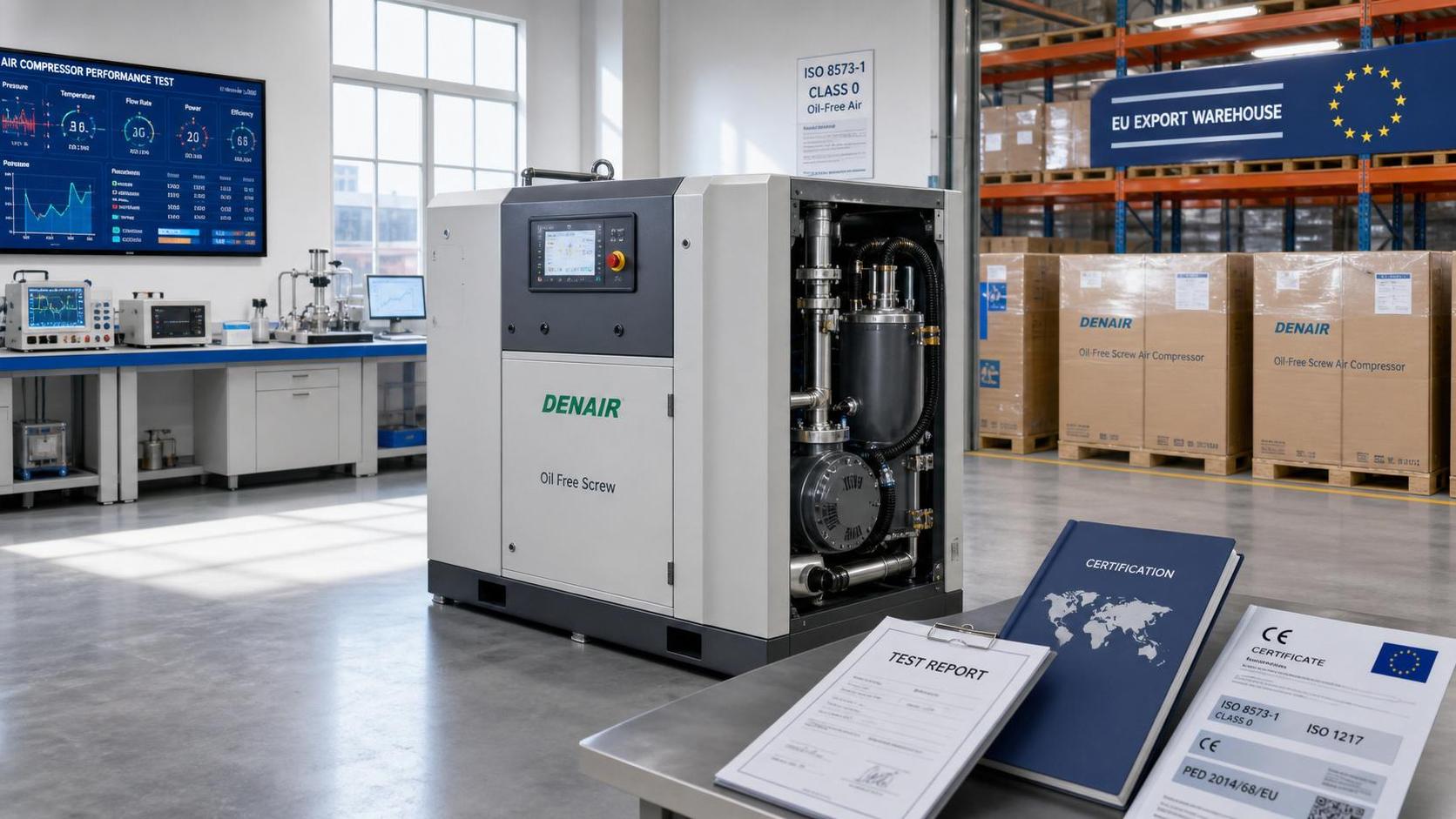
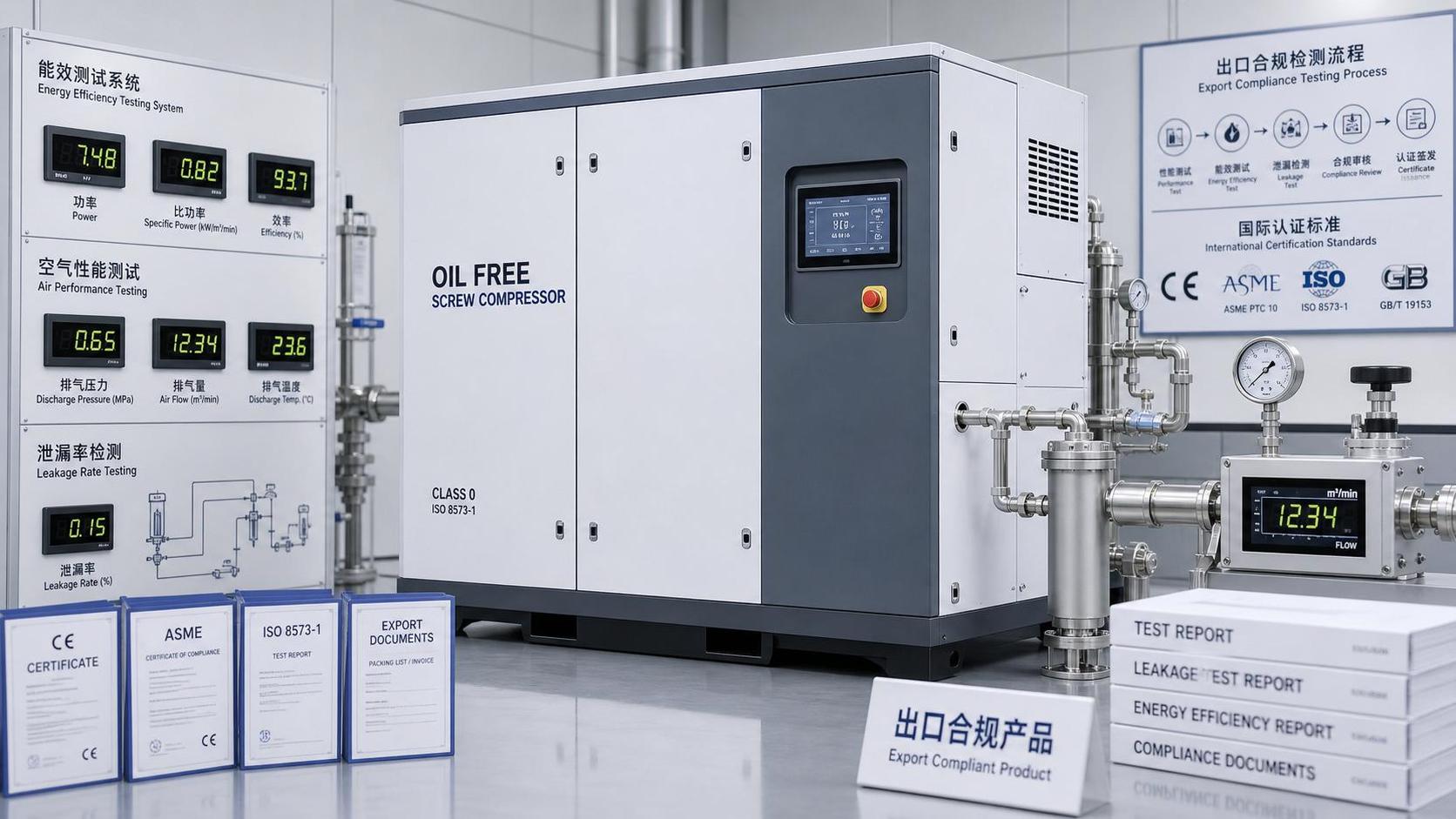
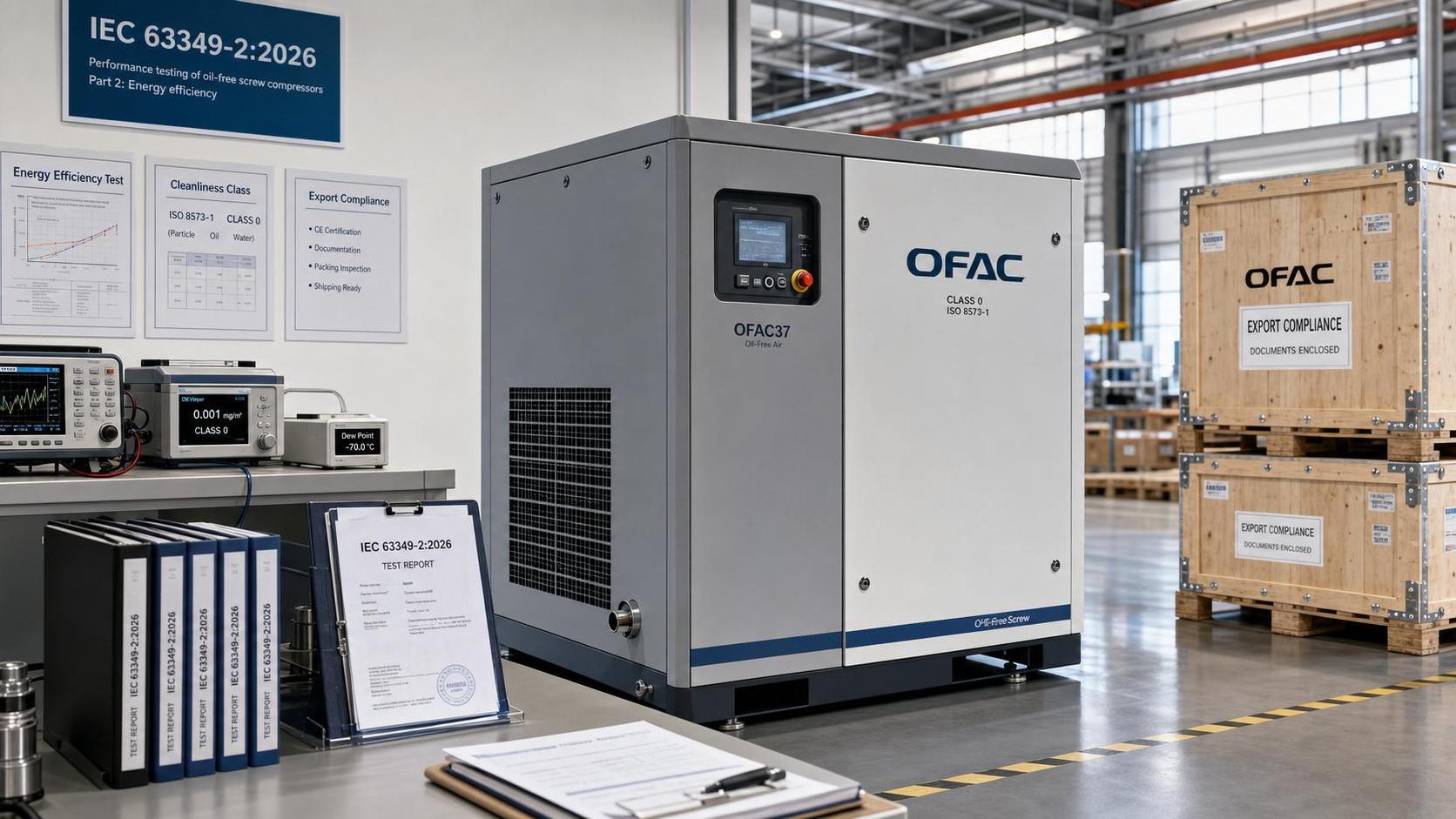
TÜV Rheinland released a revised white paper on oil-free compressed air systems on , introducing mandatory full-chain ISO 8573-1 Class 0 verification — from intake filtration to point-of-use — for certification. This development directly affects manufacturers, suppliers, and service providers in precision industrial sectors across Europe and globally, particularly where contamination-sensitive processes govern product quality, regulatory compliance, or brand reputation.
Event Overview
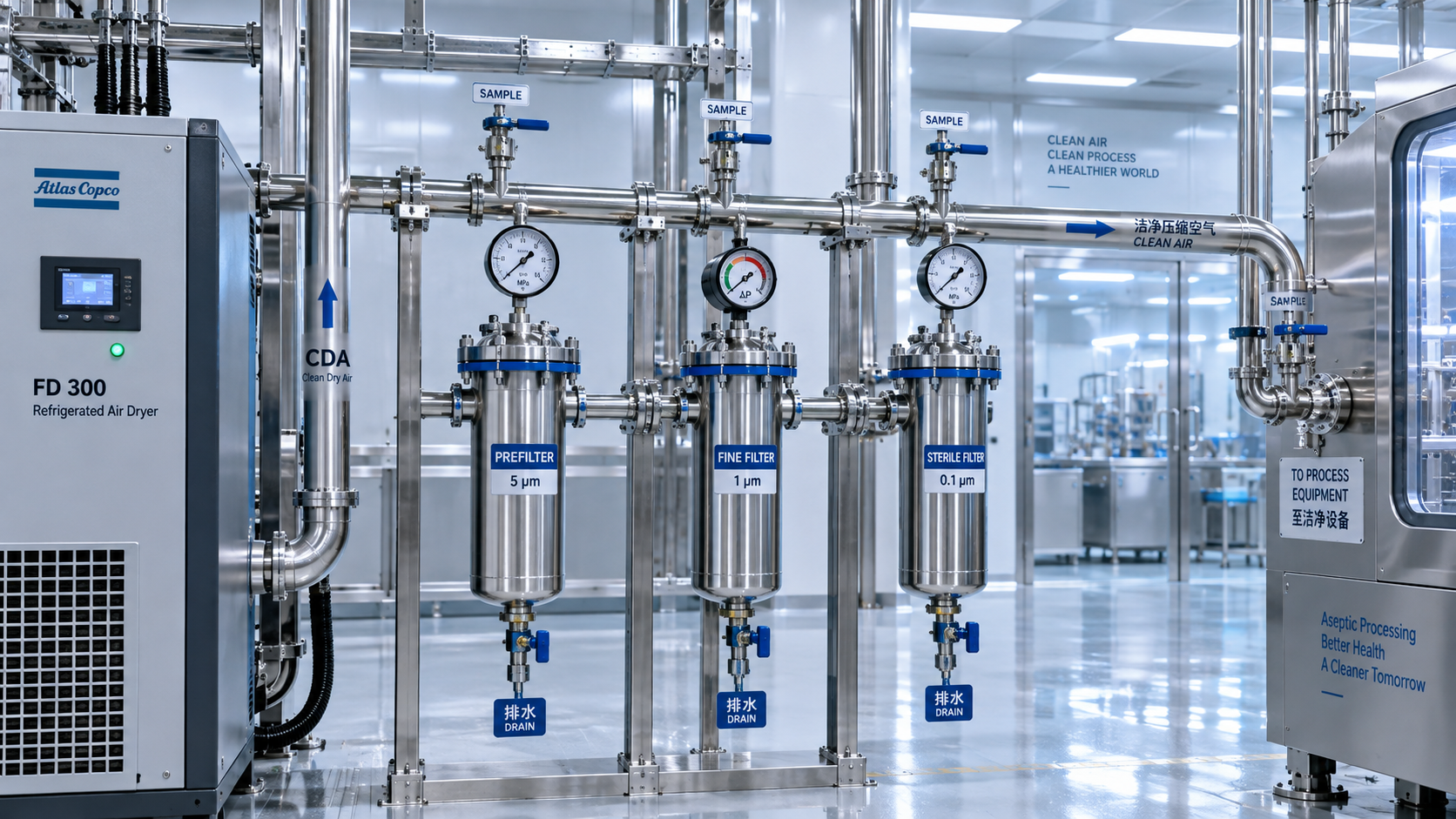
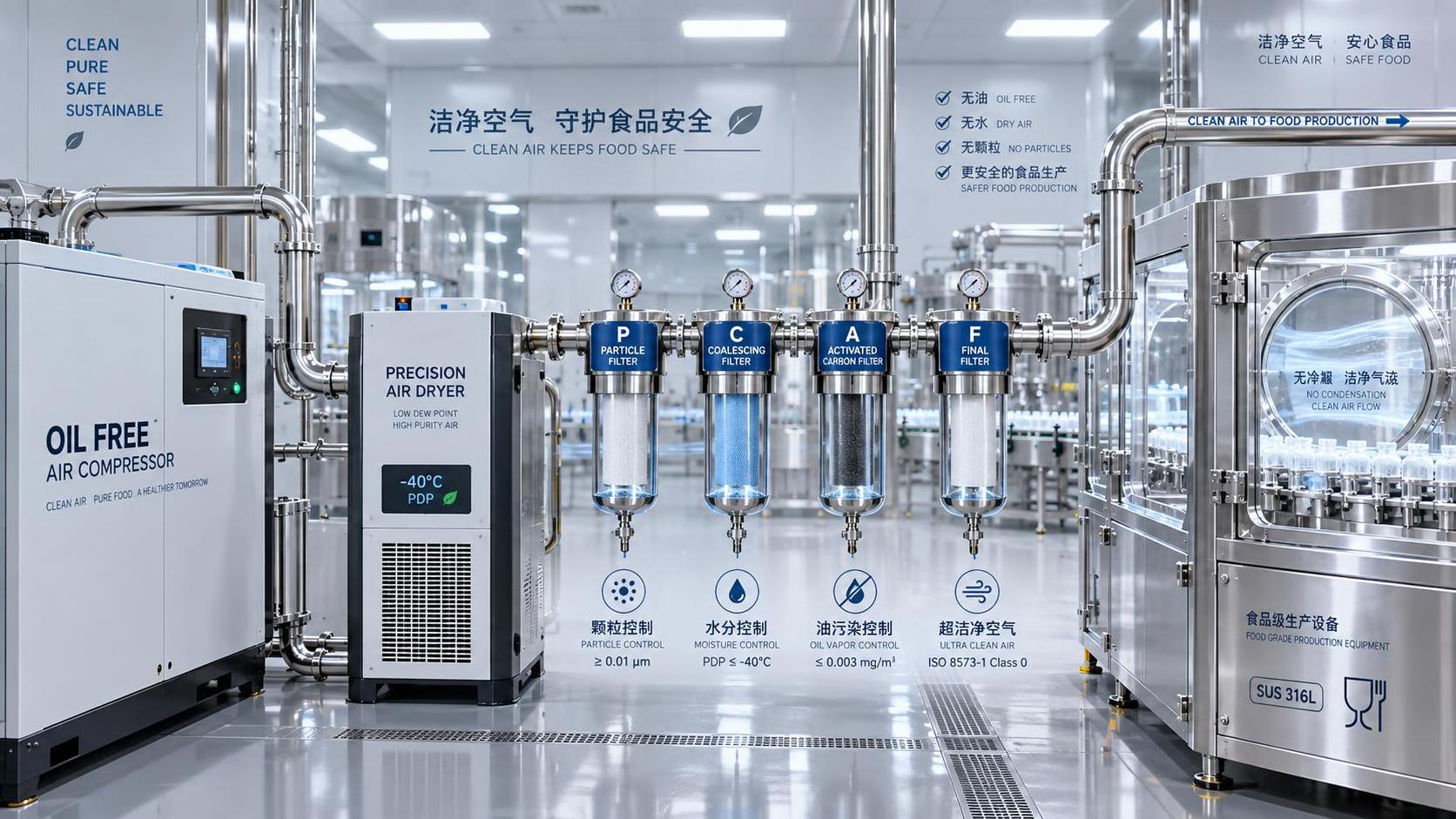
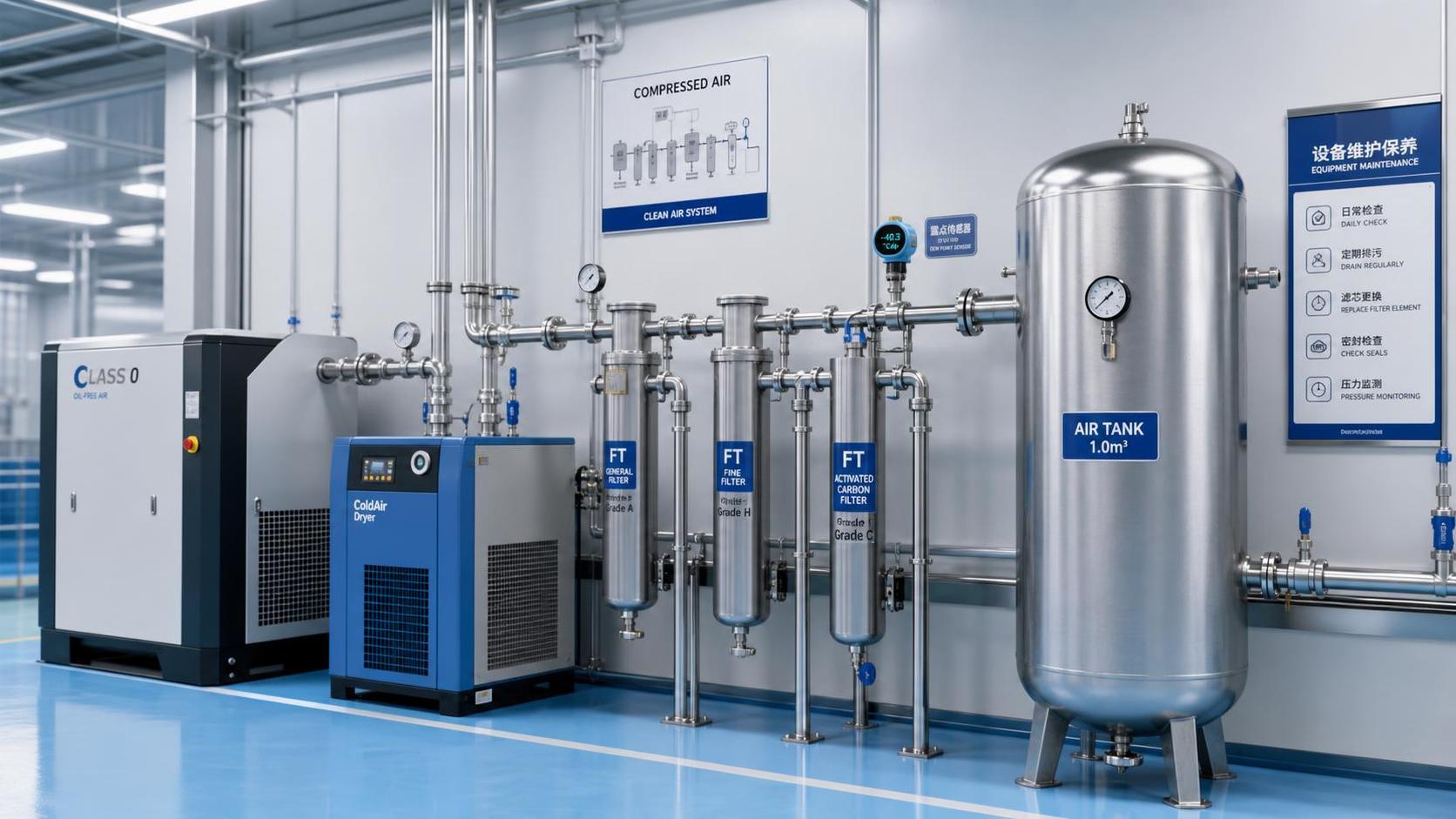
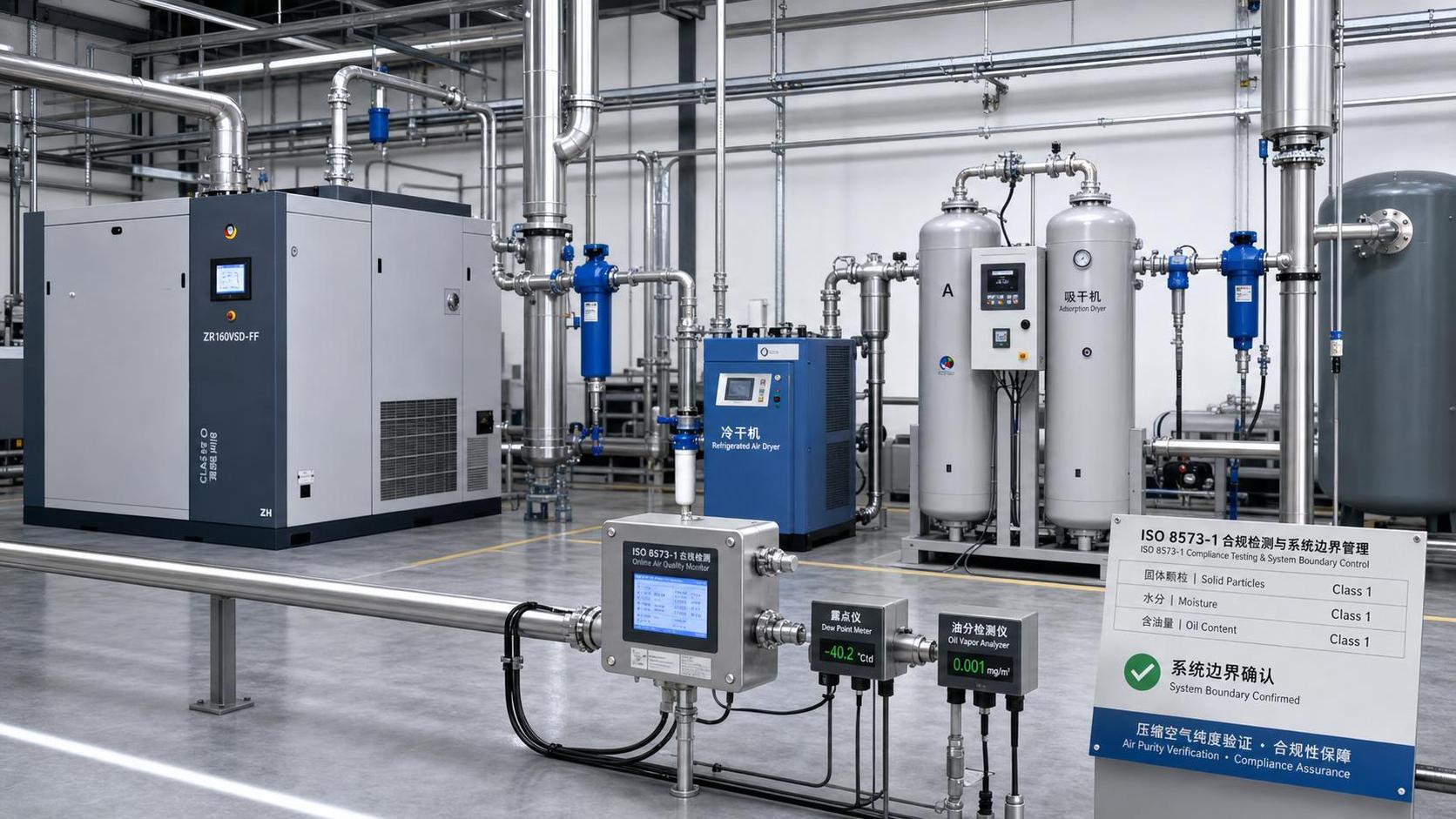
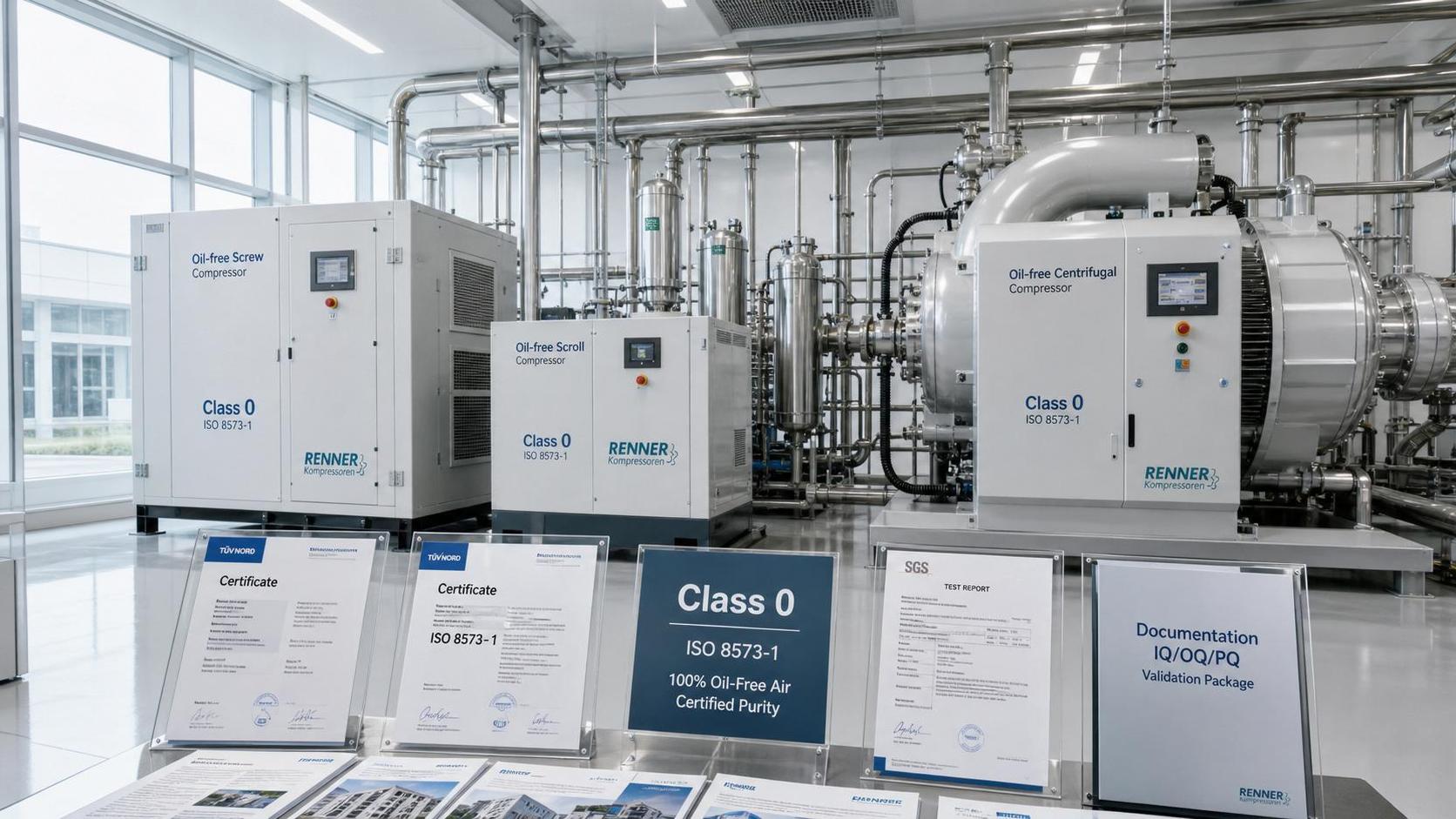
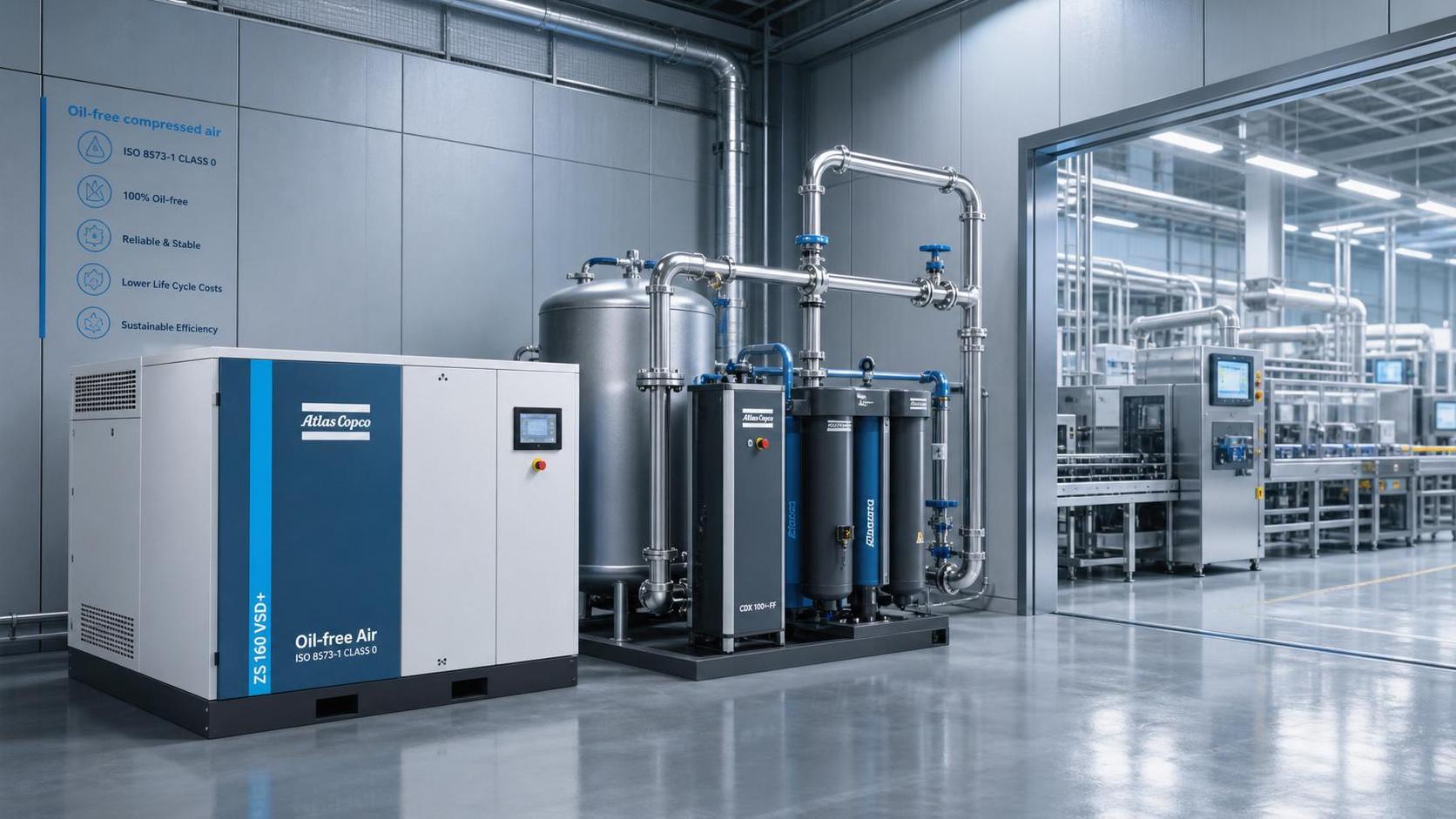
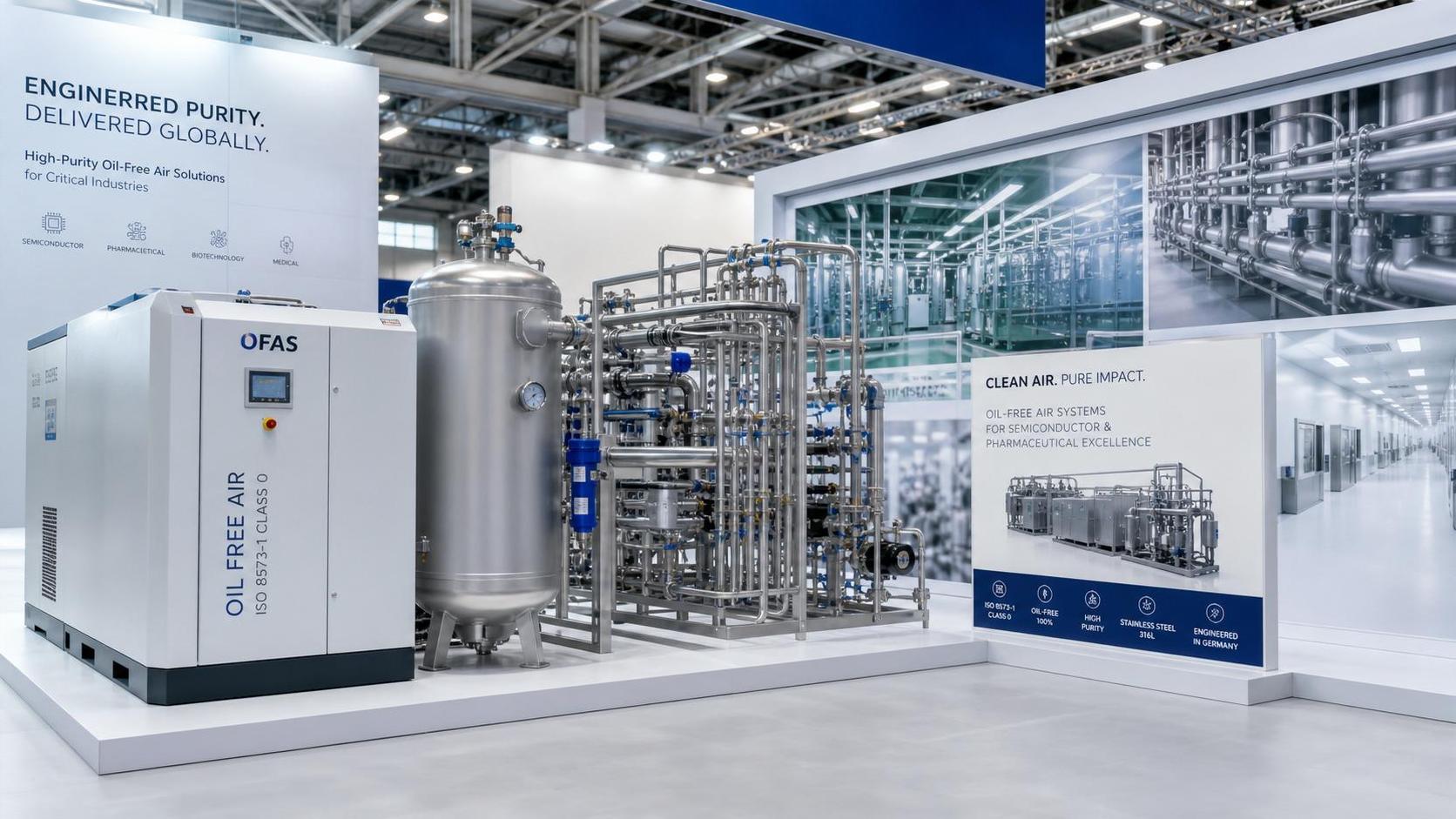
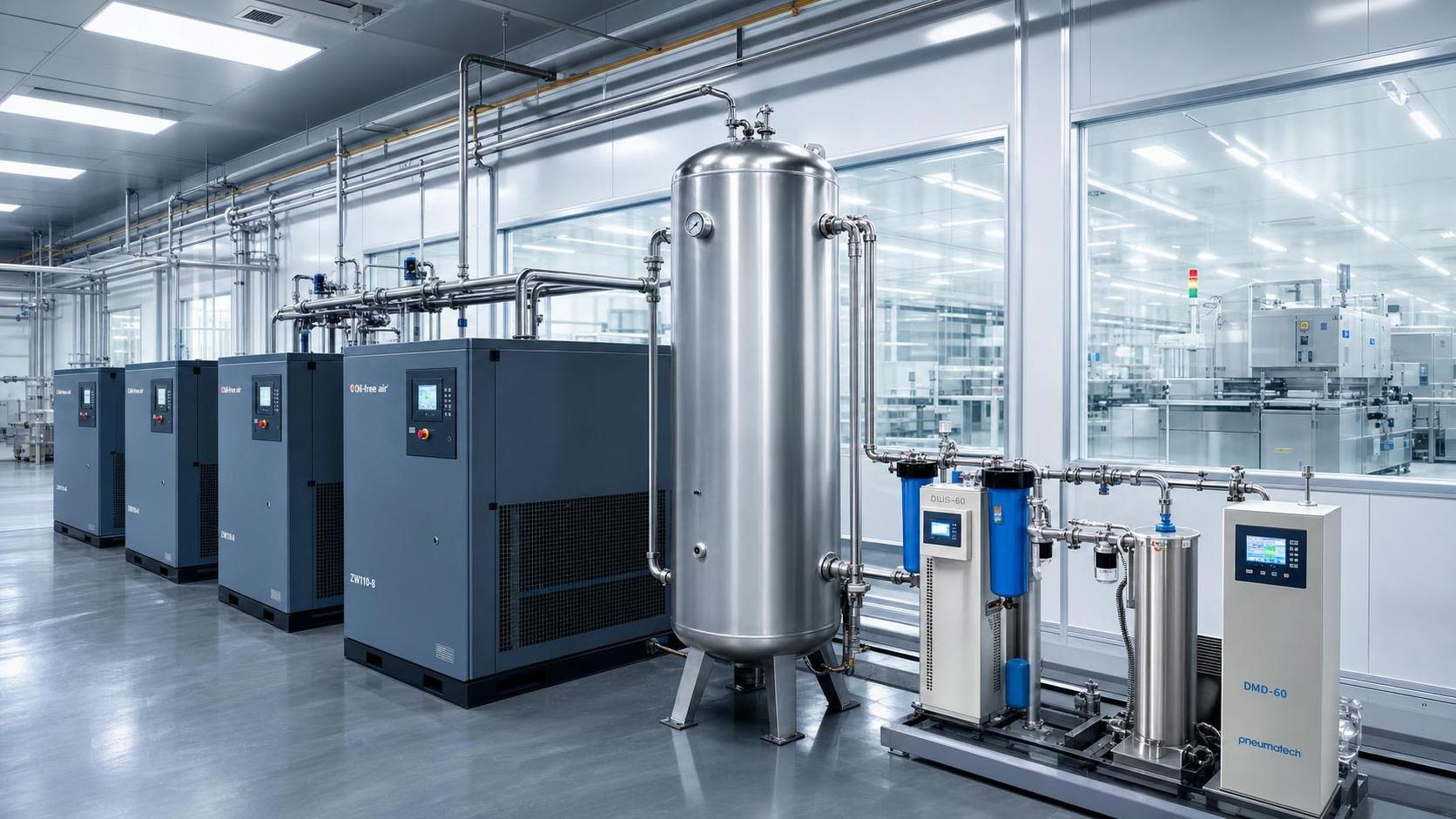
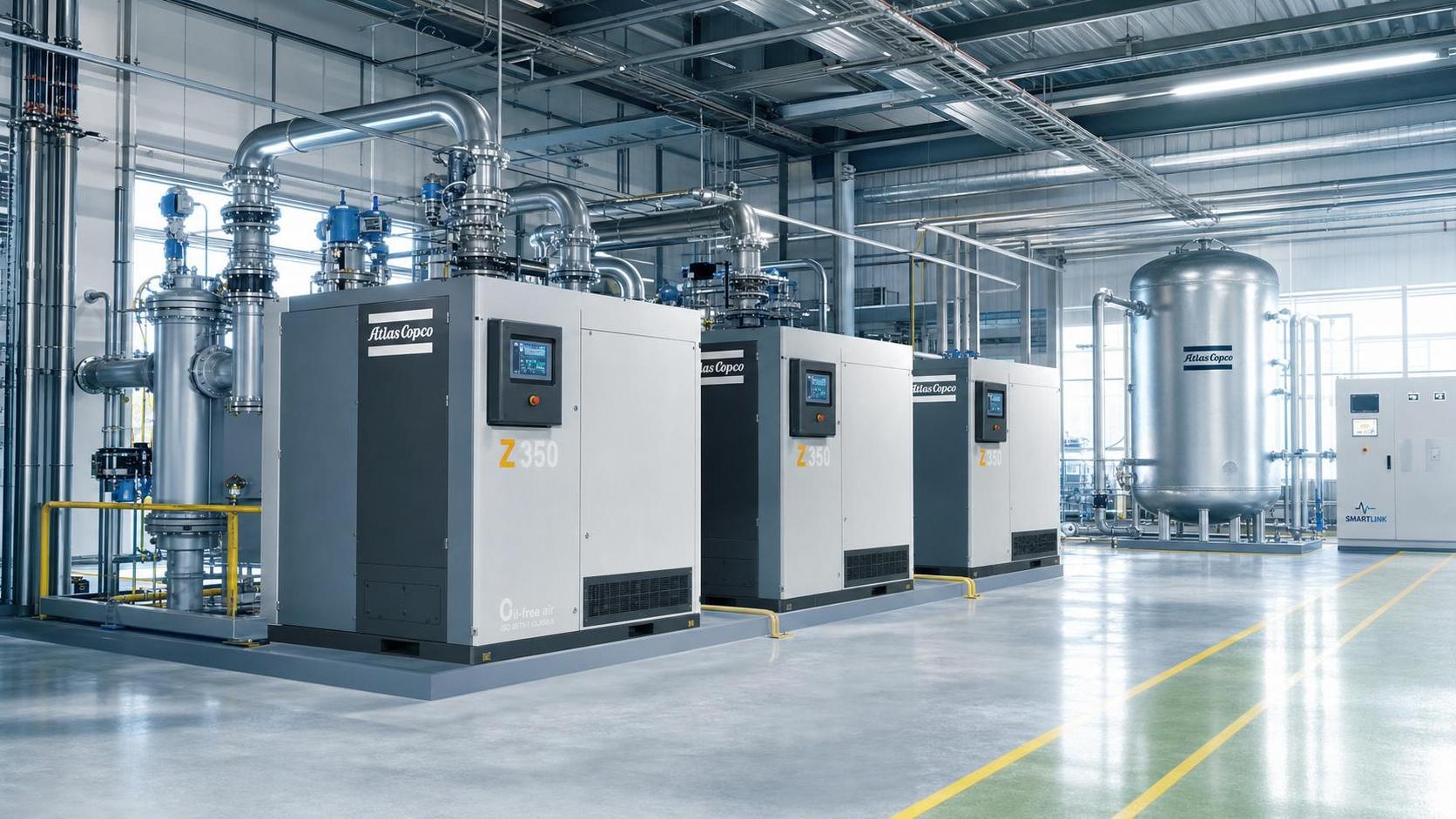
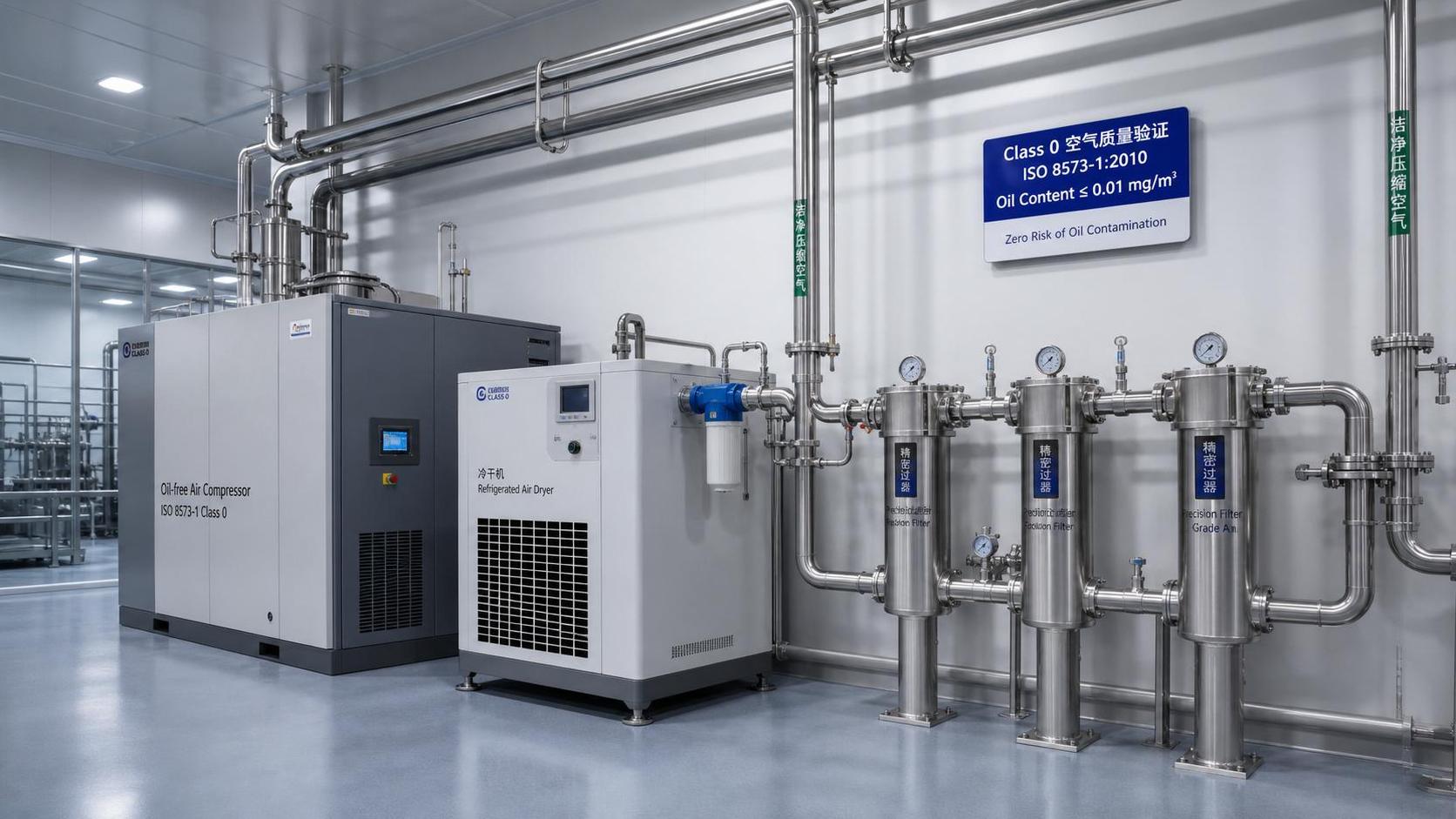
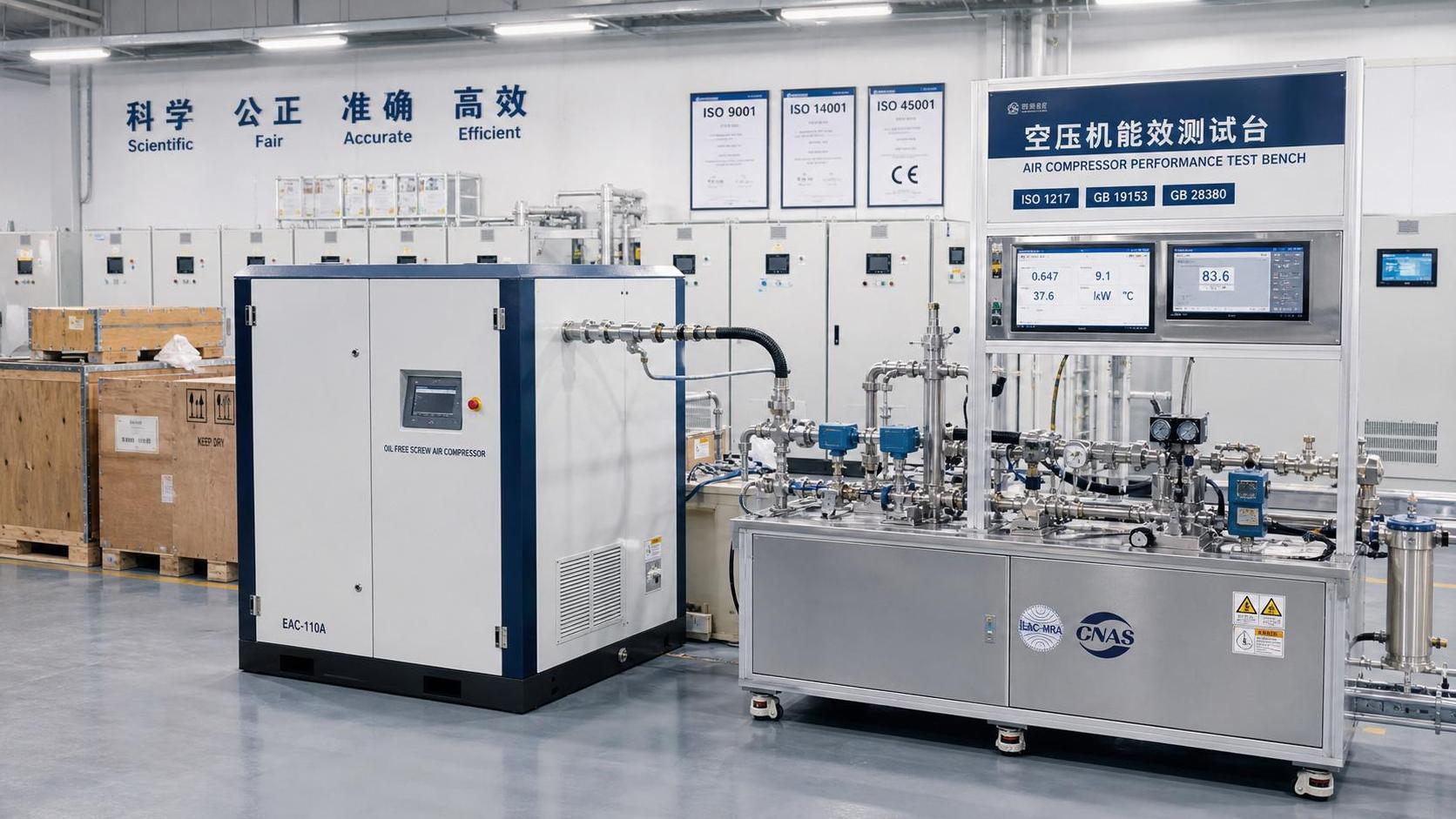
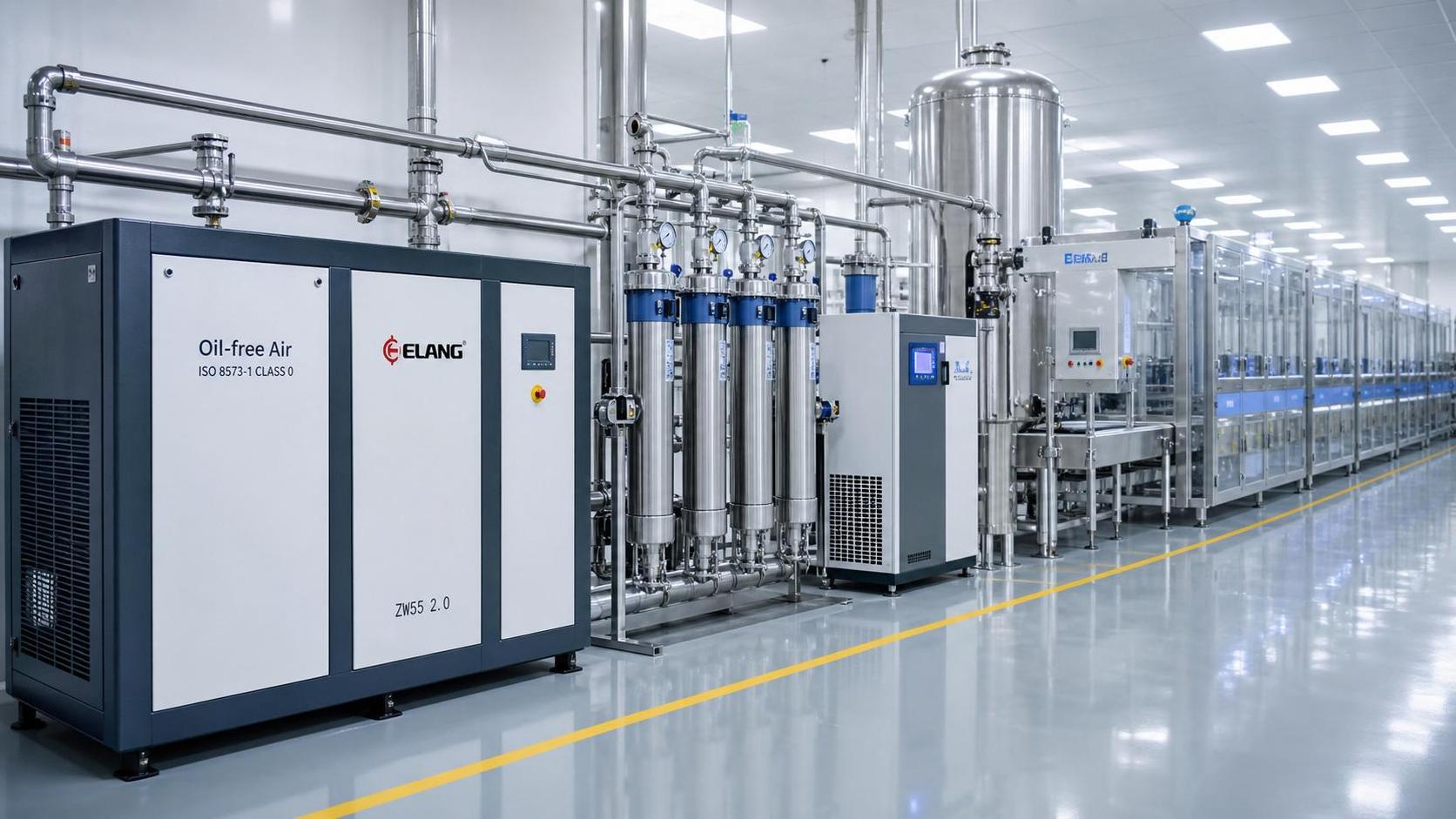
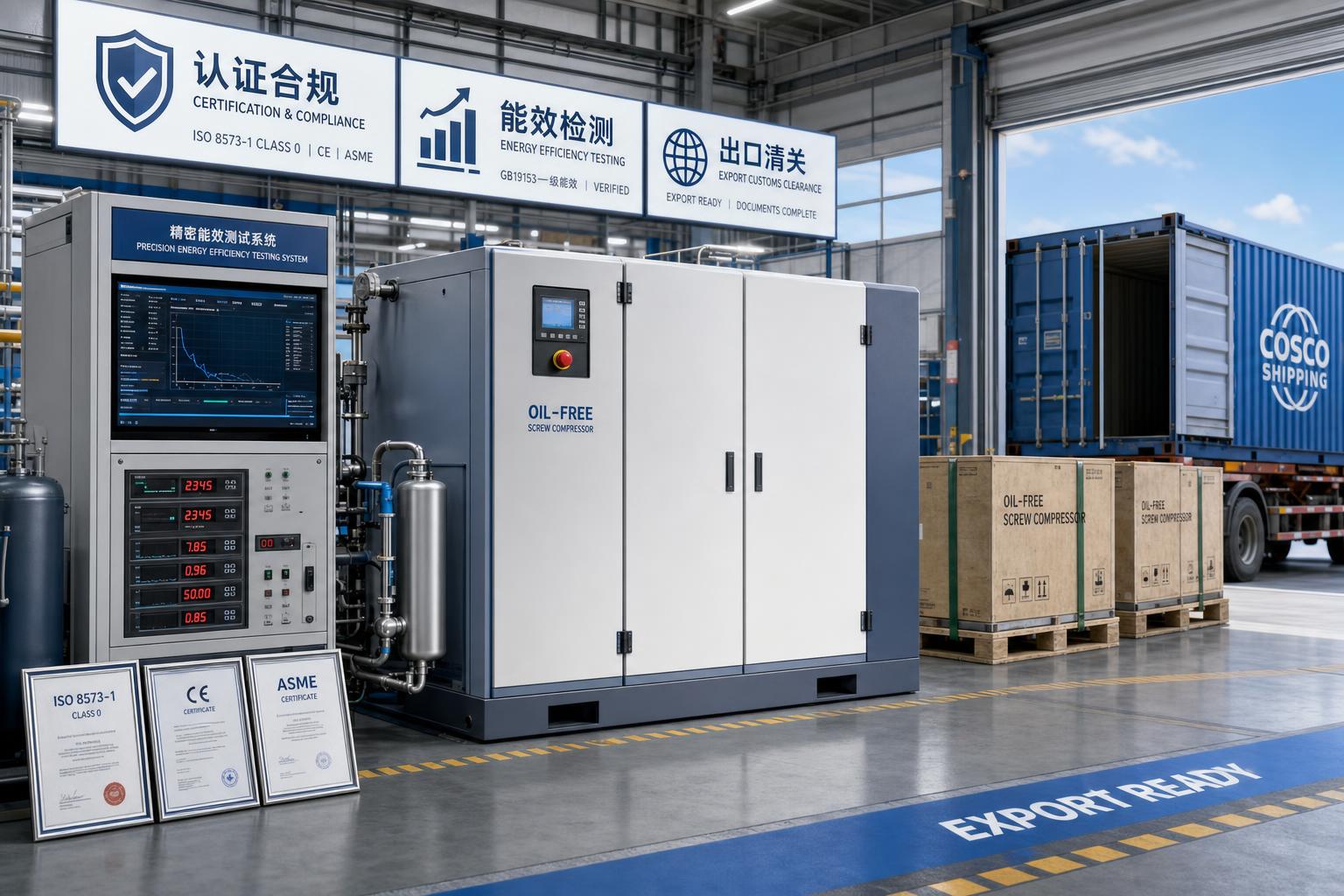
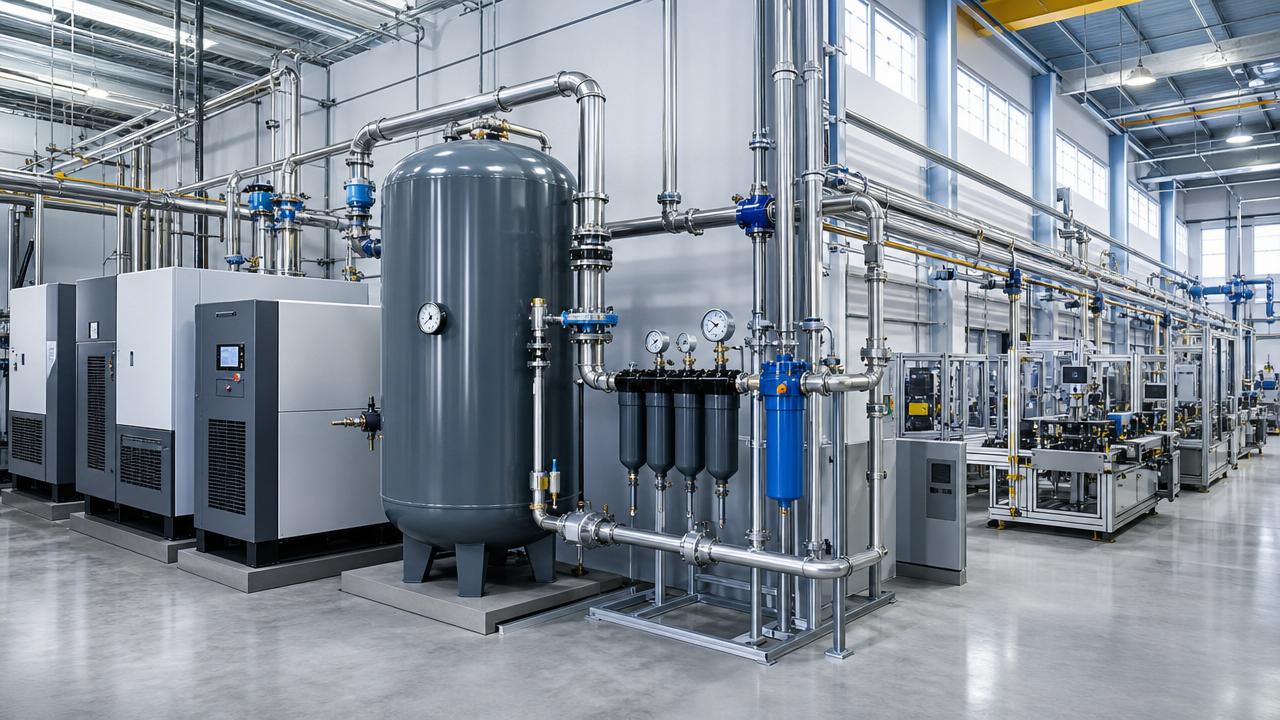
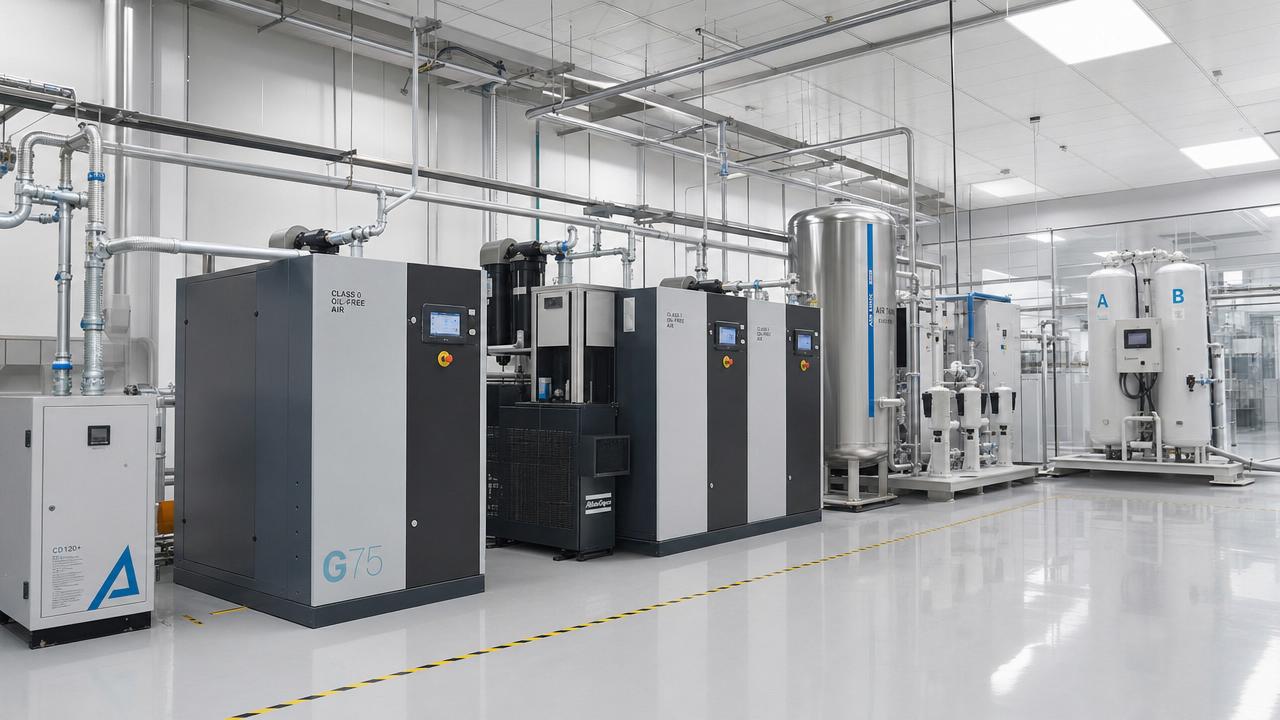
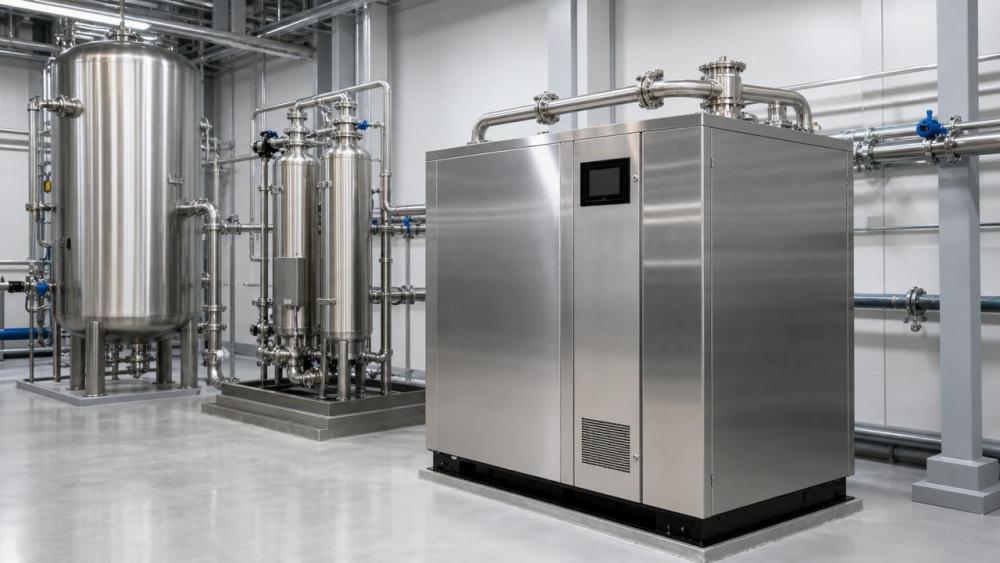
TÜV Rheinland published the white paper titled Oil-free Compressed Air Systems – Certification Requirements 2026 on May 16, 2026. It formally mandates end-to-end Class 0 verification across the entire compressed air system: compressors, dryers, receivers, and distribution piping. For the first time, the document requires that all components be validated as an integrated system by a single accredited certification body. This requirement has already been incorporated into updated technical procurement specifications issued by BMW and Siemens for new compressed air infrastructure projects.
Industries Affected
Direct Trading Enterprises
Trading enterprises exporting compressors, dryers, or piping systems to EU-based OEMs face heightened technical documentation and conformity assessment burdens. Their ability to offer pre-integrated, TÜV-certified system packages — rather than component-level CE-marked units — now determines market access, especially for Tier 1 tenders. Failure to align with the new integration mandate may result in rejected bids or post-delivery revalidation costs.
Raw Material Procurement Enterprises
Enterprises sourcing critical materials (e.g., stainless-steel piping, PTFE-free seals, high-efficiency coalescing filters) must now verify not only material certifications but also their compatibility within a Class 0 full-chain context. Suppliers’ test reports must reference traceable, system-level validation protocols — not just individual component performance — increasing due diligence effort and lead-time risk for procurement teams.
Manufacturing Enterprises
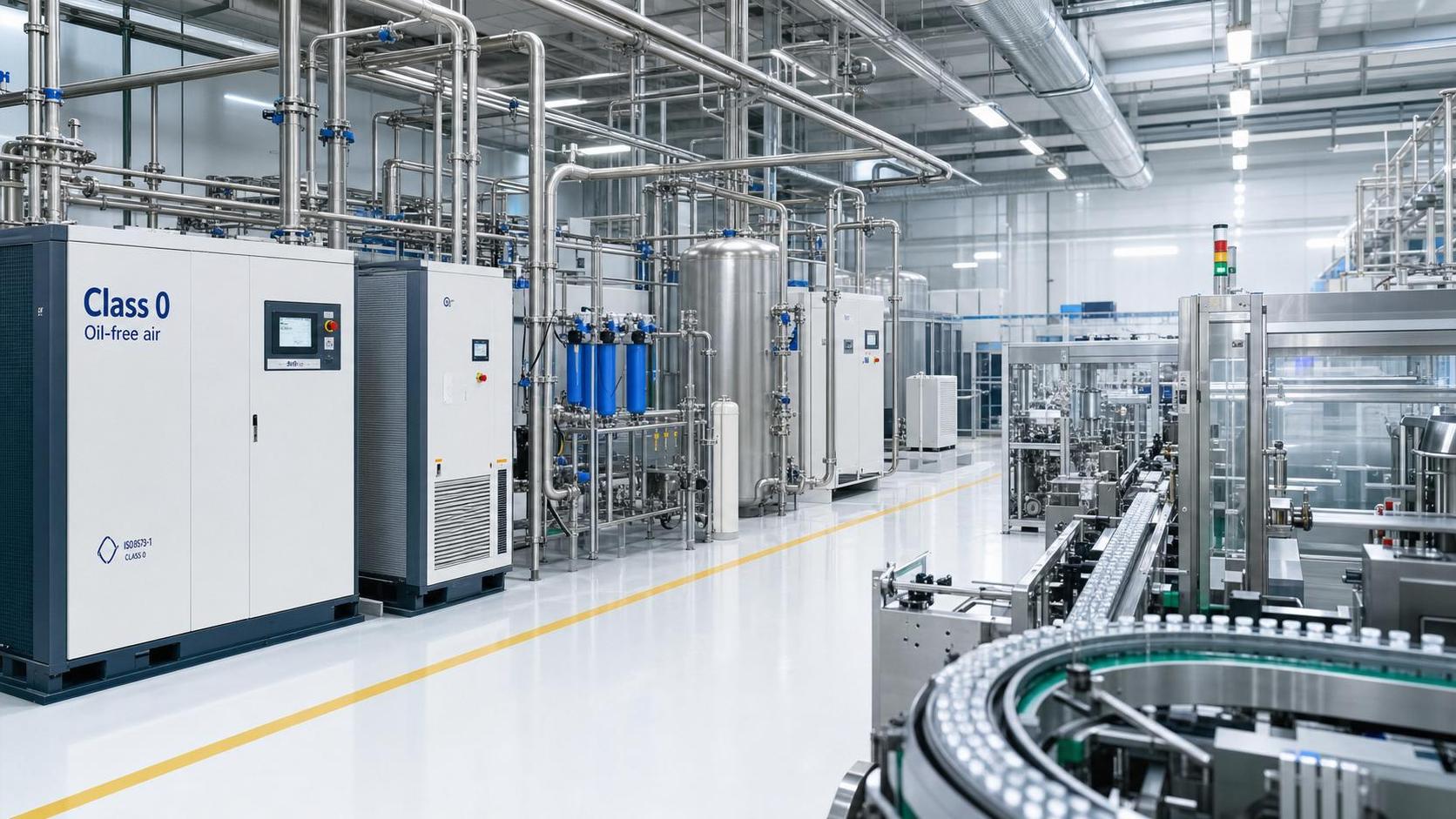
Manufacturers operating cleanrooms, pharmaceutical filling lines, food packaging facilities, or automotive paint shops must reassess existing compressed air infrastructure against the new verification scope. Retrofitting legacy systems to meet full-chain Class 0 criteria — including inlet air quality monitoring and pipe internal surface finish audits — implies capital expenditure, downtime planning, and cross-functional coordination between maintenance, QA, and engineering departments.
Supply Chain Service Providers
Third-party commissioning firms, calibration labs, and maintenance contractors are required to adopt updated verification checklists aligned with TÜV Rheinland’s 2026 protocol. Their service contracts must now explicitly cover chain-of-custody documentation, real-time particle/oil vapor logging at multiple nodes, and joint witnessing of integrated functional tests — shifting liability exposure and expanding scope-of-work definitions.
Key Focus Areas and Recommended Actions
Review Existing System Documentation Against Full-Chain Criteria
Enterprises should audit current compressed air system files — including compressor certificates, dryer test reports, pipe material declarations, and installation records — to identify gaps relative to the new ‘intake-to-point-of-use’ verification boundary. Particular attention is needed for undocumented modifications, non-TÜV-approved filter replacements, or unverified pipe welding procedures.
Engage Early with Accredited Certification Bodies
Given the requirement for unified certification, companies should initiate dialogue with TÜV Rheinland or other ILAC-accredited bodies before finalizing equipment selection or installation timelines. Pre-assessment consultations can clarify acceptable test methodologies (e.g., ISO 8573-2/4/5 sampling locations), permissible tolerances, and documentation formats accepted for integrated review.
Evaluate Supplier Integration Capabilities
Purchasing departments must revise supplier evaluation criteria to include demonstrable experience in delivering TÜV-certified, multi-component oil-free systems — not just certified individual units. Requests for quotation should require evidence of prior full-chain validations, including signed test protocols and witness reports from accredited auditors.
Editorial Perspective / Industry Observation
Observably, this update reflects a broader industry shift from component-centric compliance toward system-integrity assurance — driven less by regulation than by OEM risk mitigation strategies. Analysis shows that Class 0 was historically treated as a ‘best practice’ benchmark; its formalization as a contractual gatekeeper signals growing sensitivity to downstream contamination liabilities, especially in battery manufacturing and biopharma. Current more significant trend is not stricter limits per se, but tighter accountability across interfaces — where responsibility previously blurred between equipment vendors, installers, and end-users. This is better understood as a supply chain governance evolution than a technical tightening alone.
Conclusion
The 2026 TÜV Rheinland white paper does not introduce new contamination thresholds, but it fundamentally redefines verification ownership and scope. Its long-term significance lies in accelerating standardization of system-level air quality management — making Class 0 less a niche specification and more a baseline expectation for mission-critical industrial air. Rational observation suggests adoption will accelerate fastest in export-oriented manufacturing clusters, while domestic markets may lag pending local regulatory alignment or OEM cascading.
Source Attribution
Primary source: TÜV Rheinland official publication page (white paper available upon registration). Secondary confirmation: Public procurement notices issued by BMW Group (Ref. BM-CA-2026-042) and Siemens AG (Ref. SI-IND-AIR-2026-018), both dated May 2026. Note: Implementation timelines for non-German OEMs and regional certification equivalency (e.g., UKAS, CNAS) remain under active review and warrant ongoing monitoring.
Ready when you are. Send us a message to get started.
Related News
- How to verify food-grade purity in compressed air systemsAuthor :Pneumatic Power Engineer

- What determines the price of pure air compression systems?Author :Pneumatic Power Engineer

- How to size oil-free compressors for instrumentation air demandAuthor :Pneumatic Power Engineer

- How Class 0 oil-free compressors protect product quality in food productionAuthor :Pneumatic Power Engineer

- How to verify compressed air cleanroom standards before installationAuthor :Pneumatic Power Engineer

- When oil free vacuum pumps make sense for European cleanroom projectsAuthor :Pneumatic Power Engineer

- When do pure air compression systems need ISO 8573-1 Class 0?Author :Pneumatic Power Engineer

- How do compressed air systems for electronics prevent contamination?Author :Pneumatic Power Engineer

- When does an oil-free process vacuum pump justify its higher cost?Author :Pneumatic Power Engineer

- Does ISO 9001 certification apply to compressed air quality?Author :Pneumatic Power Engineer

- How to Specify Clean Compressed Air Systems in Southeast Asia for Food and Pharma PlantsAuthor :Pneumatic Power Engineer

- How to Compare Oil Free Vacuum Pumps for Clean Process RequirementsAuthor :Pneumatic Power Engineer

- How to Evaluate a Clean Compressed Air Systems Supplier for ISO 8573-1 ComplianceAuthor :Pneumatic Power Engineer

- How to Choose the Right Oil-Free Vacuum PumpAuthor :Pneumatic Power Engineer

- VDI 2083 Update Makes Class 0 Proof MandatoryAuthor :Pneumatic Power Engineer

- When to Use Oil Free Vacuum Pumps for High Purity LinesAuthor :Pneumatic Power Engineer

- Compressed Air Solutions: When Oil-Free Systems Lower Total Operating CostAuthor :Pneumatic Power Engineer

- ATMOsphere Europe 2026 Adds Oil-free Systems ZoneAuthor :Pneumatic Power Engineer

- Oil-Free Compressors: Key Selection Criteria for Clean Air SystemsAuthor :Pneumatic Power Engineer

- How to Compare Oil Free Centrifugal Compressors for Stable Plant Air SupplyAuthor :Pneumatic Power Engineer

- Compressed Air Class 0 vs Oil-Free: What Really MattersAuthor :Pneumatic Power Engineer

- Oil-Free Compression Class 0: What the Standard Really Means in ProductionAuthor :Pneumatic Power Engineer

- Air Compression Cost Comparison: Oil-Free vs Screw Systems in Daily OperationAuthor :Pneumatic Power Engineer

- Saudi SASO Tightens IEC 63349-2 for Oil-Free CompressorsAuthor :Pneumatic Power Engineer

- Saudi SASO Tightens Oil-Free Compressor Efficiency RulesAuthor :Pneumatic Power Engineer

- Pure Air Compression Systems for Clean Production LinesAuthor :Pneumatic Power Engineer

- IEC 63349-2:2026 makes energy certification mandatoryAuthor :Pneumatic Power Engineer

- IEC 63349-2:2026 Sets New Entry Rules for Oil-Free Screw CompressorsAuthor :Pneumatic Power Engineer

- IEC 63349-2:2026 Takes Effect for Oil-Free Screw CompressorsAuthor :Pneumatic Power Engineer

- IEC 63349-2:2026 Sets New Efficiency Gate for Oil-Free Screw CompressorsAuthor :Pneumatic Power Engineer

- IEC 63349-2:2026 Takes Effect for Oil-Free Screw CompressorsAuthor :Pneumatic Power Engineer

- SABIC Methanol Force Majeure Extended, Tightening R134a/R407C FeedstocksAuthor :Pneumatic Power Engineer

- How to Evaluate Pneumatic Power Systems for Stable OutputAuthor :Pneumatic Power Engineer

- Oil-Free Compression vs Lubricated Systems: Key Trade-OffsAuthor :Pneumatic Power Engineer
![]()
- Oil-Free Compression: 2026 Cost and Compliance Trade-OffsAuthor :Pneumatic Power Engineer

- Oil-Free Compression: Cost and Contamination RisksAuthor :Pneumatic Power Engineer
![]()