Oil-Free Compression: Cost and Contamination Risks




Oil-free compression is no longer only a technical preference. It is a strategic choice linked to purity, lifecycle cost, compliance confidence, and operational resilience.
In pharmaceuticals, food processing, electronics, and precision manufacturing, oil-free compression can lower contamination risk. Yet the decision must include energy use, maintenance, and supplier reliability.
Oil-Free Compression Decisions Start With the Production Scenario
A clean air requirement does not mean every site needs the same oil-free compression solution. The operating context defines the best balance.
Some facilities prioritize certified air purity. Others focus on energy stability, heat recovery, noise control, or uptime during continuous production.
The first useful question is not whether oil-free compression is premium. It is where contamination would create measurable loss.
For GTC-Matrix, this decision belongs to the wider industrial energy chain. Compression power, thermal management, and quality assurance are connected.
A wrong specification can raise capital cost without improving safety. An under-specified system can expose production to recalls, rework, and downtime.
Pharmaceutical and Biotech Scenarios: Purity Is the Primary Risk Boundary
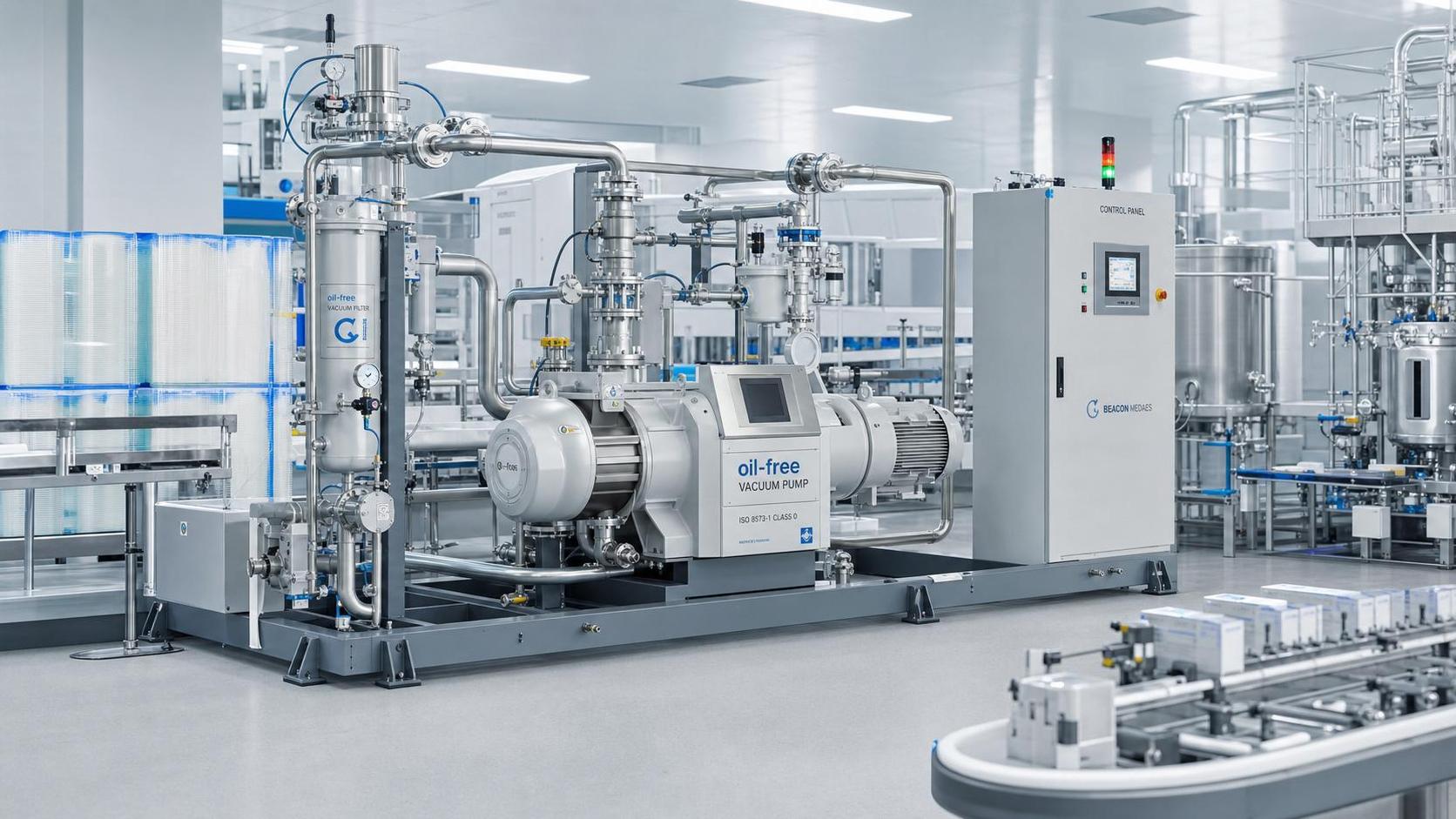
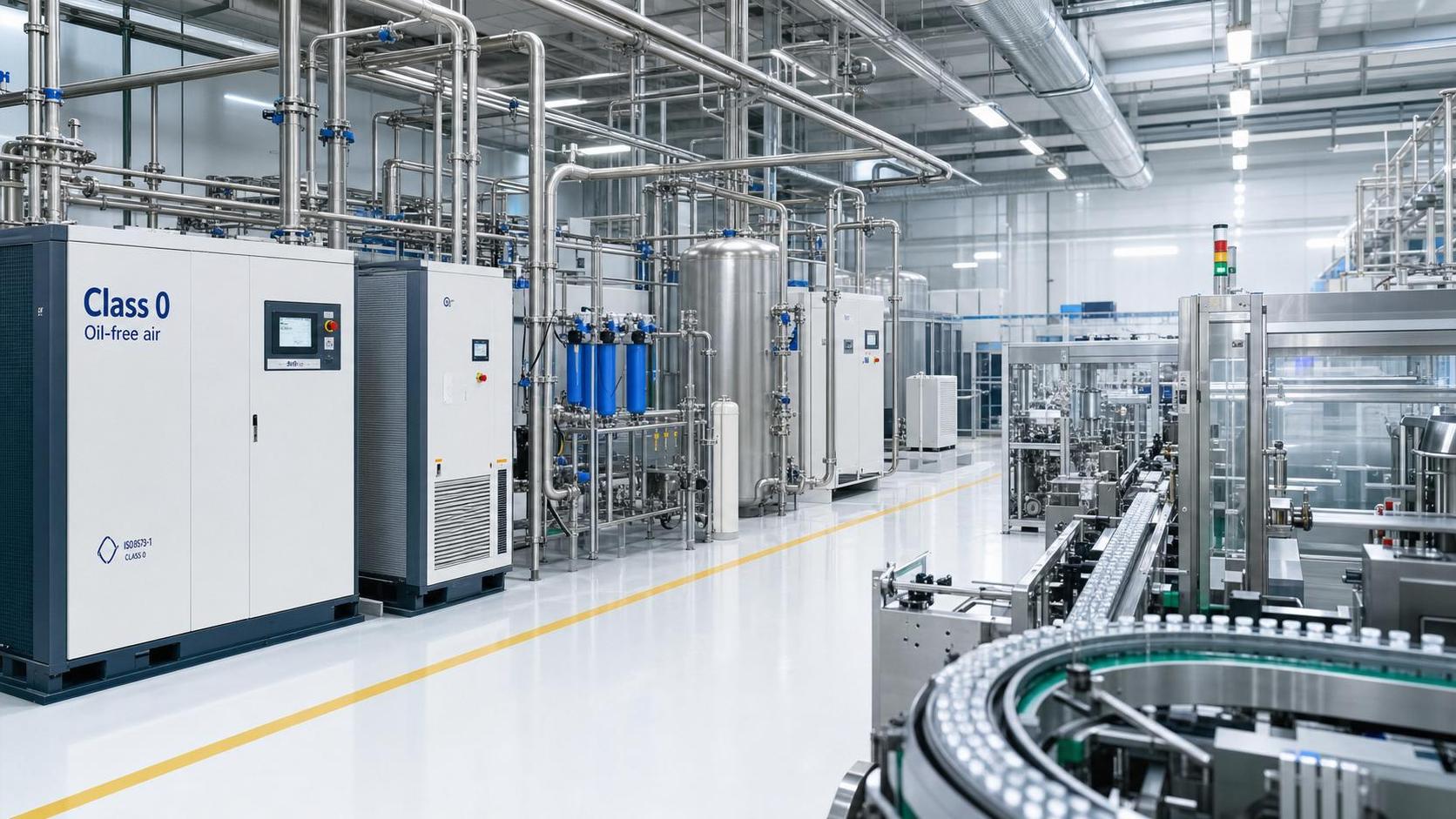
In pharmaceutical production, oil-free compression supports sterile processing, fermentation, coating, packaging, and instrument air systems.
The core concern is not only visible oil carryover. It also includes aerosols, vapors, microbial growth, and unstable dew point.
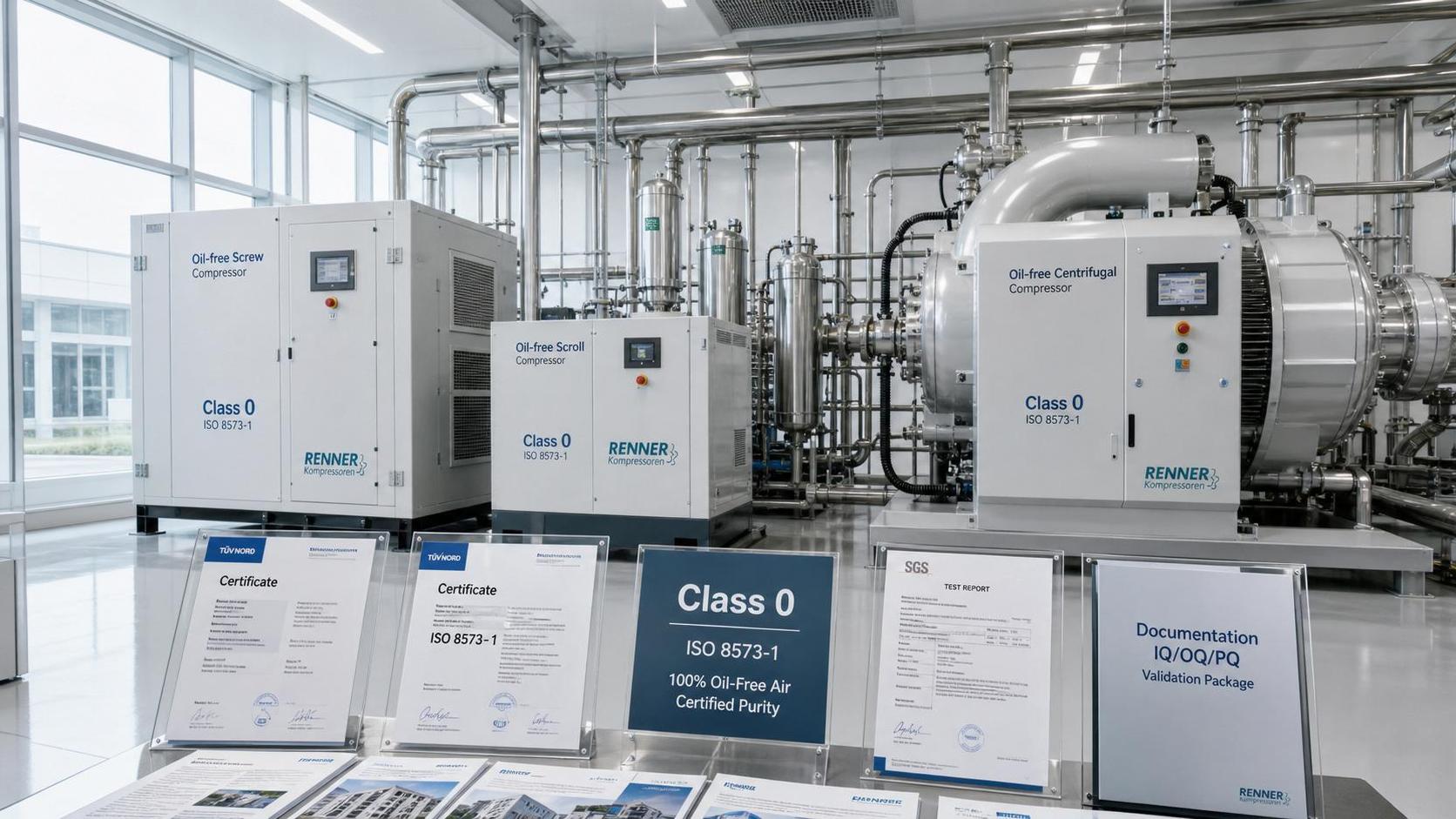
Oil-free compression reduces one contamination pathway at the source. This supports validation, audit readiness, and batch quality protection.
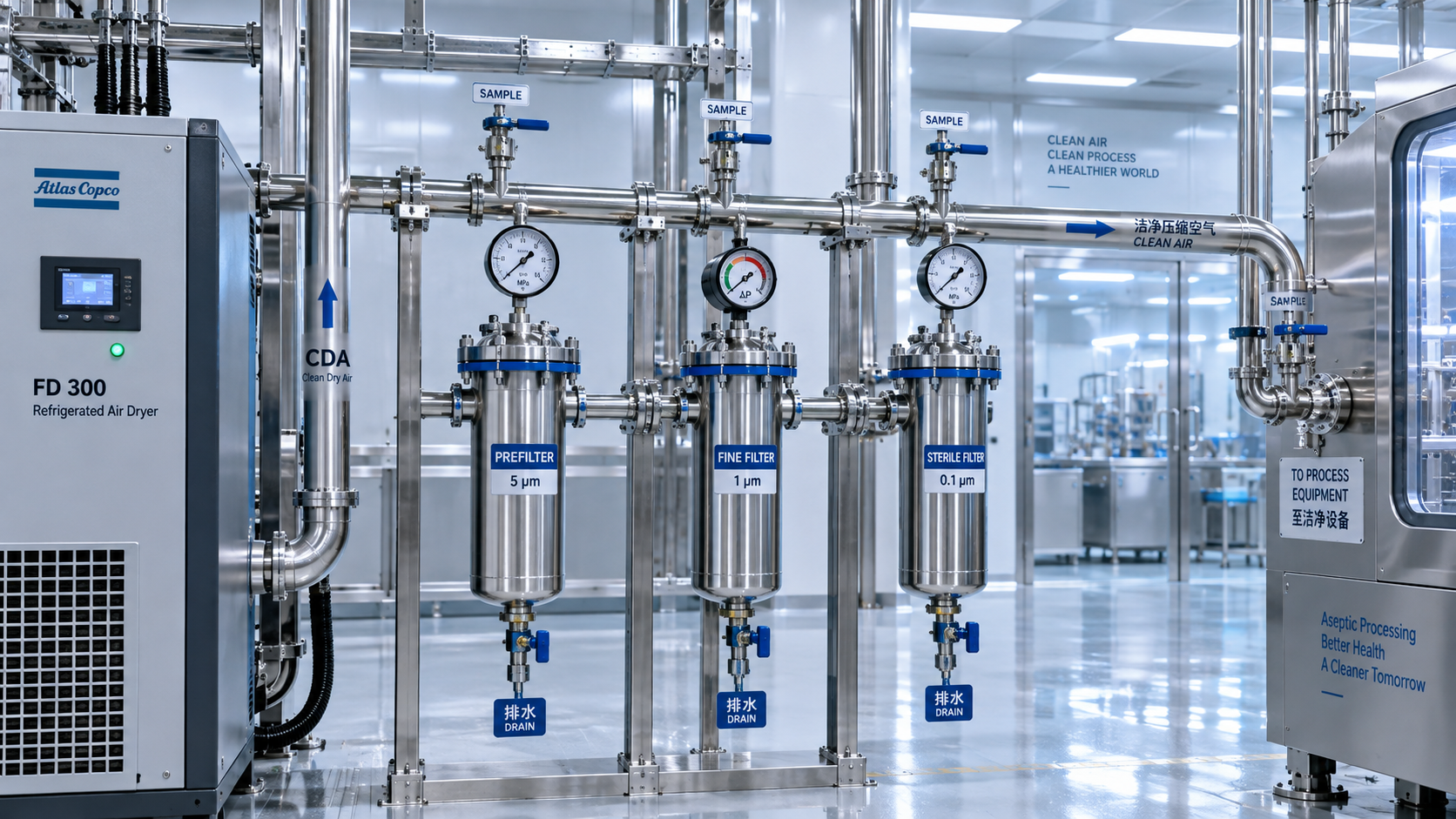
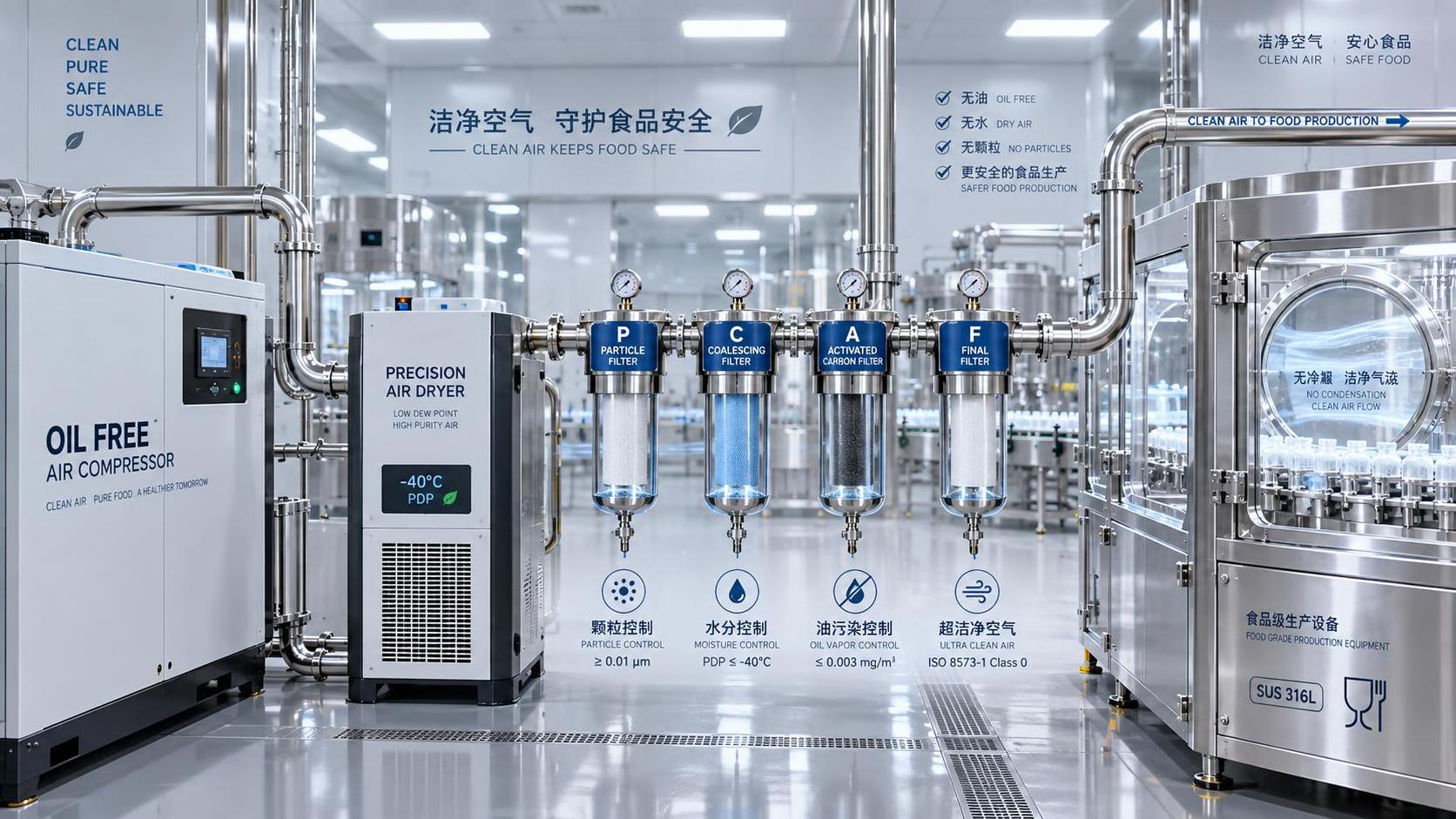
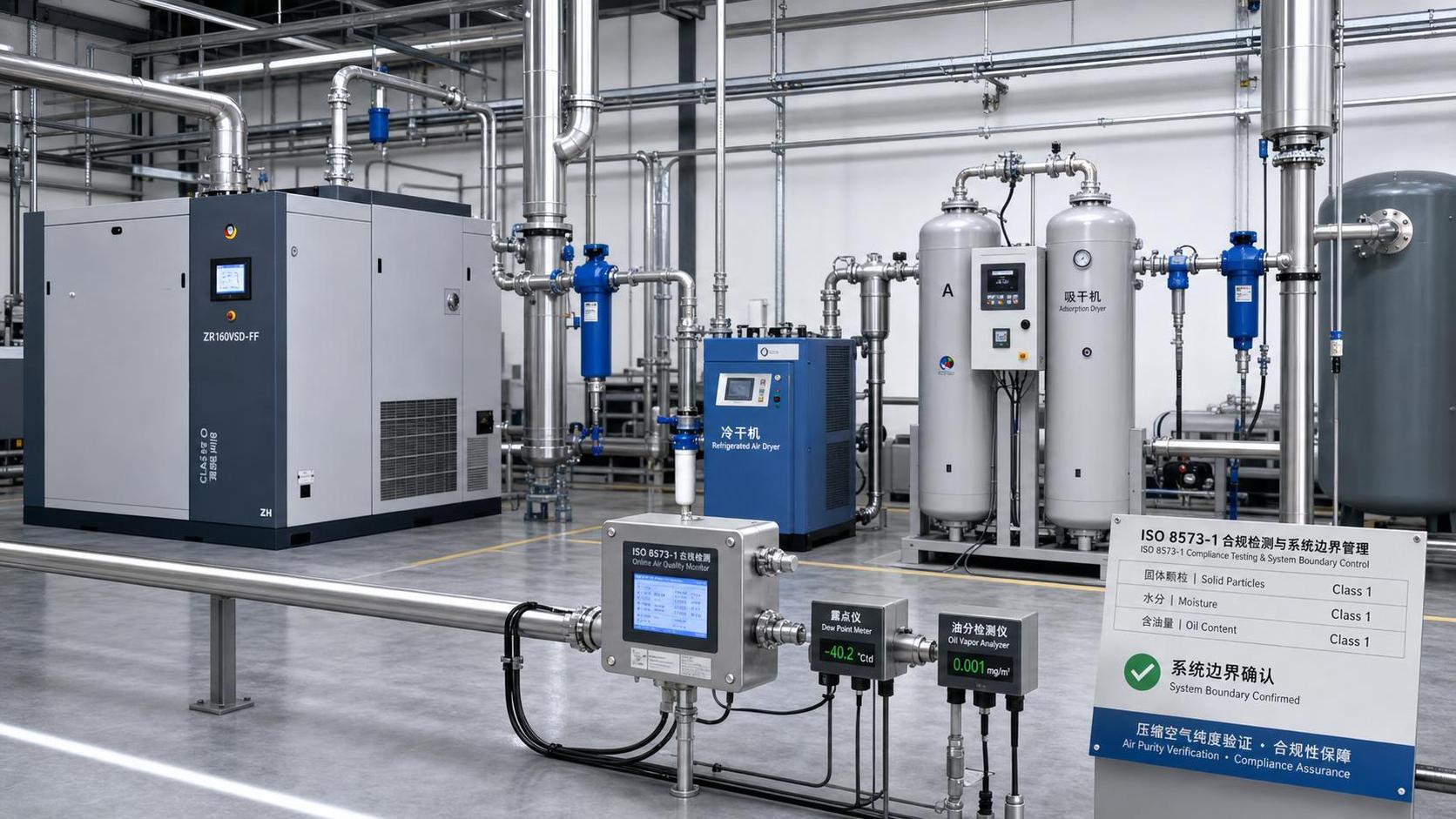
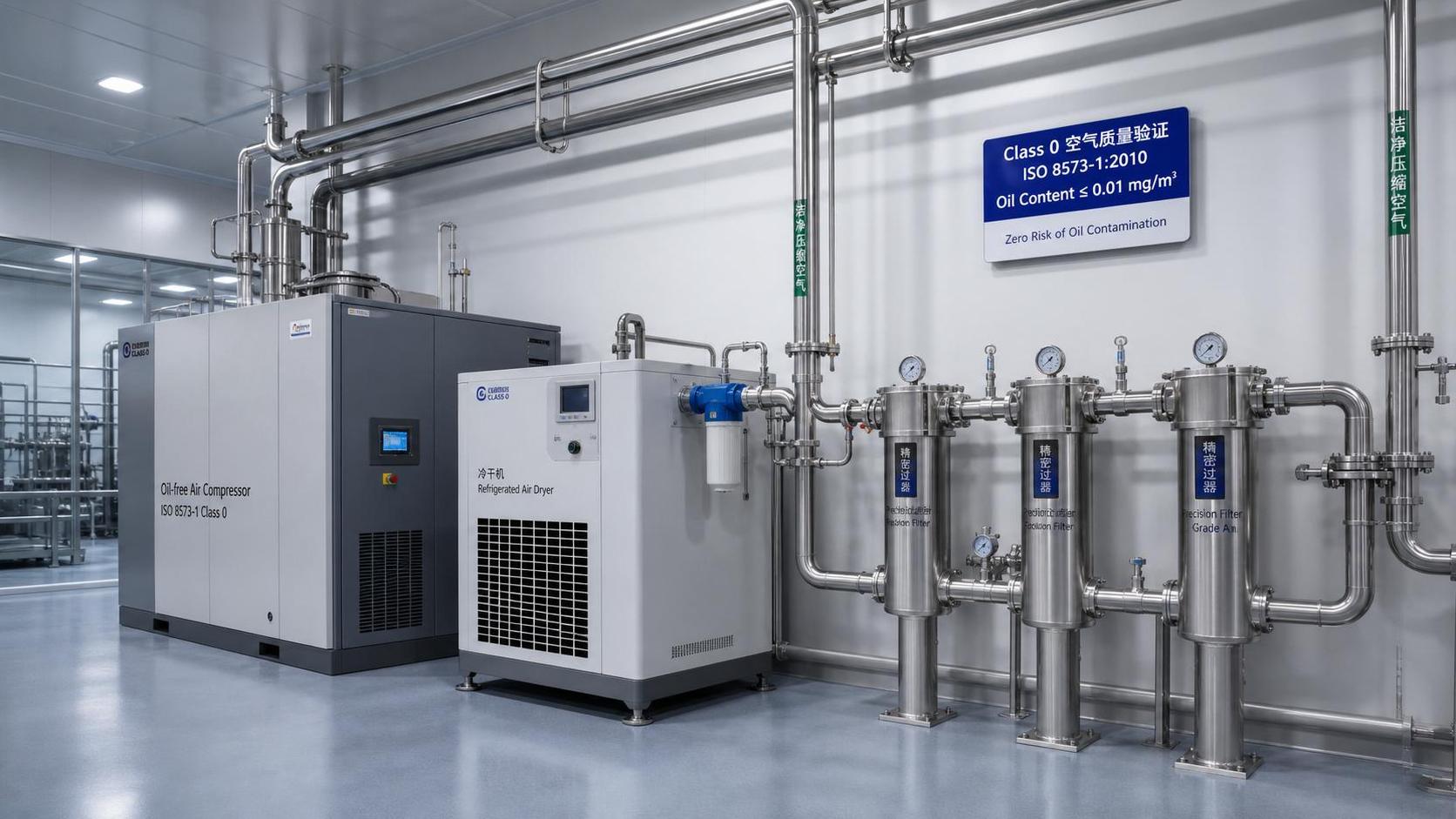
However, oil-free compression does not eliminate the need for drying, filtration, condensate control, and monitoring.
The best specification links compressor class, air treatment, piping material, and point-of-use quality limits.
For high-value batches, the financial risk of contamination usually exceeds the additional investment in oil-free compression.
Key judgment points for regulated clean production
- Confirm required air purity according to process exposure.
- Separate critical contact air from general utility air.
- Specify dew point based on microbial and corrosion risk.
- Evaluate validation records, service response, and spare availability.
- Use monitoring data to prove oil-free compression performance over time.
Food and Beverage Scenarios: Contamination Control Must Meet Cost Discipline
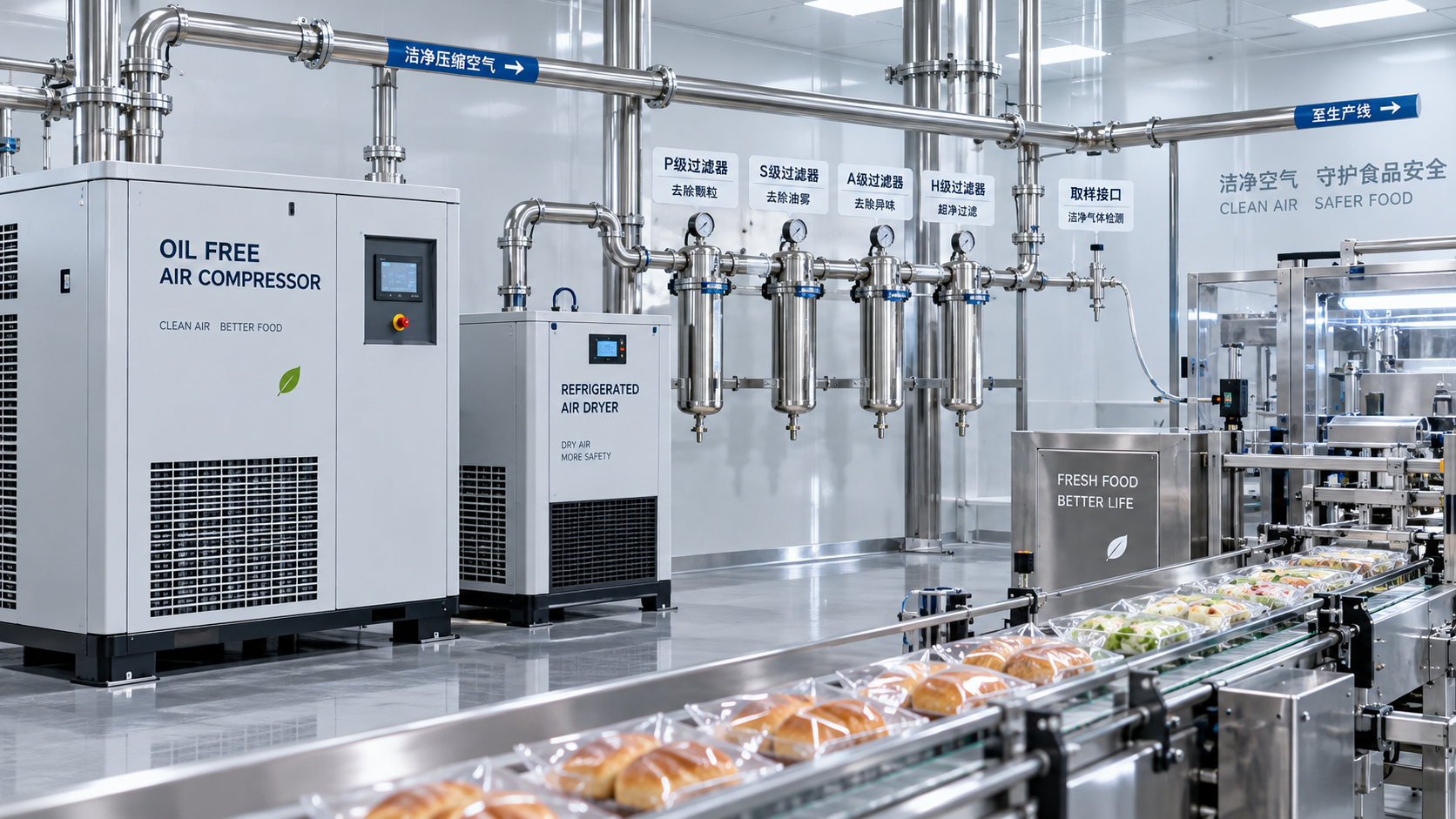
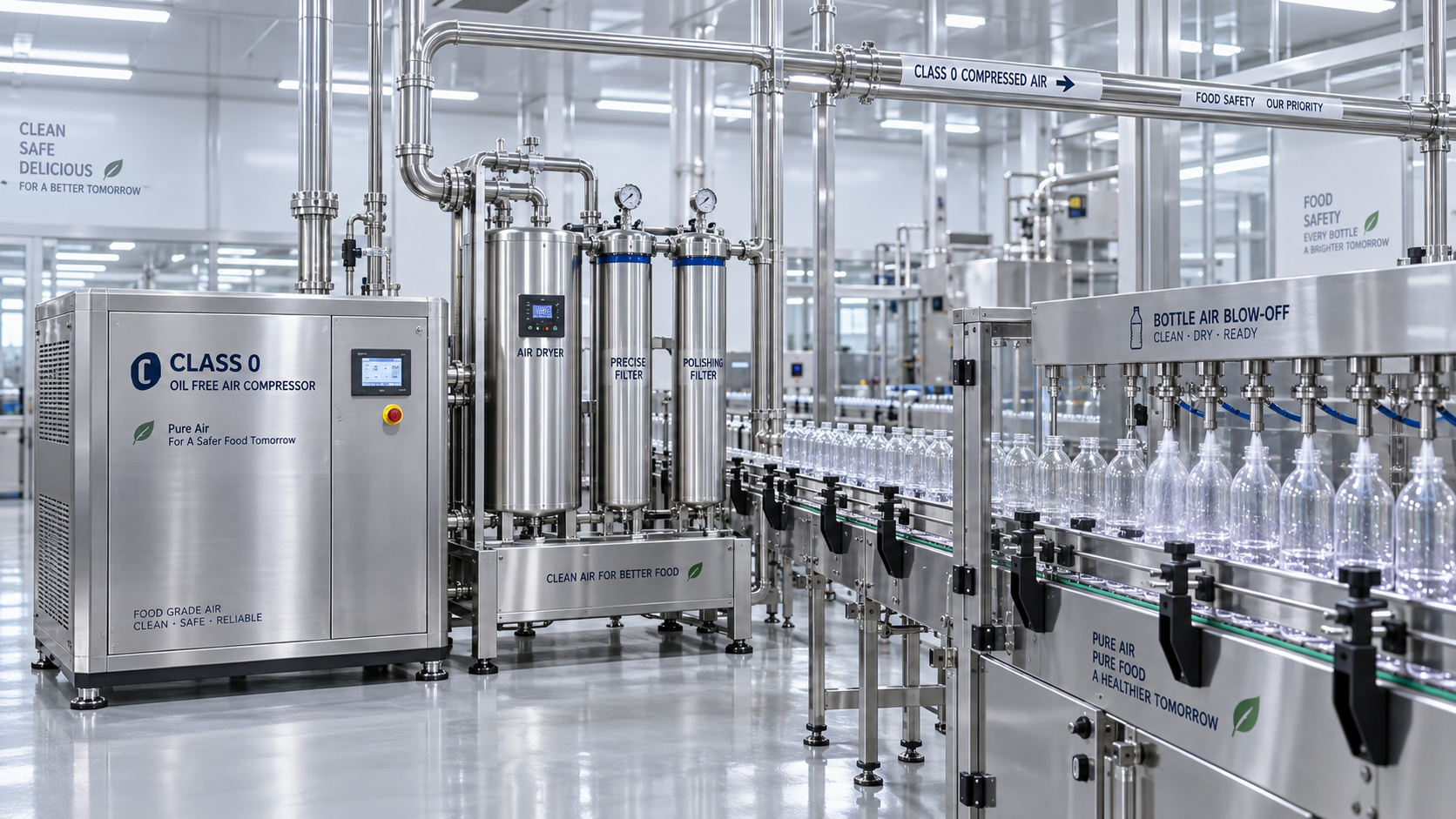
Food and beverage facilities use compressed air for conveying, mixing, packaging, bottling, and pneumatic actuation.
When air contacts ingredients, containers, or product surfaces, oil-free compression becomes a stronger risk-control option.
The main business value is reducing exposure to flavor defects, packaging contamination, brand damage, and regulatory complaints.
For non-contact uses, a hybrid architecture may be suitable. Oil-free compression can serve critical zones, while other air serves utilities.
This avoids overbuilding the entire plant air system. It also keeps operating cost aligned with real contamination exposure.
Seasonal demand matters. Oil-free compression should be assessed against peak loads, cleaning cycles, and start-stop frequency.
Electronics and Semiconductor Scenarios: Invisible Contamination Can Be Expensive
Electronics manufacturing often needs clean, stable, and dry compressed air for tools, inspection systems, and cleanroom support.
In these scenarios, contamination may not appear as visible residue. It may show as yield loss, surface defects, or process instability.
Oil-free compression helps reduce hydrocarbon-related risk. It also supports cleaner air architecture for advanced manufacturing environments.
The decision should include particle control, temperature stability, pressure quality, and integration with dryers and nitrogen systems.
Energy use is especially important in high-volume electronics plants. Oil-free compression should be compared by specific power, not purchase price alone.
Heat recovery can improve the economics. Recovered thermal energy may support water heating, process preheating, or facility systems.
Precision Manufacturing Scenarios: Air Quality Protects Tools and Tolerances
Precision manufacturing uses compressed air for CNC systems, measuring equipment, coating, laser processes, and assembly automation.
Oil-free compression may be justified where oil contamination can affect surface finish, bonding strength, sensor accuracy, or coating adhesion.
The value is not always regulatory. It can be reduced scrap, fewer tool problems, and more stable production quality.
Compressed air pressure stability also matters. A clean but unstable system can still cause actuator errors and inconsistent results.
Oil-free compression should be matched with storage volume, control strategy, leak management, and demand segmentation.
Scenario Differences That Change the Oil-Free Compression Business Case
The strongest business cases combine contamination risk, energy logic, and lifecycle certainty. Different industries weigh these factors differently.
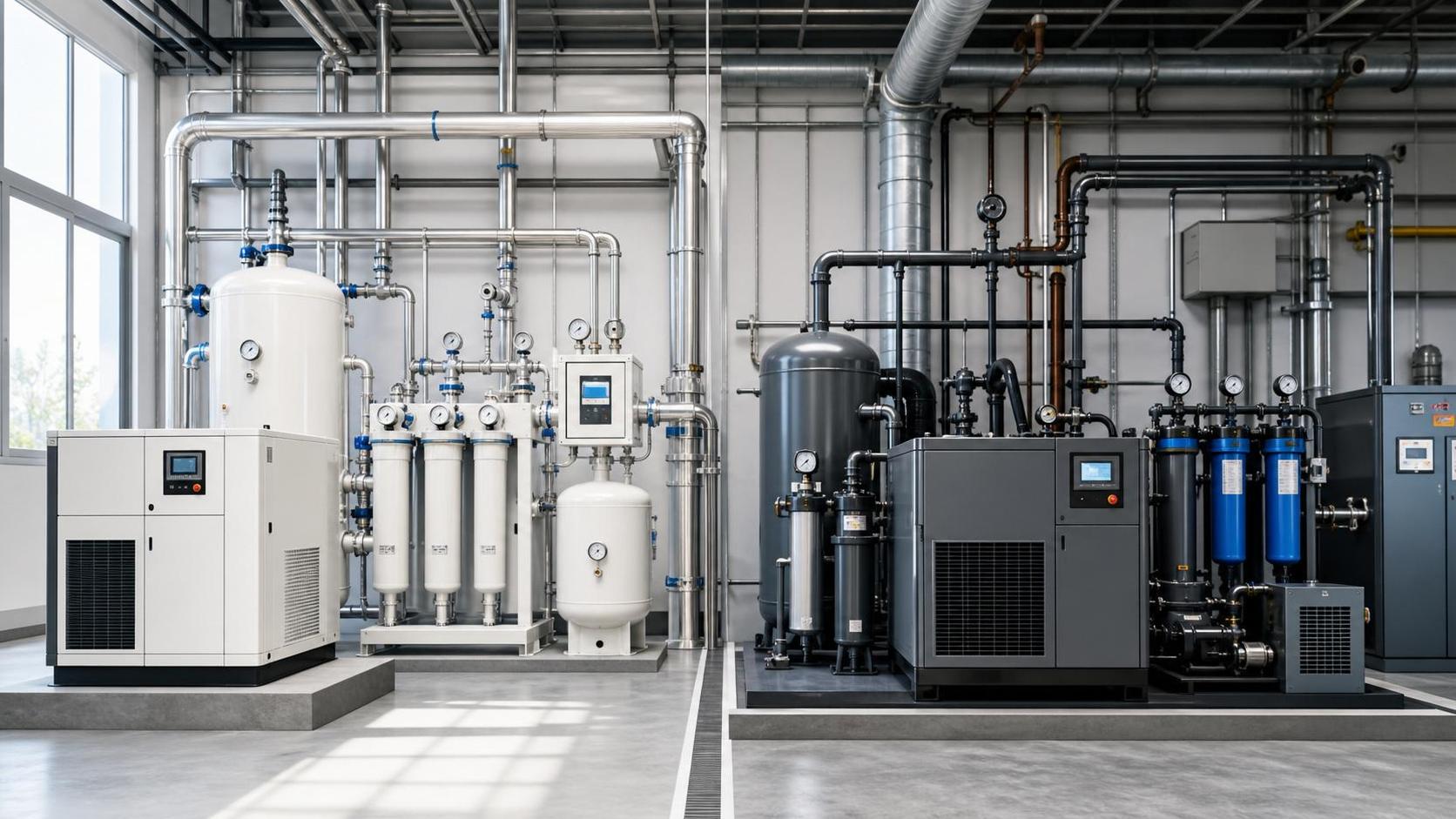
This comparison shows why oil-free compression cannot be judged by a single payback formula.
The right formula depends on what failure costs, how often it occurs, and how easily it can be detected.
Cost Factors Often Hidden Behind the Purchase Price
Oil-free compression usually has higher capital cost than many lubricated alternatives. That difference is only one part of ownership cost.
Energy consumption often dominates lifecycle cost. Small efficiency differences can become large expenses during continuous operation.
Maintenance planning also matters. Oil-free compression reduces oil carryover concerns, but still requires skilled service and condition monitoring.
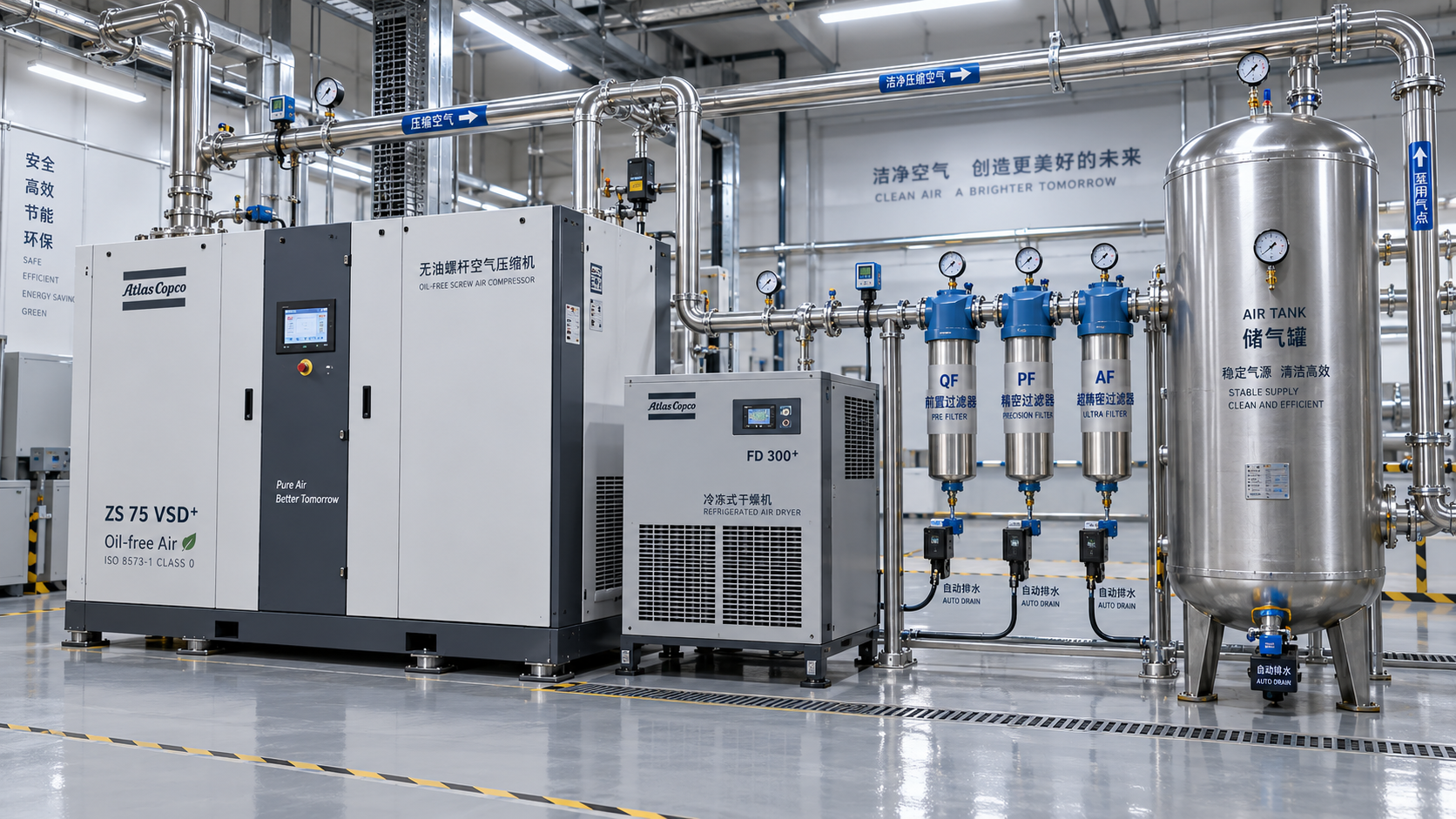
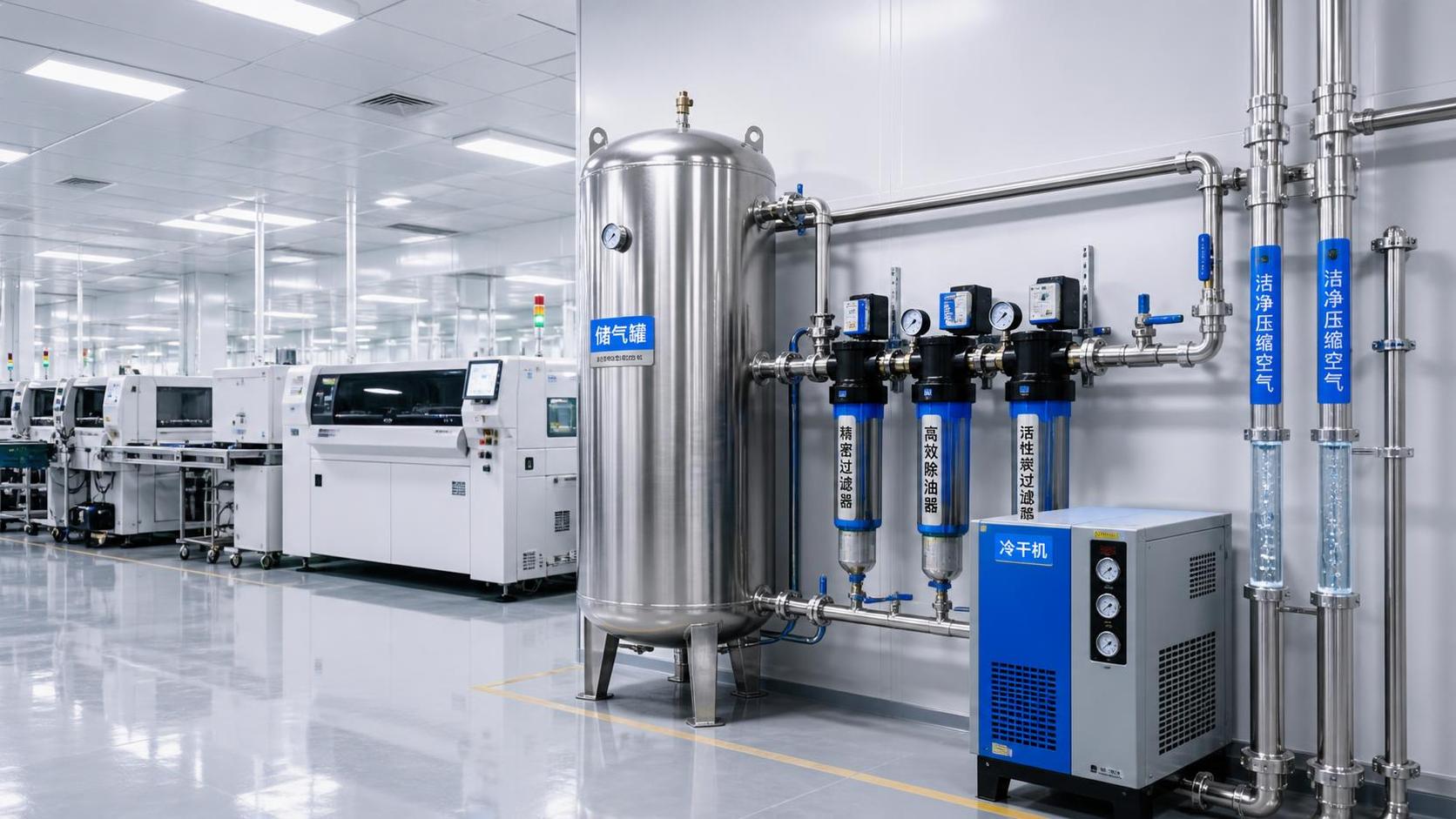
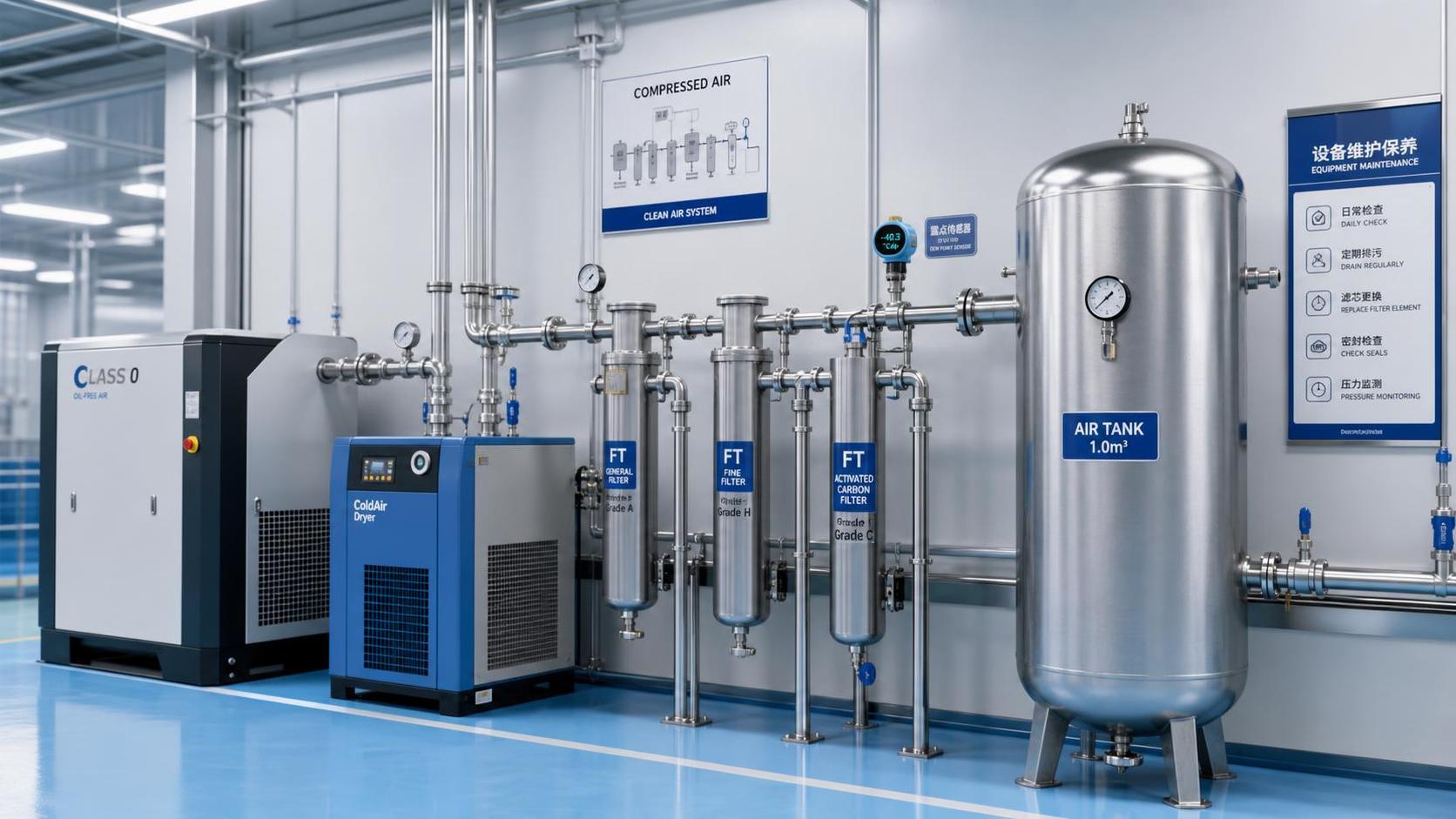
Dryers, filters, drains, and controls can decide whether the complete system meets the expected air quality.
Downtime cost should be modeled. A lower-cost system may become expensive if parts access or technical support is weak.
Lifecycle cost items to calculate
- Initial compressor, dryer, receiver, and control investment.
- Specific energy use across real load profiles.
- Preventive maintenance labor and spare parts.
- Air treatment replacement and testing costs.
- Potential contamination losses and downtime exposure.
- Heat recovery value and utility savings.
Adaptation Guidance for Selecting Oil-Free Compression
A practical selection process should convert production risk into technical requirements. This avoids both under-protection and overspending.
- Map every compressed air use point by contact level.
- Define required purity, pressure, flow, and dew point.
- Separate critical air from general plant air where possible.
- Compare oil-free compression options under real demand profiles.
- Check service coverage, monitoring capability, and parts logistics.
- Include heat recovery and control optimization in the business case.
For variable demand, variable-speed oil-free compression may reduce wasted energy. For steady baseload, fixed-speed equipment may be more economical.
For multi-line plants, a centralized system can improve efficiency. Yet distributed oil-free compression may reduce piping risk and pressure loss.
No single architecture fits every facility. The correct design follows the process map, not a generic equipment preference.
Common Misjudgments in Oil-Free Compression Projects
One frequent error is assuming oil-free compression alone guarantees clean air. Air quality depends on the complete system.
Another mistake is ignoring condensate and humidity. Water can carry particles, support microbial growth, and damage downstream equipment.
Some projects overspecify all air demand as critical. This raises investment without improving the most important contamination barriers.
Others focus only on purchase price. That can hide energy penalties, maintenance difficulty, and weak long-term support.
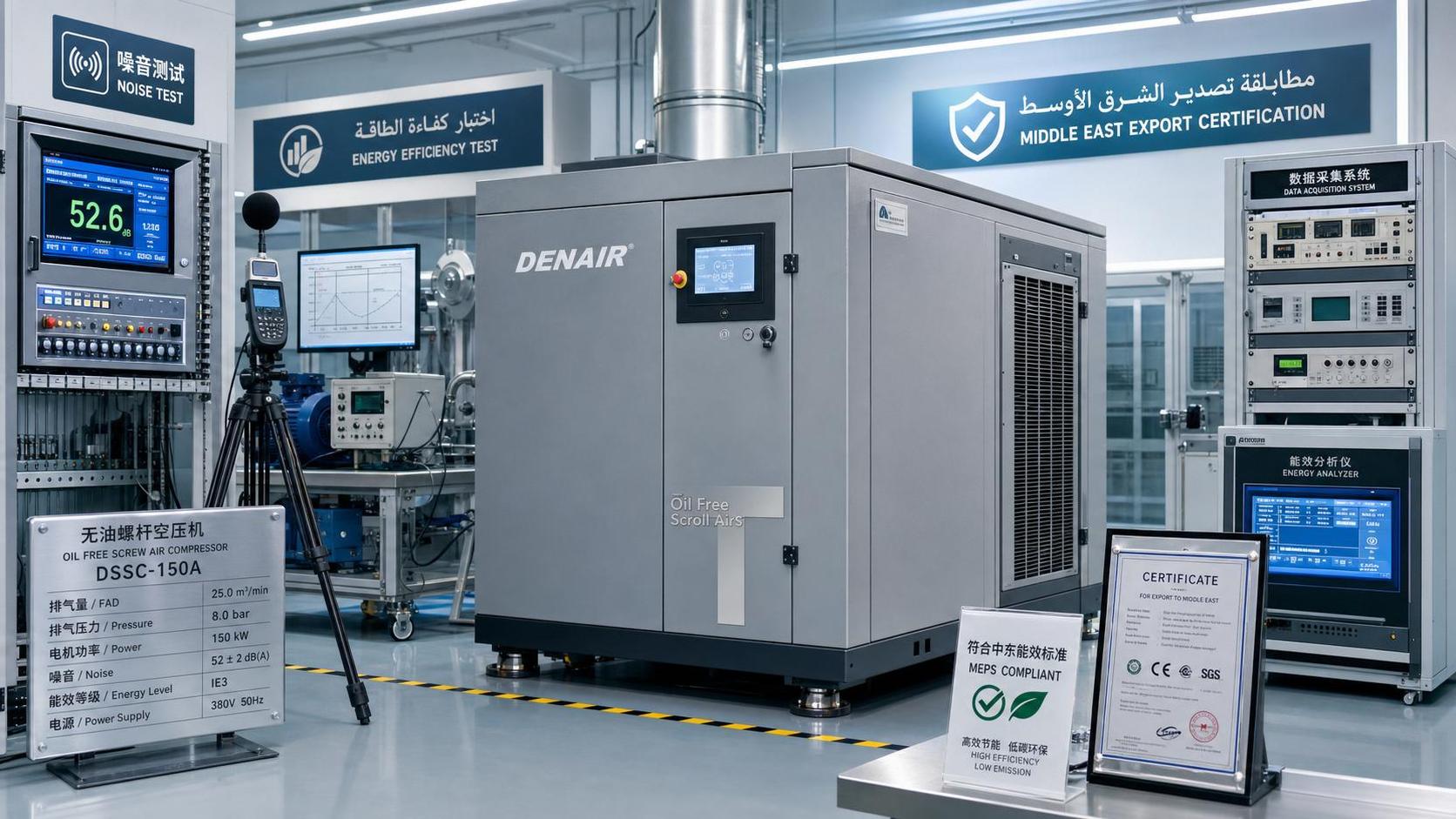
A final misjudgment is skipping measurement. Flow, pressure, power, and dew point data are essential for confident oil-free compression decisions.
From Risk Awareness to Actionable Compression Strategy
Oil-free compression delivers the greatest value when it is linked to specific contamination consequences and measurable operating conditions.
The next step is a site-level air demand and risk audit. This should identify critical use points, load patterns, and quality gaps.
GTC-Matrix intelligence connects thermodynamic performance, compression technology, and industrial cost modeling for clearer decisions.
With scenario-based evaluation, oil-free compression becomes more than a clean-air feature. It becomes a controlled investment in product integrity.
Thermal Driving Industry, Intelligence Connecting Power: the best compression strategy protects quality, reduces uncertainty, and strengthens long-term energy performance.
Ready when you are. Send us a message to get started.
Related News
- How to verify food-grade purity in compressed air systemsAuthor :Pneumatic Power Engineer

- What determines the price of pure air compression systems?Author :Pneumatic Power Engineer

- How to size oil-free compressors for instrumentation air demandAuthor :Pneumatic Power Engineer

- How Class 0 oil-free compressors protect product quality in food productionAuthor :Pneumatic Power Engineer

- How to verify compressed air cleanroom standards before installationAuthor :Pneumatic Power Engineer

- When oil free vacuum pumps make sense for European cleanroom projectsAuthor :Pneumatic Power Engineer

- When do pure air compression systems need ISO 8573-1 Class 0?Author :Pneumatic Power Engineer

- How do compressed air systems for electronics prevent contamination?Author :Pneumatic Power Engineer

- When does an oil-free process vacuum pump justify its higher cost?Author :Pneumatic Power Engineer

- Does ISO 9001 certification apply to compressed air quality?Author :Pneumatic Power Engineer

- How to Specify Clean Compressed Air Systems in Southeast Asia for Food and Pharma PlantsAuthor :Pneumatic Power Engineer

- How to Compare Oil Free Vacuum Pumps for Clean Process RequirementsAuthor :Pneumatic Power Engineer

- How to Evaluate a Clean Compressed Air Systems Supplier for ISO 8573-1 ComplianceAuthor :Pneumatic Power Engineer

- How to Choose the Right Oil-Free Vacuum PumpAuthor :Pneumatic Power Engineer

- VDI 2083 Update Makes Class 0 Proof MandatoryAuthor :Pneumatic Power Engineer

- When to Use Oil Free Vacuum Pumps for High Purity LinesAuthor :Pneumatic Power Engineer

- Compressed Air Solutions: When Oil-Free Systems Lower Total Operating CostAuthor :Pneumatic Power Engineer

- ATMOsphere Europe 2026 Adds Oil-free Systems ZoneAuthor :Pneumatic Power Engineer

- Oil-Free Compressors: Key Selection Criteria for Clean Air SystemsAuthor :Pneumatic Power Engineer

- How to Compare Oil Free Centrifugal Compressors for Stable Plant Air SupplyAuthor :Pneumatic Power Engineer

- Compressed Air Class 0 vs Oil-Free: What Really MattersAuthor :Pneumatic Power Engineer

- Oil-Free Compression Class 0: What the Standard Really Means in ProductionAuthor :Pneumatic Power Engineer

- Air Compression Cost Comparison: Oil-Free vs Screw Systems in Daily OperationAuthor :Pneumatic Power Engineer

- Saudi SASO Tightens IEC 63349-2 for Oil-Free CompressorsAuthor :Pneumatic Power Engineer

- Saudi SASO Tightens Oil-Free Compressor Efficiency RulesAuthor :Pneumatic Power Engineer

- Pure Air Compression Systems for Clean Production LinesAuthor :Pneumatic Power Engineer

- IEC 63349-2:2026 makes energy certification mandatoryAuthor :Pneumatic Power Engineer

- IEC 63349-2:2026 Sets New Entry Rules for Oil-Free Screw CompressorsAuthor :Pneumatic Power Engineer

- IEC 63349-2:2026 Takes Effect for Oil-Free Screw CompressorsAuthor :Pneumatic Power Engineer

- IEC 63349-2:2026 Sets New Efficiency Gate for Oil-Free Screw CompressorsAuthor :Pneumatic Power Engineer

- IEC 63349-2:2026 Takes Effect for Oil-Free Screw CompressorsAuthor :Pneumatic Power Engineer

- SABIC Methanol Force Majeure Extended, Tightening R134a/R407C FeedstocksAuthor :Pneumatic Power Engineer

- How to Evaluate Pneumatic Power Systems for Stable OutputAuthor :Pneumatic Power Engineer

- Oil-Free Compression vs Lubricated Systems: Key Trade-OffsAuthor :Pneumatic Power Engineer
![]()
- Oil-Free Compression: 2026 Cost and Compliance Trade-OffsAuthor :Pneumatic Power Engineer

- Oil-Free Compression: Cost and Contamination RisksAuthor :Pneumatic Power Engineer
![]()