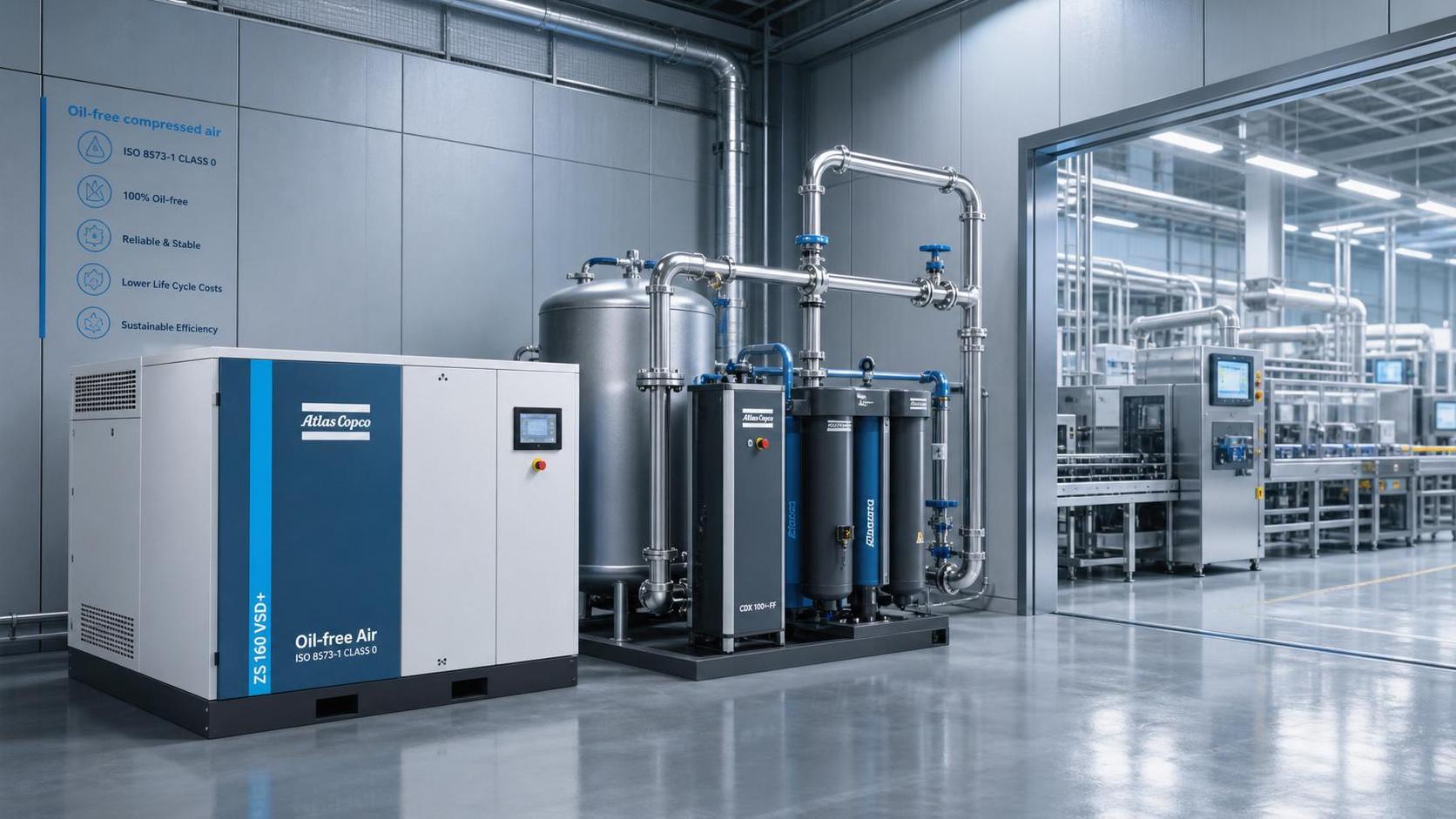
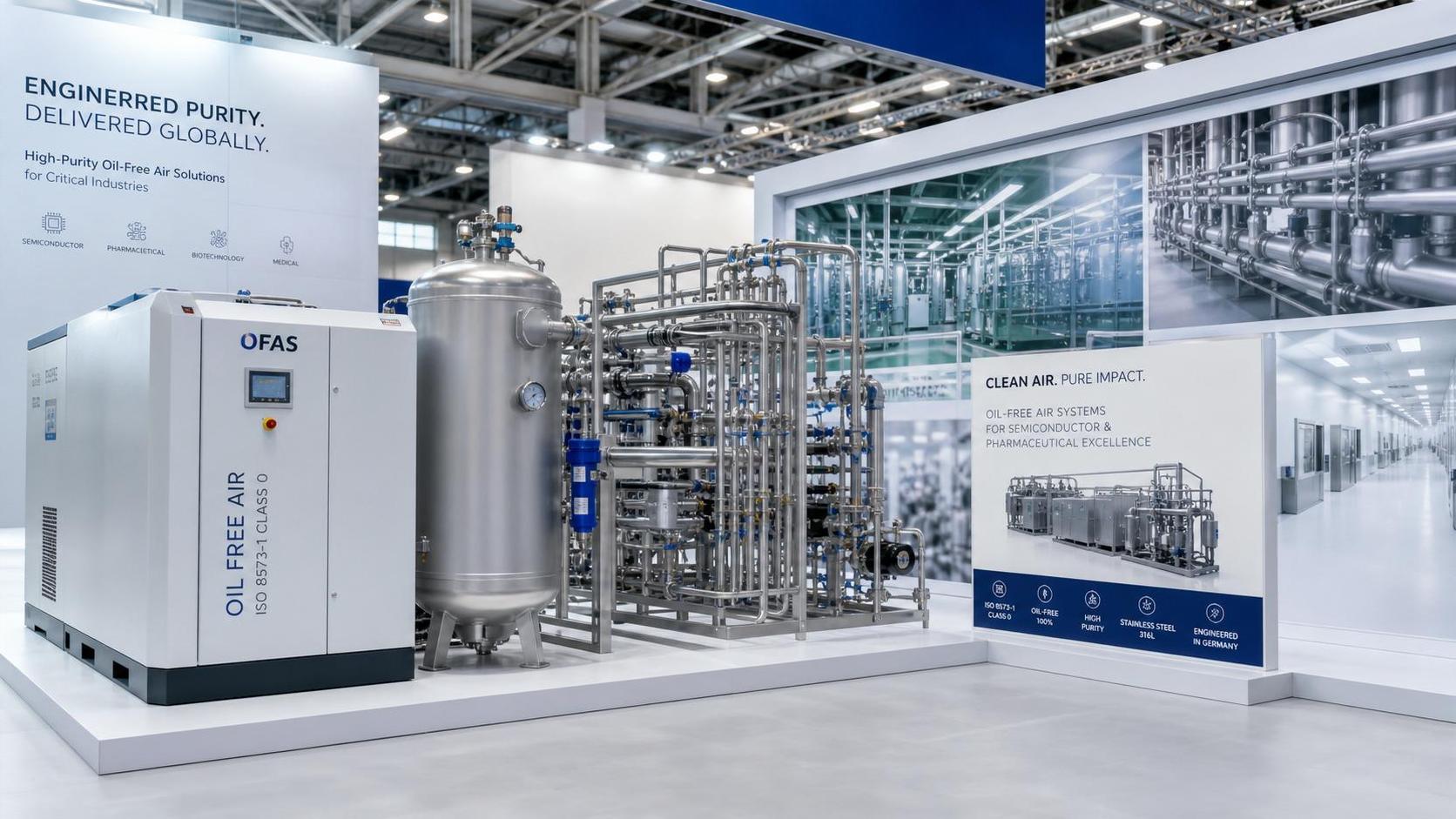
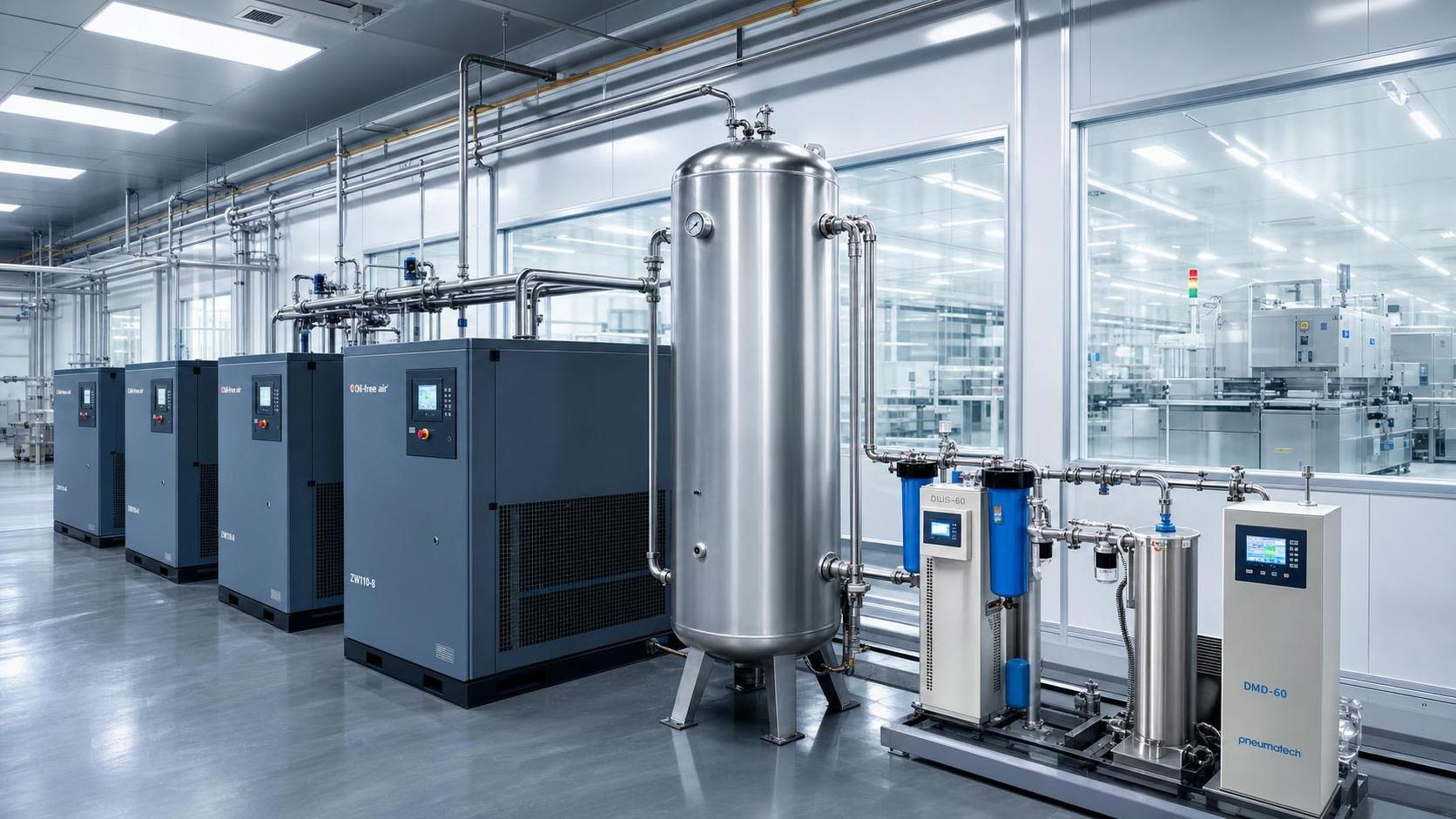
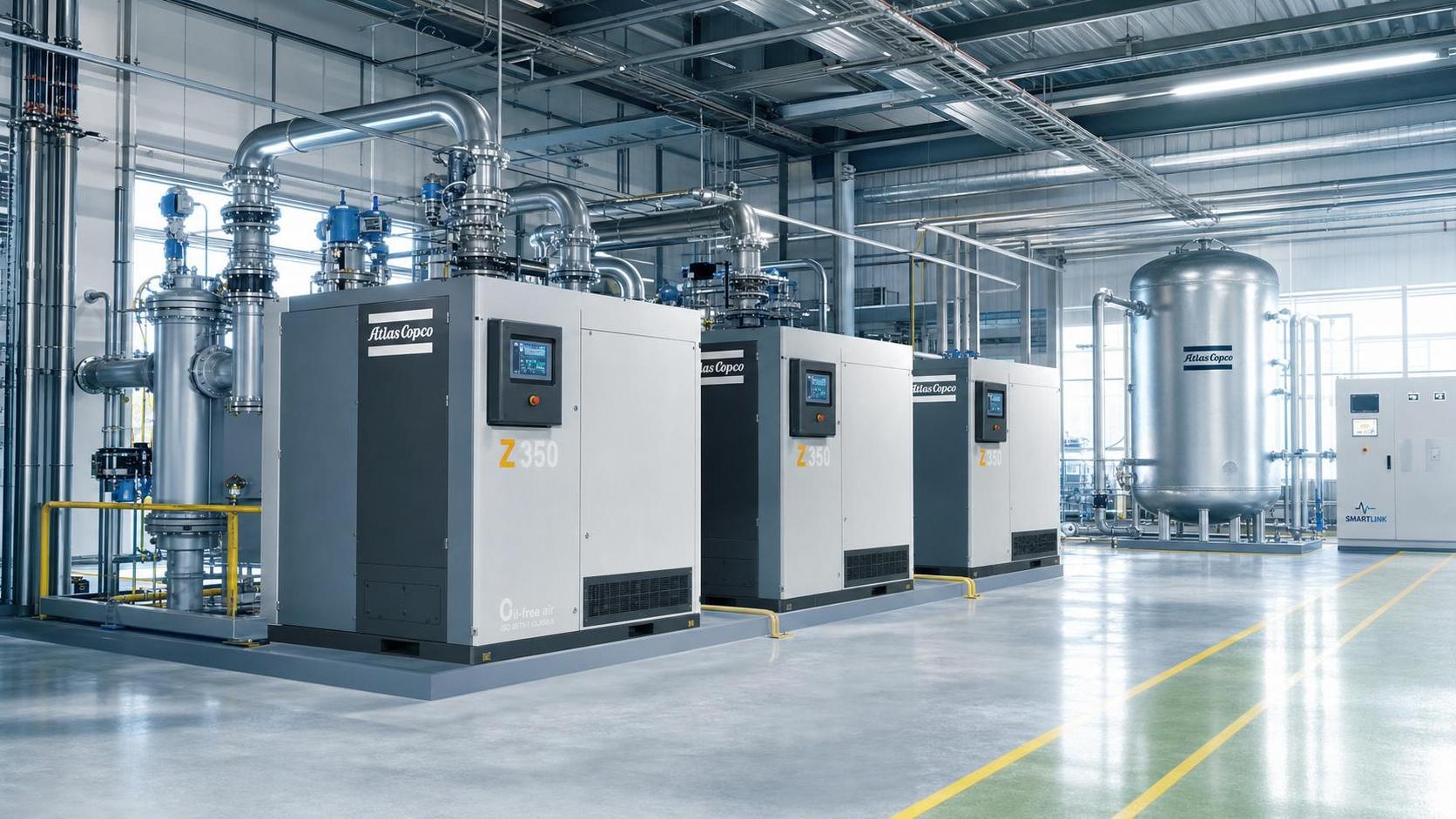
Euro PMI Drop Delays Oil-Free Systems Orders




European manufacturing activity weakened sharply in May 2026, triggering a pause in capital expenditure decisions for oil-free compressed air systems across key markets—particularly Germany and France. The slowdown has narrowed delivery windows for export-oriented suppliers and intensified technical scrutiny on certification and efficiency compliance.
Event Overview
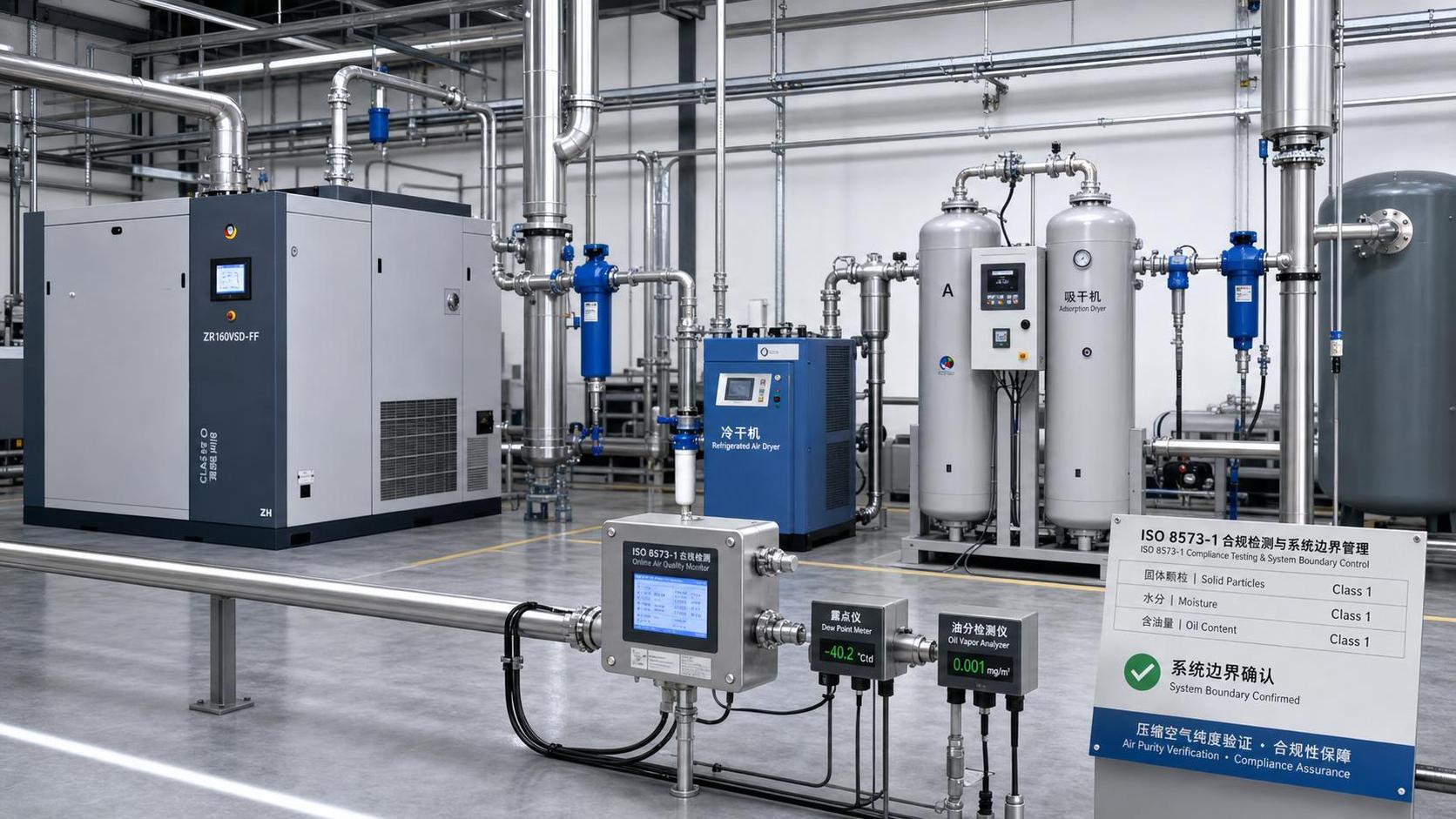
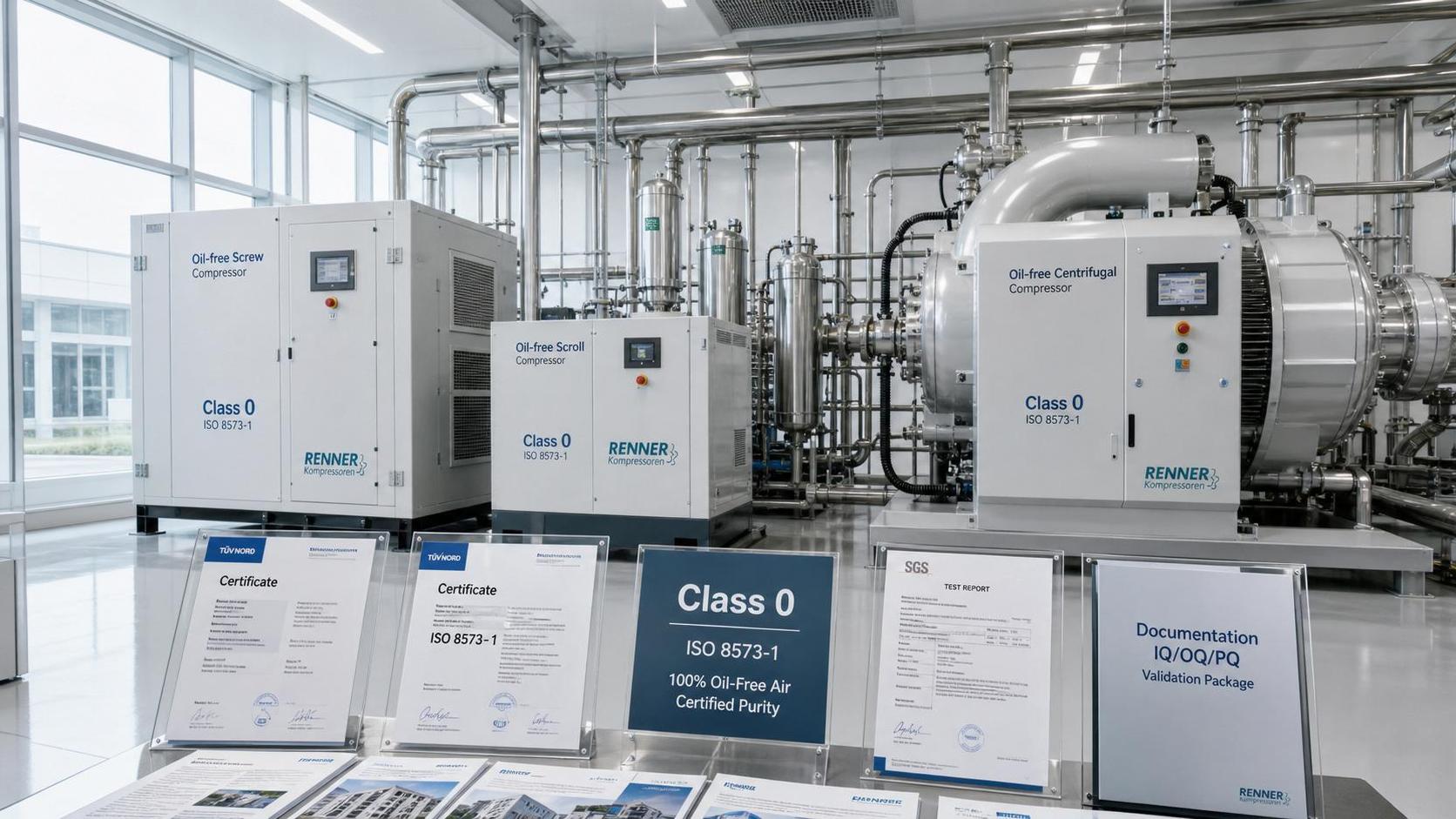
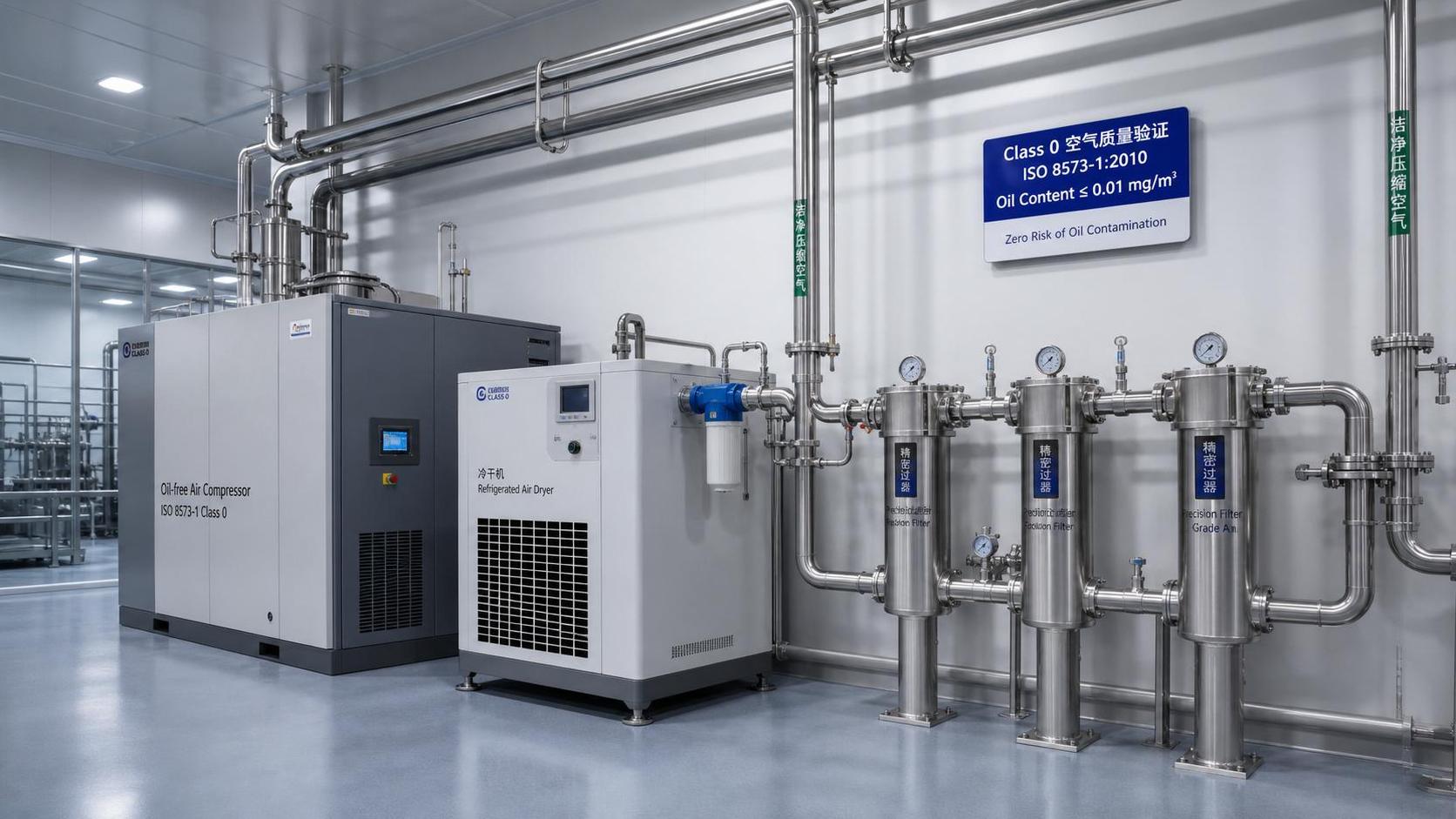
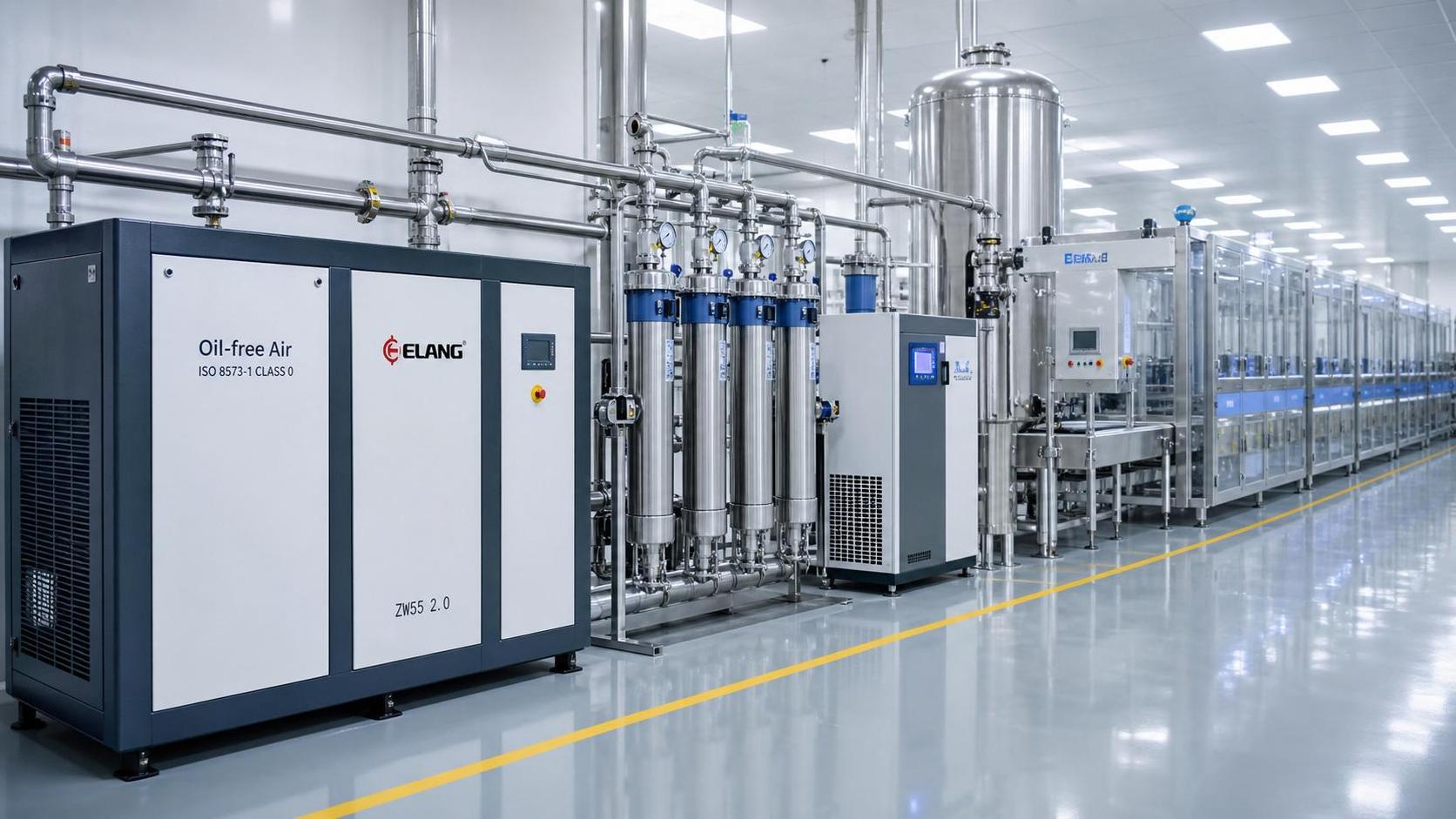
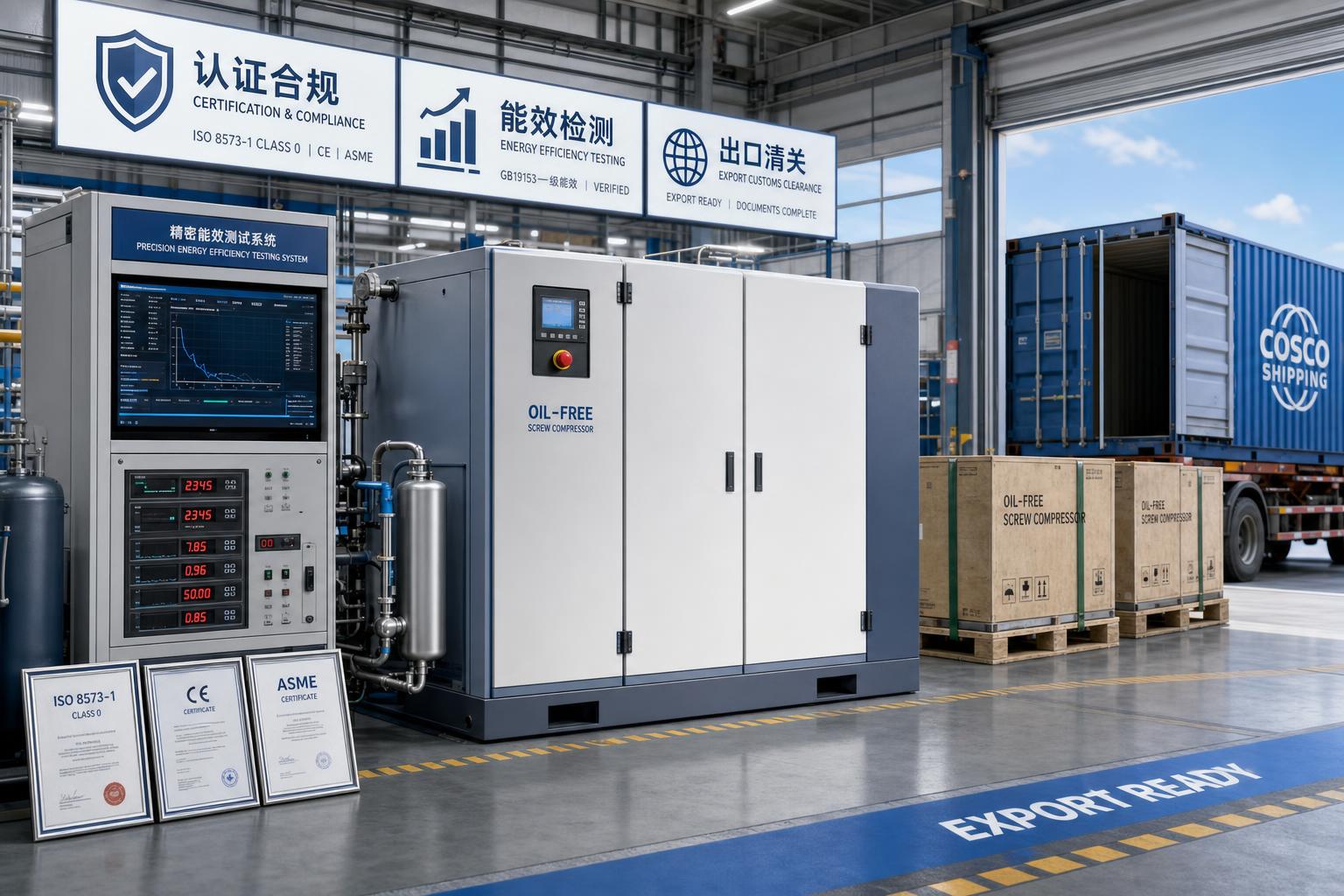
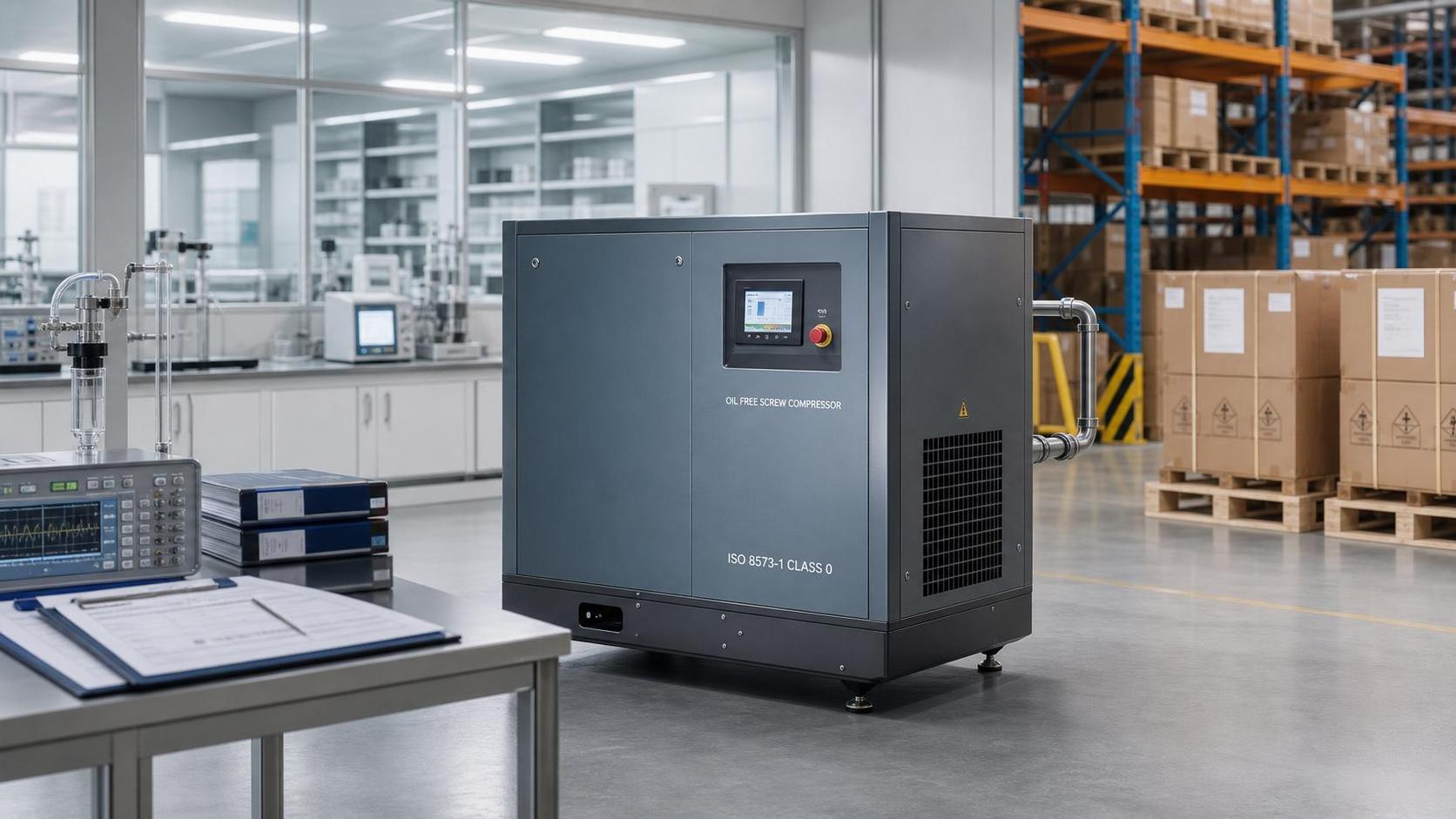
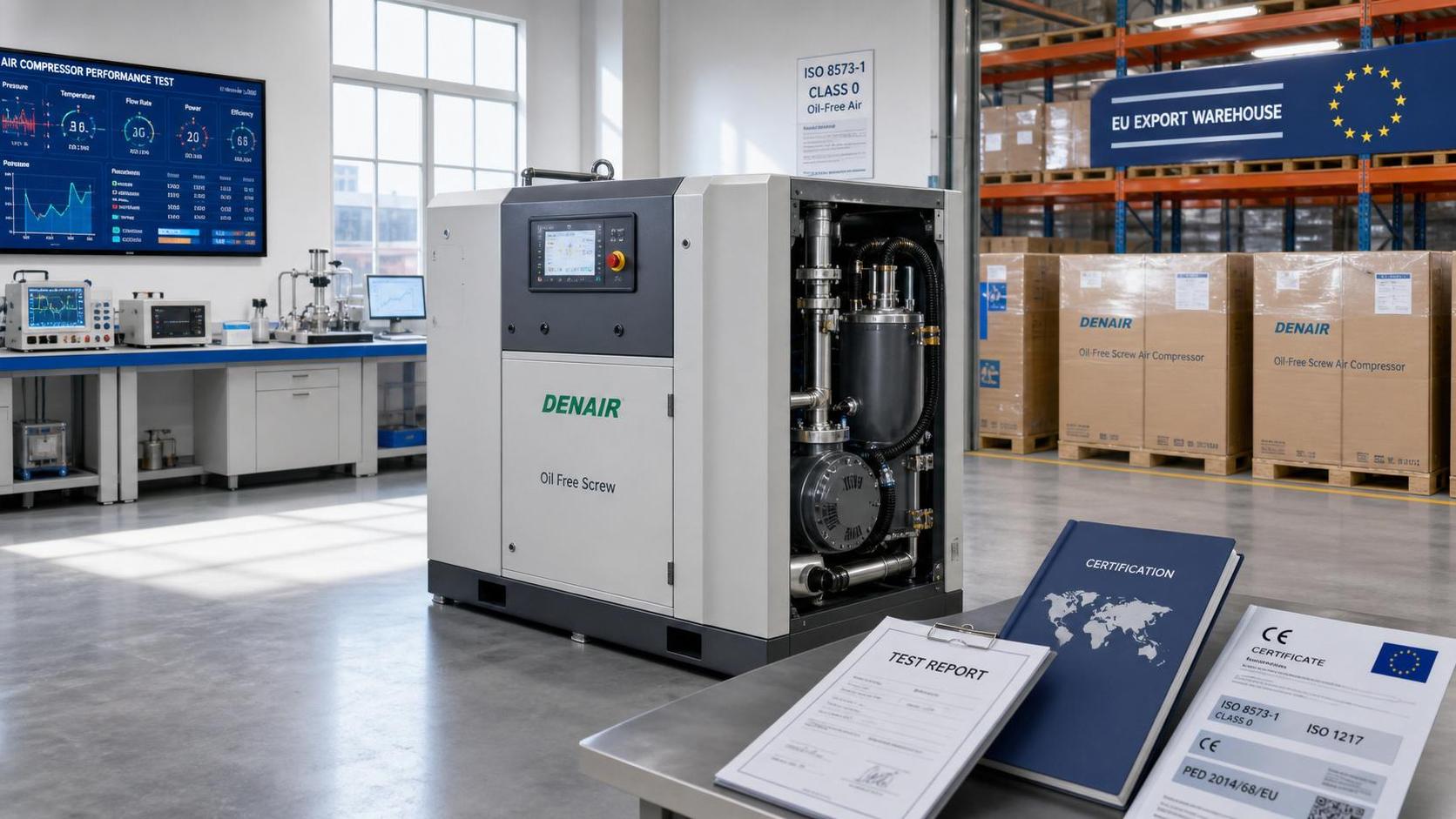
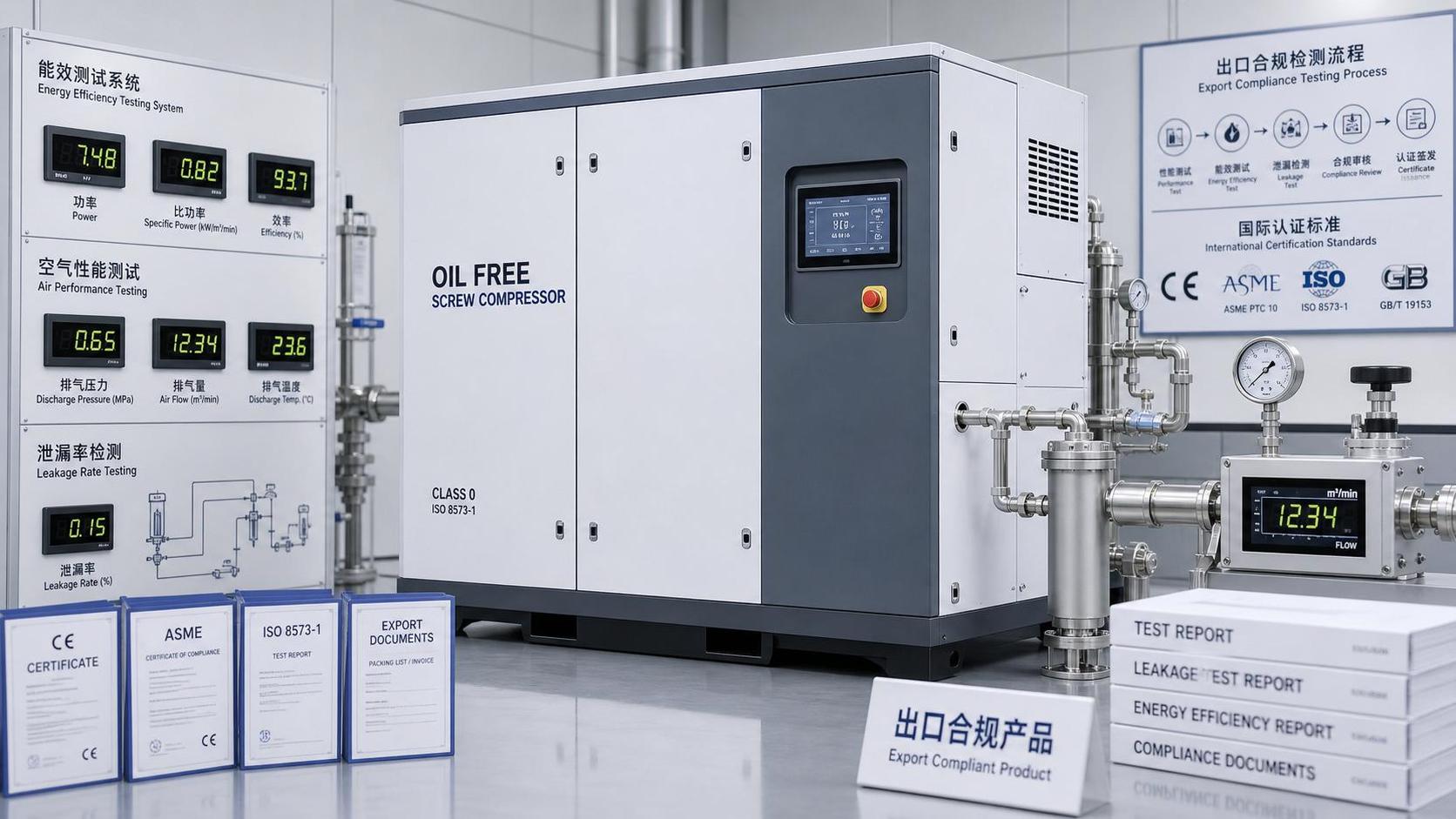
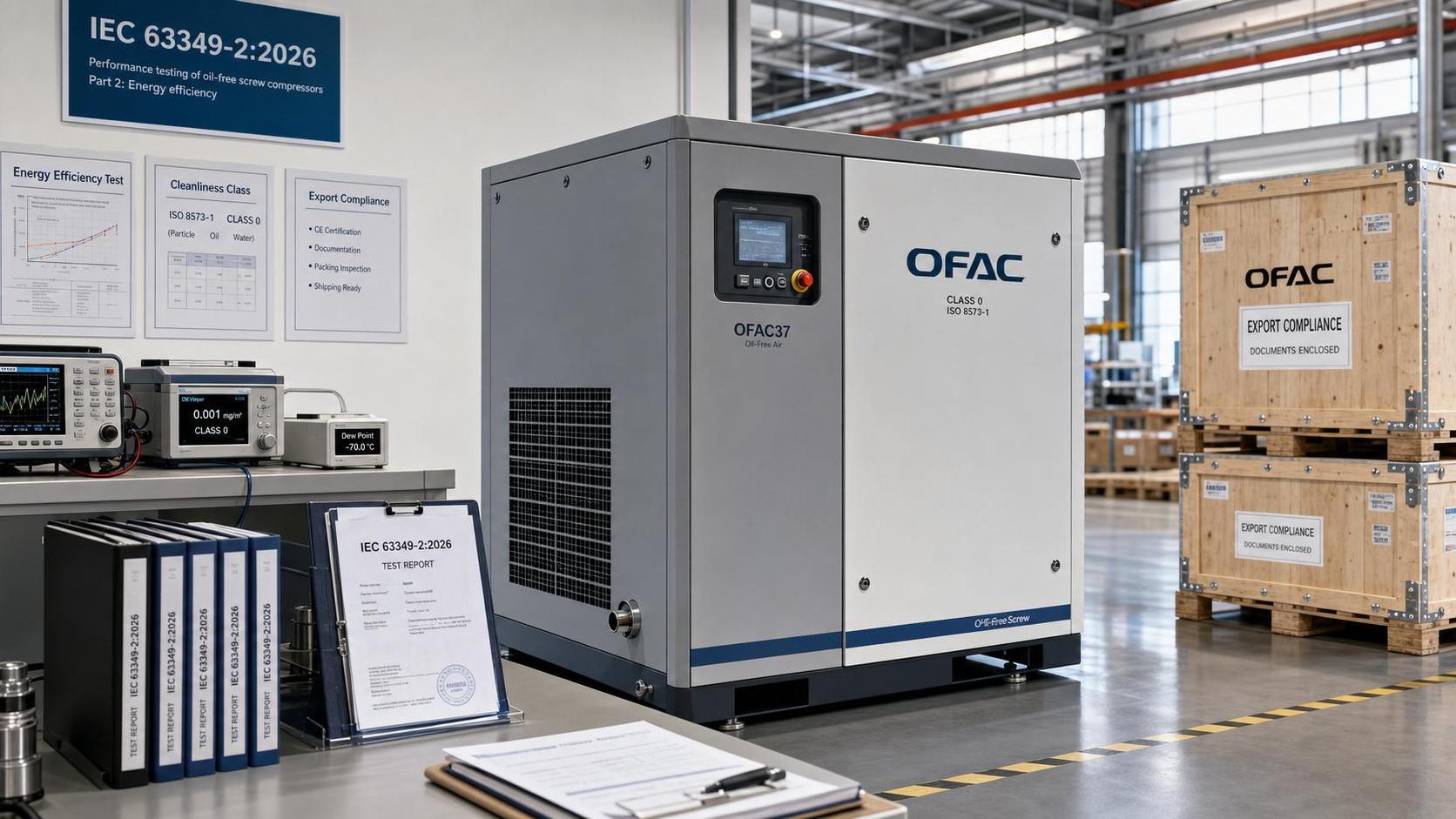
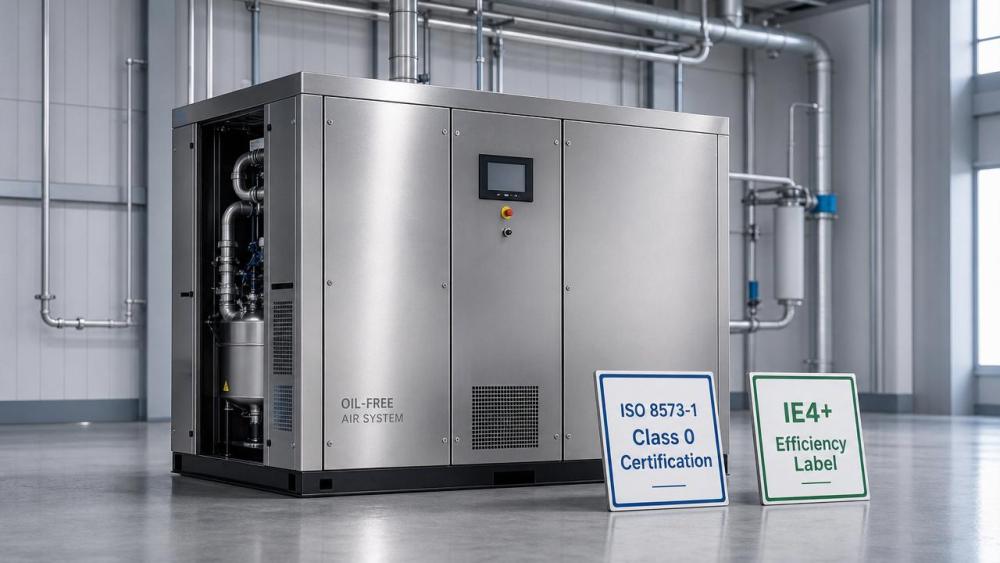
According to Markit’s latest data, Germany’s manufacturing Purchasing Managers’ Index (PMI) fell to 47.2 in May 2026, while France’s declined to 46.8—the lowest levels since 2023. As a result, European industrial clients have delayed procurement decisions for oil-free systems (Oil-free Systems), shortening the effective order-to-delivery window to 8–12 weeks. Chinese exporters report reduced factory audit frequency and more cautious purchase order (PO) signing by European buyers. Concurrently, demand for ISO 8573-1 Class 0 certification and IE4+ energy efficiency verification has strengthened.
Impact on Specific Industry Segments
Direct Export Trading Enterprises
These firms face extended sales cycles and higher pre-shipment compliance overhead. With European clients deferring CAPEX approvals, quotation validity periods are shrinking, and contract negotiation timelines are stretching—especially where Class 0 or IE4+ validation is required before PO issuance.
Raw Material Procurement Enterprises
Suppliers of high-purity stainless steel, ceramic bearings, and low-loss magnetic components experience softer near-term demand visibility. Although no volume cuts are reported yet, procurement planning cycles have lengthened due to uncertainty around final system configurations and certification-driven material substitutions.
Contract Manufacturing & System Integration Firms
Manufacturers assembling turnkey oil-free compressors encounter tighter scheduling constraints—not from rising orders, but from compressed engineering sign-off windows and increased rework risk linked to evolving EU client audit expectations (e.g., stricter traceability for Class 0 validation).
Supply Chain Service Providers
Certification consultants, logistics coordinators handling CE/UKCA documentation, and third-party test labs report higher inquiry volumes related to ISO 8573-1 Class 0 conformity and energy labeling—yet fewer actual engagement starts, reflecting decision inertia at the buyer level.
Key Focus Areas and Recommended Actions
Preemptively Align with Evolving Certification Thresholds
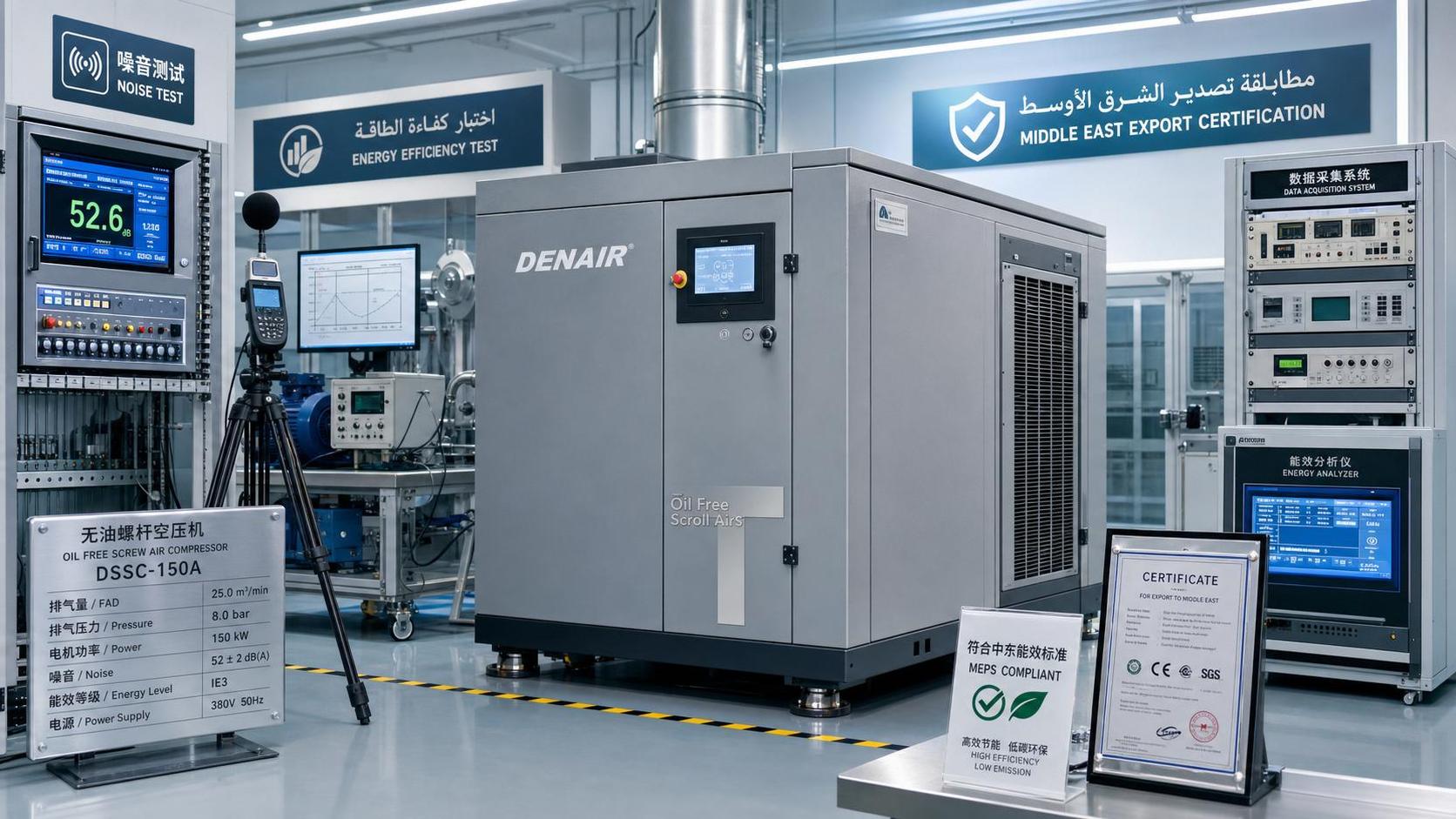
Given heightened scrutiny on ISO 8573-1 Class 0 and IE4+ compliance, exporters should conduct internal gap assessments against latest EN 10204 3.2 and IEC 60034-30-2 requirements—not just for products already in pipeline, but for modular platforms under development.
Adopt Phased Quotation Models
To accommodate delayed CAPEX approvals, consider offering tiered commercial terms: e.g., base configuration pricing valid for 6 weeks, with optional add-ons (e.g., predictive maintenance modules, extended warranty) priced separately and valid for 12 weeks—reducing exposure to scope creep and currency volatility.
Strengthen Technical Documentation for Remote Audit Readiness
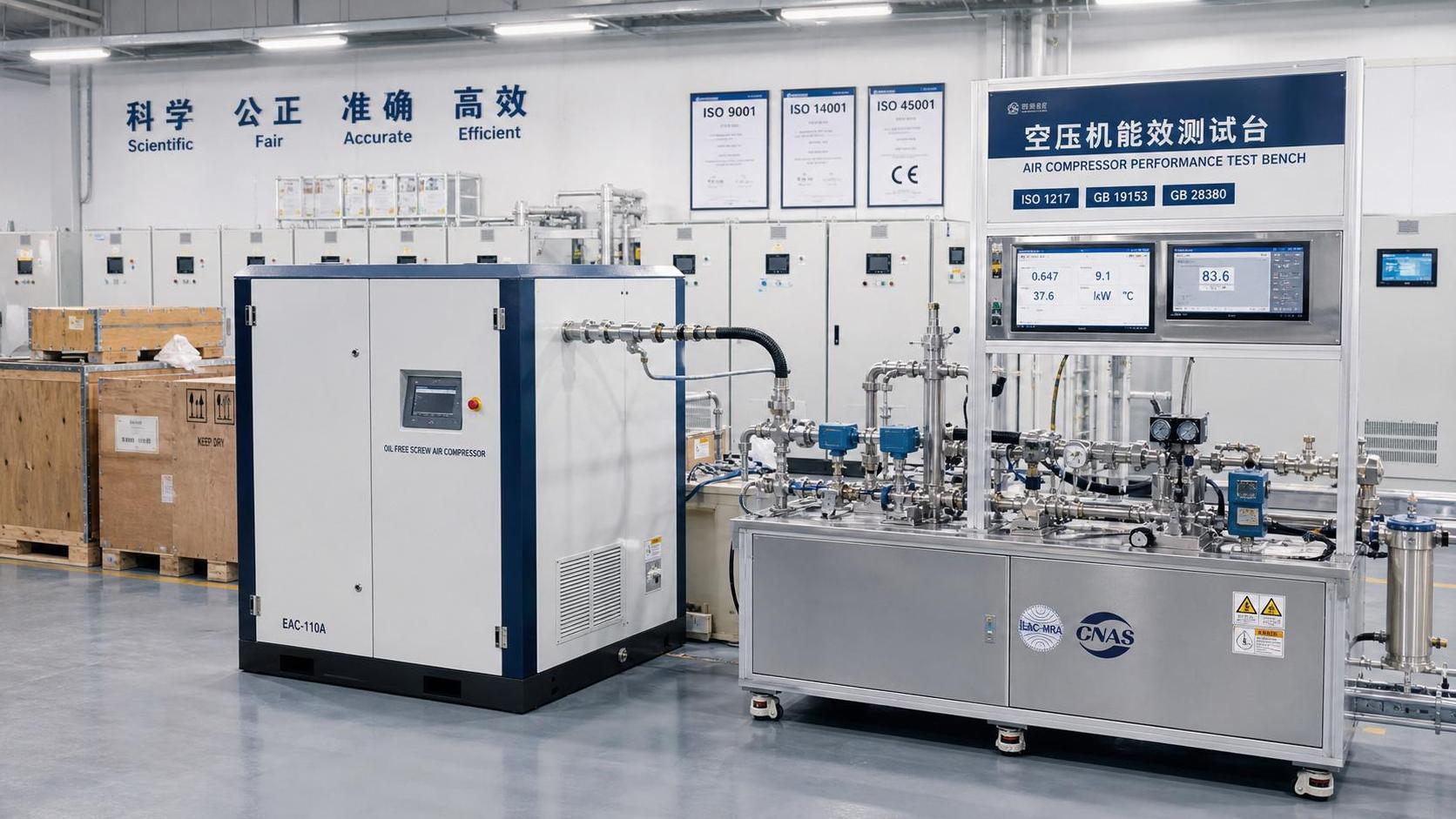
With reduced on-site factory visits, European clients increasingly rely on digital evidence. Suppliers should standardize video-supported process validations, cloud-accessible calibration logs, and machine-readable test reports aligned with EU MDR-style traceability principles.
Editorial Perspective / Industry Observation
Analysis shows this PMI-driven pause is not indicative of structural demand erosion—but rather a cyclical recalibration amid tightening credit conditions and inventory normalization in European industrial end-markets. Observably, the simultaneous rise in certification rigor suggests that quality and sustainability criteria are becoming non-negotiable entry gates—even during soft demand phases. From an industry perspective, this signals a shift from ‘price-led procurement’ toward ‘compliance-resilient sourcing’, where technical credibility now serves as both risk mitigation and competitive differentiation.
Conclusion
The May 2026 PMI contraction reflects short-term macroeconomic headwinds—not long-term market rejection of oil-free technology. For global suppliers, the current environment favors agility in compliance execution and transparency in engineering documentation over aggressive pricing or volume scaling. A measured, standards-first response better positions firms to capture recovery momentum when European CAPEX confidence rebounds.
Source Attribution
Data sourced from S&P Global Market Intelligence (Markit PMI reports, May 2026 release). ISO 8573-1:2010 and IEC 60034-30-2:2016 referenced for certification context. CE marking guidance per Regulation (EU) 2016/425 and Directive 2014/34/EU applied where relevant. Note: Ongoing monitoring recommended for Q3 2026 national industrial policy updates in Germany (‘Industrie 4.0 Acceleration Package’) and France (‘Plan de Souveraineté Énergétique’), which may revise procurement incentives for high-efficiency industrial equipment.
Ready when you are. Send us a message to get started.
Related News
- How to verify food-grade purity in compressed air systemsAuthor :Pneumatic Power Engineer

- What determines the price of pure air compression systems?Author :Pneumatic Power Engineer

- How to size oil-free compressors for instrumentation air demandAuthor :Pneumatic Power Engineer

- How Class 0 oil-free compressors protect product quality in food productionAuthor :Pneumatic Power Engineer

- How to verify compressed air cleanroom standards before installationAuthor :Pneumatic Power Engineer

- When oil free vacuum pumps make sense for European cleanroom projectsAuthor :Pneumatic Power Engineer

- When do pure air compression systems need ISO 8573-1 Class 0?Author :Pneumatic Power Engineer

- How do compressed air systems for electronics prevent contamination?Author :Pneumatic Power Engineer

- When does an oil-free process vacuum pump justify its higher cost?Author :Pneumatic Power Engineer

- Does ISO 9001 certification apply to compressed air quality?Author :Pneumatic Power Engineer

- How to Specify Clean Compressed Air Systems in Southeast Asia for Food and Pharma PlantsAuthor :Pneumatic Power Engineer

- How to Compare Oil Free Vacuum Pumps for Clean Process RequirementsAuthor :Pneumatic Power Engineer

- How to Evaluate a Clean Compressed Air Systems Supplier for ISO 8573-1 ComplianceAuthor :Pneumatic Power Engineer

- How to Choose the Right Oil-Free Vacuum PumpAuthor :Pneumatic Power Engineer

- VDI 2083 Update Makes Class 0 Proof MandatoryAuthor :Pneumatic Power Engineer

- When to Use Oil Free Vacuum Pumps for High Purity LinesAuthor :Pneumatic Power Engineer

- Compressed Air Solutions: When Oil-Free Systems Lower Total Operating CostAuthor :Pneumatic Power Engineer

- ATMOsphere Europe 2026 Adds Oil-free Systems ZoneAuthor :Pneumatic Power Engineer

- Oil-Free Compressors: Key Selection Criteria for Clean Air SystemsAuthor :Pneumatic Power Engineer

- How to Compare Oil Free Centrifugal Compressors for Stable Plant Air SupplyAuthor :Pneumatic Power Engineer

- Compressed Air Class 0 vs Oil-Free: What Really MattersAuthor :Pneumatic Power Engineer

- Oil-Free Compression Class 0: What the Standard Really Means in ProductionAuthor :Pneumatic Power Engineer

- Air Compression Cost Comparison: Oil-Free vs Screw Systems in Daily OperationAuthor :Pneumatic Power Engineer

- Saudi SASO Tightens IEC 63349-2 for Oil-Free CompressorsAuthor :Pneumatic Power Engineer

- Saudi SASO Tightens Oil-Free Compressor Efficiency RulesAuthor :Pneumatic Power Engineer

- Pure Air Compression Systems for Clean Production LinesAuthor :Pneumatic Power Engineer

- IEC 63349-2:2026 makes energy certification mandatoryAuthor :Pneumatic Power Engineer

- IEC 63349-2:2026 Sets New Entry Rules for Oil-Free Screw CompressorsAuthor :Pneumatic Power Engineer

- IEC 63349-2:2026 Takes Effect for Oil-Free Screw CompressorsAuthor :Pneumatic Power Engineer

- IEC 63349-2:2026 Sets New Efficiency Gate for Oil-Free Screw CompressorsAuthor :Pneumatic Power Engineer

- IEC 63349-2:2026 Takes Effect for Oil-Free Screw CompressorsAuthor :Pneumatic Power Engineer

- SABIC Methanol Force Majeure Extended, Tightening R134a/R407C FeedstocksAuthor :Pneumatic Power Engineer

- How to Evaluate Pneumatic Power Systems for Stable OutputAuthor :Pneumatic Power Engineer

- Oil-Free Compression vs Lubricated Systems: Key Trade-OffsAuthor :Pneumatic Power Engineer
![]()
- Oil-Free Compression: 2026 Cost and Compliance Trade-OffsAuthor :Pneumatic Power Engineer

- Oil-Free Compression: Cost and Contamination RisksAuthor :Pneumatic Power Engineer
![]()