How to Choose the Right Oil-Free Vacuum Pump




Choosing the right vacuum pumps oil free configuration is rarely a simple equipment decision. It shapes contamination risk, process stability, utility demand, and maintenance planning across production lines that depend on clean vacuum conditions.
That is why oil-free vacuum selection now matters well beyond niche cleanroom environments. Pharmaceutical, semiconductor, food, packaging, laboratory, and advanced manufacturing operations all face tighter expectations around purity, traceability, and energy performance.
From the perspective of GTC-Matrix, this shift also reflects a broader industrial pattern. Thermal systems, compressed air, vacuum processes, and energy conversion are being judged together, not as isolated assets.
An oil-free pump may reduce one process risk while increasing another if capacity, vapor handling, or control strategy are poorly matched. A sound choice depends on understanding duty conditions before comparing brands or quoted prices.
Why oil-free vacuum has become a strategic decision
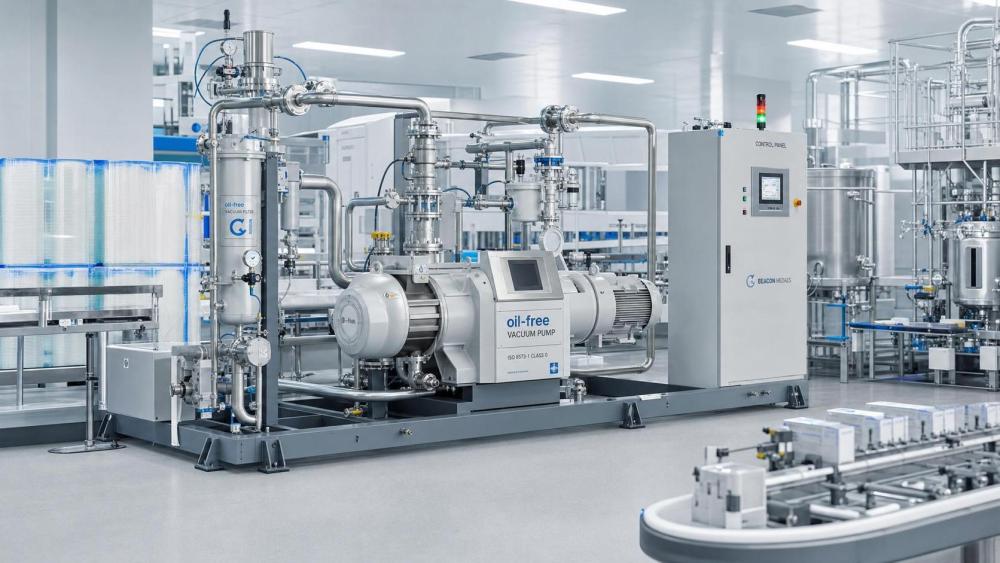
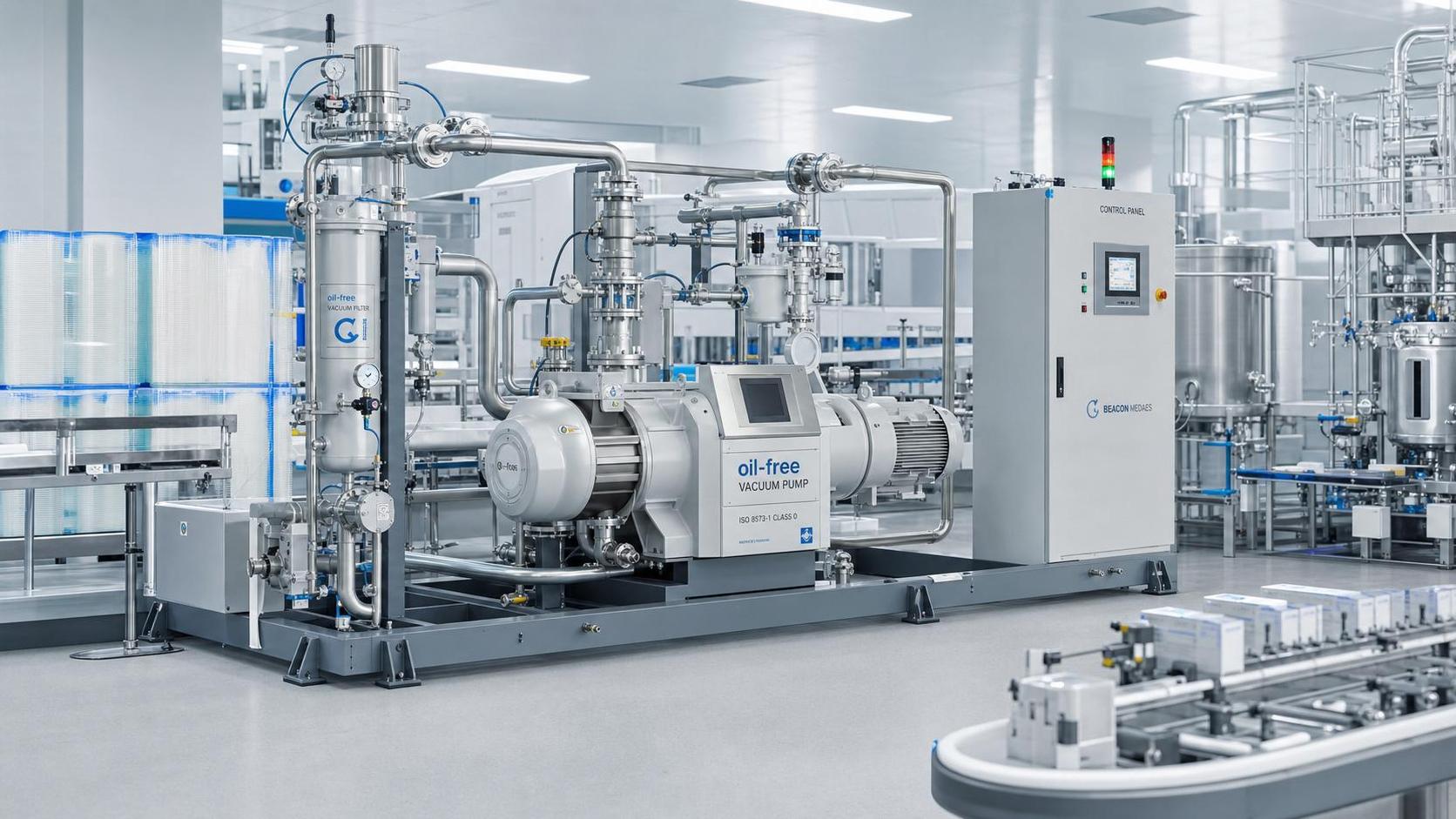
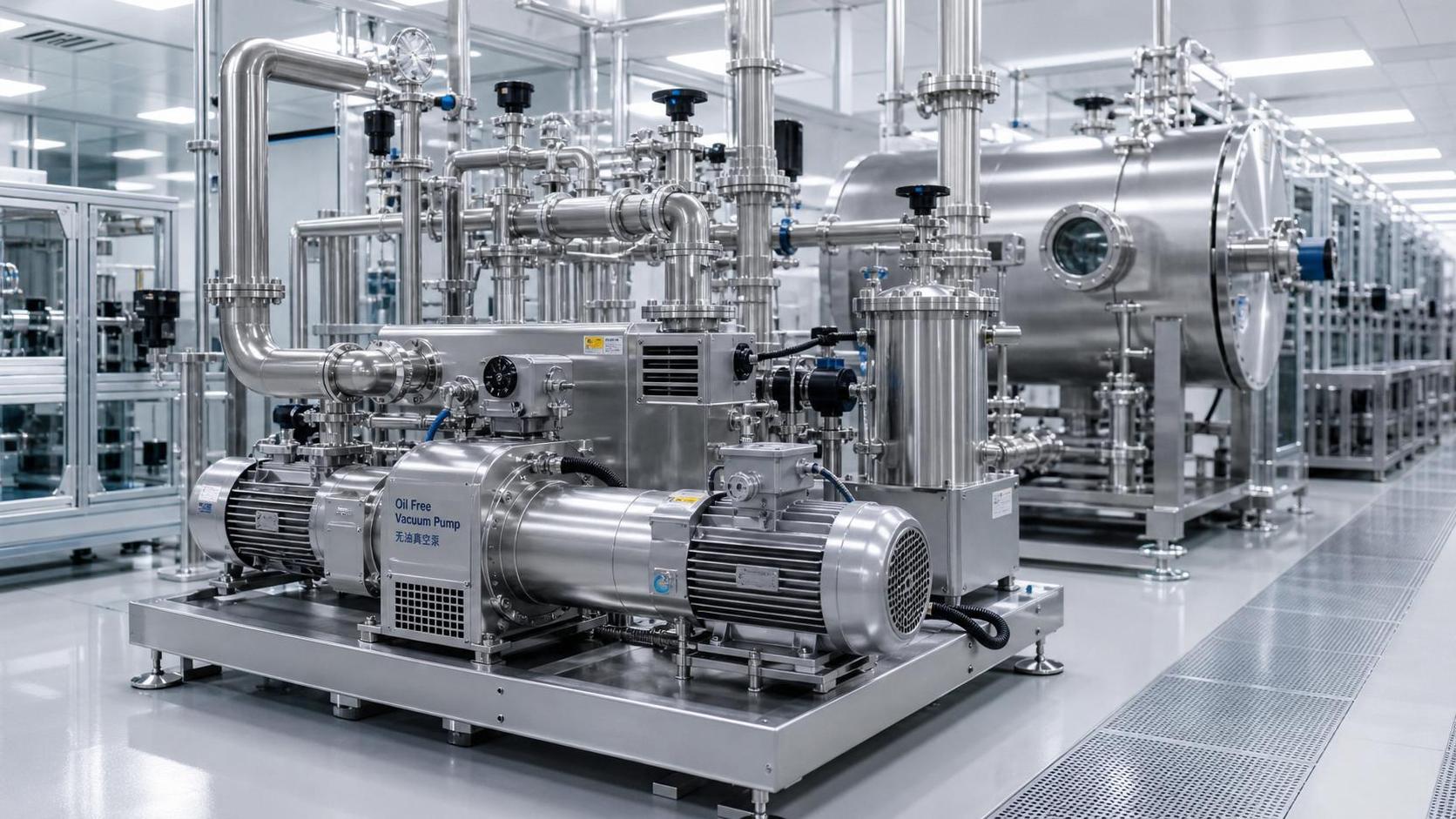
Oil-free vacuum technology is designed to avoid hydrocarbon contamination inside the compression chamber. In many processes, that basic advantage directly supports product integrity, downstream cleanliness, and compliance expectations.
The value is especially clear where even small traces of oil can damage yields or trigger rework. Semiconductor fabrication, freeze drying, sterile packaging, and analytical instrumentation are common examples.
There is also an operating cost angle. Many vacuum pumps oil free systems reduce the need for lubricant management, disposal handling, and contamination-related service events, though that does not automatically mean lower total cost.
Energy markets and environmental policy also influence pump choice. GTC-Matrix regularly tracks how decarbonization targets and utility pricing are pushing industrial sites to scrutinize vacuum efficiency with far more discipline.
Start with the process, not the pump brochure
A useful evaluation starts with the process load profile. Required base pressure, working pressure, pumping speed, duty cycle, and gas composition all matter more than a generic claim of oil-free performance.
In practice, most selection mistakes come from incomplete process mapping. A pump sized only for nominal flow may struggle when startup surges, vapor peaks, or unexpected particulate loads appear.
Several questions usually clarify the real requirement:
- What vacuum level must be reached, and how quickly?
- Is the process continuous, intermittent, or batch based?
- Does the gas stream include water vapor, solvents, acids, or fine dust?
- How sensitive is the process to backstreaming or internal wear particles?
- Will the system operate alone or as part of a centralized vacuum network?
These details help distinguish between technically acceptable and operationally resilient vacuum pumps oil free solutions. The difference becomes visible over years, not during a short factory acceptance test.
Know the main oil-free pump types
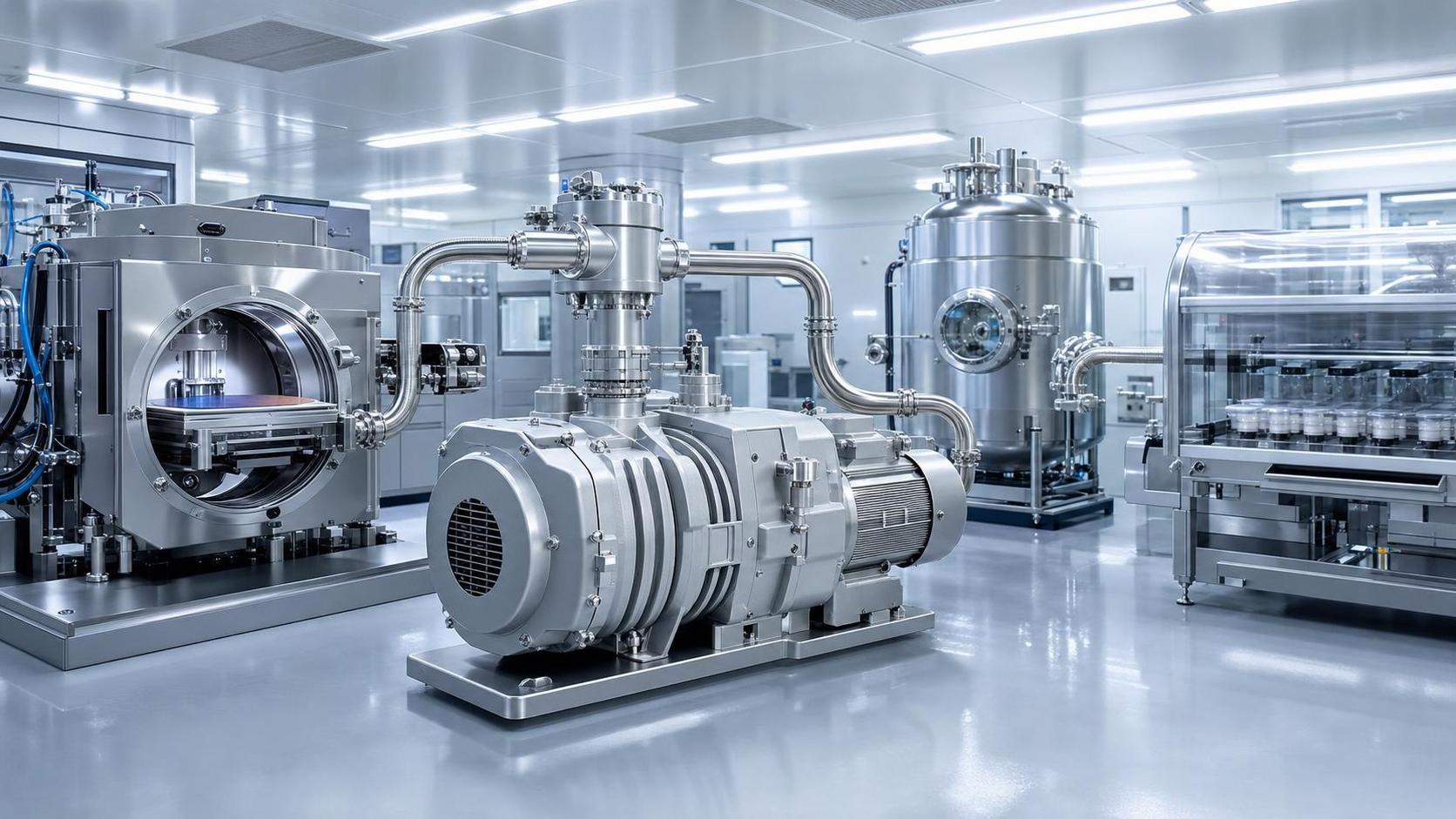
Oil-free vacuum is not one technology. Different pump architectures serve different pressure ranges, gas loads, maintenance profiles, and cleanliness targets.
Dry screw pumps
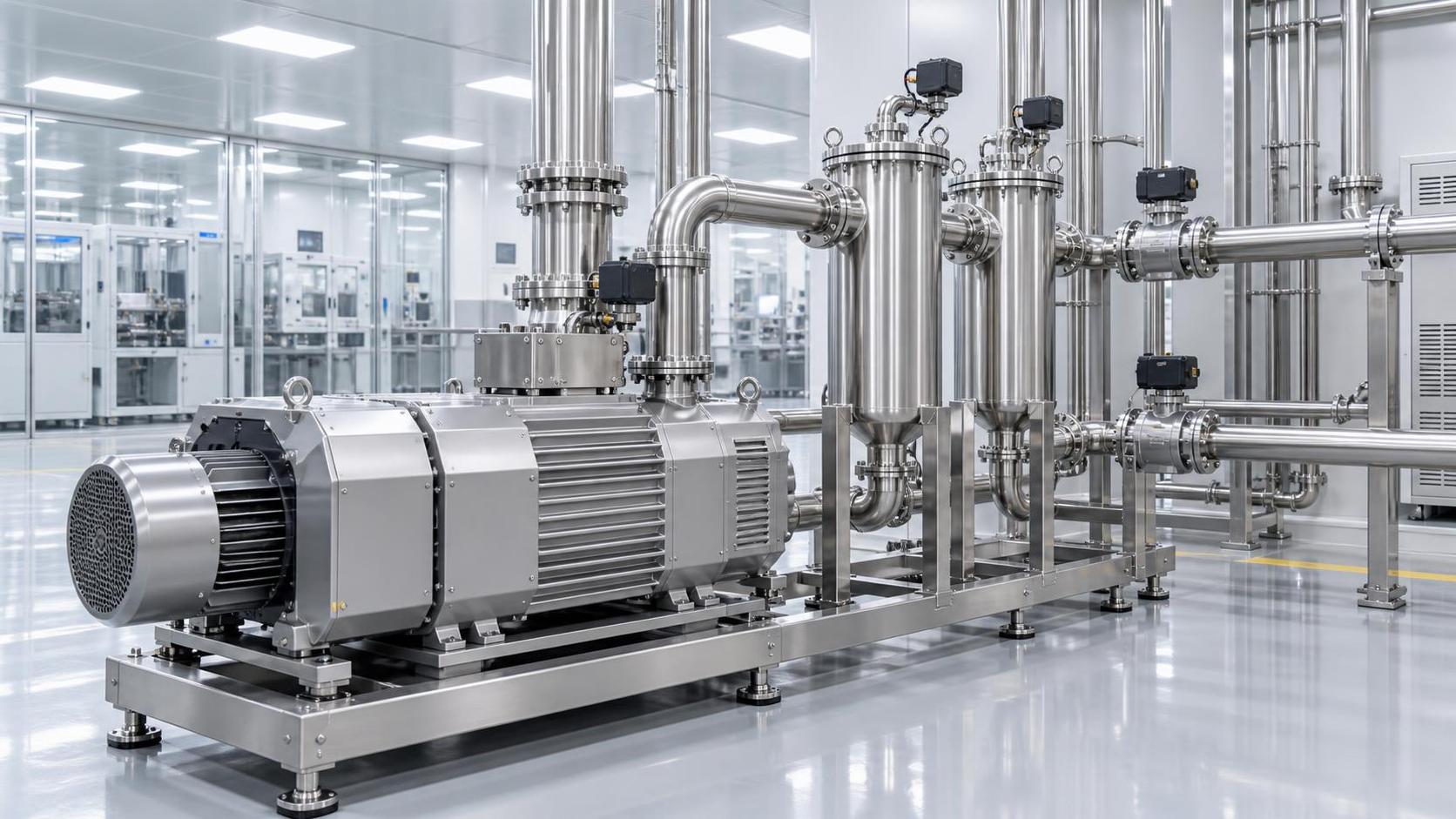
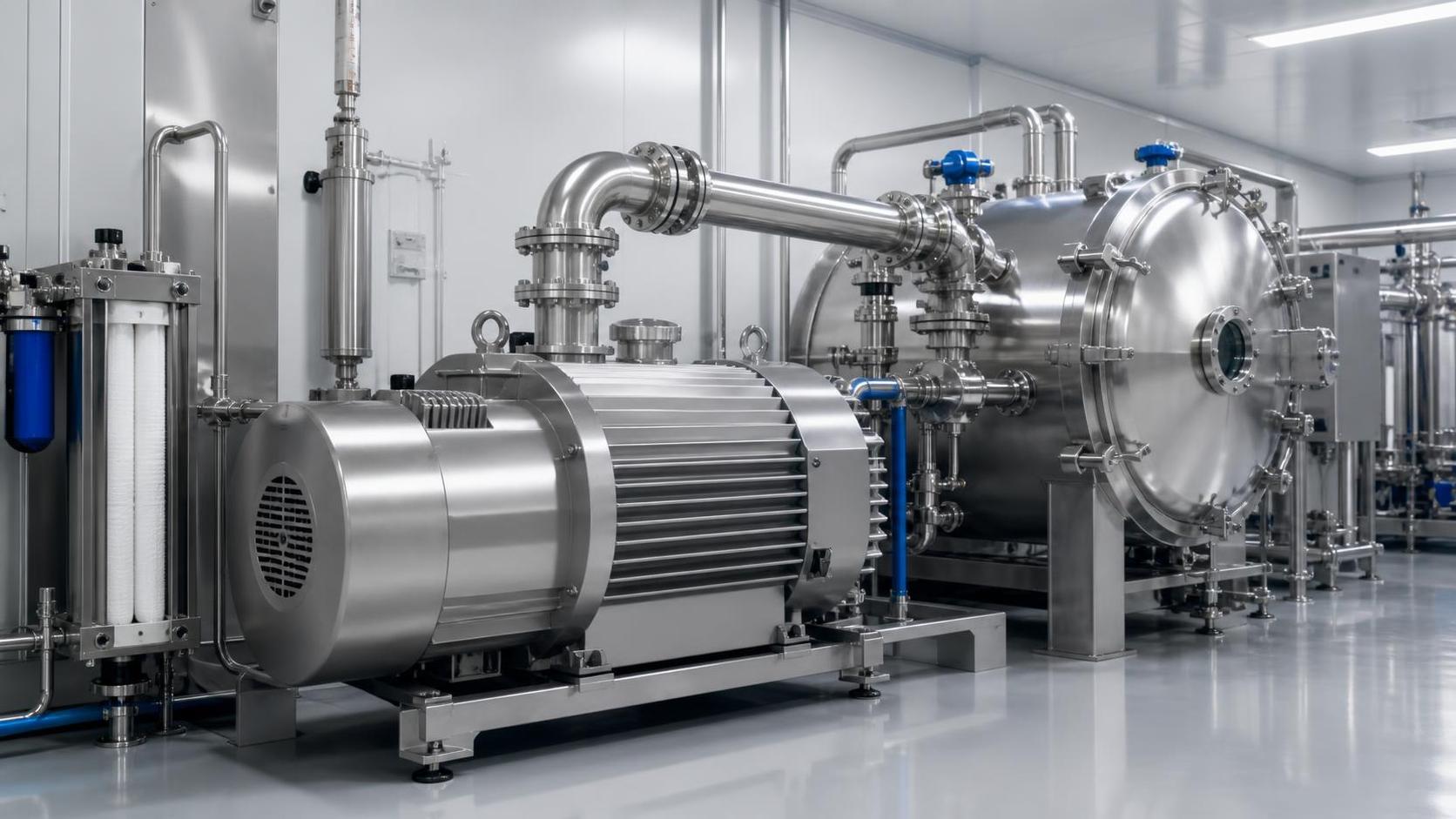
Dry screw pumps are widely used in demanding industrial service. They handle contaminated gases relatively well and suit chemical, pharmaceutical, and vacuum drying processes when corrosion control is addressed properly.
Dry scroll pumps
Dry scroll pumps are common in laboratories, analytical systems, and light process duties. They are compact and quiet, but wear components and vapor tolerance must be checked carefully.
Claw pumps
Claw technology often fits rough vacuum applications needing simple operation and low maintenance. Packaging, material handling, and general industrial automation frequently use this approach.
Multistage roots or booster combinations
Where high throughput and faster evacuation are necessary, booster stages may improve performance. However, the added control complexity must be justified by actual process gains.
Performance factors that deserve closer attention
Catalog flow rate is only a starting point. Real performance depends on where that flow is delivered across the operating pressure band.
A strong evaluation usually compares the following factors together rather than separately:
- Ultimate pressure versus actual working pressure
- Pumping speed curve across the duty range
- Water vapor handling and condensable gas tolerance
- Particle sensitivity and inlet filtration needs
- Temperature rise under continuous operation
- Noise, vibration, and installation footprint
- Control options such as variable speed drives
Variable speed control often deserves special attention. In systems with fluctuating demand, it can improve energy performance and pressure stability, but only if the process really benefits from modulation.
This is where GTC-Matrix takes a broader view. Vacuum, cooling, and compressed air efficiency increasingly interact inside the same energy and reliability model.
Industry scenarios shape the right answer
The right vacuum pumps oil free choice changes by application because contamination risk, duty profile, and uptime exposure are different in each environment.
Pharmaceutical and biotech processes
Purity, cleaning validation, and batch repeatability tend to dominate. Chemical compatibility and vapor handling are often more important than chasing the lowest capital cost.
Semiconductor and electronics production
Here, vacuum quality and process consistency are extremely sensitive. Even minor contamination or pressure instability can affect yield, making premium oil-free architecture easier to justify.
Food, beverage, and packaging lines
Hygiene, washdown conditions, and utility efficiency tend to lead the discussion. Claw or screw-based vacuum pumps oil free systems are often assessed for packaging and pneumatic conveying support.
General manufacturing and central systems
The focus often shifts toward lifecycle cost, redundancy, and maintainability. A centralized plant vacuum design can outperform many small units, but it also changes failure consequences.
Cost should mean lifecycle cost, not purchase price
An oil-free pump that appears expensive upfront may prove less costly over five years if it reduces rejects, service downtime, utility use, and waste handling.
A balanced cost review usually includes these elements:
- Initial equipment and installation cost
- Power consumption at real operating conditions
- Wear parts, service intervals, and labor time
- Downtime exposure and spare unit strategy
- Contamination-related quality losses
- Environmental handling and compliance overhead
In many facilities, energy and uptime outweigh purchase price surprisingly fast. That pattern appears often in GTC-Matrix market intelligence, especially where electricity volatility and carbon reporting are rising concerns.
A practical framework for comparing options
When several suppliers look similar on paper, a short comparison framework can keep the decision grounded in process value rather than presentation quality.
- Define the real gas load, including upset conditions.
- Match pressure range and pumping curve to the duty point.
- Check material compatibility with vapors, solvents, and cleaning agents.
- Review control integration with existing plant systems.
- Model service intervals against production schedules.
- Estimate total energy use, not nameplate assumptions.
- Request references from comparable applications.
This approach usually exposes whether a vacuum pumps oil free proposal is genuinely aligned with the process or simply overselected for safety margin.
What to do next
The best oil-free vacuum decision starts with a clear operating envelope and a realistic view of process risks. Once those are documented, pump type, controls, and lifecycle economics become much easier to compare.
For teams following industrial cooling, compression, and heat exchange trends, it also makes sense to evaluate vacuum in the wider energy system. Utility interactions, thermal loads, and reliability targets increasingly move together.
A useful next step is to build a short evaluation matrix covering pressure demand, gas composition, contamination tolerance, energy profile, service plan, and expansion scenarios. That creates a firmer basis for selecting vacuum pumps oil free with confidence.
Ready when you are. Send us a message to get started.
Related News
- How to verify food-grade purity in compressed air systemsAuthor :Pneumatic Power Engineer

- What determines the price of pure air compression systems?Author :Pneumatic Power Engineer

- How to size oil-free compressors for instrumentation air demandAuthor :Pneumatic Power Engineer

- How Class 0 oil-free compressors protect product quality in food productionAuthor :Pneumatic Power Engineer

- How to verify compressed air cleanroom standards before installationAuthor :Pneumatic Power Engineer

- When oil free vacuum pumps make sense for European cleanroom projectsAuthor :Pneumatic Power Engineer

- When do pure air compression systems need ISO 8573-1 Class 0?Author :Pneumatic Power Engineer

- How do compressed air systems for electronics prevent contamination?Author :Pneumatic Power Engineer

- When does an oil-free process vacuum pump justify its higher cost?Author :Pneumatic Power Engineer

- Does ISO 9001 certification apply to compressed air quality?Author :Pneumatic Power Engineer

- How to Specify Clean Compressed Air Systems in Southeast Asia for Food and Pharma PlantsAuthor :Pneumatic Power Engineer

- How to Compare Oil Free Vacuum Pumps for Clean Process RequirementsAuthor :Pneumatic Power Engineer

- How to Evaluate a Clean Compressed Air Systems Supplier for ISO 8573-1 ComplianceAuthor :Pneumatic Power Engineer

- How to Choose the Right Oil-Free Vacuum PumpAuthor :Pneumatic Power Engineer

- VDI 2083 Update Makes Class 0 Proof MandatoryAuthor :Pneumatic Power Engineer

- When to Use Oil Free Vacuum Pumps for High Purity LinesAuthor :Pneumatic Power Engineer

- Compressed Air Solutions: When Oil-Free Systems Lower Total Operating CostAuthor :Pneumatic Power Engineer

- ATMOsphere Europe 2026 Adds Oil-free Systems ZoneAuthor :Pneumatic Power Engineer

- Oil-Free Compressors: Key Selection Criteria for Clean Air SystemsAuthor :Pneumatic Power Engineer

- How to Compare Oil Free Centrifugal Compressors for Stable Plant Air SupplyAuthor :Pneumatic Power Engineer

- Compressed Air Class 0 vs Oil-Free: What Really MattersAuthor :Pneumatic Power Engineer

- Oil-Free Compression Class 0: What the Standard Really Means in ProductionAuthor :Pneumatic Power Engineer

- Air Compression Cost Comparison: Oil-Free vs Screw Systems in Daily OperationAuthor :Pneumatic Power Engineer

- Saudi SASO Tightens IEC 63349-2 for Oil-Free CompressorsAuthor :Pneumatic Power Engineer

- Saudi SASO Tightens Oil-Free Compressor Efficiency RulesAuthor :Pneumatic Power Engineer

- Pure Air Compression Systems for Clean Production LinesAuthor :Pneumatic Power Engineer

- IEC 63349-2:2026 makes energy certification mandatoryAuthor :Pneumatic Power Engineer

- IEC 63349-2:2026 Sets New Entry Rules for Oil-Free Screw CompressorsAuthor :Pneumatic Power Engineer

- IEC 63349-2:2026 Takes Effect for Oil-Free Screw CompressorsAuthor :Pneumatic Power Engineer

- IEC 63349-2:2026 Sets New Efficiency Gate for Oil-Free Screw CompressorsAuthor :Pneumatic Power Engineer

- IEC 63349-2:2026 Takes Effect for Oil-Free Screw CompressorsAuthor :Pneumatic Power Engineer

- SABIC Methanol Force Majeure Extended, Tightening R134a/R407C FeedstocksAuthor :Pneumatic Power Engineer

- How to Evaluate Pneumatic Power Systems for Stable OutputAuthor :Pneumatic Power Engineer

- Oil-Free Compression vs Lubricated Systems: Key Trade-OffsAuthor :Pneumatic Power Engineer
![]()
- Oil-Free Compression: 2026 Cost and Compliance Trade-OffsAuthor :Pneumatic Power Engineer

- Oil-Free Compression: Cost and Contamination RisksAuthor :Pneumatic Power Engineer
![]()