Oil-Free Compression Class 0: What the Standard Really Means in Production




Oil-free compression Class 0 is often treated as a simple purity claim, yet in production it carries broader implications. It affects contamination control, product release confidence, shutdown risk, and audit readiness across industries where compressed air touches process-critical steps.
That is why the term keeps appearing in discussions around pharmaceuticals, semiconductors, food processing, electronics, and precision manufacturing. In practice, the label matters, but the operating reality behind it matters more.
From the perspective of GTC-Matrix, where industrial cooling, compressed air, vacuum processes, and heat exchange are tracked as connected systems, Class 0 is best understood as one part of a larger purity and reliability framework.
What Class 0 actually refers to
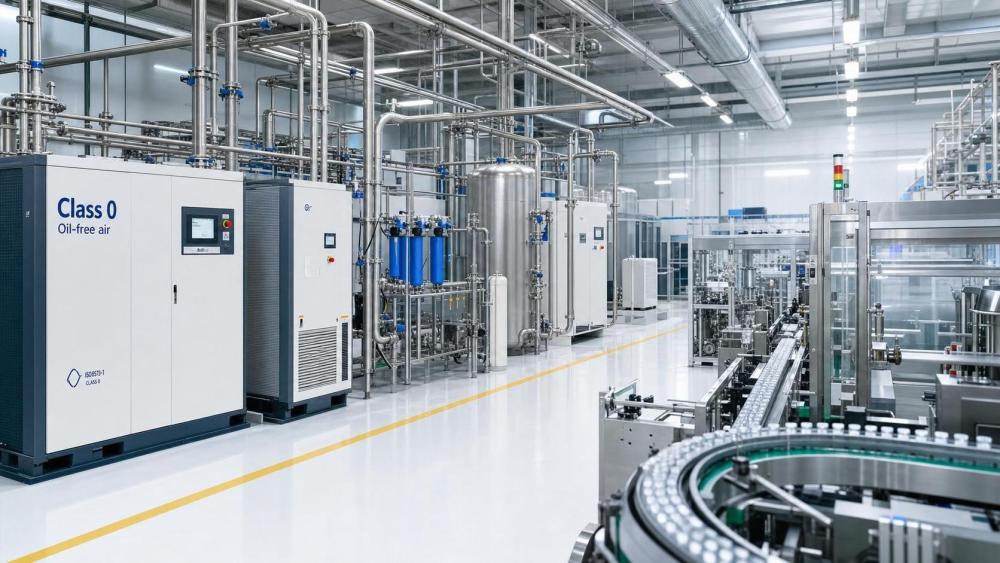
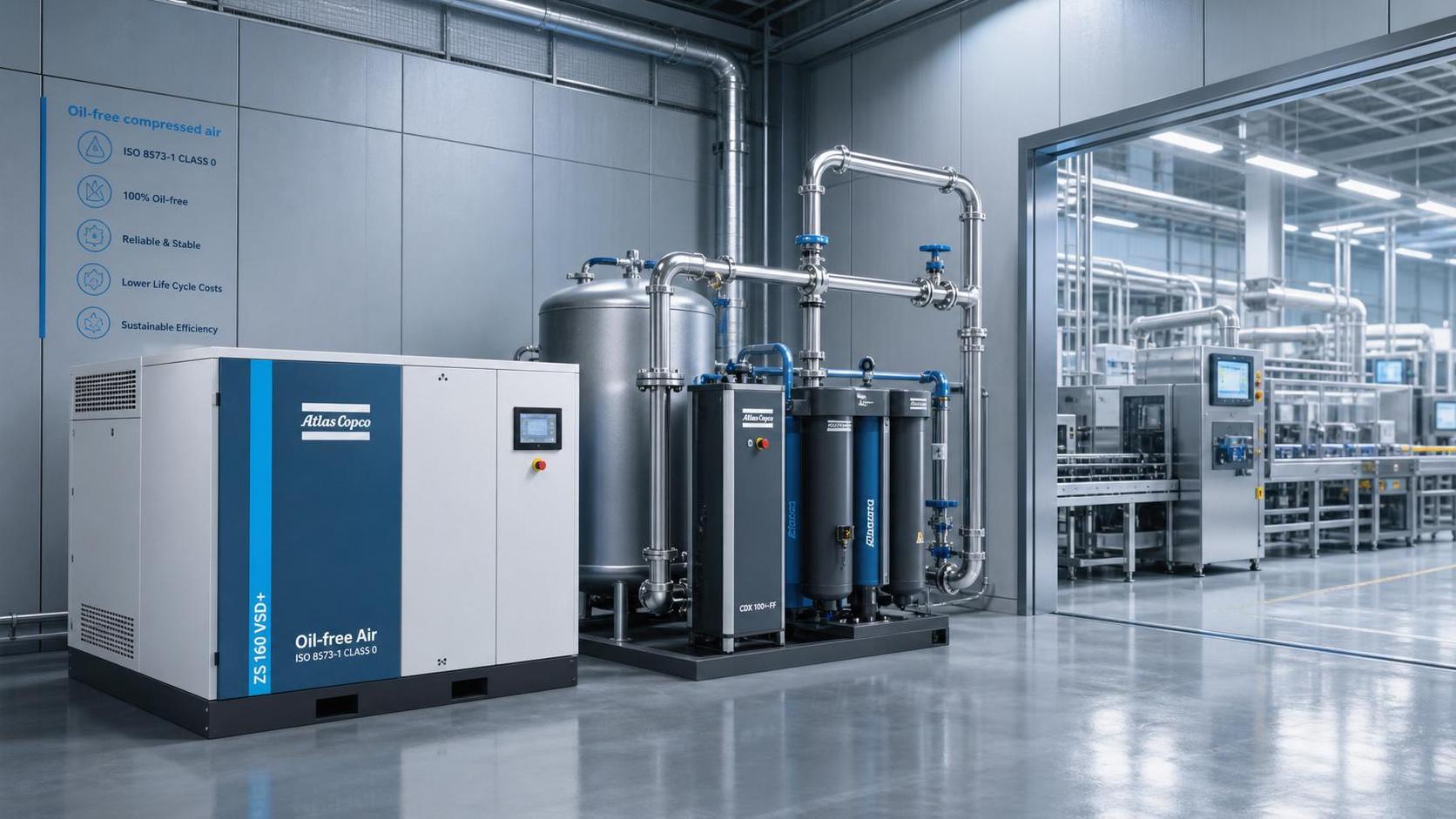
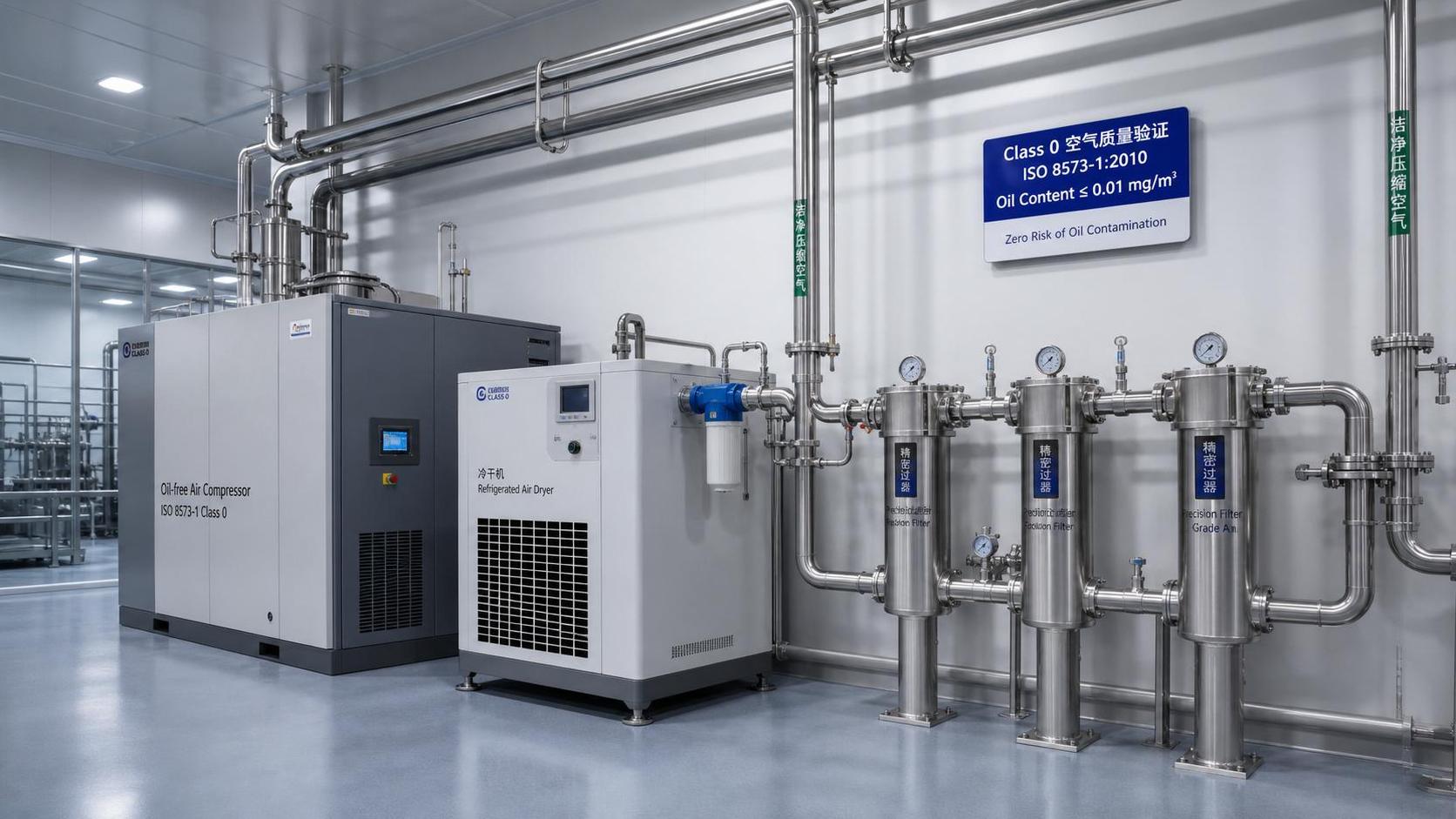
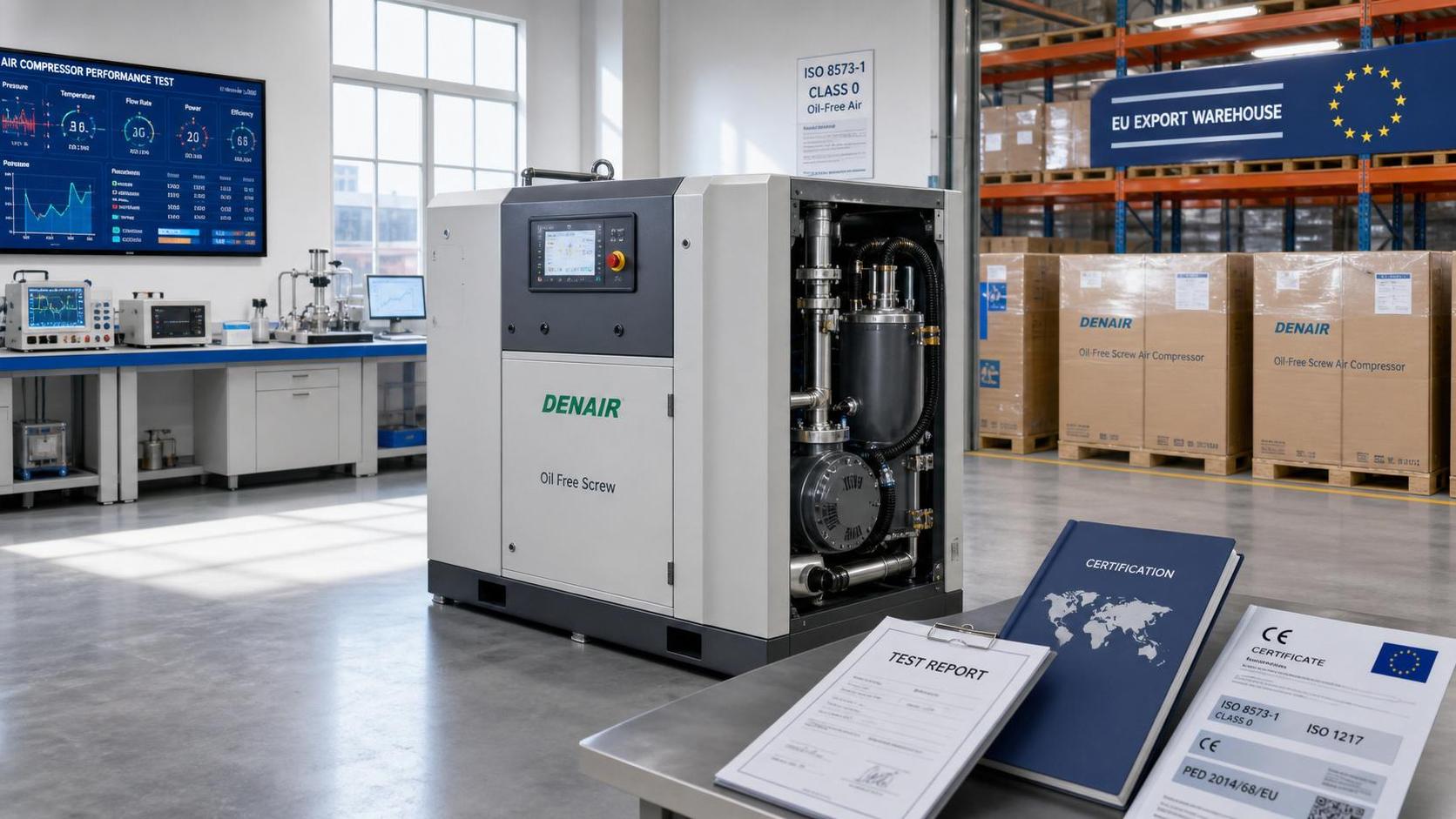
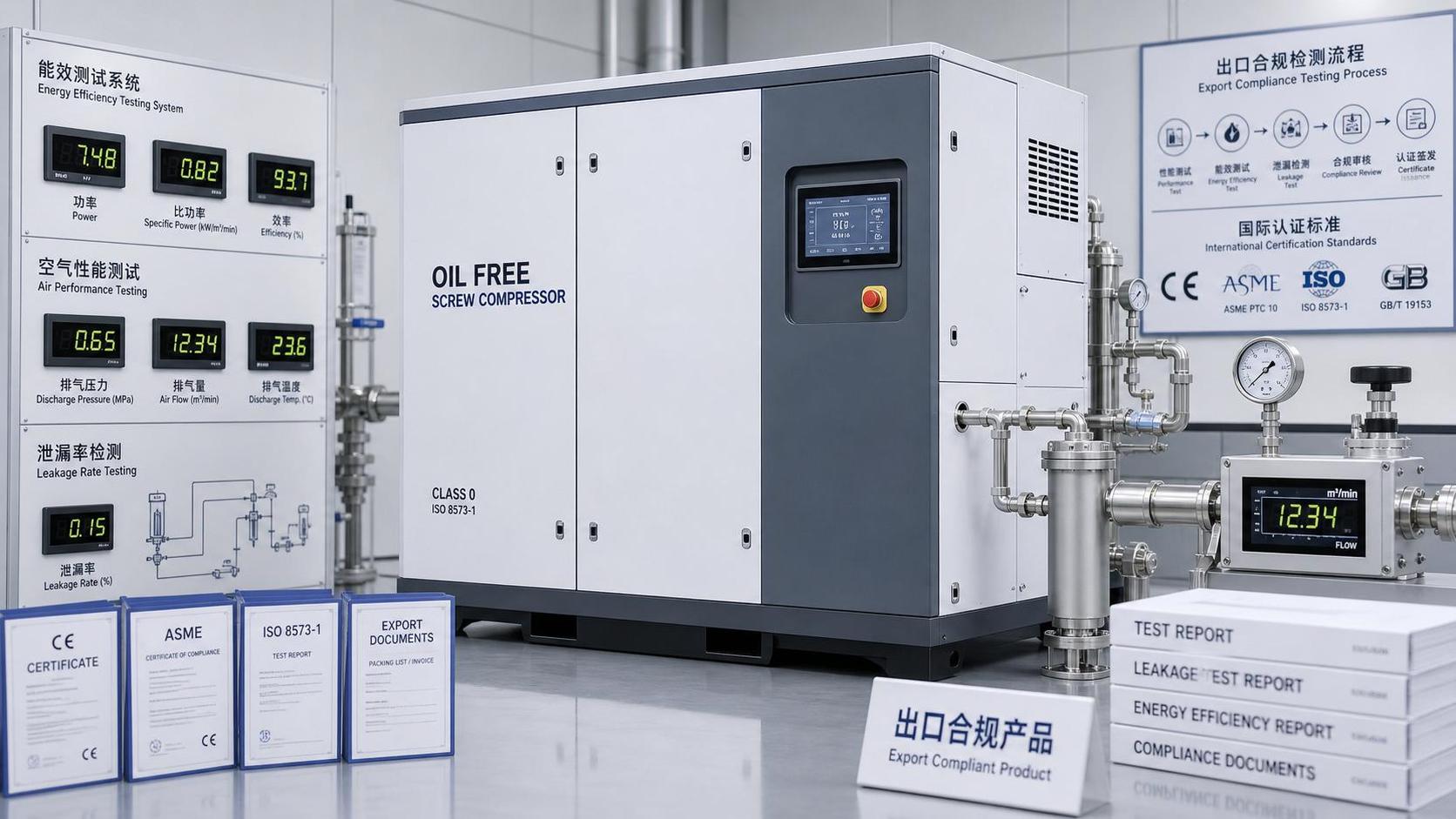
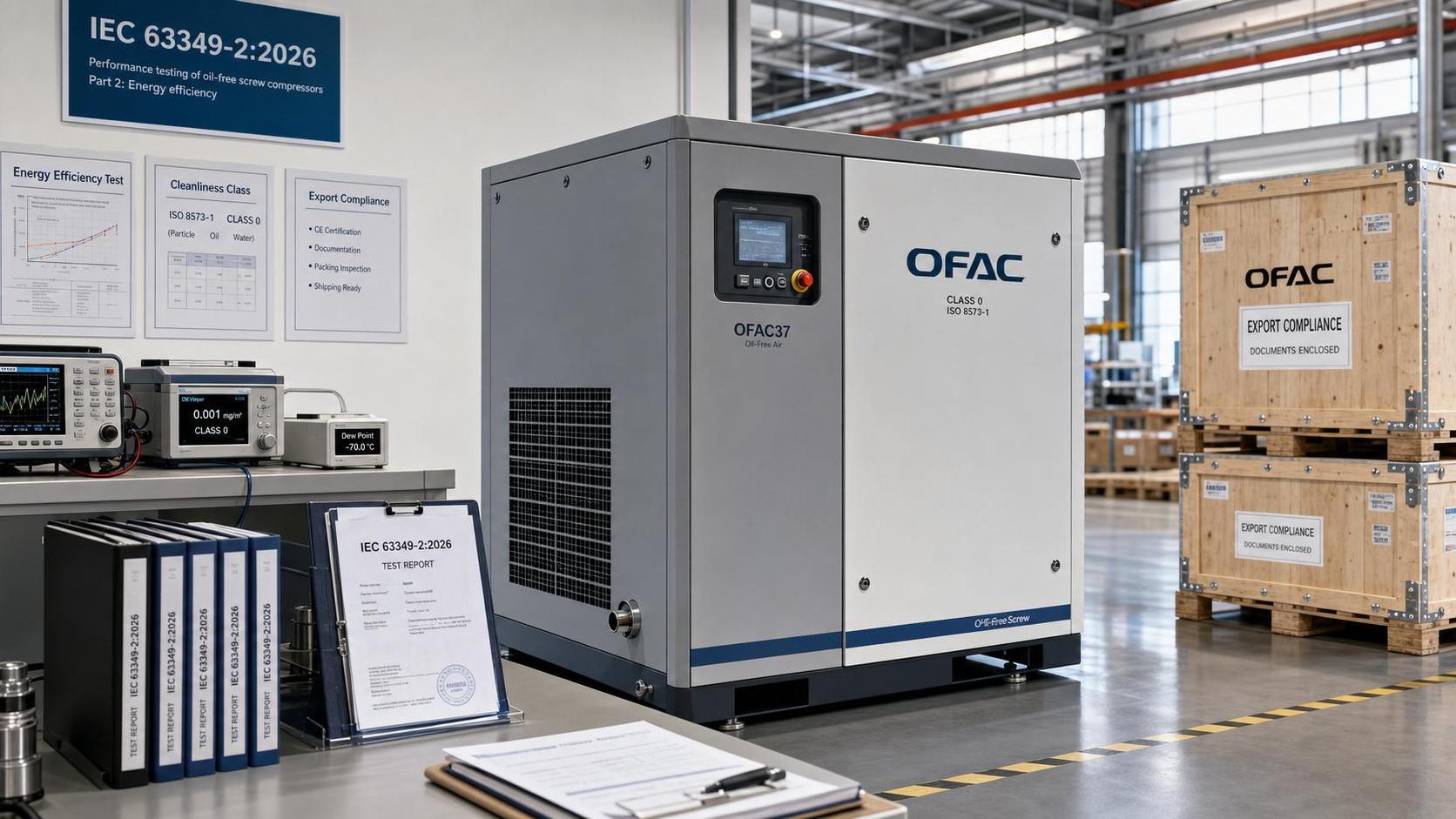
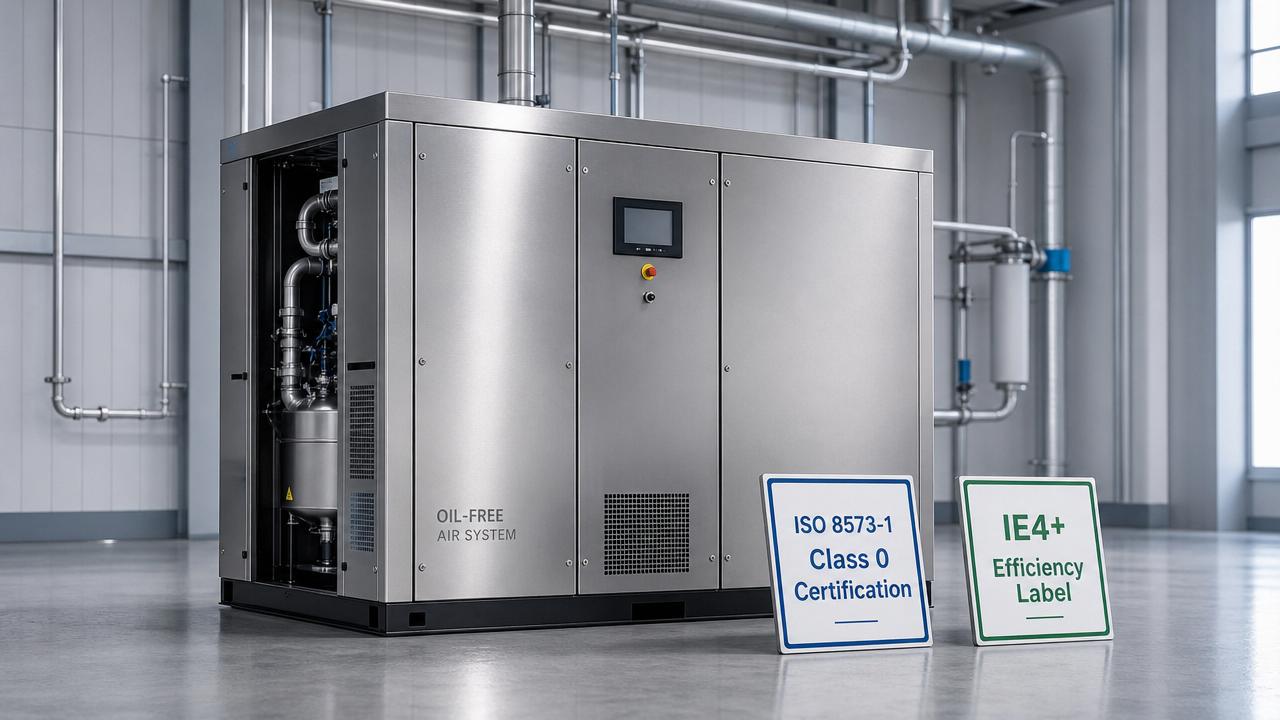
At its core, oil-free compression Class 0 relates to ISO 8573 and the contamination limits assigned to compressed air. Class 0 is the most stringent category for oil content.
Simple marketing language can blur this point. Class 0 does not mean every surface in the system is permanently risk-free. It means the compressed air meets a defined oil contamination requirement under tested conditions.
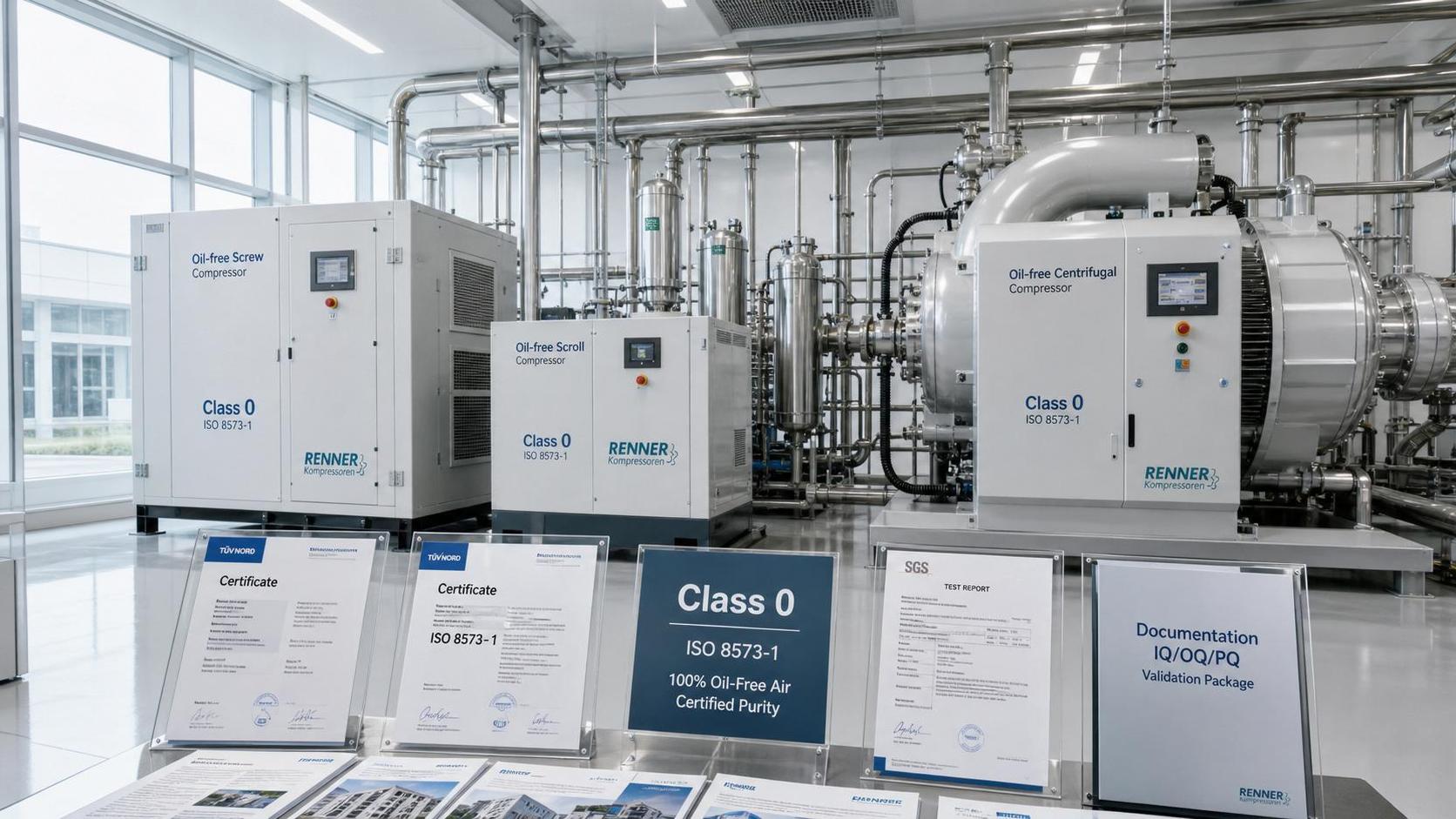
That distinction is important. The standard is about measurable output quality, not just compressor architecture. A machine can be sold as oil-free by design, but Class 0 status depends on verified performance.
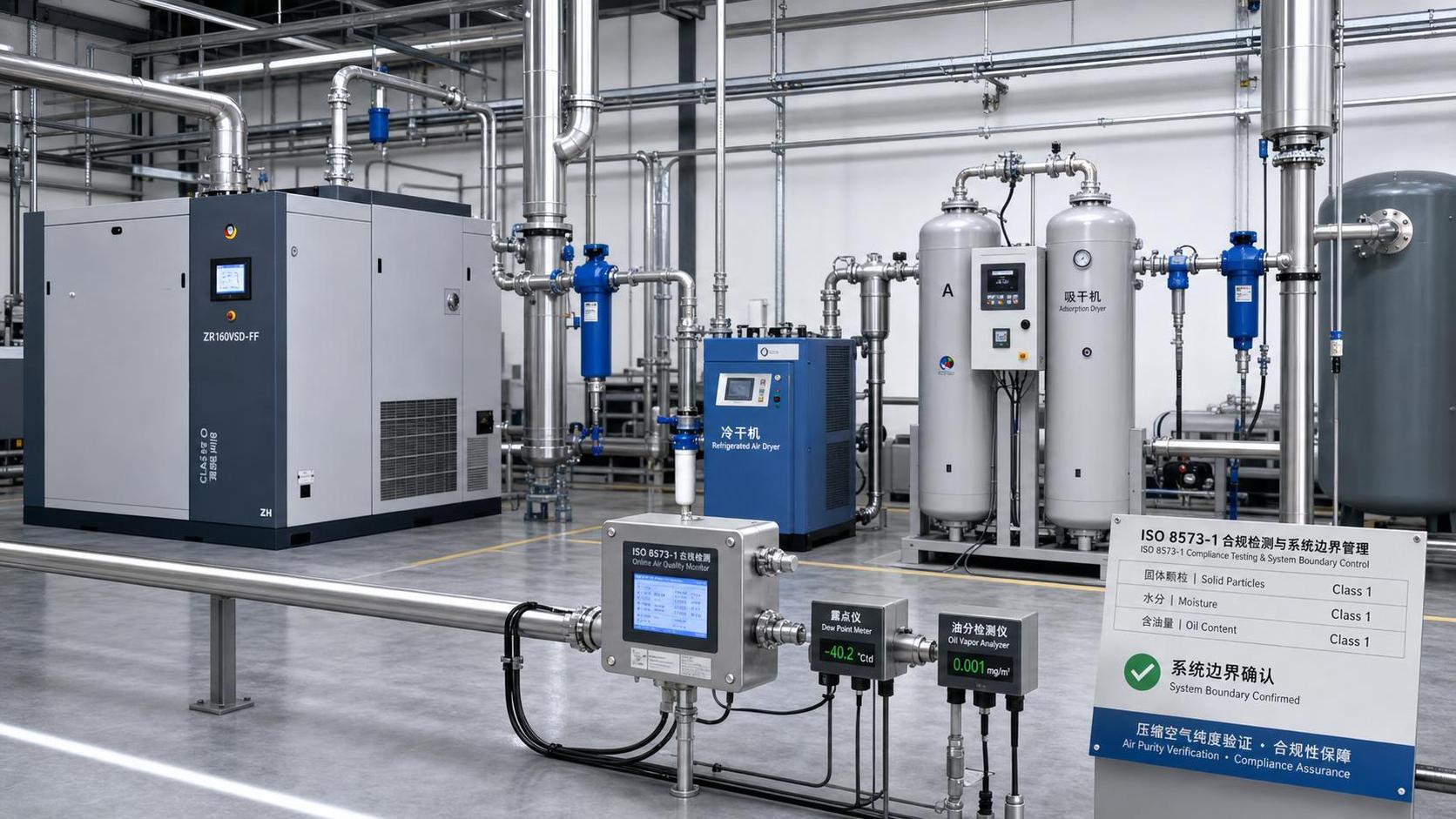
This is also where many production misunderstandings begin. Some teams assume Class 0 automatically covers the entire air network, downstream storage, piping, valves, and point-of-use devices. It does not.
Why the topic has become more important
The demand for cleaner compressed air has expanded with tighter product specifications and more sensitive manufacturing processes. Small contamination events now create larger financial and regulatory consequences than they once did.
In food and beverage plants, an oil carryover issue can trigger product disposal or traceability investigations. In electronics, it can affect yield stability. In pharma, it can complicate validation and batch integrity.
There is also an energy transition angle. As plants modernize thermal systems and utility infrastructure, compressed air is being evaluated alongside refrigeration, heat exchange, and decarbonization targets. Purity and efficiency are now judged together.
GTC-Matrix tracks this shift closely. The market is no longer asking only whether air is clean enough. It is asking whether purity can be maintained while energy costs, uptime pressure, and sustainability metrics all remain under control.
Where Class 0 creates real business value
The value of oil-free compression Class 0 is rarely limited to image or specification language. Its main benefit is risk reduction across the production chain.
When compressed air contacts product, packaging, instruments, or clean environments, residual oil becomes a quality variable. Removing that variable simplifies root-cause analysis and lowers the chance of hidden contamination sources.
It can also improve maintenance clarity. Lubricated systems usually depend more heavily on downstream filtration performance. That can work well, but the burden of proof shifts toward filter condition, service discipline, and upset monitoring.
For operations with strict release controls, oil-free compression Class 0 may support cleaner documentation pathways. Audit teams generally prefer evidence chains that are easier to explain, test, and defend.
Typical areas where purity risk is highest
- Direct product contact through air knives, conveying, mixing, or drying
- Packaging lines where air enters sealed or semi-sealed product zones
- Instrument air in controlled environments with strict cleanliness rules
- Pneumatic handling in semiconductor and electronics processes
- Medical, laboratory, and sterile utility systems
What the certification does not guarantee
This is the most useful reality check for production teams. Oil-free compression Class 0 does not remove all contamination pathways inside a compressed air system.
External hydrocarbons can still enter through intake air, degraded seals, maintenance errors, dirty receivers, unsuitable piping materials, or contaminated condensate handling practices. The compressor is only one source among several.
It also does not guarantee control over particles, water, microbes, or process-generated residues. ISO air quality classes cover multiple dimensions, and oil is only one of them.
That is why a Class 0 claim should never be reviewed in isolation. The cleaner the process requirement, the more essential it becomes to assess the full utility chain.
How to interpret oil-free compression Class 0 in a plant setting
A practical interpretation starts with process mapping. The right question is not only, “Do we need Class 0?” It is, “Where does compressed air create a contamination consequence?”
Some facilities need Class 0 only for selected lines. Others need it plant-wide because shared headers, product diversity, or validation strategy make mixed utility grades too risky.
The next step is to define acceptance conditions. These usually include oil content, dew point, particle counts, sampling frequency, upset response, and maintenance records.
Without that framework, the phrase oil-free compression Class 0 becomes a purchasing term rather than a controlled operating standard.
Useful questions during evaluation
- Where does compressed air contact product, packaging, or critical surfaces?
- What test method supports the Class 0 claim?
- Was testing performed at the compressor, the header, or point of use?
- How are transient conditions and maintenance interventions documented?
- What alarms or routine samples confirm continued compliance?
System design and monitoring matter as much as the label
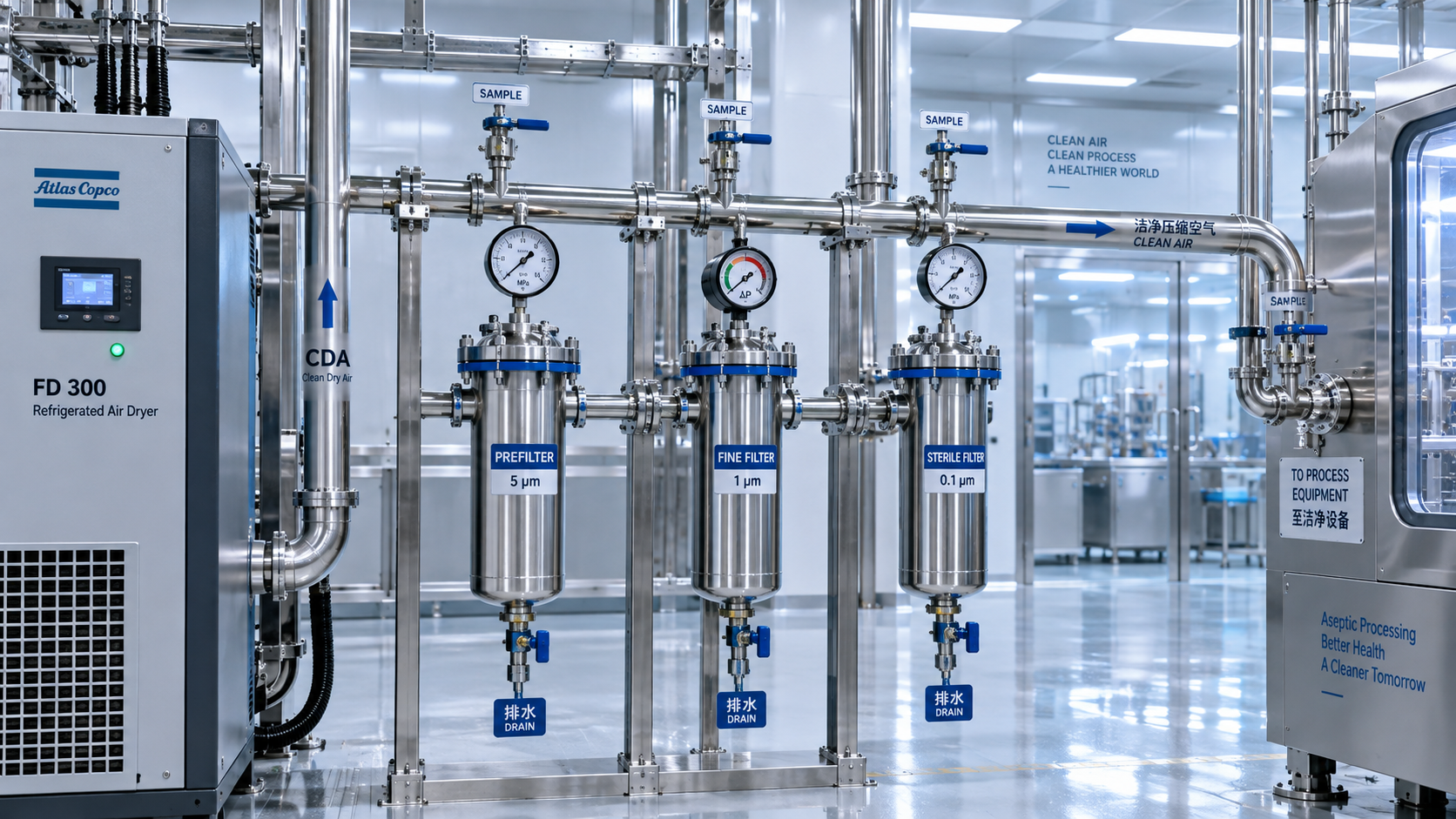
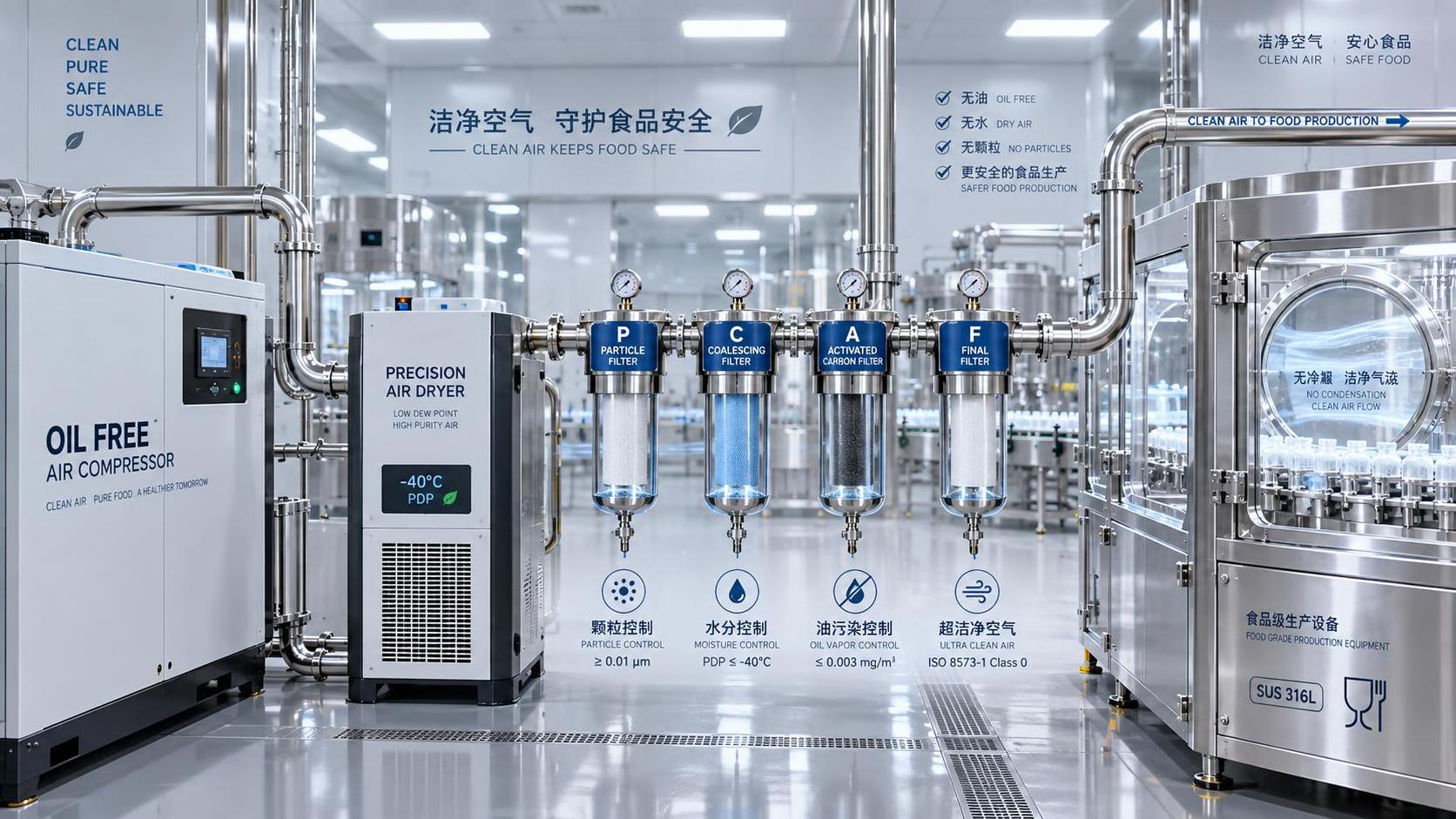
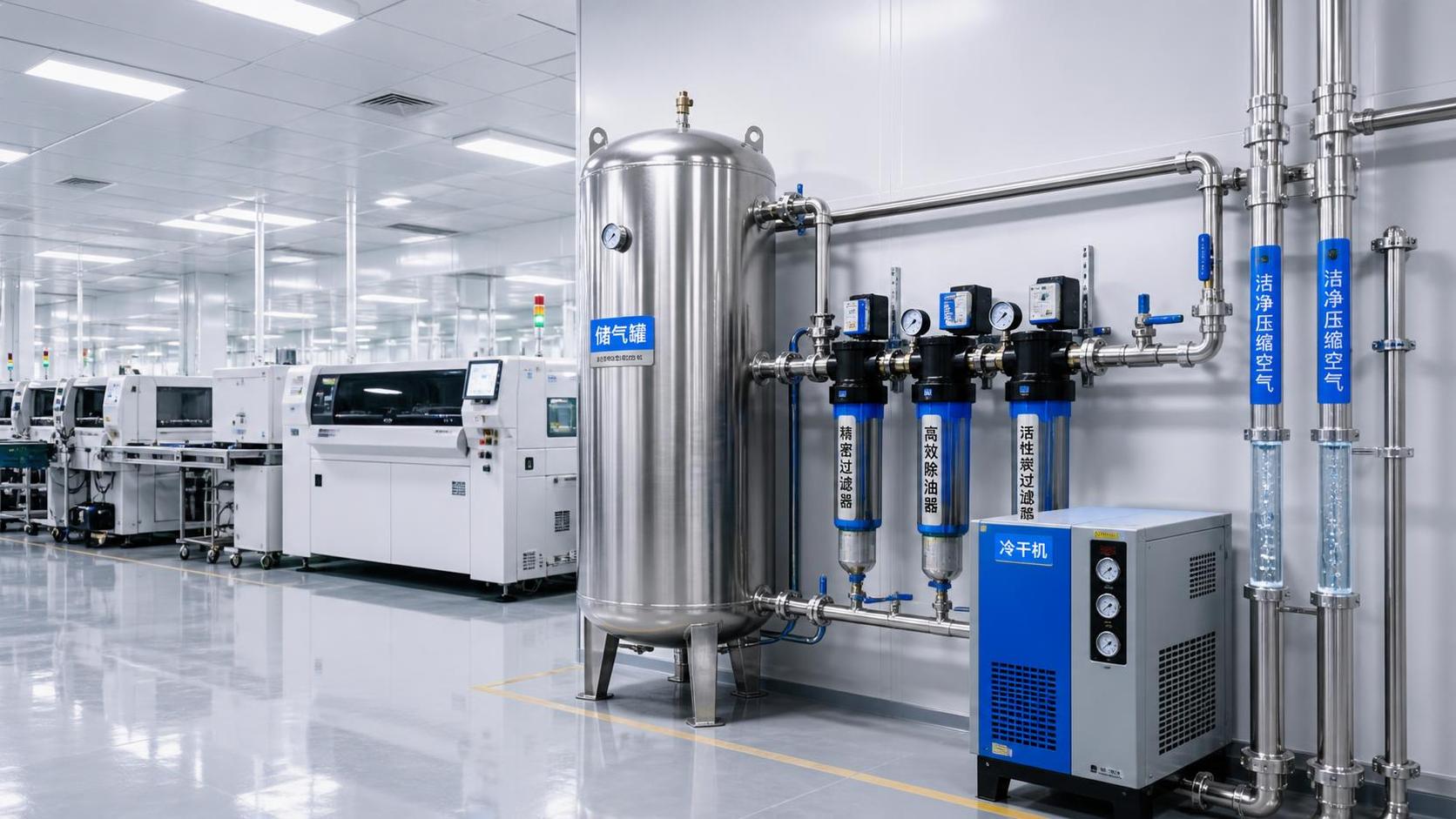
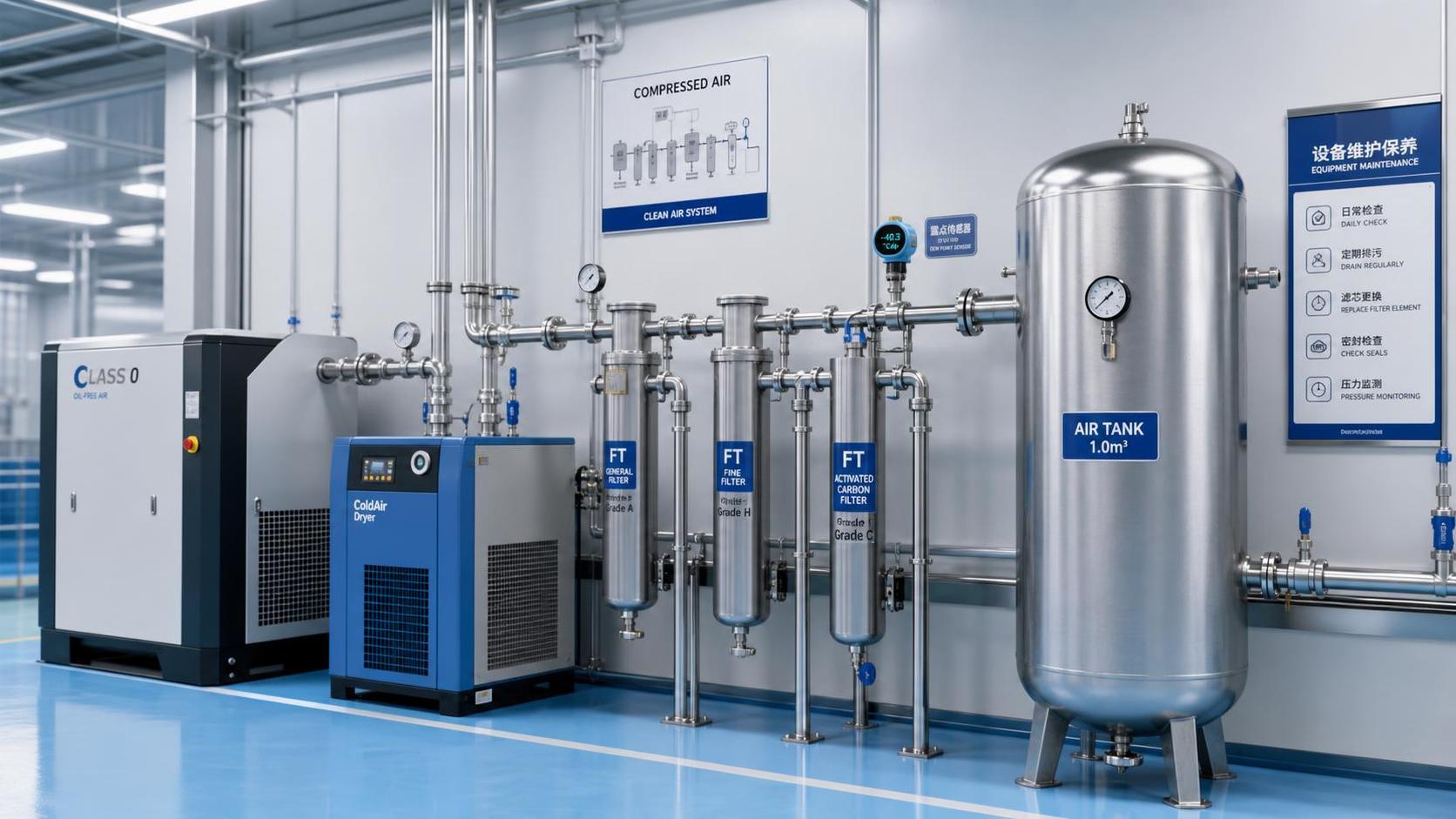
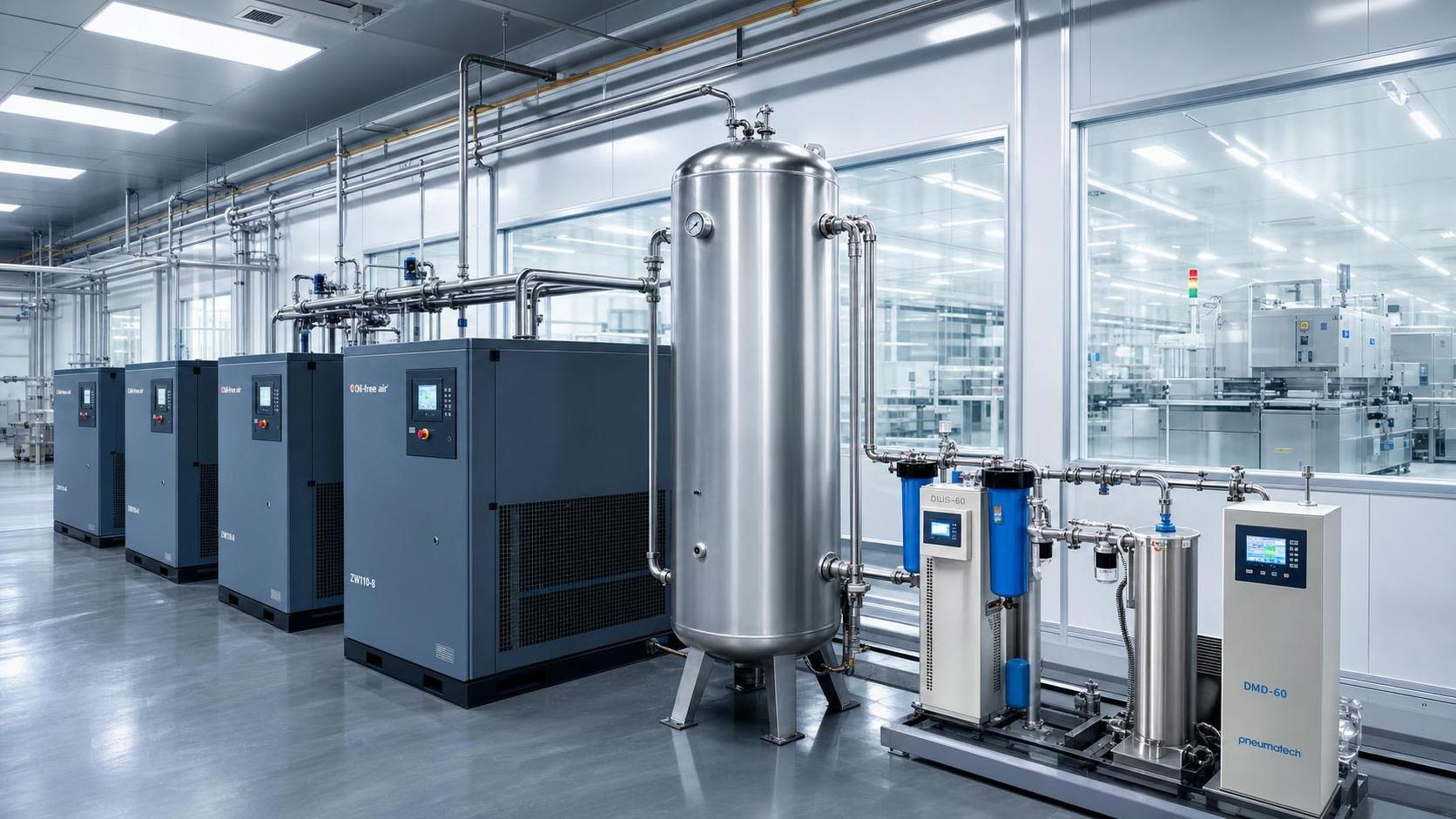
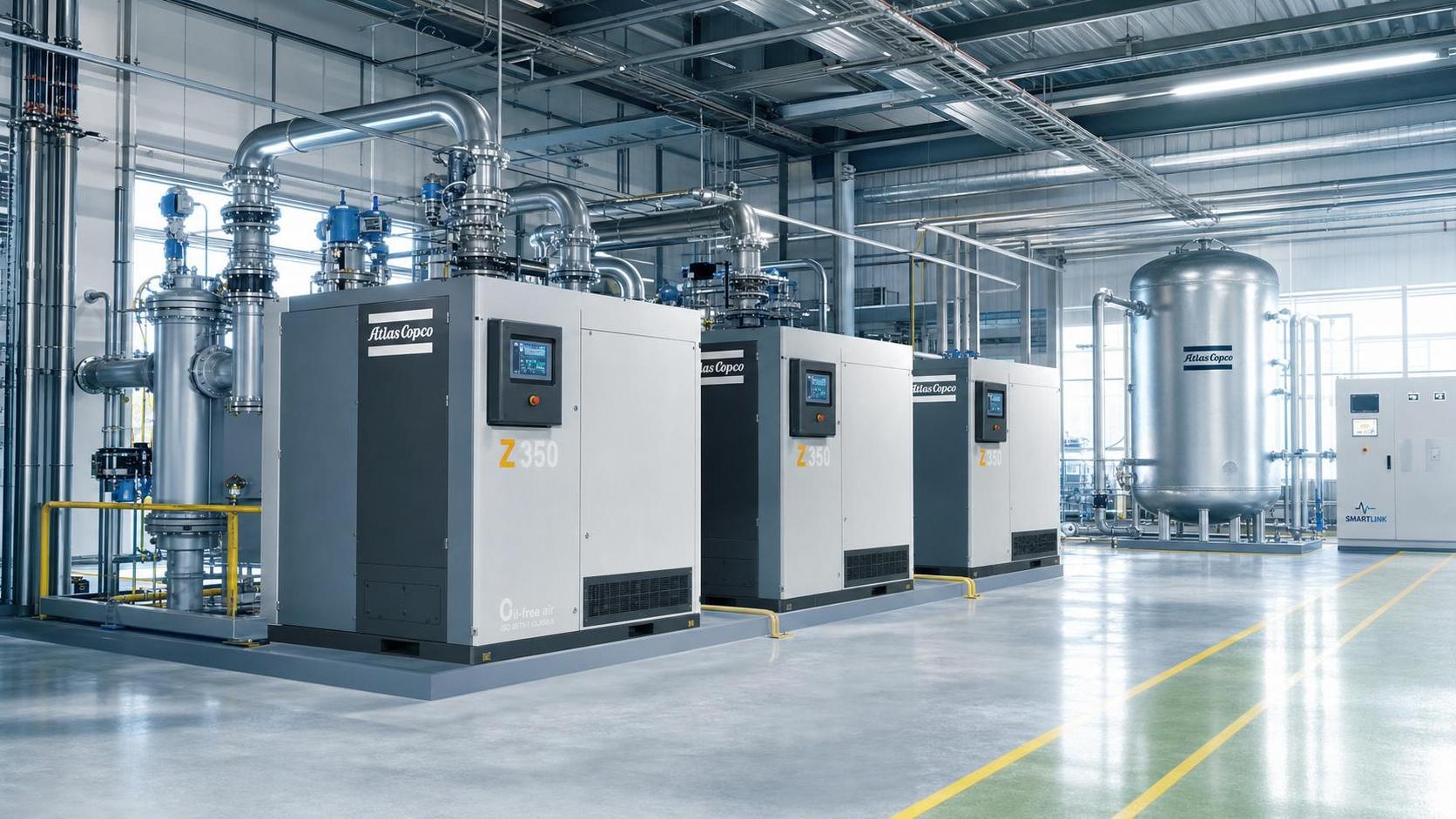
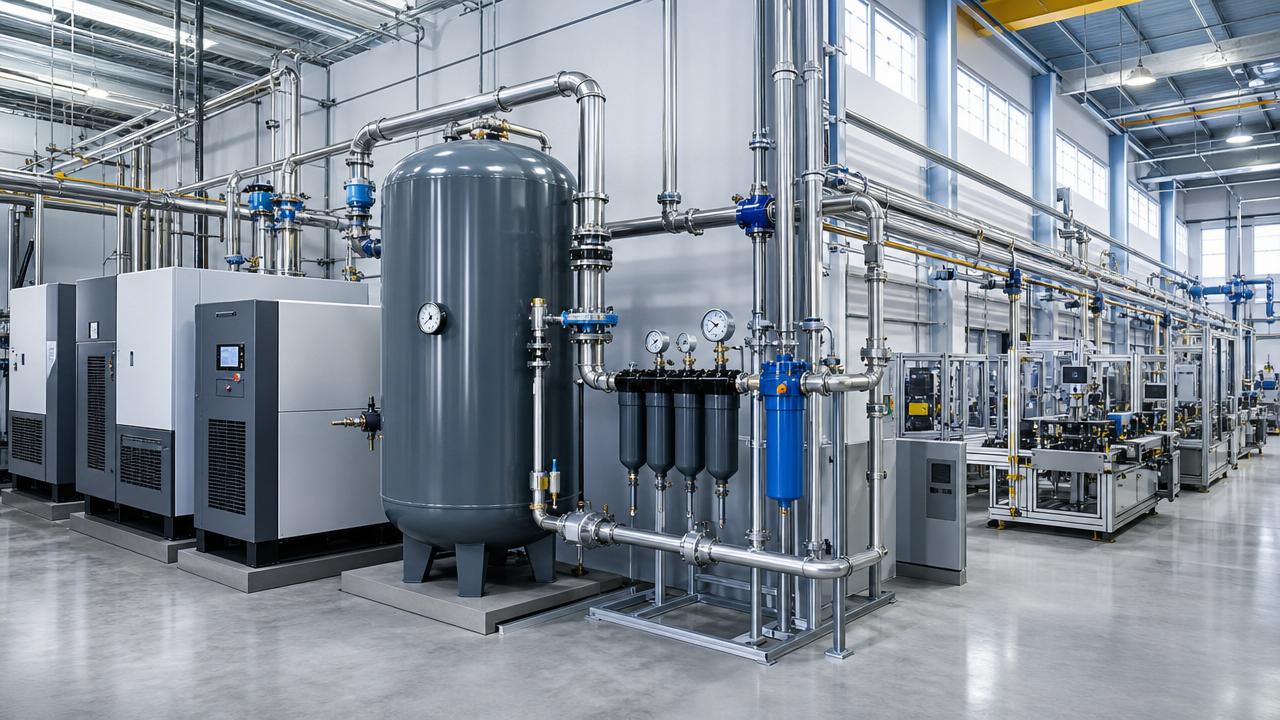
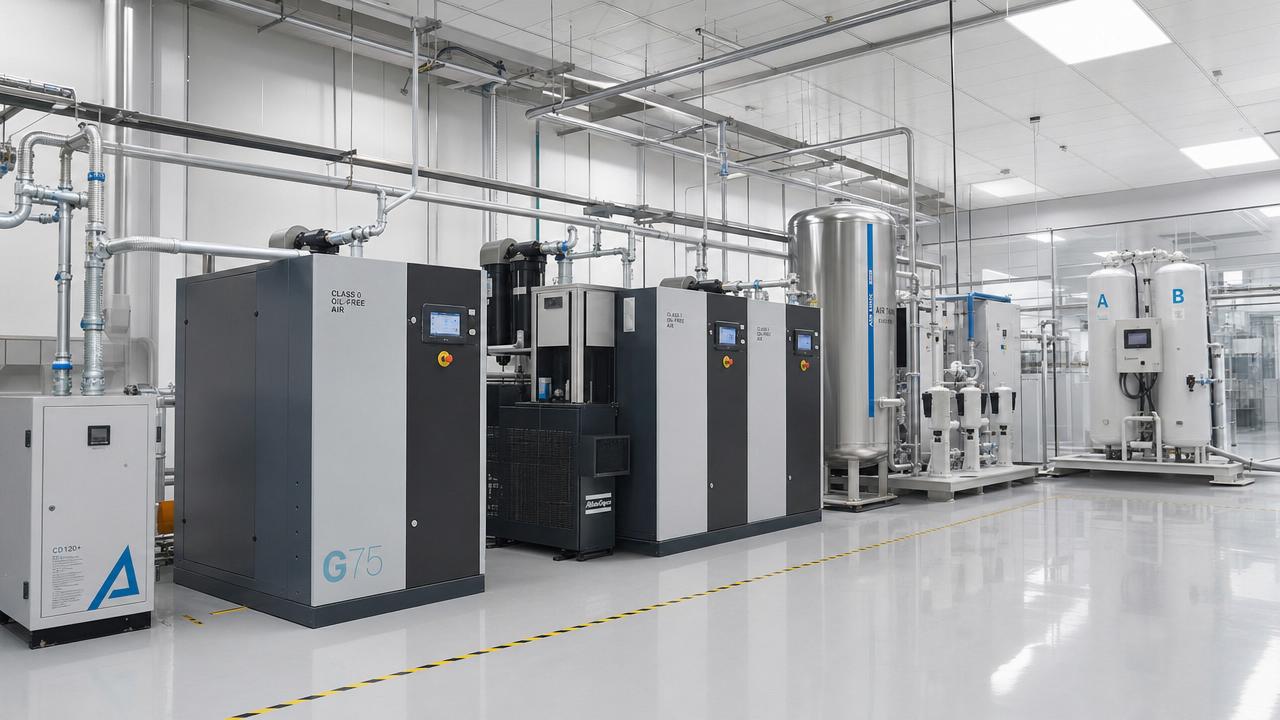
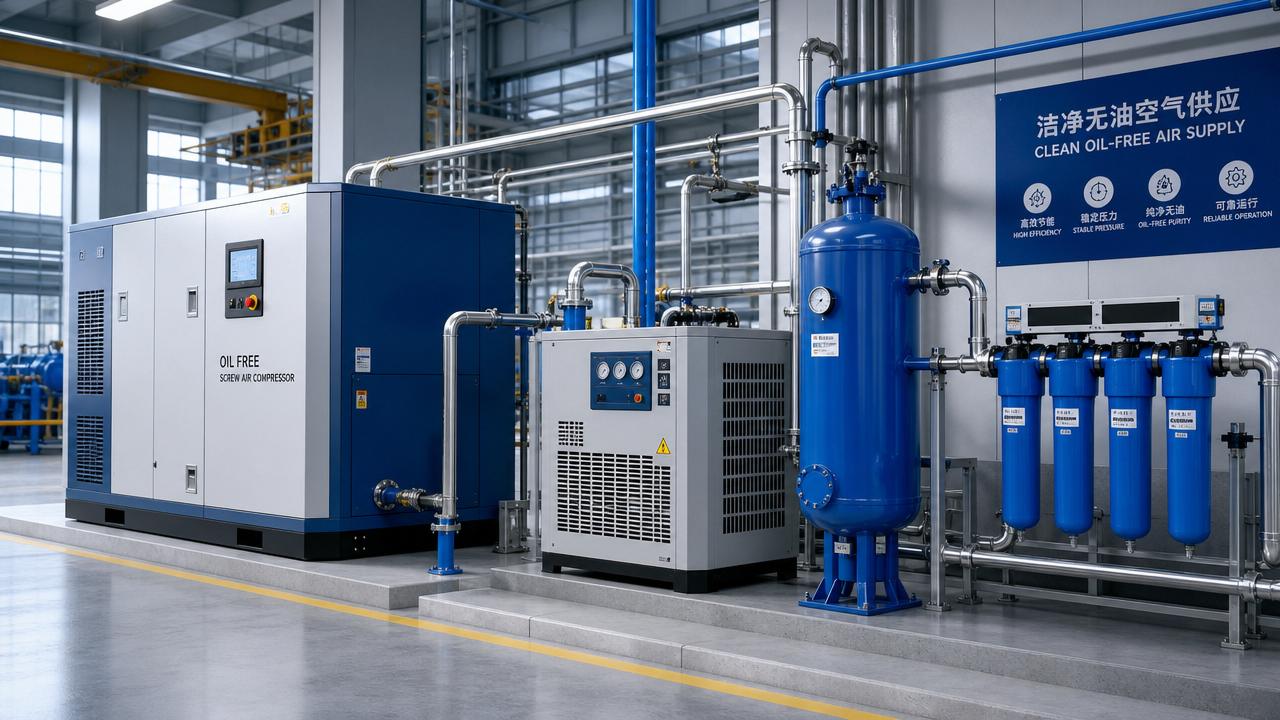
Production performance depends on the whole chain. Intake location, dryer configuration, receiver cleanliness, condensate management, and distribution layout can either protect or undermine Class 0 goals.
Monitoring deserves equal attention. Intermittent testing may satisfy a paperwork requirement, but sensitive operations usually benefit from a layered approach combining routine sampling, differential pressure review, and event-based investigation.
For facilities balancing purity with energy efficiency, this is where smarter utility intelligence becomes useful. Compressor loading, heat recovery, dryer performance, and contamination control should be reviewed together, not as isolated tasks.
That broader view aligns with the GTC-Matrix approach to industrial systems. Thermal performance, power efficiency, and air purity influence each other more than many organizations assume.
A grounded approach for the next decision
Oil-free compression Class 0 should be treated as a verified performance benchmark, not a shorthand promise that ends technical review. It is highly valuable, but only when matched with correct system boundaries and operating discipline.
A sensible next step is to review where compressed air enters critical process zones, then compare those points against current testing, maintenance evidence, and contamination response procedures.
If gaps appear, the answer may involve equipment upgrades, better monitoring, revised sampling locations, or clearer air quality specifications. In many cases, the strongest improvement comes from tightening verification rather than changing labels.
For any operation working toward cleaner production, lower compliance risk, and better utility performance, oil-free compression Class 0 is an important reference point. The real advantage comes from understanding exactly what it proves, and what still needs to be controlled.
Related News
- How to verify compressed air cleanroom standards before installationAuthor :Pneumatic Power Engineer

- When oil free vacuum pumps make sense for European cleanroom projectsAuthor :Pneumatic Power Engineer

- When do pure air compression systems need ISO 8573-1 Class 0?Author :Pneumatic Power Engineer

- How do compressed air systems for electronics prevent contamination?Author :Pneumatic Power Engineer

- When does an oil-free process vacuum pump justify its higher cost?Author :Pneumatic Power Engineer

- Does ISO 9001 certification apply to compressed air quality?Author :Pneumatic Power Engineer

- How to Specify Clean Compressed Air Systems in Southeast Asia for Food and Pharma PlantsAuthor :Pneumatic Power Engineer

- How to Compare Oil Free Vacuum Pumps for Clean Process RequirementsAuthor :Pneumatic Power Engineer

- How to Evaluate a Clean Compressed Air Systems Supplier for ISO 8573-1 ComplianceAuthor :Pneumatic Power Engineer

- How to Choose the Right Oil-Free Vacuum PumpAuthor :Pneumatic Power Engineer

- VDI 2083 Update Makes Class 0 Proof MandatoryAuthor :Pneumatic Power Engineer

- When to Use Oil Free Vacuum Pumps for High Purity LinesAuthor :Pneumatic Power Engineer

- Compressed Air Solutions: When Oil-Free Systems Lower Total Operating CostAuthor :Pneumatic Power Engineer

- ATMOsphere Europe 2026 Adds Oil-free Systems ZoneAuthor :Pneumatic Power Engineer

- Oil-Free Compressors: Key Selection Criteria for Clean Air SystemsAuthor :Pneumatic Power Engineer

- How to Compare Oil Free Centrifugal Compressors for Stable Plant Air SupplyAuthor :Pneumatic Power Engineer

- Compressed Air Class 0 vs Oil-Free: What Really MattersAuthor :Pneumatic Power Engineer

- Oil-Free Compression Class 0: What the Standard Really Means in ProductionAuthor :Pneumatic Power Engineer

- Air Compression Cost Comparison: Oil-Free vs Screw Systems in Daily OperationAuthor :Pneumatic Power Engineer

- Saudi SASO Tightens IEC 63349-2 for Oil-Free CompressorsAuthor :Pneumatic Power Engineer

- Saudi SASO Tightens Oil-Free Compressor Efficiency RulesAuthor :Pneumatic Power Engineer

- Pure Air Compression Systems for Clean Production LinesAuthor :Pneumatic Power Engineer

- IEC 63349-2:2026 makes energy certification mandatoryAuthor :Pneumatic Power Engineer

- IEC 63349-2:2026 Sets New Entry Rules for Oil-Free Screw CompressorsAuthor :Pneumatic Power Engineer

- IEC 63349-2:2026 Takes Effect for Oil-Free Screw CompressorsAuthor :Pneumatic Power Engineer

- IEC 63349-2:2026 Sets New Efficiency Gate for Oil-Free Screw CompressorsAuthor :Pneumatic Power Engineer

- IEC 63349-2:2026 Takes Effect for Oil-Free Screw CompressorsAuthor :Pneumatic Power Engineer

- SABIC Methanol Force Majeure Extended, Tightening R134a/R407C FeedstocksAuthor :Pneumatic Power Engineer

- How to Evaluate Pneumatic Power Systems for Stable OutputAuthor :Pneumatic Power Engineer

- Oil-Free Compression vs Lubricated Systems: Key Trade-OffsAuthor :Pneumatic Power Engineer
![]()
- Oil-Free Compression: 2026 Cost and Compliance Trade-OffsAuthor :Pneumatic Power Engineer

- Oil-Free Compression: Cost and Contamination RisksAuthor :Pneumatic Power Engineer
![]()
- Euro PMI Drop Delays Oil-Free Systems OrdersAuthor :Pneumatic Power Engineer

- Germany/France May PMI Decline; Oil-free Systems EU Projects DelayedAuthor :Pneumatic Power Engineer
![]()
- Compression Technology Options for Cleaner Oil-Free Air SupplyAuthor :Pneumatic Power Engineer

- TUV Rheinland Enforces Full-Chain Class 0 Certification for Oil-Free SystemsAuthor :Pneumatic Power Engineer