Compression Technology Options for Cleaner Oil-Free Air Supply




For quality control and safety teams, choosing the right compression technology is critical to ensuring a cleaner oil-free air supply, stable process performance, and regulatory compliance. In sectors where air touches products, packaging, instruments, or sensitive surfaces, the wrong system can introduce contamination, moisture, or costly instability. This article explains major compression technology options, compares their strengths and limits, and shows how to evaluate purity, energy use, maintenance needs, and long-term operating value.
What does compression technology mean in an oil-free air system?
Compression technology refers to the method used to raise air pressure while controlling heat, moisture, and contamination. In oil-free applications, that method directly affects air purity and process reliability.
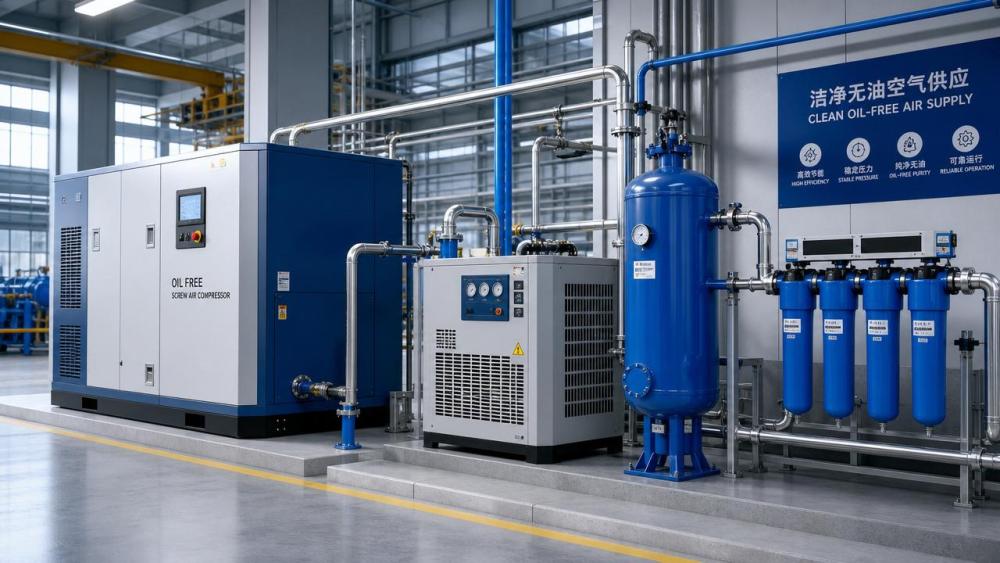
Not all compressed air systems are equal. Some technologies keep oil completely out of the compression chamber. Others use oil elsewhere but isolate it from the air path.
For cleaner oil-free air supply, the design of the air end matters most. It determines whether the system can support high-purity requirements without adding complex downstream treatment.
Compression technology also influences discharge temperature, pressure stability, noise, service intervals, and load response. These factors shape real production performance, not just laboratory specifications.
In practical terms, selecting compression technology means balancing purity class, dew point, duty cycle, space limits, and lifecycle energy cost. A low purchase price rarely tells the full story.
Why oil-free air is a broader system issue
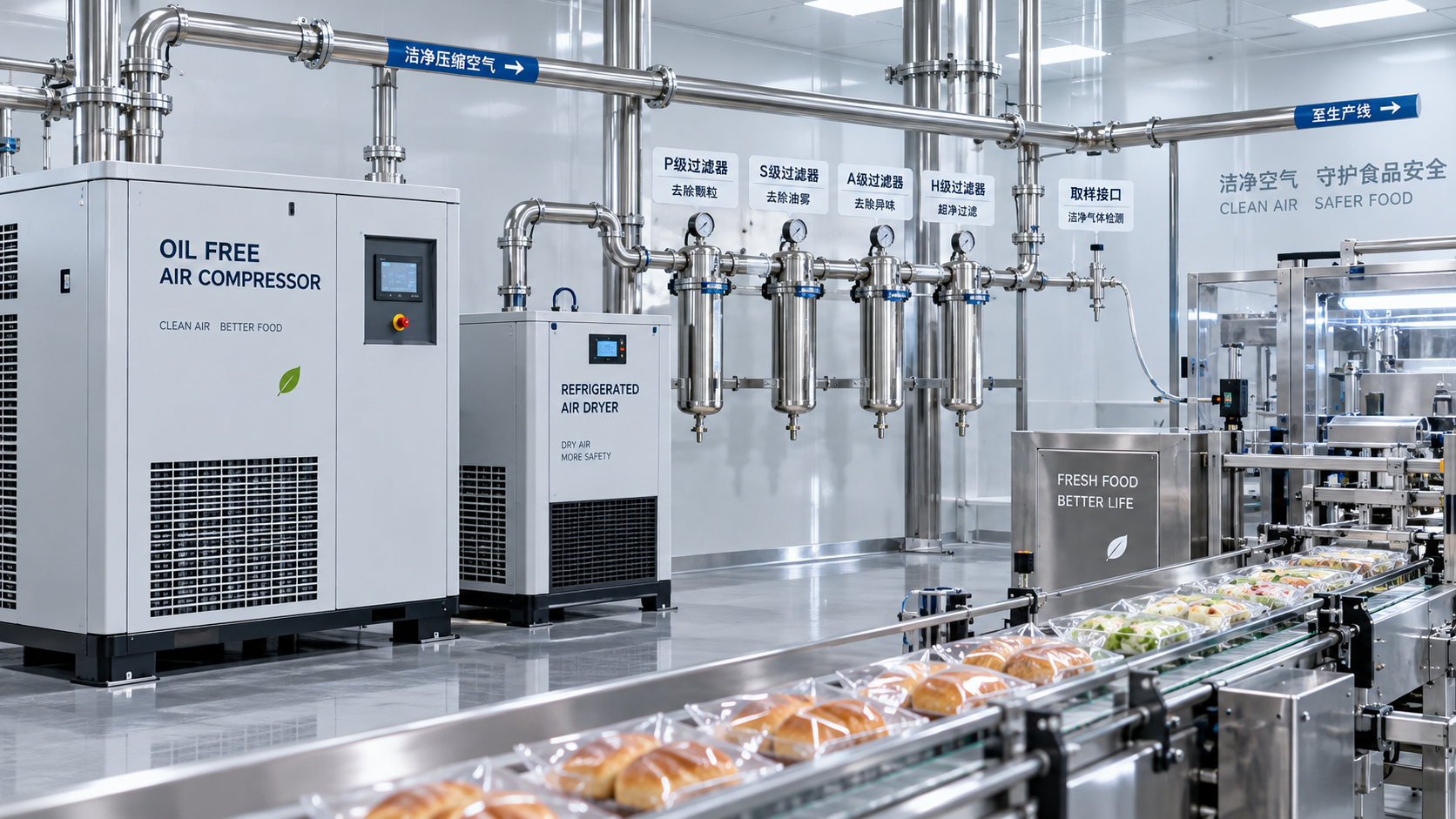
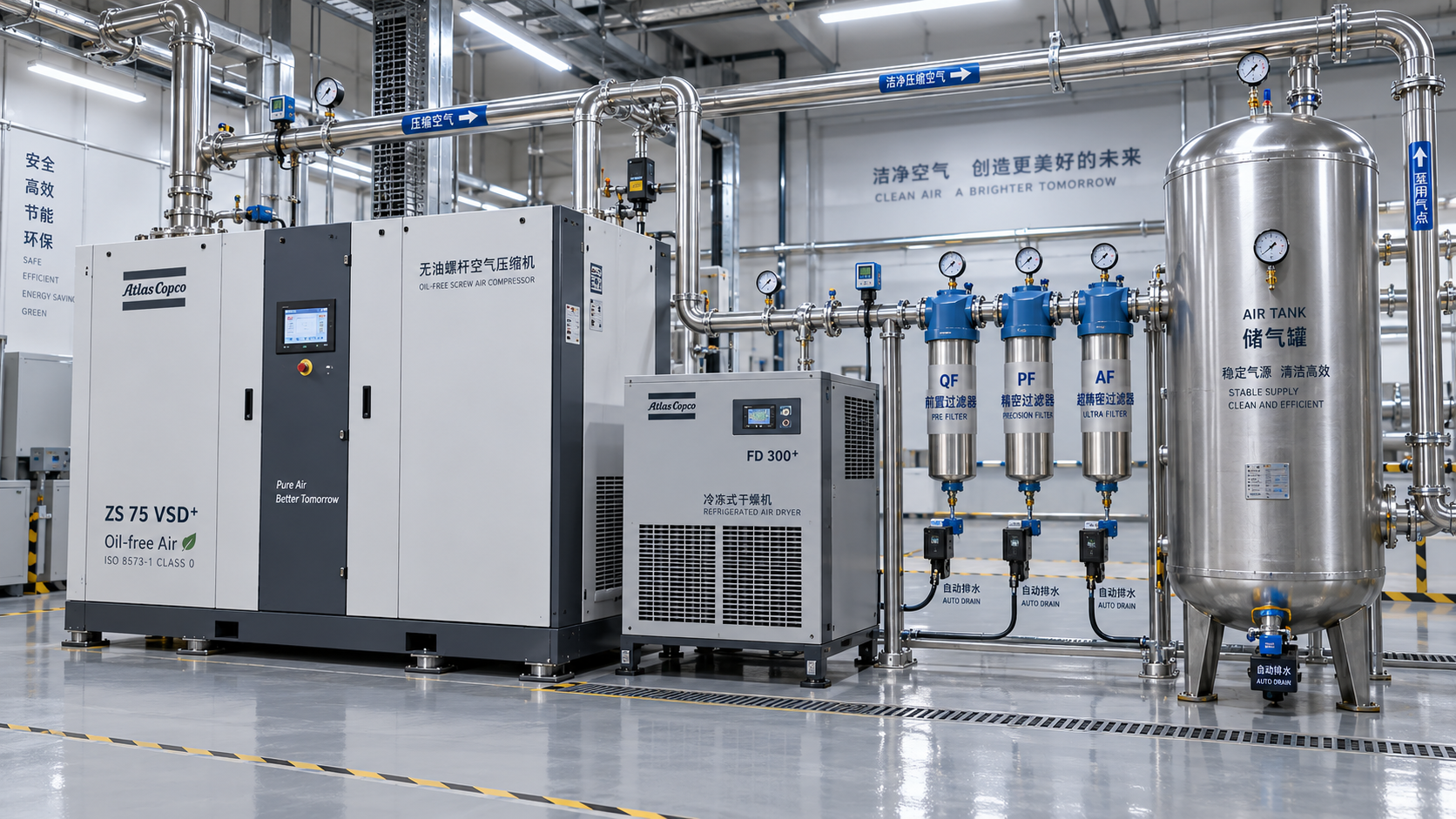
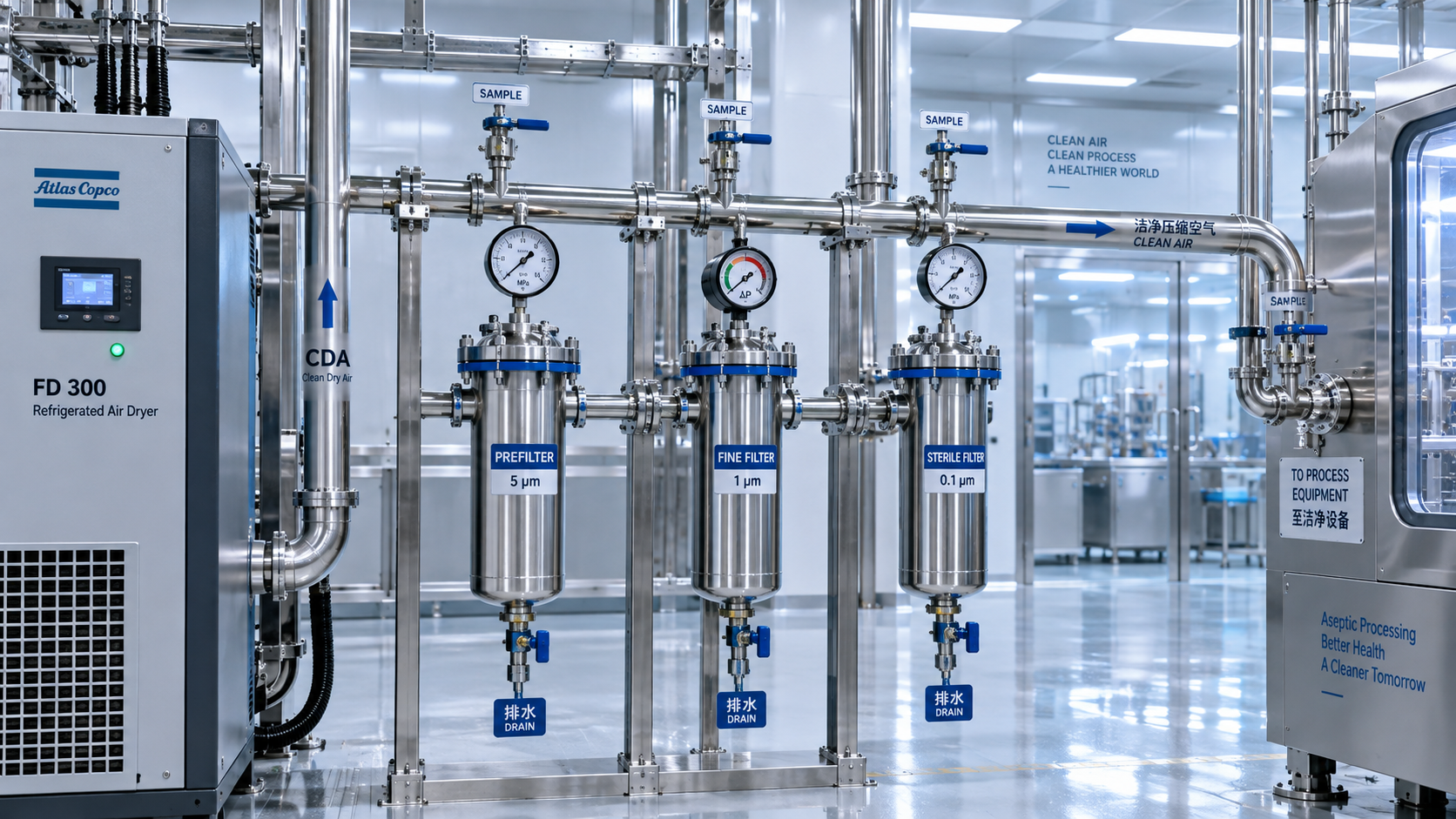
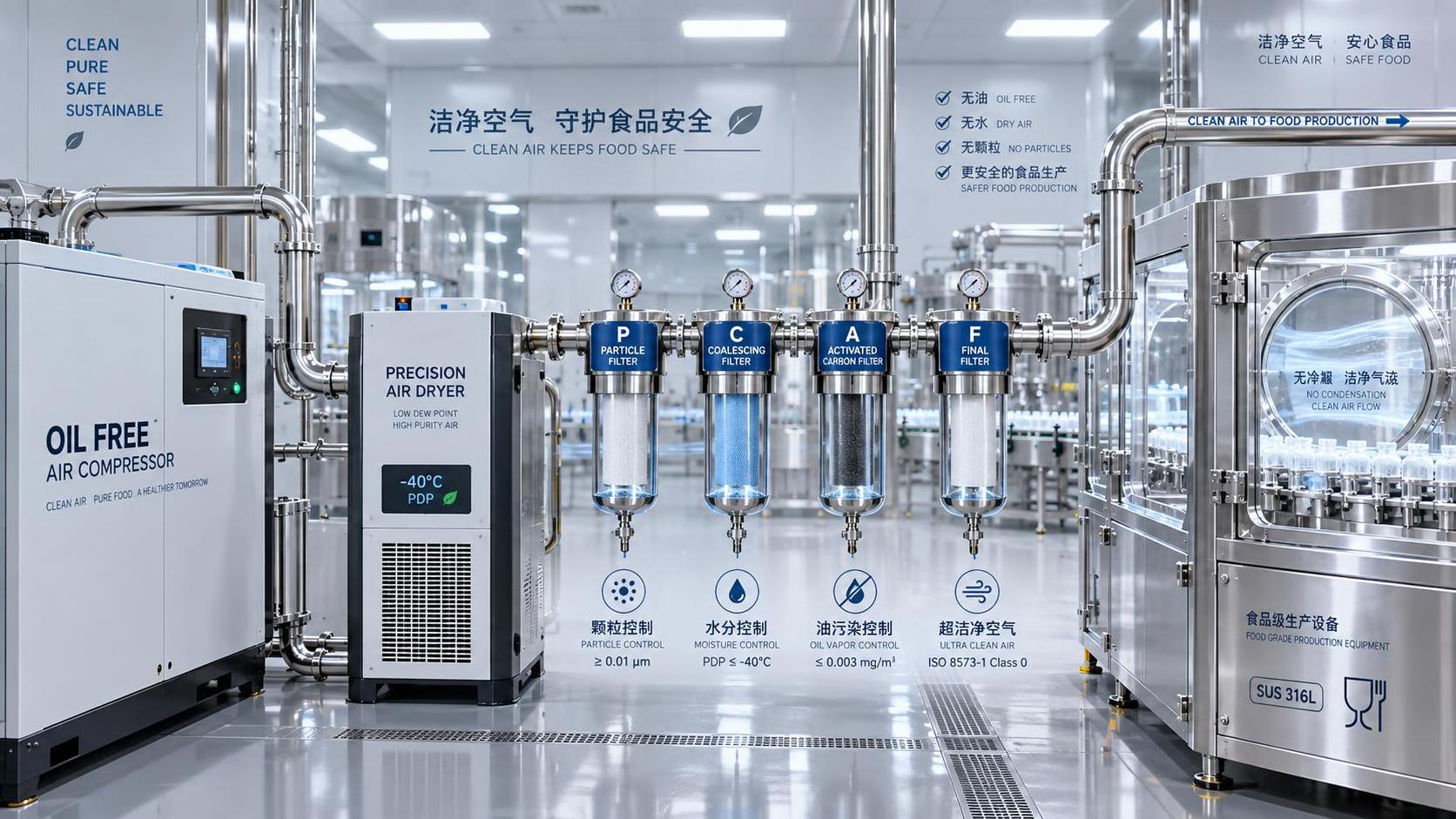
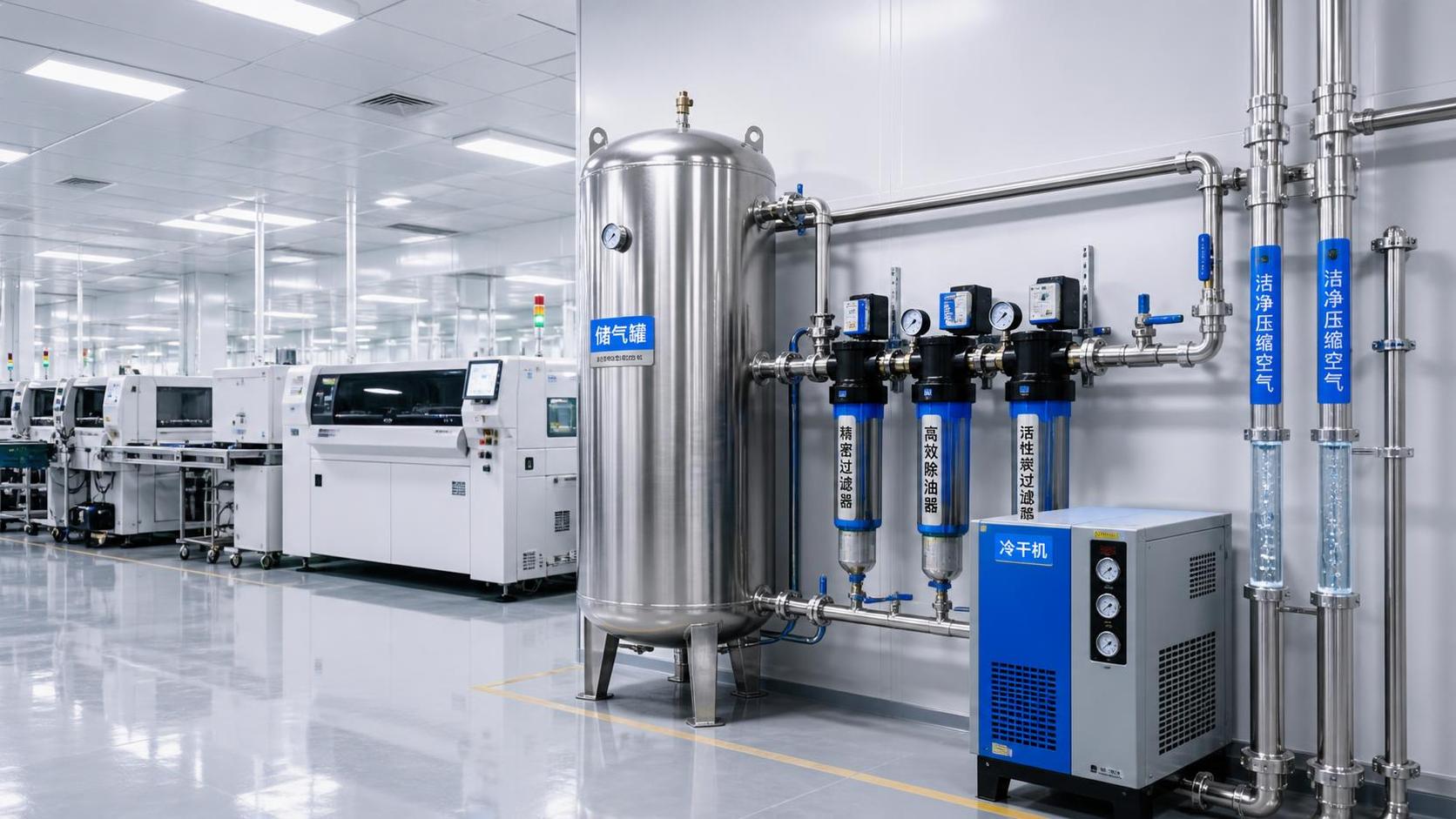
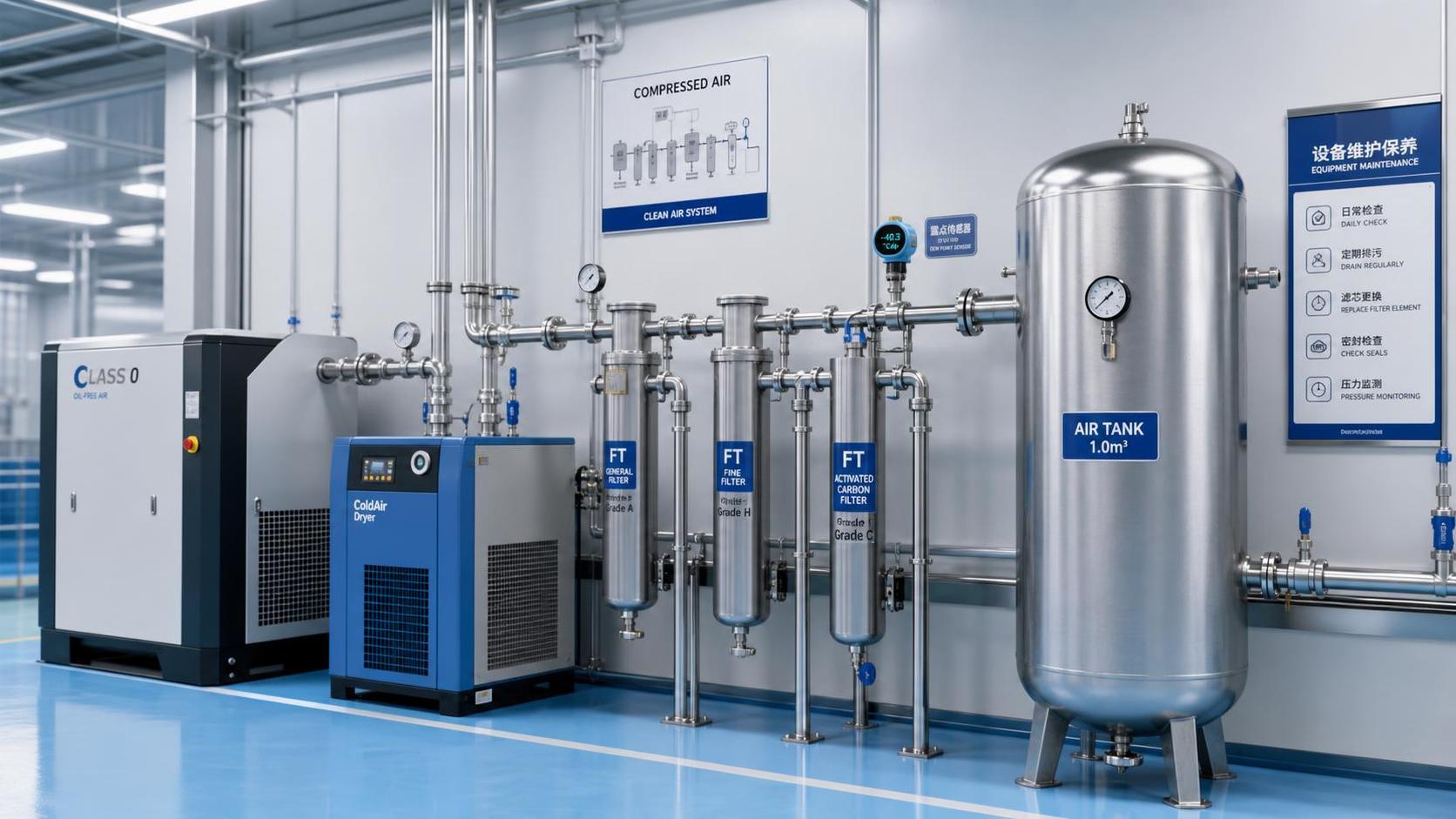
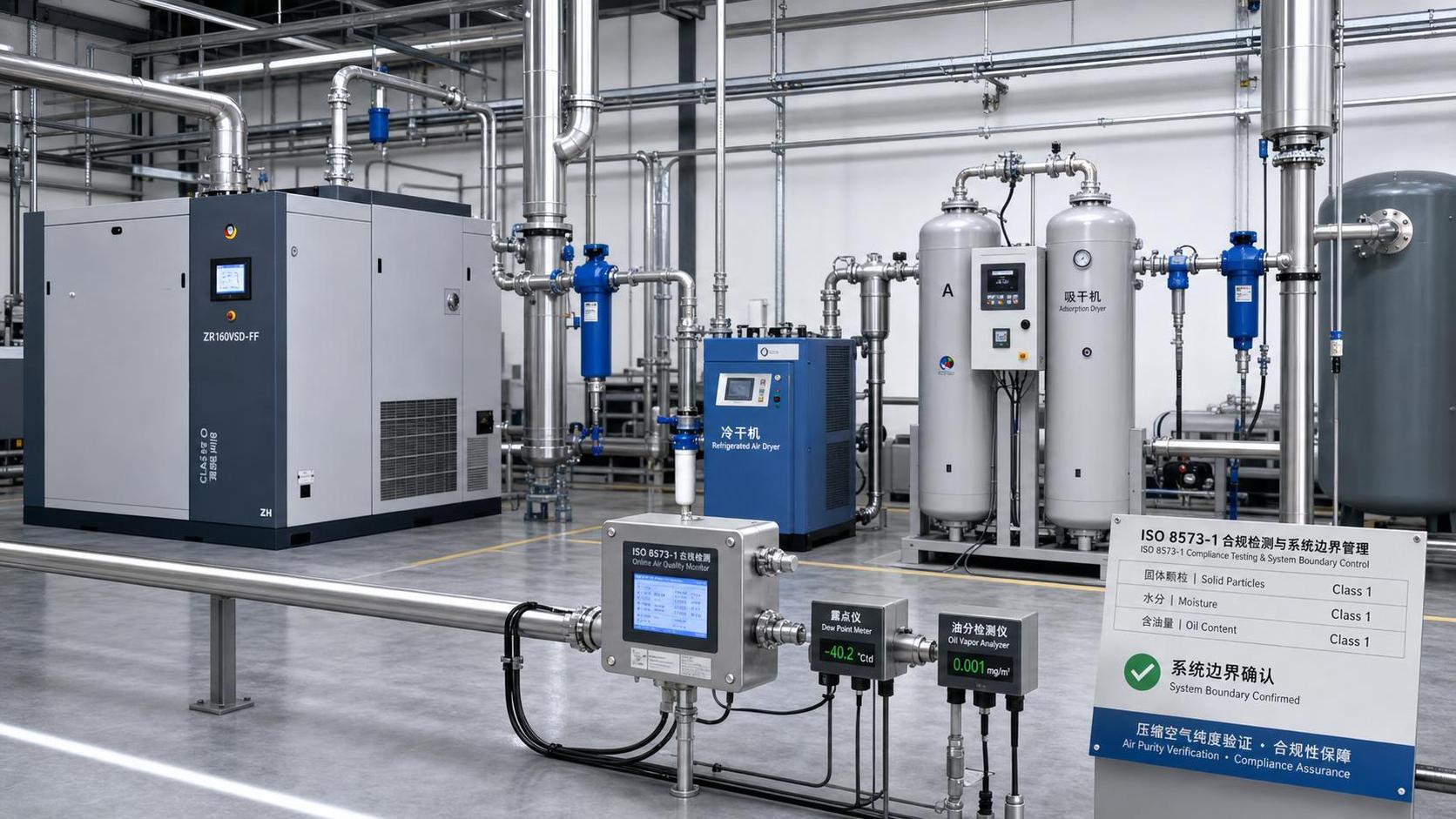
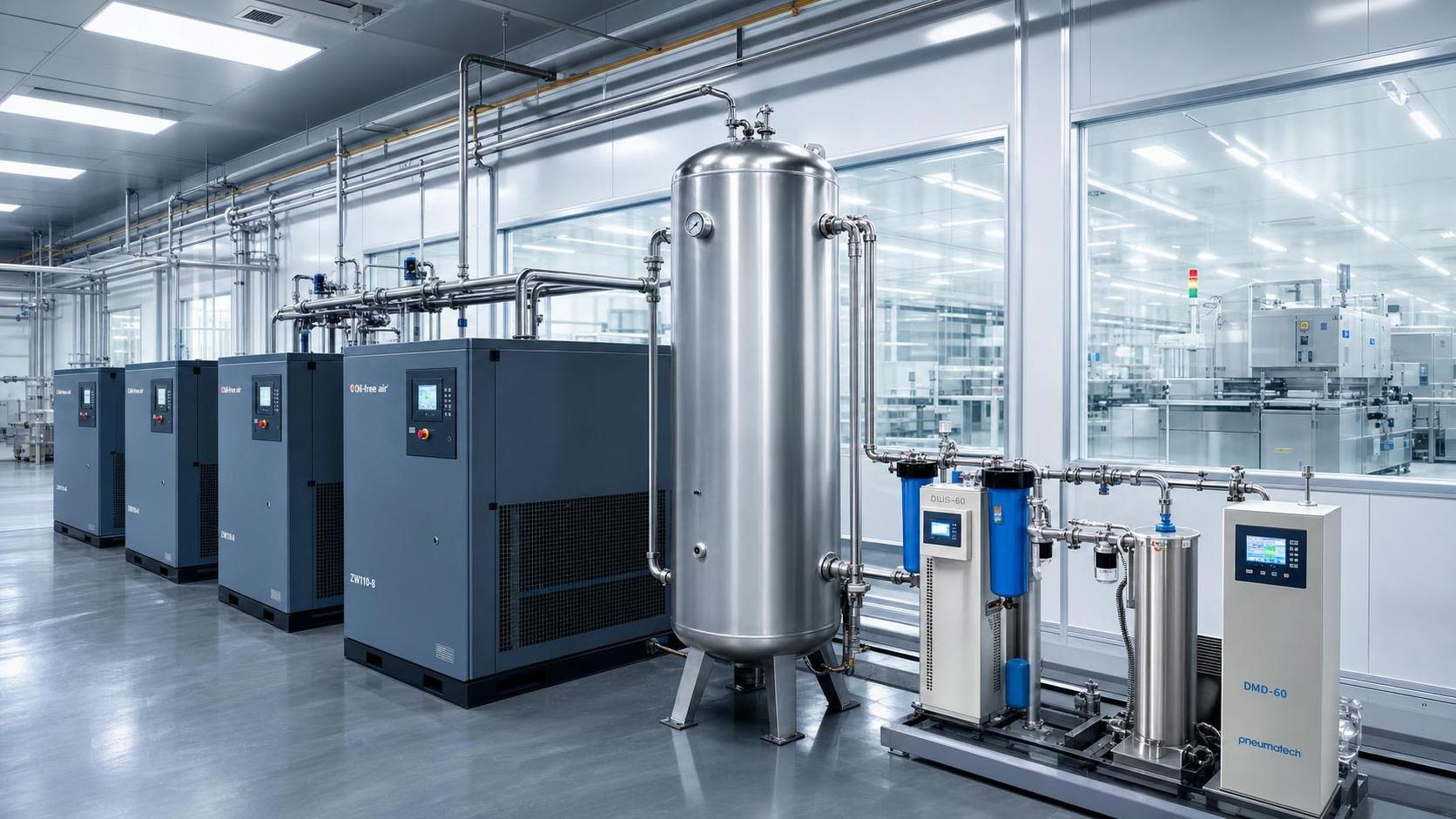
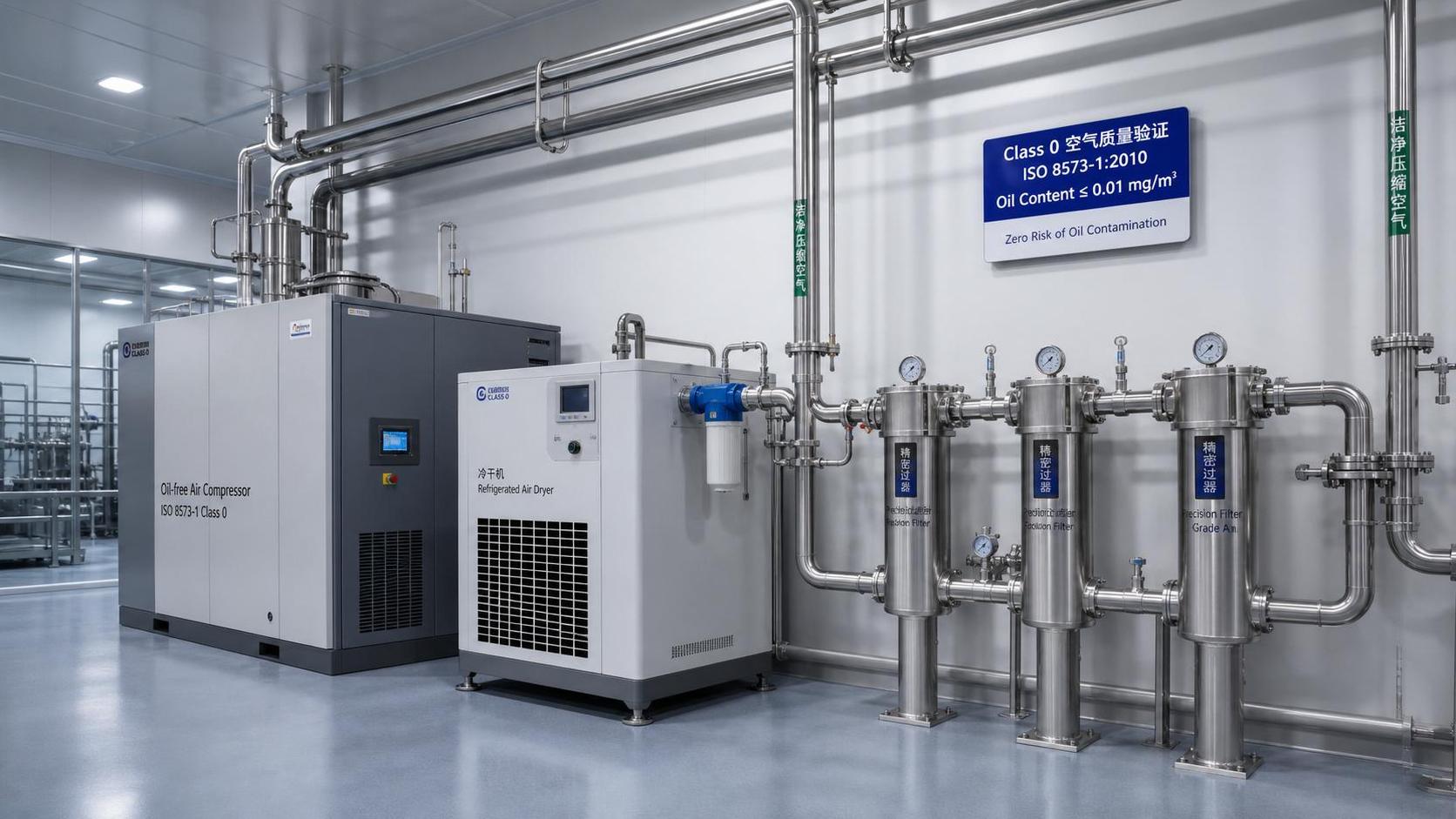
Oil-free air quality depends on more than the compressor alone. Intake filtration, dryers, piping materials, condensate control, and monitoring also shape final air cleanliness.
That is why effective compression technology planning links the compressor room with the full process environment. Clean generation without clean distribution still creates risk.
Which compression technology options are commonly used for cleaner oil-free air supply?
Several compression technology options are widely used across general industry. Each one fits different pressure demands, air quality targets, and operating patterns.
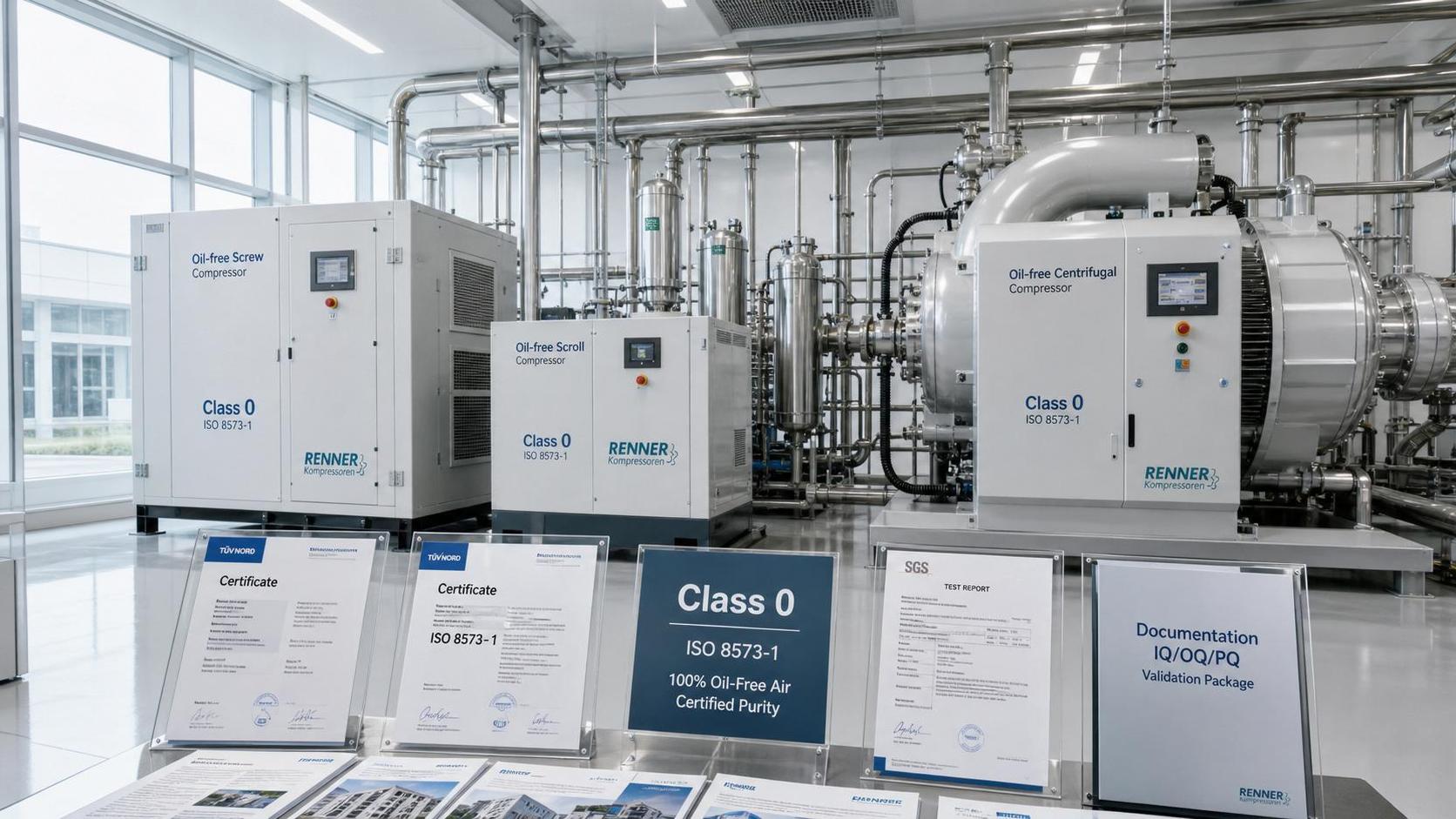
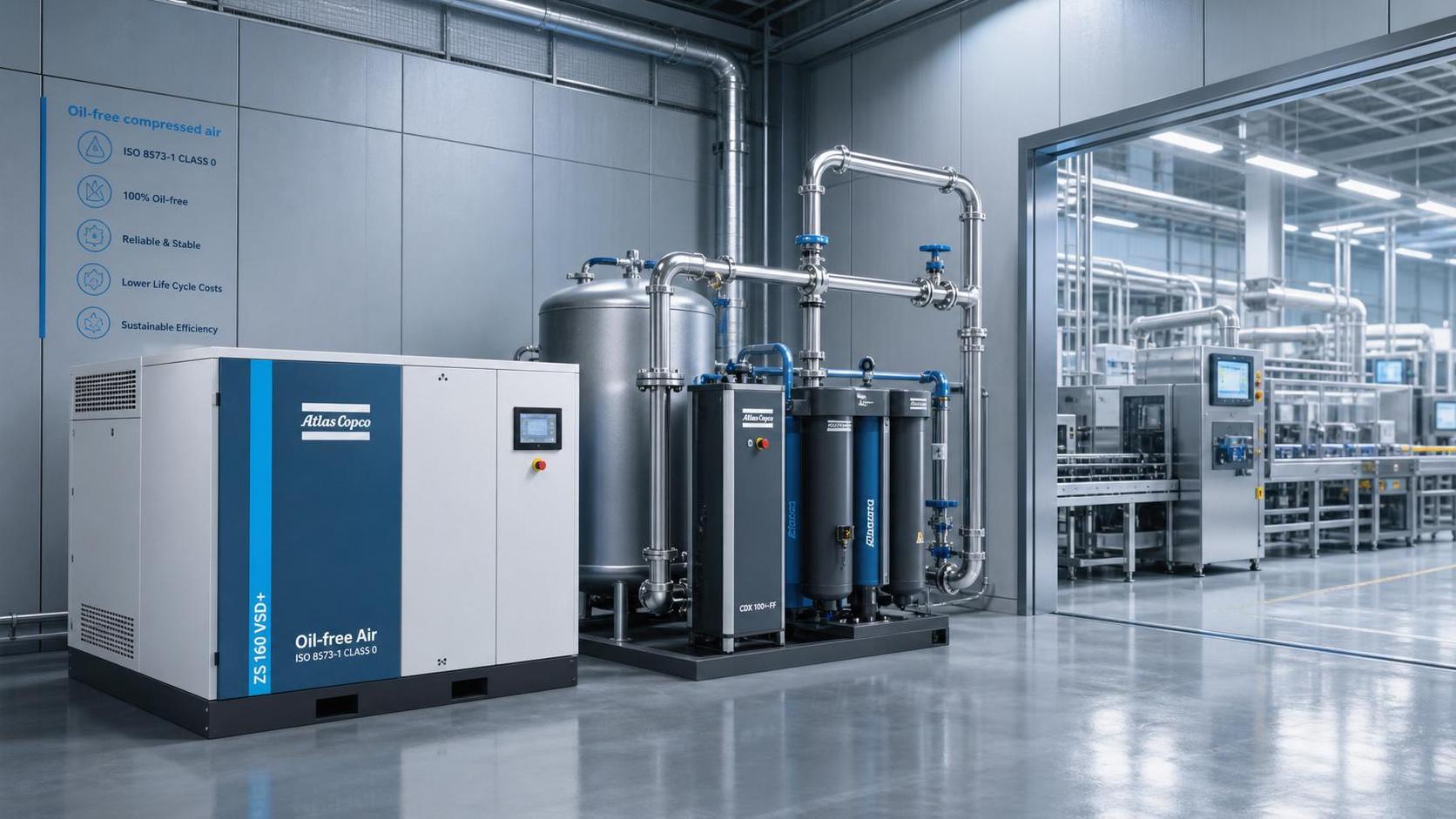
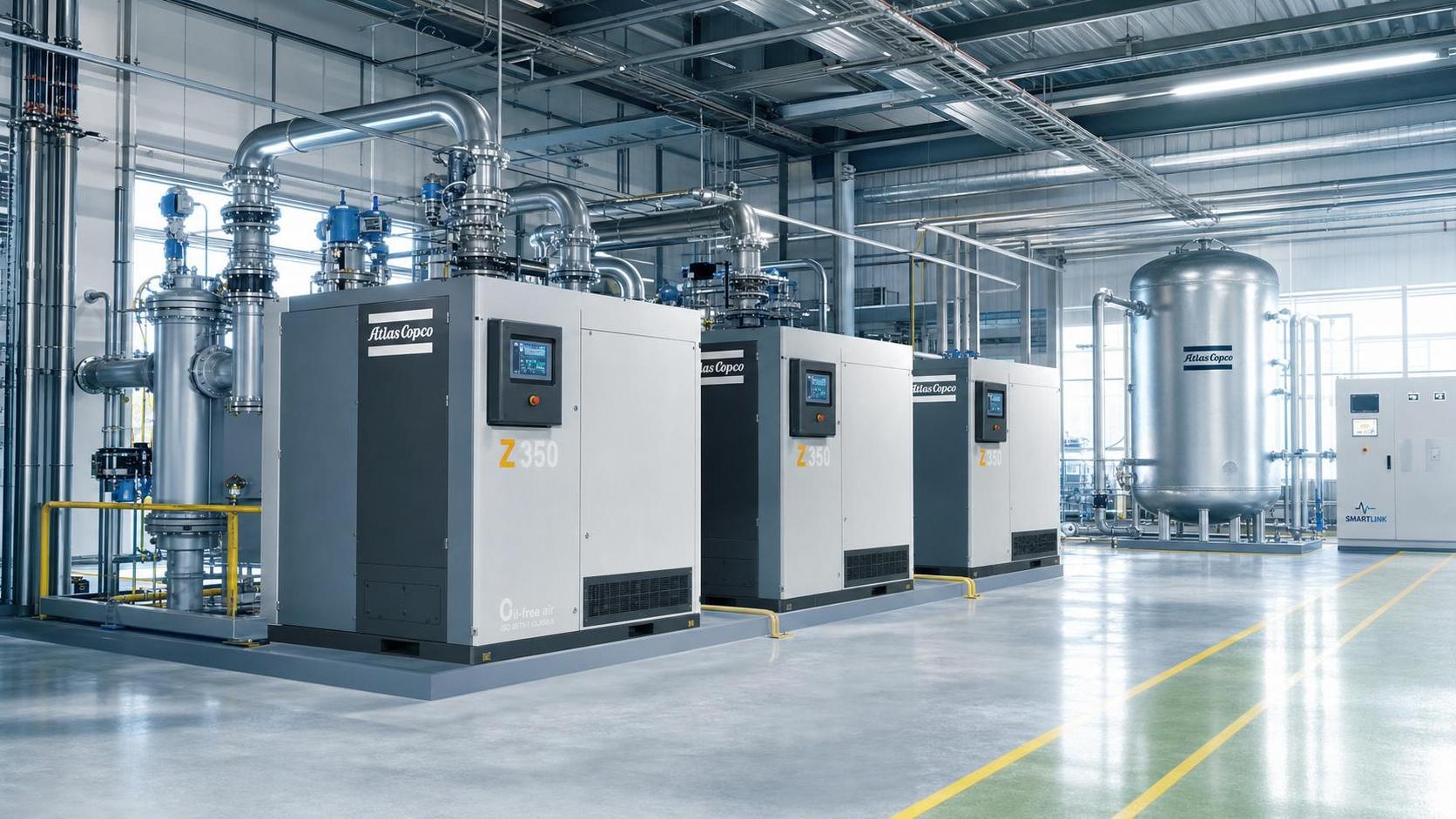
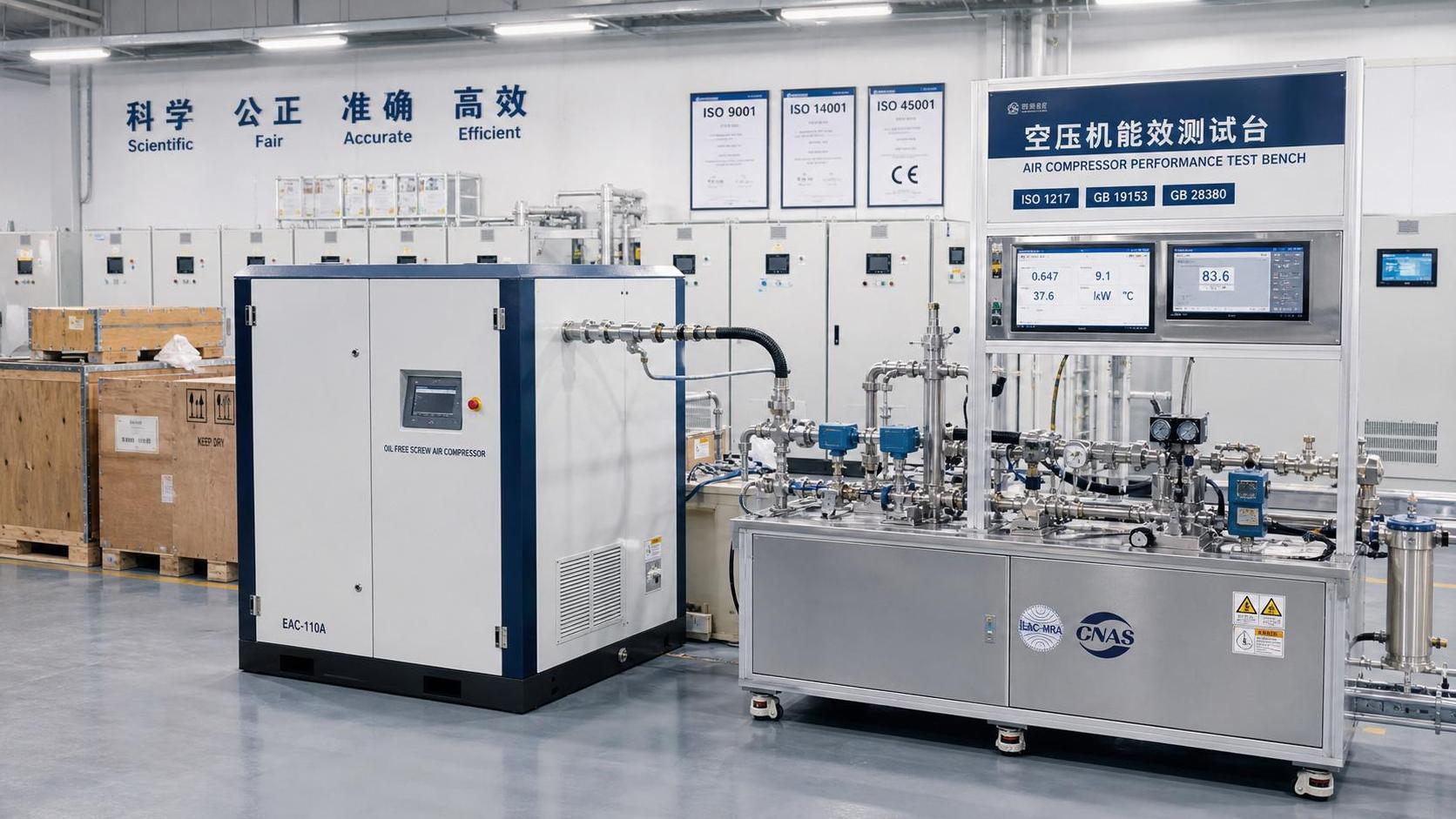
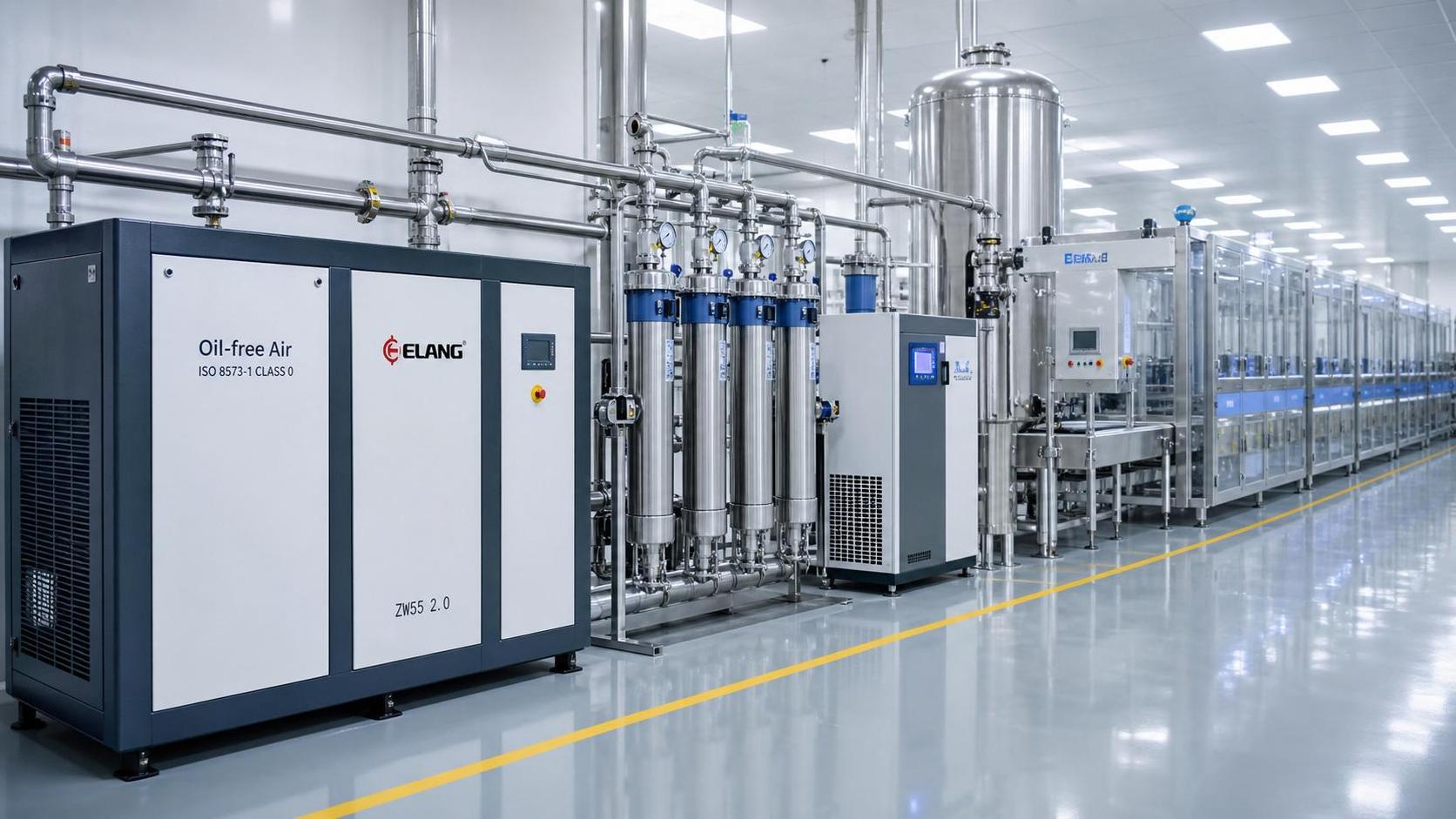
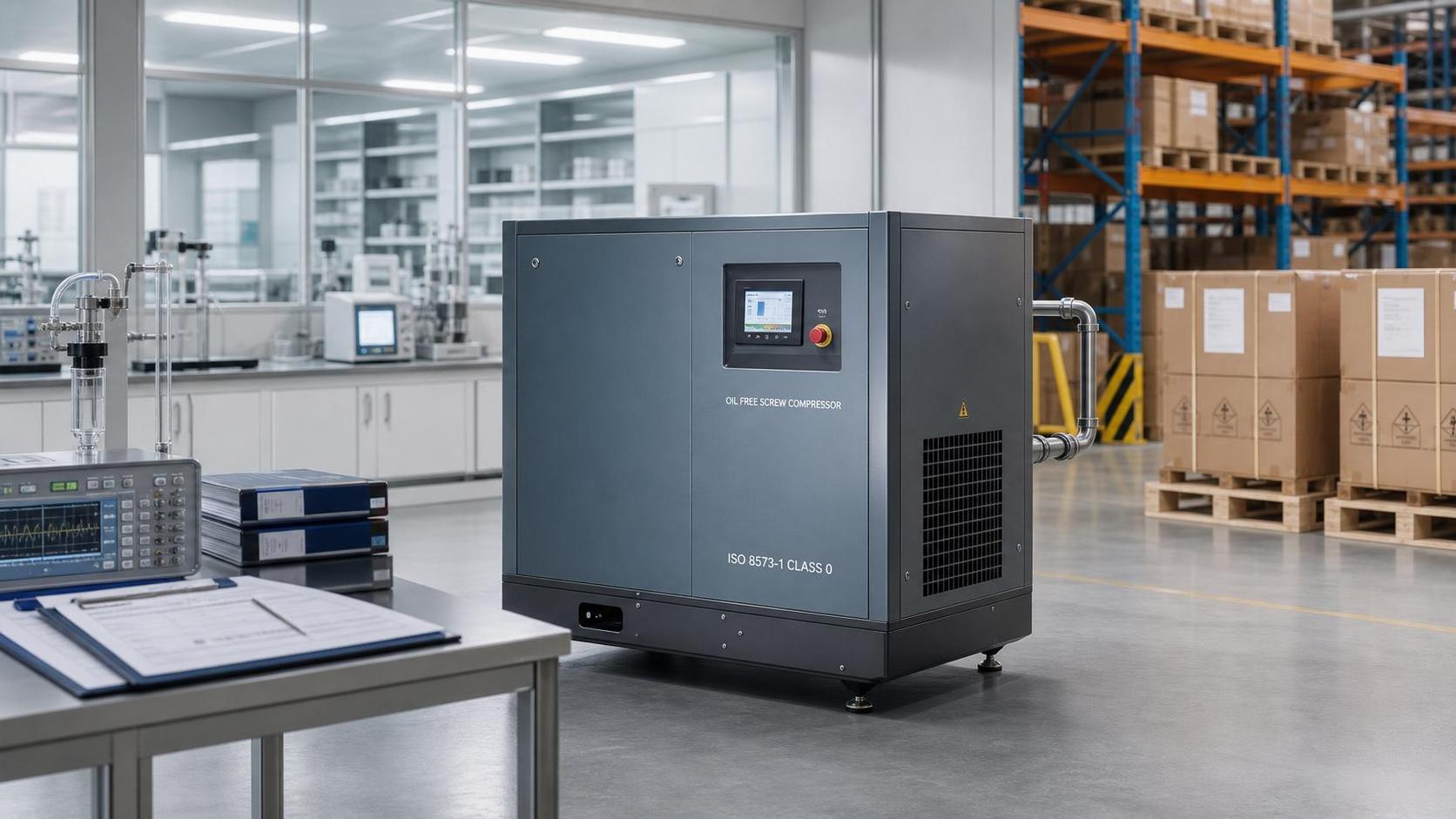
Oil-free screw compressors
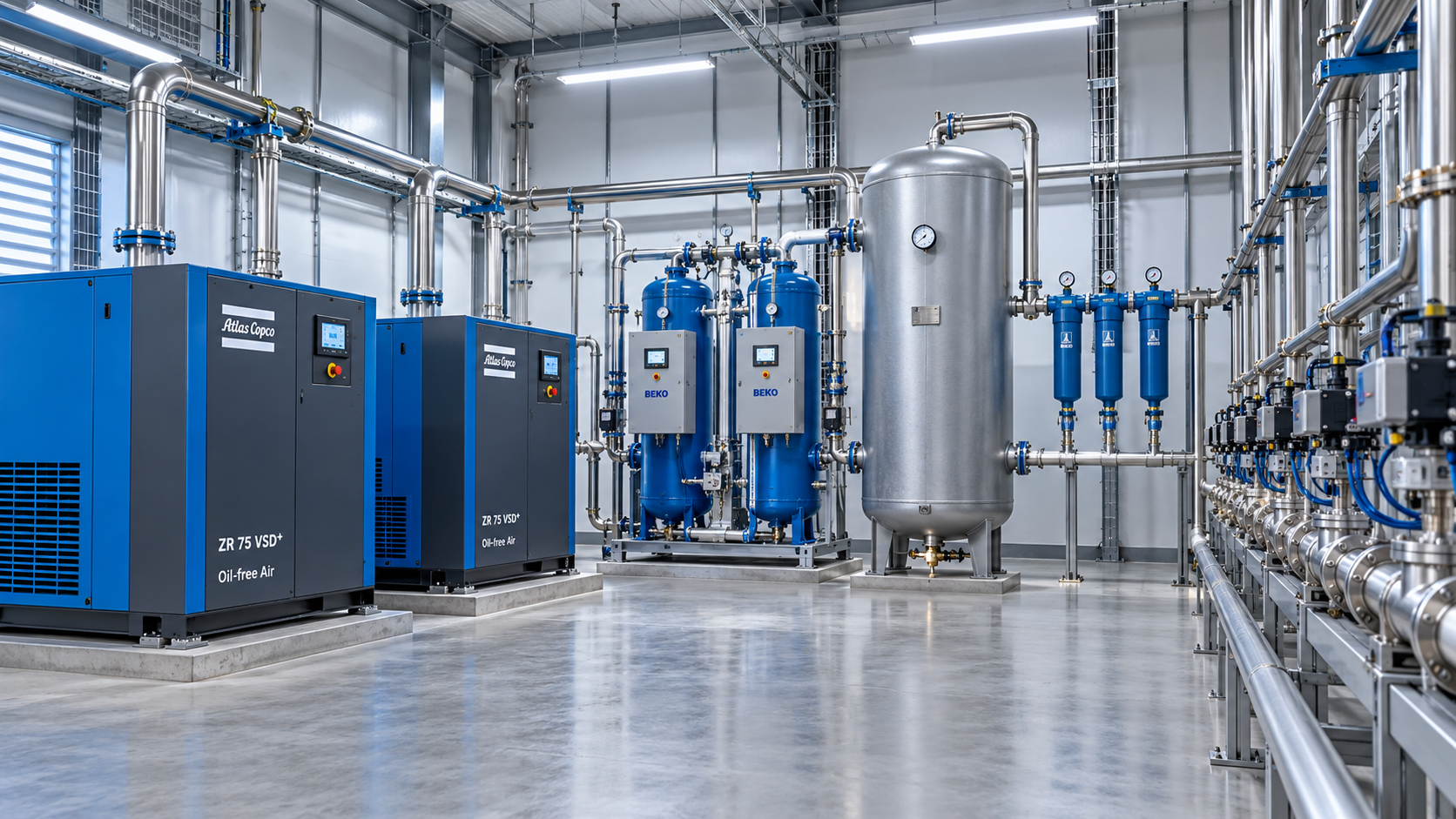
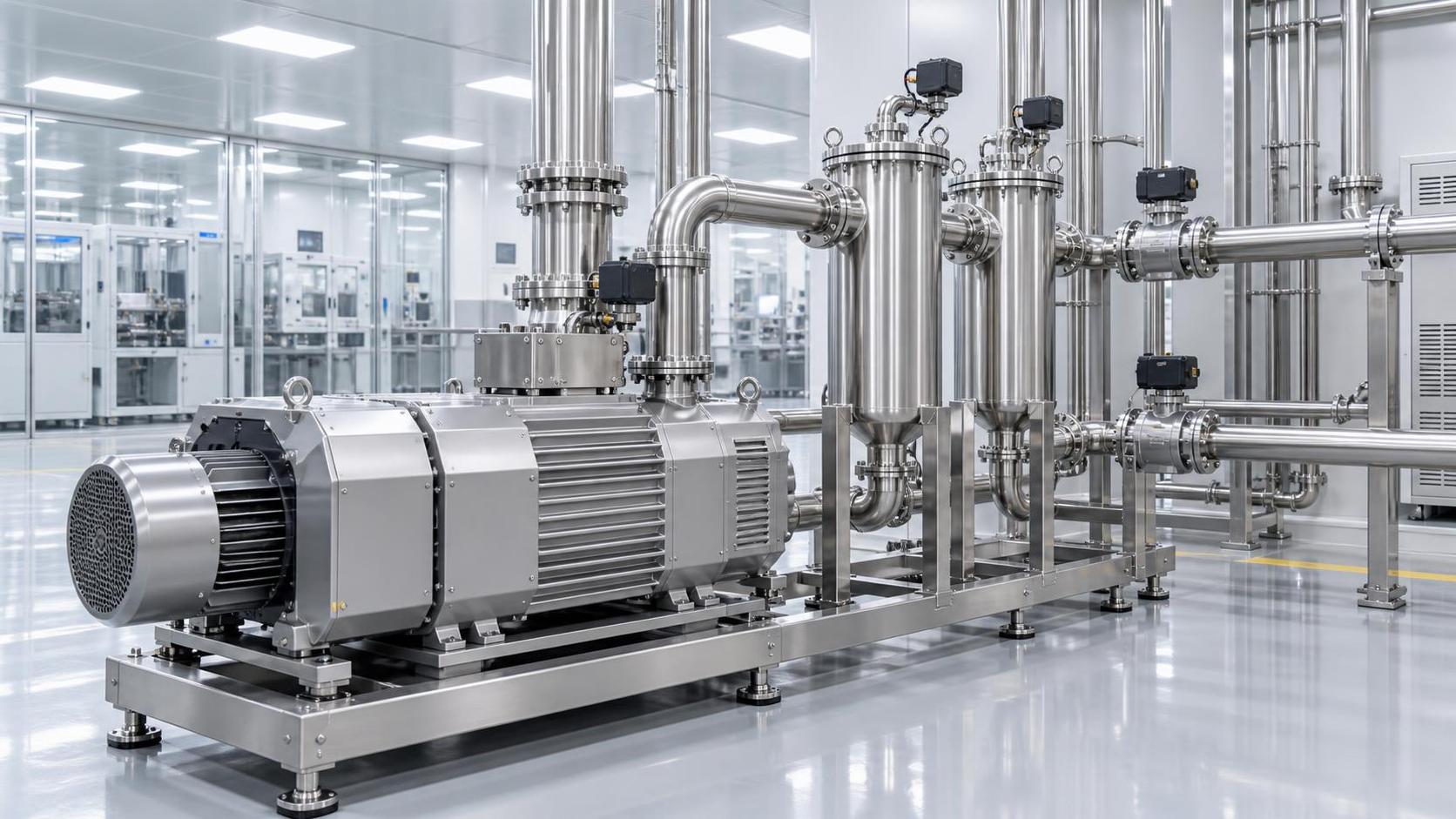
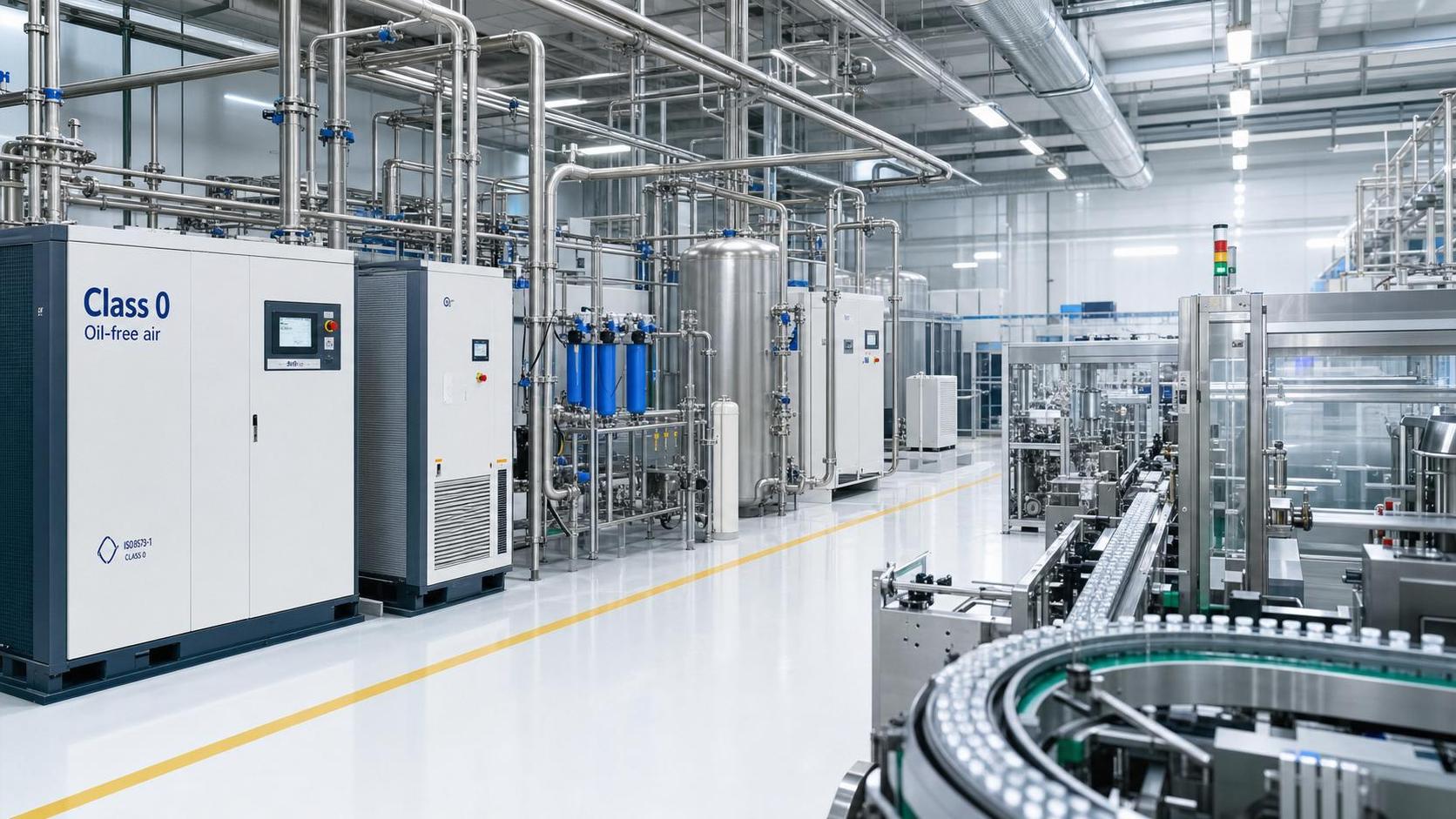
Oil-free screw units are common in continuous industrial service. They deliver stable flow, good turndown with variable speed control, and reliable performance in medium to large plants.
This compression technology is often preferred where demand is steady and plant uptime is critical. It suits food processing, electronics, packaging, and many utility air networks.
Oil-free scroll compressors
Scroll systems are compact, quiet, and efficient at lower capacities. They are frequently selected for laboratories, medical support spaces, instrumentation, and point-of-use clean air demands.
The main advantage of this compression technology is simplicity. However, total capacity is usually lower than screw-based solutions for central plant applications.
Oil-free centrifugal compressors
Centrifugal machines work well in large, steady, high-volume installations. They offer low vibration and can achieve attractive energy performance at the right operating profile.
This compression technology is less tolerant of wide demand swings. It performs best when system design, controls, and base load conditions are carefully engineered.
Dry piston and diaphragm solutions
Dry piston and diaphragm units support niche applications needing very clean air at smaller scale. They are often used where intermittent duty and compact installation are important.
For specialty processes, this compression technology can be highly effective. Still, wear characteristics and maintenance schedules must match the actual operating cycle.
How should compression technology be compared across applications?
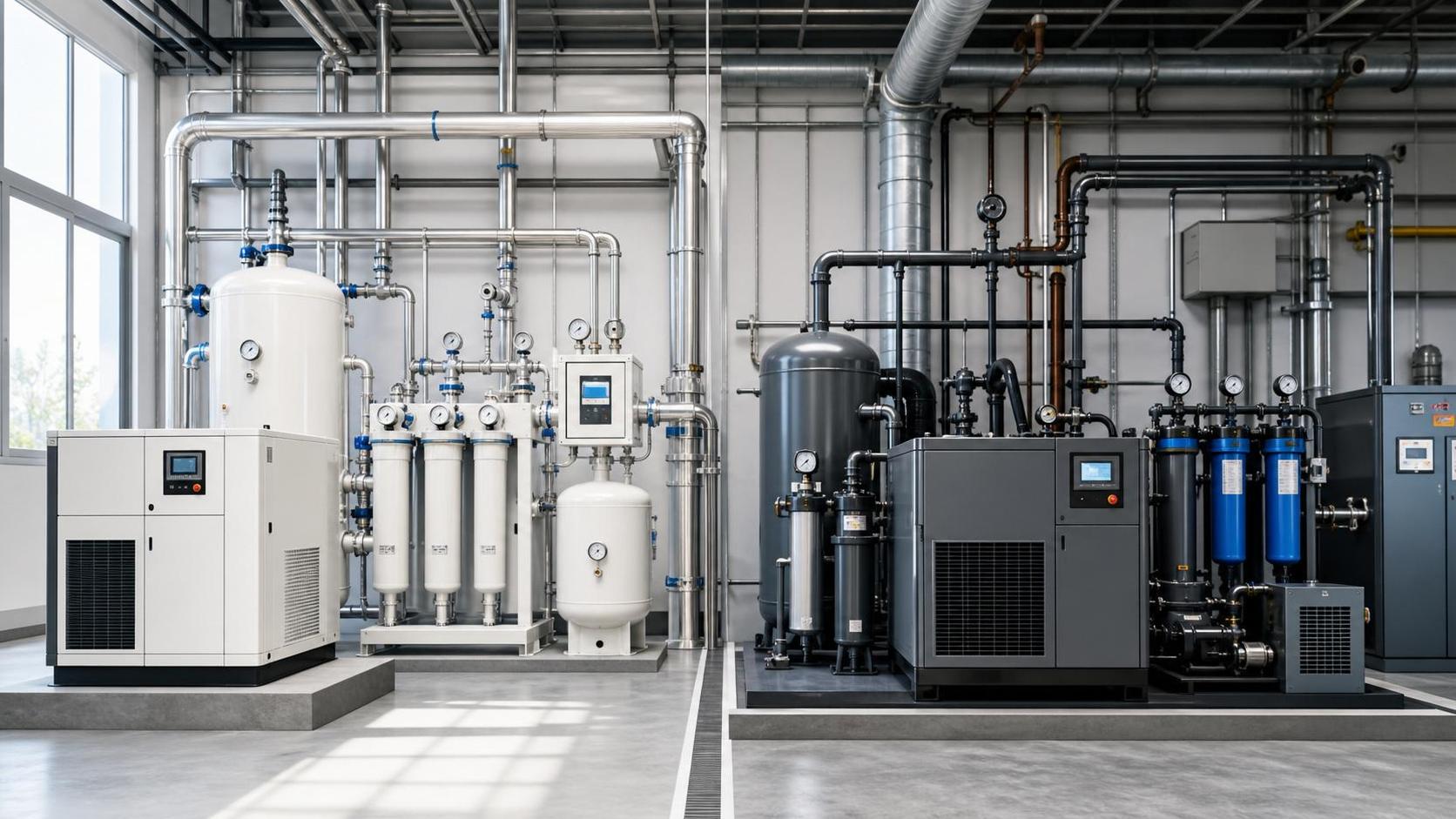
The best compression technology depends on what the air does in the process. Comparing equipment only by pressure and flow often leads to poor system fit.
A better evaluation starts with application sensitivity. Ask whether compressed air contacts product, controls valves, feeds instruments, supports drying, or drives precision tools.
- Direct product contact needs the highest purity assurance.
- Instrument air needs dryness and pressure stability.
- Packaging lines need consistent flow during peak cycling.
- Precision manufacturing needs low carryover and low moisture.
Environmental conditions also matter. High ambient temperature, dust, humidity, and poor ventilation can reduce actual performance and shorten service life.
Another key issue is load profile. Some compression technology options handle constant load efficiently, while others perform better under variable or intermittent demand.
When comparing systems, include dryer selection, filtration stages, heat recovery potential, control integration, and spare capacity strategy. Cleaner oil-free air supply requires system thinking.
Quick comparison table
What risks and misunderstandings affect compression technology decisions?
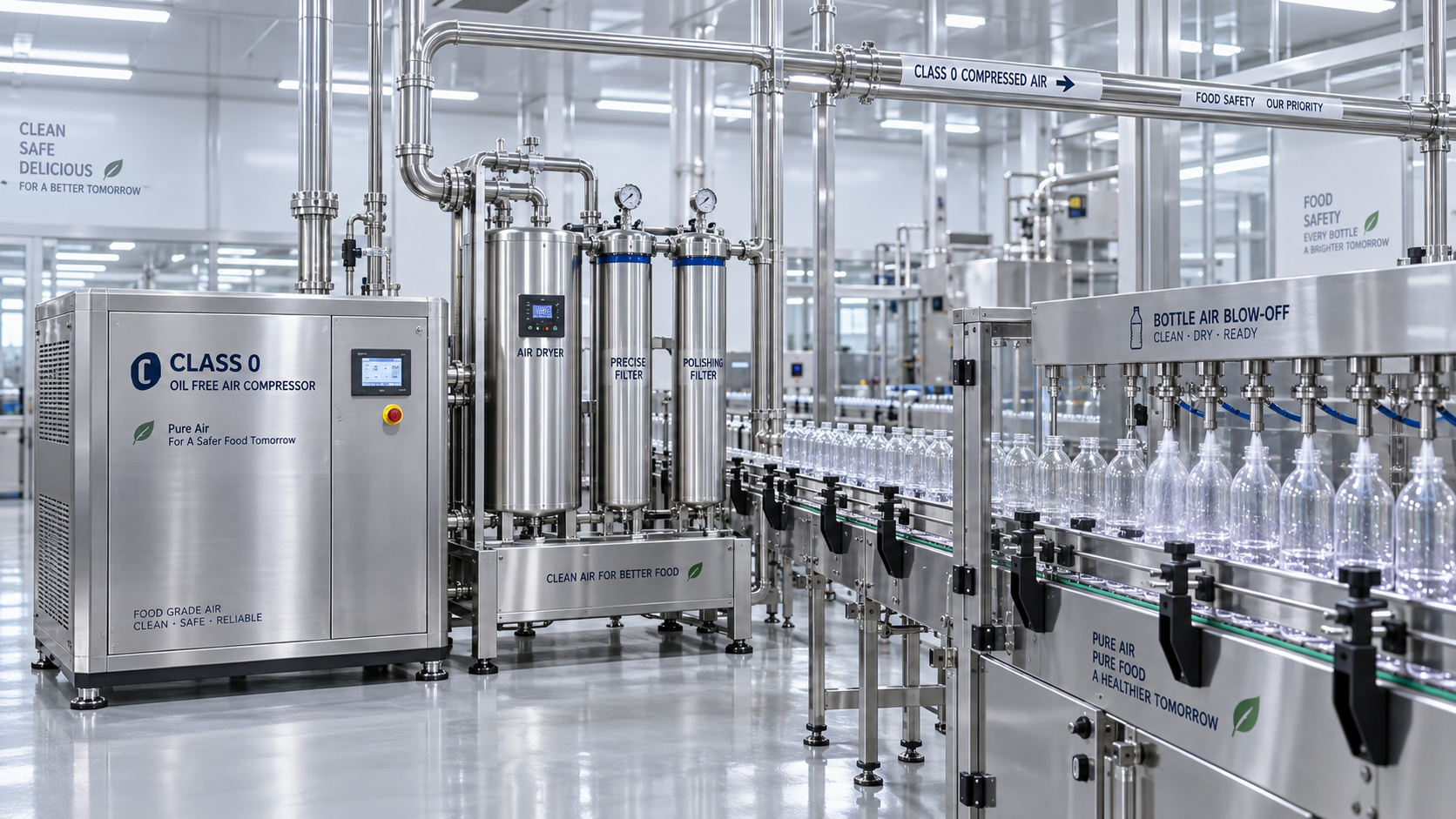
One common mistake is assuming oil-free compression technology alone guarantees safe air. In reality, particles, water, hydrocarbons from intake air, and pipe corrosion still require control.
Another misunderstanding is oversizing. A system sized far above actual demand may cycle poorly, waste energy, and create unstable dew point conditions.
Ignoring distribution losses is also costly. Pressure drop across filters, dryers, piping, and connectors may force a higher discharge pressure than the process truly needs.
Many facilities underestimate maintenance discipline. Even advanced compression technology loses value if drains fail, filters saturate, or controls are never tuned after startup.
Risk reminder list
- Do not confuse oil-free generation with fully clean delivery.
- Do not size by future assumptions alone.
- Do not ignore intake air quality and room ventilation.
- Do not skip validation of dew point and pressure stability.
- Do not compare compression technology without energy data.
How do cost, efficiency, and implementation shape the right compression technology choice?
The most economical compression technology is rarely the cheapest unit to buy. Energy often dominates total lifecycle cost, especially in continuous operations.
A strong business case should include capital cost, installation work, controls, dryers, filters, service parts, downtime exposure, and power consumption over several years.
Implementation time also varies. Replacing a compact scroll package may be simple, while a central oil-free screw or centrifugal project can require piping changes and control integration.
Heat recovery deserves attention. Some compression technology systems can offset boiler or water heating demand, improving total plant efficiency and decarbonization performance.
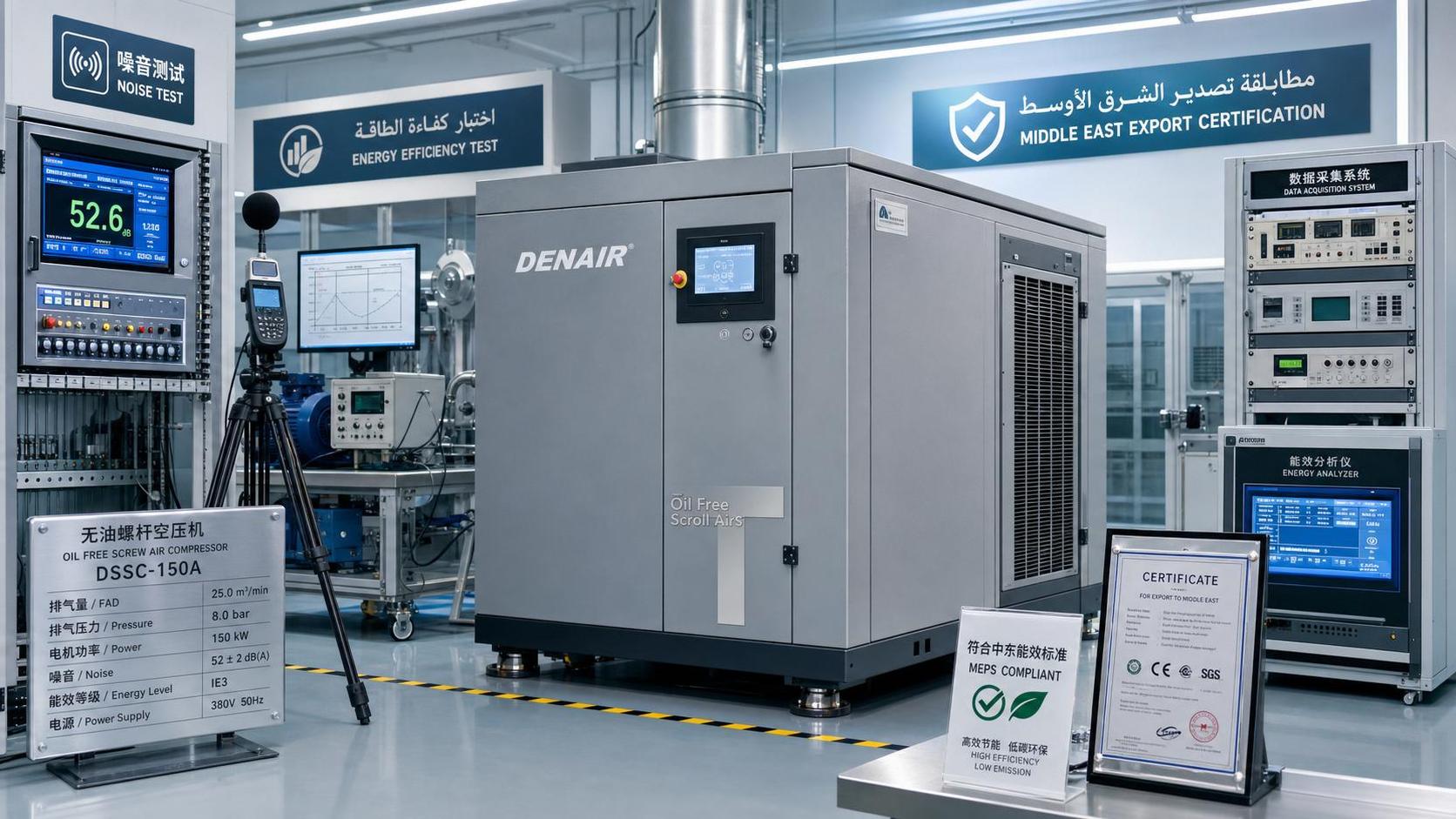
For long-term reliability, monitoring is essential. Track pressure, power, temperature, dew point, and service intervals to verify cleaner oil-free air supply under real operating conditions.
Practical selection checklist
- Define air purity, flow, pressure, and dew point requirements.
- Map actual load variation over days and seasons.
- Compare compression technology options by lifecycle cost.
- Review maintenance access and spare parts strategy.
- Validate installation environment and heat recovery potential.
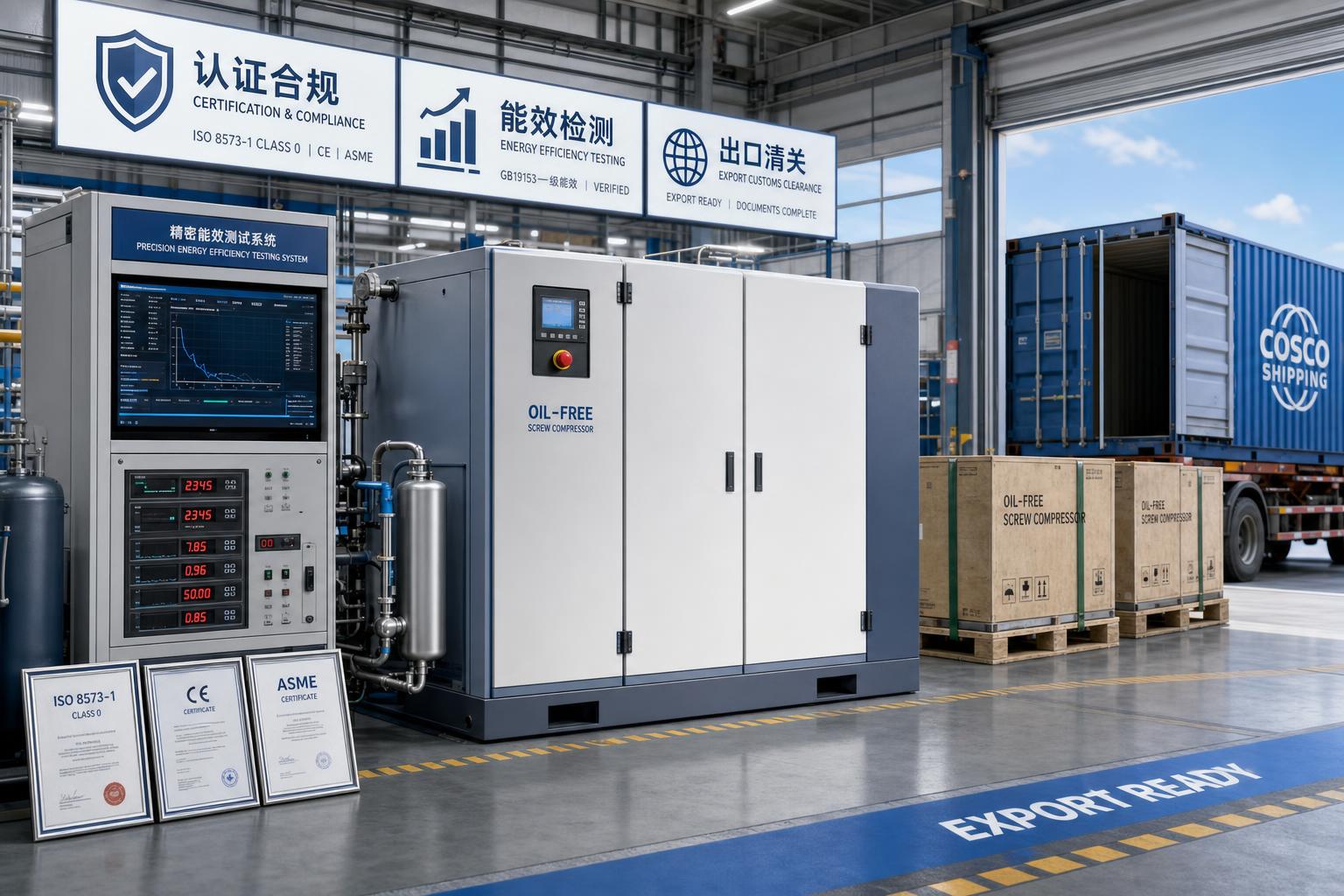
- Confirm monitoring, alarms, and compliance documentation.
FAQ: Which compression technology questions matter most before a final decision?
Choosing compression technology for cleaner oil-free air supply requires more than a specification sheet. The right answer depends on purity risk, application sensitivity, load behavior, and lifecycle economics.
A structured comparison of oil-free screw, scroll, centrifugal, and specialty dry systems can reduce contamination exposure and improve energy performance across general industry settings.
Use measured demand data, verify air quality targets, and assess the whole system from intake to point of use. That approach turns compression technology selection into a dependable operational advantage.
For deeper industrial intelligence on compressed air, thermal systems, and energy conversion performance, GTC-Matrix supports informed decisions with data-driven technical insight and global market context.
Ready when you are. Send us a message to get started.
Related News
- How to verify food-grade purity in compressed air systemsAuthor :Pneumatic Power Engineer

- What determines the price of pure air compression systems?Author :Pneumatic Power Engineer

- How to size oil-free compressors for instrumentation air demandAuthor :Pneumatic Power Engineer

- How Class 0 oil-free compressors protect product quality in food productionAuthor :Pneumatic Power Engineer

- How to verify compressed air cleanroom standards before installationAuthor :Pneumatic Power Engineer

- When oil free vacuum pumps make sense for European cleanroom projectsAuthor :Pneumatic Power Engineer

- When do pure air compression systems need ISO 8573-1 Class 0?Author :Pneumatic Power Engineer

- How do compressed air systems for electronics prevent contamination?Author :Pneumatic Power Engineer

- When does an oil-free process vacuum pump justify its higher cost?Author :Pneumatic Power Engineer

- Does ISO 9001 certification apply to compressed air quality?Author :Pneumatic Power Engineer

- How to Specify Clean Compressed Air Systems in Southeast Asia for Food and Pharma PlantsAuthor :Pneumatic Power Engineer

- How to Compare Oil Free Vacuum Pumps for Clean Process RequirementsAuthor :Pneumatic Power Engineer

- How to Evaluate a Clean Compressed Air Systems Supplier for ISO 8573-1 ComplianceAuthor :Pneumatic Power Engineer

- How to Choose the Right Oil-Free Vacuum PumpAuthor :Pneumatic Power Engineer

- VDI 2083 Update Makes Class 0 Proof MandatoryAuthor :Pneumatic Power Engineer

- When to Use Oil Free Vacuum Pumps for High Purity LinesAuthor :Pneumatic Power Engineer

- Compressed Air Solutions: When Oil-Free Systems Lower Total Operating CostAuthor :Pneumatic Power Engineer

- ATMOsphere Europe 2026 Adds Oil-free Systems ZoneAuthor :Pneumatic Power Engineer

- Oil-Free Compressors: Key Selection Criteria for Clean Air SystemsAuthor :Pneumatic Power Engineer

- How to Compare Oil Free Centrifugal Compressors for Stable Plant Air SupplyAuthor :Pneumatic Power Engineer

- Compressed Air Class 0 vs Oil-Free: What Really MattersAuthor :Pneumatic Power Engineer

- Oil-Free Compression Class 0: What the Standard Really Means in ProductionAuthor :Pneumatic Power Engineer

- Air Compression Cost Comparison: Oil-Free vs Screw Systems in Daily OperationAuthor :Pneumatic Power Engineer

- Saudi SASO Tightens IEC 63349-2 for Oil-Free CompressorsAuthor :Pneumatic Power Engineer

- Saudi SASO Tightens Oil-Free Compressor Efficiency RulesAuthor :Pneumatic Power Engineer

- Pure Air Compression Systems for Clean Production LinesAuthor :Pneumatic Power Engineer

- IEC 63349-2:2026 makes energy certification mandatoryAuthor :Pneumatic Power Engineer

- IEC 63349-2:2026 Sets New Entry Rules for Oil-Free Screw CompressorsAuthor :Pneumatic Power Engineer

- IEC 63349-2:2026 Takes Effect for Oil-Free Screw CompressorsAuthor :Pneumatic Power Engineer

- IEC 63349-2:2026 Sets New Efficiency Gate for Oil-Free Screw CompressorsAuthor :Pneumatic Power Engineer

- IEC 63349-2:2026 Takes Effect for Oil-Free Screw CompressorsAuthor :Pneumatic Power Engineer

- SABIC Methanol Force Majeure Extended, Tightening R134a/R407C FeedstocksAuthor :Pneumatic Power Engineer

- How to Evaluate Pneumatic Power Systems for Stable OutputAuthor :Pneumatic Power Engineer

- Oil-Free Compression vs Lubricated Systems: Key Trade-OffsAuthor :Pneumatic Power Engineer
![]()
- Oil-Free Compression: 2026 Cost and Compliance Trade-OffsAuthor :Pneumatic Power Engineer

- Oil-Free Compression: Cost and Contamination RisksAuthor :Pneumatic Power Engineer
![]()