Compressed Air Solutions: When Oil-Free Systems Lower Total Operating Cost




Compressed Air Solutions: When Oil-Free Systems Lower Total Operating Cost
For many plants, compressed air solutions are no longer judged by purchase price alone.
The bigger question is total operating cost over five, seven, or ten years.
That shift matters because compressed air often touches production quality, uptime, energy use, and regulatory exposure.
Oil-free systems usually cost more upfront, yet the economics can become favorable surprisingly fast.
This is especially true where contamination risk carries hidden costs that standard budgeting can miss.
In practical terms, the best compressed air solutions protect margin by reducing expensive surprises.
That includes product loss, emergency maintenance, energy waste, audit failures, and unstable process performance.
The decision becomes clearer when cost is framed as risk-adjusted lifecycle value, not invoice price.
Why upfront price can distort the real economics
A lower capital number looks attractive in approval cycles, but it can hide recurring operating drag.
Many conventional systems require oil management, separator replacement, filtration attention, and contamination monitoring.
Each item seems manageable alone.
Together, they can raise the annual cost base more than expected.
The more visible signal is how those costs compound when production standards tighten.
Compressed air solutions that appear economical at purchase can become expensive under stricter purity requirements.
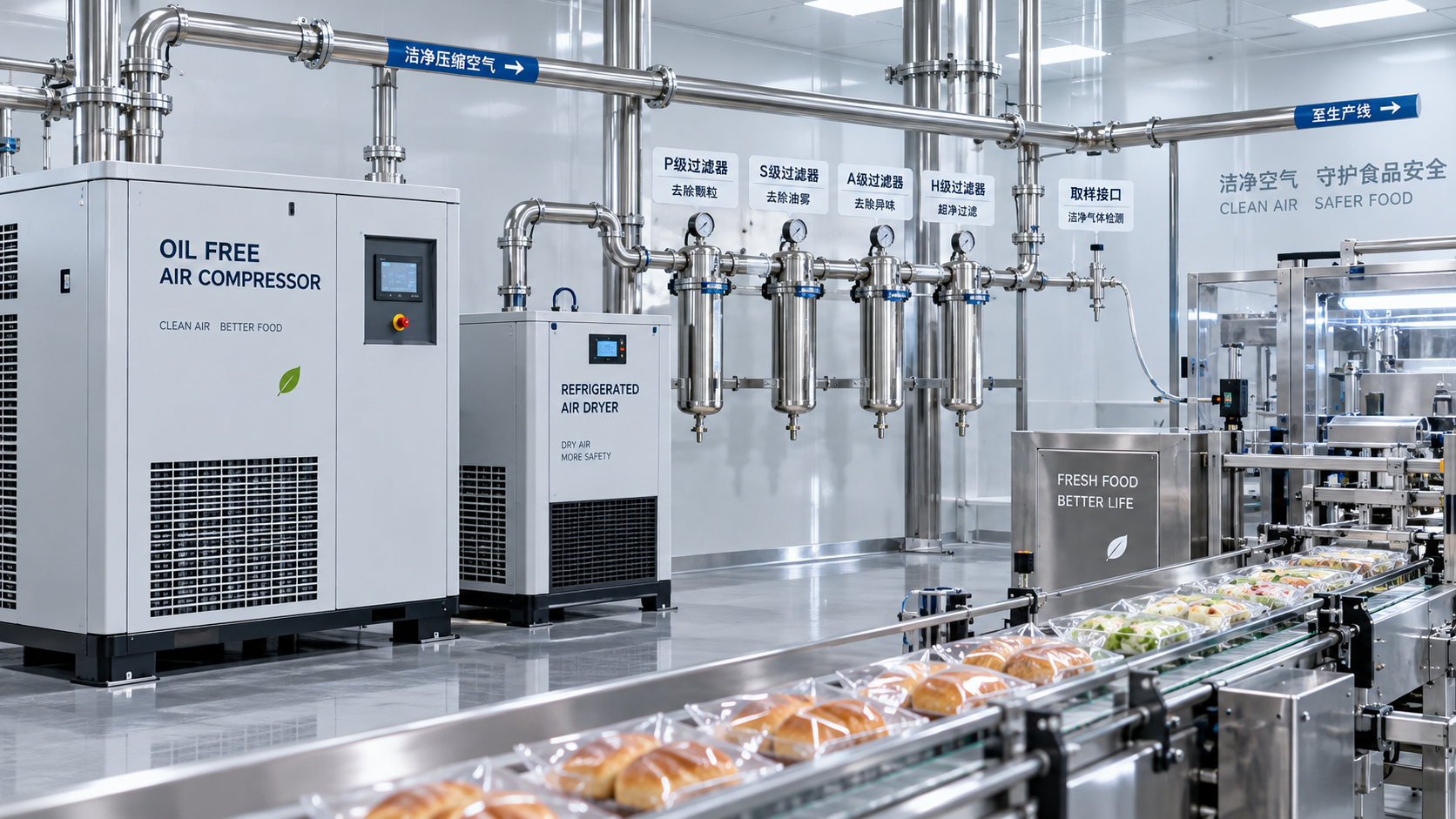
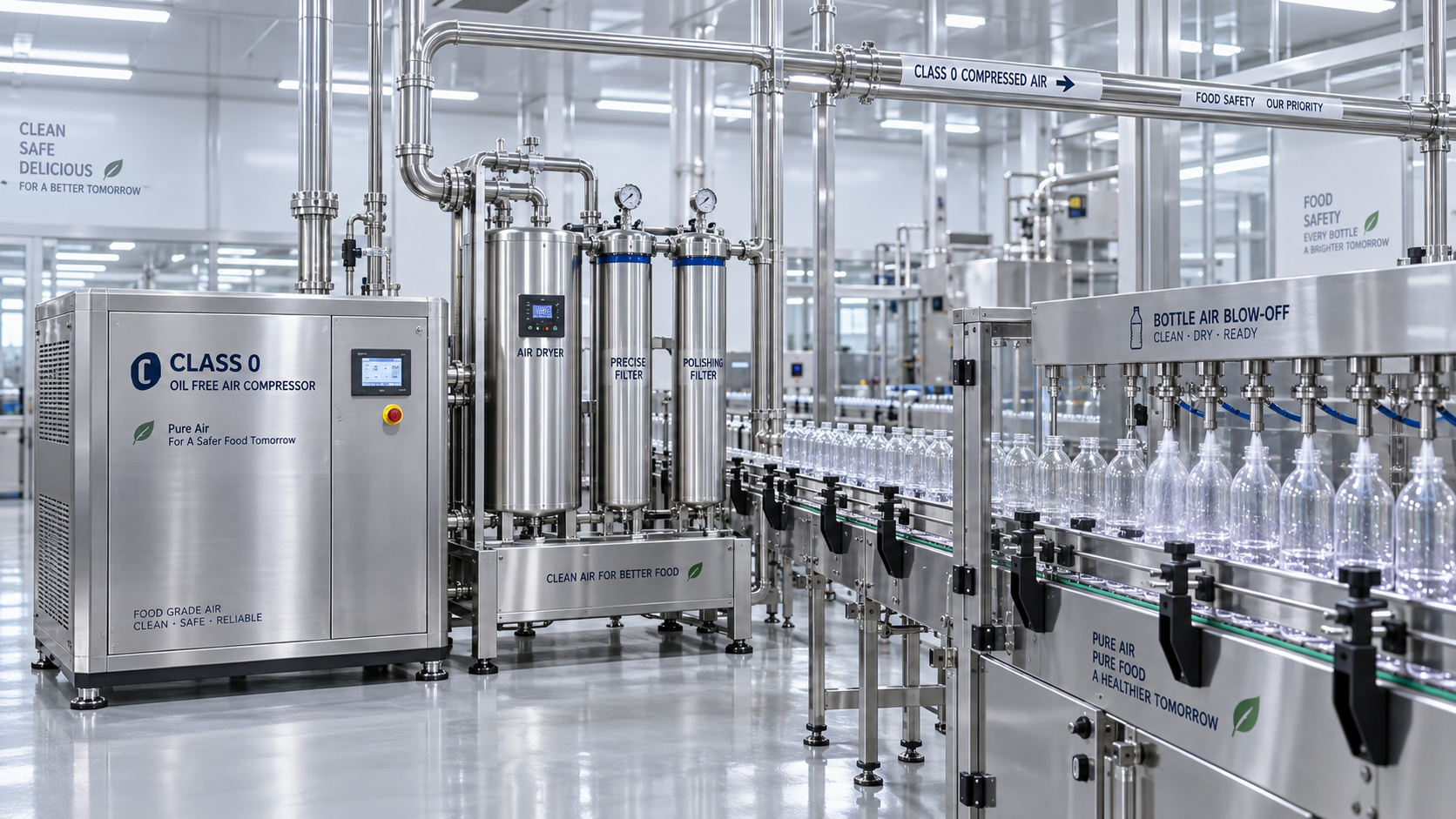
That is common in food, pharma, electronics, medical packaging, and precision manufacturing.
In those environments, one contamination event can erase years of purchase savings.
Where oil-free compressed air solutions create measurable savings
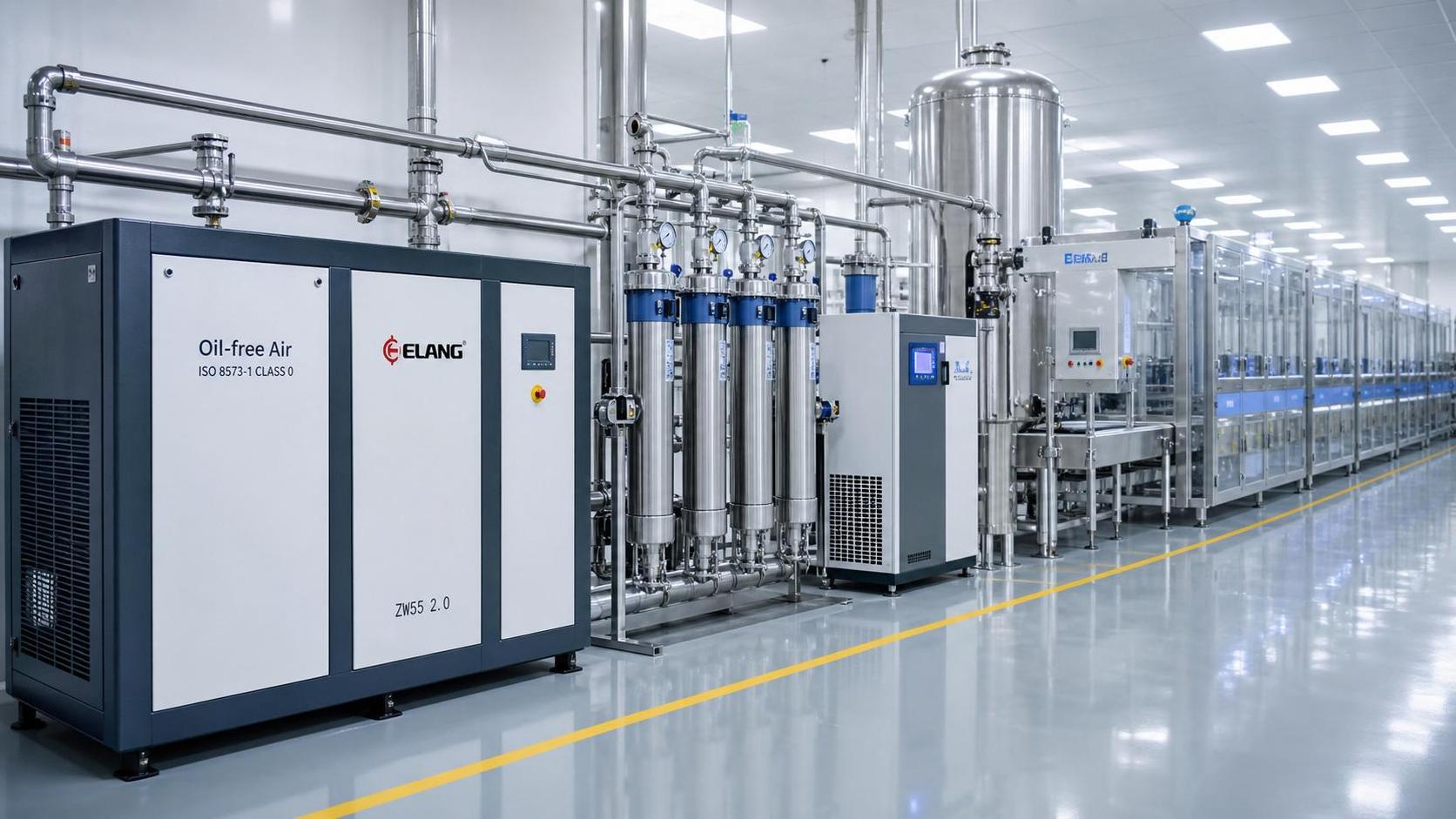
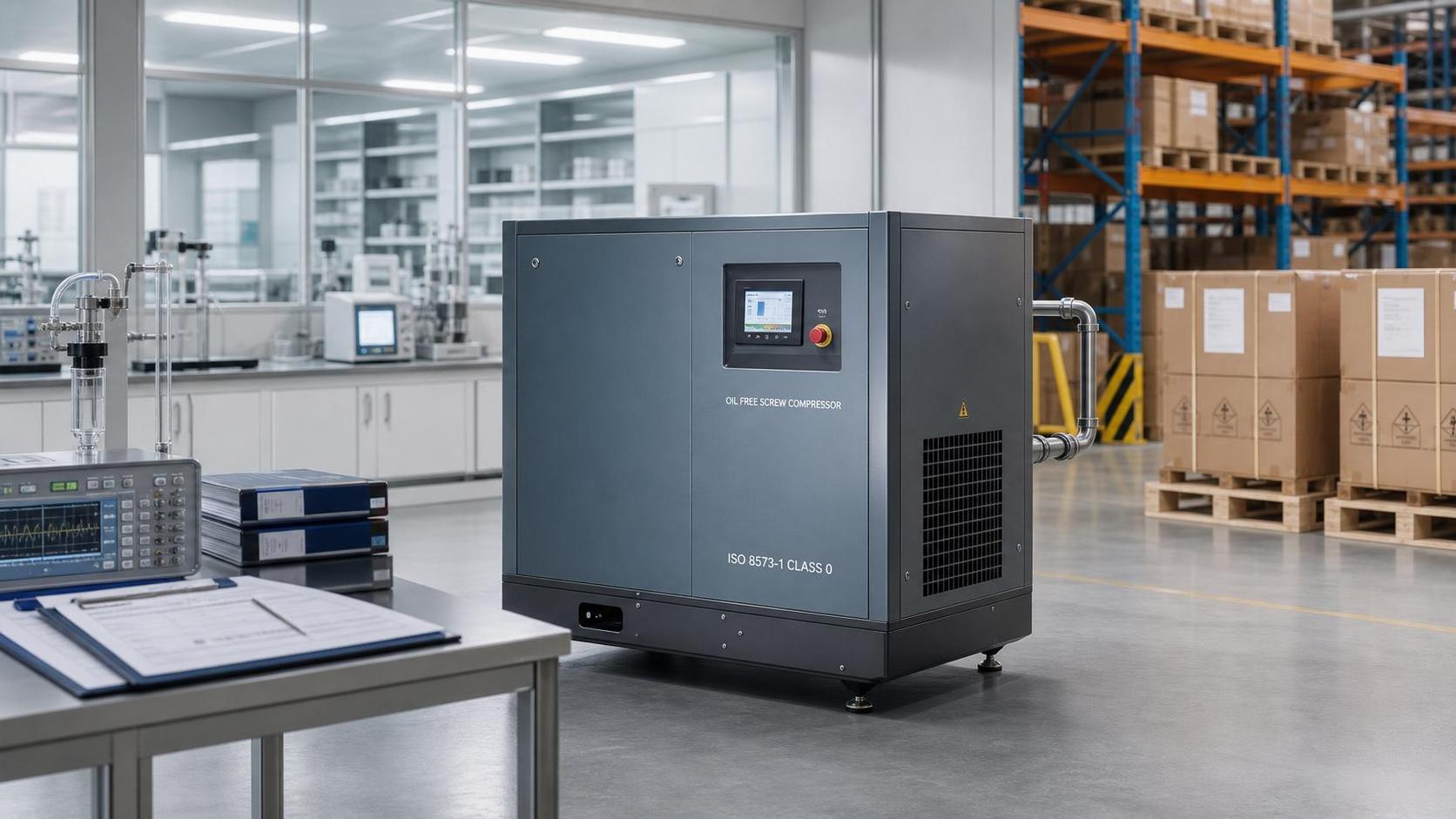
Oil-free compressed air solutions lower cost in several specific ways.
The financial case usually comes from four areas:
- Lower contamination risk and fewer rejected batches.
- Less maintenance related to oil carryover and downstream cleanup.
- More stable performance in sensitive applications.
- Stronger compliance support for audits, certifications, and customer requirements.
Energy can also favor oil-free designs, though the result depends on system architecture and operating profile.
Modern variable-speed units, advanced controls, and better heat management often narrow the old efficiency gap.
When a site also improves leakage control, storage, and sequencing, total energy cost can drop further.
That makes compressed air solutions part of a broader operating strategy, not a standalone equipment purchase.
Contamination risk has a direct financial value
This point is often underestimated because failures are infrequent, yet the loss per event is high.
A single incident may trigger scrap, rework, sanitation, line stoppage, customer claims, and reputation damage.
For cost modeling, even a low-probability event deserves a place in the business case.
That approach gives compressed air solutions a more realistic risk-adjusted comparison.
Maintenance savings are usually steadier than expected
Oil-free systems do not remove maintenance entirely.
They do, however, eliminate several oil-related service tasks and reduce downstream treatment complexity.
That means fewer consumables, less technician time, and lower shutdown coordination effort.
Across multi-line facilities, those smaller savings add up with surprising consistency.
When the premium is easiest to justify
Not every plant needs oil-free compressed air solutions.
The premium is easiest to justify when one or more of these conditions apply:
- Compressed air contacts product, packaging, ingredients, or process surfaces.
- A shutdown carries high hourly revenue loss.
- Audit readiness affects customer retention or market access.
- Waste disposal and service labor are expensive in the local market.
- Energy prices are volatile and system optimization matters more every quarter.
From recent market changes, two patterns stand out.
First, quality expectations are moving upward across global supply chains.
Second, energy and compliance volatility now influence equipment payback more than before.
That makes compressed air solutions a strategic cost decision rather than a routine utility purchase.
How to evaluate lifecycle cost without missing hidden variables
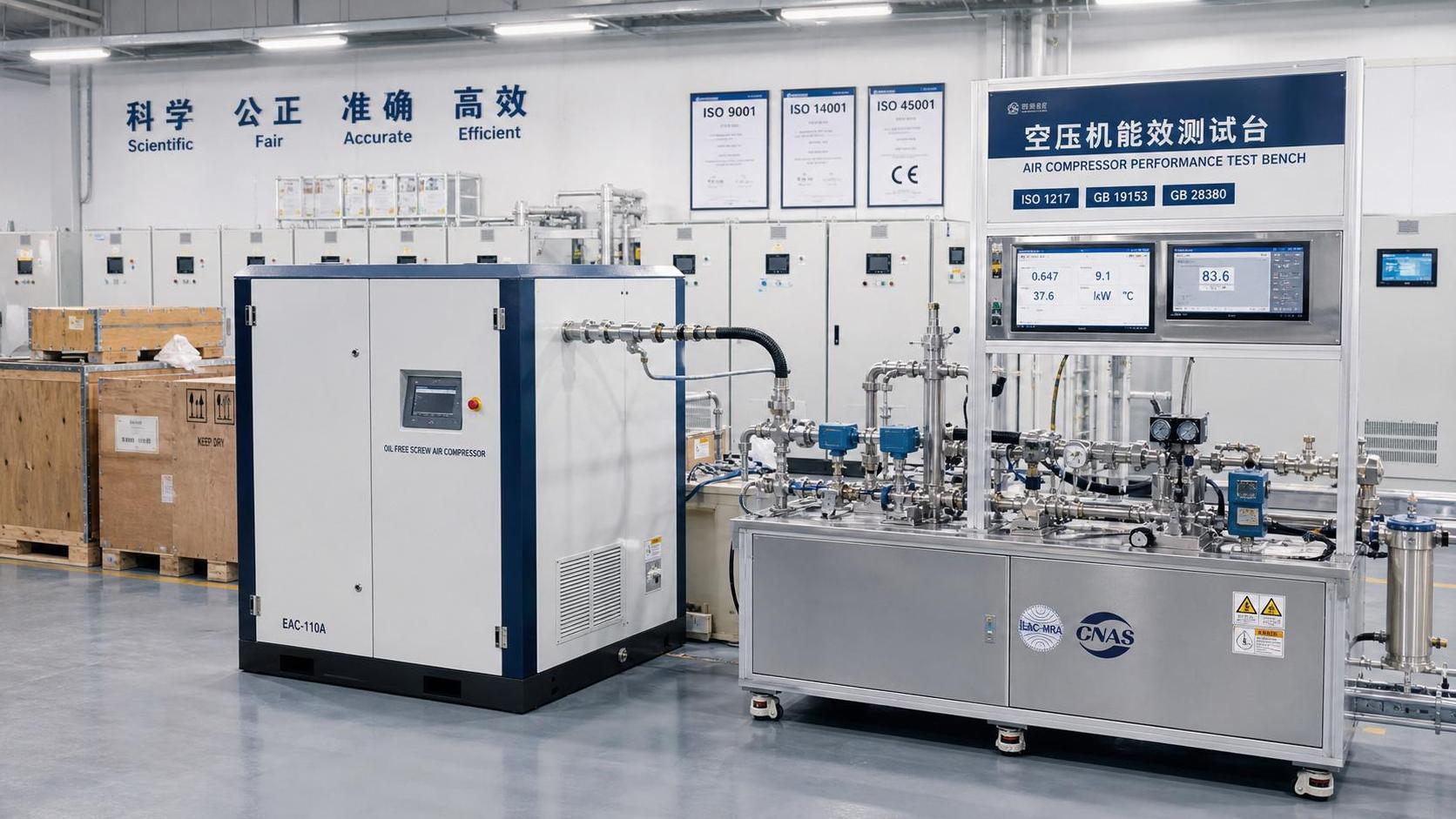
A sound review compares more than capex and nameplate efficiency.
A practical model for compressed air solutions should include:
- Purchase price, installation, and commissioning.
- Annual energy use at real load, not ideal load.
- Consumables, service intervals, and technician labor.
- Downtime probability and hourly production loss.
- Quality risk, scrap exposure, and recall sensitivity.
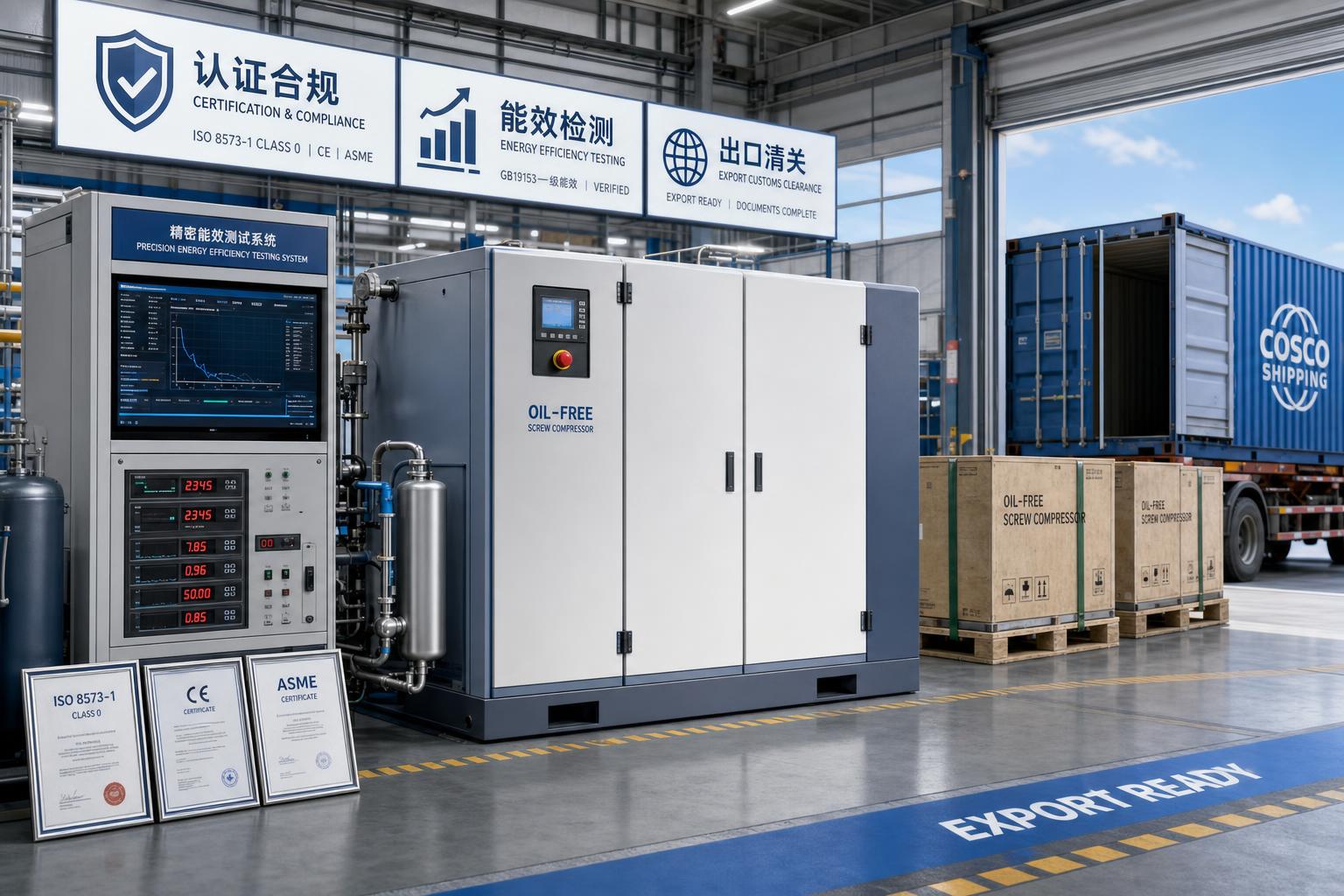
- Compliance documentation and customer qualification needs.
- Residual value and expected replacement timing.
This also means comparing systems at the plant level.
An efficient compressor can still perform poorly inside an oversized or poorly controlled air network.
The best compressed air solutions pair equipment choice with demand reduction and control discipline.
Ask suppliers for decision-grade data
Supplier proposals should support financial review with transparent assumptions.
Useful inputs include:
- Specific energy at expected operating points.
- Maintenance schedules with labor hour estimates.
- Air quality standards and validation support.
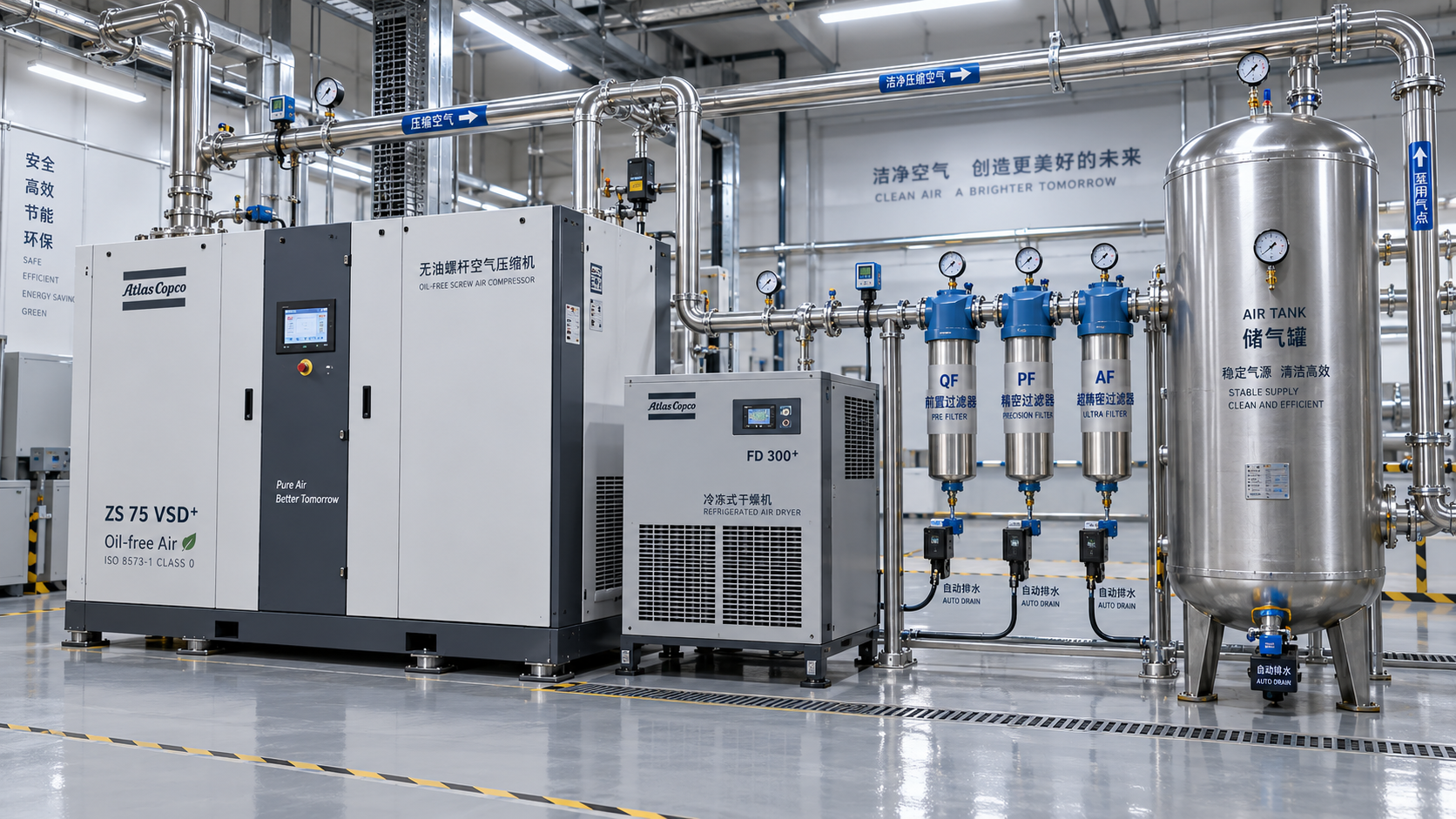
- Recommended controls, storage, and dryer matching.
- Documented references from similar applications.
Without these details, lifecycle comparisons often look precise while hiding major uncertainty.
A simple comparison framework for approval decisions
For internal approval, clarity matters as much as technical depth.
A side-by-side view helps translate compressed air solutions into operational and financial outcomes.
This framework is not meant to oversimplify the engineering.
It is meant to connect compressed air solutions to real approval criteria: cost, risk, and return stability.
The stronger business case is usually operational, not theoretical
The most persuasive projects rarely rely on one headline number.
They show how oil-free compressed air solutions reduce recurring friction across production, quality, and maintenance.
That also explains why the payback period can outperform expectations after implementation.
Less disruption, cleaner processes, and steadier compliance create value that standard equipment comparisons often miss.
In a tighter margin environment, those gains deserve disciplined attention.
GTC-Matrix continues to track how industrial energy, purity standards, and equipment design reshape these decisions.
The next smart step is to review compressed air solutions with a full lifecycle model, then test the oil-free premium against actual plant risk and operating conditions.
Ready when you are. Send us a message to get started.
Related News
- How to verify food-grade purity in compressed air systemsAuthor :Pneumatic Power Engineer

- What determines the price of pure air compression systems?Author :Pneumatic Power Engineer

- How to size oil-free compressors for instrumentation air demandAuthor :Pneumatic Power Engineer

- How Class 0 oil-free compressors protect product quality in food productionAuthor :Pneumatic Power Engineer

- How to verify compressed air cleanroom standards before installationAuthor :Pneumatic Power Engineer

- When oil free vacuum pumps make sense for European cleanroom projectsAuthor :Pneumatic Power Engineer

- When do pure air compression systems need ISO 8573-1 Class 0?Author :Pneumatic Power Engineer

- How do compressed air systems for electronics prevent contamination?Author :Pneumatic Power Engineer

- When does an oil-free process vacuum pump justify its higher cost?Author :Pneumatic Power Engineer

- Does ISO 9001 certification apply to compressed air quality?Author :Pneumatic Power Engineer

- How to Specify Clean Compressed Air Systems in Southeast Asia for Food and Pharma PlantsAuthor :Pneumatic Power Engineer

- How to Compare Oil Free Vacuum Pumps for Clean Process RequirementsAuthor :Pneumatic Power Engineer

- How to Evaluate a Clean Compressed Air Systems Supplier for ISO 8573-1 ComplianceAuthor :Pneumatic Power Engineer

- How to Choose the Right Oil-Free Vacuum PumpAuthor :Pneumatic Power Engineer

- VDI 2083 Update Makes Class 0 Proof MandatoryAuthor :Pneumatic Power Engineer

- When to Use Oil Free Vacuum Pumps for High Purity LinesAuthor :Pneumatic Power Engineer

- Compressed Air Solutions: When Oil-Free Systems Lower Total Operating CostAuthor :Pneumatic Power Engineer

- ATMOsphere Europe 2026 Adds Oil-free Systems ZoneAuthor :Pneumatic Power Engineer

- Oil-Free Compressors: Key Selection Criteria for Clean Air SystemsAuthor :Pneumatic Power Engineer

- How to Compare Oil Free Centrifugal Compressors for Stable Plant Air SupplyAuthor :Pneumatic Power Engineer

- Compressed Air Class 0 vs Oil-Free: What Really MattersAuthor :Pneumatic Power Engineer

- Oil-Free Compression Class 0: What the Standard Really Means in ProductionAuthor :Pneumatic Power Engineer

- Air Compression Cost Comparison: Oil-Free vs Screw Systems in Daily OperationAuthor :Pneumatic Power Engineer

- Saudi SASO Tightens IEC 63349-2 for Oil-Free CompressorsAuthor :Pneumatic Power Engineer

- Saudi SASO Tightens Oil-Free Compressor Efficiency RulesAuthor :Pneumatic Power Engineer

- Pure Air Compression Systems for Clean Production LinesAuthor :Pneumatic Power Engineer

- IEC 63349-2:2026 makes energy certification mandatoryAuthor :Pneumatic Power Engineer

- IEC 63349-2:2026 Sets New Entry Rules for Oil-Free Screw CompressorsAuthor :Pneumatic Power Engineer

- IEC 63349-2:2026 Takes Effect for Oil-Free Screw CompressorsAuthor :Pneumatic Power Engineer

- IEC 63349-2:2026 Sets New Efficiency Gate for Oil-Free Screw CompressorsAuthor :Pneumatic Power Engineer

- IEC 63349-2:2026 Takes Effect for Oil-Free Screw CompressorsAuthor :Pneumatic Power Engineer

- SABIC Methanol Force Majeure Extended, Tightening R134a/R407C FeedstocksAuthor :Pneumatic Power Engineer

- How to Evaluate Pneumatic Power Systems for Stable OutputAuthor :Pneumatic Power Engineer

- Oil-Free Compression vs Lubricated Systems: Key Trade-OffsAuthor :Pneumatic Power Engineer
![]()
- Oil-Free Compression: 2026 Cost and Compliance Trade-OffsAuthor :Pneumatic Power Engineer

- Oil-Free Compression: Cost and Contamination RisksAuthor :Pneumatic Power Engineer
![]()