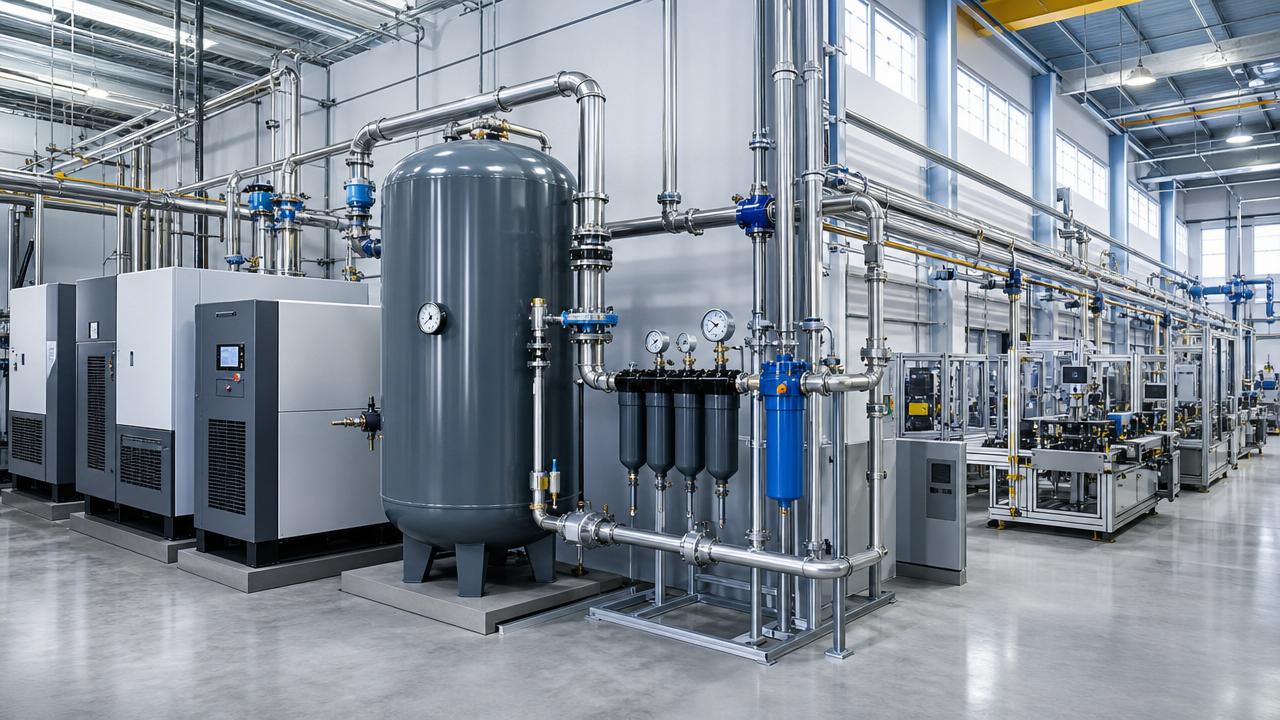
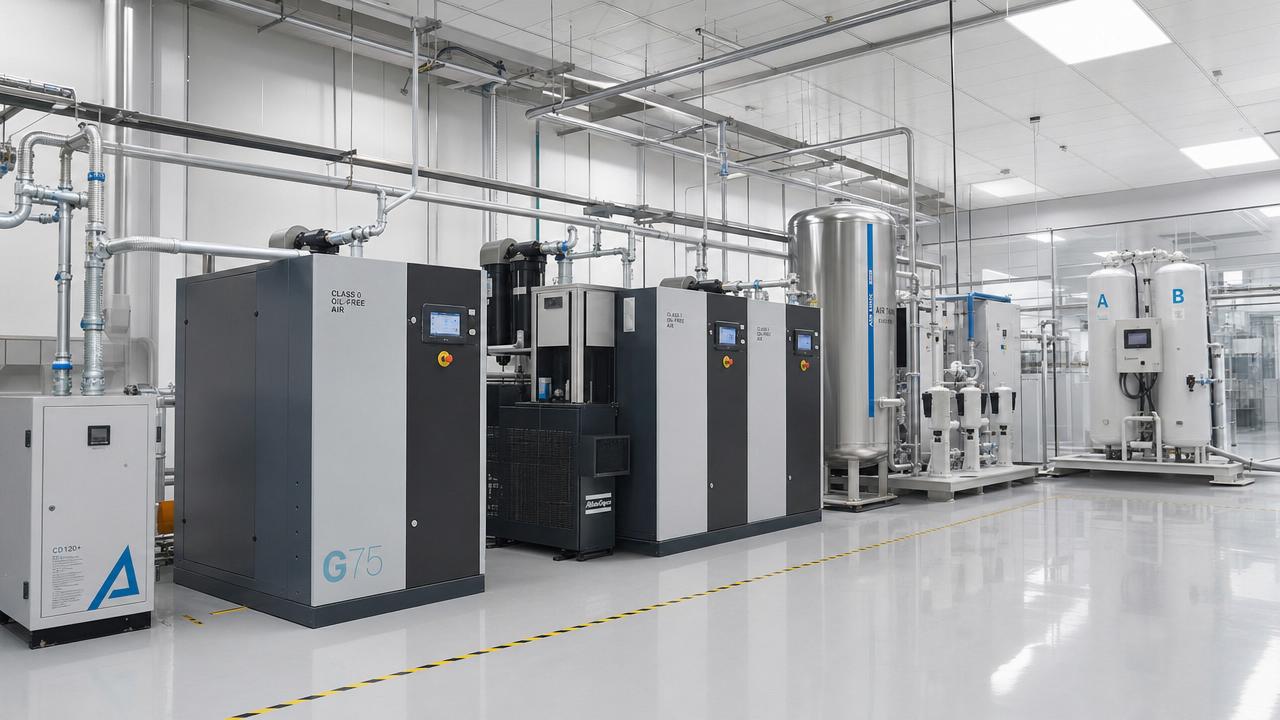
Compression Technology Trends Driving Oil-Free System Choices




As energy costs rise and purity standards tighten, compression technology is becoming a decisive factor in selecting oil-free systems across modern industry. For engineering teams shaping utility strategy, the topic now extends beyond equipment preference. It affects uptime, emissions, product integrity, maintenance exposure, and life-cycle cost. The latest shifts show that oil-free system choices are increasingly driven by measurable performance, digital transparency, and stricter process risk control.
Compression technology is moving from support utility to strategic production asset
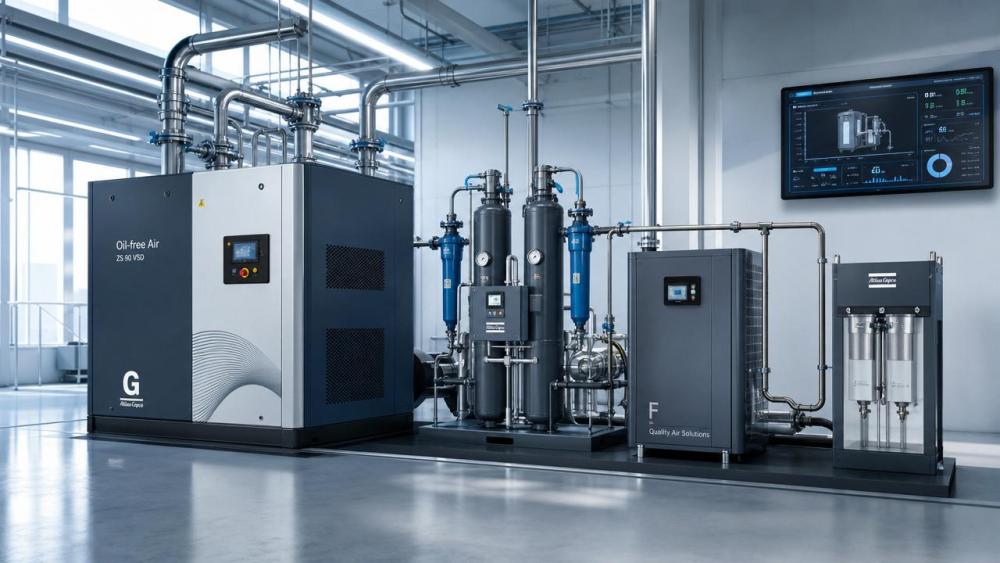
In many sectors, compressed air and process gas are no longer treated as background infrastructure. They now influence product quality, regulatory compliance, and operating resilience. That change is pushing compression technology toward higher precision and cleaner performance.
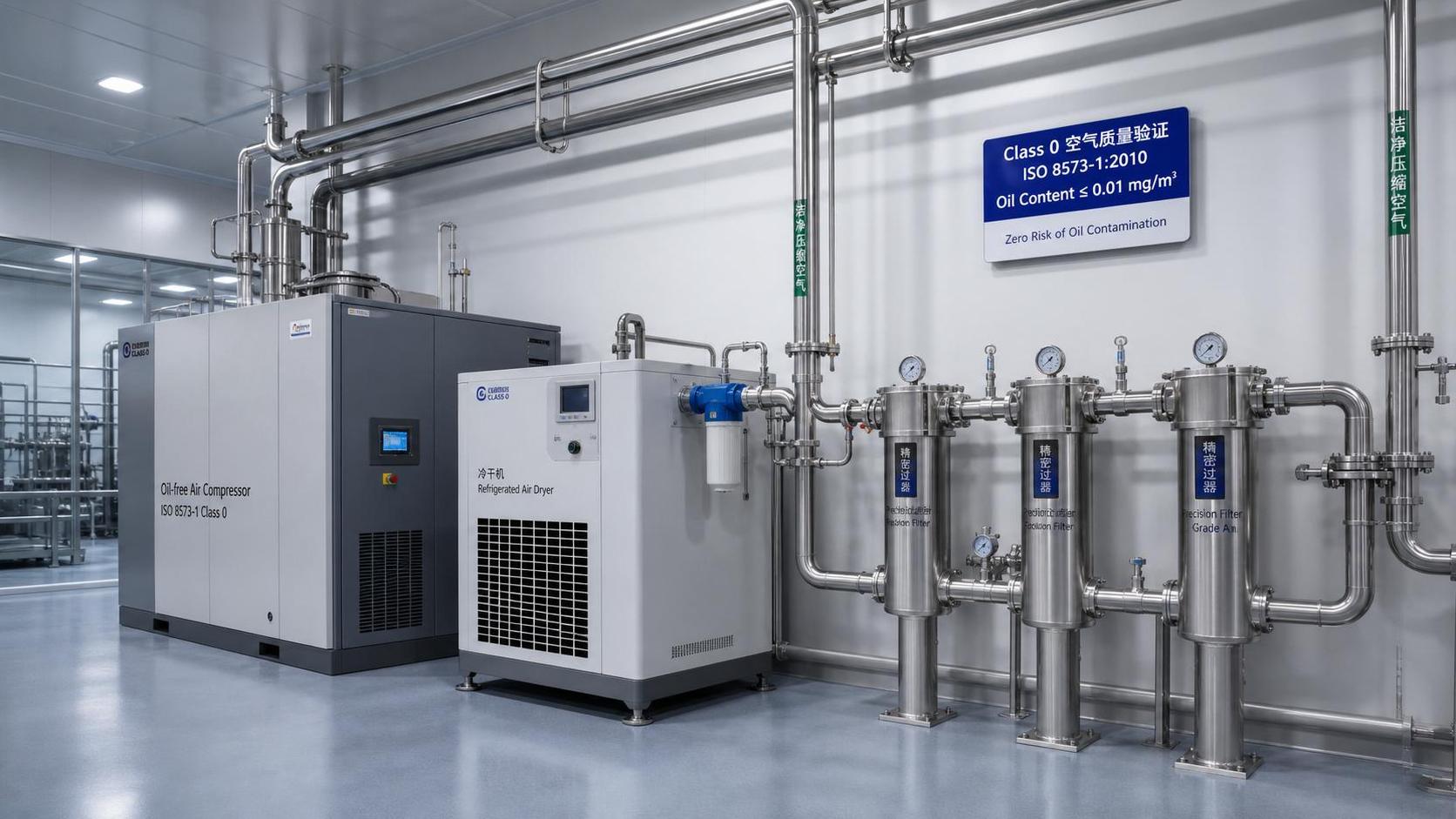
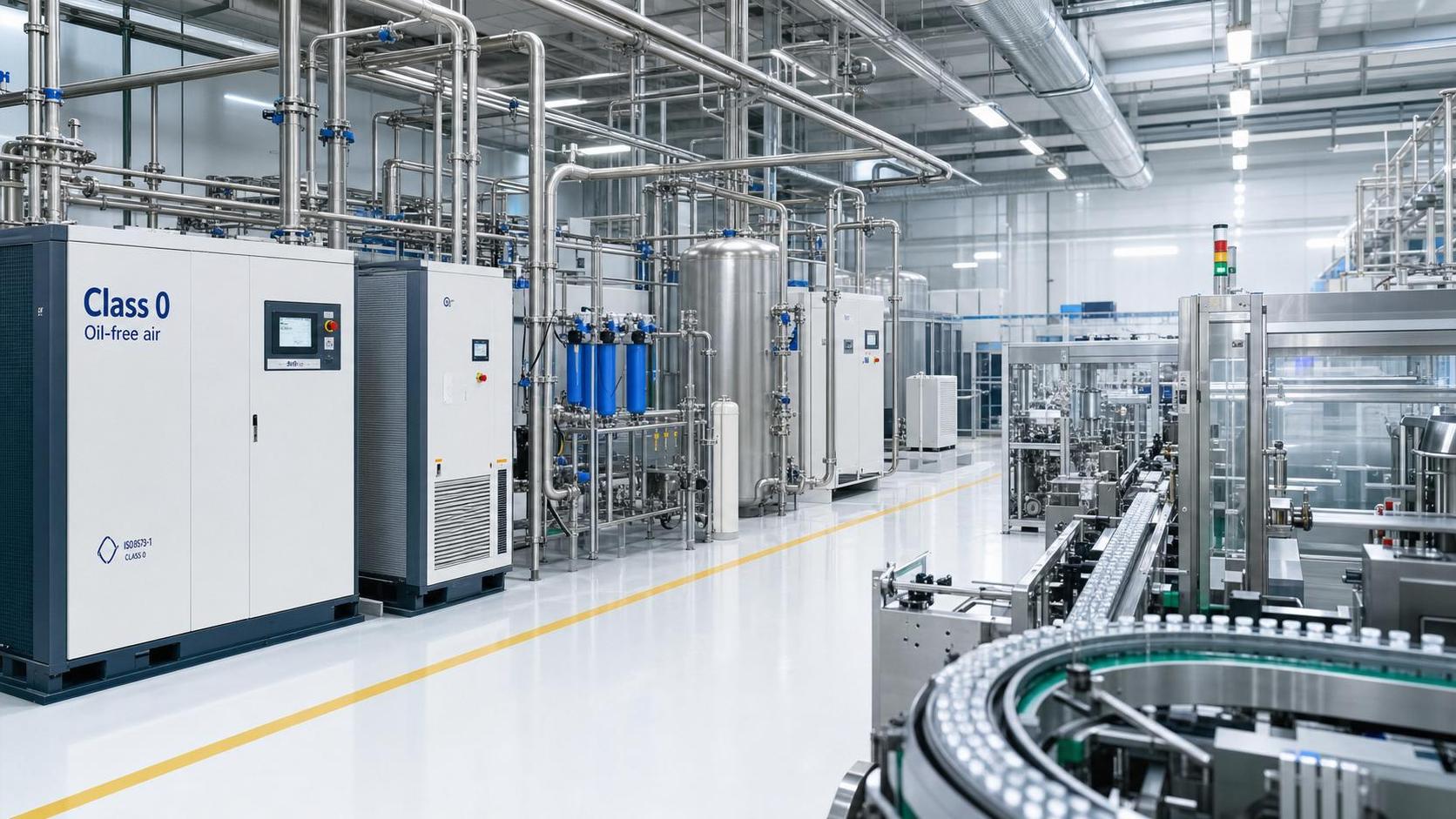
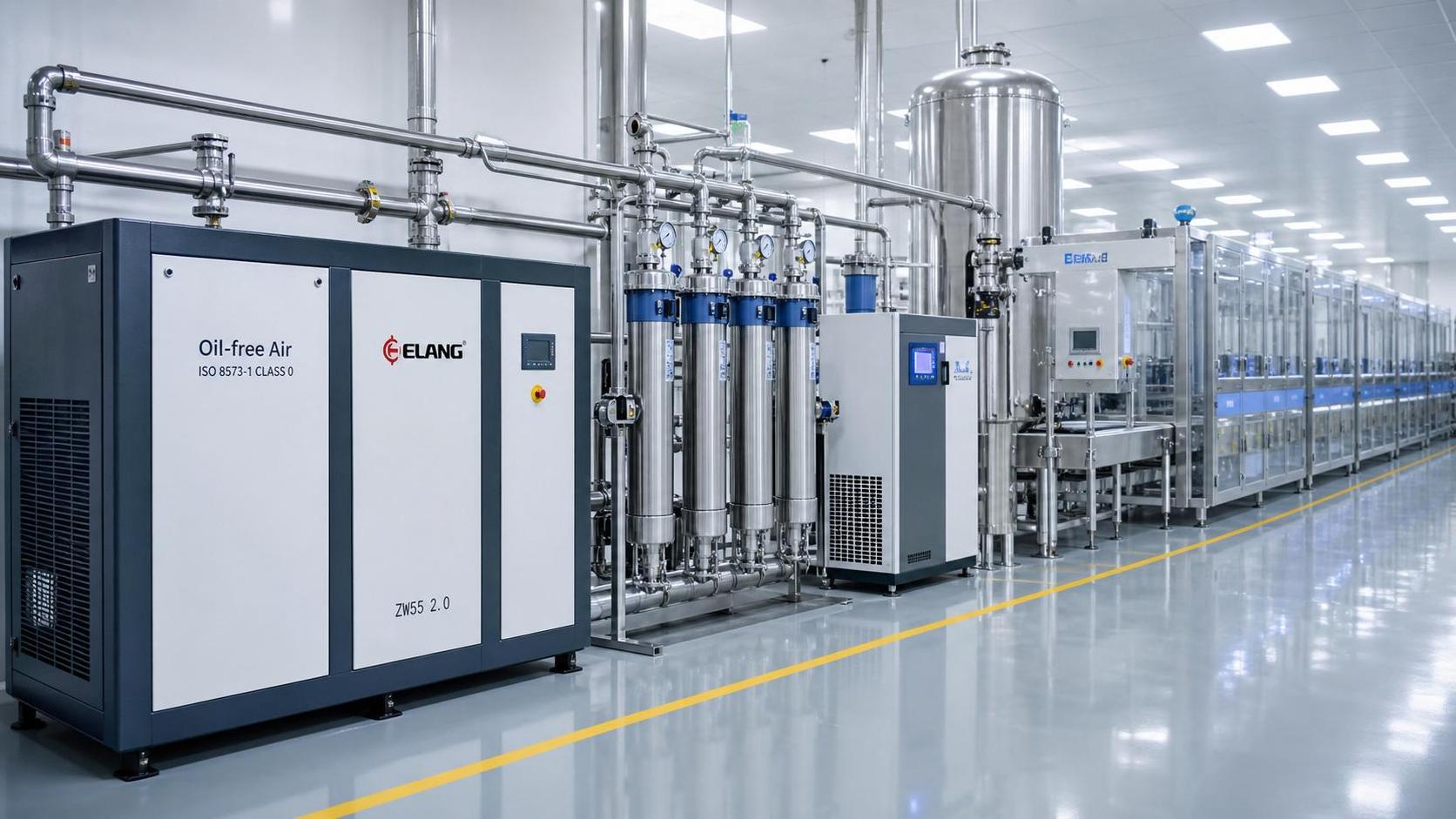
Oil-free systems are gaining attention because contamination tolerance is shrinking. In food processing, electronics, healthcare, laboratories, packaging, and specialty manufacturing, even minor carryover can create costly downstream consequences.
At the same time, utility budgets face pressure from volatile electricity prices. This makes efficiency, heat recovery potential, and part-load stability central decision points. As a result, compression technology choices are being evaluated with broader operational metrics.
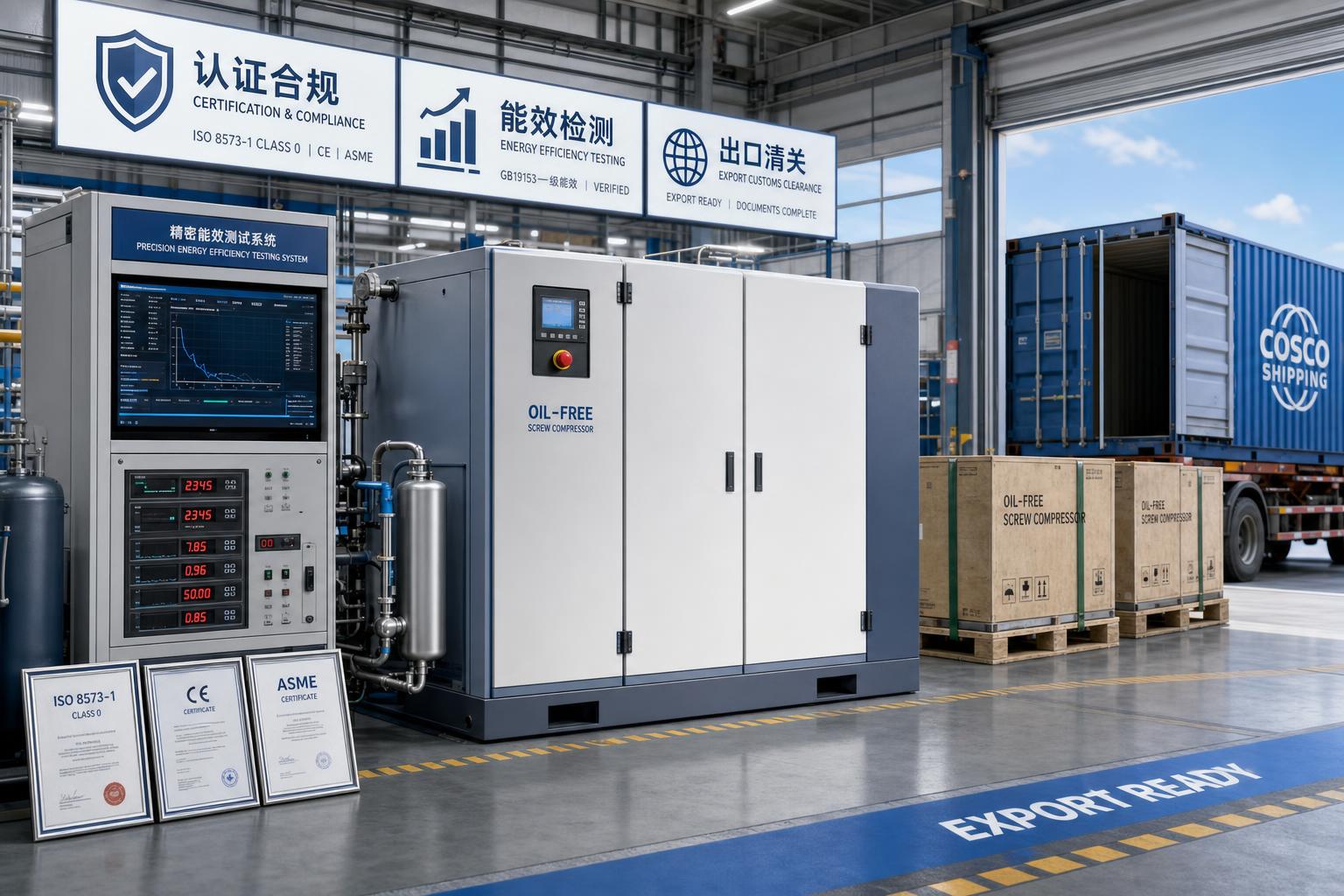
Another strong signal is the closer link between air quality standards and sustainability targets. Cleaner compression can reduce filtration burden, lubricant disposal, and maintenance interventions. These factors strengthen the case for oil-free system adoption.
The strongest trend signals are coming from purity, efficiency, and digital control
Several signals explain why compression technology trends are favoring oil-free architectures. The market is not moving for one reason. It is moving because multiple technical and commercial pressures now reinforce each other.
Key drivers shaping oil-free system choices
These drivers are especially powerful when combined. A facility with strict air quality demands and unstable energy pricing will often reach a different conclusion than it would have five years ago.
The result is a market shift away from simple first-cost comparisons. Decision-making now favors verified efficiency curves, maintenance intervals, dew point stability, and total contamination risk.
Technical advances in compression technology are changing the value equation
Oil-free systems have benefited from meaningful engineering improvements. Better rotor profiles, tighter manufacturing tolerances, improved coatings, and smarter control systems are increasing reliability while reducing energy penalties.
Variable speed drives are one major factor. They help align compressor output with actual demand, especially in facilities where usage peaks and valleys change throughout the day. This reduces unloaded running and unnecessary power draw.
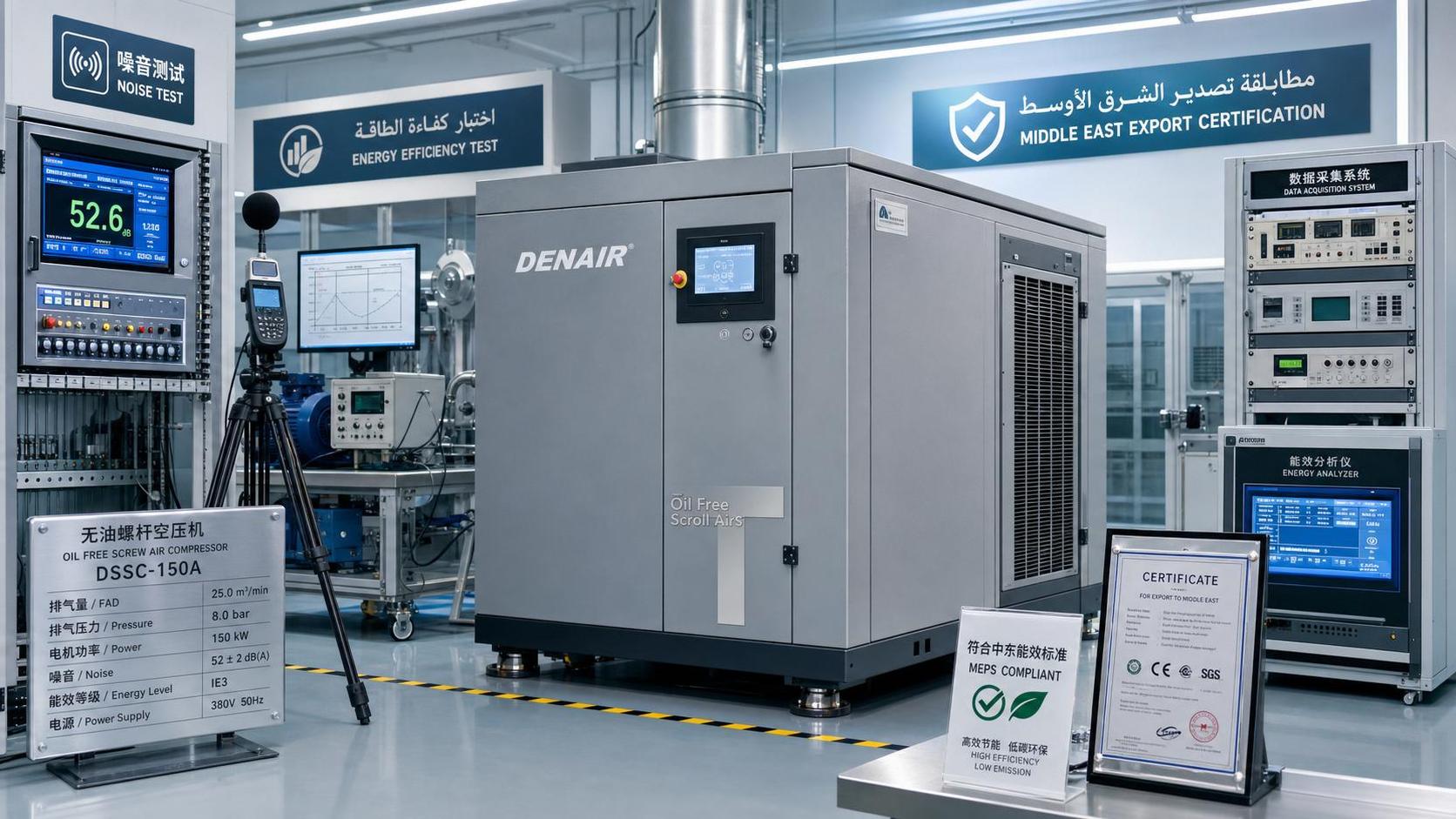
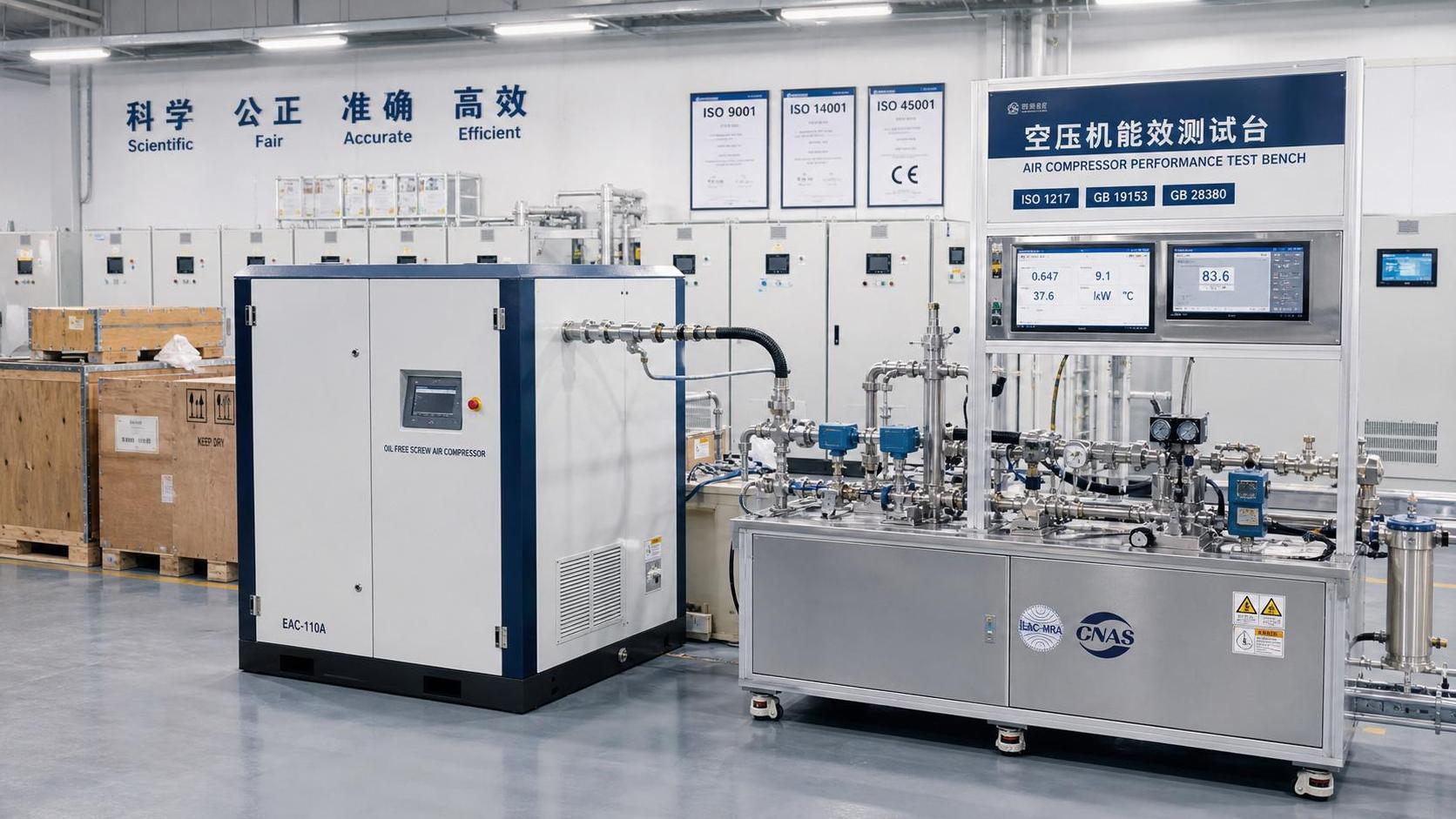
Integrated monitoring is another trend. New compression technology platforms track pressure, temperature, vibration, power consumption, and service indicators in real time. That visibility makes oil-free systems easier to justify with actual performance data.
Heat recovery is also becoming more important. Facilities are increasingly looking at waste heat from compressors as a usable energy stream for water heating, space support, or process preheating. This improves whole-site efficiency.
What technical buyers are comparing more closely
- Specific energy performance across full and partial load ranges
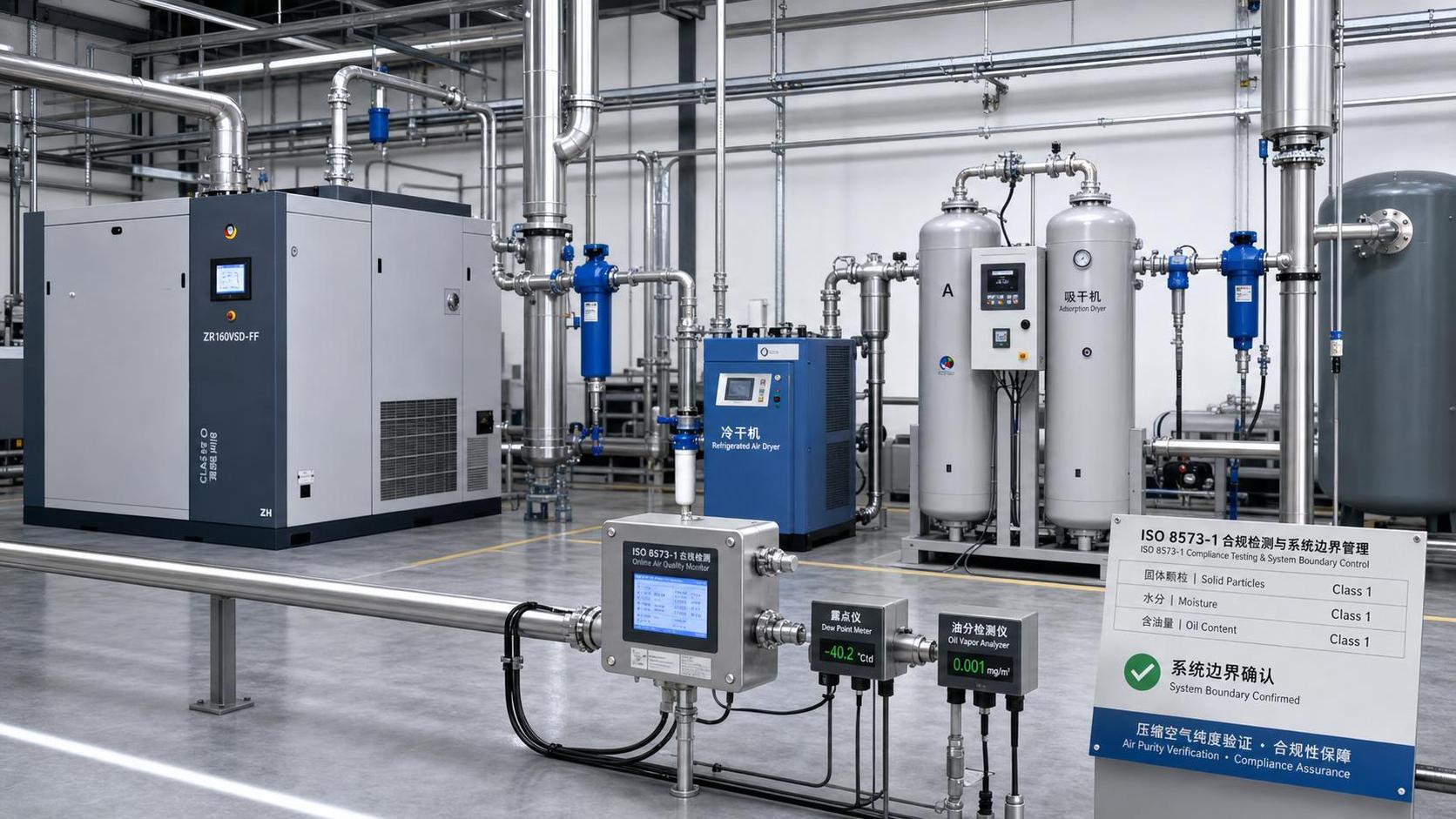
- Air purity assurance and contamination exposure points
- Drying integration and pressure drop across the system
- Noise, thermal load, and installation constraints
- Service predictability and remote diagnostics capability
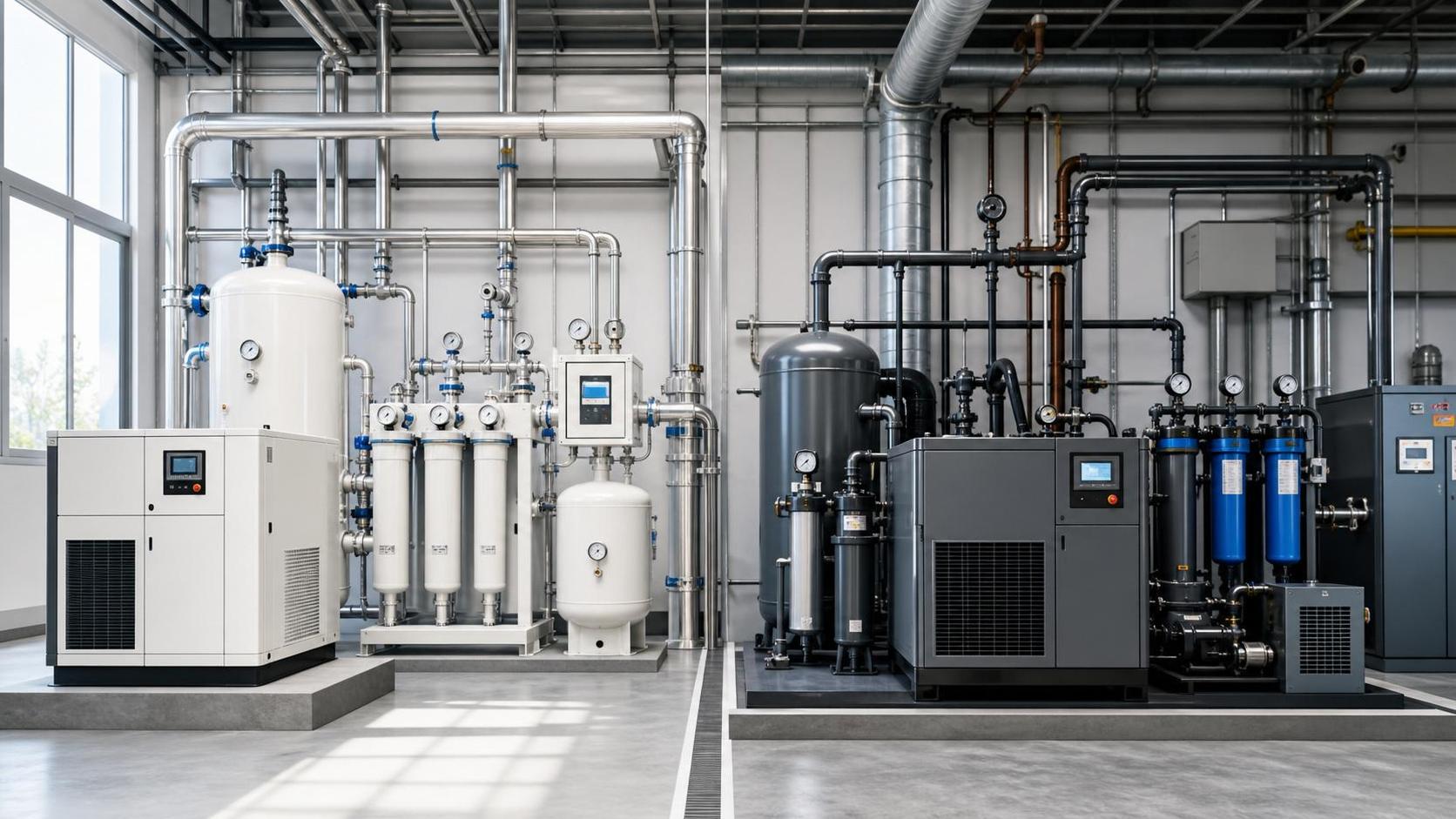
This means compression technology is no longer judged by compressor hardware alone. System design, controls, air treatment, and data quality all shape the final oil-free decision.
The impact reaches operations, quality assurance, and long-term cost planning
The shift toward oil-free systems affects more than utility engineering. It changes how facilities manage quality risk, downtime exposure, and compliance readiness. That is why compression technology is being reviewed across multiple operational functions.
For production continuity, stable compressed air quality reduces the chance of rejected batches, fouled instruments, or process interruptions. In sensitive environments, that stability can be more valuable than a lower purchase price.
For maintenance planning, cleaner systems can reduce some downstream contamination-related tasks. However, this does not remove the need for disciplined service strategy. It shifts attention toward condition monitoring and system optimization.
For financial planning, the key issue is total cost of ownership. Compression technology with stronger efficiency and lower risk can produce better long-term value, even when initial capital requirements are higher.
Typical areas influenced by oil-free system selection
- Product quality consistency
- Audit and compliance preparation
- Energy intensity reporting
- Unplanned shutdown frequency
- Lifecycle maintenance budgeting
The smartest response is to evaluate compression technology at system level
A useful response begins with measurement, not assumptions. Many facilities still size or replace compressors based on nameplate expectations rather than actual demand behavior. That weakens oil-free system selection.
A system-level review should include demand profile, pressure stability, leakage, treatment losses, heat recovery options, and control logic. These factors often reveal bigger savings than a basic equipment comparison.
Priority checks before choosing an oil-free path
- Map actual air demand by shift, season, and process condition.
- Identify air quality critical points and contamination consequences.
- Compare full-load and part-load efficiency, not only rated capacity.
- Review dryer, filter, and piping pressure losses.
- Assess monitoring depth for predictive maintenance and reporting.
- Calculate energy recovery value where thermal reuse is possible.
This approach aligns with how advanced industrial intelligence platforms assess utility performance. It links thermodynamic behavior with commercial outcomes, which is essential when compression technology decisions carry strategic weight.
A practical framework helps separate market noise from durable trends
The strongest decisions will come from evidence-based evaluation. Compression technology trends are clear, but each site still needs its own demand, purity, and energy map.
A practical next step is to benchmark current compressed air performance, identify contamination-sensitive processes, and quantify energy losses. That creates a reliable basis for selecting oil-free systems with confidence, speed, and long-term operational value.
Ready when you are. Send us a message to get started.
Related News
- How to verify food-grade purity in compressed air systemsAuthor :Pneumatic Power Engineer

- What determines the price of pure air compression systems?Author :Pneumatic Power Engineer

- How to size oil-free compressors for instrumentation air demandAuthor :Pneumatic Power Engineer

- How Class 0 oil-free compressors protect product quality in food productionAuthor :Pneumatic Power Engineer

- How to verify compressed air cleanroom standards before installationAuthor :Pneumatic Power Engineer

- When oil free vacuum pumps make sense for European cleanroom projectsAuthor :Pneumatic Power Engineer

- When do pure air compression systems need ISO 8573-1 Class 0?Author :Pneumatic Power Engineer

- How do compressed air systems for electronics prevent contamination?Author :Pneumatic Power Engineer

- When does an oil-free process vacuum pump justify its higher cost?Author :Pneumatic Power Engineer

- Does ISO 9001 certification apply to compressed air quality?Author :Pneumatic Power Engineer

- How to Specify Clean Compressed Air Systems in Southeast Asia for Food and Pharma PlantsAuthor :Pneumatic Power Engineer

- How to Compare Oil Free Vacuum Pumps for Clean Process RequirementsAuthor :Pneumatic Power Engineer

- How to Evaluate a Clean Compressed Air Systems Supplier for ISO 8573-1 ComplianceAuthor :Pneumatic Power Engineer

- How to Choose the Right Oil-Free Vacuum PumpAuthor :Pneumatic Power Engineer

- VDI 2083 Update Makes Class 0 Proof MandatoryAuthor :Pneumatic Power Engineer

- When to Use Oil Free Vacuum Pumps for High Purity LinesAuthor :Pneumatic Power Engineer

- Compressed Air Solutions: When Oil-Free Systems Lower Total Operating CostAuthor :Pneumatic Power Engineer

- ATMOsphere Europe 2026 Adds Oil-free Systems ZoneAuthor :Pneumatic Power Engineer

- Oil-Free Compressors: Key Selection Criteria for Clean Air SystemsAuthor :Pneumatic Power Engineer

- How to Compare Oil Free Centrifugal Compressors for Stable Plant Air SupplyAuthor :Pneumatic Power Engineer

- Compressed Air Class 0 vs Oil-Free: What Really MattersAuthor :Pneumatic Power Engineer

- Oil-Free Compression Class 0: What the Standard Really Means in ProductionAuthor :Pneumatic Power Engineer

- Air Compression Cost Comparison: Oil-Free vs Screw Systems in Daily OperationAuthor :Pneumatic Power Engineer

- Saudi SASO Tightens IEC 63349-2 for Oil-Free CompressorsAuthor :Pneumatic Power Engineer

- Saudi SASO Tightens Oil-Free Compressor Efficiency RulesAuthor :Pneumatic Power Engineer

- Pure Air Compression Systems for Clean Production LinesAuthor :Pneumatic Power Engineer

- IEC 63349-2:2026 makes energy certification mandatoryAuthor :Pneumatic Power Engineer

- IEC 63349-2:2026 Sets New Entry Rules for Oil-Free Screw CompressorsAuthor :Pneumatic Power Engineer

- IEC 63349-2:2026 Takes Effect for Oil-Free Screw CompressorsAuthor :Pneumatic Power Engineer

- IEC 63349-2:2026 Sets New Efficiency Gate for Oil-Free Screw CompressorsAuthor :Pneumatic Power Engineer

- IEC 63349-2:2026 Takes Effect for Oil-Free Screw CompressorsAuthor :Pneumatic Power Engineer

- SABIC Methanol Force Majeure Extended, Tightening R134a/R407C FeedstocksAuthor :Pneumatic Power Engineer

- How to Evaluate Pneumatic Power Systems for Stable OutputAuthor :Pneumatic Power Engineer

- Oil-Free Compression vs Lubricated Systems: Key Trade-OffsAuthor :Pneumatic Power Engineer
![]()
- Oil-Free Compression: 2026 Cost and Compliance Trade-OffsAuthor :Pneumatic Power Engineer

- Oil-Free Compression: Cost and Contamination RisksAuthor :Pneumatic Power Engineer
![]()