ATMOsphere Europe 2026 Adds Oil-free Systems Zone




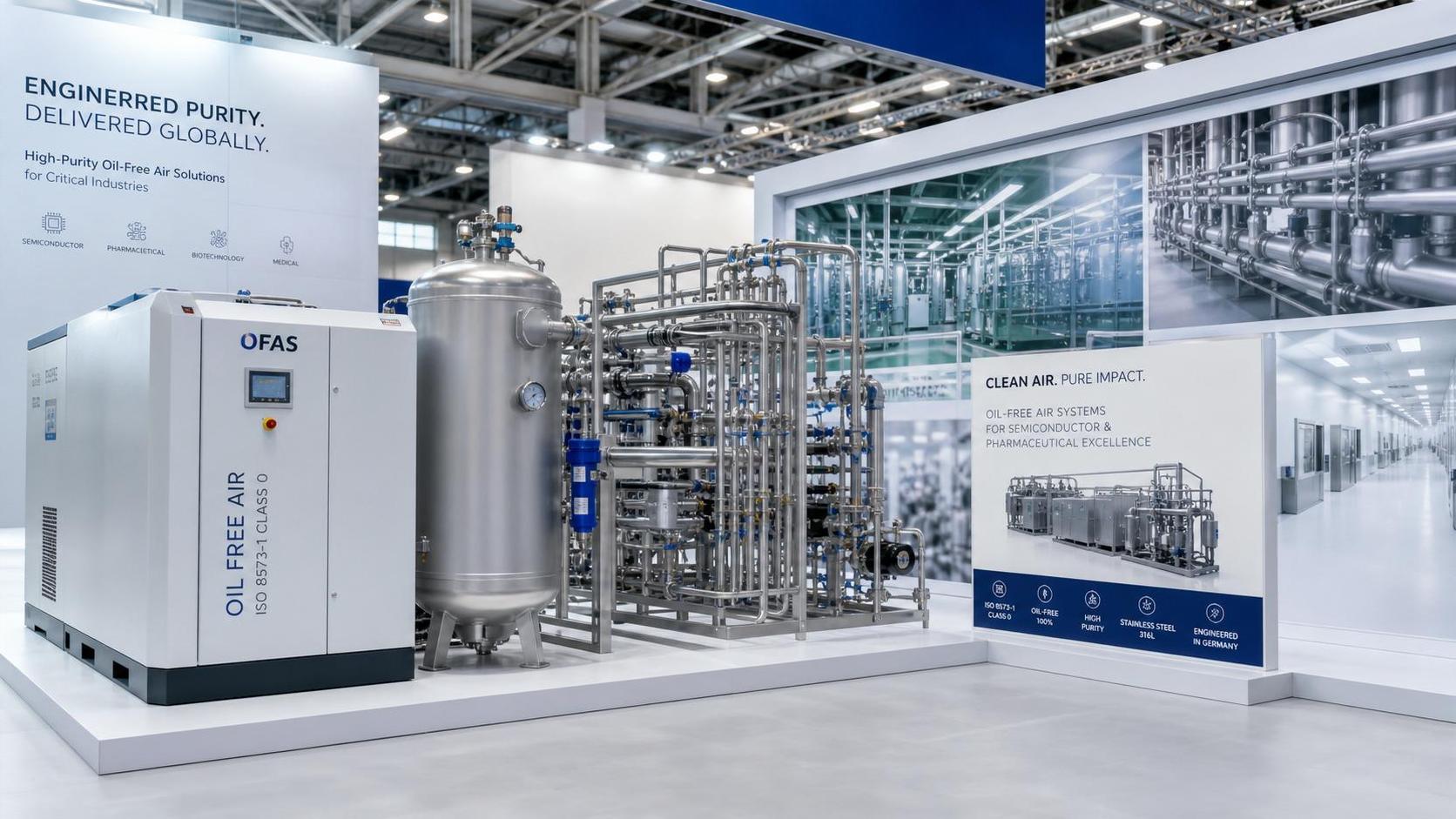
On July 10, 2026, the organizers of ATMOsphere Europe announced that the September 16-18 event in Brussels will add a dedicated Oil-free Systems zone focused on high-purity oil-free compressed air solutions for semiconductor and biopharmaceutical applications. For equipment manufacturers, exporters, procurement teams, and downstream users tied to clean-process production, this update is worth watching because it points to a sharper purchasing focus in the European market rather than a routine exhibition layout change.
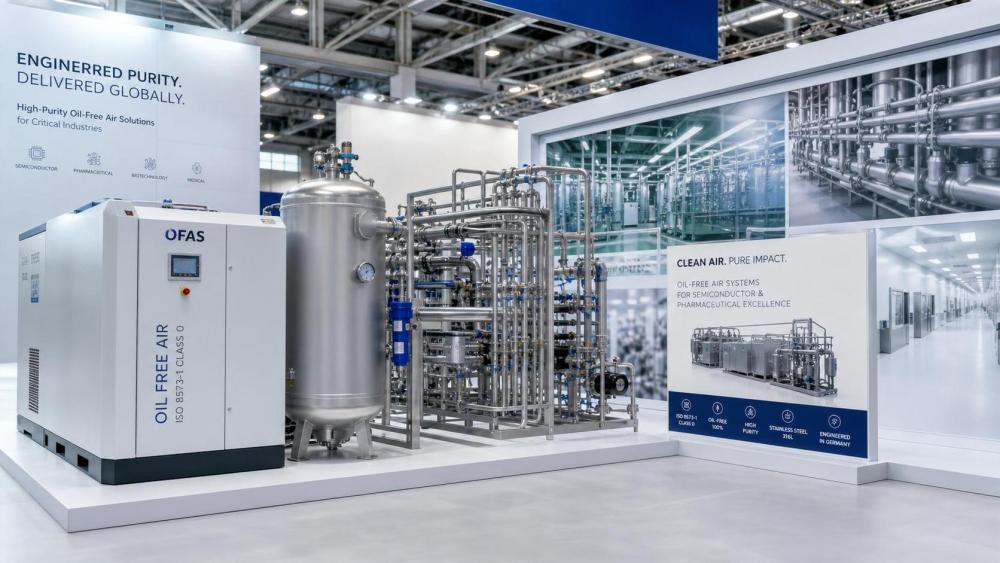
A New Focus Area Confirmed for the Brussels Event
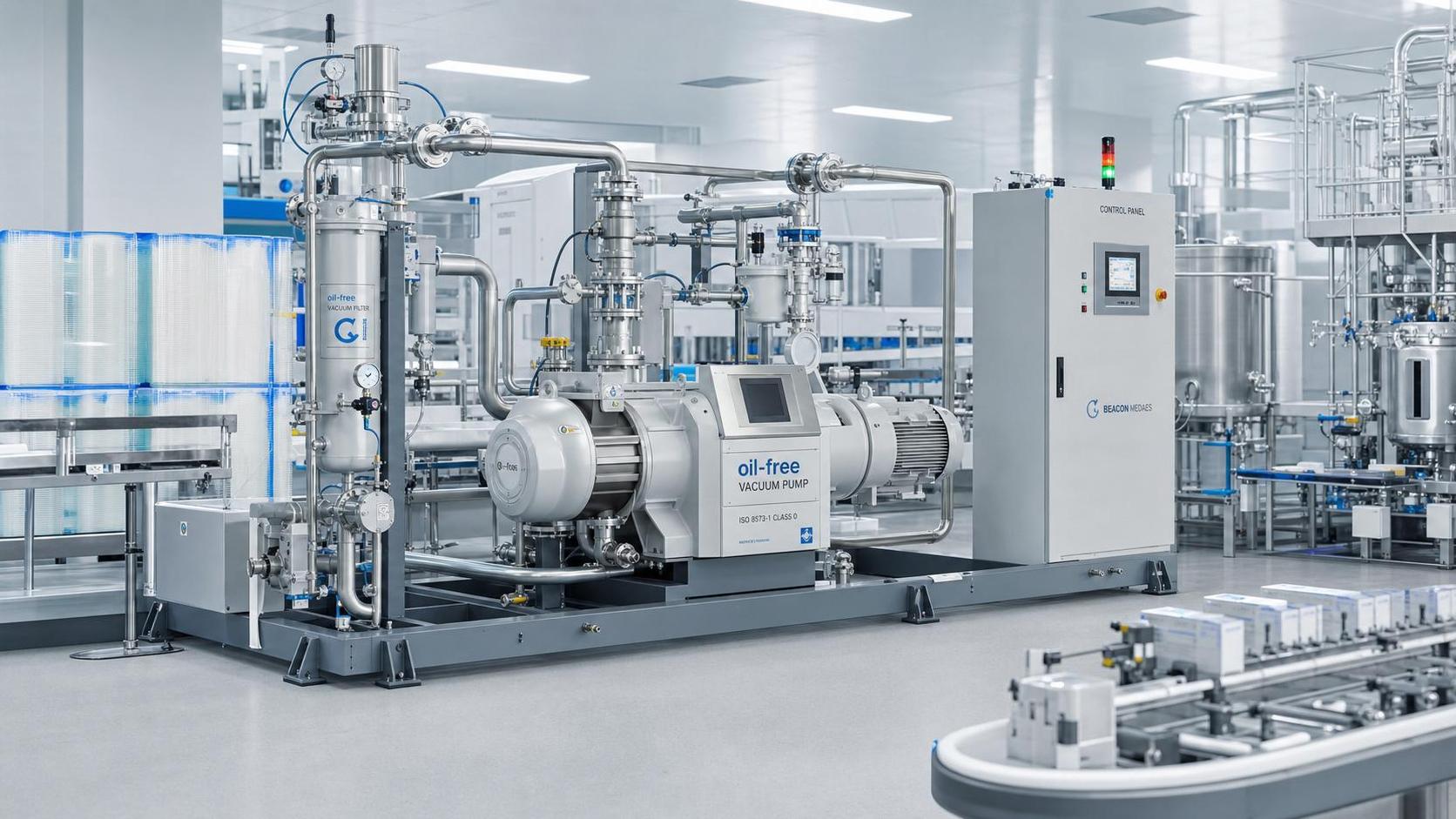
According to the information provided, ATMOsphere Europe organizers confirmed on July 10, 2026 that a dedicated Oil-free Systems exhibition area will be added to the Brussels event scheduled for September 16-18. The new zone will center on high-purity oil-free compressed air solutions serving semiconductor and biopharmaceutical use cases. The same event summary also states that this adjustment reflects an upgrade in procurement standards for Oil-free Systems among European end markets and is expected to drive export inquiries for high-end Chinese oil-free screw and scroll models by more than 30%.
Where the Market Signal May Be Felt First
Export-oriented equipment suppliers may see earlier demand filtering
From an industry perspective, companies supplying high-end oil-free screw and scroll equipment are among the first likely to feel the effect, because the event is now highlighting applications where air purity is directly tied to end-use requirements. The main impact may appear in inquiry quality, product matching, and customer discussions around application fit rather than in immediate volume conversion.
Procurement teams will likely focus more on specification thresholds
Analysis shows that buyers connected to semiconductor and biopharmaceutical production may place greater weight on whether oil-free compressed air solutions align with stricter purchasing expectations. For procurement roles, the practical impact is likely to show up in specification review, supplier comparison, and documentation requests linked to purity-sensitive operating environments.
Channel and supply-chain participants may need tighter coordination
Observably, distributors, trading companies, and supply-chain service providers could be affected through a shift in customer priorities rather than through a simple product promotion cycle. What deserves closer attention is whether market communication, stock planning, delivery preparation, and technical coordination increasingly revolve around higher-end oil-free models instead of broader general-purpose positioning.
What Companies Should Watch Now
Follow how the official framing develops
Companies should closely track any subsequent organizer language around the Oil-free Systems zone, especially if the focus on semiconductor and biopharmaceutical applications becomes more detailed. The distinction matters because exhibition wording can shape how buyers describe their requirements and how suppliers position offerings in follow-up discussions.
Prepare for more targeted inquiry handling
Given the expectation of a more than 30% increase in export inquiries for Chinese high-end oil-free screw and scroll models, firms should pay attention to response workflows, product classification, and internal coordination for overseas leads. The immediate issue is less about broad promotion and more about whether inquiries can be handled with enough precision for high-purity application scenarios.
Separate market signal from confirmed order conversion
Analysis shows that a rise in inquiries should not automatically be read as completed demand. Businesses should distinguish between exhibition-driven market attention and actual procurement execution, particularly when planning production, delivery commitments, or commercial forecasts tied to Europe.
Strengthen customer-facing documentation and communication
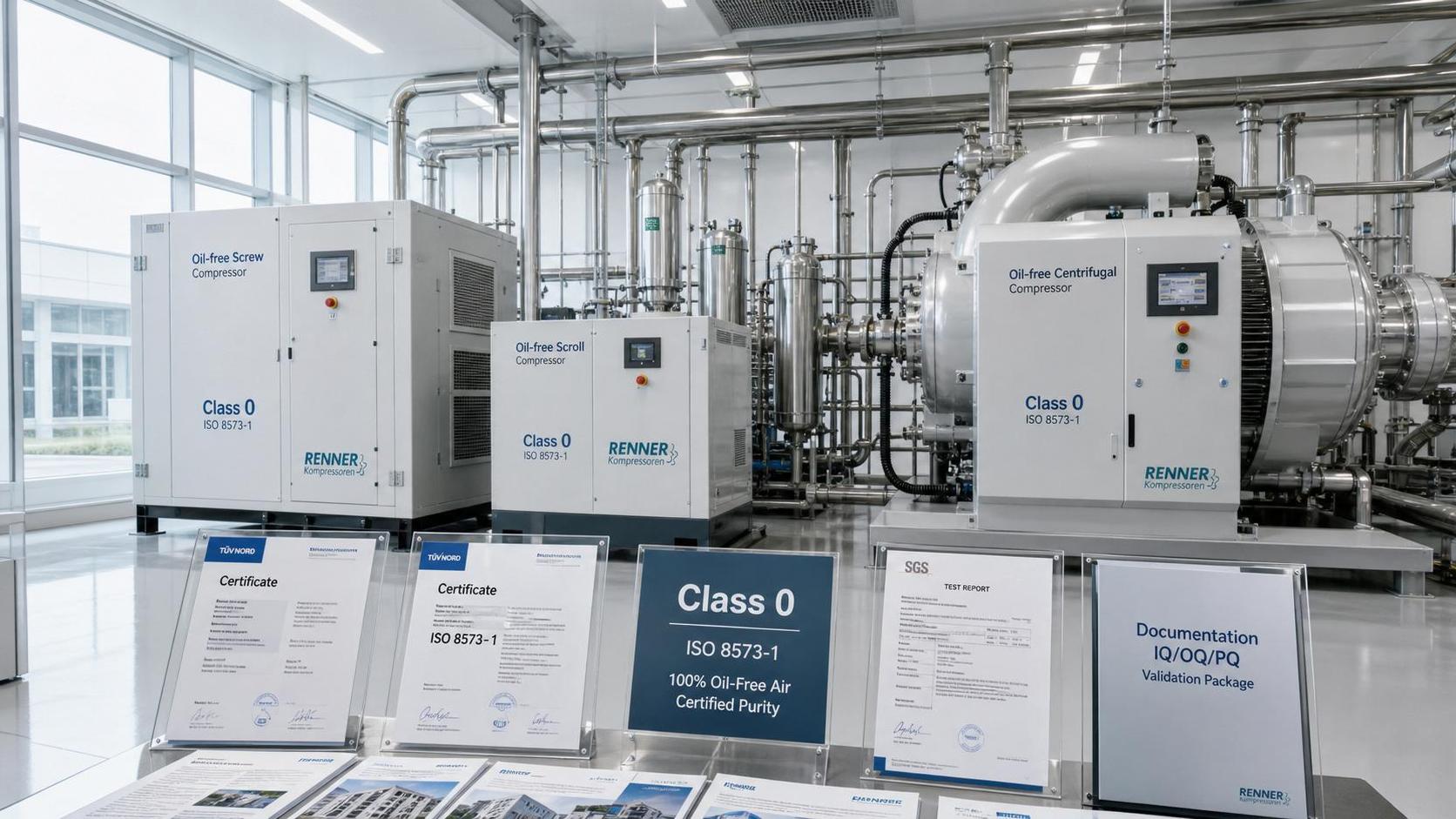
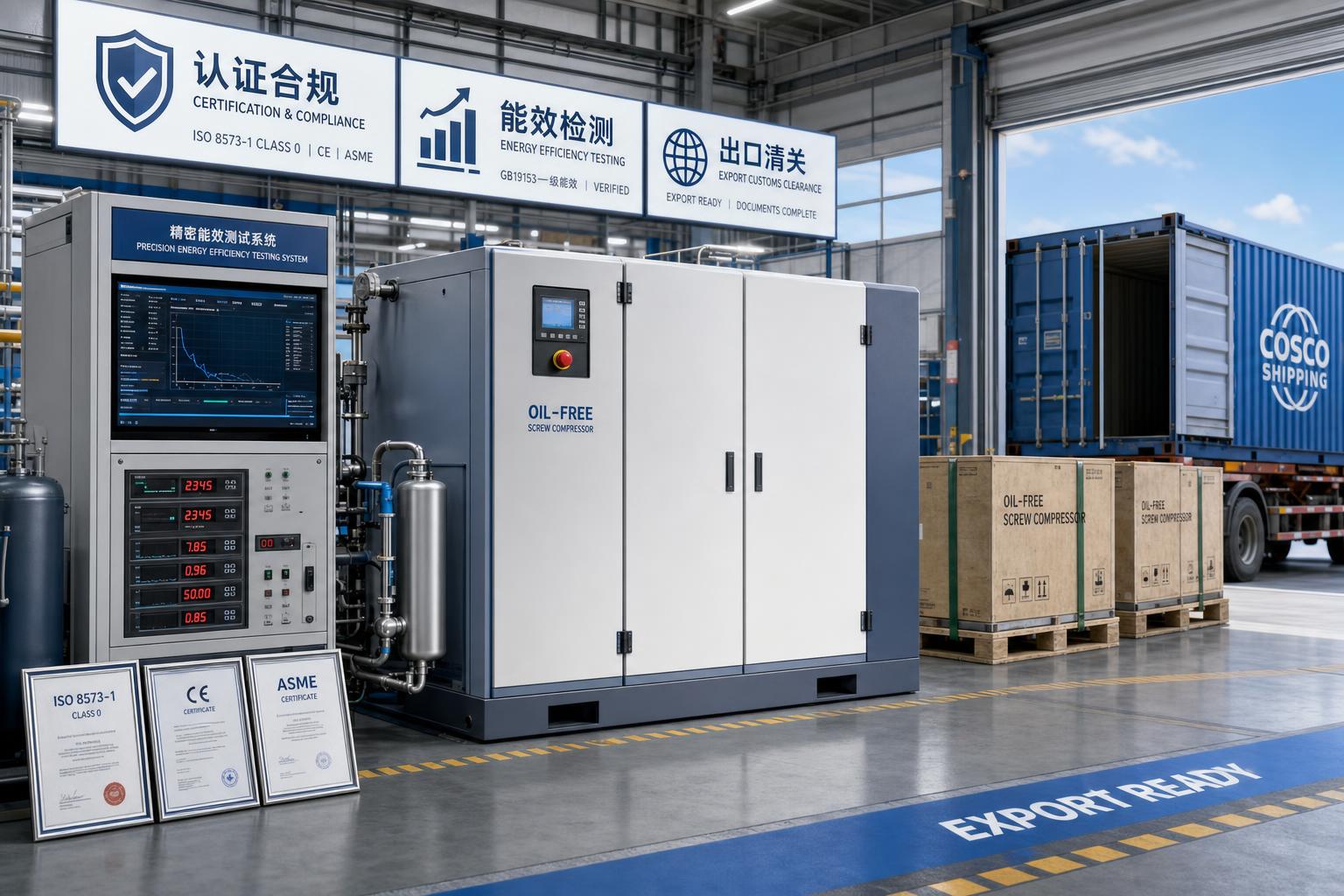
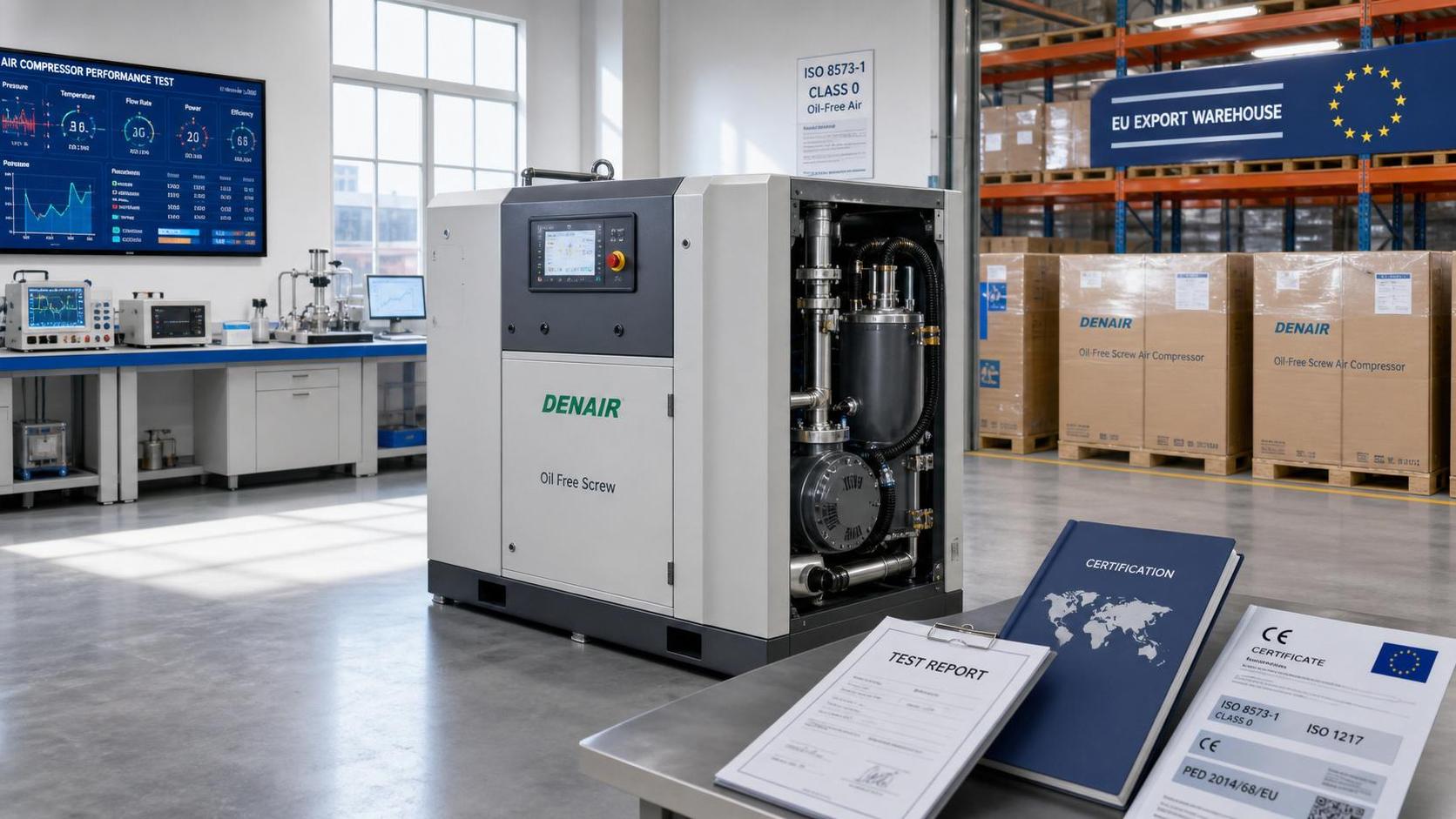
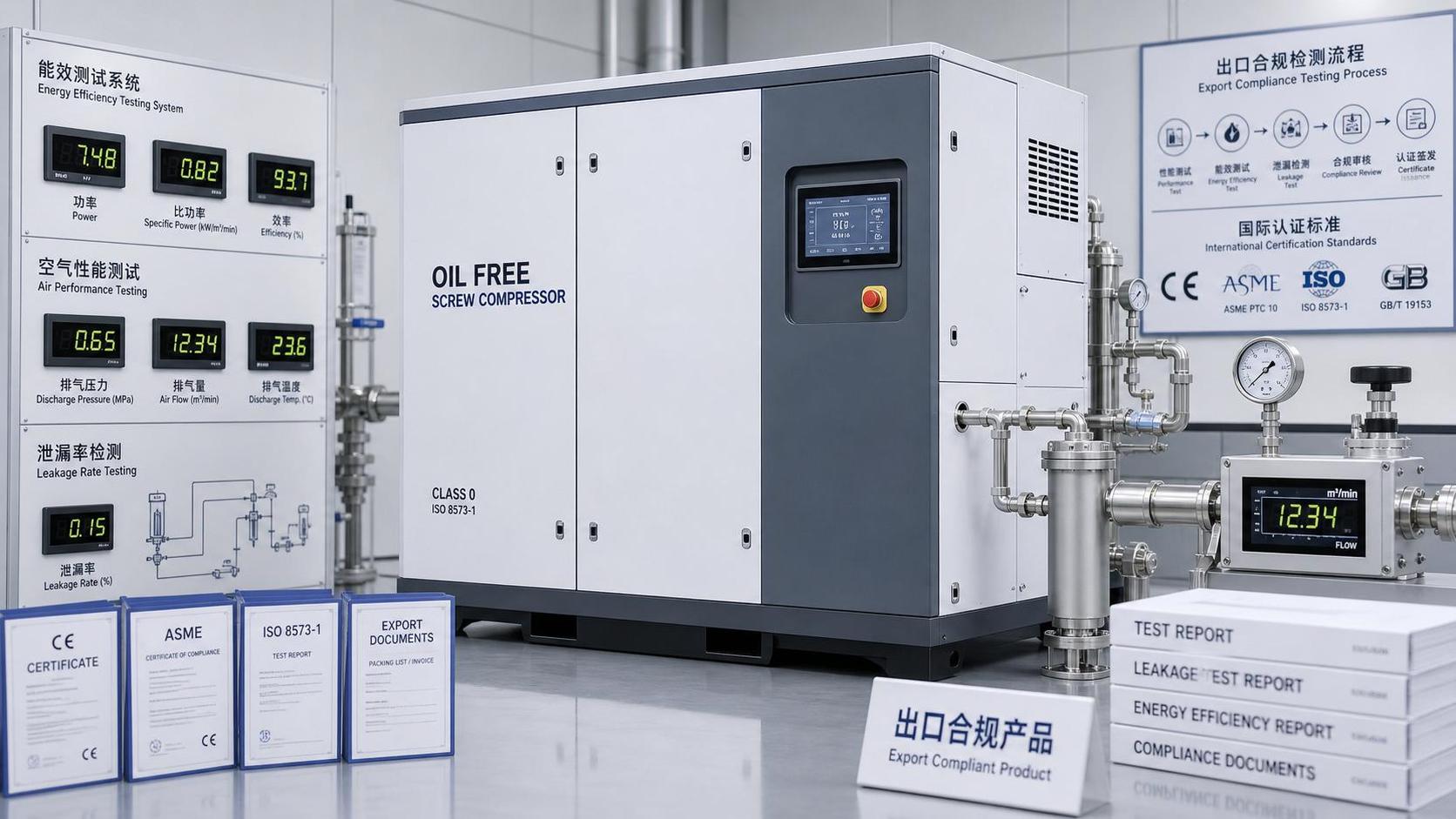
What deserves closer attention is the readiness of supplier qualifications, product materials, transaction documents, and customer communication for discussions involving higher procurement standards. Where buyers are evaluating oil-free solutions for purity-sensitive sectors, delays often begin with incomplete technical or commercial alignment rather than with headline demand alone.
Why This Looks More Like a Standards Signal Than a One-off Event Update
Observably, the addition of a dedicated Oil-free Systems zone can be read as more than a scheduling or floor-plan adjustment. The event focus suggests that oil-free compressed air is being discussed in closer connection with application-specific purchasing standards in Europe, especially in sectors where process purity is central. At the same time, it is more appropriate to understand this as a directional signal rather than a finished market outcome, because the confirmed information points to attention and inquiry momentum, not to finalized procurement results.
How This Update Should Be Read for Now
At this stage, the announcement is best understood as a meaningful market indicator for suppliers and buyers linked to high-purity oil-free compressed air solutions. It does not by itself confirm broader structural change across the full compressed air market, but it does suggest that application-driven procurement standards in Europe deserve closer monitoring. For industry participants, the practical takeaway is to watch how this exhibition focus translates into inquiry structure, buyer requirements, and follow-through in export business.
Basis of This Article and What Still Needs Verification
This article is based on the user-provided news title, event date, and event summary. For this type of industry update, commonly relevant source categories may include official event announcements, company statements, industry association updates, authoritative media coverage, and standards-related documents. A specific official source link was not provided in the input, so the exact source document still requires ongoing verification. Further observation should focus on any subsequent official wording, changes in buyer requirements tied to the new exhibition zone, and whether the reported inquiry increase translates into concrete business execution.
Ready when you are. Send us a message to get started.
Related News
- How to verify food-grade purity in compressed air systemsAuthor :Pneumatic Power Engineer

- What determines the price of pure air compression systems?Author :Pneumatic Power Engineer

- How to size oil-free compressors for instrumentation air demandAuthor :Pneumatic Power Engineer

- How Class 0 oil-free compressors protect product quality in food productionAuthor :Pneumatic Power Engineer

- How to verify compressed air cleanroom standards before installationAuthor :Pneumatic Power Engineer

- When oil free vacuum pumps make sense for European cleanroom projectsAuthor :Pneumatic Power Engineer

- When do pure air compression systems need ISO 8573-1 Class 0?Author :Pneumatic Power Engineer

- How do compressed air systems for electronics prevent contamination?Author :Pneumatic Power Engineer

- When does an oil-free process vacuum pump justify its higher cost?Author :Pneumatic Power Engineer

- Does ISO 9001 certification apply to compressed air quality?Author :Pneumatic Power Engineer

- How to Specify Clean Compressed Air Systems in Southeast Asia for Food and Pharma PlantsAuthor :Pneumatic Power Engineer

- How to Compare Oil Free Vacuum Pumps for Clean Process RequirementsAuthor :Pneumatic Power Engineer

- How to Evaluate a Clean Compressed Air Systems Supplier for ISO 8573-1 ComplianceAuthor :Pneumatic Power Engineer

- How to Choose the Right Oil-Free Vacuum PumpAuthor :Pneumatic Power Engineer

- VDI 2083 Update Makes Class 0 Proof MandatoryAuthor :Pneumatic Power Engineer

- When to Use Oil Free Vacuum Pumps for High Purity LinesAuthor :Pneumatic Power Engineer

- Compressed Air Solutions: When Oil-Free Systems Lower Total Operating CostAuthor :Pneumatic Power Engineer

- ATMOsphere Europe 2026 Adds Oil-free Systems ZoneAuthor :Pneumatic Power Engineer

- Oil-Free Compressors: Key Selection Criteria for Clean Air SystemsAuthor :Pneumatic Power Engineer

- How to Compare Oil Free Centrifugal Compressors for Stable Plant Air SupplyAuthor :Pneumatic Power Engineer

- Compressed Air Class 0 vs Oil-Free: What Really MattersAuthor :Pneumatic Power Engineer

- Oil-Free Compression Class 0: What the Standard Really Means in ProductionAuthor :Pneumatic Power Engineer

- Air Compression Cost Comparison: Oil-Free vs Screw Systems in Daily OperationAuthor :Pneumatic Power Engineer

- Saudi SASO Tightens IEC 63349-2 for Oil-Free CompressorsAuthor :Pneumatic Power Engineer

- Saudi SASO Tightens Oil-Free Compressor Efficiency RulesAuthor :Pneumatic Power Engineer

- Pure Air Compression Systems for Clean Production LinesAuthor :Pneumatic Power Engineer

- IEC 63349-2:2026 makes energy certification mandatoryAuthor :Pneumatic Power Engineer

- IEC 63349-2:2026 Sets New Entry Rules for Oil-Free Screw CompressorsAuthor :Pneumatic Power Engineer

- IEC 63349-2:2026 Takes Effect for Oil-Free Screw CompressorsAuthor :Pneumatic Power Engineer

- IEC 63349-2:2026 Sets New Efficiency Gate for Oil-Free Screw CompressorsAuthor :Pneumatic Power Engineer

- IEC 63349-2:2026 Takes Effect for Oil-Free Screw CompressorsAuthor :Pneumatic Power Engineer

- SABIC Methanol Force Majeure Extended, Tightening R134a/R407C FeedstocksAuthor :Pneumatic Power Engineer

- How to Evaluate Pneumatic Power Systems for Stable OutputAuthor :Pneumatic Power Engineer

- Oil-Free Compression vs Lubricated Systems: Key Trade-OffsAuthor :Pneumatic Power Engineer
![]()
- Oil-Free Compression: 2026 Cost and Compliance Trade-OffsAuthor :Pneumatic Power Engineer

- Oil-Free Compression: Cost and Contamination RisksAuthor :Pneumatic Power Engineer
![]()