Germany/France May PMI Decline; Oil-free Systems EU Projects Delayed




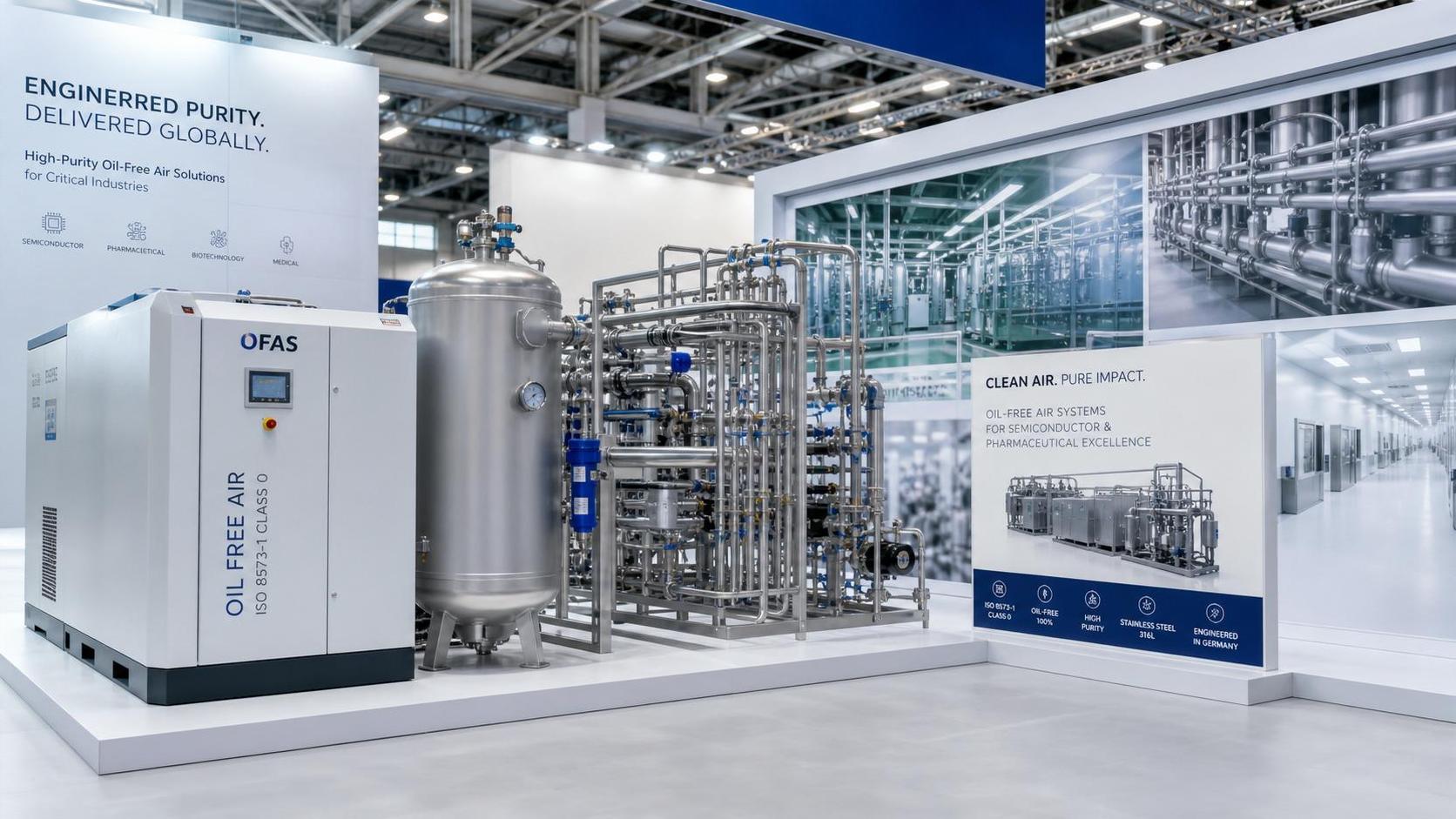
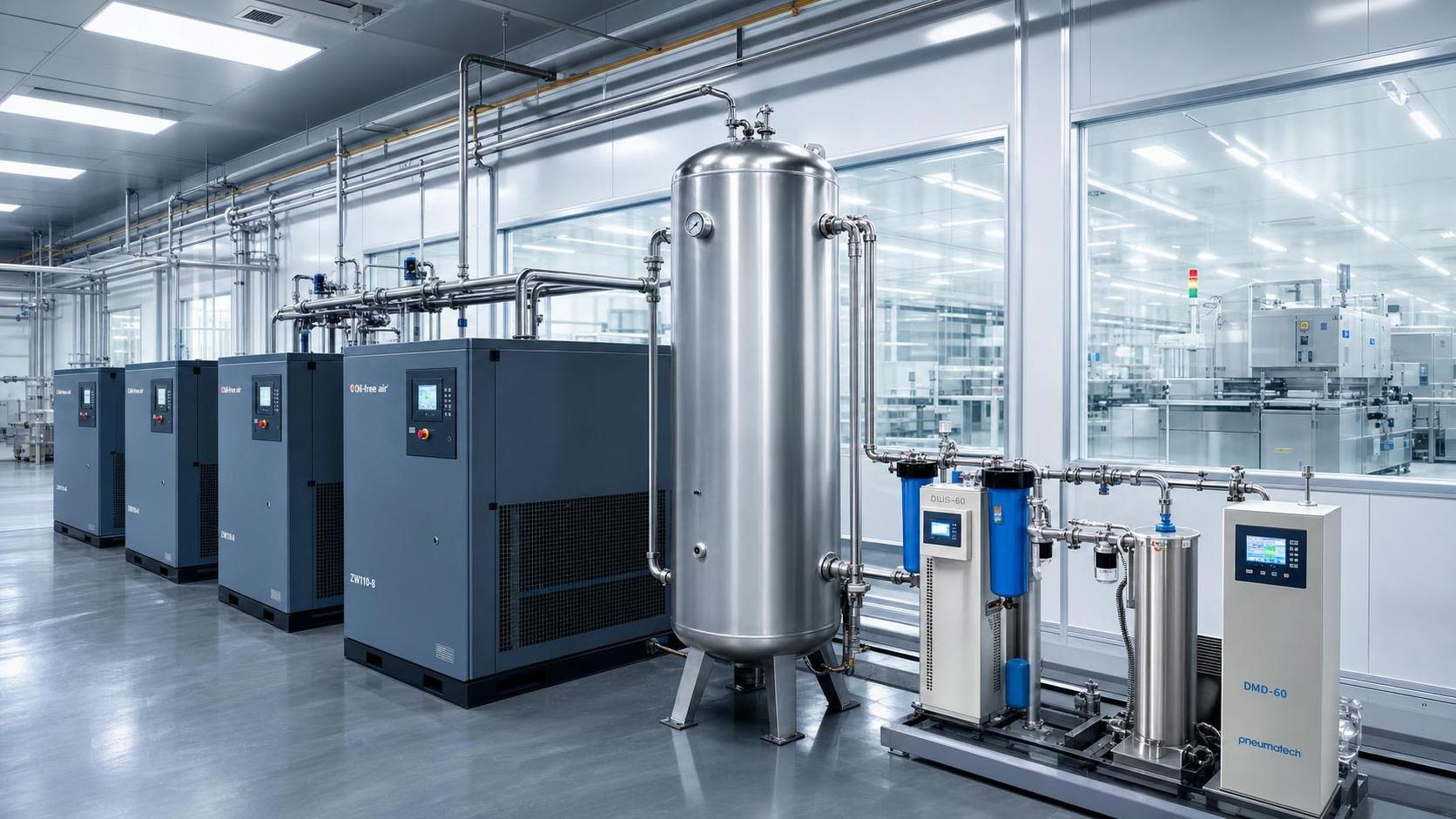
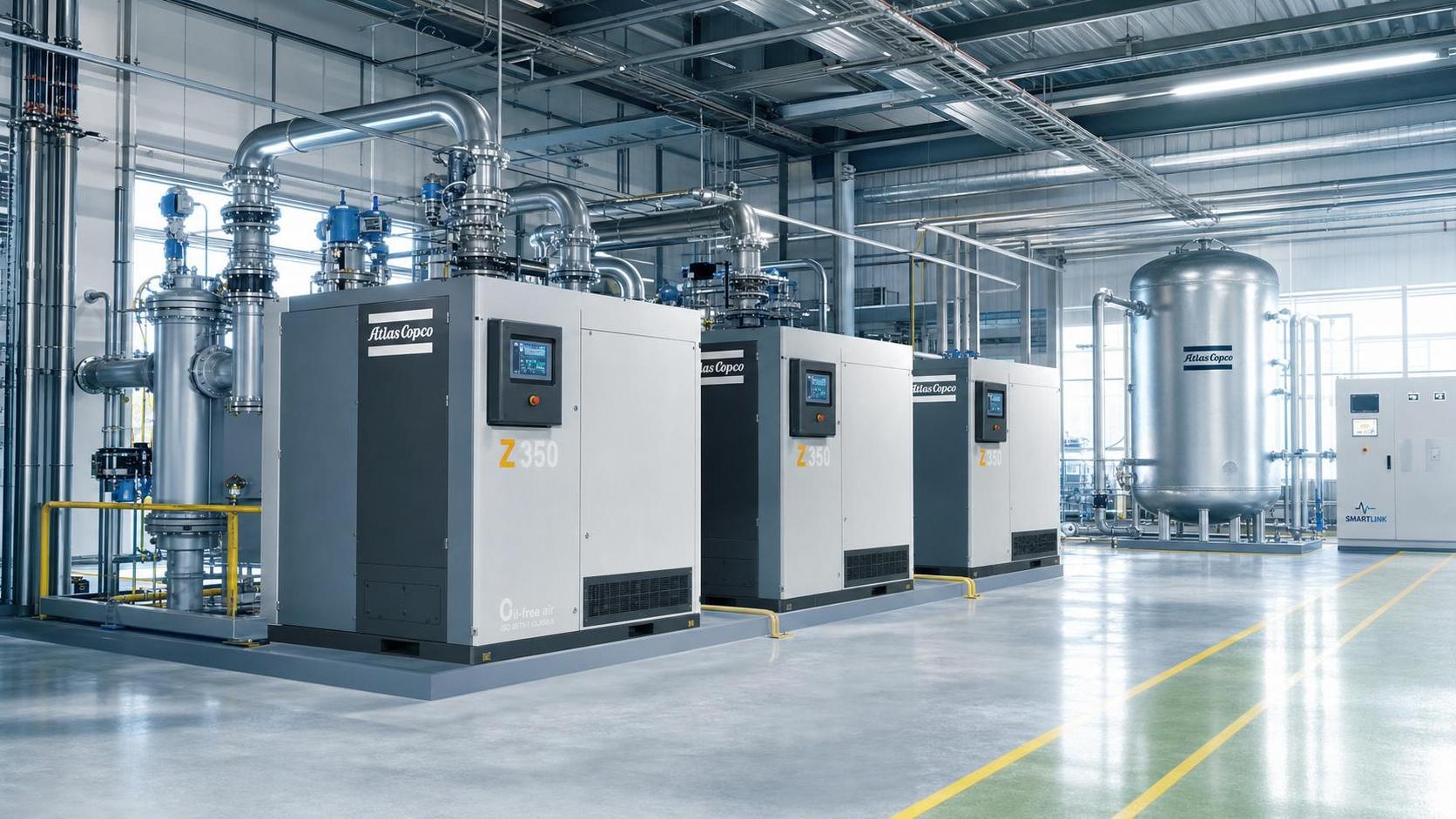
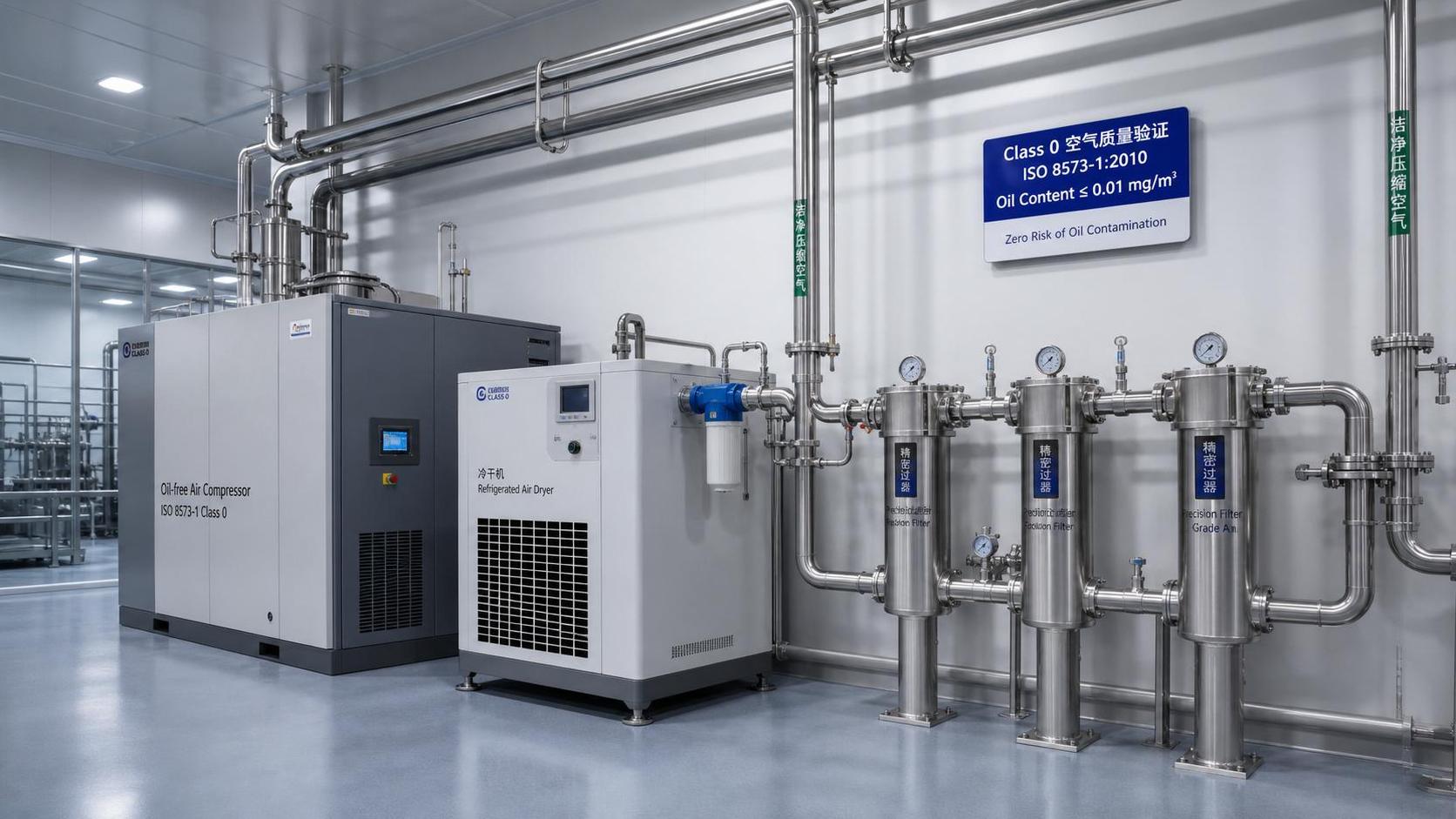
On May 22, 2026, preliminary May PMI data for Germany and France showed broad-based deterioration — with German manufacturing PMI at 49.9 and French services PMI at 42.9 — both below consensus expectations. This signals mounting demand pressure across the Eurozone and has triggered delays in planned procurement for oil-free compressed air systems used in food and pharmaceutical cleanroom applications. Companies engaged in high-precision industrial gas supply, European EPC contracting, and cross-border capital equipment trade should monitor implications for order timing, capacity planning, and working capital terms.
Event Overview
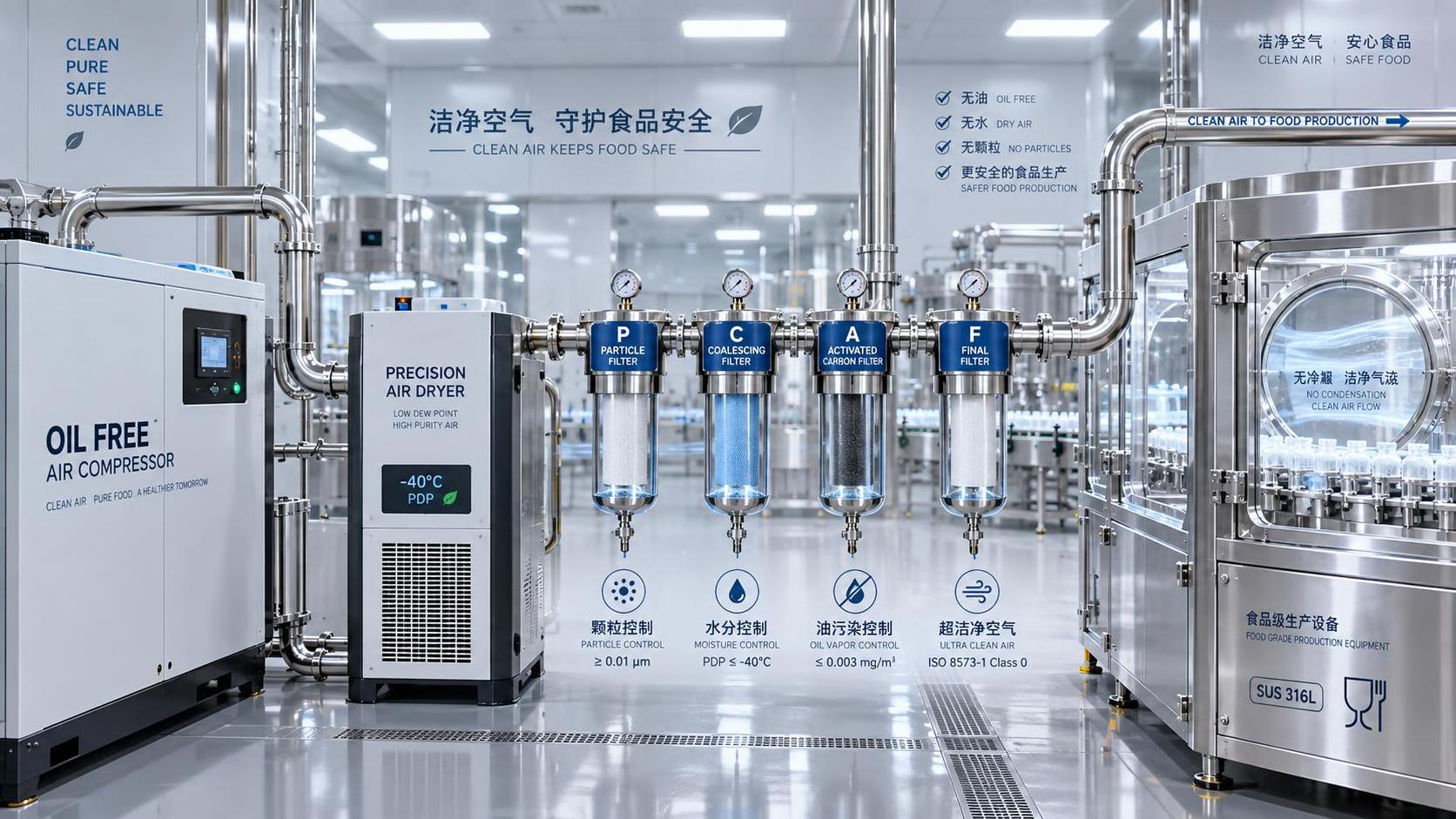
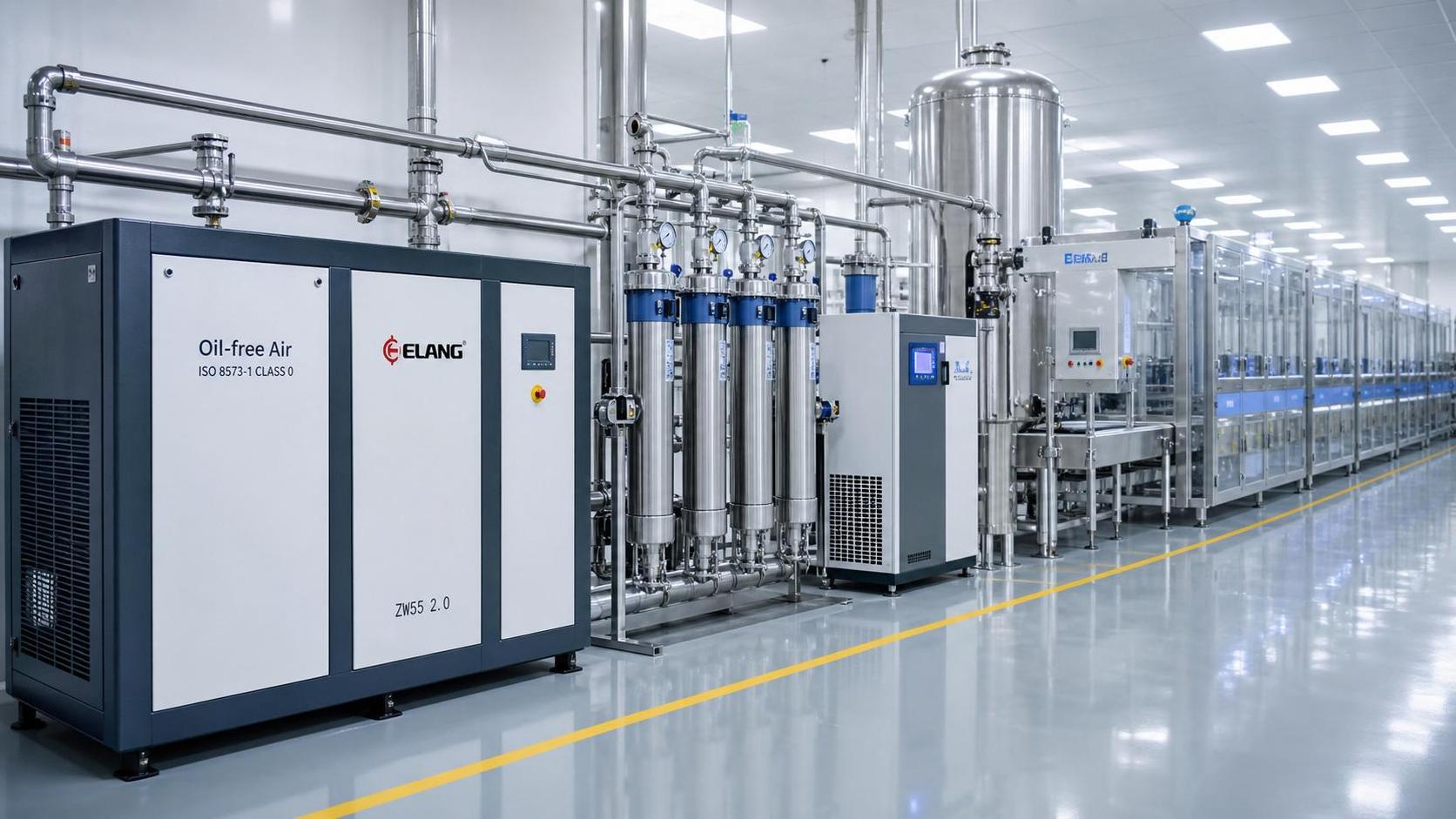
On May 22, 2026, S&P Global released preliminary Purchasing Managers’ Index (PMI) figures for Germany and France. The German manufacturing PMI stood at 49.9, while the French services PMI fell to 42.9 — both below market expectations. Concurrently, multiple European engineering, procurement, and construction (EPC) contractors notified Chinese suppliers of oil-free compression systems that previously scheduled Q3 2026 project launches for food and pharmaceutical clean air stations would be postponed to Q4 2026. Suppliers are requested to revise production schedules and renegotiate payment terms accordingly.
Industries Affected
Direct Exporters of Oil-free Compression Systems
These manufacturers face revised delivery timelines and potential cash flow adjustments due to delayed project starts. Impact manifests as deferred revenue recognition, recalibrated quarterly output targets, and increased need for contract clause reviews — especially around milestone payments and force majeure provisions tied to macroeconomic conditions.
European Engineering, Procurement & Construction (EPC) Contractors
EPC firms managing cleanroom infrastructure projects in regulated sectors are adjusting procurement cadence and budget phasing. The delay reflects cautious capex execution amid weakening forward-looking indicators, affecting subcontractor coordination, site mobilization planning, and financial reporting for ongoing portfolios.
Supply Chain Service Providers (Logistics, Customs, Technical Support)
Third-party logistics operators, certification support providers, and after-sales technical teams may experience reduced near-term activity in Q3 shipments and commissioning support requests. Workload shifts toward documentation updates, revised compliance verification timelines, and contingency planning for Q4 ramp-up become priorities.
What Relevant Enterprises or Practitioners Should Monitor and Do
Track official revisions to Eurozone growth forecasts and monetary policy signals
Analysis shows that PMI softness aligns with recent downward revisions to H2 2026 GDP projections by the European Central Bank and OECD. Stakeholders should monitor upcoming ECB meeting summaries and national statistical office releases for confirmation of demand weakness — not just as sentiment indicators but as inputs to credit risk assessment and contract pricing.
Review Q3–Q4 order pipeline by end-use sector and geography
Observably, the delay is isolated to food/pharma clean air projects under European EPC contracts — not broader industrial compressor orders. Firms should segment backlog analysis by application (e.g., sterile processing vs. general manufacturing), client type (EPC vs. end-user direct), and region (EU vs. non-EU) to avoid overgeneralizing impact.
Update internal capacity planning and payment term negotiations proactively
From an operational standpoint, suppliers receiving postponement notices should formally confirm revised delivery windows in writing, reassess raw material procurement lead times against new milestones, and initiate discussions on extended payment terms — particularly where advance payments were structured around original Q3 launch dates.
Editorial Perspective / Industry Observation
This development is better understood as a near-term signal of capex caution rather than a structural downturn. Analysis shows PMI readings remain close to the 50.0 inflection point — suggesting contraction is marginal and potentially reversible if energy costs stabilize and regulatory approvals accelerate in key pharma markets. However, the fact that multiple EPC firms aligned on a synchronized delay indicates coordinated risk mitigation, not isolated decision-making. The episode underscores how macroeconomic indicators increasingly translate into tangible procurement decisions within highly regulated, capital-intensive subsegments of industrial automation.
Conclusion
The May 2026 PMI decline and associated project postponements reflect tightening near-term demand conditions in select Eurozone industrial segments — particularly those requiring certified, oil-free compressed air infrastructure. It does not indicate broad-based weakness across all compressor applications or geographies. Rather, it highlights the sensitivity of regulated-sector capex to macroeconomic sentiment and the growing importance of scenario-based capacity and cash flow planning for exporters serving European EPC-driven markets.
Source Attribution
Main source: S&P Global PMI data release, May 22, 2026. Additional context drawn from verified supplier notifications circulated among industry procurement networks. Ongoing monitoring is advised for Q3 national industrial production data (Eurostat, Destatis, INSEE) and any formal guidance issued by major European EPC contractors regarding revised project calendars.
Ready when you are. Send us a message to get started.
Related News
- How to verify food-grade purity in compressed air systemsAuthor :Pneumatic Power Engineer

- What determines the price of pure air compression systems?Author :Pneumatic Power Engineer

- How to size oil-free compressors for instrumentation air demandAuthor :Pneumatic Power Engineer

- How Class 0 oil-free compressors protect product quality in food productionAuthor :Pneumatic Power Engineer

- How to verify compressed air cleanroom standards before installationAuthor :Pneumatic Power Engineer

- When oil free vacuum pumps make sense for European cleanroom projectsAuthor :Pneumatic Power Engineer

- When do pure air compression systems need ISO 8573-1 Class 0?Author :Pneumatic Power Engineer

- How do compressed air systems for electronics prevent contamination?Author :Pneumatic Power Engineer

- When does an oil-free process vacuum pump justify its higher cost?Author :Pneumatic Power Engineer

- Does ISO 9001 certification apply to compressed air quality?Author :Pneumatic Power Engineer

- How to Specify Clean Compressed Air Systems in Southeast Asia for Food and Pharma PlantsAuthor :Pneumatic Power Engineer

- How to Compare Oil Free Vacuum Pumps for Clean Process RequirementsAuthor :Pneumatic Power Engineer

- How to Evaluate a Clean Compressed Air Systems Supplier for ISO 8573-1 ComplianceAuthor :Pneumatic Power Engineer

- How to Choose the Right Oil-Free Vacuum PumpAuthor :Pneumatic Power Engineer

- VDI 2083 Update Makes Class 0 Proof MandatoryAuthor :Pneumatic Power Engineer

- When to Use Oil Free Vacuum Pumps for High Purity LinesAuthor :Pneumatic Power Engineer

- Compressed Air Solutions: When Oil-Free Systems Lower Total Operating CostAuthor :Pneumatic Power Engineer

- ATMOsphere Europe 2026 Adds Oil-free Systems ZoneAuthor :Pneumatic Power Engineer

- Oil-Free Compressors: Key Selection Criteria for Clean Air SystemsAuthor :Pneumatic Power Engineer

- How to Compare Oil Free Centrifugal Compressors for Stable Plant Air SupplyAuthor :Pneumatic Power Engineer

- Compressed Air Class 0 vs Oil-Free: What Really MattersAuthor :Pneumatic Power Engineer

- Oil-Free Compression Class 0: What the Standard Really Means in ProductionAuthor :Pneumatic Power Engineer

- Air Compression Cost Comparison: Oil-Free vs Screw Systems in Daily OperationAuthor :Pneumatic Power Engineer

- Saudi SASO Tightens IEC 63349-2 for Oil-Free CompressorsAuthor :Pneumatic Power Engineer

- Saudi SASO Tightens Oil-Free Compressor Efficiency RulesAuthor :Pneumatic Power Engineer

- Pure Air Compression Systems for Clean Production LinesAuthor :Pneumatic Power Engineer

- IEC 63349-2:2026 makes energy certification mandatoryAuthor :Pneumatic Power Engineer

- IEC 63349-2:2026 Sets New Entry Rules for Oil-Free Screw CompressorsAuthor :Pneumatic Power Engineer

- IEC 63349-2:2026 Takes Effect for Oil-Free Screw CompressorsAuthor :Pneumatic Power Engineer

- IEC 63349-2:2026 Sets New Efficiency Gate for Oil-Free Screw CompressorsAuthor :Pneumatic Power Engineer

- IEC 63349-2:2026 Takes Effect for Oil-Free Screw CompressorsAuthor :Pneumatic Power Engineer

- SABIC Methanol Force Majeure Extended, Tightening R134a/R407C FeedstocksAuthor :Pneumatic Power Engineer

- How to Evaluate Pneumatic Power Systems for Stable OutputAuthor :Pneumatic Power Engineer

- Oil-Free Compression vs Lubricated Systems: Key Trade-OffsAuthor :Pneumatic Power Engineer
![]()
- Oil-Free Compression: 2026 Cost and Compliance Trade-OffsAuthor :Pneumatic Power Engineer

- Oil-Free Compression: Cost and Contamination RisksAuthor :Pneumatic Power Engineer
![]()