How to Evaluate Pneumatic Power Systems for Stable Output




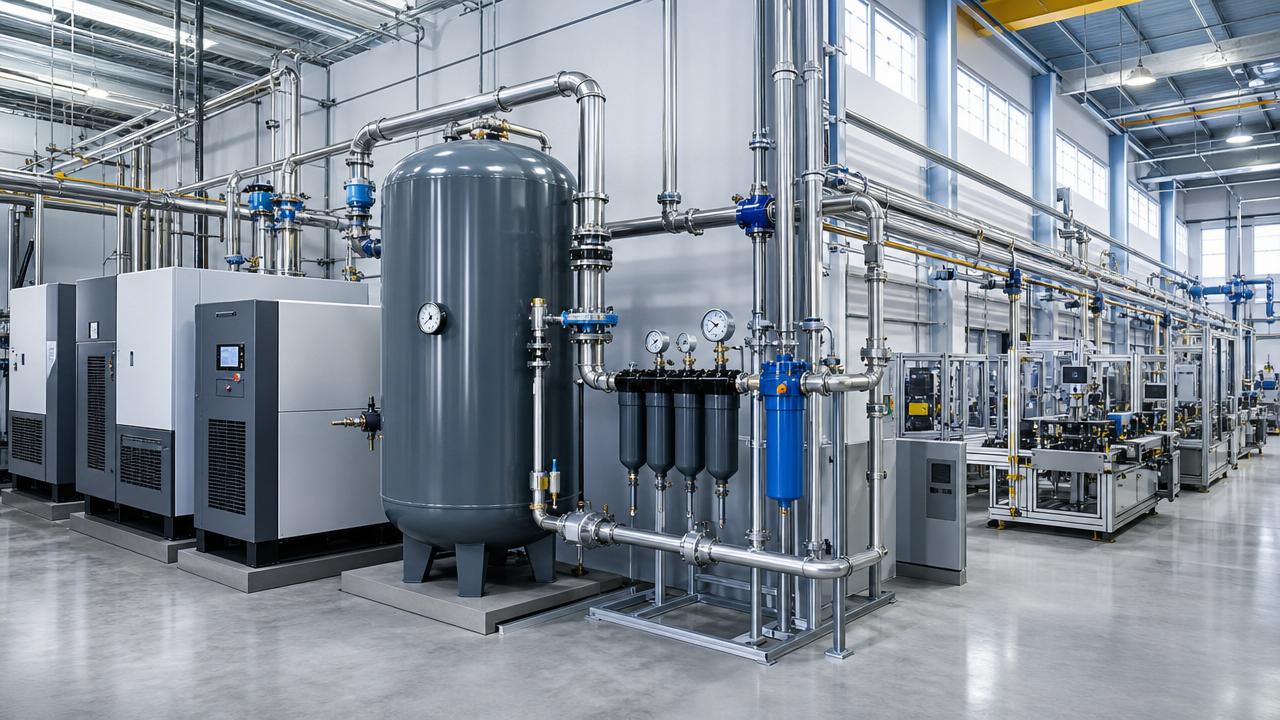
Stable output is the real test of pneumatic power systems. A system may look adequate on paper, yet still lose pressure, waste energy, or drift under changing loads. Sound evaluation connects compressor behavior, air treatment, controls, piping, and end-use demand into one operating picture. In sectors where uptime, cleanliness, and energy intensity matter, that broader view has become far more important than a simple nameplate review.
Why output stability now carries more weight
Across general industry, compressed air is often treated as a utility. In practice, it behaves more like a production input. When output fluctuates, quality, cycle time, and maintenance costs usually move with it.
That is why pneumatic power systems are receiving closer scrutiny in packaging, food processing, electronics, pharmaceuticals, and mixed manufacturing environments. Small instability in airflow or dew point can create outsized operational consequences.
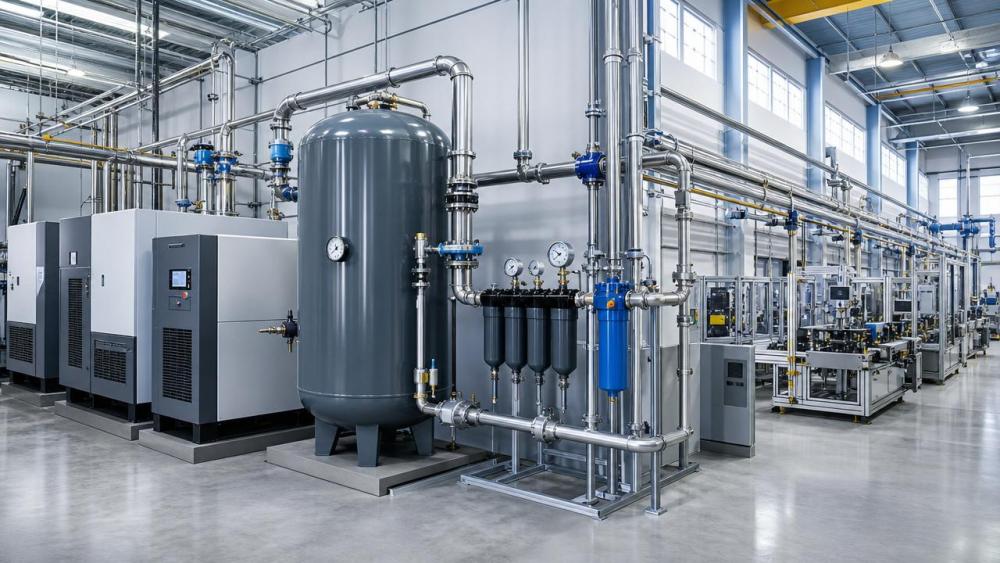
Market context also matters. Energy prices remain volatile, environmental policies are tightening, and cleaner production standards are spreading. These pressures reward systems that deliver reliable air with less loss, less contamination, and better control.
This wider perspective aligns with how GTC-Matrix reads industrial infrastructure: compression power and thermal performance are connected. Stable output is not only a pneumatic issue. It is also a question of energy conversion efficiency, process risk, and long-term competitiveness.
What should be evaluated beyond rated pressure
A useful review begins with one principle: stable output means the delivered air matches process demand over time, not just during ideal conditions. That definition is broader than pressure alone.
For pneumatic power systems, stable output usually depends on five linked dimensions: flow consistency, pressure control, air quality, load response, and energy behavior. Weakness in one area often disturbs the others.
Flow consistency and reserve capacity
Delivered flow should be assessed against actual demand curves, not average consumption alone. Intermittent tools, high-speed valves, and simultaneous process peaks can create short bursts that overwhelm undersized supply sections.
Reserve capacity is equally important. Too little reserve creates pressure sag. Too much reserve can push inefficient part-load operation, especially where compressor staging is poorly configured.
Pressure stability at the point of use
Header pressure may appear acceptable while remote machines suffer repeated drops. Evaluation should track pressure at critical use points, during startup, shift changes, and peak production windows.
Pressure bands that are too wide usually signal control mismatch, storage limitations, distribution losses, or leaks. These issues are common in aging pneumatic power systems and can remain hidden without trend data.
Air quality and condition
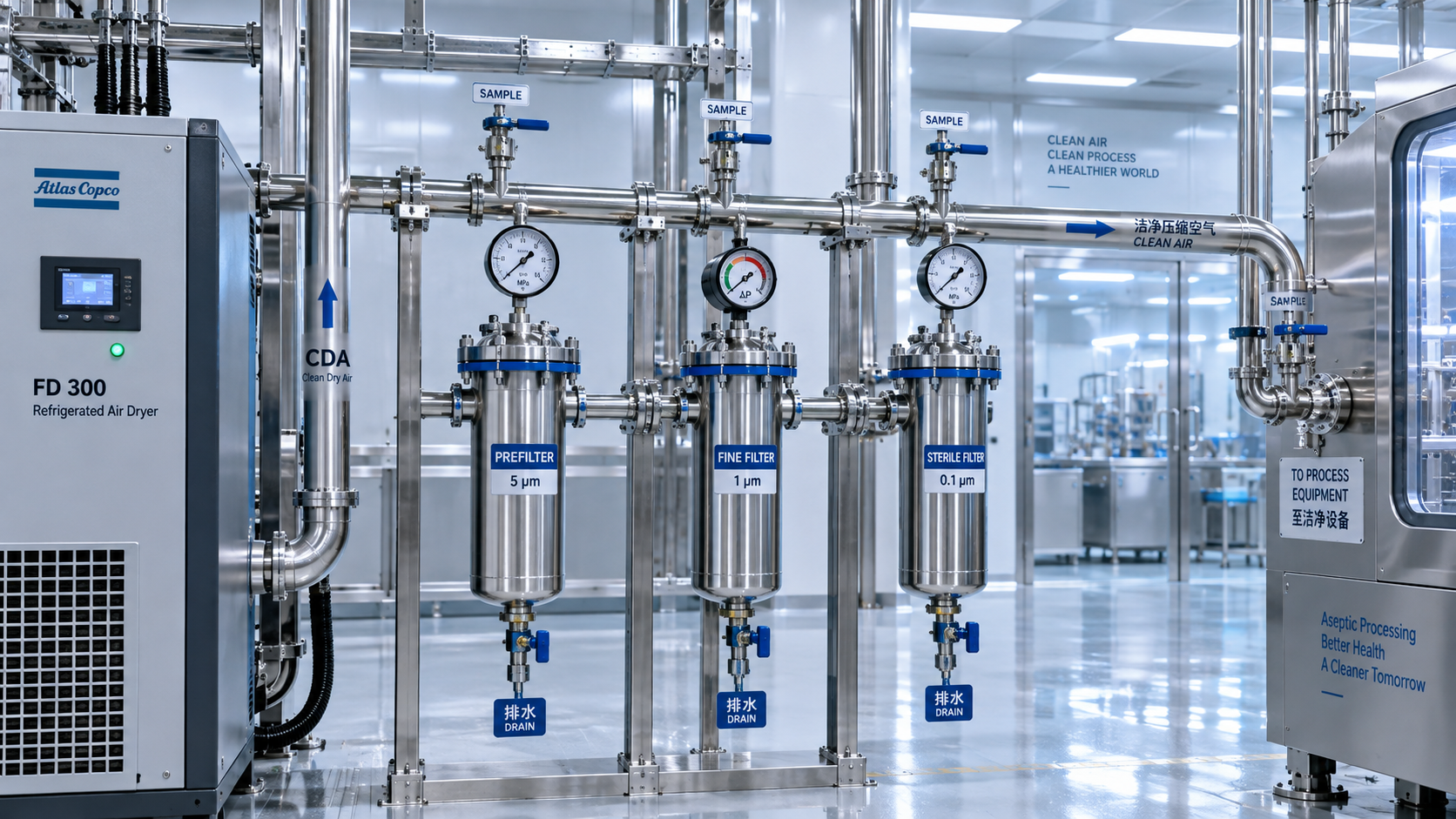
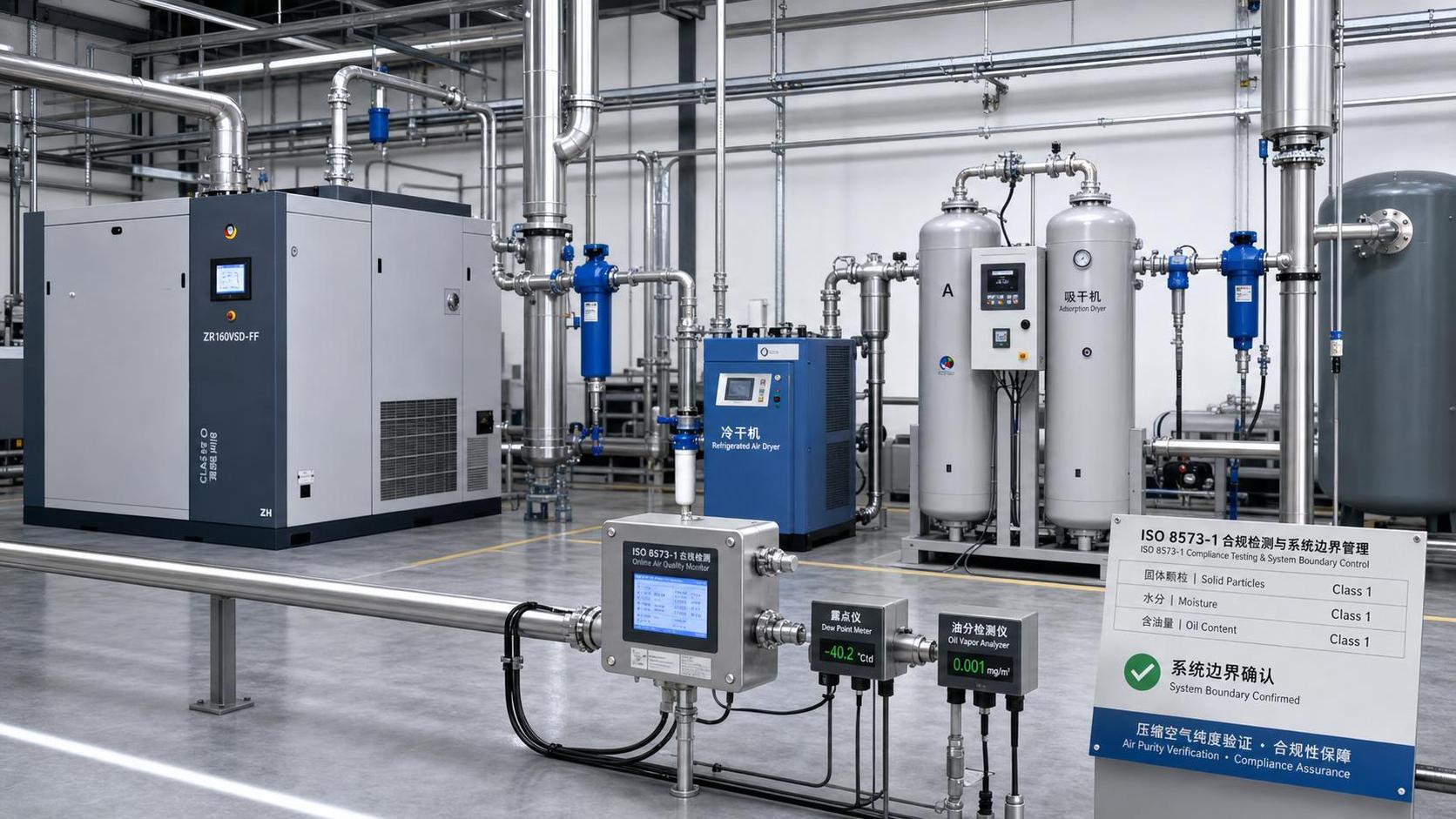
Stable output is not only about volume. Moisture, oil carryover, particulates, and temperature influence actuator reliability, product quality, and downstream cleanliness.
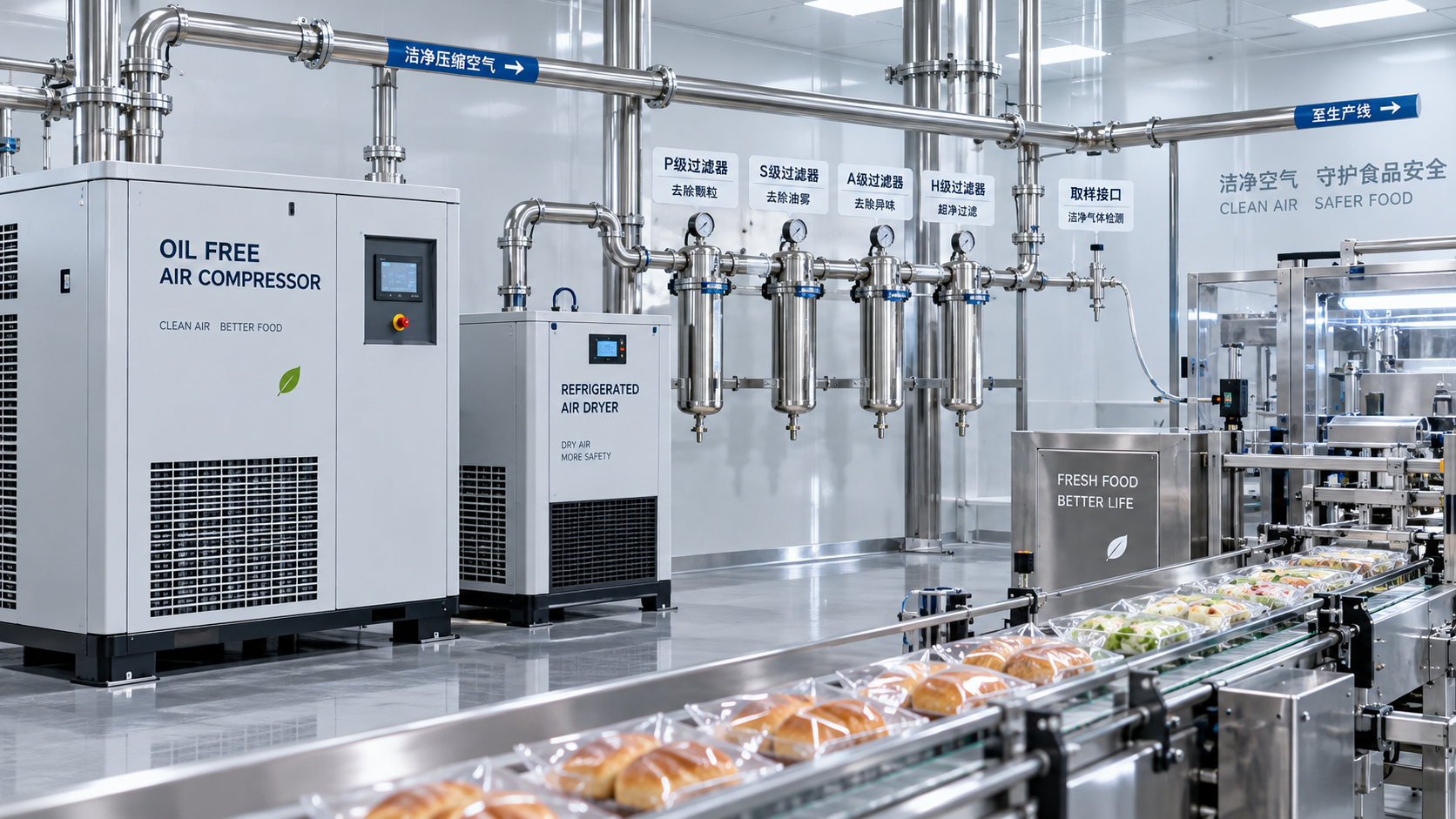
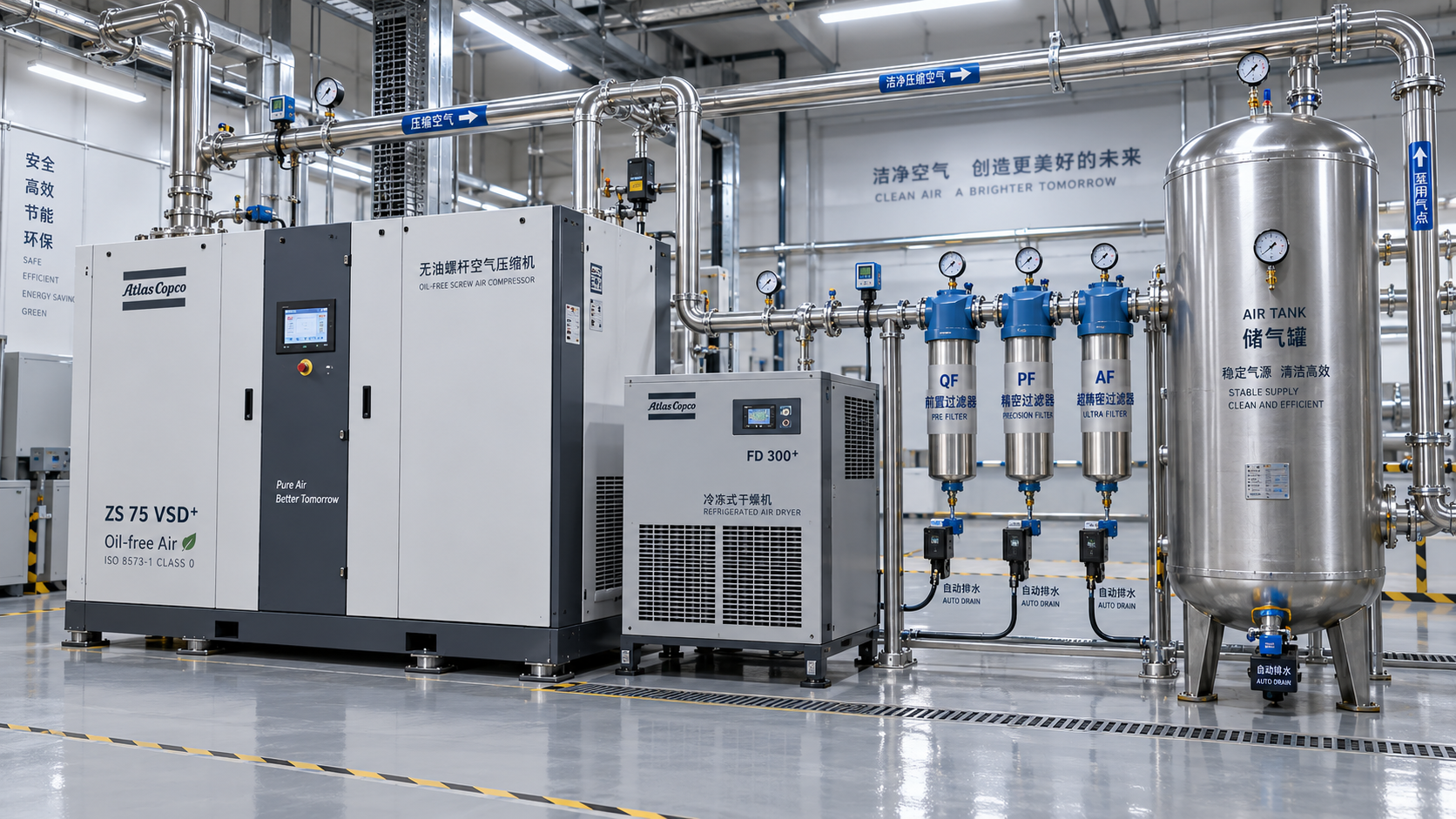
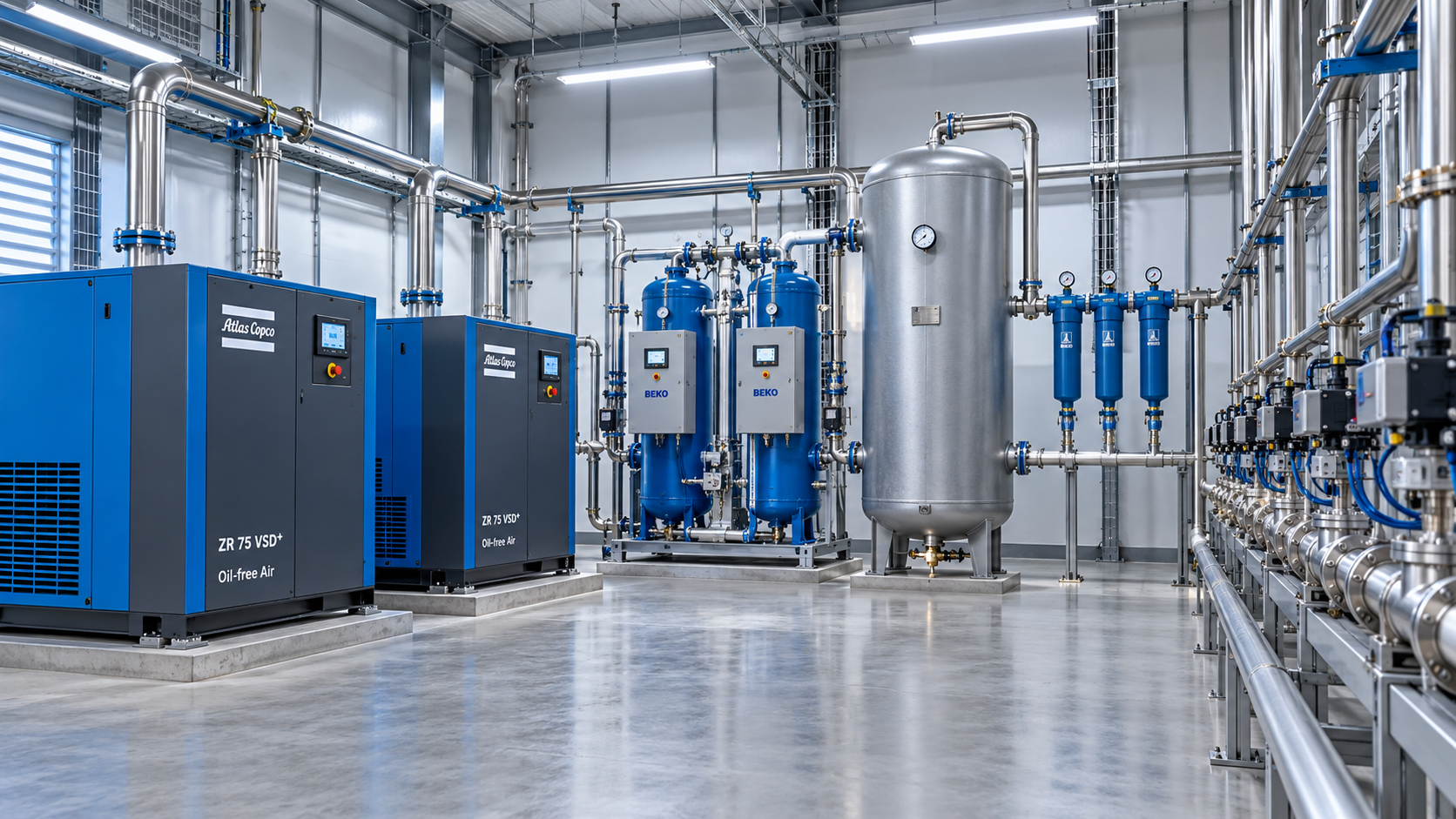
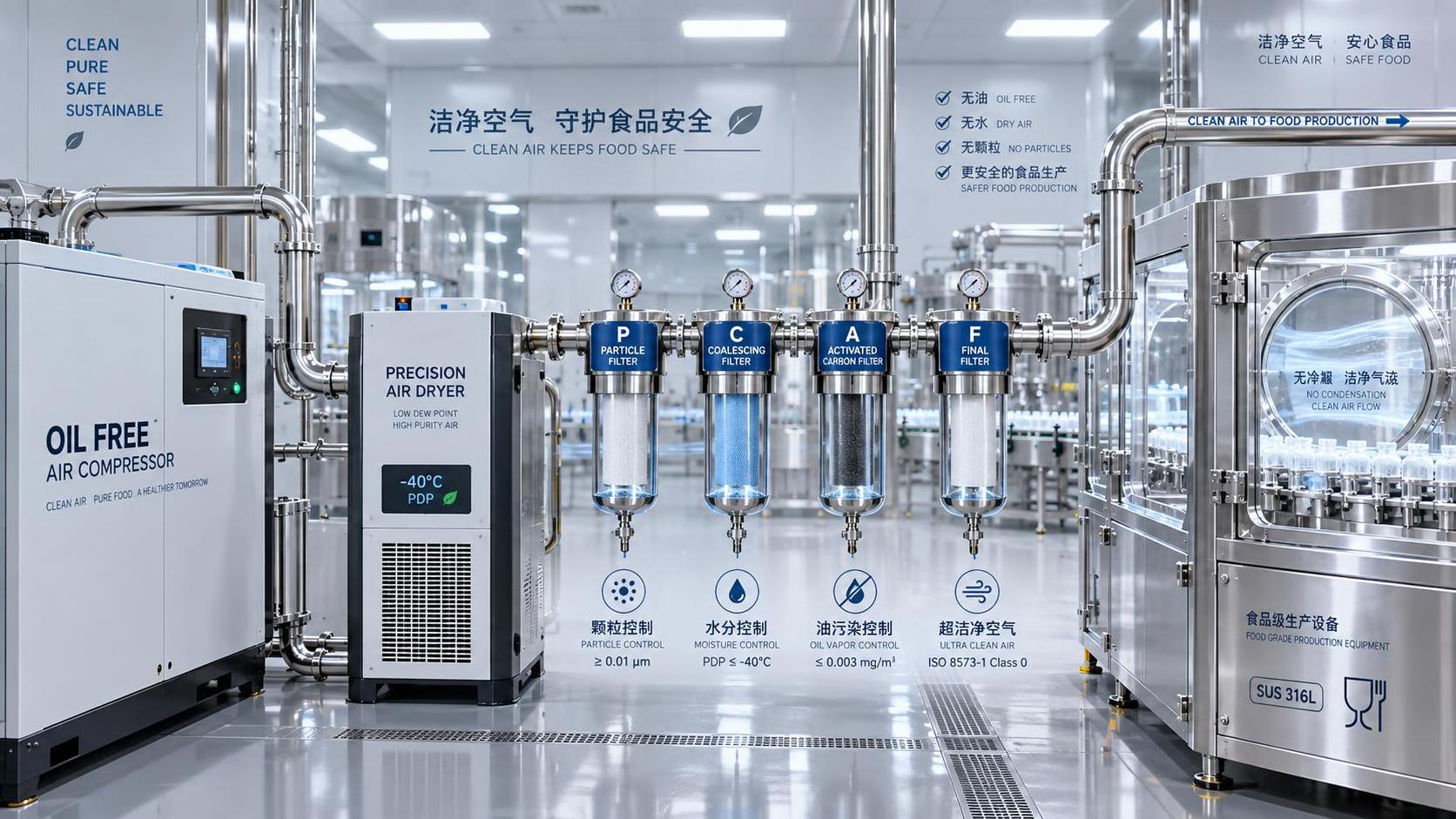
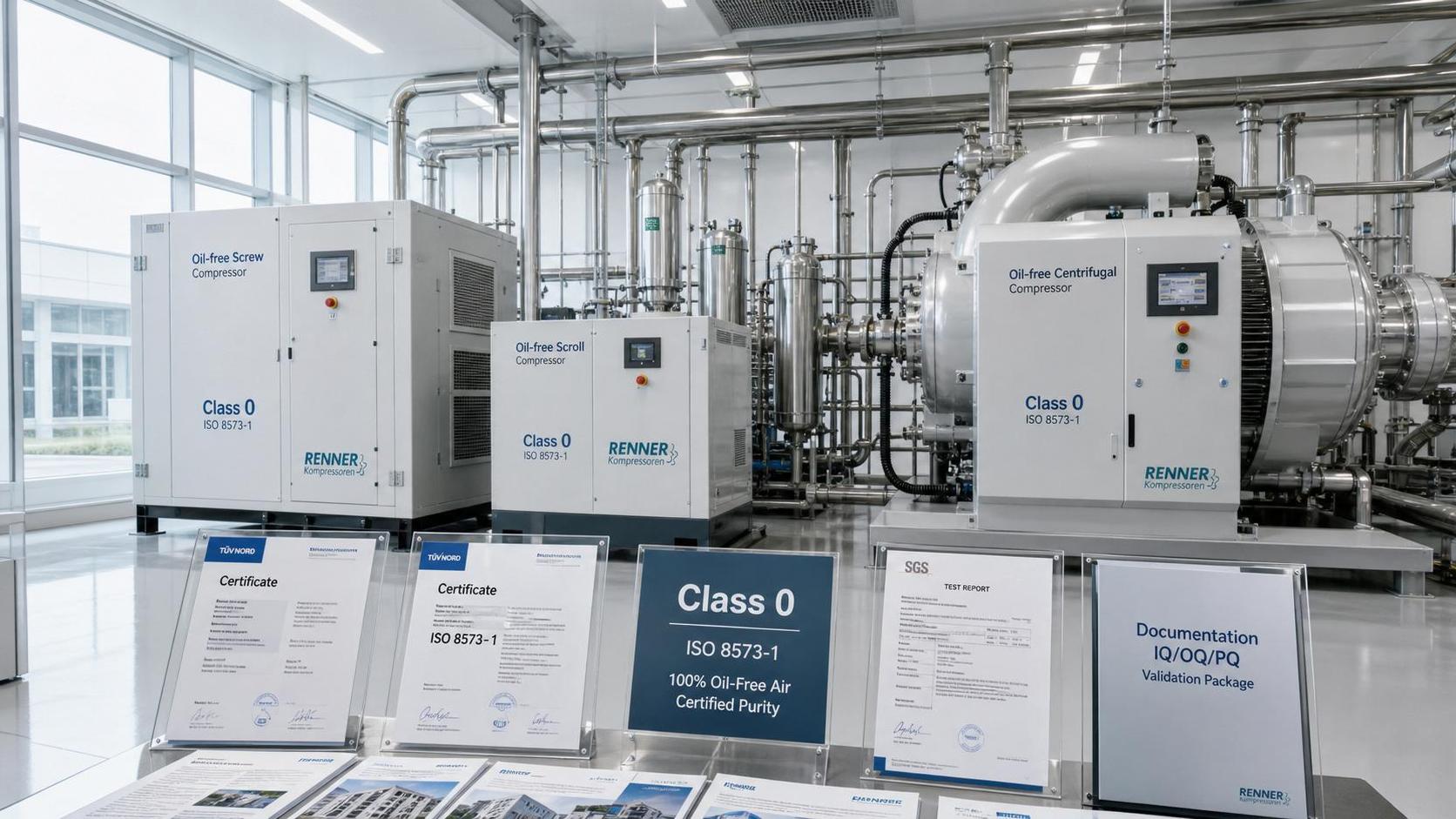
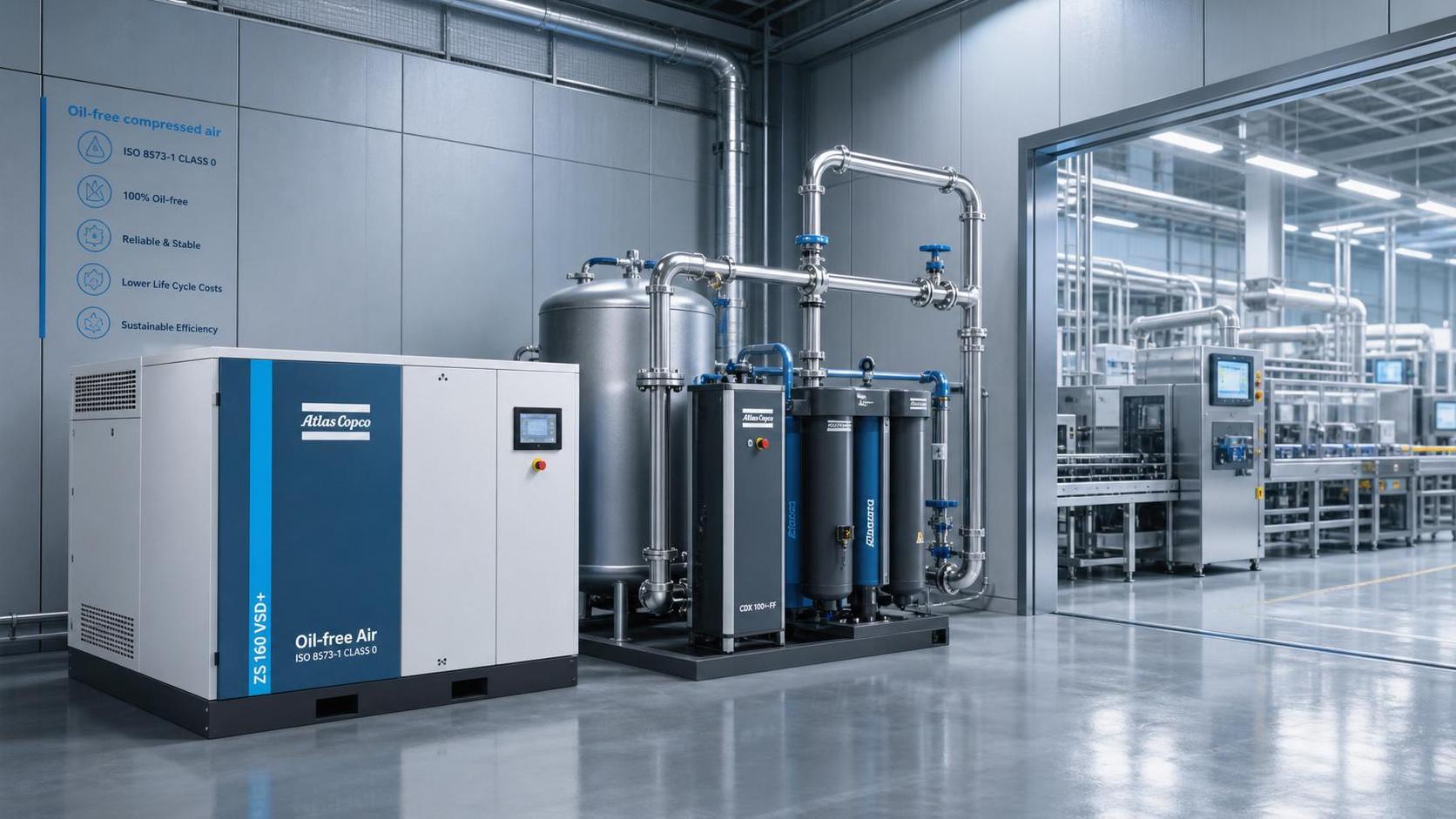
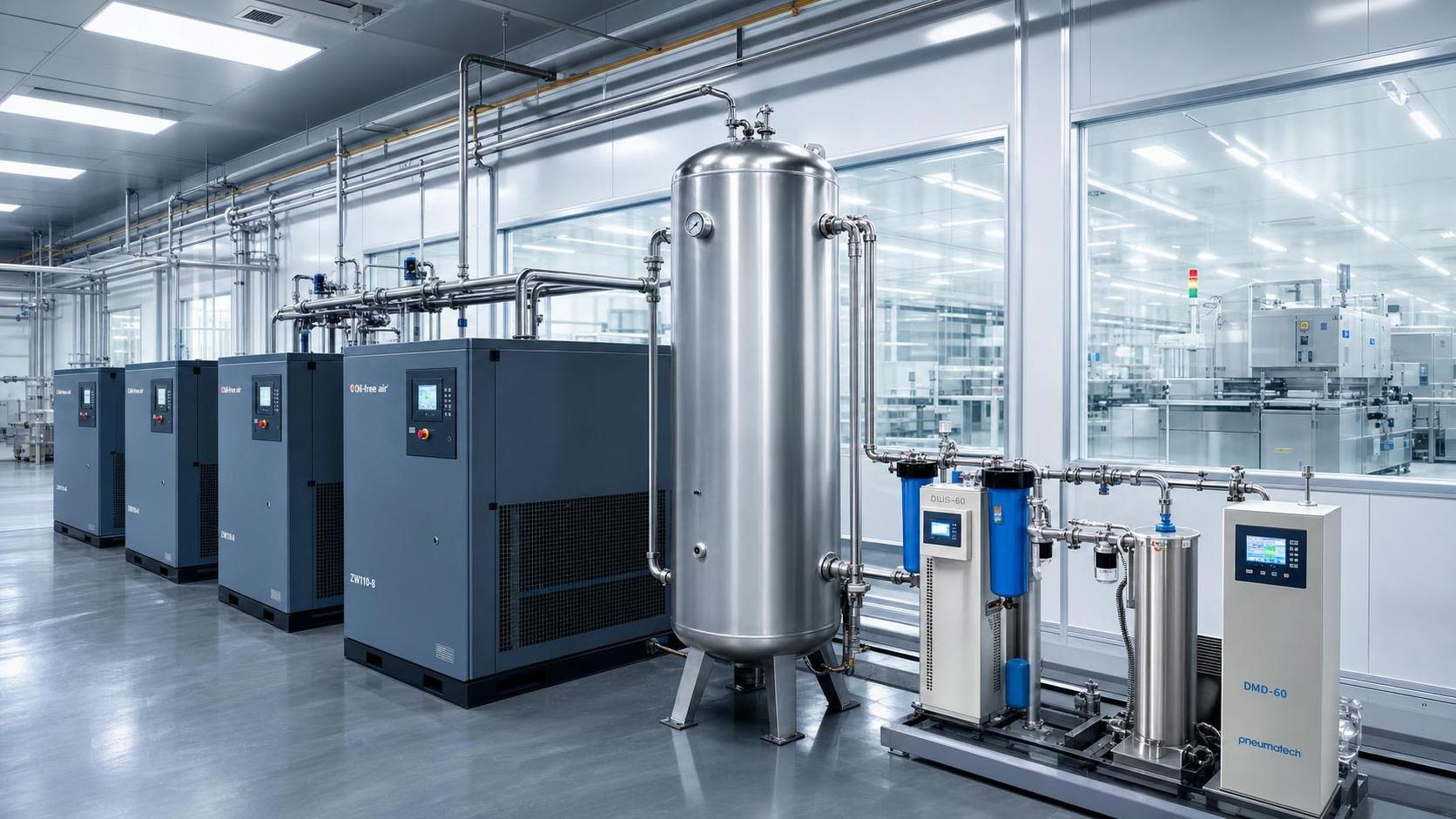
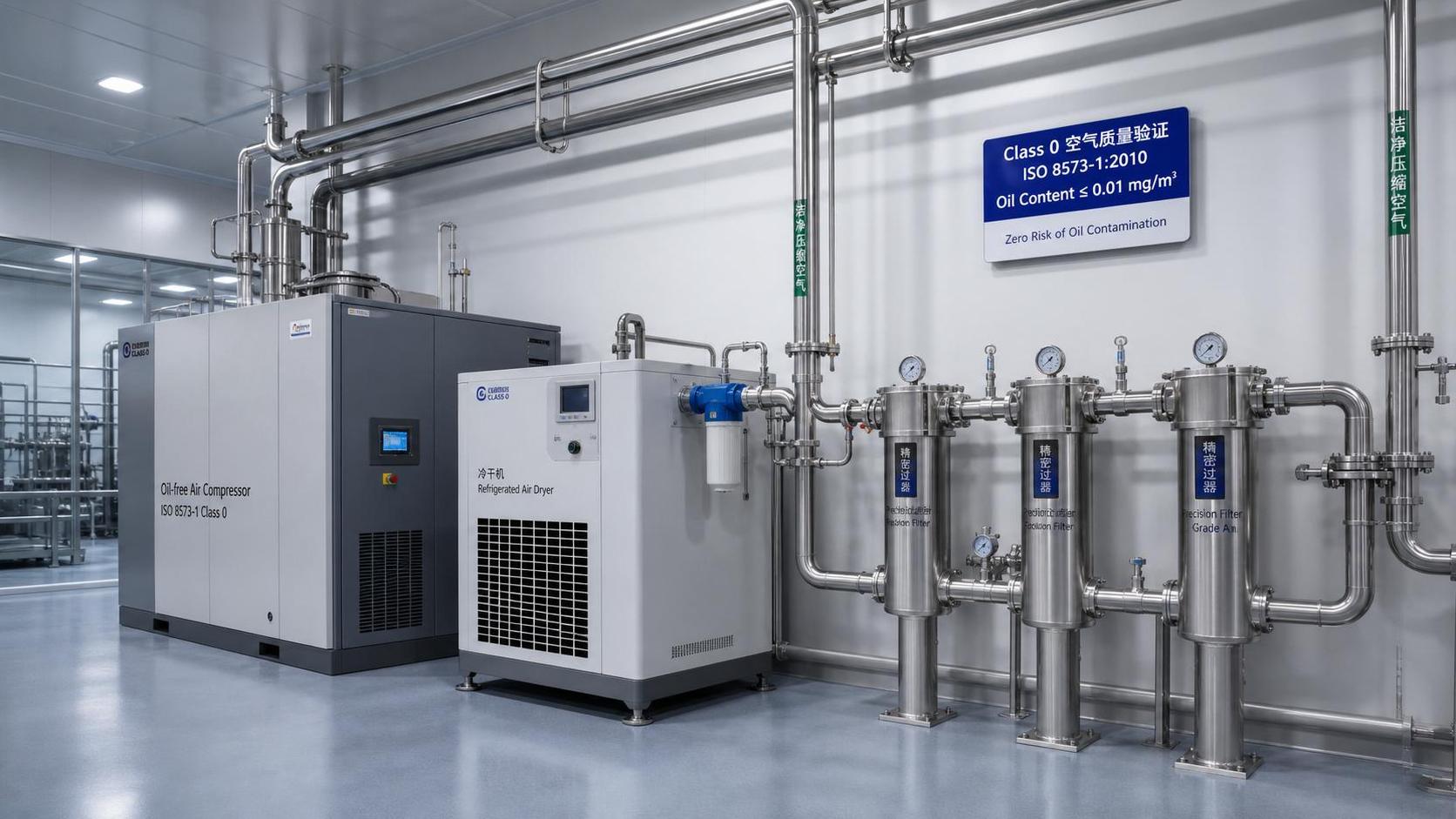
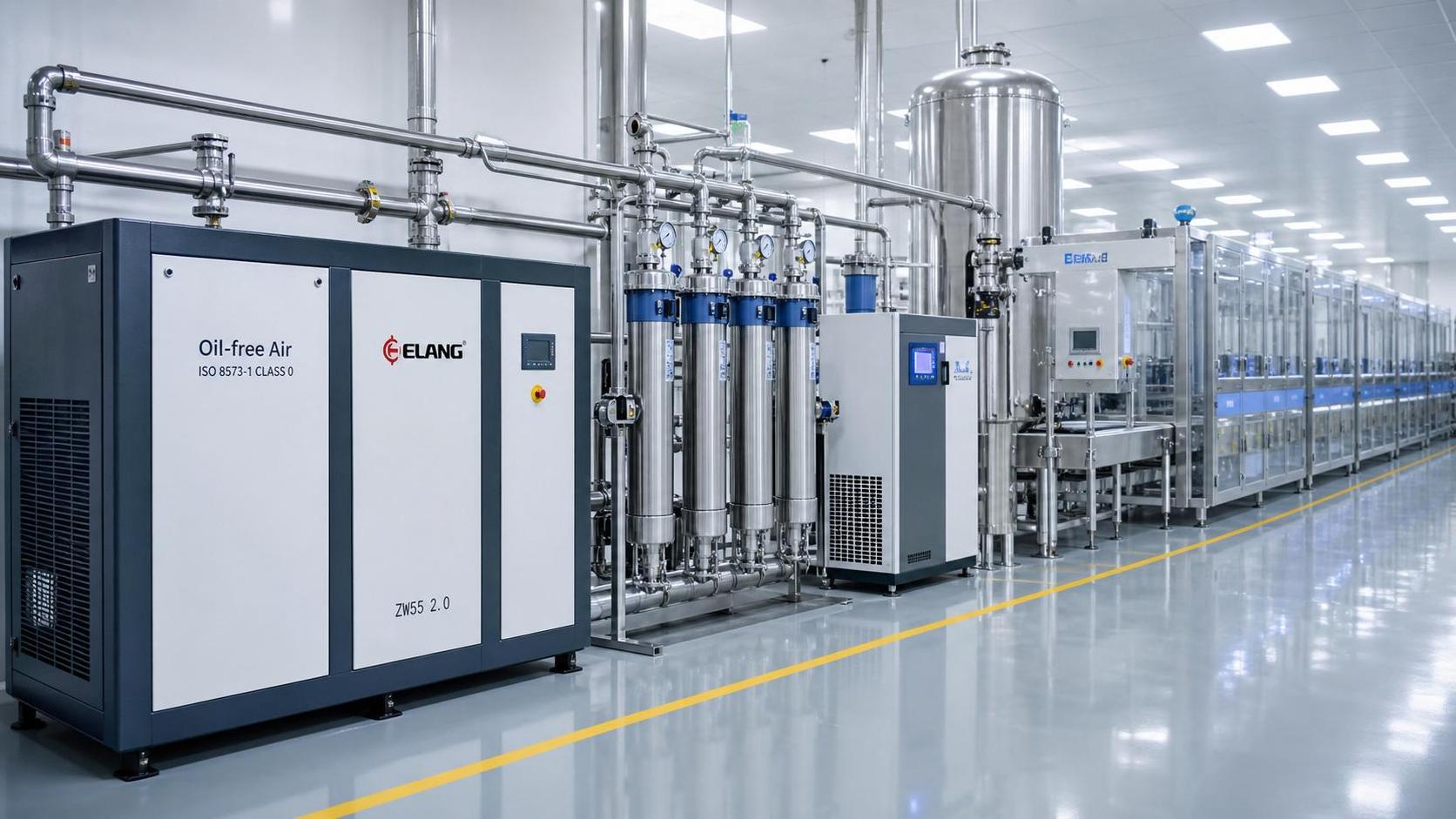
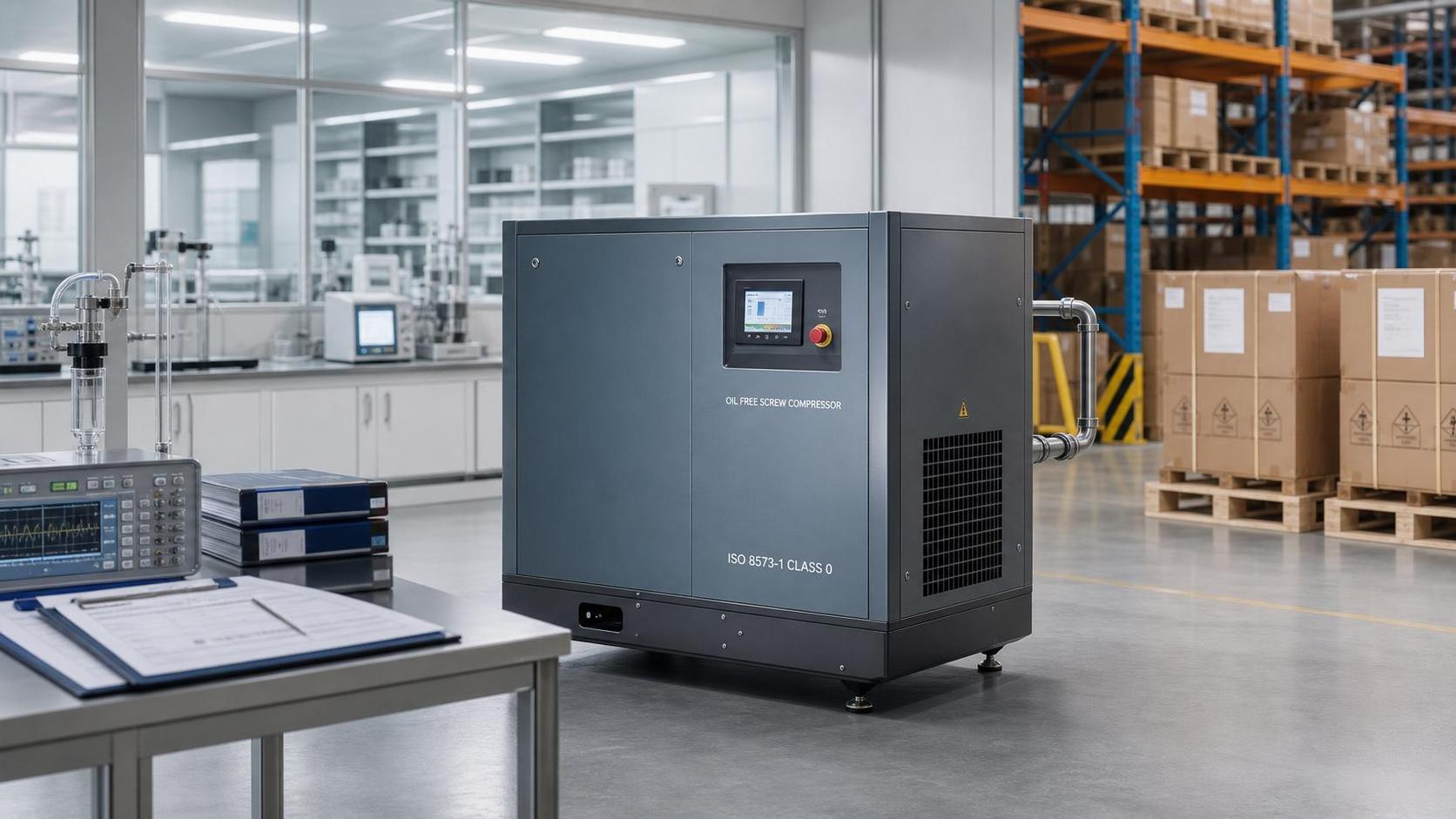
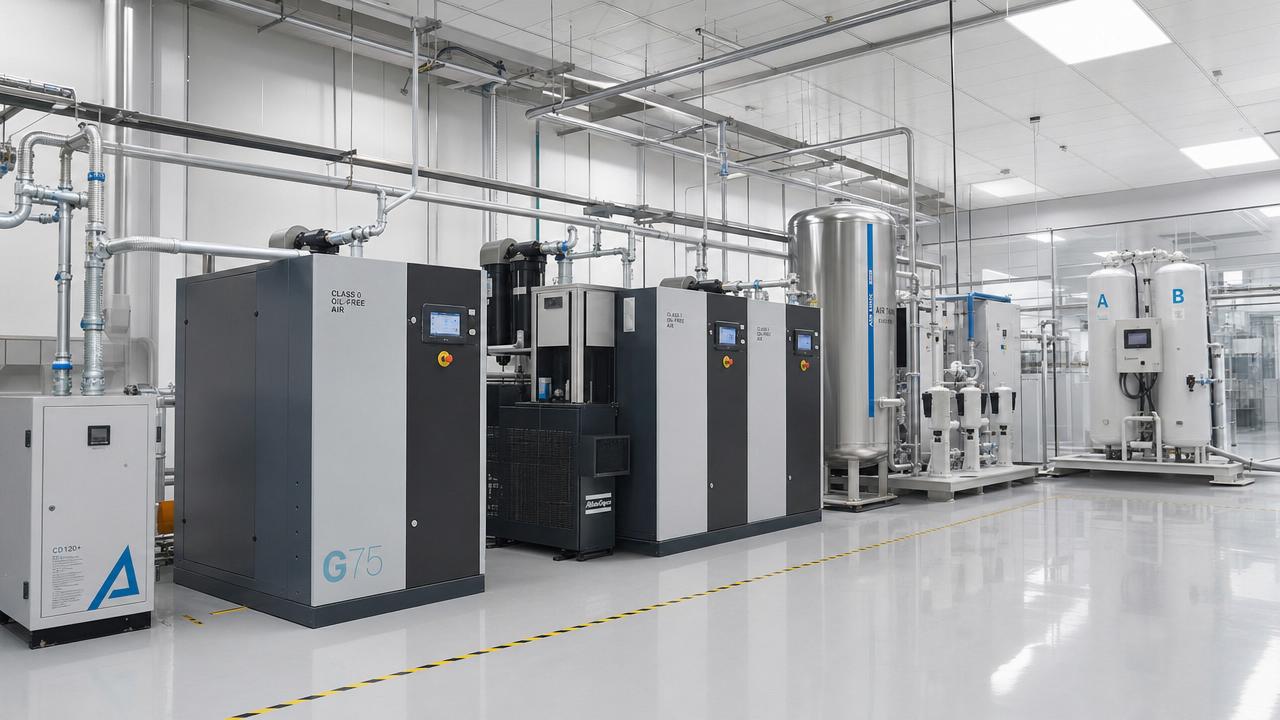
This is especially relevant in industries that demand pure power sources. Oil-free compression, dryer selection, and filtration layout should be reviewed as part of the same performance chain.
How system design affects real operating performance
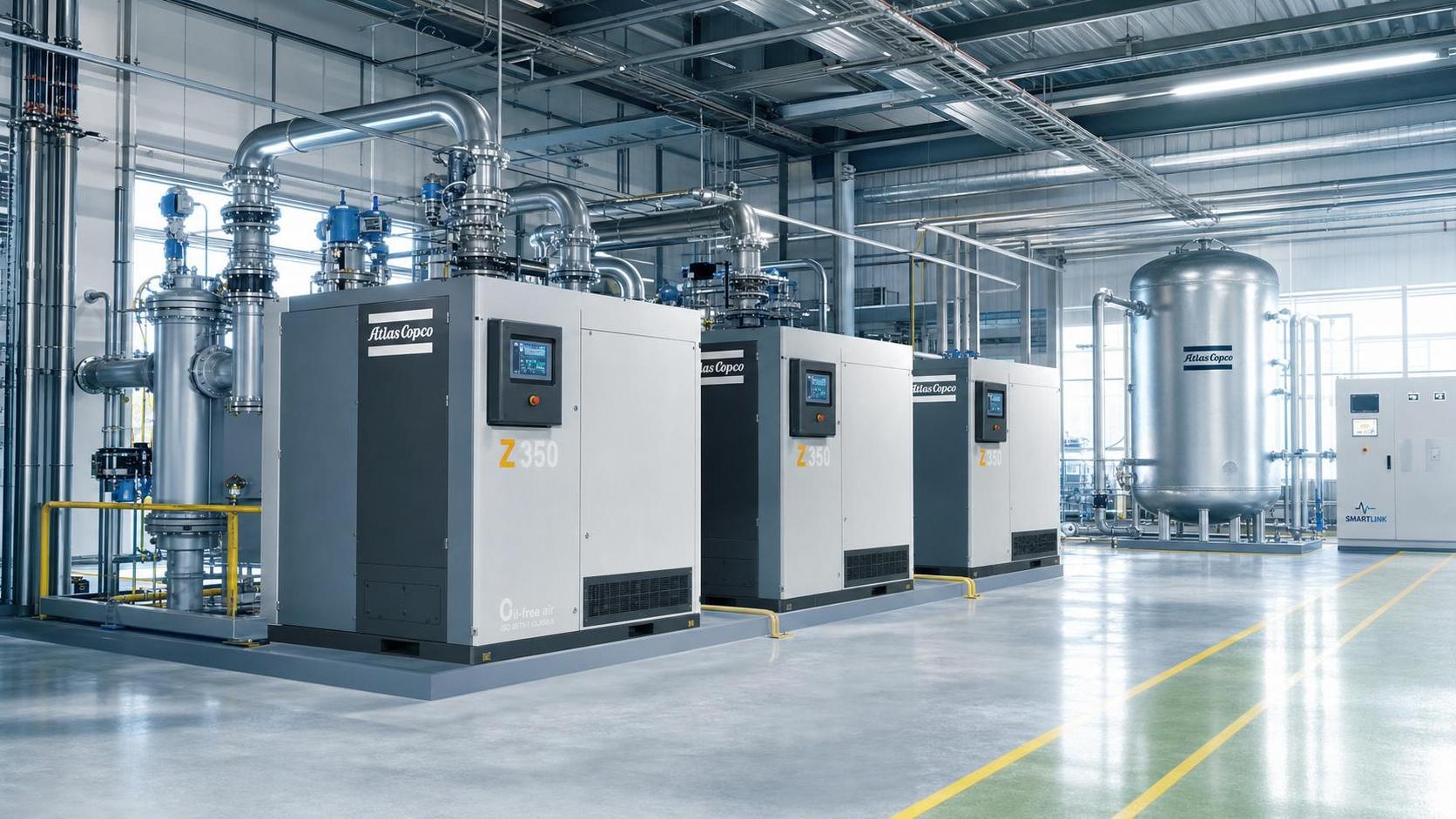
Many output problems originate in design interactions rather than isolated component failure. A technically sound assessment looks at the whole architecture of pneumatic power systems.
Control strategy deserves special attention. Fixed-speed equipment can work well in stable duty cycles, but variable demand often requires better sequencing or variable-speed support. Otherwise, system pressure may oscillate while energy use climbs.
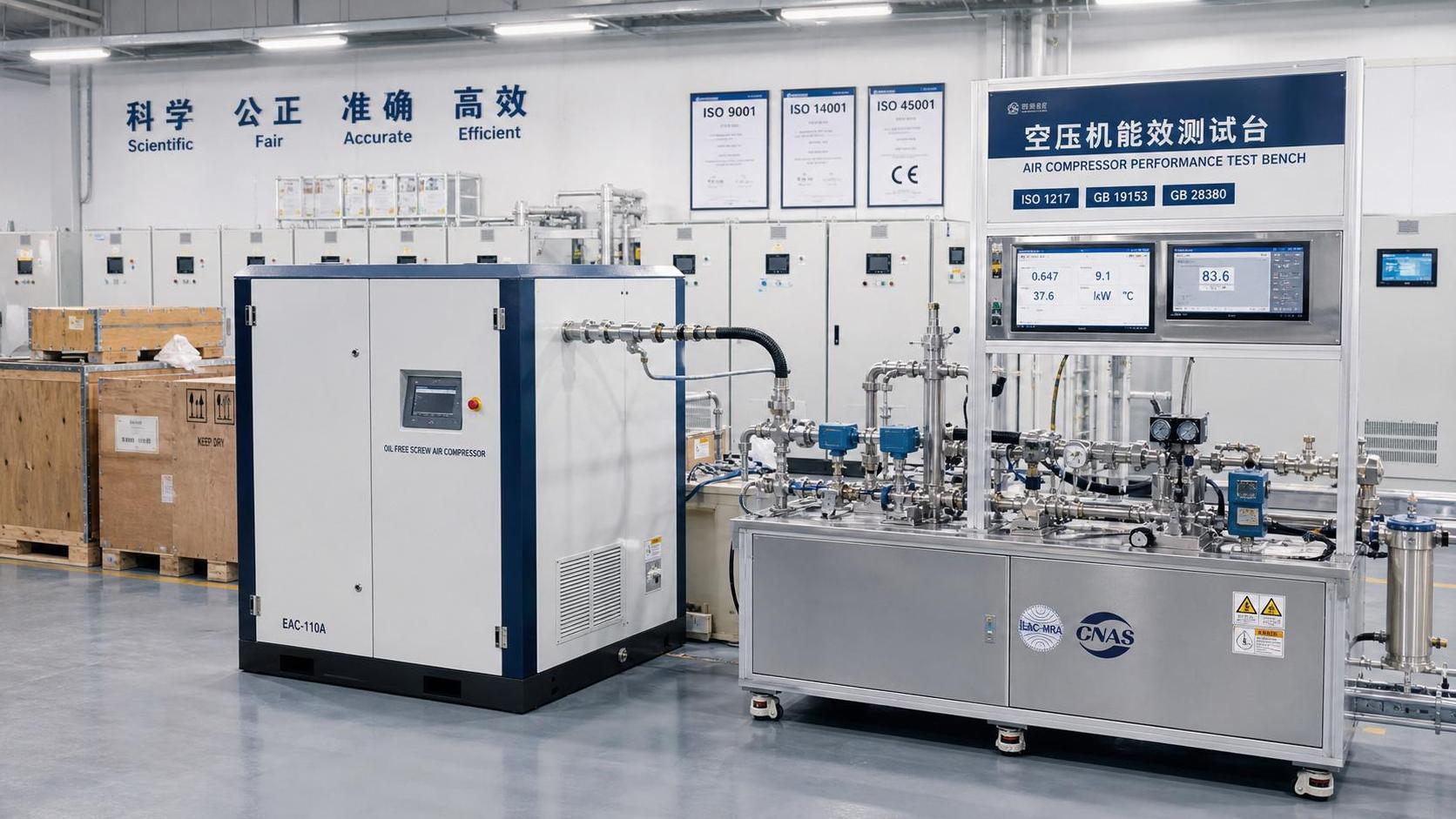
Thermal conditions should not be ignored. Compressor room ventilation, aftercooler performance, and ambient heat affect air density and equipment efficiency. This is one place where thermal intelligence and compression intelligence clearly intersect.
Key signs that a pneumatic system is not truly stable
Instability often appears as a pattern rather than a single fault. Looking for recurring symptoms can reveal whether pneumatic power systems are meeting process expectations or merely staying operational.
- Pressure drops during simultaneous equipment operation.
- Actuators moving inconsistently at different times of day.
- Dryers or filters reaching overload conditions too often.
- Unexpected compressor cycling or unstable run profiles.
- Rising energy consumption without visible production growth.
- Frequent maintenance on valves, seals, or air-driven tools.
These symptoms should be checked against logged operating data. Spot readings can miss the dynamic behavior that causes trouble under live production conditions.
Where evaluation priorities change by application
Not all pneumatic power systems serve the same purpose. Evaluation criteria should follow the process risk attached to unstable air supply.
High-purity production
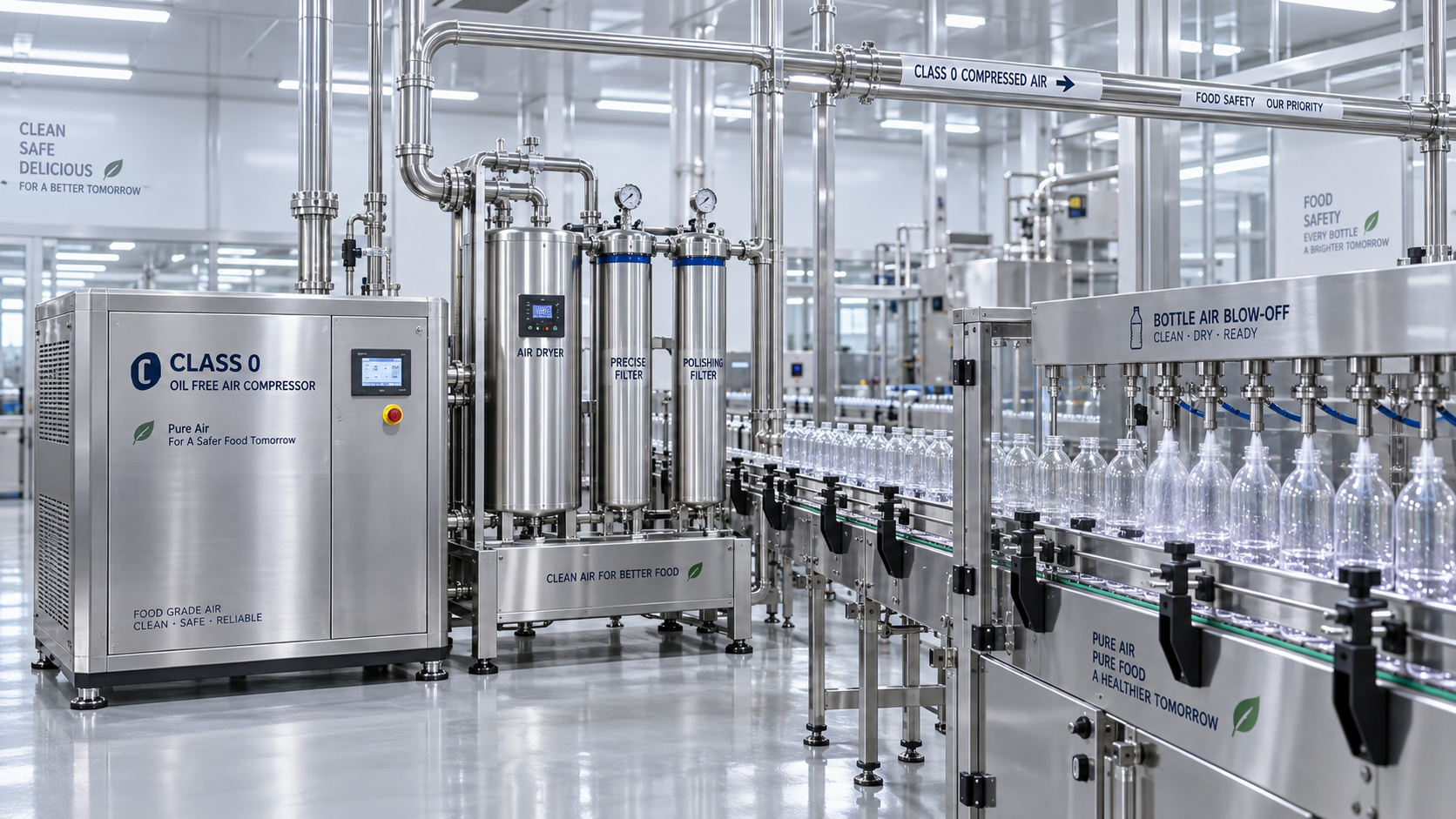
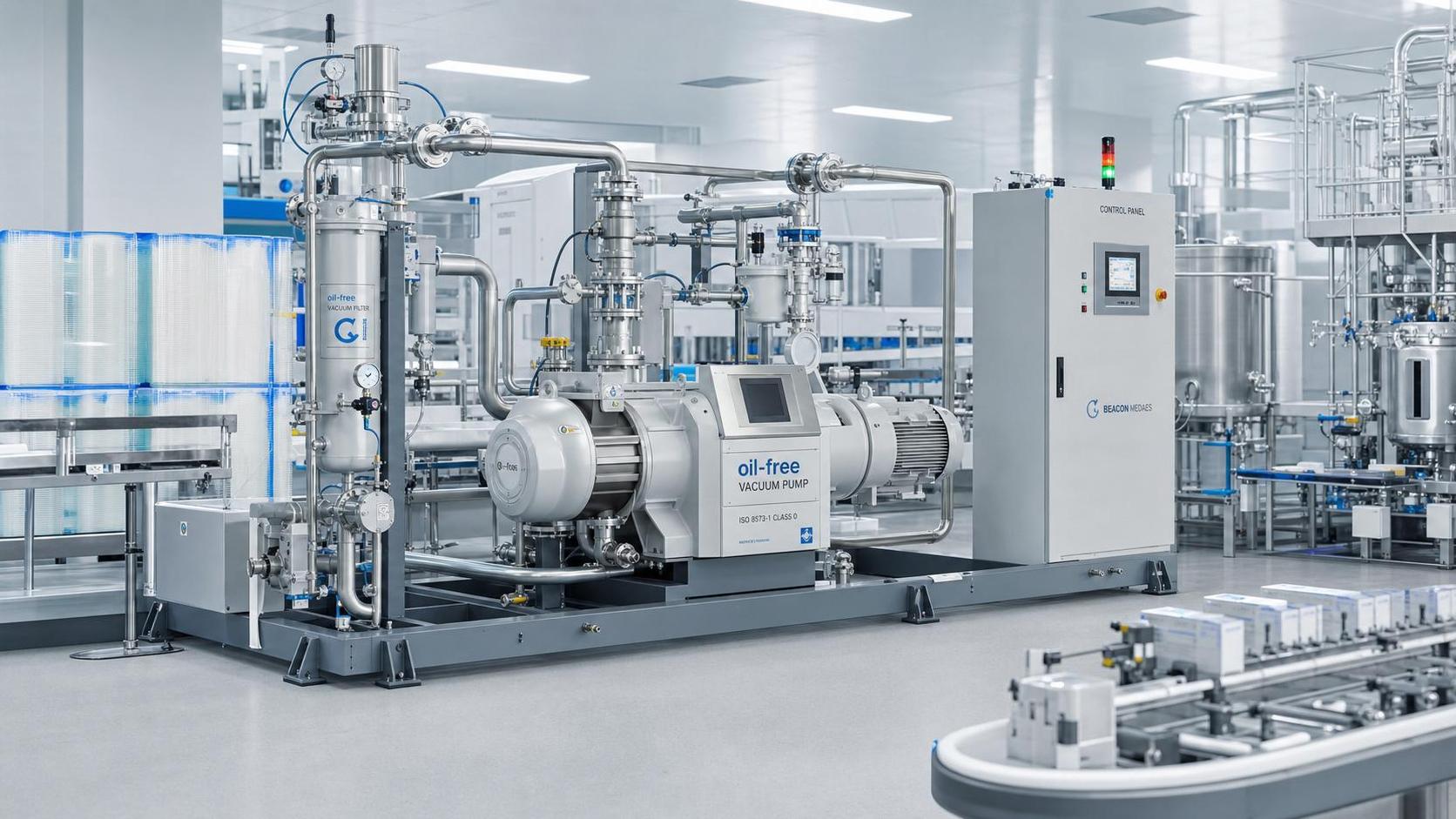
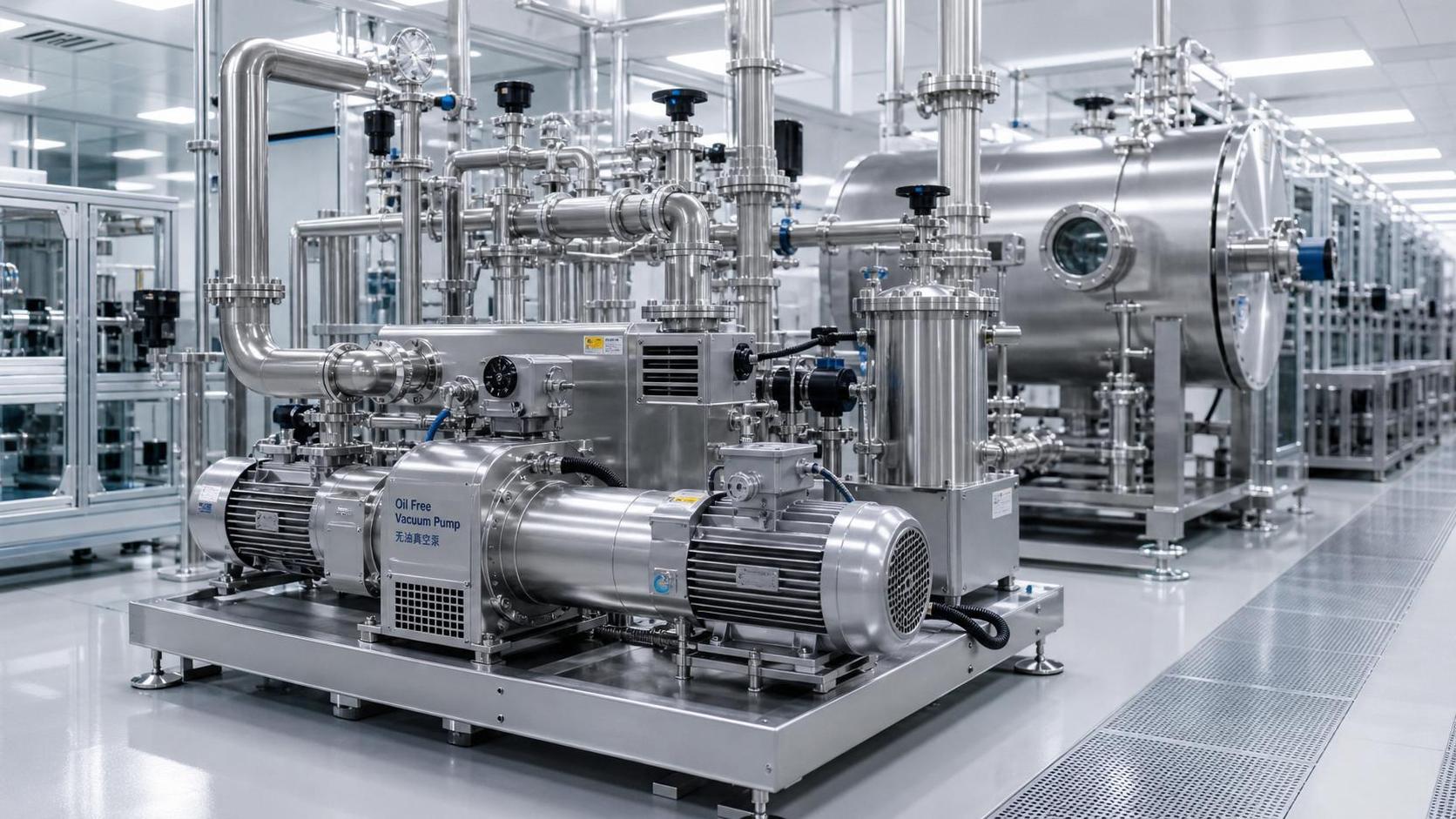
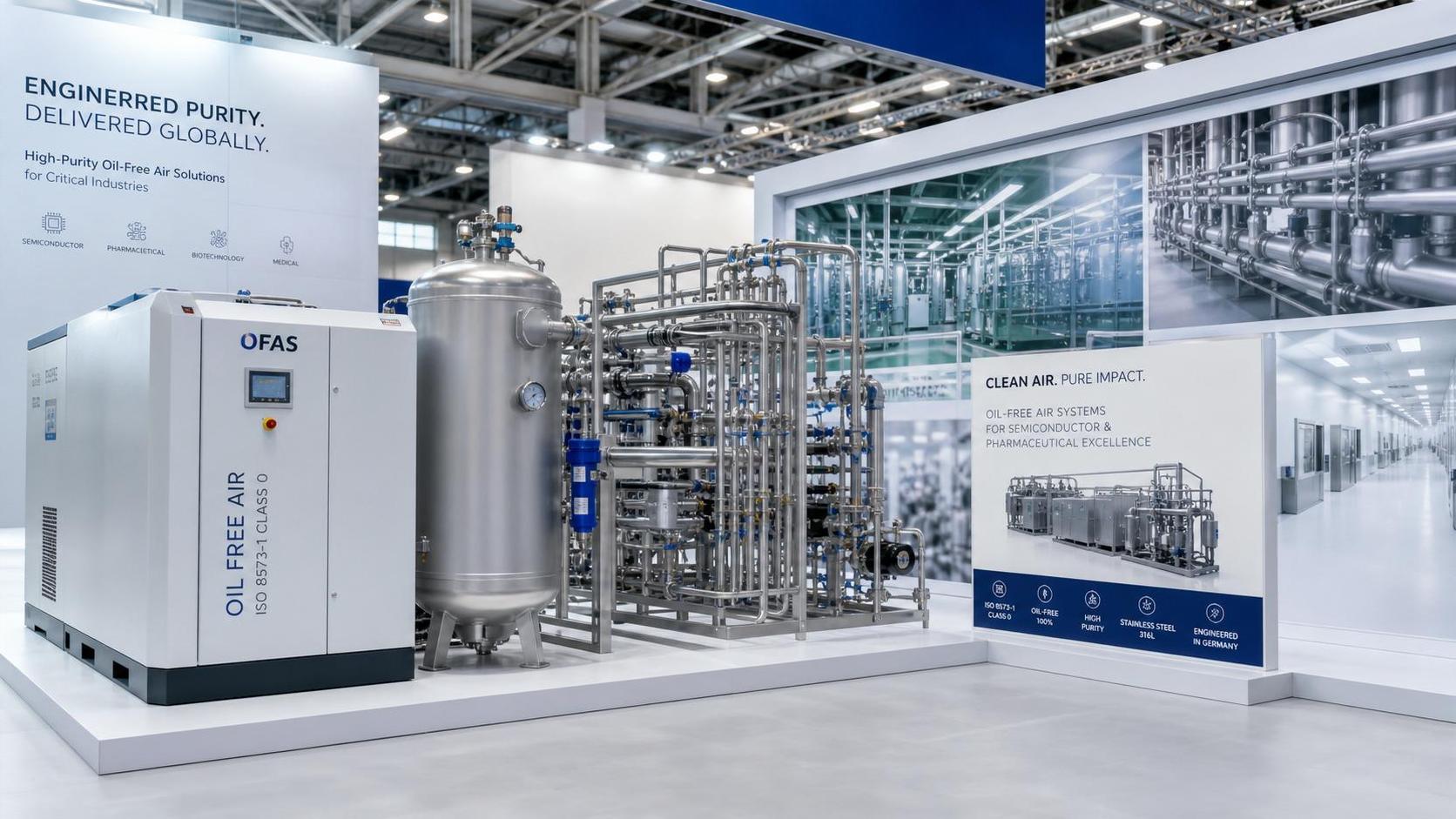
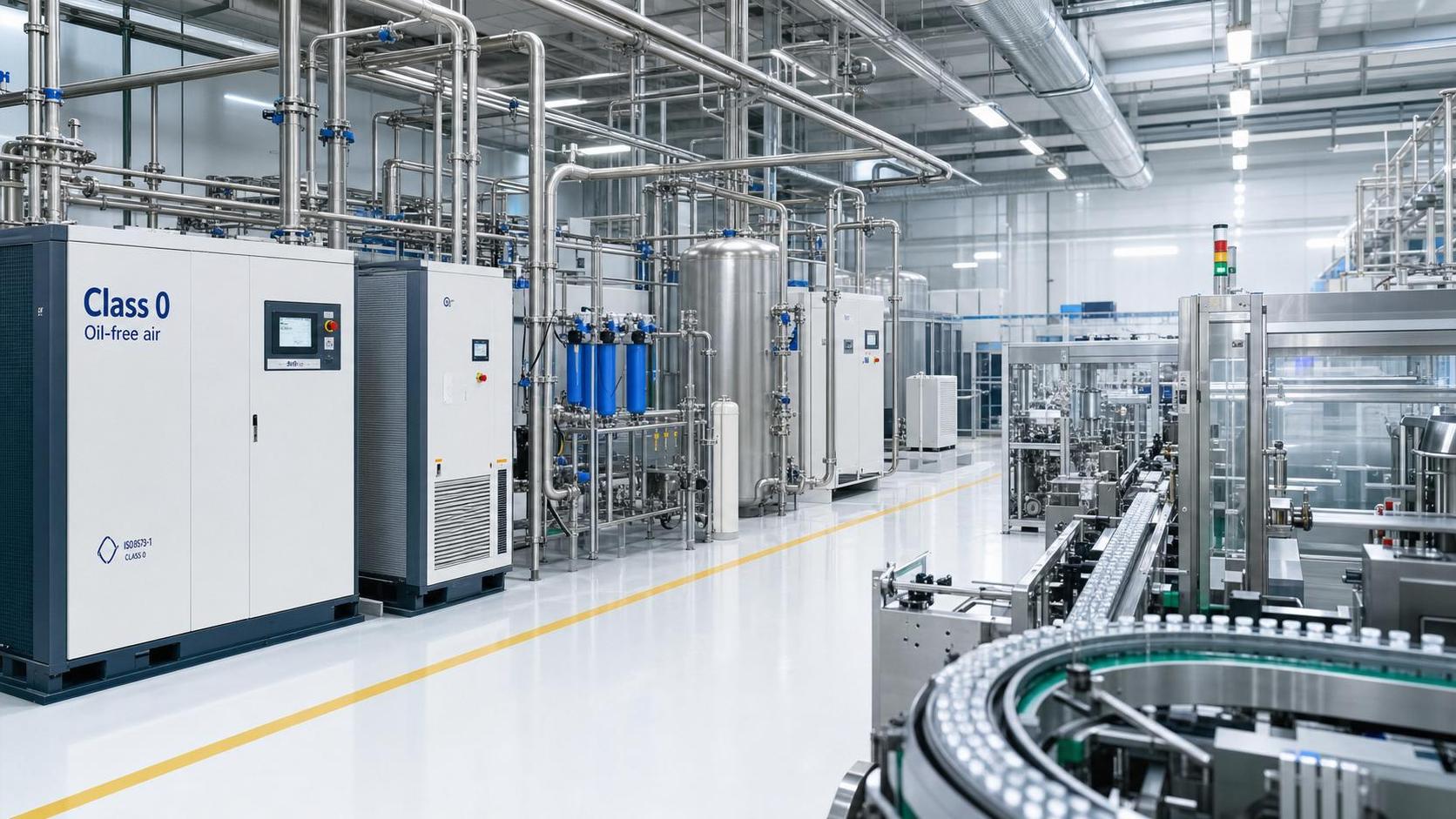
In pharmaceutical, food, and semiconductor environments, air quality can be as important as pressure control. Oil-free compression, low dew point, and contamination monitoring may dominate the review.
Fast-cycle automation
Packaging lines, pick-and-place equipment, and robotic handling rely on rapid response. Here, pneumatic power systems must absorb demand pulses without lag, overshoot, or unstable repeatability.
Mixed industrial sites
Shared utility networks often supply both critical and noncritical loads. Segmentation, pressure zoning, and local storage can be more valuable than simply increasing central compressor capacity.
This is also where market intelligence becomes useful. GTC-Matrix highlights how structural demand is shifting toward precision cooling, cleaner compression, and higher-efficiency thermal systems. Those trends change what “good enough” means in system evaluation.
A practical framework for technical assessment
A reliable assessment method should combine field measurement, operating history, and process context. That approach produces better decisions than reviewing supplier data sheets alone.
Start with measured demand
Map average flow, peak flow, pressure fluctuations, duty patterns, and downtime events. If possible, capture at least one full production cycle and one abnormal cycle.
Compare design intent with actual performance
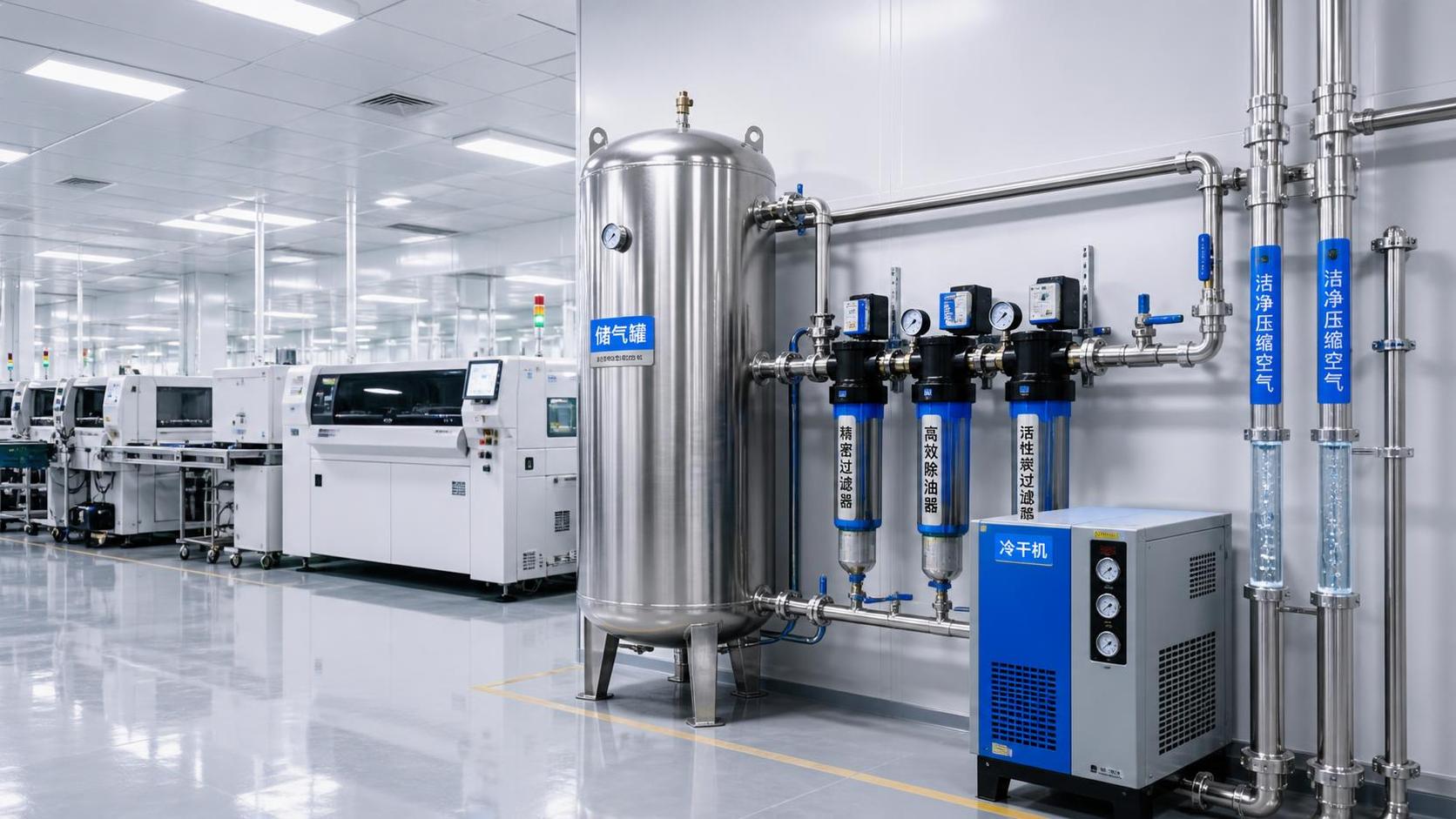
Review compressor controls, receiver placement, filter loading, dryer performance, and network losses. The goal is to find where pneumatic power systems diverge from their intended operating envelope.
Quantify efficiency and risk together
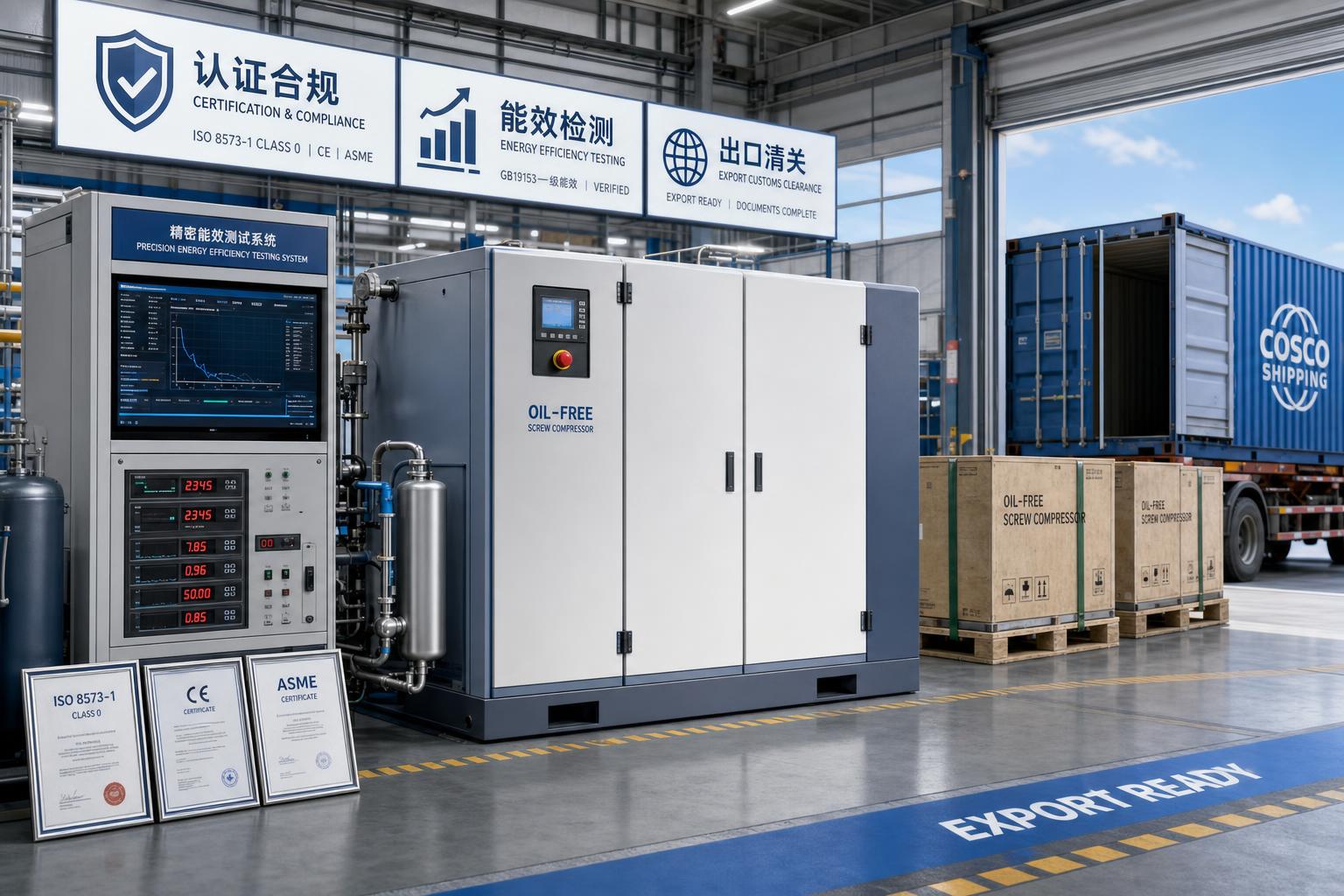
An energy-efficient system that cannot hold stable output is not truly optimized. The best decisions balance kilowatt-hours, process reliability, maintenance exposure, and air quality compliance.
- Check specific power under full and partial load.
- Track dew point and differential pressure trends.
- Measure leak rates before resizing equipment.
- Verify critical-point pressure, not only header pressure.
- Review controls after layout or production changes.
What to do next with the findings
Once the data is clear, the next step is not always equipment replacement. Many pneumatic power systems improve through staged action: leak reduction, control reset, receiver adjustment, zoning, or treatment upgrades.
If demand is evolving, build an evaluation baseline that can be revisited as production changes. That is especially useful where decarbonization targets, cleaner process standards, or energy cost pressure are reshaping equipment strategy.
A disciplined review of pneumatic power systems should leave behind more than a pass-or-fail answer. It should create a decision map: what is stable today, where the risks sit, and which improvements will protect output without adding avoidable energy burden.
For ongoing evaluation, it helps to track both compression performance and related thermal conditions through the same lens. That broader intelligence is often what turns routine utility data into better system decisions.
Ready when you are. Send us a message to get started.
Related News
- How to verify food-grade purity in compressed air systemsAuthor :Pneumatic Power Engineer

- What determines the price of pure air compression systems?Author :Pneumatic Power Engineer

- How to size oil-free compressors for instrumentation air demandAuthor :Pneumatic Power Engineer

- How Class 0 oil-free compressors protect product quality in food productionAuthor :Pneumatic Power Engineer

- How to verify compressed air cleanroom standards before installationAuthor :Pneumatic Power Engineer

- When oil free vacuum pumps make sense for European cleanroom projectsAuthor :Pneumatic Power Engineer

- When do pure air compression systems need ISO 8573-1 Class 0?Author :Pneumatic Power Engineer

- How do compressed air systems for electronics prevent contamination?Author :Pneumatic Power Engineer

- When does an oil-free process vacuum pump justify its higher cost?Author :Pneumatic Power Engineer

- Does ISO 9001 certification apply to compressed air quality?Author :Pneumatic Power Engineer

- How to Specify Clean Compressed Air Systems in Southeast Asia for Food and Pharma PlantsAuthor :Pneumatic Power Engineer

- How to Compare Oil Free Vacuum Pumps for Clean Process RequirementsAuthor :Pneumatic Power Engineer

- How to Evaluate a Clean Compressed Air Systems Supplier for ISO 8573-1 ComplianceAuthor :Pneumatic Power Engineer

- How to Choose the Right Oil-Free Vacuum PumpAuthor :Pneumatic Power Engineer

- VDI 2083 Update Makes Class 0 Proof MandatoryAuthor :Pneumatic Power Engineer

- When to Use Oil Free Vacuum Pumps for High Purity LinesAuthor :Pneumatic Power Engineer

- Compressed Air Solutions: When Oil-Free Systems Lower Total Operating CostAuthor :Pneumatic Power Engineer

- ATMOsphere Europe 2026 Adds Oil-free Systems ZoneAuthor :Pneumatic Power Engineer

- Oil-Free Compressors: Key Selection Criteria for Clean Air SystemsAuthor :Pneumatic Power Engineer

- How to Compare Oil Free Centrifugal Compressors for Stable Plant Air SupplyAuthor :Pneumatic Power Engineer

- Compressed Air Class 0 vs Oil-Free: What Really MattersAuthor :Pneumatic Power Engineer

- Oil-Free Compression Class 0: What the Standard Really Means in ProductionAuthor :Pneumatic Power Engineer

- Air Compression Cost Comparison: Oil-Free vs Screw Systems in Daily OperationAuthor :Pneumatic Power Engineer

- Saudi SASO Tightens IEC 63349-2 for Oil-Free CompressorsAuthor :Pneumatic Power Engineer

- Saudi SASO Tightens Oil-Free Compressor Efficiency RulesAuthor :Pneumatic Power Engineer

- Pure Air Compression Systems for Clean Production LinesAuthor :Pneumatic Power Engineer

- IEC 63349-2:2026 makes energy certification mandatoryAuthor :Pneumatic Power Engineer

- IEC 63349-2:2026 Sets New Entry Rules for Oil-Free Screw CompressorsAuthor :Pneumatic Power Engineer

- IEC 63349-2:2026 Takes Effect for Oil-Free Screw CompressorsAuthor :Pneumatic Power Engineer

- IEC 63349-2:2026 Sets New Efficiency Gate for Oil-Free Screw CompressorsAuthor :Pneumatic Power Engineer

- IEC 63349-2:2026 Takes Effect for Oil-Free Screw CompressorsAuthor :Pneumatic Power Engineer

- SABIC Methanol Force Majeure Extended, Tightening R134a/R407C FeedstocksAuthor :Pneumatic Power Engineer

- How to Evaluate Pneumatic Power Systems for Stable OutputAuthor :Pneumatic Power Engineer

- Oil-Free Compression vs Lubricated Systems: Key Trade-OffsAuthor :Pneumatic Power Engineer
![]()
- Oil-Free Compression: 2026 Cost and Compliance Trade-OffsAuthor :Pneumatic Power Engineer

- Oil-Free Compression: Cost and Contamination RisksAuthor :Pneumatic Power Engineer
![]()