Oil-Free Compression vs Lubricated Systems: Key Trade-Offs




Choosing between oil-free compression and lubricated systems is rarely a simple equipment decision. It shapes air quality risk, maintenance routines, energy performance, and compliance exposure across production, packaging, processing, and utility operations.
That trade-off matters more now because purity standards are tightening, energy costs remain volatile, and uptime has become a strategic metric. In many facilities, compressed air is no longer just a utility. It is part of product quality.
From the perspective of GTC-Matrix, where thermodynamic performance and industrial intelligence intersect, the comparison is best treated as a system-level evaluation. The right answer depends on contamination tolerance, duty profile, downstream treatment, and total lifecycle economics.
What the two architectures really mean
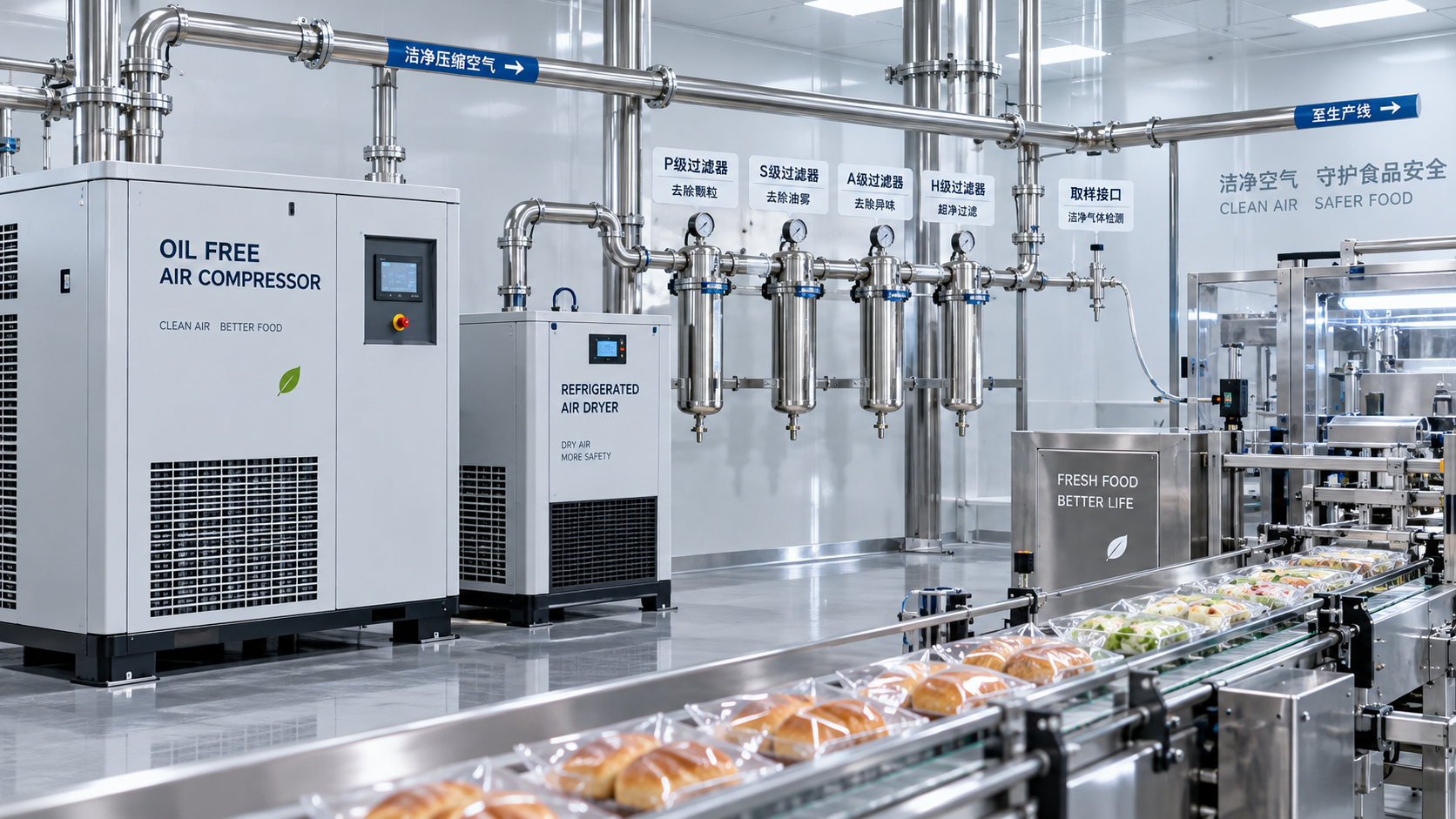
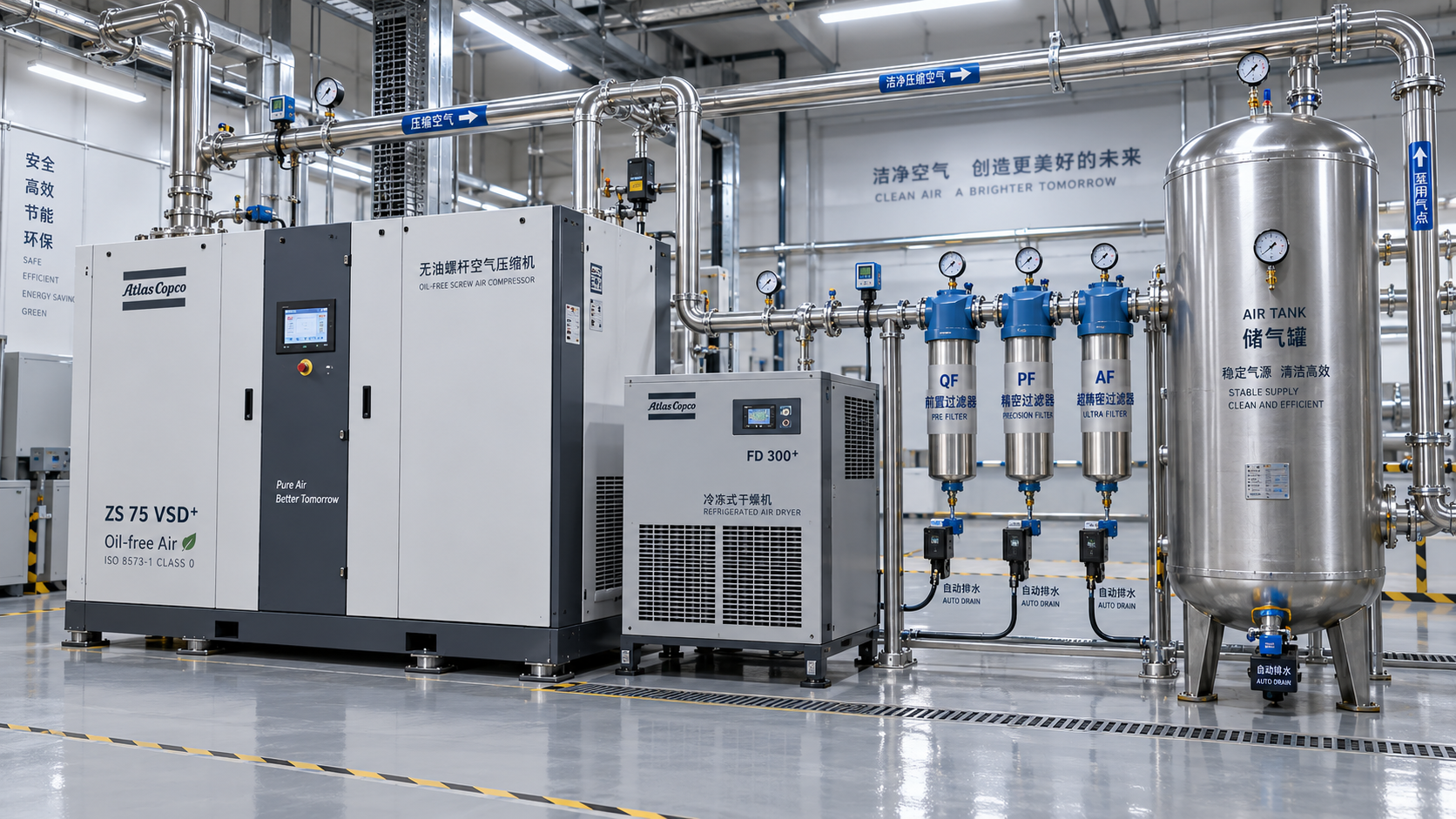
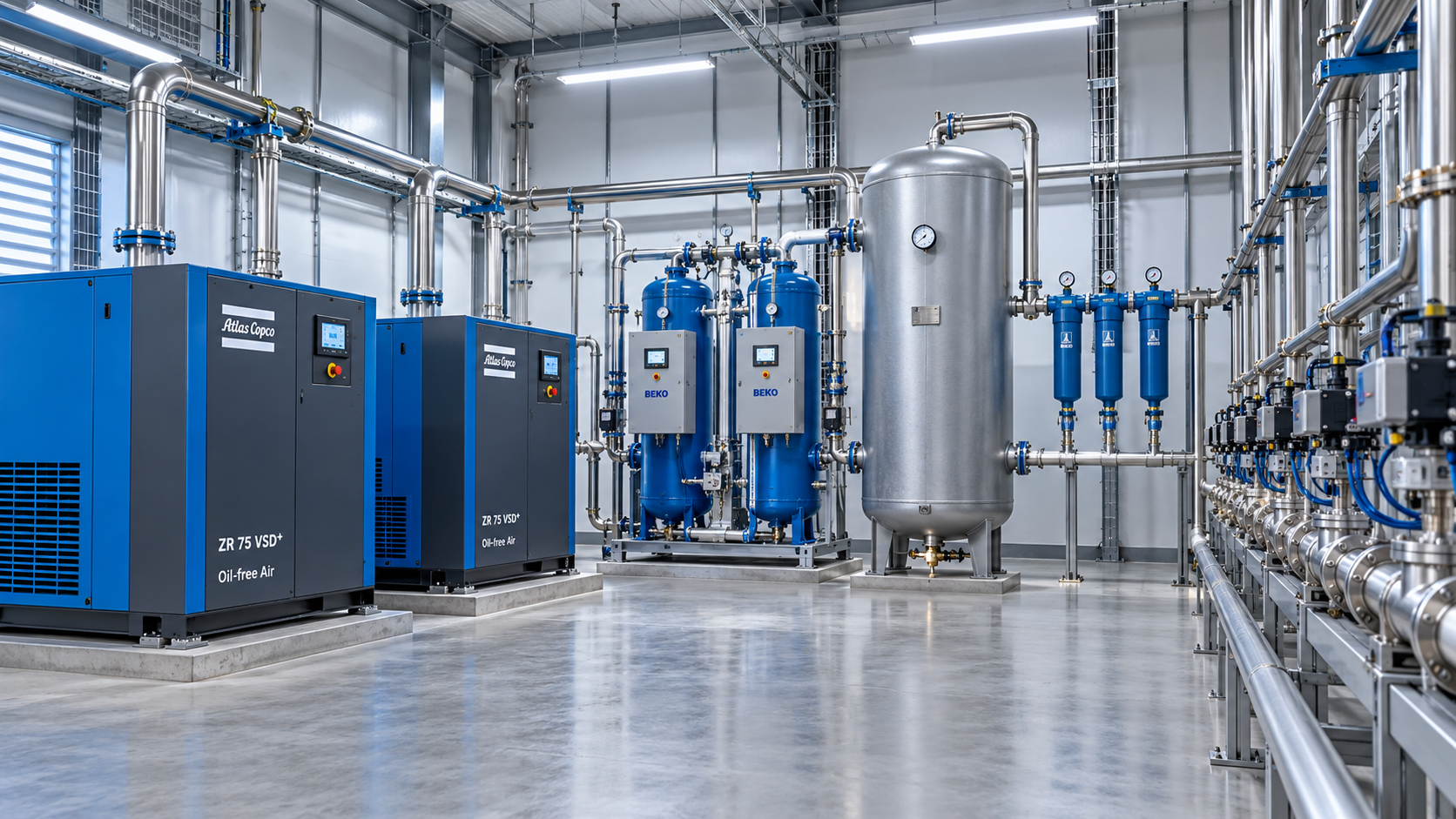
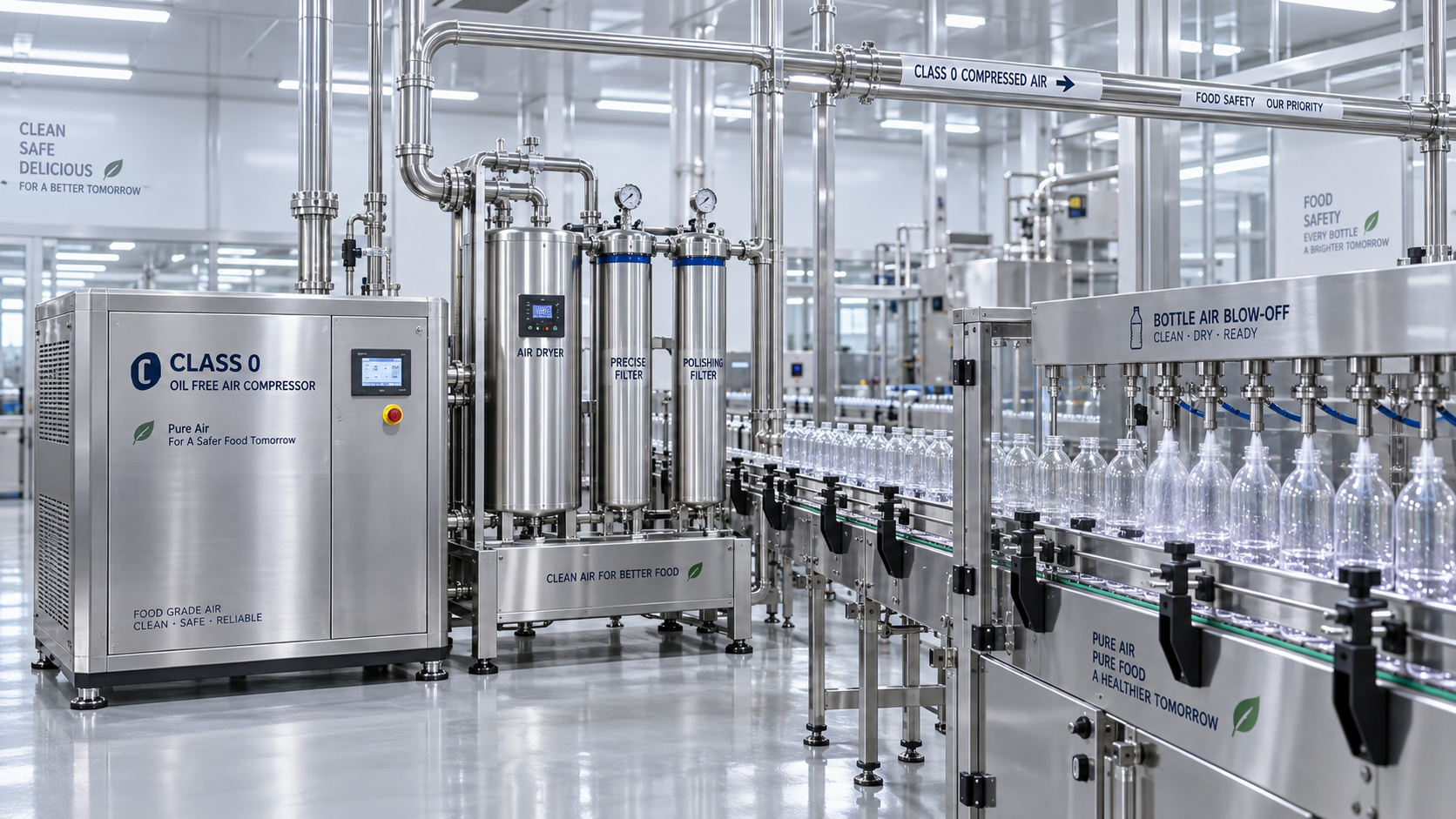
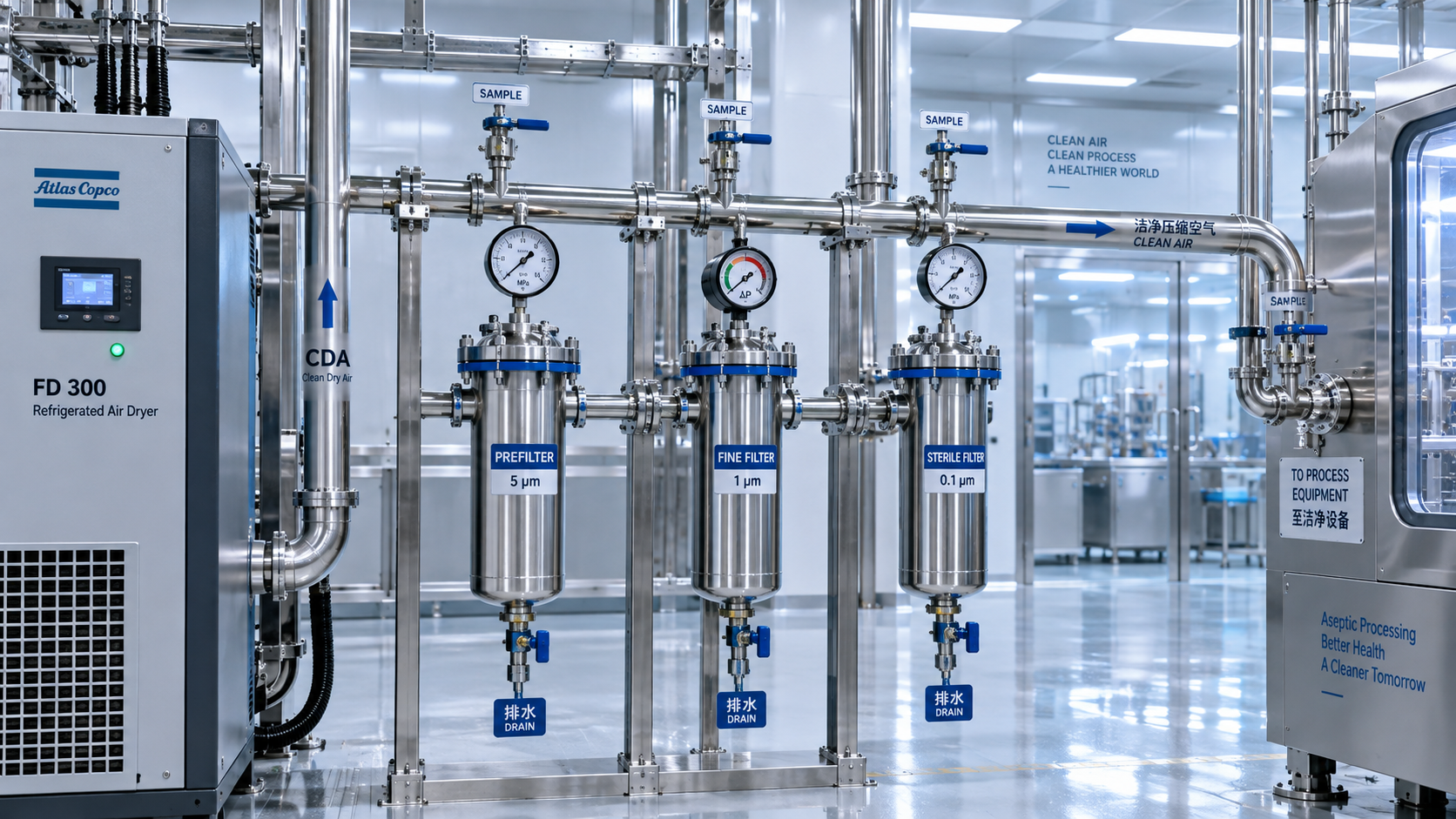
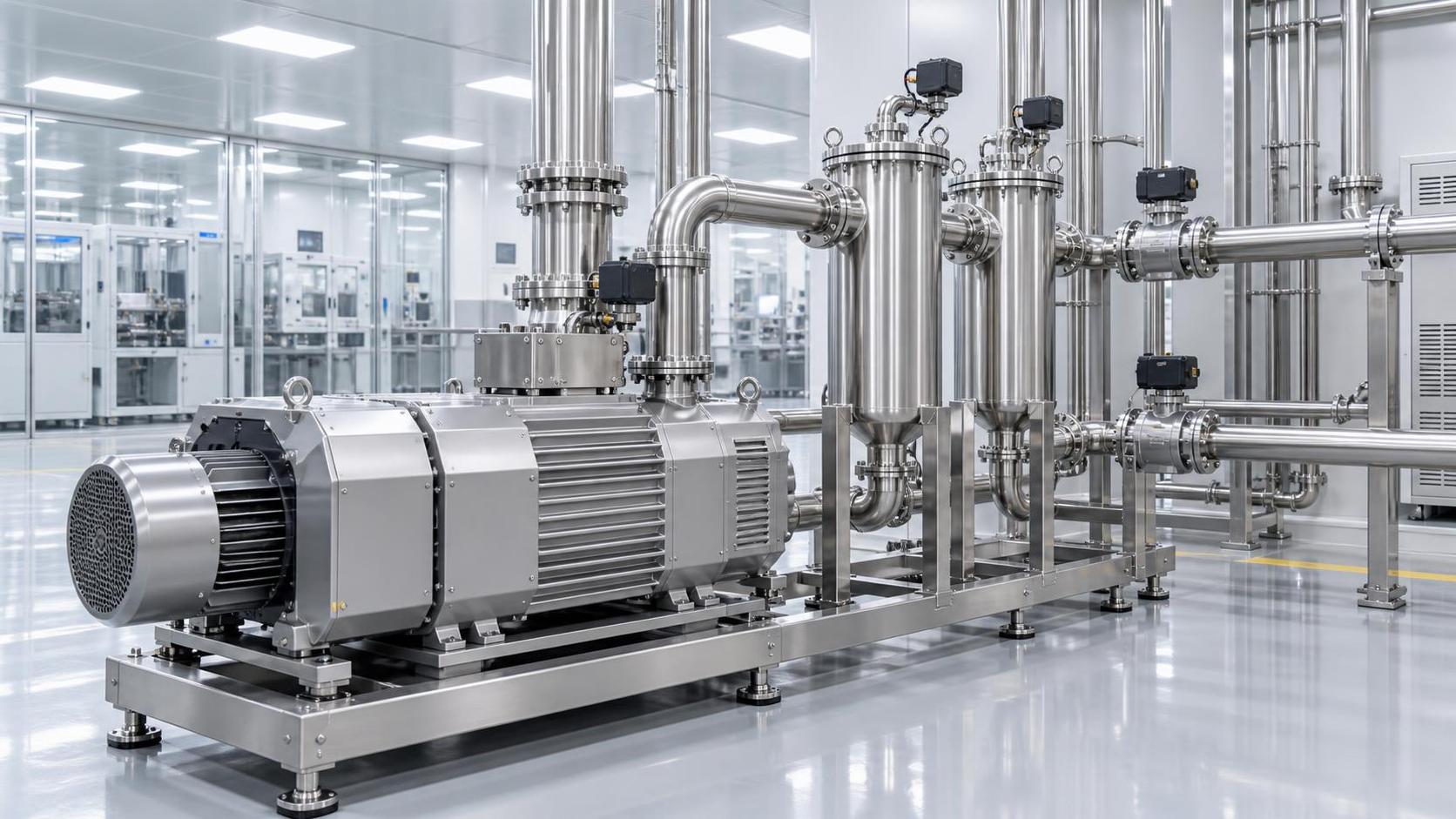
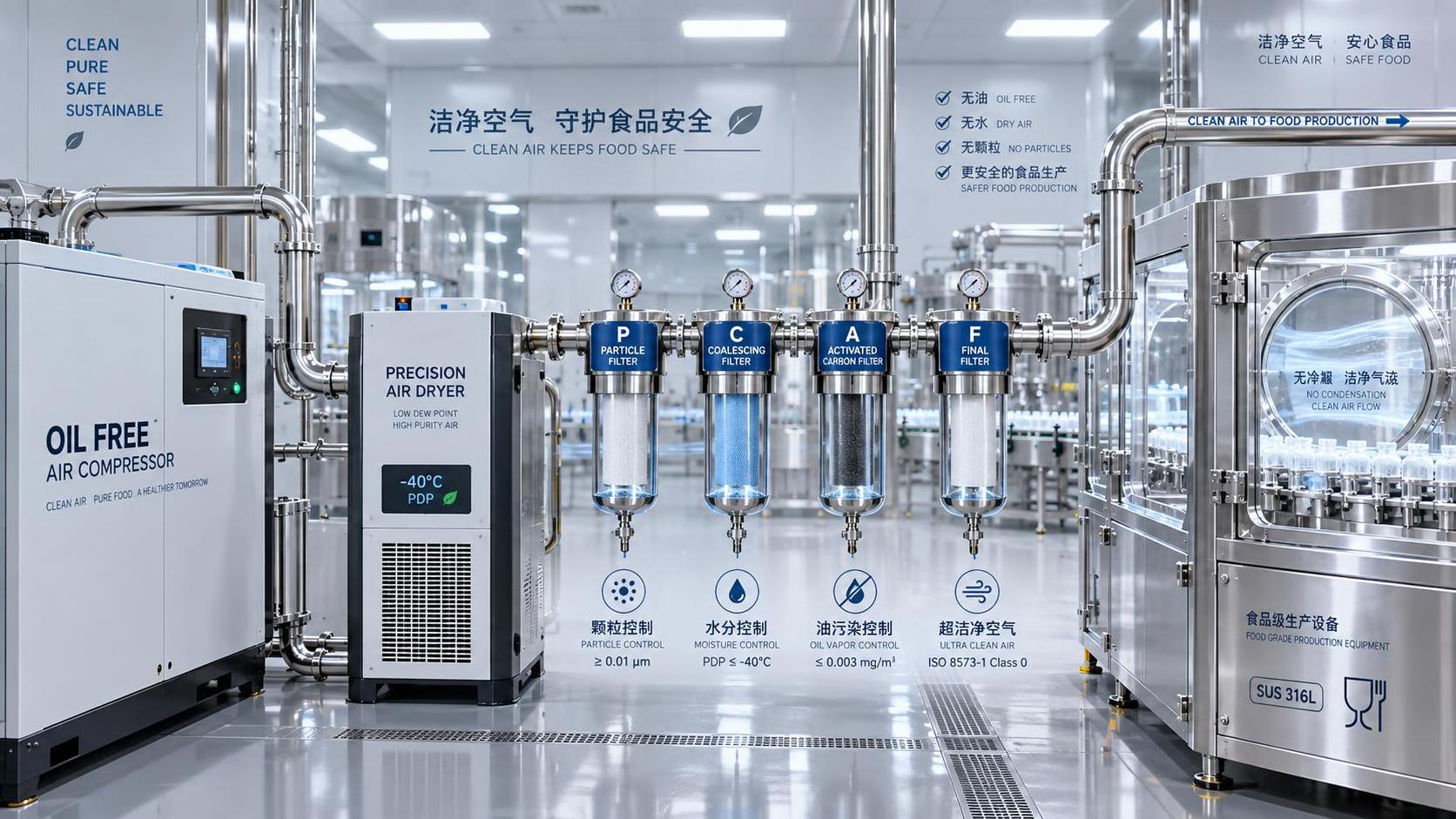
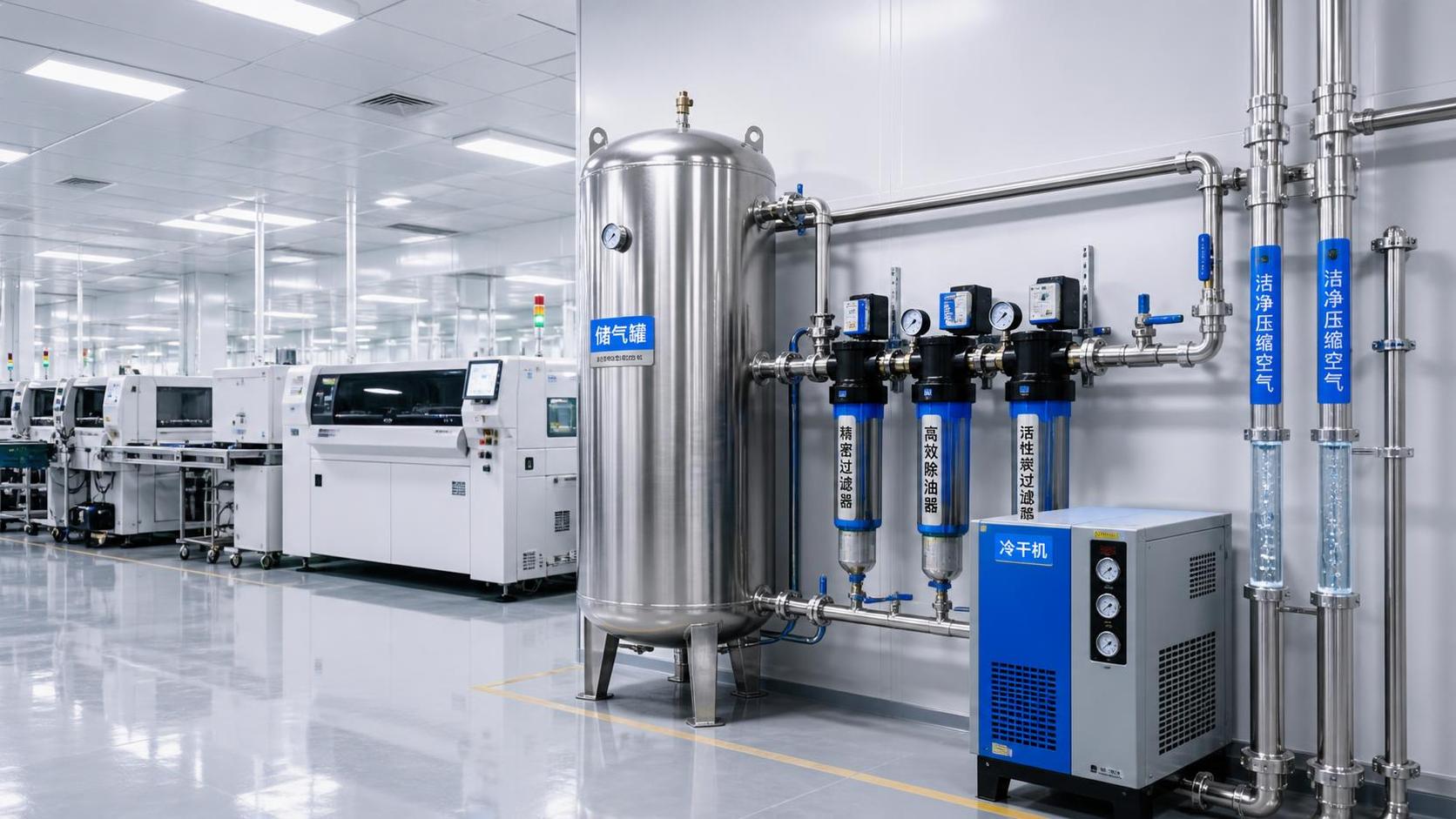
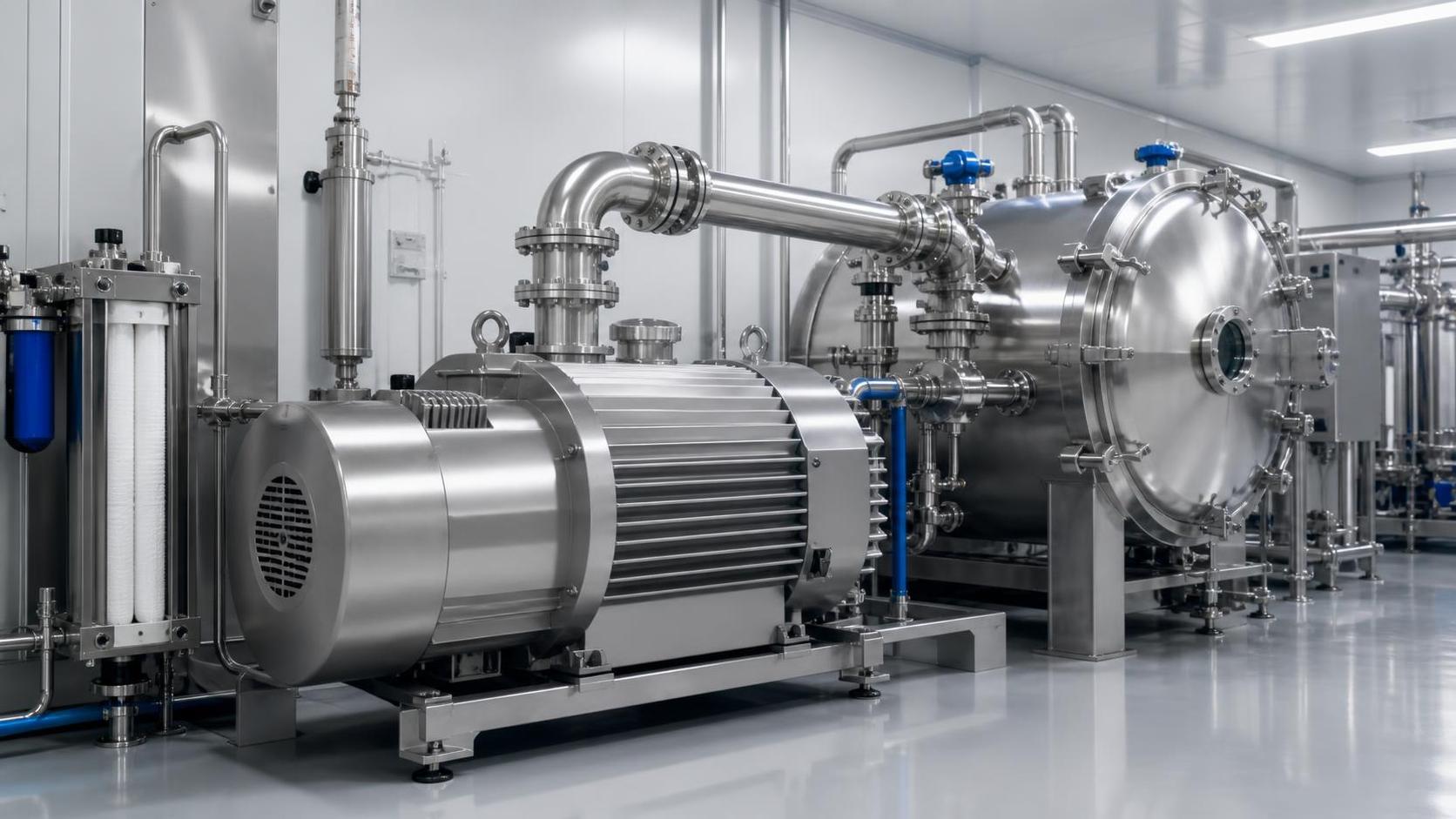
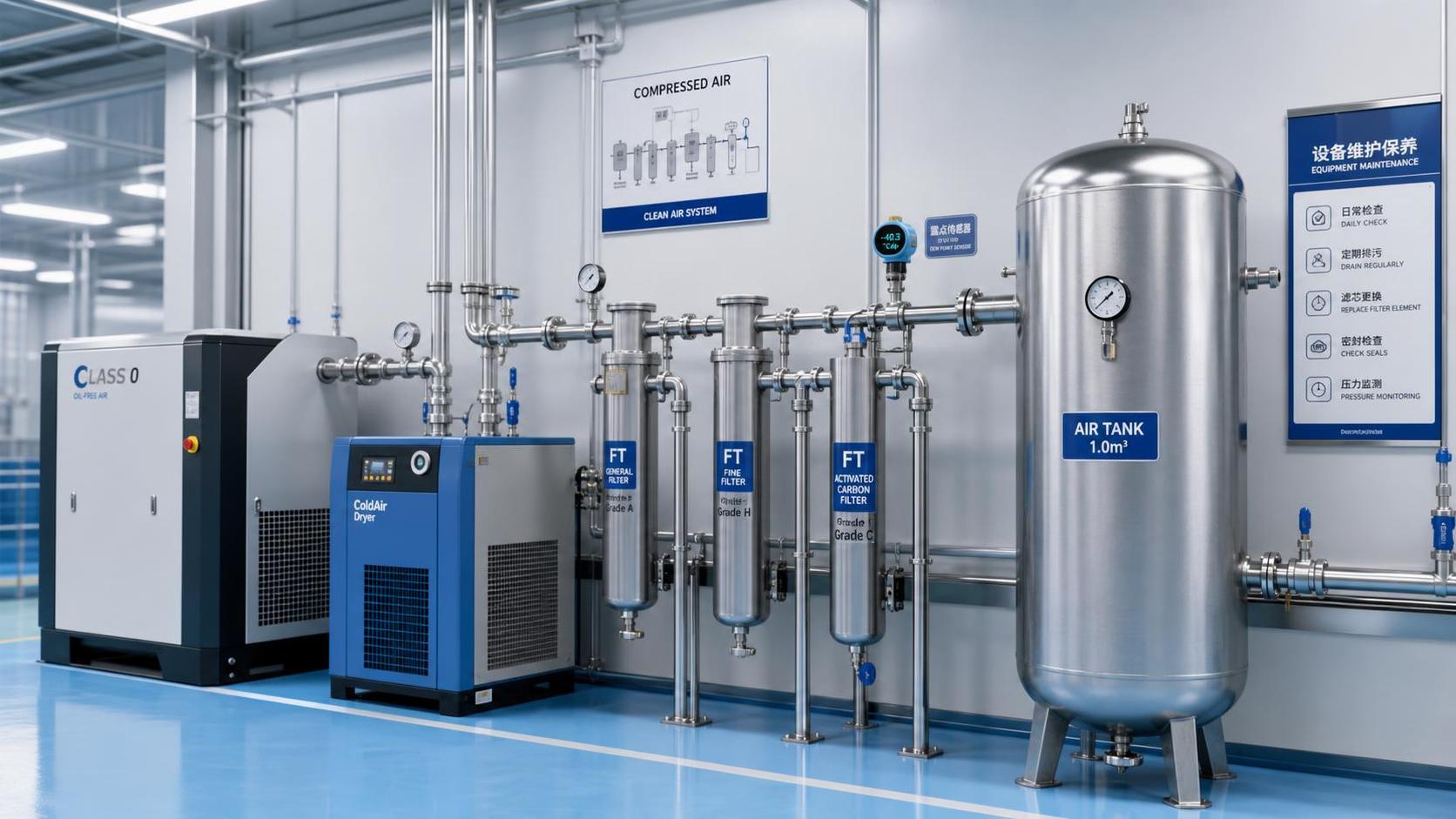
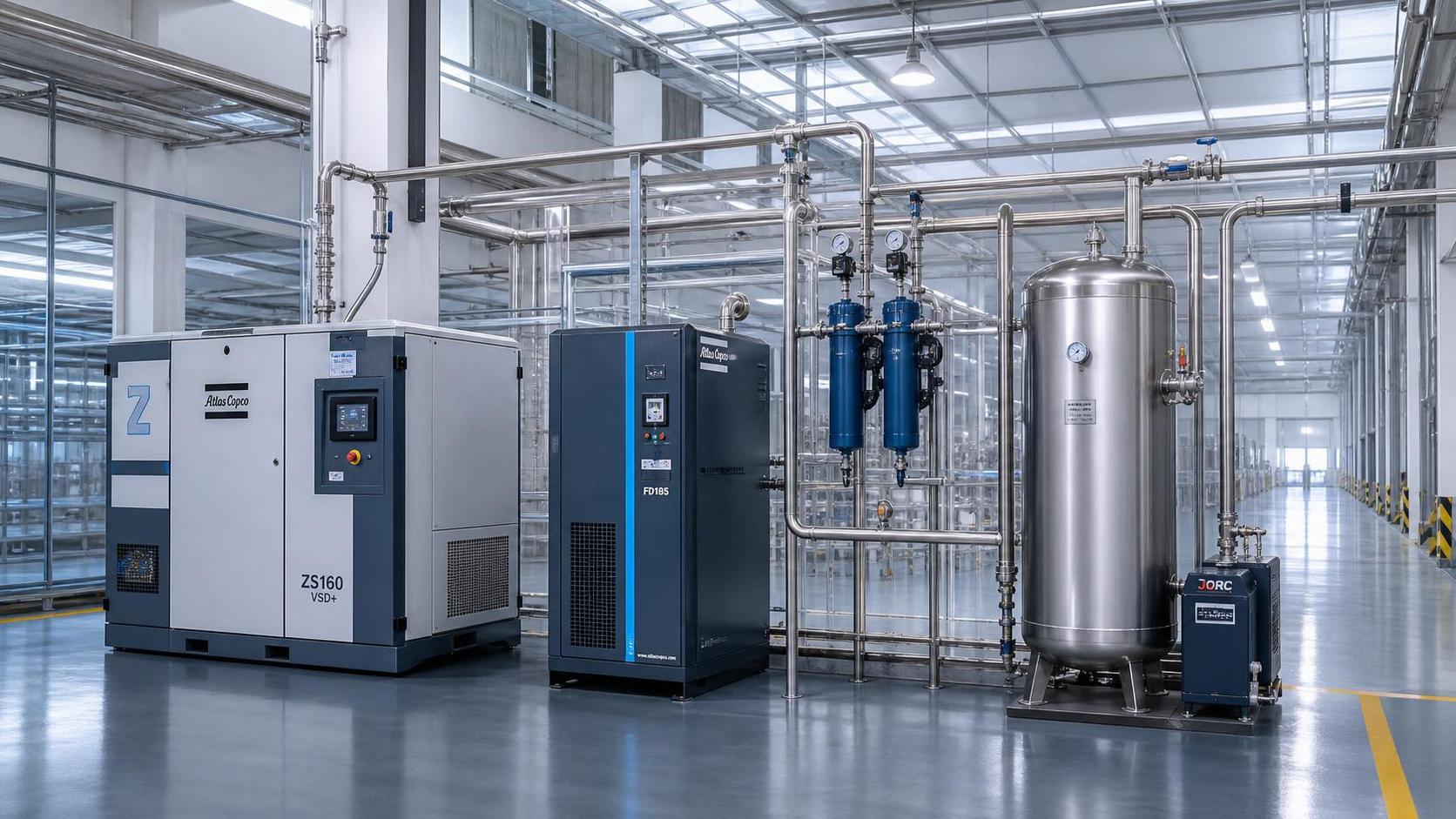
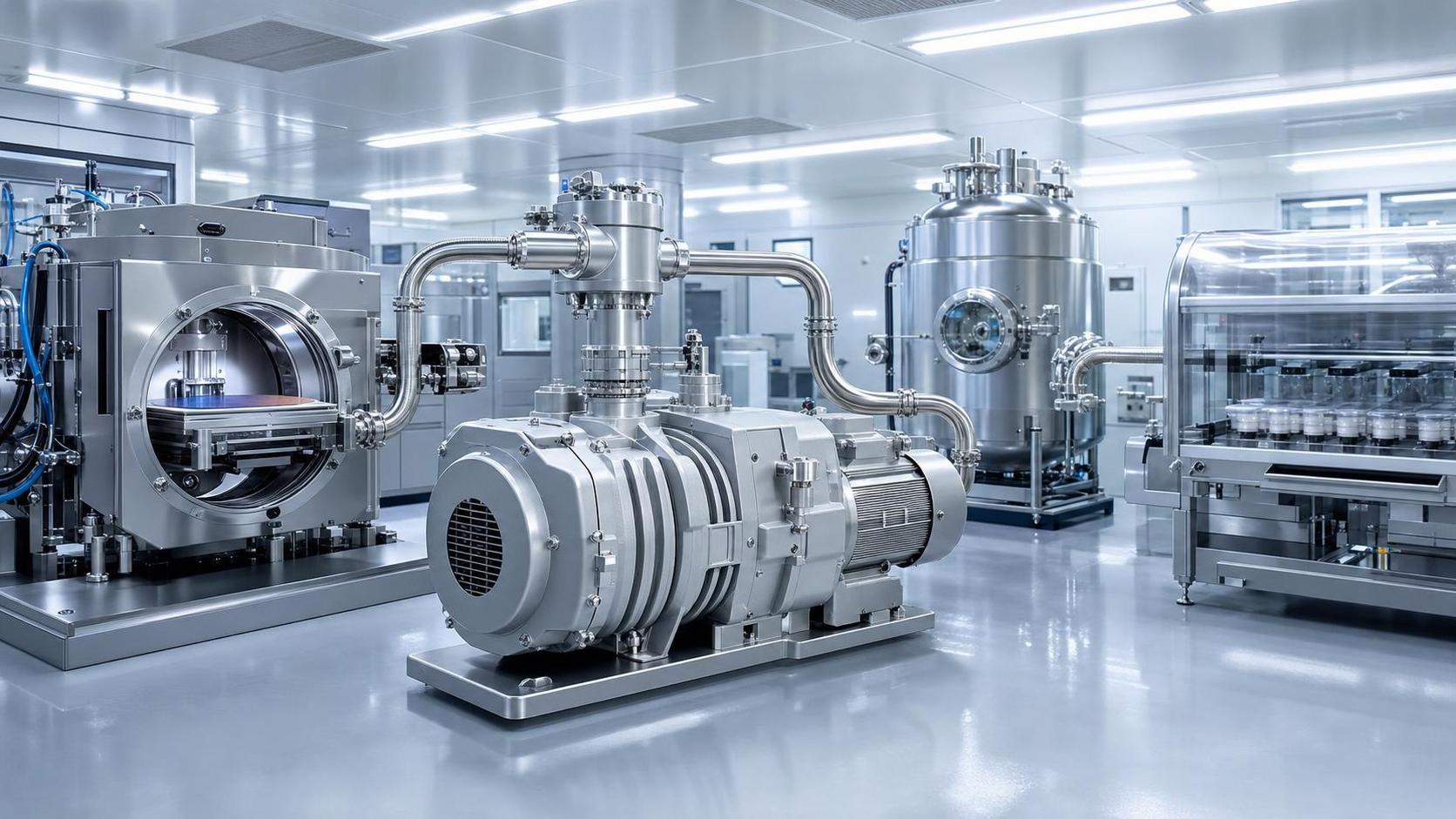
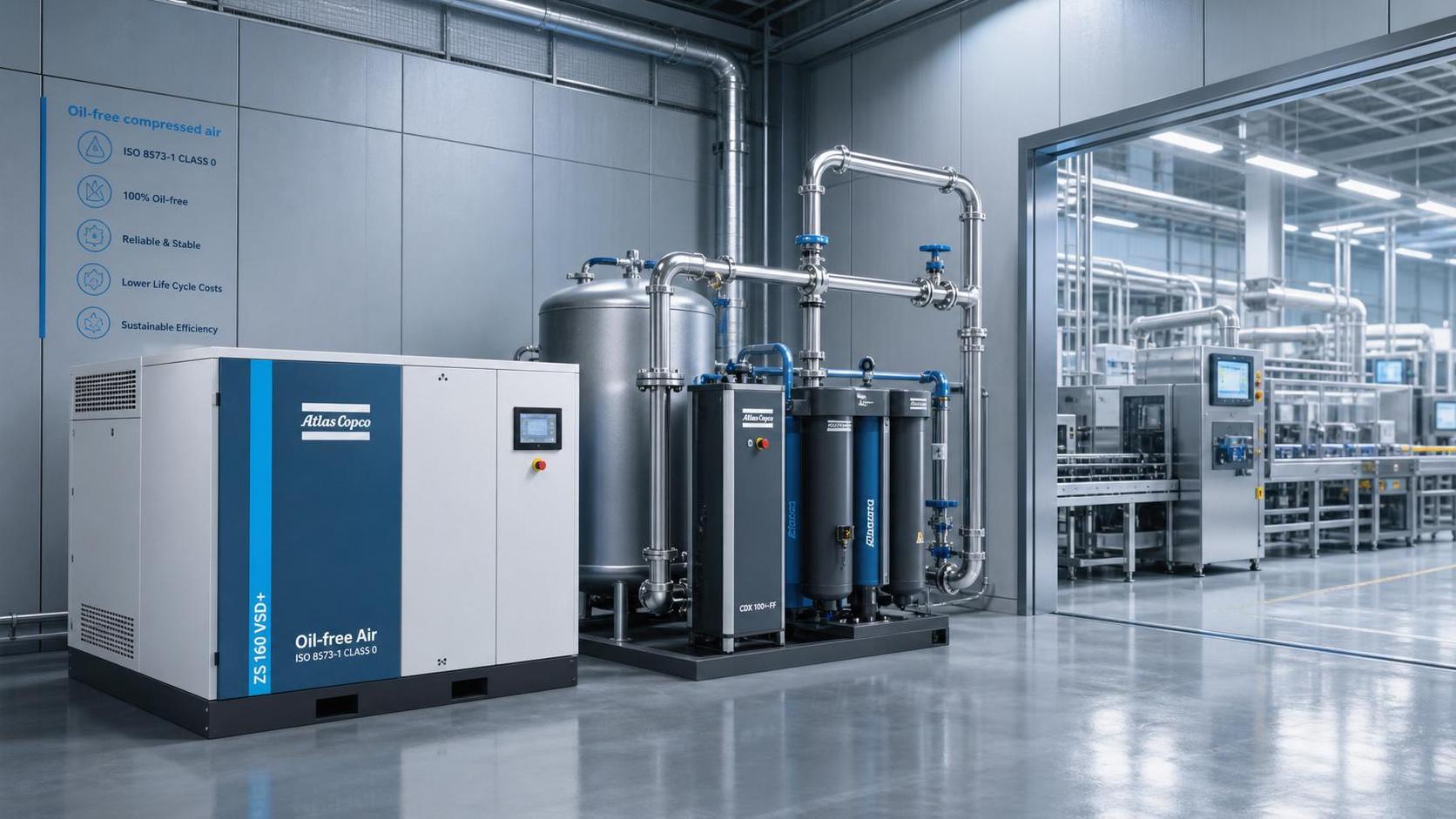
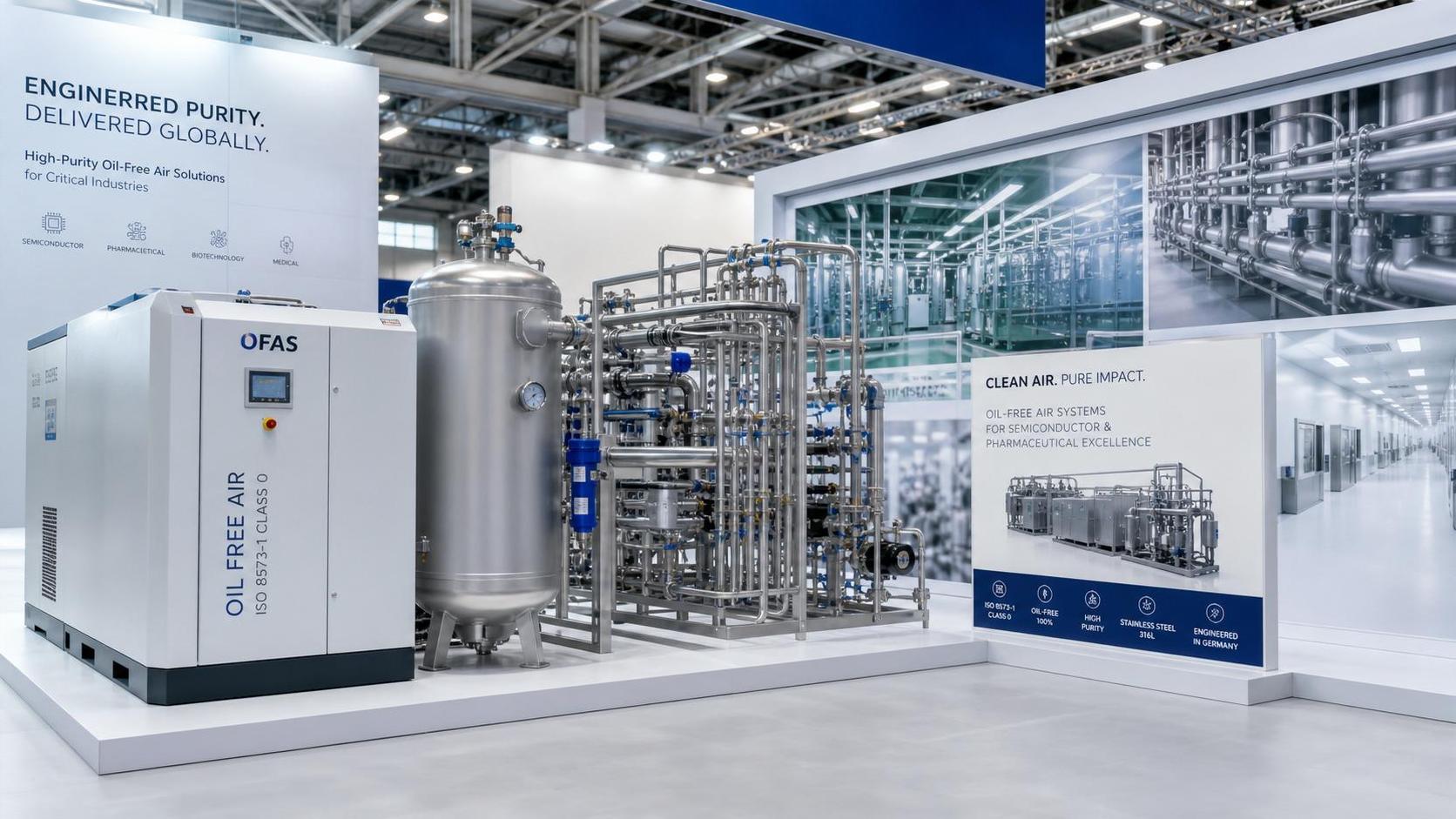
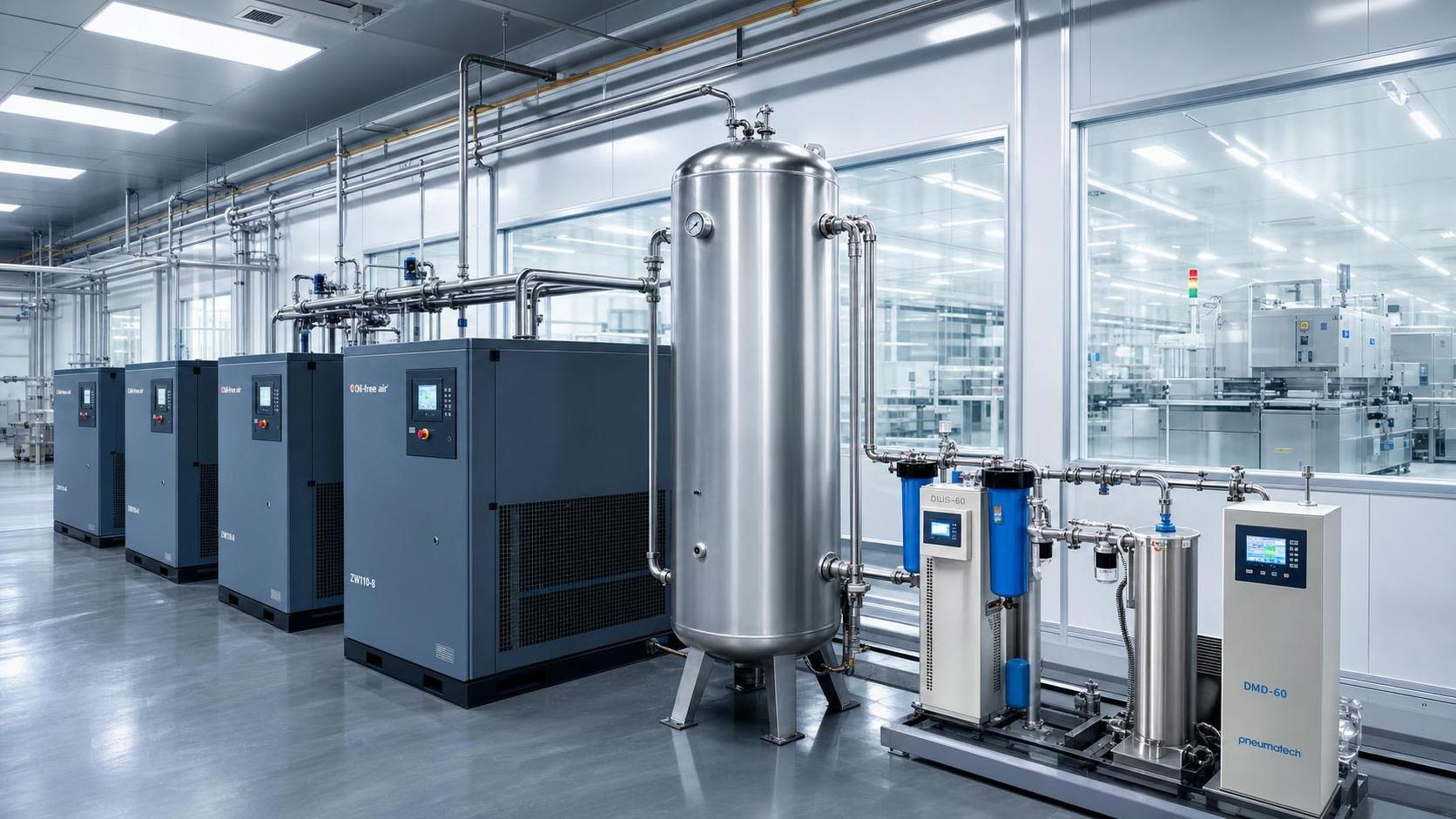
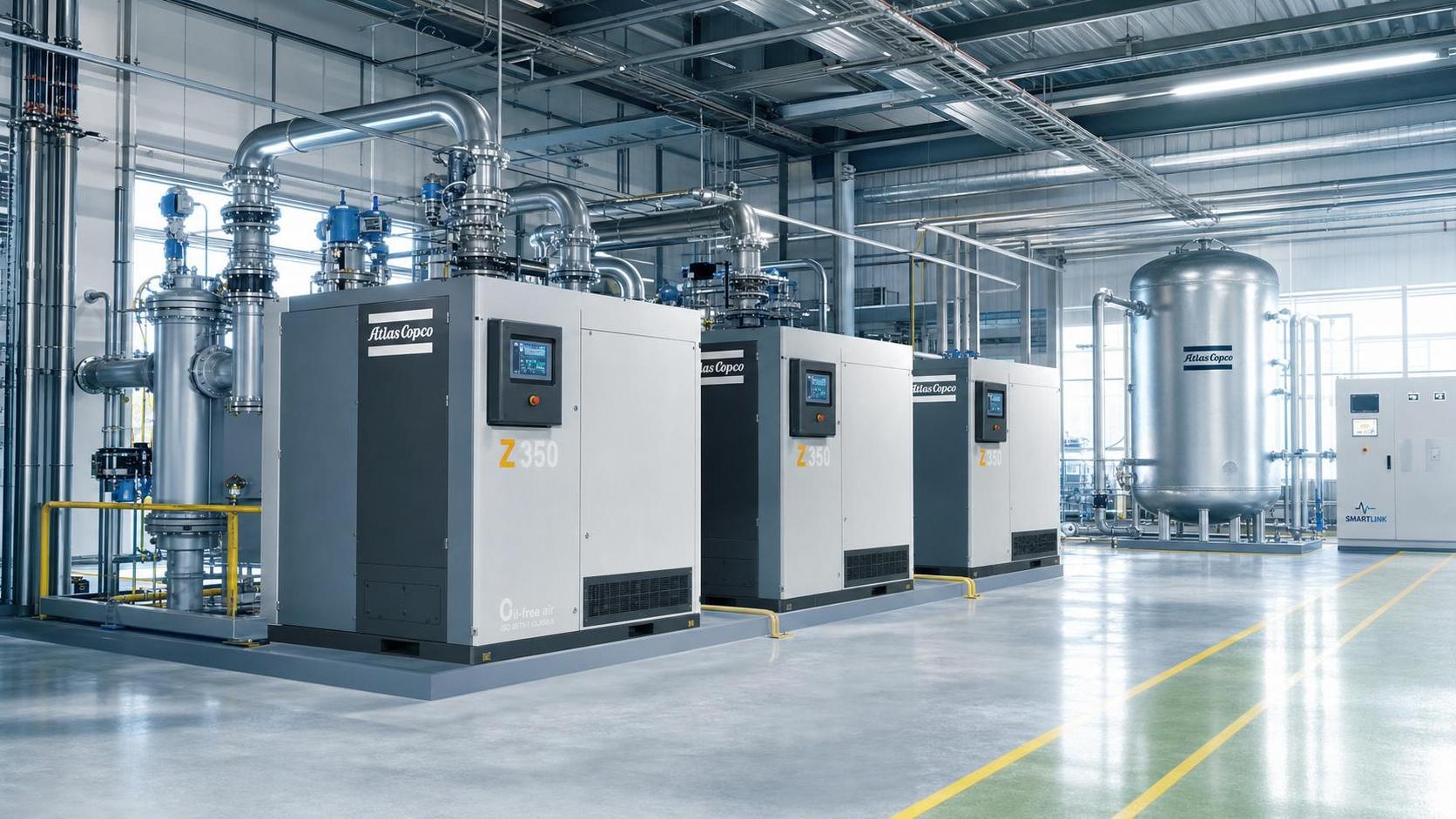
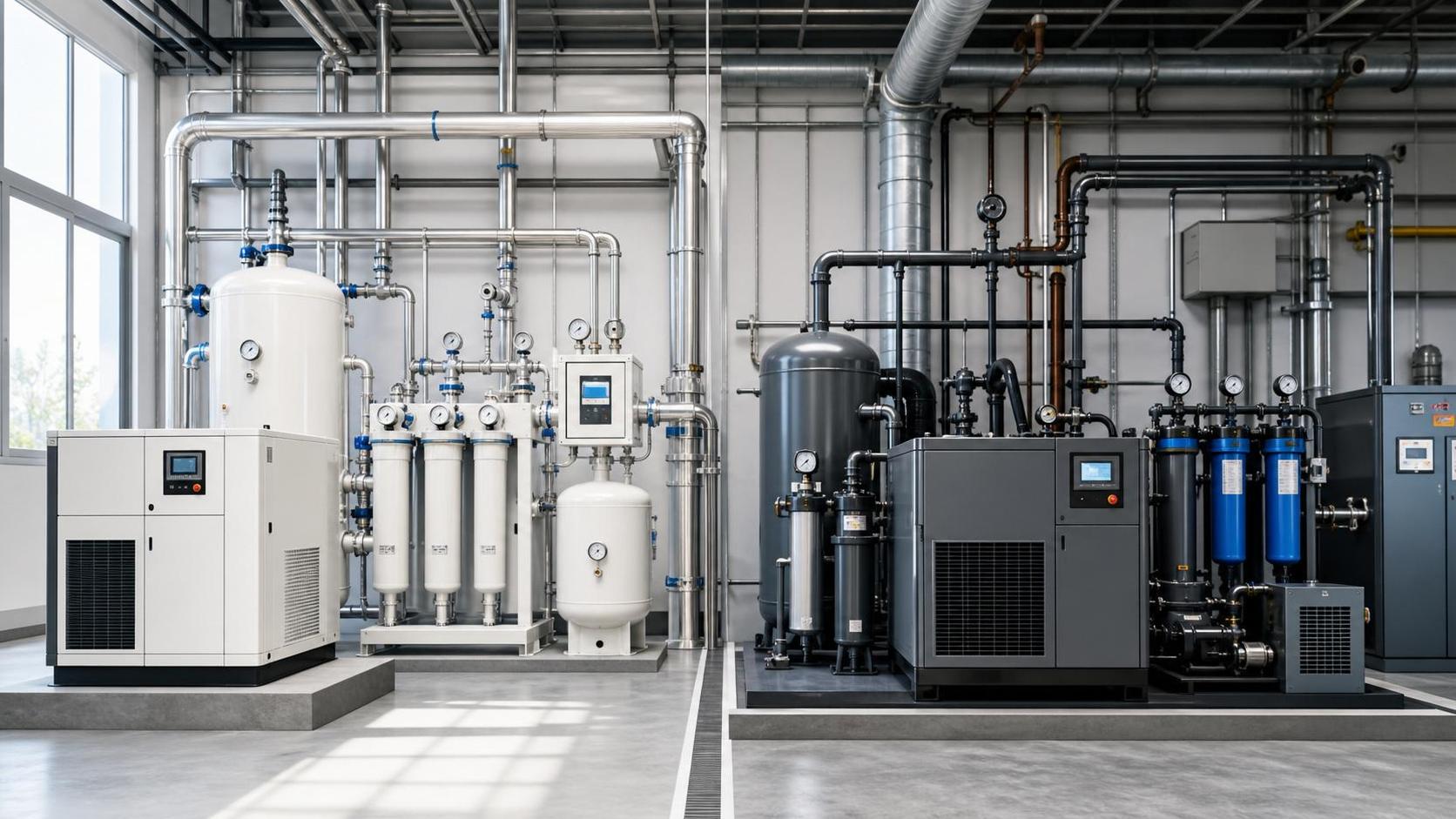
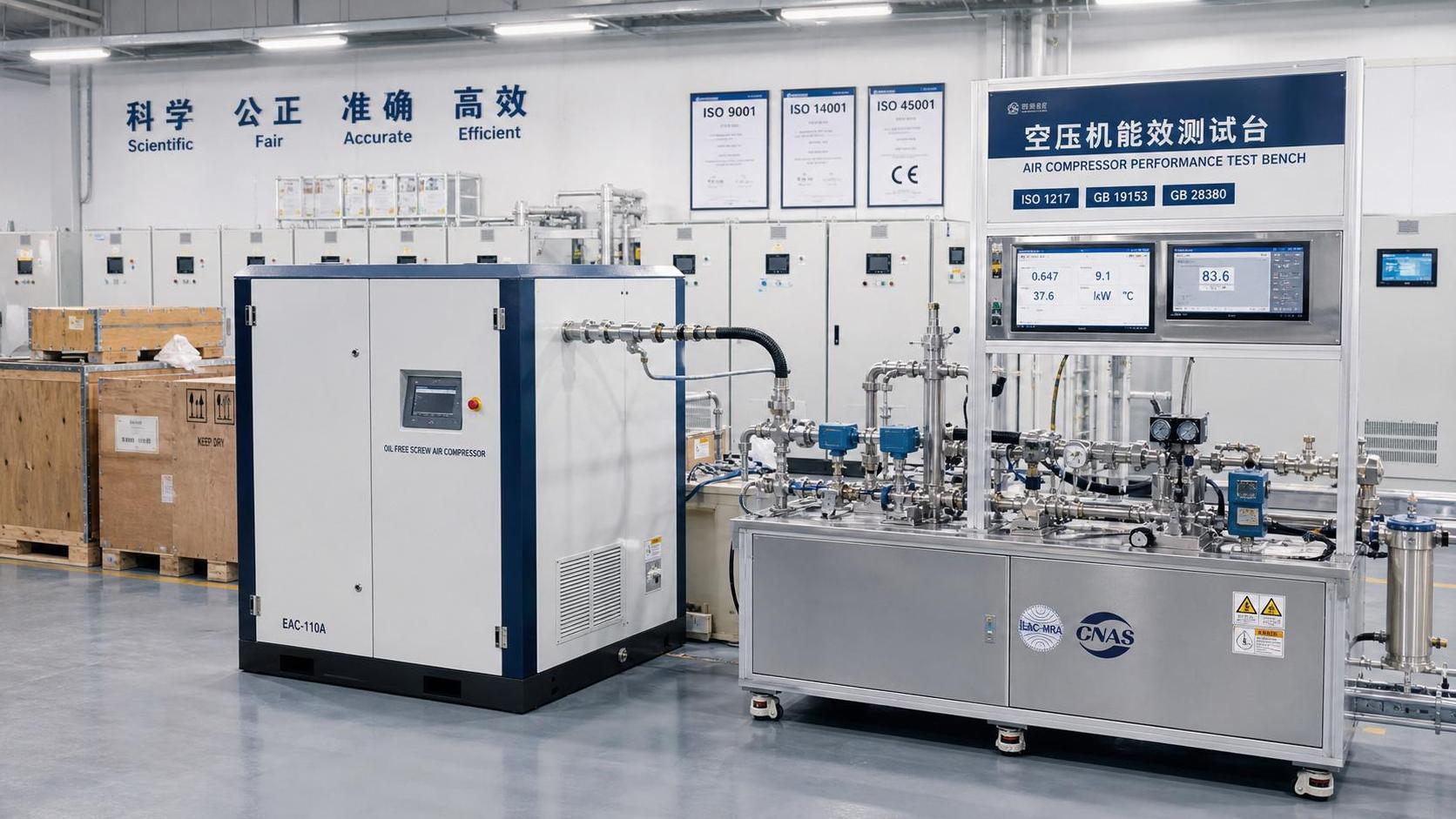
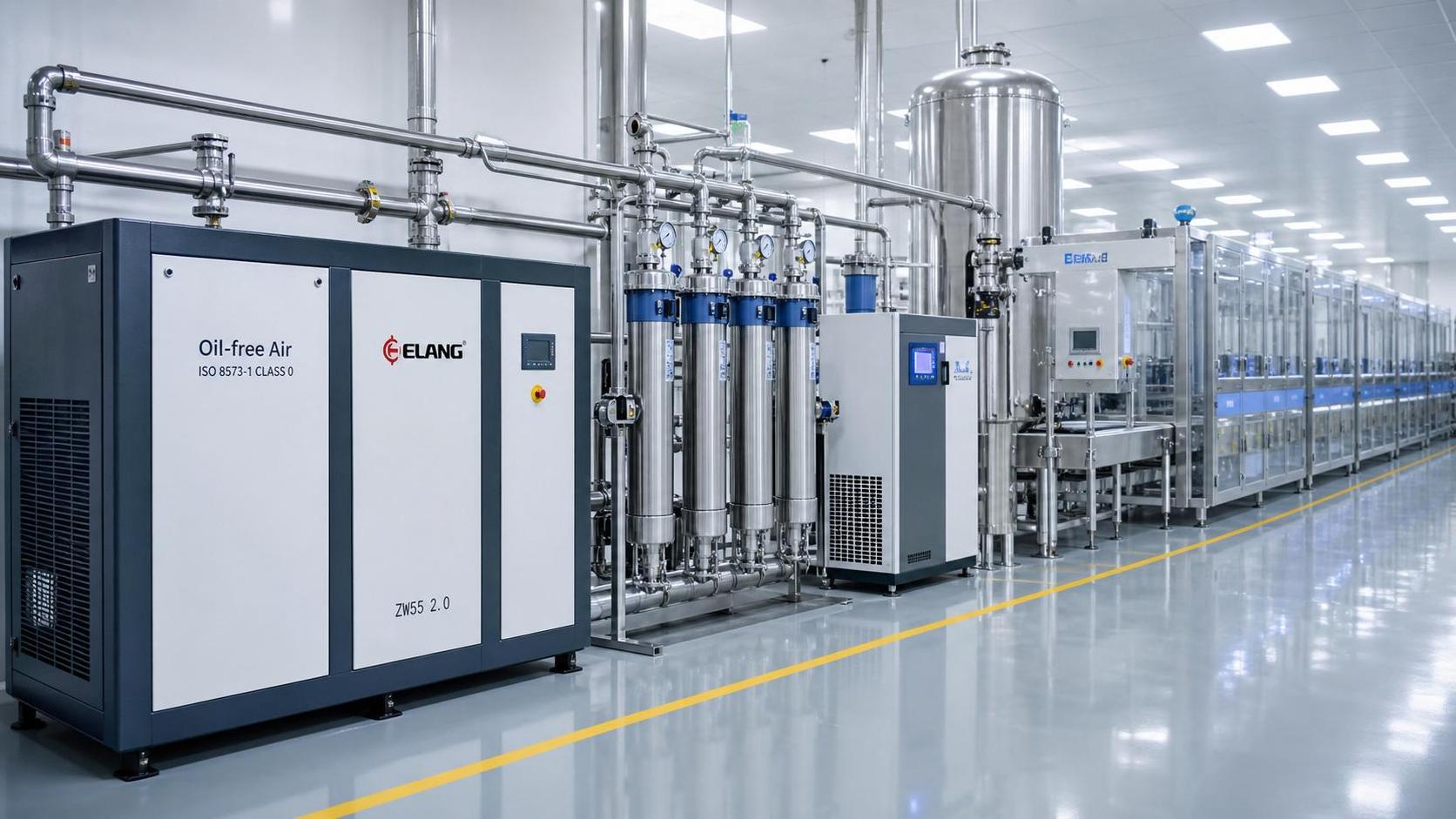
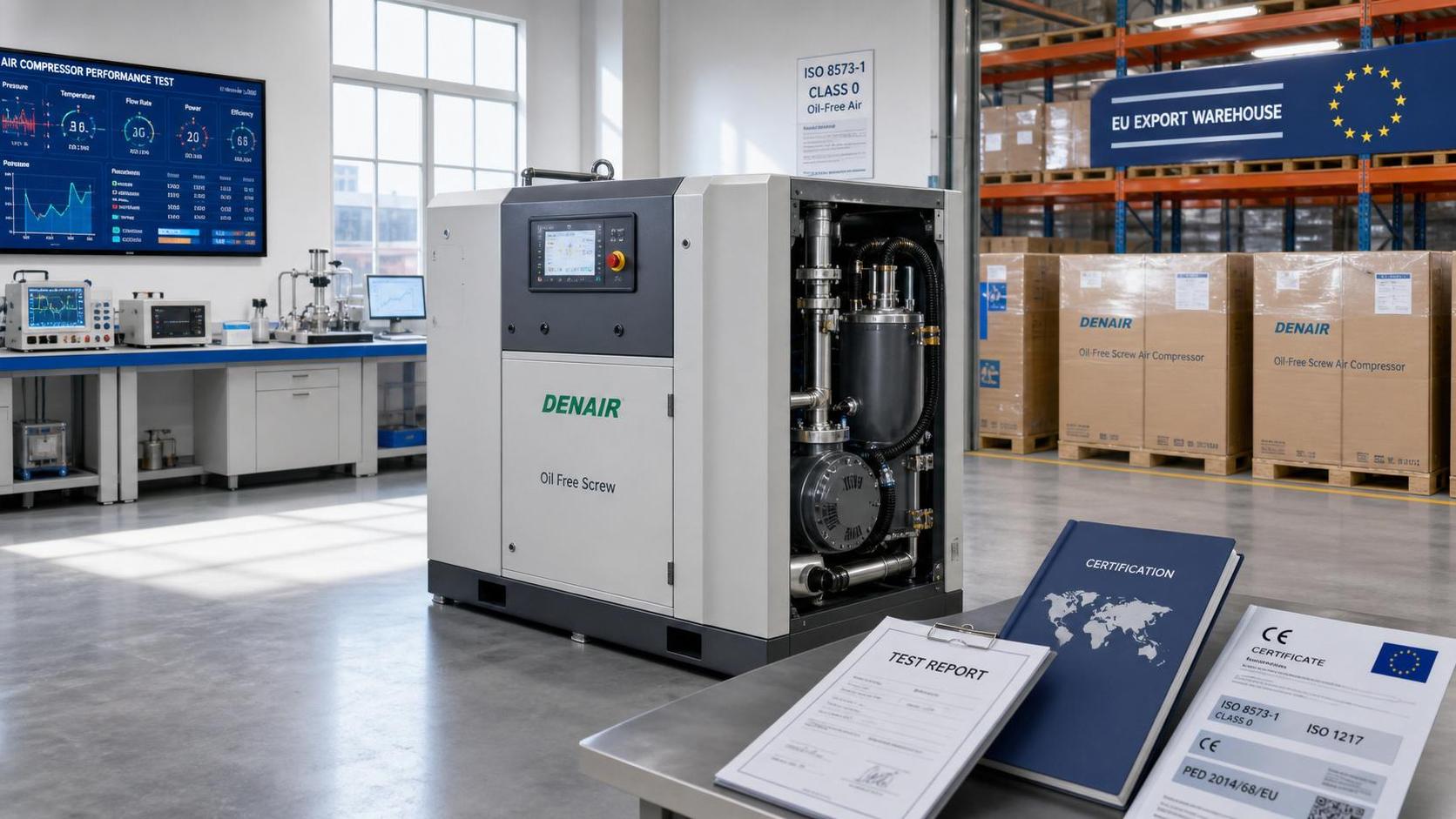
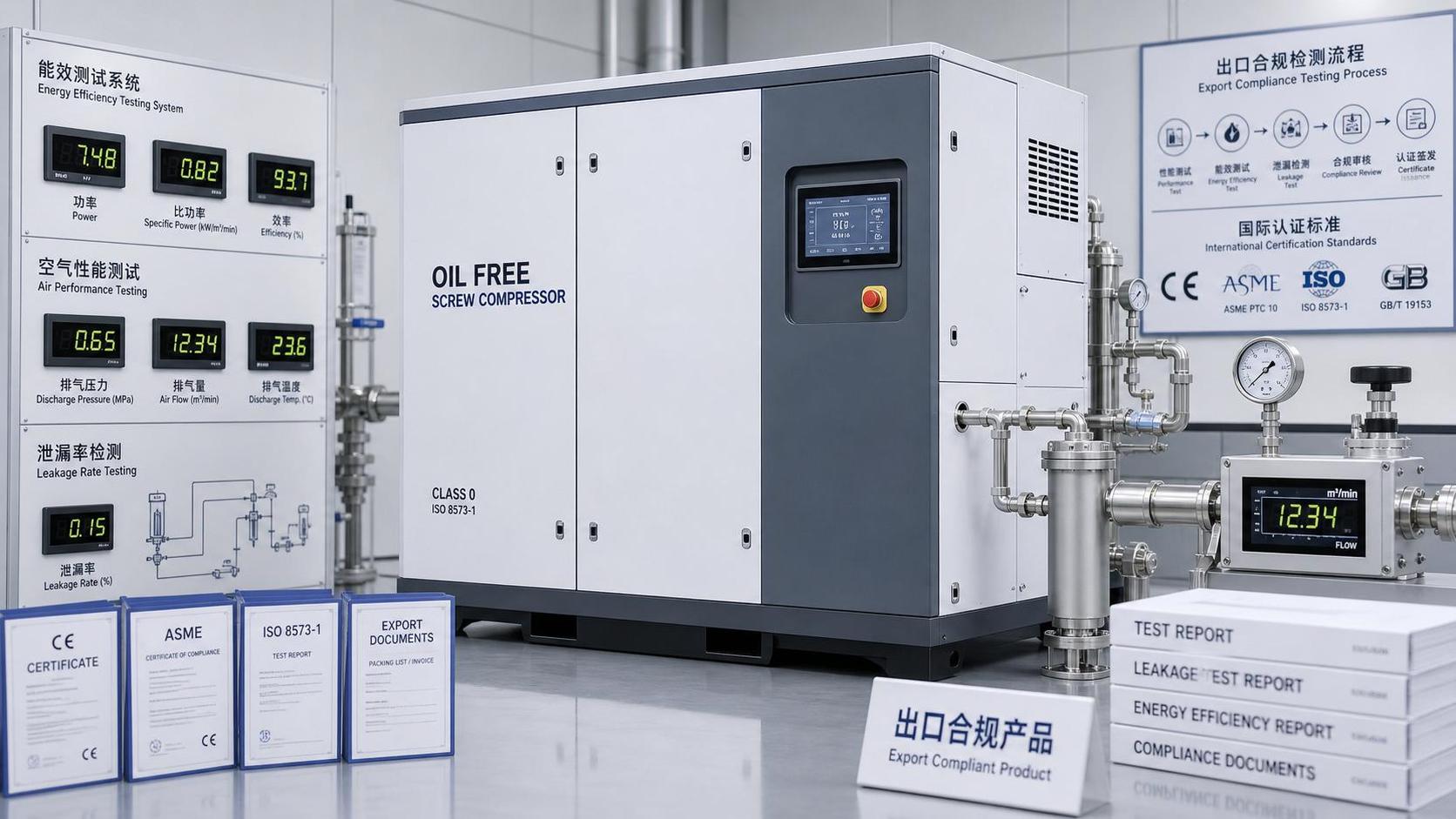
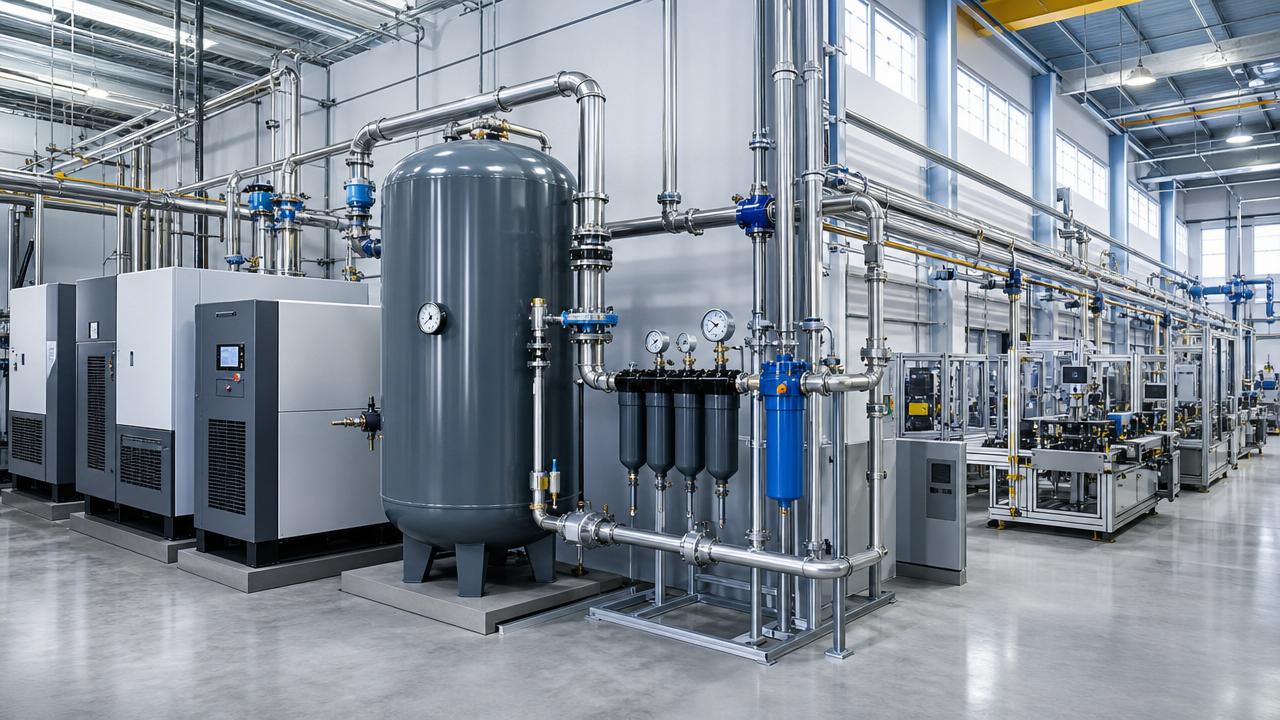
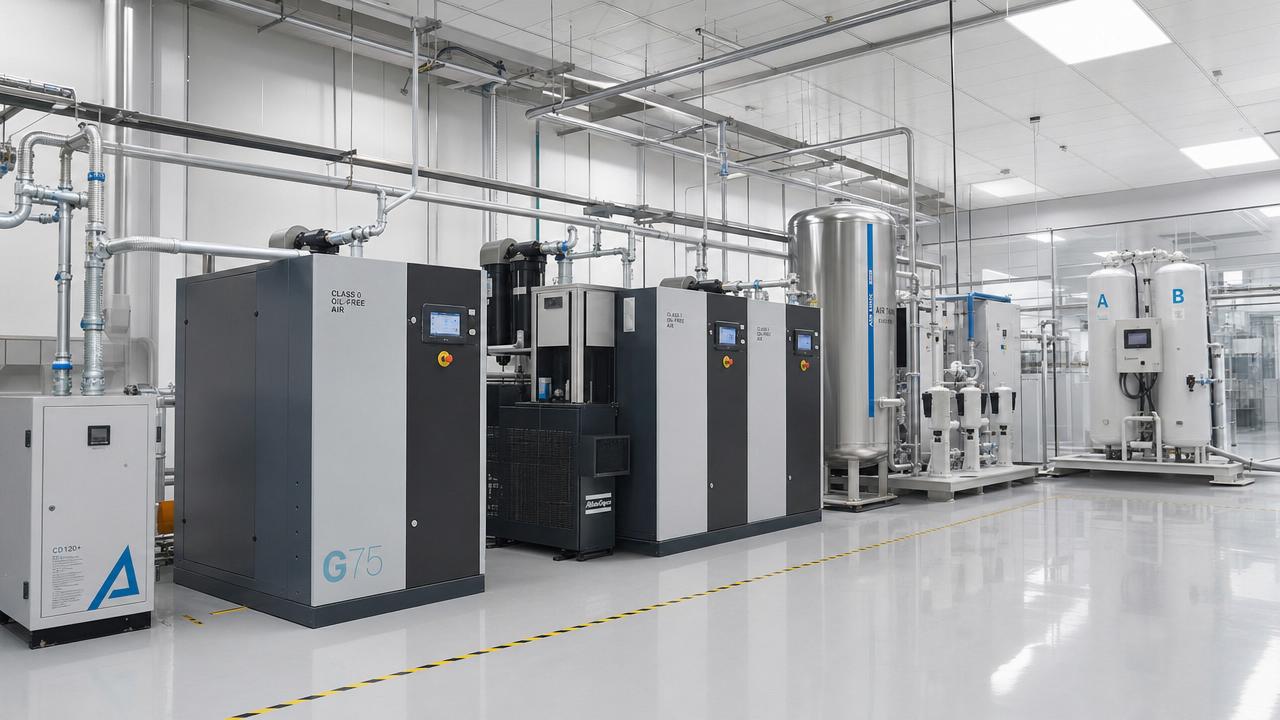
The visual distinction is straightforward, but the operating logic is more important.
In lubricated compressors, oil supports sealing, cooling, and component protection inside the compression chamber. That usually helps durability and can improve efficiency under certain load conditions.
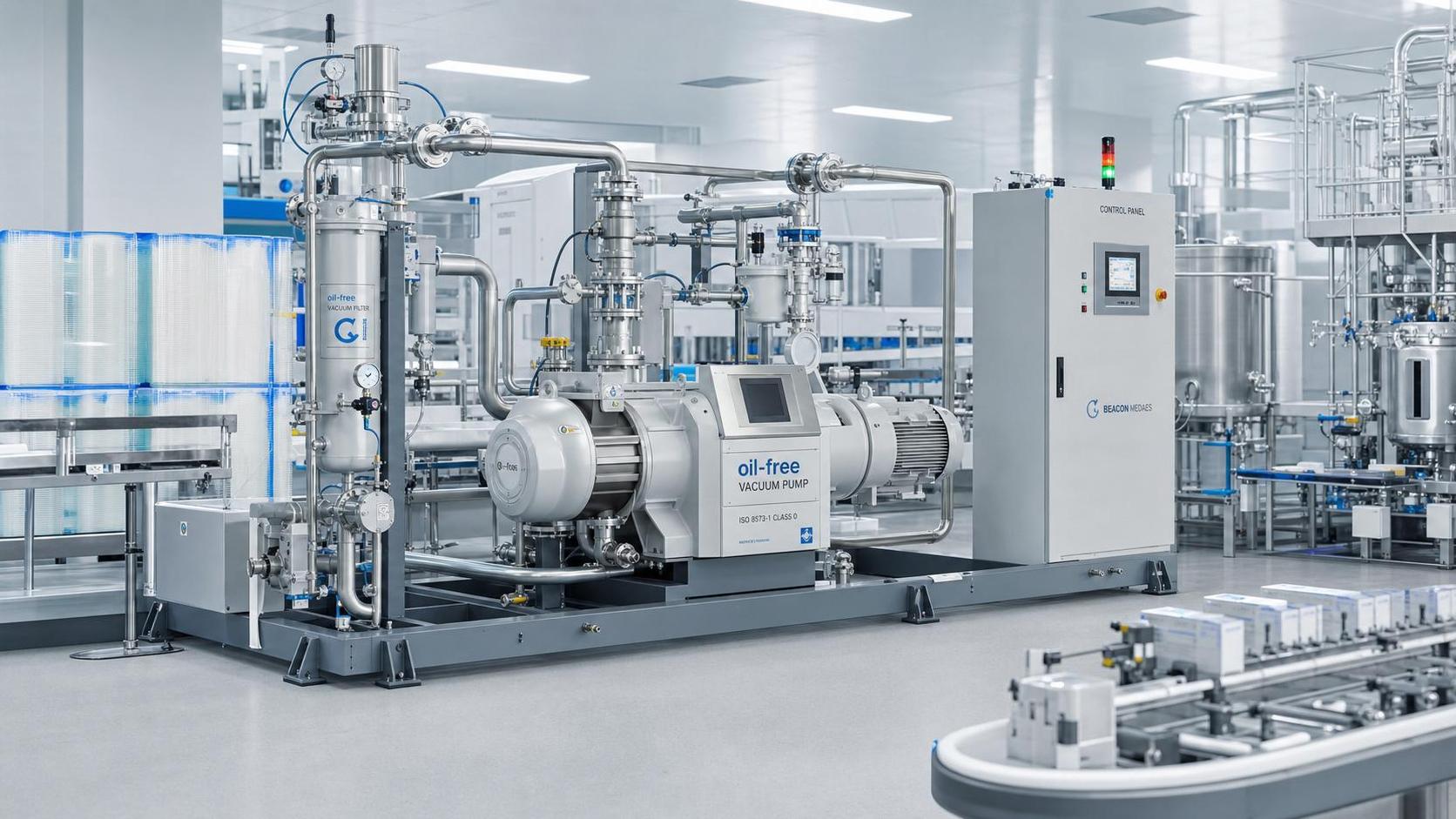
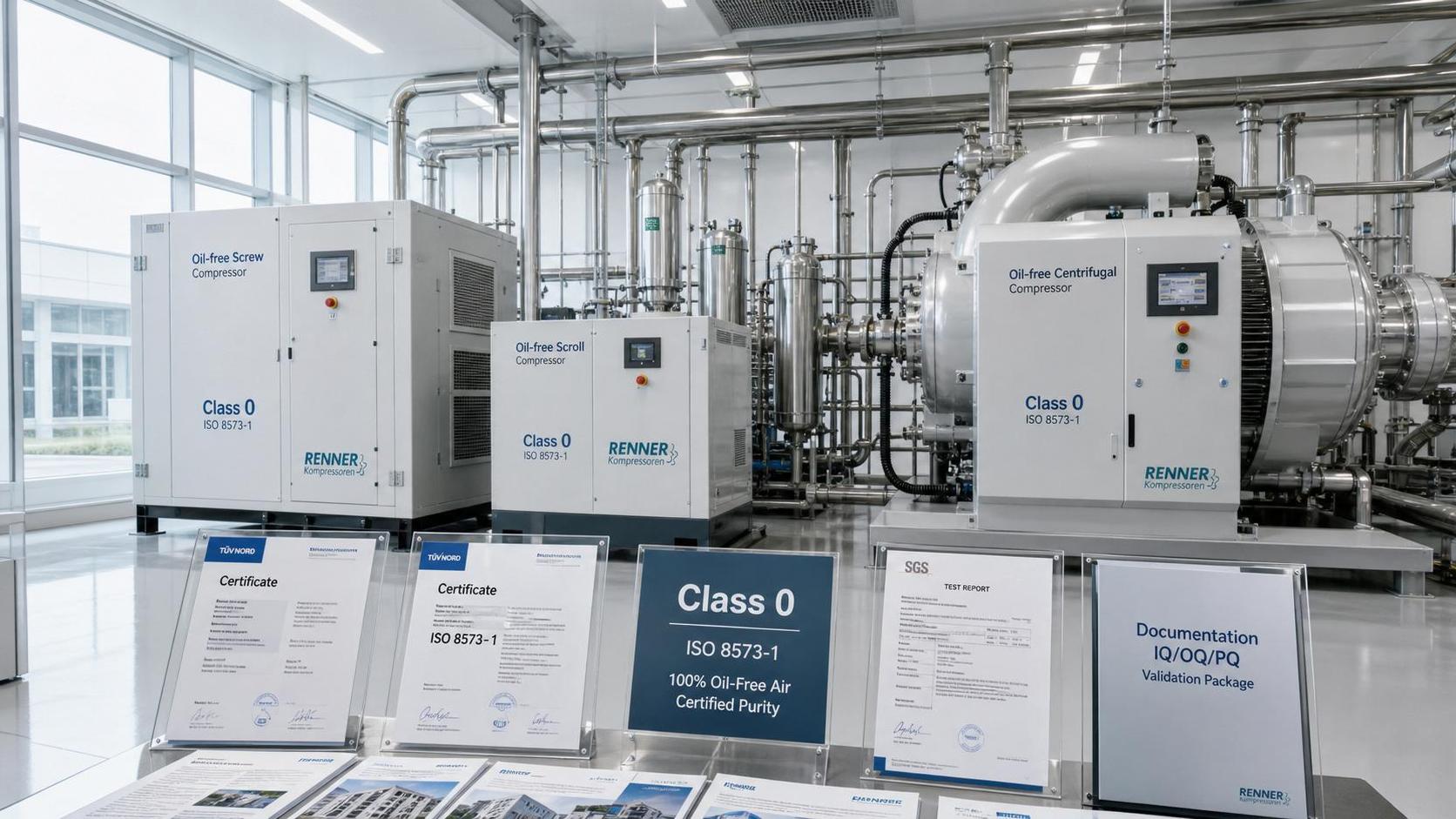
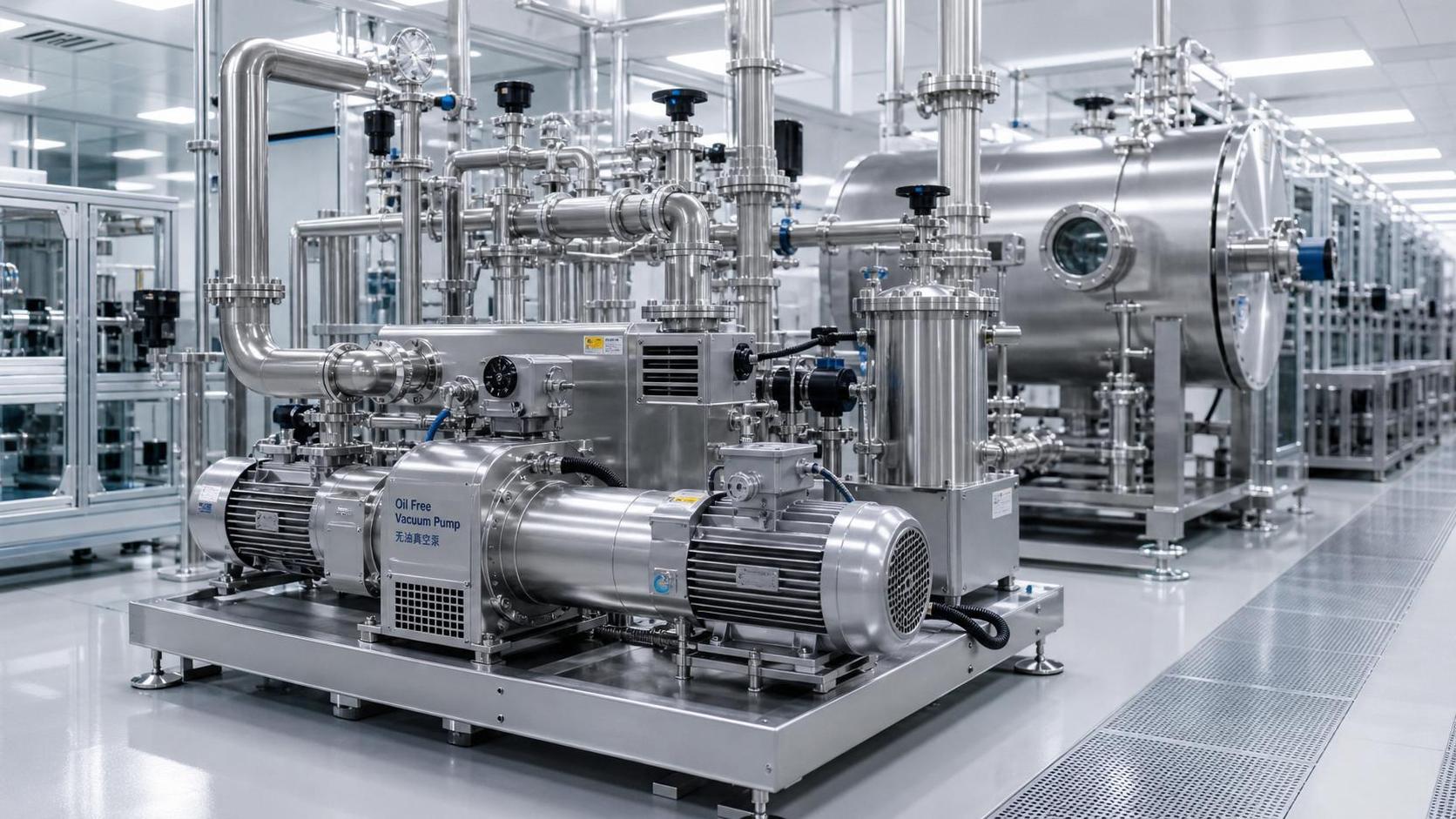
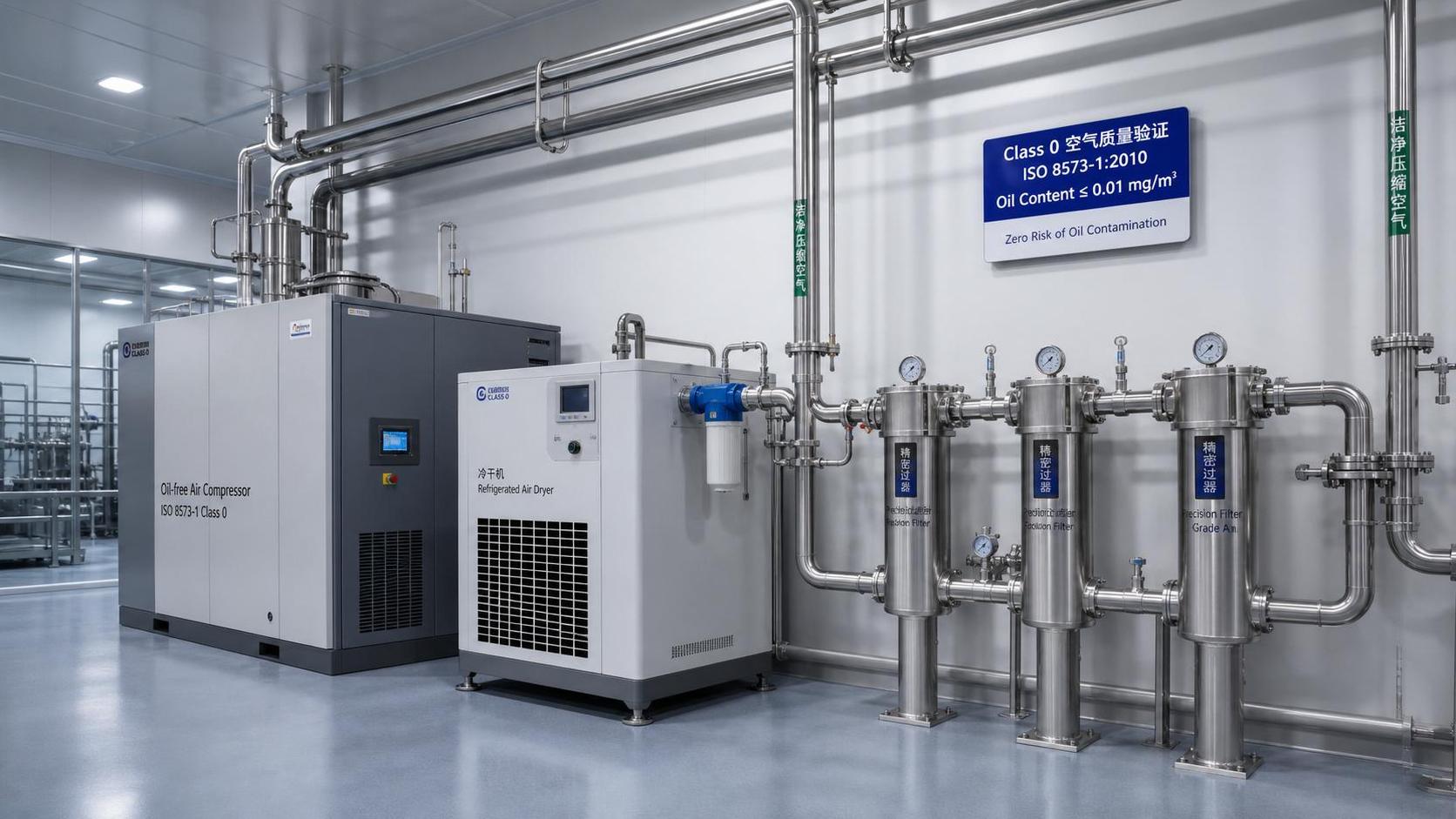
In oil-free compression, the compression path is designed so that oil does not contact the air stream. Different technologies achieve this in different ways, including dry screw, scroll, centrifugal, and engineered coating approaches.
The practical implication is not that one system is universally better. It is that each architecture manages risk differently.
Lubricated systems manage contamination through separation, filtration, and maintenance discipline. Oil-free compression manages it by removing oil from the compression chamber itself, then relying on stable machine condition and proper system design.
Why the comparison has become more important
Several industry signals are pushing this issue higher on evaluation lists.
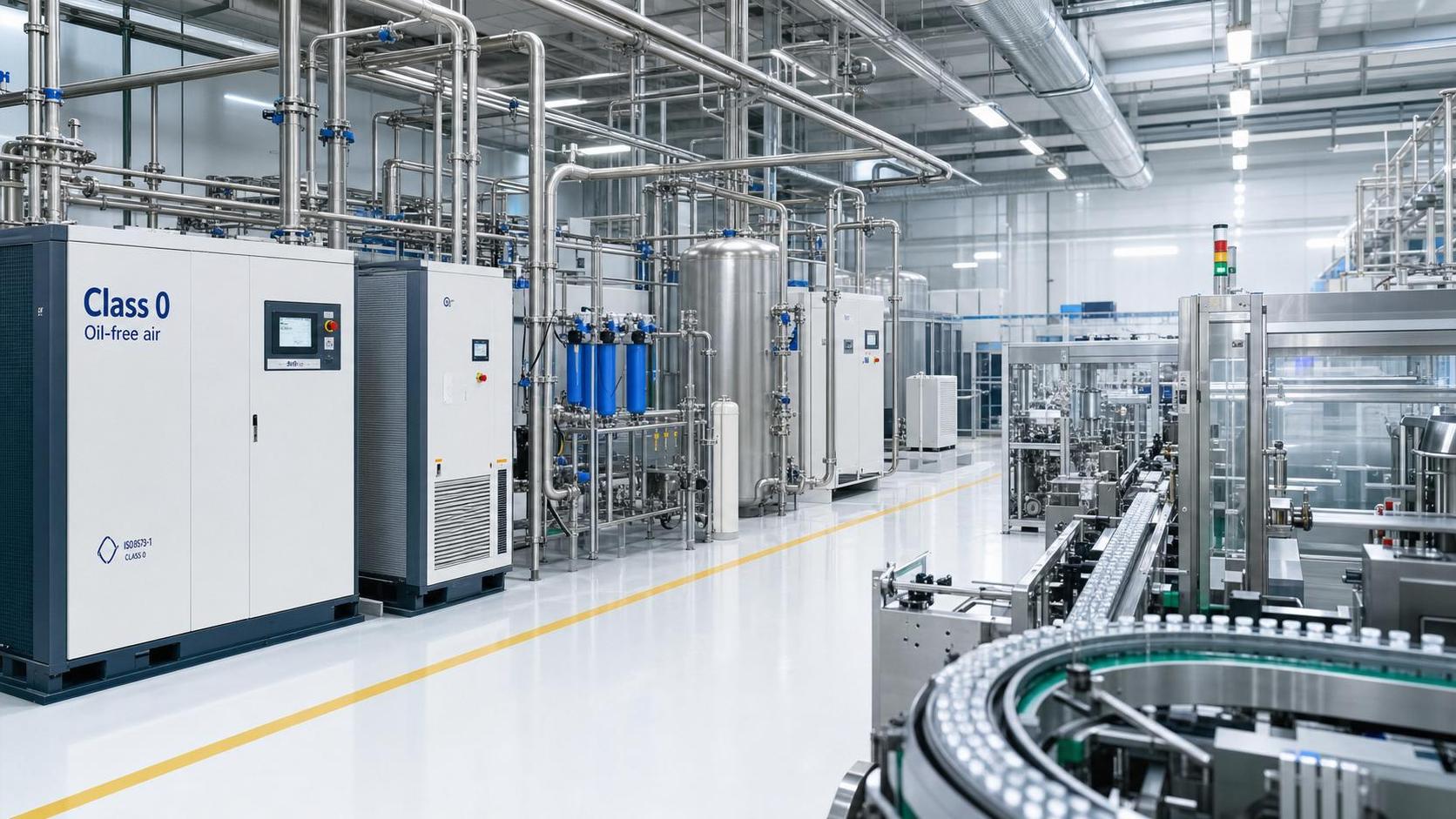
First, contamination consequences have expanded. In pharmaceuticals, semiconductors, electronics, food processing, and precision coating, a small amount of carryover can trigger scrap, recalls, or process instability.
Second, energy is under constant scrutiny. A compressor choice now has to be judged alongside dryers, filters, controls, heat recovery, and pressure strategy.
Third, environmental and governance pressures are affecting equipment selection. Lower waste oil handling, cleaner process narratives, and better alignment with decarbonization goals can influence the business case for oil-free compression.
GTC-Matrix tracks this shift across compressed air, cooling, vacuum, and heat exchange sectors. The recurring pattern is clear: buyers are no longer comparing machines in isolation. They are comparing operating models.
Air purity is the first filter, but not the last
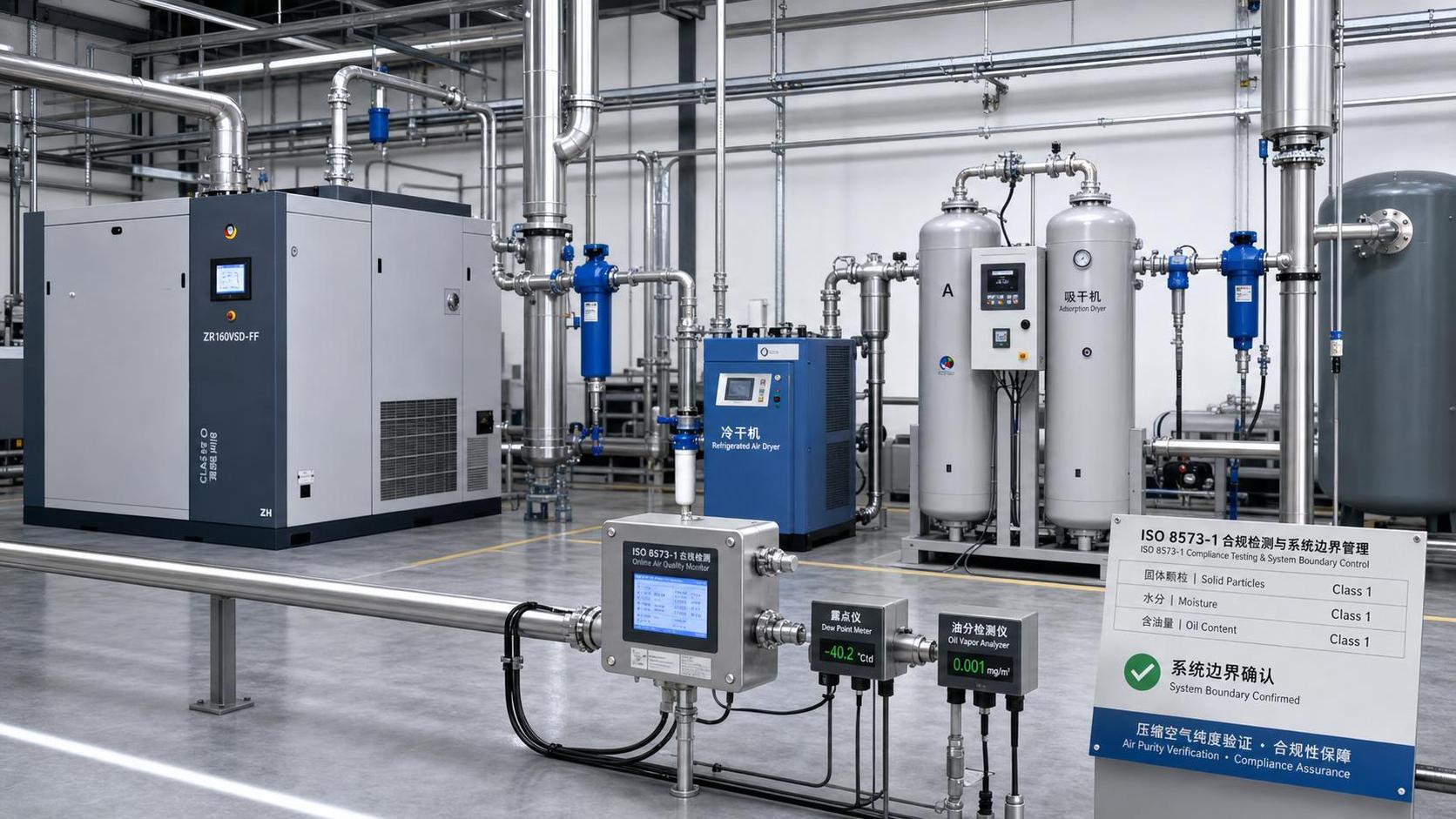
If the application cannot tolerate hydrocarbon risk, the argument often moves quickly toward oil-free compression. That is why the technology is common in clean manufacturing and highly sensitive process environments.
Still, air purity should not be reduced to a single label. Intake quality, pipe condition, condensate management, and downstream filtration also affect delivered air.
A lubricated system with excellent treatment can support many general industrial uses without issue. At the same time, an oil-free compressor installed in a poorly controlled system can still deliver inconsistent results.
That is why the better question is not only, “Is the compressor oil-free?” It is, “What air quality does the process need at the point of use, and what failure cost follows if that level drifts?”
Typical purity-sensitive situations
- Direct product contact in food, beverage, and pharmaceutical filling lines
- Instrument air for precision valves, analyzers, and clean utility systems
- Semiconductor and electronics processes where trace contamination affects yield
- Medical, laboratory, and specialty gas-related support applications
Maintenance and reliability follow different patterns
Lubricated compressors often benefit from mature service networks and familiar maintenance routines. Oil changes, separator replacements, and filtration schedules are well understood in many plants.
Oil-free compression removes some contamination-related tasks, but it does not eliminate maintenance complexity. Timing gears, coatings, airend condition, cooling integrity, and control calibration remain important.
Reliability therefore depends less on marketing language and more on fit with the duty cycle. A machine optimized for intermittent clean demand may not be ideal for a heavy, hot, continuous base load.
Service capability also matters. If critical parts, specialized technicians, or performance diagnostics are hard to access, theoretical purity advantages can be offset by recovery delays during outages.
A useful way to compare maintenance exposure
Energy performance should be judged at system level
One common mistake is assuming that oil-free compression is always less efficient, or that lubricated machines always win on power. Real-world performance is more nuanced.
Compression technology, part-load behavior, discharge pressure, cooling method, ambient conditions, and controls all influence specific energy. So do leaks, inappropriate pressure bands, and poorly matched storage capacity.
In some clean air applications, oil-free compression reduces downstream treatment burden and contamination-related rework. That system benefit can outweigh a narrower equipment efficiency advantage elsewhere.
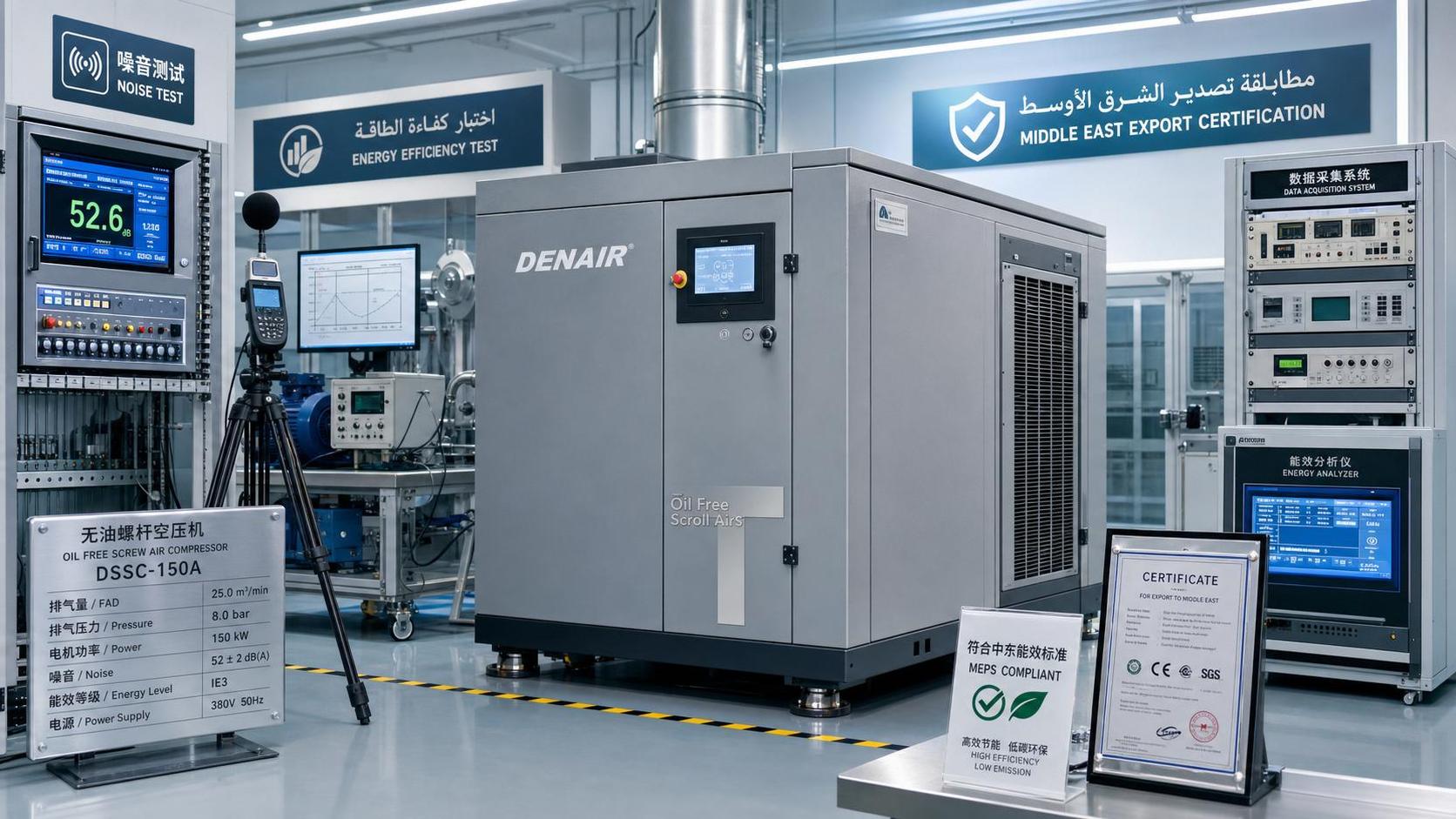
This is where the GTC-Matrix approach is useful. Thermodynamic logic should be connected to the full energy chain, including heat recovery potential, cooling demand, and the interaction between compressed air and broader plant utilities.
Where each option usually makes sense
Application context often clarifies the trade-off faster than specification sheets.
Oil-free compression is usually favored where product integrity, regulatory alignment, or brand risk makes even low contamination probability unacceptable.
Lubricated systems remain highly practical for general manufacturing, pneumatic tools, material handling, metalworking support, and utility air where downstream treatment can reliably meet required quality levels.
Hybrid strategies are also common. A site may use oil-free compression for critical lines and lubricated compressors for general services. That can balance purity, capex, and operating flexibility.
Questions that sharpen the decision
- What is the actual air quality requirement at each point of use?
- What is the cost of contamination, including hidden quality loss?
- How stable is the load profile across shifts and seasons?
- What service support is locally available for the chosen technology?
- How will the system perform when dryers, filters, and controls are included?
A practical evaluation framework
A sound comparison should combine technical, commercial, and operational evidence.
Start with contamination tolerance. If the process has near-zero tolerance, oil-free compression often becomes the baseline rather than one option among many.
Then review lifecycle cost, not only acquisition cost. Include energy, consumables, downtime risk, air treatment, waste handling, and product loss exposure.
After that, test the duty profile. Base load, trim control, standby philosophy, and future capacity changes can materially alter the preferred configuration.
Finally, connect the choice to broader plant strategy. If decarbonization, smarter utilities, and cleaner process narratives are rising priorities, the value case may shift beyond direct compressor metrics.
The most useful next step is to build a comparison matrix around purity class, specific energy, service intervals, redundancy needs, and consequence of failure. That turns the oil-free compression debate into a structured decision grounded in plant reality.
Ready when you are. Send us a message to get started.
Related News
- How to verify food-grade purity in compressed air systemsAuthor :Pneumatic Power Engineer

- What determines the price of pure air compression systems?Author :Pneumatic Power Engineer

- How to size oil-free compressors for instrumentation air demandAuthor :Pneumatic Power Engineer

- How Class 0 oil-free compressors protect product quality in food productionAuthor :Pneumatic Power Engineer

- How to verify compressed air cleanroom standards before installationAuthor :Pneumatic Power Engineer

- When oil free vacuum pumps make sense for European cleanroom projectsAuthor :Pneumatic Power Engineer

- When do pure air compression systems need ISO 8573-1 Class 0?Author :Pneumatic Power Engineer

- How do compressed air systems for electronics prevent contamination?Author :Pneumatic Power Engineer

- When does an oil-free process vacuum pump justify its higher cost?Author :Pneumatic Power Engineer

- Does ISO 9001 certification apply to compressed air quality?Author :Pneumatic Power Engineer

- How to Specify Clean Compressed Air Systems in Southeast Asia for Food and Pharma PlantsAuthor :Pneumatic Power Engineer

- How to Compare Oil Free Vacuum Pumps for Clean Process RequirementsAuthor :Pneumatic Power Engineer

- How to Evaluate a Clean Compressed Air Systems Supplier for ISO 8573-1 ComplianceAuthor :Pneumatic Power Engineer

- How to Choose the Right Oil-Free Vacuum PumpAuthor :Pneumatic Power Engineer

- VDI 2083 Update Makes Class 0 Proof MandatoryAuthor :Pneumatic Power Engineer

- When to Use Oil Free Vacuum Pumps for High Purity LinesAuthor :Pneumatic Power Engineer

- Compressed Air Solutions: When Oil-Free Systems Lower Total Operating CostAuthor :Pneumatic Power Engineer

- ATMOsphere Europe 2026 Adds Oil-free Systems ZoneAuthor :Pneumatic Power Engineer

- Oil-Free Compressors: Key Selection Criteria for Clean Air SystemsAuthor :Pneumatic Power Engineer

- How to Compare Oil Free Centrifugal Compressors for Stable Plant Air SupplyAuthor :Pneumatic Power Engineer

- Compressed Air Class 0 vs Oil-Free: What Really MattersAuthor :Pneumatic Power Engineer

- Oil-Free Compression Class 0: What the Standard Really Means in ProductionAuthor :Pneumatic Power Engineer

- Air Compression Cost Comparison: Oil-Free vs Screw Systems in Daily OperationAuthor :Pneumatic Power Engineer

- Saudi SASO Tightens IEC 63349-2 for Oil-Free CompressorsAuthor :Pneumatic Power Engineer

- Saudi SASO Tightens Oil-Free Compressor Efficiency RulesAuthor :Pneumatic Power Engineer

- Pure Air Compression Systems for Clean Production LinesAuthor :Pneumatic Power Engineer

- IEC 63349-2:2026 makes energy certification mandatoryAuthor :Pneumatic Power Engineer

- IEC 63349-2:2026 Sets New Entry Rules for Oil-Free Screw CompressorsAuthor :Pneumatic Power Engineer

- IEC 63349-2:2026 Takes Effect for Oil-Free Screw CompressorsAuthor :Pneumatic Power Engineer

- IEC 63349-2:2026 Sets New Efficiency Gate for Oil-Free Screw CompressorsAuthor :Pneumatic Power Engineer

- IEC 63349-2:2026 Takes Effect for Oil-Free Screw CompressorsAuthor :Pneumatic Power Engineer

- SABIC Methanol Force Majeure Extended, Tightening R134a/R407C FeedstocksAuthor :Pneumatic Power Engineer

- How to Evaluate Pneumatic Power Systems for Stable OutputAuthor :Pneumatic Power Engineer

- Oil-Free Compression vs Lubricated Systems: Key Trade-OffsAuthor :Pneumatic Power Engineer
![]()
- Oil-Free Compression: 2026 Cost and Compliance Trade-OffsAuthor :Pneumatic Power Engineer

- Oil-Free Compression: Cost and Contamination RisksAuthor :Pneumatic Power Engineer
![]()