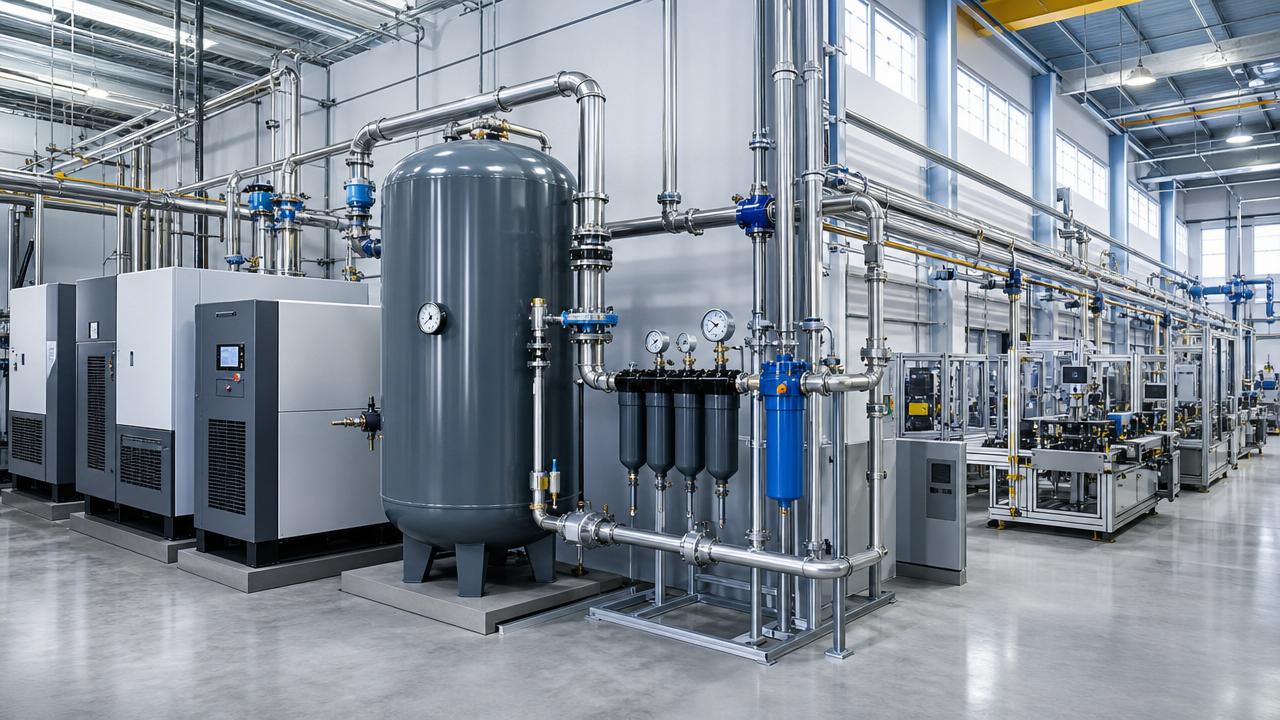
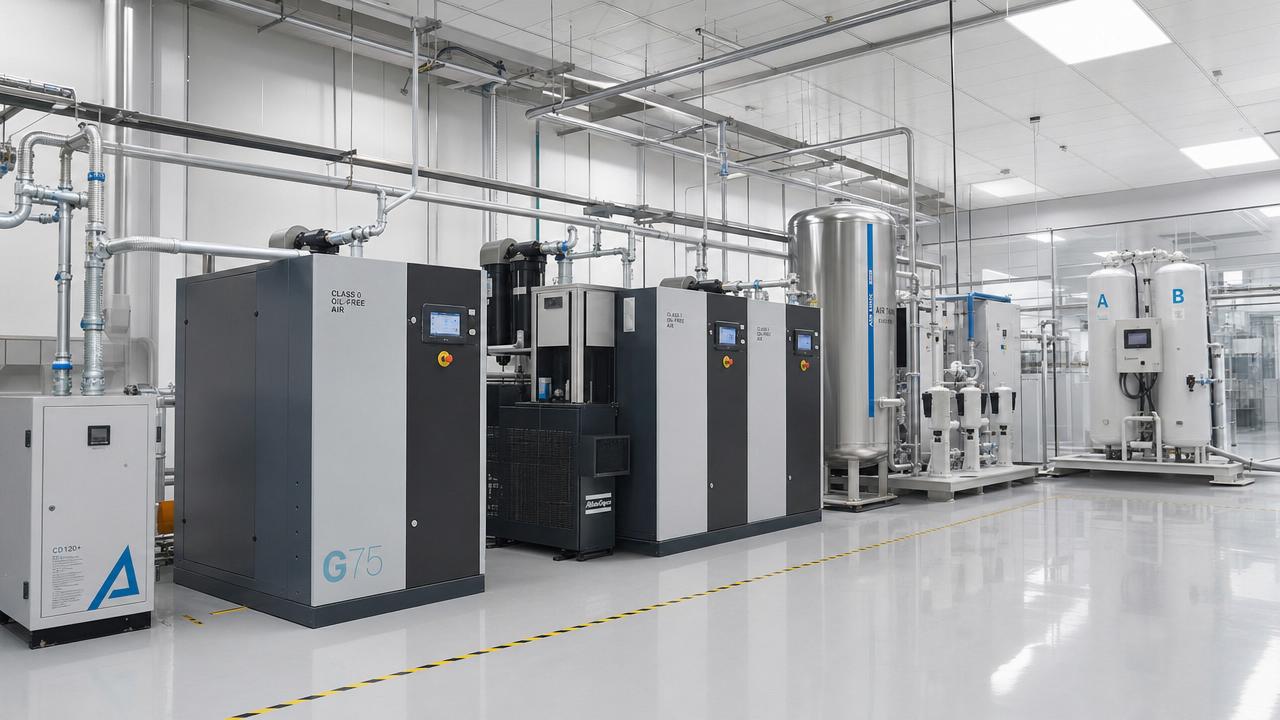
Compressed Air Class 0 vs Oil-Free: What Really Matters




Why does compressed air Class 0 get confused with oil-free so often?
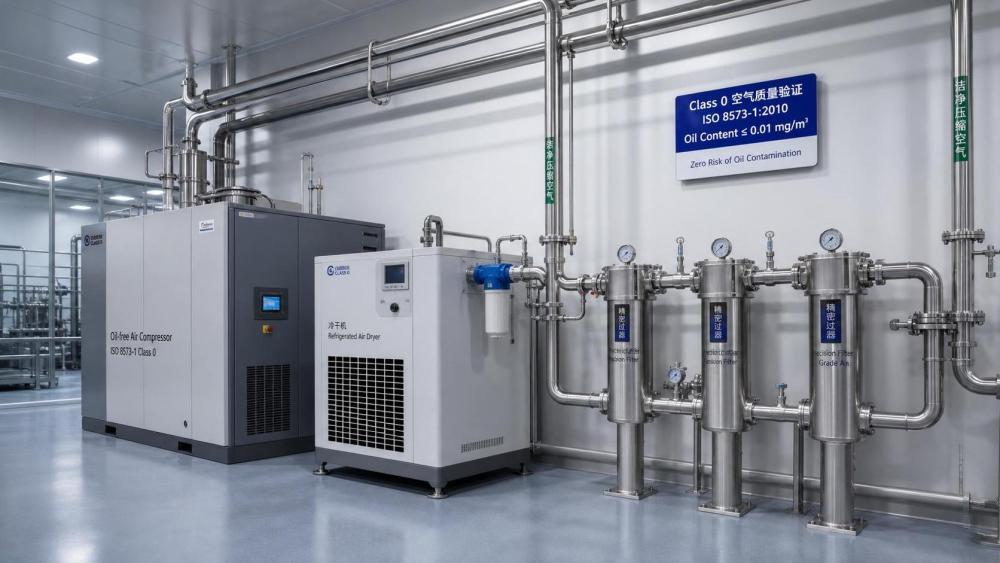
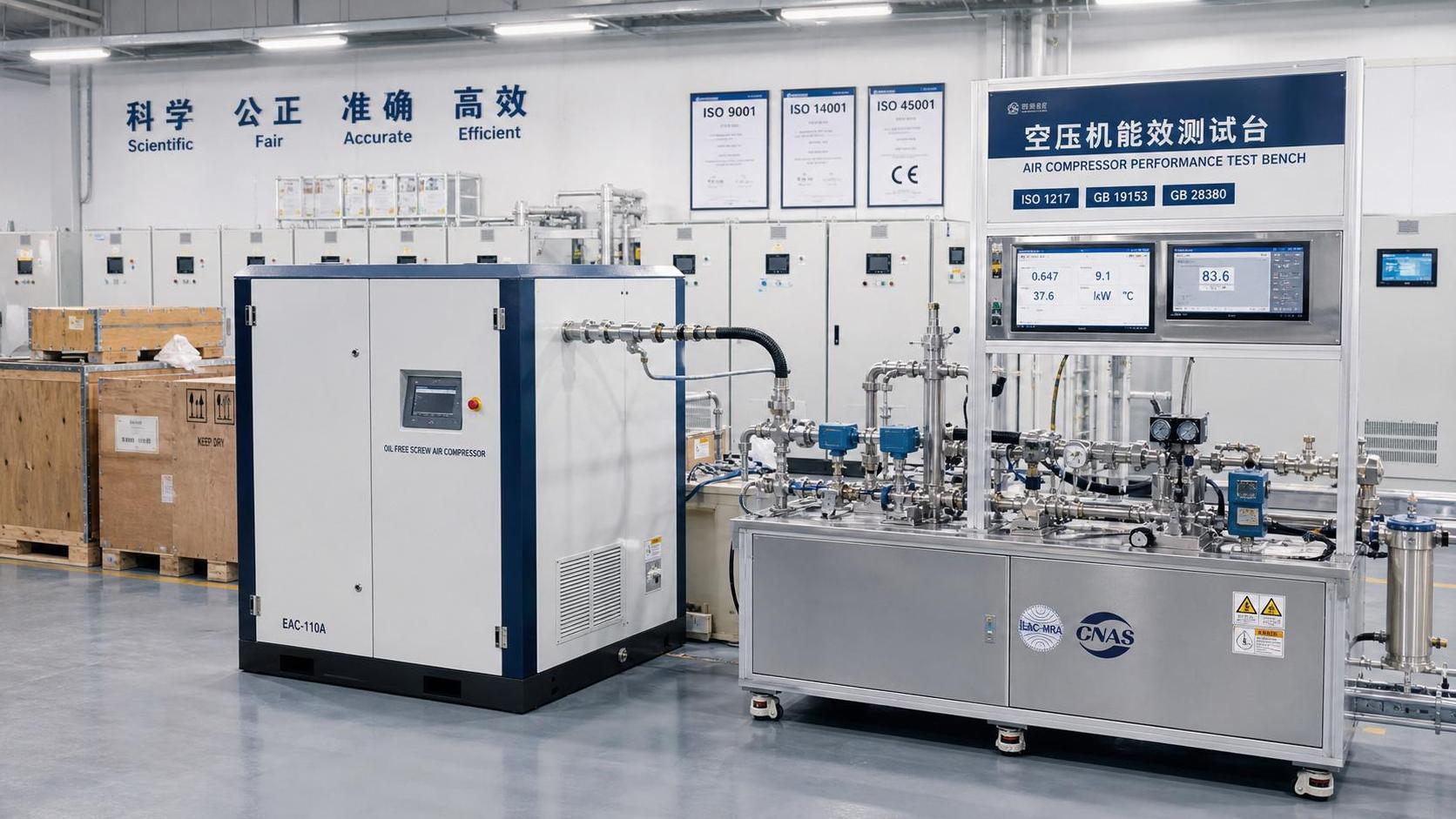
The confusion starts with language. Oil-free describes compressor design. Compressed air Class 0 describes the purity of delivered air under ISO 8573-1.
That difference matters more than it first appears. A machine can be marketed as oil-free, yet the system still needs proof that downstream air meets compressed air Class 0 expectations.
In practical terms, one term belongs to equipment architecture. The other belongs to contamination results, testing discipline, and risk acceptance.
This is why technical evaluations often become difficult. The real question is rarely, “Is the compressor oil-free?” It is usually, “Can the full air system support the required purity with evidence?”
That broader view fits the way GTC-Matrix approaches industrial intelligence. Compression performance, thermal stability, filtration, drying, and operating economics all shape the final air quality outcome.
So when comparing compressed air Class 0 vs oil-free, the safer starting point is simple: design intent and delivered air quality are related, but they are not interchangeable.
If oil-free already sounds clean, what does compressed air Class 0 add?
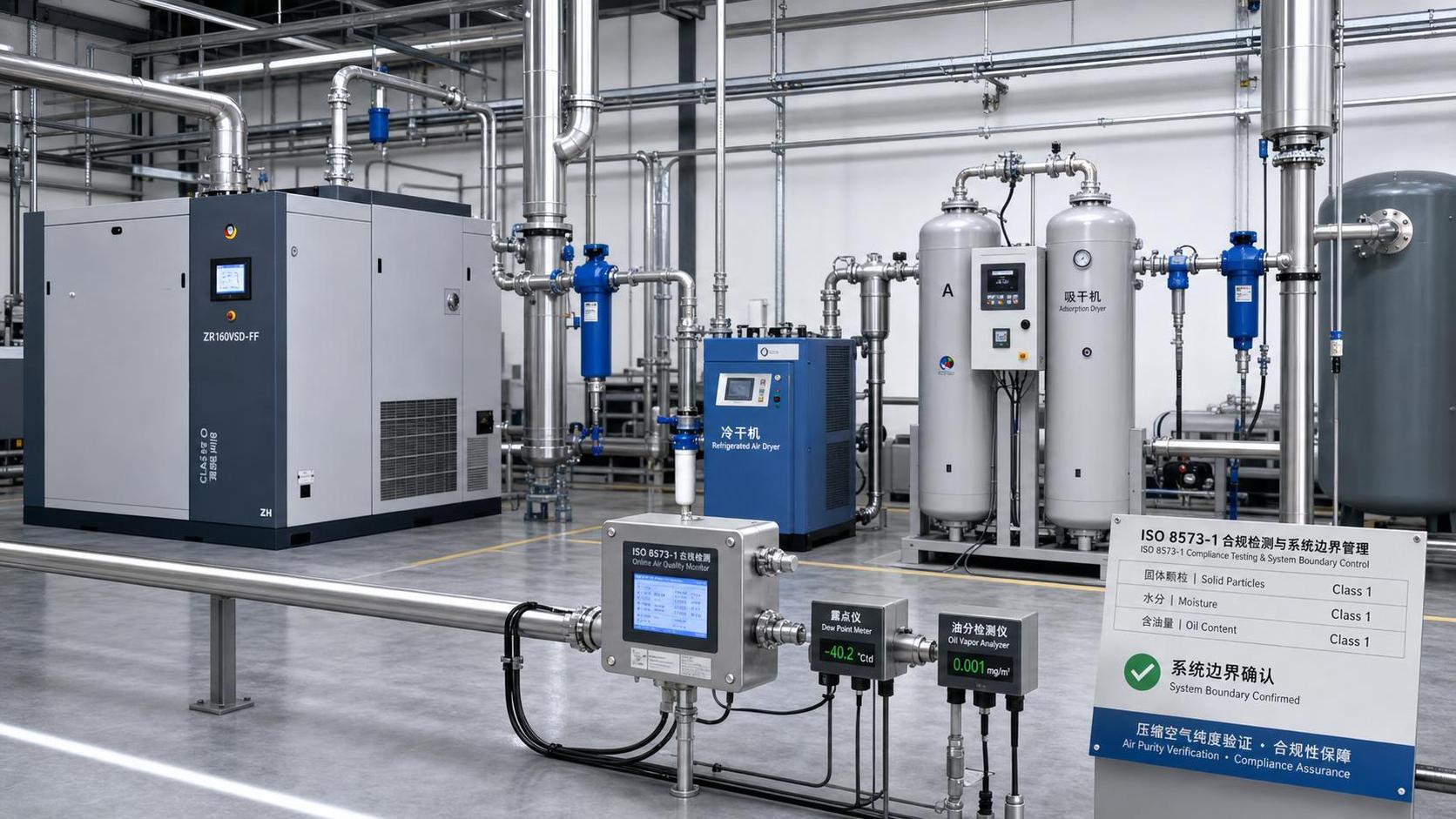
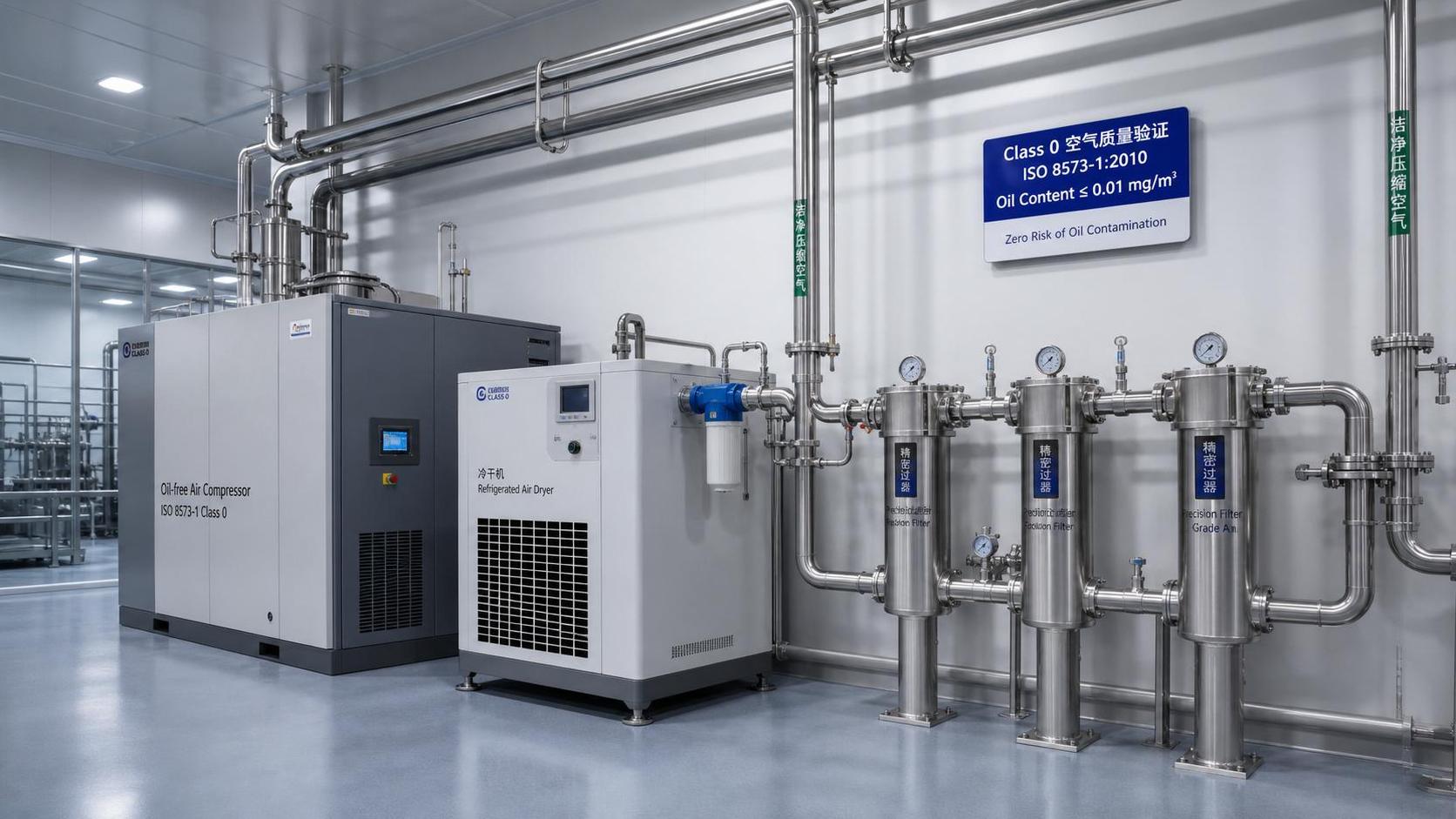
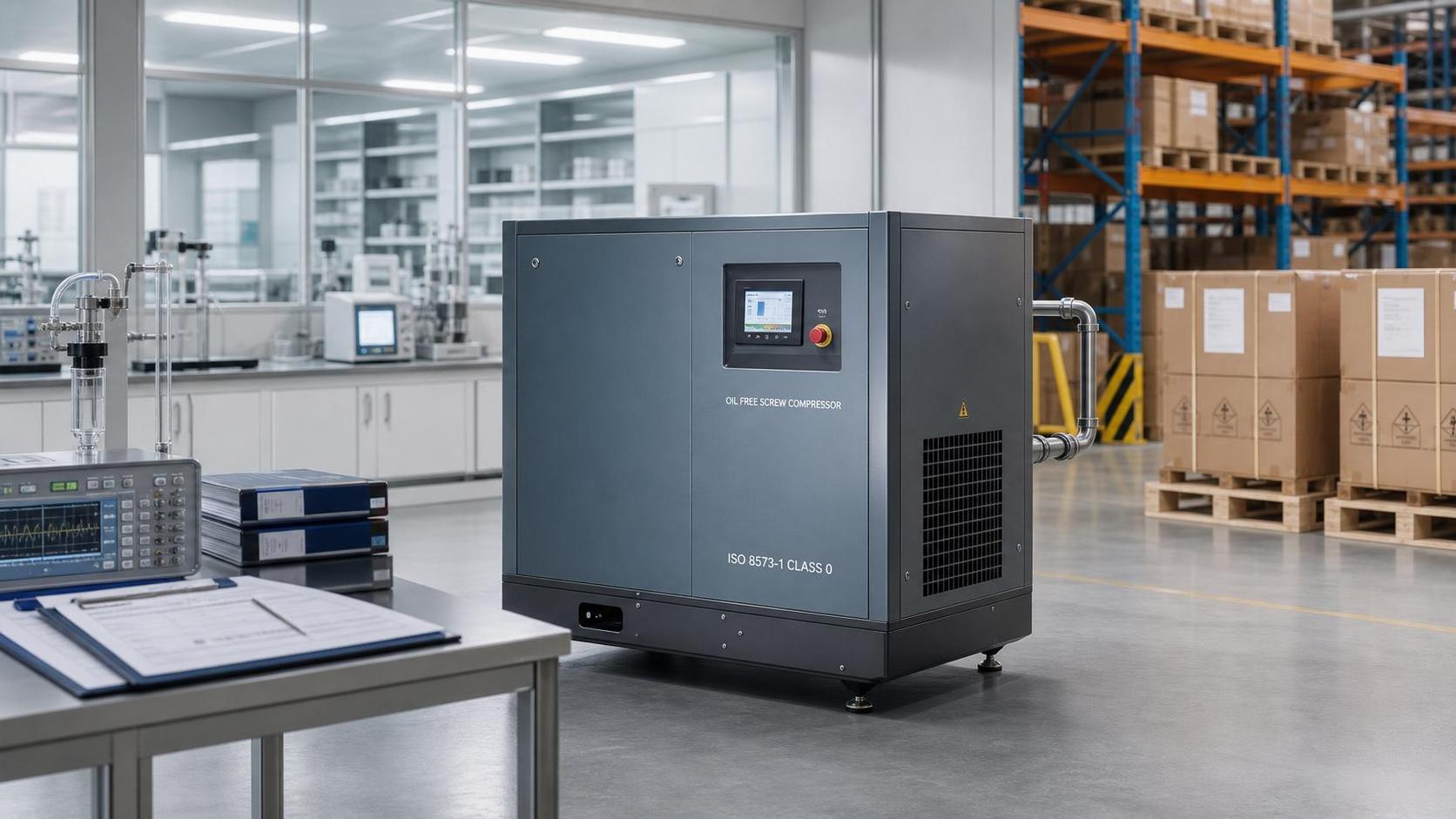
Compressed air Class 0 adds a defined purity target. Under ISO 8573-1, Class 0 is the strictest category for oil contamination and requires a tighter specification than Class 1.
That means the discussion moves away from branding language and toward measurable contamination limits. It also forces a more complete review of intake air, piping condition, dryers, filters, and monitoring practice.
More importantly, compressed air Class 0 is chosen when residual oil carryover could create a direct process, product, or compliance problem. In those cases, “very low risk” is still not the same as “verified acceptable.”
A useful way to frame the difference is this:
This table does not suggest one term replaces the other. It shows why compressed air Class 0 is usually the stronger decision lens when purity failure has real consequences.
Where does compressed air Class 0 truly matter in real applications?
Not every plant needs compressed air Class 0. The requirement becomes more credible when air contacts product, process surfaces, packaging zones, instruments, or sensitive thermal environments.
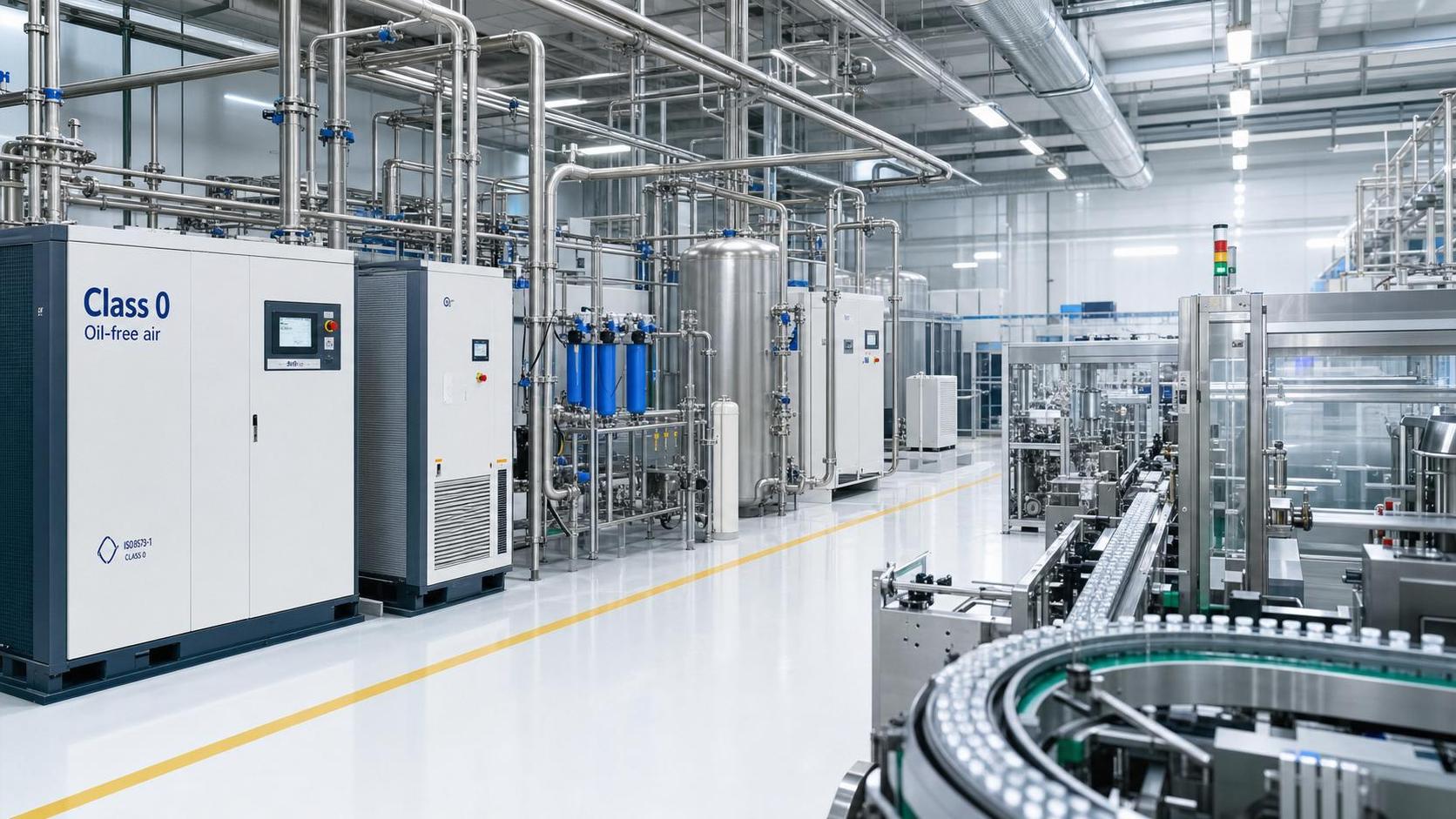
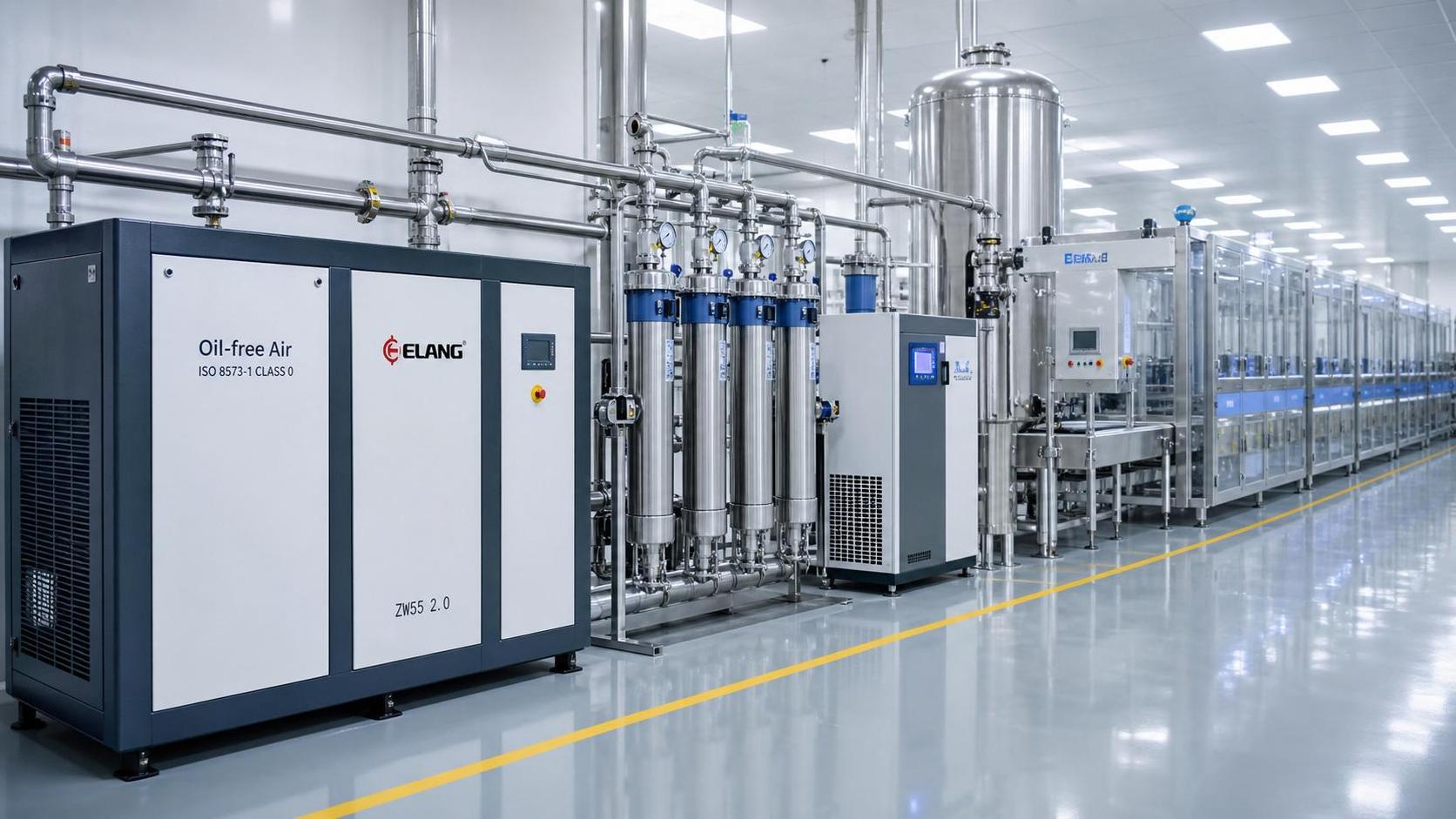
Pharmaceutical filling lines are an obvious example. Even trace oil can complicate validation, cleaning, and deviation management. Semiconductor and electronics production face similar concerns because residues can affect yield.
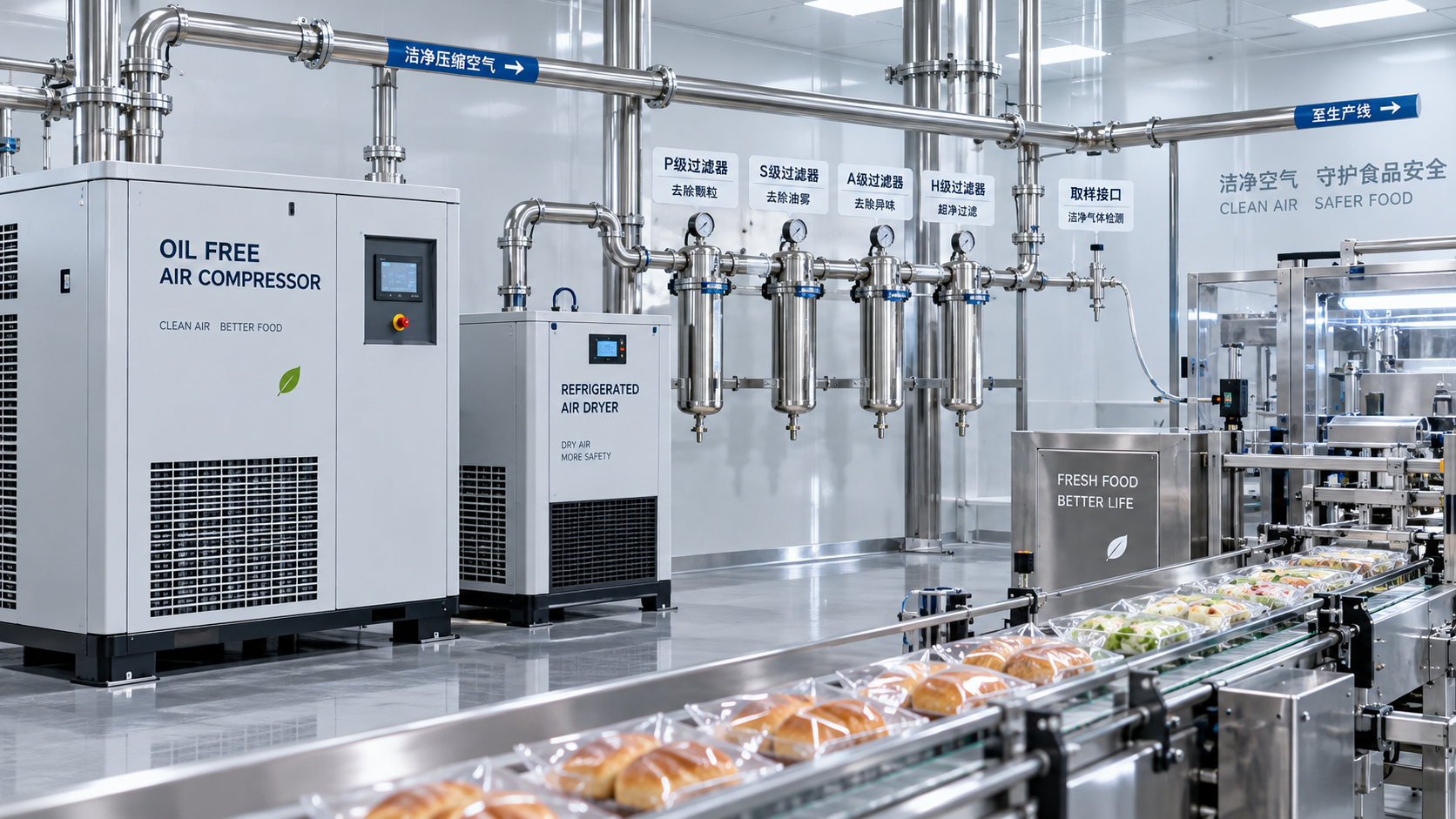
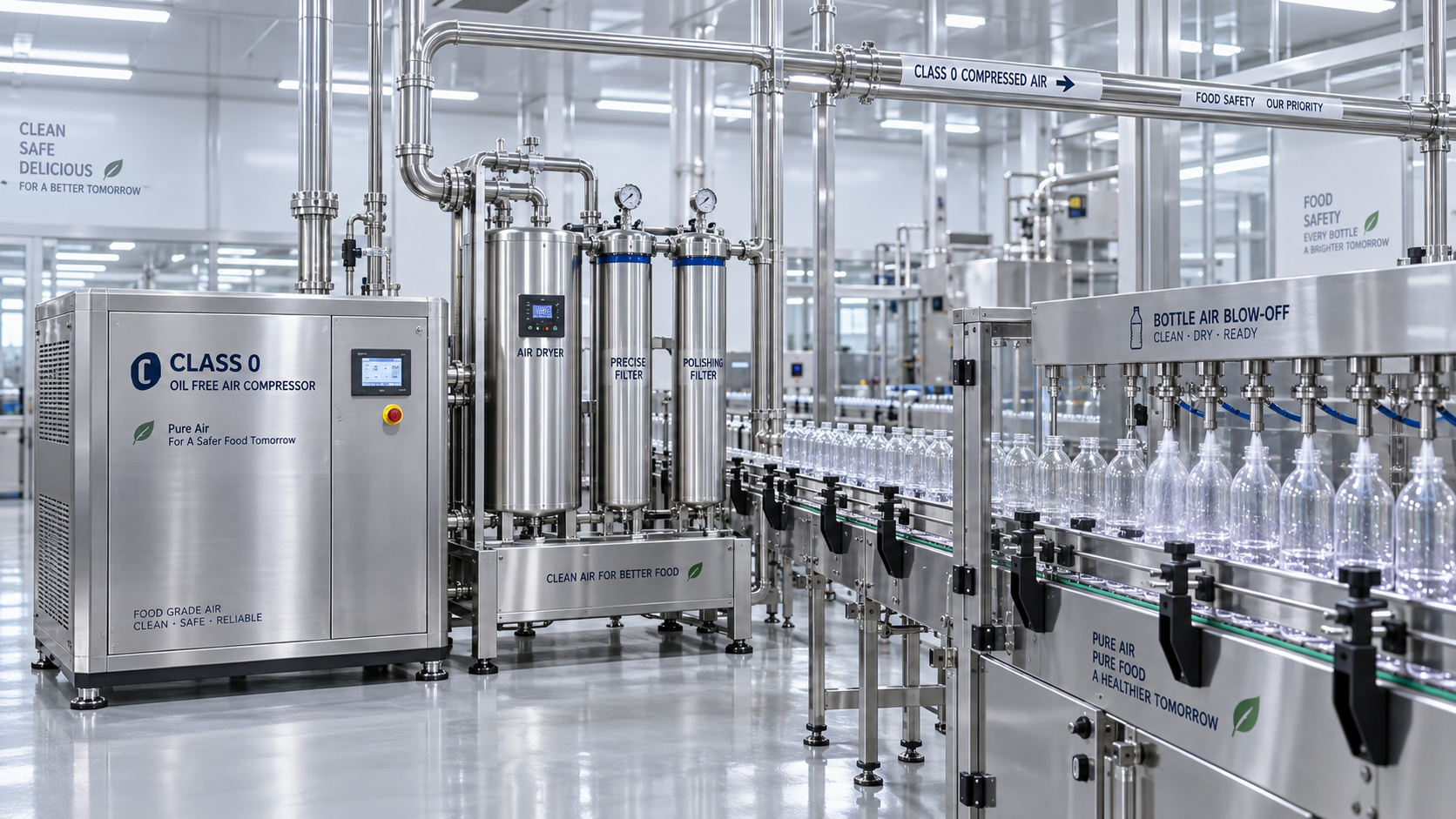
Food and beverage operations also look closely at compressed air Class 0 where air touches ingredients, containers, or conveying systems. Here, contamination is both a quality risk and a brand risk.
There are also less visible cases. Precision coating, laboratory air, medical gas support systems, and high-purity pneumatic control networks may all justify stricter purity decisions.
In actual assessments, the better question is not whether a sector is “high end.” It is whether contamination would trigger rework, loss, shutdown, nonconformance, or difficult root-cause disputes.
- Direct product contact increases the case for compressed air Class 0.
- Cleanroom or controlled environments raise verification expectations.
- Thermally sensitive processes often require better moisture and oil control together.
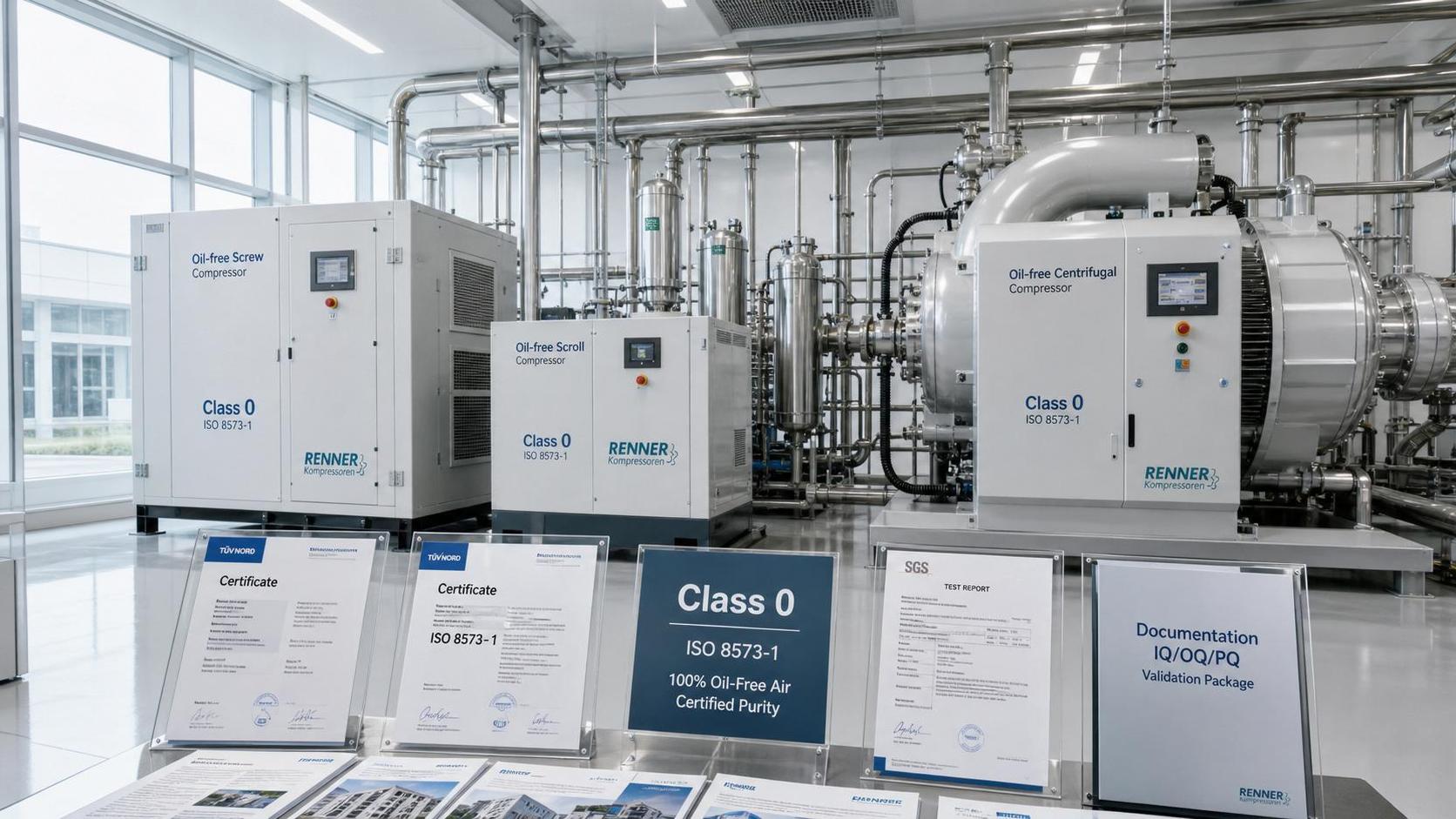
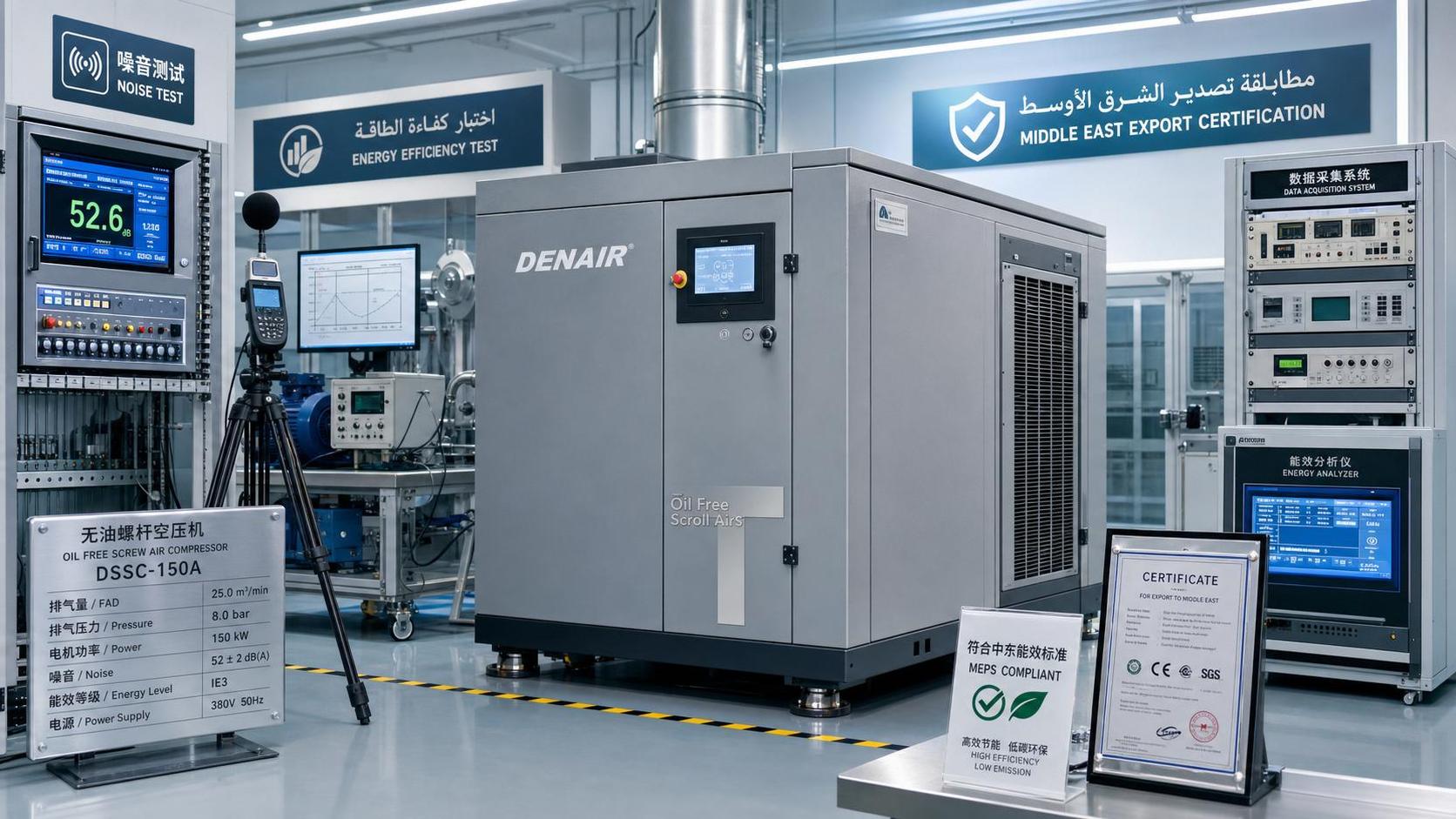
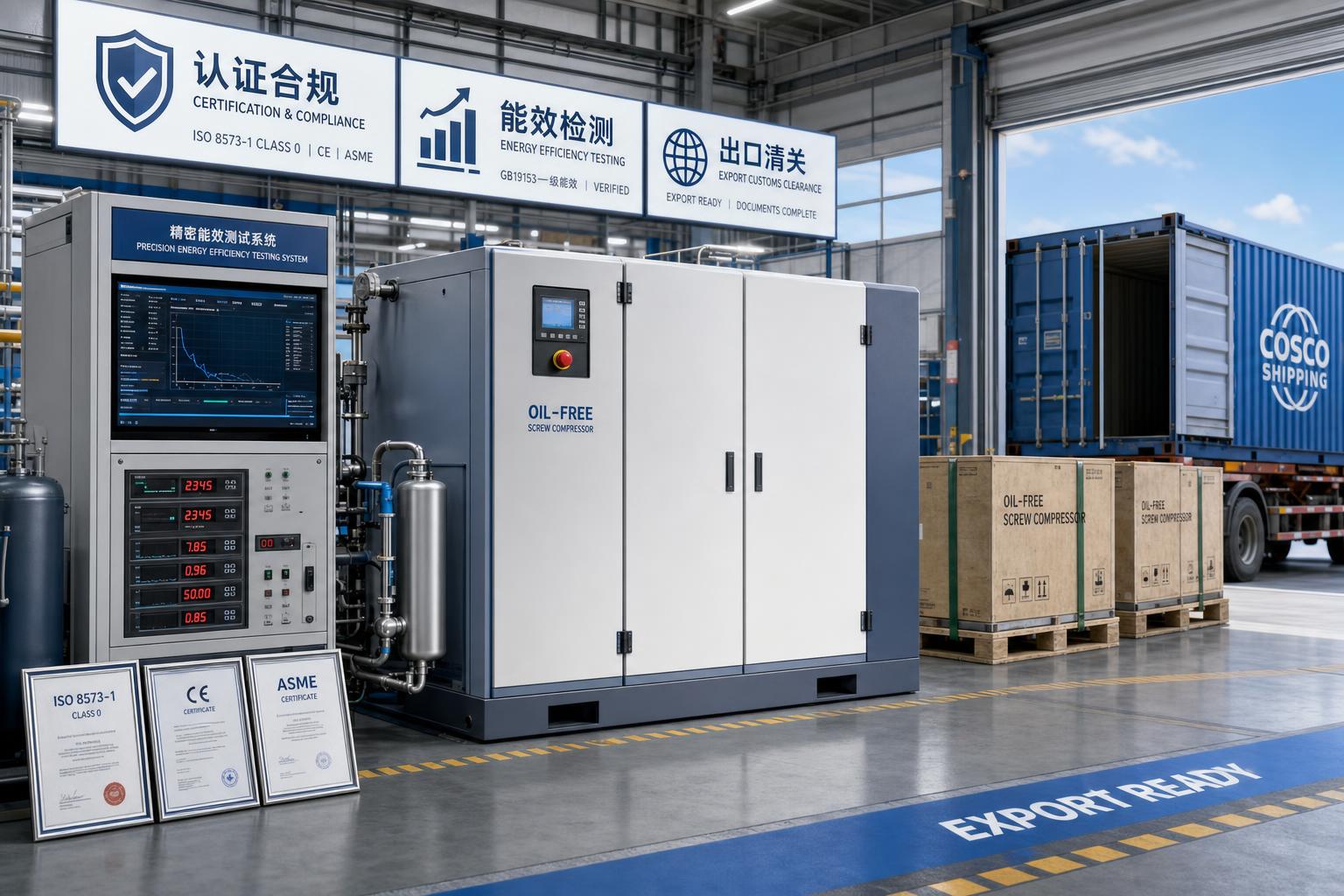
- Export-oriented operations may need stronger documentation for audits and customer reviews.
This is where intelligence platforms such as GTC-Matrix become useful. Cross-sector data helps connect purity requirements with energy cost, treatment design, and long-term operating tradeoffs.
What are the most common mistakes when evaluating Class 0 versus oil-free?
The first mistake is treating compressed air Class 0 as a machine label. It is not just a nameplate issue. It depends on the delivered air condition at the point that matters.
Another common problem is ignoring ambient intake conditions. Hydrocarbons can enter from surrounding air, especially in mixed industrial sites with traffic, solvents, or combustion sources nearby.
A third mistake is underestimating downstream contamination. Old piping, poor condensate management, incompatible filters, and maintenance gaps can weaken a strong compressor choice.
Sampling practice also causes confusion. If testing points, timing, and operating loads are poorly selected, the result may look compliant without reflecting real production conditions.
Then there is the cost misunderstanding. Some teams compare capital cost only. In reality, lifecycle cost includes energy, purge losses, pressure drop, filter replacement, downtime exposure, and validation effort.
A compact checklist can prevent most of these errors:
- Define the critical use points before selecting equipment.
- Review ISO 8573-1 targets together with moisture and particle classes.
- Assess intake air quality and location risk.
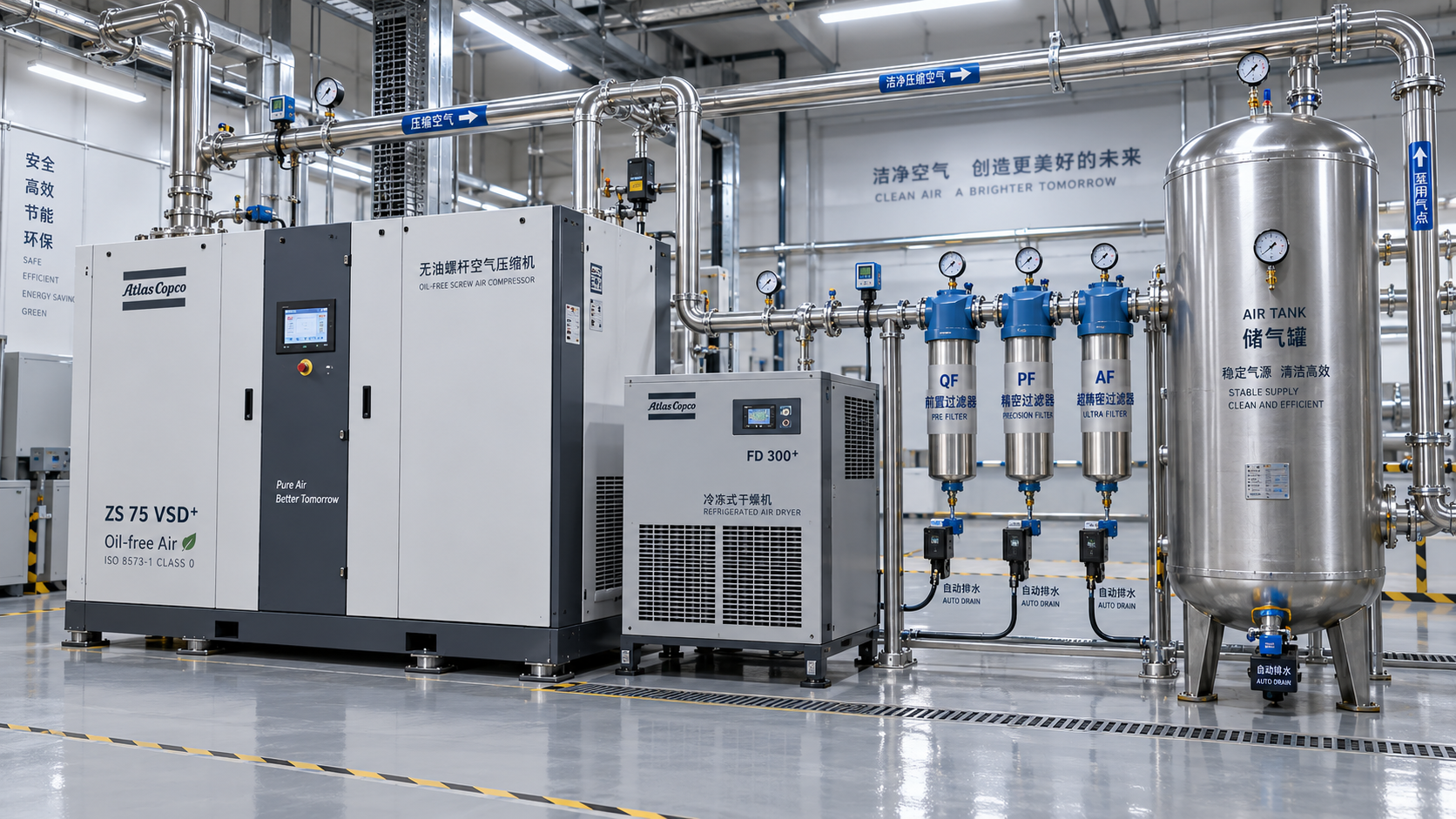
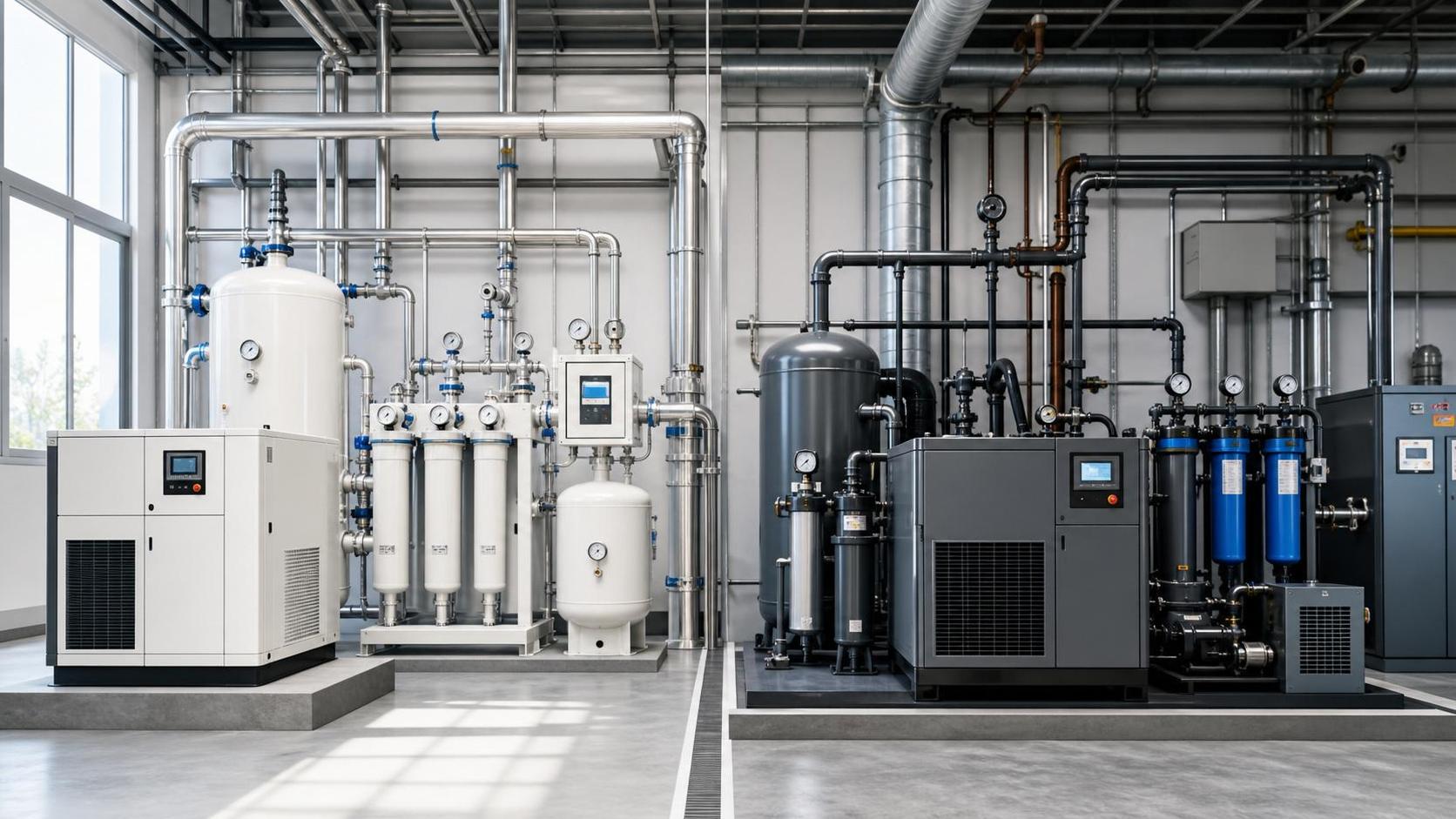
- Map dryers, filters, receivers, and piping as one system.
- Set a repeatable sampling and documentation plan.
How should you judge whether compressed air Class 0 is necessary?
The decision usually becomes clearer when risk is quantified. Ask what happens if oil contamination appears once, briefly, or below obvious detection thresholds.
If the outcome is minor utility inefficiency, compressed air Class 0 may be excessive. If the outcome is scrap, recall exposure, audit failure, or unstable process behavior, the requirement becomes easier to justify.
It also helps to separate specification needs from habits. Some sites inherit compressed air Class 0 language from previous projects without checking whether the risk profile still supports it.
A decision table is often more practical than a general debate:
This kind of structured review keeps compressed air Class 0 tied to process logic instead of preference or sales language.
Beyond purity, what should be checked before making a final decision?
Compressed air quality cannot be separated from system efficiency. Lower contamination risk is valuable, but pressure stability, heat load, dryer performance, and energy intensity also affect project success.
In many facilities, the better answer is not simply “choose oil-free” or “specify compressed air Class 0.” It is to define a verified system architecture that can hold purity under changing demand.
That may include compressor selection, intake relocation, staged filtration, dew point control, leak management, and periodic oil vapor testing. Each element supports the final result.
It is also worth checking future operating context. Energy tariffs, carbon reporting pressure, refrigerant policy shifts, and process expansion plans can all reshape the economic case over time.
Seen through that wider lens, compressed air Class 0 is not merely a purity badge. It is part of a broader industrial decision about reliability, compliance, thermal efficiency, and resource discipline.
A sound next step is to map critical use points, confirm the required ISO classes, and review whether current testing reflects actual operating conditions. Then compare options based on system evidence, not terminology alone.
Ready when you are. Send us a message to get started.
Related News
- How to verify food-grade purity in compressed air systemsAuthor :Pneumatic Power Engineer

- What determines the price of pure air compression systems?Author :Pneumatic Power Engineer

- How to size oil-free compressors for instrumentation air demandAuthor :Pneumatic Power Engineer

- How Class 0 oil-free compressors protect product quality in food productionAuthor :Pneumatic Power Engineer

- How to verify compressed air cleanroom standards before installationAuthor :Pneumatic Power Engineer

- When oil free vacuum pumps make sense for European cleanroom projectsAuthor :Pneumatic Power Engineer

- When do pure air compression systems need ISO 8573-1 Class 0?Author :Pneumatic Power Engineer

- How do compressed air systems for electronics prevent contamination?Author :Pneumatic Power Engineer

- When does an oil-free process vacuum pump justify its higher cost?Author :Pneumatic Power Engineer

- Does ISO 9001 certification apply to compressed air quality?Author :Pneumatic Power Engineer

- How to Specify Clean Compressed Air Systems in Southeast Asia for Food and Pharma PlantsAuthor :Pneumatic Power Engineer

- How to Compare Oil Free Vacuum Pumps for Clean Process RequirementsAuthor :Pneumatic Power Engineer

- How to Evaluate a Clean Compressed Air Systems Supplier for ISO 8573-1 ComplianceAuthor :Pneumatic Power Engineer

- How to Choose the Right Oil-Free Vacuum PumpAuthor :Pneumatic Power Engineer

- VDI 2083 Update Makes Class 0 Proof MandatoryAuthor :Pneumatic Power Engineer

- When to Use Oil Free Vacuum Pumps for High Purity LinesAuthor :Pneumatic Power Engineer

- Compressed Air Solutions: When Oil-Free Systems Lower Total Operating CostAuthor :Pneumatic Power Engineer

- ATMOsphere Europe 2026 Adds Oil-free Systems ZoneAuthor :Pneumatic Power Engineer

- Oil-Free Compressors: Key Selection Criteria for Clean Air SystemsAuthor :Pneumatic Power Engineer

- How to Compare Oil Free Centrifugal Compressors for Stable Plant Air SupplyAuthor :Pneumatic Power Engineer

- Compressed Air Class 0 vs Oil-Free: What Really MattersAuthor :Pneumatic Power Engineer

- Oil-Free Compression Class 0: What the Standard Really Means in ProductionAuthor :Pneumatic Power Engineer

- Air Compression Cost Comparison: Oil-Free vs Screw Systems in Daily OperationAuthor :Pneumatic Power Engineer

- Saudi SASO Tightens IEC 63349-2 for Oil-Free CompressorsAuthor :Pneumatic Power Engineer

- Saudi SASO Tightens Oil-Free Compressor Efficiency RulesAuthor :Pneumatic Power Engineer

- Pure Air Compression Systems for Clean Production LinesAuthor :Pneumatic Power Engineer

- IEC 63349-2:2026 makes energy certification mandatoryAuthor :Pneumatic Power Engineer

- IEC 63349-2:2026 Sets New Entry Rules for Oil-Free Screw CompressorsAuthor :Pneumatic Power Engineer

- IEC 63349-2:2026 Takes Effect for Oil-Free Screw CompressorsAuthor :Pneumatic Power Engineer

- IEC 63349-2:2026 Sets New Efficiency Gate for Oil-Free Screw CompressorsAuthor :Pneumatic Power Engineer

- IEC 63349-2:2026 Takes Effect for Oil-Free Screw CompressorsAuthor :Pneumatic Power Engineer

- SABIC Methanol Force Majeure Extended, Tightening R134a/R407C FeedstocksAuthor :Pneumatic Power Engineer

- How to Evaluate Pneumatic Power Systems for Stable OutputAuthor :Pneumatic Power Engineer

- Oil-Free Compression vs Lubricated Systems: Key Trade-OffsAuthor :Pneumatic Power Engineer
![]()
- Oil-Free Compression: 2026 Cost and Compliance Trade-OffsAuthor :Pneumatic Power Engineer

- Oil-Free Compression: Cost and Contamination RisksAuthor :Pneumatic Power Engineer
![]()